
1. Search Result
Search Result
Results for "

MR

" in MedChemExpress (MCE) Product Catalog:

74

Inhibitors & Agonists

2

Fluorescent Dye

2

Biochemical Assay Reagents

3

Peptides

4

Inhibitory Antibodies

8

Natural
Products

8

Recombinant Proteins

9

Isotope-Labeled Compounds

9

Antibodies

6

Oligonucleotides

Cat. No. Product Name Target Research Areas Chemical Structure
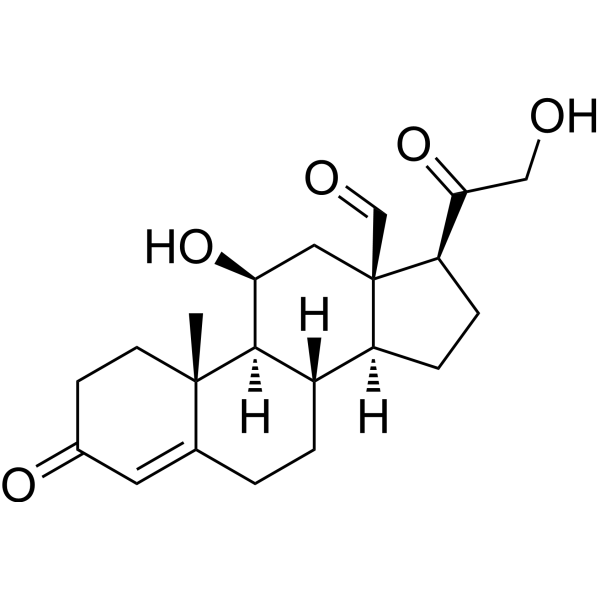
  • HY-113313
    Aldosterone
    Maximum Cited Publications
    10 Publications Verification

    Endogenous Metabolite Cardiovascular Disease
    Aldosterone is the primary mineralocorticoid. Aldosterone is a steroid hormone, and it is synthesized and secreted in response to renin-angiotensin system activation (RAS) or high dietary potassium by the zona glomerulosa (ZG) of the adrenal cortex. Aldosterone activity is dependent by the binding and activation of the cytoplasmic/nuclear mineralocorticoid receptor (MR) at cellular level .
    Aldosterone
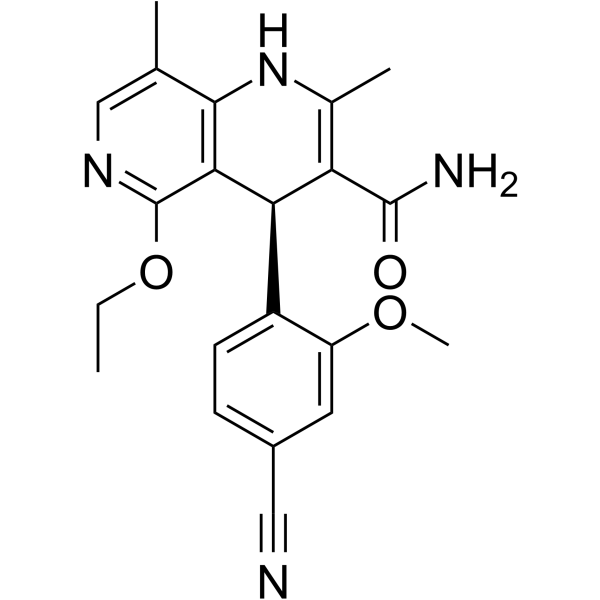
  • HY-111372
    Finerenone
    5+ Cited Publications

    BAY 94-8862

    Mineralocorticoid Receptor Cardiovascular Disease
    Finerenone (BAY 94-8862) is a third-generation, selective, and orally available nonsteroidal mineralocorticoid receptor (MR) antagonist (IC50=18 nM). Finerenone displays excellent selectivity versus glucocorticoid receptor (GR), androgen receptor (AR), and progesterone receptor (>500-fold). Finerenone has the potential for cardiorenal diseases research, such as type 2 diabetes mellitus and chronic kidney disease .
    Finerenone
  • HY-W145667
    Mannan
    1 Publications Verification

    Endogenous Metabolite Glycosidase Bacterial Interleukin Related Reactive Oxygen Species (ROS) Infection Metabolic Disease Inflammation/Immunology
    Mannan is an orally active polysaccharide compound that binds to the mannose receptor (MR). Mannan promotes bacterial uptake and endosomal degradation by binding to MR, thereby enhancing the production of IL-12 in immune cells. Mannan enhances ROS production. Mannan modulates immunity, inhibits Aflatoxin B1 (HY-N6615)-induced toxicity, and reduces lipid .
    Mannan
  • HY-N0471
    L-Hyoscyamine
    2 Publications Verification

    Hyoscyamine

    mAChR Neurological Disease
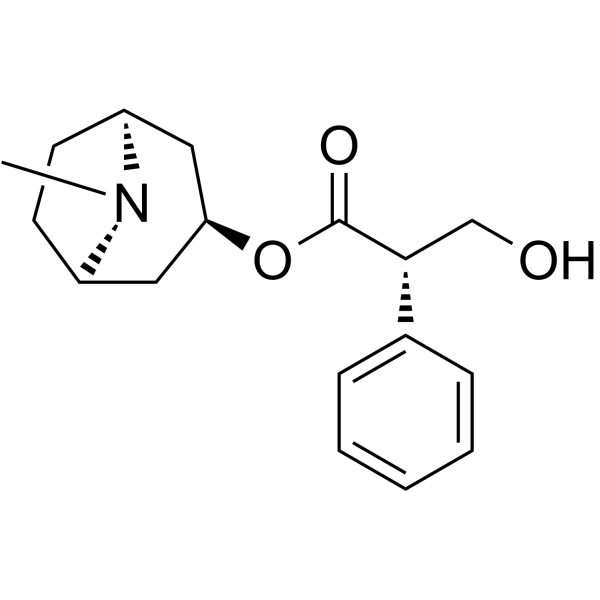
    L-Hyoscyamine (Daturine), a natural plant tropane alkaloid, is a potent and competitive muscarinic receptor (MR) antagonist. L-Hyoscyamine is a levo-isomer to Atropine (HY-B1205) .
    L-Hyoscyamine
  • HY-W034551

    Radionuclide-Drug Conjugates (RDCs) Others Cancer
    DOTA-tri(t-butyl ester) belongs to the DOTA class of chelating agents. DOTA-tri(t-butyl ester) is a key raw material for synthesizing nanospherical magnetic resonance imaging (MRI) contrast agents, which are used in MR angiography and tumor angiogenesis imaging .
    DOTA-tri(t-butyl ester)
  • HY-B1203

    9α-Fludrocortisone; 9α-Fluorcortisol

    Mineralocorticoid Receptor Glucocorticoid Receptor Apoptosis Neurological Disease Metabolic Disease Inflammation/Immunology Cancer
    Fludrocortisone (9α-Fludrocortisone) is an orally active mineralocorticoid and glucocorticoid receptor agonist. Fludrocortisone suppresses pro-inflammatory cytokine expression, reduces CCL2, IL-6, IL-8 levels, upregulates mineralocorticoid receptor (MR) expression, induces PI3K/Akt, GSK-3β, CREB, ERK1/2, mTOR phosphorylation, blocks Tau hyperphosphorylation, prevents apoptosis, promotes survival and proliferation, enhances renal sodium and water transport, increases plasma volume and blood pressure, reduces plasma potassium and renin activity, stimulates erythropoietin expression, modulates uterine receptivity genes, and reverses PP242-induced MUC1 upregulation. Fludrocortisone can be used for the research of congenital adrenal hyperplasia, postural hypotension, and adrenal insufficiency .
    Fludrocortisone
  • HY-126855
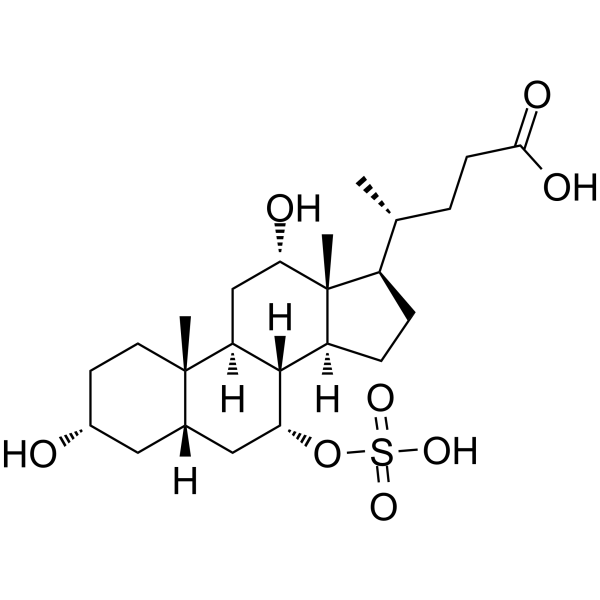
    Cholic acid 7-sulfate
    1 Publications Verification

    7-Sulfocholic acid

    G protein-coupled Bile Acid Receptor 1 MHC Metabolic Disease
    Cholic acid 7-sulfate (7-Sulfocholic acid) is a selective agonist targeting TGR5 (EC50=0.17 μM) and a ligand for MHC class I-related protein (MR1). As a gut-restricted TGR5 agonist, cholic acid 7-sulfate binds to TGR5 on enteroendocrine L cells, induces GLP-1 secretion, and improves glucose tolerance in a TGR5-dependent manner. Cholic acid 7-sulfate also acts as an endogenous ligand for MR1, promoting the survival of mucosal-associated invariant T cells MAIT and the expression of homeostatic gene signatures, affecting MAIT cell development and function. Cholic acid 7-sulfate is mainly used in the research of diabetes and MAIT cell-related immune regulation .
    Cholic acid 7-sulfate
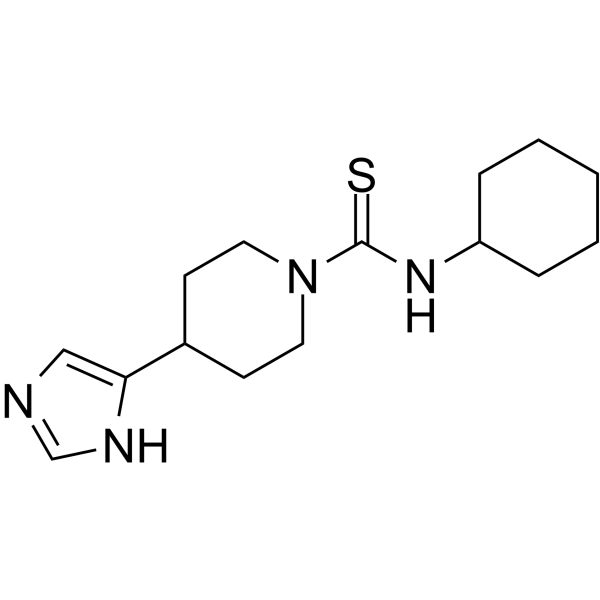
  • HY-12206
    Thioperamide
    3 Publications Verification

    MR-12842

    Histamine Receptor Neurological Disease
    Thioperamide (MR-12842) is a potent, orally available, brain penetrant and selective H3 receptor antagonist with a Ki of 4.3 nM for inhibition of [ 3H]histamine release. Thioperamide inhibits [ 3H]histamine synthesis with a Ki of 31 nM .
    Thioperamide
  • HY-111372R

    BAY 94-8862 (Standard)

    Reference Standards Mineralocorticoid Receptor Cardiovascular Disease
    Finerenone (Standard) is the analytical standard of Finerenone. This product is intended for research and analytical applications. Finerenone (BAY 94-8862) is a third-generation, selective, and orally available nonsteroidal mineralocorticoid receptor (MR) antagonist (IC50=18 nM). Finerenone displays excellent selectivity versus glucocorticoid receptor (GR), androgen receptor (AR), and progesterone receptor (>500-fold). Finerenone has the potential for cardiorenal diseases research, such as type 2 diabetes mellitus and chronic kidney disease .
    Finerenone (Standard)
  • HY-120274

    AZD9977

    Mineralocorticoid Receptor Cardiovascular Disease Metabolic Disease
    Balcinrenone (AZD9977) is a potent, selective, and orally active mineralocorticoid receptor (MR) modulator. Balcinrenone is used for heart failure, and chronic kidney disease research .
    Balcinrenone
  • HY-N0179
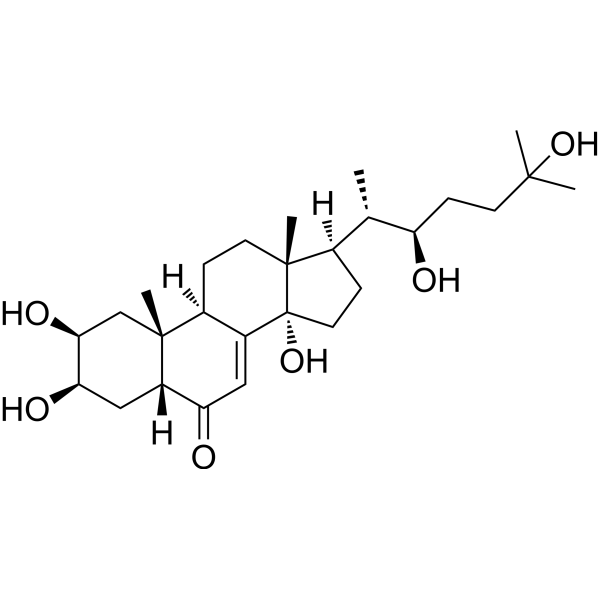
    Ecdysone
    1 Publications Verification

    α-Ecdysone

    Endogenous Metabolite Apoptosis Metabolic Disease
    Ecdysone (α-Ecdysone), a major steroid hormone in insects and herbs, triggers mineralocorticoid receptor (MR) activation and induces cellular apoptosis. Ecdysone plays essential roles in coordinating developmental transitions and homeostatic sleep regulation through its active metabolite 20-hydroxyecdysone (Crustecdysone; 20E; HY-N6979) .
    Ecdysone
  • HY-P3304

    GHSR Neurological Disease Cancer
    MR 409 is a selected growth hormone-releasing hormone (GHRH) agonist. MR 409 has remarkable neuroprotective effects through enhancing endogenous neurogenesis in cerebral ischemic mice. MR 409 also inhibits the in vivo growth of lung cancer .
    MR 409
  • HY-124004

    Ac-6-FP

    Biochemical Assay Reagents Inflammation/Immunology
    Acetyl-6-formylpterin (Ac-6-FP) is a hapten that covalently binds to MR1 through residue Lys43 of the protein, resulting in protein upregulation. Acetyl-6-formylpterin (Ac-6-FP) can be used in the study of inflammation .
    Acetyl-6-formylpterin
  • HY-147301A

    AP1189 acetate

    Melanocortin Receptor Metabolic Disease Inflammation/Immunology
    Resomelagon (AP1189) acetate is a potent, orally active melanocortin receptor (MR) agonist about MC1 and MC3. Resomelagon acetate induces ERK1/2 phosphorylation and Ca 2+ mobilization. Resomelagon acetate has anti-inflammatory activity. Resomelagon acetate can be used for obesity and chronic inflammation research .
    Resomelagon acetate
  • HY-113313S1

    Endogenous Metabolite Cardiovascular Disease
    Aldosterone-d7 is the deuterium labeled Aldosterone. Aldosterone is the primary mineralocorticoid. Aldosterone is a steroid hormone, and it is synthesized and secreted in response to renin-angiotensin system activation (RAS) or high dietary potassium by the zona glomerulosa (ZG) of the adrenal cortex. Aldosterone activity is dependent by the binding and activation of the cytoplasmic/nuclear mineralocorticoid receptor (MR) at cellular level .
    Aldosterone-d7
  • HY-138283
    MR837
    1 Publications Verification

    Histone Methyltransferase Cancer
    MR837 is an inhibitor of NSD2-PWWP1. MR837 can bind with human nuclear receptor binding SET domain protein 2 (PWWP domain) .
    MR837
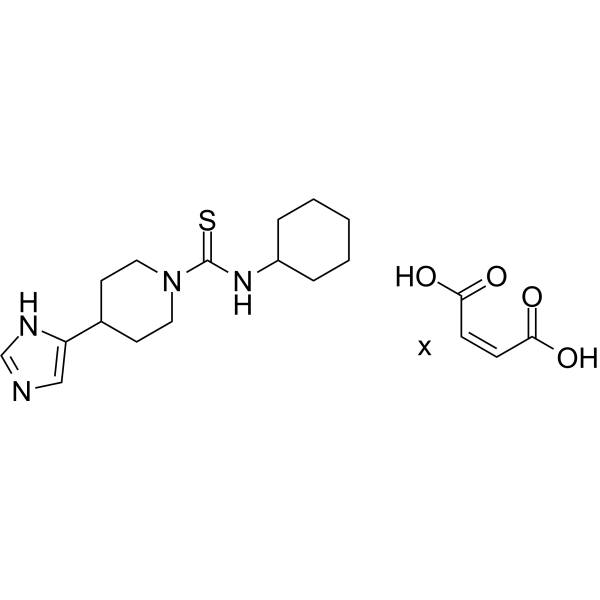
  • HY-12206A
    Thioperamide maleate
    3 Publications Verification

    MR-12842 maleate

    Histamine Receptor Neurological Disease
    Thioperamide maleate (MR-12842 maleate) is a potent, orally available, brain penetrant and selective H3 receptor antagonist with a Ki of 4.3 nM for inhibition of [ 3H]histamine release. Thioperamide maleate inhibits [ 3H]histamine synthesis with a Ki of 31 nM .
    Thioperamide maleate
  • HY-P990134

    TNF Receptor IFNAR Inflammation/Immunology Cancer
    Anti-Mouse CD40L/CD154 Antibody (MR-1) is an anti-mouse CD40L/CD154 IgG monoclonal antibody. Anti-Mouse CD40L/CD154 Antibody (MR-1) reduces the expression of IFN signaling pathway and lowers the level of IFN-β. Anti-Mouse CD40L/CD154 Antibody (MR-1) can prolong the survival time of transplants. Anti-Mouse CD40L/CD154 Antibody (MR-1) can be used for researches on cancer, inflammation conditions and xenotransplantation such as pancreatic cancer and autoimmune cholangitis .
    Anti-Mouse CD40L/CD154 Antibody (MR-1)
  • HY-128358
    MR-L2
    1 Publications Verification

    Phosphodiesterase (PDE) Neurological Disease
    MR-L2 is a reversible and noncompetitive allosteric activator of long-isoform phosphodiesterase-4 (PDE4), activates representative PDE4 long-isoform variants (PDE4A4, PDE4B1, PDE4C3, PDE4D5). MR-L2 suppresses PGE2-induced MDCK cell cyst formation with an EC50 of 1.2 μM .
    MR-L2
  • HY-P99776

    XmAb-13676

    CD20 CD3 Cancer
    Plamotamab (XmAb-13676) is a human bispecific antibody (bsAb) that binds CD3 and CD20. Plamotamab recruits cytotoxic T cells to kill CD20 + expressing tumor cells. Plamotamab induces a mild hematologic reaction (MR), and results in tumor regression in vivo .
    Plamotamab
  • HY-147301

    AP1189

    Melanocortin Receptor Metabolic Disease Inflammation/Immunology
    Resomelagon (AP1189) is a potent, orally active melanocortin receptor (MR) agonist about MC1 and MC3. Resomelagon induces ERK1/2 phosphorylation and Ca 2+ mobilization. Resomelagon has anti-inflammatory activity. Resomelagon can be used for obesity and chronic inflammation research .
    Resomelagon
  • HY-14234
    Glucocorticoid receptor agonist
    1 Publications Verification

    Glucocorticoid Receptor Metabolic Disease Inflammation/Immunology Endocrinology
    Glucocorticoid receptor agonist is a Glucocorticoid receptor agonist that acts on Glucocorticoid receptor (GR), progesterone receptor (PR) and mineralocorticoid receptor (MR) with the IC50 values of 2.1 , 1200 and 210 nM, respectively. Glucocorticoid receptor agonist has steroid-like anti-inflammatory properties and may be used to improve metabolism and reduce increased levels of body fat and serum insulin .
    Glucocorticoid receptor agonist
  • HY-32955

    Bacterial Infection
    2-Chloropyridine-5-boronic acid is a mandelate racemase (MR) inhibitor with a Ki value of 8.5 μM against Pseudomonas putida MR .
    2-Chloropyridine-5-boronic acid
  • HY-162100

    ULK Autophagy Cancer
    MR-2088 is a reversible, ATP-competitive, and selective ULK1/2 inhibitor with pEC50 values of 8.3 and 8.7 respectively. MR-2088 effectively inhibits autophagic flux and demonstrates a synergistic antiproliferative effect with Trametinib (HY-10999) (MEK inhibitor) in vitro. MR-2088 can be used for non-small lung cell cancer (NSCLC) research .
    MR-2088
  • HY-149075

    Salt-inducible Kinase (SIK) Cancer
    MR22 is a potent pan-SIK (salt-inducible kinase) inhibitor. MR22 no longer exhibits activity on STE group kinases and displays excellent selectivity in a representative kinase panel. MR22-dependent SIK inhibition led to centrosome dissociation and subsequent cell-cycle arrest in ovarian cancer cells .
    MR22
  • HY-157932A

    Hippo (MST) Cancer
    MR24 TFA, a G-5555 (HY-19635) derivative, is a mammalian STE20-like (MST) kinase inhibitor. MR24 TFA shows selectively to MST3/4 over MST1/2, with EC50 values of 57 and 583 nM, respectively. MR24 TFA induces G1 phase cell cycle arrest. MR24 TFA can be used for cancer research, such as breast, liver and lung cancers .
    MR24 TFA
  • HY-12527
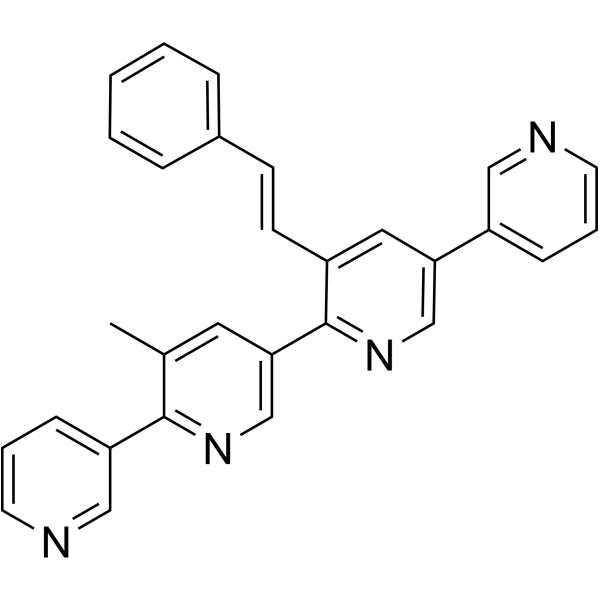
    Pyridoclax
    1 Publications Verification

    MR-29072

    Bcl-2 Family Cancer
    Pyridoclax is a potential Mcl-1 inhibitor.
    Pyridoclax
  • HY-N0471A
    L-Hyoscyamine sulfate
    2 Publications Verification

    Daturine sulfate

    mAChR Neurological Disease
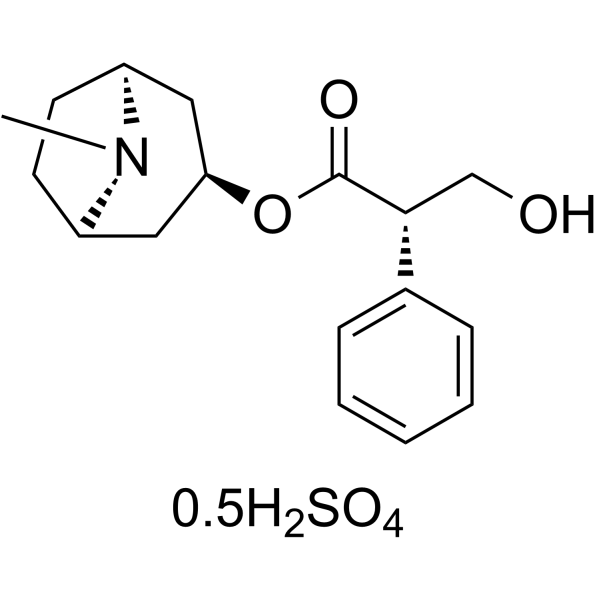
    L-Hyoscyamine sulfate (Daturine sulfate), a natural plant tropane alkaloid, is a potent and competitive muscarinic receptor (MR) antagonist. L-Hyoscyamine sulfate is a levo-isomer to Atropine (HY-B1205) .
    L-Hyoscyamine sulfate
  • HY-P990269

    TNF Receptor Inflammation/Immunology Cancer
    Anti-Mouse CD40L/CD154 (LALA-PG) Antibody (MR-1) is a mouse-derived IgG2a κ type antibody inhibitor, targeting to mouse CD40L/CD154. Anti-Mouse CD40L/CD154 (LALA-PG) Antibody (MR-1) is a chimeric version of the original MR-1 antibody (HY-P990134). The variable domain sequences are identical to the original MR-1 but the constant region sequences have been switched from Armenian hamster IgG to mouse IgG2a. Anti-Mouse CD40L/CD154 (LALA-PG) Antibody (MR-1) contains a LALA-PG mutation in the Fc fragment rendering it unable to bind to endogenous Fcγ receptors. Anti-Mouse CD40L/CD154 (LALA-PG) Antibody (MR-1) blocks CD40/CD40L signaling. Anti-Mouse CD40L/CD154 (LALA-PG) Antibody (MR-1) can be used for researches of cancer, inflammation and immunology.
    Anti-Mouse CD40L/CD154 (LALA-PG) Antibody (MR-1)
  • HY-W168754

    MHC Others
    DB28 is a novel MR1 ligand. DB28 decreases cell surface expression of MR1 and competitively inhibits activation of MAIT cells by agonist ligands .
    DB28
  • HY-113313R

    Reference Standards Endogenous Metabolite Cardiovascular Disease
    Aldosterone (Standard) is the analytical standard of Aldosterone. This product is intended for research and analytical applications. Aldosterone is the primary mineralocorticoid. Aldosterone is a steroid hormone, and it is synthesized and secreted in response to renin-angiotensin system activation (RAS) or high dietary potassium by the zona glomerulosa (ZG) of the adrenal cortex. Aldosterone activity is dependent by the binding and activation of the cytoplasmic/nuclear mineralocorticoid receptor (MR) at cellular level .
    Aldosterone (Standard)
  • HY-12738

    Mineralocorticoid Receptor Progesterone Receptor Cardiovascular Disease Metabolic Disease
    PF-3882845 is a remarkably high affinity selective and orally efficacious mineralocorticoid receptor (MR binding IC50=2.7 nM) antagonist for hypertension and nephropathy. PF-3882845 also binds to progesterone receptor (PR) with the binding IC50 of 310 nM .
    PF-3882845
  • HY-157281

    PLIII

    Endogenous Metabolite Drug Derivative MHC Inflammation/Immunology
    Photolumazine III (PLIII) is a microbial metabolite and derivative of Riboflavin (HY-B0456). Photolumazine III binds MR1 with high specificity. Photolumazine III supports efficient TCR binding. Photolumazine III acts as an antigen to activate cells. Responses to Photolumazine III trigger immune reactions .
    Photolumazine III
  • HY-111372A

    (Rac)-BAY 94-8862

    Mineralocorticoid Receptor Cardiovascular Disease
    (Rac)-Finerenone ((Rac)-BAY 94-8862) is the racemate of Finerenone. Finerenone is a third-generation, selective, and orally available nonsteroidal mineralocorticoid receptor (MR) antagonist (IC50=18 nM). Finerenone displays excellent selectivity versus glucocorticoid receptor (GR), androgen receptor (AR), and progesterone receptor (>500-fold) .
    (Rac)-Finerenone
  • HY-111372S

    BAY 94-8862-d3

    Mineralocorticoid Receptor Others
    Finerenone-d3 is the deuterium labeled finerenone (HY-111372). Finerenone is a third-generation, selective, and orally available nonsteroidal mineralocorticoid receptor (MR) antagonist (IC50=18 nM). Finerenone displays excellent selectivity versus glucocorticoid receptor (GR), androgen receptor (AR), and progesterone receptor (>500-fold). Finerenone has the potential for cardiorenal diseases research, such as type 2 diabetes mellitus and chronic kidney disease .
    Finerenone-d3
  • HY-111372S1
    Finerenone-d5
    1 Publications Verification

    BAY 94-8862-d5

    Isotope-Labeled Compounds Mineralocorticoid Receptor Cardiovascular Disease
    Finerenone-d5 (BAY 94-8862-d5) is deuterium labeled Finerenone. Finerenone (BAY 94-8862) is a third-generation, selective, and orally available nonsteroidal mineralocorticoid receptor (MR) antagonist (IC50=18 nM). Finerenone displays excellent selectivity versus glucocorticoid receptor (GR), androgen receptor (AR), and progesterone receptor (>500-fold). Finerenone has the potential for cardiorenal diseases research, such as type 2 diabetes mellitus and chronic kidney disease .
    Finerenone-d5
  • HY-149087

    Cholinesterase (ChE) NF-κB Interleukin Related TNF Receptor CCR NOD-like Receptor (NLR) JNK NO Synthase Neurological Disease Inflammation/Immunology
    MR2938 is a potent AChE inhibitor, with an IC50 of 5.04 μM. MR2938 also suppresses NO production obviously (IC50 = 3.29 μM). MR2938 suppresses the neuroinflammation through blocking MAPK/JNK and NF-κB signaling pathways. MR2938 can be used for Alzheimer’s disease (AD) research .
    MR2938
  • HY-157932

    Hippo (MST) Cancer
    MR24, a G-5555 (HY-19635) derivative, is a mammalian STE20-like (MST) kinase inhibitor. MR24 shows selectively to MST3/4 over MST1/2, with EC50 values of 57 and 583 nM, respectively. MR24 induces G1 phase cell cycle arrest. MR24 can be used for cancer research, such as breast, liver and lung cancers .
    MR24
  • HY-106448

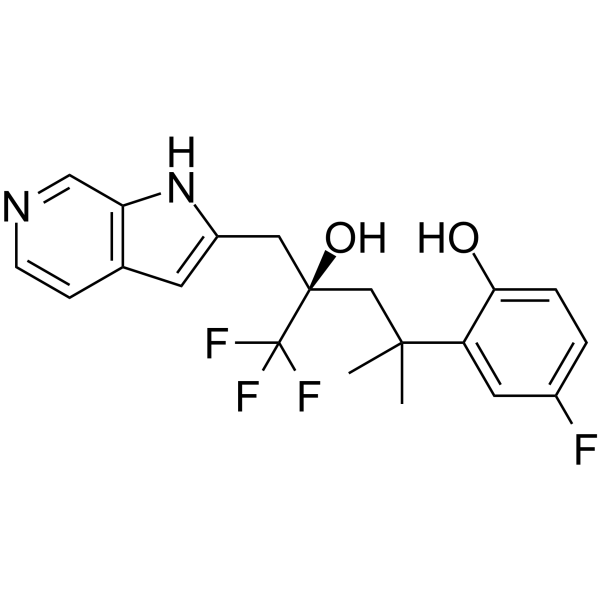
    MR 889

    Ser/Thr Protease Inflammation/Immunology
    Midesteine (MR 889) is a proteinase inhibitor that can inhibit porcine pancreatic elastase, human neutrophil elastase and bovine chymotrypsin. Midesteine has the potential for chronic obstructive pulmonary disease (COPD) and chronic bronchitis research .
    Midesteine
  • HY-U00100

    MR-897

    Apoptosis Inflammation/Immunology
    Paclitaxal is a non-steroidal anti-inflammatory analgesic.
    Parcetasal
  • HY-117965

    CORT 118335

    Glucocorticoid Receptor Mineralocorticoid Receptor Endocrinology
    Miricorilant (CORT 118335) is a dual selective glucocorticoid (GR) modulator/mineralocorticoid (MR) antagonist. Miricorilant can be used for the research of hypothalamic-pituitary-adrenal (HPA) axis related disorders .
    Miricorilant
  • HY-N0471C

    Daturine sulfate hydrate

    mAChR Neurological Disease
    L-Hyoscyamine sulfate hydrate, a natural plant tropane alkaloid, is a potent and competitive muscarinic receptor (MR) antagonist. L-Hyoscyamine sulfate hydrate is a levo-isomer to Atropine (HY-B1205) .
    L-Hyoscyamine sulfate hydrate
  • HY-120321

    Mineralocorticoid Receptor Carbonic Anhydrase Cardiovascular Disease
    DSR-71167 is an orally active mineralocorticoid receptor (MR) antagonist with an IC50 of 0.26 μM. DSR-71167 exhibits weak carbonic anhydrase (CA) inhibitory activity with an IC50 of 19 μM. DSR-71167 can dose-dependently increase urinary sodium excretion in rat models and has a very low risk of hyperkalemia in potassium-loading rat models. DSR-71167 lowers systolic blood pressure in hypertensive rat models. DSR-71167 can be used for research on hypertension and heart failure .
    DSR-71167
  • HY-100981

    Endogenous Metabolite Neurological Disease
    MR-16728 hydrochloride is a compound that promotes the release of acetylcholine and has activity that enhances the release of acetylcholine. MR-16728 hydrochloride inhibits acetylcholine release induced by KCl depolarization. MR-16728 hydrochloride also inhibits Ca(2+)-ATPase activity in pure presynaptic membranes. The half-maximal effect of MR-16728 hydrochloride occurs at a concentration of 13.5 μM. MR-16728 hydrochloride significantly enhances the release of acetylcholine in the presence of low concentrations of calcium (approximately 10 μM range). Enhanced acetylcholine release was also observed with MR-16728 hydrochloride in proteoliposomes loaded with mediator proteins .
    MR-16728 hydrochloride
  • HY-162591

    Cholinesterase (ChE) 5-HT Receptor Neurological Disease
    MR33317 is an inhibitor of acetylcholinesterase with an IC50 value of 41nM. MR33317 is also an agonist at brain 5-HT4 receptors .
    MR33317
  • HY-159993

    WDR5 Cancer
    MR44397 is a WD40 repeat (WDR) 5 ligand, can be used for cancer research .
    MR44397
  • HY-136969

    Mineralocorticoid Receptor Cardiovascular Disease
    RU 752 is a potent mineralocorticoid receptors (type I or MR) antagonist .
    RU 752
  • HY-123389

    (R)-UM-1071

    Opioid Receptor Endocrinology
    MR2034 ((R)-UM-1071) is a κ-opioid receptor agonist with activity that stimulates the hypothalamic-pituitary-adrenal axis. MR2034 has shown the potential to promote mood and inhibit addictive behaviors in animal models and can be used to study inhibitory approaches related to mood and addictive disorders. MR2034 is selective for κ-opioid receptors and can effectively modulate biological processes related to stress and mood .
    MR2034
  • HY-P990270

    TNF Receptor Inflammation/Immunology Cancer
    Anti-Mouse CD40L/CD154 (D265A) Antibody (MR-1) is a mouse-derived IgG1 κ type antibody inhibitor, targeting to mouse CD40L/CD154. Anti-Mouse CD40L/CD154 (D265A) Antibody (MR-1) is a chimeric version of the original MR-1 antibody (HY-P990134). The variable domain sequences are identical to the original MR-1 but the constant region sequences have been switched from Armenian hamster IgG to mouse IgG1. Anti-Mouse CD40L/CD154 (D265A) Antibody (MR-1) contains a D265A mutation in the Fc fragment rendering it unable to bind to endogenous Fcγ receptors. Anti-Mouse CD40L/CD154 (D265A) Antibody (MR-1) blocks CD40/CD40L signaling. Anti-Mouse CD40L/CD154 (D265A) Antibody (MR-1) can be used for researches of cancer, inflammation and immunology.
    Anti-Mouse CD40L/CD154 (D265A) Antibody (MR-1)
  • HY-108035

    MR04A3

    GABA Receptor Neurological Disease
    (-)-JM-1232 (MR04A3) targets GABA A receptors and exerts its analgesic effects by binding to the benzodiazepine binding site of GABA A receptors. (-)-JM-1232 demonstrates potent analgesic effects in mice against acute thermal stimuli, mechanically induced pain, and visceral pain, with CI50 values of 2.96, 3.06, and 2.27 mg/kg, respectively. (-)-JM-1232 can be used in research related to pain and analgesia .
    (-)-JM-1232

Inquiry Online

Your information is safe with us. * Required Fields.

Salutation


Country or Region *

Applicant Name *


Organization Name *

Department *


Email Address *


Product Name *

Cat. No.


Requested quantity *

Phone Number *


Remarks

Inquiry Online

Inquiry Information

Product Name:
Cat. No.:
Quantity:
MCE Japan Authorized Agent:

