1. Search Result
Search Result
Pathways Recommended: Anti-infection
Results for "

Mice infection model

" in MedChemExpress (MCE) Product Catalog:

42

Inhibitors & Agonists

5

Peptides

4

Natural
Products

5

Isotope-Labeled Compounds

Cat. No. Product Name Target Research Areas Chemical Structure
  • HY-113308
    Taurolithocholic acid
    5+ Cited Publications

    Calcium Channel Ferroptosis PI3K Akt HBV Reactive Oxygen Species (ROS) Cardiovascular Disease Infection Inflammation/Immunology
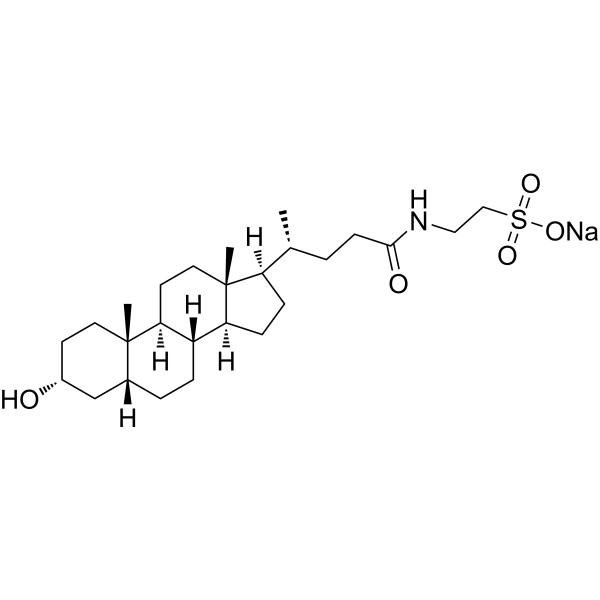
    Taurolithocholic acid is an orally active bile acid and antiviral agent. Taurolithocholic acid upregulates FADS2 by activating the TGR5-PI3K/AKT-SREBP2 signaling axis, inhibits SFTSV-induced ferroptosis (Ferroptosis), viral replication and viral entry of HBV/HDV, while reducing the release of IL-1β, lipid ROS and LDH. While exerting antiviral protective effects, Taurolithocholic acid also stimulates the recycling of hepatocellular membrane transporters, impairs canalicular bile acid secretion function, and induces hepatocyte cholestasis, apoptosis and acute hepatocellular injury. Taurolithocholic acid serves as an experimental model compound for hepatocellular cholestasis. At concentrations ≤200 μM, Taurolithocholic acid shows no cytotoxicity and does not activate the interferon pathway. Taurolithocholic acid not only protects mice from lethal SFTSV infection but also is suitable for studies related to severe fever with thrombocytopenia syndrome and cholestasis .
    Taurolithocholic acid
  • HY-113365

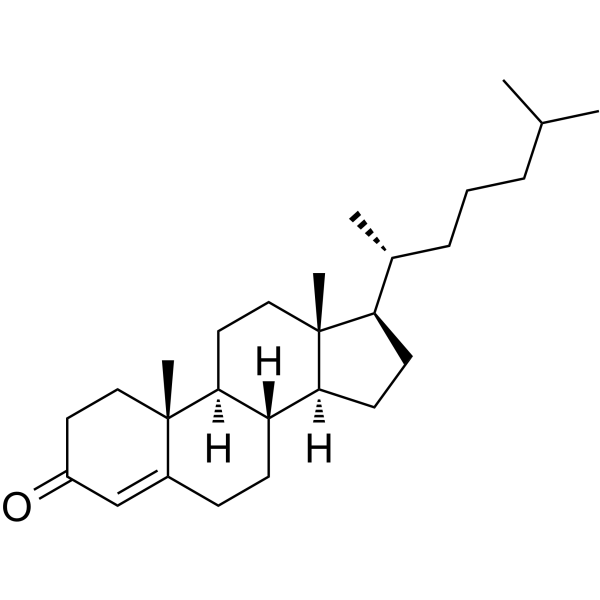
    4-Cholesten-3-one

    Endogenous Metabolite Infection Metabolic Disease
    Cholestenone (4-cholesten-3-one) is an orally available antimicrobial agent that is metabolized primarily in the liver as an intermediate oxidation product of cholesterol. Cholestenone inhibits human dermal fibroblast migration and fights Helicobacter pylori infection in vitro and in mouse models by inhibiting cholesterol-α-D-glucopyranoside (CGL). Cholestenone also alleviates metabolic disorders caused by obesity in db/db mice .
    Cholestenone
  • HY-113308A

    Calcium Channel Ferroptosis PI3K Reactive Oxygen Species (ROS) Akt HBV Metabolic Disease
    Taurolithocholic acid sodium salt is an orally active bile acid and antiviral agent. Taurolithocholic acid sodium salt upregulates FADS2 by activating the TGR5-PI3K/AKT-SREBP2 signaling axis, inhibits SFTSV-induced ferroptosis, viral replication and viral entry of HBV/HDV, while reducing the release of IL-1β, lipid ROS and LDH. While exerting antiviral protective effects, Taurolithocholic acid sodium salt also stimulates the recycling of hepatocellular membrane transporters, impairs canalicular bile acid secretion function, and induces hepatocyte cholestasis, apoptosis and acute hepatocellular injury. Taurolithocholic acid sodium salt serves as an experimental model compound for hepatocellular cholestasis. At concentrations ≤200 μM, Taurolithocholic acid sodium salt shows no cytotoxicity and does not activate the interferon pathway. Taurolithocholic acid sodium salt not only protects mice from lethal SFTSV infection but also is suitable for studies related to severe fever with thrombocytopenia syndrome and cholestasis .
    Taurolithocholic acid sodium salt
  • HY-145586

    ZSP1273

    Influenza Virus DNA/RNA Synthesis Infection
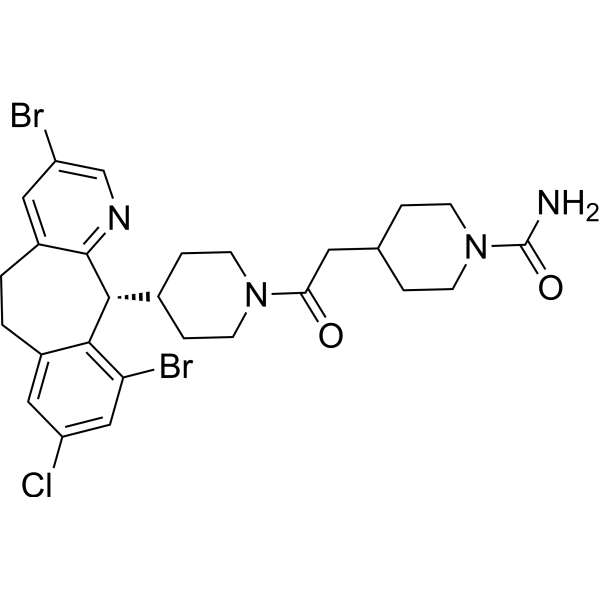
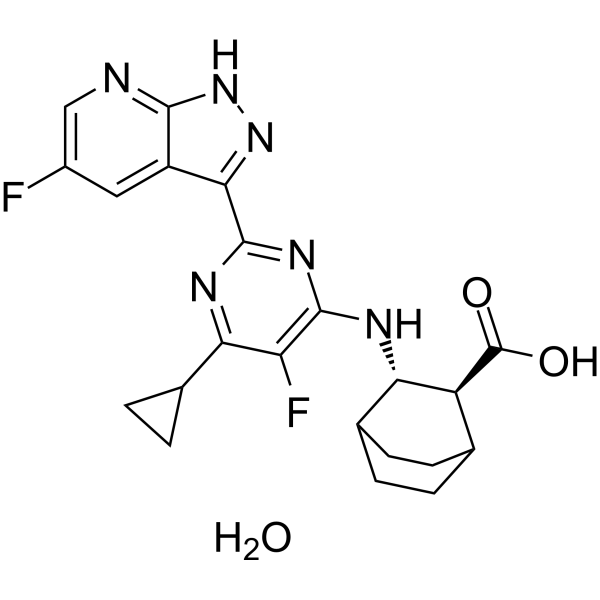
    Onradivir (ZSP1273) is an orally active antiviral agent targeting influenza A virus RNA polymerase PB2 subunit with an IC50 of 0.562 nM. Onradivir inhibits cap binding to influenza A virus RNA polymerase PB2 subunit, suppresses viral replication, reduces viral titres and RNA loads, and inhibits influenza A virus infection. Onradivir maintains high survival rates in influenza A virus-infected mice, and reduces influenza A virus titers in a murine model. Onradivir can be used for the research of influenza A virus infection .
    Onradivir
  • HY-17015A
    Peramivir
    Maximum Cited Publications
    13 Publications Verification

    RWJ-270201; BCX-1812

    IKK JNK STAT p38 MAPK ERK Infection Inflammation/Immunology
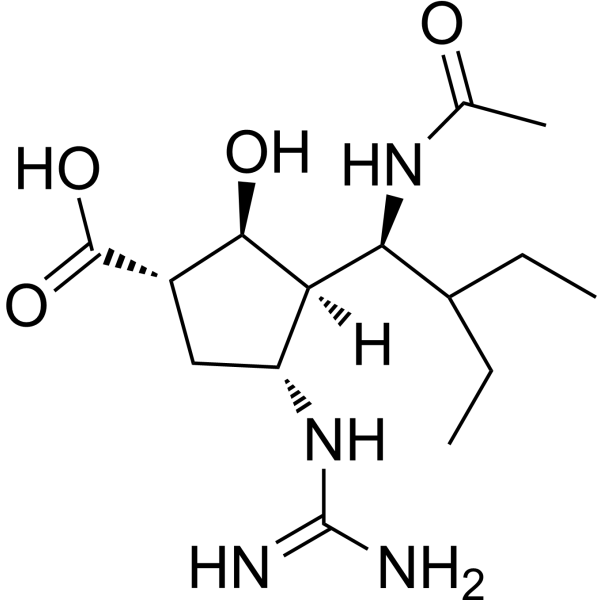
    Peramivir is an novel cyclopentane neuraminidase inhibitor of influenza virus. Peramivir has antiviral activity and anti-cytokines stom effects. Peramivir can be used for the research of COVID-19 .
    Peramivir
  • HY-17015
    Peramivir trihydrate
    Maximum Cited Publications
    13 Publications Verification

    RWJ 270201 trihydrate; BCX 1812 trihydrate

    Influenza Virus IKK JNK STAT p38 MAPK ERK Infection Inflammation/Immunology
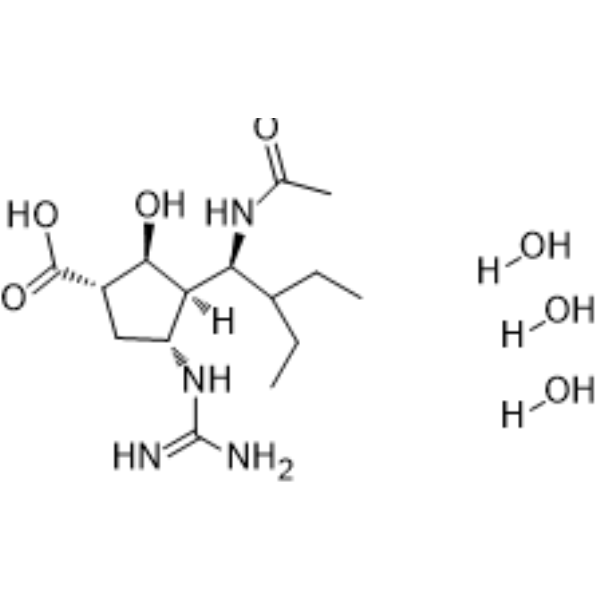
    Peramivir trihydrate (RWJ-270201 trihydrate) is a highly potent, selective and orally active influenza virus neuraminidase (NA) inhibitor, with IC50 values ranging from 0.9 to 4.3 nM for nine NA subtypes .
    Peramivir trihydrate
  • HY-N0469R

    Reference Standards Endogenous Metabolite Virus Protease HSV Infection Metabolic Disease Inflammation/Immunology
    L-Lysine (Standard) is the analytical standard of L-Lysine. This product is intended for research and analytical applications. L-lysine is an essential amino acid for humans with orally activity. L-lysine can inhibit the occurrence of HSV infections and is used in herpes research. L-lysine increases calcium absorption, reduces diabetes-related diseases, improves gut health, and alleviates pancreatic inflammation. L-lysine can be used in research on metabolism, infection, and inflammation . IC50 & Target:L-lysine (150 mg/kg) promotes, but not initiates, bladder cancer. The administration of L-lysine to rats submitted to colovesical cystoplasty accelerates the development of transitional metaplasia of the intestinal epithelium .
    L-lysine (10 mg/kg) treatment attenuates pancreatic tissue injury induced by L-arginine by inhibiting the release of the inflammatory cytokine IL-6 and enhance antioxidant activity . In Vivo:L-lysine (10?mg/kg, p.o., pre-treated or post-treated, administration duration 15 days) treatment attenuates pancreatic tissue injury induced by L-arginine by inhibiting the release of the inflammatory cytokine IL-6 and enhance antioxidant activity in acute pancreatitis mice model . L-lysine (5 or 10?mg/kg, p.o., 45 days) ameliorates sepsis-induced acute lung injury in a lipopolysaccharide (HY-D1056)-induced mouse model .
    L-Lysine (Standard)
  • HY-P10868

    RLS-0071

    Reactive Oxygen Species (ROS) Infection Inflammation/Immunology
    Pegtarazimod (RLS-0071) is a dual-target anti-inflammatory peptide that exerts its effects by simultaneously regulating the complement system and neutrophil-associated inflammatory pathways. Pegtarazimod reduces ROS production both in vitro and in vivo, and decreases the level of neutrophil elastase, a marker of neutrophil extracellular traps (NETs), in vivo, thereby alleviating inflammatory responses. Pegtarazimod significantly improves the survival rate of mice in multiple in vivo models of acute graft-versus-host disease (aGVHD). Pegtarazimod inhibits the activation of the C1 complex, reduces the herpes zoster-like spread of herpes simplex virus type 1 skin infection, and improves the survival rate of infected mice . Pegtarazimod can be used in research related to acute graft-versus-host disease, acute pulmonary diseases, and skin herpes simplex virus type 1 infection .
    Pegtarazimod
  • HY-113308S1

    Isotope-Labeled Compounds Calcium Channel Ferroptosis PI3K Reactive Oxygen Species (ROS) Akt HBV Others
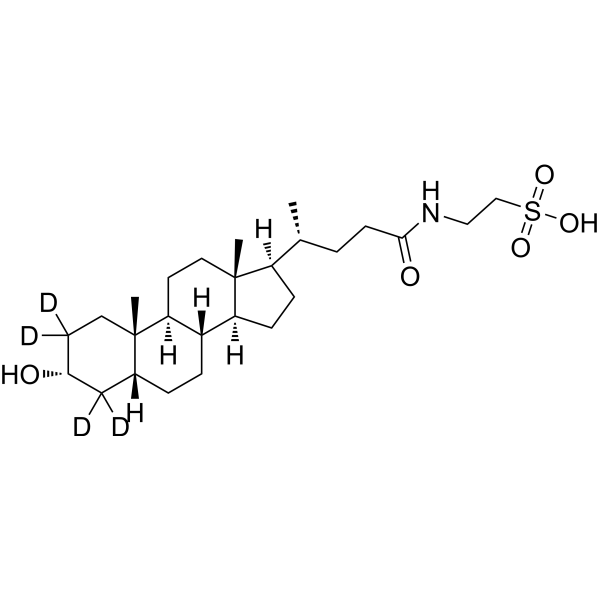
    Taurolithocholic acid-d4 is deuterium labeled Taurolithocholic acid. Taurolithocholic acid is an orally active bile acid and antiviral agent. Taurolithocholic acid upregulates FADS2 by activating the TGR5-PI3K/AKT-SREBP2 signaling axis, inhibits SFTSV-induced ferroptosis, viral replication and viral entry of HBV/HDV, while reducing the release of IL-1β, lipid ROS and LDH. While exerting antiviral protective effects, Taurolithocholic acid also stimulates the recycling of hepatocellular membrane transporters, impairs canalicular bile acid secretion function, and induces hepatocyte cholestasis, apoptosis and acute hepatocellular injury. Taurolithocholic acid serves as an experimental model compound for hepatocellular cholestasis. At concentrations ≤200 μM, Taurolithocholic acid shows no cytotoxicity and does not activate the interferon pathway. Taurolithocholic acid not only protects mice from lethal SFTSV infection but also is suitable for studies related to severe fever with thrombocytopenia syndrome and cholestasis .
    Taurolithocholic acid-d4
  • HY-113308AR

    Reference Standards Calcium Channel Ferroptosis PI3K Reactive Oxygen Species (ROS) Akt HBV Metabolic Disease
    Taurolithocholic acid (sodium salt) (Standard) is the analytical standard of Taurolithocholic acid (sodium salt). This product is intended for research and analytical applications. Taurolithocholic acid sodium salt is an orally active bile acid and antiviral agent. Taurolithocholic acid sodium salt upregulates FADS2 by activating the TGR5-PI3K/AKT-SREBP2 signaling axis, inhibits SFTSV-induced ferroptosis, viral replication and viral entry of HBV/HDV, while reducing the release of IL-1β, lipid ROS and LDH. While exerting antiviral protective effects, Taurolithocholic acid sodium salt also stimulates the recycling of hepatocellular membrane transporters, impairs canalicular bile acid secretion function, and induces hepatocyte cholestasis, apoptosis and acute hepatocellular injury. Taurolithocholic acid sodium salt serves as an experimental model compound for hepatocellular cholestasis. At concentrations ≤200 μM, Taurolithocholic acid sodium salt shows no cytotoxicity and does not activate the interferon pathway. Taurolithocholic acid sodium salt not only protects mice from lethal SFTSV infection but also is suitable for studies related to severe fever with thrombocytopenia syndrome and cholestasis .
    Taurolithocholic acid sodium salt (Standard)
  • HY-171956

    Proteasome Parasite Infection
    Carmaphycin-17 (CP-17) is a selective 20S proteasome inhibitor with an EC50 of 217 ?nM. Carmaphycin-17 has potent antimicrobial activity against Trichomonas vaginalis. Carmaphycin-17 overcomes Metronidazole (HY-B0318) resistance and significantly reduces parasite burden upon topical treatment without any apparent adverse effects in vaginal trichomonad infection mice model. Carmaphycin-17 can be used for sexually transmitted disease like trichomoniasis research .
    Carmaphycin-17
  • HY-P11004

    Bacterial Antibiotic Infection
    A3-APO is an antimicrobial peptide. A3-APO has a significant antimicrobial activity by a dual mode of action with both membrane disintegration and intracellular target inhibition. A3-APO can deactivate bacterial toxins and increase the expression of anti-inflammatory cytokines (such as IL-4 and IL-10), without antimicrobial resistance. A3-APO accelerates burn wounds healing in mice infection model of Acinetobacter baumannii and Staphylococcus aureus .
    A3-APO
  • HY-147014

    CMV Orthopoxvirus Infection
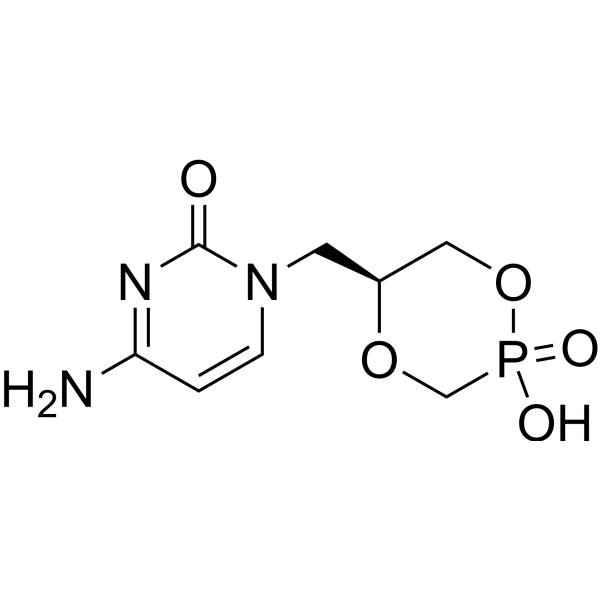
    Cyclic HPMPC is a potent antiviral agent. Cyclic HPMPC can increase arterial oxygen saturation levels in lethal vaccinia virus (IHD strain)-infected mice. Cyclic HPMPC improves the outcome of congenital guinea pig cytomegalovirus (GPCMV) infection and decreases viral replication in guinea pig model .
    Cyclic HPMPC
  • HY-172456

    Bacterial Infection
    JSF-4898 is an orally active inhibitor of the MenG enzyme in Mycobacterium tuberculosis. JSF-4898 has MIC of 0.78 μM against Mycobacterium tuberculosis H37Rv. JSF-4898 can enhance the efficacy of Rifampicin (HY-B0272) in a subacute model of Mycobacterium tuberculosis infection in mice .
    JSF-4898
  • HY-145586A

    ZSP1273 monohydrate

    Influenza Virus DNA/RNA Synthesis Infection
    Onradivir (ZSP1273) monohydrate is an orally active antiviral agent targeting influenza A virus RNA polymerase PB2 subunit with an IC50 of 0.562 nM. Onradivir monohydrate inhibits cap binding to influenza A virus RNA polymerase PB2 subunit, suppresses viral replication, reduces viral titres and RNA loads, and inhibits influenza A virus infection. Onradivir monohydrate maintains high survival rates in influenza A virus-infected mice, and reduces influenza A virus titers in a murine model. Onradivir monohydrate can be used for the research of influenza A virus infection .
    Onradivir monohydrate
  • HY-114900

    Antibiotic Infection Others
    BB-3497 is a potent, orally active and selective peptide deformylase (PDF) inhibitor. BB-3497 is highly selective for PDF (IC50 = 7 nM for E. coli PDF.Ni) over the other mammalian metalloenzymes (MMP-1/2/3/7 and enkephalinase). BB-3497 exhibits potent activity against gram-positive bacteria and some gram-negative pathogens. BB-3497 protects mice from infection in systemic models of Staphylococeus aureus. BB-3497 can be used for anti-bacterial infection research .
    BB-3497
  • HY-174819

    HBV Infection
    VNRX-9945 is a potent, broadly and orally active HBV CAM (capsid assembly modulator) with an EC50 of 2.6 nM. VNRX-9945 exhibits excellent and broad antiviral activity against multiple HBV genotypes in vitro, along with favorable pharmacokinetic profiles across multiple species. VNRX-9945 demonstrates robust antiviral efficacy in the adeno-associated virus mice models of HBV (AAV-HBV) infection .
    VNRX-9945
  • HY-172350

    SARS-CoV Virus Protease Interleukin Related Infection
    WEHI-P8 is an orally active SARS-CoV-2 papain-like protease (PLpro) inhibitor with an IC50 of 12 nM and a Kd of 9.0 nM. WEHI-P8 reduces viral load, body weight loss, pulmonary inflammation, immune cell infiltration and pro-inflammatory mediator levels in SARS-CoV-2-infected mice. WEHI-P8 prevents pulmonary hemorrhage, immune cell infiltration, fibrotic remodeling and neuroinflammation, and improves cognitive function in a mouse model of post-acute sequelae of SARS-CoV-2 infection (PASC). WEHI-P8 is applicable for the research of COVID-19 and PASC .
    WEHI-P8
  • HY-113308AS1

    Isotope-Labeled Compounds Calcium Channel Ferroptosis PI3K Reactive Oxygen Species (ROS) Akt HBV Metabolic Disease
    Taurolithocholic Acid-d5 (sodium) is the deuterium labeled Taurolithocholic acid sodium salt. Taurolithocholic Acid sodium salt is an orally active bile acid and antiviral agent. Taurolithocholic Acid sodium salt upregulates FADS2 by activating the TGR5-PI3K/AKT-SREBP2 signaling axis, inhibits SFTSV-induced ferroptosis, viral replication and viral entry of HBV/HDV, while reducing the release of IL-1β, lipid ROS and LDH. While exerting antiviral protective effects, Taurolithocholic Acid sodium salt also stimulates the recycling of hepatocellular membrane transporters, impairs canalicular bile acid secretion function, and induces hepatocyte cholestasis, apoptosis and acute hepatocellular injury. Taurolithocholic Acid sodium salt serves as an experimental model compound for hepatocellular cholestasis. At concentrations ≤200 μM, Taurolithocholic Acid sodium salt shows no cytotoxicity and does not activate the interferon pathway. Taurolithocholic Acid sodium salt not only protects mice from lethal SFTSV infection but also is suitable for studies related to severe fever with thrombocytopenia syndrome and cholestasis .
    Taurolithocholic Acid-d5 sodium salt
  • HY-177300

    Toll-like Receptor (TLR) HBV IFNAR Interleukin Related Infection Inflammation/Immunology
    TLR7/8 agonist 13 is an orally active dual agonist of TLR7 (lowest effective concentrations (LEC) [hTLR7] = 1.6 μM) and TLR8 (LEC [hTLR8] = 1.6 μM). TLR7/8 agonist 13 exhibits agonistic activity against human peripheral blood mononuclear cells (hPBMCs) (LEC [hPBMC] = 0.5 μM). TLR7/8 agonist 13 induces endogenous IFNα, activating myeloid dendritic cells and monocytes toward a TH1 phenotype in mice and cynomolgus monkeys. TLR7/8 agonist 13 reduces viral load and HBV surface antigen expression in a mouse model of chronic AAV-HBV infection. TLR7/8 agonist 13 has the potential to indirectly induce IFNγ, which may promote HBV antigen-specific CD8 T cell-mediated responses. TLR7/8 agonist 13 can be used to study hepatitis B virus .
    TLR7/8 agonist 13
  • HY-175305

    Parasite Infection
    DMU759 is a Lysyl-tRNA synthetase 1 (KRS1) inhibitor. DMU759 has potent anti-kinetoplastid activity against Trypanosoma cruzi , Trypanosoma brucei and Leishmania donovani. DMU759 significantly reduces parasitemia in acute Chagas disease mice model. DMU759 can be used for parasitic infection like Chagas disease research .
    DMU759
  • HY-157082

    Enterovirus Infection
    ZHSI-1 is an EV71 (Enterovirus 71) inhibitor that inhibits EV71/CVA16 replication and virus-induced pyroptosis associated with viral pathogenesis. ZHSI-1 effectively prevents EV71 infection in neonatal and young mice in animal models. ZHSI-1 can be used to study viral infections such as hand, foot and mouth disease (HFMD) .
    ZHSI-1
  • HY-174325

    Parasite Infection Inflammation/Immunology
    Antimalarial agent 50 is an antiplasmodial compound. Antimalarial agent 50 has an effect against Plasmodium berghei induced malaria infection in mice model. Antimalarial agent 50 can regulate oxidative stress and significantly reduce the levels of inflammatory factors. Antimalarial agent 50 can be used for the research of the malaria.
    Antimalarial agent 50
  • HY-121365

    Bacterial Infection
    Forphenicinol is an immunomodulator and a derivative of the bacterial metabolite forphenicine. It increases the phagocytosis of yeast by peritoneal macrophages isolated from thioglycolate-stimulated mice. Forphenicinol (100 μg/animal) prevents cyclophosphamide-induced suppression of delayed-type hypersensitivity (DTH), as well as enhances DTH in response to the hapten oxazolone or sheep red blood cells in mice. It enhances the bactericidal activity of macrophages against P. aeruginosa in mice when administered at a dose of 0.5 mg/kg.2 Forphenicinol (15.6-1,000 μg/animal) increases survival in a mouse model of P. aeruginosa infection. It also inhibits tumor growth in S180 sarcoma and IMC carcinoma mouse xenograft models when administered at doses ranging from 0.05 to 5 mg/kg per day.
    Forphenicinol
  • HY-172826

    Bacterial Infection
    Anti-MRSA agent 26 is a potent anti-MRSA agent with MIC <0.015 μg/mL. Anti-MRSA agent 26 has superior activity against a broad range of Gram-positive pathogens and shows no cytotoxicity in three mammalian cell lines (Caco-2, DU-145 and MDCKII MDR1 cells) at 10 μM. Anti-MRSA agent 26 has a robust TAP pharmacophore and an excellent antibacterial activity in Staphylococcus aureus skin infection mice model .
    Anti-MRSA agent 26
  • HY-175254

    Bacterial Infection
    Antibiofilm agent-17 is a dual-action biofilm inhibitor against Pseudomonas aeruginosa (IC50 = 0.33 μM). Antibiofilm agent-17 inhibits biofilm growth by reducing quorum sensing-mediated virulence production and iron ion acquisition. Antibiofilm agent-17 exhibits synergistic antimicrobial effects in a mouse wound infection model. Antibiofilm agent-17 can be used in research on combating Pseudomonas aeruginosa infections .
    Antibiofilm agent-17
  • HY-117599

    Parasite Infection
    JPC-3210 is an orally active aminomethylphenol. JPC-3210 exhibits anti-malarial activity with a mean IC50 ranging from 2.5 to 19 nM. JPC-3210 works by inhibiting the hemoglobin digestion pathway and promoting regulators of protein translation. JPC-3210 can inhibit CYP2D6 and CYP3A4 isozymes. JPC-3210 suppresses P. berghei infection in mice model. JPC-3210 possesses prophylactic protection in vivo. JPC-3210 can be studied in research on malaria prevention .
    JPC-3210
  • HY-178738

    Antibiotic Bacterial Topoisomerase DNA/RNA Synthesis Infection
    GC-072 is an orally active, 4-oxoquinolizine antibiotic that selectively inhibits bacterial DNA gyrase and Topo IV enzymes. GC-072 does not inhibit human topoisomerases I and II. GC-072 demonstrates strong antimicrobial activity against various bacterial strains, including Gram-positive, Gram-negative, and resistant bacteria. GC-072 also exhibits bactericidal activity against Burkholderia pseudomallei both extracellularly and intracellularly, leading to dose-dependent survival in mice exposed to lethal inhalational models of B. pseudomallei infection. GC-072 can be used for the research of melioidosis .
    GC-072
  • HY-173428

    Fungal Infection
    Antifungal agent 130 (Compound A7) is an orally active antifungal agent. Antifungal agent 130 has good antifungal activity against Candida albicans (MIC = 0.12 ng/mL) and Cryptococcus neoformans (MIC = 0.12 ng/mL) and has excellent antivirulence effect. Antifungal agent 130 exerts its antifungal effect by disrupting the iron homeostasis of fungal cells and inducing oxidative stress damage. Antifungal agent 130 can inhibit the formation of fungal virulence factors (such as biofilm, capsule, urease and melanin). Antifungal agent 130 has good antifungal effect and can be used in the study of drug-resistant fungal infections .
    Antifungal agent 130
  • HY-W587414

    Bacterial Antibiotic Infection
    Neospiramycin I is a macrolide antibiotic and a derivative of Spiramycin I (HY-N7141). Neospiramycin I is effective against the macrolide-sensitive KB210 strain of S. aureus, but ineffective against the macrolide-resistant KB224 strain, with minimum inhibitory concentrations (MIC) of 3.12 and greater than 100 µg/mL, respectively; it is also effective against B. cereus, B. subtilis, M. luteus, E. coli, and K. pneumoniae, with respective MIC values of 1.56, 3.12, 3.12, 0.2, 50, and 12.5 µg/mL. Neospiramycin I binds to the ribosomes of E. coli, with an inhibitory concentration 50 (IC50) of 1.2 µM. It protects mice from death in a type III S. pneumoniae infection model, with an effective dose 50 (ED50) of 399.8 mg/kg .
    Neospiramycin I
  • HY-113308AS

    Isotope-Labeled Compounds Calcium Channel Ferroptosis PI3K Reactive Oxygen Species (ROS) Akt HBV Metabolic Disease
    Taurolithocholic acid-d4 (sodium) is the deuterium labeled Taurolithocholic acid (sodium salt). Taurolithocholic acid sodium is an orally active bile acid and antiviral agent. Taurolithocholic acid sodium upregulates FADS2 by activating the TGR5-PI3K/AKT-SREBP2 signaling axis, inhibits SFTSV-induced ferroptosis, viral replication and viral entry of HBV/HDV, while reducing the release of IL-1β, lipid ROS and LDH. While exerting antiviral protective effects, Taurolithocholic acid sodium also stimulates the recycling of hepatocellular membrane transporters, impairs canalicular bile acid secretion function, and induces hepatocyte cholestasis, apoptosis and acute hepatocellular injury. Taurolithocholic acid sodium serves as an experimental model compound for hepatocellular cholestasis. At concentrations ≤200 μM, Taurolithocholic acid sodium shows no cytotoxicity and does not activate the interferon pathway. Taurolithocholic acid sodium not only protects mice from lethal SFTSV infection but also is suitable for studies related to severe fever with thrombocytopenia syndrome and cholestasis .
    Taurolithocholic acid-d4 sodium
  • HY-113308AS2

    Isotope-Labeled Compounds Calcium Channel Ferroptosis PI3K Reactive Oxygen Species (ROS) Akt HBV Metabolic Disease
    Taurolithocholic acid-d4-1 (sodium) is the deuterium labeled Taurolithocholic acid. Taurolithocholic acid sodium is an orally active bile acid and antiviral agent. Taurolithocholic acid sodium upregulates FADS2 by activating the TGR5-PI3K/AKT-SREBP2 signaling axis, inhibits SFTSV-induced ferroptosis, viral replication and viral entry of HBV/HDV, while reducing the release of IL-1β, lipid ROS and LDH. While exerting antiviral protective effects, Taurolithocholic acid sodium also stimulates the recycling of hepatocellular membrane transporters, impairs canalicular bile acid secretion function, and induces hepatocyte cholestasis, apoptosis and acute hepatocellular injury. Taurolithocholic acid sodium serves as an experimental model compound for hepatocellular cholestasis. At concentrations ≤200 μM, Taurolithocholic acid sodium shows no cytotoxicity and does not activate the interferon pathway. Taurolithocholic acid sodium not only protects mice from lethal SFTSV infection but also is suitable for studies related to severe fever with thrombocytopenia syndrome and cholestasis .
    Taurolithocholic acid-d4-1 sodium
  • HY-113308S

    Isotope-Labeled Compounds Calcium Channel Ferroptosis PI3K Reactive Oxygen Species (ROS) Akt HBV Others
    Taurolithocholic acid-d5 is deuterium labeled Taurolithocholic acid. Taurolithocholic acid is an orally active bile acid and antiviral agent. Taurolithocholic acid upregulates FADS2 by activating the TGR5-PI3K/AKT-SREBP2 signaling axis, inhibits SFTSV-induced ferroptosis, viral replication and viral entry of HBV/HDV, while reducing the release of IL-1β, lipid ROS and LDH. While exerting antiviral protective effects, Taurolithocholic acid also stimulates the recycling of hepatocellular membrane transporters, impairs canalicular bile acid secretion function, and induces hepatocyte cholestasis, apoptosis and acute hepatocellular injury. Taurolithocholic acid serves as an experimental model compound for hepatocellular cholestasis. At concentrations ≤200 μM, Taurolithocholic acid shows no cytotoxicity and does not activate the interferon pathway. Taurolithocholic acid not only protects mice from lethal SFTSV infection but also is suitable for studies related to severe fever with thrombocytopenia syndrome and cholestasis .
    Taurolithocholic acid-d5
  • HY-170773

    Bacterial Infection
    Mtb-IN-9 (Compound M1) is a specific Mtb inhibitor that inhibits MtbFadD32 and MtbFadD28 activity. Mtb-IN-9 curtails the Mtb survival in infected macrophages and reduces Mtb burden and tubercular granulomas in a chronic infection model of BALB/c mice. Mtb-IN-9 is promising for research of tuberculosis .
    Mtb-IN-9
  • HY-P11592

    Bacterial Infection
    KIKIKPWWWPKIKIK-NH2 is a β-turn antimicrobial peptide. KIKIKPWWWPKIKIK-NH2 can inhibit bacterial biofilm formation and bind to lipopolysaccharid. KIKIKPWWWPKIKIK-NH2 shows wound-healing ability in mice bacteria-infected full-thickness wound models. KIKIKPWWWPKIKIK-NH2 can be used for the research of bacterial infection .
    KIKIKPWWWPKIKIK-NH2
  • HY-181146

    TBD09

    Bacterial Infection
    MK-7762 is an orally active xazolidinone compound with antitubercular activity. MK-7762 inhibits MAO-B and mammalian mitochondrial protein synthesis. MK-7762 reduces lung bacterial burden in BALB/c mouse models of acute and chronic tuberculosis infection, penetrates caseous necrotic lung lesions in C3HeB/FeJ mice, and maintains concentrations above unbound MIC in lesion compartments. MK-7762 can be used for the research of tuberculosis .
    MK-7762
  • HY-182895

    Influenza Virus Infection
    Influenza A virus-IN-19 (Compound (S)-63) is an orally active, selective Influenza A virus inhibitor with an EC50 of 0.44 μM. Influenza A virus-IN-19 exhibits moderate binding affinity to Hemagglutinin, with a Kd of 5.66 μM. Influenza A virus-IN-19 inhibits trypsin-mediated cleavage of HA0, blocks the early viral entry process, and suppresses the replication of Influenza A virus. Influenza A virus-IN-19 improves the survival rate of mice in lethal influenza models. Influenza A virus-IN-19 can be used in studies related to Influenza A virus infection .
    Influenza A virus-IN-19
  • HY-181647

    Bacterial Elastase Infection
    LasB-IN-3 is a protease elastase (LasB) inhibitor of Pseudomonas aeruginosa with an IC50 value of 8.5 nM. LasB-IN-3 shows an IC50 of 58.9 nM for the Met128Val mutant. LasB-IN-3 binds to active sites of wild-type and Met128Val mutant LasB, coordinates zinc ions, forms hydrogen bonds and CH-π interactions, and inhibits LasB proteolytic activity. LasB-IN-3 increases survival rate in LasB-induced acute lung injury mice models. LasB-IN-3 can be used for the research of Pseudomonas aeruginosa infection .
    LasB-IN-3
  • HY-P11582

    Bacterial Infection
    CyLip-20 is a cyclic lipopeptide antimicrobial peptide that targets Gram-positive and Gram-negative bacteria. CyLip-20 exhibits low hemolytic activity and mild in vivo toxicity. CyLip-20 disrupts the integrity of bacterial outer membrane, inner membrane and cytoplasmic membrane by binding to bacterial lipopolysaccharide (LPS), triggering membrane permeabilization, depolarization and leakage of intracellular contents, and inhibits bacterial biofilm formation. In animal models, CyLip-20 reduces the bacterial load in skin wounds of mice infected with MRSA, promotes wound healing, decreases the levels of inflammatory cytokines and reduces inflammatory cell infiltration. CyLip-20 can be used in research related to MRSA skin wound infections .
    CyLip-20
  • HY-P11634

    Bacterial Infection
    KF-22 is an antimicrobial peptide that exhibits antimicrobial activity against both Gram-negative and Gram-positive bacteria. KF-22 demonstrates broad-spectrum, potent activity against multidrug-resistant bacteria with low toxicity. KF-22 can be used in research related to infections .
    KF-22
  • HY-182033

    Bacterial ClpP Infection
    ClpP agonist 1 is a Staphylococcus aureus ClpP (SaClpP) agonist with an EC50 of 1.44 μM, Kd values of 2.95 μM (isothermal titration calorimetry) and 18 μM (bio-layer interferometry), and a low drug resistance frequency. ClpP agonist 1 reduces bacterial load, shrinks infected area and improves histopathological outcomes in a mouse skin infection model. ClpP agonist 1 can be used for the research of Methicillin (HY-121544)-resistant Staphylococcus aureus (MRSA) skin infections .
    ClpP agonist 1
  • HY-183333

    Fungal Infection
    CHNQD-02204 is a potent and selective antifungal agent with in vitro activity against Candida albicans, with a MIC of 0.025 μg/mL. CHNQD-02204 inhibits ergosterol biosynthesis, disrupts the membrane integrity and biofilm formation of Candida albicans, and suppresses the morphological transition of Candida albicans from yeast to hyphal form. CHNQD-02204 can be used in studies related to candidal infections .
    CHNQD-02204

Inquiry Online

Your information is safe with us. * Required Fields.

Salutation


Country or Region *

Applicant Name *


Organization Name *

Department *


Email Address *


Product Name *

Cat. No.


Requested quantity *

Phone Number *


Remarks

Inquiry Online

Inquiry Information

Product Name:
Cat. No.:
Quantity:
MCE Japan Authorized Agent:

