

1. Search Result
Search Result
Results for "

Neurotoxicity

" in MedChemExpress (MCE) Product Catalog:

349

Inhibitors & Agonists

1

Fluorescent Dye

5

Biochemical Assay Reagents

22

Peptides

82

Natural
Products

42

Isotope-Labeled Compounds

4

Click Chemistry

4

Oligonucleotides

Cat. No. Product Name Target Research Areas Chemical Structure
  • HY-W008719
    MPP+ iodide
    30+ Cited Publications

    Mitochondrial Metabolism Neurological Disease
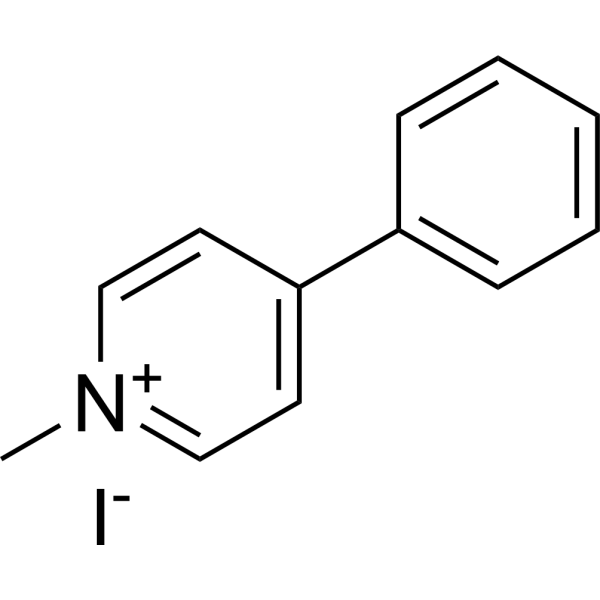
    MPP+ iodide, a toxic metabolite of the neurotoxin MPTP, causes symptom of Parkinson's disease in animal models by selectively destroying dopaminergic neurons in substantia nigra. MPP+ iodide is taken up by the dopamine transporter into dopaminergic neurons where it exerts its neurotoxic action on mitochondria by affecting complex I of the respiratory chain. MPP+ iodide is also a high affinity substrate for the serotonin transporter (SERT) .
    MPP+ iodide
  • HY-B1777
    Spermine
    5+ Cited Publications

    NSC 268508; Neuridine

    Endogenous Metabolite Bacterial Reactive Oxygen Species (ROS) DNA/RNA Synthesis Infection Neurological Disease Inflammation/Immunology
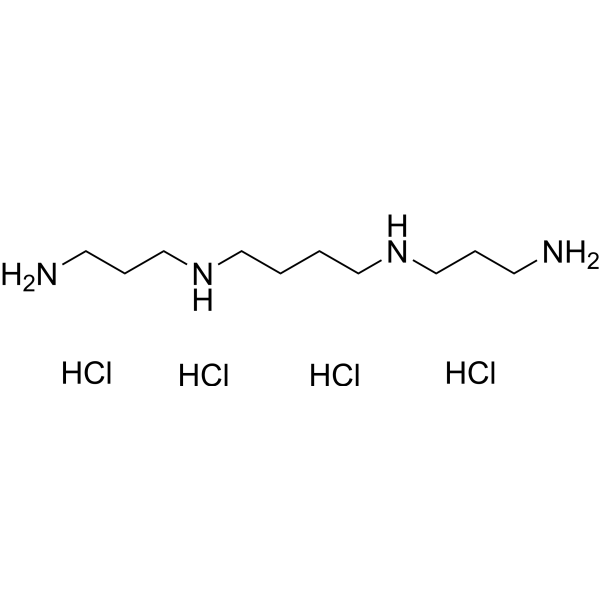
    Spermine is a natural antioxidant and anti-inflammatory agent. Spermine is known to inhibit some bacterial cultures, especially strains of Staphylococcus aureus. Spermine induces neurotoxicity in the striarum dose-dependently. Spermine can reversibly inhibits DNA synthetic response, mixed lymphocyte response and the induction of cytolytic lymphocyte response in primary cultures of murine spleen cells. Spermine tetrahydrochloride is a polyamine nitric oxide donor that can provide nitric oxide to platelets and inhibit platelet activation to a certain extent concentration-dependently. Spermine tetrahydrochloride occurs in mammalian tissues, plants, bacteria, ribosomes and bacteriophage. Spermine tetrahydrochloride inhibits primary human embryo lung fibroblasts in vitro .
    Spermine
  • HY-B0034
    Donepezil Hydrochloride
    20+ Cited Publications

    E2020

    Cholinesterase (ChE) Neurological Disease Cancer
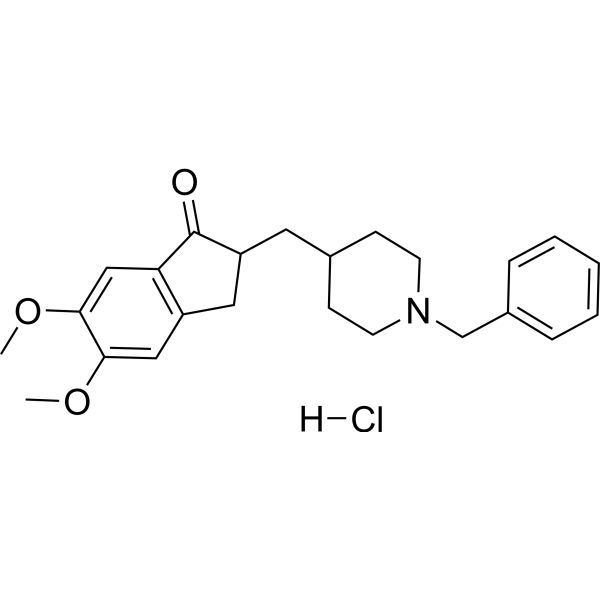
    Donepezil Hydrochloride (E2020) is a reversible, selective AChE inhibitor with an IC50 of 6.7 nM for AChE activity. Donepezil shows high selectivity for AChE over BuChE . Donepezil exhibits neuroprotective effect on Aβ42 neurotoxicity .
    Donepezil Hydrochloride
  • HY-P0128
    β-Amyloid (25-35)
    40+ Cited Publications

    Amyloid beta-peptide (25-35); Aβ25-35; β-Amyloid peptide (25-35)

    Amyloid-β Neurological Disease
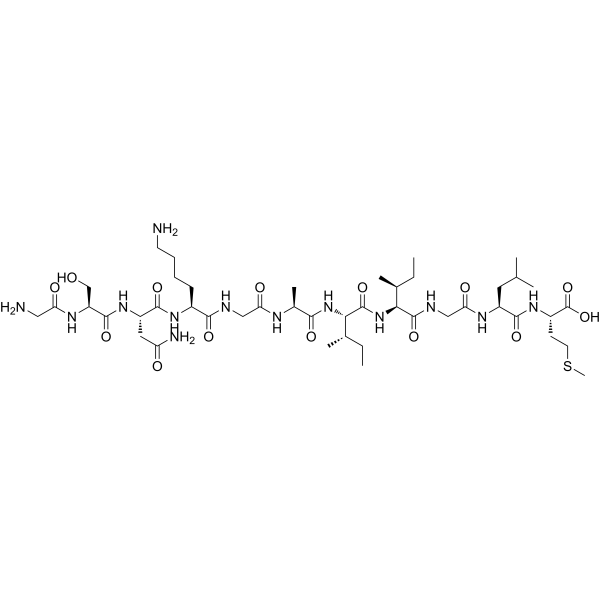
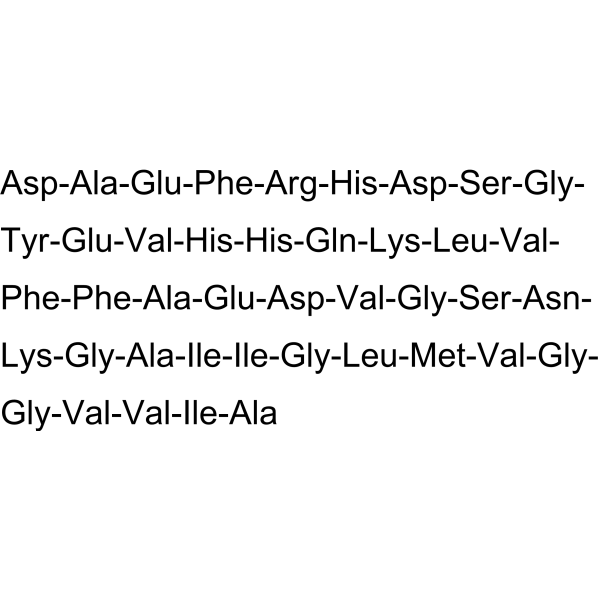
    β-Amyloid (25-35) (Amyloid beta-peptide (25-35)) is the fragment Aβ(25-35) of the Alzheimer's amyloid β-peptide, has shown neurotoxic activities in cultured cells .
    β-Amyloid (25-35)
  • HY-B1945
    DEHP
    5+ Cited Publications

    Bis(2-ethylhexyl) phthalate; Ergoplast FDO; ESBO-D 82

    Environmental Pollutants Endogenous Metabolite Metabolic Disease
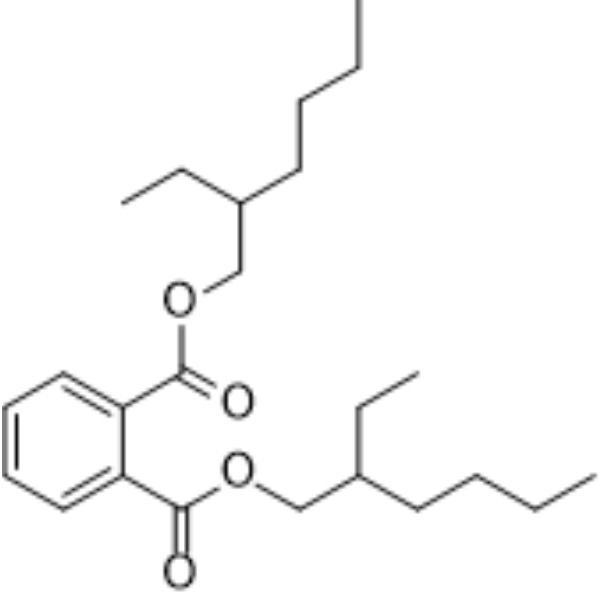
    DEHP (Bis(2-ethylhexyl) phthalate) is a widely used plasticizer, which has orally active. DEHP can produce a wide spectrum of toxic effects on organisms including neurotoxicity, liver toxicity, immunotoxicity, and reproductive toxicity .
    DEHP
  • HY-N0303
    Idebenone
    5+ Cited Publications

    Mitochondrial Metabolism Apoptosis Neurological Disease
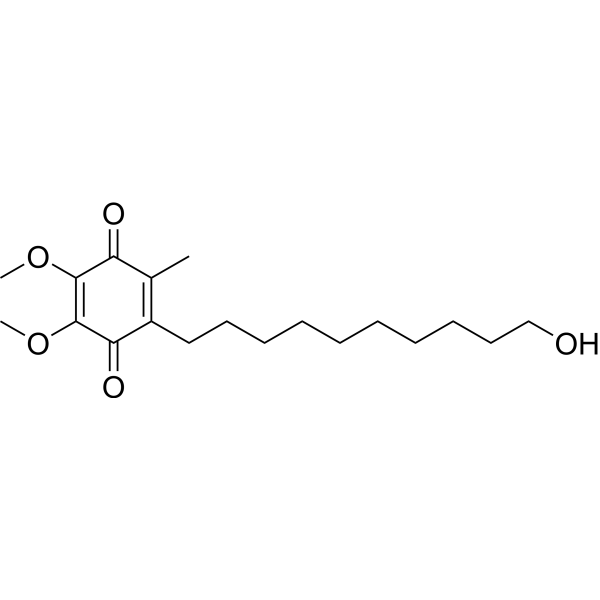
    Idebenone, a well-appreciated mitochondrial protectant, exhibits protective efficacy against neurotoxicity and can be used for the research of Alzheimer's disease, Huntington's disease. Idebenone (oxidised form) has a dose-dependent inhibitory effect on the enzymatic metabolism of arachidonic acid in astroglial homogenates (IC50=16.65 μM) . Idebenone, a coenzyme Q10 analog and an antioxidant, induces apoptotic cell death in the human dopaminergic neuroblastoma SHSY-5Y cells . Idebenone quickly crosses the blood-brain barrier.
    Idebenone
  • HY-W019870
    Glufosinate ammonium
    1 Publications Verification

    Environmental Pollutants Herbicide Neurological Disease
    Glufosinate ammonium, a phosphinic acid analogue of glutamic acid, is an herbicide which is converted by plant cells into PT (L-phosphinothricin). Glufosinate ammonium exerts neurotoxic activity .
    Glufosinate ammonium
  • HY-N7745
    Glucosylsphingosine
    1 Publications Verification

    Glucopsychosine; Lyso-Gb1; Lyso-GL1

    Drug Metabolite Glycosidase Neurological Disease Metabolic Disease Cancer
    Glucosylsphingosine (lyso-Gb1) is a deacylated form of glucosylceramide with neurotoxicity and is also a noncompetitively inhibitor of glucocerebrosidase with a Ki value of 30 μM. Glucosylsphingosine is promising for research of Krabbe and Gaucher disease .
    Glucosylsphingosine
  • HY-B1066
    Butylhydroxyanisole
    5 Publications Verification

    Butylated hydroxyanisole; E320

    Environmental Pollutants Reactive Oxygen Species (ROS) Ferroptosis Neurological Disease Inflammation/Immunology
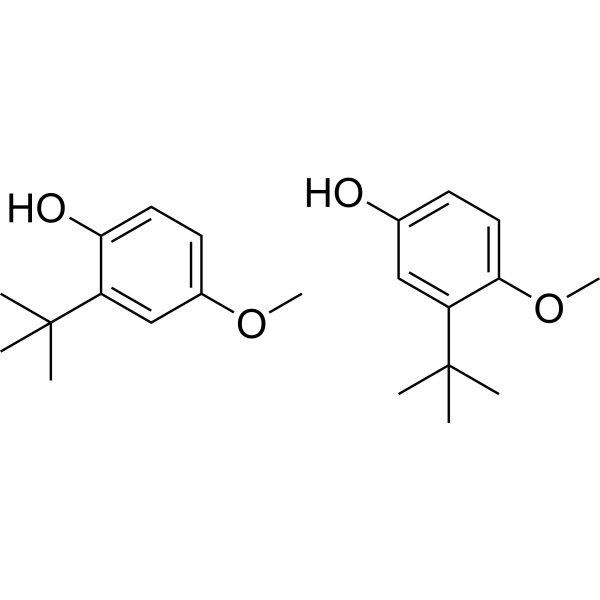
    Butylhydroxyanisole (Butylated hydroxyanisole) is an antioxidant used as a food additive preservative. Butylhydroxyanisole mediates liver toxicity, retardation in reproductive organ development and learning, and sleep deficit. Butylhydroxyanisole exerts neurotoxic effects and leads to disruption of the brain and nerve development . Butylhydroxyanisole is a ferroptosis inducer .
    Butylhydroxyanisole
  • HY-121192
    Capillarisin
    1 Publications Verification

    Reactive Oxygen Species (ROS) Neurological Disease Inflammation/Immunology
    Capillarisin, as a constituent from Artemisiae Capillaris herba, is found to exert anti-inflammatory and antioxidant properties. Capillarisin can be used for the research of asthma-mediated complications and can be a potential neuroprotectant against bupivacaine-induced neurotoxicity .
    Capillarisin
  • HY-N7368

    Adenosine Deaminase Bacterial Caspase Infection Neurological Disease Inflammation/Immunology Cancer
    Hibifolin is a flavonol glycoside that can be isolated from Helicteres isora. Hibifolin is an inhibitor of adenosine deaminase (ADA) (Ki = 49.92 μM). Hibifolin protects neurons against β-amyloid-induced neurotoxicity. Hibifolin possesses a potent protective activity against cell death induced by aggregated Aβ. Hibifolin can abolish Aβ-induced caspase-3 and caspase-7 activation. Hibifolin induces Akt phosphorylation in cortical neurons. Hibifolin is also a natural sortase A (SrtA) inhibitor (IC50 = 31.2 μM) through direct binding to SrtA protein. Hibifolin attenuates the pathogenic behavior of Staphylococcus aureus including adhesion, invasion, and biofilm formation. Hibifolin improves the survival of pneumonia induced by Staphylococcus aureus in mouse model and alleviates pathological damage. Hibifolin shows a synergistic antibacterial effect with Cefotaxime (HY-A0088A) .
    Hibifolin
  • HY-B1777A
    Spermine tetrahydrochloride
    5+ Cited Publications

    Endogenous Metabolite Bacterial Reactive Oxygen Species (ROS) DNA/RNA Synthesis Infection Neurological Disease Inflammation/Immunology
    Spermine tetrahydrochloride is a polyamine nitric oxide donor that can provide nitric oxide to platelets and inhibit platelet activation to a certain extent concentration-dependently. Spermine tetrahydrochloride occurs in mammalian tissues, plants, bacteria, ribosomes and bacteriophage. Spermine tetrahydrochloride inhibits primary human embryo lung fibroblasts in vitro. Spermine is a natural antioxidant and anti-inflammatory agent. Spermine is known to inhibit some bacterial cultures, especially strains of Staphylococcus aureus. Spermine induces neurotoxicity in the striarum dose-dependently. Spermine can reversibly inhibits DNA synthetic response, mixed lymphocyte response and the induction of cytolytic lymphocyte response in primary cultures of murine spleen cells .
    Spermine tetrahydrochloride
  • HY-101448
    TMI-1
    1 Publications Verification

    WAY-171318

    MMP Apoptosis Interleukin Related TNF Receptor Caspase Infection Neurological Disease Inflammation/Immunology Cancer
    TMI-1 (WAY-171318) inhibits TNF converting enzyme (TACE) (IC50 of 8.4 nM), ADAM-TS-4, ADAM-17 and various MMPs with oral activity. TMI-1 significantly suppresses the secretion of TNF-α , alleviating collagen-induced arthritis in mice. TMI-1 inhibits cancer cell proliferation, induces apoptosis through a caspase-dependent pathway. TMI-1 also reverses TRPV1 upregulation and lowers the levels of inflammatory factors (TNF-αIL-1βIL-6) in nerve cells, protecting against paclitaxel-induced neurotoxicity. TMI-1 leads to changes in pro-atherogenic lipoprotein profiles, but does not affect the progression of early lesions .
    TMI-1
  • HY-B1315

    Environmental Pollutants Apoptosis Insecticide Cholinesterase (ChE) Reactive Oxygen Species (ROS) Neurological Disease Inflammation/Immunology
    Carbaryl is the inhibitor for acetylcholinesterase that inhibits the degradation of acetylcholine in the synaptic cleft, leads to the accumulation of acetylcholine and causes neurotoxicity. Carbaryl can be used as an insecticide .
    Carbaryl
  • HY-P2798

    EC 3.1.1.8; BCHE, Horse serum

    Cholinesterase (ChE) Neurological Disease
    Cholinesterase, Horse serum infers to acetylcholinesterase (AChE) and butyryl cholinesterase (BChE). AChE and BChE catalyze the hydrolysis of 6-MAM to morphine .
    Cholinesterase, Horse serum
  • HY-B0137
    Prilocaine
    1 Publications Verification

    Na+/K+ ATPase Neurological Disease
    Prilocaine, an amino amide, is a Na/K-ATPase inhibitor. Prilocaine has neurotoxic effects .
    Prilocaine
  • HY-B0835

    Environmental Pollutants Reactive Oxygen Species (ROS) Cholinesterase (ChE) Caspase Apoptosis Cardiovascular Disease Neurological Disease Inflammation/Immunology
    Fenobucarb is a carbamate insecticide. Fenobucarb induces zebrafish developmental neurotoxicity through pathways involved in inflammation, oxidative stress, degeneration and apoptosis. Fenobucarb is a possible risk factor to cardiovascular and cerebrovascular systems in animals .
    Fenobucarb
  • HY-Z0283
    Benzamide
    1 Publications Verification

    Benzenecarboxamide; Phenylamide

    Endogenous Metabolite PARP Others
    Benzamide (Benzenecarboxamide) is a potent poly(ADP-ribose) polymerase (PARP) inhibitor. Benzamide has protective activity against both glutamate- and methamphetamine (METH)-induced neurotoxicity in vitro. Benzamide can attenuate the METH-induced dopamine depletions and exhibits neuroprotective activity in mice, also has no acute effect on striatal dopamine metabolism and does not reduce body temperature .
    Benzamide
  • HY-107116

    Microtubule/Tubulin Neurological Disease
    MAP4343 is the 3-methylether derivative of Pregnenolone. MAP4343 binds in vitro to microtubule-associated protein 2 (MAP2), stimulates the polymerization of tubulin, enhances the extension of neurites and protects neurons against neurotoxic agents .
    MAP4343
  • HY-138903
    L-Homocysteic acid
    1 Publications Verification

    L-HCA

    iGluR Neurological Disease
    L-Homocysteic acid (L-HCA) is an endogenous excitatory amino acid that acts as a NMDA receptor agonist (EC50: 14 μM). L-Homocysteic acid is neurotoxic, and can be used in the research of neurological disorders .
    L-Homocysteic acid
  • HY-N2511

    Cholinesterase (ChE) Phosphatase Infection Neurological Disease
    Trimyristin is an orally active compound. Trimyristin can be isolated from the seeds of nutmeg (Myristica fragrans). Trimyristin inhibits the activities of acetylcholinesterase (AChE), ACP and ALP, with IC50 values of 0.11, 0.16 and 0.18 mM, respectively. Trimyristin exerts competitive-noncompetitive inhibition on acetylcholinesterase, uncompetitive inhibition on ACP, and competitive/noncompetitive inhibition on ALP. Trimyristin restores the downregulated acetylcholinesterase concentration in the cerebral cortex of rats exposed to sodium arsenite. Trimyristin can be used in studies related to fascioliasis and neurotoxicity .
    Trimyristin
  • HY-B0832
    Profenofos
    1 Publications Verification

    Environmental Pollutants Cholinesterase (ChE) Insecticide Neurological Disease
    Profenofos is an insecticida used on field crops, vegetables, and fruit crops. Profenofos is an acetylcholinesterase (AChE) inhibitor, with neurotoxicity .
    Profenofos
  • HY-125166
    DB04760
    1 Publications Verification

    MMP Neurological Disease Cancer
    DB04760 (compound 4) is a potent, highly selective, non-zinc-chelating MMP-13 inhibitor with an IC50 of 8 nM . DB04760 significantly reduces paclitaxel neurotoxicity and has anticancer activity .
    DB04760
  • HY-121488

    Interleukin Related Neurological Disease
    GP130 receptor agonist-1 is a potent, brain-penetrant and orally active GP130 receptor agonist. GP130 receptor agonist-1 has a neuroprotective effect on NMDA-induced neurotoxicity .
    GP130 receptor agonist-1
  • HY-W391596

    Parasite Infection Neurological Disease
    Pamaquine is an 8-aminoquinoline antimalarial agent. Pamaquine has neurotoxicity and can damage specific neuro-anatomical structures, leading to deficits of neurologic function in Rhesus monkeys models .
    Pamaquine
  • HY-W013058

    DBDPE; 1,2-Bis(perbromophenyl)ethane

    Biochemical Assay Reagents Neurological Disease Metabolic Disease
    Decabromodiphenyl ethane (DBDPE; 1,2-Bis(perbromophenyl)ethane) is a brominated flame retardant. Decabromodiphenyl ethane can exhibit neurotoxicity, thyroid toxicity, reproductive developmental toxicity, hepatotoxicity, and oxidative stress in living organisms .
    Decabromodiphenyl ethane
  • HY-119896

    Environmental Pollutants Herbicide Neurological Disease
    Clethodim is a postemergence herbicide. Clethodim shows developmental toxicity and neurotoxicity in zebrafish embryos and larvae .
    Clethodim
  • HY-W073501

    trans-2-Pentenedioic acid

    Drug Isomer Endogenous Metabolite Cardiovascular Disease Metabolic Disease
    trans-Glutaconic acid (trans-2-Pentenedioic acid) is the trans isomer of Glutaconic acid (HY-W073501A). trans-Glutaconic acid is a neurotoxic metabolite. trans-Glutaconic acid induces weak neurotoxicity in cultured cerebral neocortical neurons. trans-Glutaconic acid elicits significant electrophysiological responses in rat neocortical wedge preparations at high concentrations. trans-Glutaconic acid can be used in studies related to glutaric acidemia type 1 .
    trans-Glutaconic acid
  • HY-13603
    Crolibulin
    1 Publications Verification

    EPC2407

    Microtubule/Tubulin Apoptosis Cardiovascular Disease Cancer
    Crolibulin (EPC2407) is a tubulin polymerization inhibitor, with potent apoptosis induction and cell growth inhibition. Crolibulin has anti-tumor activity. Crolibulin also has cardiovascular toxicity and neurotoxicity .
    Crolibulin
  • HY-B1945R
    DEHP (Standard)
    1 Publications Verification

    Bis(2-ethylhexyl) phthalate (Standard); Ergoplast FDO (Standard); ESBO-D 82 (Standard)

    Reference Standards Endogenous Metabolite Metabolic Disease
    DEHP (Standard) is the analytical standard of DEHP. This product is intended for research and analytical applications. DEHP (Bis(2-ethylhexyl) phthalate) is a widely used plasticizer, which has orally active. DEHP can produce a wide spectrum of toxic effects on organisms including neurotoxicity, liver toxicity, immunotoxicity, and reproductive toxicity .
    DEHP (Standard)
  • HY-N0137A

    Drug Intermediate Neurological Disease
    (R)-Tetrahydropapaverine hydrochloride is the isomer of Tetrahydropapaverine hydrochloride (HY-N0137), and can be used as an experimental control. Tetrahydropapaverine hydrochloride is one of the Tetrahydroisoquinolines. Tetrahydropapaverine hydrochloride has neurotoxic effects on dopamine neurons .
    (R)-Tetrahydropapaverine hydrochloride
  • HY-18941C
    Eglumegad hydrochloride
    4 Publications Verification

    LY354740 hydrochloride; Eglumetad hydrochloride

    mGluR Neurological Disease
    Eglumegad (LY354740) hydrochloride is a highly potent and selective group II (mGlu2/3) receptor agonist with IC50s of 5 and 24 nM on transfected human mGlu2 and mGlu3 receptors, respectively. Eglumegad hydrochloride protects neurons from NMDA toxicity. Eglumegad hydrochloride has anxiolytic- and antipsychotic-like effects .
    Eglumegad hydrochloride
  • HY-N13742

    Dihydrohonokiol

    GABA Receptor Neurological Disease
    Dihydrohonokiol B (Dihydrohonokiol) is an anxiolytic agent. Dihydrohonokiol B can reduce the neurotoxicity induced by amyloid β protein by stimulating the GABAC receptor. Dihydrohonokiol B can be used in the research of neurodegenerative diseases such as Alzheimer's disease .
    Dihydrohonokiol B
  • HY-P5807A

    β-Mammal toxin Cn2 TFA

    Sodium Channel Neurological Disease
    Cn2 toxin TFA (β-Mammal toxin Cn2 TFA) is a single-chain β-scorpion neurotoxic peptide that is the main toxin in scorpion venom. Cn2 toxin (TFA) specifically targets mammalian voltage-gated sodium channels (VGSC) Nav1.6 .
    Cn2 toxin TFA
  • HY-W019870A

    Herbicide Neurological Disease
    Glufosinate, a phosphinic acid analogue of glutamic acid, is a herbicide which is converted by plant cells into PT (L-phosphinothricin). Glufosinate exerts neurotoxic activity .
    Glufosinate
  • HY-W019870R

    Herbicide Reference Standards Neurological Disease
    Glufosinate (ammonium) (Standard) is the analytical standard of Glufosinate (ammonium). This product is intended for research and analytical applications. Glufosinate ammonium, a phosphinic acid analogue of glutamic acid, is an herbicide which is converted by plant cells into PT (L-phosphinothricin). Glufosinate ammonium exerts neurotoxic activity .
    Glufosinate ammonium (Standard)
  • HY-B0832R

    Reference Standards Cholinesterase (ChE) Insecticide Neurological Disease
    Profenofos (Standard) is the analytical standard of Profenofos. This product is intended for research and analytical applications. Profenofos is an insecticida used on field crops, vegetables, and fruit crops. Profenofos is an acetylcholinesterase (AChE) inhibitor, with neurotoxicity .
    Profenofos (Standard)
  • HY-W127493

    Ceryl Alcohol

    Biochemical Assay Reagents Infection
    1-Hexacosanol can be used as an inhibitor of acetylcholinesterase (AChE). 1-Hexacosanol has larvicidal activity and can inhibit the acetylcholinesterase activity of Culex quinquefasciatus, Aedes aegypti and Chironomus riparius, exerting neurotoxic effects .
    1-Hexacosanol
  • HY-B0137A
    Prilocaine hydrochloride
    1 Publications Verification

    Na+/K+ ATPase Neurological Disease
    Prilocaine hydrochloride, an amino amide, is a Na/K-ATPase inhibitor. Prilocaine has neurotoxic effects .
    Prilocaine hydrochloride
  • HY-N7027

    Others Neurological Disease Cancer
    Macrozamin is a major constituent principle of Cycads. Macrozamin has carcinogenic, mutagenic, teratogenic and neurotoxic properties .
    Macrozamin
  • HY-N3562

    Reactive Oxygen Species (ROS) Neurological Disease
    Cedrin is a natural flavonoid that can be found in Cedrus deodara. Cedrin protects PC12 cells against neurotoxicity induced by Aβ1-42. Cedrin can reduce reactive oxygen species overproduction, increase the activity of superoxide dismutase and decrease malondialdehyde content .
    Cedrin
  • HY-P1517

    Amyloid-β Neurological Disease
    β-Amyloid (31-35) is the shortest sequence of native Amyloid-β peptide that retains neurotoxic activity.
    β-Amyloid (31-35)
  • HY-103229

    iGluR Neurological Disease
    Cl-HIBO is a highly subtype-selective GluR1/2 agonist (EC50=4.7 and 1.7 μM, respectively). Cl-HIBO is a potent AMPA receptor agonist (IC50=0.22 μM). Cl-HIBO has desensitizing properties .
    Cl-HIBO
  • HY-175535

    HIV Protease HIV Dopamine Transporter Infection Neurological Disease
    SRI-32743 is an allosteric human dopamine transporter (hDAT) modulator (IC50=9.86 μM). SRI-32743 is promising for research of HIV-Tat-induced neurotoxicity .
    SRI-32743
  • HY-N16576

    Others Neurological Disease
    Ethyl lecanorate is a main secondary metabolite of Claviceps purpurea. Ethyl lecanorate shows neurotoxic effect with an IC50 of 54 µM on CCF-STTG1 cells. Ethyl lecanorate can be used for neurological disease research .
    Ethyl lecanorate
  • HY-109116A

    Leukomethylene blue dihydrobromide; LMTM dihydrobromide

    Tau Protein Neurological Disease
    Hydromethylthionine dihydrobromide (Leukomethylene blue dihydrobromide) is a potent inhibitor of TAU protein aggregation. Hydromethylthionine dihydrobromide reduces neurodegeneration by interacting with TAU proteins and preventing them from forming neurotoxic aggregates. Hydromethylthionine dihydrobromide can be used in the study of Alzheimer's disease and other TAU related disorders .
    Hydromethylthionine dihydrobromide
  • HY-176065

    Sodium Channel Neurological Disease
    Nav1.2-IN-1 (compound 5i), a 3-(1,2,3,6-tetrahydropyridine)-4-azaindole derivative, is a potent and selective Nav1.2 inhibitor. Nav1.2-IN-1 induces a reduction in the peak amplitude of Nav1.2 currents with an IC50 value of 7.79 μM. Nav1.2-IN-1 exhibits antiepileptic activity. Nav1.2-IN-1 shows high anticonvulsant effect and low neurotoxicity in subcutaneous Pentetrazole (sc-PTZ)-induced epilepsy mode .
    Nav1.2-IN-1
  • HY-106768

    CB 10-375; NSC 283162

    DNA Alkylator/Crosslinker Cancer
    Trimelamol (CB10-375; NSC283162) is a highly efficient acid-catalyzed DNA interstrand crosslinker with low neurotoxicity due to its limited BBB penetration. Trimelamol exhibits anti-tumor activity and overcomes platinum resistance. Trimelamol is investigated for lung and ovarian cancer research [1][2][3][4][5].
    Trimelamol
  • HY-N0303R

    Reference Standards Mitochondrial Metabolism Apoptosis Neurological Disease
    Idebenone (Standard) is the analytical standard of Idebenone. This product is intended for research and analytical applications. Idebenone, a well-appreciated mitochondrial protectant, exhibits protective efficacy against neurotoxicity and can be used for the research of Alzheimer's disease, Huntington's disease. Idebenone (oxidised form) has a dose-dependent inhibitory effect on the enzymatic metabolism of arachidonic acid in astroglial homogenates (IC50=16.65 μM) . Idebenone, a coenzyme Q10 analog and an antioxidant, induces apoptotic cell death in the human dopaminergic neuroblastoma SHSY-5Y cells . Idebenone quickly crosses the blood-brain barrier.
    Idebenone (Standard)
  • HY-N9515

    Apoptosis Reactive Oxygen Species (ROS) Neurological Disease Metabolic Disease
    Diallyl tetrasulfide is an orally active diallyl tetrasulfide. Diallyl tetrasulfide ameliorates cadmium-induced changes in acetylcholinesterase and adenosine triphosphatase activities as well as oxidative stress injury in the brain of rats . Diallyl tetrasulfide inhibits lipid peroxidation in rat liver microsomes . Diallyl tetrasulfide ameliorates cadmium-induced oxidative liver injury in rats . Diallyl tetrasulfide protects cells against cadmium-induced loss of cell viability, reduces apoptosis rate and ROS production. Diallyl tetrasulfide is applicable to research related to cadmium-induced neurotoxicity and cadmium-induced oxidative liver injury .
    Diallyl tetrasulfide

Inquiry Online

Your information is safe with us. * Required Fields.

Salutation


Country or Region *

Applicant Name *


Organization Name *

Department *


Email Address *


Product Name *

Cat. No.


Requested quantity *

Phone Number *


Remarks

Inquiry Online

Inquiry Information

Product Name:
Cat. No.:
Quantity:
MCE Japan Authorized Agent:

