1. Search Result
Search Result
Results for "

PARP1/2-IN-4

" in MedChemExpress (MCE) Product Catalog:

24

Inhibitors & Agonists

4

Natural
Products

4

Isotope-Labeled Compounds

1

Click Chemistry

Targets Recommended:
Cat. No. Product Name Target Research Areas Chemical Structure
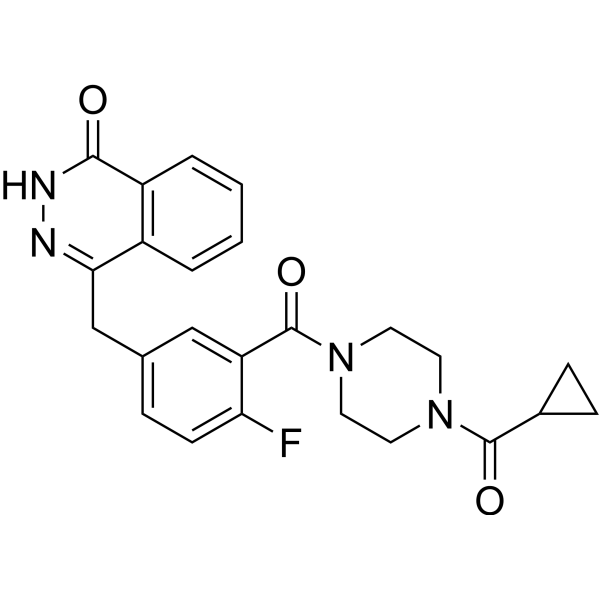
  • HY-10162
    Olaparib
    Maximum Cited Publications
    347 Publications Verification

    AZD2281; KU0059436

    PARP Autophagy Mitophagy Cancer
    Olaparib (AZD2281; KU0059436) is a potent and orally active PARP inhibitor with IC50s of 5 and 1 nM for PARP1 and PARP2, respectively. Olaparib is an autophagy and mitophagy activator. Olaparib cannot cross the intact blood-brain barrier (BBB) [2] .
    Olaparib
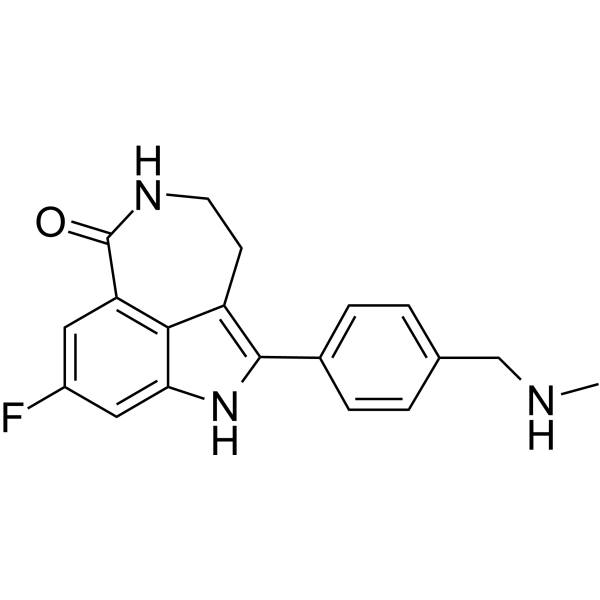
  • HY-10617A
    Rucaparib
    45+ Cited Publications

    AG014699; PF-01367338

    PARP Cancer
    Rucaparib (AG014699) is an orally active, potent inhibitor of PARP proteins (PARP-1, PARP-2 and PARP-3) with a Ki of 1.4 nM for PARP1. Rucaparib is a modest hexose-6-phosphate dehydrogenase (H6PD) inhibitor. Rucaparib has the potential for castration-resistant prostate cancer (CRPC) research [2] .
    Rucaparib
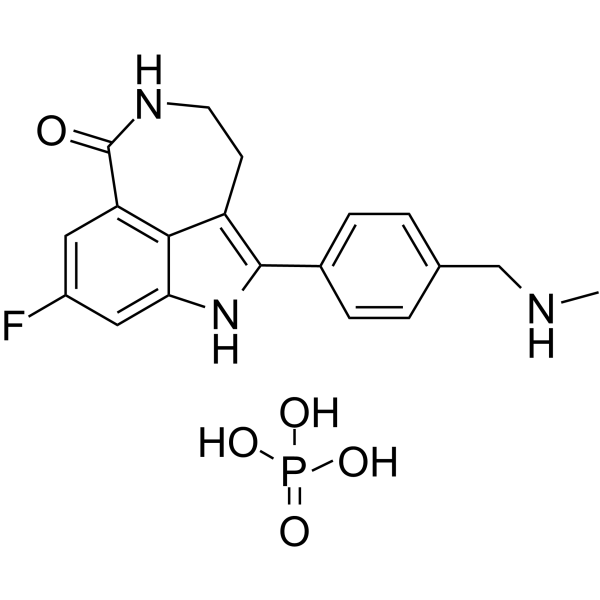
  • HY-10617
    Rucaparib phosphate
    45+ Cited Publications

    AG-014699 phosphate; PF-01367338 phosphate

    PARP Cancer
    Rucaparib (AG014699) phosphate is an orally active, potent inhibitor of PARP proteins (PARP-1, PARP-2 and PARP-3) with a Ki of 1.4 nM for PARP1. Rucaparib phosphate is a modest hexose-6-phosphate dehydrogenase (H6PD) inhibitor. Rucaparib phosphate has the potential for castration-resistant prostate cancer (CRPC) research [2] .
    Rucaparib phosphate
  • HY-10162R

    AZD2281 (Standard); KU0059436 (Standard)

    Reference Standards PARP Autophagy Mitophagy Cancer
    Olaparib (Standard) is the analytical standard of Olaparib. This product is intended for research and analytical applications. Olaparib (AZD2281; KU0059436) is a potent and orally active PARP inhibitor with IC50s of 5 and 1 nM for PARP1 and PARP2, respectively. Olaparib is an autophagy and mitophagy activator [2] .
    Olaparib (Standard)
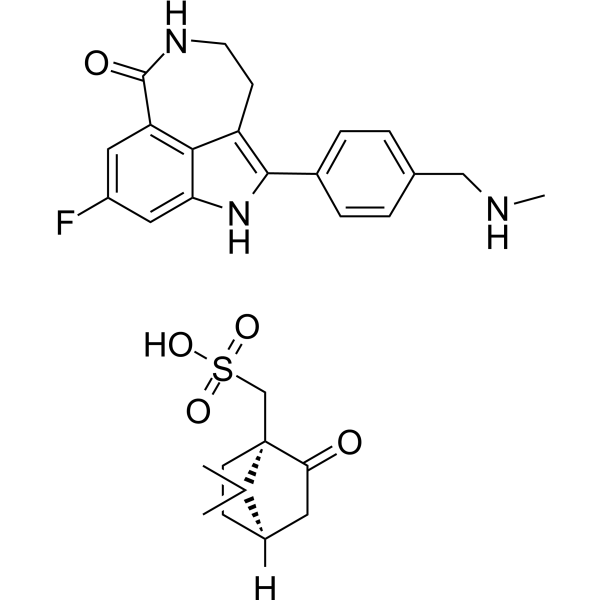
  • HY-102003
    Rucaparib monocamsylate
    35+ Cited Publications

    AG014699 monocamsylate; PF-01367338 monocamsylate

    PARP Cancer
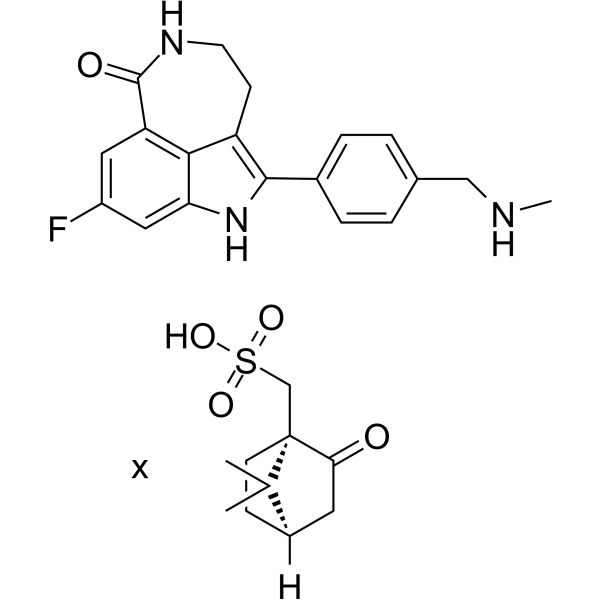
    Rucaparib (AG014699) monocamsylate is an orally active, potent inhibitor of PARP proteins (PARP-1, PARP-2 and PARP-3) with a Ki of 1.4 nM for PARP1. Rucaparib monocamsylate is a modest hexose-6-phosphate dehydrogenase (H6PD) inhibitor. Rucaparib monocamsylate has the potential for castration-resistant prostate cancer (CRPC) research [2] .
    Rucaparib monocamsylate
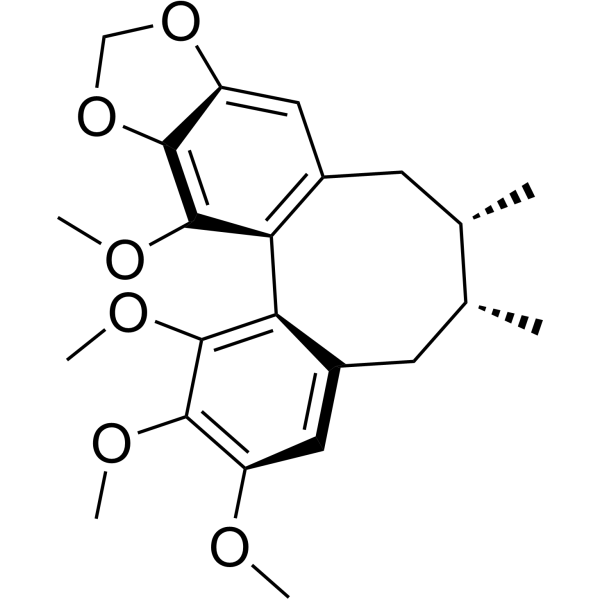
  • HY-N6866

    Apoptosis AMPK Akt PERK Keap1-Nrf2 Caspase PARP GSK-3 NO Synthase Interleukin Related Neurological Disease Metabolic Disease Inflammation/Immunology Endocrinology Cancer
    Gomisin N is an orally active lignan compound. Gomisin N can be isolated from Schisandra chinensis. Gomisin N induces Apoptosis in a variety of cells. Gomisin N activates AMPK, Akt, MAPK/ERK, Nrf2, caspase-3 and PARP-1. Gomisin N inhibits GSK3β, nitric oxide (NO), and proinflammatory cytokines (IL-1β, IL-6, TNF-α). Gomisin N has anti-inflammatory, antioxidant, anti-obesity, anti-diabetic, and anti-melanogenesis activities. Gomisin N has anti-tumor activity against cervical cancer and liver cancer. Gomisin N improves Alzheimer's disease [2] .
    Gomisin N
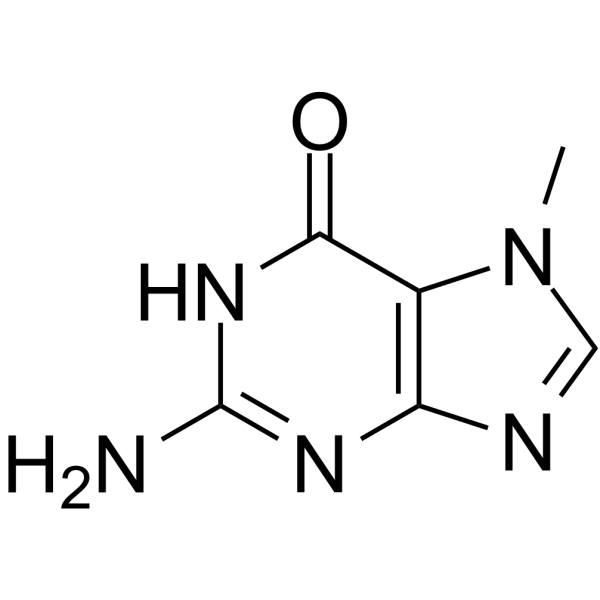
  • HY-113352

    Endogenous Metabolite PARP Cancer
    7-Methylguanine is an orally active and competitive PARP-1 inhibitor with a Ki value of 61 μM. 7-Methylguanine is a metabolite of nucleic acids. 7-Methylguanine has anticancer activity against uterine sarcoma and colon adenocarcinoma. 7-Methylguanine is used as a probe for protein-DNA interactions [2] .
    7-Methylguanine
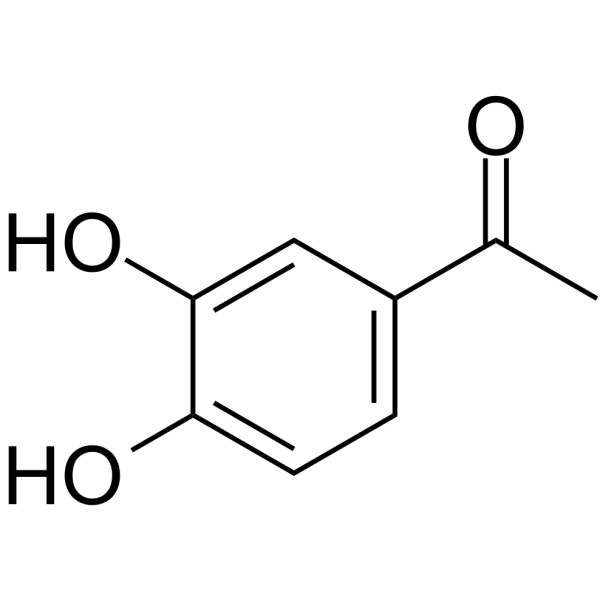
  • HY-N1775

    3,4-DHAP

    Tyrosinase Reactive Oxygen Species (ROS) Keap1-Nrf2 PARP Autophagy Apoptosis Cardiovascular Disease Neurological Disease Metabolic Disease Inflammation/Immunology Cancer
    3',4'-Dihydroxyacetophenone (3,4-DHAP) is a phenolic compound with oral bioavailability, possessing potent antioxidant, anti-inflammatory, anticancer and cardiovascular protective activities. 3',4'-Dihydroxyacetophenone inhibits mushroom Tyrosinase activity with an IC50 of 10 μM, thereby suppressing melanogenesis . 3',4'-Dihydroxyacetophenone inhibits platelet aggregation in platelet-rich plasma. 3',4'-Dihydroxyacetophenone reduces ROS levels in human umbilical vein endothelial cells treated with high glucose, upregulates the expression of Nrf2, HO-1 and PARP-1 in cells, and promotes the nuclear translocation of Nrf2 . 3',4'-Dihydroxyacetophenone induces autophagy and apoptosis. 3',4'-Dihydroxyacetophenone inhibits seed germination/growth in most plants. 3',4'-Dihydroxyacetophenone can be used in the research of cancer, neurodegenerative diseases, non-alcoholic steatohepatitis, diabetes, obesity, skin pigmentation disorders, and cardiovascular and cerebrovascular diseases [2] .
    3',4'-Dihydroxyacetophenone
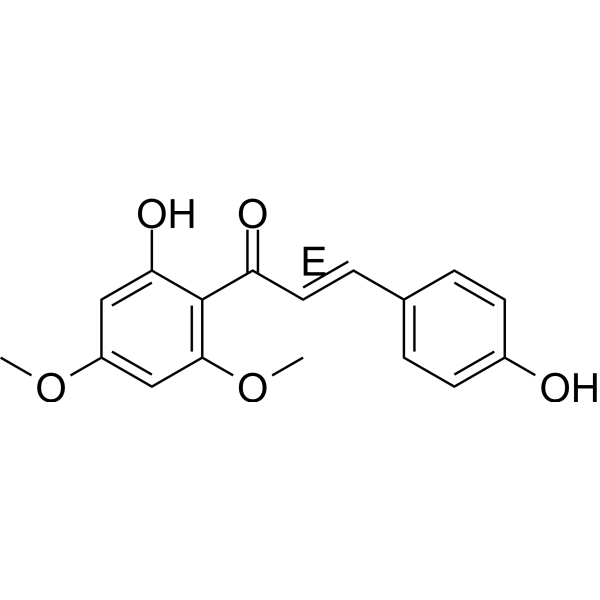
  • HY-N2445
    Flavokawain C
    4 Publications Verification

    Apoptosis Akt JNK PERK Caspase PARP MDM-2/p53 IAP Reactive Oxygen Species (ROS) SOD FABP Autophagy AMPK mTOR GLUT EGFR PI3K HSP VEGFR FAK Cancer
    Flavokawain C is an orally active natural chalcone. Flavokawain C inhibits the proliferation of various cancer cells. Flavokawain C upregulates GADD153 in cancer cells, inhibits the phosphorylation of Akt and JNK, suppresses early ERK phosphorylation, activates late ERK phosphorylation, activates caspase related subtypes, induces PARP-1 cleavage, causes upregulation of p21 and p27, downregulation of mutant p53 and anti-apoptotic IAP proteins, elevates intracellular ROS levels, reduces SOD activity, and induces apoptosis. Flavokawain C downregulates FABP4, induces autophagy in cancer cells, and activates the AMPK/mTOR pathway . Flavokawain C decreases the expression of glycolysis-related proteins GLUT1 and HK2, and inhibits glycolysis in nasopharyngeal carcinoma cells. Flavokawain C inhibits the activation of the EGFR/PI3K/Akt/mTOR signaling pathway and reduces the expression of HSP90B1. Flavokawain C inhibits angiogenesis by decreasing the expression of angiogenic proteins Ang-1 and VEGF in human umbilical vein endothelial cells. Flavokawain C increases γ-H2AX levels in cells, inhibits the phosphorylation of FAK, PI3K and AKT in cells, and induces DNA damage in cells. Flavokawain C exerts anti-tumor activity in multiple tumor xenograft mouse models. Flavokawain C is applicable to research related to colorectal cancer, colon adenocarcinoma, nephroblastoma, nasopharyngeal carcinoma and liver cancer [2] .
    Flavokawain C
  • HY-10162S

    AZD2281-d5; KU0059436-d5

    Isotope-Labeled Compounds PARP Autophagy Mitophagy Cancer
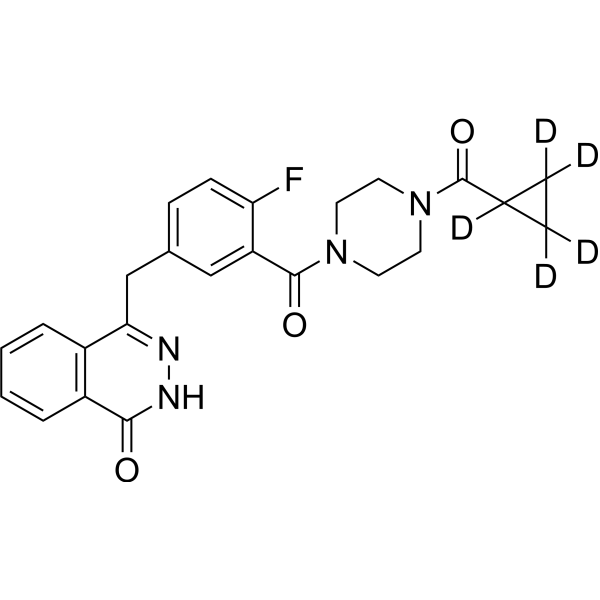
    Olaparib-d5 (AZD2281-d5) is the deuterium labeled Olaparib (HY-10162). Olaparib is a potent and orally active PARP inhibitor with IC50s of 5 and 1 nM for PARP1 and PARP2, respectively. Olaparib is an autophagy and mitophagy activator [2] .
    Olaparib-d5
  • HY-10162S1

    AZD2281-d8; KU0059436-d8

    Isotope-Labeled Compounds PARP Autophagy Mitophagy Cancer
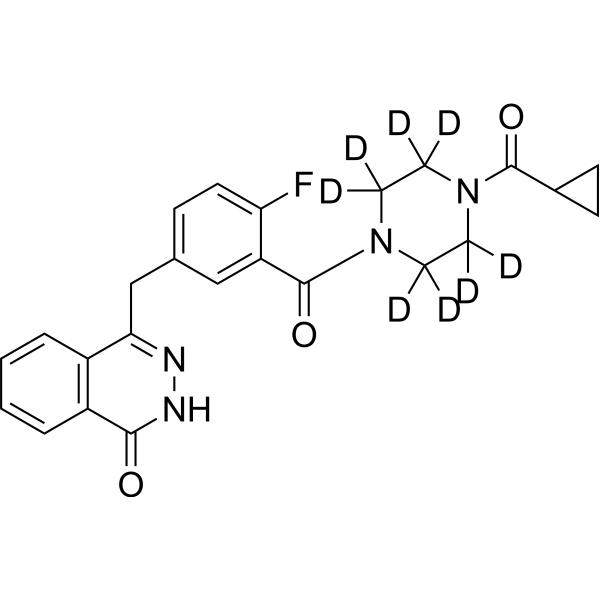
    Olaparib-d8 (AZD2281-d8) is the deuterium labeled Olaparib (HY-10162). Olaparib is a potent and orally active PARP inhibitor with IC50s of 5 and 1 nM for PARP1 and PARP2, respectively. Olaparib is an autophagy and mitophagy activator [2] .
    Olaparib-d8
  • HY-130654

    VH032-C2-PEG4-N3

    E3 Ligase Ligand-Linker Conjugates Cancer
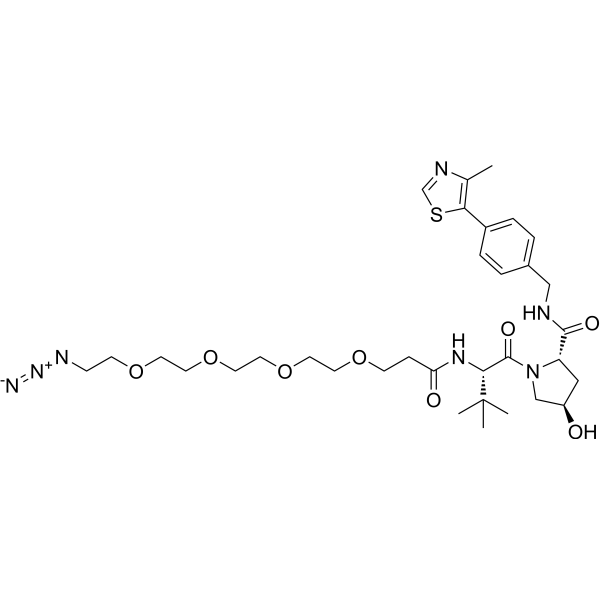
    (S,R,S)-AHPC-C2-PEG4-N3 (VH032-C2-PEG4-N3) is a synthesized E3 ligase ligand-linker conjugate that incorporates the (S,R,S)-AHPC based VHL ligand and 4-unit PEG linker used in PROTAC technology. (S,R,S)-AHPC-C2-PEG4-N3 can be used in the synthesis of vRucaparib-TP4 (HY-130647). vRucaparib-TP4 a highly potent PARP1 degrader with a half-maximal degrading concentration (DC50) of 82 nM . (S,R,S)-AHPC-C2-PEG4-N3 is a click chemistry reagent, it contains an Azide group and can undergo copper-catalyzed azide-alkyne cycloaddition reaction (CuAAc) with molecules containing Alkyne groups. It can also undergo strain-promoted alkyne-azide cycloaddition (SPAAC) reactions with molecules containing DBCO or BCN groups.
    (S,R,S)-AHPC-C2-PEG4-N3
  • HY-102003A

    AG014699 camsylate; PF-01367338 camsylate

    PARP Cancer
    Rucaparib (AG014699) camsylate is an orally active, potent inhibitor of PARP proteins (PARP-1, PARP-2 and PARP-3) with a Ki of 1.4 nM for PARP1. Rucaparib camsylate is a modest hexose-6-phosphate dehydrogenase (H6PD) inhibitor. Rucaparib camsylate has the potential for castration-resistant prostate cancer (CRPC) research [2] .
    Rucaparib camsylate
  • HY-105253

    PARP Neurological Disease
    PARP-2/1-IN-2 (Compound 4a), the enantiomer of Veliparib (HY-10129), is a potent PARP inhibitor with Kis of 2 and 5 nM against PARP-2 and PARP-1, respectively. PARP-2/1-IN-2 has an EC50 of 3 nM in a cell based assay of PARP activity .
    PARP-2/1-IN-2
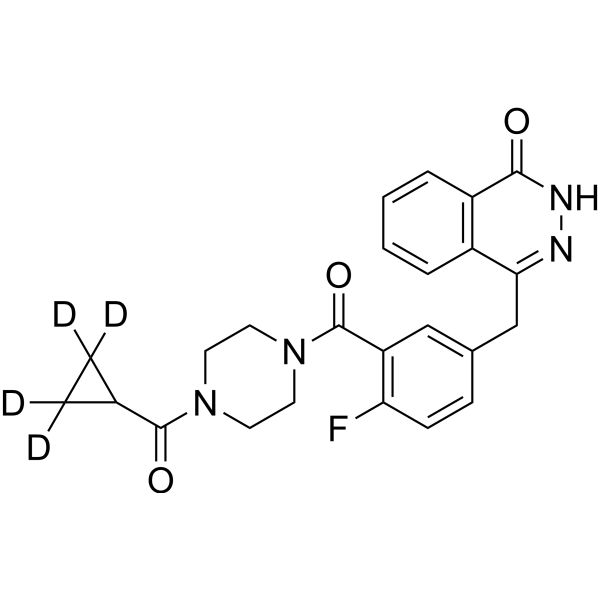
  • HY-10162S3

    AZD2281-d4-1; KU0059436-d4-1

    Isotope-Labeled Compounds PARP Autophagy Mitophagy Cancer
    Olaparib-d4-1 (AZD2281-d4-1) is the deuterium labeled Olaparib (HY-10162). Olaparib is a potent and orally active PARP inhibitor with IC50s of 5 and 1 nM for PARP1 and PARP2, respectively. Olaparib is an autophagy and mitophagy activator [2] .
    Olaparib-d4-1
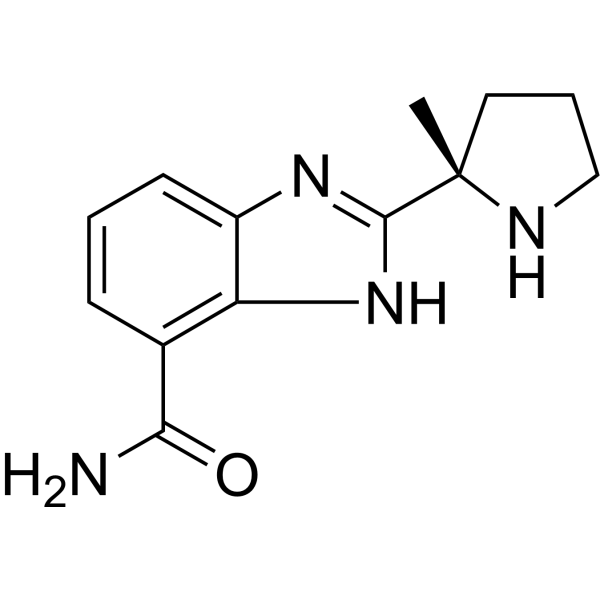
  • HY-168657

    PARP Others
    PARP1/2-IN-4 (compound 3) is a PARP1/2 inhibitor .
    PARP1/2-IN-4
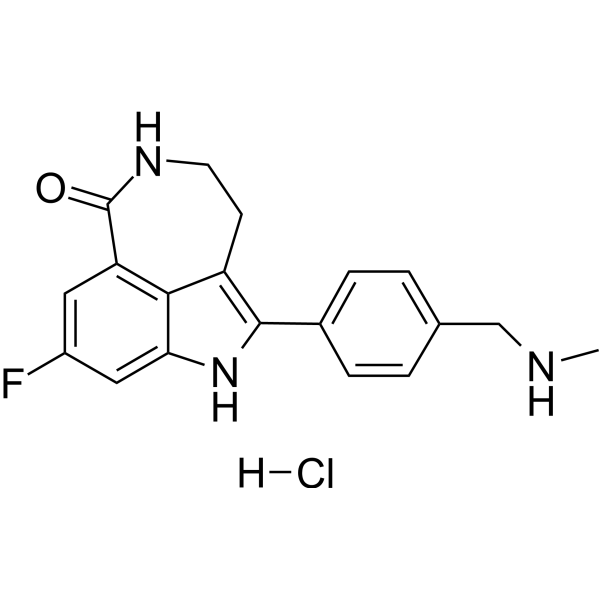
  • HY-10617B

    AG014699 hydrochloride; PF-01367338 hydrochloride

    PARP Cancer
    Rucaparib (AG014699) hydrochloride is an orally active, potent inhibitor of PARP proteins (PARP-1, PARP-2 and PARP-3) with a Ki of 1.4 nM for PARP1. Rucaparib hydrochloride is a modest hexose-6-phosphate dehydrogenase (H6PD) inhibitor. Rucaparib hydrochloride has the potential for castration-resistant prostate cancer (CRPC) research [2] .
    Rucaparib hydrochloride
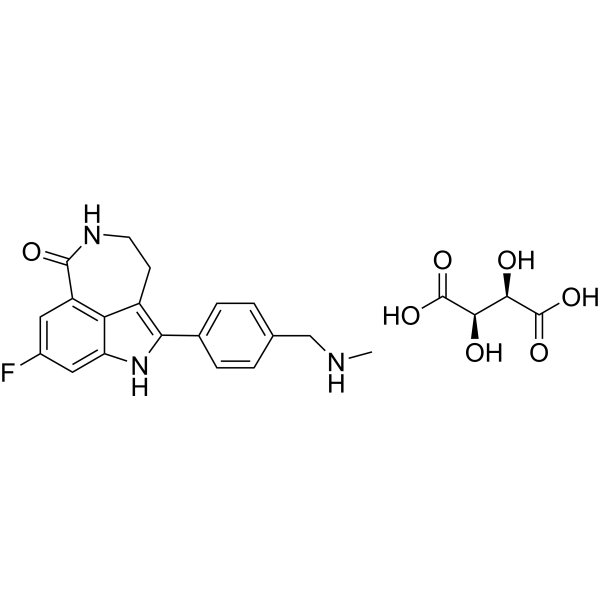
  • HY-10617C

    AG-014699 tartrate; PF-01367338 tartrate

    PARP Cancer
    Rucaparib (AG014699) tartrate is an orally active, potent inhibitor of PARP proteins (PARP-1, PARP-2 and PARP-3) with a Ki of 1.4 nM for PARP1. Rucaparib tartrate is a modest hexose-6-phosphate dehydrogenase (H6PD) inhibitor. Rucaparib tartrate has the potential for castration-resistant prostate cancer (CRPC) research [2] .
    Rucaparib tartrate
  • HY-10617AR

    AG014699 (Standard); PF-01367338 (Standard)

    Reference Standards PARP Cancer
    Rucaparib (Standard) is the analytical standard of Rucaparib. This product is intended for research and analytical applications. Rucaparib (AG014699) is an orally active, potent inhibitor of PARP proteins (PARP-1, PARP-2 and PARP-3) with a Ki of 1.4 nM for PARP1. Rucaparib is a modest hexose-6-phosphate dehydrogenase (H6PD) inhibitor. Rucaparib has the potential for castration-resistant prostate cancer (CRPC) research [2] .
    Rucaparib (Standard)
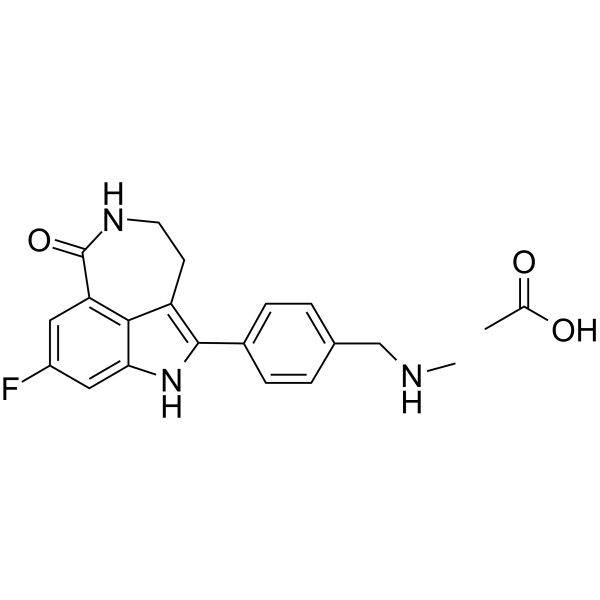
  • HY-10617D

    AG014699 acetate; PF-01367338 acetate

    PARP Cancer
    Rucaparib (AG014699) acetate is an orally active, potent inhibitor of PARP proteins (PARP-1, PARP-2 and PARP-3) with a Ki of 1.4 nM for PARP1. Rucaparib acetate is a modest hexose-6-phosphate dehydrogenase (H6PD) inhibitor. Rucaparib acetate has the potential for castration-resistant prostate cancer (CRPC) research [2] .
    Rucaparib acetate
  • HY-10617R

    AG-014699 phosphate (Standard); PF-01367338 phosphate (Standard)

    Reference Standards PARP Cancer
    Rucaparib (phosphate) (Standard) is the analytical standard of Rucaparib (phosphate). This product is intended for research and analytical applications. Rucaparib (AG014699) phosphate is an orally active, potent inhibitor of PARP proteins (PARP-1, PARP-2 and PARP-3) with a Ki of 1.4 nM for PARP1. Rucaparib phosphate is a modest hexose-6-phosphate dehydrogenase (H6PD) inhibitor. Rucaparib phosphate has the potential for castration-resistant prostate cancer (CRPC) research [2] .
    Rucaparib phosphate (Standard)
  • HY-10617AS

    AG014699-d8 ; PF-01367338-d8

    Isotope-Labeled Compounds PARP Cancer
    Rucaparib-d8 (AG014699-d8 ) is deuterium labeled Rucaparib. Rucaparib (AG014699) is an orally active, potent inhibitor of PARP proteins (PARP-1, PARP-2 and PARP-3) with a Ki of 1.4 nM for PARP1. Rucaparib is a modest hexose-6-phosphate dehydrogenase (H6PD) inhibitor. Rucaparib has the potential for castration-resistant prostate cancer (CRPC) research [2] .
    Rucaparib-d8
  • HY-162349

    HDAC PARP Cancer
    PARP7/HDACs-IN-1 (compound 9l) is a dual-target inhibitor targeting PARP7/HDAC with anti-tumor activity. PARP7/HDACs-IN-1 inhibits different subtypes of PARPs and HDACs with IC50s of 83.3 nM (PARP1), 3.1 nM (PARP7), 35 nM (HDAC1), 30.3 nM (HDAC2), 35.4 nM (HDAC3), and 6.4 nM respectively. (HDAC6) . br/ .
    PARP7/HDACs-IN-1
  • HY-102003R

    AG014699 monocamsylate (Standard); PF-01367338 monocamsylate (Standard)

    Reference Standards PARP Cancer
    Rucaparib monocamsylate (Standard) is the analytical standard of Rucaparib monocamsylate (HY-102003). This product is intended for research and analytical applications. Rucaparib (AG014699) monocamsylate is an orally active, potent inhibitor of PARP proteins (PARP-1, PARP-2 and PARP-3) with a Ki of 1.4 nM for PARP1. Rucaparib monocamsylate is a modest hexose-6-phosphate dehydrogenase (H6PD) inhibitor. Rucaparib monocamsylate has the potential for castration-resistant prostate cancer (CRPC) research [2] .
    Rucaparib monocamsylate (Standard)

Inquiry Online

Your information is safe with us. * Required Fields.

Salutation


Country or Region *

Applicant Name *


Organization Name *

Department *


Email Address *


Product Name *

Cat. No.


Requested quantity *

Phone Number *


Remarks

Inquiry Online

Inquiry Information

Product Name:
Cat. No.:
Quantity:
MCE Japan Authorized Agent:

