

Search Result
Results for "
PD-L1-IN-1
" in MedChemExpress (MCE) Product Catalog:
1
Biochemical Assay Reagents
| Cat. No. |
Product Name |
Target |
Research Areas |
Chemical Structure |
-
- HY-30105
-
|
|
PROTAC Linkers
|
Cancer
|
|
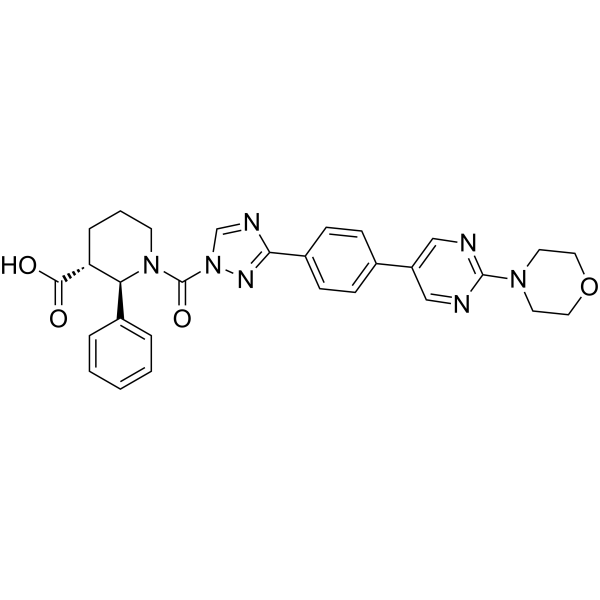
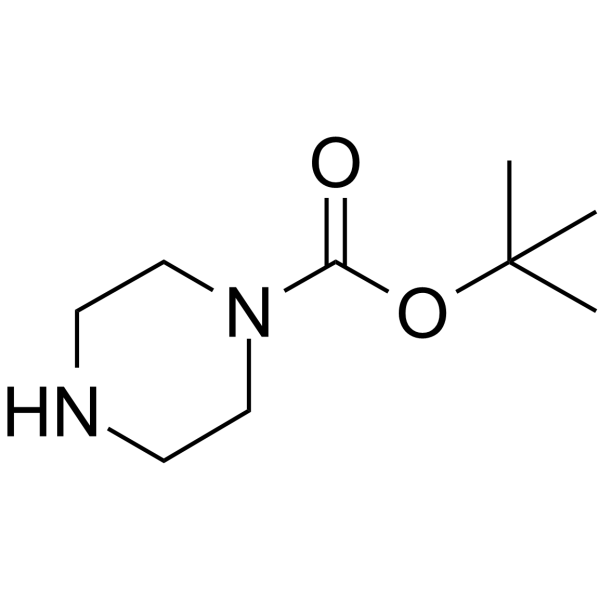
N-Boc-piperazine is a Alkyl/ether-based PROTAC linker that can be used in the synthesis of PROTAC PD-1/PD-L1 degrader-1 (HY-131183) .
|
-
-
- HY-128679
-
|
|
IKK
|
Cancer
|
|
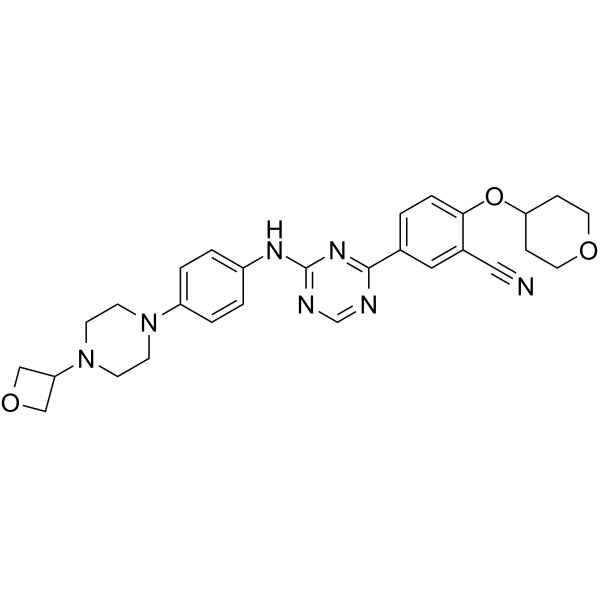
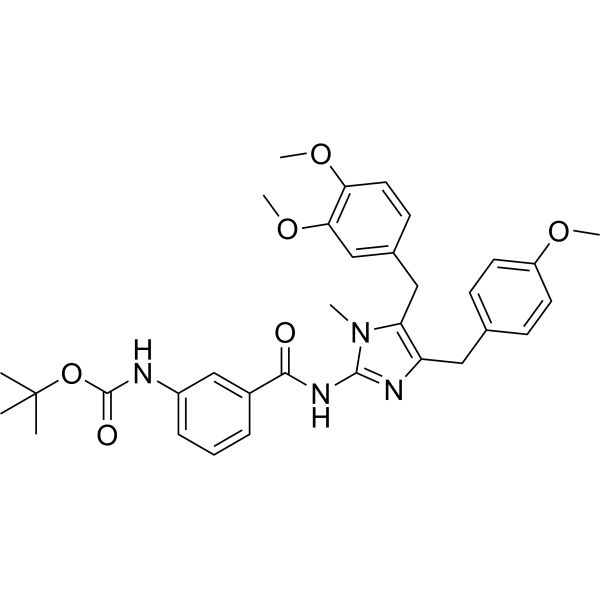
TBK1/IKKε-IN-5 (compound 1) is an orally active TBK1 and IKKε dual inhibitor, with IC50 values of 1 and 5.6 nM, respectively. TBK1/IKKε-IN-5 enhances the blockade response to PD-1 and induces immune memory in rats when combines with anti-PD-L1. TBK1/IKKε-IN-5 can be used in cancer research, especially in tumour immunity .
|
-
-
- HY-P990173
-
|
|
PD-1/PD-L1
|
Inflammation/Immunology
Cancer
|
|
Anti-Mouse/Rat/Human PD-L1 Antibody (368A.4H1) is a mouse-derived PD-L1 IgG1 κ type antibody inhibitor. Anti-Mouse/Rat/Human PD-L1 Antibody (368A.4H1) increases IFN-γ levels in organoid-primed T cells. Anti-Mouse/Rat/Human PD-L1 Antibody (368A.4H1) can be used for the researches of cancer, such as oral squamous cell carcinoma and mammary cancer .
|
-
-
- HY-124700
-
|
|
Cyclic GMP-AMP Synthase
STING
PD-1/PD-L1
Epoxide Hydrolase
|
Metabolic Disease
|
|
LYPLAL1-IN-1 (compound 11) is a selective, covalent, and irreversible inhibitor of the lysophospholipase-like enzyme LYPLAL1 (IC50 = 6 nM). LYPLAL1-IN-1 shows selectivity against other serine hydrolases such as carboxylesterase CES1 (IC50 > 50 μM for CES1). LYPLAL1-IN-1 inhibits the depalmitoylation function of LYPLAL1, blocking its depalmitoylation modification of cyclic GMP-AMP synthase (cGAS), thereby promoting cGAS dimerization and activation, and initiating the cGAS-STING pathway-mediated innate immune response. LYPLAL1-IN-1 can enhance DNA-induced type I interferon production, upregulate PD-L1 expression in tumor cells, and promote the accumulation of tumor-infiltrating CD8 + T cells, with the core function of strengthening the anti-tumor immune response. LYPLAL1-IN-1 is primarily used in tumor immunology research, especially in combination with PD-1/PD-L1 inhibitors .
|
-
-
- HY-139781
-
|
|
PD-1/PD-L1
Apoptosis
|
Cancer
|
|
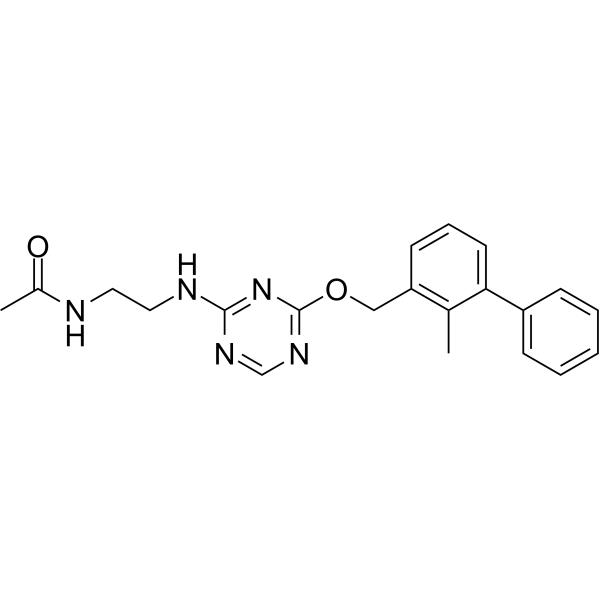
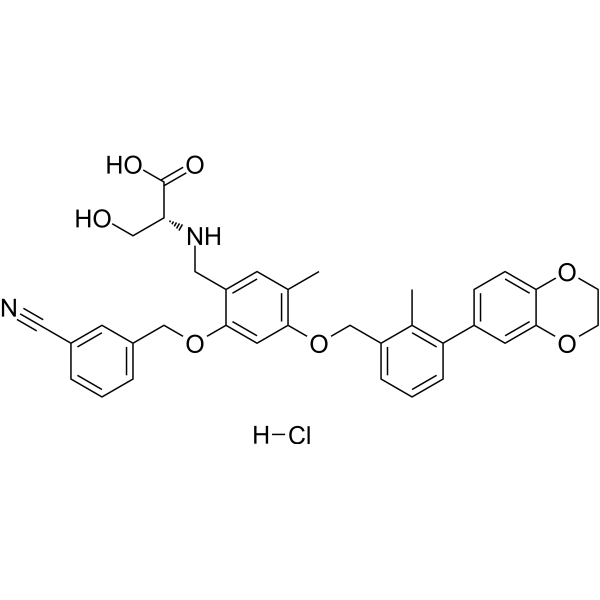
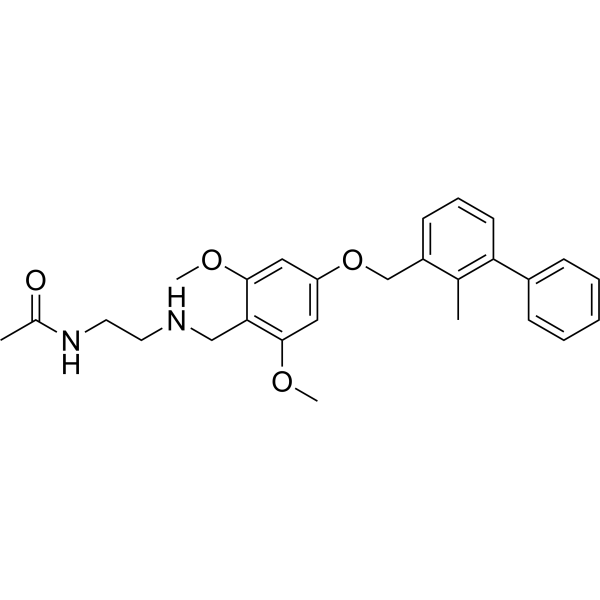
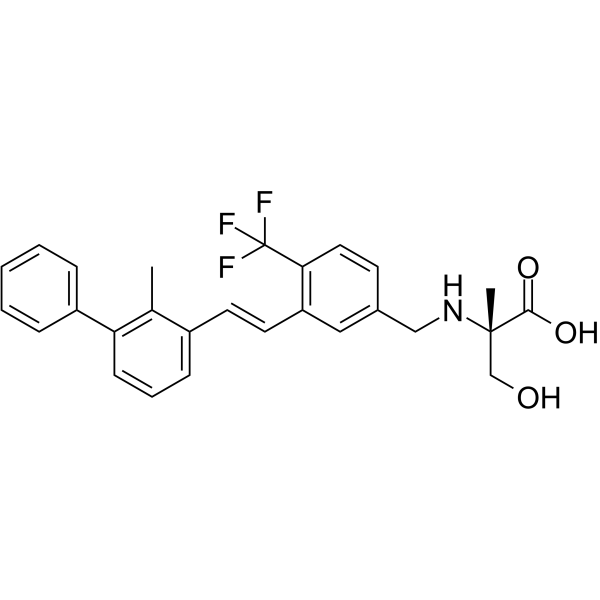
PD-L1-IN-1 (Compound 10) is a potent PD-L1 inhibitor with an IC50 of 115 nM. PD-L1-IN-1 strongly binds with the PD-L1 protein and challenged it in a co-culture of PD-L1 expressing cancer cells and peripheral blood mononuclear cells enhanced antitumor immune activity of the latter. PD-L1-IN-1 significantly exhibits low cytotoxicity in healthy cells .
|
-
-
- HY-163757
-
|
|
PROTACs
PD-1/PD-L1
|
Inflammation/Immunology
Cancer
|
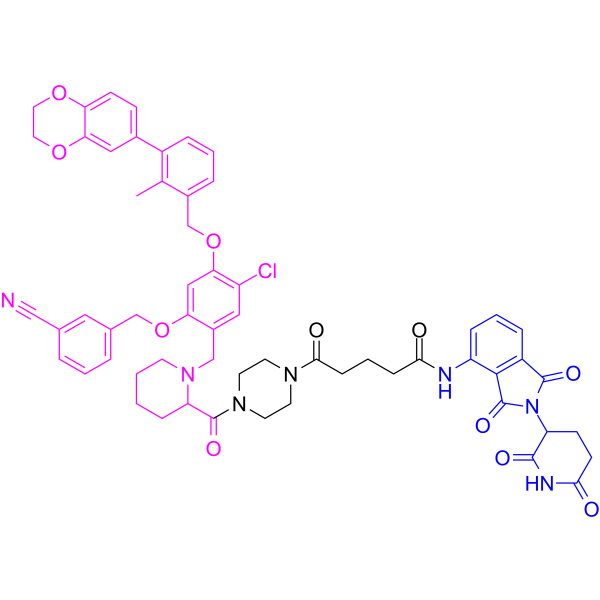
PROTAC PD-L1 degrader-1 is a CRBN-based PD-L1-PROTAC degrader with a notable PD-L1 protein degradation capability. PROTAC PD-L1 degrader-1 shows potent PD-L1 degradation in 4T1 cells with a DC50 of 0.609 μM. PROTAC PD-L1 degrader-1 can be used for the study of breast cancer. (Blue: CRBN ligand (HY-150839), Black: linker; Pink: PD-L inhibitor (HY-19745)) .
|
-
-
- HY-P99422
-
|
SHR-1316
|
PD-1/PD-L1
Apoptosis
|
Cancer
|
|
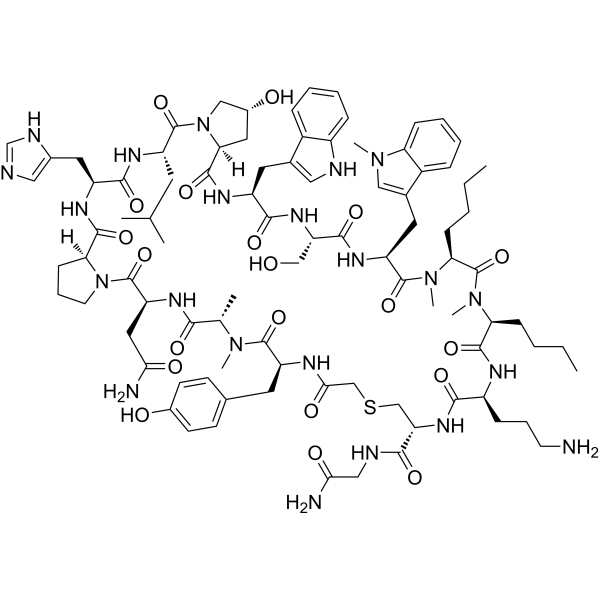
Adebrelimab (SHR-1316) is a humanized IgG4 monoclonal PD-L1 (PD-1/PD-L1) antibody. Adebrelimab has promising antitumor activity in solid tumors including extensive-stage small-cell lung cancer (SCLC) .
|
-
-
- HY-131183
-
|
|
PROTACs
PD-1/PD-L1
|
Inflammation/Immunology
|
|
PROTAC PD-1/PD-L1 degrader-1, a PD-1/PD-L1 PROTAC based on Cereblon E3 ligand, inhibits PD-1/PD-L1 interaction with an IC50 of 39.2 nM. PROTAC PD-1/PD-L1 degrader-1 significantly restores the immunity repressed in a co-culture model of Hep3B/OS-8/hPD-L1 and CD3 T cells. PROTAC PD-1/PD-L1 degrader-1 moderately reduces the protein levels of PD-L1 in a lysosome-dependent manner .
|
-
-
- HY-120635
-
|
|
PD-1/PD-L1
|
Inflammation/Immunology
Cancer
|
|
BMS-1001 is an orally active human PD-L1/PD-1 immune checkpoint inhibitor. BMS-1001 exhibits low-toxicity in cells. The IC50 value of BMS-1001 in a homogeneous time-resolved fluorescence (HTRF) binding assay is 2.25 nM .
|
-
-
- HY-P3440
-
|
|
Radionuclide-Drug Conjugates (RDCs)
PD-1/PD-L1
|
Cancer
|
|
WL12 is a specifically targeting programmed death ligand 1 (PD-L1) binding peptide. WL12 can be radiolabeled by different radionuclides, generating radiotracers, which can assess the tumor PD-L1 expression .
|
-
-
- HY-150879
-
|
|
PD-1/PD-L1
Ligands for Target Protein for PROTAC
|
Cancer
|
|
BMS-37 is a PD-1/PD-L1 immune checkpoint inhibitor with an IC50 towards the PD-L1/PD-1 complex in the range of 18 to 200 nM. BMS-37 shows unspecific toxicity against modified Jurkat T cells with an EC50 between 3 and 6 µM. BMS-37 can be used for the study of the PD-L1-induced exhaustion of T-cells or as PD-L1 ligand to synthesize PROTAC molecules .
|
-
-
- HY-P99573
-
|
MGD-013
|
LAG-3
|
Inflammation/Immunology
Cancer
|
|
Tebotelimab (MGD-013) is a humanized IgG4κ bispecific PD-1/LAG-3 dual-affinity re-targeting (DART) antibody. Tebotelimab binds cell-surface expressed PD-1 and LAG-3 with EC50s of 1.65 nM and 0.41 nM in NS0 cells, respectively. Tebotelimab blocks PD-1/PD-L1, PD-1/PD-L2 and LAG-3/HLA (MHC-II) interactions and PD-1 signaling. Tebotelimab restores exhausted T-cell responses and and enhances antitumour immunity .
|
-
-
- HY-W004701
-
|
|
PROTAC Linkers
|
Cancer
|
|
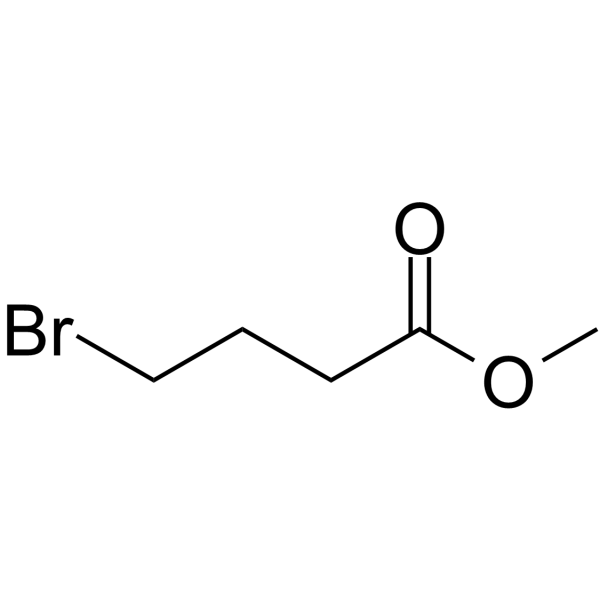
Br-C3-methyl ester is a Alkyl/ether-based PROTAC linker that can be used in the synthesis of PROTAC PD-1/PD-L1 degrader-1 (HY-131183) .
|
-
-
- HY-145774
-
|
|
PD-1/PD-L1
|
Cancer
|
|
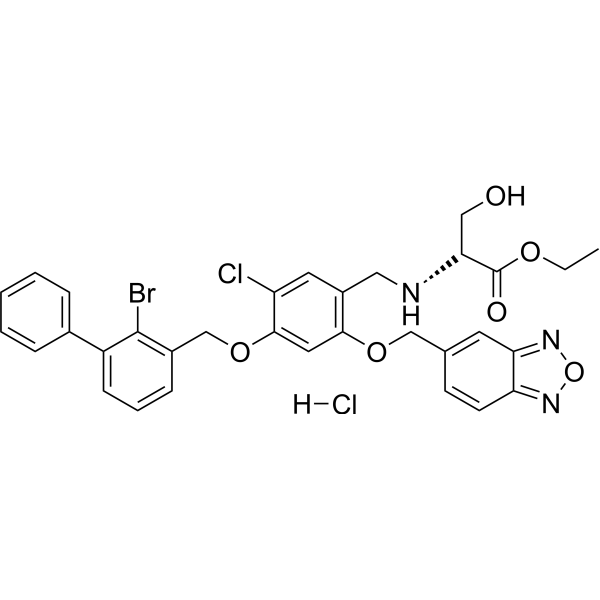
PD-1/PD-L1-IN-23 is a potent and orally active inhibitor of PD-1/PD-L1. PD-1/PD-L1-IN-23 is an ester proagent of L7. L7 is a benzo[c][1,2,5]oxadiazole derivative and biologically evaluated as inhibitors of PD-L1. PD-1/PD-L1-IN-23 displays significant antitumor effects in tumor models of syngeneic and PD-L1 humanized mice .
|
-
-
- HY-P10950A
-
|
|
PD-1/PD-L1
|
Inflammation/Immunology
Cancer
|
|
PD-L1 inhibitory peptide TFA is an inhibitor peptide targeting programmed cell death ligand 1 (PD-L1). PD-L1 inhibitory peptide TFA binds to PD-L1, relieving immunosuppression and restoring the antitumor activity of T cells. PD-L1 inhibitory peptide TFA is promising for research of cancers .
|
-
-
- HY-134886
-
-
-
- HY-131386A
-
|
|
Target Protein Ligand-Linker Conjugates
|
Cancer
|
|
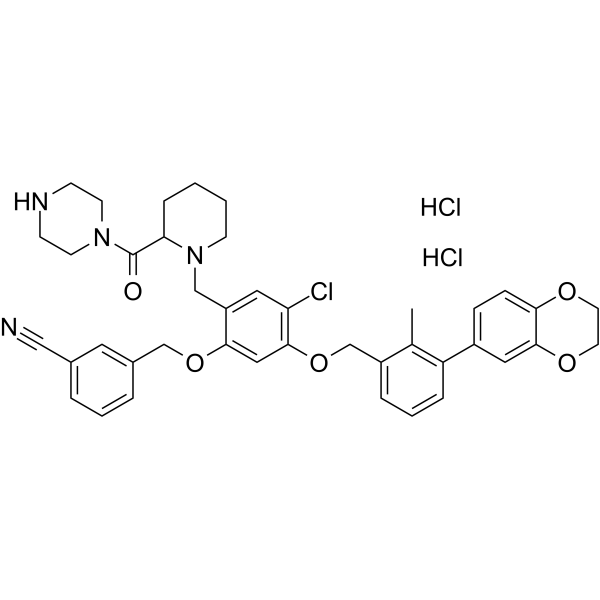
BMS-1166-N-piperidine-CO-N-piperazine dihydrochloride incorporates a ligand for PD-1/PD-L1 immune checkpoint, and a PROTAC linker. BMS-1166-N-piperidine-CO-N-piperazine dihydrochloride can be used in the synthesis of PROTAC PD-1/PD-L1 degrader-1?(HY-131183). PROTAC PD-1/PD-L1 degrader-1 inhibits PD-1/PD-L1 interaction with an IC50 of 39.2 nM .
|
-
-
- HY-168530
-
|
|
PD-1/PD-L1
|
Cancer
|
|
PDL1 degrader-1 (compound PMT-O9-1A) is a potent PD-L1 degrader. PDL1 degrader-1 decreases the protein expression of PD-L1. PDL1 degrader-1 shows cytotoxicity. PDL1 degrader-1 shows anticancer activity .
|
-
-
- HY-149830
-
|
|
PD-1/PD-L1
|
Cancer
|
|
PD-L1-IN-2 is a potential tumor immunological agent by inhibiting PD-L1. PD-L1-IN-2 is a Naamidine J derivative and exerts antitumor effects in vivo by reducing PD-L1 expression and enhancing tumor-infiltrating T-cell immunity. PD-L1-IN-2 is used for colorectal cancer research .
|
-
-
- HY-150839
-
|
|
Ligands for E3 Ligase
|
Cancer
|
|
E3 ligase Ligand PG is a E3 ligase ligand that can be used in the recruitment of CRBN protein. E3 ligase Ligand PG exhibits potent binding activity with CRBN (IC50 of 2.191 μM). E3 ligase Ligand PG can be connected to the BMS-202 (HY-19745) by a linker to form PROTAC, PROTAC PD-L1 degrader-1 (HY-163757) .
|
-
-
- HY-157937
-
|
|
IFNAR
|
Cancer
|
|
VISTA-IN-3 (Compound A4) is a potent VISTA small molecule inhibitor with a KD value of 0.49 μM. VISTA-IN-3 can induce the release of IFN-γ cytokines. VISTA-IN-3 synergistically enhances anti-cancer activity with PD-L1 antibody .
|
-
-
- HY-P10950
-
|
|
PD-1/PD-L1
|
Inflammation/Immunology
Cancer
|
|
PD-L1 inhibitory peptide is an inhibitor peptide targeting programmed cell death ligand 1 (PD-L1). PD-L1 inhibitory peptide binds to PD-L1, relieving immunosuppression and restoring the antitumor activity of T cells. PD-L1 inhibitory peptide is promising for research of cancers .
|
-
-
- HY-P990828
-
|
|
PD-1/PD-L1
|
Infection
|
|
Anti-PD-L1/B7-H1 Antibody (29E.2A3) is a kind of mouse IgG2b κ chimeric antibody inhibitor, targeting to human PD-L1/B7-H1. Anti-PD-L1/B7-H1 Antibody (29E.2A3) can block the binding of PD-1 to PD-L1. Anti-PD-L1/B7-H1 Antibody (29E.2A3) can be used for the research of infection, such as hepatitis C virus (HCV) .
|
-
-
- HY-W018597
-
-
-
- HY-120647
-
|
|
PD-1/PD-L1
|
Inflammation/Immunology
Cancer
|
|
BMS-1001 is an orally active human PD-L1/PD-1 immune checkpoint inhibitor. BMS-1001 exhibits low-toxicity in cells. The IC50 value of BMS-1001 in a homogeneous time-resolved fluorescence (HTRF) binding assay is 2.25 nM .
|
-
-
- HY-145240
-
|
|
Eukaryotic Initiation Factor (eIF)
|
Infection
Cancer
|
|
eIF4E-IN-1 is a potent inhibitor of eIF4E. eIF4E-IN-1 inhibits immunosuppression components such as immune checkpoint proteins PD-1, PD-L1, LAG3, TIM3, and/or IDO, in order to inhibit or release immune suppression in certain diseases, such as cancer and infectious disease (extracted from patent WO2021003194A1, compound Y) .
|
-
-
- HY-P990778
-
|
ATG-101
|
TNF Receptor
PD-1/PD-L1
|
Inflammation/Immunology
Cancer
|
|
Xirestomig (ATG-101) is a tetravalent "2+2″ PD-L1×4-1BB bispecific antibody. Xirestomig binds PD-L1 and 4-1BB concurrently, with a greater affinity for PD-L1, and potently activated 4-1BB+ T cells when cross-linked with PD-L1-positive cells. Xirestomig activates exhausted T cells upon PD-L1 binding. Xirestomig displays potent antitumor activity in numerous in vivo tumor models, including those resistant or refractory to immune checkpoint inhibitors (ICIs) .
|
-
-
- HY-160585
-
|
|
PD-1/PD-L1
|
Inflammation/Immunology
Cancer
|
|
PD-L1/PD-1-IN-1 (compound 8j) is a potent inhibitor of PD-L1/PD interaction, with IC50 < 1 nM. PD-L1/PD-1-IN-1 plays an important role in anti-tumor research .
|
-
-
- HY-162343
-
-
-
- HY-131184
-
|
|
PROTAC Linkers
|
Inflammation/Immunology
|
|
N-Boc-piperazine-C3-COOH is a PROTAC linker, which refers to the alkyl/ether composition. Boc-N-piperazine-C3-COOH can be used in the synthesis of PROTAC PD-1/PD-L1 degrader-1 (HY-131183) .
|
-
-
- HY-156149
-
|
|
Fungal
Cytochrome P450
PD-1/PD-L1
|
Infection
|
|
CYP51/PD-L1-IN-1 (compound L11) is a quinazoline compound with antifungal activity. CYP51/PD-L1-IN-1 is a dual inhibitor of CYP51 (IC50: 0.884 μM) and PD-L1 (IC50: 0.083 μM), which can induce early apoptosis of fungal cells in the cell cycle. CYP51/PD-L1-IN-1 also significantly reduced intracellular IL-2, NLRP3, and NF-κBp65 protein levels, induced mitochondrial damage and ROS accumulation, and ultimately led to fungal lysis and death .
|
-
-
- HY-153543
-
|
|
Toll-like Receptor (TLR)
|
Cancer
|
|
TLR7/8 agonist 8 (compound 24m) is a potent toll-like receptor 7/8 (TLR7/8) dual agonist, with EC50s of 27 and 12 nM for hTLR7 and hTLR8, respectively. TLR7/8 agonist 8 can improve the antitumor activity of PD-1/PD-L1 blockade .
|
-
-
- HY-P991084
-
|
|
PD-1/PD-L1
|
Cancer
|
|
TQB-2858 is a bifunctional fusion protein composed of a monoclonal antibody against PD-L1 fused with the extracellular domain of TGF-β receptor. TQB-2858 has a high affinity for PD-L1, TGF-β1, and TGF-β3 and exhibited high PD-L1 target occupancy. TQB-2858 can be used for the study of osteosarcoma and alveolar soft part sarcoma (ASPS) .
|
-
-
- HY-169392
-
|
|
PD-1/PD-L1
|
Cancer
|
|
D5B is a potent and selective PD-L1 inhibitor. D5B has been modified by DBCO. The EC50 of D5B degrading PD-L1 in 4T1 and B16-F10 tumor cells are 5.4 μM and 6.2 μM, respectively. D5B can block PD-L1/PD-1 interaction and has anti-tumor activity .
|
-
-
- HY-131187
-
|
|
Ligands for Target Protein for PROTAC
|
Cancer
|
|
BMS-1166-N-piperidine-COOH, the BMS-1166-based moiety, binds to E3 ligase ligand via a linker to form PROTAC PD-1/PD-L1 degrader-1 (HY-131183) to degrade PD-1/PD-L1 . BMS-1166 is a potent PD-1/PD-L1 interaction inhibitor with an IC50 of 1.4 nM. BMS-1166 antagonizes the inhibitory effect of PD-1/PD-L1 immune checkpoint on T cell activation .
|
-
-
- HY-175236
-
|
|
PD-1/PD-L1
Apoptosis
ERK
JNK
Cadherin
p38 MAPK
GSK-3
IFNAR
Caspase
Bcl-2 Family
|
Cancer
|
|
SF-9-2 is a PD-L1/PD-1 binding inhibitor (IC50 = 24.9 nM). SF-9-2 inhibits epithelial-mesenchymal transition, migration, invasion, and proliferation of SK-N-SH cells, and also induces apoptosis and cell cycle arrest. SF-9-2 blocks PD-L1-induced SK-N-SH cell growth through the MAPK signaling pathway. SF-9-2 restores GSK-3β activity and enhances PD-L1 degradation through the ubiquitin-proteasome pathway. SF-9-2 inhibits tumor growth in the SK-N-SH NOG mouse model without significant toxicity. SF-9-2 also acts as an immune checkpoint inhibitor, blocking PD-L1 to restore T cell function. SF-9-2 can be used in neuroblastoma research .
|
-
-
- HY-162973
-
-
-
- HY-183369
-
|
|
VEGFR
PD-1/PD-L1
Apoptosis
Bcl-2 Family
Caspase
|
Cancer
|
|
VEGFR/PD-L1-IN-1 is a VEGFR2 and PD-L1 inhibitor, with IC50 values of 0.383 μM and 134.407 pg/mL against VEGFR2 and PD-L1, respectively. VEGFR/PD-L1-IN-1 enhances the secretion of INF-γ, induces G0/G1 cell cycle arrest in cancer cells, and triggers cancer cell apoptosis. VEGFR/PD-L1-IN-1 upregulates the expression of BAX and Caspase-3, and downregulates the expression of Bcl-2. VEGFR/PD-L1-IN-1 can be used in research related to hepatocellular carcinoma, prostate cancer, and colorectal cancer .
|
-
-
- HY-131386
-
|
|
Target Protein Ligand-Linker Conjugates
|
Cancer
|
|
BMS-1166-N-piperidine-CO-N-piperazine incorporates a ligand for PD-1/PD-L1 immune checkpoint, and a PROTAC linker. BMS-1166-N-piperidine-CO-N-piperazine can be used in the synthesis of PROTAC PD-1/PD-L1 degrader-1?(HY-131183). PROTAC PD-1/PD-L1 degrader-1 inhibits PD-1/PD-L1 interaction with an IC50 of 39.2 nM .
|
-
-
- HY-161604
-
-
-
- HY-158052
-
|
|
PD-1/PD-L1
|
Cancer
|
|
PD-1/PD-L1 antagonist 1 (Compound A5) is an antagonist for programmed cell death-1 (PD-1) and programmed cell death ligand-1 (PD-L1) interaction, with an IC50 of 23.78 nM .
|
-
-
- HY-131186
-
|
|
E3 Ligase Ligand-Linker Conjugates
|
Cancer
|
|
Pomalidomide-amido-C3-piperazine-N-Boc is a synthesized E3 ligase ligand-linker conjugate that incorporates the Pomalidomide based cereblon ligand and a linker used in the synthesis of PROTAC PD-1/PD-L1 degrader-1 (HY-131183) .
|
-
-
- HY-N12537
-
|
|
PD-1/PD-L1
|
Cancer
|
|
PD-1/ PD-L1-in-38 is a PD-1/PD-L1 inhibitor, which can inhibit the proliferation of tumor cells, promote the secretion of INF-γ by CD8 + T cells, and inhibit the ability of PD-1/PD-L1 signal transduction. PD-1/PD-L1-IN-38 has antitumor activity .
|
-
-
- HY-163307
-
|
|
PD-1/PD-L1
|
Cancer
|
|
PD-1/PD-L1-IN-39 (X 14) is an orally active PD-1/PD-L1 inhibitor with a IC50 value of 15.73 nM. PD-1/ PD-L1-in-39 has a good binding affinity for human and mouse PD-L1, with KD values of 14.62 nM and 392 nM, respectively. PD-1/PD-L1-IN-39 has antitumor activity .
|
-
-
- HY-168086
-
|
|
PD-1/PD-L1
Histone Demethylase
|
Infection
Inflammation/Immunology
|
|
LSD1-IN-35 (Compound Z-1) is a selective LSD1 Inhibitor (IC50: 108 nM). LSD1-IN-35 inhibits the demethylation on H3K4me1/2. LSD1-IN-35 is an immunomodulator. LSD1-IN-35 promotes response of gastric cancer cells to T-cell killing effect by decreasing PD-L1 expression and further attenuates the PD-1/PD-L1 interaction .
|
-
-
- HY-163534
-
|
|
PD-1/PD-L1
|
Cancer
|
PD-1/PD-L1-IN-43 (compound Z13) is a small-molecule inhibitors targeting the PD-1/PD-L1 interaction. PD-1/PD-L1-IN-43 exhibites potent in vivo antitumor efficacy against B16-F10 melanoma. PD-1/PD-L1-IN-43 inhibits tumor growth by blocking the interaction between PD-1 and PD-L1. PD-1/PD-L1-IN-43 can be used in anti-tumor studies .
|
-
-
- HY-179304
-
|
|
PROTACs
PD-1/PD-L1
|
Cancer
|
|
CL-F-B1 is a PD-L1 PROTAC degrader, with a DC50 of 2.32 μM. CL-F-B1 promotes the ubiquitination and degradation of PD-L1. CL-F-B1 can be used in the research of colon cancer .
|
-
-
- HY-150879A
-
|
|
PD-1/PD-L1
|
Cancer
|
|
BMS-37 hydrochloride is a PD-1/PD-L1 immune checkpoint inhibitor with an IC50 towards the PD-L1/PD-1 complex in the range of 18 to 200 nM. BMS-37 hydrochloride shows unspecific toxicity against modified Jurkat T cells with an EC50 between 3 and 6 µM. BMS-37 hydrochloride can be used for the study of the PD-L1-induced exhaustion of T-cells or as PD-L1 ligand to synthesize PROTAC molecules .
|
-
-
- HY-W097223
-
|
|
PD-1/PD-L1
|
Infection
|
|
PD-1/PD-L1-IN-58 (compound 2) is a novel inhibitor of PD-1/PD-L1. PD-1/PD-L1-IN-58 selectively binds to PD-L1 over PD-1, with a dissociation rate constant (KD) value of 77.60 nM. PD-1/PD-L1-IN-58 has oral activity. PD-1/PD-L1-IN-58 can be used in the research of influenza A virus .
|
-
-
- HY-181096
-
|
|
PD-1/PD-L1
|
Inflammation/Immunology
Cancer
|
|
PD-L1-IN-9 is a PD-L1 inhibitor with an IC50 of 110.85 nM. PD-L1-IN-9 has a Kd of 319 nM for human PD-L1 and a Kd of 450 nM for murine PD-L1. PD-L1-IN-9 blocks the PD-1/PD-L1 interaction, restores T cell-mediated anti-tumor immunity, and induces PD-L1 degradation in tumor tissues. PD-L1-IN-9 exhibits anti-tumor activity and can be used in the research of tumors such as melanoma .
|
-
- HY-181663
-
|
|
PD-1/PD-L1
JAK
|
Cancer
|
|
PJ27 is a dual PD-1/PD-L1/JAK1 inhibitor, with an IC50 of 414 nM against PD-1/PD-L1, an IC50 of 786 nM against JAK1, a Ka of 294 nM for human PD-1/PD-L1, and a Ka of 473 nM for murine PD-1/PD-L1. PJ27 promotes the infiltration of CD3 +CD8 + and CD3 +CD4 + cells into the tumor microenvironment and exerts a significant immune activation effect. PJ27 inhibits tumor growth in a dose-dependent manner in the LLC lung cancer mouse model. PJ27 is applicable to relevant research on lung cancer .
|
-
- HY-P990823
-
|
|
PD-1/PD-L1
|
Infection
Metabolic Disease
Inflammation/Immunology
Cancer
|
|
Anti-Mouse PD-L1/B7-H1 Antibody (10F.2H11) is rat-derived IgG2b κ type antibody inhibitor, targeting to PD-L1/B7-H1. Anti-Mouse PD-L1/B7-H1 Antibody (10F.2H11) can block PD-L1/ B7-1 interactions and does not block PD-L1/PD-1 interactions. Anti-Mouse PD-L1/B7-H1 Antibody (10F.2H11) can be used for the researches of cancer, infection, immunology and metabolic disease, such as MB49 tumor, heart graft and diabetes .
|
-
| Cat. No. |
Product Name |
Type |
| Cat. No. |
Product Name |
Target |
Research Area |
-
- HY-P3440
-
|
|
Radionuclide-Drug Conjugates (RDCs)
PD-1/PD-L1
|
Cancer
|
|
WL12 is a specifically targeting programmed death ligand 1 (PD-L1) binding peptide. WL12 can be radiolabeled by different radionuclides, generating radiotracers, which can assess the tumor PD-L1 expression .
|
-
- HY-P10950A
-
|
|
PD-1/PD-L1
|
Inflammation/Immunology
Cancer
|
|
PD-L1 inhibitory peptide TFA is an inhibitor peptide targeting programmed cell death ligand 1 (PD-L1). PD-L1 inhibitory peptide TFA binds to PD-L1, relieving immunosuppression and restoring the antitumor activity of T cells. PD-L1 inhibitory peptide TFA is promising for research of cancers .
|
-
- HY-P10950
-
|
|
PD-1/PD-L1
|
Inflammation/Immunology
Cancer
|
|
PD-L1 inhibitory peptide is an inhibitor peptide targeting programmed cell death ligand 1 (PD-L1). PD-L1 inhibitory peptide binds to PD-L1, relieving immunosuppression and restoring the antitumor activity of T cells. PD-L1 inhibitory peptide is promising for research of cancers .
|
| Cat. No. |
Product Name |
Target |
Research Area |
Image |
-
- HY-P990173
-
|
|
PD-1/PD-L1
|
Inflammation/Immunology
Cancer
|
|
Anti-Mouse/Rat/Human PD-L1 Antibody (368A.4H1) is a mouse-derived PD-L1 IgG1 κ type antibody inhibitor. Anti-Mouse/Rat/Human PD-L1 Antibody (368A.4H1) increases IFN-γ levels in organoid-primed T cells. Anti-Mouse/Rat/Human PD-L1 Antibody (368A.4H1) can be used for the researches of cancer, such as oral squamous cell carcinoma and mammary cancer .
|
-
(5)
-
- HY-P99422
-
|
SHR-1316
|
PD-1/PD-L1
Apoptosis
|
Cancer
|
|
Adebrelimab (SHR-1316) is a humanized IgG4 monoclonal PD-L1 (PD-1/PD-L1) antibody. Adebrelimab has promising antitumor activity in solid tumors including extensive-stage small-cell lung cancer (SCLC) .
|
-
(5)
-
- HY-P99573
-
|
MGD-013
|
LAG-3
|
Inflammation/Immunology
Cancer
|
|
Tebotelimab (MGD-013) is a humanized IgG4κ bispecific PD-1/LAG-3 dual-affinity re-targeting (DART) antibody. Tebotelimab binds cell-surface expressed PD-1 and LAG-3 with EC50s of 1.65 nM and 0.41 nM in NS0 cells, respectively. Tebotelimab blocks PD-1/PD-L1, PD-1/PD-L2 and LAG-3/HLA (MHC-II) interactions and PD-1 signaling. Tebotelimab restores exhausted T-cell responses and and enhances antitumour immunity .
|
-
(5)
-
- HY-P990828
-
|
|
PD-1/PD-L1
|
Infection
|
|
Anti-PD-L1/B7-H1 Antibody (29E.2A3) is a kind of mouse IgG2b κ chimeric antibody inhibitor, targeting to human PD-L1/B7-H1. Anti-PD-L1/B7-H1 Antibody (29E.2A3) can block the binding of PD-1 to PD-L1. Anti-PD-L1/B7-H1 Antibody (29E.2A3) can be used for the research of infection, such as hepatitis C virus (HCV) .
|
-
(5)
-
- HY-P990778
-
|
ATG-101
|
TNF Receptor
PD-1/PD-L1
|
Inflammation/Immunology
Cancer
|
|
Xirestomig (ATG-101) is a tetravalent "2+2″ PD-L1×4-1BB bispecific antibody. Xirestomig binds PD-L1 and 4-1BB concurrently, with a greater affinity for PD-L1, and potently activated 4-1BB+ T cells when cross-linked with PD-L1-positive cells. Xirestomig activates exhausted T cells upon PD-L1 binding. Xirestomig displays potent antitumor activity in numerous in vivo tumor models, including those resistant or refractory to immune checkpoint inhibitors (ICIs) .
|
-
(5)
-
- HY-P991084
-
|
|
PD-1/PD-L1
|
Cancer
|
|
TQB-2858 is a bifunctional fusion protein composed of a monoclonal antibody against PD-L1 fused with the extracellular domain of TGF-β receptor. TQB-2858 has a high affinity for PD-L1, TGF-β1, and TGF-β3 and exhibited high PD-L1 target occupancy. TQB-2858 can be used for the study of osteosarcoma and alveolar soft part sarcoma (ASPS) .
|
-
(5)
-
- HY-P990823
-
|
|
PD-1/PD-L1
|
Infection
Metabolic Disease
Inflammation/Immunology
Cancer
|
|
Anti-Mouse PD-L1/B7-H1 Antibody (10F.2H11) is rat-derived IgG2b κ type antibody inhibitor, targeting to PD-L1/B7-H1. Anti-Mouse PD-L1/B7-H1 Antibody (10F.2H11) can block PD-L1/ B7-1 interactions and does not block PD-L1/PD-1 interactions. Anti-Mouse PD-L1/B7-H1 Antibody (10F.2H11) can be used for the researches of cancer, infection, immunology and metabolic disease, such as MB49 tumor, heart graft and diabetes .
|
-
(5)
| Cat. No. |
Product Name |
Category |
Target |
Chemical Structure |
| Cat. No. |
Product Name |
|
Classification |
-
- HY-P10950
-
|
|
|
Alkynes
|
|
PD-L1 inhibitory peptide is an inhibitor peptide targeting programmed cell death ligand 1 (PD-L1). PD-L1 inhibitory peptide binds to PD-L1, relieving immunosuppression and restoring the antitumor activity of T cells. PD-L1 inhibitory peptide is promising for research of cancers .
|
-
- HY-169392
-
|
|
|
DBCO
|
|
D5B is a potent and selective PD-L1 inhibitor. D5B has been modified by DBCO. The EC50 of D5B degrading PD-L1 in 4T1 and B16-F10 tumor cells are 5.4 μM and 6.2 μM, respectively. D5B can block PD-L1/PD-1 interaction and has anti-tumor activity .
|
Your information is safe with us. * Required Fields.
Inquiry Information
- Product Name:
- Cat. No.:
- Quantity:
- MCE Japan Authorized Agent:

