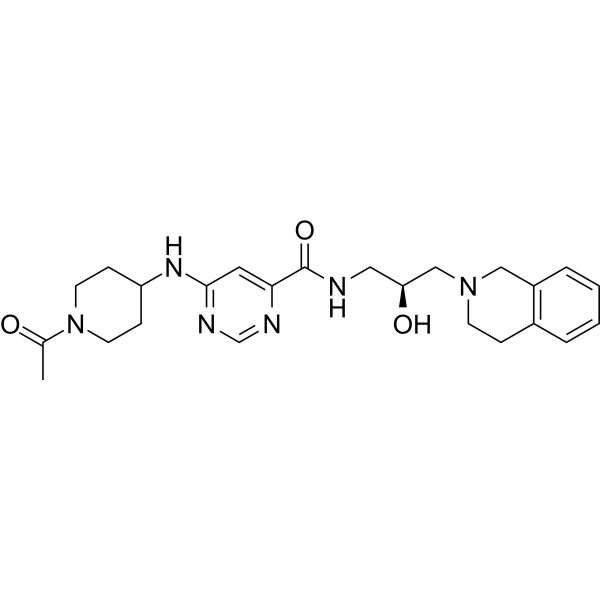
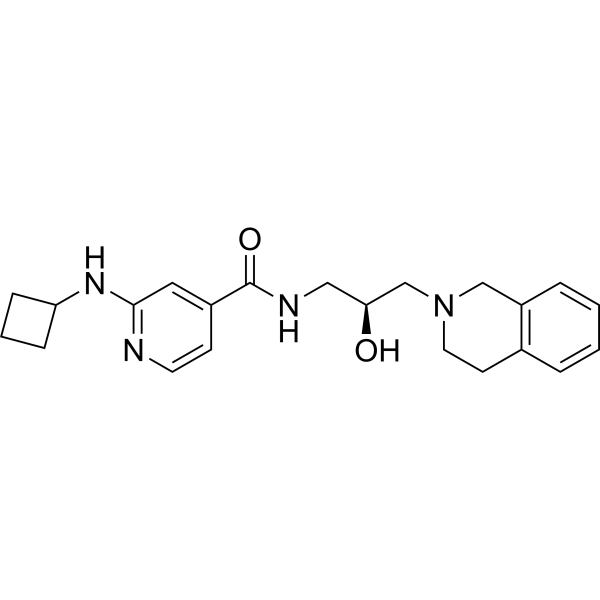
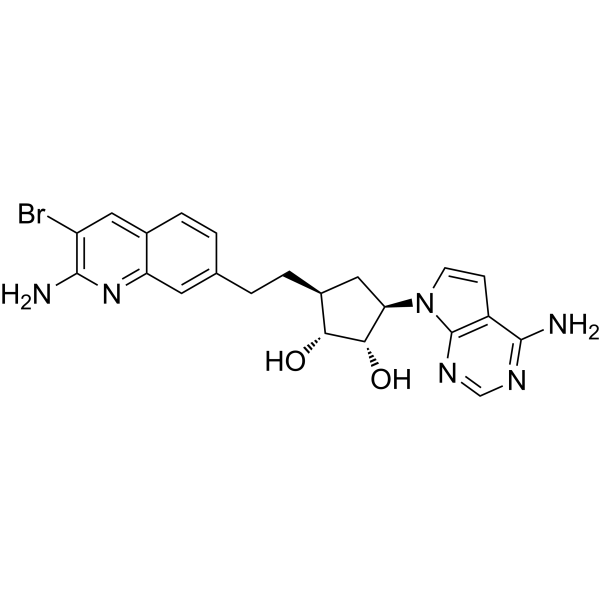
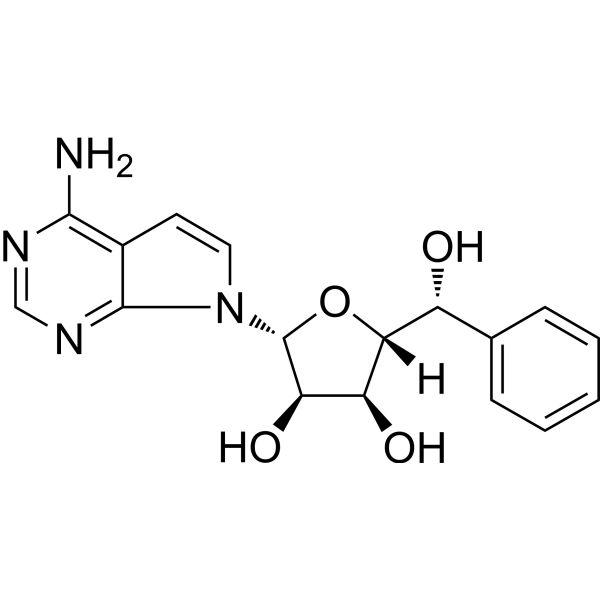
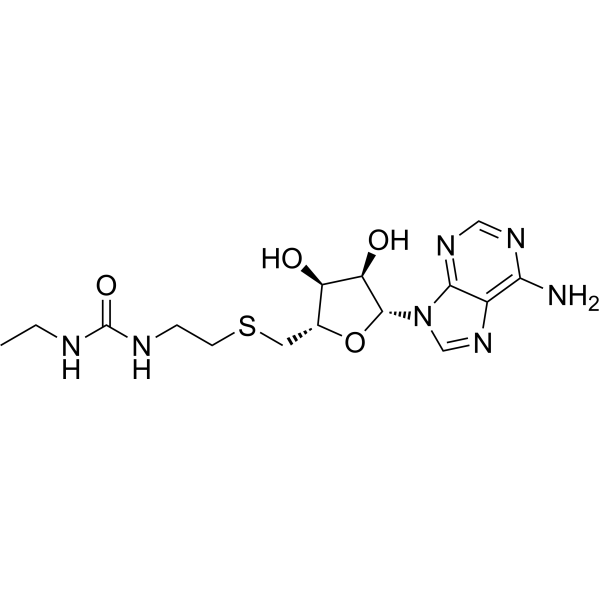
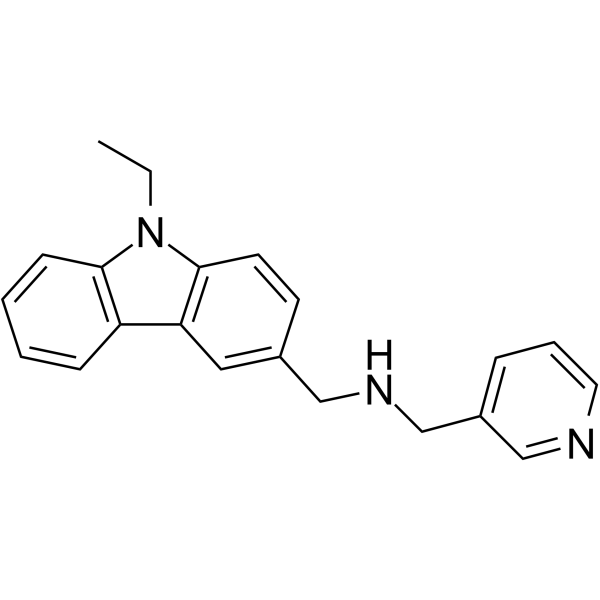
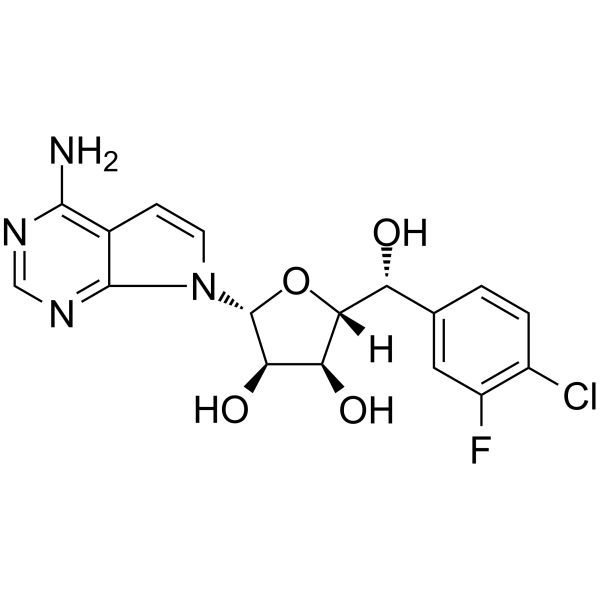
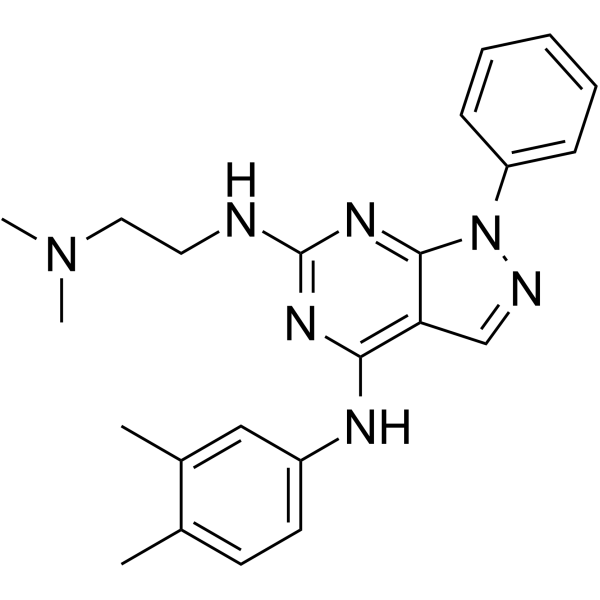
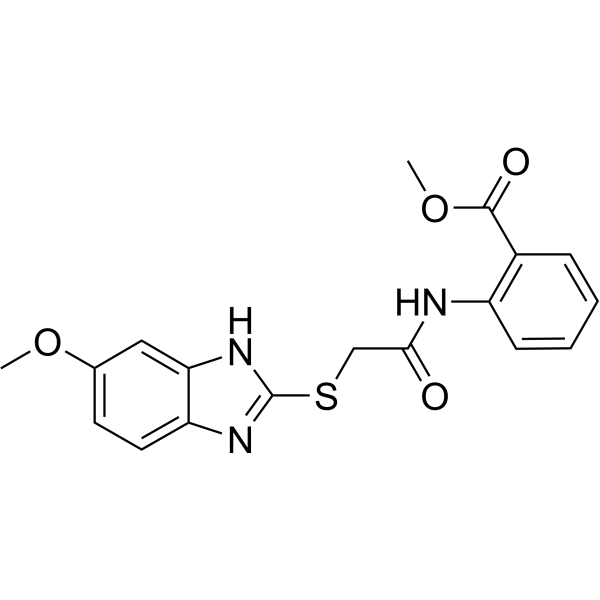
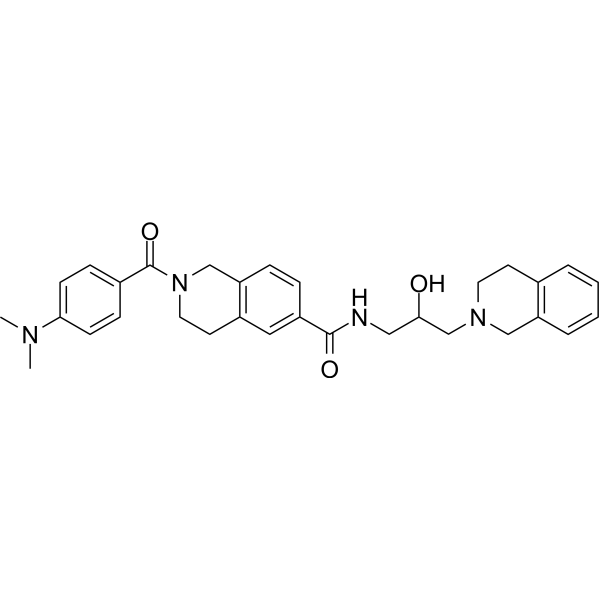
GSK3326595 is a protein arginine methyltransferase 5 (PRMT5) inhibitor. GSK3326595 decreases SARS-CoV-2 infection, inhibits cancer cell proliferation and induces pro-inflammatory macrophage polarization and increases hepatic triglyceride levels without affecting atherosclerosis. GSK3326595 can be used for research of relapsed/refractory mantle cell lymphoma .
Onametostat (JNJ-64619178) is a selective, orally active and pseudo-irreversible protein arginine methyltransferase 5 (PRMT5) inhibitor with an IC50 of 0.14 nM. Onametostat has potent activity in lung cancer .
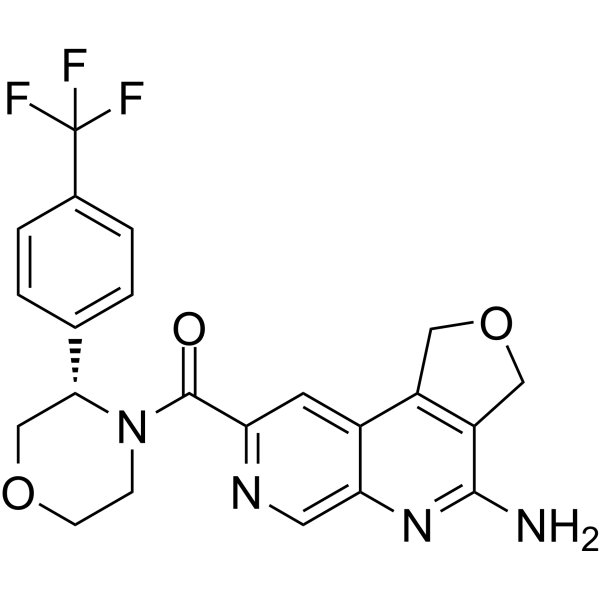
AMG 193 is an orally active MTA-cooperative PRMT5 inhibitor with antitumor activity. AMG 193, when complexed with MTA, preferentially inhibits the growth of MTAP-deficient tumor cells by inhibiting PRMT5 (IC50=0.107 μM), thereby protecting normal cells with wild-type MTAP .
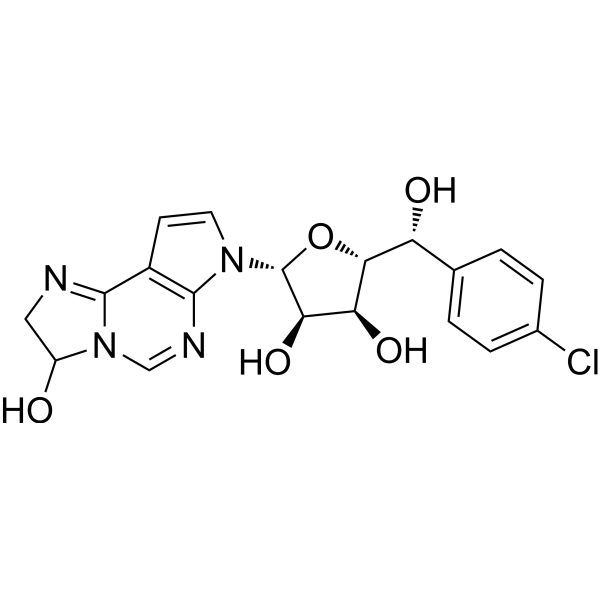
LLY-283, a chemical probe, is a potent, selective and oral protein arginine methyltransferase 5 (PRMT5) inhibitor, with an IC50 of 22 nM and a Kd of 6 nM for PRMT5:MEP50 complex, and shows antitumor activity .
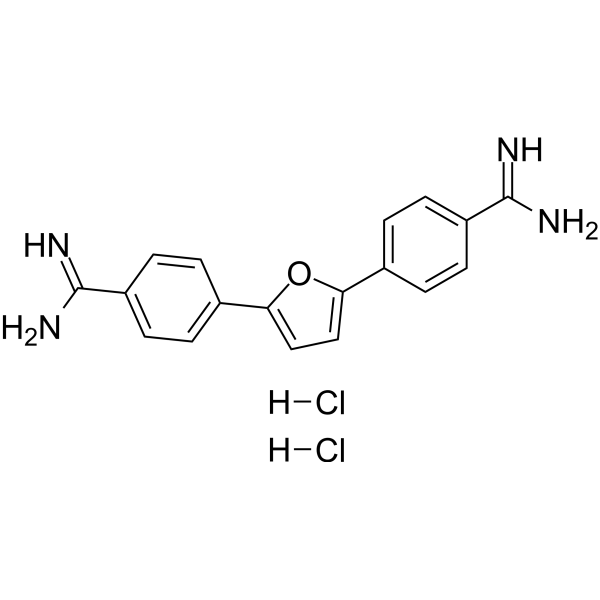
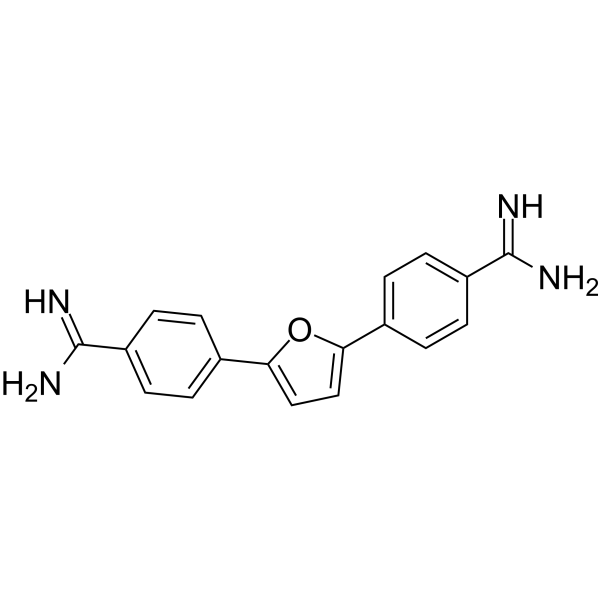
Furamidine dihydrochloride (DB75 dihydrochloride) is a selective protein arginine methyltransferase 1 (PRMT1) inhibitor with an IC50 of 9.4 μM. Furamidine dihydrochloride is selective for PRMT1 over PRMT5, PRMT6, and PRMT4 (CARM1) (IC50s of 166 µM, 283 µM, and >400 µM, respectively). Furamidine dihydrochloride is a potent, reversible and competitive tyrosyl-DNA phosphodiesterase 1 (TDP-1) inhibitor. Inhibition of TDP-1 by Furamidine dihydrochloride is effective both with single- and double-stranded DNA substrates but is slightly stronger with the duplex DNA. Furamidine dihydrochloride is also an antiparasite agent .
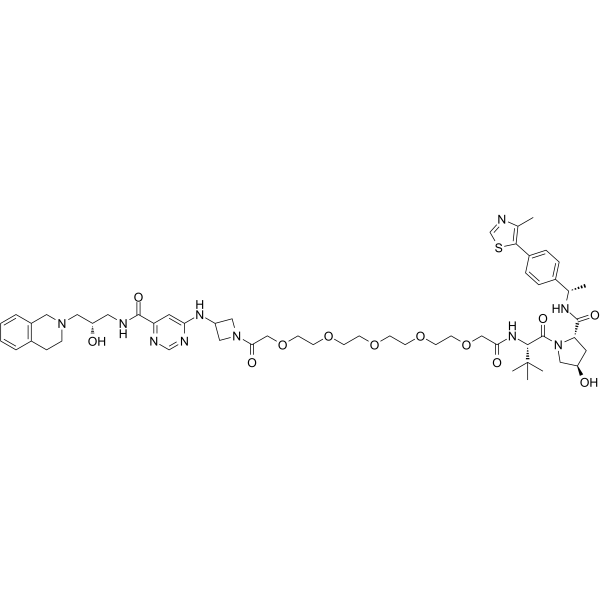
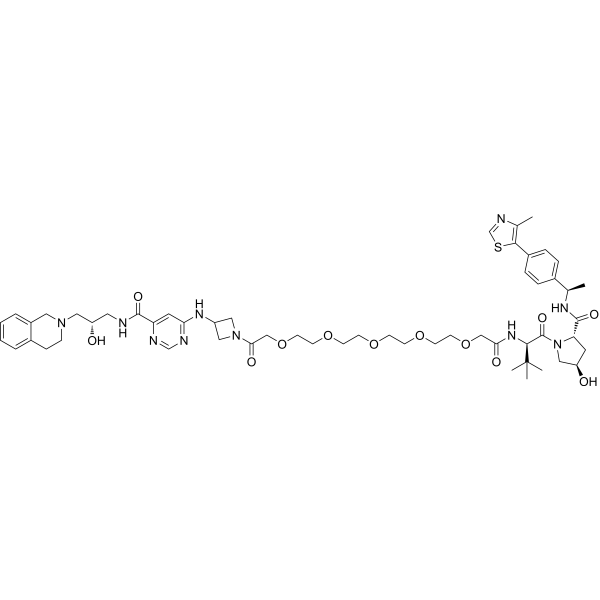
MS4322 (YS43-22) is a specific PRMT5 PROTAC degrader. MS4322 reduces the PRMT5 protein level with a DC50 of 1.1 μM in MCF-7 cells. MS4322 inhibits the methyltransferase activity of PRMT5 with an IC50 of 18 nM. MS4322 promotes ubiquitination and degradation of PRMT5. MS4322 can be used for the research of breast cancer, lung cancer, and hepatocellular cancer. (Pink: PRMT5 ligand (HY-173092); Blue: E3 ligase ligand HY-112078); Black: linker (HY-124780); E3+linker (HY-173093 )) .
DS-437 is a dual PRMT5/7 inhibitor (IC50s of PRMT5/7=6 μM). DS-437 is selective for PRMT5 and PRMT7 over 29 other human protein-, DNA-, and RNA-methyltransferases. DS-437 is a S-adenosylmethionine (SAM)-competitive inhibitor of PRMT5. DS-437 also inhibits DNMT3A and DNMT3B, with IC50s of 52 and 62 μM, respectively. DS-437 inhibits the methylation of FOXP3 .
PRMT5-IN-30 (compound 17) is a potent and selective protein arginine methyltransferase 5 (PRMT5) inhibitor with an IC50 of 0.33 μM and a Kd of 0.987 μM. PRMT5-IN-30 exhibits a broad selectivity against a panel of other methyltransferases. PRMT5-IN-30 inhibits PRMT5 mediated SmD3 methylation .
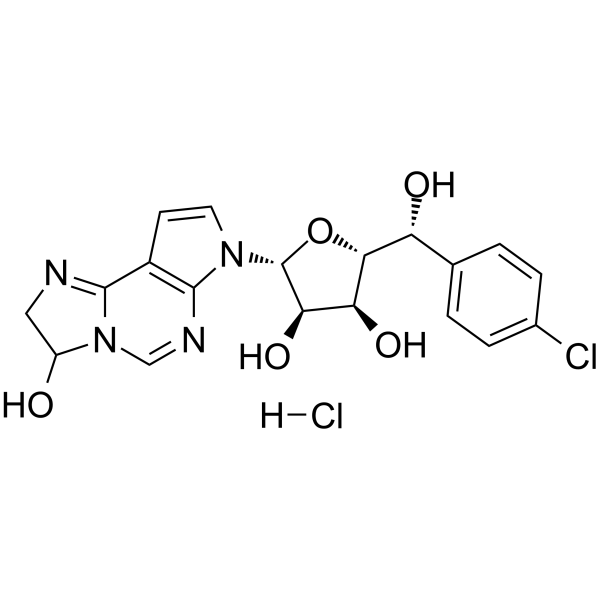
PRMT5 IN-1 hydrochloride (compound 9), a hemiaminal, is a potent, selective protein arginine methyltransferase 5 (PRMT5) inhibitor with an IC50 of 11 nM for PRMT5/MEP50. PRMT5 IN-1 hydrochloride can be converted to aldehydes and react with C449 to form covalent adducts under physiological conditions .
DW14800 is a protein arginine methyltransferase 5 (PRMT5) inhibitor, with an IC50 of 17 nM. DW14800 reduces H4R3me2s levels and enhances the transcription of HNF4α, but does not alter PRMT5 expression. Anti-cancer activity .
MS4322 (YS43-22) isomer is an isomer of MS4322. MS4322 is a specific PRMT5 PROTAC degrader. MS4322 reduces the PRMT5 protein level with a DC50 of 1.1 μM in MCF-7 cells. MS4322 inhibits the methyltransferase activity of PRMT5 with an IC50 of 18 nM. MS4322 promotes ubiquitination and degradation of PRMT5. MS4322 can be used for the research of breast cancer, lung cancer, and hepatocellular cancer. (Pink: PRMT5 ligand (HY-173092); Blue: E3 ligase ligand HY-112078); Black: linker (HY-124780); E3+linker (HY-173093 )) .
CARM1 degrader-1 hydrochloride is a CARM1PROTAC degrader (DC50 = 8.1 nM) with high selectivity over other protein arginine methyltransferases. CARM1 degrader-1 hydrochloride degrades CARM1 in a VHL- and proteasome-dependent manner. CARM1 degrader-1 hydrochloride downregulates the methylation level of CARM1 substrates in cell-based assays. CARM1 degrader-1 hydrochloride inhibits cancer cell migration in cell-based assays. CARM1 degrader-1 hydrochloride can be used in breast cancer research .
Furamidine (DB75) is a selective protein arginine methyltransferase 1 (PRMT1) inhibitor with an IC50 of 9.4 μM. Furamidine is selective for PRMT1 over PRMT5, PRMT6, and PRMT4 (CARM1) (IC50s of 166 µM, 283 µM, and >400 µM, respectively). Furamidine is a potent, reversible and competitive tyrosyl-DNA phosphodiesterase 1 (TDP-1) inhibitor. Inhibition of TDP-1 by Furamidine is effective both with single- and double-stranded DNA substrates but is slightly stronger with the duplex DNA. Furamidine is also an antiparasite agent .
PRMT5 IN-1, a hemiaminal, is a potent, selective protein arginine methyltransferase 5 (PRMT5) inhibitor with an IC50 of 11 nM for PRMT5/MEP50. PRMT5 IN-1 can be converted to aldehydes and react with C449 to form covalent adducts under physiological conditions .
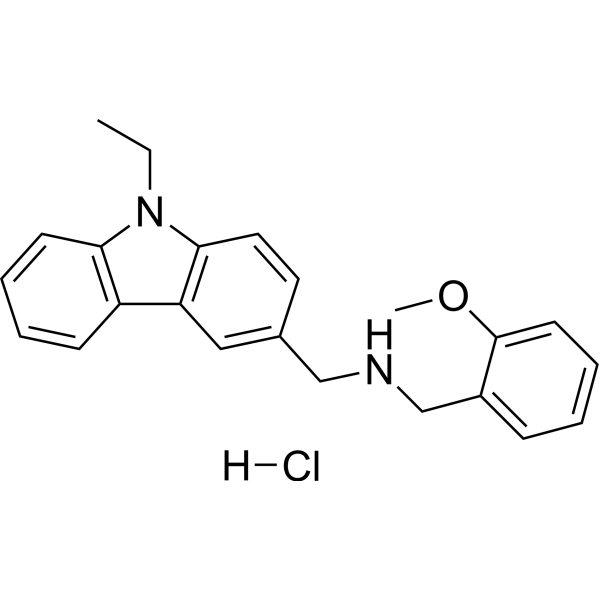
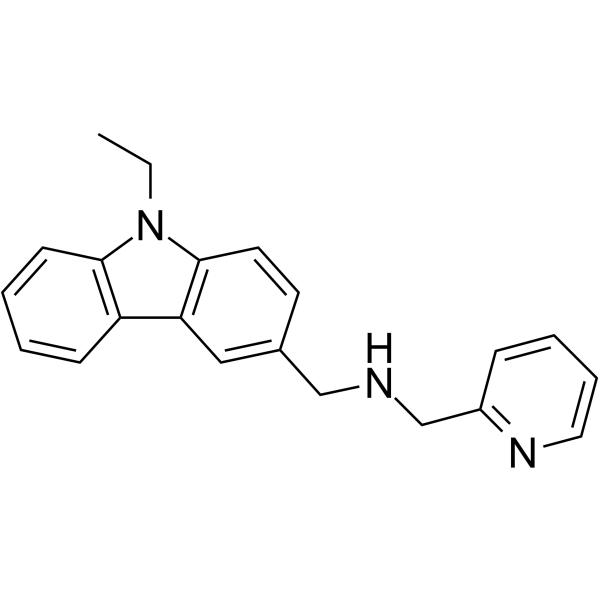
CMP-5 is a potent, specific, and selective PRMT5 inhibitor, while displays no activity against PRMT1, PRMT4, and PRMT7 enzymes. CMP-5 selectively blocks S2Me-H4R3 by inhibiting PRMT5methyltransferase activity on histone preparations. CMP-5 prevents Epstein-Barr virus (EBV)-driven B-lymphocyte transformation but leaving normal B cells unaffected .
PRMT5-IN-52 (Compound 17) is a non-nucleoside Protein Arginine Methyltransferase 5 (PRMT5) inhibitor with inhibitory rates of 20.2% at 10 μM. PRMT5-IN-52 has potent antitumor activity, promising for research of cancers, including lung, prostate cancer, and colorectal carcinoma .
PRMT5-MTA-IN-4 (Compound 30) is a potent irreversible protein arginine methyltransferase 5 (PRMT5) inhibitor (IC50=8 nM). PRMT5-MTA-IN-4 blocks arginine methylation, inhibiting ribosomal RNA processing and cell cycle-related protein expression. PRMT5-MTA-IN-4 exhibits antiproliferative activity in multiple tumor cell lines (e.g., IC50=0.3 μM in DLD-1 cells). PRMT5-MTA-IN-4 is promising for research of hematological malignancies, such as acute myeloid leukemia, diffuse large B-cell lymphoma .
PRMT5-IN-16 (Compound 20) is a PRMT5 inhibitor with anti-tumor activity. PRMT5 is a type of protein arginine methyltransferase, and is a new anti-tumor target related to epigenetic modification .
PRMT5-IN-17 (Compound 6) is a PRMT5 inhibitor with anti-tumor activity. PRMT5 is a type of protein arginine methyltransferase, and is a new anti-tumor target related to epigenetic modification .
PRMT5-IN-23 (compound 50) is an inhibitor of protein arginine methyltransferase 5(PRMT5) with anti-tumor activity. PRMT5 is a type of protein arginine methyltransferase, and is a new anti-tumor target related to epigenetic modification .
PRMT5-IN-46 (compound 278) inhibits PRMT5 with IC50s of 1-10 μM. PRMT5 is a methyltransferase which is associated with specific genetic alterations. PRMT5-IN-46 can be used for research of proliferative diseases, metabolic disorders, and blood diseases .
PRMT5-IN-19 (Compound 41) is an selective orally active non-nucleoside PRMT5 inhibitor with IC50 values of 23.9 nM (radioactive biochemical assay) and 47 nM (AlphaLISA assay). PRMT5-IN-19 can occupy the SAM-binding pocket in PRMT5 and block methyltransferase activity, which displays good selectivity over other PRMTs and PKMTs. PRMT5-IN-19 inhibits cell proliferation by inducing cell apoptosis, and can be used for cancer-related research .
PRMT5-MTA-IN-1 (Compound A9a) is an inhibitor for protein arginine methyltransferasePRMT5-MTA. PRMT5-MTA-IN-1 inhibits the proliferation of colorectal cancer cell HCT116 wildtype and MTAP del mutant, with an IC50 of 16 nM and 2.47 μM. PRMT5-MTA-IN-1 exhibits good liver microsomal stability and film permeability. PRMT5-MTA-IN-1 exhibits good pharmacokinetic characteristics in CD-1 mice .
PRMT5-MTA-IN-3 (Compound P2A) is an orally active and selective protein arginine methyltransferase 5 (PRMT5) inhibitor. PRMT5-MTA-IN-3 inhibits cell proliferation in the MTAP-deficient colorectal cancer HCT - 116 cell line with an IC50 value of 5 nM. PRMT5-MTA-IN-3 is promising for research of cancers, especially for MTAP-deficient tumors, such as colorectal cancer, non-small cell lung cancer, pancreatic cancer .
PRMT5-IN-28 (compound 36) is an inhibitor of protein arginine methyltransferase 5(PRMT5) enzyme. Protein arginine methylation is a common post-translational modification involved in gene transcription, mRNA splicing, DNA repair, protein cellular localization, cell fate determination and signal transduction, etc. Abnormal PRMT5 can promote cancer cell proliferation, resist apoptosis, enhance invasion and metastasis, and affect immune escape .
CMP-5 hydrochloride is a potent, specific, and selective PRMT5 inhibitor, while displays no activity against PRMT1, PRMT4, and PRMT7 enzymes. CMP-5 hydrochloride selectively blocks S2Me-H4R3 by inhibiting PRMT5methyltransferase activity on histone preparations. CMP-5 hydrochloride prevents EBV-driven B-lymphocyte transformation but leaving normal B cells unaffected .
CMP-5 dihydrochloride is a potent, specific, and selective PRMT5 inhibitor, while displays no activity against PRMT1, PRMT4, and PRMT7 enzymes. CMP-5 dihydrochloride selectively blocks S2Me-H4R3 by inhibiting PRMT5methyltransferase activity on histone preparations. CMP-5 dihydrochloride prevents EBV-driven B-lymphocyte transformation but leaving normal B cells unaffected .
DC_C66 is a cell-permeable, selective coactivator associated arginine methyltransferase 1 (CARM1) inhibitor with an IC50 of 1.8 μM. DC_C66 has a good selectivity for CARM1 against PRMT1 (IC50=21 μM), PRMT6 (IC50= 47μM), and PRMT5 .
PRMT5-IN-56 is a PRMT5⋅MTA complex inhibitor with an IC50 of 0.2 nM, oral activity, and blood-brain barrier penetration. PRMT5-IN-56 inhibits PRMT5methyltransferase activity in an MTA-cooperative manner, suppresses symmetrical dimethylarginine levels in MTAP-deficient cells. PRMT5-IN-56 suppresses proliferation of MTAP-deleted cancer cells with high selectivity over MTAP-wild type cells. PRMT5-IN-56 induces dose-dependent tumor growth inhibition in subcutaneous xenograft models, inhibits intracranial tumor progression, and prolongs survival in orthotopic brain xenograft models. PRMT5-IN-56 exhibits high intrinsic permeability, good oral bioavailability, and a high brain-to-plasma ratio. PRMT5-IN-56 can be used for the research of MTAP-deleted cancers and glioblastoma .
SKLB06329 is a potent selective Type I PRMTs inhibitor. SKLB06329 shows good selectivity for PRMT6 (IC50 = 3.86 nM) over Type II/III PRMTs (PRMT5/7) and shows no significant inhibition against various lysine methyltransferases (PKMTs). SKLB06329 significantly inhibits the proliferation of triple-negative breast cancer (TNBC) cells, induces apoptosis, and suppresses the expression of asymmetric dimethylarginine (ADMA) within cells. SKLB06329 can be used for triple-negative breast cancer research .
Furamidine (dihydrochloride) (Standard) is the analytical standard of Furamidine (dihydrochloride). This product is intended for research and analytical applications. Furamidine dihydrochloride (DB75 dihydrochloride) is a selective protein arginine methyltransferase 1 (PRMT1) inhibitor with an IC50 of 9.4 μM. Furamidine dihydrochloride is selective for PRMT1 over PRMT5, PRMT6, and PRMT4 (CARM1) (IC50s of 166 μM, 283 μM, and >400 μM, respectively). Furamidine dihydrochloride is a potent, reversible and competitive tyrosyl-DNA phosphodiesterase 1 (TDP-1) inhibitor. Inhibition of TDP-1 by Furamidine dihydrochloride is effective both with single- and double-stranded DNA substrates but is slightly stronger with the duplex DNA. Furamidine dihydrochloride is also an antiparasite agent .
LLY-283 (Standard) is the analytical standard of LLY-283 (HY-107777). This product is intended for research and analytical applications. LLY-283, a chemical probe, is a potent, selective and oral protein arginine methyltransferase 5 (PRMT5) inhibitor, with an IC50 of 22 nM and a Kd of 6 nM for PRMT5:MEP50 complex, and shows antitumor activity .
HLCL-61 (hydrochloride) (Standard) is the analytical standard of HLCL-61 (hydrochloride) (HY-100025A). This product is intended for research and analytical applications. HLCL-61 hydrochloride is a first-in-class inhibitor of protein arginine methyltransferase 5 (PRMT5).
GSK591 (Standard) is the analytical standard of GSK591 (HY-100235). This product is intended for research and analytical applications. GSK591 (EPZ015866), a chemical probe, is a potent and selective inhibitor of protein methyltransferase 5 (PRMT5) with an IC50 of 4 nM .
YZ-836P is a Protein arginine methyltransferase 5 (PRMT5) targeting agent. YZ-836P promotes ubiquitination and proteasomal degradation of PRMT5 in a cereblon (CRBN)-dependent manner, which in turn reduces levels of its downstream target KLF5. YZ-836P induces G1 phase cell cycle arrest in triple-negative breast cancer cells. YZ-836P induces Apoptosis in triple-negative breast cancer cells. YZ-836P exerts cytotoxic effects on triple-negative breast cancer cells. YZ-836P inhibits the growth of triple-negative breast cancer patient-derived organoids. YZ-836P inhibits the growth of triple-negative breast cancer xenografts in nude mice. YZ-836P can be used for the research of triple-negative breast cancer .
Onametostat (Standard) is the analytical standard of Onametostat (HY-101564). This product is intended for research and analytical applications. Onametostat (JNJ-64619178) is a selective, orally active and pseudo-irreversible protein arginine methyltransferase 5 (PRMT5) inhibitor with an IC50 of 0.14 nM. Onametostat has potent activity in lung cancer .
GSK3326595 (Standard) is the analytical standard of GSK3326595 (HY-101563). This product is intended for research and analytical applications. GSK3326595 is a protein arginine methyltransferase 5 (PRMT5) inhibitor. GSK3326595 decreases SARS-CoV-2 infection, inhibits cancer cell proliferation and induces pro-inflammatory macrophage polarization and increases hepatic triglyceride levels without affecting atherosclerosis. GSK3326595 can be used for research of relapsed/refractory mantle cell lymphoma .
PRMT5-IN-23 (compound 50) is an inhibitor of protein arginine methyltransferase 5(PRMT5) with anti-tumor activity. PRMT5 is a type of protein arginine methyltransferase, and is a new anti-tumor target related to epigenetic modification .
PRMT5 protein, an enzyme from the methyltransferase family, methylates arginine in target proteins like histones, p53, and transcription factors. It regulates transcription and small nuclear ribonucleoprotein assembly. Alternative splicing generates diverse PRMT5 transcript variants. It is widely expressed, particularly in the thyroid, ovary, and other tissues, emphasizing its crucial role in cellular processes. PRMT5 Protein, Human (HEK293, His-Flag) is the recombinant human-derived PRMT5, expressed by HEK293, with N-Flag, C-His labeled tag.
Western blot analysis of extracts from THP-1(lane 2(20μg), Jurkat (lane 3(20μg) and NIH3T3(lane 4(20μg) using FOXO1A (HY-P80132) Rabbit mAb. Proteins were transferred
to a PVDF membrane and blocked with 5% non-fat milk in TBST for 2 hour at room temperature. The primary antibody (1/1000) and Loading control antibody (Beta Actin, HY-P80438, 1/10000) was
used in 5% non-fat milk in TBST at 4°C overnight. Goat Anti-Mouse/Rabbit IgG-HRP Secondary Antibody (1/10000) was used for 1 hour at room temperature.
Western blot analysis of extracts from THP-1(lane 2(20μg), Jurkat (lane 3(20μg) and NIH3T3(lane 4(20μg) using FOXO1A (HY-P80132) Rabbit mAb. Proteins were transferred
to a PVDF membrane and blocked with 5% non-fat milk in TBST for 2 hour at room temperature. The primary antibody (1/1000) and Loading control antibody (Beta Actin, HY-P80438, 1/10000) was
used in 5% non-fat milk in TBST at 4°C overnight. Goat Anti-Mouse/Rabbit IgG-HRP Secondary Antibody (1/10000) was used for 1 hour at room temperature.
Western blot analysis of extracts from THP-1(lane 2(20μg), Jurkat (lane 3(20μg) and NIH3T3(lane 4(20μg) using FOXO1A (HY-P80132) Rabbit mAb. Proteins were transferred
to a PVDF membrane and blocked with 5% non-fat milk in TBST for 2 hour at room temperature. The primary antibody (1/1000) and Loading control antibody (Beta Actin, HY-P80438, 1/10000) was
used in 5% non-fat milk in TBST at 4°C overnight. Goat Anti-Mouse/Rabbit IgG-HRP Secondary Antibody (1/10000) was used for 1 hour at room temperature.
Western blot analysis of extracts from THP-1(lane 2(20μg), Jurkat (lane 3(20μg) and NIH3T3(lane 4(20μg) using FOXO1A (HY-P80132) Rabbit mAb. Proteins were transferred
to a PVDF membrane and blocked with 5% non-fat milk in TBST for 2 hour at room temperature. The primary antibody (1/1000) and Loading control antibody (Beta Actin, HY-P80438, 1/10000) was
MedchemExpress Validation 03
Western blot analysis of extracts from THP-1(lane 2(20μg), Jurkat (lane 3(20μg) and NIH3T3(lane 4(20μg) using FOXO1A (HY-P80132) Rabbit mAb. Proteins were transferred
MedchemExpress Validation 04
Western blot analysis of extracts from THP-1(lane 2(20μg), Jurkat (lane 3(20μg) and NIH3T3(lane 4(20μg) using FOXO1A (HY-P80132) Rabbit mAb. Proteins were transferred
to a PVDF membrane and blocked with 5% non-fat milk in TBST for 2 hour at room temperature. The primary antibody (1/1000) and Loading control antibody (Beta Actin, HY-P80438, 1/10000) was
used in 5% non-fat milk in TBST at 4°C overnight. Goat Anti-Mouse/Rabbit IgG-HRP Secondary Antibody (1/10000) was used for 1 hour at room temperature.
MedchemExpress Validation
Western blot analysis of extracts from THP-1(lane 2(20μg), Jurkat (lane 3(20μg) and NIH3T3(lane 4(20μg) using FOXO1A (HY-P80132) Rabbit mAb. Proteins were transferred
to a PVDF membrane and blocked with 5% non-fat milk in TBST for 2 hour at room temperature. The primary antibody (1/1000) and Loading control antibody (Beta Actin, HY-P80438, 1/10000) was
used in 5% non-fat milk in TBST at 4°C overnight. Goat Anti-Mouse/Rabbit IgG-HRP Secondary Antibody (1/10000) was used for 1 hour at room temperature.
Western blot analysis of extracts from THP-1(lane 2(20μg), Jurkat (lane 3(20μg) and NIH3T3(lane 4(20μg) using FOXO1A (HY-P80132) Rabbit mAb. Proteins were transferred
to a PVDF membrane and blocked with 5% non-fat milk in TBST for 2 hour at room temperature. The primary antibody (1/1000) and Loading control antibody (Beta Actin, HY-P80438, 1/10000) was
used in 5% non-fat milk in TBST at 4°C overnight. Goat Anti-Mouse/Rabbit IgG-HRP Secondary Antibody (1/10000) was used for 1 hour at room temperature.
MedchemExpress Validation
Western blot analysis of extracts from THP-1(lane 2(20μg), Jurkat (lane 3(20μg) and NIH3T3(lane 4(20μg) using FOXO1A (HY-P80132) Rabbit mAb. Proteins were transferred
to a PVDF membrane and blocked with 5% non-fat milk in TBST for 2 hour at room temperature. The primary antibody (1/1000) and Loading control antibody (Beta Actin, HY-P80438, 1/10000) was
used in 5% non-fat milk in TBST at 4°C overnight. Goat Anti-Mouse/Rabbit IgG-HRP Secondary Antibody (1/10000) was used for 1 hour at room temperature.
MedchemExpress Validation
Western blot analysis of extracts from THP-1(lane 2(20μg), Jurkat (lane 3(20μg) and NIH3T3(lane 4(20μg) using FOXO1A (HY-P80132) Rabbit mAb. Proteins were transferred
to a PVDF membrane and blocked with 5% non-fat milk in TBST for 2 hour at room temperature. The primary antibody (1/1000) and Loading control antibody (Beta Actin, HY-P80438, 1/10000) was
used in 5% non-fat milk in TBST at 4°C overnight. Goat Anti-Mouse/Rabbit IgG-HRP Secondary Antibody (1/10000) was used for 1 hour at room temperature.
MedchemExpress Validation
Western blot analysis of extracts from THP-1(lane 2(20μg), Jurkat (lane 3(20μg) and NIH3T3(lane 4(20μg) using FOXO1A (HY-P80132) Rabbit mAb. Proteins were transferred
to a PVDF membrane and blocked with 5% non-fat milk in TBST for 2 hour at room temperature. The primary antibody (1/1000) and Loading control antibody (Beta Actin, HY-P80438, 1/10000) was
used in 5% non-fat milk in TBST at 4°C overnight. Goat Anti-Mouse/Rabbit IgG-HRP Secondary Antibody (1/10000) was used for 1 hour at room temperature.
MedchemExpress Validation
Western blot analysis of extracts from THP-1(lane 2(20μg), Jurkat (lane 3(20μg) and NIH3T3(lane 4(20μg) using FOXO1A (HY-P80132) Rabbit mAb. Proteins were transferred
to a PVDF membrane and blocked with 5% non-fat milk in TBST for 2 hour at room temperature. The primary antibody (1/1000) and Loading control antibody (Beta Actin, HY-P80438, 1/10000) was
used in 5% non-fat milk in TBST at 4°C overnight. Goat Anti-Mouse/Rabbit IgG-HRP Secondary Antibody (1/10000) was used for 1 hour at room temperature.
MedchemExpress Validation
Western blot analysis of extracts from THP-1(lane 2(20μg), Jurkat (lane 3(20μg) and NIH3T3(lane 4(20μg) using FOXO1A (HY-P80132) Rabbit mAb. Proteins were transferred
to a PVDF membrane and blocked with 5% non-fat milk in TBST for 2 hour at room temperature. The primary antibody (1/1000) and Loading control antibody (Beta Actin, HY-P80438, 1/10000) was
used in 5% non-fat milk in TBST at 4°C overnight. Goat Anti-Mouse/Rabbit IgG-HRP Secondary Antibody (1/10000) was used for 1 hour at room temperature.
MedchemExpress Validation
Western blot analysis of extracts from THP-1(lane 2(20μg), Jurkat (lane 3(20μg) and NIH3T3(lane 4(20μg) using FOXO1A (HY-P80132) Rabbit mAb. Proteins were transferred
to a PVDF membrane and blocked with 5% non-fat milk in TBST for 2 hour at room temperature. The primary antibody (1/1000) and Loading control antibody (Beta Actin, HY-P80438, 1/10000) was
used in 5% non-fat milk in TBST at 4°C overnight. Goat Anti-Mouse/Rabbit IgG-HRP Secondary Antibody (1/10000) was used for 1 hour at room temperature.
MedChemExpress values your privacy and your trust is important to us. We use cookies to enhance your website experience. Some cookies are necessary to run the website.
Privacy and Cookie Policy

