1. Search Result
Search Result
Pathways Recommended: PROTAC PI3K/Akt/mTOR
Results for "

PROTAC AKT degrader

" in MedChemExpress (MCE) Product Catalog:

34

Inhibitors & Agonists

1

Click Chemistry

Cat. No. Product Name Target Research Areas Chemical Structure
  • HY-148273

    ASP-3082; KRAS G12D inhibitor 17

    PROTACs Ras ERK Akt Cancer
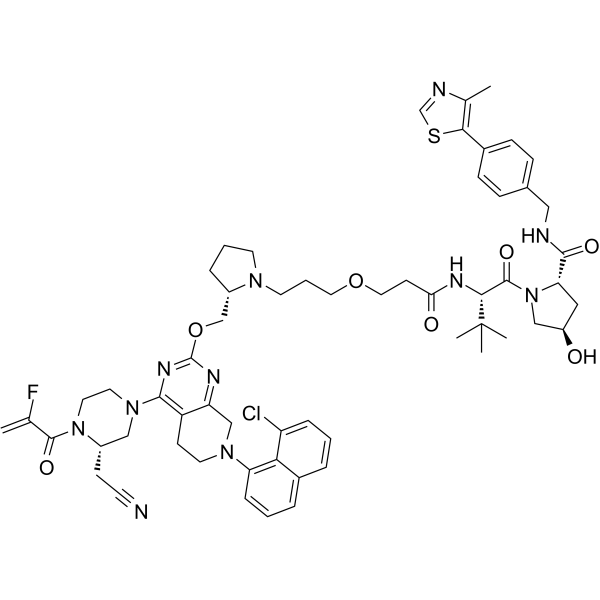
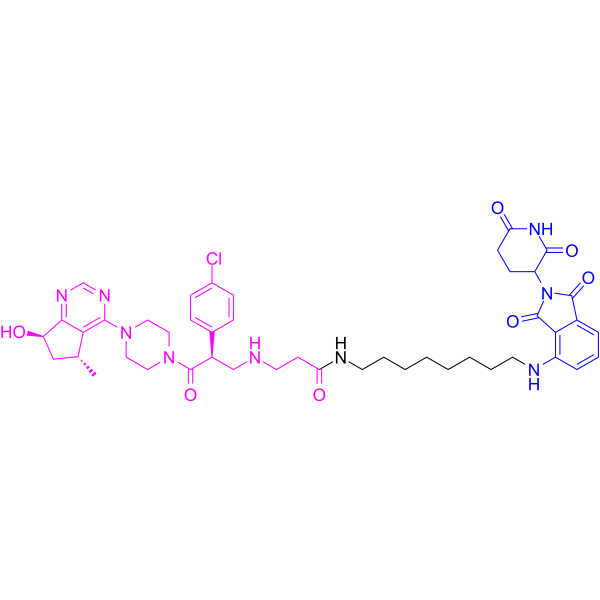
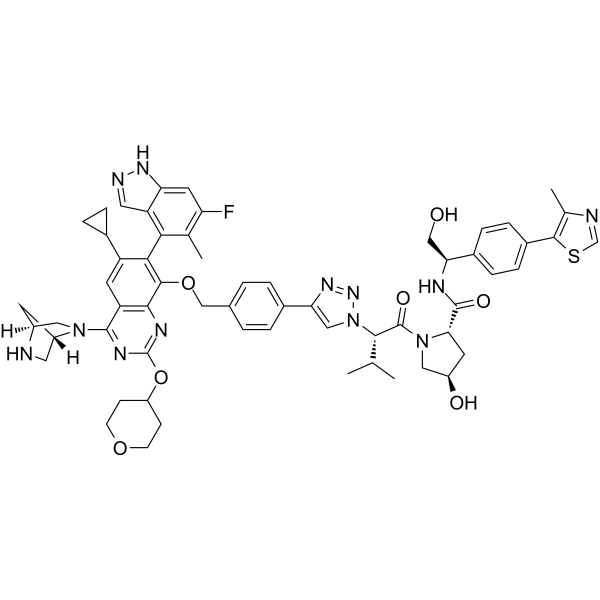
    Setidegrasib (KRAS G12D inhibitor 17, ASP3082) is a PROTAC KRAS degrader (DC50: 37 nM). Setidegrasib induces the degradation of G12D-mutation KRAS protein. Setidegrasib suppresses p-ERK, p-AKT, p-S6 levels in AsPC-1 cells. Setidegrasib exhibits anti-tumor activity in various cancer xenograft models in mice. Setidegrasib can be used for the study of KRAS(G12D)-mutated solid tumors. (Blue: VHL ligase ligand (HY-168699); Black: linker (HY-168698); Pink: G12D ligand (HY-168700)) .
    Setidegrasib
  • HY-133120
    INY-03-041
    1 Publications Verification

    PROTACs Akt Cancer
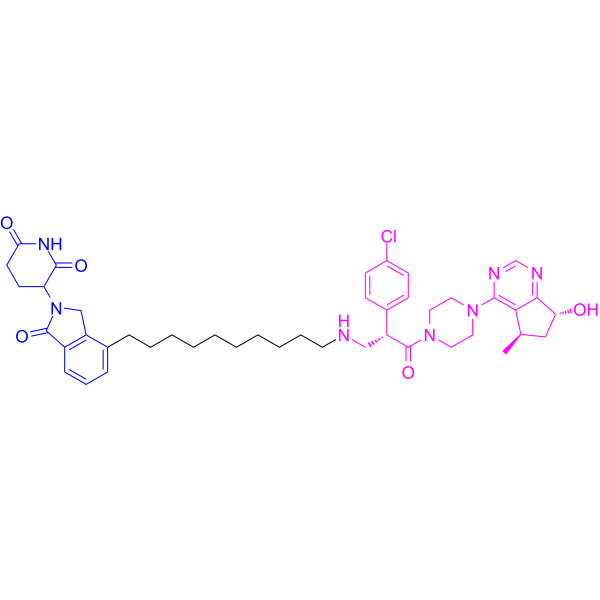
    INY-03-041 is a potent, highly selective and PROTAC-based pan-AKT degrader consisting of the ATP-competitive AKT inhibitor Ipatasertib (HY-15186) conjugated to Lenalidomide (HY-A0003, Cereblon ligand). INY-03-041 inhibits AKT1, AKT2 and AKT3 with IC50s of 2.0, 6.8 and 3.5 nM, respectively .
    INY-03-041
  • HY-141807

    PROTACs Akt Cancer
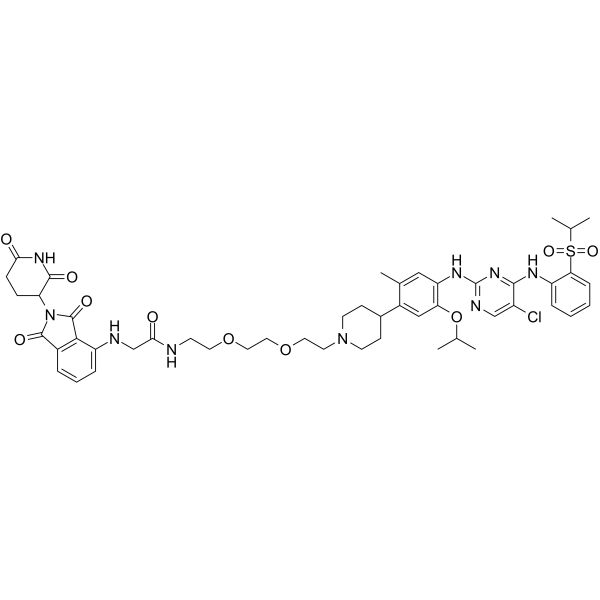
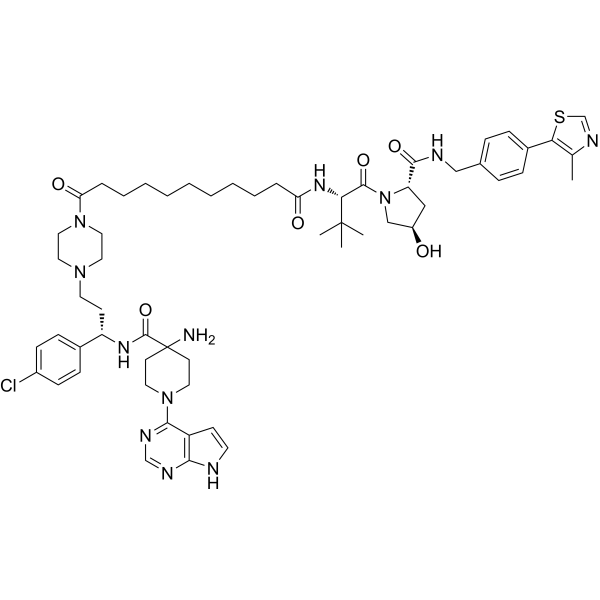
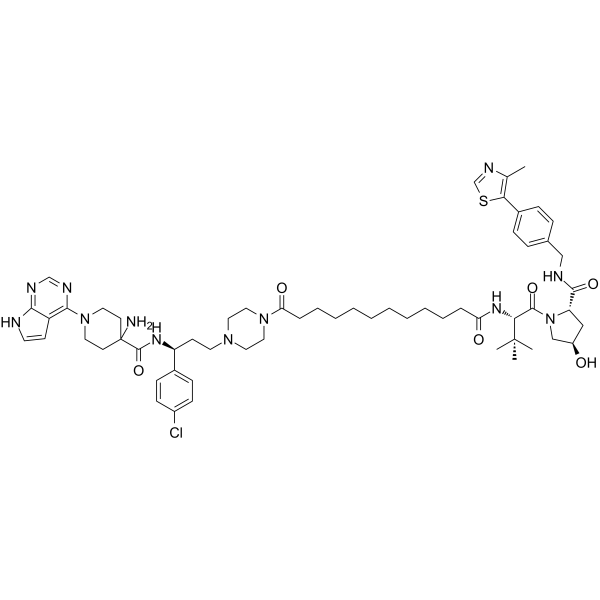
    MS21 is an effective AKT PROTAC degrader. MS21 can inhibit mutations in the PI3K/PTEN pathway, suppress the proliferation and induce cell cycle arrest of tumor cells. MS21 has anti-tumor activity. (Pink: AKT ligand-2 (HY-48682); Black: Linker (HY-W014125); Blue: (S,R,S)-AHPC (HY-125845)) .
    MS21
  • HY-168555

    PROTACs CDK Apoptosis Akt mTOR Cancer
    YJ1206 is an orally active selective CDK12/CDK13 PROTAC degrader. YJ1206 induces DNA damage and genomic instability, activates the AKT pathway, and triggers apoptosis. YJ1206 reduces tumor cell viability, inhibits tumor growth, and attenuates tumor cell dissemination. YJ1206 is applicable to research related to prostate cancer and high-grade serous tubo-ovarian cancer .
    YJ1206
  • HY-145282
    MS170
    1 Publications Verification

    PROTACs Akt Cancer
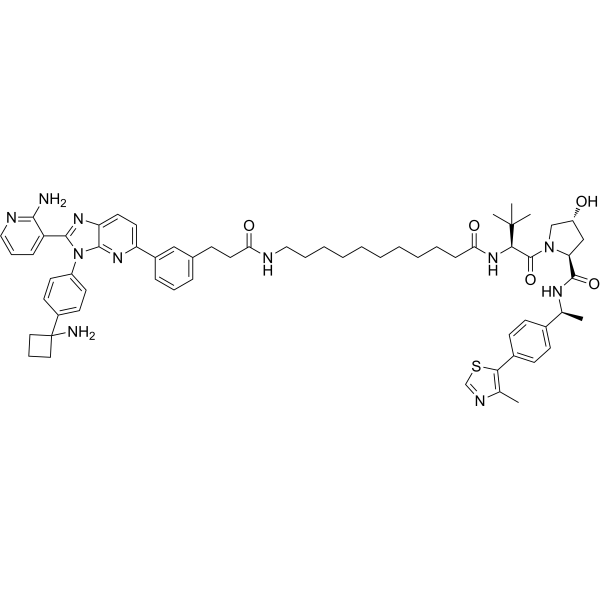
    MS170 is a potent and selective PROTAC AKT degrader. MS170 depletes cellular total AKT (T-AKT) with the DC50 value of 32 nM. MS170 binds to AKT1, AKT2, and AKT3 with Kds of 1.3 nM, 77 nM, and 6.5 nM, respectively .
    MS170
  • HY-151613A

    PROTACs Akt Cancer
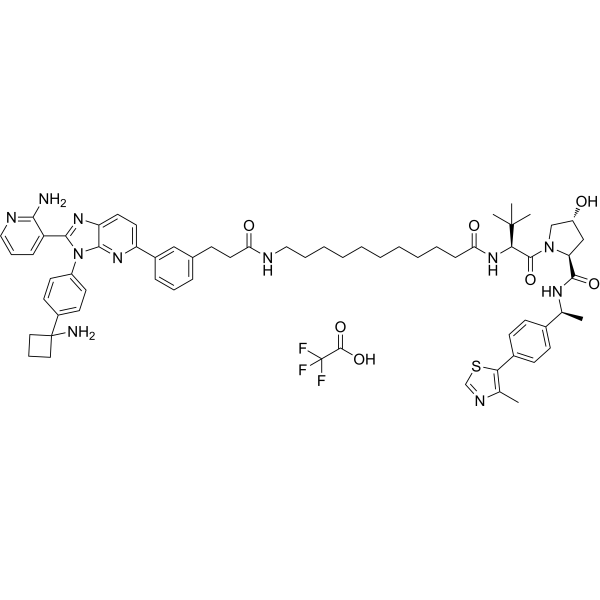
    MS15 TFA is a potent and selective AKT PROTAC degrader. MS15 TFA inhibits the AKT1, -2, and -3 activities, with IC50 values of 798 nM, 90 nM, and 544 nM, respectively .
    MS15 TFA
  • HY-133120A
    INY-03-041 trihydrochloride
    1 Publications Verification

    PROTACs Akt Cancer
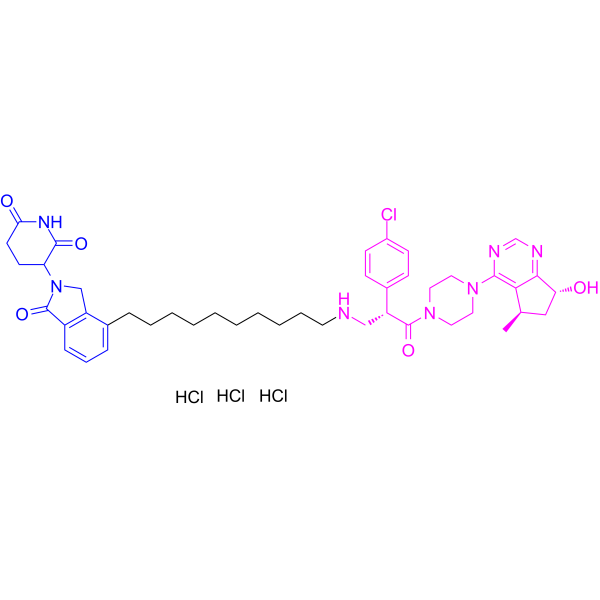
    INY-03-041 trihydrochloride is a potent, highly selective and PROTAC-based pan-AKT degrader consisting of the ATP-competitive AKT inhibitor Ipatasertib (HY-15186) conjugated to Lenalidomide (HY-A0003). INY-03-041 trihydrochloride inhibits AKT1, AKT2 and AKT3 with IC50s of 2.0, 6.8 and 3.5 nM, respectively .
    INY-03-041 trihydrochloride
  • HY-177008

    PROTACs EGFR Apoptosis Akt ERK Cancer
    PROTAC HER2 degrader-1 is a highly selective HER2 PROTAC degrader, with a DC50 of 69 nM and a Dmax of 96%. PROTAC HER2 degrader-1 inhibits HER2-positive cell proliferation and tumor growth through persistent HER2 degradation and potent inhibition of downstream pathways (AKT and ERK). PROTAC HER2 degrader-1 induces apoptosis in BT-474 cells. PROTAC HER2 degrader-1 can be used for research of HER2-positive cancers. (Pink: HER2 ligand: (HY-177009); Black: Linker; Blue: CRBN ligand: (HY-W023573) .
    PROTAC HER2 degrader-1
  • HY-143883

    PROTACs Akt Cancer
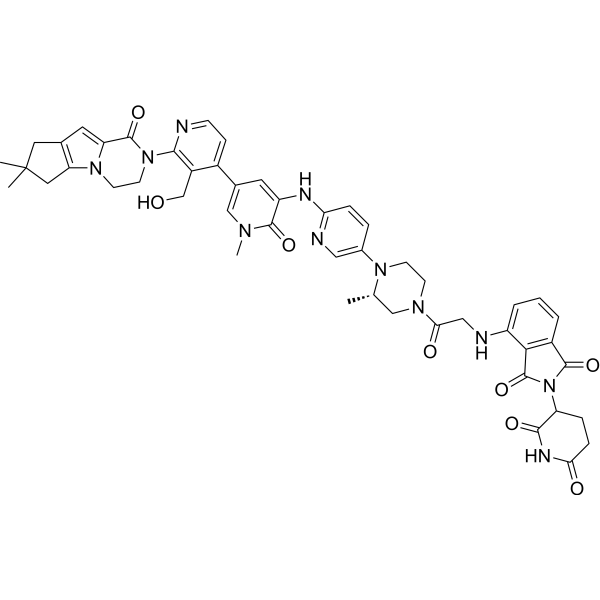
    MS143 is a potent PROTAC AKT degrader (DC50=46 nM and GI50=0.8 μM in PC3 cells). MS143 induces rapid and robust AKT degradation in a concentration- and time-dependent manner via hijacking the ubiquitin-proteasome system. MS143 can suppress cancer cell growth (Pink: AKT ligand (HY-15431); Blue: E3 ligase ligand (HY-125845); Black: linker) .
    MS143
  • HY-174461

    PROTACs PI3K Cancer
    PROTAC PI3Kα degrader-1 is a PI3Kα PROTAC degrader (DC50 = 0.08 μM), demonstrating good selectivity for PI3Kα degradation over PI3Kβ, PI3Kγ, and PI3Kδ. PROTAC PI3Kα degrader-1 effectively degrades PI3Kα in a time- and concentration-dependent, over PI3Kβ, PI3Ky and PI3Kδ, and potently inhibited the phosphorylation of AKT at the Ser473site. PROTAC PI3Kα degrader-1 shows significant in vivo anticancer efficacy in HGC-27 and DOHH2 xenograft models. (Pink: PI3Kα ligand : (HY-174798), Blue: E3 ligase CRBN Ligand (HY-10984), Black: Linker, E3 ligase ligand-linker conjugate (HY-W940885)) .
    PROTAC PI3Kα degrader-1
  • HY-154860

    PROTACs Btk Apoptosis Caspase Bcl-2 Family NF-κB Akt Inflammation/Immunology Cancer
    PTD10 is a selective and potent BTK PROTAC degrader (DC50 = 0.5 nM, KD = 2.28 nM). PTD10 can recruit cereblon (CRBN) E3 ligase and form a ternary complex with BTK, thereby mediating the ubiquitination and proteasome-dependent degradation of BTK. PTD10 inhibits cancer cells proliferation, and induces cell apoptosis via activation of the caspase-dependent pathway and mitochondrial pathway. PTD10 potently inhibits the BCR, AKT and NF-κB signaling pathway. PTD10 can be used for researches of B-cell malignancies and autoimmune disease .
    PTD10
  • HY-133487B

    VH032-C8-NH2

    E3 Ligase Ligand-Linker Conjugates Inflammation/Immunology Cancer
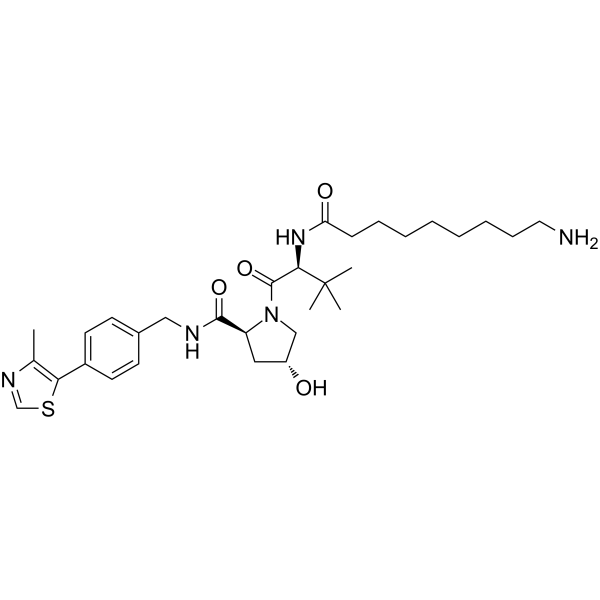
    (S,R,S)-AHPC-C8-NH2 (VH032-C8-NH2) is a synthesized?E3 ligase ligand-linker conjugate?that incorporates the VH032 based VHL ligand and a linker used for AKT PROTAC degrader. (S,R,S)-AHPC-C8-NH2 is XF038-164A, example 8, extracted from patent WO2019173516A1 .
    (S,R,S)-AHPC-C8-NH2
  • HY-151613

    PROTACs Akt Cancer
    MS15 is a potent and selective AKT PROTAC degrader. MS15 inhibits the AKT1, -2, and -3 activities, with IC50 values of 798 nM, 90 nM, and 544 nM, respectively .
    MS15
  • HY-W998345

    PROTACs PDK-1 Akt Cancer
    SMART1 is a highly specific and CRBN-dependent PROTAC that can effectively degrade Smurf1. SMART1 can block the PDK1-Akt signaling pathway in KRAS mutant colorectal cancer. SMART1 can inhibit tumor growth in KRAS mutant colorectal cancer (CRC) xenograft models.(Blue: CRBN ligand; Black: linker; Pink: Smurf1 ligand (Smurf1-L)) .
    SMART1
  • HY-175975

    PROTACs Akt Cancer
    PROTAC Akt3 Degrader-1 is a highly efficient and selective PROTAC degrader targeting Akt3. PROTAC Akt3 Degrader-1 shows weak antiproliferative activity in 36 cell lines. PROTAC Akt3 Degrader-1 can be used for the study of Triple-negative breast cancer and melanoma .
    PROTAC Akt3 Degrader-1
  • HY-176239

    PROTACs PI3K Akt Apoptosis Autophagy Cancer
    PROTAC PI3Kδ degrader-1 is a Lysine-targeted covalent PI3Kδ PROTAC degrader with a DC50 of 3.98 nM. PROTAC PI3Kδ degrader-1 has a potent antiproliferative activity and selective PI3Kδ inhibition (IC50: 8 nM). PROTAC PI3Kδ degrader-1 also significantly degrades p-AKT, induces cell cycle arrest in G1 phase and prompts cell apoptosis and autophagy. PROTAC PI3Kδ degrader-1 effectively inhibits the tumor growth in SU-DHL-6 xenograft mice model . Pink: PI3Kδ ligand (HY-169983); Blue: VHL ligase ligand (HY-112078); Black: linker (HY-W013381)
    PROTAC PI3Kδ degrader-1
  • HY-145281

    PROTACs Akt Cancer
    MS98 is a potent and selective PROTAC AKT degrader. MS98 depletes cellular total AKT (T-AKT) with the DC50 value of 78 nM. MS98 binds to AKT1, AKT2, and AKT3 with Kds of 4 nM, 140 nM, and 8.1 nM, respectively .
    MS98
  • HY-163709

    PROTACs FAK Akt ERK Cancer
    PROTAC FAK degrader 2 is an orally active PROTAC FAK degrader with a DC50 of 60.10 nM. PROTAC FAK degrader 2 forms a ternary complex with FAK and CRBN E3 ubiquitin ligase, driving proteasome-mediated degradation of total and phosphorylated FAK. PROTAC FAK degrader 2 inhibits phosphorylation of AKT and ERK, suppressing their downstream signaling pathways. PROTAC FAK degrader 2 reduces cancer cell viability, adhesion, migration, and invasion. PROTAC FAK degrader 2 exerts anti-tumor activity in HCT8/T tumor xenografts in mice. PROTAC FAK degrader 2 can be used for the research of breast cancer, colorectal cancer, lung cancer .
    PROTAC FAK degrader 2
  • HY-178176

    PROTACs Cannabinoid Receptor Akt ERK Bcl-2 Family Apoptosis Cancer
    PROTAC CB1R Degrader-1 is a potent and selective CB1R PROTAC degrader that exploits the ubiquitin-proteasome system (UPS) achieving a DC50 of 3.37 μM in MCF-7 cells and showing no impact on CB2R. PROTAC CB1R Degrader-1 reduces CB1R-associated downstream signaling (p-AKT, p-ERK, BCL2, and MCM5), thereby inhibiting breast cancer cell proliferation and inducing apoptosis. PROTAC CB1R Degrader-1 can be used for breast cancer research. (Blue: CRBN ligand (HY-41547); Black: linker (HY-178198); Pink: CB1R ligand (HY-134497)) .
    PROTAC CB1R Degrader-1
  • HY-130985

    PROTAC Linkers Cancer
    9-Decyn-1-ol is an alkyl/ether-based PROTAC linker that can be used in the synthesis of PROTACs. 9-Decyn-1-ol can be used to conjugate GDC-0068 with Lenalidomide to generate INY-03-041. INY-03-041 is a potent, highly selective and PROTAC-based pan-Akt degrader. INY-03-041 inhibits Akt1, Akt2 and Akt3 with IC50s of 2.0 nM, 6.8 nM and 3.5 nM, respectively . 9-Decyn-1-ol is a click chemistry reagent, it contains an Alkyne group and can undergo copper-catalyzed azide-alkyne cycloaddition (CuAAc) with molecules containing Azide groups.
    9-Decyn-1-ol
  • HY-178858

    PROTACs FLT3 Checkpoint Kinase (Chk) STAT ERK c-Myc Akt Cancer
    PROTAC FLT3/CHK1 Degrader-1 is a PROTAC FLT3/CHK1 degrader, with DC50 values of 5.88 nM (FLT3) and 4.17 nM (CHK1), respectively. PROTAC FLT3/CHK1 Degrader-1 can inhibit the phosphorylation of FLT3 downstream signaling effectors STAT5 (Tyr694), AKT (Ser473), and ERK (Tyr204), downregulate the protein level of c-Myc and maintain the expression of p53 protein. PROTAC FLT3/CHK1 Degrader-1 induces apoptosis in MV-4-11 cells. PROTAC FLT3/CHK1 Degrader-1 shows significant anti-tumor efficacy in mice bearing MV-4-11 subcutaneous xenografts. PROTAC FLT3/CHK1 Degrader-1 can be used for the study of acute myeloid leukemia (AML). (Pink: FLT3/CHK1 ligand (HY-178869 ), Blue: CRBN Ligand (HY-W093272), Black: Linker, E3 ligase ligand-linker conjugate (HY-W998238)) .
    PROTAC FLT3/CHK1 Degrader-1
  • HY-136006A

    VH032-C6-NH2 hydrochloride

    E3 Ligase Ligand-Linker Conjugates Inflammation/Immunology Cancer
    (S,R,S)-AHPC-C6-NH2 hydrochloride (VH032-C6-NH2 hydrochloride) is a synthesized E3 ligase ligand-linker conjugate that incorporates the VH032 based VHL ligand and a linker used for AKT PROTAC degrader. (S,R,S)-AHPC-C6-NH2 hydrochloride is XF038-161A, example 6, extracted from patent WO2019173516A1 .
    (S,R,S)-AHPC-C6-NH2 hydrochloride
  • HY-179424

    PROTACs HIF/HIF Prolyl-Hydroxylase p38 MAPK Akt PI3K MEK Apoptosis Cancer
    PROTAC HIF-1α degrader-2 is a highly efficient and selective PROTAC degrader targeting HIF-1α. PROTAC HIF-1α degrader-2 promotes HIF-1α degradation via the ubiquitin-proteasome pathway by facilitating the formation of a HIF-1α/VHL ternary complex. PROTAC HIF-1α degrader-2 inhibits HeLa cell proliferation, migration, and colony formation, and induces apoptosis. PROTAC HIF-1α degrader-2 reduces p-MEK and p-AKT expression in the MAPK and PI3K/AKT pathways. PROTAC HIF-1α degrader-2 can be used for the study of cervical cancer .
    PROTAC HIF-1α degrader-2
  • HY-143882

    PROTACs Akt Cancer
    MS5033 is a potent PROTAC-based AKT (protein kinase B) degrader, with a DC50 of 430 nM in PC3 cells .
    MS5033
  • HY-179388

    PROTACs Sirtuin Apoptosis Akt mTOR Cancer
    PROTAC Sirt2 Degrader-2 is a highly efficient and selective PROTAC degrader targeting SIRT2. PROTAC Sirt2 Degrader-2 demonstrates the most potent anti-proliferative activity both in vitro and in vivo. PROTAC Sirt2 Degrader-2 leads to a marked increase in H4K16Ac levels. PROTAC Sirt2 Degrader-2 significantly suppresses clonogenic formation and migration, induces cell cycle arrest, and promotes apoptosis. PROTAC Sirt2 Degrader-2 inhibits the AKT/mTOR signaling pathway by indirectly degrading SIRT2 and blocking downstream protein phosphorylation, thereby disrupting the signaling cascade and suppressing tumor development. PROTAC Sirt2 Degrader-2 can be used for the study of ovarian cancer .
    PROTAC Sirt2 Degrader-2
  • HY-174469

    PROTACs P-glycoprotein Apoptosis Reactive Oxygen Species (ROS) Akt Bcl-2 Family Na+/K+ ATPase PI3K Cancer
    PROTAC PI3K/110β degrader-2 is a selective PI3K/p110β PROTAC degrader. PROTAC PI3K/110β degrader-2 can significantly degrade 110β protein and inhibit the expression of P-glycoprotein. PROTAC PI3K/110β degrader-2 can increase the level of reactive oxygen species (ROS). PROTAC PI3K/110β degrader-2 exerts anti-tumor effects by activating the endoplasmic reticulum stress (ERS)-mediated mitochondrial apoptosis pathway and inhibiting the AKT/Bcl-2 signaling pathway. PROTAC PI3K/110β degrader-2 can be used for research on cancer. (Pink: PI3K/110β Ligand (HY-75124); Blue: VHL Ligand (HY-125845); Black: Linker (HY-W002042)) .
    PROTAC PI3K/110β degrader-2
  • HY-174415

    PROTACs EGFR Akt ERK Cancer
    ZSH-2117 is a covalent and selective EGFR PROTAC degrader with a DC50 of 45 nM in Ba/F3-EGFR L858R/T790M/C797S cells. ZSH-2117 significantly inhibits cell proliferation and reduces the downstream EGFR signaling proteins level of AKT and ERK. ZSH-2117 effectively inhibits tumor growth in Ba/F3-EGFR L858R/T790M/C797S xenograft mice model . Pink: EGFR ligand (HY-175162); Blue: NEDD4 ligase ligand (HY-175159); Black: linker
    ZSH-2117
  • HY-136006

    VH032-C6-NH2 dihydrochloride

    E3 Ligase Ligand-Linker Conjugates Inflammation/Immunology Cancer
    (S,R,S)-AHPC-C6-NH2 dihydrochloride (VH032-C6-NH2 dihydrochloride) is a synthesized E3 ligase ligand-linker conjugate that incorporates the VH032 based VHL ligand and a linker used for AKT PROTAC degrader. (S,R,S)-AHPC-C6-NH2 dihydrochloride is XF038-161A, example 6, extracted from patent WO2019173516A1 .
    (S,R,S)-AHPC-C6-NH2 dihydrochloride
  • HY-133487

    VH032-C8-NH2 dihydrochloride

    E3 Ligase Ligand-Linker Conjugates Inflammation/Immunology Cancer
    (S,R,S)-AHPC-C8-NH2 dihydrochloride (VH032-C8-NH2 dihydrochloride) is a synthesized E3 ligase ligand-linker conjugate that incorporates the VH032 based VHL ligand and a linker used for AKT PROTAC degrader. (S,R,S)-AHPC-C8-NH2 is XF038-164A, example 8, extracted from patent WO2019173516A1 .
    (S,R,S)-AHPC-C8-NH2 dihydrochloride
  • HY-175976

    Akt Ligands for Target Protein for PROTAC Cancer
    Akt3 ligand-1 is an Akt3 inhibitor (IC50 = 0.1 nM) and a ligand for the target protein for PROTAC (Akt3). Akt3 ligand-1 can be used to synthesize PROTAC Akt3 Degrader-1(HY-175975) .
    Akt3 ligand-1
  • HY-133487A

    VH032-C8-NH2 hydrochloride

    E3 Ligase Ligand-Linker Conjugates Cancer
    (S,R,S)-AHPC-C8-NH2 (VH032-C8-NH2) hydrochloride is a synthesized E3 ligase ligand-linker conjugate that incorporates the VH032 based VHL ligand and a linker used in PROTAC technology .
    (S,R,S)-AHPC-C8-NH2 hydrochloride
  • HY-171334A

    PROTACs PIN1 CDK Akt c-Myc Apoptosis Reactive Oxygen Species (ROS) Cancer
    P1D-34 is a Pin1 PROTAC degrader with a DC50 value of 177 nM. P1D-34 also down-regulates Pin1 client proteins such as Cyclin D1, Rb, Mcl-1, Akt, and c-Myc. P1D-34 shows anti-proliferative activities in a panel of acute myeloid leukemia (AML) cell lines. P1D-34 induces cell DNA damage and apoptosis by releasing ROS generation. Pink: PIN1 ligand (HY-171442A), Blue: CRBN ligand (HY-14658), Black: Linker (HY-W014883) .
    P1D-34
  • HY-181153

    PROTACs FGFR Cancer
    PROTAC FGFR3 Degrader-1 is a fibroblast growth factor receptor 3 (FGFR3) PROTAC degrader, promotes FGFR3 degradation via the ubiquitin-proteasome pathway, and inhibits the downstream FGFR3/PI3K/AKT signaling pathway. PROTAC FGFR3 Degrader-1 can be used for the research of hepatocellular carcinoma .
    PROTAC FGFR3 Degrader-1
  • HY-180261

    PROTACs mTOR PI3K Apoptosis Cancer
    GP262 is a PI3K/mTOR PROTAC degrader targeting PI3Kγ, PI3Kα and mTOR with DC50 values of 42.23 nM, 227.4 nM and 45.4 nM, respectively in MDA-MB-231 cells. GP262 induces degradation of p110α and p110γ with a DC50 of 227.4 and 42.23 nM. GP262 efficient modulates the PI3K/AKT/mTOR pathway, achieving degradation through the ubiquitin-proteasome system (UPS). GP262 also exhibits robust antiproliferative activity and induces apoptosis in vitro. GP262 exhibits tumor growth suppression capability and biosafety profile. GP262 can be used for leukemia and triple-negative breast cancer (TNBC) .
    GP262

Inquiry Online

Your information is safe with us. * Required Fields.

Salutation


Country or Region *

Applicant Name *


Organization Name *

Department *


Email Address *


Product Name *

Cat. No.


Requested quantity *

Phone Number *


Remarks

Inquiry Online

Inquiry Information

Product Name:
Cat. No.:
Quantity:
MCE Japan Authorized Agent:

