1. Search Result
Search Result
Results for "

ROS1

" in MedChemExpress (MCE) Product Catalog:

75

Inhibitors & Agonists

1

Screening Libraries

1

Fluorescent Dyes

2

Biochemical Assay Reagents

8

Natural
Products

4

Recombinant Proteins

8

Isotope-Labeled Compounds

2

Antibodies

1

Click Chemistry

3

Oligonucleotides

Cat. No. Product Name Target Research Areas Chemical Structure
  • HY-12215
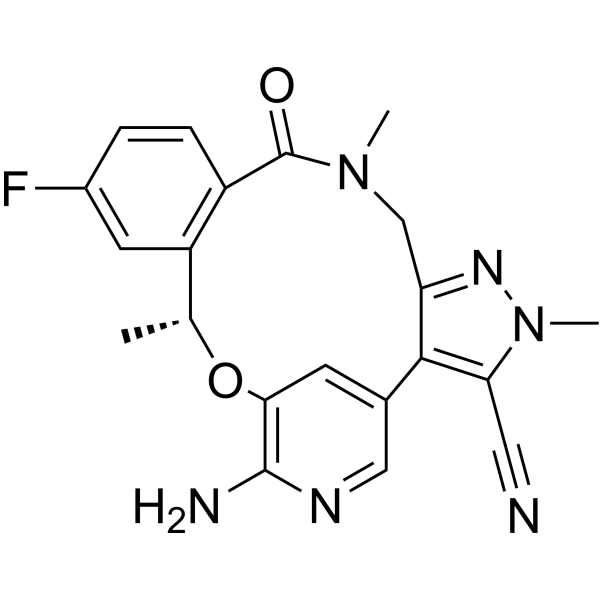
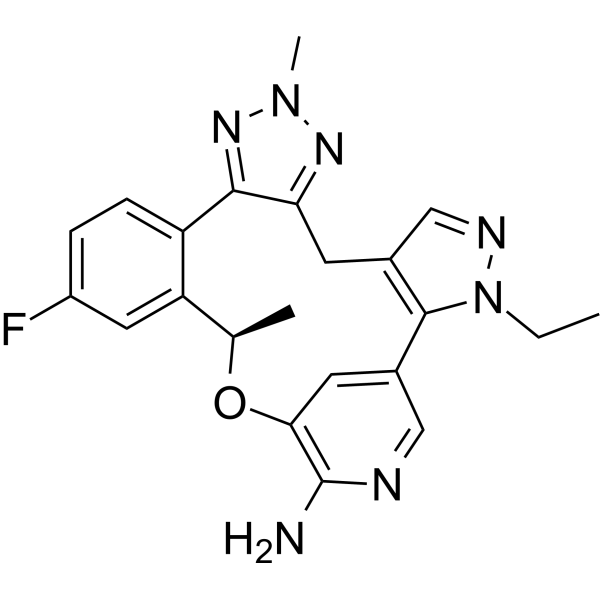
    Lorlatinib
    30+ Cited Publications

    PF-06463922

    Anaplastic lymphoma kinase (ALK) ROS Kinase Apoptosis Cancer
    Lorlatinib (PF-06463922) is a selective, orally active, brain-penetrant and ATP-competitive ROS1/ALK inhibitor with anticancer activity. Lorlatinib has Kis of <0.025 nM, <0.07 nM, and 0.7 nM for ROS1, wild type ALK, and ALK L1196M, respectively. Lorlatinib targets to EML4-ALK, and inhibits ALK phosphorylation with IC50s of 15-43 nM (ALK L1196), 14-80 nM (ALK G1269A), 38-50 nM (ALK 1151Tins), 77-113 nM (ALK G1202R), respectively [1] .
    Lorlatinib
  • HY-12678
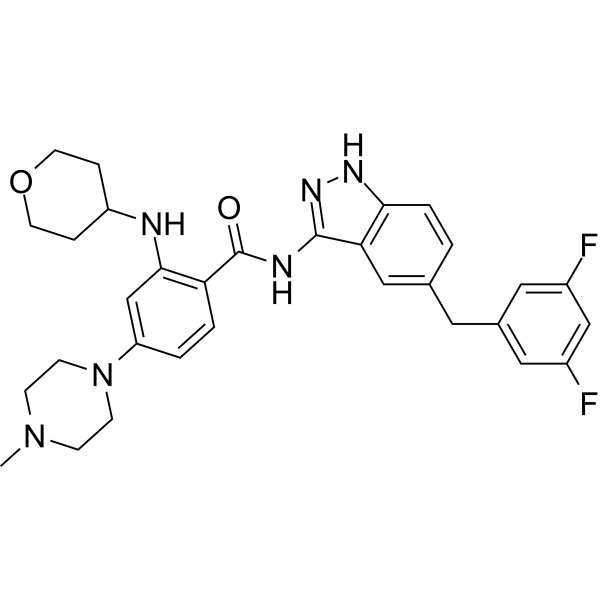
    Entrectinib
    25+ Cited Publications

    NMS-E628; RXDX-101

    ROS Kinase Trk Receptor Anaplastic lymphoma kinase (ALK) Autophagy Cancer
    Entrectinib (NMS-E628) is an orally active, BBB-penetrated and centrally active inhibitor of TrkA/B/C, ROS1 and ALK, with IC50 values of 1, 3, 5, 12 and 7 nM, respectively. Entrectinib induces apoptosis and cycle arrest in cancer cells, has antitumor activity, and attenuates bleomycin-induced lung fibrosis in mice [1] .
    Entrectinib
  • HY-50878
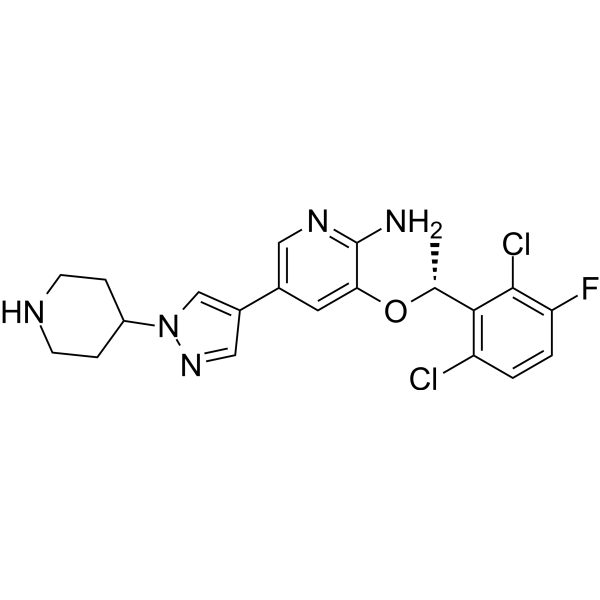
    Crizotinib
    Maximum Cited Publications
    86 Publications Verification

    PF-02341066

    Ligands for Target Protein for PROTAC Anaplastic lymphoma kinase (ALK) c-Met/HGFR ROS Kinase Cancer
    Crizotinib (PF-02341066) is an orally bioavailable, ATP-competitive ALK and c-Met inhibitor with IC50s of 20 and 8 nM, respectively. Crizotinib inhibits tyrosine phosphorylation of NPM-ALK and tyrosine phosphorylation of c-Met with IC50s of 24 and 11 nM in cell-based assays, respectively. Crizotinib is also a ROS1 inhibitor. Crizotinib has effective tumor growth inhibition [1] .
    Crizotinib
  • HY-W015913
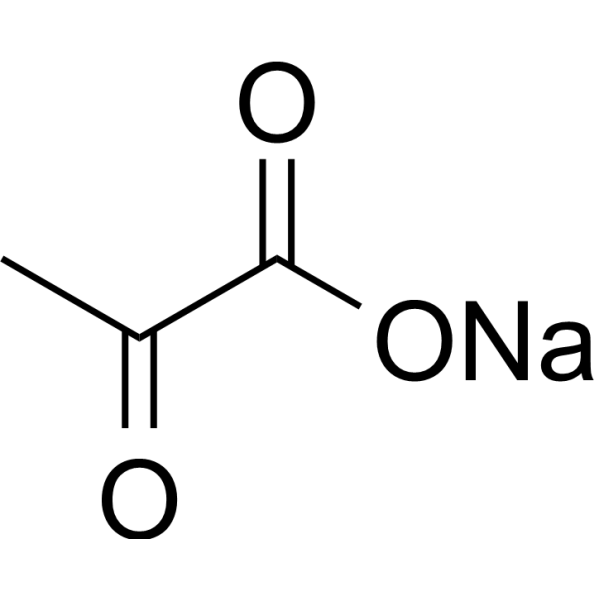
    Pyruvic acid sodium
    15+ Cited Publications

    Sodium 2-oxopropanoate; Acetylformic acid sodium

    Reactive Oxygen Species (ROS) Endogenous Metabolite Metabolic Disease
    Sodium 2-oxopropanoate (Sodium pyruvate), a three-carbon metabolite of Glucose, is a compound produced in the glycolytic pathway. Sodium 2-oxopropanoate is a free radical scavenger that can scavenge ROS .
    Pyruvic acid sodium
  • HY-131003
    Taletrectinib
    2 Publications Verification

    DS-6051b; AB-106; IBI-344

    ROS Kinase Cancer
    Taletrectinib (DS-6051b) is a potent, orally active, and next-generation selective ROS1/NTRK inhibitor. Taletrectinib potently inhibits recombinant ROS1, NTRK1, NTRK2, and NTRK3 with IC50s of 0.207, 0.622, 2.28, and 0.98 nM, respectively. Taletrectinib also inhibits ROS1 G2032R and other Crizotinib-resistant ROS1 mutants [1] .
    Taletrectinib
  • HY-103022
    Repotrectinib
    5+ Cited Publications

    TPX-0005

    ROS Kinase Trk Receptor Anaplastic lymphoma kinase (ALK) Cancer
    Repotrectinib (TPX-0005) is a potent ROS1 (IC50=0.07 nM) and TRK (IC50=0.83/0.05/0.1 nM for TRKA/B/C) inhibitor. Repotrectinib potently inhibits WT ALK (IC50=1.01 nM). Repotrectinib has anti-cancer activity [1] .
    Repotrectinib
  • HY-152292

    NVL-520; NUV-520

    ROS Kinase Cancer
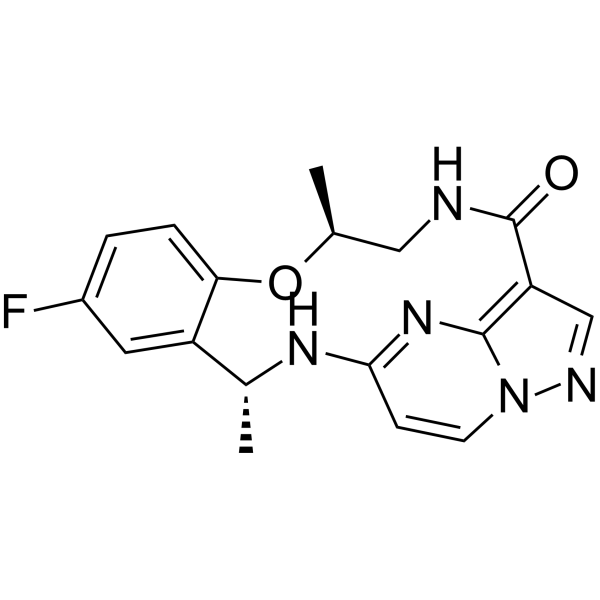
    Zidesamtinib (NVL-520) is a potent, selective, orally active and brain-penetrant inhibitor of diverse ROS1 fusions and resistance mutations, with IC50s of 0.7 and 7.9 nM for wild-type ROS1 and ROS1 G2032R, respectively, and spares TRK inhibition. Zidesamtinib can be used for the research of cancer [1].
    Zidesamtinib
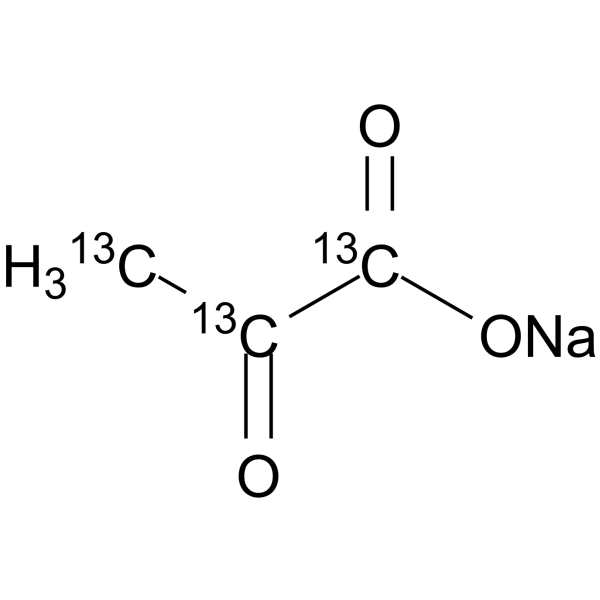
  • HY-W015913S
    Pyruvic acid-13C3 sodium
    1 Publications Verification

    Sodium 2-oxopropanoate-13C3; Acetylformic acid-13C3 sodium

    Reactive Oxygen Species (ROS) Endogenous Metabolite Metabolic Disease
    Sodium 2-oxopropanoate- 13C3 is the 13C-labeled Sodium 2-oxopropanoate. Sodium 2-oxopropanoate (Sodium pyruvate), a three-carbon metabolite of Glucose, is a compound produced in the glycolytic pathway. Sodium 2-oxopropanoate is a free radical scavenger that can scavenge ROS .
    Pyruvic acid-13C3 sodium
  • HY-50878A
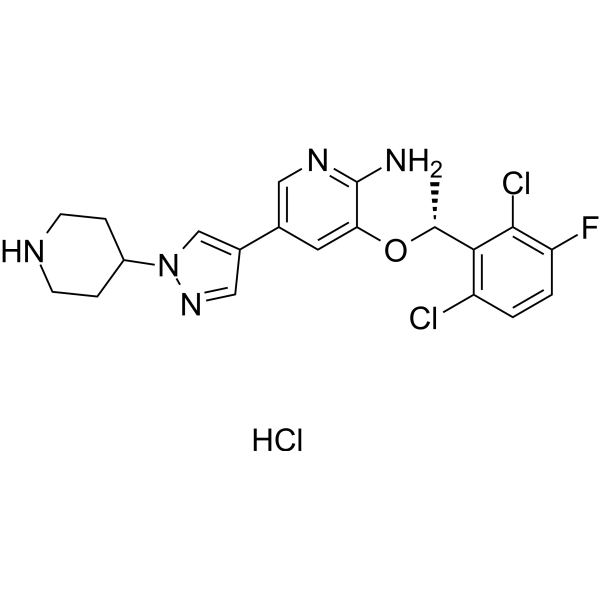
    Crizotinib hydrochloride
    Maximum Cited Publications
    86 Publications Verification

    PF-02341066 hydrochloride

    Anaplastic lymphoma kinase (ALK) c-Met/HGFR ROS Kinase Autophagy Cancer
    Crizotinib hydrochloride (PF-02341066 hydrochloride) is an orally bioavailable, selective, and ATP-competitive dual ALK and c-Met inhibitor with IC50s of 20 and 8 nM, respectively. Crizotinib hydrochloride (PF-02341066 hydrochloride) inhibits tyrosine phosphorylation of NPM-ALK and tyrosine phosphorylation of c-Met with IC50s of 24 and 11 nM in cell-based assays, respectively. It is also a ROS proto-oncogene 1 (ROS1) inhibitor. Crizotinib hydrochloride (PF-02341066 hydrochloride) has effective tumor growth inhibition [1] .
    Crizotinib hydrochloride
  • HY-15514
    Merestinib
    5+ Cited Publications

    LY2801653

    c-Met/HGFR FLT3 ROS Kinase Discoidin Domain Receptor Cancer
    Merestinib (LY2801653) is a potent, orally bioavailable c-Met inhibitor (Ki=2 nM) with anti-tumor activities. Merestinib (LY2801653) also has potent activity against MST1R (IC50=11 nM), FLT3 (IC50=7 nM), AXL (IC50=2 nM), MERTK (IC50=10 nM), TEK (IC50=63 nM), ROS1, DDR1/2 (IC50=0.1/7 nM) and MKNK1/2 (IC50=7 nM) [1] .
    Merestinib
  • HY-N0578
    Apigenin 7-glucoside
    5+ Cited Publications

    Apigenin-7-O-β-D-glucopyranoside; Cosmosiin; Apigetrin

    Reactive Oxygen Species (ROS) Cancer
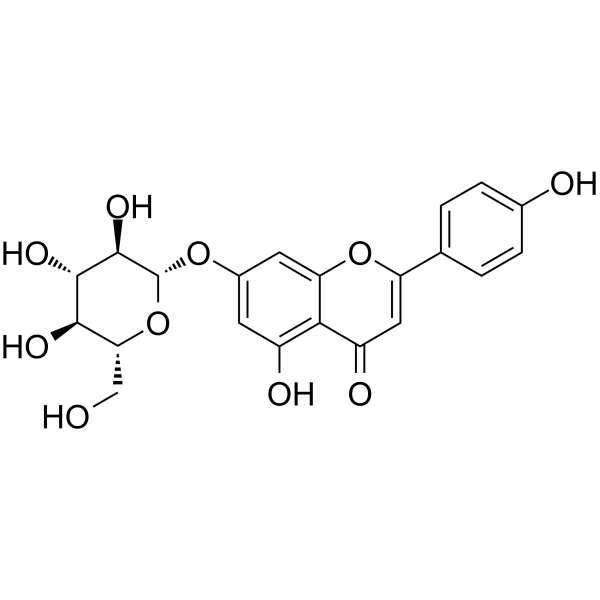
    Apigenin-7-glucoside (Apigenin-7-O-β-D-glucopyranoside) exhibits significant anti-proliferative and antioxidant activity and scavenges reactive oxygen species (ROS) .
    Apigenin 7-glucoside
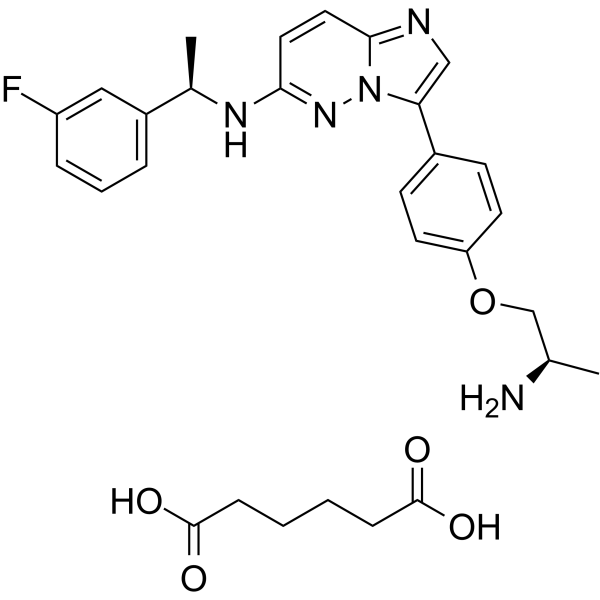
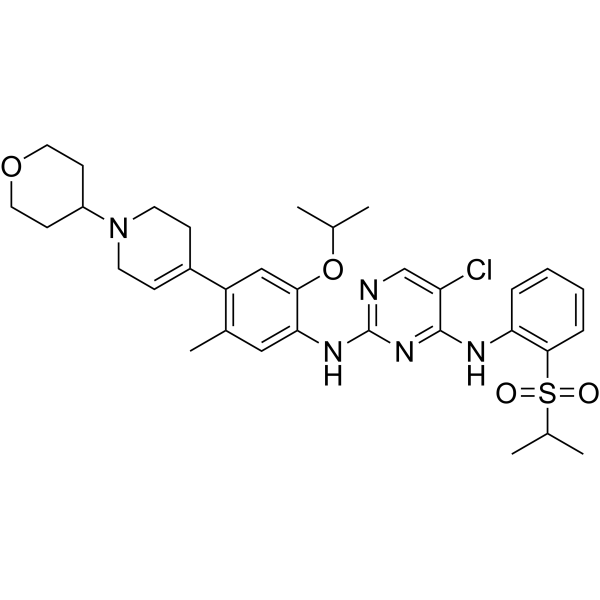
  • HY-145574

    WX-0593

    Anaplastic lymphoma kinase (ALK) ROS Kinase BCRP Akt ERK STAT Cancer
    Iruplinalkib (WX-0593) is an orally active and selective ALK/ROS1 inhibitor. Iruplinalkib can effectively inhibit tyrosine autophosphorylation of ALK and mutant ALK, EGFR, with the IC50 between 5.38 and 16.74 nM. Iruplinalkib is also a suppressive agent of the transporter MATE1, MATE2K, P-gp and BCRP. Iruplinalkib can be used in the study of non-small cell lung cancer [1] .
    Iruplinalkib
  • HY-12215R

    PF-06463922 (Standard)

    Reference Standards Anaplastic lymphoma kinase (ALK) ROS Kinase Apoptosis Cancer
    Lorlatinib (Standard) is the analytical standard of Lorlatinib. This product is intended for research and analytical applications. Lorlatinib (PF-06463922) is a selective, orally active, brain-penetrant and ATP-competitive ROS1/ALK inhibitor with anticancer activity. Lorlatinib has Kis of <0.025 nM, <0.07 nM, and 0.7 nM for ROS1, wild type ALK, and ALK L1196M, respectively. Lorlatinib targets to EML4-ALK, and inhibits ALK phosphorylation with IC50s of 15-43 nM (ALK L1196), 14-80 nM (ALK G1269A), 38-50 nM (ALK 1151Tins), 77-113 nM (ALK G1202R), respectively [1] .
    Lorlatinib (Standard)
  • HY-155163

    Anaplastic lymphoma kinase (ALK) ROS Kinase FAK Apoptosis Cancer
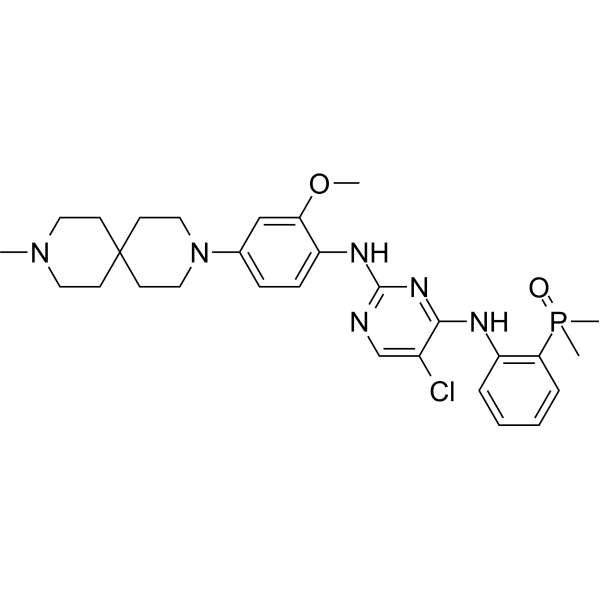
    APG-2449 is an orally active inhibitor for BCL-2 and multikinase (ALK/FAK/ROS1) with potent antitumor activities. APG-2449 reduces cell viability and enhances apoptosis in acute myeloid leukemia cells in vitro. APG-2449 decreases activation of FAK and its downstream effectors. APG-2449 can be studied in research for mesothelioma tumor, non-small cell lung cancer, ovarian cancer, hematologic and solid malignancies [1] .
    APG-2449
  • HY-N2693

    Apoptosis Reactive Oxygen Species (ROS) Caspase Akt ERK JNK p38 MAPK Bcl-2 Family Cancer
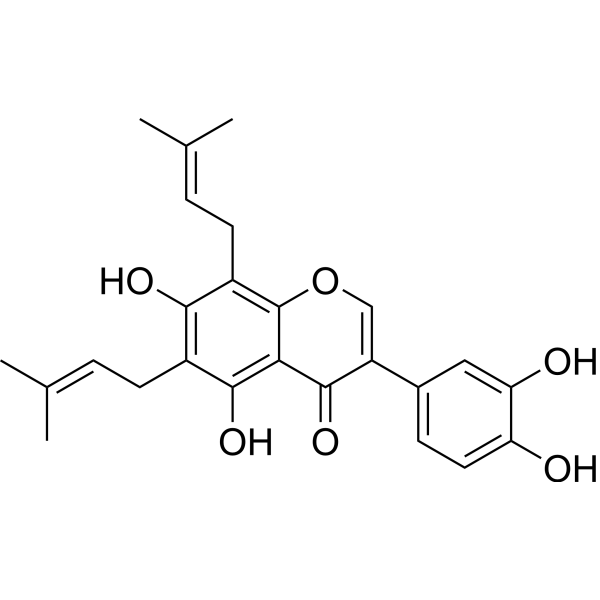
    6,8-Diprenylorobol, a prenylated isoflavone, is a nature product that could be isolated from the leaves of Cudrania tricuspidata. 6,8-Diprenylorobol antiproliferative effect and induces apoptosis through activation of p53 and generation of ROS .
    6,8-Diprenylorobol
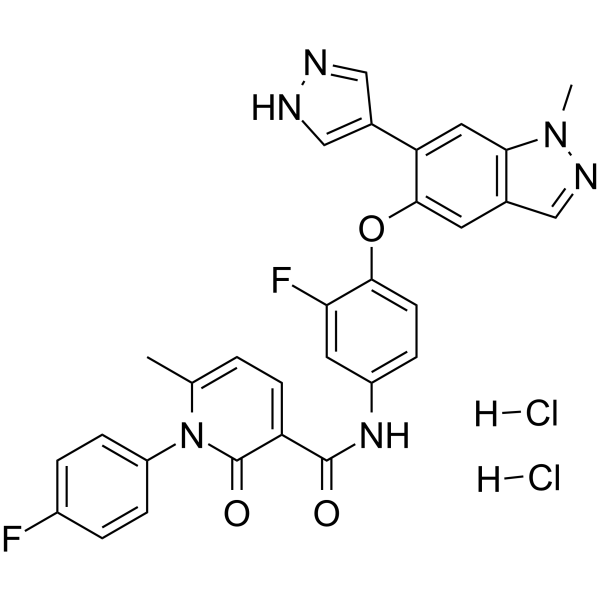
  • HY-15514A
    Merestinib dihydrochloride
    5+ Cited Publications

    LY2801653 dihydrochloride

    c-Met/HGFR FLT3 ROS Kinase Discoidin Domain Receptor Cancer
    Merestinib dihydrochloride (LY2801653 dihydrochloride) is a potent, orally bioavailable c-Met inhibitor (Ki=2 nM) with anti-tumor activities. Merestinib dihydrochloride also has potent activity against MST1R (IC50=11 nM), FLT3 (IC50=7 nM), AXL (IC50=2 nM), MERTK (IC50=10 nM), TEK (IC50=63 nM), ROS1, DDR1/2 (IC50=0.1/7 nM) and MKNK1/2 (IC50=7 nM) [1] .
    Merestinib dihydrochloride
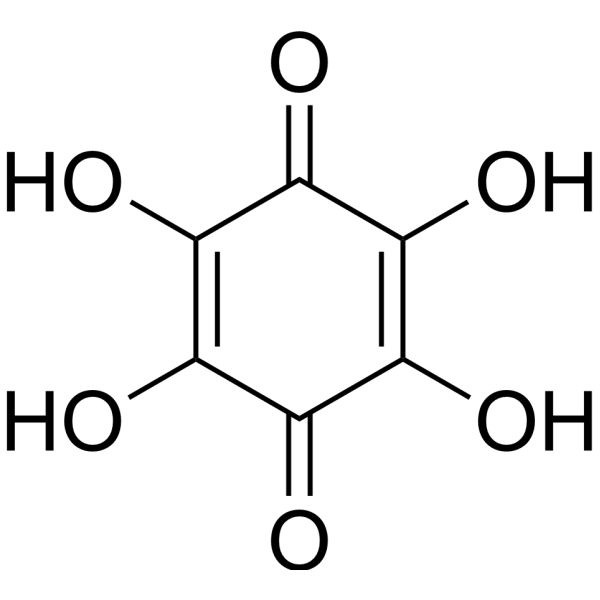
  • HY-B1106
    Tetrahydroxyquinone
    1 Publications Verification

    Tetrahydroxy-1,4-benzoquinone; Tetrahydroxybenzoquinone

    Reactive Oxygen Species (ROS) Apoptosis Cancer
    Tetrahydroxyquinone (Tetrahydroxy-1,4-benzoquinone), a primitive anticataract agent, is a redox active benzoquinone. Tetrahydroxyquinone can take part in a redox cycle with semiquinone radicals, leading to the formation of reactive oxygen species (ROS) .
    Tetrahydroxyquinone
  • HY-159147

    PROTACs ROS Kinase Apoptosis Cancer
    SIAIS039 is an orally active c-ros oncogene 1 (ROS1)-specific PROTAC with DC50s of 154.46 nM, 126.47 nM, 143.69 nM for HCC78 cells, Ba/F3 expressing the CD74-ROS1 fusion and Ba/F3 expressing the SDC4-ROS1 fusion, respectively. SIAIS039 suppresses cell proliferation, induces cell cycle arrest and apoptosis, and inhibits clonogenicity against ROS1-positive cells. SIAIS039 demonstrates anti-tumour effects against ROS1-driven tumor growth vivo. SIAIS039 is composed of the ALK inhibitor Brigatinib (HY-12857), a linker EM-12 (HY-138793), and a VHL ligand E3 ubiquitin ligase 1-Butyne (Red: Brigatinib; Blue: VHL ligand; Black: linker) [1].
    SIA​​IS039
  • HY-122311

    SMTP-7

    Reactive Oxygen Species (ROS) Neurological Disease Inflammation/Immunology
    Orniplabin (SMTP-7) is a low-molecular-weight compound that enhances plasminogen–fibrin binding, urokinase-catalyzed activation of plasminogen, and urokinase and plasminogen-mediated fibrin degradation. Orniplabin shows potential thrombolytic and anti-inflammatory effects. Orniplabin inhibits ROS .
    Orniplabin
  • HY-50878S

    PF-02341066-d5

    Anaplastic lymphoma kinase (ALK) c-Met/HGFR ROS Kinase Autophagy Cancer
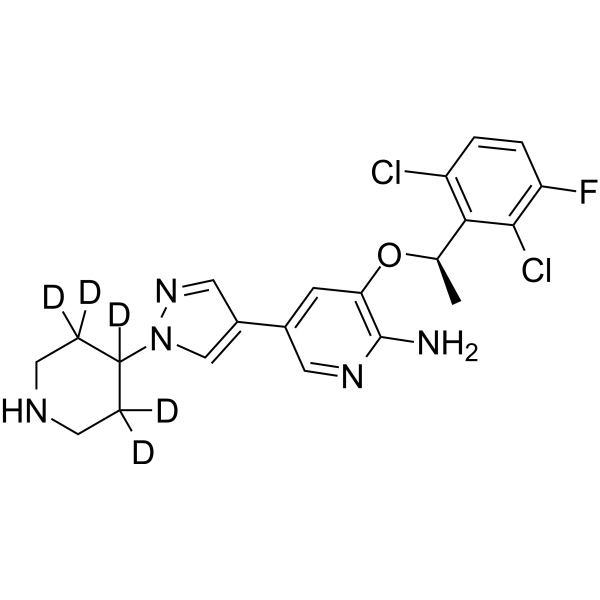
    Crizotinib-d5 is the deuterium labeled Crizotinib. Crizotinib (PF-02341066) is an orally bioavailable, ATP-competitive ALK and c-Met inhibitor with IC50s of 20 and 8 nM, respectively. Crizotinib inhibits tyrosine phosphorylation of NPM-ALK and tyrosine phosphorylation of c-Met with IC50s of 24 and 11 nM in cell-based assays, respectively. Crizotinib is also a ROS1 inhibitor. Crizotinib has effective tumor growth inhibition [1] .
    Crizotinib-d5
  • HY-RS12136

    Small Interfering RNA (siRNA) Others

    Ros1 Mouse Pre-designed siRNA Set A contains three designed siRNAs for Ros1 gene (Mouse), as well as a negative control, a positive control, and a FAM-labeled negative control.

    Ros1 Mouse Pre-designed siRNA Set A
    Ros1 Mouse Pre-designed siRNA Set A
  • HY-12678S1

    NMS-E628-d8; RXDX-101-d8

    Isotope-Labeled Compounds Autophagy Anaplastic lymphoma kinase (ALK) Trk Receptor ROS Kinase Cancer
    Entrectinib-d8 (NMS-E628-d8; RXDX-101-d8) is a deuterated version of Entrectinib (HY-12678). Entrectinib (NMS-E628) is an orally available, blood-brain barrier permeable, central nervous system active TrkA/B/C, ROS1 and ALK inhibitor with IC50 values of 1, 3, 5, 12 and 12, respectively. 7 nM. Entrectinib induces apoptosis and cycle arrest in cancer cells, has anti-tumor activity, and also alleviates bleomycin-induced pulmonary fibrosis in mice [1] .
    Entrectinib-d8
  • HY-131003A

    DS-6051b free base; AB-106 free base; IBI-344 free base

    ROS Kinase Cancer
    Taletrectinib (DS-6051b) free base is a potent, orally active, and next-generation selective ROS1/NTRK inhibitor. Taletrectinib free base potently inhibits recombinant ROS1, NTRK1, NTRK2, and NTRK3 with IC50s of 0.207, 0.622, 2.28, and 0.98 nM, respectively. Taletrectinib free base also inhibits ROS1 G2032R and other Crizotinib-resistant ROS1 mutants [1] .
    Taletrectinib free base
  • HY-RS12137

    Small Interfering RNA (siRNA) Others

    ROS1 Rat Pre-designed siRNA Set A contains three designed siRNAs for ROS1 gene (Rat), as well as a negative control, a positive control, and a FAM-labeled negative control.

    ROS1 Rat Pre-designed siRNA Set A
    ROS1 Rat Pre-designed siRNA Set A
  • HY-RS12135

    Small Interfering RNA (siRNA) Others

    ROS1 Human Pre-designed siRNA Set A contains three designed siRNAs for ROS1 gene (Human), as well as a negative control, a positive control, and a FAM-labeled negative control.

    ROS1 Human Pre-designed siRNA Set A
    ROS1 Human Pre-designed siRNA Set A
  • HY-112801

    Anaplastic lymphoma kinase (ALK) ROS Kinase Cancer
    F-1 is a potent ALK and ROS1 dual inhibitor, suppresses phospho-ALK and its relative downstream signaling pathways, with IC50s of 2.1 nM, 2.3 nM, 1.3 nM and 3.9 nM for ALK WT, ROS1 WT, ALK L1196M and ALK G1202R, respectively [1].
    F-1
  • HY-160172

    Anaplastic lymphoma kinase (ALK) ROS Kinase Cancer
    ALK/ROS1-IN-4 (example 13) is a dual inhibitor of ALK and ROS1 kinase [1].
    ALK/ROS1-IN-4
  • HY-135509

    PF-06463922 acetate

    Anaplastic lymphoma kinase (ALK) ROS Kinase Apoptosis Cancer
    Lorlatinib (PF-06463922) acetate is a selective, orally active, brain-penetrant and ATP-competitive ROS1/ALK inhibitor with anticancer activity. Lorlatinib acetate has Kis of <0.025 nM, <0.07 nM, and 0.7 nM for ROS1, wild type ALK, and ALK L1196M, respectively. Lorlatinib acetate targets to EML4-ALK, and inhibits ALK phosphorylation with IC50s of 15-43 nM (ALK L1196), 14-80 nM (ALK G1269A), 38-50 nM (ALK 1151Tins), 77-113 nM (ALK G1202R), respectively [1] .
    Lorlatinib acetate
  • HY-B1106A
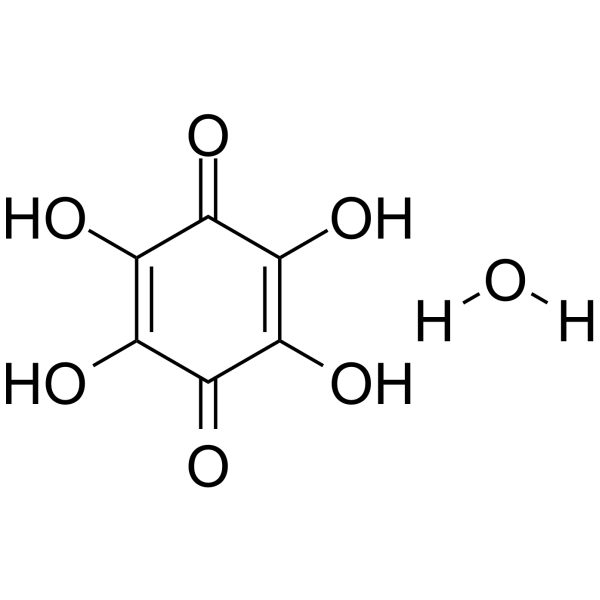
    Tetrahydroxyquinone monohydrate
    1 Publications Verification

    Tetrahydroxy-1,4-benzoquinone monohydrate; Tetrahydroxybenzoquinone monohydrate

    Reactive Oxygen Species (ROS) Apoptosis Cancer
    Tetrahydroxyquinone monohydrate (Tetrahydroxy-1,4-benzoquinone monohydrate), a primitive anticataract agent, is a redox active benzoquinone. Tetrahydroxyquinone monohydrate can take part in a redox cycle with semiquinone radicals, leading to the formation of reactive oxygen species (ROS) .
    Tetrahydroxyquinone monohydrate
  • HY-N10144

    PI3K Akt Keap1-Nrf2 Bcl-2 Family SOD Reactive Oxygen Species (ROS) Inflammation/Immunology
    Shinpterocarpin is a flavonoid compound. Shinpterocarpin can be isolated from the air-dried roots of Glycyrrhiza glabra L. and Xuanshen Decoction. Shinpterocarpin binds to the targets PI3K, AKT, Nrf2, Bcl-2, Bax, CAT and SOD. Shinpterocarpin enhances immunity and exerts antioxidant effects by reducing the production of ROS .
    Shinpterocarpin
  • HY-161975

    ROS Kinase Cancer
    ROS1-IN-2 (Compound 3) is a ROS1 inhibitor. ROS1-IN-2 can be used in the study of cancer [1].
    ROS1-IN-2
  • HY-150974

    ROS Kinase Cancer
    ROS1-IN-1 (Compound 31) is a potent and selective ROS1 kinase inhibitor with an IC50 of 0.097 μM [1].
    ROS1-IN-1
  • HY-157391

    ROS Kinase Anaplastic lymphoma kinase (ALK) Cancer
    ALK/ROS1-IN-3 (compound C01) is a ROS1 and ALK dual inhibitor with IC50s of 42.3 nM and 49.1 nM for ROS1 G2032R and ALK G1202R, respectively [1].
    ALK/ROS1-IN-3
  • HY-178391

    ROS Kinase p38 MAPK ERK Apoptosis Cancer
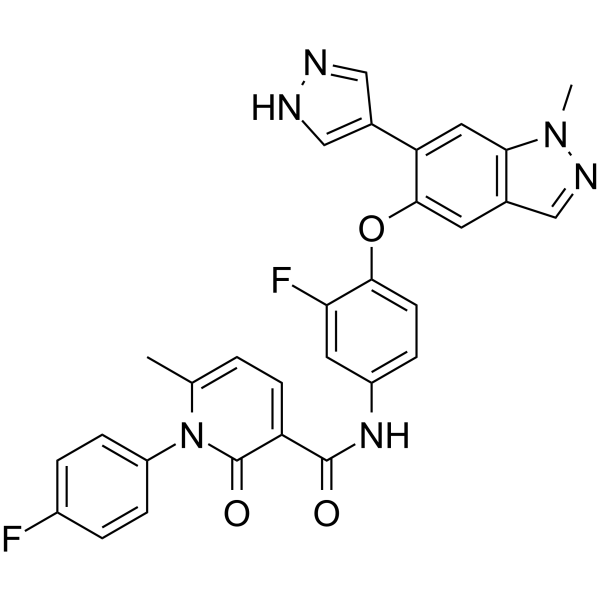
    SMU-037 is an orally active and selective ROS1 inhibitor that demonstrates potent activity (IC₅₀ = 6.8 nM) and possesses the ability to penetrate the blood-brain barrier. SMU-037 shows ~25-fold selectivity over ALK, and superior sensitivity against the G2032R mutation. SMU-037 attenuates phosphorylation of ROS1 and downstream MAPK-ERK signaling pathway, leading to cell cycle arrest and apoptosis. SMU-037 effectively suppresses tumor progression in both xenograft and intracranial mouse models. SMU-037 can be used for non-small cell lung cancer (NSCLC) research [1].
    SMU-037
  • HY-111416

    Anaplastic lymphoma kinase (ALK) ROS Kinase Cancer
    WY-135 is an ALK (IC50=1.4 nM) and ROS1 (IC50=1.1 nM) dual inhibitor.
    WY-135
  • HY-170418

    Anaplastic lymphoma kinase (ALK) ROS Kinase Apoptosis Cancer
    ALK/ROS1-IN-5 (compound X4) is a selective ALK and ROS1 kinases inhibitor with IC50s of 0.512 μM (ALK), 0.766 μM (ROS1), respectively. ALK/ROS1-IN-5 inhibits H2228 cells with an IC50 of 0.034 μM. ALK/ROS1-IN-5 induces cancer cells apoptosis in dose-dependent manner. ALK/ROS1-IN-5 effectively suppresses the expression of p-ALK and p-ERK in cancer cells[1].
    ALK/ROS1-IN-5
  • HY-160172A

    Anaplastic lymphoma kinase (ALK) ROS Kinase Cancer
    ALK/ROS1-IN-4 (hydrate) (example 13) is a dual inhibitor of ALK and ROS1 kinase [1].
    ALK/ROS1-IN-4 hydrate
  • HY-130794

    Anaplastic lymphoma kinase (ALK) ROS Kinase Cancer
    ALK/ROS1-IN-1 (compound 2e) is a potent and selective anti crizotinib-resistant ALK/ROS1 dual inhibitor, with IC50s of 0.174 μM and 0.530 μM for ALK and ROS1 enzyme, respectively.
    ALK/ROS1-IN-1
  • HY-176942

    ROS1-IN-3

    ROS Kinase Trk Receptor Cancer
    YP0322 (ROS1-IN-3) is a potent orally active, selective, and CNS-penetrant ROS1 inhibitor. JYP0322 selectively inhibits human wild-type ROS1 and human ROS1 G2032R with IC50s of 0.37 and 0.3 nM, respectively, showing 6-130-fold selectivity over TRKA, TRKB, and TRKC. JYP0322 inhibits proliferation of ROS1 fusion-expressing cells, and inhibits tumor growth in mouse xenograft models. JYP0322 can be used for the research of non-small cell lung cancer (NSCLC) [1].
    JYP0322
  • HY-N7798

    Reactive Oxygen Species (ROS) Inflammation/Immunology
    Pennogenin is a bioactive component which can be isolated from T. govanianum rhizomes. Pennogenin exhibits significant in vitro inhibitory effect on release of ROS .
    Pennogenin
  • HY-W927359

    Fluorescent Dye Others
    Fluorescein hydrazide (3,6-Dihydroxyxanthane) is a fluorescein dye that can be used for the fluorophotometric determination of hydrogen peroxide (H2O2) and other reactive oxygen species (ROS) .
    Fluorescein hydrazide (3,6-Dihydroxyxanthane)
  • HY-12678R

    NMS-E628 (Standard); RXDX-101 (Standard)

    Reference Standards ROS Kinase Trk Receptor Anaplastic lymphoma kinase (ALK) Autophagy Cancer
    Entrectinib (Standard) is the analytical standard of Entrectinib. This product is intended for research and analytical applications. Entrectinib (NMS-E628) is an orally active, BBB-penetrated and centrally active inhibitor of TrkA/B/C, ROS1 and ALK, with IC50 values of 1, 3, 5, 12 and 7 nM, respectively. Entrectinib induces apoptosis and cycle arrest in cancer cells, has antitumor activity, and attenuates bleomycin-induced lung fibrosis in mice [1] .
    Entrectinib (Standard)
  • HY-12678S

    NMS-E628-d4; RXDX-101-d4

    ROS Kinase Trk Receptor Anaplastic lymphoma kinase (ALK) Autophagy Isotope-Labeled Compounds Cancer
    Entrectinib-d4 (NMS-E628-d4; RXDX-101-d4) is the deuterium labeled Entrectinib (HY-12678). Entrectinib is an orally active, BBB-penetrated and centrally active inhibitor of TrkA/B/C, ROS1 and ALK, with IC50 values of 1, 3, 5, 12 and 7 nM, respectively. Entrectinib induces apoptosis and cycle arrest in cancer cells, has antitumor activity, and attenuates bleomycin-induced lung fibrosis in mice [1] .
    Entrectinib-d4
  • HY-50878AS

    PF-02341066-d9 hydrochloride

    c-Met/HGFR Autophagy Anaplastic lymphoma kinase (ALK) ROS Kinase Isotope-Labeled Compounds Cancer
    Crizotinib-d9 hydrochloride is deuterated labeled Crizotinib hydrochloride (HY-50878A). Crizotinib hydrochloride (PF-02341066 hydrochloride) is an orally bioavailable, selective, and ATP-competitive dual ALK and c-Met inhibitor with IC50s of 20 and 8 nM, respectively. Crizotinib hydrochloride (PF-02341066 hydrochloride) inhibits tyrosine phosphorylation of NPM-ALK and tyrosine phosphorylation of c-Met with IC50s of 24 and 11 nM in cell-based assays, respectively. It is also a ROS proto-oncogene 1 (ROS1) inhibitor. Crizotinib hydrochloride (PF-02341066 hydrochloride) has effective tumor growth inhibition [1] .
    Crizotinib-d9 hydrochloride
  • HY-153743

    ROS Kinase Trk Receptor Cancer
    Protein kinase inhibitor 4 (Compound 3) is a protein kinase inhibitor that inhibits TRK-A and ROS1 (IC50=3.0 nM and 104 nM respectively) [1].
    Protein kinase inhibitor 4
  • HY-N1306

    Bacterial Reactive Oxygen Species (ROS) Apoptosis Infection Cancer
    Sideroxylin is a C-methylated flavone isolated from Callistemon lanceolatus and exerts antimicrobial activity against Staphylococcus aureus. Sideroxylin inhibits ovarian cancer cell proliferation and induces apoptosis, causing DNA fragmentation, depolarization of the mitochondrial membrane, the generation of reactive oxygen species (ROS) .
    Sideroxylin
  • HY-W015913R
    Pyruvic acid sodium (Standard)
    5+ Cited Publications

    Sodium 2-oxopropanoate (Standard); Acetylformic acid sodium (Standard)

    Reference Standards Reactive Oxygen Species (ROS) Endogenous Metabolite Metabolic Disease
    Sodium 2-oxopropanoate (Standard) is the analytical standard of Sodium 2-oxopropanoate. This product is intended for research and analytical applications. Sodium 2-oxopropanoate (Sodium pyruvate), a three-carbon metabolite of Glucose, is a compound produced in the glycolytic pathway. Sodium 2-oxopropanoate is a free radical scavenger that can scavenge ROS .
    Pyruvic acid sodium (Standard)
  • HY-N0578R

    Apigenin-7-O-β-D-glucopyranoside (Standard); Cosmosiin (Standard); Apigetrin (Standard)

    Reference Standards Reactive Oxygen Species (ROS) Cancer
    Apigenin 7-glucoside (Standard) is the analytical standard of Apigenin 7-glucoside. This product is intended for research and analytical applications. Apigenin-7-glucoside (Apigenin-7-O-β-D-glucopyranoside) exhibits significant anti-proliferative and antioxidant activity and scavenges reactive oxygen species (ROS) .
    Apigenin 7-glucoside (Standard)
  • HY-50878B

    PF-02341066 acetate

    Anaplastic lymphoma kinase (ALK) ROS Kinase c-Met/HGFR Cancer
    Crizotinib (PF-02341066) acetate is an orally bioavailable, ATP-competitive ALK and c-Met inhibitor with IC50s of 20 and 8 nM, respectively. Crizotinib acetate inhibits tyrosine phosphorylation of NPM-ALK and tyrosine phosphorylation of c-Met with IC50s of 24 and 11 nM in cell-based assays, respectively. Crizotinib acetate is also a ROS1 inhibitor. Crizotinib acetate has effective tumor growth inhibition [1] .
    Crizotinib acetate
  • HY-120387

    ROS Kinase Anaplastic lymphoma kinase (ALK) TAM Receptor c-Met/HGFR Cancer
    SMU-B is the orally active inhibitor for ALK (IC50<0.5 nM), c-ros oncogene 1 (ROS1), c-MET (IC50=1.87 nM) and AXL (IC50=28.9 nM). SMU-B inhibits the proliferation of MKN45, H1993 and H441 with IC50s of 0.02 μM, 1.58 μM and 2.82 μM, respectively. SMU-B exhibits antitumor efficacy in mouse models [1] .
    SMU-B

Inquiry Online

Your information is safe with us. * Required Fields.

Salutation


Country or Region *

Applicant Name *


Organization Name *

Department *


Email Address *


Product Name *

Cat. No.


Requested quantity *

Phone Number *


Remarks

Inquiry Online

Inquiry Information

Product Name:
Cat. No.:
Quantity:
MCE Japan Authorized Agent:

