
1. Search Result
Search Result
Results for "

Sepsis

" in MedChemExpress (MCE) Product Catalog:

249

Inhibitors & Agonists

1

Fluorescent Dye

10

Biochemical Assay Reagents

29

Peptides

10

Inhibitory Antibodies

54

Natural
Products

8

Isotope-Labeled Compounds

1

Click Chemistry

3

Oligonucleotides

Cat. No. Product Name Target Research Areas Chemical Structure
  • HY-100574A
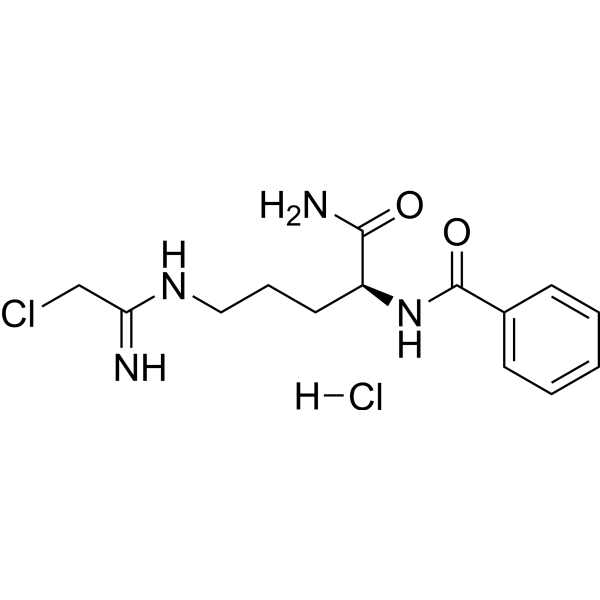
    Cl-amidine hydrochloride
    20+ Cited Publications

    Protein Arginine Deiminase Apoptosis MicroRNA Inflammation/Immunology Cancer
    Cl-amidine hydrochloride is an orally active peptidylarginine deminase (PAD) inhibitor, with IC50 values of 0.8 μM, 6.2 μM and 5.9 μM for PAD1, PAD3, and PAD4, respectively. Cl-amidine hydrochloride induces apoptosis in cancer cells. Cl-amidine hydrochloride induces microRNA (miR)-16 (miRNA-16, microRNA-16) expression and causes cell cycle arrest. Cl-Amidine hydrochloride prevents histone 3 citrullination and neutrophil extracellular trap formation, and improves survival in a murine sepsis model .
    Cl-amidine hydrochloride
  • HY-N6018
    β-Eudesmol
    1 Publications Verification

    Caspase TNF Receptor SOD Reactive Oxygen Species (ROS) Inflammation/Immunology Cancer
    β-Eudesmol has anticancer and anti-inflammatory activities. Beta-Eudesmol can induce apoptosis. β-Eudesmol is a neostigmine antagonist. β-Eudesmol can antagonize neostigmine-induced neuromuscular failure. β-Eudesmoll can be used in the study of sepsis diseases. β-Eudesmol is a sesquiterpene-like compound that can be extracted from the rhizome of Atractylodes lancea .
    β-Eudesmol
  • HY-164036

    Antibiotic Bacterial Infection
    Lolamicin is an orally effective inhibitor that specifically targets the Gram-negative bacteria lipoprotein transport system LolCDE complex. It selectively inhibits the transmembrane transport of outer membrane lipoproteins by competitively binding to lipoprotein binding sites. Lolamicin destroys the integrity of the bacterial outer membrane, leading to cell death, and has both bactericidal and antibacterial activity. It has significant effects on multidrug-resistant Enterobacteriaceae pathogens (such as Escherichia coli and Klebsiella pneumoniae). Lolamicin can be used to inhibit the study of acute pneumonia, sepsis and other infections caused by Gram-negative bacteria .
    Lolamicin
  • HY-161834
    RG100204
    1 Publications Verification

    Pyroptosis Aquaporin NOD-like Receptor (NLR) p38 MAPK Infection Metabolic Disease Inflammation/Immunology
    RG100204 is a selective, orally available inhibitor of the aquaporin AQP9. RG100204 directly inhibits AQP9 channel function, preventing the transmembrane transport of water, glycerol, and H 2O 2. RG100204 reduces the activation of the NLRP3 inflammasome and p38 MAPK signaling pathways, thereby alleviating inflammation and pyroptosis. RG100204 reduces multi-organ dysfunction in a mouse sepsis model and shows glucose-regulating effects in diabetic db/db mice .
    RG100204
  • HY-N2393
    Kukoamine B
    1 Publications Verification

    Apoptosis MMP MAPKAPK2 (MK2) p38 MAPK PI3K Akt Reactive Oxygen Species (ROS) DNA/RNA Synthesis Neurological Disease Metabolic Disease Inflammation/Immunology
    Kukoamine B, a spermine alkaloid, is a potent dual LPS and CpG DNA inhibitor with Kd values of 1.23 µM and 0.66 µM, respectively. Kukoamine B exerts anti-inflammatory, anti-diabetic, anti-oxidant, anti-osteoporotic and neuroprotective effects. Kukoamine B has the potential for the study of sepsis .
    Kukoamine B
  • HY-N1990
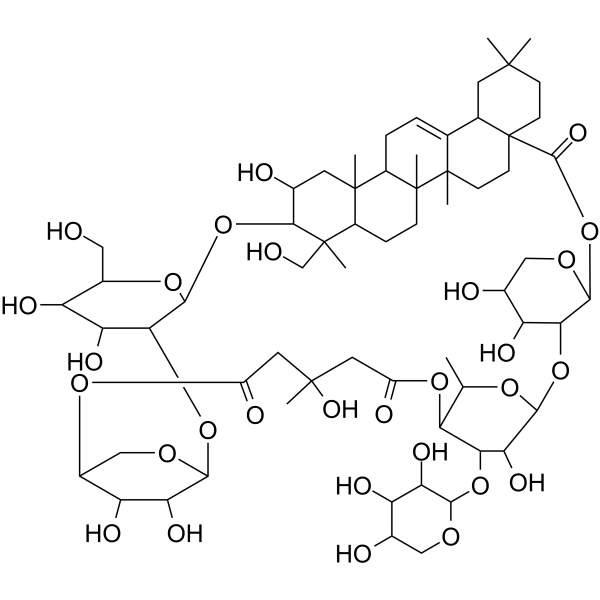
    Gypenoside XLIX
    2 Publications Verification

    PPAR Sirtuin Keap1-Nrf2 Toll-like Receptor (TLR) NF-κB Reactive Oxygen Species (ROS) NOD-like Receptor (NLR) Apoptosis Pyroptosis Autophagy Cardiovascular Disease Neurological Disease Metabolic Disease Inflammation/Immunology
    Gypenoside XLIX is a multifunctional bioactive compound that can be isolated from Gynostemma pentaphyllum, with a Ka value of 1.58 μM for its binding to SIRT1. Gypenoside XLIX acts as a PPAR-α agonist. It inhibits the activation of TLR4-mediated NF-κB signaling pathway by activating the Sirt1/Nrf2 signaling pathway, reduces ROS accumulation, and alleviates hepatic inflammatory injury in mice with sepsis-induced liver disease. Gypenoside XLIX targets SIRT1 to block YAP-NLRP3 activation and improve sepsis-induced cardiomyopathy. Gypenoside XLIX inhibits apoptosis (Apoptosis), pyroptosis (Pyroptosis), autophagy (Autophagy), lipid peroxidation, pro-inflammatory cytokines and anti-inflammatory cytokines. Gypenoside XLIX alleviates sepsis-induced splenic injury by inhibiting inflammation and oxidative stress, and mitigates sepsis-associated encephalopathy by targeting PPAR-α. Gypenoside XLIX prevents acute kidney injury by inhibiting IGFBP7/IGF1R-mediated programmed cell death and inflammation. Gypenoside XLIX inhibits the expression and activity of vascular cell adhesion molecule-1 in cytokine-induced human endothelial cells. Gypenoside XLIX is applicable to research related to acute liver injury, lung injury, cardiomyopathy, acute splenic injury, sepsis-associated encephalopathy, acute kidney injury, atherosclerosis and chronic inflammation .
    Gypenoside XLIX
  • HY-P99520

    CaCP-29, IFX-1

    Complement System SARS-CoV Infection Inflammation/Immunology
    Vilobelimab (CaCP-29, IFX-1) is a monoclonal anti-C5a antibody to the allergen C5a, a pro-inflammatory complement division product that plays a central role in mediating organ dysfunction. Vilobelimab acts as a C5a inhibitor, inhibiting neutrophil activation, chemotaxis, and reducing inflammatory signalling, and may be used in studies related to sepsis, COVID-19, etc .
    Vilobelimab
  • HY-P10368

    Dynamin Reactive Oxygen Species (ROS) Infection Cardiovascular Disease Neurological Disease Inflammation/Immunology
    P110 heptapeptide is a peptide inhibitor of the Drp1-Fis1 interaction. P110 heptapeptide has anti-inflammatory, immunomodulatory, mitochondrial protective, and neuroprotective activities. Without blocking the physiological functions of Drp1, P110 heptapeptide reduces pathological functions in many models of neurodegeneration, ischemia, and sepsis. P110 heptapeptide can be used for research on neurological and inflammatory diseases .
    P110 heptapeptide
  • HY-B0977
    Dicloxacillin Sodium hydrate
    3 Publications Verification

    Dicloxacillin sodium salt monohydrate

    Bacterial Antibiotic Infection Inflammation/Immunology
    Dicloxacillin Sodium hydrate (Dicloxacillin sodium salt monohydrate) is a narrow-spectrum β-Lactam antibiotic of the penicillin class, is used to treat infections caused by susceptible Gram-positive bacteria, active against beta-lactamase-producing organisms such as Staphylococcus aureus .
    Dicloxacillin Sodium hydrate
  • HY-103017
    JH-X-119-01 hydrochloride
    5+ Cited Publications

    IRAK Infection
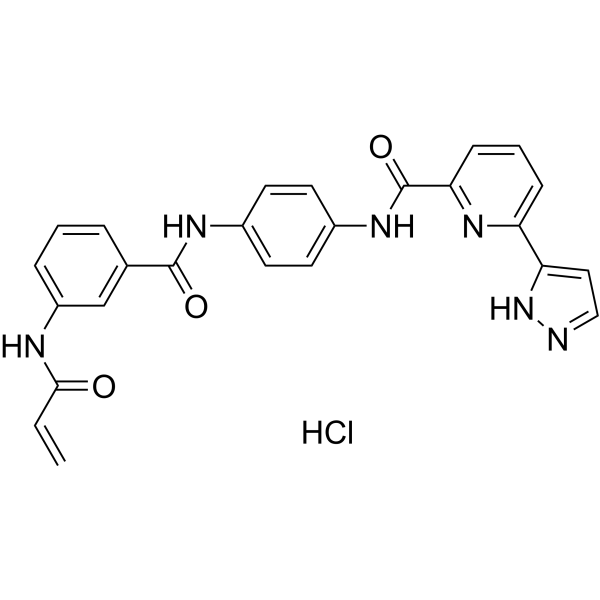
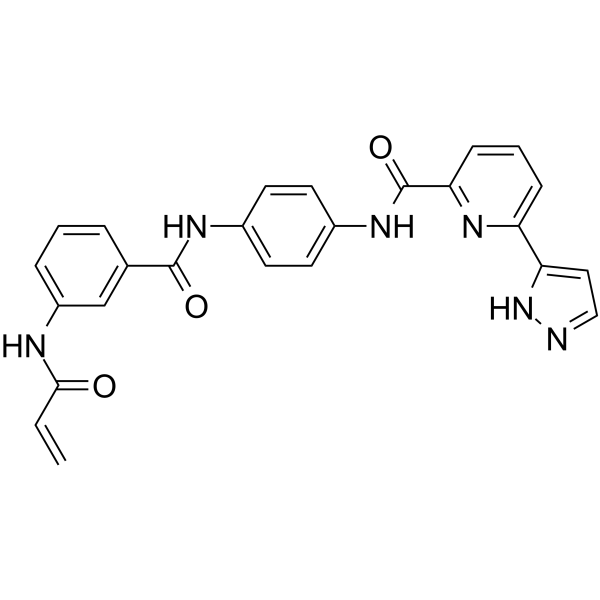
    JH-X-119-01 hydrochloride is a potent and selective interleukin-1 receptor-associated kinases 1 (IRAK1) inhibitor. JH-X-119-01 hydrochloride ameliorates LPS-induced sepsis in mice .
    JH-X-119-01 hydrochloride
  • HY-P2280

    P110

    Dynamin Neurological Disease Inflammation/Immunology
    TAT-P110, a peptide inhibitor of Drp1-Fis1 interaction, reduces pathology in numerous models of neurodegeneration, ischemia, and sepsis without blocking the physiological functions of Drp1 .
    TAT-P110
  • HY-P3612

    CXCR Inflammation/Immunology
    CTCE-0214 is a chemokine CXC receptor 4 (CXCR4) agonist, SDF-1α (stromal cell-derived factor-1α) peptide analog. CTCE-0214 shows anti-inflammatory activity, and can be used in inflammation sepsis and systemic inflammatory syndromes research .
    CTCE-0214
  • HY-100574

    Protein Arginine Deiminase Apoptosis MicroRNA Inflammation/Immunology Cancer
    Cl-amidine is an orally active peptidylarginine deminase (PAD) inhibitor, with IC50 values of 0.8 μM, 6.2 μM and 5.9 μM for PAD1, PAD3, and PAD4, respectively. Cl-amidine induces apoptosis in cancer cells. Cl-amidine induces microRNA (miR)-16 (miRNA-16, microRNA-16) expression and causes cell cycle arrest. Cl-Amidine prevents histone 3 citrullination and neutrophil extracellular trap formation, and improves survival in a murine sepsis model .
    Cl-amidine
  • HY-106279

    GnRH Receptor Inflammation/Immunology
    EA-230 is a synthetic oligopeptide originally derived from beta-human chorionic gonadotropin (beta-hCG) lysates. EA-230 has anti-inflammatory effects and can be used for the research of sepsis .
    EA-230
  • HY-B1206
    Neostigmine (methyl sulfate)
    1 Publications Verification

    Cholinesterase (ChE) Infection Neurological Disease
    Neostigmine methyl sulfate is an AchE inhibitor. Neostigmine methyl sulfate increases endogenous acetylcholine levels, mediates antinociceptive effects, and alleviates heat-induced pain. Neostigmine methyl sulfate can be used in studies related to postoperative pain and sepsis .
    Neostigmine (methyl sulfate)
  • HY-113248

    Endogenous Metabolite Adrenergic Receptor Reactive Oxygen Species (ROS) Cardiovascular Disease Inflammation/Immunology
    3-Nitro-L-tyrosine serves as a biomarker of oxidative stress. 3-Nitro-L-tyrosine attenuates the pressor and vasoconstrictive effects of angiotensin II by inhibiting the α1-adrenergic receptor-mediated signaling pathway, and participates in hemodynamic regulation under pathological conditions such as inflammation and ischemia. 3-Nitro-L-tyrosine can be used in studies related to atherosclerosis, ischemia-reperfusion and sepsis .
    3-Nitro-L-tyrosine
  • HY-121309
    Doxorubicinone
    2 Publications Verification

    Adriamycin aglycone; Adriamycinone

    NF-κB TNF Receptor Interleukin Related Drug Derivative Inflammation/Immunology Cancer
    Doxorubicinone (Adriamycin aglycone) is the aglycone of the antibiotic Doxorubicin (HY-15142A), i.e., its sugar-free parent nucleus structure. Doxorubicinone does not induce DNA damage or bind to RelA, but still downregulates the expression of pro-inflammatory cytokines (such as TNF, IL-12, etc.) regulated by the NF-κB pathway. Doxorubicinone can be used in sepsis-related research .
    Doxorubicinone
  • HY-P99008
    Atibuclimab
    2 Publications Verification

    IC14

    Toll-like Receptor (TLR) Infection Neurological Disease Inflammation/Immunology
    Atibuclimab (IC14), is a chimeric monoclonal antibody directed against CD14 and is composed of murine variable and human IgG4 Fc regions. Atibuclimab attenuates Lipopolysaccharides (HY-D1056) (LPS)-induced symptoms and strongly inhibits LPS-induced proinflammatory cytokine release, while only delaying the release of the anti-inflammatory cytokines soluble TNF receptor type I and IL-1 receptor antagonist. Atibuclimab can be used for the research of amyotrophic lateral sclerosis, sepsis, community-acquired pneumonia, or acute lung injury .
    Atibuclimab
  • HY-W011522

    Bacterial Apoptosis Antibiotic Autophagy Infection Cancer
    Taurolidine is a potent antimicrobial and anticancer agent. Taurolidine inhibits cell proliferation. Taurolidine induces apoptosis and autophagy. Taurolidine rescues mice from sepsis-associated lethality .
    Taurolidine
  • HY-163694

    Adrenergic Receptor Inflammation/Immunology
    ADRA2A antagonist 1 (compd 4n) is a potent and selective ADRA2A antagonist with an IC50 of 18 nM. ADRA2A antagonist 1 can be used for inflammation and sepsis research .
    ADRA2A antagonist 1
  • HY-151970

    STING Inflammation/Immunology
    STING-IN-4 (Compound 1) is a STING inhibitor that inhibits STING expression and hence reducing activation of STING and nuclear factor-κB (NF-κB) signaling. STING-IN-4 shows anti-inflammatory activity and can be used for the research of sepsis .
    STING-IN-4
  • HY-P10580

    Tie Infection Metabolic Disease Inflammation/Immunology Cancer
    Vasculotide, an angiopoietin-1 mimetic, is a Tie-2 activator and induces Tie-2 phosphorylation. Vasculotide has anti-inflammatiory effect and anti-permeability. Vasculotide ameliorates endotoxin-induced endothelial barrier dysfunction. Vasculotide promotes angiogenesis in a mouse model of diabetic ulcer. Vasculotide protects mice from vascular leakage and reduces mortality in murine abdominal sepsis. Vasculotide decreases microvascular leakage and improves microcirculatory perfusion in a rat model of hemorrhagic shock .
    Vasculotide
  • HY-126154
    L48H37
    1 Publications Verification

    Toll-like Receptor (TLR) Inflammation/Immunology
    L48H37 is an analog of Curcumin (HY-N0005) with improved chemical stability. L48H37 is a potent and specific myeloid differentiation protein 2 (MD2) inhibitor and inhibits the interaction and signaling transduction of LPS-TLR4/MD2. L48H37 is used for the research of sepsis or lung injury treatment .
    L48H37
  • HY-146066

    nAChR JAK STAT NO Synthase Interleukin Related Inflammation/Immunology
    α7 nAchR-JAK2-STAT3 agonist 1 is a potent α7 nAchR-JAK2-STAT3 agonist, with an IC50 value of 0.32 μM for nitric oxide (NO). α7 nAchR-JAK2-STAT3 agonist 1 effectively suppresses the expression of iNOS, IL-1β, and IL-6 in murine RAW264.7 macrophages. α7 nAchR-JAK2-STAT3 agonist 1 can inhibit LPS-induced NO release, NF-κB activation and cytokine production. α7 nAchR-JAK2-STAT3 can be used for researching sepsis .
    α7 nAchR-JAK2-STAT3 agonist 1
  • HY-W722277A

    Interleukin Related NADH Dehydrogenase TNF Receptor JAK STAT IRAK Inflammation/Immunology
    LCC-12 (formate) is a copper (II) chelator and a derivative of the biguanide metformin (HY-B0627). LCC-12 (formate) reduces its hydrogen peroxide-dependent oxidation of NADH to NAD+. LCC-12 (formate) reduces IL-1β, IL-2, IL-6, IL-8, and TNF-α levels, as well as JAK2, STAT2, and IL-1 receptor-associated kinase 4 (IRAK4) levels in primary human cytokine-activated monocyte-derived macrophages (MDMs). LCC-12 (formate) reduces the number of CD80+ and CD86+ cytokine-activated MDMs. LCC-12 LCC-12 (formate) improves survival in a mouse model of sepsis induced by LPS or cecal ligation and puncture .
    LCC-12 formate
  • HY-P990131
    Anti-Mouse CD47/IAP Antibody (MIAP301)
    1 Publications Verification

    CD47 Infection Inflammation/Immunology Cancer
    Anti-Mouse CD47/IAP Antibody (MIAP301) is an anti-mouse CD47/IAP IgG2a monoclonal antibody. Anti-Mouse CD47/IAP Antibody (MIAP301) can effectively block CD47 signaling and enhance macrophage phagocytic function. Anti-Mouse CD47/IAP Antibody (MIAP301) can increase the infiltration of immune cells. Anti-Mouse CD47/IAP Antibody (MIAP301) restores the phagocytic function of myeloid cells and alleviate B cell inhibition. Anti-Mouse CD47/IAP Antibody (MIAP301) may interfere with wound healing. Anti-Mouse CD47/IAP Antibody (MIAP301) can be used for researches on cancer, inflammation and infection conditions such as melanoma, intestinal mucosal repair and sepsis .
    Anti-Mouse CD47/IAP Antibody (MIAP301)
  • HY-P99425

    MAK 195F

    TNF Receptor Infection Inflammation/Immunology
    Afelimomab (MAK 195F) is an anti-tumor necrosis factor monoclonal antibody. Afelimomab can be used for the research of sepsis .
    Afelimomab
  • HY-P11077

    TLT-1 (94-110)

    TREM receptor Inflammation/Immunology
    LR-17 (TLT-1 (94-110)), a 17-aa peptide, is a TREM-1 inhibitor. LR-17 shows anti-inflammatory effects that can reduce the secretion of pro-inflammatory cytokines induced by Lipopolysaccharides (HY-D1056) (LPS). LR-17 can be used for the study of sepsis .
    LR-17
  • HY-N6580

    PI3K Akt GSK-3 Reactive Oxygen Species (ROS) TNF Receptor Interleukin Related Infection Metabolic Disease Inflammation/Immunology
    Ginsenoside Rg4 is an orally active protopanaxatriol type ginsenoside. Ginsenoside Rg4 can activate PI3K, AKT and GSK-3β signaling. Ginsenoside Rg4 can inhibit ROS and inflammatory cytokine levels. Ginsenoside Rg4 can be used for the researches of inflammation, infection and metabolic disease, such as sepsis and lung inflammation .
    Ginsenoside Rg4
  • HY-P4846
    Ac-Pro-Gly-Pro-OH
    2 Publications Verification

    CXCR Apoptosis IFNAR TNF Receptor Interleukin Related Infection Inflammation/Immunology
    Ac-Pro-Gly-Pro-OH is an endogenous degradation product of extracellular collagen and acts as a CXCR2 agonist . Ac-Pro-Gly-Pro-OH exerts bactericidal activity by generating hydrogen peroxide, inhibits pulmonary inflammation, and reduces immune cell apoptosis (apoptosis). Ac-Pro-Gly-Pro-OH promotes the production of IFN-γ and inhibits the production of TNF-α and IL-6 in leukocytes. Ac-Pro-Gly-Pro-OH increases the survival rate of mice in sepsis models, enhances the bactericidal activity of neutrophils, acts as a neutrophil chemoattractant, induces neutrophil polarization, and regulates inflammatory and repair processes. Ac-Pro-Gly-Pro-OH induces chronic inflammation and tissue remodeling through sustained action. Ac-Pro-Gly-Pro-OH is released via alkaline hydrolysis of corneal proteins in alkali-injured eyes, thereby driving the early infiltration of neutrophils into the cornea. Ac-Pro-Gly-Pro-OH is applicable to research related to sepsis, chronic obstructive pulmonary disease, cystic fibrosis, bronchiolitis obliterans syndrome, severe asthma, idiopathic pulmonary fibrosis, and corneal ulcer .
    Ac-Pro-Gly-Pro-OH
  • HY-141616

    Endogenous Metabolite Inflammation/Immunology
    1-Heptadecanoyl-2-hydroxy-sn-glycero-3-phosphocholine is an endogenous metabolite present in Blood that can be used for the research of Pregnancy and Sepsis .
    1-Heptadecanoyl-2-hydroxy-sn-glycero-3-phosphocholine
  • HY-P10208A
    RKH acetate
    1 Publications Verification

    Toll-like Receptor (TLR) Infection Inflammation/Immunology
    RKH acetate exerts protective effects against sepsis-induced death and organ damage. RKH acetate can directly bind to Toll-like receptor 4 (TLR4) and block TLR4 signal transduction in immune cells .
    RKH acetate
  • HY-161875

    Histone Acetyltransferase Metabolic Disease Cancer
    NAT1-IN-1 (compound 350) is a potent N-acetyltransferase 1 (NAT1)-targeted inhibitor, with an IC50 of 44 nM. NAT1-IN-1 can be used for the research of hypermetabolic diseases such as amyotrophic lateral sclerosis, cancer cachexia, and sepsis .
    NAT1-IN-1
  • HY-145307
    DATPT
    1 Publications Verification

    Bacterial Infection Inflammation/Immunology
    DATPT is a 12WLVSKF17 peptide-mimetic molecule. DATPT blocks the SNX9-p47phox interaction in the endosome and suppresses reactive oxygen species and inflammatory cytokine production. DATPT with anti-inflammatory and antibacterial functions has the potential for the research of sepsis .
    DATPT
  • HY-P10580A

    Tie Infection Metabolic Disease Inflammation/Immunology Cancer
    Vasculotide TFA, an angiopoietin-1 mimetic, is a Tie-2 activator and induces Tie-2 phosphorylation. Vasculotide has anti-inflammatiory effect and anti-permeability. Vasculotide TFA ameliorates endotoxin-induced endothelial barrier dysfunction. Vasculotide TFA promotes angiogenesis in a mouse model of diabetic ulcer. Vasculotide TFA protects mice from vascular leakage and reduces mortality in murine abdominal sepsis. Vasculotide TFA decreases microvascular leakage and improves microcirculatory perfusion in a rat model of hemorrhagic shock .
    Vasculotide TFA
  • HY-P2933

    Factor Xa Protease Activated Receptor (PAR) Cardiovascular Disease
    Activated protein C is an anticoagulant targeting coagulation factors Va and VIIIa. Activated protein C demonstrates cytoprotective effects through binding to endothelial cell protein C receptor (EPCR) and protease-activated receptor-1 (PAR-1), regulating gene expression, anti-inflammation, anti-apoptosis, and stabilizing endothelial barriers. Activated protein C is promising for research of diseases such as severe sepsis and ischemic stroke .
    Activated protein C
  • HY-P99309

    BSYX-A 110; Anti-S. Epidermidis LTA Recombinant Antibody

    Bacterial Infection
    Pagibaximab is a chimeric IgG1 antibody recognizing the surface component lipoteichoic acid of S. aureus and S. epidermidis. Pagibaximab can be used to prevent staphylococcal sepsis .
    Pagibaximab
  • HY-W016704

    Gentisic acid sodium

    Drug Derivative Cardiovascular Disease
    2,5-Dihydroxybenzoic acid (sodium) (Gentisic acid (sodium)) is a phenolic compound. 2,5-Dihydroxybenzoic acid (sodium) restores mean arterial pressure and reduces blood lactate concentration in animal models of sepsis and septic shock. 2,5-Dihydroxybenzoic acid (sodium) can be used in the study of septic shock related diseases .
    2,5-Dihydroxybenzoic acid sodium
  • HY-12124

    NO Synthase Cardiovascular Disease
    BBS-4 is a potent and selective inducible nitric oxide synthase (NOS2) dimerization inhibitor, with an IC50 of 0.49 nM. BBS-4 can protect mice from the cardiovascular dysfunction of sepsis .
    BBS-4
  • HY-103639A

    Toll-like Receptor (TLR) Infection
    M62812 is a toll-like receptor 4 (TLR4) signaling inhibitor. M62812 inhibits endothelial and leukocyte activation and prevents lethal septic shock in mice. M62812 can reduces LPS-induced coagulation and inflammatory responses. M62812 can be used for the research of sepsis .
    M62812
  • HY-168207

    Toll-like Receptor (TLR) NF-κB Inflammation/Immunology
    TH023 is an inhibitor for the TLR4 signaling pathway, that targets especially the formation of TLR4 homodimer. TH023 inhibits secreted embryonic alkaline phosphatase in cell HEK-Blue hTLR4 with an IC50 of 0.354 μM, and inhibits the NO expression in RAW264.7 with an IC50 of 1.61μM. TH023 also inhibits the activation of NF-κB, reduces the nuclear translocation of NF-κB p65. TH023 exhibits anti-inflammatory efficacy in LPS (HY-D1056)-induced mouse acute sepsis model, and ameliorates the mouse lung injury .
    TH023
  • HY-102065

    Prostaglandin Receptor Others
    SC-19220 is a competitive prostaglandinn E2 receptor antagonist. SC-19220 increases the bladder capacity and reduced the voiding efficiency of micturition (elicited by slow transvesical filling) of urethane-anesthetized rats. SC-19220 can restores the balance in bone marrow granulocyte and monocyte production after burn sepsis .
    SC-19220
  • HY-100574B
    Cl-amidine TFA
    20+ Cited Publications

    Protein Arginine Deiminase Apoptosis MicroRNA Inflammation/Immunology Cancer
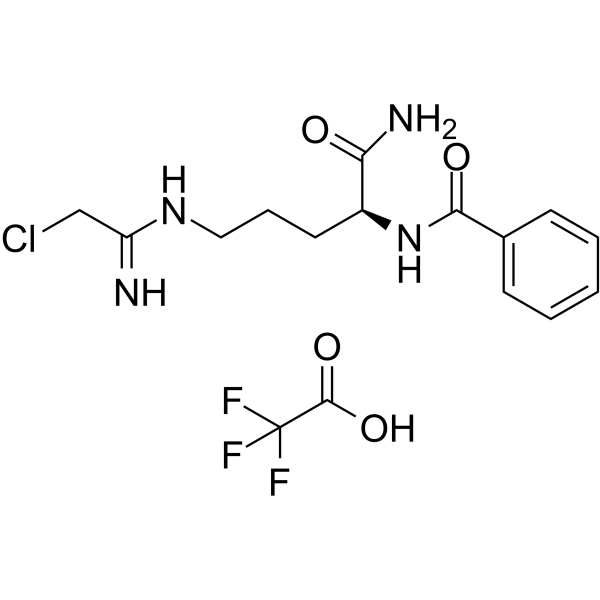
    Cl-amidine TFA is an orally active peptidylarginine deminase (PAD) inhibitor, with IC50 values of 0.8 μM, 6.2 μM and 5.9 μM for PAD1, PAD3, and PAD4, respectively. Cl-amidine TFA induces apoptosis in cancer cells. Cl-amidine TFA induces microRNA (miR)-16 (miRNA-16, microRNA-16) expression and causes cell cycle arrest. Cl-Amidine TFA prevents histone 3 citrullination and neutrophil extracellular trap formation, and improves survival in a murine sepsis model .
    Cl-amidine TFA
  • HY-P99753

    BAYX1351

    TNF Receptor Infection
    Nerelimomab (BAYX1351) is an anti-TNF-α antibody. Nerelimomab can be used for research of sepsis .
    Nerelimomab
  • HY-168482

    NF-κB p38 MAPK Cancer
    NF-κB/MAPK-IN-2 (compound 14) is a potent NF-κB and MAPK Inhibitor. NF-κB/MAPK-IN-2 decreases the protein expression of p-p65, p-IκB, p-p38, p-JNK, and p-ERK. NF-κB/MAPK-IN-2 reduces the LPS-induced release of TNF-α and IL-6. NF-κB/MAPK-IN-2 inhibits nuclear translocation of p65 and c-Fos. NF-κB/MAPK-IN-2 has the potential for the research of sepsis .
    NF-κB/MAPK-IN-2
  • HY-121185

    Adrenergic Receptor Infection Neurological Disease Inflammation/Immunology Endocrinology
    Hexoprenaline is an orally active and selective β-adrenergic receptor agonist. Hexoprenaline can dilate the bronchi. Hexoprenaline can activate adenylate cyclase and increases 14C-Aminopyrine uptake. Hexoprenaline exhibits anti-infection and anti-inflammmation effect. Hexoprenaline can increase placental weight and blood flow. Hexoprenaline can be used for the researches of inflammation, immunology, infection, endocrinology and neurological disease, such as asthma, chronic bronchitis, sepsis and intoxication of organophosphorus compounds .
    Hexoprenaline
  • HY-P991701

    NTPDase Cancer
    Mebarase alfa is a human monoclonal antibody targeting ENTPD1/CD39 for the study of sepsis-associated renal injury .
    Mebarase alfa
  • HY-N2192
    Swertianolin
    1 Publications Verification

    Bacterial p38 MAPK NF-κB NO Synthase Reactive Oxygen Species (ROS) Infection Neurological Disease Inflammation/Immunology
    Swertianolin is a xanthone glycoside. Swertianolin can be isolated from plants of the Gentianaceae family (e.g., Gentiana campestris and Swertia punicea). Swertianolin inhibits p38 phosphorylation and NF-κB activation, and reduces NO and ROS production. Swertianolin exhibits anti-Helicobacter pylori activity with an IC50 of 6.1 μM and a minimum bactericidal concentration of 91.7 μM. Swertianolin modulates immune function in sepsis. Swertianolin is useful in the research of diseases such as Alzheimer's disease, hepatitis B, Helicobacter pylori infection, and sepsis .
    Swertianolin
  • HY-152034

    STING Inflammation/Immunology
    STING-IN-5 is a potent STING inhibitor, inhibiting LPS-induced NO synthesis in macrophages with an IC50 value of 1.15 μM. STING-IN-5 inhibits the inflammatory response. STING-IN-5 can be used to research anti-inflammatory diseases and sepsis .
    STING-IN-5
  • HY-172134

    NOD-like Receptor (NLR) Inflammation/Immunology
    NLRP3-IN-70 (Compound 5m) is an NLRP3 inflammasome inhibitor with low oral bioavailability. NLRP3-IN-70 can directly bind to the NACHT domain of the NLRP3 protein and block the interaction of NLRP3 and ASC, thus inhibiting ASC oligomerization and NLRP3 inflammasome assembly. NLRP3-IN-70 can be used in the research of sepsis and nonalcoholic steatohepatitis .
    NLRP3-IN-70

Inquiry Online

Your information is safe with us. * Required Fields.

Salutation


Country or Region *

Applicant Name *


Organization Name *

Department *


Email Address *


Product Name *

Cat. No.


Requested quantity *

Phone Number *


Remarks

Inquiry Online

Inquiry Information

Product Name:
Cat. No.:
Quantity:
MCE Japan Authorized Agent:

