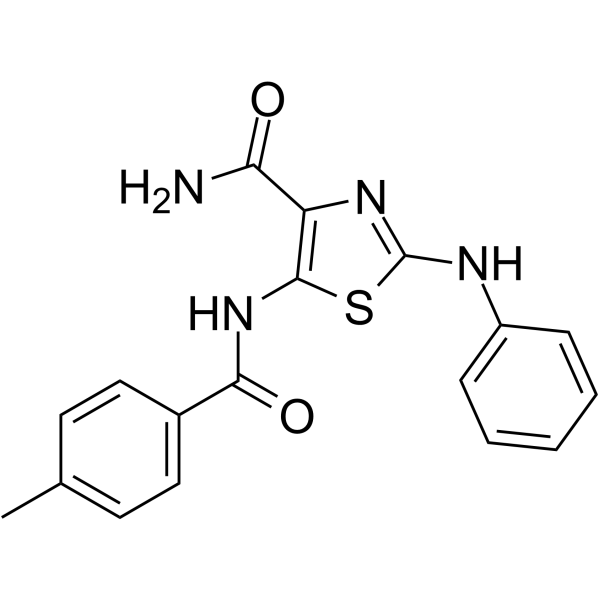
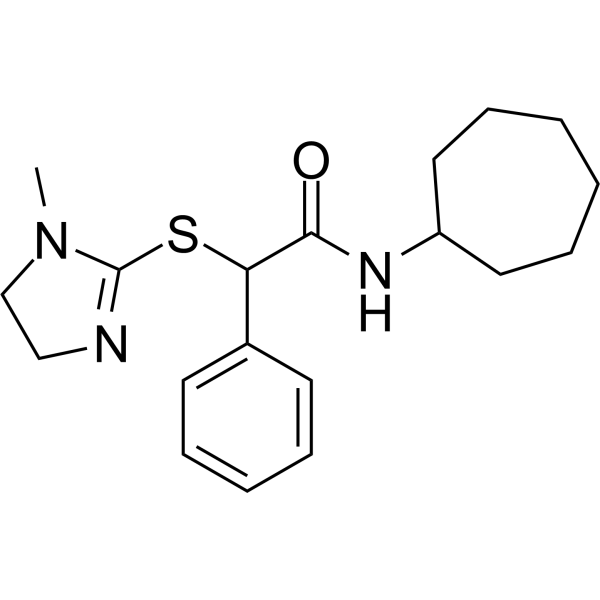
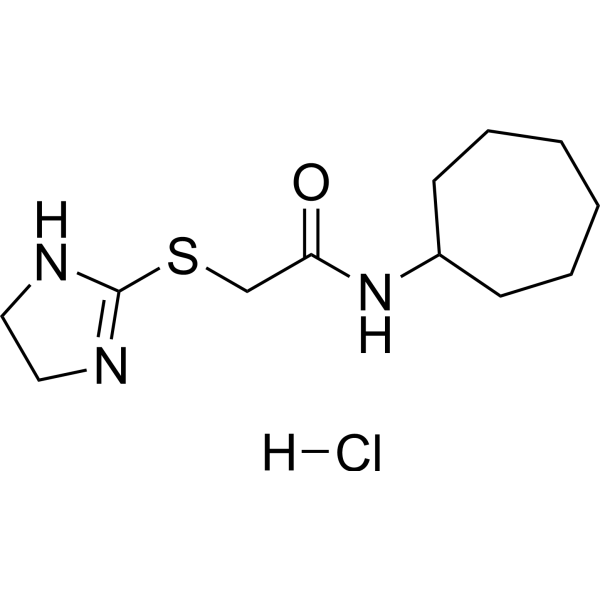
1. Search Result
Search Result
Results for "

TRAF

" in MedChemExpress (MCE) Product Catalog:

74

Inhibitors & Agonists

2

Biochemical Assay Reagents

5

Peptides

12

Natural
Products

11

Recombinant Proteins

15

Antibodies

29

Oligonucleotides

Cat. No. Product Name Target Research Areas Chemical Structure
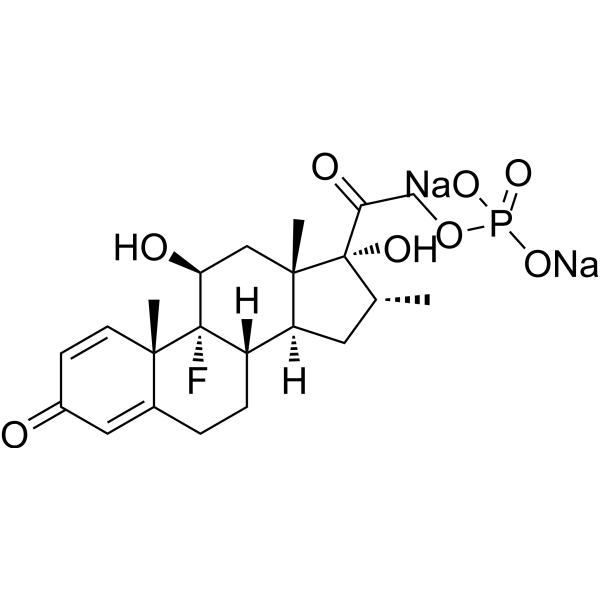
  • HY-B1829A
    Dexamethasone phosphate disodium
    10+ Cited Publications

    Dexamethasone 21-phosphate disodium

    Glucocorticoid Receptor TGF-β Receptor Interleukin Related Neurological Disease Inflammation/Immunology
    Dexamethasone phosphate (Dexamethasone 21-phosphate) disodium is a prodrug form of the glucocorticoid Dexamethasone (HY-14648). Dexamethasone phosphate disodium is produced by introducing a phosphate ester group at the 21-position of the Dexamethasone molecule, forming a salt with sodium ions, thereby significantly improving water solubility. Dexamethasone phosphate disodium inhibits LPS (HY-D1056)-induced degradation of IRAK-1 and IRAK-4, and blocks LPS-induced activation of TRAF6, p-TAK1 and p-JNK. Dexamethasone phosphate disodium inhibits the secretion of RANTES, TGF-β1 and NO, promotes the production of MIP-1α and IL-10, and blocks microglial migration. Dexamethasone phosphate disodium is almost completely converted to Dexamethasone in rat blood, and supports transdermal delivery via iontophoresis. Dexamethasone phosphate disodium can be used in research related to steroid-dependent ulcerative colitis, chemotherapy-induced vomiting, allergic asthma and acute colitis (inflammatory bowel disease) .
    Dexamethasone phosphate disodium
  • HY-16591
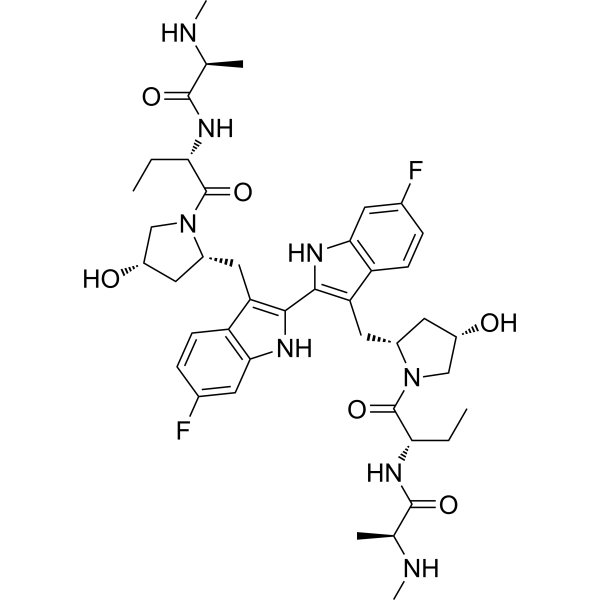
    Birinapant
    40+ Cited Publications

    TL32711

    IAP Apoptosis HIV Cancer
    Birinapant (TL32711), a bivalent Smac mimetic, is a potent antagonist for XIAP and cIAP1 with Kds of 45 nM and less than 1 nM, respectively. Birinapant (TL32711) induces the autoubiquitylation and proteasomal degradation of cIAP1 and cIAP2 in intact cells, which results in formation of a RIPK1: caspase-8 complex, caspase-8 activation, and induction of tumor cell death. Birinapant (TL32711) targets TRAF2-associated cIAPs and abrogates TNF-induced NF-κB activation.
    Birinapant
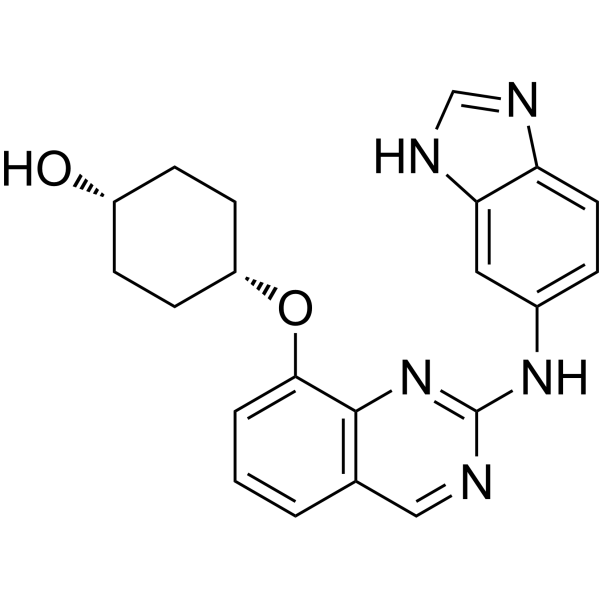
  • HY-100830
    NCB-0846
    4 Publications Verification

    Wnt MAP4K TGF-beta/Smad Cancer
    NCB-0846 is an orally active, selective inhibitor for Wnt, that inhibits Traf2- and Nck-interacting kinase (TNIK) with an IC50 of 21 nM. NCB-0846 blocks TGF-β signaling pathway by inhibiting SMAD2/3 phosphorylation and nuclear translocation .
    NCB-0846
  • HY-124745
    KY-05009
    1 Publications Verification

    MAP4K Wnt Apoptosis Cancer
    KY-05009 is an ATP-competitive Traf2- and Nck-interacting kinase (TNIK) inhibitor with a Ki of 100 nM. KY-05009 pharmacologically inhibits TGF-β1-induced epithelial-to-mesenchymal transition (EMT) in human lung adenocarcinoma cells. KY-05009 inhibits the protein expression of TNIK and transcriptional activity of Wnt target genes and induces apoptosis in cancer cells. KY-05009 exerts anti-cancer activity .
    KY-05009
  • HY-120934
    C25-140
    25+ Cited Publications

    TNF Receptor E1/E2/E3 Enzyme Inflammation/Immunology
    C25-140, a first-in-class, orally active, and fairly selective TRAF6-Ubc13 inhibitor, directly binds to TRAF6, and blocks the interaction of TRAF6 with Ubc13. C25-140 lowers TRAF6 activity, reduces NF-κB activation, and combats autoimmunity .
    C25-140
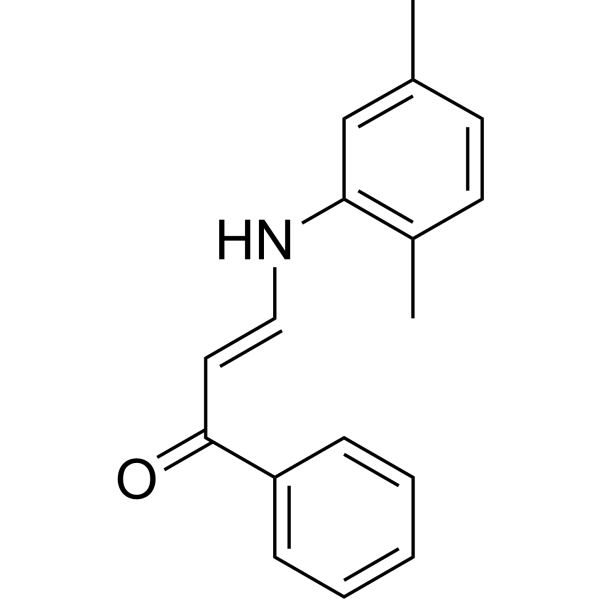
  • HY-134050
    Apostatin-1
    1 Publications Verification

    Apt-1

    RIP kinase Autophagy Apoptosis Beclin1 Necroptosis Inflammation/Immunology
    Apostatin-1 (Apt-1) is a potent TRADD inhibitor. Apostatin-1 can bind with TRADD-N (KD=2.17 μM), disrupting its binding to both TRADD-C and TRAF2. Apostatin-1 modulates the ubiquitination of RIPK1 and beclin 1. Apostatin-1 blocks apoptosis and restores cellular homeostasis by activating autophagy in cells with accumulated mutant tau, α-synuclein, or huntingtin .
    Apostatin-1
  • HY-B1065

    α-N-Acetyl-L-glutamine; N2-Acetylglutamine

    Keap1-Nrf2 Akt ASK1 Apoptosis Neurological Disease
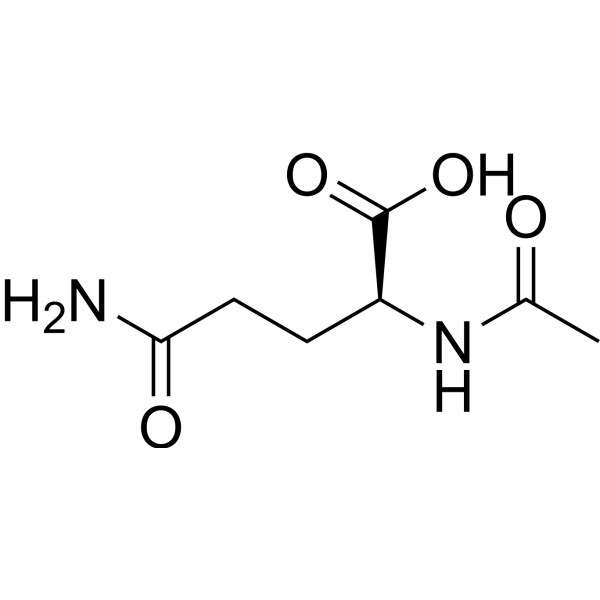
    Aceglutamide (α-N-Acetyl-L-glutamine; N2-Acetylglutamine) is a neuroprotectant that can penetrate the blood-brain barrier. Aceglutamide can enhance the antioxidant systems of glutathione (GSH), thioredoxin (Trx) and Nrf2. Aceglutamide also inhibits ASK1 and TRAF1, activates the Akt/Bcl-2 anti-apoptotic pathway, enhances the activity of antioxidant enzymes and reduces oxidative damage. Aceglutamide can improve neurological deficits after cerebral ischemia, reduce infarct volume, and inhibit neuronal apoptosis, especially substantia nigra dopaminergic neurons. Aceglutamide can reduce cerebral ischemia/reperfusion injury, improve motor dysfunction, and is used in ischemic stroke-related research .
    Aceglutamide
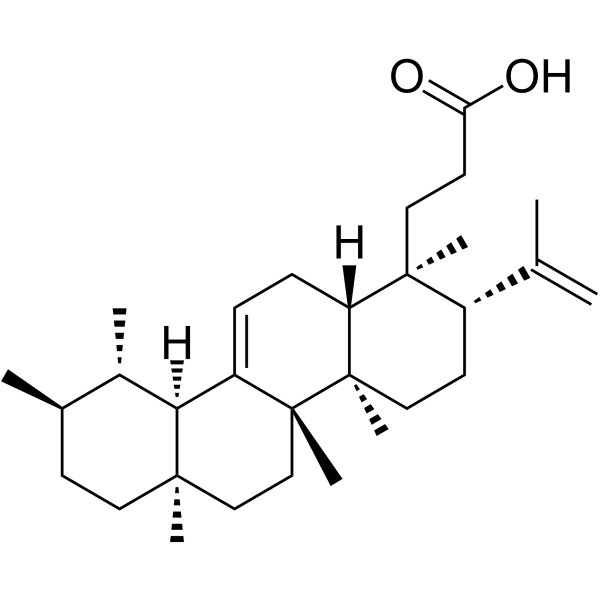
  • HY-N0481
    Roburic acid
    1 Publications Verification

    COX TNF Receptor NO Synthase Interleukin Related NF-κB Apoptosis p38 MAPK JNK ERK Keap1-Nrf2 RANKL/RANK Neurological Disease Inflammation/Immunology Cancer
    Roburic acid acts as an anti-inflammatory, anti-tumor and osteoclastogenesis inhibitor, with a Ki of 7.066 μM against human TNF, an IC50 of 9 μM against human COX-2, and an IC50 of 5 μM against ovine COX-1. Roburic acid reduces the production of inflammatory mediators such as NO and IL-6 in macrophages by inhibiting the NF-κB and MAPK (p38/JNK) pathways. By competitively inhibiting the TNF-TNF-R1 interaction, Roburic acid blocks the downstream NF-κB signaling pathway, thereby inducing cell cycle arrest and apoptosis in cancer cells. Roburic acid specifically inhibits osteoclastogenesis and bone resorption by suppressing the RANKL/TRAF6/NF-κB/NFATc1 axis. Roburic acid can be used in research related to osteolytic diseases such as osteoporosis, colorectal cancer and inflammatory diseases .
    Roburic acid
  • HY-117937
    BC-1215
    2 Publications Verification

    Ligands for E3 Ligase Inflammation/Immunology
    BC-1215 is a F-box protein 3 (Fbxo3) inhibitor. BC-1215 works by antagonizing of Fbxo3 on TRAF cytokine signaling and exhibits a low IC50 in vitro. BC-1215 can be used for the research of inflammation .
    BC-1215
  • HY-N0026
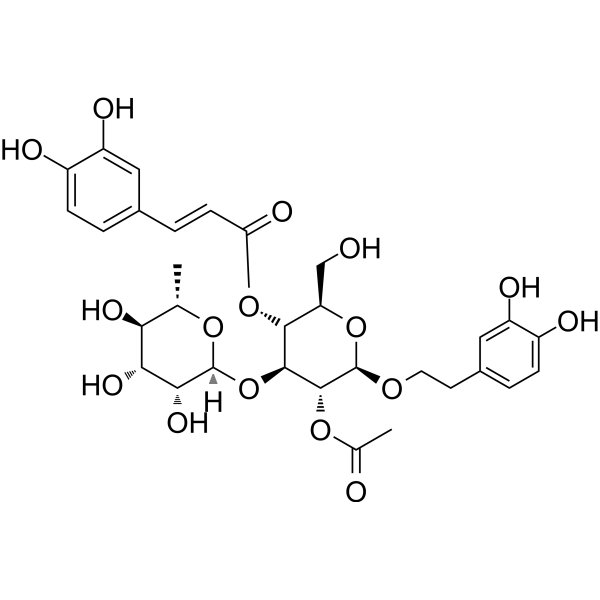
    2'-Acetylacteoside
    1 Publications Verification

    2'-AA

    Monoamine Oxidase RANKL/RANK TNF Receptor NF-κB IKK Cardiovascular Disease Neurological Disease Metabolic Disease
    2'-Acetylacteoside (2'-AA) is a natural compound with oral activity and blood-brain barrier permeability. 2'-Acetylacteosideexhibits MAO‑B inhibitory activity (IC50 = 17.71 μM, Ki = 13.81 μM). 2'-Acetylacteoside downregulates the expression of RANK, TRAF6, NF‑κB, NFATc1 and IKKβ, disrupts the RANKL/RANK interaction, blocks downstream signaling pathways, and increases the level of phosphorylated Akt. 2'-Acetylacteoside possesses potent anti-osteoclastogenic, anti-bone resorptive, pro-neurogenic, neuroprotective and antioxidant activities. 2'-Acetylacteoside can be used in the research of osteoporosis, ischemic stroke and Parkinson's disease .
    2'-Acetylacteoside
  • HY-110247
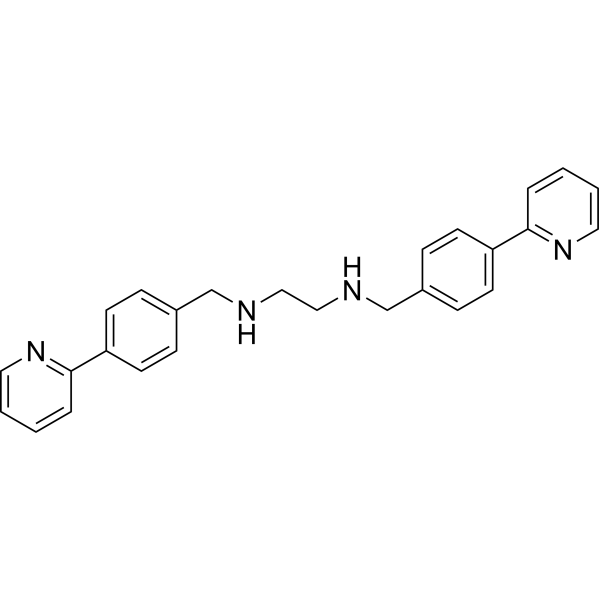
    TRAF-STOP inhibitor 6877002
    4 Publications Verification

    TNF Receptor NF-κB Cardiovascular Disease Inflammation/Immunology
    TRAF-STOP inhibitor 6877002 is a selective CD40-TRAF6 interaction inhibitor. TRAF-STOP inhibitor 6877002 exerts anti-atherosclerotic activity by blocking the CD40-TRAF6 signaling pathway, inhibiting classical monocyte activation, leukocyte recruitment, and macrophage activation and migration. TRAF-STOP inhibitor 6877002 reduces the phosphorylation levels of signaling intermediates in the canonical NF-κB pathway .
    TRAF-STOP inhibitor 6877002
  • HY-138779
    ICCB-19 hydrochloride
    1 Publications Verification

    Autophagy RIP kinase Apoptosis Inflammation/Immunology
    ICCB-19 hydrochloride is a TRADD (TNFRSF1A associated via death domain) inhibitor. ICCB-19 hydrochloride binds with N-terminal domain of TRADD (TRADD-N), disrupting its binding to both TRADD-C and TRAF2. ICCB-19 hydrochloride is indirect inhibitor of RIPK1 kinase activity. ICCB-19 hydrochloride effectively induces autophagy and the degradation of long-lived proteins .
    ICCB-19 hydrochloride
  • HY-19696B
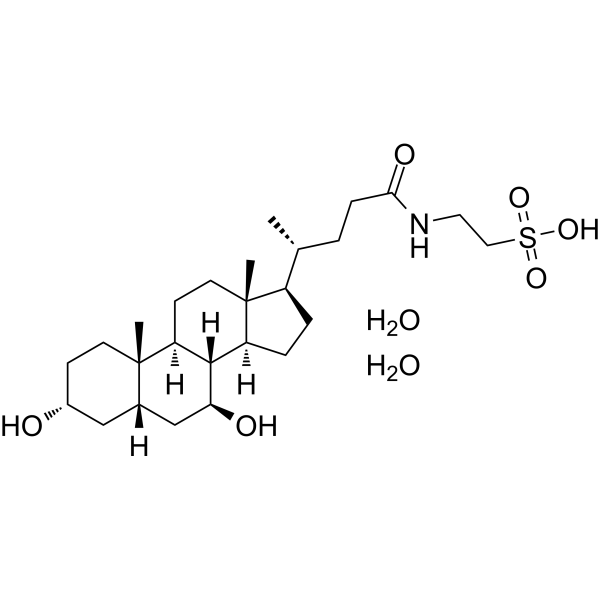
    Tauroursodeoxycholate dihydrate
    Maximum Cited Publications
    104 Publications Verification

    Tauroursodeoxycholic acid dihydrate; TUDCA dihydrate; UR 906 dihydrate

    Caspase Apoptosis Endogenous Metabolite IRE1 NF-κB JNK Reactive Oxygen Species (ROS) Akt Neurological Disease Metabolic Disease Inflammation/Immunology
    Tauroursodeoxycholate dehydrate is an orally active taurine conjugate of Ursodeoxycholic acid (HY-13771). Tauroursodeoxycholate dehydrate inhibits caspase-3/7, Apoptosis, IRE1α/TRAF2/NF-κB, prevents JNK phosphorylation, inhibits ROS generation, and activates Akt signaling. Tauroursodeoxycholate dehydrate prevents cataract formation, reduces renal tubular damage in type 2 diabetic mice, reduces I/R injury in liver, and inhibits intestinal inflammation and barrier disruption in nonalcoholic fatty liver disease .
    Tauroursodeoxycholate dihydrate
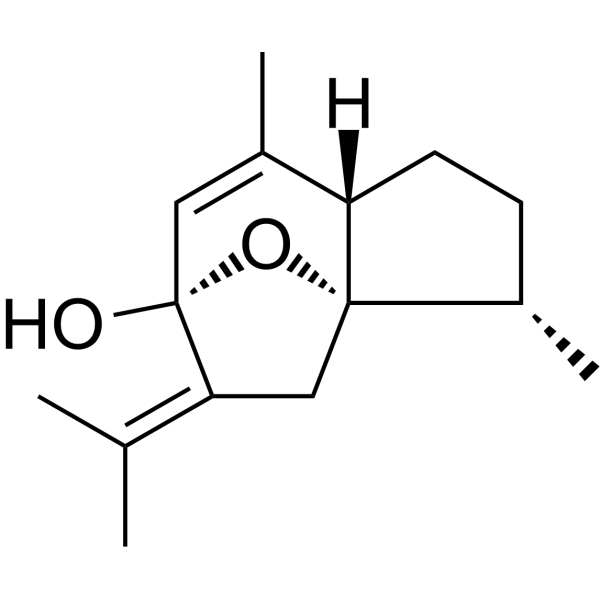
  • HY-N1431
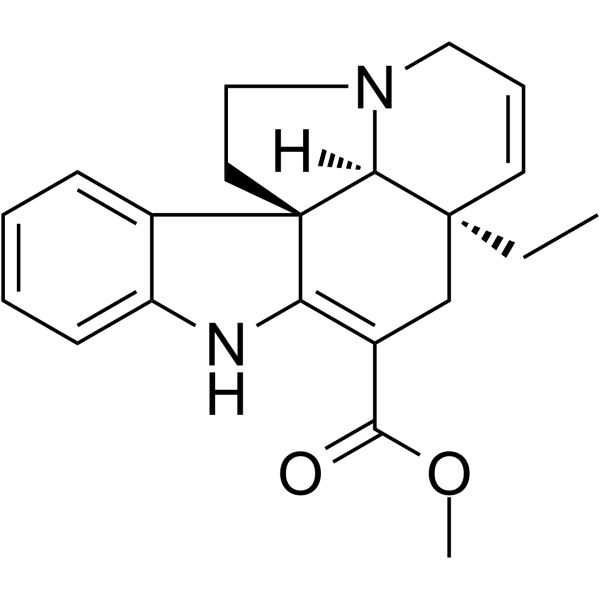
    Tabersonine
    3 Publications Verification

    NOD-like Receptor (NLR) Apoptosis Cytochrome P450 NF-κB PI3K Akt CDK Caspase Interleukin Related p38 MAPK Inflammation/Immunology Cancer
    Tabersonine is a selective, orally active NLRP3 inhibitor. Tabersonine directly binds to the NACHT domain of NLRP3, inhibiting its ATPase activity and oligomerization, thereby blocking ASC spot formation and caspase-1 activation, and reducing the release of pro-inflammatory cytokines such as IL-1β. Tabersonine also inhibits K63-linked ubiquitination of TRAF6, blocking NF-κB, PI3K/Akt, and p38 MAPK signaling pathways. Tabersonine can inhibit inflammatory responses, induce apoptosis of liver cancer cells through mitochondrial pathways and death receptor pathways, reduce mitochondrial membrane potential, promote cytochrome c release, and activate caspase proteins. Tabersonine is mainly used in the study of NLRP3-driven inflammatory diseases (such as acute lung injury, sepsis, peritonitis) and tumors such as liver cancer .
    Tabersonine
  • HY-W013636C
    2-Ketoglutaric acid potassium
    5+ Cited Publications

    Alpha-Ketoglutaric acid potassium

    Tyrosinase Endogenous Metabolite TNF Receptor Neurological Disease Metabolic Disease
    2-Ketoglutaric acid (Alpha-Ketoglutaric acid) (potassium) is an intermediate in the production of ATP or GTP in the Krebs cycle. 2-Ketoglutaric acid potassium is a reversible and orally active inhibitor of tyrosinase with an IC50 value of 15 mM. 2-Ketoglutaric acid potassium also acts as the major carbon skeleton for nitrogen-assimilatory reactions. 2-Ketoglutaric acid potassium significantly suppresses abnormal intestinal permeability, delocalization of tight junction proteins from the intestinal cells, expression of TNFα in vitro and in vivo. 2-Ketoglutaric acid potassium directly binds to TAK1, and inhibits the TRAF6-TAK1 interaction. 2-Ketoglutaric acid potassium also alleviates inflammatory bowel disease (IBD) symptoms and gut microbiota dysbiosis, evident by the improvements in the intestine length .
    2-Ketoglutaric acid potassium
  • HY-117469

    Nuclear Hormone Receptor 4A/NR4A p62 Inflammation/Immunology
    Triptohypol C, a Tripterin (HY-13067) derivative, is a potent Nur77-targeting anti-inflammatory agent with an Kd value of 0.87 μM. Triptohypol C inhibits inflammatory response by promoting the interactions of Nur77 with TRAF2 and p62/SQSTM1 .
    Triptohypol C
  • HY-153598

    PROTACs RIP kinase Apoptosis Inflammation/Immunology Cancer
    LD4172 is a selective RIPK1 PROTAC degrader with a Ki of 4.8 nM. LD4172 induces RIPK1 protein degradation via ternary complex formation with RIPK1 and VHL E3 ligase, driving ubiquitination and proteasomal breakdown. LD4172 abrogates TNF-induced classical NF-κB signaling in TRAF2-deficient cells, impairing IκBα phosphorylation and degradation, and reducing IL-8 production. LD4172 induces apoptosis and immunogenic cell death in tumor cells, enhances tumor-infiltrating lymphocyte responses, and sensitizes tumors to anti-PD1 therapy. LD4172 acts as a chemical probe for investigating RIPK1 scaffolding functions. LD4172 can be used for the research of melanoma, colon cancer .
    LD4172
  • HY-124762

    Ser/Thr Protease Cancer
    TNIK-IN-1 (Compound 1) is an inhibitor of Traf2 and Nck-interacting kinase (TNIK), with IC50 of 65 nM, that has antitumor activity .
    TNIK-IN-1
  • HY-NP134

    Toll-like Receptor (TLR) MyD88 NF-κB Interleukin Related IFNAR Inflammation/Immunology Cancer
    Flagellin from S. typhimurium is a potent TLR5 agonist. Flagellin from S. typhimurium activates immune cells and inhibits the activity of melanoma cells. Flagellin from S. typhimurium activates the NF-κB pathway dependent on the TLR5/MyD88/TRAF6 signaling axis in cells. Flagellin from S. typhimurium induces a proinflammatory response in the primary chicken hepatocyte-nonparenchymal cell co-culture system by promoting IL-8 production, inhibiting IL-10 production, and increasing the IFN-γ/IL-10 ratio. Flagellin from S. typhimurium can be used for research on melanoma and inflammatory diseases .
    Flagellin from S. typhimurium
  • HY-142026

    (+)-Vitisin A

    Caspase ERK NF-κB Influenza Virus PAK LDLR PPAR PCSK9 Androgen Receptor Keap1-Nrf2 Monoamine Oxidase Cholinesterase (ChE) IKK Wnt β-catenin Reactive Oxygen Species (ROS) Apoptosis Cuproptosis Infection Neurological Disease Metabolic Disease Inflammation/Immunology Cancer
    Vitisin A ((+)-Vitisin A) is an orally active natural product with multiple pharmacological activities including anti-inflammatory, anti-tumor, anti-oxidant, anti-pathogenic microorganism, hypoglycemic and lipid-regulating, anti-osteoporotic, neuroprotective and cardiovascular protective effects. Vitisin A exhibits inhibitory effects on human AChE and MAO-B with IC50 values of 1.29 µM and 4.94 µM, respectively. Vitisin A inhibits the ERK, MAPK, NF-κB, STAT1, HMGCR and TRAF6 pathways, downregulates the related phosphorylation and protein expression, while activates the Nrf2/HO-1 pathway and upregulates p21 expression. Vitisin A induces tumor cell apoptosis and cell cycle arrest, inhibits adipogenesis and lipid accumulation, while alleviates oxidative stress, suppresses inflammatory responses, blocks hepatic fibrosis, Cuproptosis and cholesterol synthesis, and increases the expression levels of central BDNF and TrkB. Vitisin A can be used in the research of tumors, infectious diseases, metabolic diseases, bone and joint diseases, liver diseases, skin injuries, as well as neurodegenerative and cognitive dysfunction-related diseases .
    Vitisin A
  • HY-156818

    Ser/Thr Protease Cancer
    TNIK-IN-7 (Compound 8) is an inhibitor of Traf2 and Nck-interacting kinase (TNIK), with IC50 of 11 nM, that has antitumor activity .
    TNIK-IN-7
  • HY-122805

    Ser/Thr Protease Neurological Disease
    PF-794 is a potent, selective and ATP-competitive Traf2- and Nck-interacting kinase (TNIK) inhibitor with an IC50 of 39 nM. PF-794 shows selective for the TNIK family. PF-794 reduces endogenous p120-catenin phosphorylation in cells. PF-794 can be used for teh study of psychiatric disorders .
    PF-794
  • HY-145293

    DAPK Cancer
    TNIK-IN-3 is a potent, selective and orally active inhibitor of Traf2- and Nck-interacting protein kinase (TNIK), with an IC50 of 0.026 μM. TNIK-IN-3 could also inhibit Flt4 (IC50=0.030 μM), Flt1 (IC50=0.191 μM) and DRAK1 (IC50=0.411 μM). TNIK-IN-3 can be used for the research of colorectal cancer .
    TNIK-IN-3
  • HY-B1829AR

    Dexamethasone 21-phosphate disodium (Standard)

    Glucocorticoid Receptor Reference Standards Interleukin Related TGF-β Receptor Neurological Disease Metabolic Disease Inflammation/Immunology
    Dexamethasone phosphate (Dexamethasone 21-phosphate) disodium (Standard) is the analytical standard of Dexamethasone phosphate disodium (HY-B1829A). This product is intended for research and analytical applications. Dexamethasone phosphate (Dexamethasone 21-phosphate) disodium is a prodrug form of the glucocorticoid Dexamethasone (HY-14648). Dexamethasone phosphate disodium is produced by introducing a phosphate ester group at the 21-position of the Dexamethasone molecule, forming a salt with sodium ions, thereby significantly improving water solubility. Dexamethasone phosphate disodium inhibits LPS (HY-D1056)-induced degradation of IRAK-1 and IRAK-4, and blocks LPS-induced activation of TRAF6, p-TAK1 and p-JNK. Dexamethasone phosphate disodium inhibits the secretion of RANTES, TGF-β1 and NO, promotes the production of MIP-1α and IL-10, and blocks microglial migration. Dexamethasone phosphate disodium is almost completely converted to Dexamethasone in rat blood, and supports transdermal delivery via iontophoresis. Dexamethasone phosphate disodium can be used in research related to steroid-dependent ulcerative colitis, chemotherapy-induced vomiting, allergic asthma and acute colitis (inflammatory bowel disease).
    Dexamethasone phosphate disodium (Standard)
  • HY-125025

    TNF Receptor Metabolic Disease Inflammation/Immunology
    SMI 6860766, a small molecule inhibitor of CD40-TRAF6 interaction, improves glucose tolerance, reduces immune cell accumulation in adipose tissue, and reduces AT inflammation .
    SMI 6860766
  • HY-155801

    Toll-like Receptor (TLR) NF-κB TNF Receptor MyD88 Apoptosis DNA/RNA Synthesis Cardiovascular Disease Infection Neurological Disease Inflammation/Immunology Cancer
    CRX 527 is a TLR4 agonist. CRX 527 activates the MyD88-dependent, TRIF-dependent, and TRAF6/NF-κB signaling pathways downstream of TLR4, mimics lipid A, and regulates antigen processing and presentation by dendritic cells. CRX 527 stimulates innate immune responses and enhances vaccine efficacy. CRX 527 maintains the structural integrity of hematopoietic tissues, spleen and intestine, alleviates radiation-induced damage, preserves intestinal homeostasis, and inhibits apoptosis, inflammatory responses, oxidative stress and DNA damage. CRX 527 can be used in the research of acute radiation syndrome, melanoma, HPV-related tumors and intracerebral hemorrhage .
    CRX 527
  • HY-N0320

    Bcl-2 Family Caspase Toll-like Receptor (TLR) MyD88 NF-κB Cardiovascular Disease Neurological Disease Inflammation/Immunology
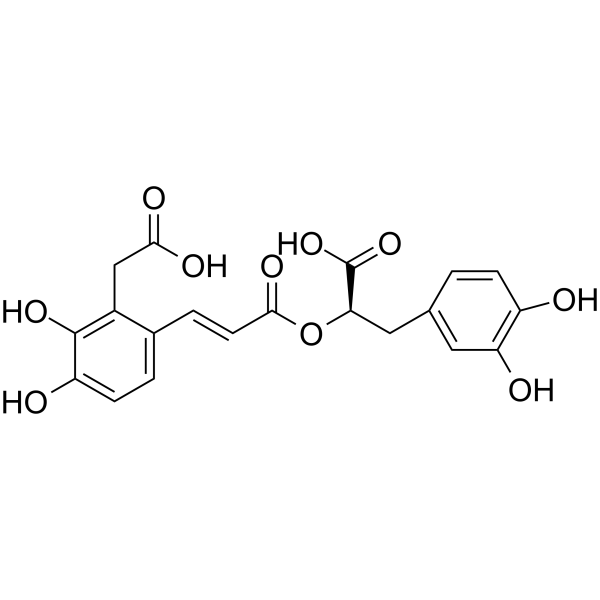
    Salvianolic acid D is a depside. Salvianolic acid D can be isolated from Salvia miltiorrhiza (Danshen). Salvianolic acid D promotes the expression of Bcl-2, and inhibits the expressions of Bax, Cleaved caspase-3 and -9. Salvianolic acid D reduces the expression levels of TLR4, MyD88 and TRAF6 proteins both in vitro and in vivo, and significantly inhibits the nuclear translocation of NF-κB. Salvianolic acid D inhibits the cytoplasmic translocation of HMGB1. Salvianolic acid D suppresses inflammatory responses and alleviates cerebral ischemia-reperfusion injury. Salvianolic acid D serves as a potential antiplatelet active component .
    Salvianolic acid D
  • HY-B1829
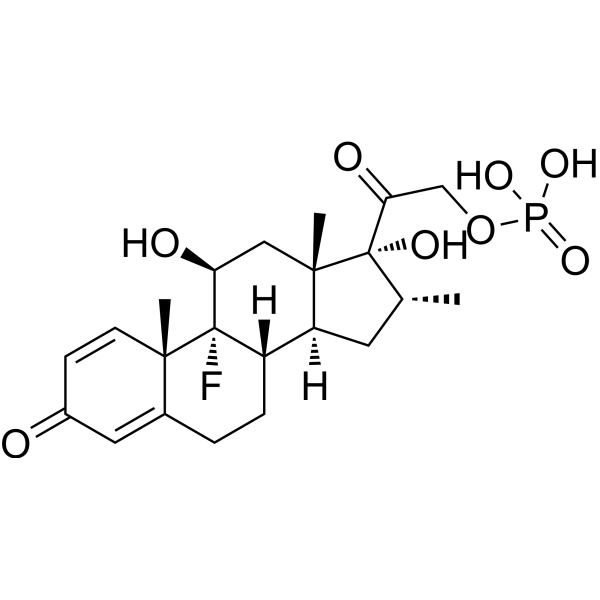
    Dexamethasone phosphate
    10+ Cited Publications

    Dexamethasone 21-phosphate

    Glucocorticoid Receptor TGF-β Receptor Interleukin Related Neurological Disease Inflammation/Immunology
    Dexamethasone phosphate (Dexamethasone 21-phosphate) is a prodrug form of the glucocorticoid Dexamethasone (HY-14648). Dexamethasone phosphate is prepared by introducing a phosphate ester group to the hydroxyl group at position 21 of the Dexamethasone molecule. Dexamethasone phosphate inhibits LPS (HY-D1056)-induced degradation of IRAK-1 and IRAK-4, and blocks LPS-induced activation of TRAF6, p-TAK1 and p-JNK. Dexamethasone phosphate inhibits the secretion of RANTES, TGF-β1 and NO, promotes the production of MIP-1α and IL-10, and blocks microglial migration. Dexamethasone phosphate is almost completely converted to Dexamethasone in rat blood, and supports transdermal delivery via iontophoresis. Dexamethasone phosphate can be used in research related to steroid-dependent ulcerative colitis, chemotherapy-induced vomiting, allergic asthma and acute colitis (inflammatory bowel disease) .
    Dexamethasone phosphate
  • HY-N1431A
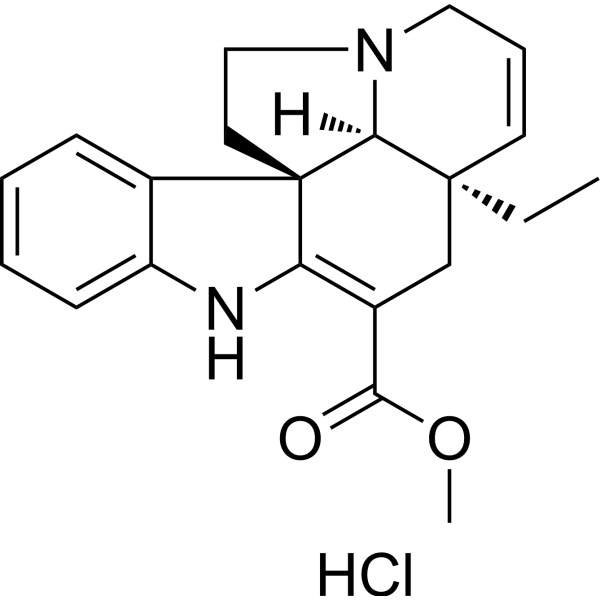
    Tabersonine hydrochloride
    3 Publications Verification

    NOD-like Receptor (NLR) Apoptosis Cytochrome P450 NF-κB PI3K Akt CDK Caspase Interleukin Related p38 MAPK Neurological Disease Inflammation/Immunology
    Tabersonine hydrochloride is a selective, orally active NLRP3 inhibitor. Tabersonine hydrochloride directly binds to the NACHT domain of NLRP3, inhibiting its ATPase activity and oligomerization, thereby blocking ASC spot formation and caspase-1 activation, and reducing the release of pro-inflammatory cytokines such as IL-1β. Tabersonine hydrochloride also inhibits K63-linked ubiquitination of TRAF6, blocking NF-κB, PI3K/Akt, and p38 MAPK signaling pathways. Tabersonine hydrochloride can inhibit inflammatory responses, induce apoptosis of liver cancer cells through mitochondrial pathways and death receptor pathways, reduce mitochondrial membrane potential, promote cytochrome c release, and activate caspase proteins. Tabersonine hydrochloride is mainly used in the study of NLRP3-driven inflammatory diseases (such as acute lung injury, sepsis, peritonitis) and tumors such as liver cancer .
    Tabersonine hydrochloride
  • HY-P3709

    p62 E1/E2/E3 Enzyme Neurological Disease
    TRAF6 peptide is a specific TRAF6-p62 inhibitor. TRAF6 peptide potently abrogates NGF-dependent TrkA ubiquitination. TRAF6 peptide has good research potential in neurological diseases such as alzheimer's disease (AD), parkinson's, ALS, head trauma, epilepsy and stroke .
    TRAF6 peptide
  • HY-P3708

    E1/E2/E3 Enzyme p62 Others
    TRAF6 control peptide is a control peptide for TRAF6 .
    TRAF6 control peptide
  • HY-156817

    TNF Receptor Neurological Disease
    TNIK-IN-6 (Compound 9) is an inhibitor of Traf2 and Nck-interacting kinase (TNIK) and , with IC50 of 0.93 μM, that plays important roles in neurological and psychiatric disorders .
    TNIK-IN-6
  • HY-100830A

    Wnt MAP4K TGF-beta/Smad Inflammation/Immunology
    NCB-0970 is the negative control of NCB-0846 (HY-100830). NCB-0846 is an orally active, selective inhibitor for Wnt, that inhibits Traf2- and Nck-interacting kinase (TNIK) with an IC50 of 21 nM. NCB-0846 blocks TGF-β signaling pathway by inhibiting SMAD2/3 phosphorylation and nuclear translocation .
    NCB-0970
  • HY-P3709A

    p62 E1/E2/E3 Enzyme Neurological Disease
    TRAF6 peptide TFA is a specific TRAF6-p62 inhibitor. TRAF6 peptide TFA potently abrogates NGF-dependent TrkA ubiquitination. TRAF6 peptide TFA has good research potential in neurological diseases such as alzheimer's disease (AD), parkinson's, ALS, head trauma, epilepsy and stroke .
    TRAF6 peptide TFA
  • HY-164670

    p38 MAPK MyD88 Inflammation/Immunology
    D228 is an orally active antiinflammatory agent. D228 reduces ConA induced T lymphocyte cell proliferation (IC50: 42.85 μM) and LPS induced B lymphocyte cell proliferation (IC50: 3.15 μM). D228 is effective against inflammatory bowel disease (IBD). D228 alleviates the DSS (HY-116282C)-induced inflammation response in the IBD model by downregulating the MyD88/TRAF6/p38 signaling .
    D228
  • HY-156502

    MAP4K Cancer
    TINK-IN-1 (Compound 9) is a potent and selective Traf2- and Nck-interacting kinase (TNIK) inhibitor with an IC50 of 8 nM. TINK-IN-1 inhibits colorectal cancer cells viability .
    TINK-IN-1
  • HY-145292

    Ser/Thr Protease Cancer
    TNIK-IN-2 is a Traf2- and Nck-interacting protein kinase (TNIK) inhibitor, with an IC50 of 1.3337 μM. TNIK-IN-2 can be used for the study of colorectal cancer (CRC) .
    TNIK-IN-2
  • HY-176220

    AUTACs Autophagy Glutathione Peroxidase Ferroptosis Cancer
    GPX4-AUTAC is a GPX4-targeting autophagy-mediated degrader (AUTAC). GPX4-AUTAC consists of an inhibitor ML162-yne (HY-153748), a degradation tag FBnG (HY-W073762) and a glycol linker (HY-W021401). GPX4-AUTAC promotes the ubiquitination of GPX4 by E3 ligase TRAF6, and enhances the binding with GPX4 and p62, leading to the selective autophagy-dependent degradation of GPX4. GPX4-AUTAC significantly induces ferroptosis and shows a potent anti-cancer activity in breast cancer cells, breast cancer-derived organoids (PDOs) and MDA-MB-231 tumor xenograft mice model, with potent synergistic effects when combined with Sulfasalazine (SAS) (HY-14655) or chemotherapy drugs (Paclitaxel (HY-B0015) or Cisplatin (HY-17394)) .
    GPX4-AUTAC
  • HY-RS14976

    Small Interfering RNA (siRNA) Others

    TRAF7 Human Pre-designed siRNA Set A contains three designed siRNAs for TRAF7 gene (Human), as well as a negative control, a positive control, and a FAM-labeled negative control.

    TRAF7 Human Pre-designed siRNA Set A
    TRAF7 Human Pre-designed siRNA Set A
  • HY-RS14969

    Small Interfering RNA (siRNA) Others

    TRAF3 Human Pre-designed siRNA Set A contains three designed siRNAs for TRAF3 gene (Human), as well as a negative control, a positive control, and a FAM-labeled negative control.

    TRAF3 Human Pre-designed siRNA Set A
    TRAF3 Human Pre-designed siRNA Set A
  • HY-RS29387

    Small Interfering RNA (siRNA) Others
    Traf5 Rat Pre-designed siRNA Set A contains three designed siRNAs for Traf5 gene (Rat), as well as a negative control, a positive control, and a FAM-labeled negative control.
    Traf5 Rat Pre-designed siRNA Set A
    Traf5 Rat Pre-designed siRNA Set A
  • HY-RS14975

    Small Interfering RNA (siRNA) Others

    TRAF6 Human Pre-designed siRNA Set A contains three designed siRNAs for TRAF6 gene (Human), as well as a negative control, a positive control, and a FAM-labeled negative control.

    TRAF6 Human Pre-designed siRNA Set A
    TRAF6 Human Pre-designed siRNA Set A
  • HY-RS20502

    Small Interfering RNA (siRNA) Others

    Traf7 Mouse Pre-designed siRNA Set A contains three designed siRNAs for Traf7 gene (Mouse), as well as a negative control, a positive control, and a FAM-labeled negative control.

    Traf7 Mouse Pre-designed siRNA Set A
    Traf7 Mouse Pre-designed siRNA Set A
  • HY-RS19244

    Small Interfering RNA (siRNA) Others

    Traf1 Mouse Pre-designed siRNA Set A contains three designed siRNAs for Traf1 gene (Mouse), as well as a negative control, a positive control, and a FAM-labeled negative control.

    Traf1 Mouse Pre-designed siRNA Set A
    Traf1 Mouse Pre-designed siRNA Set A
  • HY-RS25733

    Small Interfering RNA (siRNA) Others

    Traf1 Rat Pre-designed siRNA Set A contains three designed siRNAs for Traf1 gene (Rat), as well as a negative control, a positive control, and a FAM-labeled negative control.

    Traf1 Rat Pre-designed siRNA Set A
    Traf1 Rat Pre-designed siRNA Set A
  • HY-RS24468

    Small Interfering RNA (siRNA) Others

    Traf3 Rat Pre-designed siRNA Set A contains three designed siRNAs for Traf3 gene (Rat), as well as a negative control, a positive control, and a FAM-labeled negative control.

    Traf3 Rat Pre-designed siRNA Set A
    Traf3 Rat Pre-designed siRNA Set A
  • HY-RS14968

    Small Interfering RNA (siRNA) Others

    TRAF2 Human Pre-designed siRNA Set A contains three designed siRNAs for TRAF2 gene (Human), as well as a negative control, a positive control, and a FAM-labeled negative control.

    TRAF2 Human Pre-designed siRNA Set A
    TRAF2 Human Pre-designed siRNA Set A
  • HY-RS14973

    Small Interfering RNA (siRNA) Others

    TRAF4 Human Pre-designed siRNA Set A contains three designed siRNAs for TRAF4 gene (Human), as well as a negative control, a positive control, and a FAM-labeled negative control.

    TRAF4 Human Pre-designed siRNA Set A
    TRAF4 Human Pre-designed siRNA Set A
  • HY-RS14974

    Small Interfering RNA (siRNA) Others

    TRAF5 Human Pre-designed siRNA Set A contains three designed siRNAs for TRAF5 gene (Human), as well as a negative control, a positive control, and a FAM-labeled negative control.

    TRAF5 Human Pre-designed siRNA Set A
    TRAF5 Human Pre-designed siRNA Set A
  • HY-RS14967

    Small Interfering RNA (siRNA) Others

    TRAF1 Human Pre-designed siRNA Set A contains three designed siRNAs for TRAF1 gene (Human), as well as a negative control, a positive control, and a FAM-labeled negative control.

    TRAF1 Human Pre-designed siRNA Set A
    TRAF1 Human Pre-designed siRNA Set A

Inquiry Online

Your information is safe with us. * Required Fields.

Salutation


Country or Region *

Applicant Name *


Organization Name *

Department *


Email Address *


Product Name *

Cat. No.


Requested quantity *

Phone Number *


Remarks

Inquiry Online

Inquiry Information

Product Name:
Cat. No.:
Quantity:
MCE Japan Authorized Agent:

