Search Result
Results for "
VSMCs
" in MedChemExpress (MCE) Product Catalog:
5
Biochemical Assay Reagents
2
Isotope-Labeled Compounds
| Cat. No. |
Product Name |
Target |
Research Areas |
Chemical Structure |
-
- HY-D0843
-
|
NEM
|
Cathepsin
Deubiquitinase
Apoptosis
|
Others
|
|
N-Ethylmaleimide (NEM) derives from maleic acid, it can alkylates free sulfhydryl. N-Ethylmaleimide is an irreversible cysteine protease inhibitor. N-ethylmaleimide specific inhibits phosphate transport in mitochondria. N-Ethylmaleimide inhibits prolyl endopeptidase with an IC50 value of 6.3 μM. N-Ethylmaleimide can be used to modify cysteine residues in proteins and peptides .
|
-
-
- HY-P0175
-
|
740YPDGFR; PDGFR 740Y-P
|
PI3K
Autophagy
|
Cancer
|
|
740 Y-P (740YPDGFR; PDGFR 740Y-P) is a potent and cell-permeable PI3K activator. 740 Y-P readily binds GST fusion proteins containing both the N- and C- terminal SH2 domains of p85 but fails to bind GST alone .
|
-
-
- HY-N0567
-
|
Safflomin A; HSYA
|
Apoptosis
Autophagy
|
Cardiovascular Disease
Cancer
|
|
Hydroxysafflor yellow A (Safflomin A) is a natural product of flavonoids isolated from safflower. Hydroxysafflor yellow A can inhibit cell proliferation and promote apoptosis through the autophagy pathway. Hydroxysafflor yellow A has anti-inflammatory, antioxidant and antitumor effects. Hydroxysafflor yellow A can be used in the study of cardiovascular disease .
|
-
-
- HY-NP013
-
|
Mouse ox-LDL
|
LDLR
ROR
β-catenin
|
Cardiovascular Disease
|
|
Oxidized low density lipoprotein (mouse) (Mouse ox-LDL) is an oxidized low density lipoprotein (LDL). Oxidized low density lipoprotein (mouse) induces atherosclerosis (AS) by facilitating endothelial dysfunction and accelerating the VSMCs growth and migration. Oxidized low density lipoprotein (mouse) can be used to construct an in vitro model of AS .
|
-
-
- HY-B0612A
-
|
|
Calcium Channel
Apoptosis
Reactive Oxygen Species (ROS)
p38 MAPK
NF-κB
|
Cardiovascular Disease
Neurological Disease
|
|
Lercanidipine is a third-generation, lipophilic, brain-penetrant, vascular-selective and orally active dihydropyridine-calcium channel blocker with a pIC50 of 7.74 (converts from μM). Lercanidipine has long lasting antihypertensive action as well as reno- and neuro-protective effect. Lercanidipine also shows anti-oxidant, anti-inflammatory and anti-apoptotic properties. Lercanidipine can be used in cardiovascular and neurological research .
|
-
-
- HY-B0612
-
|
|
Calcium Channel
Apoptosis
Reactive Oxygen Species (ROS)
p38 MAPK
NF-κB
|
Cardiovascular Disease
Neurological Disease
|
|
Lercanidipine is a third-generation, lipophilic, brain-penetrant, vascular-selective and orally active dihydropyridine-calcium channel blocker with a pIC50 of 7.74 (converts from μM). Lercanidipine has long lasting antihypertensive action as well as reno- and neuro-protective effect. Lercanidipine also shows anti-oxidant, anti-inflammatory and anti-apoptotic properties. Lercanidipine can be used in cardiovascular and neurological research .
|
-
-
- HY-N0252
-
|
(+)-3,4-Didehydrocoronaridine
|
Calcium Channel
|
Cardiovascular Disease
Neurological Disease
Cancer
|
|
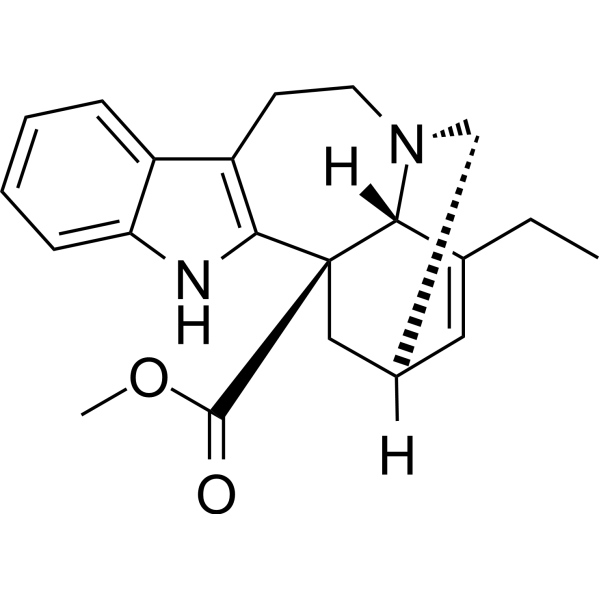
Catharanthine ((+)-3,4-Didehydrocoronaridine), a constituent of anticancer vinca alkaloids, inhibits voltage-operated L-type Ca 2+ channel (VOCC). Catharanthine has IC50s of 220 μM and 8 μM for VOCC currents in cardiomyocytes and vascular smooth muscle cells (VSMCs), respectively. Catharanthine lowers blood pressure (BP), heart rate (HR). Catharanthine has anti-cancer activity .
|
-
-
- HY-15477
-
|
|
Akt
PI3K
Angiotensin Receptor
Adrenergic Receptor
|
Cardiovascular Disease
Endocrinology
|
|
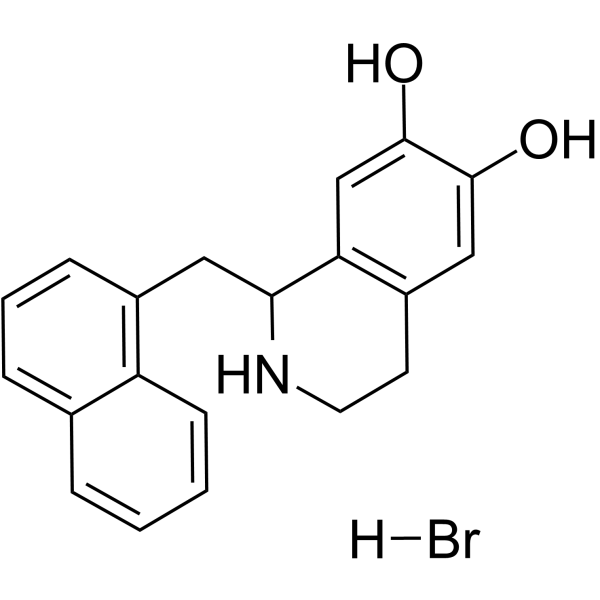
YS-49 is a PI3K/Akt (a downstream target of RhoA) activator, to reduce RhoA/PTEN activation in the 3-methylcholanthrene-treated cells. YS-49 inhibits angiotensin II (Ang II)-stimulated proliferation of VSMCs via induction of heme oxygenase (HO)-1. YS-49 is also an isoquinoline compound alkaloid, has a strong positive inotropic action through activation of cardiac β-adrenoceptors .
|
-
-
- HY-12765
-
|
E-3174; EXP-3174
|
Drug Metabolite
Angiotensin Receptor
|
Cardiovascular Disease
|
|
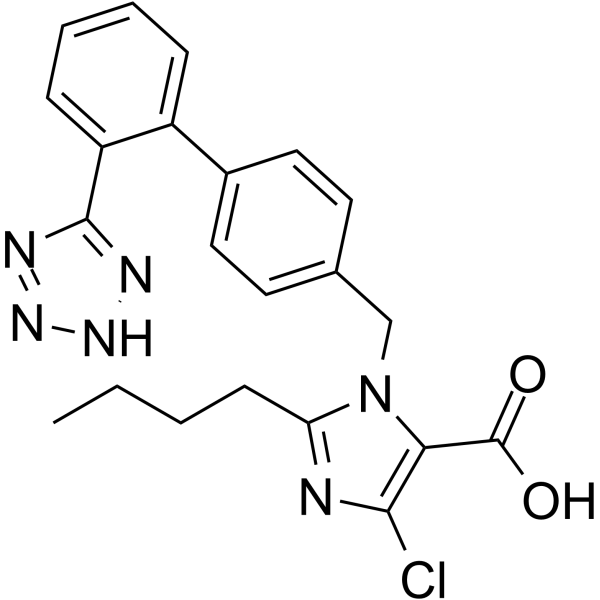
Losartan Carboxylic Acid (E-3174), an active carboxylic acid metabolite of Losartan, is an angiotensin II receptor type 1 (AT1) antagonist. The Ki values are 0.97, 0.57, 0.67 nM for rat AT1B/AT1A and human AT1, respectively. Losartan Carboxylic Acid blocks the angiotensin II-induced responses in vascular smoothmuscle cells (VSMC). Losartan Carboxylic Acid elevates plasma renin activities and reduces mean arterial pressure .
|
-
-
- HY-10254G
-
|
PD0325901; PD325901
|
MEK
|
Cancer
|
|
Mirdametinib (PD0325901) (GMP) is Mirdametinib (HY-10254) produced by using GMP guidelines. GMP small molecules works appropriately as an auxiliary reagent for cell therapy manufacture. Mirdametinib is an orally active, selective and non-ATP-competitive MEK inhibitor .
|
-
-
- HY-19307
-
|
|
Integrin
Interleukin Related
|
Cardiovascular Disease
Inflammation/Immunology
Endocrinology
Cancer
|
|
SB-273005 is an orally active non-peptide αvβ3 integrin antagonist with Ki values of 1.2 nM and 0.3 nM for αvβ3 and αvβ5, respectively. SB-273005 blocks the binding of integrins to the RGD sequence in the extracellular matrix. SB-273005 inhibits Rictor phosphorylation and reduces IL-10 secretion. SB-273005 inhibits inflammation, prevents bone loss, regulates vascular smooth muscle function, and reverses pregnancy-induced immune deviation. SB-273005 can be used in the study of rheumatoid arthritis, osteoporosis, and aneurysms. .
|
-
-
- HY-76006
-
|
M-Hydroxybenzaldehyde
|
Aldehyde Dehydrogenase (ALDH)
NF-κB
p38 MAPK
|
Cardiovascular Disease
Inflammation/Immunology
|
|
3-Hydroxybenzaldehyde (3-HBA) is a precursor compound for phenolic compounds like Protocatechuic aldehyde (PCA) (HY-N0295). 3-Hydroxybenzaldehyde, produced by 3-hydroxybenzyl-alcohol dehydrogenase, is a substrate of aldehyde dehydrogenase (ALDH) in rats and humans. 3-Hydroxybenzaldehyde has vasculoprotective effects in vitro and in vivo. 3-Hydroxybenzaldehyde is proming for research of atherosclerosis .
|
-
-
- HY-N0590
-
|
|
ERK
|
Cardiovascular Disease
|
|
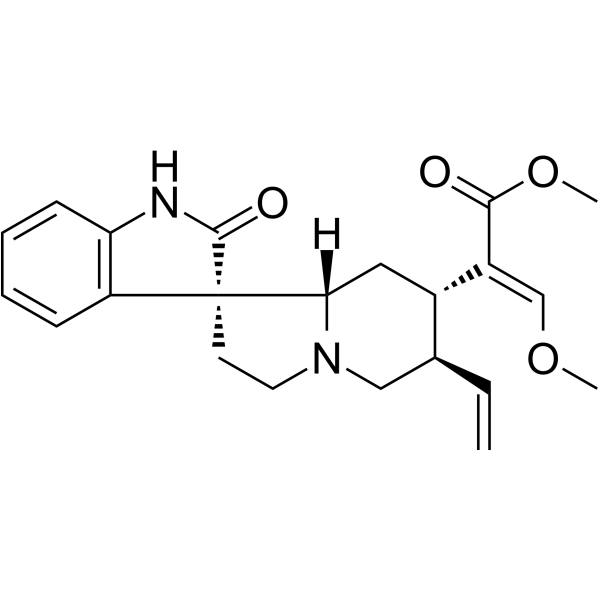
Corynoxeine, isolated from the hook of Uncaria rhynchophylla, is a potent ERK1/ERK2 inhibitor of key PDGF-BB-induced vascular smooth muscle cells (VSMCs) proliferation.
|
-
-
- HY-108570
-
AUDA
3 Publications Verification
|
Epoxide Hydrolase
|
Inflammation/Immunology
|
|
AUDA (compound 43) is a potent soluble epoxide hydrolase (sEH) inhibitor with IC50s of 18 and 69 nM for the mouse and human sEH, respectively . AUDA has anti-inflammatory activity .
|
-
-
- HY-120852
-
JG26
1 Publications Verification
|
Angiotensin-converting Enzyme (ACE)
MMP
EGFR
ERK
SARS-CoV
|
Infection
Cardiovascular Disease
Cancer
|
|
JG26 is an ADAM inhibitor with IC50 values of 12 nM, 1.9 nM, and 150 nM for ADAM8, ADAM17, and ADAM10, respectively. JG26 inhibits MMP-12 with an IC50 value of 9.4 nM. JG26 inhibits AngII (HY-13948)-induced EGFR transactivation and ERK activation. JG26 increases the expression of ACE2, inhibits the cleavage of CD23, reduces the infection of SARS-CoV-2. JG26 inhibits colorectal cancer metastasis. JG26 can be used for research on Hodgkin lymphoma and vascular diseases .
|
-
-
- HY-B0374
-
|
BDF5895
|
Imidazoline Receptor
Adrenergic Receptor
LDLR
|
Cardiovascular Disease
Neurological Disease
|
|
Moxonidine (BDF5895) is an orally active imidazoline type 1 receptor (I1-R) agonist. Moxonidine activates imidazoline I1 receptors and α2 adrenoceptors, affecting oxidized low-density lipoprotein uptake. Moxonidine reduces atherosclerotic lesions and lowers blood pressure. Moxonidine can be used in the study of hypertension, heart failure, and atherosclerosis .
|
-
-
- HY-P11328
-
|
|
Integrin
|
Others
|
|
GFOGER peptide is an artificially synthesized collagen-mimetic sequence. GFOGER peptide acts as a ligand for α2β1, α11β1 and α1β1 integrins, thereby supporting integrin-mediated cell adhesion to collagen. GFOGER peptide triggers signaling pathways mediated by the α2β1 integrin receptor and upregulates osteoblast differentiation. GFOGER peptide accelerates and enhances bone formation at sites of refractory femoral defects. GFOGER peptide can be passively adsorbed onto polymer scaffolds for cell-free/growth factor-free bone formation. GFOGER peptide is used in biomaterials such as hydrogels and 3D bioinks for tissue engineering research including bone formation .
|
-
-
- HY-130576
-
|
|
Apoptosis
|
Cardiovascular Disease
|
|
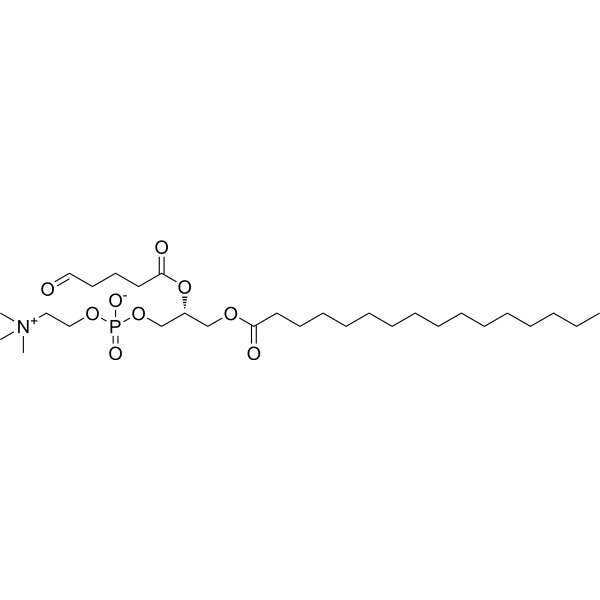
POVPC is an oxidized phospholipid can be found in in oxidatively modified low density lipoprotein (oxLDL). POVPC inhibits VSMC growth in high serum condition. POVPC induces apoptosis in low serum condition .
|
-
-
- HY-137004
-
|
Ind-Cl
|
Estrogen Receptor/ERR
COX
|
Inflammation/Immunology
|
|
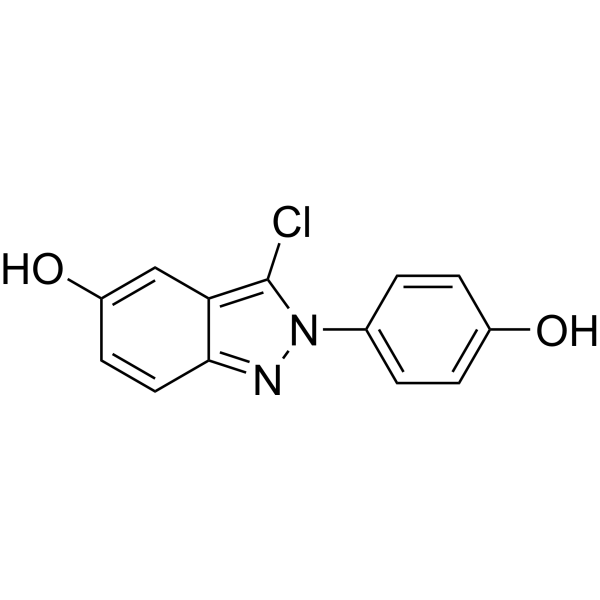
Indazole-Cl (Ind-Cl) is an Estrogen receptor (ER)-β-specific agonist with inflammatory effect. Indazole-Cl inhibits cyclooxygenase-2 exression reduction induced by hypoxia. And Indazole-Cl inhibits ROS production. Indazole-Cl also inhibits cell migration and invasion by hypoxia increased by hypoxia. Indazole-Cl is potent inhibitor of hypoxia-induced inflammation in vascular smooth muscle cells (VSMCs) .
|
-
-
- HY-10219GL
-
|
Sirolimus (GMP Like); AY-22989 (GMP Like); NSC 226080 (GMP Like)
|
mTOR
FKBP
Fungal
Autophagy
Endogenous Metabolite
Antibiotic
Bacterial
|
Cancer
|
|
Rapamycin (Sirolimus) GMP Like is Rapamycin (HY-10219) produced by using GMP like guidelines. GMP Like small molecules works appropriately as an auxiliary reagent for cell therapy manufacture. Rapamycin (Sirolimus; AY 22989) is a potent and specific mTOR inhibitor with an IC50 of 0.1 nM in HEK293 cells. Rapamycin binds to FKBP12 and specifically acts as an allosteric inhibitor of mTORC1 . Rapamycin is an autophagy activator, an immunosuppressant .
|
-
-
- HY-10219G
-
|
Sirolimus; AY-22989; NSC 226080
|
mTOR
FKBP
Fungal
Autophagy
Endogenous Metabolite
Antibiotic
Bacterial
|
Infection
Cancer
|
|
Rapamycin (Sirolimus) (GMP) is Rapamycin (HY-10219) produced by using GMP guidelines. GMP small molecules works appropriately as an auxiliary reagent for cell therapy manufacture. Rapamycin (Sirolimus; AY 22989) is a potent and specific mTOR inhibitor with an IC50 of 0.1 nM in HEK293 cells. Rapamycin binds to FKBP12 and specifically acts as an allosteric inhibitor of mTORC1 . Rapamycin is an autophagy activator, an immunosuppressant .
|
-
-
- HY-142117
-
|
|
Calcium Channel
Chloride Channel
|
Others
|
|
Adenophostin A is an IP3 receptor (inositol 1,4,5-trisphosphate receptors) modulator and Ca 2+ releaser, with an IC50 of 1.3 nM, an EC50 of 1.4 nM, and a Ki of 0.18 nM in rats, and an IC50 of 0.95 nM in humans. Adenophostin A activates IP3 receptors, stimulates Ca 2+ release from intracellular stores and microsomes, inhibits the binding of [ 3H]IP3 to plasma membrane receptors, and activates chloride channels. Adenophostin A resists phosphorylation and dephosphorylation by IP3 metabolic enzymes to maintain its activity, and increases cytoplasmic [Ca 2+] levels via calcium mobilization from the endoplasmic reticulum of vascular smooth muscle cells. Adenophostin A is applicable to research related to hemorrhagic shock .
|
-
-
- HY-12765S
-
|
E-3174 d4; EXP-3174 d4
|
Angiotensin Receptor
|
Cardiovascular Disease
Endocrinology
Cancer
|
|
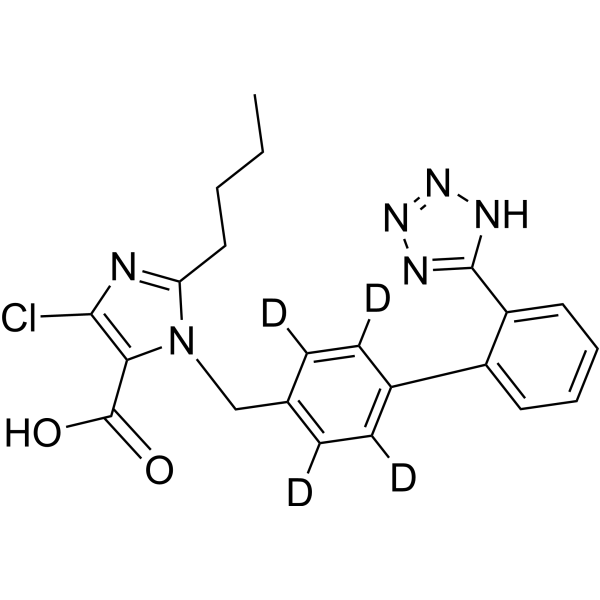
Losartan-d4 carboxylic acid (E-3174-d4) is the deuterium labeled Losartan Carboxylic Acid (HY-12765). Losartan Carboxylic Acid (E-3174), an active carboxylic acid metabolite of Losartan, is an angiotensin II receptor type 1 (AT1) antagonist. The Ki values are 0.97, 0.57, 0.67 nM for rat AT1B/AT1A and human AT1, respectively. Losartan Carboxylic Acid blocks the angiotensin II-induced responses in vascular smoothmuscle cells (VSMC). Losartan Carboxylic Acid elevates plasma renin activities and reduces mean arterial pressure.
|
-
-
- HY-15477A
-
|
|
Akt
PI3K
Angiotensin Receptor
Adrenergic Receptor
|
Cardiovascular Disease
Endocrinology
|
|
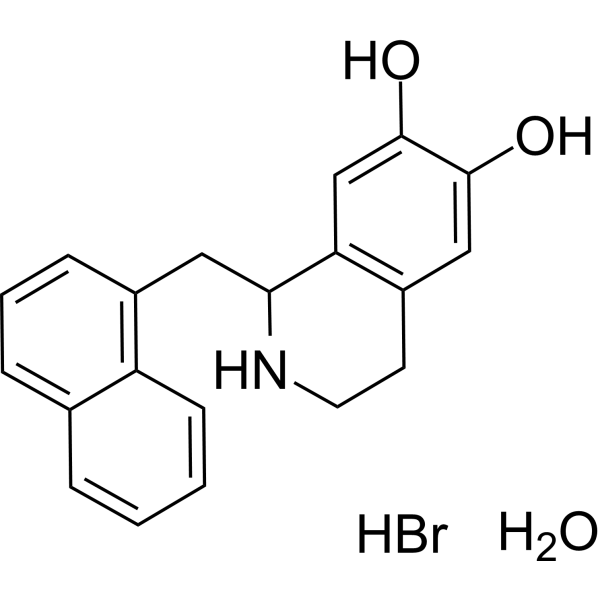
YS-49 (monohydrate) is a PI3K/Akt (a downstream target of RhoA) activator, to reduce RhoA/PTEN activation in the 3-methylcholanthrene-treated cells. YS-49 inhibits angiotensin II (Ang II)-stimulated proliferation of VSMCs via induction of heme oxygenase (HO)-1. YS-49 is also an isoquinoline compound alkaloid, has a strong positive inotropic action through activation of cardiac β-adrenoceptors .
|
-
-
- HY-N0252A
-
|
(+)-3,4-Didehydrocoronaridine Tartrate
|
Calcium Channel
|
Cardiovascular Disease
Neurological Disease
Cancer
|
|
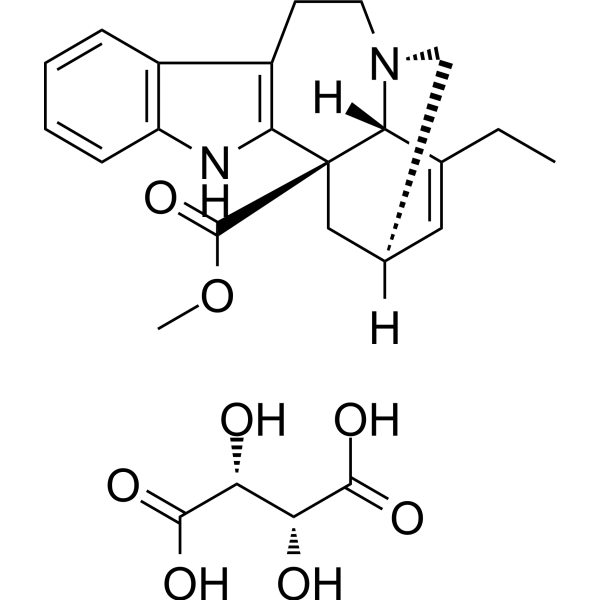
Catharanthine ((+)-3,4-Didehydrocoronaridine) Tartrate, a constituent of anticancer vinca alkaloids, inhibits voltage-operated L-type Ca 2+ channel (VOCC). Catharanthine Tartrate has IC50s of 220 μM and 8 μM for VOCC currents in cardiomyocytes and vascular smooth muscle cells (VSMCs), respectively. Catharanthine Tartrate lowers blood pressure (BP), heart rate (HR). Catharanthine Tartrate has anti-cancer activity .
|
-
-
- HY-P10236
-
|
|
Caspase
|
Others
|
|
Ac-WEHD-pNA is a colorimetric substrate for caspase 1, 4, 5 and 14, which is utilized to measure the caspase activity .
|
-
-
- HY-129440R
-
|
|
Reference Standards
PDGFR
ERK
Caspase
NF-κB
Toll-like Receptor (TLR)
p38 MAPK
NO Synthase
COX
MyD88
Reactive Oxygen Species (ROS)
Apoptosis
|
Neurological Disease
Metabolic Disease
Inflammation/Immunology
Cancer
|
|
N-(p-Coumaroyl) Serotonin (Standard) is the analytical standard of N-(p-Coumaroyl) Serotonin (HY-129440). This product is intended for research and analytical applications. N-(p-Coumaroyl) Serotonin is an orally active polyphenol found in safflower seeds with potent anti-inflammatory, antioxidant, and antitumor activities. N-(p-Coumaroyl) Serotonin suppresses NF‑κB, TLR4/MyD88 and MAPK signaling, activates NQO1/HO‑1 pathways, and inhibits pro‑inflammatory cytokines, iNOS and COX‑2 and ROS production. N-(p-Coumaroyl) Serotonin induces S‑phase arrest and apoptosis in glioblastoma cells, reduces atherosclerotic lesions, and alleviates renal and vascular injuries. N-(p-Coumaroyl) Serotonin acts as a vasodilator, regulates calcium dynamics. N-(p-Coumaroyl) Serotonin can be used for the research of neurodegenerative diseases, atherosclerosis, glioblastoma, and acute renal failure .
|
-
-
- HY-N9097
-
|
|
Reactive Oxygen Species (ROS)
SOD
Glutathione Peroxidase
PKC
NADPH Oxidase
|
Metabolic Disease
Inflammation/Immunology
|
|
Niazirin is an orally active antioxidant. Niazirin can be isolated from Moringa oleifera Lam. Niazirin reduces the production levels of ROS and MDA, while increasing the levels of superoxide dismutase SOD and glutathione peroxidase GPx. Niazirin also abolishes high glucose-induced PKCζ activation and inhibits Nox4 protein expression. Niazirin exhibits excellent free radical scavenging activity. Niazirin significantly inhibits high glucose-induced proliferation of vascular smooth muscle cells. Niazirin can be used in the research of diabetic atherosclerosis .
|
-
-
- HY-D0843R
-
|
NEM (Standard)
|
Reference Standards
Cathepsin
Deubiquitinase
Apoptosis
|
Others
|
|
Bayogenin (Standard) is the analytical standard of Bayogenin. This product is intended for research and analytical applications. Bayogenin is an alfalfa saponin, shows moderate potency of glycogen phosphorylase inhibition .
|
-
-
- HY-U00449G
-
|
|
RAR/RXR
|
Cancer
|
|
AGN 193109 (GMP) is AGN 193109 (HY-U00449) produced by using GMP guidelines. GMP small molecules works appropriately as an auxiliary reagent for cell therapy manufacture. AGN 193109 is a specific and highly effective retinoic acid receptor (RAR) antagonist . AGN 193109 (GMP) is a click chemistry reagent, it contains an Alkyne group and can undergo copper-catalyzed azide-alkyne cycloaddition (CuAAc) with molecules containing Azide groups. AGN 193109 is the antidote for retinoic acidosis, that ameliorates the skin and mucosal toxicity.
|
-
-
- HY-P0175A
-
|
740YPDGFR TFA; PDGFR 740Y-P TFA
|
PI3K
Autophagy
|
Cancer
|
|
740 Y-P TFA is a potent and cell-permeable PI3K activator. 740 Y-P TFA readily binds GST fusion proteins containing both the N- and C- terminal SH2 domains of p85 but fails to bind GST alone .
|
-
-
- HY-N0567R
-
|
Safflomin A (Standard); HSYA (Standard)
|
Reference Standards
Apoptosis
Autophagy
|
Cardiovascular Disease
Cancer
|
|
Hydroxysafflor yellow A (Standard) is the analytical standard of Hydroxysafflor yellow A. This product is intended for research and analytical applications. Hydroxysafflor yellow A (Safflomin A) is a natural product of flavonoids isolated from safflower. Hydroxysafflor yellow A can inhibit cell proliferation and promote apoptosis through the autophagy pathway. Hydroxysafflor yellow A has anti-inflammatory, antioxidant and antitumor effects. Hydroxysafflor yellow A can be used in the study of cardiovascular disease .
|
-
-
- HY-B0612AR
-
|
|
Reference Standards
Calcium Channel
Apoptosis
Reactive Oxygen Species (ROS)
p38 MAPK
NF-κB
|
Cardiovascular Disease
Neurological Disease
|
|
Lercanidipine (hydrochloride) (Standard) is the analytical standard of Lercanidipine (hydrochloride). This product is intended for research and analytical applications. Lercanidipine is a third-generation, lipophilic, brain-penetrant, vascular-selective and orally active dihydropyridine-calcium channel blocker with a pIC50 of 7.74 (converts from μM). Lercanidipine has long lasting antihypertensive action as well as reno- and neuro-protective effect. Lercanidipine also shows anti-oxidant, anti-inflammatory and anti-apoptotic properties. Lercanidipine can be used in cardiovascular and neurological research .
|
-
-
- HY-N0252B
-
|
(+)-3,4-Didehydrocoronaridine Sulfate
|
Calcium Channel
|
Cardiovascular Disease
Neurological Disease
Cancer
|
|
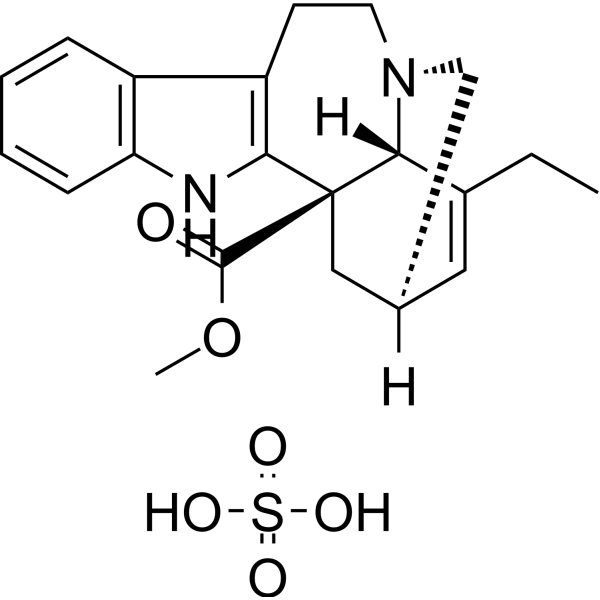
Catharanthine ((+)-3,4-Didehydrocoronaridine) Sulfate, a constituent of anticancer vinca alkaloids, inhibits voltage-operated L-type Ca 2+ channel (VOCC). Catharanthine Sulfate has IC50s of 220 μM and 8 μM for VOCC currents in cardiomyocytes and vascular smooth muscle cells (VSMCs), respectively. Catharanthine Sulfate lowers blood pressure (BP), heart rate (HR). Catharanthine Sulfate has anti-cancer activity .
|
-
-
- HY-N0252R
-
|
(+)-3,4-Didehydrocoronaridine (Standard)
|
Reference Standards
Calcium Channel
|
Cardiovascular Disease
Neurological Disease
Cancer
|
|
Catharanthine (Standard) is the analytical standard of Catharanthine. This product is intended for research and analytical applications. Catharanthine ((+)-3,4-Didehydrocoronaridine), a constituent of anticancer vinca alkaloids, inhibits voltage-operated L-type Ca2+ channel (VOCC). Catharanthine has IC50s of 220 μM and 8 μM for VOCC currents in cardiomyocytes and vascular smooth muscle cells (VSMCs), respectively. Catharanthine lowers blood pressure (BP), heart rate (HR). Catharanthine has anti-cancer activity .
|
-
-
- HY-N0590R
-
|
|
Reference Standards
ERK
|
Cardiovascular Disease
|
|
Corynoxeine (Standard) is the analytical standard of Corynoxeine. This product is intended for research and analytical applications. Corynoxeine, isolated from the hook of Uncaria rhynchophylla, is a potent ERK1/ERK2 inhibitor of key PDGF-BB-induced vascular smooth muscle cells (VSMCs) proliferation.
|
-
-
- HY-108600
-
|
DAPH-7
|
PKC
DNA/RNA Synthesis
|
Cardiovascular Disease
Metabolic Disease
|
|
CGP-53353 (DAPH-7) is an potent PKC inhibitor with IC50s of 0.41 μM and 3.8 μM for PKCβII and PKCβI, respectively. CGP-53353 can inhibit glucose-induced cell proliferation and DNA synthesis in AoSMC and A10 cells. CGP-53353 can be used for researching atherosclerosis of diabetic patients .
|
-
-
- HY-P10616
-
|
|
Endogenous Metabolite
|
Cardiovascular Disease
|
|
Salusin-α is an endogenous bioactive peptide with hemodynamic and cell proliferation activities. Salusin-α can stimulate the proliferation of quiescent vascular smooth muscle cells (VSMCs) and fibroblasts, leading to a rapid and significant decrease in blood pressure and heart rate, but its effect is weaker than that of Salusin-β (HY-P10617). Salusin-α has potential application value in cardiovascular disease research .
|
-
-
- HY-P10617
-
|
|
Endogenous Metabolite
|
Cardiovascular Disease
|
|
Salusin-β is an endogenous bioactive peptide with significant hemodynamic and mitogenic activity. Salusin-β can stimulate the proliferation of quiescent vascular smooth muscle cells (VSMCs) and fibroblasts, leading to a rapid and significant decrease in blood pressure and heart rate. In addition, Salusin-β can stimulate the release of arginine vasopressin from the pituitary gland in rats. This makes Salusin-β have important application potential in cardiovascular disease research .
|
-
-
- HY-108570R
-
|
|
Epoxide Hydrolase
|
Inflammation/Immunology
|
|
AUDA (Standard) is the analytical standard of AUDA. This product is intended for research and analytical applications. AUDA (compound 43) is a potent soluble epoxide hydrolase (sEH) inhibitor with IC50s of 18 and 69 nM for the mouse and human sEH, respectively . AUDA has anti-inflammatory activity .
|
-
-
- HY-12765S1
-
|
|
Isotope-Labeled Compounds
Angiotensin Receptor
|
Cardiovascular Disease
|
|
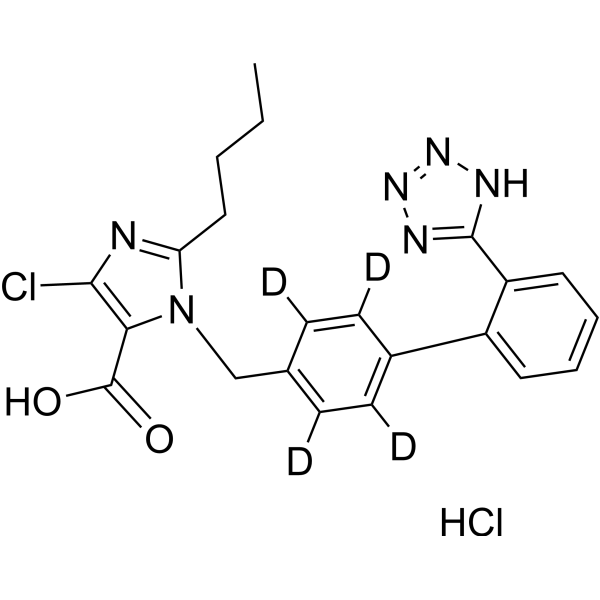
Losartan carboxylic acid-d4 (hydrochloride) is deuterium labeled Losartan Carboxylic Acid. Losartan Carboxylic Acid (E-3174), an active carboxylic acid metabolite of Losartan, is an angiotensin II receptor type 1 (AT1) antagonist. The Ki values are 0.97, 0.57, 0.67 nM for rat AT1B/AT1A and human AT1, respectively. Losartan Carboxylic Acid blocks the angiotensin II-induced responses in vascular smoothmuscle cells (VSMC). Losartan Carboxylic Acid elevates plasma renin activities and reduces mean arterial pressure .
|
-
-
- HY-12765R
-
|
E-3174 (Standard); EXP-3174 (Standard)
|
Drug Metabolite
Reference Standards
Angiotensin Receptor
|
Cardiovascular Disease
|
|
Losartan Carboxylic Acid (Standard) is the analytical standard of Losartan Carboxylic Acid. This product is intended for research and analytical applications. Losartan Carboxylic Acid (E-3174), an active carboxylic acid metabolite of Losartan, is an angiotensin II receptor type 1 (AT1) antagonist. The Ki values are 0.97, 0.57, 0.67 nM for rat AT1B/AT1A and human AT1, respectively. Losartan Carboxylic Acid blocks the angiotensin II-induced responses in vascular smoothmuscle cells (VSMC). Losartan Carboxylic Acid elevates plasma renin activities and reduces mean arterial pressure [4].
|
-
-
- HY-76006R
-
|
M-Hydroxybenzaldehyde (Standard)
|
Reference Standards
Aldehyde Dehydrogenase (ALDH)
NF-κB
p38 MAPK
|
Cardiovascular Disease
Inflammation/Immunology
|
|
3-Hydroxybenzaldehyde (Standard) is the analytical standard of 3-Hydroxybenzaldehyde. This product is intended for research and analytical applications. 3-Hydroxybenzaldehyde (3-HBA) is a precursor compound for phenolic compounds like Protocatechuic aldehyde (PCA) (HY-N0295). 3-Hydroxybenzaldehyde, produced by 3-hydroxybenzyl-alcohol dehydrogenase, is a substrate of aldehyde dehydrogenase (ALDH) in rats and humans. 3-Hydroxybenzaldehyde has vasculoprotective effects in vitro and in vivo. 3-Hydroxybenzaldehyde is proming for research of atherosclerosis[1][2][3][4].
|
-
-
- HY-108600R
-
|
DAPH-7 (Standard)
|
Reference Standards
PKC
DNA/RNA Synthesis
|
Cardiovascular Disease
Metabolic Disease
|
|
CGP-53353 (Standard) is the analytical standard of CGP-53353 (HY-108600). This product is intended for research and analytical applications. CGP-53353 (DAPH-7) is an potent PKC inhibitor with IC50s of 0.41 μM and 3.8 μM for PKCβII and PKCβI, respectively. CGP-53353 can inhibit glucose-induced cell proliferation and DNA synthesis in AoSMC and A10 cells. CGP-53353 can be used for researching atherosclerosis of diabetic patients .
|
-
-
- HY-N16435
-
-
| Cat. No. |
Product Name |
Type |
-
- HY-10254G
-
|
PD0325901; PD325901
|
Fluorescent Dye
|
|
Mirdametinib (PD0325901) (GMP) is Mirdametinib (HY-10254) produced by using GMP guidelines. GMP small molecules works appropriately as an auxiliary reagent for cell therapy manufacture. Mirdametinib is an orally active, selective and non-ATP-competitive MEK inhibitor .
|
-
- HY-10219GL
-
|
Sirolimus (GMP Like); AY-22989 (GMP Like); NSC 226080 (GMP Like)
|
Fluorescent Dye
|
|
Rapamycin (Sirolimus) GMP Like is Rapamycin (HY-10219) produced by using GMP like guidelines. GMP Like small molecules works appropriately as an auxiliary reagent for cell therapy manufacture. Rapamycin (Sirolimus; AY 22989) is a potent and specific mTOR inhibitor with an IC50 of 0.1 nM in HEK293 cells. Rapamycin binds to FKBP12 and specifically acts as an allosteric inhibitor of mTORC1 . Rapamycin is an autophagy activator, an immunosuppressant .
|
-
- HY-10219G
-
|
Sirolimus; AY-22989; NSC 226080
|
Fluorescent Dye
|
|
Rapamycin (Sirolimus) (GMP) is Rapamycin (HY-10219) produced by using GMP guidelines. GMP small molecules works appropriately as an auxiliary reagent for cell therapy manufacture. Rapamycin (Sirolimus; AY 22989) is a potent and specific mTOR inhibitor with an IC50 of 0.1 nM in HEK293 cells. Rapamycin binds to FKBP12 and specifically acts as an allosteric inhibitor of mTORC1 . Rapamycin is an autophagy activator, an immunosuppressant .
|
-
- HY-U00449G
-
|
|
Fluorescent Dye
|
|
AGN 193109 (GMP) is AGN 193109 (HY-U00449) produced by using GMP guidelines. GMP small molecules works appropriately as an auxiliary reagent for cell therapy manufacture. AGN 193109 is a specific and highly effective retinoic acid receptor (RAR) antagonist . AGN 193109 (GMP) is a click chemistry reagent, it contains an Alkyne group and can undergo copper-catalyzed azide-alkyne cycloaddition (CuAAc) with molecules containing Azide groups. AGN 193109 is the antidote for retinoic acidosis, that ameliorates the skin and mucosal toxicity.
|
| Cat. No. |
Product Name |
Type |
-
- HY-NP013
-
|
Mouse ox-LDL
|
Biochemical Assay Reagents
|
|
Oxidized low density lipoprotein (mouse) (Mouse ox-LDL) is an oxidized low density lipoprotein (LDL). Oxidized low density lipoprotein (mouse) induces atherosclerosis (AS) by facilitating endothelial dysfunction and accelerating the VSMCs growth and migration. Oxidized low density lipoprotein (mouse) can be used to construct an in vitro model of AS .
|
-
- HY-10254G
-
|
PD0325901; PD325901
|
Biochemical Assay Reagents
|
|
Mirdametinib (PD0325901) (GMP) is Mirdametinib (HY-10254) produced by using GMP guidelines. GMP small molecules works appropriately as an auxiliary reagent for cell therapy manufacture. Mirdametinib is an orally active, selective and non-ATP-competitive MEK inhibitor .
|
-
- HY-10219GL
-
|
Sirolimus (GMP Like); AY-22989 (GMP Like); NSC 226080 (GMP Like)
|
Biochemical Assay Reagents
|
|
Rapamycin (Sirolimus) GMP Like is Rapamycin (HY-10219) produced by using GMP like guidelines. GMP Like small molecules works appropriately as an auxiliary reagent for cell therapy manufacture. Rapamycin (Sirolimus; AY 22989) is a potent and specific mTOR inhibitor with an IC50 of 0.1 nM in HEK293 cells. Rapamycin binds to FKBP12 and specifically acts as an allosteric inhibitor of mTORC1 . Rapamycin is an autophagy activator, an immunosuppressant .
|
-
- HY-10219G
-
|
Sirolimus; AY-22989; NSC 226080
|
Biochemical Assay Reagents
|
|
Rapamycin (Sirolimus) (GMP) is Rapamycin (HY-10219) produced by using GMP guidelines. GMP small molecules works appropriately as an auxiliary reagent for cell therapy manufacture. Rapamycin (Sirolimus; AY 22989) is a potent and specific mTOR inhibitor with an IC50 of 0.1 nM in HEK293 cells. Rapamycin binds to FKBP12 and specifically acts as an allosteric inhibitor of mTORC1 . Rapamycin is an autophagy activator, an immunosuppressant .
|
-
- HY-U00449G
-
|
|
Biochemical Assay Reagents
|
|
AGN 193109 (GMP) is AGN 193109 (HY-U00449) produced by using GMP guidelines. GMP small molecules works appropriately as an auxiliary reagent for cell therapy manufacture. AGN 193109 is a specific and highly effective retinoic acid receptor (RAR) antagonist . AGN 193109 (GMP) is a click chemistry reagent, it contains an Alkyne group and can undergo copper-catalyzed azide-alkyne cycloaddition (CuAAc) with molecules containing Azide groups. AGN 193109 is the antidote for retinoic acidosis, that ameliorates the skin and mucosal toxicity.
|
| Cat. No. |
Product Name |
Target |
Research Area |
-
- HY-P0175
-
|
740YPDGFR; PDGFR 740Y-P
|
PI3K
Autophagy
|
Cancer
|
|
740 Y-P (740YPDGFR; PDGFR 740Y-P) is a potent and cell-permeable PI3K activator. 740 Y-P readily binds GST fusion proteins containing both the N- and C- terminal SH2 domains of p85 but fails to bind GST alone .
|
-
- HY-P11328
-
|
|
Integrin
|
Others
|
|
GFOGER peptide is an artificially synthesized collagen-mimetic sequence. GFOGER peptide acts as a ligand for α2β1, α11β1 and α1β1 integrins, thereby supporting integrin-mediated cell adhesion to collagen. GFOGER peptide triggers signaling pathways mediated by the α2β1 integrin receptor and upregulates osteoblast differentiation. GFOGER peptide accelerates and enhances bone formation at sites of refractory femoral defects. GFOGER peptide can be passively adsorbed onto polymer scaffolds for cell-free/growth factor-free bone formation. GFOGER peptide is used in biomaterials such as hydrogels and 3D bioinks for tissue engineering research including bone formation .
|
-
- HY-P10236
-
|
|
Caspase
|
Others
|
|
Ac-WEHD-pNA is a colorimetric substrate for caspase 1, 4, 5 and 14, which is utilized to measure the caspase activity .
|
-
- HY-P0175A
-
|
740YPDGFR TFA; PDGFR 740Y-P TFA
|
PI3K
Autophagy
|
Cancer
|
|
740 Y-P TFA is a potent and cell-permeable PI3K activator. 740 Y-P TFA readily binds GST fusion proteins containing both the N- and C- terminal SH2 domains of p85 but fails to bind GST alone .
|
-
- HY-P10616
-
|
|
Endogenous Metabolite
|
Cardiovascular Disease
|
|
Salusin-α is an endogenous bioactive peptide with hemodynamic and cell proliferation activities. Salusin-α can stimulate the proliferation of quiescent vascular smooth muscle cells (VSMCs) and fibroblasts, leading to a rapid and significant decrease in blood pressure and heart rate, but its effect is weaker than that of Salusin-β (HY-P10617). Salusin-α has potential application value in cardiovascular disease research .
|
-
- HY-P10617
-
|
|
Endogenous Metabolite
|
Cardiovascular Disease
|
|
Salusin-β is an endogenous bioactive peptide with significant hemodynamic and mitogenic activity. Salusin-β can stimulate the proliferation of quiescent vascular smooth muscle cells (VSMCs) and fibroblasts, leading to a rapid and significant decrease in blood pressure and heart rate. In addition, Salusin-β can stimulate the release of arginine vasopressin from the pituitary gland in rats. This makes Salusin-β have important application potential in cardiovascular disease research .
|
| Cat. No. |
Product Name |
Category |
Target |
Chemical Structure |
-
- HY-D0843
-
|
NEM
|
Microorganisms
Source Classification
|
Cathepsin
Deubiquitinase
Apoptosis
|
|
N-Ethylmaleimide (NEM) derives from maleic acid, it can alkylates free sulfhydryl. N-Ethylmaleimide is an irreversible cysteine protease inhibitor. N-ethylmaleimide specific inhibits phosphate transport in mitochondria. N-Ethylmaleimide inhibits prolyl endopeptidase with an IC50 value of 6.3 μM. N-Ethylmaleimide can be used to modify cysteine residues in proteins and peptides .
|
-
-
- HY-N0567
-
-
-
- HY-N0252
-
-
-
- HY-76006
-
-
-
- HY-N0590
-
-
-
- HY-N0252A
-
-
-
- HY-129440R
-
|
|
Structural Classification
Carthamus tinctorius L.
Phenols
Polyphenols
Plants
Compositae
Source Classification
|
Reference Standards
PDGFR
ERK
Caspase
NF-κB
Toll-like Receptor (TLR)
p38 MAPK
NO Synthase
COX
MyD88
Reactive Oxygen Species (ROS)
Apoptosis
|
|
N-(p-Coumaroyl) Serotonin (Standard) is the analytical standard of N-(p-Coumaroyl) Serotonin (HY-129440). This product is intended for research and analytical applications. N-(p-Coumaroyl) Serotonin is an orally active polyphenol found in safflower seeds with potent anti-inflammatory, antioxidant, and antitumor activities. N-(p-Coumaroyl) Serotonin suppresses NF‑κB, TLR4/MyD88 and MAPK signaling, activates NQO1/HO‑1 pathways, and inhibits pro‑inflammatory cytokines, iNOS and COX‑2 and ROS production. N-(p-Coumaroyl) Serotonin induces S‑phase arrest and apoptosis in glioblastoma cells, reduces atherosclerotic lesions, and alleviates renal and vascular injuries. N-(p-Coumaroyl) Serotonin acts as a vasodilator, regulates calcium dynamics. N-(p-Coumaroyl) Serotonin can be used for the research of neurodegenerative diseases, atherosclerosis, glioblastoma, and acute renal failure .
|
-
-
- HY-N9097
-
-
-
- HY-D0843R
-
-
-
- HY-N0567R
-
-
-
- HY-N0252B
-
-
-
- HY-N0252R
-
-
-
- HY-N0590R
-
-
-
- HY-76006R
-
-
-
- HY-N16435
-
-
| Cat. No. |
Product Name |
Chemical Structure |
-
- HY-12765S
-
|
|
|
Losartan-d4 carboxylic acid (E-3174-d4) is the deuterium labeled Losartan Carboxylic Acid (HY-12765). Losartan Carboxylic Acid (E-3174), an active carboxylic acid metabolite of Losartan, is an angiotensin II receptor type 1 (AT1) antagonist. The Ki values are 0.97, 0.57, 0.67 nM for rat AT1B/AT1A and human AT1, respectively. Losartan Carboxylic Acid blocks the angiotensin II-induced responses in vascular smoothmuscle cells (VSMC). Losartan Carboxylic Acid elevates plasma renin activities and reduces mean arterial pressure.
|
-
-
- HY-12765S1
-
|
|
|
Losartan carboxylic acid-d4 (hydrochloride) is deuterium labeled Losartan Carboxylic Acid. Losartan Carboxylic Acid (E-3174), an active carboxylic acid metabolite of Losartan, is an angiotensin II receptor type 1 (AT1) antagonist. The Ki values are 0.97, 0.57, 0.67 nM for rat AT1B/AT1A and human AT1, respectively. Losartan Carboxylic Acid blocks the angiotensin II-induced responses in vascular smoothmuscle cells (VSMC). Losartan Carboxylic Acid elevates plasma renin activities and reduces mean arterial pressure .
|
-
| Cat. No. |
Product Name |
Target |
Research Areas |
Chemical Structure |
-
- HY-10254G
-
|
PD0325901; PD325901
|
MEK
|
Cancer
|
|
Mirdametinib (PD0325901) (GMP) is Mirdametinib (HY-10254) produced by using GMP guidelines. GMP small molecules works appropriately as an auxiliary reagent for cell therapy manufacture. Mirdametinib is an orally active, selective and non-ATP-competitive MEK inhibitor .
|
-
-
- HY-10219G
-
|
Sirolimus; AY-22989; NSC 226080
|
mTOR
FKBP
Fungal
Autophagy
Endogenous Metabolite
Antibiotic
Bacterial
|
Infection
Cancer
|
|
Rapamycin (Sirolimus) (GMP) is Rapamycin (HY-10219) produced by using GMP guidelines. GMP small molecules works appropriately as an auxiliary reagent for cell therapy manufacture. Rapamycin (Sirolimus; AY 22989) is a potent and specific mTOR inhibitor with an IC50 of 0.1 nM in HEK293 cells. Rapamycin binds to FKBP12 and specifically acts as an allosteric inhibitor of mTORC1 . Rapamycin is an autophagy activator, an immunosuppressant .
|
-
-
- HY-U00449G
-
|
|
RAR/RXR
|
Cancer
|
|
AGN 193109 (GMP) is AGN 193109 (HY-U00449) produced by using GMP guidelines. GMP small molecules works appropriately as an auxiliary reagent for cell therapy manufacture. AGN 193109 is a specific and highly effective retinoic acid receptor (RAR) antagonist . AGN 193109 (GMP) is a click chemistry reagent, it contains an Alkyne group and can undergo copper-catalyzed azide-alkyne cycloaddition (CuAAc) with molecules containing Azide groups. AGN 193109 is the antidote for retinoic acidosis, that ameliorates the skin and mucosal toxicity.
|
-
Your information is safe with us. * Required Fields.
Inquiry Information
- Product Name:
- Cat. No.:
- Quantity:
- MCE Japan Authorized Agent:

