

1. Search Result
Search Result
Results for "

activation energy

" in MedChemExpress (MCE) Product Catalog:

77

Inhibitors & Agonists

1

Screening Libraries

10

Biochemical Assay Reagents

6

Peptides

25

Natural
Products

8

Isotope-Labeled Compounds

4

Click Chemistry

6

Oligonucleotides

Targets Recommended:
Cat. No. Product Name Target Research Areas Chemical Structure
  • HY-B2176
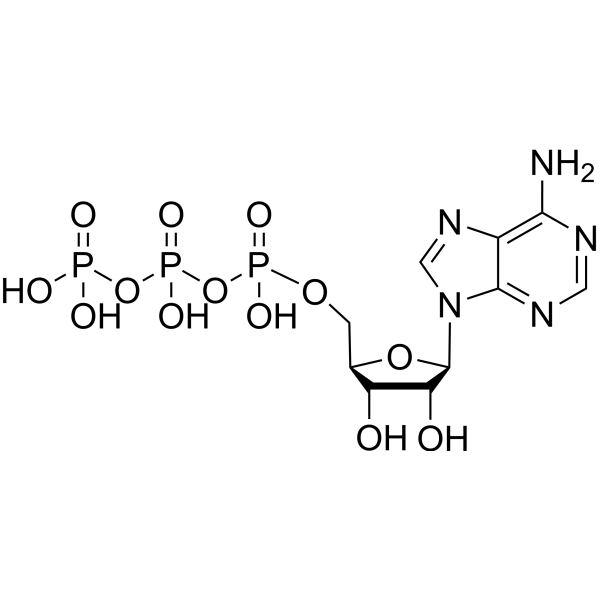
    ATP
    Maximum Cited Publications
    152 Publications Verification

    Adenosine 5'-triphosphate

    Endogenous Metabolite NOD-like Receptor (NLR) Interleukin Related Bacterial Infection Metabolic Disease Inflammation/Immunology
    ATP (Adenosine 5'-triphosphate) is a central component of energy storage and metabolism in vivo. ATP provides the metabolic energy to drive metabolic pumps and serves as a coenzyme in cells. ATP is an important endogenous signaling molecule in immunity and inflammation. ATP can activate the NLRP3 inflammasome and induce IL-1β and chemokines secretion. ATP has anti-bacterial infection effects and can protect mice against bacterial infection in mice .
    ATP
  • HY-15372
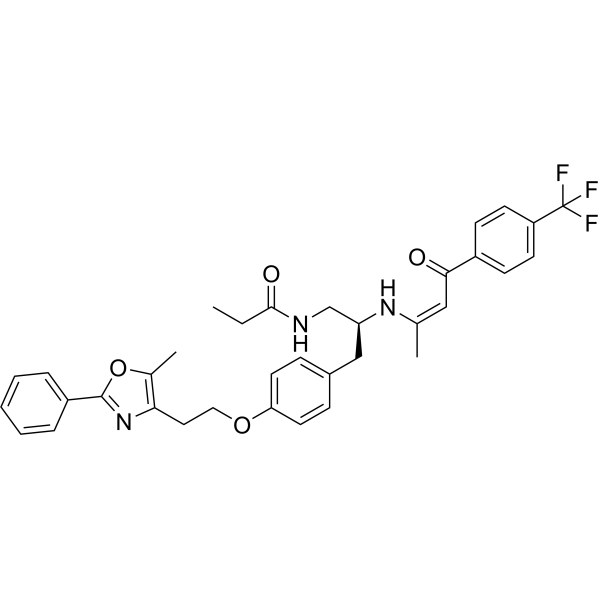
    GW6471
    65+ Cited Publications

    PPAR Apoptosis Cancer
    GW6471 is a selective peroxisome proliferator-activated receptor α (PPARα) antagonist. GW6471 reduces cancer stem cell viability, proliferation, and spheroid formation. GW6471 induces apoptosis and causes metabolic impairment including energy imbalance. GW6471 can be used for the research of paragangliomas and triple-negative breast cancer .
    GW6471
  • HY-W010737

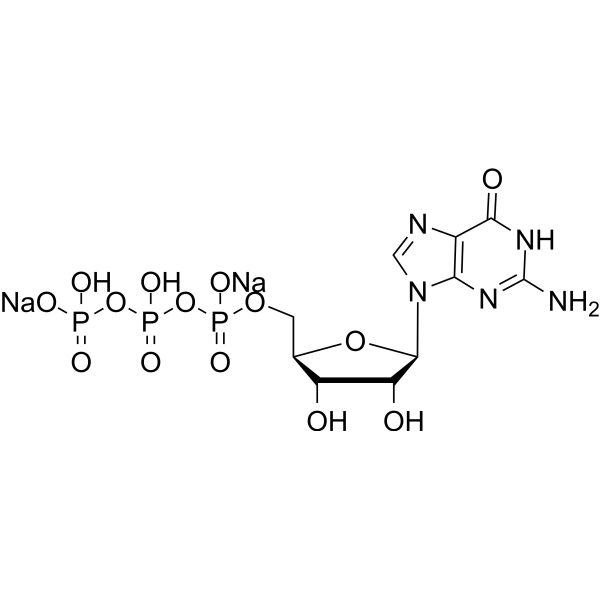
    5'-GTP disodium salt

    Exosomes Endogenous Metabolite MicroRNA Metabolic Disease
    Guanosine 5'-triphosphate (5'-GTP) trisodium salt is a G protein (G proteins) signaling activator and a high-energy precursor in the biosynthesis of nucleotide units in DNA and RNA. Guanosine 5'-triphosphate trisodium salt can promote myogenic cell differentiation by upregulating miRNA (miR133a, miR133b) and myogenic regulatory factor expression, and by inducing human myogenic precursor cells to release exosomes containing guanosine molecules. Guanosine-5'-triphosphate disodium salt holds promise for research in biosynthesis and skeletal muscle regeneration .
    Guanosine-5'-triphosphate disodium salt
  • HY-N0305

    5-ALA hydrochloride; δ-Aminolevulinic acid hydrochloride; 5-Amino-4-oxopentanoic acid hydrochloride

    Reactive Oxygen Species (ROS) Neurological Disease Metabolic Disease Inflammation/Immunology Cancer
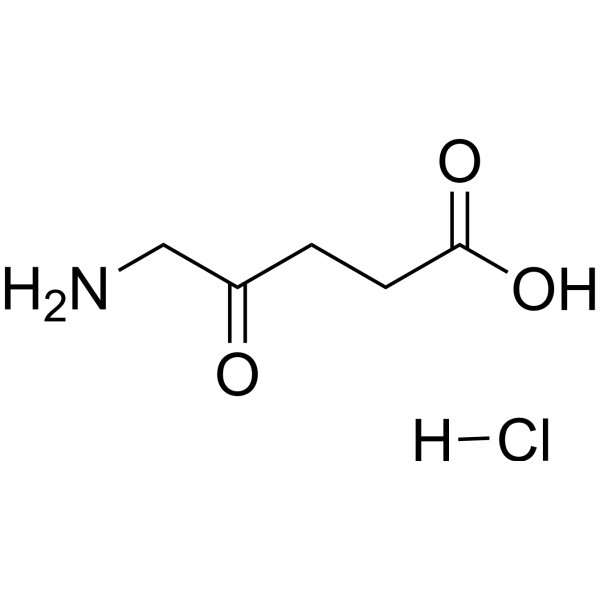
    5-Aminolevulinic acid (5-ALA; δ-Aminolevulinic acid; 5-Amino-4-oxopentanoic acid) hydrochloride is an orally active heme precursor. 5-Aminolevulinic acid hydrochloride promotes aerobic energy metabolism and increases ATP levels by enhancing the activity of cytochrome c oxidase. 5-Aminolevulinic acid hydrochloride enhances LPS-induced proinflammatory cytokine production and gene activation, and restores the phagocytic activity and ROS generation capacity of neutrophils. 5-Aminolevulinic acid hydrochloride selectively accumulates protoporphyrin IX in tumor cells; as a photosensitizer and radiosensitizer, it induces ROS burst upon light or X-ray irradiation to inhibit tumor growth. 5-Aminolevulinic acid hydrochloride can be applied to the research of septic shock, melanoma, and cancer radiotherapy .
    5-Aminolevulinic acid hydrochloride
  • HY-W013093
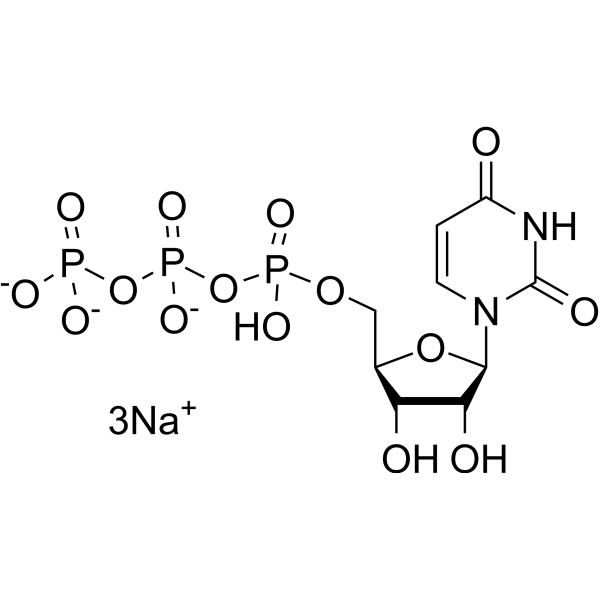
    Uridine triphosphate trisodium salt
    4 Publications Verification

    UTP trisodium salt; Uridine 5'-triphosphate trisodium salt

    Endogenous Metabolite P2Y Receptor Cardiovascular Disease Inflammation/Immunology Cancer
    Uridine triphosphate (UTP) trisodium salt is a pyrimidine nucleoside triphosphate that is used as a substrate to synthesize RNA or as an energy source in metabolic reactions. Uridine triphosphate trisodium salt activates membrane-bound P2Y2 receptors .
    Uridine triphosphate trisodium salt
  • HY-12695
    Guanosine 5'-triphosphate trisodium
    5 Publications Verification

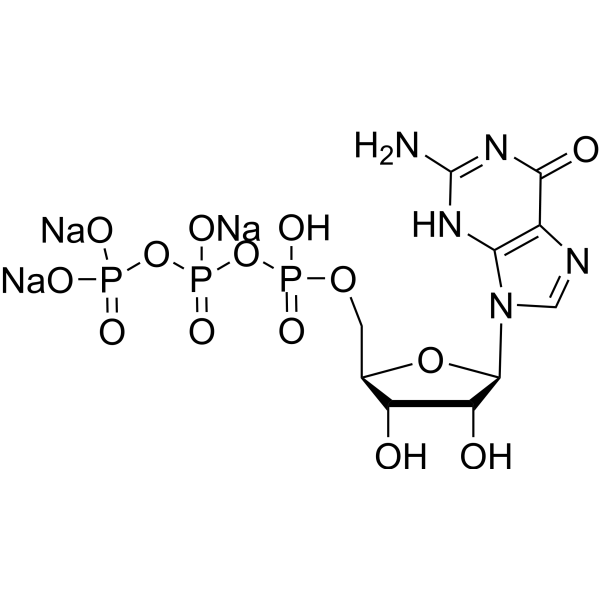
    5'-GTP trisodium

    Exosomes Endogenous Metabolite DNA/RNA Synthesis Metabolic Disease
    Guanosine 5'-triphosphate (5'-GTP) trisodium salt is a G protein (G proteins) signaling activator and a high-energy precursor in the biosynthesis of nucleotide units in DNA and RNA. Guanosine 5'-triphosphate trisodium salt can promote myogenic cell differentiation by upregulating miRNA (miR133a, miR133b) and myogenic regulatory factor expression, and by inducing human myogenic precursor cells to release exosomes containing guanosine molecules. Guanosine-5'-triphosphate trisodium salt holds promise for research in biosynthesis and skeletal muscle regeneration .
    Guanosine 5'-triphosphate trisodium
  • HY-W000450
    5-Aminolevulinic acid
    15+ Cited Publications

    5-ALA; δ-Aminolevulinic acid; 5-Amino-4-oxopentanoic acid

    Reactive Oxygen Species (ROS) Cardiovascular Disease Cancer
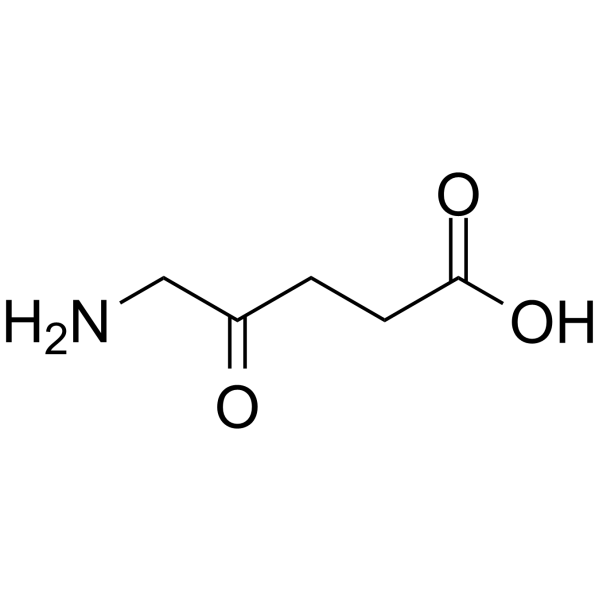
    5-Aminolevulinic acid (5-ALA; δ-Aminolevulinic acid; 5-Amino-4-oxopentanoic acid) is an orally active heme precursor. 5-Aminolevulinic acid promotes aerobic energy metabolism and increases ATP levels by enhancing the activity of cytochrome c oxidase. 5-Aminolevulinic acid enhances LPS-induced proinflammatory cytokine production and gene activation, and restores the phagocytic activity and ROS generation capacity of neutrophils. 5-Aminolevulinic acid selectively accumulates protoporphyrin IX in tumor cells; as a photosensitizer and radiosensitizer, it induces ROS burst upon light or X-ray irradiation to inhibit tumor growth. 5-Aminolevulinic acid can be applied to the research of septic shock, melanoma, and cancer radiotherapy .
    5-Aminolevulinic acid
  • HY-W021448
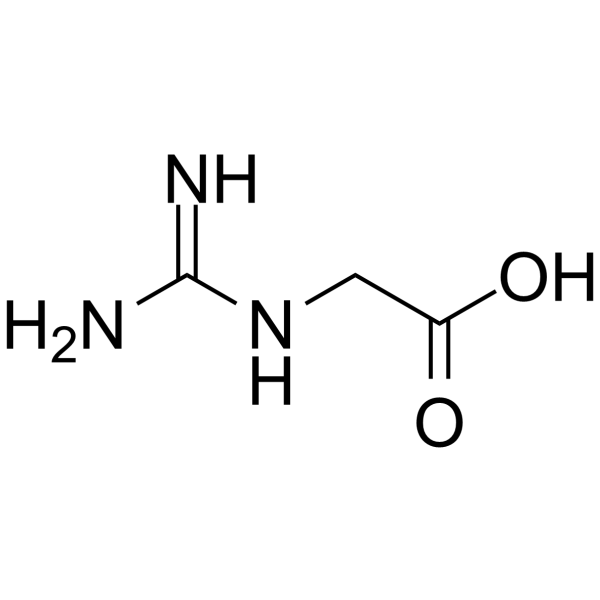
    Glycocyamine
    1 Publications Verification

    Guanidinoacetic acid

    Endogenous Metabolite Metabolic Disease
    Glycocyamine (Guanidinoacetic acid) is a direct precursor of creatine and an orally active energy metabolism regulator and myogenic differentiation inducer. Glycocyamine can activate the Akt/mTOR/S6K signaling pathway via miR-133a-3p and miR-1a-3p, and stimulate the mRNA expression of myogenic differentiation factor 1 (MyoD) and myopoietin (MyoG). Glycocyamine can increase muscle creatine concentration and maintain ATP homeostasis through the creatine phosphate/creatine kinase system. Glycocyamine can be used in research on feed additives for poultry farming .
    Glycocyamine
  • HY-P2853

    p38 MAPK Reactive Oxygen Species (ROS) Bacterial Fungal Infection Inflammation/Immunology Cancer
    Hemocyanin is an extracellular giant copper-containing glycoprotein. Hemocyanin can be found in the hemolymph of both mollusk and arthropod. Hemocyanin is responsible for oxygen transport. Hemocyanin is also involved in several physiological processes, such as energy storage, osmoregulation, molt cycle and exoskeleton formation. Hemocyanin in shrimp can enhance its immune response by modulating the p38 MAPK pathway. Hemocyanin from Penaeus monodon could act as an antiviral agent against a variety of viruses including DNA and RNA viruses. Hemocyanin from horseshoe crab Carcinoscorpius rotundicauda could possess a strong antimicrobial defense by the production of ROS activated with microbial proteases. Hemocyanin from L. vannamei would be effective against cervical cancer cell growth .
    Hemocyanin
  • HY-B2176R

    Adenosine 5'-triphosphate (Standard)

    Reference Standards Endogenous Metabolite Metabolic Disease Inflammation/Immunology
    ATP (Standard) is the analytical standard of ATP. This product is intended for research and analytical applications. ATP (Adenosine 5'-triphosphate) is a central component of energy storage and metabolism in vivo. ATP provides the metabolic energy to drive metabolic pumps and serves as a coenzyme in cells. ATP is an important endogenous signaling molecule in immunity and inflammation . In Vitro: ATP (5 mM; 1 hour) co-treatment with LPS (1 μg/mL) has a synergistic effect on the activation of the NLRP3 inflammasome in HGFs .
    ATP (2 mM; 0.5-24 hours) induces secretion of IL-1β, KC and MIP-2 from BMDMs in a caspase-1 activation-dependent manner .
    ATP promotes neutrophil chemotaxis in vitro .
    In Vivo: ATP (50 mg/kg; i.p.) protects mice against bacterial infection in vivo .
    ATP induces the secretion of IL-1β, KC and MIP-2 and neutrophils recruitment in vivo .
    ATP (Standard)
  • HY-21623

    Biochemical Assay Reagents Others
    Dichloro[1,1'-bis(diphenylphosphino)ferrocene]palladium(II) dichloromethane adduct is a common dichloromethane solvate of the palladium catalyst Pd(dppf)Cl2, a phosphine ligand palladium(II) complex, which can be used as a versatile precatalyst for various cross-coupling reactions. Dichloro[1,1'-bis(diphenylphosphino)ferrocene]palladium(II) dichloromethane adduct can stabilize reaction intermediates and lower the reaction activation energy in coupling reactions, and can be used in Suzuki-Miyaura coupling reaction studies .
    Dichloro[1,1'-bis(diphenylphosphino)ferrocene]palladium(II) dichloromethane adduct
  • HY-W012382

    Endogenous Metabolite Metabolic Disease Cancer
    N-Acetyl-L-tyrosine is an orally active endogenous mitochondrial stress response regulator that can permeate the cell membrane by passive diffusion. N-Acetyl-L-tyrosine induces low-level reactive oxygen species (ROS) generation by transiently perturbing mitochondrial membrane potential, triggering reverse signaling to activate FoxO and Keap1 pathways. As a result, N-Acetyl-L-tyrosine enhances the expression of antioxidant enzyme genes, exerting anti-stress and cytoprotective effects. N-Acetyl-L-tyrosine can improve heat stress tolerance, inhibit tumor growth, and regulate energy metabolism. N-Acetyl-L-tyrosine can be used in the research of aging, metabolic diseases (such as diabetes), and cancer .
    N-Acetyl-L-tyrosine
  • HY-P2048
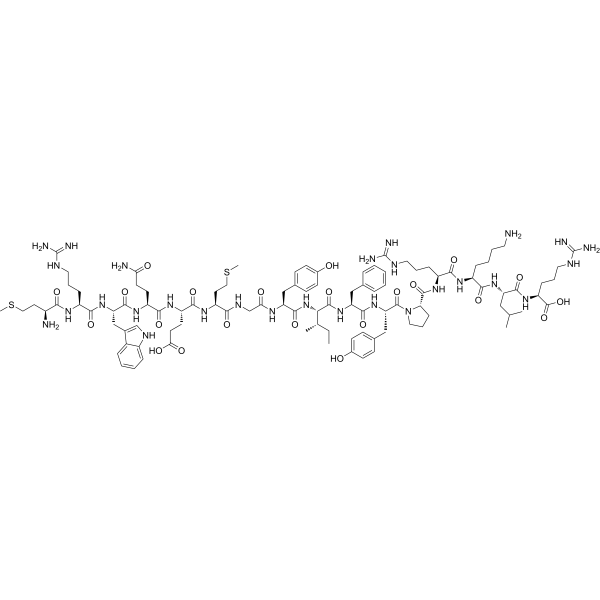
    MOTS-c (human)
    1 Publications Verification

    Apoptosis GLUT AMPK Neurological Disease Metabolic Disease Inflammation/Immunology Endocrinology
    MOTS-c (human) is a blood-brain barrier-penetrating, mitochondrial-derived peptide that modulates the AMPK/PGC-1α pathway to enhance insulin sensitivity. MOTS-c (human) inhibits the folate cycle and de novo purine synthesis, increases AICAR levels to activate AMPK, and then regulates the Nrf2/Keap1 antioxidant pathway and inhibits the NF-κB inflammatory pathway, while promoting mitochondrial biogenesis and energy metabolism. MOTS-c (human) has the effects of improving glucose and lipid metabolism, anti-oxidative stress, anti-inflammatory and neuroprotection, and can be used in the study of type 2 diabetes, traumatic brain injury, inflammatory diseases and aging-related metabolic disorders .
    MOTS-c (human)
  • HY-Y1325H

    Environmental Pollutants Fungal Endogenous Metabolite Caspase PPAR AMPK Reactive Oxygen Species (ROS) Neurological Disease Metabolic Disease Inflammation/Immunology Cancer
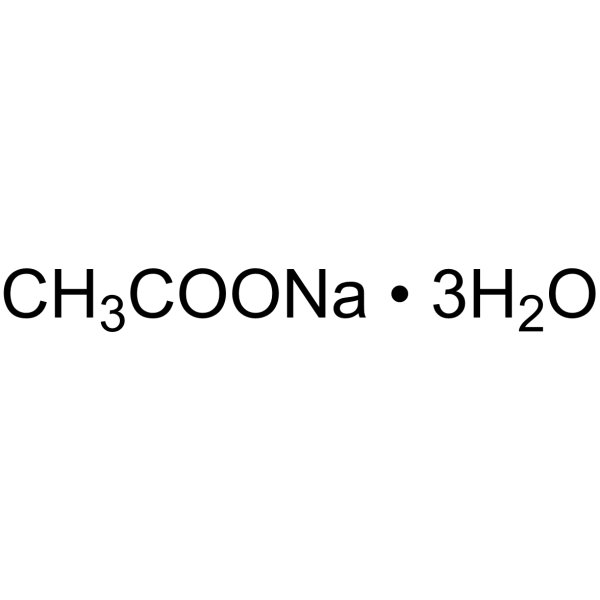
    Sodium acetate trihydrate is a carboxylic acid and short-chain fatty acid (SCFAs). Sodium acetate trihydrate activates AMPK, increases ROS, cleaved caspase 9, PPARα, downregulates SREBP-1c, ChREBP expression. Sodium acetate trihydrate exhibits antifungal activity against Saccharomyces cerevisiae W303-1A. Sodium acetate trihydrate regulates energy metabolism. Sodium acetate trihydrate has anticancer activity against gastric cancer. Sodium acetate trihydrate induces writhing reaction and ulcerative colitis. Sodium acetate trihydrate can be used in the researches for gastric cancer, ulcerative colitis, hepatic steatosis, and pain .
    Sodium acetate trihydrate, meets analytical specification of Ph. Eur. BP USP FCC E262, ≤0.00002% Al
  • HY-N0468
    Rebaudioside D
    1 Publications Verification

    FXR Acetyl-CoA Carboxylase Metabolic Disease
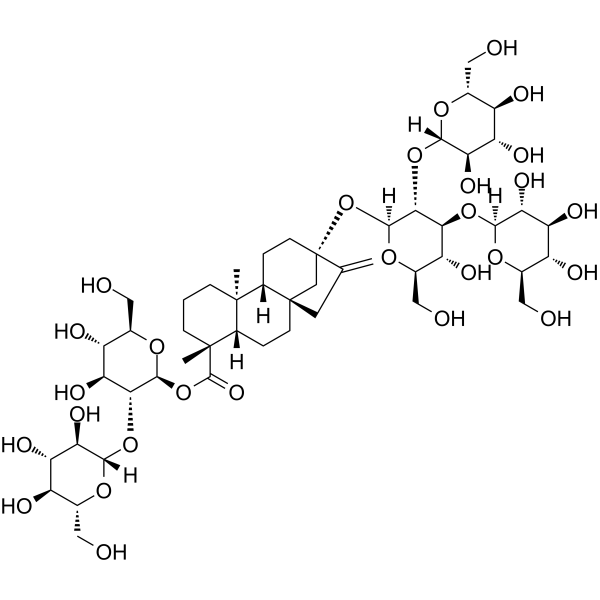
    Rebaudioside D is an orally active sweetener that targets and activates FXR, modulates Acetyl-CoA Carboxylase, and inhibits 3-hydroxy-3-methylglutaryl-CoA reductase. Rebaudioside D regulates bile acid homeostasis and lipid metabolism, reduces the synthesis rates of fatty acids and cholesterol, and exerts multiple effects including anti-adipogenesis, hepatoprotection, anti-steatosis, gut microbiota modulation, enhancement of secondary bile acid metabolism, anti-endotoxin activity, regulation of bile acid transport, and inhibition of bile acid efflux. Rebaudioside D also reduces body weight gain, visceral fat accumulation, hepatic triglyceride and cholesterol accumulation, hepatic lipid peroxidation, and decreases the circulating level of lipopolysaccharide-binding protein. Rebaudioside D additionally enhances the secondary bile acid metabolic pathway of intestinal bacteria, upregulates the gene expression of ileal organic solute transporter α, and downregulates the gene expression of hepatic bile salt export pump. Rebaudioside D does not affect glucose homeostasis, alter total caloric intake or fecal energy excretion, induce weight gain, exacerbate obesity, promote hepatic steatosis, impair brown adipose tissue function, nor change skeletal muscle metabolism-related proteins. Rebaudioside D can be used in diet-induced obesity and obesity-related research .
    Rebaudioside D
  • HY-175739

    Mitochondrial Metabolism CXCR Neurological Disease Metabolic Disease Inflammation/Immunology
    TFAM activator 1 is a TFAM activator. TFAM activator 1 increases TFAM protein levels, promotes mitochondrial DNA stability, increases mitochondrial DNA copy number, and prevents mitochondrial DNA from escaping into the cytoplasm. TFAM activator 1 improves cellular energy metabolism in cybrid cells. TFAM activator 1 reduces fibrosis markers in fibroblasts. TFAM activator 1 can be used in the research of mitochondrial encephalomyopathy, lactic acidosis, and stroke-like episodes syndrome, systemic sclerosis, and autoimmune diseases .
    TFAM activator 1
  • HY-107372

    UTP; Uridine 5'-triphosphate

    Endogenous Metabolite DNA/RNA Synthesis P2Y Receptor Cardiovascular Disease
    Uridine triphosphate (UTP; Uridine 5'-triphosphate) is a pyrimidine nucleoside triphosphate that is used as a substrate to synthesize RNA or as an energy source in metabolic reactions. Uridine triphosphate activates membrane-bound P2Y2 receptors .
    Uridine triphosphate
  • HY-B2176I
    ATP disodium salt, 100 mM Solution, PCR Grade
    Maximum Cited Publications
    143 Publications Verification

    Adenosine 5'-triphosphate disodium salt, 100 mM Solution, PCR Grade

    Endogenous Metabolite NOD-like Receptor (NLR) Interleukin Related Bacterial Infection Metabolic Disease Inflammation/Immunology
    ATP (Adenosine 5'-triphosphate) disodium salt, 100 mM Solution, PCR Grade is a central component of energy storage and metabolism in vivo. ATP disodium salt, 100 mM Solution, PCR Grade provides the metabolic energy to drive metabolic pumps and serves as a coenzyme in cells. ATP disodium salt, 100 mM Solution, PCR Grade is an important endogenous signaling molecule in immunity and inflammation. ATP disodium salt, 100 mM Solution, PCR Grade can activate the NLRP3 inflammasome and induce IL-1β and chemokines secretion. ATP disodium salt, 100 mM Solution, PCR Grade has anti-bacterial infection effects and can protect mice against bacterial infection in mice .
    ATP disodium salt, 100 mM Solution, PCR Grade
  • HY-12695B

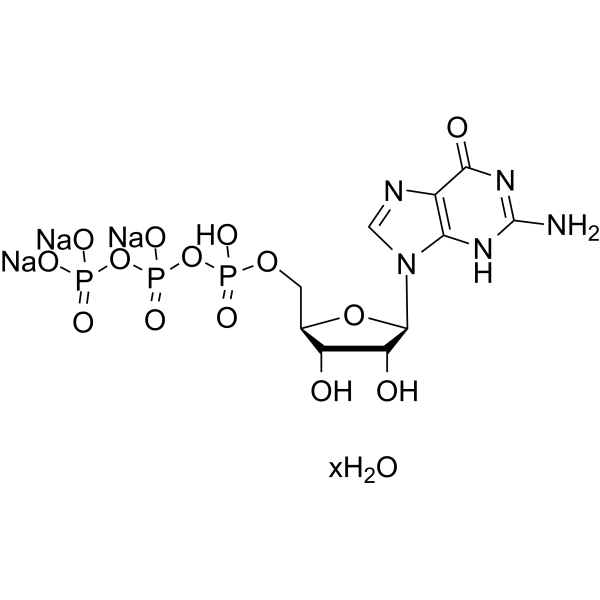
    5'-GTP trisodium salt hydrate

    Exosomes Endogenous Metabolite DNA/RNA Synthesis Metabolic Disease
    Guanosine 5'-triphosphate (5'-GTP) trisodium salt hydrate is a G protein (G proteins) signaling activator and a high-energy precursor in the biosynthesis of nucleotide units in DNA and RNA. Guanosine 5'-triphosphate trisodium salt hydrate can promote myogenic cell differentiation by upregulating miRNA (miR133a, miR133b) and myogenic regulatory factor expression, and by inducing human myogenic precursor cells to release exosomes containing guanosine molecules. Guanosine-5'-triphosphate disodium salt hydrate holds promise for research in biosynthesis and skeletal muscle regeneration .
    Guanosine 5'-triphosphate trisodium salt hydrate
  • HY-117771
    DO34
    5 Publications Verification

    DAGL Neurological Disease Metabolic Disease
    DO34 is a selective DAGL inhibitor, with an IC50 of 6 nM for DAGLα conversion of SAG to 2-AG. DO34 blocks de novo 2-AG synthesis, and suppresses tonic CB1 receptor activation. DO34 blocks depolarization-induced suppression of excitation and inhibition in the cerebellum and hippocampus. DO34 regulates feeding behavior and locomotor activity in mice. DO34 abolishes AM251-mediated enhancement of parallel fiber-evoked excitatory postsynaptic currents in cerebellar slices from MAGL global knockout mice. DO34 can be used for the research of energy balance disorder and neuroinflammation .
    DO34
  • HY-Y0319G
    Magnesium acetate tetrahydrate
    4 Publications Verification

    Endogenous Metabolite AMPK Reactive Oxygen Species (ROS) Caspase Fungal PPAR Infection Neurological Disease Metabolic Disease Inflammation/Immunology Cancer
    Magnesium acetate tetrahydrate is a carboxylic acid and short-chain fatty acid (SCFAs). Magnesium acetate tetrahydrate activates AMPK, increases ROS, cleaved caspase 9, PPARα, downregulates SREBP-1c, ChREBP expression. Magnesium acetate tetrahydrate exhibits antifungal activity against Saccharomyces cerevisiae W303-1A. Magnesium acetate tetrahydrate regulates energy metabolism. Magnesium acetate tetrahydrate has anticancer activity against gastric cancer. Magnesium acetate tetrahydrate induces writhing reaction and ulcerative colitis. Magnesium acetate tetrahydrate can be used in the researches for gastric cancer, ulcerative colitis, hepatic steatosis, and pain .
    Magnesium acetate tetrahydrate
  • HY-141466

    Endogenous Metabolite Histone Acetyltransferase Infection Metabolic Disease Inflammation/Immunology
    Crotonyl-CoA, a high-energy acyl donor, is an intermediate in the fermentation of butyric acid, and in the metabolism of lysine and tryptophan. Crotonyl-CoA is important in the metabolism of fatty acids and amino acids. Crotonyl-CoA acts as a substrate for p300’s histone crotonyltransferase activity, competing with acetyl-CoA for p300-mediated histone acylation reactions. Crotonyl-CoA regulates global and gene-specific histone crotonylation levels in cells, with cellular concentration changes altering histone crotonylation at regulatory elements of activated genes. Crotonyl-CoA serves as the substrate for crotonyl-CoA reductase/carboxylase (CCRC)-catalyzed NADPH-mediated reduction and carbon dioxide trapping to form unusual alkylmalonyl-CoA polyketide synthase extender units. Crotonyl-CoA can be used for the research of LPS-induced inflammatory response .
    Crotonyl-CoA
  • HY-141466A

    Endogenous Metabolite Histone Acetyltransferase Infection Metabolic Disease Inflammation/Immunology
    Crotonyl-CoA tetrasodium, a high-energy acyl donor, is an intermediate in the fermentation of butyric acid, and in the metabolism of lysine and tryptophan. Crotonyl-CoA tetrasodium is important in the metabolism of fatty acids and amino acids. Crotonyl-CoA tetrasodium acts as a substrate for p300’s histone crotonyltransferase activity, competing with acetyl-CoA for p300-mediated histone acylation reactions. Crotonyl-CoA tetrasodium regulates global and gene-specific histone crotonylation levels in cells, with cellular concentration changes altering histone crotonylation at regulatory elements of activated genes. Crotonyl-CoA tetrasodium serves as the substrate for crotonyl-CoA reductase/carboxylase (CCRC)-catalyzed NADPH-mediated reduction and carbon dioxide trapping to form unusual alkylmalonyl-CoA polyketide synthase extender units. Crotonyl-CoA tetrasodium can be used for the research of LPS-induced inflammatory response .
    Crotonyl-CoA tetrasodium
  • HY-W009081

    Free Fatty Acid Receptor Neurological Disease
    Tricosanoic acid is an endogenous agonist of long-chain saturated fatty acids and free fatty acid receptor FFAR1, which can activate hair growth. Tricosanoic acid (C23:0) has the activity of improving cognitive function by regulating neuronal membrane fluidity, inhibiting neuroinflammatory response, participating in myelination and neuronal energy metabolism. Tricosanoic acid expression levels are low in the prefrontal cortex of Alzheimer's disease (AD) models; while better cognitive performance corresponds to higher serum concentration levels. Tricosanoic acid can be used as a biomarker for diseases related to cognitive decline .
    Tricosanoic acid
  • HY-121006

    Mitochondrial Metabolism AMPK Insulin Receptor Metabolic Disease Cancer
    Biguanide is an orally active antihyperglycemic agent. Biguanide inhibits mitochondrial ATP production, activates the LKB1-AMPK signaling pathway, and damages the energy homeostasis. Biguanide enhances insulin-receptor activation and downstream signaling. Biguanide exhibits potential in ameliorating the type 2 diabetes and the insulin-associated cancers.
    Biguanide
  • HY-19870C
    Setmelanotide monoacetate
    Maximum Cited Publications
    8 Publications Verification

    RM-493 monoacetate; BIM-22493 monoacetate; IRC-022493 monoacetate

    Melanocortin Receptor Calmodulin AMPK Cardiovascular Disease Metabolic Disease Inflammation/Immunology
    Setmelanotide monoacetate (RM-493 monoacetate) is a blood-brain barrier-permeable, selective MC4R agonist with a Ki value of 2.1 nM for hMC4R. Setmelanotide monoacetate activates the CaMKK2/AMPK signaling pathway. Setmelanotide monoacetate mediates body weight homeostasis, feeding regulation and energy expenditure modulation; it reduces food intake, induces weight loss, decreases obesity severity, increases daytime activity and energy expenditure, lowers levels of leptin, triglycerides, fasting insulin and diastolic blood pressure, improves insulin sensitivity, glucose tolerance and fatty liver condition, and reverses respiratory depression. Setmelanotide monoacetate is applicable to research related to obesity, hyperinsulinemia, fatty liver and respiratory depression .
    Setmelanotide monoacetate
  • HY-P10409

    Small humanin-like peptide 2

    Apoptosis Reactive Oxygen Species (ROS) Neurological Disease Metabolic Disease
    SHLP2 (Small humanin-like peptide 2) is a small molecule peptide encoded by mitochondrial DNA, belonging to mitochondria derived peptide. SHLP2 has the activity of regulating apoptosis and inhibits cell death. SHLP2 binds to mitochondrial complex 1. SHLP2 improves mitochondrial metabolism by increasing respiration and biogenesis, reducing ROS, and decreasing mtDNA oxidation. SHLP2 also regulated energy homeostasis through the activation of hypothalamic neurons. SHLP2 can be used in the study of diseases related to mitochondrial dysfunction and anti-aging diseases, such as age-related macular degeneration and Parkinson’s disease .
    SHLP2
  • HY-N0046

    Notoginseng triterpenes; Ginsenoside Mb

    Apoptosis Src Neurological Disease Metabolic Disease Cancer
    Notoginsenoside Fe (Notoginseng triterpenes; Ginsenoside Mb) is a saponin with anti-obesity and anti-neuroblastoma activities. Notoginsenoside Fe can be isolated from leaves of Panax notoginseng. Notoginsenoside Fe specifically activates paraventricular nucleus neurons in the hypothalamus, effectively reducing body weight, improving fasting blood glucose and protecting liver function by decreasing food intake, increasing resting metabolic rate and enhancing energy expenditure. Notoginsenoside Fe also inhibits the c-Src signaling pathway, blocks the proliferation and viability of human neuroblastoma cells, while improving mitochondrial dysfunction and alleviating apoptosis. Notoginsenoside Fe can be used in studies related to diet-induced obesity and neuroblastoma .
    Notoginsenoside Fe
  • HY-P2048A
    MOTS-c(human) acetate
    1 Publications Verification

    AMPK GLUT Neurological Disease Metabolic Disease Inflammation/Immunology Endocrinology
    MOTS-c (human) acetate is a blood-brain barrier-penetrating, mitochondrial-derived peptide that modulates the AMPK/PGC-1α pathway to enhance insulin sensitivity. MOTS-c (human) acetate inhibits the folate cycle and de novo purine synthesis, increases AICAR levels to activate AMPK, and then regulates the Nrf2/Keap1 antioxidant pathway and inhibits the NF-κB inflammatory pathway, while promoting mitochondrial biogenesis and energy metabolism. MOTS-c (human) acetate has the effects of improving glucose and lipid metabolism, anti-oxidative stress, anti-inflammatory and neuroprotection, and can be used in the study of type 2 diabetes, traumatic brain injury, inflammatory diseases and aging-related metabolic disorders .
    MOTS-c(human) acetate
  • HY-107372H

    Uridine 5'-triphosphate trisodium salt, 100 mM Solution, PCR Grade

    Biochemical Assay Reagents Endogenous Metabolite DNA/RNA Synthesis P2Y Receptor Cardiovascular Disease
    UTP (Uridine 5'-triphosphate) trisodium salt, 100 mM Solution, PCR Grade is a solution prepared from uridine triphosphate at a concentration of 100 mM, free of DNase, RNase and phosphatase contamination, suitable for molecular biology research. Uridine triphosphate (HY-107372) is a pyrimidine nucleoside triphosphate that is used as a substrate to synthesize RNA or as an energy source in metabolic reactions. Uridine triphosphate activates membrane-bound P2Y2 receptors .
    UTP trisodium salt, 100 mM Solution, PCR Grade
  • HY-137115

    Smo Cancer
    BODIPY-Cyclopamine is a fluorescently labeled ligand for the Smoothened (SMO) receptor. The activation of SMO is regulated by Patch protein, and over-activated SMO signaling pathways are associated with tumorigenesis. The NanoBRET (Nanofluorescein bioluminescence resonance energy transfer) technique used in the study can sensitively detect the resonance energy transfer between SMO and BODIPY-Cyclopamine, which can be used for high-throughput screening and kinetic analysis. Studying the binding site of BODIPY-Cyclopamine on SMO can also further explore SMO-targeted drugs .
    BODIPY-Cyclopamine
  • HY-70026

    Drug Intermediate Others
    Tri(2-methylphenyl)phosphine is an organic phosphorus ligand that can be used as a drug intermediate to form complexes with metal salts .
    Tri(2-methylphenyl)phosphine
  • HY-P1349A
    Orexin B, rat, mouse TFA
    1 Publications Verification

    Rat orexin B TFA; Orexin B (mouse) TFA

    Orexin Receptor (OX Receptor) Neurological Disease Endocrinology
    Orexin B, rat, mouse (Rat orexin B) TFA is an endogenous orexin receptor agonist. Orexin B, rat, mouse TFA binds and activates two closely related orphan G protein-coupled receptors OX1-R and OX2-R. Orexin B, rat, mouse TFA stimulates food intake and energy expenditure and plays a significant role in sleep-wakefulness regulation .
    Orexin B, rat, mouse TFA
  • HY-15691

    Opioid Receptor mTOR Neurological Disease Metabolic Disease
    PF-04455242 is an orally bioavailable, blood-brain barrier-permeable κ-opioid receptor (KOR) inhibitor. PF-04455242 blocks in vivo effects induced by KOR and MOR agonists, and elicits KOR-independent outward currents in ventral tegmental area neurons. PF-04455242 promotes energy expenditure and activates the hypothalamic mTOR pathway. PF-04455242 attenuates stress-induced behavioral effects and produces antidepressant-like effects. PF-04455242 can be used in studies related to pain, depression, addictive disorders, and obesity induced by estrogen withdrawal .
    PF-04455242
  • HY-W006398S

    Anhydrous sodium acetate-d3

    Isotope-Labeled Compounds Neurological Disease Inflammation/Immunology Cancer
    Acetic acid-d3 sodium is the deuterium labeled Acetic acid (HY-Y0319) . Acetic acid is a carboxylic acid and short-chain fatty acid (SCFAs). Acetic acid activates AMPK, increases ROS, cleaved caspase 9, PPARα, downregulates SREBP-1c, ChREBP expression. Acetic acid exhibits antifungal activity against Saccharomyces cerevisiae W303-1A. Acetic acid regulates energy metabolism. Acetic acid has anticancer activity against gastric cancer. Acetic acid induces writhing reaction and ulcerative colitis. Acetic acid can be used in the researches for gastric cancer, ulcerative colitis, hepatic steatosis, and pain.
    Acetic acid-d3 sodium
  • HY-Y0319D

    Endogenous Metabolite AMPK Reactive Oxygen Species (ROS) Caspase Fungal PPAR Infection Neurological Disease Metabolic Disease Inflammation/Immunology Cancer
    Acetic acid lead is a carboxylic acid and short-chain fatty acid (SCFAs). Magnesium acetate tetrahydrate activates AMPK, increases ROS, cleaved caspase 9, PPARα, downregulates SREBP-1c, ChREBP expression. Acetic acid lead exhibits antifungal activity against Saccharomyces cerevisiae W303-1A. Acetic acid lead regulates energy metabolism. Acetic acid lead has anticancer activity against gastric cancer. Acetic acid lead induces writhing reaction and ulcerative colitis. Acetic acid lead can be used in the researches for gastric cancer, ulcerative colitis, hepatic steatosis, and pain .
    Acetic acid lead
  • HY-W012382S

    Isotope-Labeled Compounds Endogenous Metabolite Metabolic Disease Cancer
    N-Acetyl-L-tyrosine-d3 is the deuterated form of N-Acetyl-L-tyrosine (HY-W012382). N-Acetyl-L-tyrosine is an orally active endogenous mitochondrial stress response regulator that can permeate the cell membrane by passive diffusion. N-Acetyl-L-tyrosine induces low-level reactive oxygen species (ROS) generation by transiently perturbing mitochondrial membrane potential, triggering reverse signaling to activate FoxO and Keap1 pathways. As a result, N-Acetyl-L-tyrosine enhances the expression of antioxidant enzyme genes, exerting anti-stress and cytoprotective effects. N-Acetyl-L-tyrosine can improve heat stress tolerance, inhibit tumor growth, and regulate energy metabolism. N-Acetyl-L-tyrosine can be used in the research of aging, metabolic diseases (such as diabetes), and cancer .
    N-Acetyl-L-tyrosine-d3
  • HY-N15156

    Endogenous Metabolite Inflammation/Immunology
    Thiotaurine is the metabolite of Cystine. Thiotaurine is a sulfur donor, which may probably modulates the activity of GAPDH, followed by the pparticipation in neutrophil activation and leukocytes energy metabolism. Thiotaurine is a potential anti-inflammatory agent and immunomodulator .
    Thiotaurine
  • HY-N11262

    Phosphodiesterase (PDE) Sirtuin PGC-1α p38 MAPK HSP TNF Receptor NO Synthase Apoptosis Metabolic Disease Inflammation/Immunology
    Sudachitin is an orally active compound that potently inhibits mouse PDE1C and human PDE4B, with IC50 values of 5.0 μM and 15.0 μM, respectively. Sudachitin upregulates Sirt1 and PGC‑1α expression in skeletal muscle to regulate energy metabolism and promote mitochondrial biogenesis. Sudachitin improves lipid metabolism, glucose tolerance, insulin sensitivity, energy expenditure, and fatty acid β‑oxidation. Sudachitin activates p38MAPK signaling, induces HSP27 phosphorylation and caspase‑dependent apoptosis, and blocks EGF‑driven keratinocyte migration and proliferation. Sudachitin suppresses LPS‑induced TNF‑α, NO, and iNOS expression in macrophages and shows potent anti‑inflammatory activity. Sudachitin can be used for the research of metabolic syndrome, type 2 diabetes, and psoriasis. .
    Sudachitin
  • HY-Y0817R

    Anhydrous sodium acetate (Standard)

    Reference Standards Cancer
    Acetic acid sodium (Standard) (Anhydrous sodium acetate (Standard) is the analytical standard of Anhydrous sodium acetate. This product is intended for research and analytical applications. Acetic acid is a carboxylic acid and short-chain fatty acid (SCFAs). Acetic acid activates AMPK, increases ROS, cleaved caspase 9, PPARα, downregulates SREBP-1c, ChREBP expression. Acetic acid exhibits antifungal activity against Saccharomyces cerevisiae W303-1A. Acetic acid regulates energy metabolism. Acetic acid has anticancer activity against gastric cancer. Acetic acid induces writhing reaction and ulcerative colitis. Acetic acid can be used in the researches for gastric cancer, ulcerative colitis, hepatic steatosis, and pain .
    Acetic acid sodium (Standard)
  • HY-W021448S

    Guanidinoacetic acid-d2

    Isotope-Labeled Compounds Endogenous Metabolite Metabolic Disease
    Glycocyamine-d2 (Guanidinoacetic acid-d2) is the deuterium labeled Glycocyamine (HY-W021448). Glycocyamine is a direct precursor of creatine and an orally active energy metabolism regulator and myogenic differentiation inducer. Glycocyamine can activate the Akt/mTOR/S6K signaling pathway via miR-133a-3p and miR-1a-3p, and stimulate the mRNA expression of myogenic differentiation factor 1 (MyoD) and myopoietin (MyoG). Glycocyamine can increase muscle creatine concentration and maintain ATP homeostasis through the creatine phosphate/creatine kinase system. Glycocyamine can be used in research on feed additives for poultry farming.
    Glycocyamine-d2
  • HY-W021448S1

    Guanidinoacetic acid-15N,13C2

    Endogenous Metabolite Metabolic Disease
    Glycocyamine- 15N, 13C2 (Guanidinoacetic acid- 15N, 13C2) is the 13C and 15N labeled Glycocyamine (HY-W021448) . Clycocyamine is a direct precursor of creatine and an orally active energy metabolism regulator and myogenic differentiation inducer. Glycocyamine can activate the Akt/mTOR/S6K signaling pathway via miR-133a-3p and miR-1a-3p, and stimulate the mRNA expression of myogenic differentiation factor 1 (MyoD) and myopoietin (MyoG). Glycocyamine can increase muscle creatine concentration and maintain ATP homeostasis through the creatine phosphate/creatine kinase system. Glycocyamine can be used in research on feed additives for poultry farming.
    Glycocyamine-15N,13C2
  • HY-122534

    Mitochondrial Metabolism ADC Payload Apoptosis Cancer
    Mensacarcin, a highly complex polyketide, strongly inhibits cell growth universally in cancer cell lines and potently induces apoptosis in melanoma cells. Mensacarcin targets to mitochondria, affects energy metabolism in mitochondria, and activates caspase-dependent apoptotic pathways. Mensacarcin, an antibiotic, can be used as a cytotoxic component of antibody-drug conjugates (ADCs) .
    Mensacarcin
  • HY-W013093R

    UTP trisodium salt (Standard); Uridine 5'-triphosphate trisodium salt (Standard)

    Reference Standards Endogenous Metabolite P2Y Receptor Cardiovascular Disease Inflammation/Immunology Cancer
    Uridine triphosphate (trisodium salt) (Standard) is the analytical standard of Uridine triphosphate (trisodium salt). This product is intended for research and analytical applications. Uridine triphosphate (UTP) trisodium salt is a pyrimidine nucleoside triphosphate that is used as a substrate to synthesize RNA or as an energy source in metabolic reactions. Uridine triphosphate trisodium salt activates membrane-bound P2Y2 receptors .
    Uridine triphosphate trisodium salt (Standard)
  • HY-N11102

    dTDP-L-Rhamnose

    Endogenous Metabolite Bacterial Infection
    Thymidine-5'-diphosphate-L-rhamnose (dTDP-L-Rhamnose) is a key activated nucleotide sugar in bacteria, with a KD value of 13 μM for Listeria monocytogenes RmlT. Thymidine-5'-diphosphate-L-rhamnose acts as a high-energy donor for L-Rhamnose (HY-N1420), and is specifically used for the synthesis of bacterial cell wall polysaccharides, capsules and virulence factors .
    Thymidine-5'-diphosphate-L-rhamnose
  • HY-151821

    ADC Linker Others
    Sulfo DBCO-PEG3-acid is a click chemistry reagent containing an azide group. Sulfo DBCO-PEG3-acid is an analog of DBCO-Acid with PEG linker and a DBCO group. The DBCO groups is commonly used for copper-free Click Chemistry reactions due to its strain promoted high energy. The hydrophilic PEG chain and sulfo group increase water solubility. The terminal carboxylic acid can react with primary amine groups in the presence of activators (e.g. EDC, or HATU) to form a stable amide bond. Reagent grade, for research use only .
    Sulfo DBCO-PEG3-acid
  • HY-Y0319G1

    Biochemical Assay Reagents Others
    Magnesium acetate tetrahydrate, for molecular biology is a carboxylic acid and short-chain fatty acid (SCFAs). Magnesium acetate tetrahydrate, for molecular biology activates AMPK, increases ROS, cleaved caspase 9, PPARα, downregulates SREBP-1c, ChREBP expression. Magnesium acetate tetrahydrate, for molecular biology exhibits antifungal activity against Saccharomyces cerevisiae W303-1A. Magnesium acetate tetrahydrate, for molecular biology regulates energy metabolism. Magnesium acetate tetrahydrate, for molecular biology has anticancer activity against gastric cancer. Magnesium acetate tetrahydrate, for molecular biology induces writhing reaction and ulcerative colitis. Magnesium acetate tetrahydrate, for molecular biology can be used in the researches for gastric cancer, ulcerative colitis, hepatic steatosis, and pain .
    Magnesium acetate tetrahydrate, for molecular biology
  • HY-W012382R

    Reference Standards Endogenous Metabolite Metabolic Disease Cancer
    N-Acetyl-L-tyrosine (Standard) is the analytical standard of N-Acetyl-L-tyrosine (HY-W012382). This product is intended for research and analytical applications. N-Acetyl-L-tyrosine is an orally active endogenous mitochondrial stress response regulator that can permeate the cell membrane by passive diffusion. N-Acetyl-L-tyrosine induces low-level reactive oxygen species (ROS) generation by transiently perturbing mitochondrial membrane potential, triggering reverse signaling to activate FoxO and Keap1 pathways. As a result, N-Acetyl-L-tyrosine enhances the expression of antioxidant enzyme genes, exerting anti-stress and cytoprotective effects. N-Acetyl-L-tyrosine can improve heat stress tolerance, inhibit tumor growth, and regulate energy metabolism. N-Acetyl-L-tyrosine can be used in the research of aging, metabolic diseases (such as diabetes), and cancer .
    N-Acetyl-L-tyrosine (Standard)
  • HY-166309

    Endogenous Metabolite Histone Acetyltransferase Infection Metabolic Disease Inflammation/Immunology
    Crotonyl-CoA tetralithium, a high-energy acyl donor, is an intermediate in the fermentation of butyric acid, and in the metabolism of lysine and tryptophan. Crotonyl-CoA tetralithium is important in the metabolism of fatty acids and amino acids. Crotonyl-CoA tetralithium acts as a substrate for p300’s histone crotonyltransferase activity, competing with acetyl-CoA for p300-mediated histone acylation reactions. Crotonyl-CoA tetralithium regulates global and gene-specific histone crotonylation levels in cells, with cellular concentration changes altering histone crotonylation at regulatory elements of activated genes. Crotonyl-CoA tetralithium serves as the substrate for crotonyl-CoA reductase/carboxylase (CCRC)-catalyzed NADPH-mediated reduction and carbon dioxide trapping to form unusual alkylmalonyl-CoA polyketide synthase extender units. Crotonyl-CoA tetralithium can be used for the research of LPS-induced inflammatory response .
    Crotonyl-CoA tetralithium
  • HY-N6077

    AMPK Apoptosis Cancer
    Thalidezine is a novel activator of AMP-activated protein kinase (AMPK). Thalidezine can eliminate anti-apoptotic cancer cells through energy-mediated autophagy death. Thalidezine can be used to study apoptosis intervention .
    Thalidezine

Inquiry Online

Your information is safe with us. * Required Fields.

Salutation


Country or Region *

Applicant Name *


Organization Name *

Department *


Email Address *


Product Name *

Cat. No.


Requested quantity *

Phone Number *


Remarks

Inquiry Online

Inquiry Information

Product Name:
Cat. No.:
Quantity:
MCE Japan Authorized Agent:

