1. Search Result
Search Result
Results for "

adipogenic

" in MedChemExpress (MCE) Product Catalog:

43

Inhibitors & Agonists

1

Peptides

24

Natural
Products

2

Isotope-Labeled Compounds

2

Oligonucleotides

Cat. No. Product Name Target Research Areas Chemical Structure
  • HY-N4103
    Fucosterol
    2 Publications Verification

    PARP Endogenous Metabolite Metabolic Disease Cancer
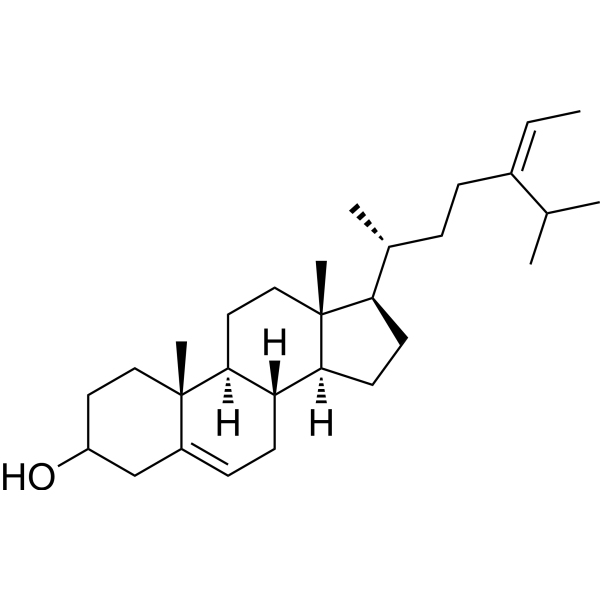
    Fucosterol is a sterol isolated from algae, seaweed or diatoms. Fucosterol exhibits various biological activities, including antioxidant, anti-adipogenic, blood cholesterol reducing, anti-diabetic and anti-cancer activities . Fucosterol regulates adipogenesis via inhibition of PPARα and C/EBPα expression and can be used for anti-obesity agents development research .
    Fucosterol
  • HY-13306
    Pyrintegrin
    4 Publications Verification

    Integrin Metabolic Disease
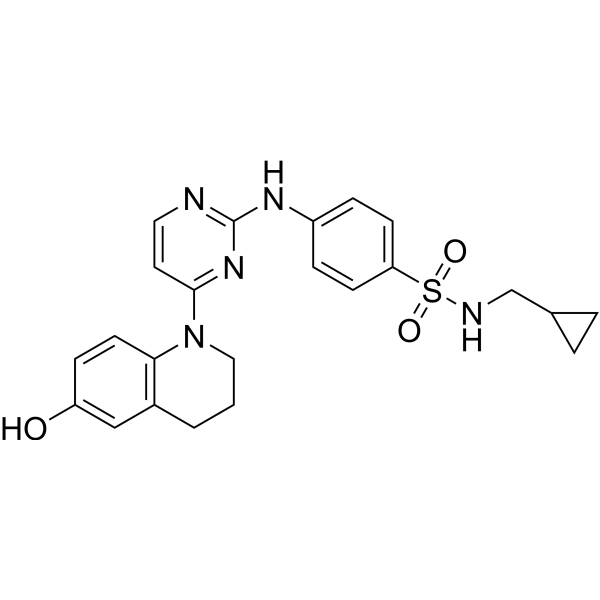
    Pyrintegrin is an β1-integrin agonist and a 2,4-disubstituted pyrimidine that promotes embryonic stem cells survival. Pyrintegrin enhances cell-extracellular matrix (ECM) adhesion-mediated integrin signaling. Pyrintegrin can be used as a podocyte-protective agent and has robustly adipogenic .
    Pyrintegrin
  • HY-101064

    N-FMOC-leucine; NPC 15199; NSC 334290

    PPAR Calcium Channel Lipase Metabolic Disease Inflammation/Immunology
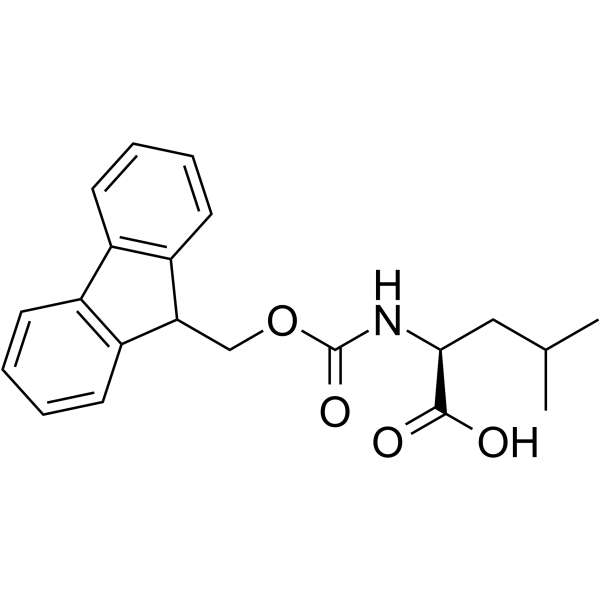
    Fmoc-Leucine (N-FMOC-leucine) is an anti-inflammatory agent that not only promotes extracellular Ca 2+ influx but also facilitates intracellular Ca 2+ release. Fmoc-Leucine is a selective ligand for PPARγ (Ki = 15 μM), exhibiting insulin-sensitizing effects but with weak fatogenic activity. Fmoc-Leucine exhibits unique self-assembly properties and can form transient gels, stable gels, or crystals/2D sheets through different pathways. Fmoc-Leucine can be used in the research of diabetes, colitis, and bladder cancer .
    Fmoc-leucine
  • HY-N0595
    Genistin
    Maximum Cited Publications
    9 Publications Verification

    Genistine; Genistoside; Genistein 7-O-β-D-glucopyranoside

    Estrogen Receptor/ERR Apoptosis Metabolic Disease Cancer
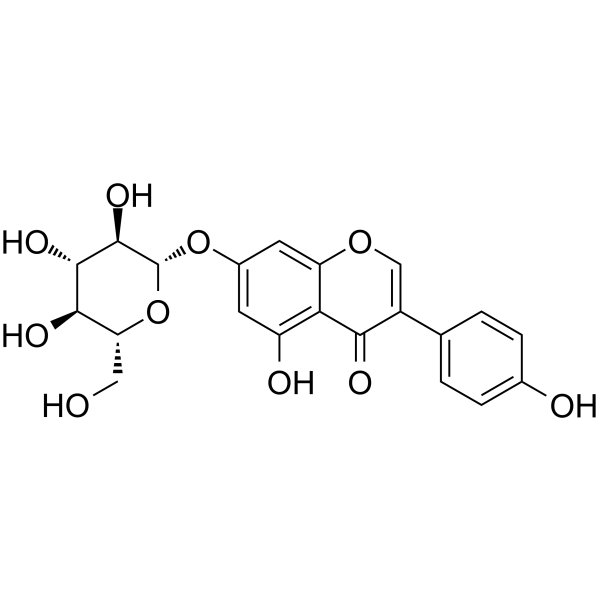
    Genistin (Genistine), an isoflavone belonging to the phytoestrogen family, is a potent anti-adipogenic and anti-lipogenic agent. Genistin attenuates cellular growth and promotes apoptotic cell death breast cancer cells through modulation of ERalpha signaling pathway .
    Genistin
  • HY-N0704
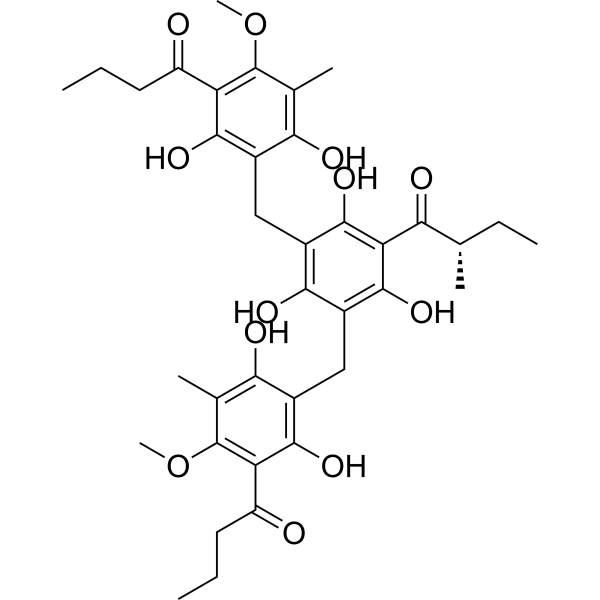
    Agrimol B
    1 Publications Verification

    Sirtuin PPAR Fatty Acid Synthase (FASN) c-Myc Bacterial Infection Metabolic Disease Cancer
    Agrimol B, a polyphenol, is an orally active and potent SIRT1 activator. Agrimol B shows anti-adipogenic and anticancer activity. Agrimol B shows antibacterial activity against plant pathogens. Agrimol B dramatically inhibits 3T3-L1 adipocyte differentiation by reducing PPARγ, C/EBPα, FAS, UCP-1, and apoE expression. The action of Agrimol B on the cancer cells is likely derived from its effect on c-MYC, SKP2 and p27 .
    Agrimol B
  • HY-12756A
    E6446 dihydrochloride
    Maximum Cited Publications
    9 Publications Verification

    Toll-like Receptor (TLR) Stearoyl-CoA Desaturase (SCD) Metabolic Disease Inflammation/Immunology
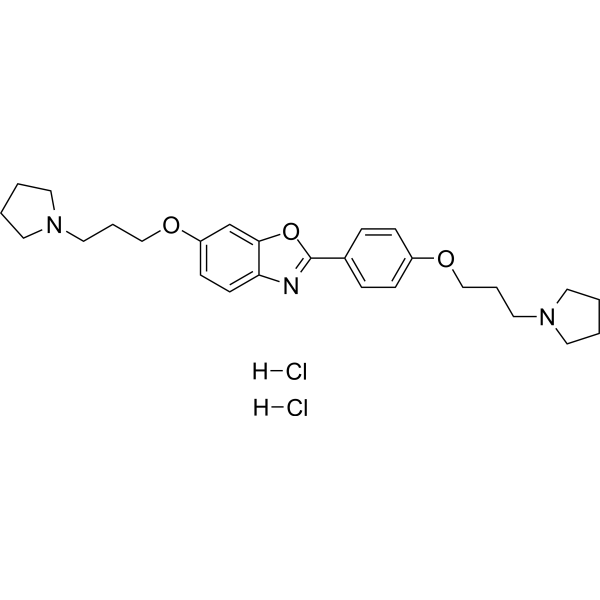
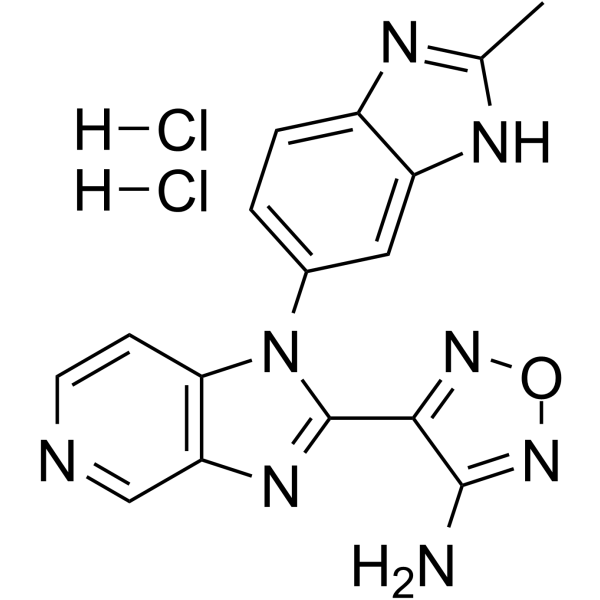
    E6446 dihydrochloride is a potent and orally acitve TLR7 and TLR9 antagonist, used in the research of deleterious inflammatory responses. E6446 dihydrochloride is also a potent SCD1 inhibitor (KD: 4.61 μM), significantly inhibiting adipogenic differentiation and hepatic lipogenesis through SCD1-ATF3 signaling. E6446 dihydrochloride also improves liver pathology in high-fat diet (HFD)-fed mice and may be useful in the study of non-alcoholic fatty liver disease (NAFLD) .
    E6446 dihydrochloride
  • HY-N1411
    Platycodin D
    5+ Cited Publications

    AMPK Wnt Metabolic Disease
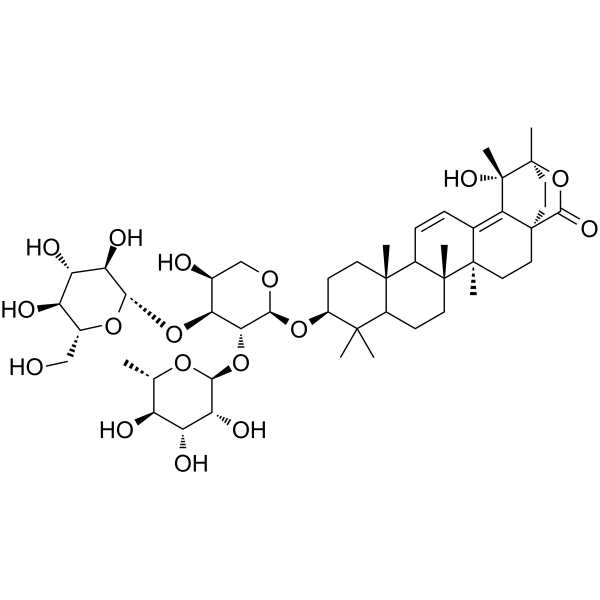
    Platycodin D is a saponin isolated from Platycodon grandiflorus, acts as an activator of AMPKα, with anti-obesity property. WNT/β-catenin pathway mediates the anti-adipogenic effect of platycodin D .
    Platycodin D
  • HY-N0526
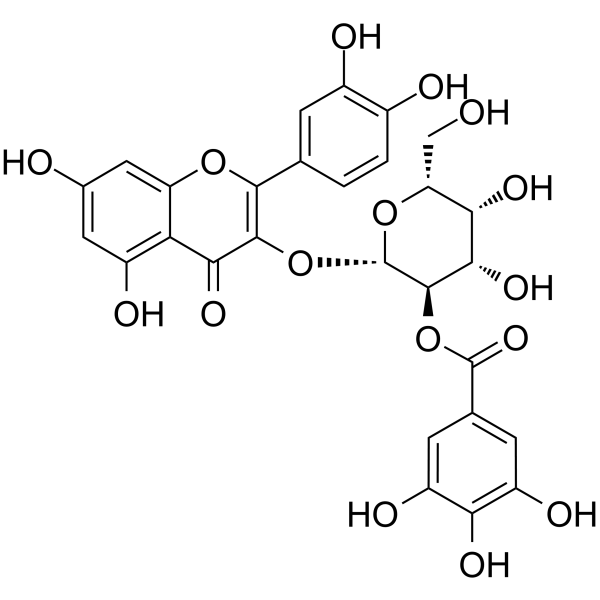
    2"-O-Galloylhyperin
    2 Publications Verification

    Sirtuin Keap1-Nrf2 NF-κB ERK p38 MAPK JNK TSH Receptor Reactive Oxygen Species (ROS) SOD Neurological Disease Inflammation/Immunology
    2''-O-Galloylhyperin is an active natural compound with anti‑inflammatory, antioxidant, anti‑adipogenic, antifibrotic, and cytostatic activities. 2''-O-Galloylhyperin upregulates SIRT1/Nrf2 signaling, inhibits NF-κB and MAPK (ERK1/2, p38, JNK) phosphorylation, suppresses TSHR activation, reduces ROS accumulation, and enhances SOD and GSH-Px activities. 2''-O-Galloylhyperin protects against LPS-induced tissue injury, enhances survival, and inhibits adipogenesis and fibrosis. 2"-O-Galloylhyperin can be used for the research of sepsis, acute lung injury, and thyroid eye disease .
    2
  • HY-77641

    Endogenous Metabolite Metabolic Disease
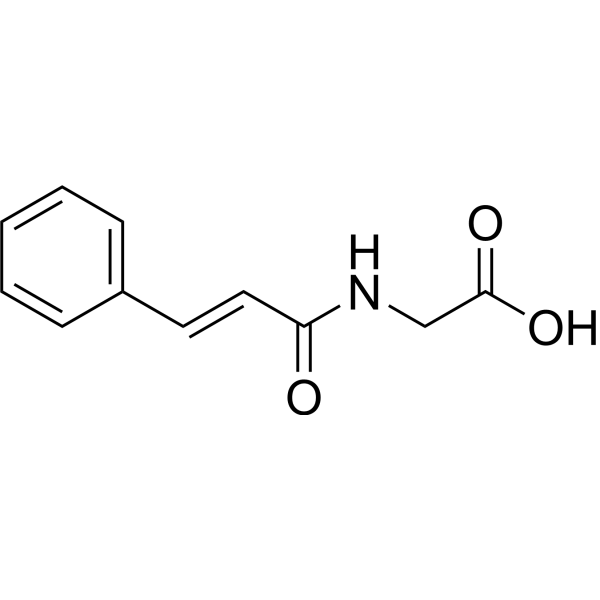
    Cinnamoylglycine is a human urinary metabolite and PPG analog. Cinnamoylglycine is a conjugate of cinnamic acid and glycine. Cinnamoylglycine is used as a urine marker. Cinnamoylglycine can be used in adipogenic differentiation studies .
    Cinnamoylglycine
  • HY-12756
    E6446
    Maximum Cited Publications
    9 Publications Verification

    Toll-like Receptor (TLR) Stearoyl-CoA Desaturase (SCD) Metabolic Disease Inflammation/Immunology
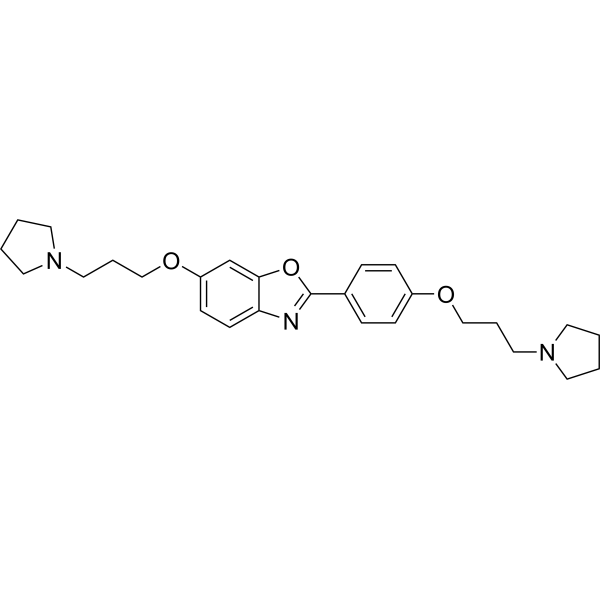
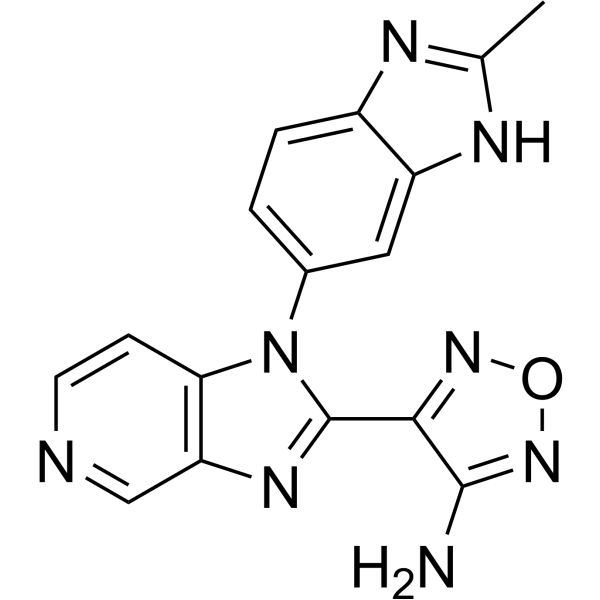
    E6446 is a potent and orally acitve TLR7 and TLR9 antagonist, used in the research of deleterious inflammatory responses. E6446 is also a potent SCD1 inhibitor (KD: 4.61 μM), significantly inhibiting adipogenic differentiation and hepatic lipogenesis through SCD1-ATF3 signaling. E6446 also improves liver pathology in high-fat diet (HFD)-fed mice and may be useful in the study of non-alcoholic fatty liver disease (NAFLD) .
    E6446
  • HY-N1984

    Qing Hao acid; Artemisinic acid; Arteannuic acid

    JNK Interleukin Related Infection Metabolic Disease Inflammation/Immunology Cancer
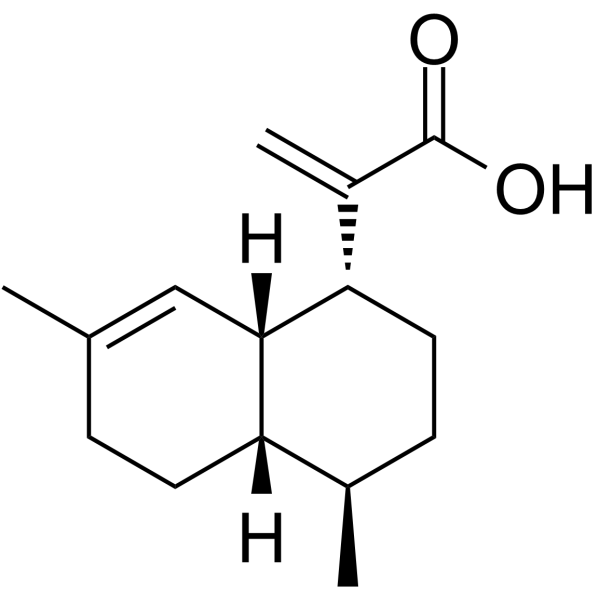
    Artemisinic acid (Qing Hao acid) is a sesquiterpene that can be isolated from Artemisia annua L. Artemisinic acid is also an important precursor for the synthesis of Artemisinin (HY-B0094). Artemisinic acid has various pharmacological activities, such as antimalarial activity, antitumor activity, antipyretic effect, antibacterial activity, allelopathic effect, and anti-adipogenic effect .
    Artemisic acid
  • HY-128671

    6TI; 6-Mercaptopurine riboside

    PPAR LXR JNK NO Synthase Metabolic Disease
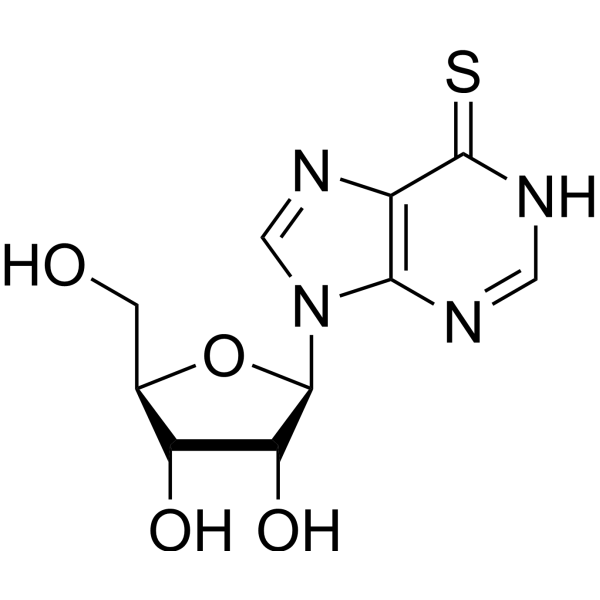
    6-Thioinosine (6TI) is a purine antimetabolite and an anti-adipogenic agent. 6-Thioinosine reduces the mRNA levels of PPARγ and C/EBPα and downregulates the mRNA levels of PPARγ target genes (LPL, CD36, aP2, and LXRα). 6-Thioinosine exerts its anti-adipogenic effects by downregulating PPARγ through JNK-dependent iNOS upregulation. 6-Thioinosine can be used to study adipocyte dysfunction .
    6-​Thioinosine
  • HY-N2357

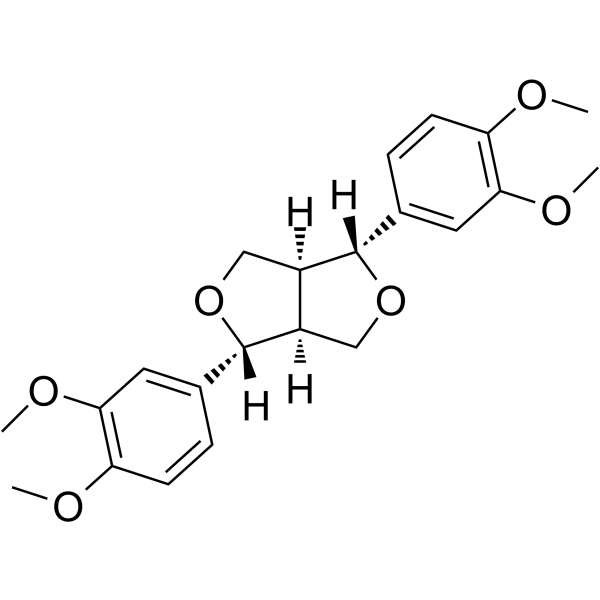
    (-)-Eudesmin; Eudesmine; (-)-Eudesmine

    Ribosomal S6 Kinase (RSK) Infection Metabolic Disease Inflammation/Immunology Cancer
    Eudesmin ((-)-Eudesmin) impairs adipogenic differentiation via inhibition of S6K1 signaling pathway. Eudesmin possesses diverse therapeutic effects, including anti-tumor, anti-inflammatory, and anti-bacterial activities .
    Eudesmin
  • HY-N1677

    Akt mTOR Bacterial Fungal AMPK Infection Metabolic Disease Inflammation/Immunology Cancer
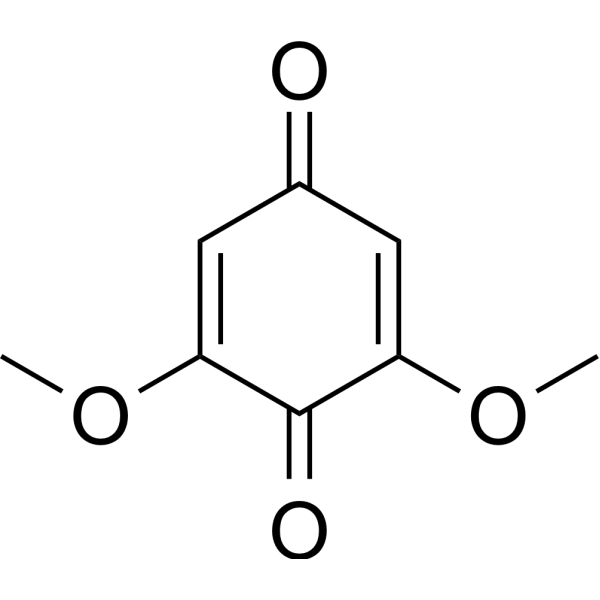
    2,6-Dimethoxy-1,4-benzoquinone is a 1,4-benzoquinone derivative. 2,6-Dimethoxy-1,4-benzoquinone promotes phosphorylation of AKT, S6K, mTOR, 4E-BP1, and AMPK, and attenuates mTORC1 activity as part of the AKT/mTOR pathway. 2,6-Dimethoxy-1,4-benzoquinone stimulates myoblast differentiation, increases myotube size, elevates MHC protein expression, enhances mitochondrial biogenesis, respiration, and DNA content, and increases skeletal muscle weights, fiber size, grip strength, and treadmill performance. 2,6-Dimethoxy-1,4-benzoquinone exerts anti-cancer, anti-inflammatory, anti-adipogenic, antibacterial, and antimutagenic effects, inhibits adipogenic transcription factors, nitric oxide production, skin tumor development, Magnaporthe oryzae growth, spore germination, appressorium formation, and growth of select bacterial species, induces H2O2 generation and rice defense gene expression, and reduces rice blast lesion formation. 2,6-Dimethoxy-1,4-benzoquinone can be used for the research of obesity, skin tumorigenesis, rice blast disease, and food-borne illness .
    2,6-Dimethoxy-1,4-benzoquinone
  • HY-133178

    3,4,8,9-Tetrahydroxy urolithin

    Ephrin Receptor PPAR AMPK Metabolic Disease Inflammation/Immunology Cancer
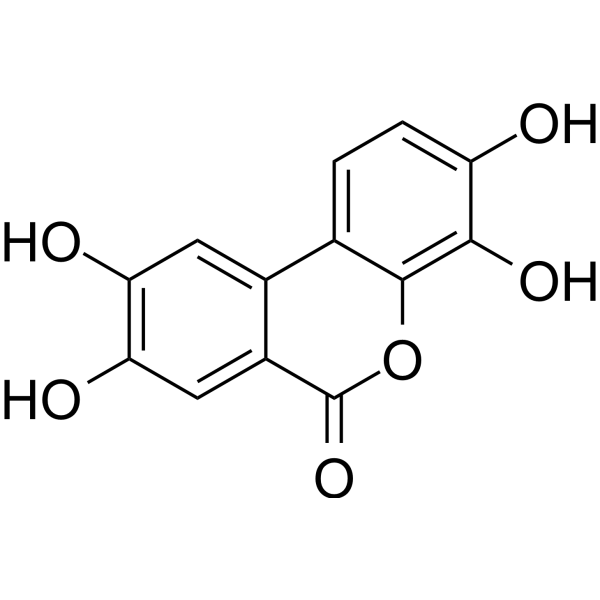
    Urolithin D (3,4,8,9-Tetrahydroxy urolithin) is a colonic metabolite of Ellagitannins and a competitive, reversible, and selective antagonist of the EphA receptor. Urolithin D inhibits EphA2-ephrin-A1 binding with an IC50 of 0.9 μM. Urolithin D is also a potent antioxidant that scavenges free radicals and repairs oxidized DNA damage. Additionally, Urolithin D suppresses triglyceride accumulation and promotes fatty acid oxidation by activating the AMPK signaling pathway. Urolithin D can be used for research on tumors, metabolic, and inflammatory diseases .
    Urolithin D
  • HY-N3026
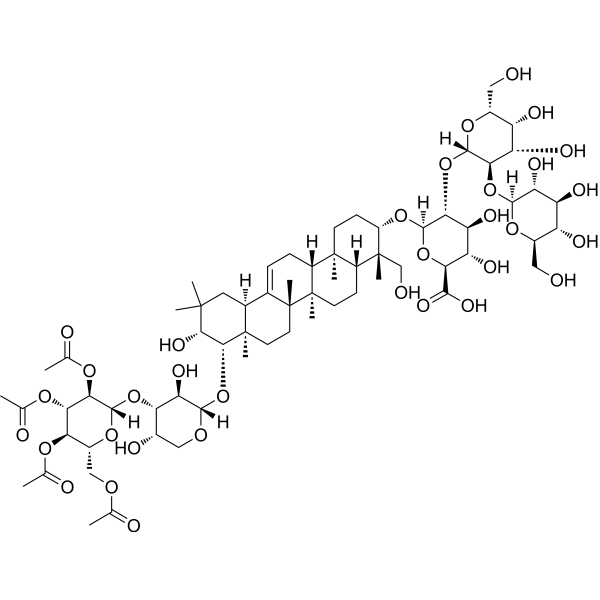
    Soyasaponin Ab
    1 Publications Verification

    PPAR Apoptosis Reactive Oxygen Species (ROS) Neurological Disease Metabolic Disease Inflammation/Immunology
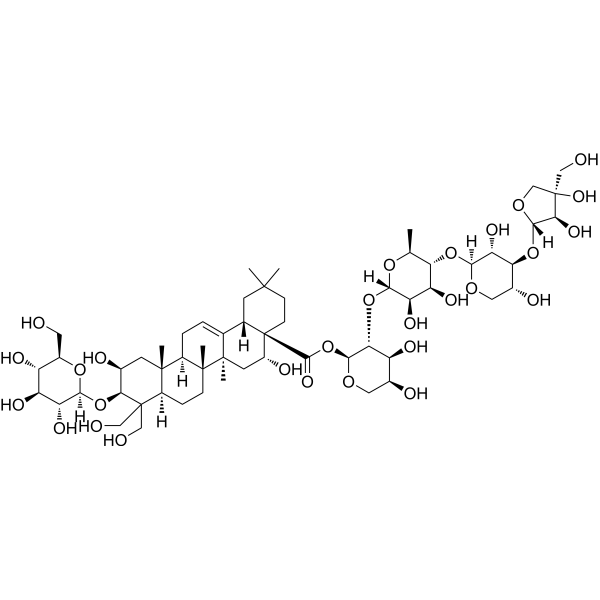
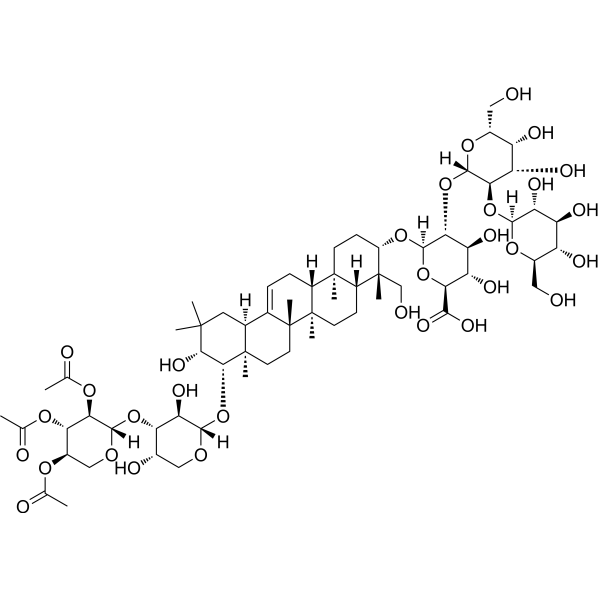
    Soyasaponin Ab is an orally active soyasaponin. Soyasaponin Ab inhibits PPARγ transcriptional activity. Soyasaponin Ab induces apoptosis in high concentrations. Soyasaponin Ab exerts anti-obesity, anti-oxidation, anti-inflammation, anti-aging effects. Soyasaponin Ab prevents Scopolamine (HY-N0296)-induced memory impairment .
    Soyasaponin Ab
  • HY-101064S3

    PPAR Metabolic Disease
    Fmoc-leucine-d10 is the deuterium labeled Fmoc-leucine. Fmoc-leucine is a selective PPARγ modulator. Fmoc-leucine activates PPARγ with a lower potency but a similar maximal efficacy than rosiglitazone. Fmoc-leucine improves insulin sensitivity in normal, diet-induced glucose-intolerant, and in diabetic db/db mice. Fmoc-leucine has a lower adipogenic activity .
    Fmoc-leucine-d10
  • HY-101064S2

    N-FMOC-leucine-d3; NPC 15199-d3; NSC 334290-d3

    PPAR Metabolic Disease
    Fmoc-leucine-d3 is the deuterium labeled Fmoc-leucine. Fmoc-leucine is a selective PPARγ modulator. Fmoc-leucine activates PPARγ with a lower potency but a similar maximal efficacy than rosiglitazone. Fmoc-leucine improves insulin sensitivity in normal, diet-induced glucose-intolerant, and in diabetic db/db mice. Fmoc-leucine has a lower adipogenic activity .
    Fmoc-leucine-d3
  • HY-113790

    PPAR FABP Others
    ISX-1 is an isoxazole. ISX-1 has anti-adipogenic and pro-osteogenic activities. ISX-1 can be used for the research of osteopenia and osteoporosis .
    ISX-1
  • HY-148694

    PPAR Metabolic Disease
    ISX-3 is a potent anti-adipogenic and pro-osteogenic agent. ISX-3 increases the expression of PPARγ. ISX-3 has the potential for the research of osteopenia and osteoporosis .
    ISX-3
  • HY-121900

    PPAR Metabolic Disease Endocrinology
    LT175, a dual PPARα/γ ligand, is an orally active partial agonist against PPARγ(hPPARα:EC50=0.22 μm; mPPARα:EC50=0.26 μm; hPPARγ:EC50=0.48 μm). LT175 interacts with PPARγ and affects the recruitment of the coregulators cyclic-AMP response element-binding protein-binding protein and nuclear corepressor 1 (NCoR1). LT175 interacts with PPARγ in a hydrophobic region called “diphenyl pocket”. LT175 has potent insulin-sensitizing effects and reduced adipogenic properties .
    LT175
  • HY-125827

    13-Methylberberinium chloride

    Interleukin Related Metabolic Disease Cancer
    13-Methylberberine chloride (13-Methylberberinium chloride), a berberine analogue, has anti-adipogenic and antitumor activities. 13-Methylberberine chloride (13-Methylberberinium chloride) increases production of IL-12 and inhibits the expression of iNOS at posttranscriptional level in macrophages activated with LPS .
    13-Methylberberine chloride
  • HY-N0595R

    Genistine (Standard); Genistoside (Standard); Genistein 7-O-β-D-glucopyranoside (Standard)

    Reference Standards Estrogen Receptor/ERR Apoptosis Metabolic Disease Cancer
    Genistin (Standard) is the analytical standard of Genistin. This product is intended for research and analytical applications. Genistin (Genistine), an isoflavone belonging to the phytoestrogen family, is a potent anti-adipogenic and anti-lipogenic agent. Genistin attenuates cellular growth and promotes apoptotic cell death breast cancer cells through modulation of ERalpha signaling pathway .
    Genistin (Standard)
  • HY-N3027
    Soyasaponin Aa
    1 Publications Verification

    PPAR Reactive Oxygen Species (ROS) Metabolic Disease
    Soyasaponin Aa is a soyasaponin that can be found in soy. Soyasaponin Aa suppresses PPARγ transcriptional activity, reduces PPARγ and C/EBPα expression, inhibits adipocyte differentiation and lipid accumulation, and reduces adipogenic marker gene expression. Soyasaponin Aa reduces hydrogen peroxide-induced reactive oxygen species (ROS) production and malondialdehyde levels. Soyasaponin Aa exhibits cellular antioxidant activity. Soyasaponin Aa can be used for the research of obesity .
    Soyasaponin Aa
  • HY-N4103R

    Reference Standards PARP Endogenous Metabolite Metabolic Disease Cancer
    Fucosterol (Standard) is the analytical standard of Fucosterol. This product is intended for research and analytical applications. Fucosterol is a sterol isolated from algae, seaweed or diatoms. Fucosterol exhibits various biological activities, including antioxidant, anti-adipogenic, blood cholesterol reducing, anti-diabetic and anti-cancer activities . Fucosterol regulates adipogenesis via inhibition of PPARα and C/EBPα expression and can be used for anti-obesity agents development research .
    Fucosterol (Standard)
  • HY-N1411R

    Reference Standards AMPK Wnt Metabolic Disease
    Platycodin D (Standard) is the analytical standard of Platycodin D. This product is intended for research and analytical applications. Platycodin D is a saponin isolated from Platycodon grandiflorus, acts as an activator of AMPKα, with anti-obesity property. WNT/β-catenin pathway mediates the anti-adipogenic effect of platycodin D .
    Platycodin D (Standard)
  • HY-111431R

    p-Tolyl sulfate (Standard)

    Reference Standards JNK p38 MAPK Reactive Oxygen Species (ROS) Metabolic Disease
    Platycodin D (Standard) is the analytical standard of Platycodin D. This product is intended for research and analytical applications. Platycodin D is a saponin isolated from Platycodon grandiflorus, acts as an activator of AMPKα, with anti-obesity property. WNT/β-catenin pathway mediates the anti-adipogenic effect of platycodin D .
    p-Cresyl sulfate (Standard)
  • HY-178958

    PPAR Adenosine Receptor Fatty Acid Synthase (FASN) Endogenous Metabolite Metabolic Disease Inflammation/Immunology Endocrinology
    PPAR agonist 7 is an orally active pan-PPAR agonist, demonstrating potent activation of all three subtypes, PPARα (EC50 = 1.51 μM), PPARδ (EC50 = 1.11 μM), and PPARγ (EC50 = 3.14 μM). PPAR agonist 7 significantly enhances glucose uptake in adipocytes while exhibiting minimal adipogenic activity. PPAR agonist 7 can suppress PPARγ Ser273 phosphorylation in white adipose tissue and upregulate insulin-sensitizing genes. PPAR agonist 7 does not cause weight gain or fluid retention in high-fat diet (HFD)/ Streptozotocin (HY-13753) (STZ)-induced type 2 diabetes mellitus (T2DM) models. PPAR agonist 7 has selective modulation of PPAR signaling pathways without activation of adipogenic gene programs. PPAR agonist 7 can be used for the study of diabetes .
    PPAR agonist 7
  • HY-N1984R

    Qing Hao acid (Standard); Artemisinic acid (Standard); Arteannuic acid (Standard)

    Reference Standards JNK Interleukin Related Infection Metabolic Disease Inflammation/Immunology Cancer
    Artemisic acid (Standard) (Qing Hao acid (Standard)) is the analytical standard of Artemisic acid (HY-N1984). This product is intended for research and analytical applications. Artemisinic acid (Qing Hao acid) is a sesquiterpene that can be isolated from Artemisia annua L. Artemisinic acid is also an important precursor for the synthesis of Artemisinin (HY-B0094). Artemisinic acid has various pharmacological activities, such as antimalarial activity, antitumor activity, antipyretic effect, antibacterial activity, allelopathic effect, and anti-adipogenic effect .
    Artemisic acid (Standard)
  • HY-121058

    ADD 4743

    Prostaglandin Receptor Metabolic Disease
    AD 4743 (ADD 4743) is a metabolite of Ciglitazone (HY-W011220). AD 4743 is an adipogenic agent. AD 4743 induces FPRP accumulation and accumulation of lipid droplets. AD 4743 inhibits cell proliferation of preadipose cells .
    AD 4743
  • HY-12756AR

    Toll-like Receptor (TLR) Stearoyl-CoA Desaturase (SCD) Metabolic Disease Inflammation/Immunology
    E6446 (dihydrochloride) (Standard) is the analytical standard of E6446 (dihydrochloride). This product is intended for research and analytical applications. E6446 dihydrochloride is a potent and orally acitve TLR7 and TLR9 antagonist, used in the research of deleterious inflammatory responses. E6446 dihydrochloride is also a potent SCD1 inhibitor (KD: 4.61 μM), significantly inhibiting adipogenic differentiation and hepatic lipogenesis through SCD1-ATF3 signaling. E6446 dihydrochloride also improves liver pathology in high-fat diet (HFD)-fed mice and may be useful in the study of non-alcoholic fatty liver disease (NAFLD) .
    E6446 dihydrochloride (Standard)
  • HY-N3775

    ERK Metabolic Disease
    Dodoviscin I (Dodoviscin A) is an adipogenic agent that increases triglyceride content in 3T3L1 mouse fibroblasts. Dodoviscin I inhibits ERK2 with an IC50 of 10.79 μM.
    Dodoviscin I
  • HY-114335

    NF-κB Fungal Infection Inflammation/Immunology Cancer
    Triphala, an Ayurvedic polyherbal formulation comprising of equiproportional fruit parts of Terminalia chebula, Terminalia bellerica, and Phyllanthus emblica . Triphala inhibits NF-κB activation. Triphala exerts antifungal action . Anti-adipogenic, anti-inflammatory, and anti-neoplastic activities.
    Triphala
  • HY-123503

    JNK NF-κB Neurological Disease Inflammation/Immunology
    Salicortin, a phenolic glycoside, has been isolated from many plants such as Populus and Salix species. Salicortin inhibits osteoclast differentiation and bone resorption by down-regulating JNK and NF-κB/NFATc1 signaling pathways. Salicortin has anti-amnesic, anti-adipogenic, and immune-modulatory activity .
    Salicortin
  • HY-13766

    VX-853

    PPAR Others
    Timcodar is a macrolide agent, and studies have shown that during adipogenesis, timcodar can significantly inhibit fat accumulation, with an effect similar to that of rapamycin. However, unlike rapamycin, timcodar does not cause immunosuppression and glucose resistance. In addition, timcodar can effectively inhibit the adipogenic transcriptional regulators PPAR?? and C/EBP??, thereby inhibiting genes involved in fat accumulation. These studies lay the foundation for timcodar as a potential anti-obesity therapy, as obesity is becoming a global epidemic.
    Timcodar
  • HY-168924

    Wnt β-catenin Metabolic Disease
    Wnt/β-catenin activator 1 (Compound 5m) is the orally active activator for Wnt/β-catenin signaling pathway, that arrests cell cycle at G1 phase, inhibits early proliferation of adipocytes, and inhibits adipogenesis in cell 3T3-L1 with an IC50 of 330 nM. Wnt/β-catenin activator 1 exhibits anti-adipogenic and anti-dyslipidemic activities in high-fat diet fed Syrian golden hamster model .
    Wnt/β-catenin activator 1
  • HY-170581

    PPAR Metabolic Disease
    PPARγ/δ modulator 2 (Compound 3h) is a PPARγ agonist and PPARδ antagonist. The Ki values for PPARγ and PPARδ are 2.8 μM and 43 nM, respectively. PPARγ/δ modulator 2 significantly enhances the production of Adiponectin and promotes adipogenic differentiation of human bone marrow mesenchymal stem cells (hBM-MSCs). PPARγ/δ modulator 2 can be used in the study of metabolic disorders associated with hypoadiponectinemia .
    PPARγ/δ modulator 2
  • HY-N3027R

    Reference Standards PPAR Reactive Oxygen Species (ROS) Metabolic Disease
    Soyasaponin Aa (Standard) is the analytical standard of Soyasaponin Aa (HY-N3027). Soyasaponin Aa is a soyasaponin that can be found in soy. Soyasaponin Aa suppresses PPARγ transcriptional activity, reduces PPARγ and C/EBPα expression, inhibits adipocyte differentiation and lipid accumulation, and reduces adipogenic marker gene expression. Soyasaponin Aa reduces hydrogen peroxide-induced reactive oxygen species (ROS) production and malondialdehyde levels. Soyasaponin Aa exhibits cellular antioxidant activity. Soyasaponin Aa can be used for the research of obesity .
    Soyasaponin Aa (Standard)
  • HY-172901

    AMPK Cardiovascular Disease Metabolic Disease
    AMPK activator 17 (Compound 10g) is an orally active AMPK activator. AMPK activator 17 has significant anti-adipogenic (IC50: 3.4 μM) and dyslipidemia-modifying activities. AMPK activator 17 inhibits the early stages of adipocyte differentiation (mitotic clonal expansion) by activating the AMPK pathway. AMPK activator 17 can enhance mitochondrial function and fatty acid oxidation in mature adipocytes. AMPK activator 17 improves dyslipidemia by promoting reverse cholesterol transport. AMPK activator 17 can be used in the study of obesity and related metabolic diseases (such as type 2 diabetes and cardiovascular disease) .
    AMPK activator 17
  • HY-N1677R

    Reference Standards Akt mTOR Bacterial Fungal AMPK Infection Metabolic Disease Inflammation/Immunology Cancer
    2,6-Dimethoxy-1,4-benzoquinone (Standard) is the analytical standard of 2,6-Dimethoxy-1,4-benzoquinone (HY-N1677). This product is intended for research and analytical applications. 2,6-Dimethoxy-1,4-benzoquinone is a 1,4-benzoquinone derivative. 2,6-Dimethoxy-1,4-benzoquinone promotes phosphorylation of AKT, S6K, mTOR, 4E-BP1, and AMPK, and attenuates mTORC1 activity as part of the AKT/mTOR pathway. 2,6-Dimethoxy-1,4-benzoquinone stimulates myoblast differentiation, increases myotube size, elevates MHC protein expression, enhances mitochondrial biogenesis, respiration, and DNA content, and increases skeletal muscle weights, fiber size, grip strength, and treadmill performance. 2,6-Dimethoxy-1,4-benzoquinone exerts anti-cancer, anti-inflammatory, anti-adipogenic, antibacterial, and antimutagenic effects, inhibits adipogenic transcription factors, nitric oxide production, skin tumor development, Magnaporthe oryzae growth, spore germination, appressorium formation, and growth of select bacterial species, induces H2O2 generation and rice defense gene expression, and reduces rice blast lesion formation. 2,6-Dimethoxy-1,4-benzoquinone can be used for the research of obesity, skin tumorigenesis, rice blast disease, and food-borne illness.
    2,6-Dimethoxy-1,4-benzoquinone (Standard)
  • HY-N0526R

    Reference Standards Sirtuin Keap1-Nrf2 NF-κB ERK p38 MAPK JNK TSH Receptor Reactive Oxygen Species (ROS) SOD Neurological Disease Inflammation/Immunology
    2"-O-Galloylhyperin (Standard) is the analytical standard of 2"-O-Galloylhyperin (HY-N0526). This product is intended for research and analytical applications. 2''-O-Galloylhyperin is an active natural compound with anti‑inflammatory, antioxidant, anti‑adipogenic, antifibrotic, and cytostatic activities. 2''-O-Galloylhyperin upregulates SIRT1/Nrf2 signaling, inhibits NF-κB and MAPK (ERK1/2, p38, JNK) phosphorylation, suppresses TSHR activation, reduces ROS accumulation, and enhances SOD and GSH-Px activities. 2''-O-Galloylhyperin protects against LPS-induced tissue injury, enhances survival, and inhibits adipogenesis and fibrosis. 2"-O-Galloylhyperin can be used for the research of sepsis, acute lung injury, and thyroid eye disease .
    2
  • HY-101064R

    N-FMOC-leucine (Standard); NPC 15199 (Standard); NSC 334290 (Standard)

    PPAR Reference Standards Metabolic Disease
    Fmoc-leucine (Standard) is the analytical standard of Fmoc-leucine (HY-101064). This product is intended for research and analytical applications. Fmoc-leucine is a selective PPARγ modulator. Fmoc-leucine activates PPARγ with a lower potency but a similar maximal efficacy than rosiglitazone. Fmoc-leucine improves insulin sensitivity in normal, diet-induced glucose-intolerant, and in diabetic db/db mice. Fmoc-leucine has a lower adipogenic activity .
    Fmoc-leucine (Standard)
  • HY-P11608

    Heme Oxygenase (HO) Keap1-Nrf2 Interleukin Related PPAR AMPK Reactive Oxygen Species (ROS) Metabolic Disease
    FSVVPSPK is an orally active peptide. FSVVPSPK exerts significant anti-adipogenic, antioxidant and anti-inflammatory effects in vitro and in vivo, mainly through activating the HO-1/Nrf2 pathway. FSVVPSPK can be used in research related to obesity and metabolic disorders .
    FSVVPSPK

Inquiry Online

Your information is safe with us. * Required Fields.

Salutation


Country or Region *

Applicant Name *


Organization Name *

Department *


Email Address *


Product Name *

Cat. No.


Requested quantity *

Phone Number *


Remarks

Inquiry Online

Inquiry Information

Product Name:
Cat. No.:
Quantity:
MCE Japan Authorized Agent:

