Search Result
Results for "
alkaloid extract
" in MedChemExpress (MCE) Product Catalog:
| Cat. No. |
Product Name |
Target |
Research Areas |
Chemical Structure |
-
- HY-N0288
-
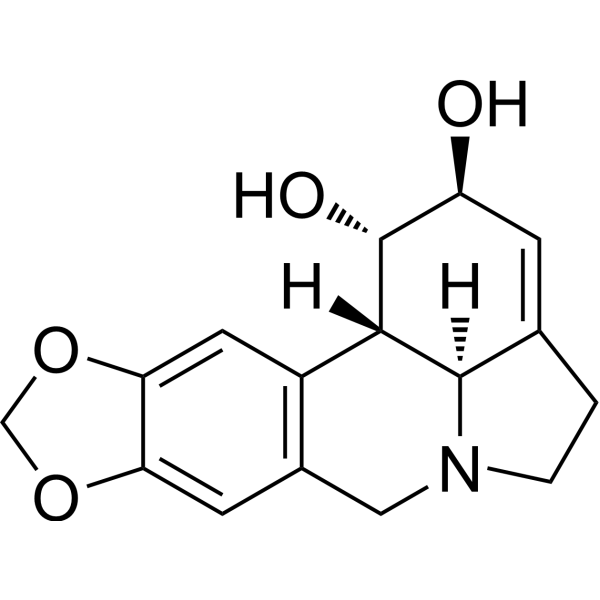
Lycorine
Maximum Cited Publications
22 Publications Verification
|
Fatty Acid Synthase (FASN)
Virus Protease
Bacterial
Apoptosis
|
Inflammation/Immunology
Cancer
|
|
Lycorine is a natural alkaloid extracted from the Amaryllidaceae plant. Lycorine is a potent and orally active SCAP inhibitor with a Kd value 15.24 nM. Lycorine downregulates the SCAP protein level without changing its transcription . Lycorine is also a melanoma vasculogenic inhibitor . Lycorine can be used for the study of prostate cancer and metabolic diseases .
|
-
-
- HY-15122
-
-
-
- HY-N2022
-
|
|
Glycosidase
|
Inflammation/Immunology
Cancer
|
|
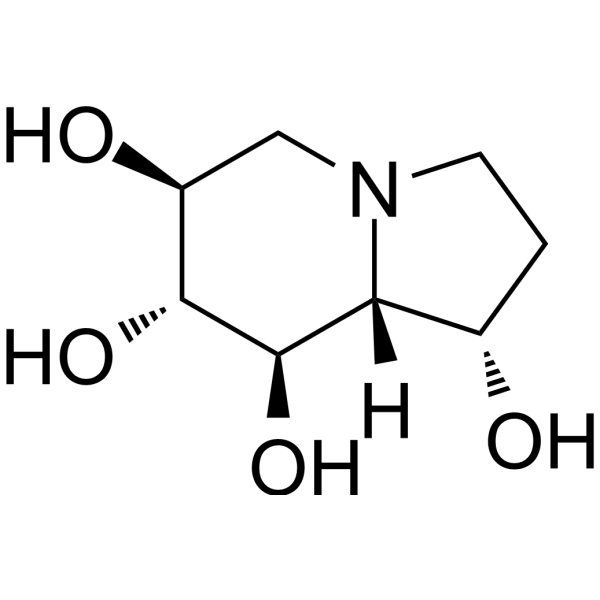
Castanospermine is a natural alkaloid that can be extracted from black beans or the Moreton Bay chestnut tree (Castanospermum australae). Castanospermine is an α/ β-glucosidase inhibitor. Castanospermine has anti-inflammatory, antiviral replication and anti-metastatic effects on prostate cancer. Castanospermine can be used as an immunosuppressant to prevent transplant rejection .
|
-
-
- HY-15122A
-
-
-
- HY-N0770
-
|
|
Apoptosis
|
Inflammation/Immunology
Cancer
|
|
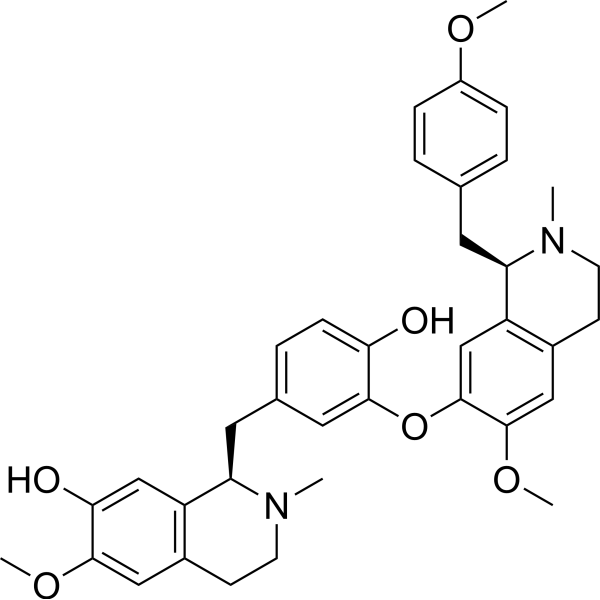
Isoliensinine is a bisbenzylisoquinoline alkaloid extracted from the seed embryo of Nelumbo nucifera, with anti-oxidant and anti-inflammatory and anti-cancer activities. Isoliensinine induces apoptosis in triple-negative human breast cancer cells .
|
-
-
- HY-N0485
-
|
|
Autophagy
Mitophagy
|
Cardiovascular Disease
|
|
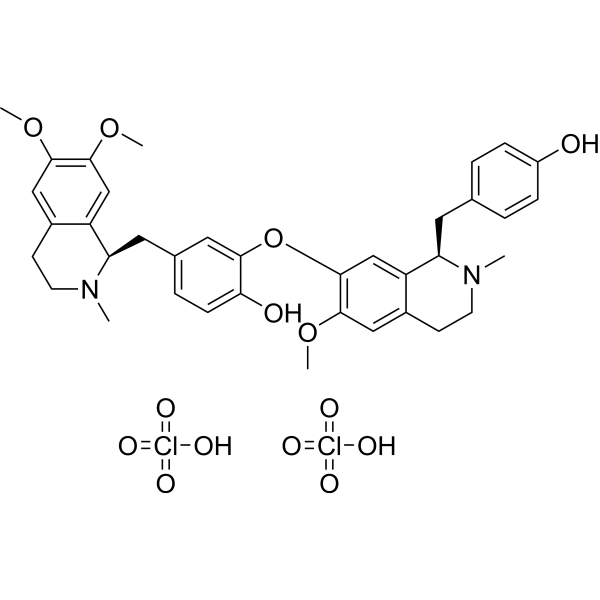
Liensinine Diperchlorate is a major isoquinoline alkaloid, extracted from the seed embryo of Nelumbo nucifera Gaertn. Liensinine Diperchlorate inhibits late-stage autophagy/mitophagy through blocking autophagosome-lysosome fusion. Liensinine Diperchlorate has a wide range of biological activities, including anti-arrhythmias, anti-hypertension, anti-pulmonary fibrosis, relaxation on vascular smooth muscle, etc .
|
-
-
- HY-N0687
-
-
-
- HY-W010668
-
|
|
Flavivirus
Dengue Virus
Parasite
Potassium Channel
|
Others
|
|
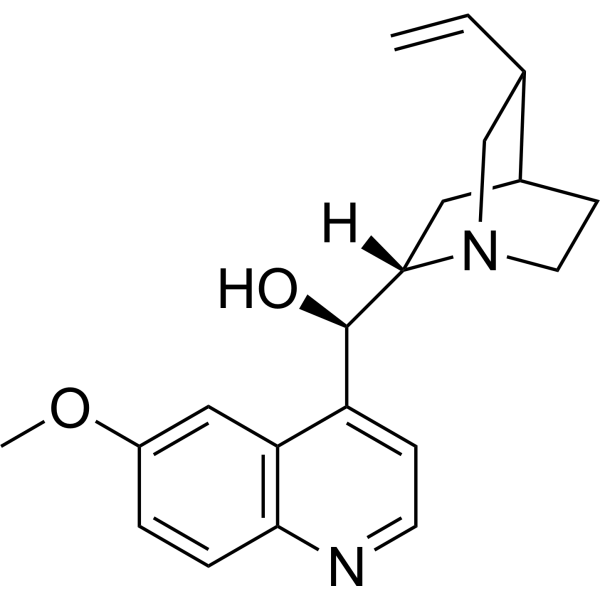
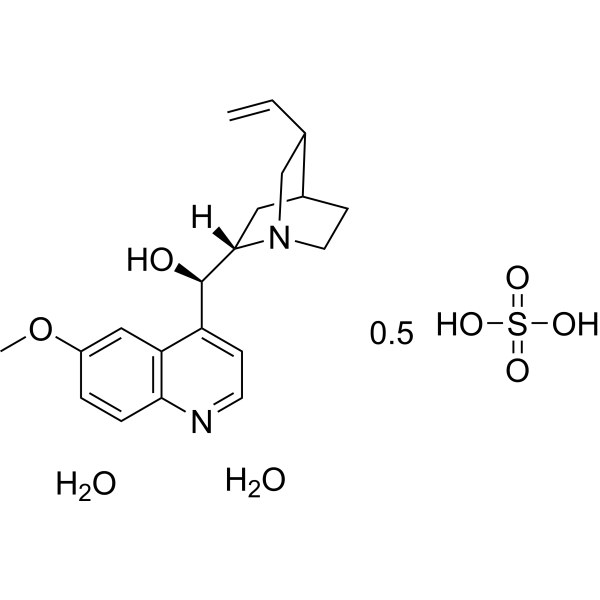
Quinine sulfate hydrate (2:1:4) is an orally active alkaloid extracted from cinchona bark and can be used in anti-malarial studies. Quinine sulfate hydrate (2:1:4) is a potassium channel inhibitor that inhibits WT mouse Slo3 (KCa5.1) channel currents evoked by voltage pulses to +100 mV with an IC50 of 169 μM .
|
-
-
- HY-N1089
-
-
-
- HY-N10087
-
|
|
Bacterial
|
Infection
|
|
Angustifoline, an alkaloid, can be isolated from Lupinus angustifolius L. alkaloid extract. Angustifoline exhibits antimicrobial activity. Angustifoline could have bacteriostatic effects against S. aureus, B. subtilis, E. coli, P. aeruginosa and B. thuringiensis .
|
-
-
- HY-N2197
-
|
|
nAChR
|
Neurological Disease
|
|
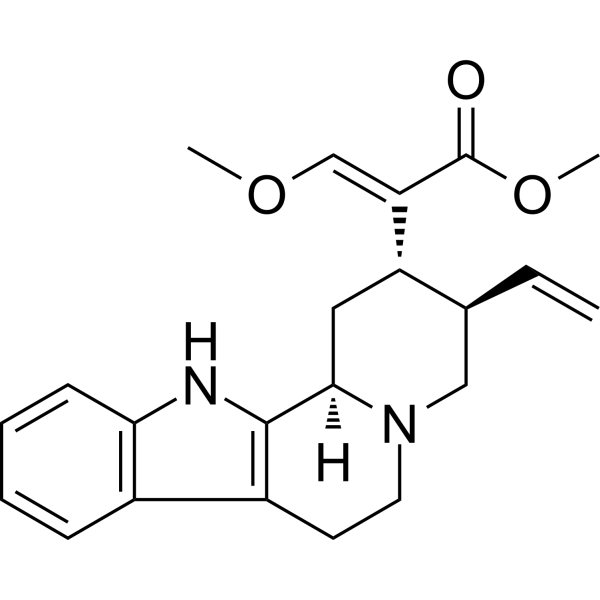
Hirsuteine is an indole alkaloid extracted from Uncaria rhynchophylla. Hirsuteine non-competitively antagonizes nicotine-mediated dopamine release by blocking ion permeation through nicotinic receptor channel complexes .
|
-
-
- HY-N1402
-
|
Sophoridine N-oxide
|
Apoptosis
|
Inflammation/Immunology
|
|
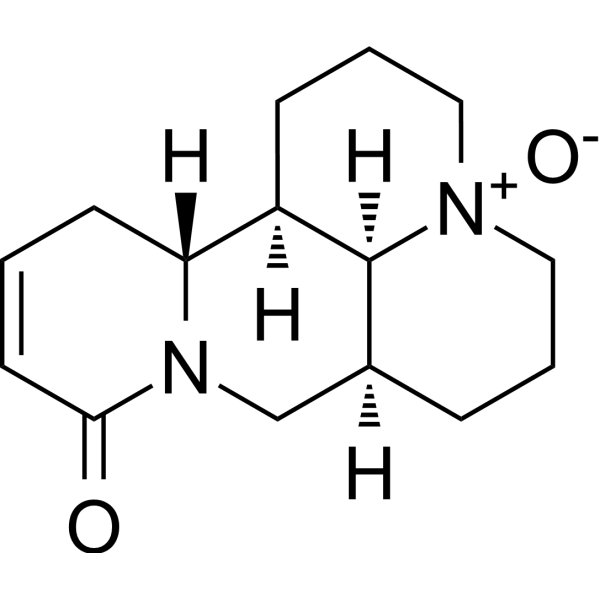
Oxysophoridine (Sophoridine N-oxide) is a bioactive alkaloid extracted from the Sophora alopecuroides Linn. Oxysophoridine (Sophoridine N-oxide) shows anti inflammatory, anti oxidative stress and anti apoptosis effects .
|
-
-
- HY-N0746
-
|
|
Others
|
Cancer
|
|
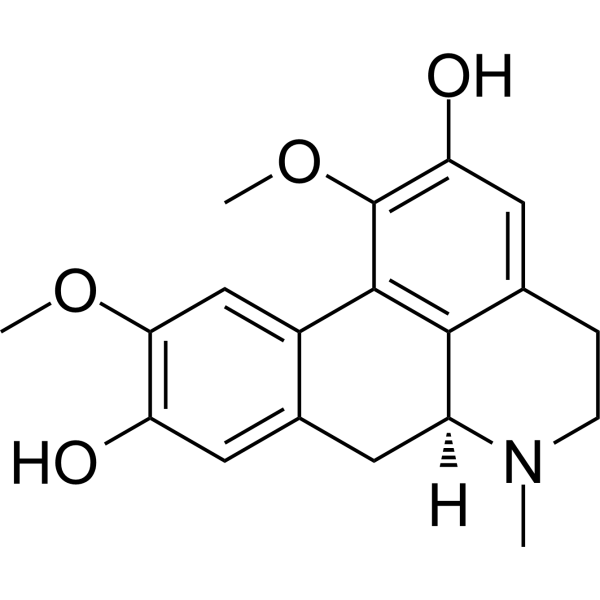
Oxysophocarpine is an alkaloid extracted from Sophora alopecuroides.?Oxysophocarpine has neuroprotective and anti-nociceptive effects on the central and peripheral nervous systems . Oxysophocarpine inhibits the?growth?and?metastasis?of ?oral?squamous?cell?carcinoma?(OSCC) .
|
-
-
- HY-N0413
-
-
-
- HY-N3619
-
|
|
Apoptosis
|
Neurological Disease
Endocrinology
|
|
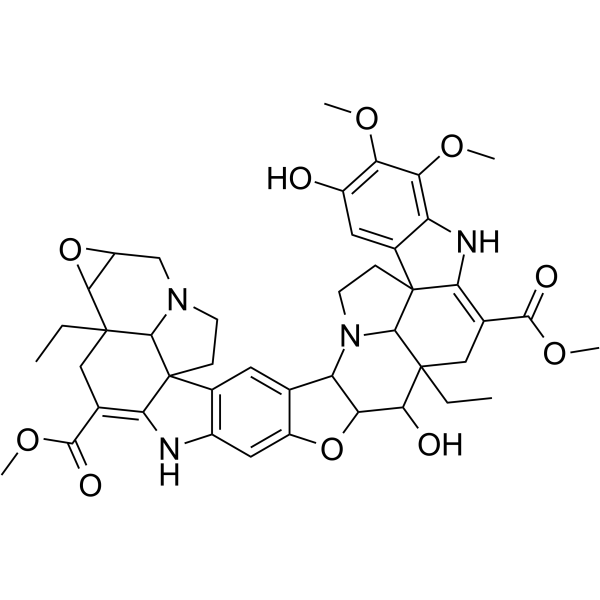
Conophylline is a vinca alkaloid extracted from leaves of a tropical plant Ervatamia microphylla. Conophylline is a differentiation inducer of for pancreatic cells. Conophylline suppresses HSC and induces apoptosis .
|
-
-
- HY-D0143A
-
|
|
Flavivirus
Dengue Virus
Parasite
Potassium Channel
|
Infection
|
|
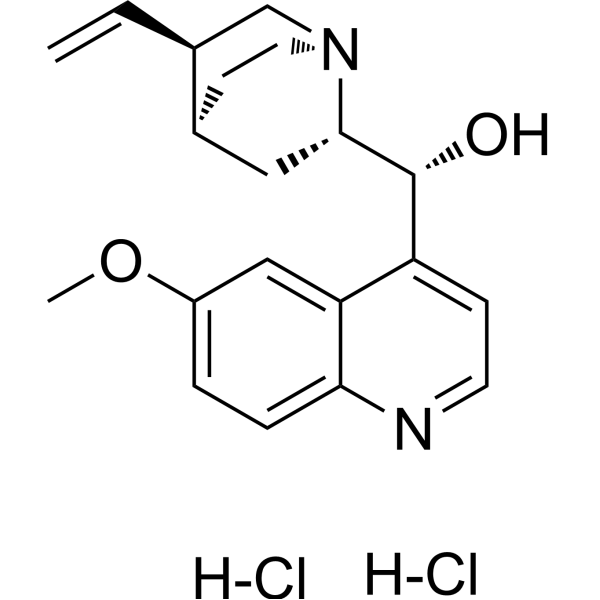
Quinine dihydrochloride is an orally active alkaloid extracted from cinchona bark and can be used in anti-malarial studies. Quinine dihydrochloride is a potassium channel inhibitor that inhibits WT mouse Slo3 (KCa5.1) channel currents evoked by voltage pulses to +100 mV with an IC50 of 169 μM .
|
-
-
- HY-N16535
-
|
|
Apoptosis
Caspase
Mitochondrial Metabolism
Reactive Oxygen Species (ROS)
|
Cancer
|
|
Stigmalactam is an aristolactam-type alkaloid extracted from Orophea enterocarpa with anticancer effects. Stigmalactam induces apoptosis via the mitochondrial pathway, with the activation of caspase-3/9, and a decrease in mitochondrial membrane potential (MTP). Stigmalactam exhibits antioxidant activity by decreasing ROS production. Stigmalactam can be used for liver and breast cancer research .
|
-
-
- HY-107918
-
-
-
- HY-N10955
-
|
|
Others
|
Inflammation/Immunology
|
|
Dichotomine H is a P-carboline alkaloid that can be extracted from Stellaria dichotoma L. Dichotomine H has good antiallergic activity .
|
-
-
- HY-N8262
-
|
|
Influenza Virus
|
Infection
|
|
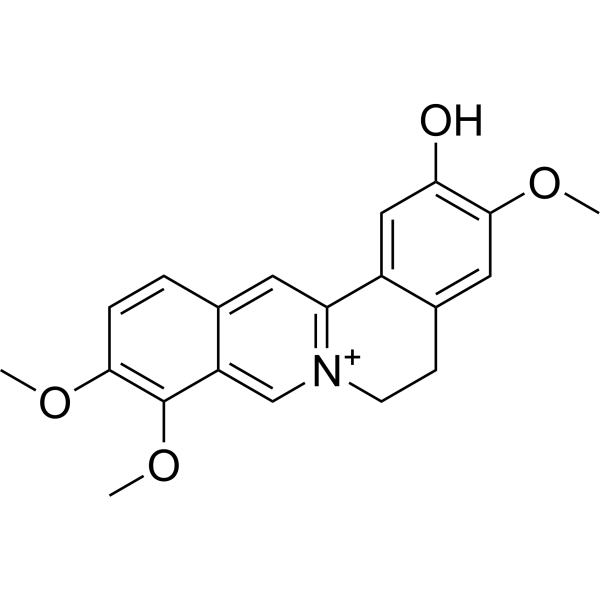
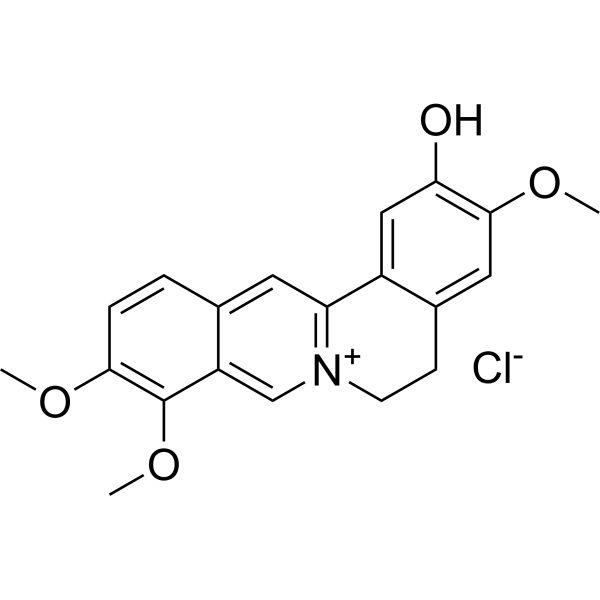
Dehydrocorybulbine chloride is an isoquinoline alkaloid with neuraminidase (NA) inhibitory activity. Dehydrocorybulbine chloride can be isolated from the 95% ethanol extract of the rhizome of Viola odorata .
|
-
-
- HY-N4307
-
|
|
Parasite
|
Infection
|
|
Laetanine is a noraporphine alkaloid from Litsea laeta, exhibits antiplasmodial activity. Laetanine can be found in the extract of the leaves of Phoebe tavoyana (Meissn) Hook .
|
-
-
- HY-15122R
-
-
-
- HY-117616
-
|
(+)-Laurotetanine
|
NF-κB
|
Cancer
|
|
Laurotetanine ((+)-Laurotetanine) is an potent and orally active isoquinoline alkaloid and could be extracted from the roots of Litsea cubeba (Lour.) Pers. Laurotetanine exerts an anti-asthmatic effect by inhibition of IgE, histamine, and inflammatory reactions via down-regulating MUC5AC and NF-κB signaling pathways .
|
-
-
- HY-B0433B
-
|
|
Flavivirus
Dengue Virus
Parasite
Potassium Channel
|
Infection
|
|
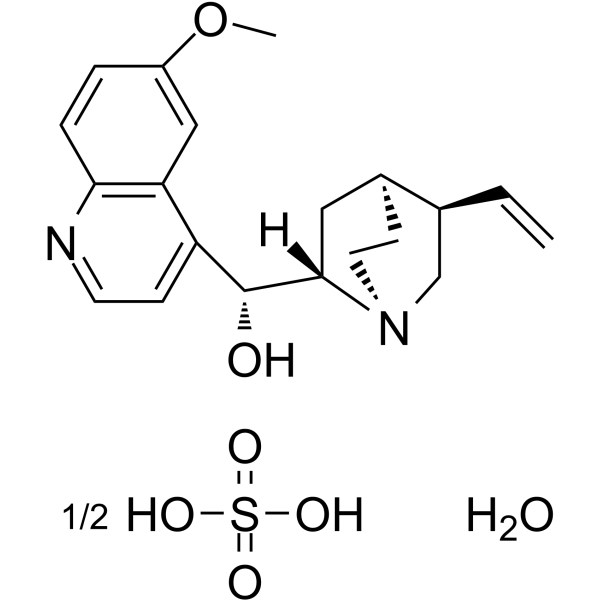
Quinine hemisulfate is an orally active alkaloid extracted from cinchona bark and can be used in anti-malarial studies. Quinine hemisulfate is a potassium channel inhibitor that inhibits WT mouse Slo3 (KCa5.1) channel currents evoked by voltage pulses to +100 mV with an IC50 of 169 μM .
|
-
-
- HY-N2022R
-
|
|
Reference Standards
Glycosidase
|
Inflammation/Immunology
Cancer
|
|
Castanospermine is a natural alkaloid that can be extracted from black beans or the Moreton Bay chestnut tree (Castanospermum australae). Castanospermine is an α/ β-glucosidase inhibitor. Castanospermine has anti-inflammatory, antiviral replication and anti-metastatic effects on prostate cancer. Castanospermine can be used as an immunosuppressant to prevent transplant rejection .
|
-
-
- HY-N11922
-
|
|
Others
|
Neurological Disease
|
|
Ipalbidine is an alkaloid extracted from ipomoea Hardwickki Hemsl. Ipalbidine has dose-dependent analgesic effects .
|
-
-
- HY-N12313
-
|
|
Aldose Reductase
|
Metabolic Disease
|
|
Corybulbine, an alkaloid that can be isolated from the methanolic extract of Corydalis ternata, is an aldose reductase (ALR2) inhibitor. Corybulbine can be used for diabetic complications research .
|
-
-
- HY-123025
-
|
|
Fungal
|
Inflammation/Immunology
|
|
Schizozygine is an alkaloid that can be isolated from Schizozygia caffaeoides. Schizozygia caffaeoides has been used as a traditional medicine for skin disease. The leaf extracts has high antifungal and antimicrobial activity .
|
-
-
- HY-N1251
-
|
|
Others
|
Others
|
|
Scholaricine (compound 13 ) is an alkaloid isolated from the leaf and stem-bark extracts of Alstonia spatulata. Scholaricine reverse multidrug resistance in vincristine-resistant KB cells with an IC50 value of 13.35 μM .
|
-
-
- HY-N2926
-
|
|
Parasite
|
Infection
|
|
β-Carboline-1-propionic acid is a alkaloid which can be extracted from Ailanthus altissima. β-Carboline-1-propionic acid can be used as an antileishmanial agent .
|
-
-
- HY-N15629
-
|
NSC 402921
|
Biochemical Assay Reagents
|
Others
|
|
Melicopicine (NSC 402921) (Compound 2) is an acridone alkaloid. Melicopicine is a 1,2,3,4-tetraoxygenated acridone precursor, which can be co-isolated from S. megistophylla and detected by GC-MS in the extract from S. follicularis .
|
-
-
- HY-N9507
-
|
|
Apoptosis
FGFR
|
Cancer
|
|
Picrasidine Q, an alkaloid component extracted from Angelica keiskei species, has the capacity of anti-cell transformation and anti-cancer. Picrasidine Q induces cell apoptosis and G1 phase arrest in human esophageal cancer cell lines, and directly inhibits FGFR2 kinase activity .
|
-
-
- HY-N0746R
-
|
|
Reference Standards
Others
|
Cancer
|
|
Oxysophocarpine (Standard) is the analytical standard of Oxysophocarpine. This product is intended for research and analytical applications. Oxysophocarpine is an alkaloid extracted from Sophora alopecuroides. Oxysophocarpine has neuroprotective and anti-nociceptive effects on the central and peripheral nervous systems . Oxysophocarpine inhibits the growth and metastasis of oral squamous cell carcinoma (OSCC) .
|
-
-
- HY-N11979
-
|
|
Others
|
Others
|
|
Dihydronitidine is an alkaloid can be extracted from Zanthoxylum rhoifolium .
|
-
-
- HY-119642
-
|
|
Others
|
Others
|
|
Kopsinine is an indole alkaloid extracted from periwinkle flowers .
|
-
-
- HY-N15699
-
-
-
- HY-N12343
-
|
|
Bacterial
Fungal
|
Infection
|
|
Tetrahydrorhombifoline is one of quinolizidine alkaloids in the aerial parts of Genista vuralii A. Duran & H. Dural (Fabaceae). The alkaloid extract of G. vuralii has antibacterial and antifungal activities .
|
-
-
- HY-N7341
-
|
|
Others
|
Others
|
|
8-Deacetylyunaconitine, a diterpenoid alkaloid, can be found in the root extract of A. forrestii .
|
-
-
- HY-117034
-
|
|
Others
|
Others
|
|
Rankinidine is an oxindole alkaloid that is isolated from the MeOH extract of the stem of Gelsemium rankinii .
|
-
-
- HY-W194842
-
|
|
Others
|
Others
|
|
Harmalan (compound 8) is a alkaloid isolated from the extracts of the leaves of Flindersia laevicarpa .
|
-
-
- HY-N3374
-
|
10-O-Methylsarpagine
|
Others
|
Others
|
|
Lochnerine is an indole alkaloid can be isolated from the stem bark extract of Alstonia macrophylla .
|
-
-
- HY-N15627
-
|
NSC 94652
|
Others
|
Others
|
|
Xanthevodine (NSC 94652) is an alkaloid that can be extracted from the leaves of Acronychia baueri Schott .
|
-
-
- HY-N1019
-
|
N-Methyl-11-hydroxyrankinidine
|
Others
|
Others
|
|
11-Hydroxyhumantenine is an alkaloid compound isolated from the EtOH extract of the stems of Gelsemium elegans .
|
-
-
- HY-N8452
-
|
|
Others
|
Others
|
|
Noroxyhydrastinine (compound 1) is an alkaloid. Noroxyhydrastinine can be isolated from the ethanolic extract of the roots of Thalictrum angustifolium .
|
-
-
- HY-N0298A
-
|
|
Others
|
Inflammation/Immunology
|
|
(±)-Stachydrine is a quaternary ammonium alkaloid that can be extracted from Courbonia glauca. (±)-Stachydrine can be used for research on inflammatory conditions .
|
-
-
- HY-N9537
-
|
|
Others
|
Inflammation/Immunology
|
|
Napelline is an alkaloid extracted from Baikal aconite (Aconitum baikalensis). Napelline can be used for the research of inflammation, antiexudative and analgesic .
|
-
-
- HY-119637
-
|
|
Others
|
Others
|
|
Frangufoline is a 4(14)-type cyclopeptide alkaloid, that can be isolated from the root bark extract of Ziziphus cambodiana Pierre .
|
-
-
- HY-N0491
-
|
(-)-Lupinidine sulfate
|
nAChR
|
Neurological Disease
|
|
(-)-Sparteine (sulfate) is a quinolizidine alkaloid that can be extracted from Lupinus. (-)-Sparteine (sulfate) inhibits the release of acetylcholine and has anticonvulsant effects .
|
-
-
- HY-168778
-
-
-
- HY-N10087A
-
|
|
Bacterial
|
Infection
|
|
Angustifoline hydrochloride, an alkaloid, can be isolated from Lupinus angustifolius L. alkaloid extract. Angustifoline hydrochloride exhibits antimicrobial activity. Angustifoline hydrochloride could have bacteriostatic effects against S. aureus, B. subtilis, E. coli, P. aeruginosa and B. thuringiensis .
|
-
- HY-N15187
-
|
|
Parasite
|
Infection
|
|
Acronycidine is a quinoline alkaloid with antimalarial activity and can be extracted from Acronychia baueri Schott. Acronycidine can be utilized in malari research .
|
-
- HY-N15659
-
-
- HY-N1018
-
|
|
Others
|
Others
|
|
11-Hydroxygelsenicine is a 11-hydroxy-substituted gelsedine-type indole alkaloid compound isolated from the EtOH extract of the stems of Gelsemium elegans .
|
-
- HY-N0770R
-
|
|
Reference Standards
Apoptosis
|
Inflammation/Immunology
Cancer
|
|
Isoliensinine is a bisbenzylisoquinoline alkaloid extracted from the seed embryo of Nelumbo nucifera, with anti-oxidant and anti-inflammatory and anti-cancer activities. Isoliensinine induces apoptosis in triple-negative human breast cancer cells .
|
-
- HY-15122AR
-
-
- HY-N4080
-
|
|
mAChR
|
Inflammation/Immunology
|
|
Cyclobuxine D is a steroidal alkaloid extracted from Buxus microphylla. Cyclobuxine D has a significant bradycardic effect in the rat heart and an inhibitory action on acetylcholine and Ba ++−induced contraction of the longitudinal muscle isolated from the rabbit jejunum .
|
-
- HY-D0143AR
-
|
|
Flavivirus
Dengue Virus
Reference Standards
Parasite
Potassium Channel
|
Infection
|
|
Quinine (dihydrochloride) (Standard) is the analytical standard of Quinine (dihydrochloride). This product is intended for research and analytical applications. Quinine dihydrochloride is an orally active alkaloid extracted from cinchona bark and can be used in anti-malarial studies. Quinine dihydrochloride is a potassium channel inhibitor that inhibits WT mouse Slo3 (KCa5.1) channel currents evoked by voltage pulses to +100?mV with an IC50 of 169 μM .
|
-
- HY-N19064
-
-
- HY-N19078
-
|
|
Others
|
Neurological Disease
|
|
Rauvolfia vomitoria extract has sedative, blood pressure-lowering, and antipsychotic properties. The main active ingredients of Rauvolfia vomitoria extract include reserpine, amygdalin, and other alkaloids.
|
-
- HY-N18775
-
|
|
Bacterial
|
Infection
Neurological Disease
|
|
Gloriosa superba seed extract contains various bioactive compounds, such as alkaloids (particularly colchicine and gloriosine). Gloriosa superba seed extract possesses analgesic, antibacterial, and antifungal properties.
|
-
- HY-N19068
-
|
|
Bacterial
|
Metabolic Disease
|
|
Crataeva nurvula extract is rich in active ingredients including flavonoids, saponins, triterpenoids, alkaloids, and tannins. Crataeva nurvula extract helps promote healthy kidney and bladder function.
|
-
- HY-N18784
-
|
|
Others
|
Neurological Disease
|
|
Valeriana wallichii extract is rich in various bioactive compounds, such as volatile oils, iridoids, alkaloids, flavonoids, and gamma-aminobutyric acid (GABA). Valeriana wallichii extract has sedative and tranquilizing effects.
|
-
- HY-N18737
-
|
|
Others
|
Inflammation/Immunology
|
|
Phyllanthus niruri extract, extracted from the whole plant of Phyllanthus niruri, is rich in bioactive compounds such as alkaloids, flavonoids, and tannins. Phyllanthus niruri extract has alkalizing properties, which may help prevent the formation of gallstones and acidic kidney stones.
|
-
- HY-N19039
-
|
|
Bacterial
|
Infection
Metabolic Disease
Inflammation/Immunology
|
|
Aerva Lanata Extract is a versatile herbal extract with a wide range of bioactive compounds and medicinal properties. Aerva Lanata Extract contains various phytochemicals such as flavonoids, terpenoids, alkaloids, tannins, and phenolic compounds. Aerva Lanata Extract shows significant antioxidant, antimicrobial, anti-cancer, anti-inflammatory, and anti-diabetic activities.
|
-
- HY-N16978
-
|
|
Others
|
Inflammation/Immunology
|
|
Tuberospironine A is a Stemona alkaloid compound; a series of Stemona alkaloids often exhibit pharmacological activities such as antitussive effects. Tuberospironine A can be naturally extracted from the dried roots of Stemona tuberosa Lour., which grows in Indonesia .
|
-
- HY-N18760
-
|
|
Bacterial
|
Infection
Inflammation/Immunology
|
|
Vitex negundo extract is rich in bioactive compounds such as alkaloids, flavonoids, glycosides, volatile oils, triterpenoids, tannins, polyphenols, flavonoids, and iridoid glycosides. Vitex negundo extract possesses anti-inflammatory, antioxidant, antibacterial, and detoxifying properties.
|
-
- HY-N18674
-
|
|
Others
|
Metabolic Disease
Inflammation/Immunology
|
|
Fenugreek extract is a natural plant extract derived from fenugreek seeds. It is rich in bioactive components such as saponins, flavonoids, alkaloids, and mucilage, which help improve blood sugar control, reduce inflammation, and promote digestive health.
|
-
- HY-N15446
-
|
|
Others
|
Others
|
|
Siamine is an isoquinolone alkaloid. Siamine can be extracted from Cassia siamea. Siamine can act as an antioxidant .
|
-
- HY-N19040
-
|
|
Others
|
Neurological Disease
|
|
Coryanthe yohimbe extract is a dietary supplement whose active ingredient is yohimbine, an alkaloid known for its stimulating effects on the central nervous system. Coryanthe yohimbe extract is commonly used to enhance sexual function and treat erectile dysfunction.
|
-
- HY-N18781
-
|
|
Bacterial
|
Inflammation/Immunology
|
|
Chitrakmool extract contains a variety of key active ingredients, including the potent naphthoquinone compound pampinidin, as well as various alkaloids, flavonoids, and terpenoids. Chitrakmool extract helps stimulate appetite, improve digestion, and relieve indigestion, bloating, and constipation.
|
-
- HY-N18757
-
|
|
Bacterial
|
Infection
Inflammation/Immunology
|
|
Tinospora Cordifolia Extract is rich in bioactive compounds-such as alkaloids, glycosides, polysaccharides, and lignans—and possesses immunomodulatory, anti-inflammatory, antioxidant, and antimicrobial activities.
|
-
- HY-N19049
-
|
|
Others
|
Neurological Disease
|
|
Acmella oleracea extract, derived from the leaves and buds of the Acmella oleracea plant, is a versatile natural ingredient. It contains various bioactive compounds, including alkylamide alkaloids such as acmella alcohol, which impart a tingling sensation and local anesthetic effect to the extract.
|
-
- HY-N19055
-
|
|
Others
|
Inflammation/Immunology
|
|
Asparagus racemosus extract, derived from the roots of Asparagus racemosus (also known as Satavali), contains bioactive components such as saponins, steroidal glycosides, polyphenols, vitamins, flavonoids, and alkaloids. Asparagus racemosus extract is renowned for its anti-inflammatory and immunomodulatory properties.
|
-
- HY-N18675
-
|
|
Others
|
Metabolic Disease
|
|
Convolvulus scammonia extract, derived from the roots of the Convolvulus scammonia plant, has laxative and detoxifying properties. It contains active ingredients such as resins and alkaloids.
|
-
- HY-N18776
-
|
|
Bacterial
|
Infection
Inflammation/Immunology
|
|
The active ingredients in Hemidesmus indicus extract include saponins, flavonoids, alkaloids, and coumarins, which possess detoxifying, anti-inflammatory, antioxidant, and antimicrobial properties.
|
-
- HY-N19054
-
-
- HY-N18754
-
-
- HY-N19041
-
|
|
Bacterial
|
Infection
Inflammation/Immunology
|
|
The active ingredients in Eurycoma longifolia extract include quassinolides (such as tongkatarin), alkaloids, triterpenoids, complex peptides, and saponins. Eurycoma longifolia extract possesses antioxidant, anti-inflammatory, and antibacterial properties, helping to enhance overall immunity and reduce inflammation. Eurycoma longifolia extract is also being used in research to improve athletic performance, promote sexual health, and alleviate fatigue.
|
-
- HY-N18728
-
|
|
Others
|
Neurological Disease
|
|
Withania somnifera extract, derived from the roots and leaves of the South African ashwagandha (Withania somnifera), contains a variety of bioactive components, including solanolactones (such as solanolactone A, solanolactone D, and solanine A), solanosin (such as solanosin IV and solanosin VI), alkaloids (such as isopretiline and anaflin), β-sitosterol, benzoic acid, and tropane alkaloids. Withania somnifera extract has been extensively studied for its benefits in stress management, anxiety relief, improved physical function, and overall health.
|
-
- HY-N18755
-
-
- HY-N18717
-
|
|
Others
|
Metabolic Disease
|
|
Yohimbe extract is rich in bioactive compounds, especially the alkaloid yohimbe, which is known for its effects on improving sexual function, weight loss, and promoting blood circulation.
|
-
- HY-N19059
-
|
|
Others
|
Metabolic Disease
|
|
Boerhavia diffusa extract contains a variety of bioactive compounds, including alkaloids, flavonoids, and glycosides. It can protect kidney and liver health and has diuretic and detoxifying effects.
|
-
- HY-N19058
-
|
|
Bacterial
|
Infection
Inflammation/Immunology
|
|
Berberis aristata extract contains a variety of bioactive alkaloids, among which berberine is the most prominent. Berberine is known for its powerful antibacterial, anti-inflammatory, and antioxidant properties.
|
-
- HY-N9392A
-
|
|
Drug Derivative
|
Inflammation/Immunology
|
|
Stemospironine is an alkaloid that can be extracted from plants of the genus Hyacinth. Stemospironine is a cough suppressant used to control coughing. Stemospironine can be used for research on inflammatory conditions .
|
-
- HY-N19084
-
|
|
Others
|
Inflammation/Immunology
Cancer
|
|
Piper longum fruit extract contains a variety of bioactive compounds, including piperine, flavonoids, phenolic compounds, and various alkaloids. Piper longum fruit extract has applications such as antioxidant activity, anti-inflammatory effects, antitumor and immunomodulatory properties, hepatoprotective effects, and anti-chromosome breakage activity.
|
-
- HY-N18206
-
|
|
Others
|
Others
|
|
Clavolonine is a lycopodane-group Lycopodium alkaloid.Clavolonine can be found in the aerial parts of Huperzia saururus .
|
-
- HY-N18765
-
|
|
Bacterial
|
Infection
Inflammation/Immunology
|
|
Dragons blood extract contains a variety of bioactive compounds, including alkaloids, flavonoids, phenolic acids, and chalcone derivatives, which have antibacterial, anti-inflammatory, antioxidant, and wound-healing effects.
|
-
- HY-N17822
-
|
|
Others
|
Others
|
|
9-Angeloylretronecine is a pyrrolizidine alkaloid compound. 9-Angeloylretronecine can be used in natural product chemistry, plant secondary metabolites, and research on active ingredients of Boraginaceae plants. 9-Angeloylretronecine can be extracted from the whole plant methanol extract of Echium glomeratum (a plant of the Boraginaceae family) .
|
-
- HY-N16987
-
|
|
Others
|
Others
|
|
Anthriscifoldine B is a lycoctonine-type C19-diterpene alkaloid. Anthriscifoldine B can be naturally extracted from the dried whole plant of Delphinium anthriscifolium var. savatieri .
|
-
- HY-N19072
-
|
|
Bacterial
|
Infection
Inflammation/Immunology
|
|
Murraya koenigii extract is derived from the leaves of the Murraya koenigii tree. Its active ingredients include alkaloids, flavonoids, terpenoids, and phenolic acids, which give it antioxidant, anti-inflammatory, and antibacterial properties.
|
-
- HY-N19719
-
|
|
Drug Derivative
|
Inflammation/Immunology
|
|
Bispyrayafoline is a pyrrolidone and antioxidant with an IC50 value of 13.85 μM against DPPH. Bispyrayafoline can be found in the leaves of Murraya koenigii (Linn.) Spreng. Bispyrayafoline's antioxidant activity is concentration-dependent but time-independent. Bispyrayafoline can be utilized in studies concerning oxidative damage .
|
-
- HY-135945
-
|
|
Biochemical Assay Reagents
|
Inflammation/Immunology
|
|
Dihydrocoptisine is a benzylisoquinoline alkaloid that can be isolated from the methanolic extract of the whole plant of Argemone mexicana L. Dihydrocoptisine can activate XBP1 transcription activity. Dihydrocoptisine can be studied in research on anti-ulcertative colitis .
|
-
- HY-N19069
-
|
|
Bacterial
|
Infection
Metabolic Disease
Inflammation/Immunology
|
|
Eugenia jambolana extract, commonly known as jamun or black plum, is derived from the fruit of the Eugenia jambolana tree, native to South Asia. The active compounds in jamun extract include anthocyanins, flavonoids, alkaloids, and tannins, which contribute to its antioxidant, anti-inflammatory, and antimicrobial properties. Jamun extract is most known for its blood sugar-lowering effects, making it popular in traditional medicine for managing diabetes. It is commonly used in supplements, traditional remedies, and skincare products due to its wide range of health benefits.
|
-
- HY-N16759
-
|
|
Others
|
Cancer
|
|
Apparicine is a monoterpene indole alkaloid that can be naturally extracted from the stems of Tabernaemontana divaricata. Apparicine shows no cytotoxicity against MCF-7 human breast cancer cells and A-549 human lung cancer cells .
|
-
- HY-N18777
-
|
|
Bacterial
|
Infection
Inflammation/Immunology
|
|
Moringa oleifera extract contains a variety of active ingredients, including vitamins (A, C, E and various B vitamins), minerals (calcium, iron, potassium, magnesium), flavonoids, phenolic acids and alkaloids, which have antioxidant, anti-inflammatory, antibacterial and antiviral properties.
|
-
- HY-N16889
-
|
|
Others
|
Infection
Inflammation/Immunology
Cancer
|
|
N-Acetylnornuciferine is an aporphine alkaloid, whose family members possess potential antibacterial, antiviral, antioxidant, or anticancer activities. N-Acetylnornuciferine can be extracted from the dried roots of Liriodendron tulipifera (American tulip tree, a plant of the Magnoliaceae family) using ethanol .
|
-
- HY-160000
-
|
|
NF-κB
Drug Intermediate
|
Infection
Inflammation/Immunology
Cancer
|
|
Coumaperine is an amide alkaloid. Coumaperine can be extracted from white piper. Coumaperine inhibits NF-κB. Coumaperine derivatives exhibit anticancer activity against non-small cell lung cancer and Hodgkin's lymphoma. Coumaperine derivatives have antibacterial activity .
|
-
- HY-N18676
-
|
|
Others
|
Metabolic Disease
|
|
Dolichos Biflorus Extract, derived from the seeds of the Dolichos biflorus plant (commonly known as horse gram), is a nutrient-dense herb widely used in Ayurvedic and traditional medicine for its numerous health benefits. Dolichos biflorus extract contains alkaloids, saponins, flavonoids, carbohydrates, proteins, and tannins. It is known for its digestive support, as it promotes healthy digestion, alleviates bloating, and helps with constipation, along with mild diuretic effects that aid detoxification by eliminating excess fluids and waste products from the body.
|
-
- HY-N15339A
-
|
|
Sigma Receptor
|
Neurological Disease
|
|
Convolamine hydrochloride is a tropane alkaloid and a potent Sigma-1 receptor positive allosteric modulator with an IC50 value of 289 nM. Convolamine hydrochloride can be extracted from Convolvulus plauricalis. Convolamine hydrochloride exhibits cognitive-improving and neuroprotective properties. Convolamine hydrochloride can be used in research related to Wolfram syndrome and Alzheimer's disease .
|
-
- HY-N16779
-
|
|
Others
|
Cardiovascular Disease
Neurological Disease
|
|
Angustine is a monoterpene indole alkaloid vasodilator. Angustine exhibits potent vasodilatory activity on isolated rat aorta at a concentration of 10 μM (vasodilation rate exceeding 90%). Angustine can be used in the study of diseases such as hypertension, cerebral vasospasm, and peripheral circulatory disorders. Angustine can be naturally extracted from the bark of Nauclea officinalis and is also present in plants of the genera Mitragyna, Uncaria, and Strychnos .
|
-
- HY-N6973R
-
|
|
Reference Standards
RANKL/RANK
|
Inflammation/Immunology
|
|
Boldine (Standard) is the analytical standard of Boldine. This product is intended for research and analytical applications. Boldine is an aporphine isoquinoline alkaloid extracted from the root of Litsea cubeba and also possesses these properties, including antioxidant, anti-inflammatory and cytoprotective effects. Boldine suppresses osteoclastogenesis, improves bone destruction by down-regulating the OPG/RANKL/RANK signal pathway and may be a potential therapeutic agent for rheumatoid arthritis .
|
-
- HY-N0413R
-
-
- HY-N3210
-
|
|
Others
|
Cancer
|
|
Nb-Demethylechitamine is an alkaloid isolated from the methanol extract of Alstonia rostrata twigs. Nb-Demethylechitamine has in vitro cytotoxic activity against several human cancer cell lines, including human myeloid leukemia HL-60, liver cancer SMMC-7721, lung cancer A-549, breast cancer MCF-7, and colon cancer SW480 cells .
|
-
- HY-N0288R
-
|
|
Fatty Acid Synthase (FASN)
Virus Protease
Bacterial
Apoptosis
Reference Standards
|
Inflammation/Immunology
Cancer
|
|
Lycorine (Standard) is the analytical standard of Lycorine. This product is intended for research and analytical applications. Lycorine is a natural alkaloid extracted from the Amaryllidaceae plant. Lycorine is a potent and orally active SCAP inhibitor with a Kd value 15.24 nM. Lycorine downregulates the SCAP protein level without changing its transcription . Lycorine is also a melanoma vasculogenic inhibitor . Lycorine can be used for the study of prostate cancer and metabolic diseases .
|
-
- HY-N16714
-
|
|
Others
|
Cancer
|
|
Clausine K is a carbazole alkaloid anticancer agent. Clausine K exhibits strong cytotoxicity against human hepatoma HepG2 cells (IC50 = 1.05 μg/mL), superior to the standard drug Etoposide (HY-13629) (IC50 13.40 μg/mL). Clausine K can be naturally extracted from the dried stems of Clausena excavata (a plant of the Rutaceae family) through chromatographic separation and other methods .
|
-
- HY-N0926
-
|
Columbamin; Dehydroisocorypalmine
|
Cytochrome P450
Apoptosis
Parasite
|
Infection
Neurological Disease
Inflammation/Immunology
Cancer
|
|
Columbamine (Columbamin; Dehydroisocorypalmine) is an organic heterotetracyclic alkaloid extracted from plants. Columbamine is a metabolite of Berberine (HY-N0716). Columbamine inhibits the cytochrome P450 (CYP) isoform CYP3A4 (IC50 = 30.6 µM). Columbamine induces apoptosis in cancer cells. Columbamine can be used for antioxidant, anti-inflammatory, antitumor, antifungal, antiparasite, hepatoprotective, neuroprotective, hypolipidemic and hypoglycemic study .
|
-
- HY-N0926A
-
|
Columbamin chloride; Dehydroisocorypalmine chloride
|
Cytochrome P450
Apoptosis
Parasite
|
Infection
Neurological Disease
Inflammation/Immunology
Cancer
|
|
Columbamine (Columbamin; Dehydroisocorypalmine) chloride is an organic heterotetracyclic alkaloid extracted from plants. Columbamine chloride is a metabolite of Berberine (HY-N0716). Columbamine chloride inhibits the cytochrome P450 (CYP) isoform CYP3A4 (IC50 = 30.6 µM). Columbamine chloride induces apoptosis in cancer cells. Columbamine chloride can be used for antioxidant, anti-inflammatory, antitumor, antifungal, antiparasite, hepatoprotective, neuroprotective, hypolipidemic and hypoglycemic study .
|
-
- HY-W010668R
-
|
|
Flavivirus
Dengue Virus
Reference Standards
Parasite
Potassium Channel
|
Others
|
|
Quinine (sulfate hydrate) (Standard) is the analytical standard of Quinine (sulfate hydrate). This product is intended for research and analytical applications. Quinine sulfate hydrate (2:1:4) is an orally active alkaloid extracted from cinchona bark and can be used in anti-malarial studies. Quinine sulfate hydrate (2:1:4) is a potassium channel inhibitor that inhibits WT mouse Slo3 (KCa5.1) channel currents evoked by voltage pulses to +100?mV with an IC50 of 169 μM .
|
-
- HY-B1021
-
|
|
Free Fatty Acid Receptor
|
Cardiovascular Disease
Metabolic Disease
|
|
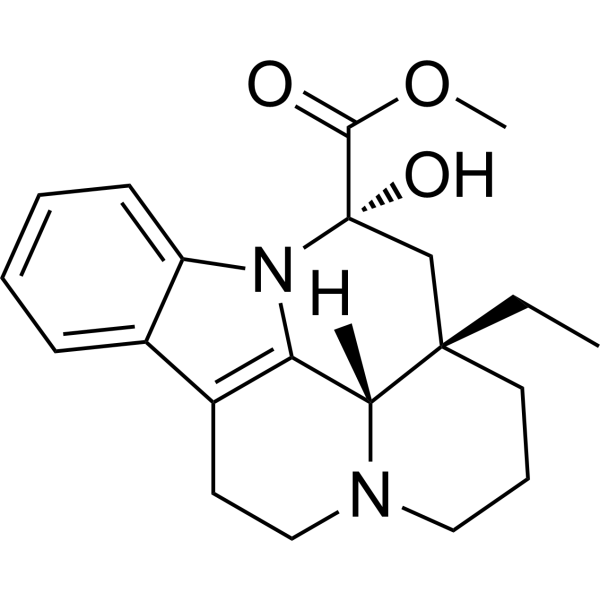
Vincamine is a monoterpenoid indole alkaloid extracted from the Madagascar periwinkle. Vincamine is a peripheral vasodilator and exerts a selective vasoregulator action on the brain microcapilar circulation . Vincamine is a GPR40 agonist and acts as a β-cell protector by ameliorating β-cell dysfunction and promoting glucose-stimulated insulin secretion (GSIS). Vincamine improves glucose homeostasis in vivo, and has the potential for the type 2 diabetes mellitus (T2DM) research .
|
-
- HY-N6973
-
Boldine
1 Publications Verification
|
RANKL/RANK
Apoptosis
|
Inflammation/Immunology
Cancer
|
|
Boldine is an apomorphine isoquinoline alkaloid extracted from the root of the pheasant pepper (Litsea cubeba). Boldine is an oral effective antioxidant, anti-inflammatory, antitumor agent, and can inhibit osteoclast formation. Boldine induces apoptosis of human bladder cancer cells by regulating ERK, AKT and GSK-3β. Boldine ameliorates bone destruction by down-regulating the OPG/RANKL/RANK signaling pathway. It can be used in rheumatoid arthritis research .
|
-
- HY-N0687R
-
|
|
Reference Standards
Microtubule/Tubulin
Apoptosis
NF-κB
PERK
|
Metabolic Disease
Inflammation/Immunology
Endocrinology
|
|
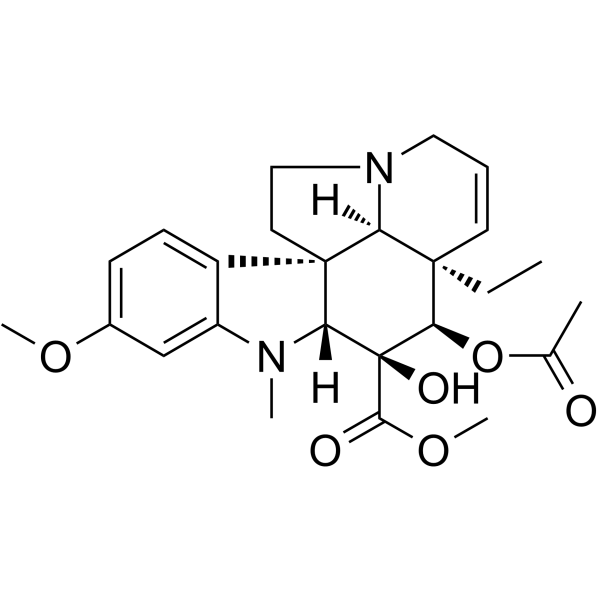
Vindoline (Standard) is an analytical standard of Vindoline (HY-N0687). This product is intended for research and analytical applications. Vindoline is an orally active vinca alkaloid. Vindoline can be extracted from the leaves of Catharanthus roseus. Vindoline has a weak inhibitory effect on the self-assembly of tubulin. Vindoline alleviates Apoptosis, inhibits p-p65 and p-ERK. Vindoline improves diabetes, bone loss, osteoarthritis, and kidney damage .
|
-
- HY-117651R
-
|
|
Reference Standards
Acyltransferase
|
Cancer
|
|
Quinine (sulfate hydrate) (Standard) is the analytical standard of Quinine (sulfate hydrate). This product is intended for research and analytical applications. Quinine sulfate hydrate (2:1:4) is an orally active alkaloid extracted from cinchona bark and can be used in anti-malarial studies. Quinine sulfate hydrate (2:1:4) is a potassium channel inhibitor that inhibits WT mouse Slo3 (KCa5.1) channel currents evoked by voltage pulses to +100?mV with an IC50 of 169 μM .
|
-
- HY-B1021R
-
|
|
Reference Standards
Free Fatty Acid Receptor
|
Cardiovascular Disease
Metabolic Disease
|
|
Vincamine (Standard) is the analytical standard of Vincamine. This product is intended for research and analytical applications. Vincamine is a monoterpenoid indole alkaloid extracted from the Madagascar periwinkle. Vincamine is a peripheral vasodilator and exerts a selective vasoregulator action on the brain microcapilar circulation . Vincamine is a GPR40 agonist and acts as a β-cell protector by ameliorating β-cell dysfunction and promoting glucose-stimulated insulin secretion (GSIS). Vincamine improves glucose homeostasis in vivo, and has the potential for the type 2 diabetes mellitus (T2DM) research .
|
-
- HY-N3945
-
|
O,O-Dimethylisoboldine; S-(+)-Glaucine; NSC 34396
|
Phosphodiesterase (PDE)
Calcium Channel
MMP
NF-κB
|
Inflammation/Immunology
Cancer
|
|
Glaucine (O,O-Dimethylisoboldine) is an alkaloid extracted from Glaucium flavum that possesses various activities, including cough relief, bronchodilation, anti-inflammatory effects, analgesia, antipyretic properties, and anticancer effects. Glaucine acts as a selective and orally active inhibitor of phosphodiesterase 4 (PDE4), with a Ki of 3.4 µM in human bronchial tissues and polymorphonuclear leukocytes. Glaucine induces relaxation of human isolated bronchi by antagonizing calcium channels. Additionally, Glaucine inhibits the activation of NF-κB, leading to a reduction in the expression of the MMP-9 gene, thereby suppressing the migration and invasion of breast cancer cells. Therefore, Glaucine holds potential for research in asthma and breast cancer .
|
-
- HY-W100287
-
|
|
NF-κB
p38 MAPK
Interleukin Related
IKK
JNK
β-catenin
Wnt
|
Neurological Disease
Inflammation/Immunology
Cancer
|
|
Murrayafoline A is a carbazole alkaloid that can be extracted from Murraya tetramera. Murrayafoline A directly targets Specificity protein 1 (Sp1), thereby inhibiting NF-κB and MAPK signaling pathways. Murrayafoline a induces a G0/G1-phase arrest in platelet-derived growth factor (PDGF)-stimulated vascular smooth muscle cells. Murrayafoline A attenuates the Wnt/β-catenin pathway by promoting the degradation of intracellular β-catenin proteins. Murrayafoline A enhances the contraction of rat ventricular myocytes and L-type calcium current by activating protein kinase C. Murrayafoline A inhibits LPS (HY-D1056)-induced neuroinflammation in vivo. Murrayafoline A can be used for the study of inflammation, vascular complications and colon cancer .
|
-
- HY-W100287R
-
|
|
NF-κB
Reference Standards
p38 MAPK
Interleukin Related
IKK
JNK
β-catenin
Wnt
|
Neurological Disease
Inflammation/Immunology
Cancer
|
|
Murrayafoline A (Standard) is the analytical standard of Murrayafoline A (HY-W100287). This product is intended for research and analytical applications. Murrayafoline A is a carbazole alkaloid that can be extracted from Murraya tetramera. Murrayafoline A directly targets Specificity protein 1 (Sp1), thereby inhibiting NF-κB and MAPK signaling pathways. Murrayafoline a induces a G0/G1-phase arrest in platelet-derived growth factor (PDGF)-stimulated vascular smooth muscle cells. Murrayafoline A attenuates the Wnt/β-catenin pathway by promoting the degradation of intracellular β-catenin proteins. Murrayafoline A enhances the contraction of rat ventricular myocytes and L-type calcium current by activating protein kinase C. Murrayafoline A inhibits LPS (HY-D1056)-induced neuroinflammation in vivo. Murrayafoline A can be used for the study of inflammation, vascular complications and colon cancer .
|
-
| Cat. No. |
Product Name |
Category |
Target |
Chemical Structure |
- HY-N15659
-
-
- HY-N0770R
-
-
- HY-15122AR
-
-
- HY-N4080
-
-
- HY-D0143AR
-
-
- HY-N0413R
-
-
- HY-N3210
-
-
- HY-N19064
-
-
- HY-N19078
-
|
|
Structural Classification
Extract
|
Others
|
|
Rauvolfia vomitoria extract has sedative, blood pressure-lowering, and antipsychotic properties. The main active ingredients of Rauvolfia vomitoria extract include reserpine, amygdalin, and other alkaloids.
|
-
- HY-N18775
-
|
|
Structural Classification
Extract
|
Bacterial
|
|
Gloriosa superba seed extract contains various bioactive compounds, such as alkaloids (particularly colchicine and gloriosine). Gloriosa superba seed extract possesses analgesic, antibacterial, and antifungal properties.
|
-
- HY-N19068
-
|
|
Structural Classification
Extract
|
Bacterial
|
|
Crataeva nurvula extract is rich in active ingredients including flavonoids, saponins, triterpenoids, alkaloids, and tannins. Crataeva nurvula extract helps promote healthy kidney and bladder function.
|
-
- HY-N18784
-
|
|
Structural Classification
Extract
|
Others
|
|
Valeriana wallichii extract is rich in various bioactive compounds, such as volatile oils, iridoids, alkaloids, flavonoids, and gamma-aminobutyric acid (GABA). Valeriana wallichii extract has sedative and tranquilizing effects.
|
-
- HY-N18737
-
|
|
Structural Classification
Extract
|
Others
|
|
Phyllanthus niruri extract, extracted from the whole plant of Phyllanthus niruri, is rich in bioactive compounds such as alkaloids, flavonoids, and tannins. Phyllanthus niruri extract has alkalizing properties, which may help prevent the formation of gallstones and acidic kidney stones.
|
-
- HY-N19039
-
|
|
Structural Classification
Extract
|
Bacterial
|
|
Aerva Lanata Extract is a versatile herbal extract with a wide range of bioactive compounds and medicinal properties. Aerva Lanata Extract contains various phytochemicals such as flavonoids, terpenoids, alkaloids, tannins, and phenolic compounds. Aerva Lanata Extract shows significant antioxidant, antimicrobial, anti-cancer, anti-inflammatory, and anti-diabetic activities.
|
-
- HY-N16978
-
-
- HY-N18760
-
|
|
Structural Classification
Extract
|
Bacterial
|
|
Vitex negundo extract is rich in bioactive compounds such as alkaloids, flavonoids, glycosides, volatile oils, triterpenoids, tannins, polyphenols, flavonoids, and iridoid glycosides. Vitex negundo extract possesses anti-inflammatory, antioxidant, antibacterial, and detoxifying properties.
|
-
- HY-N18674
-
|
|
Structural Classification
Extract
|
Others
|
|
Fenugreek extract is a natural plant extract derived from fenugreek seeds. It is rich in bioactive components such as saponins, flavonoids, alkaloids, and mucilage, which help improve blood sugar control, reduce inflammation, and promote digestive health.
|
-
- HY-N15446
-
-
- HY-N19040
-
|
|
Structural Classification
Extract
|
Others
|
|
Coryanthe yohimbe extract is a dietary supplement whose active ingredient is yohimbine, an alkaloid known for its stimulating effects on the central nervous system. Coryanthe yohimbe extract is commonly used to enhance sexual function and treat erectile dysfunction.
|
-
- HY-N18781
-
|
|
Structural Classification
Extract
|
Bacterial
|
|
Chitrakmool extract contains a variety of key active ingredients, including the potent naphthoquinone compound pampinidin, as well as various alkaloids, flavonoids, and terpenoids. Chitrakmool extract helps stimulate appetite, improve digestion, and relieve indigestion, bloating, and constipation.
|
-
- HY-N18757
-
|
|
Structural Classification
Extract
|
Bacterial
|
|
Tinospora Cordifolia Extract is rich in bioactive compounds-such as alkaloids, glycosides, polysaccharides, and lignans—and possesses immunomodulatory, anti-inflammatory, antioxidant, and antimicrobial activities.
|
-
- HY-N19049
-
|
|
Structural Classification
Extract
|
Others
|
|
Acmella oleracea extract, derived from the leaves and buds of the Acmella oleracea plant, is a versatile natural ingredient. It contains various bioactive compounds, including alkylamide alkaloids such as acmella alcohol, which impart a tingling sensation and local anesthetic effect to the extract.
|
-
- HY-N19055
-
|
|
Structural Classification
Extract
|
Others
|
|
Asparagus racemosus extract, derived from the roots of Asparagus racemosus (also known as Satavali), contains bioactive components such as saponins, steroidal glycosides, polyphenols, vitamins, flavonoids, and alkaloids. Asparagus racemosus extract is renowned for its anti-inflammatory and immunomodulatory properties.
|
-
- HY-N18675
-
|
|
Structural Classification
Extract
|
Others
|
|
Convolvulus scammonia extract, derived from the roots of the Convolvulus scammonia plant, has laxative and detoxifying properties. It contains active ingredients such as resins and alkaloids.
|
-
- HY-N18776
-
|
|
Structural Classification
Extract
|
Bacterial
|
|
The active ingredients in Hemidesmus indicus extract include saponins, flavonoids, alkaloids, and coumarins, which possess detoxifying, anti-inflammatory, antioxidant, and antimicrobial properties.
|
-
- HY-N19054
-
|
|
Structural Classification
Extract
|
Others
|
|
Cinchona ledgeriana extract, derived from the bark of the cinchona tree, is rich in alkaloids such as quinine and quinidine, and has antimalarial, anti-inflammatory, analgesic, and antioxidant effects.
|
-
- HY-N18754
-
|
|
Structural Classification
Extract
|
Bacterial
|
|
Saraca indica extract possesses anti-inflammatory, antioxidant, antibacterial, and antifungal properties; its primary active constituents include flavonoids, saponins, tannins, and alkaloids.
|
-
- HY-N19041
-
|
|
Structural Classification
Extract
|
Bacterial
|
|
The active ingredients in Eurycoma longifolia extract include quassinolides (such as tongkatarin), alkaloids, triterpenoids, complex peptides, and saponins. Eurycoma longifolia extract possesses antioxidant, anti-inflammatory, and antibacterial properties, helping to enhance overall immunity and reduce inflammation. Eurycoma longifolia extract is also being used in research to improve athletic performance, promote sexual health, and alleviate fatigue.
|
-
- HY-N18728
-
|
|
Structural Classification
Extract
|
Others
|
|
Withania somnifera extract, derived from the roots and leaves of the South African ashwagandha (Withania somnifera), contains a variety of bioactive components, including solanolactones (such as solanolactone A, solanolactone D, and solanine A), solanosin (such as solanosin IV and solanosin VI), alkaloids (such as isopretiline and anaflin), β-sitosterol, benzoic acid, and tropane alkaloids. Withania somnifera extract has been extensively studied for its benefits in stress management, anxiety relief, improved physical function, and overall health.
|
-
- HY-N18755
-
|
|
Structural Classification
Extract
|
Bacterial
|
|
Solanum xanthocarpum extract possesses anti-inflammatory, analgesic, antibacterial, and antiviral properties, and is rich in various bioactive compounds, such as alkaloids, triterpenoids, saponins, steroidal glycoalkaloids, and flavonoids.
|
-
- HY-N18717
-
|
|
Structural Classification
Extract
|
Others
|
|
Yohimbe extract is rich in bioactive compounds, especially the alkaloid yohimbe, which is known for its effects on improving sexual function, weight loss, and promoting blood circulation.
|
-
- HY-N19059
-
|
|
Structural Classification
Extract
|
Others
|
|
Boerhavia diffusa extract contains a variety of bioactive compounds, including alkaloids, flavonoids, and glycosides. It can protect kidney and liver health and has diuretic and detoxifying effects.
|
-
- HY-N19058
-
|
|
Structural Classification
Extract
|
Bacterial
|
|
Berberis aristata extract contains a variety of bioactive alkaloids, among which berberine is the most prominent. Berberine is known for its powerful antibacterial, anti-inflammatory, and antioxidant properties.
|
-
- HY-N9392A
-
-
- HY-N19084
-
|
|
Structural Classification
Extract
|
Others
|
|
Piper longum fruit extract contains a variety of bioactive compounds, including piperine, flavonoids, phenolic compounds, and various alkaloids. Piper longum fruit extract has applications such as antioxidant activity, anti-inflammatory effects, antitumor and immunomodulatory properties, hepatoprotective effects, and anti-chromosome breakage activity.
|
-
- HY-N18206
-
-
- HY-N18765
-
|
|
Structural Classification
Extract
|
Bacterial
|
|
Dragons blood extract contains a variety of bioactive compounds, including alkaloids, flavonoids, phenolic acids, and chalcone derivatives, which have antibacterial, anti-inflammatory, antioxidant, and wound-healing effects.
|
-
- HY-N17822
-
-
- HY-N16987
-
-
- HY-N19072
-
|
|
Structural Classification
Extract
|
Bacterial
|
|
Murraya koenigii extract is derived from the leaves of the Murraya koenigii tree. Its active ingredients include alkaloids, flavonoids, terpenoids, and phenolic acids, which give it antioxidant, anti-inflammatory, and antibacterial properties.
|
-
- HY-N19719
-
-
- HY-N19069
-
|
|
Structural Classification
Extract
|
Bacterial
|
|
Eugenia jambolana extract, commonly known as jamun or black plum, is derived from the fruit of the Eugenia jambolana tree, native to South Asia. The active compounds in jamun extract include anthocyanins, flavonoids, alkaloids, and tannins, which contribute to its antioxidant, anti-inflammatory, and antimicrobial properties. Jamun extract is most known for its blood sugar-lowering effects, making it popular in traditional medicine for managing diabetes. It is commonly used in supplements, traditional remedies, and skincare products due to its wide range of health benefits.
|
-
- HY-N16759
-
-
- HY-N18777
-
|
|
Structural Classification
Extract
|
Bacterial
|
|
Moringa oleifera extract contains a variety of active ingredients, including vitamins (A, C, E and various B vitamins), minerals (calcium, iron, potassium, magnesium), flavonoids, phenolic acids and alkaloids, which have antioxidant, anti-inflammatory, antibacterial and antiviral properties.
|
-
- HY-N16889
-
-
- HY-160000
-
-
- HY-N18676
-
|
|
Structural Classification
Extract
|
Others
|
|
Dolichos Biflorus Extract, derived from the seeds of the Dolichos biflorus plant (commonly known as horse gram), is a nutrient-dense herb widely used in Ayurvedic and traditional medicine for its numerous health benefits. Dolichos biflorus extract contains alkaloids, saponins, flavonoids, carbohydrates, proteins, and tannins. It is known for its digestive support, as it promotes healthy digestion, alleviates bloating, and helps with constipation, along with mild diuretic effects that aid detoxification by eliminating excess fluids and waste products from the body.
|
-
- HY-N15339A
-
|
|
Structural Classification
Alkaloids
Microorganisms
Tropane Alkaloids
Source Classification
|
Sigma Receptor
|
|
Convolamine hydrochloride is a tropane alkaloid and a potent Sigma-1 receptor positive allosteric modulator with an IC50 value of 289 nM. Convolamine hydrochloride can be extracted from Convolvulus plauricalis. Convolamine hydrochloride exhibits cognitive-improving and neuroprotective properties. Convolamine hydrochloride can be used in research related to Wolfram syndrome and Alzheimer's disease .
|
-
- HY-N16779
-
-
- HY-N16714
-
-
- HY-N0926A
-
|
Columbamin chloride; Dehydroisocorypalmine chloride
|
Alkaloids
Mahonia bealei (Fort.) Carr.
Quinoline Alkaloids
Plants
Berberidaceae
Source Classification
|
Cytochrome P450
Apoptosis
Parasite
|
|
Columbamine (Columbamin; Dehydroisocorypalmine) chloride is an organic heterotetracyclic alkaloid extracted from plants. Columbamine chloride is a metabolite of Berberine (HY-N0716). Columbamine chloride inhibits the cytochrome P450 (CYP) isoform CYP3A4 (IC50 = 30.6 µM). Columbamine chloride induces apoptosis in cancer cells. Columbamine chloride can be used for antioxidant, anti-inflammatory, antitumor, antifungal, antiparasite, hepatoprotective, neuroprotective, hypolipidemic and hypoglycemic study .
|
-
- HY-W010668R
-
|
|
Plants
Source Classification
|
Flavivirus
Dengue Virus
Reference Standards
Parasite
Potassium Channel
|
|
Quinine (sulfate hydrate) (Standard) is the analytical standard of Quinine (sulfate hydrate). This product is intended for research and analytical applications. Quinine sulfate hydrate (2:1:4) is an orally active alkaloid extracted from cinchona bark and can be used in anti-malarial studies. Quinine sulfate hydrate (2:1:4) is a potassium channel inhibitor that inhibits WT mouse Slo3 (KCa5.1) channel currents evoked by voltage pulses to +100?mV with an IC50 of 169 μM .
|
-
- HY-B1021
-
-
- HY-N6973
-
-
- HY-N0687R
-
-
- HY-B1021R
-
-
- HY-N3945
-
|
O,O-Dimethylisoboldine; S-(+)-Glaucine; NSC 34396
|
Infection
Alkaloids
other families
Classification of Application Fields
Plants
Isoquinoline Alkaloids
Glaucium flavum
Inflammation/Immunology
Disease Research Fields
Papaveraceae
Source Classification
|
Phosphodiesterase (PDE)
Calcium Channel
MMP
NF-κB
|
|
Glaucine (O,O-Dimethylisoboldine) is an alkaloid extracted from Glaucium flavum that possesses various activities, including cough relief, bronchodilation, anti-inflammatory effects, analgesia, antipyretic properties, and anticancer effects. Glaucine acts as a selective and orally active inhibitor of phosphodiesterase 4 (PDE4), with a Ki of 3.4 µM in human bronchial tissues and polymorphonuclear leukocytes. Glaucine induces relaxation of human isolated bronchi by antagonizing calcium channels. Additionally, Glaucine inhibits the activation of NF-κB, leading to a reduction in the expression of the MMP-9 gene, thereby suppressing the migration and invasion of breast cancer cells. Therefore, Glaucine holds potential for research in asthma and breast cancer .
|
-
- HY-W100287
-
|
|
Alkaloids
Murraya tetramera C. C. Huang
Rutaceae
Carbazole Alkaloids
Plants
Source Classification
|
NF-κB
p38 MAPK
Interleukin Related
IKK
JNK
β-catenin
Wnt
|
|
Murrayafoline A is a carbazole alkaloid that can be extracted from Murraya tetramera. Murrayafoline A directly targets Specificity protein 1 (Sp1), thereby inhibiting NF-κB and MAPK signaling pathways. Murrayafoline a induces a G0/G1-phase arrest in platelet-derived growth factor (PDGF)-stimulated vascular smooth muscle cells. Murrayafoline A attenuates the Wnt/β-catenin pathway by promoting the degradation of intracellular β-catenin proteins. Murrayafoline A enhances the contraction of rat ventricular myocytes and L-type calcium current by activating protein kinase C. Murrayafoline A inhibits LPS (HY-D1056)-induced neuroinflammation in vivo. Murrayafoline A can be used for the study of inflammation, vascular complications and colon cancer .
|
-
- HY-W100287R
-
|
|
Structural Classification
Alkaloids
Murraya tetramera C. C. Huang
Rutaceae
Carbazole Alkaloids
Plants
Source Classification
|
NF-κB
Reference Standards
p38 MAPK
Interleukin Related
IKK
JNK
β-catenin
Wnt
|
|
Murrayafoline A (Standard) is the analytical standard of Murrayafoline A (HY-W100287). This product is intended for research and analytical applications. Murrayafoline A is a carbazole alkaloid that can be extracted from Murraya tetramera. Murrayafoline A directly targets Specificity protein 1 (Sp1), thereby inhibiting NF-κB and MAPK signaling pathways. Murrayafoline a induces a G0/G1-phase arrest in platelet-derived growth factor (PDGF)-stimulated vascular smooth muscle cells. Murrayafoline A attenuates the Wnt/β-catenin pathway by promoting the degradation of intracellular β-catenin proteins. Murrayafoline A enhances the contraction of rat ventricular myocytes and L-type calcium current by activating protein kinase C. Murrayafoline A inhibits LPS (HY-D1056)-induced neuroinflammation in vivo. Murrayafoline A can be used for the study of inflammation, vascular complications and colon cancer .
|
-
Your information is safe with us. * Required Fields.
Inquiry Information
- Product Name:
- Cat. No.:
- Quantity:
- MCE Japan Authorized Agent:

