


1. Search Result
Search Result
Results for "

amide activator

" in MedChemExpress (MCE) Product Catalog:

174

Inhibitors & Agonists

16

Fluorescent Dyes

55

Biochemical Assay Reagents

18

Peptides

15

MCE Kits

5

Natural
Products

1

Isotope-Labeled Compounds

8

Click Chemistry

3

Oligonucleotides

2

GMP Molecules

Targets Recommended:
Cat. No. Product Name Target Research Areas Chemical Structure
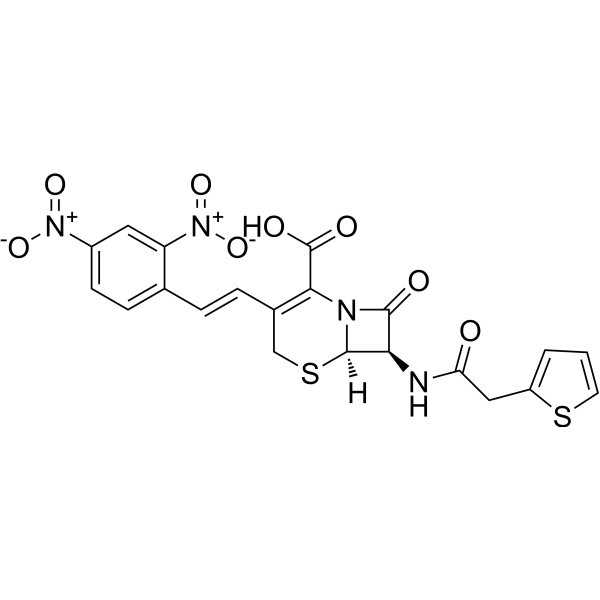
  • HY-108913
    Nitrocefin
    2 Publications Verification

    Beta-lactamase Antibiotic Bacterial Infection
    Nitrocefin is a highly activated, chromogenic cephalosporin derivative. Nitrocefin is a chromogenic β-lactamase substrate. Nitrocefin undergoes a distinctive color change from yellow to red as the amide bond in the β-lactam ring is hydrolyzed by β-lactamase. Nitrocefin is used in competitive inhibition studies in developmental work on β-lactamase-resistant antibiotics .
    Nitrocefin
  • HY-121389

    Palmitamide

    Bacterial NF-κB PPAR Infection Inflammation/Immunology
    Hexadecanamide (Palmitamide) is a fatty acid amide that has orally active anti-allergic, antioxidant, and neuroprotective effects. Hexadecanamide exerts protective effects in Staphylococcus aureus- and SARA-induced mastitis. Hexadecanamide suppresses S. aureus-induced activation of the NF-κB pathway and improves blood-milk barrier integrity. Hexadecanamide activates PPARα. Hexadecanamide enhances sperm motility in vitro. Hexadecanamide can be studied in research for mastitis and asthenozoospermia .
    Hexadecanamide
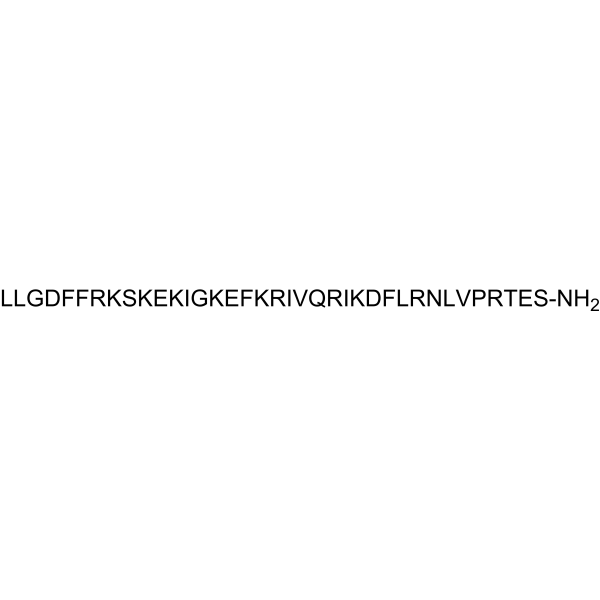
  • HY-P4744
    LL-37 amide
    2 Publications Verification

    Formyl Peptide Receptor (FPR) Bacterial Infection Cancer
    LL-37 amide is a selective agonist of formyl peptide receptor-like FPRL1, effectively inhibiting periodontal pathogens (ED99=8.5-8.7 μg/mL). LL-37 amide exerts its bactericidal effect by activating FPRL1-mediated immune cell chemotaxis and disrupting bacterial cell membrane integrity. It can also regulate inflammatory responses (inhibiting the release of factors such as TNF-α) and promote angiogenesis. Amidation modification reduces its sensitivity to serum inhibition and improves its stability. LL-37 amide possesses key activities in bactericidal action, immunomodulation, and wound healing, and is mainly used in research on infection-related diseases such as periodontal disease and deep tissue injuries (pressure ulcers), and wound healing .
    LL-37 amide
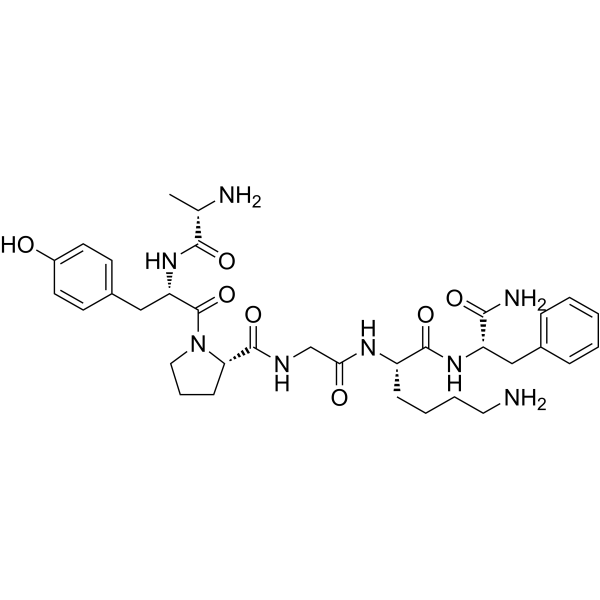
  • HY-P1309
    PAR-4 Agonist Peptide, amide
    2 Publications Verification

    PAR-4-AP; AY-NH2

    Protease Activated Receptor (PAR) Inflammation/Immunology
    PAR-4 Agonist Peptide, amide (PAR-4-AP; AY-NH2) is a proteinase-activated receptor-4 (PAR-4) agonist, which has no effect on either PAR-1 or PAR-2 and whose effects are blocked by a PAR-4 antagonist.
    PAR-4 Agonist Peptide, amide
  • HY-P0283
    Protease-Activated Receptor-2, amide
    2 Publications Verification

    Protease Activated Receptor (PAR) Cancer
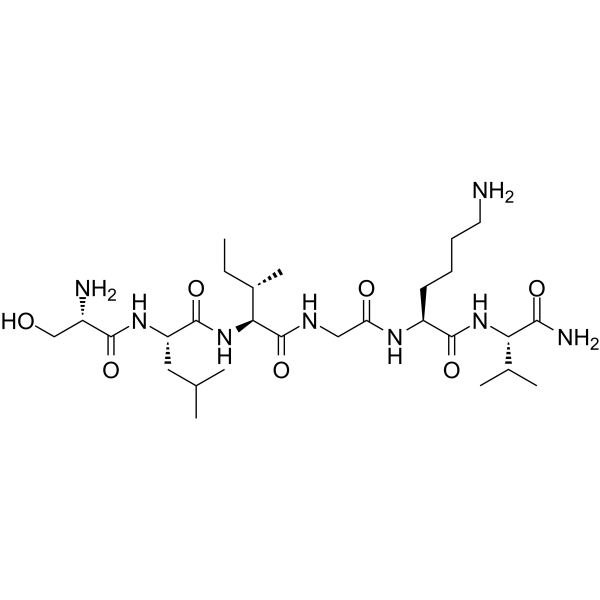
    Protease-Activated Receptor-2, amide (SLIGKV-NH2) is a highly potent protease-activated receptor-2 (PAR2) activating peptide.
    Protease-Activated Receptor-2, amide
  • HY-P1314
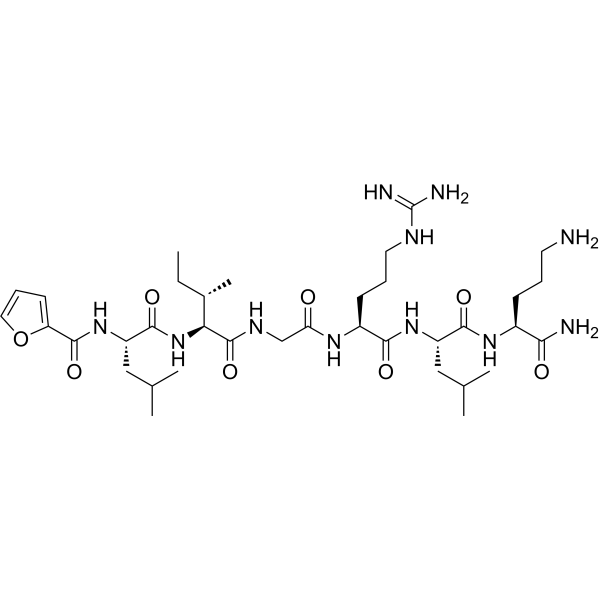
    2-Furoyl-LIGRLO-amide
    2 Publications Verification

    Protease Activated Receptor (PAR) Inflammation/Immunology
    2-Furoyl-LIGRLO-amide is a potent and selective proteinase-activated receptor 2 (PAR2) agonist with a pD2 value of 7.0 ..
    2-Furoyl-LIGRLO-amide
  • HY-Y0973

    Biochemical Assay Reagents Drug Intermediate Others
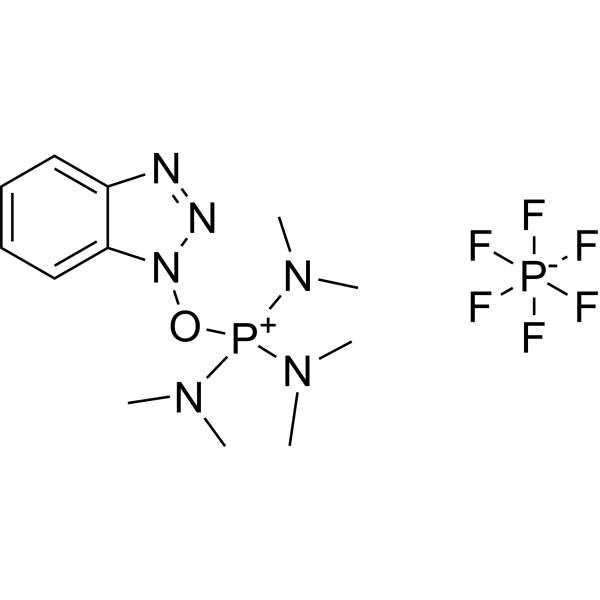
    BOP hexafluorophosphate is a phosphonium-type condensing agent. BOP hexafluorophosphate activates the carboxylic acid component to form a highly reactive O-benzotriazole ester (active ester) intermediate, which then reacts with the amino component to form an amide bond (peptide bond). BOP hexafluorophosphate is applicable to solid-phase polypeptide synthesis and nucleoside modification .
    BOP hexafluorophosphate
  • HY-121833

    Trk Receptor Akt ERK Neurological Disease Cancer
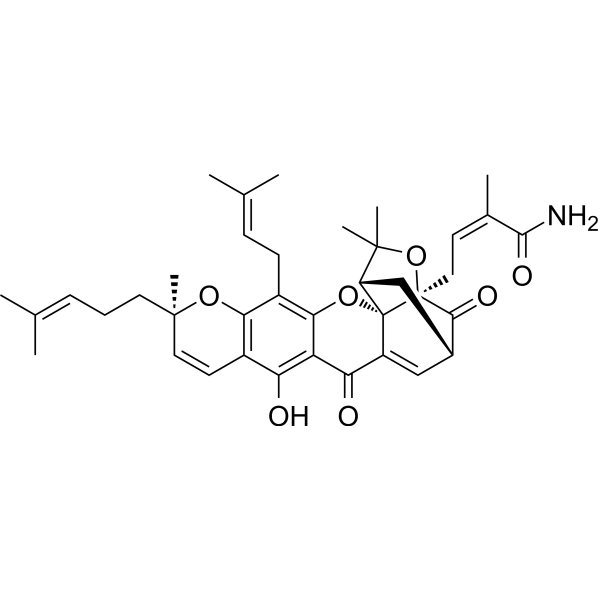
    Gambogic amide is a potent and selective agonist of TrkA and also induces its tyrosine phosphorylation and activation of downstream signaling, including Akt and MAPK. Gambogic amide specifically interacts with the cytoplasmic juxtamembrane domain of the TrkA receptor and triggers its dimerization, leading to activation. Gambogic amide has neuroprotective activity preventing glutamate-induced neuronal cell death. Gambogic amide has improved efficacy in a transient middle cerebral artery occlusion model of stroke and could be used to study neurodegenerative diseases and stroke .
    Gambogic amide
  • HY-D1085

    Fluorescent Dye Others
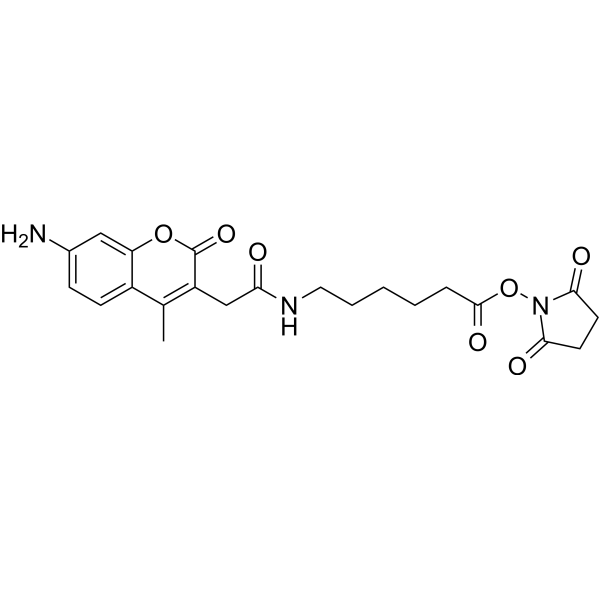
    AMCA-X-SE is a coumarin derivative that generates fixed blue fluorescence and an NHS-activated ester that forms stable amide bonds with primary amine groups. It is used as a reactive dye for labeling amino groups of peptides, proteins, and oligonucleotides. Maximum excitation/emission wavelength: 354/442 nm .
    AMCA-X SE
  • HY-P1309A
    PAR-4 Agonist Peptide, amide TFA
    2 Publications Verification

    PAR-4-AP TFA; AY-NH2 TFA

    Protease Activated Receptor (PAR) Inflammation/Immunology
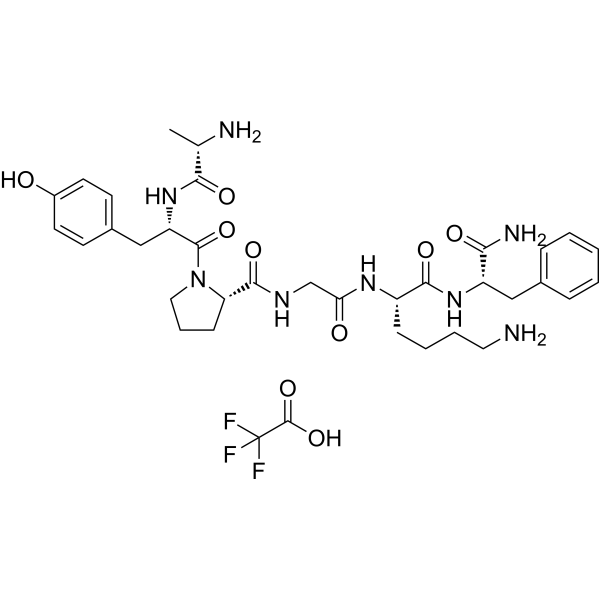
    PAR-4 Agonist Peptide, amide TFA (PAR-4-AP TFA; AY-NH2 TFA) is a proteinase-activated receptor-4 (PAR-4) agonist, which has no effect on either PAR-1 or PAR-2 and whose effects are blocked by a PAR-4 antagonist .
    PAR-4 Agonist Peptide, amide TFA
  • HY-P4744A
    LL-37 amide TFA
    2 Publications Verification

    Formyl Peptide Receptor (FPR) Bacterial Infection Cancer
    LL-37 amide TFA is a selective agonist of formyl peptide receptor-like FPRL1, effectively inhibiting periodontal pathogens (ED99=8.5-8.7 μg/mL). LL-37 amide TFA exerts its bactericidal effect by activating FPRL1-mediated immune cell chemotaxis and disrupting bacterial cell membrane integrity. It can also regulate inflammatory responses (inhibiting the release of factors such as TNF-α) and promote angiogenesis. Amidation modification reduces its sensitivity to serum inhibition and improves its stability. LL-37 amide TFA possesses key activities in bactericidal action, immunomodulation, and wound healing, and is mainly used in research on infection-related diseases such as periodontal disease and deep tissue injuries (pressure ulcers), and wound healing .
    LL-37 amide TFA
  • HY-P1531

    Melanocortin Receptor Cardiovascular Disease Metabolic Disease Endocrinology
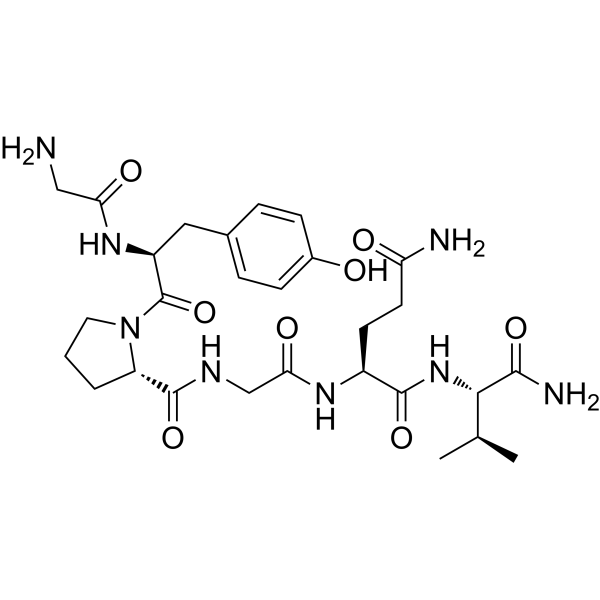
    γ-1-Melanocyte Stimulating Hormone (MSH), amide is a 11-amino acid peptide. γ-1-Melanocyte Stimulating Hormone (MSH) regulates sodium (Na +) balance and blood pressure through activation of the melanocortin receptor 3 (MC3-R).
    γ-1-Melanocyte Stimulating Hormone (MSH), amide
  • HY-W243460

    Biochemical Assay Reagents Others
    EDTA copper (II) disodium salt, 97% is a negatively charged copper (II)-ethylenediaminetetraacetic acid chelate and also an adsorption substrate. EDTA copper (II) disodium salt, 97% forms amide bonds with chitosan amino groups in weakly acidic (pH 3-5) solutions, while it forms the CuEDTA (OH) 3− hydroxyl complex in strongly alkaline (pH > 12) solutions. EDTA copper (II) disodium salt, 97% can be adsorbed onto granular activated carbon, with electrostatic interactions dominating its pH-dependent adsorption behavior. EDTA copper (II) disodium salt, 97% can be used to eliminate the inhibition of enzyme-catalyzed reactions caused by trace heavy metals .
    EDTA copper(II) disodium salt, 97%
  • HY-P4004

    Protease Activated Receptor (PAR) Inflammation/Immunology
    PAR-4 (1-6) amide human is an N-terminal fragment of protease-activated receptor 4 (PAR4). PAR-4 (1-6) amide human induce platelet aggregation .
    PAR-4 (1-6) amide (human)
  • HY-D2751

    Fluorescent Dye Others
    BP Fluor 488 Cadaverine is a carboxyl/carbonyl reactive building block used widely to modify carboxylic groups in the presence of activators (e.g. EDC or DCC) or activated esters (e.g. NHS esters) through a stable amide bond.
    BP Fluor 488 cadaverine
  • HY-W717743

    Biochemical Assay Reagents Radionuclide-Drug Conjugates (RDCs) Others
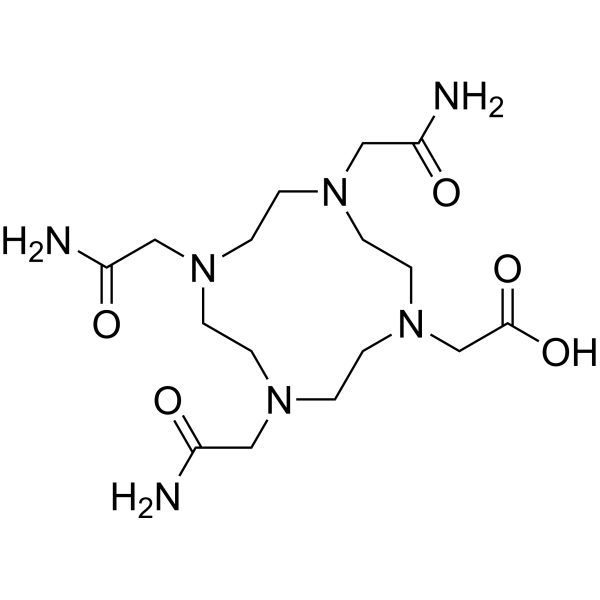
    DOTAM-mono-acid is a chelator with DOTAM as its core. DOTAM-mono-acid contains a carboxylic acid group that can be activated to form an amide bond with the N-terminus of a peptide. DOTAM-mono-acid can form peptide conjugates for radiometal labeling .
    DOTAM-mono-acid
  • HY-W105744

    PROTAC Linkers Cancer
    10-Aminodecanoic acid is an alkane chain with terminal carboxlic acid and amine groups. 10-Aminodecanoic acid can be used as a PROTAC linker in the synthesis of PROTACs and other conjugation applications. The amino group (NH2) is reactive with carboxylic acids, activated NHS esters, carbonyls (ketone, aldehyde) etc. The terminal carboxylic acid can react with primary amine groups of activated NHS ester to form a stable amide bond.
    10-Aminodecanoic acid
  • HY-W440706

    Liposome Cancer
    Cholesterol-PEG2000-alcohol is a pegylated lipids which can be used for preparation of liposome or nanoparticle. The lipophilic moiety can encapsulate hydrophobic drugs whereas the hydrophilic PEG chain helps the overal water solubility of the micelles. The amine can react with an activated NHS ester to form a stable amide bond.
    Cholesterol-PEG2000-alcohol
  • HY-W1048525

    8-Arm PEG5000-Amine

    Biochemical Assay Reagents Others
    8-Arm PEG5000-NH2 (8-Arm PEG5000-Amine) is a multi-arm PEG derivative with amino groups at each end of the eight arms. The reactive primary amine or NH2 groups can react rapidly with activated carboxylic acids such as NHS esters to form stable amide bonds .
    8-Arm PEG5000-NH2
  • HY-155765

    NF-κB Inflammation/Immunology
    Anti-inflammatory agent 51 (compound 11d) is an amide/sulfonamide derivative with anti-inflammatory activities. Anti-inflammatory agent 51 inhibits NF-κB activation, has the potential for acute lung injury and ulcerative colitis research .
    Anti-inflammatory agent 51
  • HY-W105727

    PROTAC Linkers Cancer
    9-Aminononanoic acid can be used as a PROTAC linker and other conjugation in the synthesis of PROTACs. 9-Aminononanoic acid is an alkane chain with terminal carboxlic acid and amine groups. The amino group (NH2) is reactive with carboxylic acids, activated NHS esters, carbonyls (ketone, aldehyde) etc. The terminal carboxylic acid can react with primary amine groups of activated NHS ester to form a stable amide bond.
    9-Aminononanoic acid
  • HY-P2212

    Angiotensin Receptor Inflammation/Immunology
    Angiotensin amide ((Asn1,Val5)-Angiotensin II) is a potent vasoconstrictor. Angiotensin amide is a derivative of angiotensin II. Angiotensin amide can be used as a cardiac activator .
    (Asn1,Val5)-Angiotensin II
  • HY-133053

    Hydroxy-PEG8-acid

    Biochemical Assay Reagents Others
    HO-PEG8-CH2CH2COOH (Hydroxy-PEG8-acid) is a PEG derivative containing a hydroxyl group with a terminal carboxylic acid. The terminal carboxylic acid can be reacted with primary amine groups in the presence of activators to form a stable amide bond .
    HO-PEG8-CH2CH2COOH
  • HY-130695

    ADC Linker Cancer
    N-(Amino-PEG5)-N-bis(PEG4-acid) is a PEG derivative containing an amino group with two terminal carboxylic acids. The amino group is reactive with carboxylic acids, activated NHS esters. The terminal carboxylic acids can react with primary amine groups in the presence of activators to form a stable amide bond. N-(Amino-PEG5)-N-bis(PEG4-acid) can be useful in the development of antibody drug conjugates (ADCs) .
    N-(Amino-PEG5)-N-bis(PEG4-acid)
  • HY-P0249A

    Potassium Channel Neurological Disease
    Phe-Met-Arg-Phe amide trifluoroacetate is an activator of K + current, with ED50 of 23 nM in the peptidergic caudodorsal neurons.
    Phe-Met-Arg-Phe amide trifluoroacetate
  • HY-105069A

    TP508 amide acetate

    Thrombin Metabolic Disease Inflammation/Immunology
    Rusalatide acetate (TP508 amide acetate), a regenerative peptide, mitigates radiation-induced gastrointestinal damage by activating stem cells and preserving crypt integrity .
    Rusalatide acetate
  • HY-P1314A

    Protease Activated Receptor (PAR) Inflammation/Immunology
    2-Furoyl-LIGRLO-amide TFA is a potent and selective proteinase-activated receptor 2 (PAR2) agonist with a pD2 value of 7.0 ..
    2-Furoyl-LIGRLO-amide TFA
  • HY-133883

    Fluorescent Dye Others
    Cyanine7.5 amine is a near-infrared Cy7.5-based dye and also a substrate for amide bond coupling (Ex/Em = 788 nm/808 nm). Cyanine7.5 amine contains a free amino group and can be used for coupling with activated carboxylic acid derivatives .
    Cyanine7.5 amine
  • HY-W510032

    Monoethyl nonanedioate; Ethyl hydrogen azelaate

    Biochemical Assay Reagents Infection
    9-Ethoxy-9-oxononanoic acid is a C-11 fatty acid that has an ethyl ester group at the end of the saturated tail. The carboxylic acid can react with primary amine groups in the presence of activators (e.g. EDC, or HATU) to form a stable amide bond. Azelaic Acid Monoethyl Ester has antifungal activity against Cladosporium herbarum.
    9-Ethoxy-9-oxononanoic acid
  • HY-P3785

    PKA Neurological Disease
    PKI(5-22)amide is the active inhibitory fragment of the inhibitor of the cyclic AMP-dependent protein kinase (PKA). PKI(5-22)amide inhibits PKA activation, but fails to attenuate homologous desensitization of CRF1 receptors .
    PKI(5-22)amide
  • HY-P5764

    Protease Activated Receptor (PAR) Integrin MMP Cardiovascular Disease
    TRAP-14 amide, a proteinase activated receptor (PAR)-activating peptide, is a PAR agonist with an EC50 of 24 μM. TRAP-14 amide significantly induces platelet aggregation through ADP- and MMP-2-dependent pathways with Aspirin (HY-14654)-insensitivity. TRAP-14 amide also effectively increases glycoprotein (GP) Ib and GPIIb/IIIa surface expression and ADP release .
    TRAP-14 amide
  • HY-P4451

    Protease Activated Receptor (PAR) Others
    TRAP-5 amide is a protease-activated receptor 1 (PAR 1) agonist peptide .
    TRAP-5 amide
  • HY-P0249

    Potassium Channel Neurological Disease
    Phe-Met-Arg-Phe, amide dose dependently (ED50=23 nM) activates a K + current in the peptidergic caudodorsal neurons.
    Phe-Met-Arg-Phe, amide
  • HY-P0249B

    Potassium Channel Neurological Disease
    Phe-Met-Arg-Phe, amide acetate dose dependently (ED50=23 nM) activates a K + current in the peptidergic caudodorsal neurons .
    Phe-Met-Arg-Phe, amide acetate
  • HY-D2764

    Fluorescent Dye Others
    Difluorocarboxyfluorescein cadaverine, 5-isomer is a carbonyl reactive building block used to modify carboxylic groups in the presence of activators (e.g. EDC, or DCC) or activated esters (e.g. NHS esters) through a stable amide bond.
    Difluorocarboxyfluorescein cadaverine, 5-isomer
  • HY-155070

    DNA/RNA Synthesis Apoptosis Cancer
    SRE-II, an amide derivative, is an activatable photosensitizer for photodynamic cancer research with decreased fluorescence and photosensitizing capabilities. SRE-II can be further converted into the active photosensitizer SDU Red via carboxylesterase-catalyzed amide bond cleavage. SRE-II induces DNA damage and cell apoptosis in the presence of light. SRE-II can act as a promising theranostic agent for triple-negative breast cancer .
    SRE-II
  • HY-W800682

    Biochemical Assay Reagents Others
    Bis-Sulfone-PEG4-acid is a reagent with a sulfone and an acid. The sulfone group can be conjugated with thiol groups of proteins. The terminal acid reacts with primary amines with the help of activators (EDC or HATU) to from stable amide bonds.
    Bis-sulfone-PEG4-acid
  • HY-23629

    PROTAC Linkers Cancer
    16-Aminohexadecanoic acid is an alkane chain with terminal carboxlic acid and amine groups. 16-Aminohexadecanoic acid can be used as a PROTAC linker in the synthesis of PROTACs. The amino group (NH2) is reactive with carboxylic acids, activated NHS esters, carbonyls (ketone, aldehyde) etc. The terminal carboxylic acid can react with primary amine groups of activated NHS ester to form a stable amide bond.
    16-Aminohexadecanoic acid
  • HY-W401143

    PROTAC Linkers Cancer
    15-Aminopentadecanoic Acid can be used as a PROTAC linker in the synthesis of PROTACs. 15-Aminopentadecanoic Acid is an alkane chain with terminal carboxlic acid and amine groups. The amino group (NH2) is reactive with carboxylic acids, activated NHS esters, carbonyls (ketone, aldehyde) etc. The terminal carboxylic acid can react with primary amine groups of activated NHS ester to form a stable amide bond.
    15-Aminopentadecanoic acid
  • HY-W800825

    Liposome Cancer
    Octadecanedioic Acid Mono-L-carnitine ester is a cationic lipid which may be used in combination with other lipids in the formation of lipid nanoparticles (LNPs). Its terminal carboxylic acid can react with primary amine groups in the presence of activators (e.g. HATU) to form a stable amide bond.
    Octadecanedioic acid mono-L-carnitine ester
  • HY-176726

    Reactive Oxygen Species (ROS) Cancer
    ZnPc-amide-PEG3-C2-NH2 is a photosensitizer-linker conjugate which consists of ZnPcPs (HY-176725) and a linker (HY-W040165). ZnPc-amide-PEG3-C2-NH2 can be used to synthesize the photo-activated BRD4 degrader pZnPc-O3-JQ1 (HY-176724) .
    ZnPc-amide-PEG3-C2-NH2
  • HY-W190752

    Biochemical Assay Reagents Others
    m-PEG13-acid is a PEG linker containing a terminal carboxylic acid. The terminal carboxylic acid can react with primary amine groups in the presence of activators (e.g. EDC, or HATU) to form a stable amide bond. The hydrophilic PEG spacer increases solubility in aqueous media.
    m-PEG13-acid
  • HY-W800676

    Biochemical Assay Reagents Others
    DBCO-N-bis(PEG4-acid) is a branched click chemistry reagent. The DBCO group enables copper-free Click Chemistry reactions. carboxylic acid groups allows for reactions with primary amine groups using activators such as EDC or HATU to form a stable amide bond.
    DBCO-N-bis(PEG4-acid)
  • HY-D1366A

    Fluorescent Dye Others
    Sulfo-Cyanine5.5 carboxylic acid potassium is a fluorescent dye with excitation/emission wavelengths at 673/707 nm. The introduction of the sulfite group enhances the hydrophilic properties of the compound. The terminal carboxylic acid can react with primary amine groups in the presence of activators such as EDC and HATU, to form stable amide bonds.
    Sulfo-Cyanine5.5 carboxylic acid potassium
  • HY-W190951

    Biochemical Assay Reagents Others
    3-((2-(2,2,2-Trifluoroacetamido)ethyl)disulfanyl)propanoic acid is a cleavable linker containing a carboxylic acid. The terminal carboxylic acid can be reacted with primary amine groups in the presence of activators (e.g. EDC, or HATU) to form a stable amide bond. The disulfide bond can be cleaved via reduction reactions.
    3-((2-(2,2,2-Trifluoroacetamido)ethyl)disulfanyl)propanoic acid
  • HY-W143822

    Biochemical Assay Reagents Others
    6-(Tritylthio)hexanoic acid is a linker with a Tst group and a terminal carboxylic acid. The Tst group can be deprotected under acidic conditions to obtain the free thiol which can be used for further conjugations. The terminal carboxylic acid can react with primary amine groups in the presence of activators (e.g. EDC, or HATU) to form a stable amide bond.
    6-(Tritylthio)hexanoic acid
  • HY-161272

    Sodium Channel Neurological Disease
    Nav1.8-IN-6 (Compound 2j) is a novel pyridinone amide Nav1.8 channel inhibitor. The IC50 values in the resting state and semi-activated state are 513.33 and 471.81 nM, respectively. Nav1.8-IN-6 has analgesic activity .
    Nav1.8-IN-6
  • HY-W800683

    Biochemical Assay Reagents Others
    4-Azide-TFP-Amide-SS-Sulfo-NHS consists of an aryl azide, a cleavable disulfide bond, and an NHS ester. The aryl azide can be photo-activated with UV light (250 to 350 nm) for conjugation with biomolecules. Fluoro helps to stabilize the free radical intermediate. The NHS ester reacts with amines. The disulfide bond can be cleaved by reducing agents.
    4-Azide-TFP-amide-SS-Sulfo-NHS
  • HY-140895B

    Biotin-PEG10000-NH2

    Biochemical Assay Reagents Others
    Biotin-PEG10000-Amine (Biotin-PEG10000-NH2) is a biotin PEG polymer containing a free amine group (-NH2). The amine group is reactive with an activated NHS ester via formation of an amide bond. Biotin-labeled compounds can then be linked to avidin or streptavidin for further purification or detection .
    Biotin-PEG10000-Amine
  • HY-140895D

    Biotin-PEG40000-NH2

    Biochemical Assay Reagents Others
    Biotin-PEG40000-Amine (Biotin-PEG40000-NH2) is a biotin PEG polymer containing a free amine group (-NH2). The amine group is reactive with an activated NHS ester via formation of an amide bond. Biotin-labeled compounds can then be linked to avidin or streptavidin for further purification or detection .
    Biotin-PEG40000-Amine

Inquiry Online

Your information is safe with us. * Required Fields.

Salutation


Country or Region *

Applicant Name *


Organization Name *

Department *


Email Address *


Product Name *

Cat. No.


Requested quantity *

Phone Number *


Remarks

Inquiry Online

Inquiry Information

Product Name:
Cat. No.:
Quantity:
MCE Japan Authorized Agent:

