1. Search Result
Search Result
Results for "

antidotes

" in MedChemExpress (MCE) Product Catalog:

63

Inhibitors & Agonists

5

Fluorescent Dye

2

Biochemical Assay Reagents

1

Peptides

9

Natural
Products

8

Isotope-Labeled Compounds

1

GMP Molecules

Cat. No. Product Name Target Research Areas Chemical Structure
  • HY-B0568
    Deferiprone
    Maximum Cited Publications
    47 Publications Verification

    Ferroptosis HCV Apoptosis COX Histone Demethylase Cardiovascular Disease Infection Neurological Disease Metabolic Disease Inflammation/Immunology Cancer
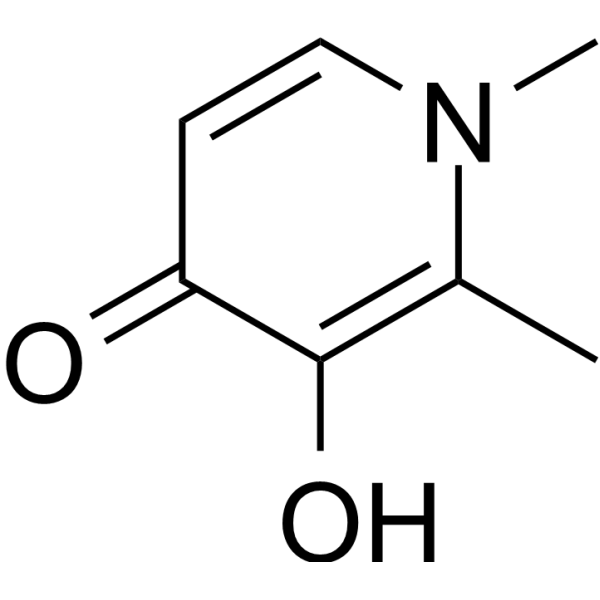
    Deferiprone is a potent, orally active, brain-penetrant, cell-penetrant, skin-permeable, free iron chelating agent. Deferiprone inhibits the proliferation and migration, and stimulates apoptosis in tumor cell. Deferiprone can inhibit KDM. Deferiprone has antianemic, neuroprotective, anti-inflammatory, antioxidant, and antidotal activity. Deferiprone can be used in cancer, cardiovascular disease, infection, inflammation, and neurological disease study .
    Deferiprone
  • HY-N0326
    L-Methionine
    Maximum Cited Publications
    10 Publications Verification

    Environmental Pollutants Endogenous Metabolite Apoptosis Keap1-Nrf2 Inflammation/Immunology Cancer
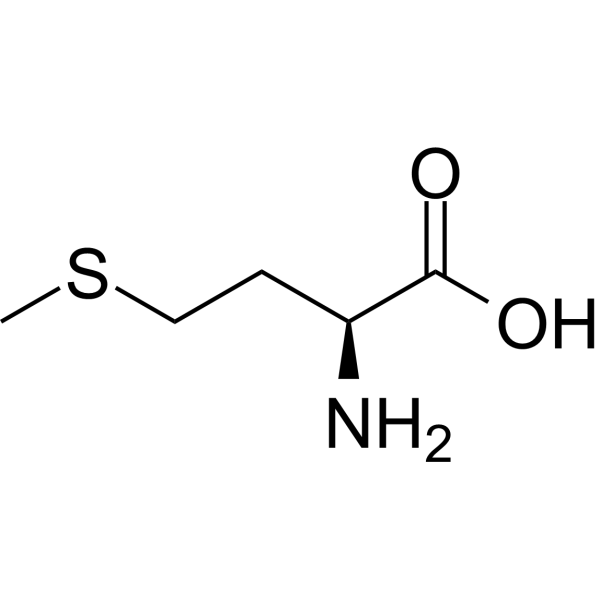
    L-Methionine is an L-isomer of orally active Methionine, an essential amino acid. Methionine is a strong liver antidote that acts as a liver protector. L-Methionine can inhibit cell proliferation and induce cell apoptosis. L-Methionine has antitumor and antioxidant activity .
    L-Methionine
  • HY-U00449
    AGN 193109
    5+ Cited Publications

    RAR/RXR Cancer
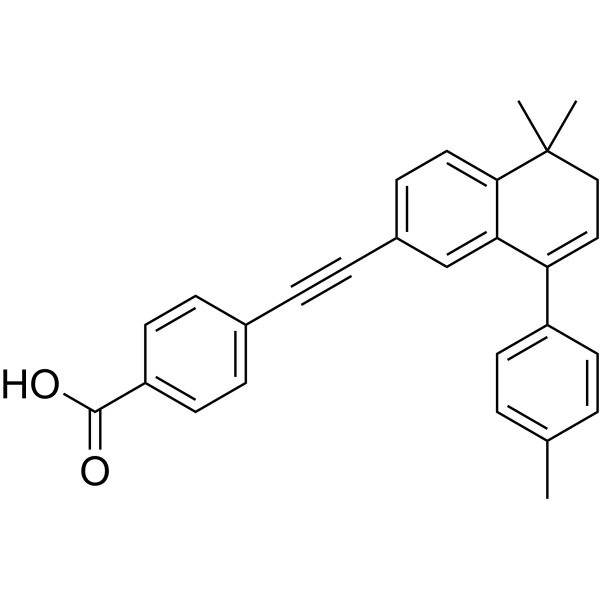
    AGN 193109 is a retinoid analog, and acts as a specific and highly effective antagonist of retinoic acid receptors (RARs), with Kds of 2 nM, 2 nM, and 3 nM for RARα, RARβ, and RARγ, respectively. AGN 193109 is a click chemistry reagent, it contains an Alkyne group and can undergo copper-catalyzed azide-alkyne cycloaddition (CuAAc) with molecules containing Azide groups. AGN 193109 is the antidote for retinoic acidosis, that ameliorates the skin and mucosal toxicity.
    AGN 193109
  • HY-B0876
    Fomepizole
    4 Publications Verification

    4-Methylpyrazole

    Cytochrome P450 Metabolic Disease
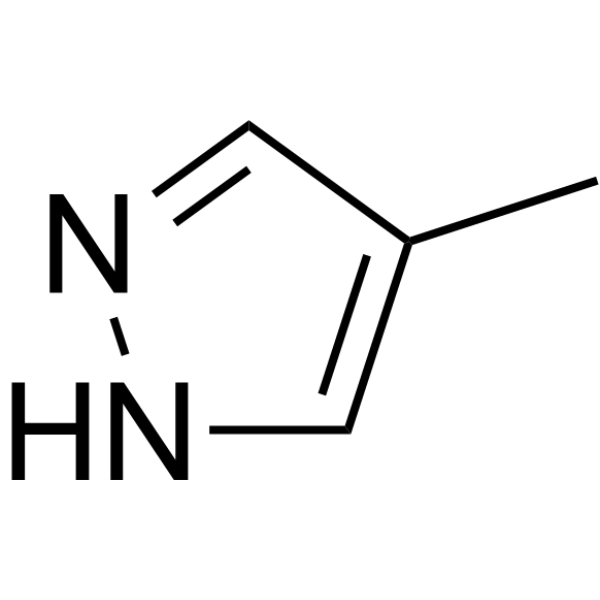
    Fomepizole (4-Methylpyrazole) is a potent cytochrome P450 (CYP2E1) inhibitor. Fomepizole is a competitive inhibitor of the enzyme alcohol dehydrogenase. Fomepizole blocks further conversion of methanol and ethylene glycol to toxic metabolites. Fomepizole has the potential for an antidote for ethylene glycol or methanol poisoning .
    Fomepizole
  • HY-N6612
    D-Glucuronic acid
    1 Publications Verification

    Endogenous Metabolite Toll-like Receptor (TLR) Neurological Disease Metabolic Disease Inflammation/Immunology Cancer
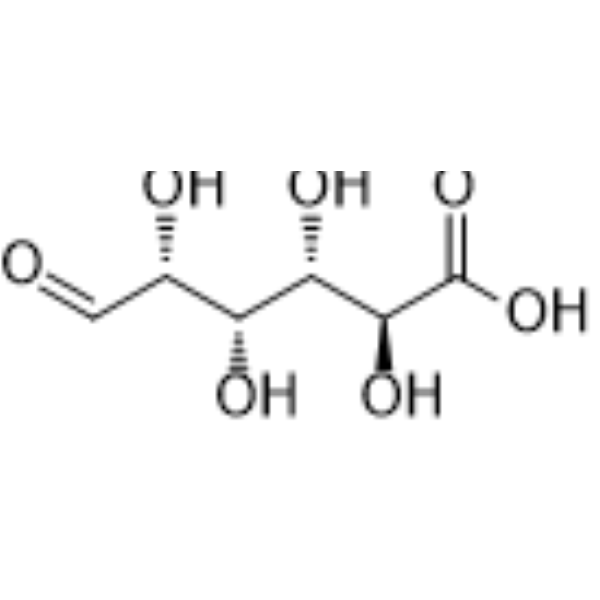
    D-Glucuronic acid is a major component of many anti-inflammatory proteoglycans, which can promote embryonic development and inhibit cell aggregation. After being metabolized into ethyl glucuronide (HY-113093), D-Glucuronic acid activates Toll-like receptor 4 (TLR4), causing pain. D-Glucuronic acid and its derivative glucurono-lactone can serve as liver detoxifiers, and its derivatives also possess anti-tumor activity .
    D-Glucuronic acid
  • HY-N6608
    Physostigmine
    2 Publications Verification

    Eserine

    Cholinesterase (ChE) Neurological Disease
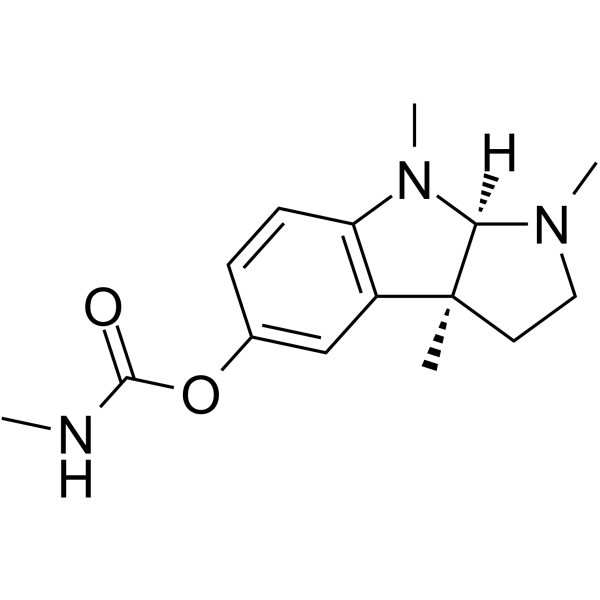
    Physostigmine (Eserine) is a reversible acetylcholinesterase (AChE) inhibitor. Physostigmine can crosses the blood-brain barrier and stimulates central cholinergic neurotransmission. Physostigmine can reverse memory deficits in transgenic mice with Alzheimer's disease. Physostigmine is also an antidote for anticholinergic poisoning .
    Physostigmine
  • HY-B1266
    Physostigmine salicylate
    2 Publications Verification

    Eserine salicylate

    Cholinesterase (ChE) Neurological Disease
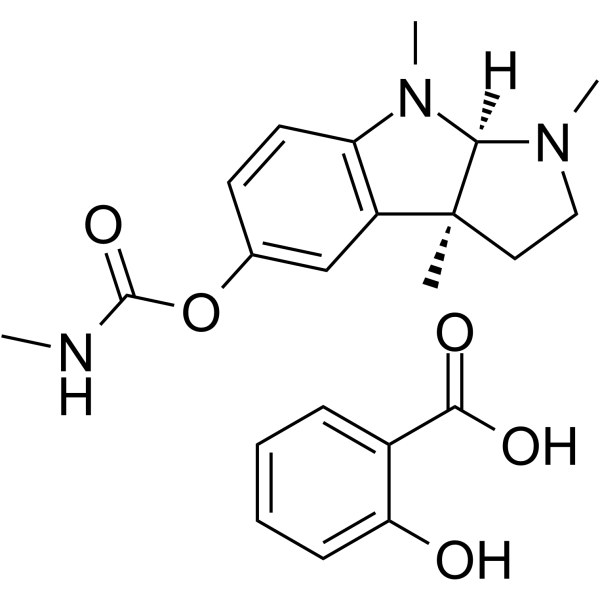
    Physostigmine salicylate (Eserine salicylate) is a reversible acetylcholinesterase (AChE) inhibitor. Physostigmine salicylate crosses the blood-brain barrier and stimulates central cholinergic neurotransmission. Physostigmine salicylate can reverse memory deficits in transgenic mice with Alzheimer's disease. Physostigmine salicylate is also an antidote for anticholinergic poisoning .
    Physostigmine salicylate
  • HY-B2209
    Hydroxocobalamin
    3 Publications Verification

    Vitamin B12a

    Endogenous Metabolite Neurological Disease Metabolic Disease
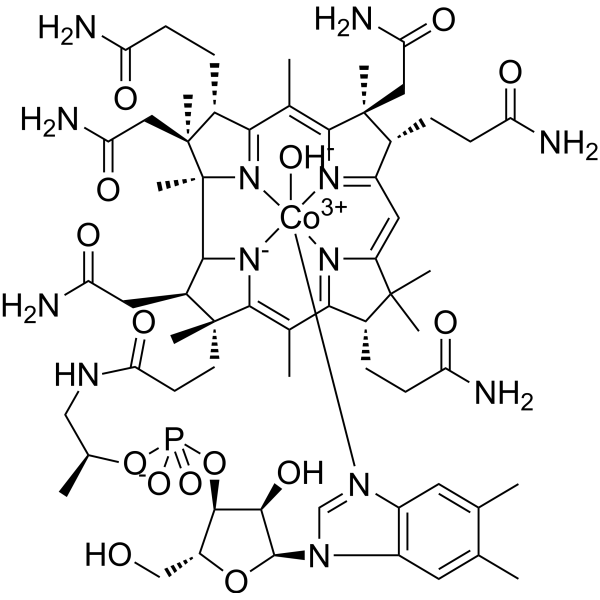
    Hydroxocobalamin (Vitamin B12a) is a cyanide antidote. Hydroxocobalamin can decrease the cell and plasma cyanide concentrations and increase survival rate in acute cyanide poisoning. Hydroxocobalamin can improve newborn Cbl-C defect-induced metabolic profile and neurocognitive outcome. Hydroxocobalamin can normalize Vitamin B12 deficiency. Hydroxocobalamin can induce acute kidney injury. Hydroxocobalamin can be used for the researches of metabolic and neurological disease .
    Hydroxocobalamin
  • HY-B0373
    Tiopronin
    1 Publications Verification

    Others Metabolic Disease
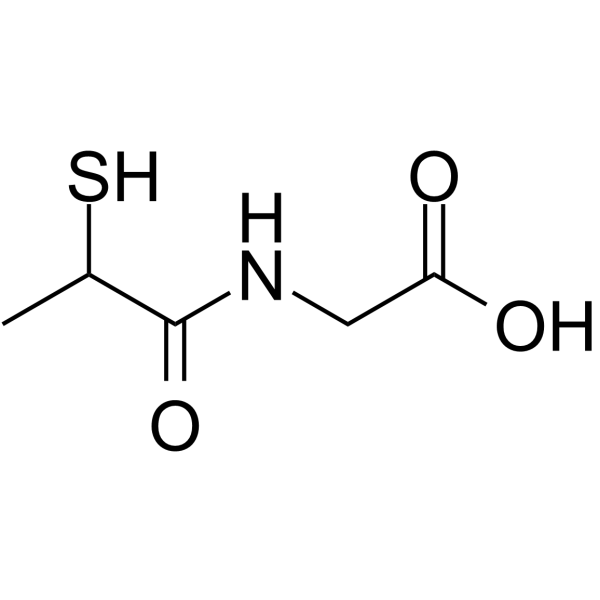
    Tiopronin is a diffusible antioxidant, an antidote to heavy metal poisoning and a radioprotective agent. Tiopronin can control the rate of cystine precipitation and excretion and has the potential for cystinuria, rheumatoid arthritis and hepatic disorders .
    Tiopronin
  • HY-128370

    Ca-DTPA trisodium salt hydrate

    CMV Infection
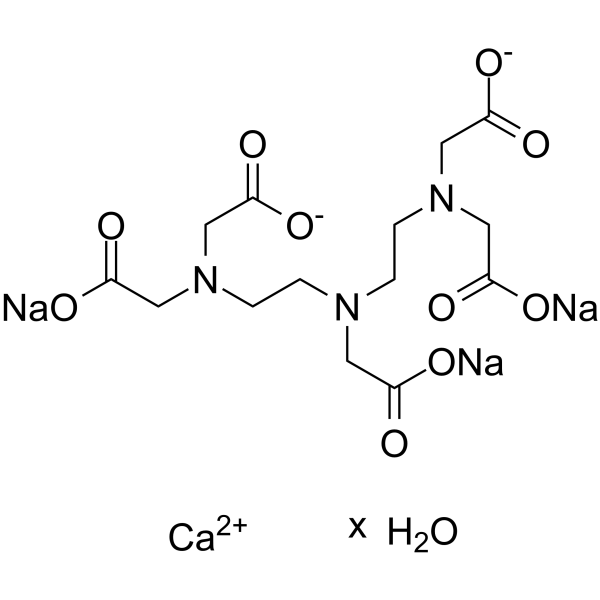
    Calcium trinatrium diethylenetriaminepentaacetic acid hydrate (Ca-DTPA trisodium salt hydrate) is a metal chelator and a useful antidote (such as acute cadmium intoxication). Diethylenetriaminepentaacetic acid calcium trisodium salt hydrate is a nontoxic inhibitor of CMV replication .
    Calcium trinatrium diethylenetriaminepentaacetic acid hydrate
  • HY-124750

    TNF Receptor Interleukin Related Toll-like Receptor (TLR) Reactive Oxygen Species (ROS) Cardiovascular Disease Inflammation/Immunology
    NecroX-7 is a potent free radical scavenger and a HMGB1 (high-mobility group box 1) inhibitor. NecroX-7 can be used as an antidote to acetaminophen toxicity. NecroX-7 exerts a protective effect by preventing the release of HMGB1 in ischemia/reperfusion injury. NecroX-7 inhibits the HMGB1-induced release of TNF and IL-6, as well as the expression of TLR-4 and receptor for advanced glycation end products. NecroX-7 can be used graft-versus-host disease (GVHD) research .
    NecroX-7
  • HY-N6612R

    Reference Standards Endogenous Metabolite Toll-like Receptor (TLR) Metabolic Disease Inflammation/Immunology Cancer
    D-Glucuronic acid (Standard) is the analytical standard of D-Glucuronic acid. This product is intended for research and analytical applications. D-Glucuronic acid is a major component of many anti-inflammatory proteoglycans, which can promote embryonic development and inhibit cell aggregation. After being metabolized into ethyl glucuronide (HY-113093), D-Glucuronic acid activates Toll-like receptor 4 (TLR4), causing pain. D-Glucuronic acid and its derivative glucurono-lactone can serve as liver detoxifiers for human health prevention, and its derivatives also possess anti-tumor activity .
    D-Glucuronic acid (Standard)
  • HY-B1200
    Pralidoxime chloride
    2 Publications Verification

    2-PAM chloride

    Cholinesterase (ChE) Neurological Disease
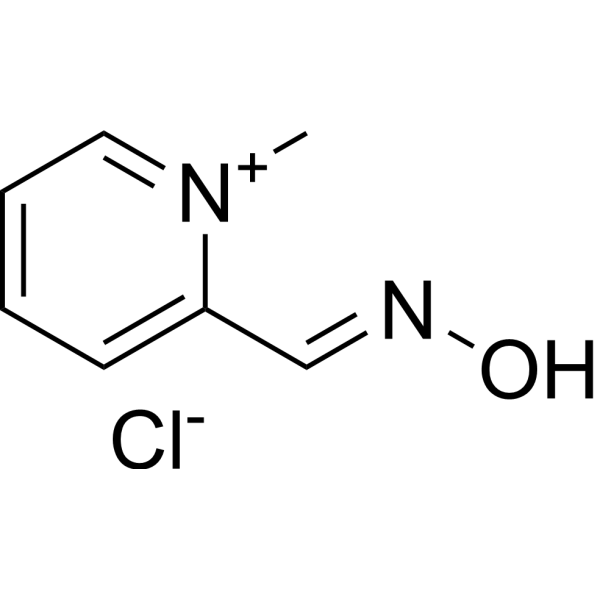
    Pralidoxime chloride is a potent reactivator of acetylcholinesterase (AChE). Pralidoxime chloride reactivates nerve agent-inhibited AChE via direct nucleophilic attack by the oxime moiety on the phosphorus center of the bound nerve agent. Pralidoxime chloride is an antidote for organophosphate poisoning .
    Pralidoxime chloride
  • HY-B1738A

    Cholinesterase (ChE) Neurological Disease
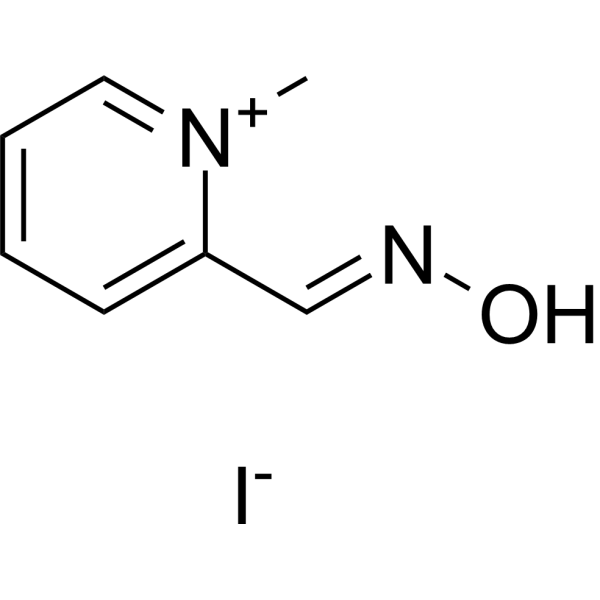
    Pralidoxime iodide is a potent reactivator of acetylcholinesterase (AChE). Pralidoxime iodide reactivates nerve agent-inhibited AChE via direct nucleophilic attack by the oxime moiety on the phosphorus center of the bound nerve agent. Pralidoxime iodide is an antidote for organophosphate poisoning .
    Pralidoxime iodide
  • HY-106594A

    Iron(III) ferrocyanide; Milori blue

    Environmental Pollutants Bacterial Infection Cancer
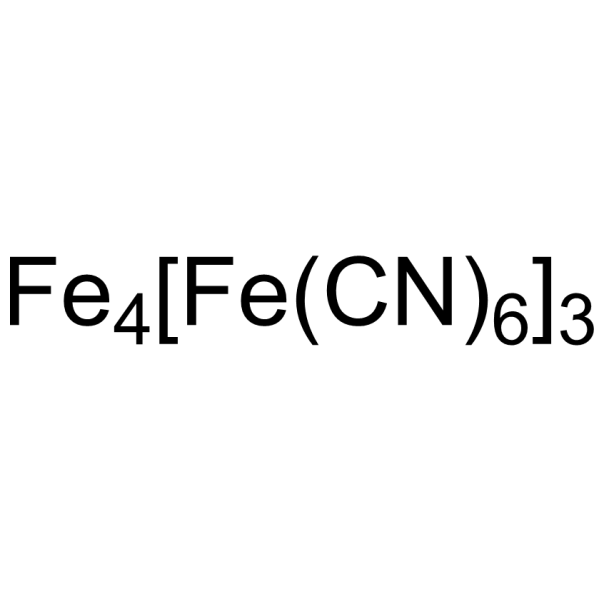
    Prussian blue soluble is a good adsorbent to be used as antidotes for poisoning with cesium or thallium ions. Prussian blue soluble has anticancerous and antibacterial properties. Prussian blue soluble can be used as a contrast agent in photoacoustic and magnetic resonance imaging (MRI) .
    Prussian blue insoluble
  • HY-N2320
    Physostigmine hemisulfate
    2 Publications Verification

    Eserine hemisulfate

    Cholinesterase (ChE) Neurological Disease
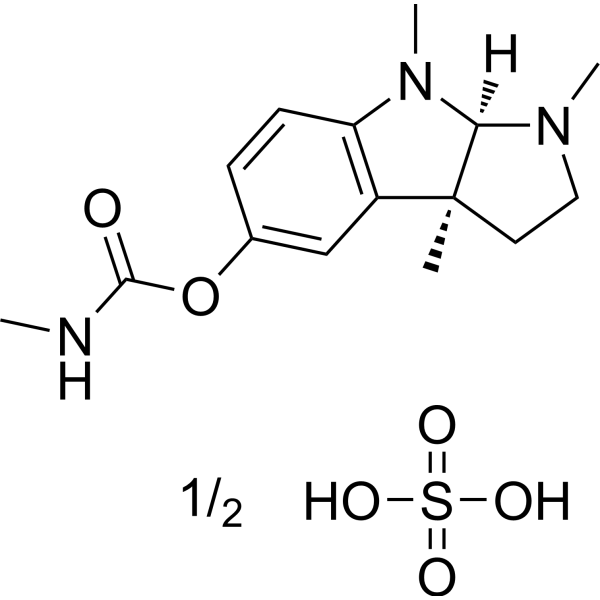
    Physostigmine hemisulfate (Eserine hemisulfate) is a reversible acetylcholinesterase (AChE) inhibitor. Physostigmine hemisulfate can crosses the blood-brain barrier and stimulates central cholinergic neurotransmission. Physostigmine hemisulfate can reverse memory deficits in transgenic mice with Alzheimer's disease. Physostigmine hemisulfate is also an antidote for anticholinergic poisoning .
    Physostigmine hemisulfate
  • HY-W011108

    Cholinesterase (ChE) Neurological Disease
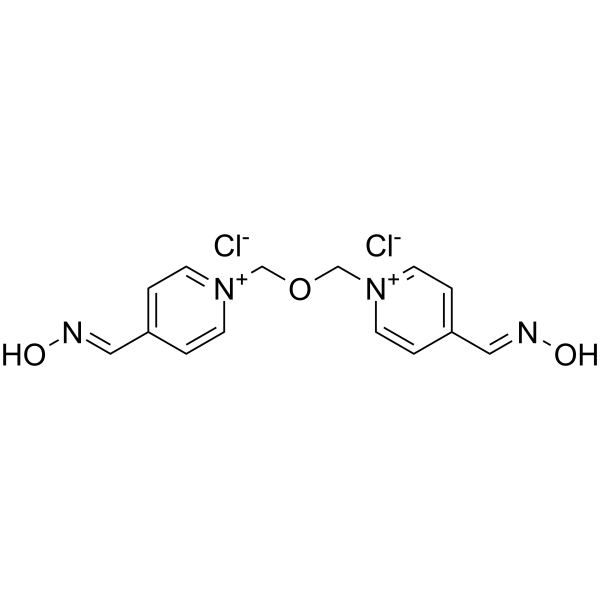
    Obidoxime dichloride is a non-full spectrum oxime agent and can be used as an antidote for organophosphate nerve agent poisoning. Obidoxime dichloride reactivates sarin-inhibited acetylcholinesterase (AChE) and reduces acute toxicity of sarin-evaluated .
    Obidoxime dichloride
  • HY-123193

    Pro-diazepam

    Drug Intermediate Neurological Disease
    Avizafone (Pro-diazepam), a pro-drug of Diazepam, is an anticonvulsant agent. Avizafone can be used as an antidote of nerve agent poisoning. In vivo, Avizafone is rapidly hydrolyzed by aminopeptidase to produce lysine and diazepam. Avizafone has research areas including neurological disease, such as epilepsy .
    Avizafone
  • HY-W017457

    (±)-Penicillamine

    Biochemical Assay Reagents Others
    DL-Penicillamine [(±)-Penicillamine] is a copper chelating agent. DL-Penicillamine has antidotal effects in thallotoxicosis rats when co-treated with Prussian blue (HY-106594A). DL-Penicillamine can cause pyridoxine deficiency and then induce optic axial neuritis. DL-Penicillamine can also depress primary immune response .
    DL-Penicillamine
  • HY-106901A

    HI-6

    Cholinesterase (ChE) nAChR Neurological Disease
    Asoxime dichloride (HI-6) is an orally active thiosemicarbazone-based antidote. Asoxime dichloride is a reversible inhibitor of AChE, and its core mechanism of action is to re-activate AChE inhibited by nerve toxins, thereby restoring the cholinergic nerve function. Asoxime dichloride significantly restores the function of poisoned muscles without reactivating AChE. Asoxime dichloride is an antagonist of acetylcholine receptors (AChRs), including nicotinic receptor and α7 nAChR. Asoxime dichloride can serve as an effective immunomodulator, improving the immune effect of the nervous system .
    Asoxime dichloride
  • HY-B0568R

    Reference Standards Ferroptosis HCV Apoptosis COX Infection Cardiovascular Disease Neurological Disease Inflammation/Immunology Endocrinology Cancer
    Deferiprone (Standard) is the analytical standard of Deferiprone. This product is intended for research and analytical applications. Deferiprone is a potent, orally active, brain-penetrant, cell-penetrant, skin-permeable, free iron chelating agent. Deferiprone inhibits the proliferation and migration, and stimulates apoptosis in tumor cell. Deferiprone has antianemic, neuroprotective, anti-inflammatory, antioxidant, and antidotal activity. Deferiprone can be used in cancer, cardiovascular disease, infection, inflammation, and neurological disease study .
    Deferiprone (Standard)
  • HY-N0326R

    Reference Standards Endogenous Metabolite Keap1-Nrf2 Apoptosis Inflammation/Immunology Cancer
    L-Methionine (Standard) is the analytical standard of L-Methionine. This product is intended for research and analytical applications. L-Methionine is an L-isomer of orally active Methionine, an essential amino acid. Methionine is a strong liver antidote that acts as a liver protector. L-Methionine can inhibit cell proliferation and induce cell apoptosis. L-Methionine has antitumor and antioxidant activity .
    L-Methionine (Standard)
  • HY-34154

    Lactate Dehydrogenase Others
    4-(Dimethylamino)phenol is a potent cyanide antidote. 4-(Dimethylamino)phenol increases the extracellular lactate dehydrogenase (LDH) without markedly affecting gluconeogenesis. 4-(Dimethylamino)phenol cannot decreases the ATP content until the membrane becomes permeable to LDH. 4-(Dimethylamino)phenol’s toxicity is related to its reaction with glutathione and formation of covalent complexes, leading to impaired cellular function .
    4-(Dimethylamino)phenol
  • HY-B0876A
    Fomepizole hydrochloride
    4 Publications Verification

    4-Methylpyrazole hydrochloride

    Cytochrome P450 Metabolic Disease
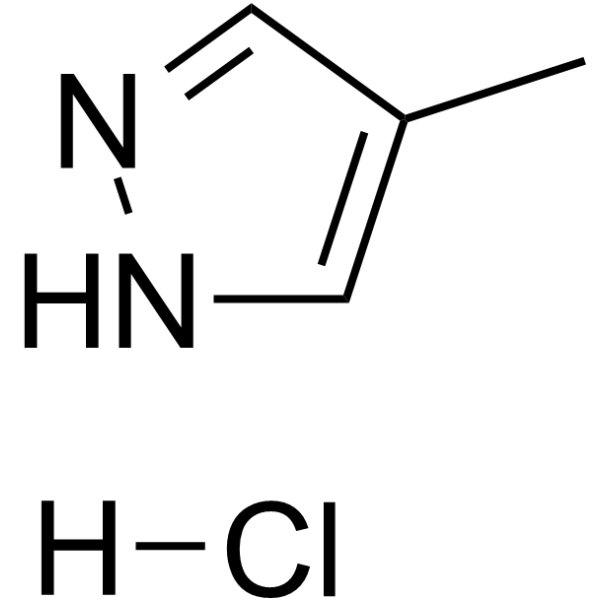
    Fomepizole (4-Methylpyrazole) hydrochloride is a potent and orally active cytochrome P450 (CYP2E1) inhibitor. Fomepizole hydrochloride is a competitive inhibitor of the enzyme alcohol dehydrogenase. Fomepizole hydrochloride blocks further conversion of methanol and ethylene glycol to toxic metabolites. Fomepizole hydrochloride has the potential for an antidote for ethylene glycol or methanol poisoning .
    Fomepizole hydrochloride
  • HY-B1326

    3-Ethyl-3-methylglutarimide; Bemegrid

    GABA Receptor Neurological Disease
    Bemegride (3-Ethyl-3-methylglutarimide) is a central nervous system stimulant and antidote for barbiturate poisoning .
    Bemegride
  • HY-106594B

    Pigment blue 27

    Bacterial Infection Cancer
    Prussian blue soluble is a good adsorbent to be used as antidotes for poisoning with cesium or thallium ions. Prussian blue soluble has anticancerous and antibacterial properties. Prussian blue soluble can be used as a contrast agent in photoacoustic and magnetic resonance imaging (MRI) .
    Prussian blue soluble
  • HY-W749867

    Calcium disodium EDTA dihydrate

    Bacterial Infection Others
    CaⅡ-EDTA disodium dihydrate (Calcium disodium EDTA dihydrate) is an orally active metal chelating reagent, exhibits bactericidal activities against periodontal pathogens Aggregatibacter actinomycetemcomitans, Prevotella intermedia and Porphyromonas gingivalis . CaⅡ-EDTA disodium dihydrate is effective chelating antidotes for lead- and cadmium poisoning .
    Ca(II)-EDTA disodium dihydrate
  • HY-D2170

    Fluorescent Dye Others
    AF488 streptavidin is a fluorescently labeled streptavidin. AF488 streptavidin is a streptavidin conjugated to Alexa Fluor 488, with 4 fluorophores per protein molecule, enabling stoichiometric fluorescent labeling of cell surface targets. AF488 streptavidin can form a complex with biotinylated E07 aptamer to stain cells expressing EGFR, and the staining is reversible after treatment with mA9 detoxifying oligonucleotides (Ex/Em = 470/520 nm) .
    AF488 streptavidin
  • HY-122330

    Kelocyanor

    Cytochrome P450 Others
    Dicobalt edetate (Kelocyanor) is a cobalt compound that is an antidote for hydrocyanic acid (cyanide) poisoning. Dicobalt edetate can form a stable complex with cyanide ions, thereby reducing the binding of cyanide ions to cytochrome oxidase, thereby preventing cyanide from inhibiting cellular respiration .
    Dicobalt edetate
  • HY-D1387

    Fluorescent Dye Neurological Disease
    Naloxone fluorescein acetate is the fluorescent-derivative of Naloxone. Naloxone is an opioid antagonist. Naloxone is the antidote for reversing the effects of an opioid overdose .
    Naloxone fluorescein acetate
  • HY-123193S

    Pro-diazepam-d5 dihydrobromide

    Isotope-Labeled Compounds Drug Intermediate Neurological Disease
    Avizafone-d5 dihydrobromide is the deuterium labeled Avizafone dihydrobromide . Avizafone (Pro-diazepam) dihydrobromide, a pro-drug of Diazepam, is an anticonvulsant agent. Avizafone dihydrobromide can be used as an antidote of nerve agent poisoning. In vivo, Avizafone is rapidly hydrolyzed by aminopeptidase to produce lysine and diazepam. Avizafone dihydrobromide has research areas including neurological disease, such as epilepsy.
    Avizafone-d5 dihydrobromide
  • HY-128454S

    Endogenous Metabolite Others
    Dimethyl trisulfide-d6 is deuterium labeled Dimethyl trisulfide (HY-128454). Dimethyl trisulfide is a cyanide antidote .
    Dimethyl trisulfide-d6
  • HY-W702001

    Pro-diazepam dihydrobromide

    Drug Intermediate Neurological Disease
    Avizafone (Pro-diazepam) dihydrobromide, a pro-drug of Diazepam, is an anticonvulsant agent. Avizafone dihydrobromide can be used as an antidote of nerve agent poisoning. In vivo, Avizafone dihydrobromide is rapidly hydrolyzed by aminopeptidase to produce lysine and diazepam. Avizafone dihydrobromide has research areas including neurological disease, such as epilepsy .
    Avizafone dihydrobromide
  • HY-106901AS
    Asoxime-d4 dichloride
    1 Publications Verification

    HI-6-d4

    Isotope-Labeled Compounds Cholinesterase (ChE) nAChR Neurological Disease
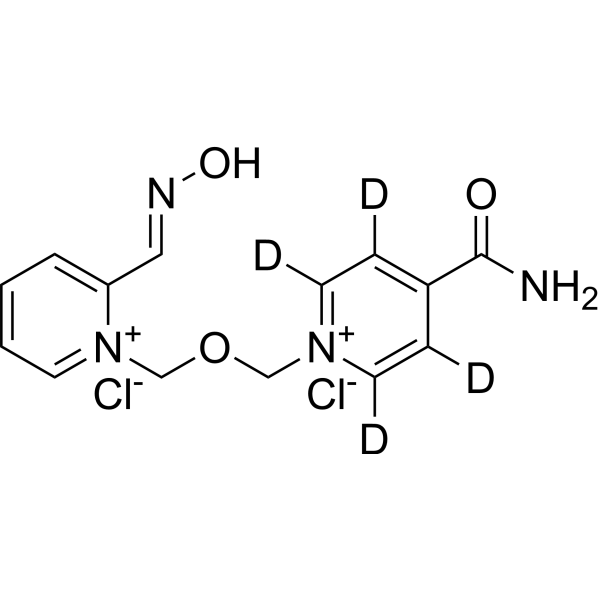
    Asoxime-d4 dichloride (HI-6-d4) is the deuterium labeled Asoxime dichloride. Asoxime dichloride is an orally active thiosemicarbazone-based antidote. Asoxime dichloride is a reversible inhibitor of AChE, and its core mechanism of action is to re-activate AChE inhibited by nerve toxins, thereby restoring the cholinergic nerve function. Asoxime dichloride significantly restores the function of poisoned muscles without reactivating AChE. Asoxime dichloride is an antagonist of acetylcholine receptors (AChRs), including nicotinic receptor and α7 nAChR. Asoxime dichloride can serve as an effective immunomodulator, improving the immune effect of the nervous system.
    Asoxime-d4 dichloride
  • HY-B1738

    Cholinesterase (ChE) Neurological Disease
    Pralidoxime is a potent reactivator of acetylcholinesterase (AChE). Pralidoxime reactivates nerve agent-inhibited AChE via direct nucleophilic attack by the oxime moiety on the phosphorus center of the bound nerve agent. Pralidoxime is an antidote for organophosphate poisoning .
    Pralidoxime
  • HY-N6608S

    Eserine-d3

    Isotope-Labeled Compounds Cholinesterase (ChE) Neurological Disease
    Physostigmine-d3 is the deuterium labeled Physostigmine. Physostigmine (Eserine) is a reversible acetylcholinesterase (AChE) inhibitor. Physostigmine can crosses the blood-brain barrier and stimulates central cholinergic neurotransmission. Physostigmine can reverse memory deficits in transgenic mice with Alzheimer's disease. Physostigmine is also an antidote for anticholinergic poisoning .
    Physostigmine-d3
  • HY-U00449G

    RAR/RXR Cancer
    AGN 193109 (GMP) is AGN 193109 (HY-U00449) produced by using GMP guidelines. GMP small molecules works appropriately as an auxiliary reagent for cell therapy manufacture. AGN 193109 is a specific and highly effective retinoic acid receptor (RAR) antagonist . AGN 193109 (GMP) is a click chemistry reagent, it contains an Alkyne group and can undergo copper-catalyzed azide-alkyne cycloaddition (CuAAc) with molecules containing Azide groups. AGN 193109 is the antidote for retinoic acidosis, that ameliorates the skin and mucosal toxicity.
    AGN 193109
  • HY-U00449A

    RAR/RXR Cancer
    AGN 193109 sodium is the sodium salt form of AGN 193109 (HY-U00449). AGN 193109 sodium is the pan antagonist for retinoic acid receptor (RAR), with Kd of 2, 2 and 3 nM, for RARα, RARβ and RARγ, respectively. AGN 193109 sodium reverses TTNPB-induced morphology changes and all-trans retinoic acid (tRA)/9-cis RA/13-cis RA-induced proliferation suppression in ECE16-1 cell. AGN 193109 sodium is the antidote for retinoic acidosis, that ameliorates the skin and mucosal toxicity .
    AGN 193109 sodium
  • HY-P5107A

    LMWP acetate; TDSP5 acetate

    VEGFR Cancer
    Low molecular weight protamine (LMWP) is a truncated arginine-rich protamine peptide, which also acts as an antidote for heparin/low molecular weight heparin and a cell-penetrating delivery vector. Low molecular weight protamine neutralizes heparin-induced anticoagulant activities, including aPTT, anti-Xa and anti-IIa activities. Low molecular weight protamine translocates across mammalian cell membranes, delivers conjugated impermeable molecules through tumor tissues, enhances the skin permeability of conjugated epidermal growth factor, and accelerates wound healing when conjugated with epidermal growth factor. Low molecular weight protamine retains the in vitro cell proliferation activity of conjugated EGF, and also enables site-specific conjugation with peptides or proteins via genetic recombination. Low molecular weight protamine can be used in studies related to colon cancer, skin wounds and diabetic skin wounds .
    Low molecular weight protamine acetate
  • HY-B1266R

    Eserine salicylate (Standard)

    Reference Standards Cholinesterase (ChE) Neurological Disease
    Physostigmine (salicylate) (Standard) is the analytical standard of Physostigmine (salicylate). This product is intended for research and analytical applications. Physostigmine salicylate (Eserine salicylate) is a reversible acetylcholinesterase (AChE) inhibitor. Physostigmine salicylate crosses the blood-brain barrier and stimulates central cholinergic neurotransmission. Physostigmine salicylate can reverse memory deficits in transgenic mice with Alzheimer's disease. Physostigmine salicylate is also an antidote for anticholinergic poisoning .
    Physostigmine salicylate (Standard)
  • HY-B0876R

    4-Methylpyrazole (Standard)

    Reference Standards Cytochrome P450 Metabolic Disease
    Fomepizole (Standard) is the analytical standard of Fomepizole. This product is intended for research and analytical applications. Fomepizole (4-Methylpyrazole) is a potent cytochrome P450 (CYP2E1) inhibitor. Fomepizole is a competitive inhibitor of the enzyme alcohol dehydrogenase. Fomepizole blocks further conversion of methanol and ethylene glycol to toxic metabolites. Fomepizole has the potential for an antidote for ethylene glycol or methanol poisoning .
    Fomepizole (Standard)
  • HY-145909

    Epigenetic Reader Domain Cancer
    BRD4 Inhibitor-17 (Compound 5i) is a potent inhibitor of BRD4 with an IC50 of 0.33 μM. BRD4 Inhibitor-17 plays crucial role in regulating transcription of inflammatory, proliferation and cell cycle genes. BRD4 Inhibitor-17 serves as potential antidotes for arsenicals .
    BRD4 Inhibitor-17
  • HY-146959

    Cholinesterase (ChE) Neurological Disease
    K203 is a potent reactivator of tabun-inhibited AChE. K203 is a crucial antidote used for the organophosphate intoxication .
    K203
  • HY-169832

    Drug Intermediate Others
    Sulfanegen is a 3-mercaptopyruvate prodrug and cyanide antidote. Sulfanegen converts toxic cyanide into a relatively non-toxic substance. Sulfanegen, alone or in combination with Cobinamide, has detoxification effect in mouse models of cyanide poisoning .
    Sulfanegen
  • HY-B0373S1

    Isotope-Labeled Compounds Metabolic Disease
    Tiopronin-d3 is the deuterium labeled Tiopronin. Tiopronin is a diffusible antioxidant, an antidote to heavy metal poisoning and a radioprotective agent. Tiopronin can control the rate of cystine precipitation and excretion and has the potential for cystinuria, rheumatoid arthritis and hepatic disorders .
    Tiopronin-d3
  • HY-157930

    Biochemical Assay Reagents Cardiovascular Disease
    TP-2, a caltrop-like multicationic small molecule, is an antidote that can completely neutralize both unfractionated heparin (UFH) and low-molecular-weight heparins (LMWHs). TP-2 is not only superior to protamine, has higher neutralization activity, but is also biocompatible .
    TP-2
  • HY-B1200R

    2-PAM chloride (Standard)

    Reference Standards Cholinesterase (ChE) Neurological Disease
    Pralidoxime (chloride) (Standard) is the analytical standard of Pralidoxime (chloride). This product is intended for research and analytical applications. Pralidoxime chloride is a potent reactivator of acetylcholinesterase (AChE). Pralidoxime chloride reactivates nerve agent-inhibited AChE via direct nucleophilic attack by the oxime moiety on the phosphorus center of the bound nerve agent. Pralidoxime chloride is an antidote for organophosphate poisoning .
    Pralidoxime chloride (Standard)
  • HY-128454R

    Reference Standards Endogenous Metabolite Others
    Dimethyl trisulfide (Standard) is the analytical standard of Dimethyl trisulfide. This product is intended for research and analytical applications. Dimethyl trisulfide is an organic chemical compound and the simplest organic trisulfide found in garlic, onion, broccoli, and similar plants. Dimethyl trisulfide is a cyanide antidote. Dimethyl trisulfide formation requires the thermal degradation of Met .
    Dimethyl trisulfide (Standard)
  • HY-U00449R

    Reference Standards RAR/RXR Cancer
    AGN 193109 is a retinoid analog, and acts as a specific and highly effective antagonist of retinoic acid receptors (RARs), with Kds of 2 nM, 2 nM, and 3 nM for RARα, RARβ, and RARγ, respectively. AGN 193109 is a click chemistry reagent, it contains an Alkyne group and can undergo copper-catalyzed azide-alkyne cycloaddition (CuAAc) with molecules containing Azide groups. AGN 193109 is the antidote for retinoic acidosis, that ameliorates the skin and mucosal toxicity.
    AGN 193109 (Standard)
  • HY-W017457R

    (±)-Penicillamine (Standard)

    Biochemical Assay Reagents Reference Standards Others
    DL-Penicillamine (Standard) is the analytical standard of DL-Penicillamine. This product is intended for research and analytical applications. DL-Penicillamine [(±)-Penicillamine] is a copper chelating agent. DL-Penicillamine has antidotal effects in thallotoxicosis rats when co-treated with Prussian blue (HY-106594A). DL-Penicillamine can cause pyridoxine deficiency and then induce optic axial neuritis. DL-Penicillamine can also depress primary immune response .
    DL-Penicillamine (Standard)

Inquiry Online

Your information is safe with us. * Required Fields.

Salutation


Country or Region *

Applicant Name *


Organization Name *

Department *


Email Address *


Product Name *

Cat. No.


Requested quantity *

Phone Number *


Remarks

Inquiry Online

Inquiry Information

Product Name:
Cat. No.:
Quantity:
MCE Japan Authorized Agent:

