Search Result
Results for "
antiseptic
" in MedChemExpress (MCE) Product Catalog:
8
Biochemical Assay Reagents
7
Isotope-Labeled Compounds
| Cat. No. |
Product Name |
Target |
Research Areas |
Chemical Structure |
-
- HY-B0608
-
|
|
Environmental Pollutants
Antibiotic
Bacterial
Necroptosis
Apoptosis
|
Infection
|
|
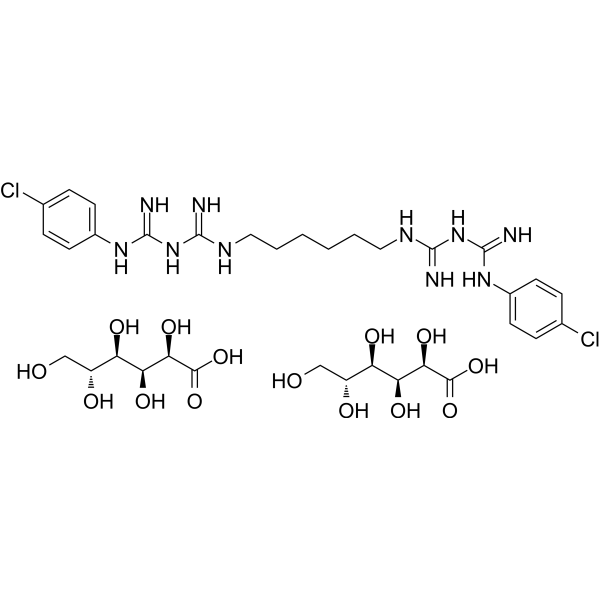
Chlorhexidine digluconate (20% in water) is a orally active cationic antimicrobial agent that targets microbial cell membranes. Chlorhexidine digluconate (20% in water) binds to cell membrane phospholipids non-specifically, destroys membrane structure and induces leakage of cell contents. Chlorhexidine digluconate (20% in water) has broad-spectrum bactericidal activity against both Gram-positive and Gram-negative bacteria. Chlorhexidine digluconate (20% in water) can interfere with membrane permeability, cause protein precipitation and energy metabolism disorders, such as rapid inhibition of microbial growth and induction of cell death (necrosis or apoptosis) .
|
-
-
- HY-B0986
-
-
-
- HY-B0567
-
|
|
Potassium Channel
nAChR
Apoptosis
Bacterial
Parasite
|
Infection
Cancer
|
|
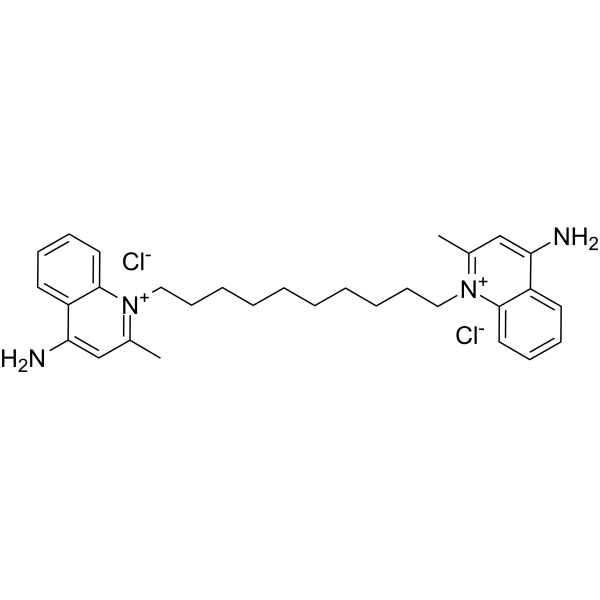
Dequalinium chloride is an Apamin (HY-P0256)-sensitive potassium channel selective blocker. Dequalinium chloride is a cationic, lipophilic mitochondrial poison. Dequalinium chloride is also an antagonist pf α7 nAChR, and an anti-microbial antiseptic agent with a broad bactericidal and fungicidal activity .
|
-
-
- HY-Y0569C
-
-
-
- HY-B0996
-
|
NSC-17764
|
Bacterial
Fungal
|
Infection
Inflammation/Immunology
|
|
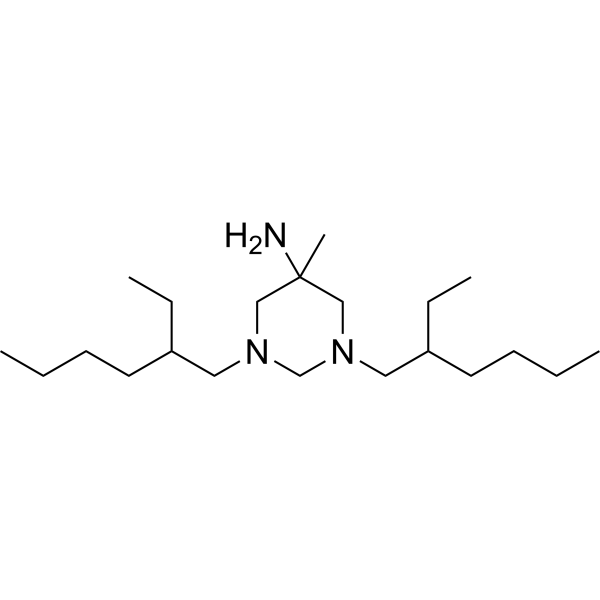
Hexetidine (NSC-17764) is an orally active antibacterial and antifungal agent with broad antibacterial and antifungal activity. Hexetidine combined with IPBC potentiates strong fungal growth inhibition properties. Hexetidine at concentrations greater than 0.1% can cause oral ulceration. Additionally, Hexetidine improves its plaque inhibiting activities combined with zinc and has been confirmed the effectiveness on purulent wound along with ultrasound. Hexetidine is a promising candidate for research in fungus-related diseases and soft tissue purulent-inflammatory
|
-
-
- HY-100575
-
|
Acriflavinium chloride 3,6-Acridinediamine mix
|
Environmental Pollutants
Fluorescent Dye
Monocarboxylate Transporter
Bacterial
Fungal
HIF/HIF Prolyl-Hydroxylase
SARS-CoV
|
Infection
Cancer
|
|
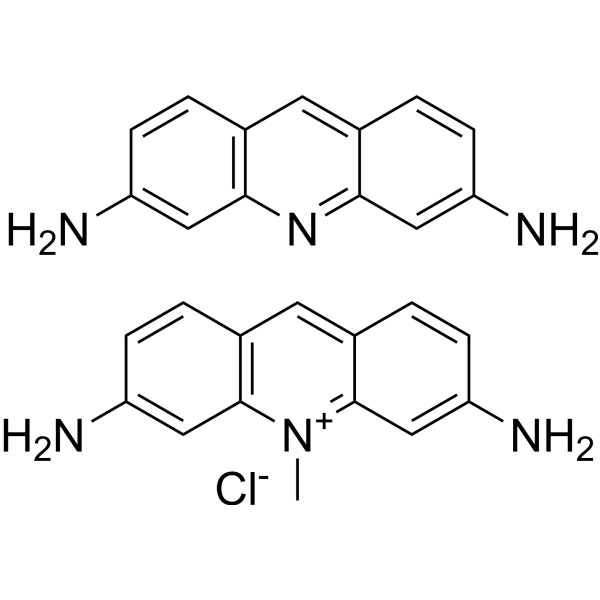
Acriflavine (Acriflavinium chloride) is a fluorescent acridine dye that can be used to label nucleic acid. Acriflavine is an antiseptic agent. Acriflavine is a potent HIF-1 inhibitor that prevents the dimerization of HIF-1α and HIF-1β subunits. Acriflavine inhibits the interaction between monocarboxylate transporter 4 (MCT4) and Basigin. Acriflavine is used in cancer research, such as breast cancer, brain tumor and chronic myeloid leukemia. Acriflavine is a potent papain-like protease (PLpro) inhibitor, which inhibits SARS-CoV-2 .
|
-
-
- HY-B2174
-
|
Acrinol
|
Bacterial
|
Infection
|
|
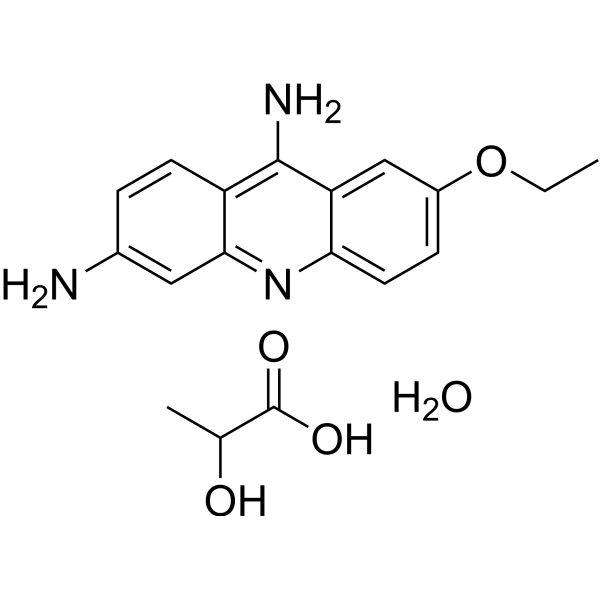
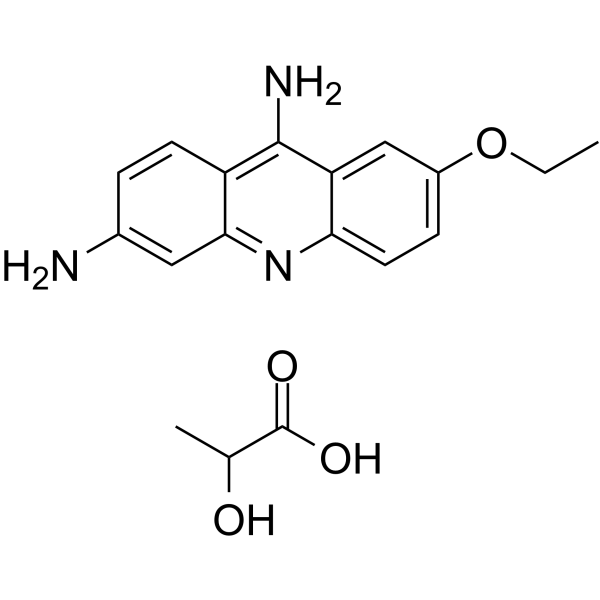
Ethacridine lactate (Acrinol) is a widely used antiseptic and abortifacient. Ethacridine lactate is effective against Staphylococcus aureus and other gram-positive cocci. Ethacridine lactate is also a poly(ADP-ribose) glycohydrolase (PARG) inhibitor .
|
-
-
- HY-B0889
-
|
Acrinol monohydrate
|
Bacterial
|
Infection
|
|
Ethacridine lactate (Acrinol) monohydrate is a widely used antiseptic and abortifacient. Ethacridine lactate monohydrate is effective against Staphylococcus aureus and other gram-positive cocci. Ethacridine lactate monohydrate is also a poly(ADP-ribose) glycohydrolase (PARG) inhibitor .
|
-
-
- HY-Y0569
-
-
-
- HY-B2170A
-
|
|
Bacterial
|
Infection
|
|
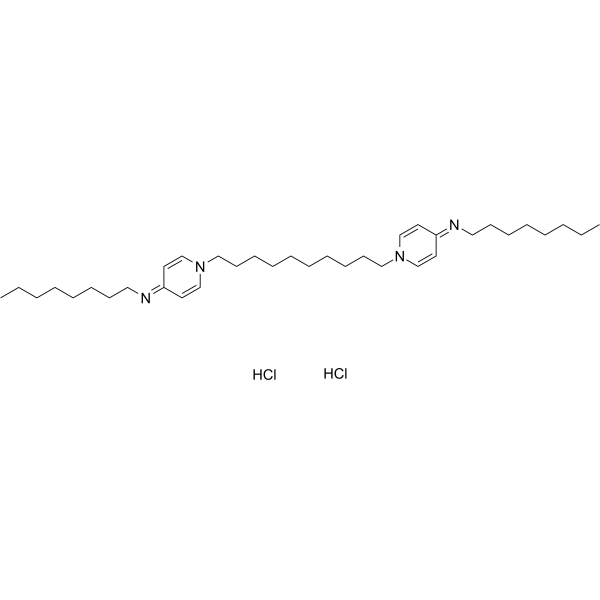
Octenidine dihydrochloride is an effective antiseptic compound for skin mucous membranes and wounds.
|
-
-
- HY-B1289
-
|
Hexadecylpyridinium chloride monohydrate
|
Bacterial
|
Infection
|
|
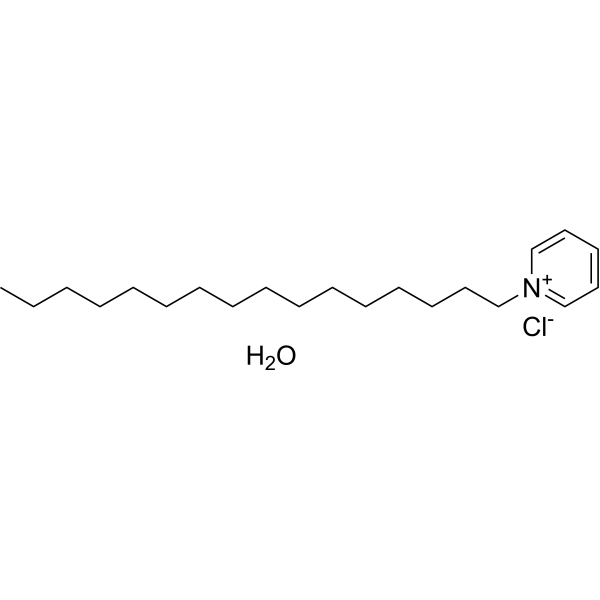
Cetylpyridinium chloride monohydrate is a cationic quaternary ammonium compound used in some types of mouthwashes, toothpastes, and throat and nasal sprays as an antiseptic that kills bacteria and other microorganisms. Effectively prevents plaque and reduces gingivitis.
|
-
-
- HY-D0003
-
|
|
Environmental Pollutants
Bacterial
|
Infection
|
|
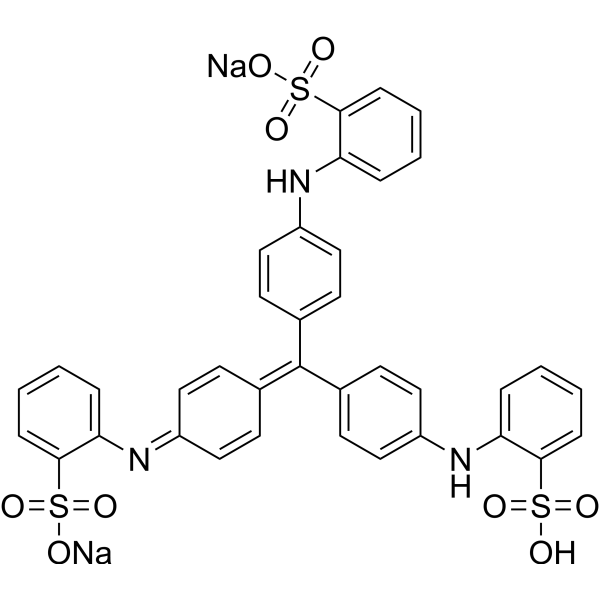
Methyl blue belongs to the group of triaminotriphenylmethane dyes. Methyl blue is widely used as antiseptic dye in polychrome staining method and has applications in histological and microbiological staining solutions. Methyl blue has been used as a model to study the effect of various catalysts on photodegradation of dyes .
|
-
-
- HY-B1691
-
|
Hexamine hippurate
|
Bacterial
|
Cancer
|
|
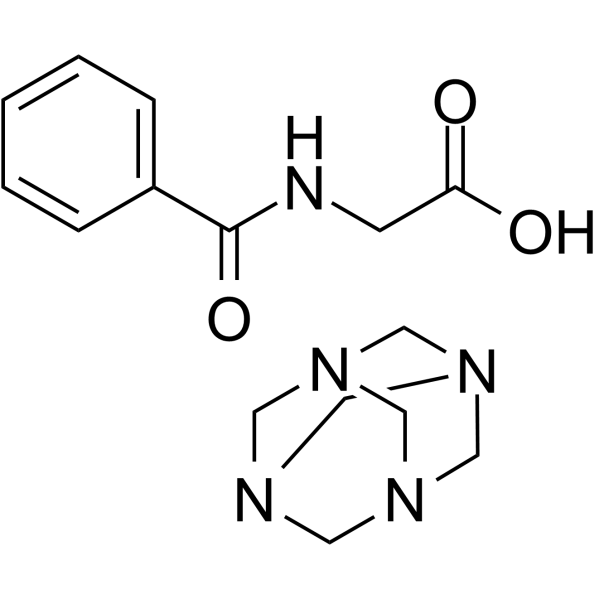
Methenamine hippurate (Hexamine hippurate) is an orally active urinary antiseptic agent with a wide antibacterial spectrum. Methenamine hippurate is effective against most common urinary tract pathogens .
|
-
-
- HY-B1597
-
|
Benzyldimethylhexadecylammonium chloride
|
Bacterial
|
Infection
Inflammation/Immunology
|
|
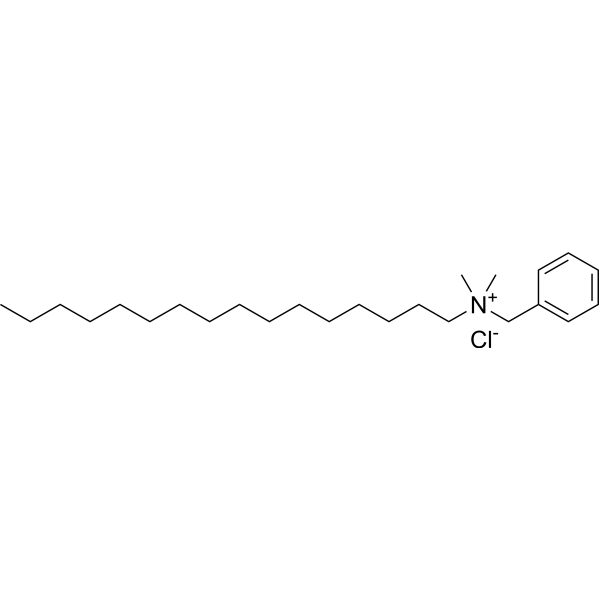
Cetalkonium chloride is an ammonium antiseptic agent used in many topical agents for infections of mouth, throat and eye. Cetalkonium chloride acts as anti-inflammatory amphiphilic agent. Cetalkonium chloride is a cationic surfactant, that improves the precorneal residence time and bioavailability of drugs. Cetalkonium chloride interacts with the negative charges on the bacterial cell membrane, disrupts the integrity of the cell membrane, causes leakage of cell contents and ultimately leading to bacterial death .
|
-
-
- HY-W088075
-
|
Acriflavinium chloride hydrochloride
|
Fluorescent Dye
HIF/HIF Prolyl-Hydroxylase
Bacterial
SARS-CoV
Monocarboxylate Transporter
Fungal
|
Infection
Cancer
|
|
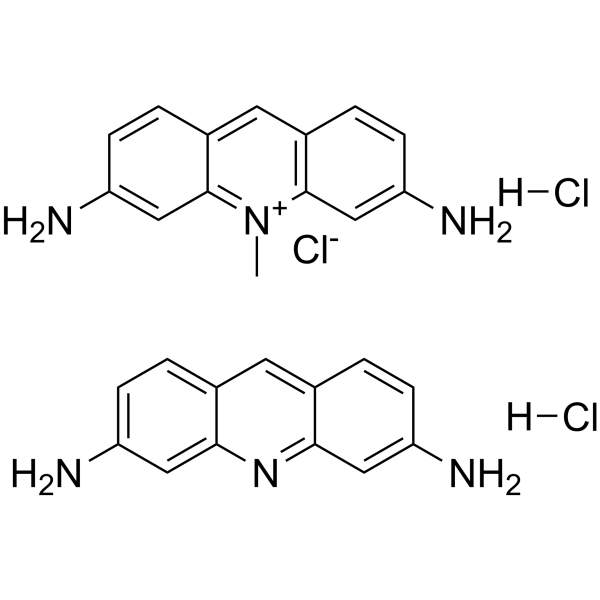
Acriflavine (Acriflavinium chloride) hydrochloride is a fluorescent acridine dye that can be used to label nucleic acid. Acriflavine hydrochloride is an antiseptic agent. Acriflavine hydrochloride is a potent HIF-1 inhibitor that prevents the dimerization of HIF-1α and HIF-1β subunits. Acriflavine hydrochloride inhibits the interaction between monocarboxylate transporter 4 (MCT4) and Basigin. Acriflavine hydrochloride is used in cancer research, such as breast cancer, brain tumor and chronic myeloid leukemia. Acriflavine hydrochloride is a potent papain-like protease (PLpro) inhibitor, which inhibits SARS-CoV-2 .
|
-
-
- HY-N1394
-
|
4-Methoxybenzoic acid; Draconic acid
|
Bacterial
Endogenous Metabolite
Tyrosinase
|
Infection
Neurological Disease
Cancer
|
|
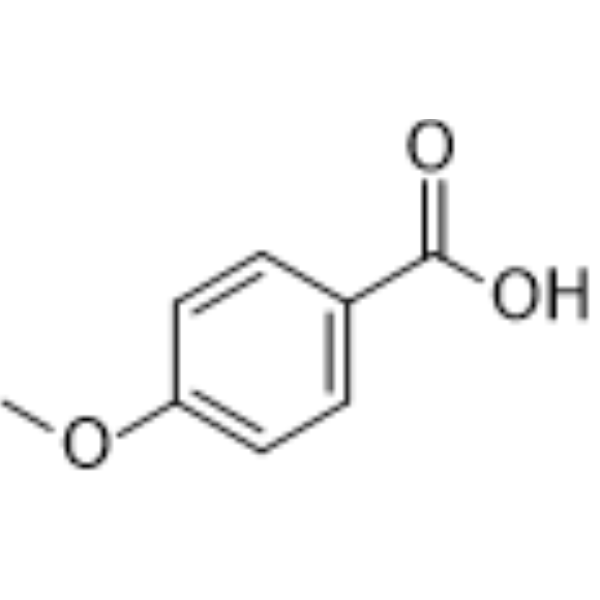
p-Anisic acid (4-Methoxybenzoic acid) is an orally available tyrosinase inhibitor that has antioxidant, anti-anxiety, anti-inflammatory, anti-tumor, anti-diabetic, and preservative properties. p-Anisic acid can be used as a preservative in the cosmetics field .
|
-
-
- HY-135336
-
|
(R)-(+)-Verapamil hydrochloride
|
P-glycoprotein
Apoptosis
Calcium Channel
|
Infection
Metabolic Disease
|
|
(R)-Verapamil hydrochloride ((R)-(+)-Verapamil hydrochloride) is an orally active P-Glycoprotein inhibitor. (R)-Verapamil hydrochloride blocks MRP1 mediated transport. (R)-Verapamil hydrochloride induces Apoptosis and inhibits L-type calcium channels BZPcc, DHPcc and PLLcc. (R)-Verapamil hydrochloride has anti-septic shock and anti-diabetic effects .
|
-
-
- HY-W099594
-
|
Benzyldimethyldodecylammonium bromide
|
Environmental Pollutants
Biochemical Assay Reagents
|
Others
|
|
N-Benzyl-N, N-dimethyldodecan-1-aminium bromide, also known as Benzalkonium Chloride (BAC), is a quaternary ammonium compound widely used as an antimicrobial and surfactant in various industries. BAC is commonly used as a disinfectant and antiseptic in a variety of products including hand sanitizers, disinfectant wipes and eye drops. Its ability to kill bacteria, viruses and fungi makes it an effective tool in preventing the spread of infection. BAC is also used as a preservative and disinfectant in the food industry. It is added to food packaging and processing equipment to prevent the growth of microorganisms and increase the shelf life of foods. Additionally, BACs are found in many household products such as cleaning solutions, fabric softeners and personal care products. Its surfactant properties allow it to be used to reduce surface tension and increase the effectiveness of cleaning agents. Although BAC has many uses, ingestion or exposure to high concentrations of BAC can cause skin irritation and other adverse effects.
|
-
-
- HY-W103183
-
Ferron
1 Publications Verification
8-Hydroxy-7-iodo-5-quinolinesulfonic acid
|
Fungal
Parasite
|
Infection
|
|
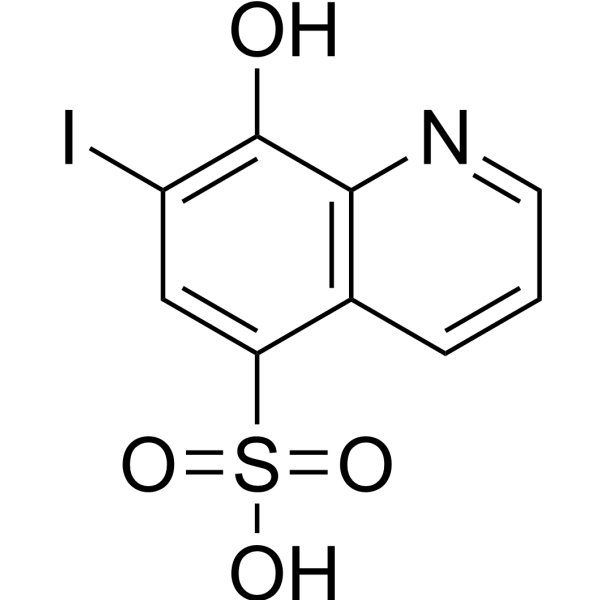
Ferron (8-Hydroxy-7-iodo-5-quinolinesulfonic acid) has antiseptic and antifungal activity. Ferron can prevent skin and mucosa bacterial irritations and inflammations .
|
-
-
- HY-B1419
-
|
2-Hydroxybenzyl alcohol; Saligenin
|
Drug Intermediate
Bacterial
|
Others
|
|
Salicyl alcohol (2-Hydroxybenzyl alcohol; Saligenin) is a phenolic alcohol-type topical anesthetic and strong sensitizer with antiseptic, antibacterial and antipyretic activities. Salicyl alcohol serves as a precursor for salicin synthesis. Salicyl alcohol induces contact dermatitis and eczematous skin reactions, and is a well-known allergen identified in phenolic resins. Salicyl alcohol is isolated from the barks of European aspen (Populus tremula), rowan (Sorbus aucuparia) and willow (Salix spp.). Salicyl alcohol is used in studies related to allergic contact dermatitis .
|
-
-
- HY-W039454
-
|
|
Environmental Pollutants
Bacterial
SARS-CoV
|
Infection
|
|
2,4-Dichlorobenzyl alcohol is an orally active mild antiseptic, with a broad spectrum for bacterial and virus associated with mouth and throat infections. 2,4-Dichlorobenzyl alcohol exhibits prenatal developmental toxicity.2,4-Dichlorobenzyl alcohol can be used in the study of SARS-CoV .
|
-
-
- HY-Y0569B
-
-
-
- HY-B0263S
-
-
-
- HY-W011087
-
|
|
Environmental Pollutants
Biochemical Assay Reagents
|
Others
|
|
Benzyldimethyltetradecylammonium chloride is a quaternary ammonium salt consisting of a positively charged N-benzyl-N,N-dimethyltetradecyl-1-amine cation and a negatively charged chloride anion. The compound is commonly used as a surfactant and emulsifier in a variety of applications including detergents, fabric softeners and personal care products. It also has antimicrobial properties and is used as a disinfectant or antiseptic in some products.
|
-
-
- HY-N1673
-
|
Gentisaldehyde
|
Bacterial
|
Infection
|
|
2,5-Dihydroxybenzaldehyde (Gentisaldehyde) is a naturally occurring antimicrobial that inhibits the growth of Mycobacterium avium subsp. paratuberculosis. 2,5-Dihydroxybenzaldehyde is active against S. aureus strains with a MIC50 of 500 mg/L .
|
-
-
- HY-W009304
-
-
-
- HY-N1394S1
-
|
4-Methoxybenzoic acid-d4; Draconic acid-d4
|
Bacterial
Endogenous Metabolite
|
Infection
|
|
p-Anisic acid-d4 is the deuterium labeled p-Anisic acid . p-Anisic acid (4-Methoxybenzoic acid) is one of the isomers of anisic acid, with anti-bacterial and antiseptic properties .
|
-
-
- HY-W127474
-
|
|
Biochemical Assay Reagents
|
Others
|
|
Ethyl pentadecanoate is an organic compound that is commonly used as a flavoring and food additive, and can also be used in industrial manufacturing, such as the production of lubricants and surfactants. In addition, Ethyl pentadecanoate has biological activities such as antibacterial, insecticidal and antiseptic.
|
-
-
- HY-N3187
-
-
-
- HY-B1796
-
|
|
Fungal
|
Infection
|
|
Thymol iodide is an iodine derivative of thymol, serving as a mild preservative and fungicide. Thymol iodide is commonly used as an iodine source in the intensive culture of rotifers. Thymol iodide effectively enables Brachionus "Cayman" rotifers to reach iodine levels similar to those of copepods, and maintains a high iodine content during storage. After 28 days of intrapleural injection of Thymol iodide, it does not enhance the efficacy of inducing pleurodesis in rabbits, nor does it improve the efficacy of talc slurry pleurodesis .
|
-
-
- HY-Y0569CR
-
|
|
Reference Standards
Endogenous Metabolite
Fungal
|
Infection
Cancer
|
|
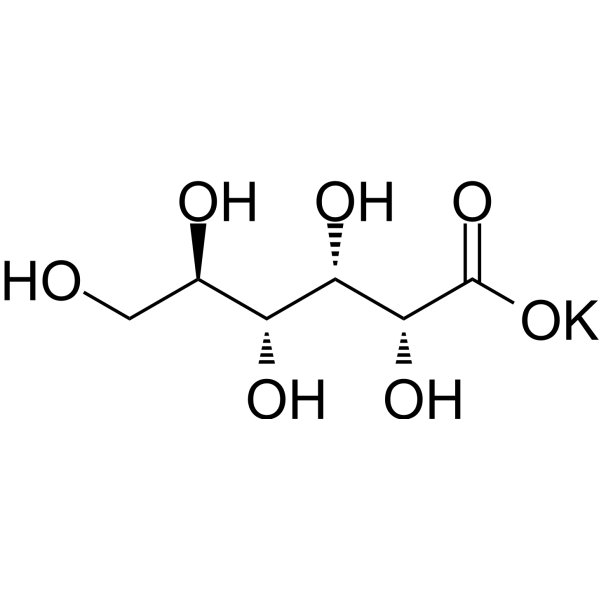
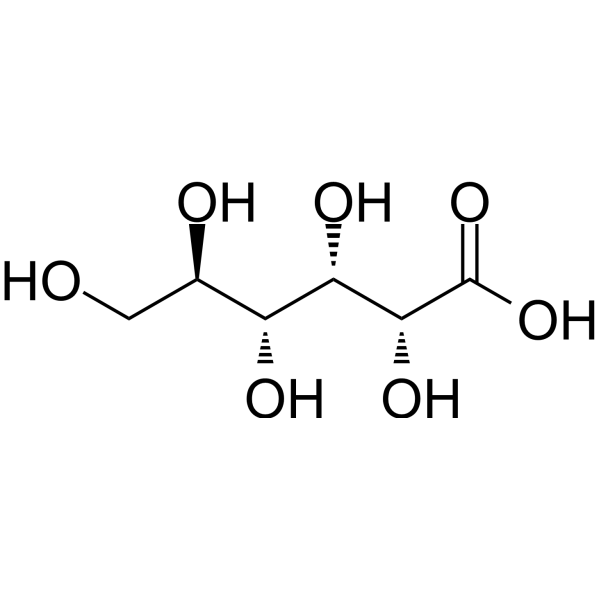
D-Gluconic acid (potassium) (Standard) is the analytical standard of D-Gluconic acid (potassium). This product is intended for research and analytical applications. D-Gluconic acid potassium is an orally active carboxylic acid by the oxidation with antiseptic and chelating properties .
|
-
-
- HY-W012037
-
|
8-Quinolinol hemisulfate
|
Environmental Pollutants
Antibiotic
Bacterial
|
Infection
|
|
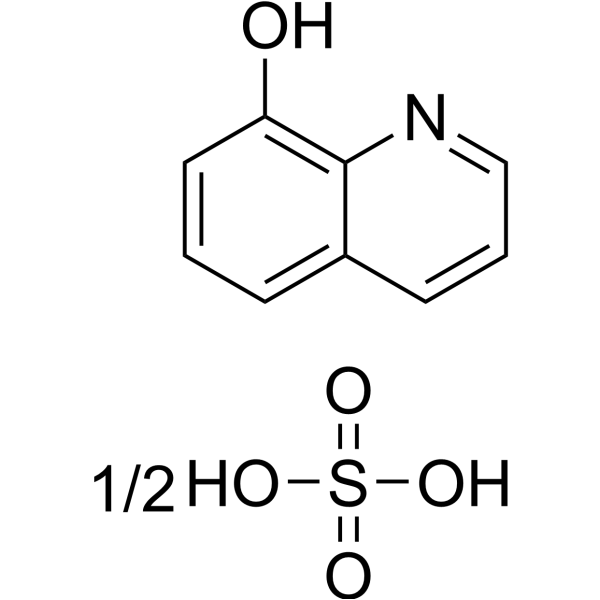
8-Hydroxyquinoline hemisulfate (8-Quinolinol hemisulfate) is a monoprotic bidentate chelating agent, exhibits antiseptic, disinfectant, and pesticide properties, functioning as a transcription inhibitor.
|
-
-
- HY-B1691R
-
|
Hexamine hippurate (Standard)
|
Reference Standards
Bacterial
|
Cancer
|
|
Methenamine (hippurate) (Standard) is the analytical standard of Methenamine (hippurate). This product is intended for research and analytical applications. Methenamine hippurate (Hexamine hippurate) is an orally active urinary antiseptic agent with a wide antibacterial spectrum. Methenamine hippurate is effective against most common urinary tract pathogens .
|
-
-
- HY-125654
-
|
|
Bacterial
|
Infection
Inflammation/Immunology
|
|
Olanexidine is an antibacterial agent. Olanexidine is active against a wide range of bacteria, imcluding both Gram-positive and Gram-negative bacteria Olanexidine is also an antiseptic. Olanexidine can be used in the research of infection and inflammation .
|
-
-
- HY-W012037R
-
|
8-Quinolinol hemisulfate (Standard)
|
Reference Standards
Bacterial
Antibiotic
|
Infection
|
|
8-Hydroxyquinoline (hemisulfate) (Standard) is the analytical standard of 8-Hydroxyquinoline (hemisulfate). This product is intended for research and analytical applications. 8-Hydroxyquinoline hemisulfate (8-Quinolinol hemisulfate) is a monoprotic bidentate chelating agent, exhibits antiseptic, disinfectant, and pesticide properties, functioning as a transcription inhibitor.
|
-
-
- HY-W091820
-
|
4HDPM
|
Drug Derivative
|
Others
|
|
4-Benzylphenol (4HDPM), a structural analog of Bisphenol F (HY-W014901), has estrogenic activity in vitro and in vivo. 4-Benzylphenol can be used in plastics as a germicide, antiseptic, preservative, and antioxidant, and can be used in during organic synthesis .
|
-
-
- HY-B1260S3
-
|
CTAB-d9; Cetyltrimethylammonium-d9 bromide; Hexadecyltrimethylammonium-d9 bromide
|
Isotope-Labeled Compounds
|
Others
|
|
Cetrimonium-d9 (bromide) is the deuterium labeled Cetrimonium bromide . Cetrimonium bromide (CTAB) is an amine based cationic quaternary surfactant, is one of the components of the topical antiseptic Cetrimide.
|
-
-
- HY-B1260S1
-
|
CTAB-d33; Cetyltrimethylammonium-d33 bromide; Hexadecyltrimethylammonium-d33 bromide
|
Isotope-Labeled Compounds
|
Others
|
|
Cetrimonium-d33 bromide is the deuterium labeled Cetrimonium bromide . Cetrimonium bromide (CTAB) is an amine based cationic quaternary surfactant, is one of the components of the topical antiseptic Cetrimide.
|
-
-
- HY-B0999
-
|
Clorindanol; 7-Chloro-4-indanol
|
Bacterial
|
Infection
|
|
Chlorindanol (7-Chloro-4-indanol) is a topical antiseptic or sanitizer. Chlorindanol is rapidly lethal to vegetative bacteria, Trichophyton sp., C. albicans, E. histolytica cysts and trophozoites, T. vaginalis, and spermatozoa in vitro. Chlorindanol is klow systemic toxicity, well skin/eyes/genital mucosa tolerance and nonallergenic.
|
-
-
- HY-W099569
-
|
Zinc octadecanoate
|
Biochemical Assay Reagents
Fungal
Bacterial
Parasite
|
Infection
|
|
Zinc stearate is a metal stearate that acts as a preservative, bactericide, fungicide, and larvicide. Zinc stearate inhibits larval reproduction in animal feces. Zinc stearate exhibits extremely low systemic toxicity. Zinc stearate is a common component of pharmaceutical excipients, lubricants, mold release agents, polymer stabilizers, and coating matting agents .
|
-
-
- HY-W099118
-
|
Sodium ethyl 4-hydroxybenzoate
|
Biochemical Assay Reagents
|
Others
|
|
Sodium ethylparaben (Sodium ethyl 4-hydroxybenzoate) acts as a water soluble antiseptic usually employed as safe for cosmetics .
|
-
-
- HY-N7643
-
|
|
Bacterial
|
Infection
Inflammation/Immunology
|
|
Comanthoside B is a flavonoid glycoside isolated from the aerial portions of Ruellia tuberosa L. Comanthoside B has anti-inflammatory and antiseptic activities .
|
-
-
- HY-U00080
-
-
-
- HY-B2170AR
-
|
|
Bacterial
Reference Standards
|
Infection
|
|
Octenidine (dihydrochloride) (Standard) is the analytical standard of Octenidine (dihydrochloride). This product is intended for research and analytical applications. Octenidine dihydrochloride is an effective antiseptic compound for skin mucous membranes and wounds.
|
-
-
- HY-N1394S
-
-
-
- HY-W017401S
-
|
BIT-13C6
|
Isotope-Labeled Compounds
Bacterial
|
Others
|
|
Benzisothiazolinone-13C5 (1,2-Benzothiazol-3-one-13C5) is a 13C-labeled Benzisothiazolinone. Benzisothiazolinone is widely used as an antiseptic and antibacterial agent .
|
-
-
- HY-W011122
-
|
|
Biochemical Assay Reagents
|
Others
|
|
Tributylbenzylammonium bromide is a quaternary ammonium salt composed of a positively charged N-benzyl-N,N-dibutylbutan-1-amine cation and a negatively charged bromide anion composition. The compound is commonly used as a surfactant and emulsifier in a variety of applications including detergents, fabric softeners and personal care products. It also has antimicrobial properties and is used as a disinfectant or antiseptic in some products.
|
-
-
- HY-161797
-
|
|
Aminoacyl-tRNA Synthetase
|
Infection
|
|
Antibacterial agent 227 (Compd 29) is a SerRS (Seryl-tRNA synthetase) inhibitor. Antibacterial agent 227 has a significant inhibitory effect on the growth of planktonic and biofilm culture of Staphylococcus aureus 25923 with MIC (minimum inhibitory concentration) value of 32 µg/ml. Antibacterial agent 227 can be proposed as effective antiseptic toward multidrug-resistant biofilm-forming S. aureus isolates .
|
-
-
- HY-B0567R
-
|
|
Reference Standards
Potassium Channel
nAChR
Apoptosis
Bacterial
Parasite
|
Infection
Cancer
|
|
Dequalinium (Chloride) (Standard) is the analytical standard of Dequalinium (Chloride). This product is intended for research and analytical applications. Dequalinium chloride is an Apamin (HY-P0256)-sensitive potassium channel selective blocker. Dequalinium chloride is a cationic, lipophilic mitochondrial poison. Dequalinium chloride is also an antagonist pf α7 nAChR, and an anti-microbial antiseptic agent with a broad bactericidal and fungicidal activity .
|
-
-
- HY-W014536
-
|
Trimethyl-n-octylammonium Chloride
|
Biochemical Assay Reagents
|
Others
|
|
N,N,N-Trimethyloctan-1-aminium chloride is a quaternary ammonium salt consisting of a positively charged N,N,N-trimethyloctan-1-aminium cation and a negatively charged chloride anion. The compound is commonly used as a surfactant and emulsifier in a variety of applications including detergents, fabric softeners and personal care products. It can also be used as a phase transfer catalyst in organic chemical reactions, facilitating the transfer of reactants between immiscible phases. Additionally, it has antimicrobial properties and is used as a disinfectant or antiseptic in some products.
|
-
- HY-W039454R
-
|
|
Reference Standards
Bacterial
SARS-CoV
|
Infection
|
|
2,4-Dichlorobenzyl alcohol (Standard) is the analytical standard of 2,4-Dichlorobenzyl alcohol (HY-W039454). This product is intended for research and analytical applications. 2,4-Dichlorobenzyl alcohol is an orally active mild antiseptic, with a broad spectrum for bacterial and virus associated with mouth and throat infections. 2,4-Dichlorobenzyl alcohol exhibits prenatal developmental toxicity.2,4-Dichlorobenzyl alcohol can be used in the study of SARS-CoV .
|
-
- HY-P11093
-
|
|
Antibiotic
Bacterial
Fungal
Apoptosis
Reactive Oxygen Species (ROS)
TNF Receptor
NO Synthase
Interleukin Related
NF-κB
Toll-like Receptor (TLR)
|
Infection
Inflammation/Immunology
|
|
Papiliocin is a potent peptide antibiotic with both anti-inflammatory and antibacterial activities. Papiliocin is primarily active against Gram-negative bacteria. Papiliocin exhibits strong anti-inflammatory activity against cell, exerting its anti-inflammatory activity by inhibiting the production of NO and the secretion of TNF-α and MIP-2. Papiliocin participates in the innate defense response mechanism by inhibiting the Toll-like receptor pathway and NF-κB. Papiliocin induces apoptosis in fungal cells and increases the total level of intracellular ROS. Papiliocin acts as an effective antiseptic peptide in sepsis models. Papiliocin is useful in anti-inflammatory and antibacterial research .
|
-
- HY-107996
-
|
Emcol E 607
|
Bacterial
|
Infection
|
|
Lapyrium chloride (Emcol E 607) is a broad-spectrum antimicrobial agent that can be used as an antiseptic and disinfectant .
|
-
- HY-N1394R
-
|
4-Methoxybenzoic acid (Standard); Draconic acid (Standard)
|
Endogenous Metabolite
Bacterial
Reference Standards
|
Infection
|
|
p-Anisic acid (Standard) is the analytical standard of p-Anisic acid. This product is intended for research and analytical applications. p-Anisic acid (4-Methoxybenzoic acid) is one of the isomers of anisic acid, with anti-bacterial and antiseptic properties .
|
-
- HY-125654C
-
|
|
Bacterial
|
Infection
Inflammation/Immunology
|
|
Olanexidine gluconate is an antibacterial agent. Olanexidine gluconate is active against a wide range of bacteria, imcluding both Gram-positive and Gram-negative bacteria Olanexidine gluconate is also an antiseptic. Olanexidine gluconate can be used in the research of infection and inflammation .
|
-
- HY-125654B
-
|
|
Bacterial
|
Infection
Inflammation/Immunology
|
|
Olanexidine hydrochloride semihydrate is an antibacterial agent. Olanexidine hydrochloride semihydrate is active against a wide range of bacteria, imcluding both Gram-positive and Gram-negative bacteria Olanexidine hydrochloride semihydrate is also an antiseptic. Olanexidine hydrochloride semihydrate can be used in the research of infection and inflammation .
|
-
- HY-W103183R
-
|
8-Hydroxy-7-iodo-5-quinolinesulfonic acid (Standard)
|
Fungal
Reference Standards
Parasite
|
Infection
|
|
Ferron (Standard) is the analytical standard of Ferron. This product is intended for research and analytical applications. Ferron (8-Hydroxy-7-iodo-5-quinolinesulfonic acid) has antiseptic and antifungal activity. Ferron can prevent skin and mucosa bacterial irritations and inflammations .
|
-
- HY-B0889R
-
|
Acrinol monohydrate (Standard)
|
Reference Standards
Bacterial
|
Infection
|
|
Ethacridine (lactate monohydrate) (Standard) is the analytical standard of Ethacridine (lactate monohydrate). This product is intended for research and analytical applications. Ethacridine lactate (Acrinol) monohydrate is a widely used antiseptic and abortifacient. Ethacridine lactate monohydrate is effective against Staphylococcus aureus and other gram-positive cocci. Ethacridine lactate monohydrate is also a poly(ADP-ribose) glycohydrolase (PARG) inhibitor .
|
-
- HY-B1597R
-
|
Benzyldimethylhexadecylammonium chloride (Standard)
|
Reference Standards
Bacterial
|
Infection
Inflammation/Immunology
|
|
Cetalkonium (chloride) (Standard) is the analytical standard of Cetalkonium (chloride). This product is intended for research and analytical applications. Cetalkonium chloride is an ammonium antiseptic agent used in many topical agents for infections of mouth, throat and eye. Cetalkonium chloride acts as anti-inflammatory amphiphilic agent. Cetalkonium chloride is a cationic surfactant, that improves the precorneal residence time and bioavailability of drugs. Cetalkonium chloride interacts with the negative charges on the bacterial cell membrane, disrupts the integrity of the cell membrane, causes leakage of cell contents and ultimately leading to bacterial death .
|
-
- HY-B0986R
-
|
4-Hexylresorcinol (Standard)
|
Reference Standards
Parasite
Bacterial
Apoptosis
Glycosidase
Endogenous Metabolite
|
Infection
Metabolic Disease
Cancer
|
|
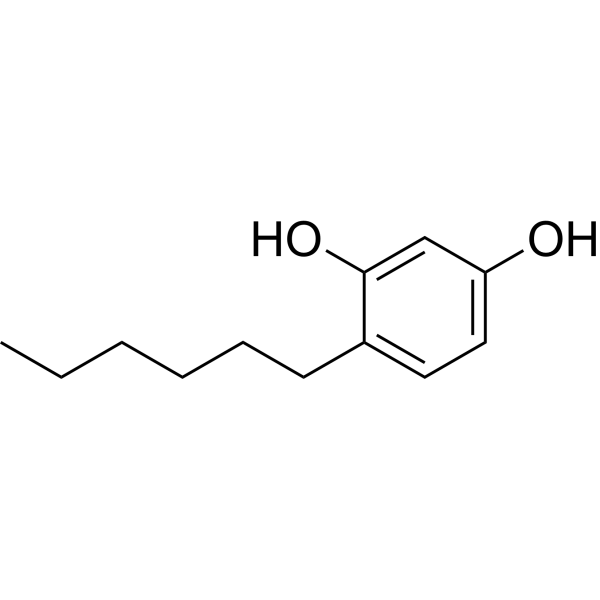
Hexylresorcinol (Standard) is the analytical standard of Hexylresorcinol. This product is intended for research and analytical applications. Hexylresorcinol (4-Hexylresorcinol) is a natural compound found in plants with antimicrobial, anthelmintic, antiseptic and antitumor activities. Hexylresorcinol can induce apoptosis in squamous carcinoma cells. Hexylresorcinol is a reversible and noncompetitive inhibitor of α-glucosidase. Hexylresorcinol has protective effects against oxidative DNA damage .
|
-
- HY-105717
-
-
- HY-Y0569BR
-
|
|
Fungal
Reference Standards
Endogenous Metabolite
|
Cancer
|
|
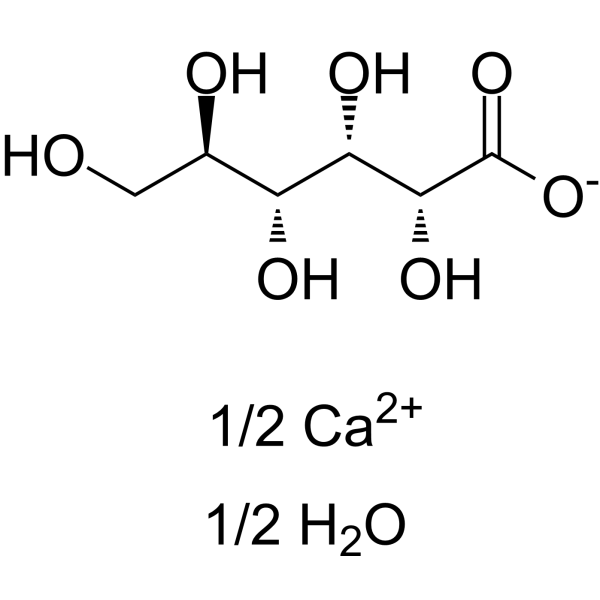
D-Gluconic acid (calcium hydrate) (Standard) is the analytical standard of D-Gluconic acid (calcium hydrate). This product is intended for research and analytical applications. D-Gluconic acid calcium hydrate is the carboxylic acid by the oxidation with antiseptic and chelating properties.
|
-
- HY-131964R
-
|
|
Reference Standards
Drug Metabolite
|
Others
|
|
Sodium ethylparaben (Standard) is the analytical standard of Sodium ethylparaben. This product is intended for research and analytical applications. Sodium ethylparaben (Sodium ethyl 4-hydroxybenzoate) acts as a water soluble antiseptic usually employed as safe for cosmetics .
|
-
- HY-B0996R
-
|
NSC-17764 (Standard)
|
Reference Standards
Bacterial
Fungal
|
Infection
|
|
Hexetidine (Standard) is the analytical standard of Hexetidine. This product is intended for research and analytical applications. Hexetidine is an orally active antiseptic with broad antibacterial and antifungal activity. Hexetidine give important potential for treatment of oral infections .
|
-
- HY-B1289R
-
|
Hexadecylpyridinium chloride monohydrate (Standard)
|
Reference Standards
Bacterial
|
Infection
|
|
Cetylpyridinium (chloride monohydrate) (Standard) is the analytical standard of Cetylpyridinium (chloride monohydrate). This product is intended for research and analytical applications. Cetylpyridinium chloride monohydrate is a cationic quaternary ammonium compound used in some types of mouthwashes, toothpastes, and throat and nasal sprays as an antiseptic that kills bacteria and other microorganisms. Effectively prevents plaque and reduces gingivitis.
|
-
- HY-145482R
-
|
|
Drug Metabolite
Reference Standards
|
Neurological Disease
|
|
8-Hydroxyquinoline (hemisulfate) (Standard) is the analytical standard of 8-Hydroxyquinoline (hemisulfate). This product is intended for research and analytical applications. 8-Hydroxyquinoline hemisulfate (8-Quinolinol hemisulfate) is a monoprotic bidentate chelating agent, exhibits antiseptic, disinfectant, and pesticide properties, functioning as a transcription inhibitor.
|
-
- HY-112175R
-
|
N-Omega-acetylhistamine (Standard)
|
Reference Standards
Histamine Receptor
Endogenous Metabolite
|
Inflammation/Immunology
Endocrinology
|
|
Ethacridine (lactate monohydrate) (Standard) is the analytical standard of Ethacridine (lactate monohydrate). This product is intended for research and analytical applications. Ethacridine lactate (Acrinol) monohydrate is a widely used antiseptic and abortifacient. Ethacridine lactate monohydrate is effective against Staphylococcus aureus and other gram-positive cocci. Ethacridine lactate monohydrate is also a poly(ADP-ribose) glycohydrolase (PARG) inhibitor .
|
-
- HY-N1673R
-
|
Gentisaldehyde (Standard)
|
Reference Standards
Bacterial
|
Infection
|
|
2,5-Dihydroxybenzaldehyde (Standard) is the analytical standard of 2,5-Dihydroxybenzaldehyde. This product is intended for research and analytical applications. 2,5-Dihydroxybenzaldehyde (Gentisaldehyde) is a naturally occurring antimicrobial that inhibits the growth of Mycobacterium avium subsp. paratuberculosis. 2,5-Dihydroxybenzaldehyde is active against S. aureus strains with a MIC50 of 500 mg/L[1][2].
|
-
- HY-W011087R
-
|
|
Biochemical Assay Reagents
Reference Standards
|
Others
|
|
Benzyldimethyltetradecylammonium (chloride) (Standard) is the analytical standard of Benzyldimethyltetradecylammonium (chloride). This product is intended for research and analytical applications. Benzyldimethyltetradecylammonium chloride is a quaternary ammonium salt consisting of a positively charged N-benzyl-N,N-dimethyltetradecyl-1-amine cation and a negatively charged chloride anion. The compound is commonly used as a surfactant and emulsifier in a variety of applications including detergents, fabric softeners and personal care products. It also has antimicrobial properties and is used as a disinfectant or antiseptic in some products.
|
-
- HY-W099118R
-
|
Sodium ethyl 4-hydroxybenzoate (Standard)
|
Reference Standards
Biochemical Assay Reagents
|
Others
|
|
Sodium ethylparaben (Standard) is the analytical standard of Sodium ethylparaben. This product is intended for research and analytical applications. Sodium ethylparaben (Sodium ethyl 4-hydroxybenzoate) acts as a water soluble antiseptic usually employed as safe for cosmetics .
|
-
- HY-W724344
-
|
Benzyldimethylhexadecylammonium-d5 chloride
|
Isotope-Labeled Compounds
Bacterial
|
Infection
Inflammation/Immunology
|
|
Cetalkonium-d5 chloride (Benzyldimethylhexadecylammonium-d5 chloride) is the deuterium labeled Cetalkonium chloride (HY-B1597). Cetalkonium chloride is an ammonium antiseptic agent used in many topical agents for infections of mouth, throat and eye. Cetalkonium chloride acts as anti-inflammatory amphiphilic agent. Cetalkonium chloride is a cationic surfactant, that improves the precorneal residence time and bioavailability of drugs. Cetalkonium chloride interacts with the negative charges on the bacterial cell membrane, disrupts the integrity of the cell membrane, causes leakage of cell contents and ultimately leading to bacterial death .
|
-
- HY-100575R
-
|
Acriflavinium chloride 3,6-Acridinediamine mix (Standard)
|
Fluorescent Dye
Reference Standards
HIF/HIF Prolyl-Hydroxylase
Bacterial
SARS-CoV
Monocarboxylate Transporter
Fungal
|
Infection
Cancer
|
|
Acriflavine (Standard) is the analytical standard of Acriflavine (HY-100575). This product is intended for research and analytical applications. Acriflavine (Acriflavinium chloride) is a fluorescent acridine dye that can be used to label nucleic acid. Acriflavine is an antiseptic agent. Acriflavine is a potent HIF-1 inhibitor that prevents the dimerization of HIF-1α and HIF-1β subunits. Acriflavine inhibits the interaction between monocarboxylate transporter 4 (MCT4) and Basigin. Acriflavine is used in cancer research, such as breast cancer, brain tumor and chronic myeloid leukemia. Acriflavine is a potent papain-like protease (PLpro) inhibitor, which inhibits SARS-CoV-2 .
|
-
- HY-W725454
-
|
|
Drug Metabolite
Drug Intermediate
|
Inflammation/Immunology
|
|
Acetaminosalol, a merged ester NSAID–APAP hybrid, is a metabolite of Benorylate (HY-107795) and a prodrug of Acetaminophen (HY-66005) and Aalicylic acid (HY-B0167). Acetaminosalol can be used for the research of acute rheumatism .
|
-
- HY-B2232A
-
|
Alkyldimethylbenzylammonium chloride (solid)
|
Biochemical Assay Reagents
Bacterial
|
Infection
|
|
Benzalkonium chloride (solid) (Alkyldimethylbenzylammonium chloride (solid)) is a quaternary ammonium preservative, cationic surfactant, and antimicrobial (Antimicrobial) agent. Benzalkonium chloride (solid) is toxic .
|
-
| Cat. No. |
Product Name |
Type |
-
- HY-100575
-
|
Acriflavinium chloride 3,6-Acridinediamine mix
|
Fluorescent Dye
|
|
Acriflavine (Acriflavinium chloride) is a fluorescent acridine dye that can be used to label nucleic acid. Acriflavine is an antiseptic agent. Acriflavine is a potent HIF-1 inhibitor that prevents the dimerization of HIF-1α and HIF-1β subunits. Acriflavine inhibits the interaction between monocarboxylate transporter 4 (MCT4) and Basigin. Acriflavine is used in cancer research, such as breast cancer, brain tumor and chronic myeloid leukemia. Acriflavine is a potent papain-like protease (PLpro) inhibitor, which inhibits SARS-CoV-2 .
|
-
- HY-D0003
-
|
|
Fluorescent Dye
|
|
Methyl blue belongs to the group of triaminotriphenylmethane dyes. Methyl blue is widely used as antiseptic dye in polychrome staining method and has applications in histological and microbiological staining solutions. Methyl blue has been used as a model to study the effect of various catalysts on photodegradation of dyes .
|
-
- HY-100575R
-
|
Acriflavinium chloride 3,6-Acridinediamine mix (Standard)
|
Fluorescent Dye
|
|
Acriflavine (Standard) is the analytical standard of Acriflavine (HY-100575). This product is intended for research and analytical applications. Acriflavine (Acriflavinium chloride) is a fluorescent acridine dye that can be used to label nucleic acid. Acriflavine is an antiseptic agent. Acriflavine is a potent HIF-1 inhibitor that prevents the dimerization of HIF-1α and HIF-1β subunits. Acriflavine inhibits the interaction between monocarboxylate transporter 4 (MCT4) and Basigin. Acriflavine is used in cancer research, such as breast cancer, brain tumor and chronic myeloid leukemia. Acriflavine is a potent papain-like protease (PLpro) inhibitor, which inhibits SARS-CoV-2 .
|
| Cat. No. |
Product Name |
Type |
-
- HY-W099594
-
|
Benzyldimethyldodecylammonium bromide
|
Biochemical Assay Reagents
|
|
N-Benzyl-N, N-dimethyldodecan-1-aminium bromide, also known as Benzalkonium Chloride (BAC), is a quaternary ammonium compound widely used as an antimicrobial and surfactant in various industries. BAC is commonly used as a disinfectant and antiseptic in a variety of products including hand sanitizers, disinfectant wipes and eye drops. Its ability to kill bacteria, viruses and fungi makes it an effective tool in preventing the spread of infection. BAC is also used as a preservative and disinfectant in the food industry. It is added to food packaging and processing equipment to prevent the growth of microorganisms and increase the shelf life of foods. Additionally, BACs are found in many household products such as cleaning solutions, fabric softeners and personal care products. Its surfactant properties allow it to be used to reduce surface tension and increase the effectiveness of cleaning agents. Although BAC has many uses, ingestion or exposure to high concentrations of BAC can cause skin irritation and other adverse effects.
|
-
- HY-W011087
-
|
|
Biochemical Assay Reagents
|
|
Benzyldimethyltetradecylammonium chloride is a quaternary ammonium salt consisting of a positively charged N-benzyl-N,N-dimethyltetradecyl-1-amine cation and a negatively charged chloride anion. The compound is commonly used as a surfactant and emulsifier in a variety of applications including detergents, fabric softeners and personal care products. It also has antimicrobial properties and is used as a disinfectant or antiseptic in some products.
|
-
- HY-W127474
-
|
|
Biochemical Assay Reagents
|
|
Ethyl pentadecanoate is an organic compound that is commonly used as a flavoring and food additive, and can also be used in industrial manufacturing, such as the production of lubricants and surfactants. In addition, Ethyl pentadecanoate has biological activities such as antibacterial, insecticidal and antiseptic.
|
-
- HY-W099118
-
|
Sodium ethyl 4-hydroxybenzoate
|
Biochemical Assay Reagents
|
|
Sodium ethylparaben (Sodium ethyl 4-hydroxybenzoate) acts as a water soluble antiseptic usually employed as safe for cosmetics .
|
-
- HY-W011122
-
|
|
Biochemical Assay Reagents
|
|
Tributylbenzylammonium bromide is a quaternary ammonium salt composed of a positively charged N-benzyl-N,N-dibutylbutan-1-amine cation and a negatively charged bromide anion composition. The compound is commonly used as a surfactant and emulsifier in a variety of applications including detergents, fabric softeners and personal care products. It also has antimicrobial properties and is used as a disinfectant or antiseptic in some products.
|
-
- HY-W014536
-
|
Trimethyl-n-octylammonium Chloride
|
Biochemical Assay Reagents
|
|
N,N,N-Trimethyloctan-1-aminium chloride is a quaternary ammonium salt consisting of a positively charged N,N,N-trimethyloctan-1-aminium cation and a negatively charged chloride anion. The compound is commonly used as a surfactant and emulsifier in a variety of applications including detergents, fabric softeners and personal care products. It can also be used as a phase transfer catalyst in organic chemical reactions, facilitating the transfer of reactants between immiscible phases. Additionally, it has antimicrobial properties and is used as a disinfectant or antiseptic in some products.
|
-
- HY-W011087R
-
|
|
Biochemical Assay Reagents
|
|
Benzyldimethyltetradecylammonium (chloride) (Standard) is the analytical standard of Benzyldimethyltetradecylammonium (chloride). This product is intended for research and analytical applications. Benzyldimethyltetradecylammonium chloride is a quaternary ammonium salt consisting of a positively charged N-benzyl-N,N-dimethyltetradecyl-1-amine cation and a negatively charged chloride anion. The compound is commonly used as a surfactant and emulsifier in a variety of applications including detergents, fabric softeners and personal care products. It also has antimicrobial properties and is used as a disinfectant or antiseptic in some products.
|
-
- HY-W099118R
-
|
Sodium ethyl 4-hydroxybenzoate (Standard)
|
Biochemical Assay Reagents
|
|
Sodium ethylparaben (Standard) is the analytical standard of Sodium ethylparaben. This product is intended for research and analytical applications. Sodium ethylparaben (Sodium ethyl 4-hydroxybenzoate) acts as a water soluble antiseptic usually employed as safe for cosmetics .
|
| Cat. No. |
Product Name |
Target |
Research Area |
-
- HY-P11093
-
|
|
Antibiotic
Bacterial
Fungal
Apoptosis
Reactive Oxygen Species (ROS)
TNF Receptor
NO Synthase
Interleukin Related
NF-κB
Toll-like Receptor (TLR)
|
Infection
Inflammation/Immunology
|
|
Papiliocin is a potent peptide antibiotic with both anti-inflammatory and antibacterial activities. Papiliocin is primarily active against Gram-negative bacteria. Papiliocin exhibits strong anti-inflammatory activity against cell, exerting its anti-inflammatory activity by inhibiting the production of NO and the secretion of TNF-α and MIP-2. Papiliocin participates in the innate defense response mechanism by inhibiting the Toll-like receptor pathway and NF-κB. Papiliocin induces apoptosis in fungal cells and increases the total level of intracellular ROS. Papiliocin acts as an effective antiseptic peptide in sepsis models. Papiliocin is useful in anti-inflammatory and antibacterial research .
|
| Cat. No. |
Product Name |
Category |
Target |
Chemical Structure |
| Cat. No. |
Product Name |
Chemical Structure |
-
- HY-B0263S
-
|
|
|
Thiabendazole-d4 is a deuterated form of Thiabendazole, which is an antiseptic, antifungal and antiparasitic agent .
|
-
-
- HY-N1394S1
-
|
|
|
p-Anisic acid-d4 is the deuterium labeled p-Anisic acid . p-Anisic acid (4-Methoxybenzoic acid) is one of the isomers of anisic acid, with anti-bacterial and antiseptic properties .
|
-
-
- HY-B1260S3
-
|
|
|
Cetrimonium-d9 (bromide) is the deuterium labeled Cetrimonium bromide . Cetrimonium bromide (CTAB) is an amine based cationic quaternary surfactant, is one of the components of the topical antiseptic Cetrimide.
|
-
-
- HY-B1260S1
-
|
|
|
Cetrimonium-d33 bromide is the deuterium labeled Cetrimonium bromide . Cetrimonium bromide (CTAB) is an amine based cationic quaternary surfactant, is one of the components of the topical antiseptic Cetrimide.
|
-
-
- HY-N1394S
-
|
|
|
p-Anisic acid- 13C6 is the 13C-labeled p-Anisic acid. p-Anisic acid (4-Methoxybenzoic acid) is one of the isomers of anisic acid, with anti-bacterial and antiseptic properties .
|
-
-
- HY-W017401S
-
|
|
|
Benzisothiazolinone-13C5 (1,2-Benzothiazol-3-one-13C5) is a 13C-labeled Benzisothiazolinone. Benzisothiazolinone is widely used as an antiseptic and antibacterial agent .
|
-
-
- HY-W724344
-
|
|
|
Cetalkonium-d5 chloride (Benzyldimethylhexadecylammonium-d5 chloride) is the deuterium labeled Cetalkonium chloride (HY-B1597). Cetalkonium chloride is an ammonium antiseptic agent used in many topical agents for infections of mouth, throat and eye. Cetalkonium chloride acts as anti-inflammatory amphiphilic agent. Cetalkonium chloride is a cationic surfactant, that improves the precorneal residence time and bioavailability of drugs. Cetalkonium chloride interacts with the negative charges on the bacterial cell membrane, disrupts the integrity of the cell membrane, causes leakage of cell contents and ultimately leading to bacterial death .
|
-
| Cat. No. |
Product Name |
|
Classification |
-
- HY-W099569
-
|
Zinc octadecanoate
|
|
Others
|
|
Zinc stearate is a metal stearate that acts as a preservative, bactericide, fungicide, and larvicide. Zinc stearate inhibits larval reproduction in animal feces. Zinc stearate exhibits extremely low systemic toxicity. Zinc stearate is a common component of pharmaceutical excipients, lubricants, mold release agents, polymer stabilizers, and coating matting agents .
|
Your information is safe with us. * Required Fields.
Inquiry Information
- Product Name:
- Cat. No.:
- Quantity:
- MCE Japan Authorized Agent:

