
1. Search Result
Search Result
Results for "

base analog

" in MedChemExpress (MCE) Product Catalog:

67

Inhibitors & Agonists

1

Screening Libraries

4

Fluorescent Dye

3

Biochemical Assay Reagents

2

Peptides

5

Natural
Products

2

Isotope-Labeled Compounds

4

Click Chemistry

9

Oligonucleotides

Cat. No. Product Name Target Research Areas Chemical Structure
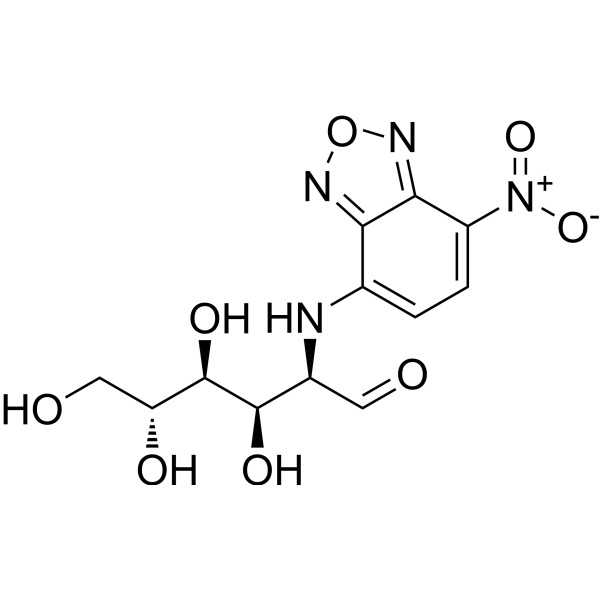
  • HY-116215
    2-NBDG
    70+ Cited Publications

    Fluorescent Dye Others
    2-NBDG is a fluorescently-labeled deoxyglucose analog that is used primarily to directly monitor glucose uptake by living cells and tissues. It is also used as a topical contrast reagent for the detection of neoplasia. 2-NBDG can be used in real-time confocal, high-resolution, or wide-field fluorescence microscopy as well as in flow cytometry. The probe can be excited by the Argon laser at 488 nm to give the environment-sensitive fluorescence. It has lower photostability than the rhodamine-based fluorescent probes.
    2-NBDG
  • HY-W012642

    DNA Stain Others
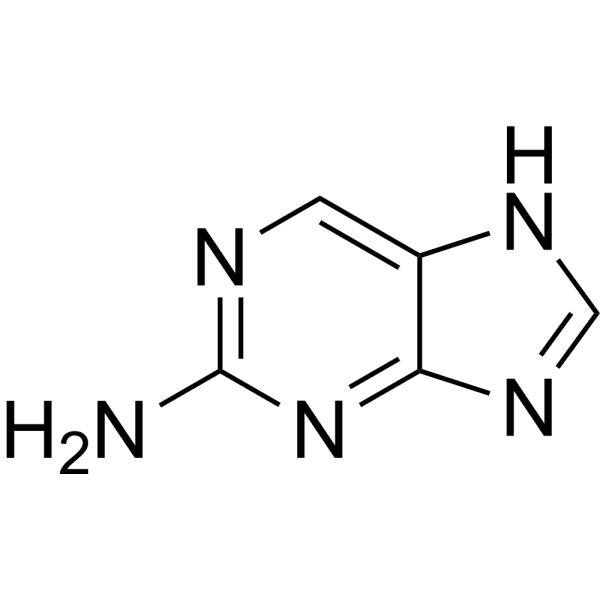
    2-Aminopurine, a fluorescent analog of guanosine and adenosine, is a widely used fluorescence-decay-based probe of DNA structure. When 2-Aminopurine is inserted in anoligonucleotide, its fluorescence is highly quenched by stacking with the natural bases. 2-Aminopurine has been used to probe nucleic acid structure and dynamics .
    2-Aminopurine
  • HY-140345
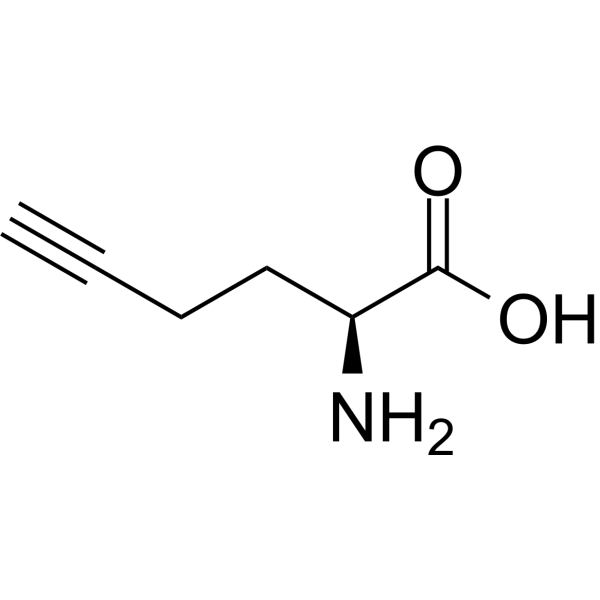
    L-Homopropargylglycine
    2 Publications Verification

    PROTAC Linkers Cancer
    L-Homopropargylglycine is an alkyl chain-based PROTAC linker that can be used in the synthesis of PROTACs. L-homopropargylglycine is an amino acid analog of methionine containing an alkyne moiety that can undergo a classic click chemical reaction with azide containing Alexa Fluor .
    L-Homopropargylglycine
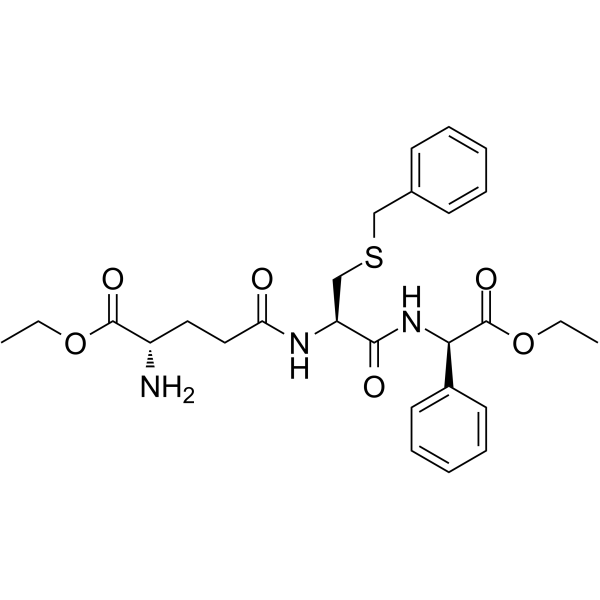
  • HY-13634A
    Ezatiostat
    5+ Cited Publications

    TER199free base; TLK199

    Glutathione S-transferase Apoptosis Cancer
    Ezatiostat (TER199 free base; TLK199) is a tripeptide analog of glutathione and is a selective and orally active glutathione S-transferase P1-1 (GSTP1) inhibitor. Ezatiostat leads to JNK activation by inhibiting GSTP1. Ezatiostat stimulates both lymphocyte production and bone marrow progenitor proliferation. Ezatiostat has the potential for myelodysplastic syndrome (MDS) treatment .
    Ezatiostat
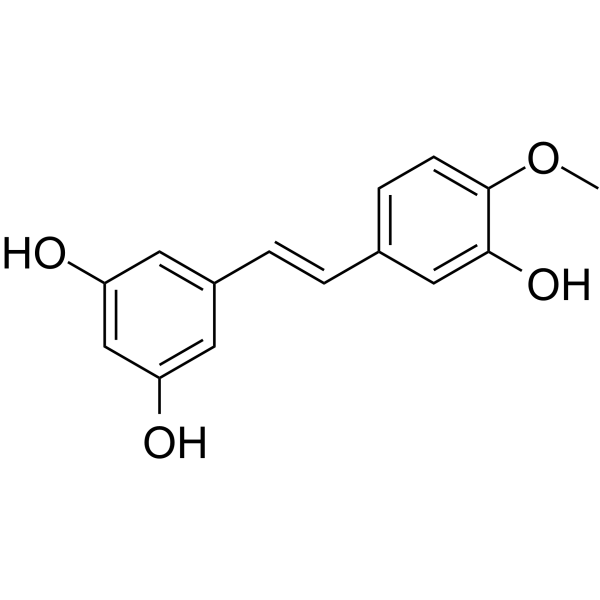
  • HY-N2229
    Rhapontigenin
    3 Publications Verification

    Cytochrome P450 Fungal Bacterial Infection Inflammation/Immunology Cancer
    Rhapontigenin is a natural analog of resveratrol with anticancer, antioxidant, antifungal and antibacterial activities. Rhapontigenin is amechanism-based, potent and selective cytochrome P450 1A1 inactivator (IC50  = 400 nM). Rhapontigenin exhibits 400-fold and 23-fold selectivity for P450 1A1 over P450 1A2 and P450 1B1, respectively .
    Rhapontigenin
  • HY-133736

    PROTAC-Linker Conjugates for PAC ADC Payload Epigenetic Reader Domain Cancer
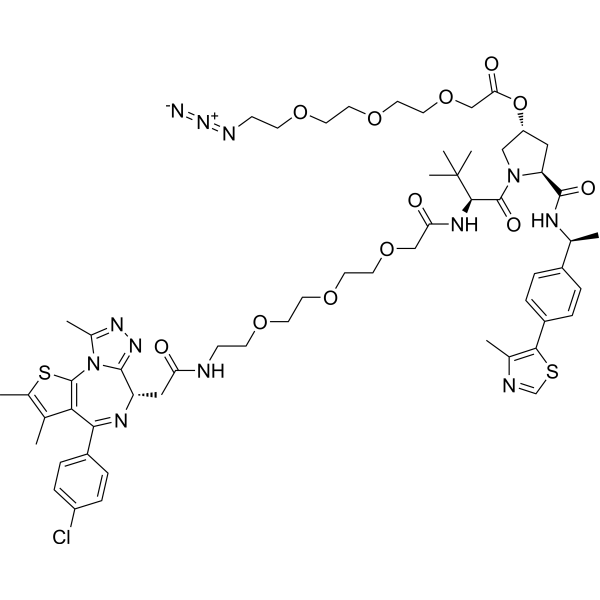
    PROTAC BRD4 Degrader-5-CO-PEG3-N3 is a PROTAC-linker Conjugate for PAC, comprises the BRD4 degrader (MZ 1 (HY-107425) analog) and PEG-based linker. PROTAC BRD4 Degrader-5-CO-PEG3-N3 is a click chemistry reagent, it contains an Azide group and can undergo copper-catalyzed azide-alkyne cycloaddition reaction (CuAAc) with molecules containing Alkyne groups. It can also undergo strain-promoted alkyne-azide cycloaddition (SPAAC) reactions with molecules containing DBCO or BCN groups. PROTAC BRD4 Degrader-5-CO-PEG3-N3 can be used for the research of HER2-positive breast cancer .
    PROTAC BRD4 Degrader-5-CO-PEG3-N3
  • HY-140345A
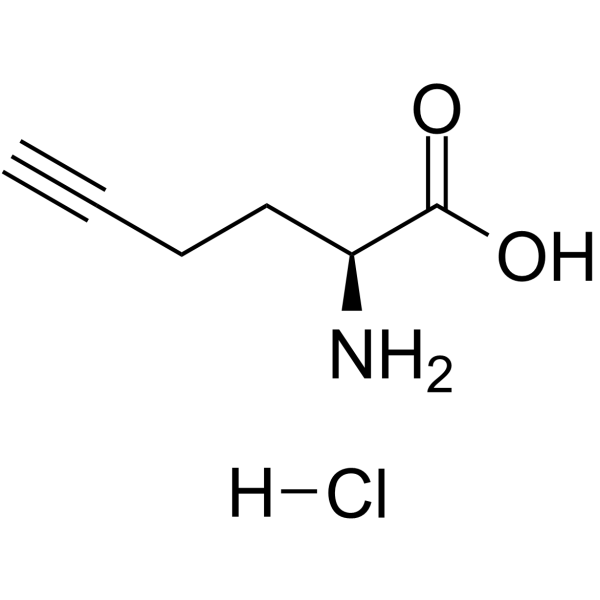
    L-Homopropargylglycine hydrochloride
    2 Publications Verification

    PROTAC Linkers Cancer
    L-Homopropargylglycine hydrochloride is an alkyl chain-based PROTAC linker that can be used in the synthesis of PROTACs. L-homopropargylglycine hydrochloride is an amino acid analog of methionine containing an alkyne moiety that can undergo a classic click chemical reaction with azide containing Alexa Fluor .
    L-Homopropargylglycine hydrochloride
  • HY-W012732
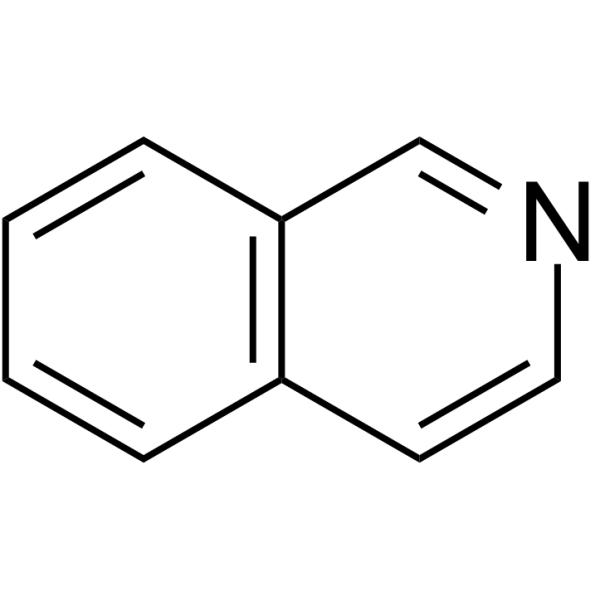
    Isoquinoline
    2 Publications Verification

    Environmental Pollutants Parasite Drug Isomer TNF Receptor HIV NF-κB Interleukin Related Neurological Disease Cancer
    Isoquinoline is an analog of pyridine. Isoquinoline-based alkaloids, such as p-tolyl bisisoquinoline, phthaloyl isoquinoline, and naphthyl isoquinoline, exhibit anticancer activity. Berberine, an isoquinoline alkaloid, exerts anti-inflammatory effects in diabetic mice by downregulating the gene expression ratios of pro-/anti-inflammatory and Th1/Th2 cytokines. Additionally, some isoquinoline-based compounds also possess antidepressant, antibacterial, antimalarial, and anti-HIV activities .
    Isoquinoline
  • HY-W011548

    Nucleoside Antimetabolite/Analog Others
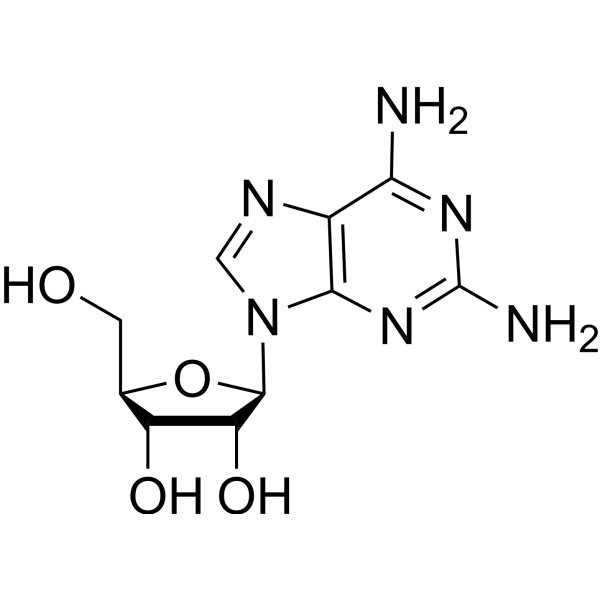
    2-Aminoadenosine is a modified adenine base and adenosine analog that stabilizes RNA duplexes and enhances template-directed nucleotide condensation reactions. 2-Aminoadenosine forms three hydrogen bonds with uracil to increase the melting temperature of hybrid strands, thereby stabilizing uracil-containing RNA duplexes .
    2-Aminoadenosine
  • HY-DY1019

    Fluorescent Dye Others
    2-NBDG (solution) is a fluorescently-labeled deoxyglucose analog that is used primarily to directly monitor glucose uptake by living cells and tissues. It is also used as a topical contrast reagent for the detection of neoplasia. 2-NBDG can be used in real-time confocal, high-resolution, or wide-field fluorescence microscopy as well as in flow cytometry. The probe can be excited by the Argon laser at 488 nm to give the environment-sensitive fluorescence. It has lower photostability than the rhodamine-based fluorescent probes.
    Solvent and Concentration: Sterile PBS: 5 mM
    2-NBDG (solution)
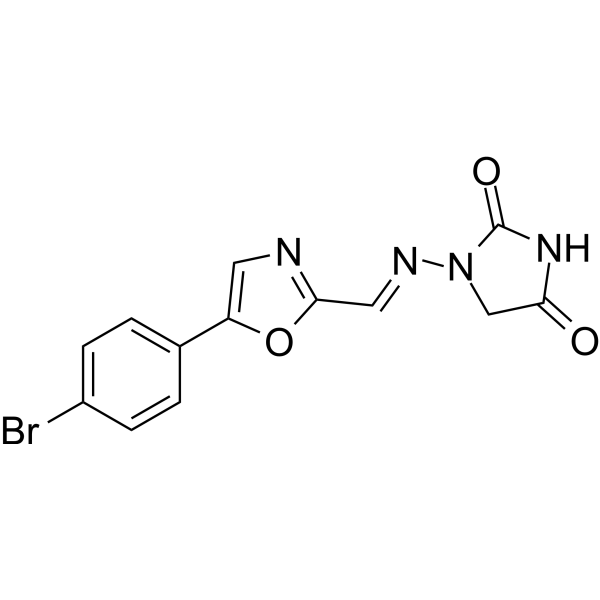
  • HY-113920A
    Azumolene
    3 Publications Verification

    EU4093 free base

    Calcium Channel Metabolic Disease
    Azumolene (EU4093 free base), a Dantrolene analog, is a muscle relaxant. Azumolene is a ryanodine receptor (RyR) modulator and inhibits the calcium-release through ryanodine receptor. Azumolene can be used for malignant hyperthermia research .
    Azumolene
  • HY-128788

    DNA/RNA Synthesis SARS-CoV Endogenous Metabolite Flavivirus Lactate Dehydrogenase Infection
    ddhCTP is an endogenously produced pyrimidine base analog with a Kd of 17.0 nM for LLDH and an IC50 of 55.8 μM for GAPDH. By inhibiting key metabolic enzymes such as GAPDH, ddhCTP reduces glycolytic flux and shifts metabolic flow toward the pentose phosphate pathway, thereby regulating the redox balance of cells. As a competitive CTP analog, ddhCTP terminates RNA synthesis by flavivirus RdRps and SARS-CoV-2 RdRp, and inhibits Zika virus replication in vivo. ddhCTP can be used in studies related to viral infections, COVID-19 and Zika virus infections.
    ddhCTP
  • HY-128753

    Endogenous Metabolite Drug Intermediate Metabolic Disease
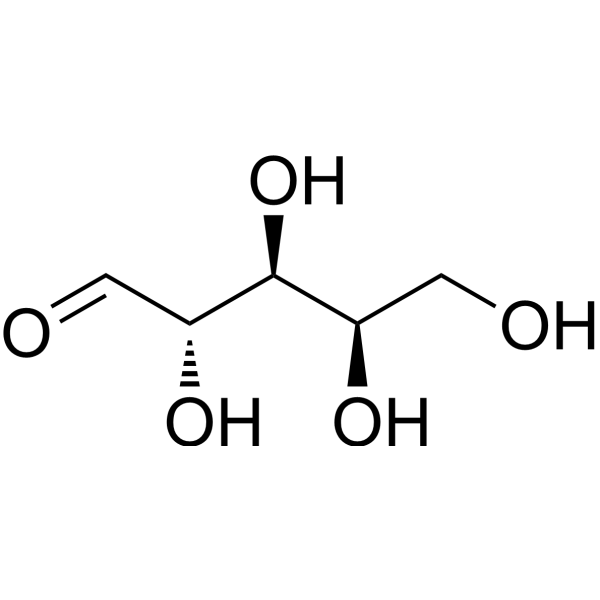
    D-Lyxose is an endogenous metabolite. D-Lyxose is a rare pentose with significant potential for pharmaceutical synthesis. D-Lyxose serves as a starting material for antitumor agents (such as α-galactosylceramide-based immunostimulants). D-Lyxose acts as a precursor for L-nucleoside analogs used in the development of antiviral drugs. D-Lyxose can be used as a synthetic intermediate for other rare sugars (such as L-ribose) .
    D-Lyxose
  • HY-16785

    INXN-1001; RG-115932

    Interleukin Related Inflammation/Immunology Cancer
    Veledimex (INXN-1001), a synthetic analog of the insect molting hormone ecdysone, is an orally active activator ligand for a proprietary gene therapy promoter system. Veledimex can be used to activate certain genes using the ecdysone receptor (EcR)-based inducible gene regulation system, the RheoSwitch Therapeutic System (RTS). Veledimex can cross blood-brain barrier (BBB) in both orthotopic GL-261 mice and cynomolgus monkeys .
    Veledimex
  • HY-12845

    Histone Methyltransferase Autophagy Cancer
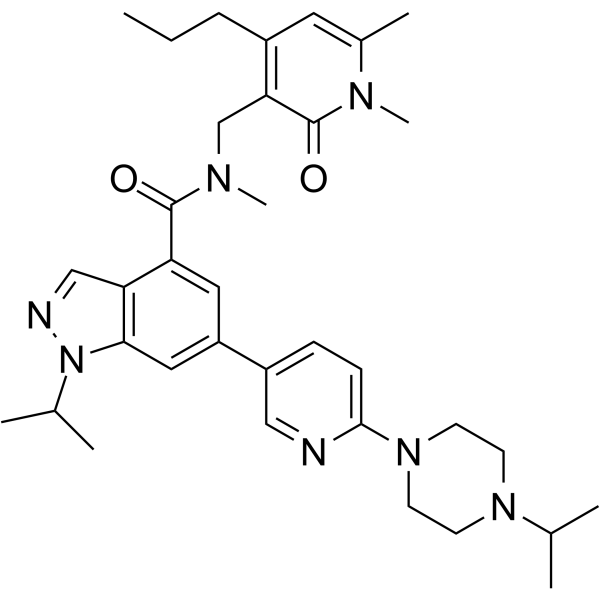
    UNC2400 is a close analog of UNC1999 with >1,000-fold lower potency than UNC1999 as a negative control for cell-based studies .
    UNC2400
  • HY-153228
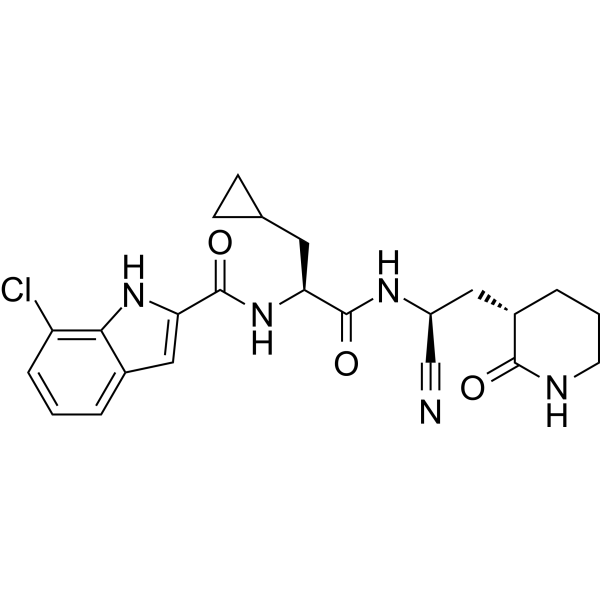
    Pomotrelvir
    1 Publications Verification

    PBI-0451

    SARS-CoV Infection
    Pomotrelvir is a selective, competitive, orally active covalent inhibitor of the SARS-CoV-2 main protease (M pro), with an IC50 of 24 nM for wild-type SARS-CoV-2 M pro. Pomotrelvir inhibits viral polyprotein processing, thereby preventing viral replication. Pomotrelvir has shown broad antiviral activity against multiple SARS-CoV-2 variants (including Omicron) in cell-based experiments, and has an additive effect when combined with nucleoside analogs that target viral RNA synthesis. Pomotrelvir is primarily used for the research and development of COVID-19 antiviral drugs, especially for infections caused by SARS-CoV-2 and its variants .
    Pomotrelvir
  • HY-153843

    Biochemical Assay Reagents Others
    RNA Aptamer Corn (sodium) is a 28-nt-long aptamer that is substantially shorter than Spinach and Spinach2 and exhibits bright red fluorescence upon binding DFHO (a soluble analog of the intrinsic fluorophore of red fluorescent protein), RNA Aptamer Corn (sodium) can be used to visualize RNA expression or localization in live cells which have been soaked with chromophores. The Corn-DFHO does not become appreciably cytotoxic when illuminated. And most importantly, Corn-DFHO exhibits markedly increased photostability compared to other aptamer-chromophore complexes both in vitro and in vivo. (36 nt Corn construct: 5'-GGCGCGAGGAAGGAGGUCUGAGGAGGUCACUGCGCC-3'; A 36-nt RNA construct, comprised of the 28-nt minimal Corn sequence extended proximally with a 4 base-pair stem.)
    RNA Aptamer Corn sodium
  • HY-145969

    3'-O-Me-m7G(5')ppp(5')G

    DNA/RNA Synthesis Eukaryotic Initiation Factor (eIF) Cancer
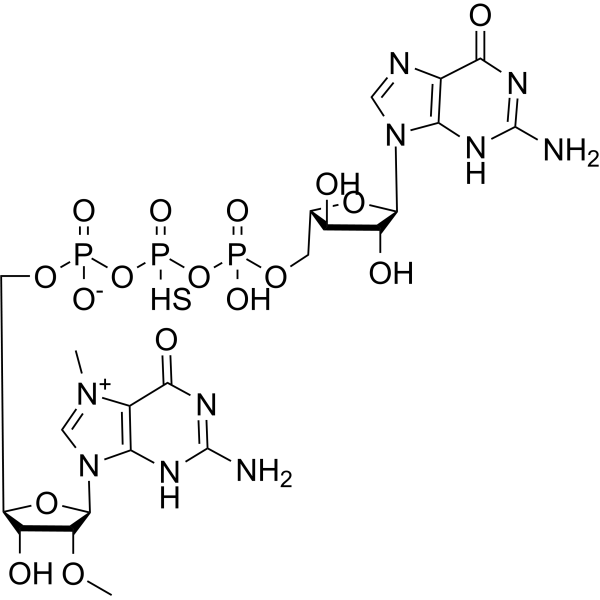
    β-S-ARCA (3'-O-Me-m7G(5')ppp(5')G) is a mRNA 7-methylguanosine (m7G) cap analog carrying a phosphorothioate (PS) moiety. β-S-ARCA binds eIF4E via electrostatic interactions between its β-sulfur atom and positively charged Arg and Lys residues in the protein binding site. β-S-ARCA prevents the decapping by Dcp2, increases the mRNA half-life, enhances cap-dependent translation, and increases protein expression in cells. β-S-ARCA has been applied in researching experimental mRNA-based anticancer vaccines .
    β-S-ARCA
  • HY-145969A

    3’-O-Me-m7G(5')ppp(5')G triammonium

    DNA/RNA Synthesis Eukaryotic Initiation Factor (eIF) Cancer
    β-S-ARCA (3'-O-Me-m7G(5')ppp(5')G) triammonium is a mRNA 7-methylguanosine (m7G) cap analog carrying a phosphorothioate (PS) moiety. β-S-ARCA triammonium binds eIF4E via electrostatic interactions between its β-sulfur atom and positively charged Arg and Lys residues in the protein binding site. β-S-ARCA triammonium prevents the decapping by Dcp2, increases the mRNA half-life, enhances cap-dependent translation, and increases protein expression in cells. β-S-ARCA triammonium has been applied in researching experimental mRNA-based anticancer vaccines .
    β-S-ARCA triammonium
  • HY-N12109

    Others Others
    Albizziin is an amino acid analog with activity as a competitive inhibitor of asparagine synthetase. Albizziin has been used to isolate Chinese hamster ovary cell mutants with altered levels of the target enzyme. Several mutational classes of albizziin can be distinguished based on cross-resistance to β-aspartic hydroxamic acid. Studies on asparagine synthetase have shown that resistance to albizziin may be associated with altered regulation of asparagine synthetase, structural mutations of the enzyme, and gene amplification .
    Albizziin
  • HY-14942

    RTA 744 free base; WP 744 free base; WP 769

    NF-κB Apoptosis Caspase Drug Derivative Neurological Disease Cancer
    Berubicin (RTA 744 free base) is a Doxorubicin (HY-15142A) analog that can cross the blood-brain barrier. Berubicin inhibits P-gp and MRP1-mediated efflux and suppresses glioblastoma multiforme (GBM). Berubicin exerts toxic effects on leukemia cells by activating nuclear factor κB (NF-κB) and induces apoptosis in neuroblastoma cells. Berubicin can be used in the study of tumors related to the nervous system .
    Berubicin
  • HY-W141392

    Nucleoside Antimetabolite/Analog Xanthine Oxidase Phosphoramidites Cancer
    2'-Fluoro-5'-O-DMT-2'-deoxyinosine-3'-CE-phosphoramidite is a hypoxanthine analog. Hypoxanthine is a kind of purine base mainly present in muscle tissue. And it is a metabolite produced by purine oxidase acting on xanthine. Hypoxanthine has typical anti-inflammatory effects and is a potential endogenous poly(ADP-ribose) polymerase (PARP) inhibitor. It is cytoprotective by inhibiting PAPR activity, inhibiting peroxynitrite-induced mitochondrial depolarization and secondary superoxide production. Hypoxanthine can also be used as an indicator of hypoxia .
    2'-Fluoro-5'-O-DMT-2'-deoxyinosine-3'-CE-phosphoramidite
  • HY-W131303

    DNA/RNA Synthesis Others
    6-N-Hydroxylaminopurine is a base analog and has mutagenic activity .
    6-N-Hydroxylaminopurine
  • HY-W012732S

    Isotope-Labeled Compounds Cancer
    Isoquinoline-d7 is the deuterium labeled Isoquinoline . Isoquinoline is an analog of pyridine. Isoquinoline structural-based alkaloids, such as tropoloisoquinoline, phthalideisoquinoline, and naphthylisoquinoline has anti-cancer activities .
    Isoquinoline-d7
  • HY-151227

    Ligands for E3 Ligase Cancer
    VL285 Phenol is a phenol-based VL285 analog. VL285 is an E3 ubiquitin ligase VHL ligand and can be used in the synthesis of HaloPROTAC3, degrading HaloTag7 fusion protein (IC50=0.34 μM).
    VL285 Phenol
  • HY-171992

    VEGFR Caspase Calcium Channel Cancer
    COX-2-IN-55 (compound 1) is an orally active, Celecoxib (HY-14398)-based analog with broad-spectrum anticancer activity and weak COX-2 inhibition. COX-2-IN-55 specifically inhibits SERCA2, increases caspase-3 cleavage and DR5 levels, thereby activating GRP78 and inhibiting the development of triple-negative breast cancer (TNBC). COX-2-IN-55 can also downregulate the levels of angiogenic markers VEGF-α and IL-8, inhibiting the formation of microvessels .
    COX-2-IN-55
  • HY-13727

    BBR 2778 free base

    Topoisomerase Cancer
    Pixantrone (BBR 2778 (free base)), a mitoxantrone analog, is a topoisomerase II inhibitor and DNA intercalator, with anti-tumor activity.
    Pixantrone free base
  • HY-161181

    Biochemical Assay Reagents Others
    BTTES-acid is an analog of BTTES. BTTES is a tris(triazolylmethyl)amine-based ligand for Cu(I) without apparent toxicity. BTTES improves the cycloaddition reaction rapidly in living systems .
    BTTES-acid
  • HY-109047

    AL-335

    HCV DNA/RNA Synthesis Infection
    Adafosbuvir (AL-335), a precursor compound of a uridine-based nucleotide analog polymerase (NS5B) inhibitor, has potent antiviral activity against HCV and acts as a potent inhibitor of HCV RNA polymerase .
    Adafosbuvir
  • HY-W001974

    DNA/RNA Synthesis Bacterial Others
    7-Nitroindole is a cleavable base analog and Antibacterial agent. 7-Nitroindole inhibits the growth of Lactobacillus arabinosus. 7-Nitroindole is used in studies of light-controlled DNA cleavage and Lactobacillus arabinosus infection .
    7-Nitroindole
  • HY-13622A

    BN 80927 free base

    Topoisomerase Cancer
    Elomotecan (BN 80927 free base) is a potent inhibitor of topoisomerases I and II. Elomotecan is a camptothecin analog belonging to the homocamptothecin family (hCPT). Elomotecan reduces the proliferation of different tumor cells with higher potency than other anticancer agents of reference targeting topoisomerases I and II .
    Elomotecan
  • HY-109016

    FV-100 free base

    VZV Antibiotic Bacterial Infection
    Valnivudine (FV-100 free base), a proagent of CF-1743, is an orally active anti-herpes zoster (HZ) nucleoside analogue. CF-1743, a bicyclic nucleoside analog (BCNA), has highly specific antiviral activity against varicella-zoster virus (VZV). Valnivudine is rapidly and extensively converted to CF-1743 in vivo .
    Valnivudine
  • HY-161943

    Influenza Virus Neurological Disease
    NEU3-IN-1 (compound 963) is a NEU3 inhibitor (Ki: 0.12 μM; IC50: 0.31 μM) based on the 2-deoxy-2,3-didehydro-N-acetylneuraminic acid (DANA) scaffold and is a C9 biphenylcarbamate derivative. NEU is a human neuraminidase with 4 isozymes; NEU3-IN-1 is an important tool for studying the function of NEU3 isozymes; its amide and triazole linker analogs are selective for NEU1 and NEU4 isozymes, respectively .
    NEU3-IN-1
  • HY-13727B

    BBR 2778 hydrochloride

    Topoisomerase Cancer
    Pixantrone (BBR 2778 (free base)) hydrochloride, a mitoxantrone analog, is a topoisomerase II inhibitor and DNA intercalator, with anti-tumor activity .
    Pixantrone hydrochloride
  • HY-W012732R

    TNF Receptor Drug Isomer Interleukin Related HIV NF-κB Parasite Reference Standards Cancer
    Isoquinoline (Standard) is the analytical standard of Isoquinoline. This product is intended for research and analytical applications. Isoquinoline is an analog of pyridine. Isoquinoline structural-based alkaloids, such as tropoloisoquinoline, phthalideisoquinoline, and naphthylisoquinoline has anti-cancer activities .
    Isoquinoline (Standard)
  • HY-59273

    Biochemical Assay Reagents ATP Synthase Metabolic Disease
    5-Nitroindole is a mutagenic nitroarene and universal base analog. 5-Nitroindole significantly reduces the cellular adenylate energy charge by decreasing ATP levels and increasing AMP levels. 5-Nitroindole inhibits lipid peroxidation .
    5-Nitroindole
  • HY-19688B

    WR 6026 tosylate

    Parasite Mitochondrial Metabolism Infection
    Sitamaquine (WR6026) tosylate, an orally active 8-aminoquinoline analog, is an antileishmanial agent. Sitamaquine tosylate inhibits mitochondrial complex II (succinate dehydrogenase). Sitamaquine tosylate is a lipophilic weak base that rapidly accumulates in acidic compartments of Leishmania spp., mainly in acidocalcisomes .
    Sitamaquine tosylate
  • HY-W392836

    Nucleoside Antimetabolite/Analog Xanthine Oxidase Phosphoramidites Cancer
    2'-O-Methyl-5'-O-dmt-inosine-3'-CE-phosphoramidite is a hypoxanthine analog. Hypoxanthine is a kind of purine base mainly present in muscle tissue. And it is a metabolite produced by purine oxidase acting on xanthine. Hypoxanthine has typical anti-inflammatory effects and is a potential endogenous poly(ADP-ribose) polymerase (PARP) inhibitor. It is cytoprotective by inhibiting PAPR activity, inhibiting peroxynitrite-induced mitochondrial depolarization and secondary superoxide production. Hypoxanthine can also be used as an indicator of hypoxia .
    2'-O-Methyl-5'-O-dmt-inosine-3'-CE-phosphoramidite
  • HY-117807

    Ras Farnesyl Transferase VEGFR Cancer
    A-176120 is a selective inhibitor of farnesyl transferase (IC50=1.2 nM) based on a farnesyl pyrophosphate (FPP) analog, with superior selectivity against GGTaseI (IC50=423 nM), GGTaseII (IC50=3000 nM), and SSase (IC50>10 μM). A-176120 inhibits ras processing in H-ras transformed NIH3T3 cells and HCT116 K-ras mutant cells (ED50=1.6 and 0.5 μM, respectively). A-176120 has antiangiogenic and antitumor activities in vivo and reduces capillary structure formation and VEGF secretion .
    A-176120
  • HY-169385

    AUTOTACs Androgen Receptor Cancer
    ATC-324 is an bivalent AR (Androgen Receptor) degrader based on the protein degradation technology platform AUTOphagy-TArgeting Chimera (AUTOTAC). ATC-324 induces the formation of AR/p62 complex, leading to autophagy-lysosomal degradation of AR. ATC-324 can reduce nuclear AR levels and downregulate target gene expression of AR and AR-v7, and also has a degradation effect on common AR mutants in PCa . ATC-324 is composed of target-binding ligand (TBL) Enzalutamide (HY-70002) and p62/SQSTM1 autophagy-targeting ligand (ATL) YT 6-2 analog-1 (HY-169386), connected by Boc-NH-PEG4-CH2CH2NH2 (HY-W008352). Among them, the active control of the target protein ligand is Enzalutamide carboxylic acid (HY-70002B), and the conjugate composed of the autophagy-targeting ligand and the linker is YT 6-2-PEG3-C2-NH2 (HY-169387).
    ATC-324
  • HY-145246

    PROTAC Linkers Nucleoside Antimetabolite/Analog HSV Infection
    Biotin-PEG8-Vidarabine is a PEG-based linker that incorporates adenosine analog Vidarabine. Vidarabine is an antiviral agent which is active against herpes simplex and varicella zoster viruses .
    Biotin-PEG8-Vidarabine
  • HY-135367

    Pyridyl CTZ

    Fluorescent Dye Others
    pyCTZ (Pyridyl CTZ), a pyridyl Coelenterazine (CTZ) analog, and is an ATP-independent pyridyl substrate of LumiLuc luciferase. pyCTZ generates strong blue bioluminescence in the presence of luciferases. pyCTZ can be used for aequorin-based calcium sensing .
    pyCTZ
  • HY-135367B

    Pyridyl CTZ hydrochloride

    Fluorescent Dye Others
    pyCTZ (Pyridyl CTZ) hydrochloride, a pyridyl Coelenterazine (CTZ) analog, and is an ATP-independent pyridyl substrate of LumiLuc luciferase. pyCTZ hydrochloride generates strong blue bioluminescence in the presence of luciferases. pyCTZ hydrochloride can be used for aequorin-based calcium sensing .
    pyCTZ hydrochloride
  • HY-145247

    PROTAC Linkers Nucleoside Antimetabolite/Analog HSV Infection
    Biotin-PEG7-C2-S-Vidarabine is a PEG-based linker that incorporates adenosine analog Vidarabine. Vidarabine is an antiviral agent which is active against herpes simplex and varicella zoster viruses .
    Biotin-PEG7-C2-S-Vidarabine
  • HY-135367A

    Pyridyl CTZ TFA

    Fluorescent Dye Others
    pyCTZ (Pyridyl CTZ) TFA, a pyridyl Coelenterazine (CTZ) analog, and is an ATP-independent pyridyl substrate of LumiLuc luciferase. pyCTZ TFA generates strong blue bioluminescence in the presence of luciferases. pyCTZ TFA can be used for aequorin-based calcium sensing .
    pyCTZ TFA
  • HY-19688A

    WR 6026 hydrochloride

    Parasite Mitochondrial Metabolism Infection
    Sitamaquine (WR6026) hydrochloride, an orally active 8-aminoquinoline analog, is an antileishmanial agent. Sitamaquine hydrochloride inhibits mitochondrial complex II (succinate dehydrogenase). Sitamaquine hydrochloride is a lipophilic weak base that rapidly accumulates in acidic compartments of Leishmania spp., mainly in acidocalcisomes .
    Sitamaquine hydrochloride
  • HY-124363

    Drug Derivative Prostaglandin Receptor PPAR Cardiovascular Disease
    5-cis Carbaprostacyclin is a stable analog of PGI2 based on Carbaprostacyclin (HY-112322). Carbacyclin is a PGI2 receptor agonist and vasodilator that activates PPARδ. 5-cis Carbaprostacyclin induces relaxation of pulmonary vascular tone .
    5-cis Carbaprostacyclin
  • HY-145248

    PROTAC Linkers Nucleoside Antimetabolite/Analog HSV Inflammation/Immunology
    Biotin-PEG7-C2-NH-Vidarabine-S-CH3 is a PEG-based linker that incorporates adenosine analog Vidarabine. Vidarabine is an antiviral agent which is active against herpes simplex and varicella zoster viruses .
    Biotin-PEG7-C2-NH-Vidarabine-S-CH3
  • HY-P4042

    hepatitis B peptide 4980

    HBV Infection Inflammation/Immunology
    Hepatitis B Virus Receptor Binding Fragment (hepatitis B peptide 4980) is a synthetic peptide analog which specifically binds to Hep G2 cells. Hepatitis B Virus Receptor Binding Fragment is a promising immunogen expected to elicit protective antibodies based on the concept of the attachment blockade pathway of virus neutralization .
    Hepatitis B Virus Receptor Binding Fragment
  • HY-W190908

    Biochemical Assay Reagents Others
    Desthiobiotin-PEG3-NHS ester is a single-ring, sulfur-free analog of biotin that binds to streptavidin with nearly equal specificity but less affinity than biotin (Kd = 1011 vs. 1015 M, respectively). Consequently, desthiobiotinylated proteins can be eluted readily and specifically from streptavidin affinity resin using mild conditions based on competitive displacement with free biotin.
    Desthiobiotin-PEG3-NHS ester

Inquiry Online

Your information is safe with us. * Required Fields.

Salutation


Country or Region *

Applicant Name *


Organization Name *

Department *


Email Address *


Product Name *

Cat. No.


Requested quantity *

Phone Number *


Remarks

Inquiry Online

Inquiry Information

Product Name:
Cat. No.:
Quantity:
MCE Japan Authorized Agent:

