




1. Search Result
Search Result
Pathways Recommended: Stem Cell/Wnt Cell Cycle/DNA Damage
Results for "

cell adhesion proteins

" in MedChemExpress (MCE) Product Catalog:

42

Inhibitors & Agonists

1

Screening Libraries

8

Biochemical Assay Reagents

3

Peptides

6

Inhibitory Antibodies

7

Natural
Products

1

Isotope-Labeled Compounds

6

Oligonucleotides

Cat. No. Product Name Target Research Areas Chemical Structure
  • HY-W110551

    Biochemical Assay Reagents Interleukin Related Infection Inflammation/Immunology
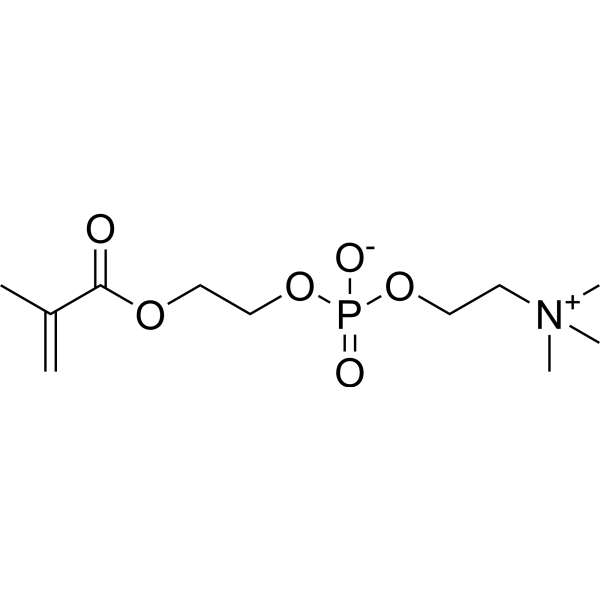
    2-Methacryloyloxyethyl phosphorylcholine is a polymer monomer containing a phospholipid polar group. 2-Methacryloyloxyethyl phosphorylcholine polymers modify the surface properties of materials and reduce protein-surface interactions, reduce IL-8 production, inhibit cell, Staphylococcus aureus, and Porphyromonas gingivalis adhesion. 2-Methacryloyloxyethyl phosphorylcholine is used in the study of medical device-associated infections, periodontitis, and dental caries .
    2-Methacryloyloxyethyl phosphorylcholine
  • HY-P3160C

    Biochemical Assay Reagents Infection
    Fibronectin, bovine plasma is a fibronectin derived from bovine plasma. Fibronectin is an extracellular matrix protein that is upregulated and essential in many developmental processes, and also exists in the pathological progression of tissues and wound healing. Fibronectin specifically binds to a large number of molecules, including other components of the extracellular matrix, signaling molecules and cell adhesion molecules. The interaction between cells and fibronectin leads to bidirectional crosstalk, which regulates cell functions and induces cell-dependent changes in the extracellular matrix. Fibronectin, bovine plasma inhibits the production of bovine leukemia virus (BLV) p24 core protein in naturally infected bovine peripheral blood mononuclear cells .
    Fibronectin, bovine plasma
  • HY-W133898

    Environmental Pollutants Biochemical Assay Reagents Others
    Tryptone is a peptide-rich bacterial culture medium component that can regulate bacterial cell surface proteins and biofilm-related genes. Tryptone promotes the expression and assembly of bacterial adhesion proteins (such as LapA and LapF) by providing peptide substances as structural factors, enhancing cell surface hydrophobicity and intercellular adhesion, thereby stabilizing the biofilm matrix and supporting the maturation and maintenance of bacterial biofilms. The peptide mixture contained in Tryptone can specifically regulate the transcription of bacterial adhesion-related genes (such as activating LapA and inhibiting LapF), affecting the synthesis and localization of biofilm structural proteins .
    Tryptone
  • HY-126666

    ADC Payload Inflammation/Immunology Cancer
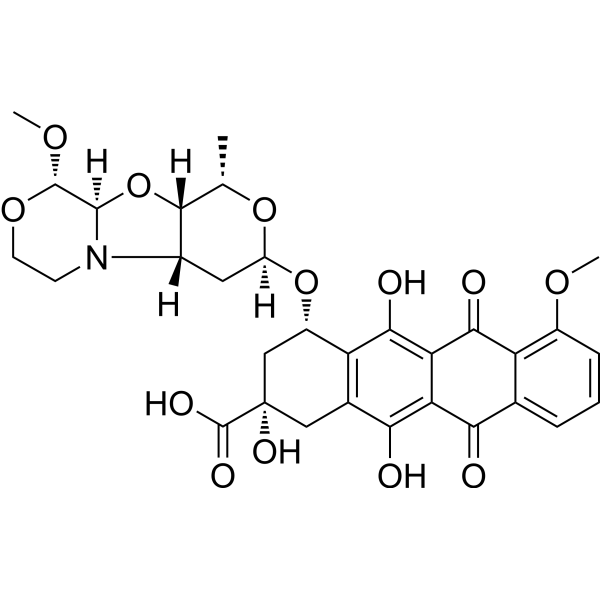
    PNU-159682 carboxylic acid (Compound 53) is a potent ADCs cytotoxin and encodes a member of the C-type lectin/C-type lectin-like domain (CTL/CTLD) superfamily. PNU-159682 carboxylic acid has protein fold and diverse functions, such as cell adhesion, cell-cell signalling, glycoprotein turnover, and roles in inflammation and immune response .
    PNU-159682 carboxylic acid
  • HY-N7368

    Adenosine Deaminase Bacterial Caspase Infection Neurological Disease Inflammation/Immunology Cancer
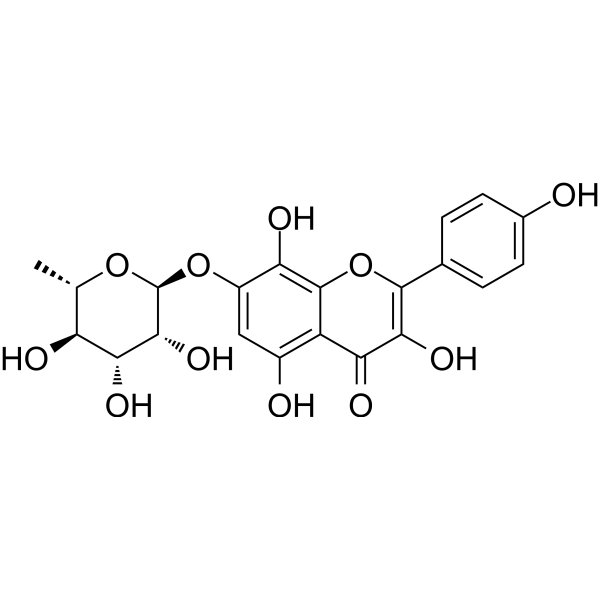
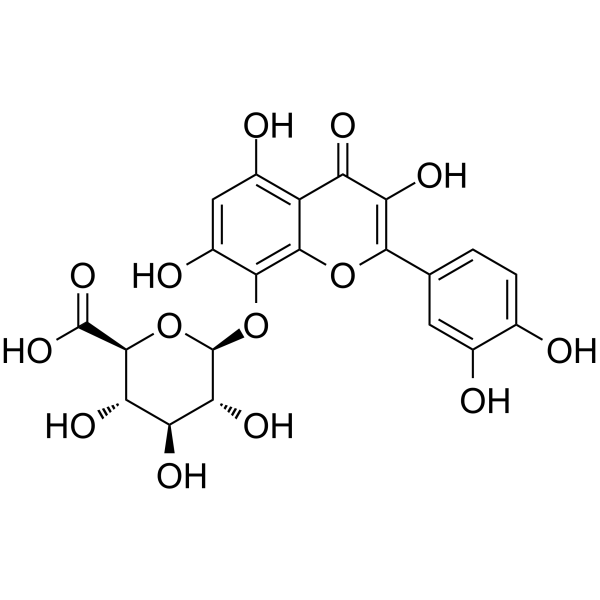
    Hibifolin is a flavonol glycoside that can be isolated from Helicteres isora. Hibifolin is an inhibitor of adenosine deaminase (ADA) (Ki = 49.92 μM). Hibifolin protects neurons against β-amyloid-induced neurotoxicity. Hibifolin possesses a potent protective activity against cell death induced by aggregated Aβ. Hibifolin can abolish Aβ-induced caspase-3 and caspase-7 activation. Hibifolin induces Akt phosphorylation in cortical neurons. Hibifolin is also a natural sortase A (SrtA) inhibitor (IC50 = 31.2 μM) through direct binding to SrtA protein. Hibifolin attenuates the pathogenic behavior of Staphylococcus aureus including adhesion, invasion, and biofilm formation. Hibifolin improves the survival of pneumonia induced by Staphylococcus aureus in mouse model and alleviates pathological damage. Hibifolin shows a synergistic antibacterial effect with Cefotaxime (HY-A0088A) .
    Hibifolin
  • HY-P99296

    CNTO 95; Anti-Human CD51 Recombinant Antibody

    Integrin Apoptosis Cancer
    Intetumumab (CNTO 95) is a human monoclonal antibody targeting αv integrin, with a Kd value of 1-24 nM. Through high-affinity binding to αv integrin, Intetumumab inhibits its interaction with extracellular matrix proteins (such as vitronectin and fibronectin), thereby blocking the downstream focal adhesion kinase signaling pathway. This further inhibits the adhesion, migration and invasion of tumor cells as well as the proliferation of vascular endothelial cells, promotes cell apoptosis, and exerts anti-tumor and anti-angiogenic effects. Intetumumab can be used in research related to head and neck cancer, non-small cell lung cancer and uterine serous papillary carcinoma .
    Intetumumab
  • HY-P99731
    Milatuzumab
    4 Publications Verification

    hLL1; MEDI-115

    CD74 Cancer
    Milatuzumab (hLL1; MEDI-115) is a humanized anti-CD74 monoclonal antibody. CD74, a integral membrane protein, is associated with the promotion of B-cell growth and survival. Milatuzumab causes free radical oxygen generation, and loss of mitochondrial membrane potential. Milatuzumaba also decreases CD20/CD74 aggregates and cell adhesion, to lead to cell death .
    Milatuzumab
  • HY-19772

    ESM-HDAC391; CHR-5154; HDAC-IN-3

    HDAC c-Fms Inflammation/Immunology
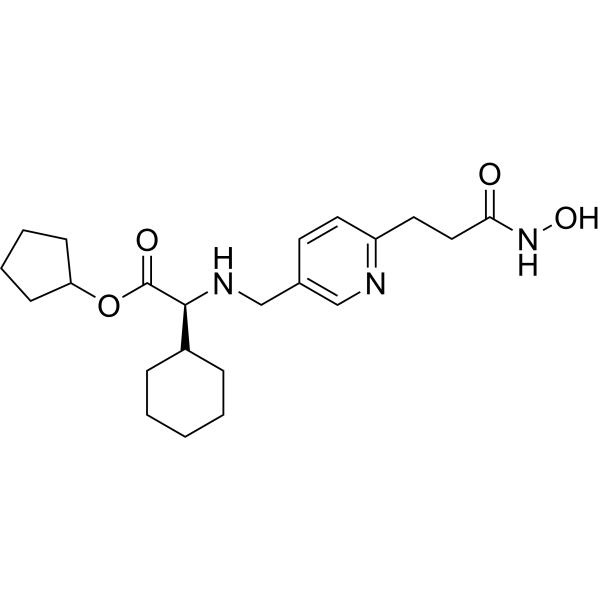
    GSK3117391 (ESM-HDAC391; CHR-5154; HDAC-IN-3) is an orally active HDAC inhibitor with a IC50 of 55 nM. Using esterase-sensitive motif technology, GSK3117391 is selectively converted into its active acid metabolite HDAC189 in cells expressing carboxylesterase-1. GSK3117391 induces sustained global protein acetylation in monocytes, inhibits the production of proinflammatory cytokines, depletes circulating monocytes, downregulates the expression of CSF1R, and inhibits monocyte adhesion and differentiation. GSK3117391 can be used in the research of chronic inflammatory diseases .
    GSK3117391
  • HY-107544

    PKA Metabolic Disease
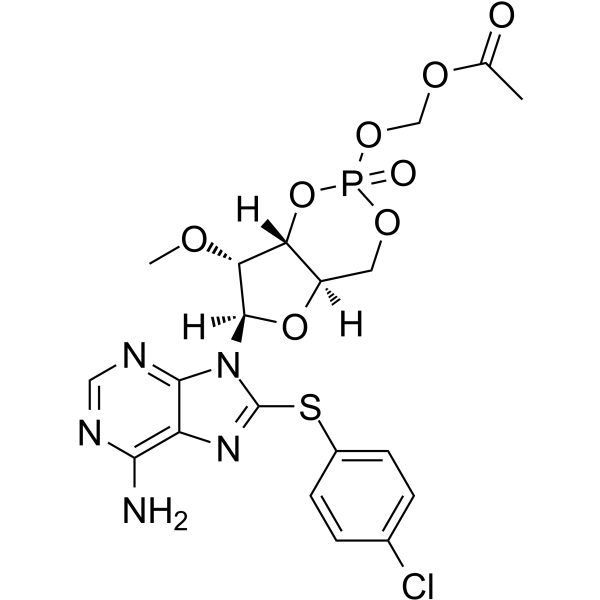
    8-pCPT-2'-O-Me-cAMP-AM is a cyclic AMP analogue, selectively activates Epac-Rap signaling pathway. 8-pCPT-2'-O-Me-cAMP-AM protects renal function by activating Epac from ischemia injury. 8-pCPT-2'-O-Me-cAMP-AM also stimulates insulin secretion by interaction with PKA pathway .
    8-pCPT-2'-O-Me-cAMP-AM
  • HY-P99891
    Rovelizumab
    1 Publications Verification

    Hu23F2G

    Integrin Cardiovascular Disease
    Rovelizumab is a humanized monoclonal leukointegrin antibody. Rovelizumab is a monoclonal antibody directed against the CD11/CD18 cell adhesion proteins. Rovelizumab can be used for research of multiple sclerosis (MS), hemorrhagic shock, myocardial infarction (MI) and stroke .
    Rovelizumab
  • HY-124512

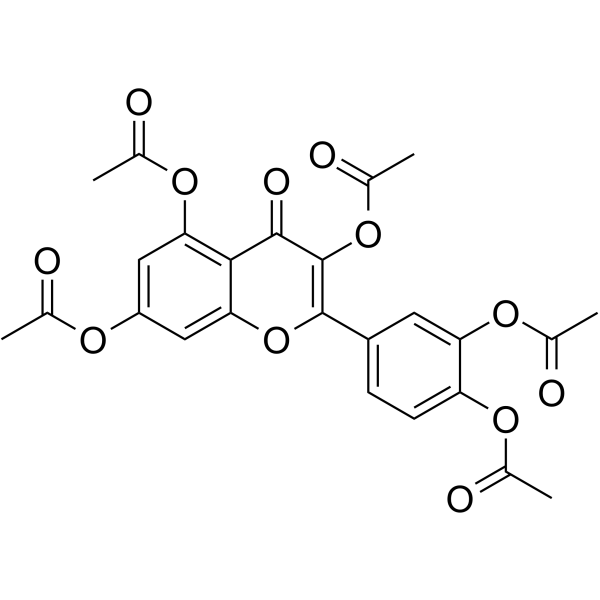
    Pentaacetylquercetin

    RSV Infection Inflammation/Immunology
    Quercetin pentaacetate could interact with F-protein with lower binding energy and better stability to block viral adhesion. Quercetin pentaacetate interacts with RSV and inhibit the viral adhesion on cell surface .
    Quercetin pentaacetate
  • HY-P10323

    Tumstatin (74-98), human

    Integrin FAK mTOR Apoptosis Cancer
    T7 Peptide is a protein synthesis inhibitor and anti-angiogenic agent, with a Kd of 10 nM for human transferrin receptor. T7 Peptide inhibits the phosphorylation of focal adhesion kinase, the activation of phosphatidylinositol 3-kinase and Akt, the kinase activity of mTOR, as well as the phosphorylation of 4E-BP1 in endothelial cells. T7 Peptide induces G0/G1 cell cycle arrest, apoptosis and protective autophagy in hepatocellular carcinoma cells, and suppresses tumor growth in mouse models. T7 Peptide is applicable to research related to cancer, glioblastoma, hepatocellular carcinoma and glioma .
    T7 Peptide
  • HY-P10323A

    Tumstatin (74-98), human TFA

    Integrin FAK mTOR Apoptosis Cancer
    T7 Peptide TFA is a protein synthesis inhibitor and anti-angiogenic agent, with a Kd of 10 nM for human transferrin receptor. T7 Peptide TFA inhibits the phosphorylation of focal adhesion kinase, the activation of phosphatidylinositol 3-kinase and Akt, the kinase activity of mTOR, as well as the phosphorylation of 4E-BP1 in endothelial cells. T7 Peptide TFA induces G0/G1 cell cycle arrest, apoptosis and protective autophagy in hepatocellular carcinoma cells, and suppresses tumor growth in mouse models. T7 Peptide TFA is applicable to research related to cancer, glioblastoma, hepatocellular carcinoma and glioma .
    T7 Peptide TFA
  • HY-172476

    Liposome Cancer
    DSPE-PEG2000-YIGSR is a PEG compound which composed of DSPE and a biomimetic peptide YIGSR. YIGSR interacts with the 67 kDa laminin binding protein (LBP) and promotes adhesion and spreading of a large number of cell types including endothelial cells, fibroblasts and smooth muscle cells. DSPE-PEG2000-YIGSR can be used for drug delivery .
    DSPE-PEG2000-YIGSR
  • HY-NP162

    Biochemical Assay Reagents Others
    Recombinant Humanized Type XVII Collagen is a transmembrane protein that forms hemidesmosomes. Recombinant Humanized Type XVII Collagen facilitates interactions between stem cells,surrounding cells,and the extracellular matrix,thereby regulating skin homeostasis,aging,and wound healing. Recombinant Humanized Type XVII Collagen also possesses unique cell adhesion sites and signal transduction functions,which can regulate cell migration,proliferation,and differentiation .
    Recombinant Humanized Type XVII Collagen
  • HY-P991532

    MEMD; EJ212/007-Cl2-5

    ALCAM/CD166 Inflammation/Immunology Cancer
    AT002 (CBAS-173, EJ212/007-Cl2-5) is a recombinant human IgG1 monoclonal antibody. AT002 targets the cell surface protein activated leukocyte adhesion molecule (ALCAM)/CD166. AT002 can be used in the research of cancer, autoimmune diseases and inflammatory diseases.
    AT002
  • HY-N0241

    Cholinesterase (ChE) Lipase Bacterial Cytochrome P450 Infection Metabolic Disease
    Rhodionin is an orally active, multifunctional antivirulence and cytoprotective agent that targets and inhibits Lipase, sortase A (SrtA), CYP2D6 (IC50=0.761 μM), AChE (IC50=2.43-57.5 μM), and DPPH free radicals (IC50=19.49 μM). Rhodionin is isolable from the roots of Rhodiola crenulata. Rhodionin reduces postprandial serum triglyceride levels in mice by inhibiting lipase activity. Rhodionin also binds directly to SrtA to inhibit its transpeptidase activity, thereby reducing the fibrinogen adhesion and surface protein A levels of MRSA, effectively inhibiting biofilm formation and protecting against MRSA-induced cell damage. Rhodionin improves the survival rate of infected mice without affecting MRSA growth, and finds wide application in studies related to hyperlipidemia, exogenous obesity, and pneumonia induced by methicillin-resistant Staphylococcus aureus (MRSA) .
    Rhodionin
  • HY-113612

    Phosphatase Apoptosis Cancer
    Cytostatin is an effective and selective protein phosphatase 2A (PP2A) inhibitor with an IC50 value of 210 nM. Cytostatin exhibits anti-metastatic properties, good antitumor activity, and can induce apoptosis. Cytostatin can also prevent the adhesion of B16 melanoma cells to components of the extracellular matrix (laminin and collagen). Cytostatin belongs to the family of natural product fosriecin .
    Cytostatin
  • HY-147086

    Leukotriene Receptor G protein-coupled Bile Acid Receptor 1 TNF Receptor Metabolic Disease Inflammation/Immunology
    CAY10789 is a potent CysLT1R (cysteinyl leukotriene receptor 1) antagonist (IC50=2.80 μM) and GPBAR1 (G-protein-coupled bile acid receptor 1) agonist (EC50=3 μM). CAY10789 significantly reduces the adhesion of U937 cells to HAEC, reduces the expression of TNF-α. CAY10789 shows very promising metabolic stability and excellent pharmacokinetics. CAY10789 can be used for the research of colitis, metabolic syndromes, and other GPBAR1/CysLT1R-related diseases .
    CAY10789
  • HY-163709

    PROTACs FAK Cancer
    PROTAC FAK degrader 2 (Compound F2) is a PROTAC degrader for focal adhesion kinase (FAK), with DC50 of 27.72 and 60.1 nM, for total FAK and phosphorylated p-FAK. PROTAC FAK degrader 2 inhibits cell viability of cancer cells 4T1, MDA-MB-231, MDA-MB-468 and MDA-MB-435, with IC50s of 0.73-5.84 μM. PROTAC FAK degrader 2 reverses the multidrug resistance (MDR) through inhibition of AKT and ERK signaling pathway. PROTAC FAK degrader 2 exhibits antitumor efficacy in HCT/8 xenograft mouse model. (Pink: ligand for target protein Ifebemtinib (HY-122844); Black: linker (HY-Y0681); Blue: ligand for E3 ligase Thalidomide (HY-14658))
    PROTAC FAK degrader 2
  • HY-136699

    MMP FAK Src Integrin Cancer
    Excisanin A is a potent anticancer agent. Excisanin A inhibits cell proliferation, migration, adhesion and invasion. Excisanin A decreases the expression of MMP-2, MMP-9, p-FAK, p-Src, integrin β1 protein. Excisanin A has the potential for the research of breast cancer .
    Excisanin A
  • HY-120200

    VEGFR Cardiovascular Disease Cancer
    YF-452 is a potent inhibitor of vascular endothelial growth factor receptor 2 (VEGFR2). YF-452 remarkably inhibits the migration, invasion and tube-like structure formation of human umbilical vein endothelial cells (HUVECs) with little toxicity. YF-452 inhibits VEGF-induced phosphorylation of VEGFR2 kinase and the downstream protein kinases including extracellular signal regulated kinase (ERK), focal adhesion kinase (FAK) and Src. YF-452 is a potential antiangiogenic agent candidate for cancer research .
    YF-452
  • HY-127113

    Leukotriene Receptor Cardiovascular Disease
    Q8, an effective antiangiogenic drug, is a CysLt1 antagonist (IC50 of 4.9 μM). Q8 is sufficient to reduce cellular levels of NF-κB and calpain-2 and secreted levels of the proangiogenic proteins intercellular adhesion molecule-1, vascular cell adhesion protein-1, and VEGF .
    Q8
  • HY-174543

    mRNA Cancer
    Human PRKCA mRNA encodes the human protein kinase C alpha (PRKCA) protein, a member of Protein kinase C (PKC) family. PRKCA has been reported to play roles in many different cellular processes, such as cell adhesion, cell transformation, cell cycle checkpoint, and cell volume control.
    Human PRKCA mRNA
  • HY-P3766

    PKC Others
    Protein kinase C α peptide (TFA) is a peptide of PKC-α. PKC-α acts as a lipid-dependent ser/thr protein kinase, can modulate various cellular processes, including cell survival, proliferation, differentiation, migration, adhesion and so on .
    Protein kinase C α peptide TFA
  • HY-174546

    mRNA Inflammation/Immunology
    Human PECAM1 mRNA encodes the human platelet and endothelial cell adhesion molecule 1 (PECAM1) protein, a member of the immunoglobulin superfamily. PECAM1 is likely involved in leukocyte migration, angiogenesis, and integrin activation.
    Human PECAM1 mRNA
  • HY-108602

    PKC Cancer
    Bryostatin 3, a macrocyclic lactone, is a protein kinase C activator, with a Ki of 2.75 nM. Bryostatin 3 can block 12-O-tetradecanoylphorbol-13-acetate (TPA) inhibition of cell proliferation, yet did not block TPA-enhanced cell-substratum adhesion .
    Bryostatin 3
  • HY-172475

    Liposome Cancer
    DSPE-PEG1000-YIGSR is a PEG compound which composed of DSPE and a biomimetic peptide YIGSR. YIGSR interacts with the 67 kDa laminin binding protein (LBP) and promotes adhesion and spreading of a large number of cell types including endothelial cells, fibroblasts and smooth muscle cells. DSPE-PEG1000-YIGSR can be used for drug delivery .
    DSPE-PEG1000-YIGSR
  • HY-172476A

    Liposome Cancer
    DSPE-PEG3400-YIGSR is a PEG compound which composed of DSPE and a biomimetic peptide YIGSR. YIGSR interacts with the 67 kDa laminin binding protein (LBP) and promotes adhesion and spreading of a large number of cell types including endothelial cells, fibroblasts and smooth muscle cells. DSPE-PEG3400-YIGSR can be used for drug delivery .
    DSPE-PEG3400-YIGSR
  • HY-113612A

    Apoptosis Phosphatase Cancer
    Cytostatin sodium is an effective and selective protein phosphatase 2A (PP2A) inhibitor with an IC50 value of 210 nM. Cytostatin sodium exhibits anti-metastatic properties, good antitumor activity, and can induce apoptosis. Cytostatin sodium can also prevent the adhesion of B16 melanoma cells to components of the extracellular matrix (laminin and collagen). Cytostatin sodium belongs to the family of natural product fosriecin .
    Cytostatin sodium
  • HY-N8380

    Apoptosis Autophagy PI3K Necroptosis Cardiovascular Disease Inflammation/Immunology Cancer
    (-)-Latifolin, a flavonoid, induces apoptotic cell death by targeting PI3K/AKT/mTOR/p70S6K signaling. (-)-Latifolin significantly inhibits the cell proliferation of oral squamous cell carcinoma (OSCC), and causes the anti-metastatic activities by effectively blocking cell migration, invasion, and adhesion via the inactivation of FAK/Src. (-)-Latifolin suppresses autophagic-related proteins and autophagosome formation. (-)-Latifolin inhibits necroptosis by dephosphorylating necroptosis-regulatory proteins (RIP1, RIP3, and MLKL). (-)-Latifolin has beneficial effects on anti-aging, anti-carcinogenic, anti-inflammatory, and cardio-protective activities .
    (-)-Latifolin
  • HY-163712

    Estrogen Receptor/ERR Endocrinology
    17-Epiestriol is an estrogen metabolite and a selective estrogen receptor (ER) β agonist. 17-epiestriol inhibits the mRNA and protein expression of the vascular cell adhesion molecule VCAM-1 induced by tumor necrosis factor α (TNFα). 17-epiestriol also inhibits TNFα-induced VCAM-1 expression and prevents NF-κB migration to the nucleus. 17-Epiestriol also induces the mRNA and protein expression of endothelial nitric oxide synthase .
    17-Epiestriol
  • HY-163712S

    Isotope-Labeled Compounds Estrogen Receptor/ERR Endocrinology
    17-Epiestriol-d5-1 is the deuterium labeled 17-Epiestriol (HY-163712). 17-Epiestriol is an estrogen metabolite and a selective estrogen receptor (ER) β agonist. 17-epiestriol inhibits the mRNA and protein expression of the vascular cell adhesion molecule VCAM-1 induced by tumor necrosis factor α (TNFα). 17-epiestriol also inhibits TNFα-induced VCAM-1 expression and prevents NF-κB migration to the nucleus. 17-Epiestriol also induces the mRNA and protein expression of endothelial nitric oxide synthase .
    17-Epiestriol-d5-1
  • HY-N7368R

    Reference Standards Adenosine Deaminase Bacterial Caspase Neurological Disease Inflammation/Immunology Cancer
    Hibifolin (Standard) is the analytical standard of Hibifolin. This product is intended for research and analytical applications. Hibifolin is a flavonol glycoside that can be isolated from Helicteres isora. Hibifolin is an inhibitor of adenosine deaminase (ADA) (Ki = 49.92 μM). Hibifolin protects neurons against β-amyloid-induced neurotoxicity. Hibifolin possesses a potent protective activity against cell death induced by aggregated Aβ. Hibifolin can abolish Aβ-induced caspase-3 and caspase-7 activation. Hibifolin induces Akt phosphorylation in cortical neurons. Hibifolin is also a natural sortase A (SrtA) inhibitor (IC50 = 31.2 μM) through direct binding to SrtA protein. Hibifolin attenuates the pathogenic behavior of Staphylococcus aureus including adhesion, invasion, and biofilm formation. Hibifolin improves the survival of pneumonia induced by Staphylococcus aureus in mouse model and alleviates pathological damage. Hibifolin shows a synergistic antibacterial effect with Cefotaxime (HY-A0088A) .
    Hibifolin (Standard)
  • HY-E71029

    FAK Others
    Active focal adhesion kinase, Human (EC 2.7.10.2) is a cytoplasmic protein tyrosine kinase which is found concentrated in the focal adhesions that form between cells growing in the presence of extracellular matrix constituents.
    Active focal adhesion kinase, Human
  • HY-E70716

    FAK Cancer
    Focal adhesion kinase (FAK), a non-receptor tyrosine kinase in the cytoplasm, couples with integrins and growth factor receptors to regulate cell adhesion, proliferation, migration, invasion, and metastasis. FAK is overexpressed and aberrantly activated in many cancer types, including triple negative breast cancer (TNBC). FAK aa411-686 Recombinant Human Active Protein Kinase is a recombinant FAK aa411-686 protein that can be used to study FAK aa411-686-related functions .
    FAK aa411-686 Recombinant Human Active Protein Kinase
  • HY-182797

    Molecular Glues IKZF Family IFNAR Cancer
    NHWL071065 is a CRBN-targeting IKZF1/IKZF3 molecular glues degrader. NHWL071065 selectively degrades IKZF1 and IKZF3 in lymphoma cells via the ubiquitin-proteasome pathway. NHWL071065 inhibits the proliferation of lymphoma cells. NHWL071065 downregulates proteins involved in cytoskeleton assembly, cell adhesion and immune regulation in cells, while upregulating proteins related to the type I IFN signaling pathway. NHWL071065 can be used in the research of lymphoma .
    NHWL071065
  • HY-172477

    Liposome Cancer
    DSPE-PEG5000-YIGSR is a PEG compound which composed of DSPE and a biomimetic peptide YIGSR. YIGSR interacts with the 67 kDa laminin binding protein (LBP) and promotes adhesion and spreading of a large number of cell types including endothelial cells, fibroblasts and smooth muscle cells. DSPE-PEG5000-YIGSR can be used for drug delivery .
    DSPE-PEG5000-YIGSR
  • HY-P991896

    AT14-012

    Transmembrane Glycoprotein Inflammation/Immunology Cancer
    AT1412 is a CD9-binding antibody. AT1412 binds to the tetraspanin protein CD9 and modulates CD9 function by enhancing T cell adhesion to endothelial cells (HUVECs) and transendothelial migration. AT1412 binds to B-ALL cell lines but not to T-ALL. AT1412 induces antibody-dependent cellular cytotoxicity in B-ALL cell lines. AT1412 binds to melanoma cells, B-ALL, gastric cancer, colorectal cancer, and pancreatic cancer cells [1] .
    AT1412
  • HY-182586

    Fungal Bcl-2 Family Infection
    Decyl gallate is an antifungal (fungal) agent. Decyl gallate downregulates the expression of the pro-apoptotic (apoptosis) protein Bak, upregulates the expression of the anti-apoptotic protein Bcl-2, and inhibits DNA damage. Decyl gallate disrupts ALG12-mediated N-glycosylation, overactivates the UPR pathway, and simultaneously reduces fungal cell wall enzyme activity, chitin levels, mitochondrial activity, budding ability, cell viability, and host cell adhesion capacity. Decyl gallate reduces inflammatory responses induced by fungal infection and disrupts fungal membrane structure. Decyl gallate can be used in studies related to paracoccidioidomycosis and invasive fungal infections .
    Decyl gallate
  • HY-N18190

    NF-κB Apoptosis Cancer
    N-Desmethyldauricine is a NF-κB p65 inhibitor and apoptosis inducer. N-Desmethyldauricine reduces the protein expression level of p65, induces apoptosis, arrests the cell cycle at the G0/G1 phase, attenuates intercellular adhesion, and inhibits the growth of 3D spheroids of triple-negative breast cancer. N-Desmethyldauricine can be used in studies related to triple-negative breast cancer .
    N-Desmethyldauricine
  • HY-P992055

    AIIB2

    Integrin Caspase Apoptosis Neurological Disease Cancer
    Anti-ITGB1 Antibody (AIIB2) is a monoclonal antibody targeting integrin-β1 (integrin-β1). Anti-ITGB1 Antibody blocks the binding of the ITGB1 subunit to type I collagen ligands, and abrogates the adhesion of cancer cells to type I collagen-coated surfaces. Anti-ITGB1 Antibody inhibits the proliferation and induces apoptosis of human osteosarcoma cells by activating caspase-3 and regulating apoptosis-related proteins. Anti-ITGB1 Antibody is applicable to research related to osteosarcoma and medulloblastoma .
    Anti-ITGB1 Antibody

Inquiry Online

Your information is safe with us. * Required Fields.

Salutation


Country or Region *

Applicant Name *


Organization Name *

Department *


Email Address *


Product Name *

Cat. No.


Requested quantity *

Phone Number *


Remarks

Inquiry Online

Inquiry Information

Product Name:
Cat. No.:
Quantity:
MCE Japan Authorized Agent:

