
442 Results for "

cell necrosis

" in MedChemExpress (MCE) Product Catalog:
Products (442)

442 Results for "cell necrosis" in MCE Product Catalog:

819
819 Publications Verification
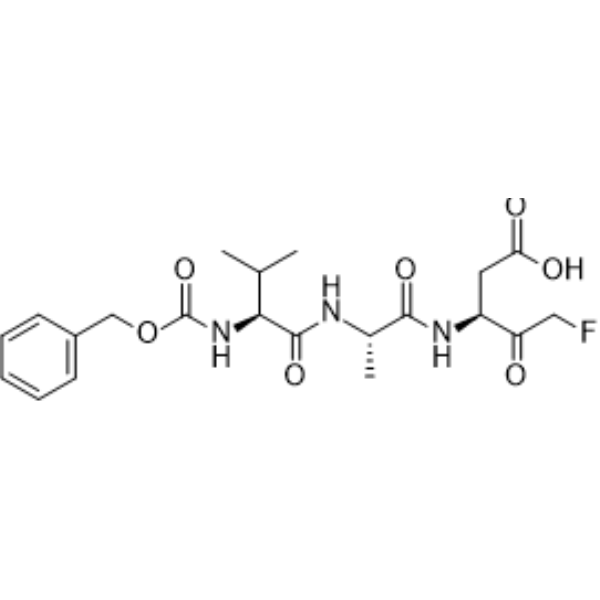
Cat. No.: HY-16658B
CAS No.: 161401-82-7
Synonyms: Z-VAD(OH)-FMK
Z-VAD-FMK is a pan-caspase inhibitor and also an ICE-like protease inhibitor, which inhibits apoptosis by preventing the processing of CPP32 to its active form. Z-VAD-FMK sensitivity varies primarily due to differential expression of receptor-interacting protein 1 (RIP1). Z-VAD-FMK limits the cryopreservation-induced apoptosis by reducing caspase-3 activity of in vitro produced bovine embryos. Z-VAD-FMK is immunosuppressive in vitro and inhibits T cell proliferation without blocking the processing of caspase-8 and caspase-3. Z-VAD-FMK leads to a decrease in intracellular glutathione (GSH) with a concomitant increase in reactive oxygen species (ROS) levels in activated T cells. Z-VAD-FMK is due to oxidative stress via the depletion of GSH. Z-VAD-FMK can be used for the study of acute pancreatitis .
loading...
    loading...
160
160 Cited Publications
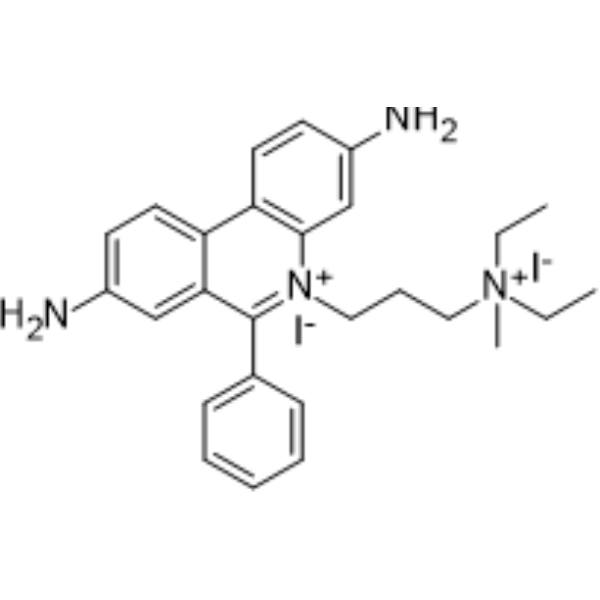
Cat. No.: HY-D0815
CAS No.: 25535-16-4
Propidium Iodide (PI) is a nuclear staining agent that stains DNA. Propidium Iodide is an analogue of ethidine bromide that emits red fluorescence upon embedding in double-stranded DNA. Propidium Iodide cannot pass through living cell membranes, but it can pass through damaged cell membranes to stain the nucleus. Propidium Iodide has a fluorescence wavelength of 493/617 nm and a wavelength of 536/635 nm after Mosaic with DNA. Propidium Iodide is commonly used in the detection of apoptosis (apoptosis) or necrosis (necrosis), and is often used in flow cytometry analysis.
loading...
    loading...
144
144 Cited Publications
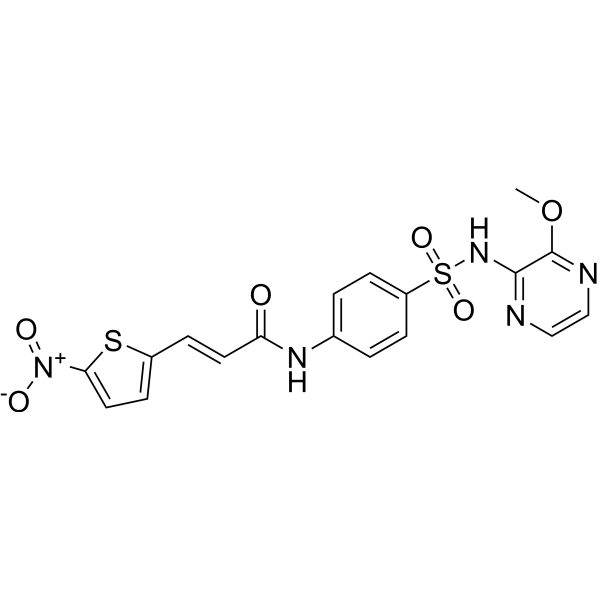
Cat. No.: HY-100573
CAS No.: 1360614-48-7
Purity:  99.47%
Necrosulfonamide is a MLKL and Gasdermin D (GSDMD) inhibitor, capable of separately inhibiting necroptosis and pyroptosis of cells. Necrosulfonamide does not affect the activation of upstream signals, but specifically inhibits the downstream executor oligomerization step. Necrosulfonamide reduces the expression of the key kinases NLRP3 and caspase-1 involved in necroptosis and pyroptosis, activate the Nrf2 pathway and the downstream antioxidant enzymes, and also downregulates a variety of inflammatory factors. Necrosulfonamide plays significant roles in various diseases such as neurodegenerative diseases (such as Parkinson’s disease), tissue damage and ischemia-reperfusion injury, inflammatory bowel disease, osteoarthritis and fracture repair, and hair loss by regulating two important programmed necrosis pathways .
loading...
    loading...
83
83 Cited Publications
Cat. No.: HY-K1073

MCE Annexin V-FITC/PI Apoptosis Detection Kit provides a rapid and convenient method to detect cell apoptosis and necrosis. After staining, live cells show little or no fluorescence (Annexin V-/PI-), early apoptosis cells show green fluorescence(Annexin V+/PI-), late apoptosis cells and necrosis cells show red and green fluorescence (Annexin V+/PI+).


loading...
    loading...
43
43 Cited Publications
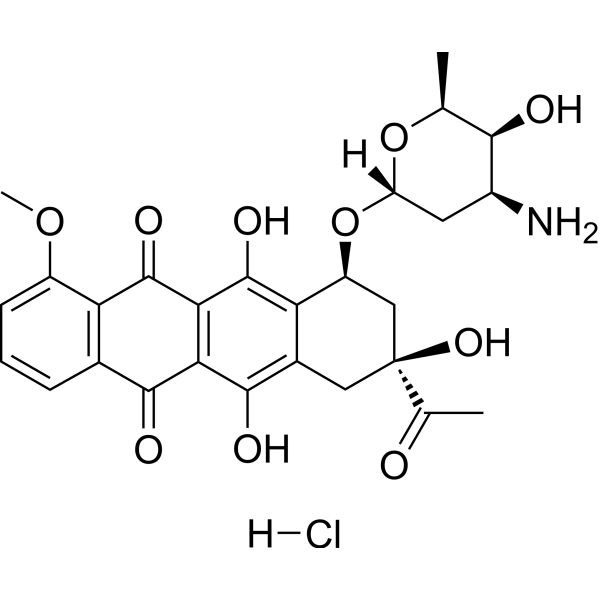
Cat. No.: HY-13062
CAS No.: 23541-50-6
Purity:  99.67%
Synonyms: Daunomycin hydrochloride; RP 13057 hydrochloride; Rubidomycin hydrochloride
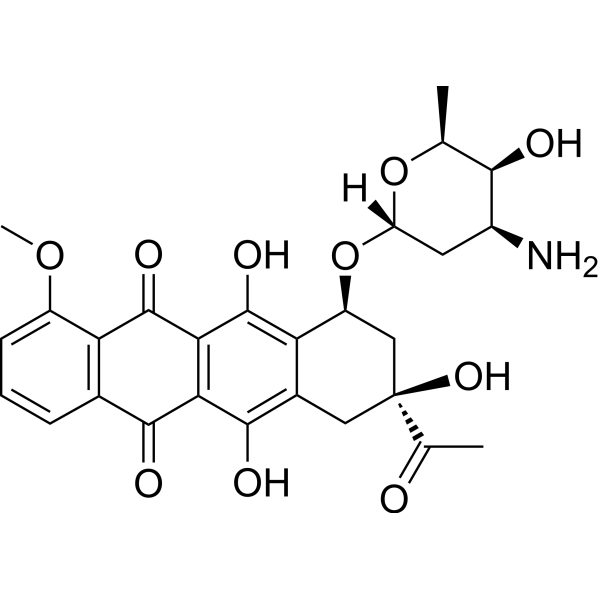
Daunorubicin (Daunomycin) hydrochloride is a topoisomerase II inhibitor with potent anti-tumor activity. Daunorubicin hydrochloride inhibits DNA and RNA synthesis. Daunorubicin hydrochloride is a cytotoxin that inhibits cancer cell viability and induces apoptosis and necrosis. Daunorubicin hydrochloride is also an anthracycline antibiotic. Daunorubicin hydrochloride can be used in the research of infection and variety of cancers, including leukemia, non-Hodgkin lymphomas, Ewing's sarcoma, Wilms' tumor .
loading...
    loading...
43
43 Cited Publications
Cat. No.: HY-13062A
CAS No.: 20830-81-3
Synonyms: Daunomycin; RP 13057; Rubidomycin
Daunorubicin (Daunomycin) is a topoisomerase II inhibitor with potent anti-tumor activity. Daunorubicin inhibits DNA and RNA synthesis. Daunorubicin is a cytotoxin that inhibits cancer cell viability and induces apoptosis and necrosis. Daunorubicin is also an anthracycline antibiotic. Daunorubicin can be used in the research of infection and variety of cancers, including leukemia, non-Hodgkin lymphomas, Ewing's sarcoma, Wilms' tumor .
loading...
    loading...
23
23 Cited Publications
Cat. No.: HY-164388
CAS No.: 162852-62-2
Z-VAD is an irreversible, broad-spectrum pan-caspase inhibitor that can inhibit a variety of caspases including caspase-3, -6, -7, -8, -9, etc. (with a weaker inhibitory effect on caspase-2). Z-VAD can block apoptosis signaling pathways, induce autophagy and necrosis in tumor cells, and has anti-angiogenic activity. Z-VAD can enhance the sensitivity of breast cancer and lung cancer cells to radiotherapy in vitro and in vivo, and prolong the growth delay of tumor xenograft models. Z-VAD is well tolerated and is mainly used in research related to cancer radiosensitization and cell death pathway regulation .
loading...
    loading...
13
13 Cited Publications
Cat. No.: HY-B1145
CAS No.: 3697-42-5
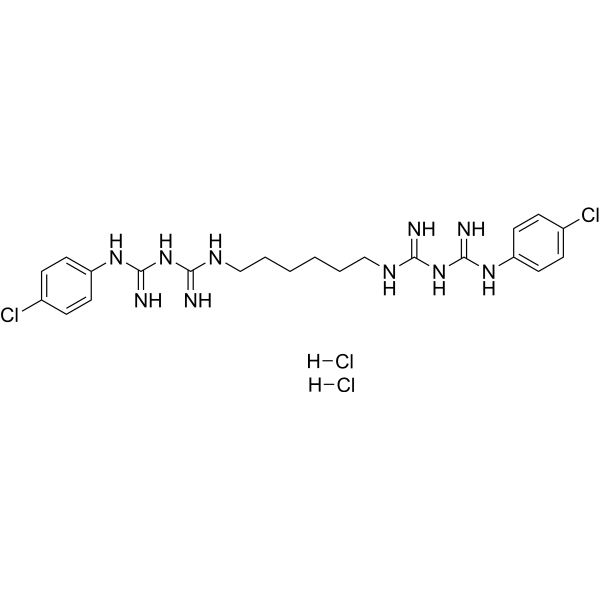
Chlorhexidine dihydrochloride is a orally active cationic antimicrobial agent that targets microbial cell membranes. Chlorhexidine dihydrochloride binds to cell membrane phospholipids non-specifically, destroys membrane structure and induces leakage of cell contents. Chlorhexidine dihydrochloride has broad-spectrum bactericidal activity against both Gram-positive and Gram-negative bacteria. Chlorhexidine dihydrochloride can interfere with membrane permeability, cause protein precipitation and energy metabolism disorders, such as rapid inhibition of microbial growth and induction of cell death (necrosis or apoptosis) .
loading...
    loading...
13
13 Cited Publications
Cat. No.: HY-B1248
CAS No.: 55-56-1
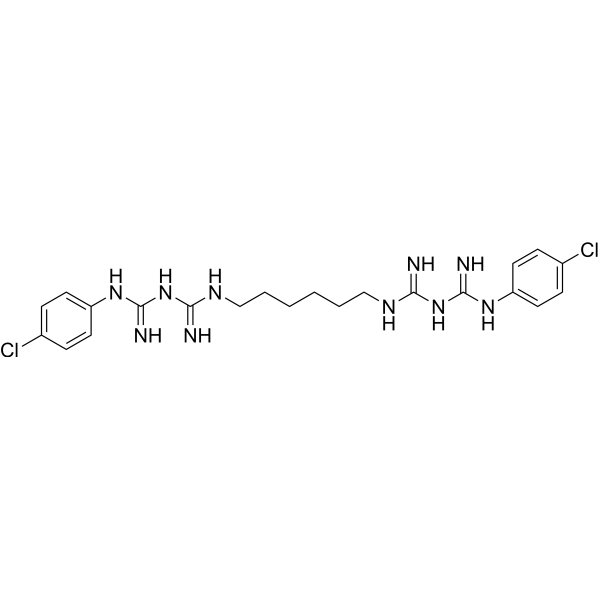
Chlorhexidine is a orally active cationic antimicrobial agent that targets microbial cell membranes. Chlorhexidine binds to cell membrane phospholipids non-specifically, destroys membrane structure and induces leakage of cell contents. Chlorhexidine has broad-spectrum bactericidal activity against both Gram-positive and Gram-negative bacteria. Chlorhexidine can interfere with membrane permeability, cause protein precipitation and energy metabolism disorders, such as rapid inhibition of microbial growth and induction of cell death (necrosis or apoptosis) .
loading...
    loading...
13
13 Cited Publications
Cat. No.: HY-W013699
CAS No.: 56-95-1
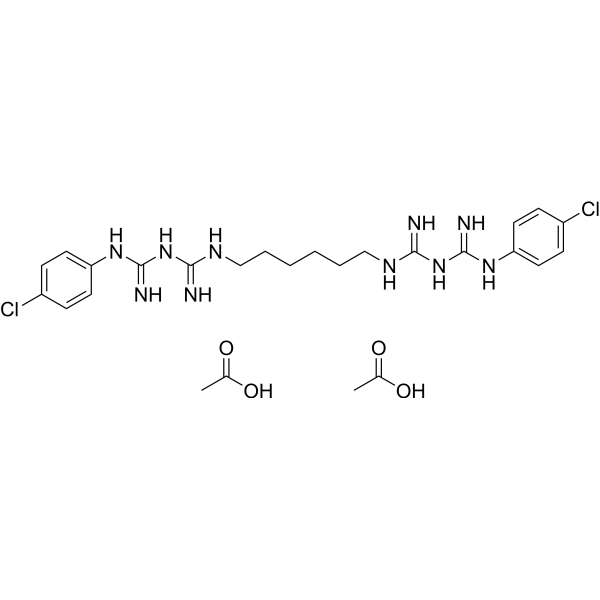
Chlorhexidine diacetate is a orally active cationic antimicrobial agent that targets microbial cell membranes. Chlorhexidine diacetate binds to cell membrane phospholipids non-specifically, destroys membrane structure and induces leakage of cell contents. Chlorhexidine diacetate has broad-spectrum bactericidal activity against both Gram-positive and Gram-negative bacteria. Chlorhexidine diacetate can interfere with membrane permeability, cause protein precipitation and energy metabolism disorders, such as rapid inhibition of microbial growth and induction of cell death (necrosis or apoptosis) .
loading...
    loading...
13
13 Cited Publications
Cat. No.: HY-B0608
CAS No.: 18472-51-0
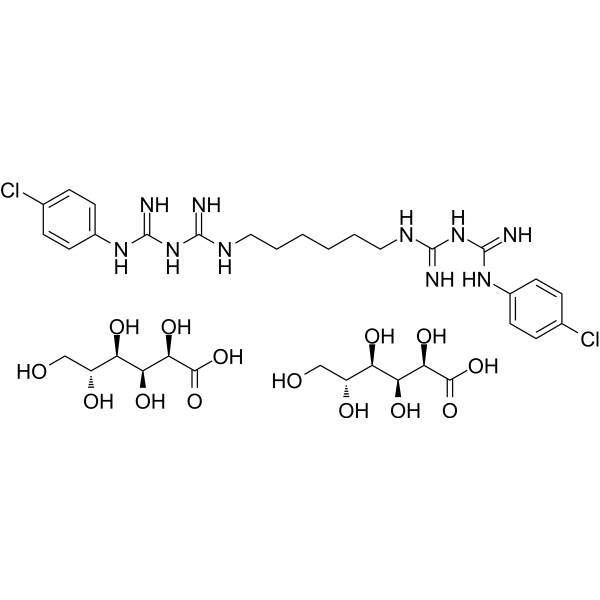
Chlorhexidine digluconate (20% in water) is a orally active cationic antimicrobial agent that targets microbial cell membranes. Chlorhexidine digluconate (20% in water) binds to cell membrane phospholipids non-specifically, destroys membrane structure and induces leakage of cell contents. Chlorhexidine digluconate (20% in water) has broad-spectrum bactericidal activity against both Gram-positive and Gram-negative bacteria. Chlorhexidine digluconate (20% in water) can interfere with membrane permeability, cause protein precipitation and energy metabolism disorders, such as rapid inhibition of microbial growth and induction of cell death (necrosis or apoptosis) .
loading...
    loading...
13
13 Cited Publications
Cat. No.: HY-B0199A
CAS No.: 116680-01-4
Synonyms: RS 61443 hydrochloride; TM-MMF hydrochloride
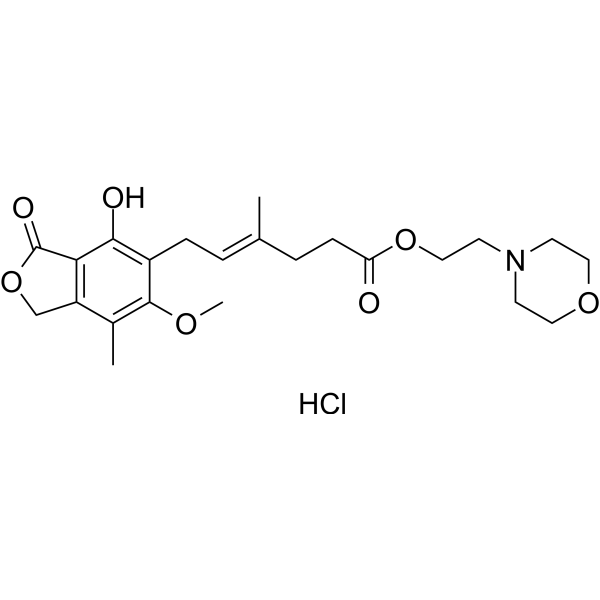
Mycophenolate mofetil (RS 61443; TM-MMF) hydrochloride is an orally active antimetabolic immunosuppressant with antiproliferative and anti-inflammatory properties. Mycophenolate mofetil hydrochloride significantly inhibits the production of B, T lymphocytes and the proliferation of smooth muscle cells by selectively blocking the de novo purine synthesis pathway. Mycophenolate mofetil hydrochloride effectively reduces adventitial inflammation, medial necrosis and intimal thickening in rat aortic allografts, and decreases the number of lymphocytes expressing the IL-2 receptor, thereby delaying xenograft rejection. Mycophenolate mofetil hydrochloride shows certain toxicity in a hamster-to-rat limb xenotransplantation model when used in combination with FK506 (HY-13756). Mycophenolate mofetil hydrochloride is widely used in studies related to allograft arteriosclerosis (chronic rejection) .
loading...
    loading...
12
12 Cited Publications
Cat. No.: HY-K1089

MCE Cell Senescence β-Galactosidase Staining Kit can be used to evaluate the senescence of cells or tissues.

loading...
    loading...
10
10 Cited Publications
Cat. No.: HY-15615A
CAS No.: 1616632-77-9
Purity:  99.89%
Synonyms: TIC10; ONC-201
Target:  

TNF Receptor Apoptosis

Research Areas:  

Cancer

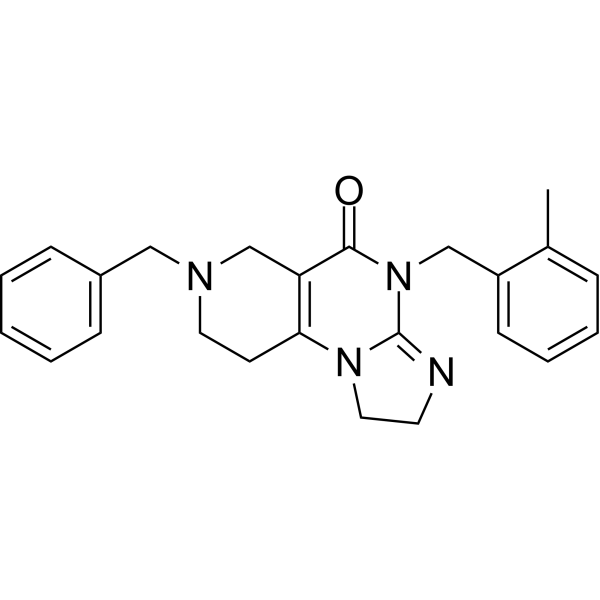
Dordaviprone (TIC10) is a potent, orally active, and stable tumor necrosis factor-related apoptosis-inducing ligand (TRAIL) inducer which acts by inhibiting Akt and ERK, consequently activating Foxo3a and significantly inducing cell surface TRAIL. Dordaviprone can cross the blood-brain barrier .
loading...
    loading...
10
10 Cited Publications
Cat. No.: HY-19975
CAS No.: 946387-07-1
Target:  

TRP Channel

Research Areas:  

Neurological Disease Cancer

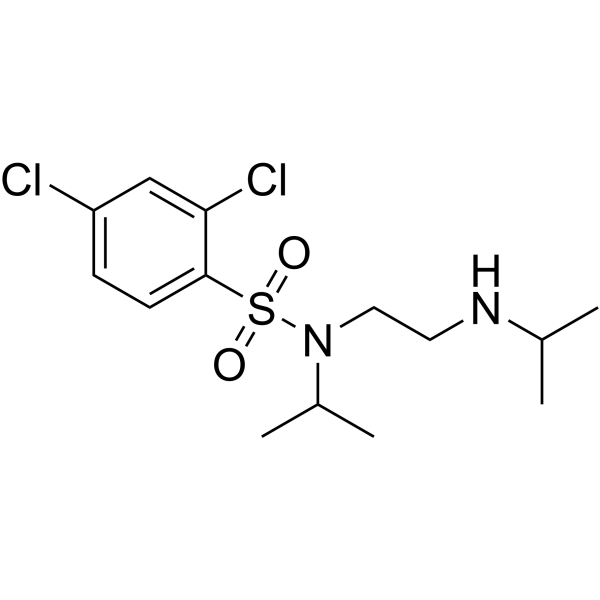
RN-1734 is selective antagonist of the TRPV4 channel, completely antagonizes 4αPDD-mediated activation of TRPV4 with comparable, low micromolar IC50s for all three species (hTRPV4: 2.3 μM, mTRPV4: 5.9 μM, rTRPV4: 3.2 μM) . RN-1734 clearly decreases the production of tumor necrosis factor α (TNF-α) and interleukin 1β (IL-1β) without altering the number of olig2-positive cells .
loading...
    loading...
7
7 Cited Publications
Cat. No.: HY-P7224
Purity:  ≥ 95%, as determined by reducing SDS-PAGE.
Synonyms: CXCL8; Lung Giant cell Carcinoma-Derived Chemotactic Protein; Prev. IL8; Alveolar Macrophage Chemotactic Factor I; MDNCF; Tumor necrosis Factor-Induced Gene 1; NAP-1; Neutrophil-Activating Peptide 1; MONAP; T-cell Chemotactic Factor; GCP-1; Interleukin 8; Monocyte-Derived Neutrophil Chemotactic Factor; Interleukin-8; Monocyte-Derived Neutrophil-Activating Peptide; Emoctakin; Granulocyte Chemotactic Protein 1; AMCF-I; Chemokine (C-X-C Motif) Ligand 8; B-ENAP; SCYB8; TSG-1; LYNAP; 3-10C; LUCT; K60; LECT; Small Inducible Cytokine Subfamily B, Member 8; IL-8; Beta-Thromboglobulin-Like Protein; GCP1; Neutrophil-Activating Protein 1; NAP1; C-X-C Motif Chemokine 8; NAF; C-X-C Motif Chemokine; Beta Endothelial cell-Derived Neutrophil Activating Peptide; Protein 3-10C; C-X-C Motif Chemokine Ligand 8; Lymphocyte Derived Neutrophil Activating Peptide
Species:  
Source:  
loading...
    loading...
5
5 Cited Publications
Cat. No.: HY-Y0698
CAS No.: 62-55-5
Synonyms: Acetothioamide; TAA; Thiacetamide
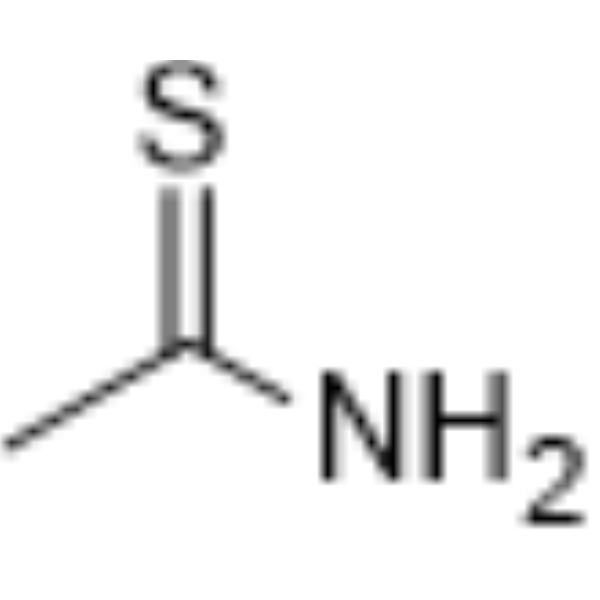
Thioacetamide (TAA) is an indirect hepatotoxin and causes parenchymal cell necrosis. Thioacetamide requires metabolic activation by microsomal CYP2E1 to thioacetamide-S-oxide initially and then to thioacetamide-S-dioxide, which is a highly reactive metabolite, and its reactive metabolites covalently bind to proteins and lipids thereby causing oxidative stress and centrilobular necrosis. Thioacetamide can induce chronic liver fibrosis, encephalopathy and other events model .
loading...
    loading...
5
5 Cited Publications
Cat. No.: HY-N0194
CAS No.: 464-92-6
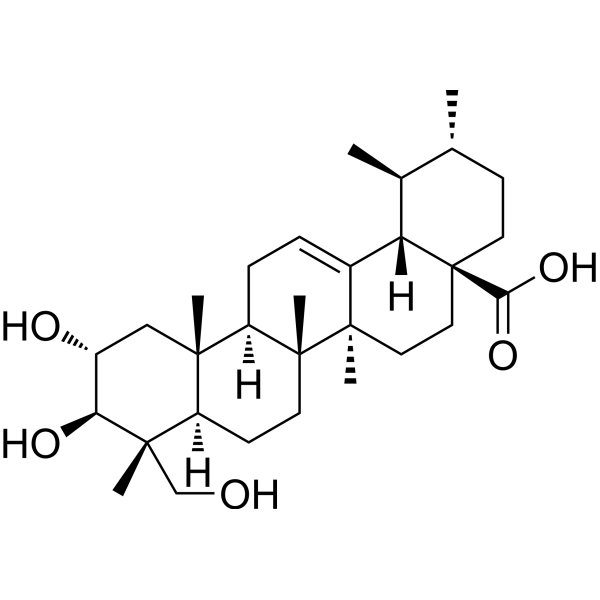
Asiatic acid, a pentacyclic triterpene found in Centella asiatica (Centella asiatica), has anticancer activity. Asiatic acid induces apoptosis in melanoma cells and has barrier protective effects on human aortic endothelial cells (HAEC). Asiatic acid also has anti-inflammatory activity and inhibits tumor necrosis factor (TNF)-α-induced endothelial barrier dysfunction. Asiatic acid also inhibits NLRP3 inflammasome activation and NF-κB pathway, effectively inhibits inflammation in rats, and has neuroprotective effects in rat spinal cord injury (SCI) model .
loading...
    loading...
4
4 Cited Publications
Cat. No.: HY-101849
CAS No.: 392721-37-8
Purity:  ≥98.0%
Research Areas:  

Cardiovascular Disease Cancer

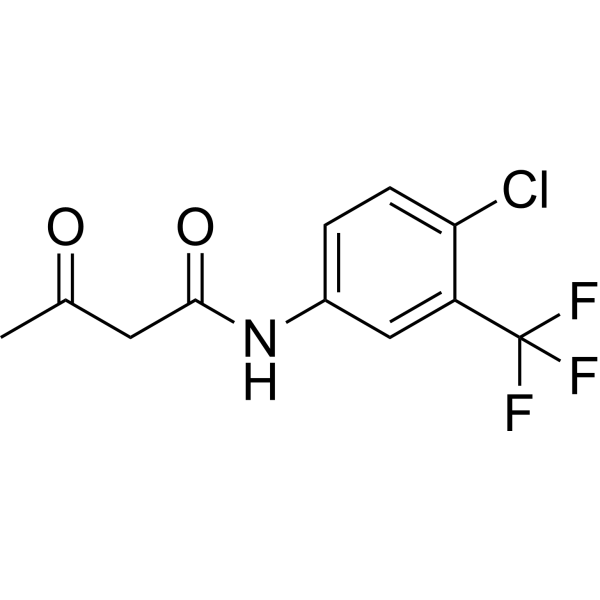
Fasentin, a potent glucose uptake inhibitor, inhibits GLUT-1/GLUT-4 transporters. Fasentin preferentially inhibits GLUT4 (IC50=68 μM) over GLUT1. Fasentin is a death receptor stimuli (FAS) sensitizer and sensitizes cells to FAS-induced cell death. Fasentin is also a tumor necrosis factor (TNF) apoptosis-inducing ligand sensitizer. Fasentin blocks glucose uptake in cancer cell lines and has anti-angiogenic activity .
loading...
    loading...
4
4 Cited Publications
Cat. No.: HY-P70569
Purity:  ≥ 95%, as determined by reducing SDS-PAGE.
Synonyms: CXCL8; Lung Giant cell Carcinoma-Derived Chemotactic Protein; Prev. IL8; Alveolar Macrophage Chemotactic Factor I; MDNCF; Tumor necrosis Factor-Induced Gene 1; NAP-1; Neutrophil-Activating Peptide 1; MONAP; T-cell Chemotactic Factor; GCP-1; Interleukin 8
Species:  
Source:  
loading...
    loading...

