
1. Search Result
Search Result
Results for "

cisplatin resistance

" in MedChemExpress (MCE) Product Catalog:

20

Inhibitors & Agonists

1

Biochemical Assay Reagents

3

Peptides

1

Natural
Products

Targets Recommended:
Cat. No. 상품명 Target 연구분야 Chemical Structure
  • HY-139696

    Aldose Reductase Cancer
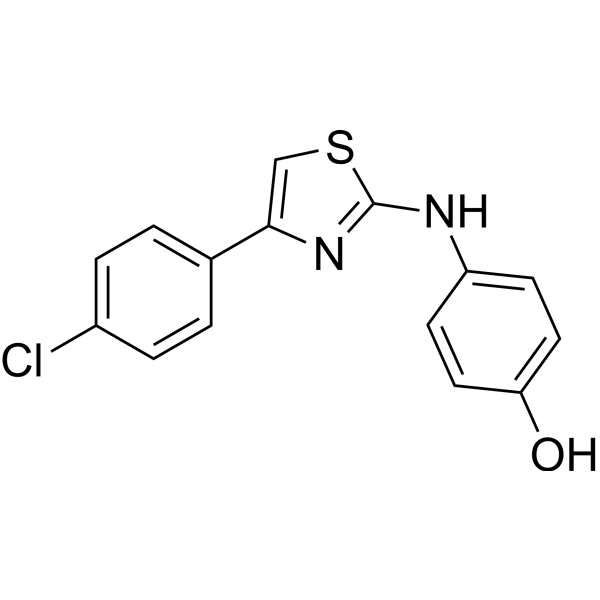
    AKR1B10-IN-1 is a potent inhibitor of AKR1B10 (Aldo-Keto Reductase 1B10) with an IC50 of 3.5 nM. AKR1B10-IN-1 suppresses proliferation, metastasis, and Cisplatin (CDDP) resistance of lung cancer cells .
    AKR1B10-IN-1
  • HY-120692

    JAK STAT Apoptosis Cancer
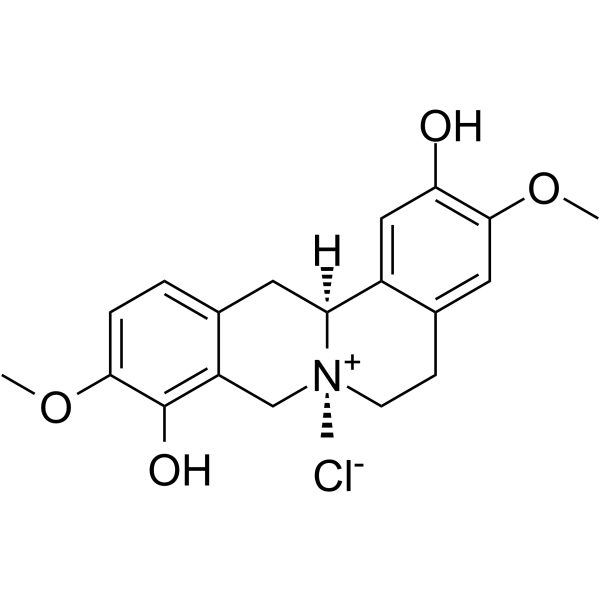
    Cyclanoline chloride is an alkaloid. Cyclanoline chloride can be isolated from Fangji. Cyclanoline (chloride) inhibits the phosphorylation of JAK2 and STAT3, and induces Apoptosis. Cyclanoline chloride suppresses tumor growth in subcutaneous bladder cancer xenograft models of nude mice. Cyclanoline chloride reverses cisplatin resistance in bladder cancer cells and enhances the efficacy of Cisplatin (HY-17394). Cyclanoline chloride can be used for research related to bladder cancer .
    Cyclanoline chloride
  • HY-157169

    AMU302

    Pim mTOR Akt PI3K Cancer
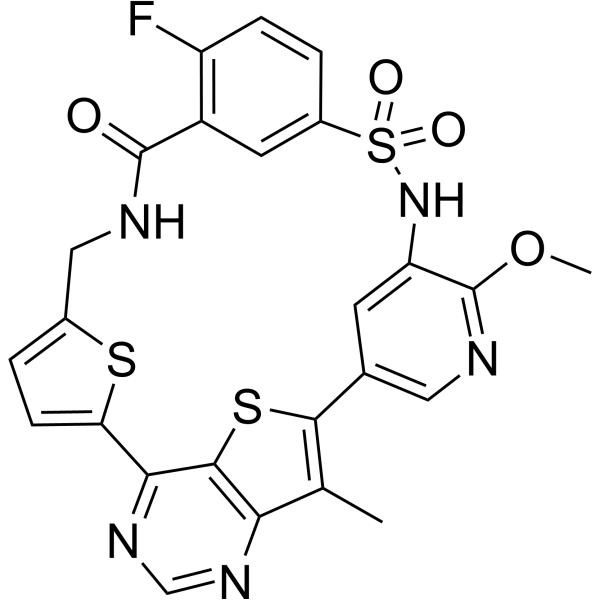
    IBL-302 (AMU302) is an orally available dual-signaling inhibitor of PIM and PI3K/AKT/mTOR with activity against breast cancer and neuroblastoma. IBL-302 demonstrated in vivo efficacy in a nude mouse xenograft model, inhibiting trastuzumab (HY-P9907) resistance challenges. IBL-302 also enhances the effects of common cytotoxic chemotherapy drugs cisplatin (HY-17394), doxorubicin (HY-15142A), and etoposide (HY-13629) .
    IBL-302
  • HY-Y1269D

    Salmiac, for molecular biology

    TGF-beta/Smad Apoptosis Chloride Channel Neurological Disease Cancer
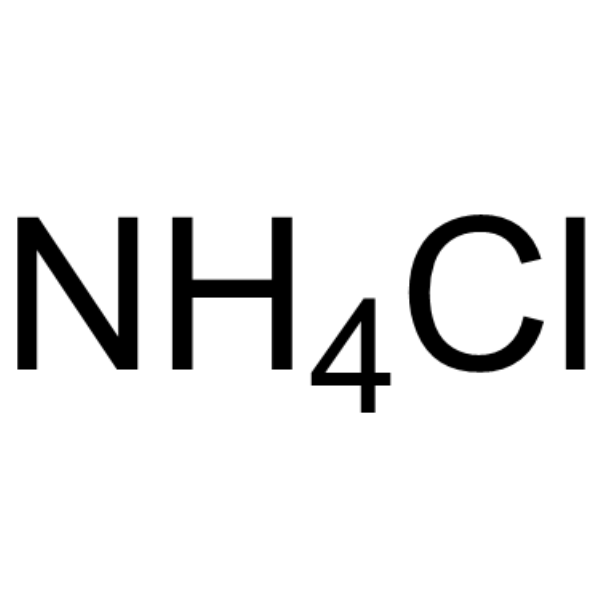
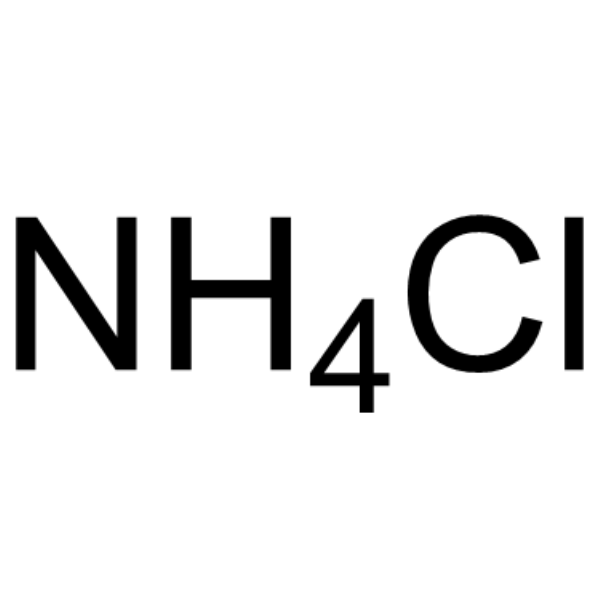
    Ammonium chloride (Salmiac), for molecular biology is an inhibitor of Slc26a4 and SMAD2. Ammonium chloride, for molecular biology reduces the protein expression level of Slc26a4 in lung tissue, and attenuates ozone-induced increases in proinflammatory cytokines, inflammatory cells, pulmonary resistance, goblet cell hyperplasia, peribronchial inflammation and thiocyanate levels in mouse tissues and bronchoalveolar lavage fluid. Ammonium chloride, for molecular biology decreases the level of phosphorylated SMAD2, inhibits autophagy by reducing autophagy-related proteins, and enhances Cisplatin (HY-17394)-induced cancer cell apoptosis and DNA double-strand breaks. Ammonium chloride, for molecular biology also inhibits the TCA cycle, reduces ATP production, increases glucose utilization, regulates the levels of lactic acid, glutamic acid and ATP, and induces morphological degeneration of neuroblastoma cells. Ammonium chloride, for molecular biology can be used in studies related to ozone-induced airway injury, hepatocellular carcinoma, human cervical cancer, hepatic encephalopathy, Reye syndrome, epilepsy and neurodegenerative diseases .
    Ammonium chloride, for molecular biology
  • HY-P5081

    TGF-β Receptor Collagen Inflammation/Immunology
    Endotrophin (Mus musculus) is an adipokine, a cleavage fragment derived from Collagen VI, whose levels are elevated in adipose tissue and breast tumors of obese mice. Endotrophin (Mus musculus) activates the TGF-β signaling pathway and reduces the expression of hormone-sensitive lipase. Endotrophin (Mus musculus) induces adipogenesis, lipid accumulation, fibrosis, inflammation, angiogenesis, adipose tissue expansion, epithelial-mesenchymal transition, and insulin resistance; it also induces Cisplatin (HY-17394) resistance in cancer cells. Endotrophin (Mus musculus) can be used in research related to metabolic diseases such as obesity and type 2 diabetes, as well as cancers such as breast cancer .
    Endotrophin (Mus musculus)
  • HY-W414604

    Biochemical Assay Reagents Cancer
    Dichloro(1,2-diaminocyclohexane)platinum(II) is a platinum (II) analog and the oxaliplatin parent complex. Dichloro(1,2-diaminocyclohexane)platinum(II) is a potent chemotherapeutic with a wide spectrum of anticancer activity, low toxicity, and lack of cross resistance in many cisplatin-resistant cancers .
    Dichloro(1,2-diaminocyclohexane)platinum(II)
  • HY-W556802

    Biochemical Assay Reagents Others
    Dichloro(1,2-diaminocyclohexane)platinum(II) is a platinum (II) analog and the oxaliplatin parent complex. Dichloro(1,2-diaminocyclohexane)platinum(II) is a potent chemotherapeutic with a wide spectrum of anticancer activity, low toxicity, and lack of cross resistance in many cisplatin-resistant cancers .
    5-Oxodecanoic acid
  • HY-173064

    HDAC Parasite Infection Cancer
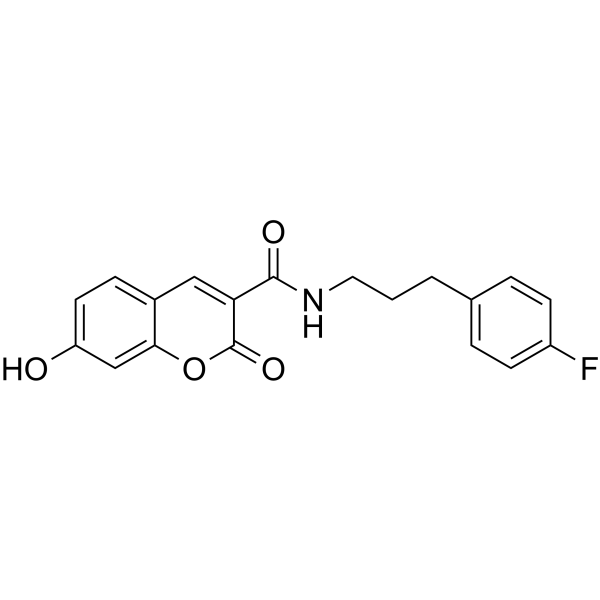
    DS-103 is an inhibitor for HDAC that inhibits HDAC1, HDAC2, HDAC3, HDAC6 and HDAC8 with IC50s of 0.029, 0.123, 0.022, 0.367 and 9.26 μM, respectively. DS-103 inhibits Plasmodium falciparum 3D7 with IC50 of 5.08 μM. DS-103 exhibits cytotoxicity in cells A2780 and Cal27 with IC50 of 1.48 μM and 1.47 μM, reverses Cisplatin (HY-17394) resistance in A2780 and Cal27 with IC50 of 4.62 μM and 2.23 μM. DS-103 exhibits synergistic effect with Cisplatin (HY-17394), enhances Cisplatin-induced apoptosis .
    DS-103
  • HY-155474

    Apoptosis Cancer
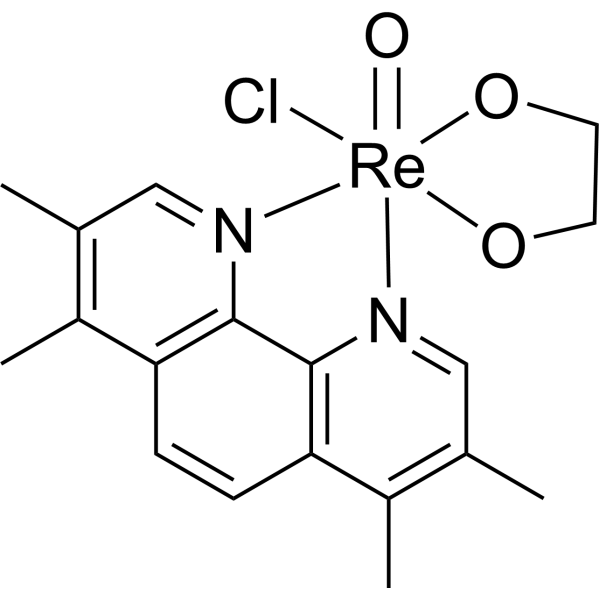
    Me4Phen (compound 3) is an oxygen rhenium (V) complex that depletes mitochondrial membrane potential and upregulates intracellular reactive oxygen species (ROS), leading to endoplasmic reticulum stress-mediated necrosis of cancer cells. Me4Phen is highly lipophilic and effectively overcomes Cisplatin (HY-17394) resistance in a variety of cancer cells .
    Me4Phen
  • HY-178466

    Microtubule/Tubulin P-glycoprotein Apoptosis Cancer
    Tubulin polymerization/P-gp-IN-1 is a Tubulin polymerization/P-gp dual inhibitor. Tubulin polymerization/P-gp-IN-1 inhibits tubulin polymerization and induces G2/M arrest and apoptosis. Tubulin polymerization/P-gp-IN-1 reverses MDR by inhibiting P-gp efflux function. Tubulin polymerization/P-gp-IN-1 has dual functions: direct antitumor activity and reversal of P-gp-mediated Cisplatin (HY-17394) resistance. Tubulin polymerization/P-gp-IN-1 stable binds to the tubulin CBS (ΔG = −12.4 kcal/mol) and the P-gp hydrophobic lumen (ΔG = −10.8 kcal/mol). Tubulin polymerization/P-gp-IN-1 can be used for the study of drug-resistant cervical cancer .
    Tubulin polymerization/P-gp-IN-1
  • HY-162348

    Necroptosis Cancer
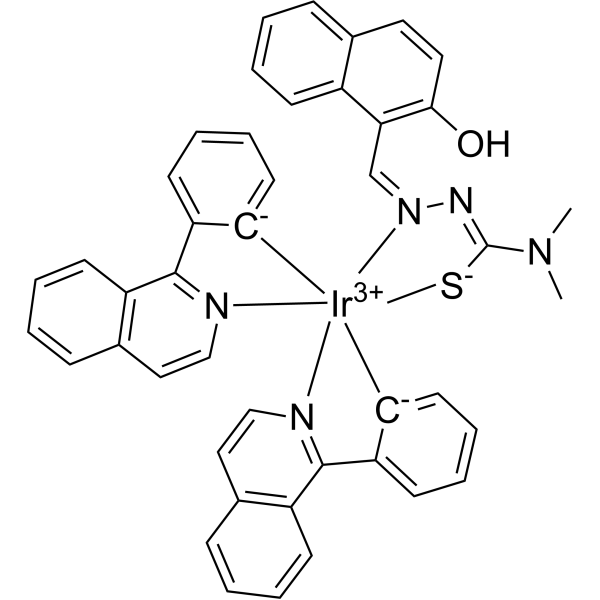
    Antitumor agent-145 (Compound Ir5) is a tumor inhibitor with remarkable fluorescence and mitochondrial targeting, which exerts anti-cancer effects by inducing necroptosis and activating the necroptosis-related immune response .
    Antitumor agent-145
  • HY-146194

    Reactive Oxygen Species (ROS) Cancer
    NHEJ inhibitor-1 (Compound C2) is a trifunctional Pt(II) complex, alleviates the non-homologous end connection (NHEJ)/homologous recombination (HR)-related double strand breaks (DSBs) repairs to evade Cisplatin-resistance in non-small cell lung cancer (NSCLC). NHEJ inhibitor-1 inhibits the damage repair proteins Ku70 and Rad51 to make tumors re-sensitive to Cisplatin. NHEJ inhibitor-1 also induces ROS generation and MMP deduction .
    NHEJ inhibitor-1
  • HY-168711

    P-glycoprotein Cancer
    P-gp inhibitor 27 (Compound D2) is an inhibitor for P-glycoprotein (P-gp), that downregulates the expression of P-gp and MRP1, increases the Rh123 accumulation in A2780/T cell, and reverses multidrug resistance to Paclitaxel (HY-B0015) (EC50 is 88 nM) and Cisplatin (HY-17394) .
    P-gp inhibitor 27
  • HY-161647

    Reactive Oxygen Species (ROS) Apoptosis Autophagy Ferroptosis Cancer
    Antitumor agent-156 (Compound 20) causes DNA damage and mitochondrial dysfunction, promotes reactive oxygen species generation, activates endoplasmic reticulum stress, and induce apoptosis, autophagy and ferroptosis. Antitumor agent-156 shows superior antitumor activity against cancer cells including Cisplatin (HY-17394) resistance cells. Antitumor agent-156 displayS good liver-targeting ability .
    Antitumor agent-156
  • HY-172201

    NF-κB Reactive Oxygen Species (ROS) Autophagy Apoptosis HIF/HIF Prolyl-Hydroxylase Akt STAT PI3K Inflammation/Immunology Cancer
    NF-κB-IN-19 (Compound 8) is an NF-κB inhibitor. NF-κB-IN-19 effectively induces DNA damage, promotes the generation of ROS, and induces autophagy and apoptosis through the NF-κB signaling pathway in tumor cells. In addition, NF-κB-IN-19 can inhibit the levels of VEGF and HIF-1α, and exert antiproliferative activity in tumor cells through the PI3K/AKT and STAT-3 pathways. NF-κB-IN-19 can effectively overcome cisplatin resistance and has anti-tumor activity .
    NF-κB-IN-19
  • HY-P11678

    HDAC Apoptosis Caspase Cancer
    HDAC-IN-100 is a histone deacetylase inhibitor with an IC50 of 0.038 μM against HDAC1, 0.283 μM against HDAC2, and 0.586 μM against HDAC3. HDAC-IN-100 acts as a chemosensitizer and apoptosis inducer, activates caspase 3/7, and reverses Cisplatin (HY-17394) resistance. HDAC-IN-100 exerts antiproliferative effects in ovarian cancer cells and squamous cancer cells. HDAC-IN-100 is applicable for research related to ovarian cancer, squamous cell carcinoma, and Cisplatin (HY-17394)-resistant squamous cell carcinoma .
    HDAC-IN-100
  • HY-P5081A

    TGF-β Receptor Collagen Inflammation/Immunology
    Endotrophin (Mus musculus) TFA is an adipokine, a cleavage fragment derived from Collagen VI, whose levels are elevated in adipose tissue and breast tumors of obese mice. Endotrophin (Mus musculus) TFA activates the TGF-β signaling pathway and reduces the expression of hormone-sensitive lipase. Endotrophin (Mus musculus) TFA induces adipogenesis, lipid accumulation, fibrosis, inflammation, angiogenesis, adipose tissue expansion, epithelial-mesenchymal transition, and insulin resistance; it also induces Cisplatin (HY-17394) resistance in cancer cells. Endotrophin (Mus musculus) TFA can be used in research related to metabolic diseases such as obesity and type 2 diabetes, as well as cancers such as breast cancer .
    Endotrophin (Mus musculus) TFA
  • HY-182067

    Reactive Oxygen Species (ROS) Apoptosis Ferroptosis Cancer
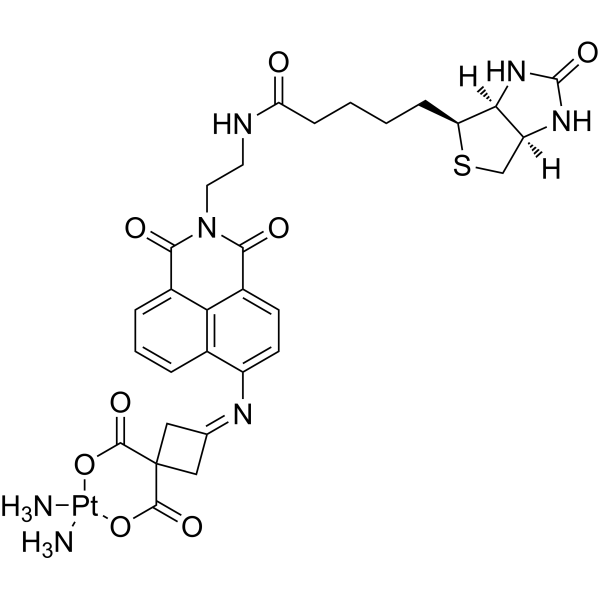
    anti-TNBC agent-15 is a platinum (IV) complex with anti-triple-negative breast cancer activity. anti-TNBC agent-15 inhibits cancer cell viability. anti-TNBC agent-15 reverses the resistance of triple-negative breast cancer cells to Cisplatin (HY-17394), increases intracellular uptake, and effectively triggers apoptosis by inducing DNA damage, enhancing intracellular ROS accumulation and activating the mitochondrial pathway. anti-TNBC agent-15 enhances lipid peroxidation, interferes with the signal transduction of the cystine/glutamate transporter-glutathione peroxidase axis, and induces ferroptosis. anti-TNBC agent-15 significantly inhibits tumor growth in triple-negative breast cancer/Cisplatin xenograft models. anti-TNBC agent-15 can be used for the research of triple-negative breast cancer .
    anti-TNBC agent-15
  • HY-183601A

    Bcl-2 Family Apoptosis Cancer
    Mcl-1-IN-22 hydrochloride is a tetrahydro-β-carboline-based Mcl-1 inhibitor with a Ki of 0.015 μM. Mcl-1-IN-22 hydrochloride shows antitumor activity, induces apoptosis and produces synergistic antitumor effects in combination with Cisplatin (HY-17394) and Paclitaxel (HY-B0015). Mcl-1-IN-22 hydrochloride can be used for the research of cancer, such as ovarian cancer .
    Mcl-1-IN-22 hydrochloride
  • HY-W583350

    Apoptosis Cancer
    Chloro(triphenylphosphine)[2-(2'-amino-1,1'-biphenyl)]palladium(II) (Compound 4C) is a metal palladium (II) complex. Chloro(triphenylphosphine)[2-(2'-amino-1,1'-biphenyl)]palladium(II) exhibits potent anti-proliferative activity against cells such as MDA-MB-231 and HCT116, significantly inducing apoptosis. Chloro(triphenylphosphine)[2-(2'-amino-1,1'-biphenyl)]palladium(II) does not directly damage DNA or cause significant cell cycle arrest. Chloro(triphenylphosphine)[2-(2'-amino-1,1'-biphenyl)]palladium(II) can be used in studies on Cisplatin (HY-17394) resistance .
    Chloro(triphenylphosphine) [2-(2'-amino-1,1'-biphenyl)]palladium(II)

온라인 문의

Your information is safe with us. * Required Fields.

호칭


Country or Region *

고객명 *


회사명 *

Department *


메일주소 *


상품명 *

Cat. No.


Requested quantity *

전화번호 *


비고

온라인 문의

Inquiry Information

상품명:
Cat. No.:
수량:
MCE Japan Authorized Agent:

