Search Result
Results for "
contact
" in MedChemExpress (MCE) Product Catalog:
8
Biochemical Assay Reagents
9
Isotope-Labeled Compounds
| Cat. No. |
Product Name |
Target |
Research Areas |
Chemical Structure |
-
- HY-N0127
-
|
|
Adrenergic Receptor
|
Endocrinology
|
|
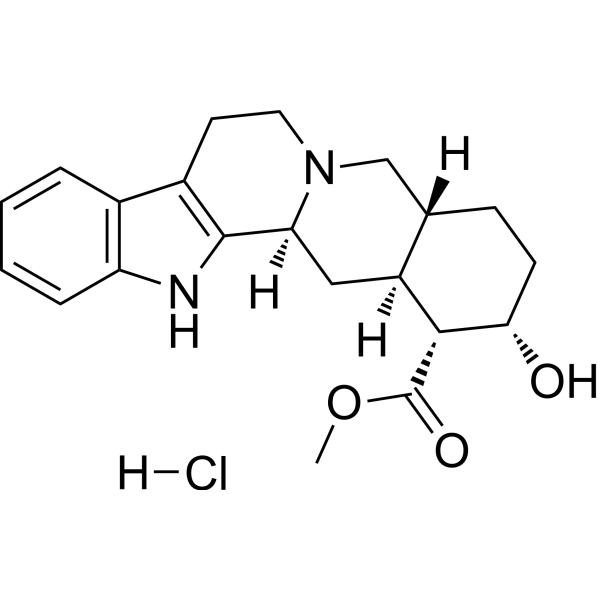
Yohimbine hydrochloride is an alpha-2 renal adenomatase receptor inhibitor, blocking pre- and post-contact alpha-2 renal adenomatase receptors, causing the release of renal adenoma and multiple sclerosis.
|
-
-
- HY-13516
-
|
|
Apoptosis
Autophagy
Filovirus
HIV
|
Infection
Inflammation/Immunology
Cancer
|
|
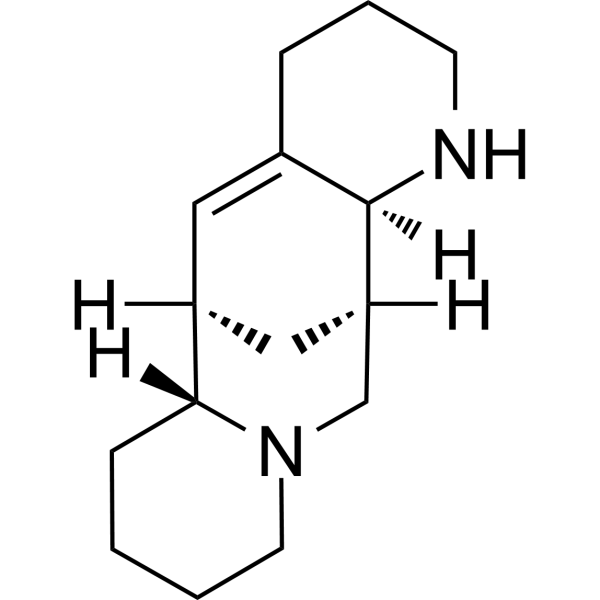
Aloperine is an alkaloid in sophora plants such as Sophora alopecuroides L, which has shown anti-cancer, anti-inflammatory and anti-virus properties .
Aloperine is widely used to treat patients with allergic contact dermatitis eczema and other skin inflammation in China . Aloperine induces apoptosis and autophagy in HL-60 cells .
|
-
-
- HY-112531
-
|
|
Biochemical Assay Reagents
|
Others
|
|
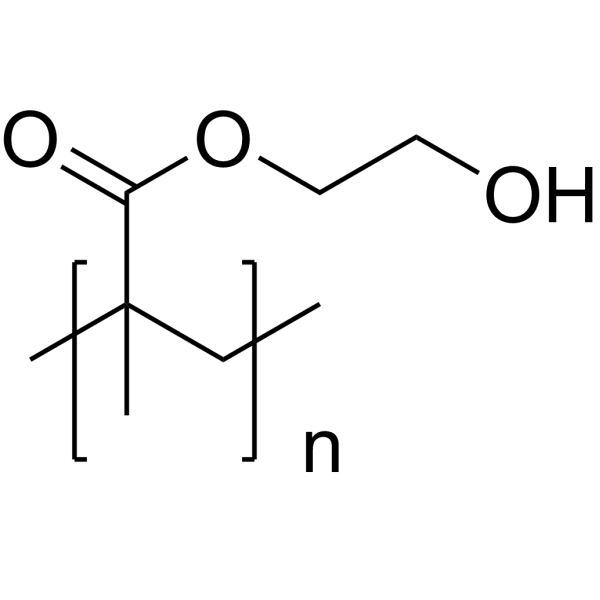
Poly(2-hydroxyethyl methacrylate) (MW 20000) is one of the most important hydrogels in the biomaterials world. Poly(2-hydroxyethyl methacrylate) is the basic component of contact lenses, and is also used in implantation of soft tissues, synthetic transplant for gristle and bone, regeneration of neurotic tissue, transmission of agent and etc .
|
-
-
- HY-114348
-
|
DiNAC; (Ac-Cys-OH)2
|
Amino Acid Derivatives
|
Cardiovascular Disease
|
|
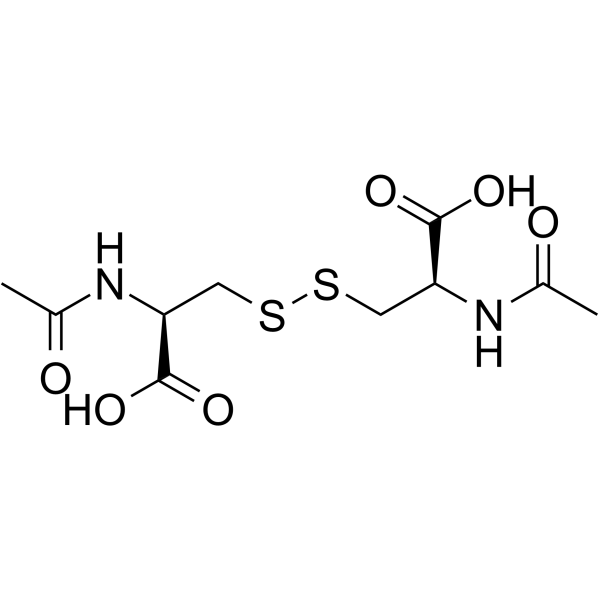
N,N'-diacetyl-L-cystine (DiNAC) is the disulphide dimer of N-acetylcysteine with immunomodulating properties. N,N'-diacetyl-L-cystine is a potent, orally active modulator of contact sensitivity/delayed type hypersensitivity reactions in rodents. N,N'-diacetyl-L-cystine also has antiatherosclerotic effects in Watanabe-heritable hyperlipidemic rabbit (WHHL) rabbits .
|
-
-
- HY-B0544
-
|
Sodium Picosulphate
|
Biochemical Assay Reagents
Drug Intermediate
|
Metabolic Disease
|
|
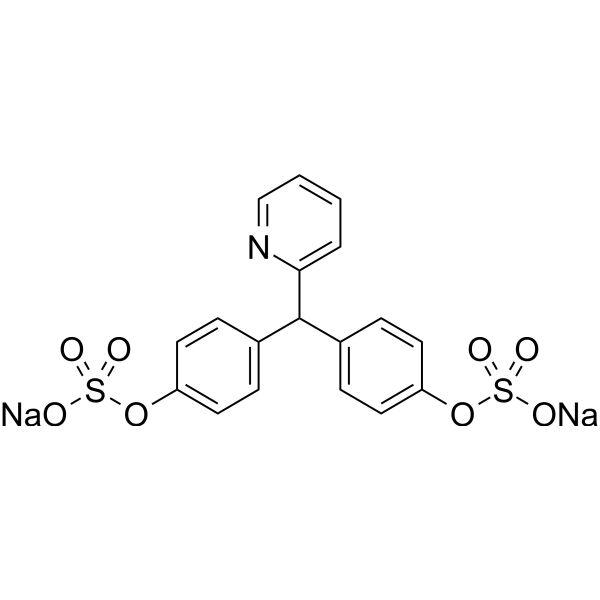
Sodium Picosulfate (Sodium Picosulphate) is a contact irritant laxative with oral activity. Sodium Picosulfate inhibits the absorption of water and electrolytes, increasing their production. Sodium Picosulfate can be used in colonoscopy applications .
|
-
-
- HY-116835
-
BI-6901
1 Publications Verification
|
CCR
|
Inflammation/Immunology
|
|
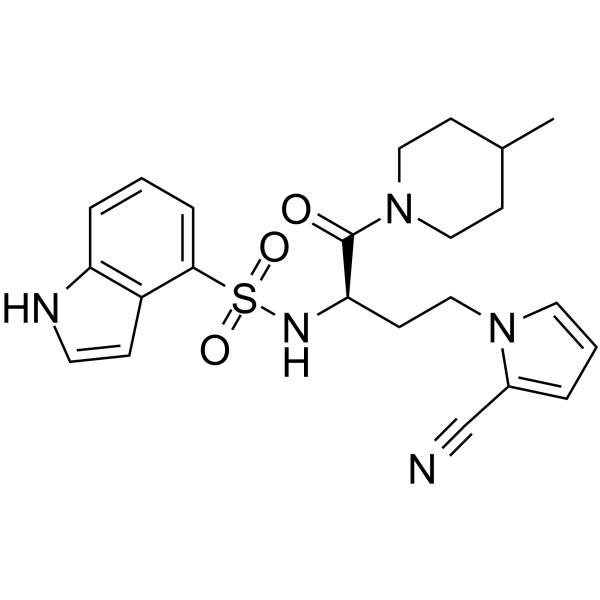
BI 6901 is a potent, selective CCR10 antagonist (pIC50=9.0). BI 6901 shows high selectivity over other GPCRs, including a number of other chemokine receptors. BI 6901 is efficacious in the murine DNFB model of contact hypersensitivity and can be used for inflammation research .
|
-
-
- HY-N0257
-
-
-
- HY-W018587
-
-
-
- HY-112531A
-
|
|
Biochemical Assay Reagents
|
Others
|
|
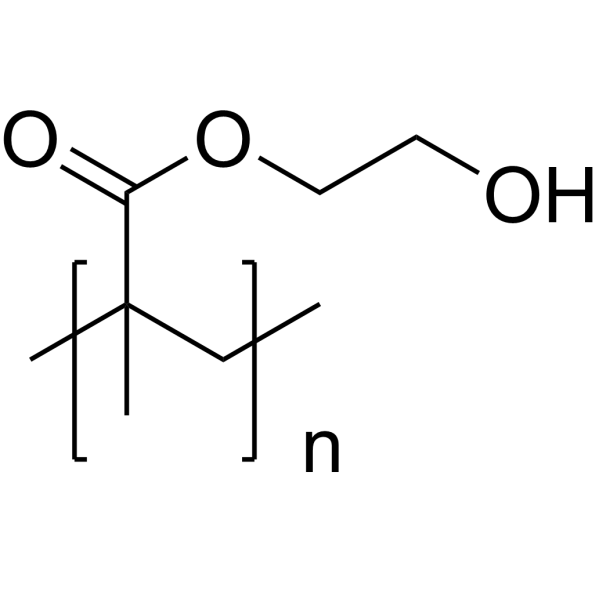
Poly(2-hydroxyethyl methacrylate) (MW 1000000) is one of the most important hydrogels in the biomaterials world. Poly(2-hydroxyethyl methacrylate) is the basic component of contact lenses, and is also used in implantation of soft tissues, synthetic transplant for gristle and bone, regeneration of neurotic tissue, transmission of agent and etc .
|
-
-
- HY-B1419
-
|
2-Hydroxybenzyl alcohol; Saligenin
|
Drug Intermediate
Bacterial
|
Others
|
|
Salicyl alcohol (2-Hydroxybenzyl alcohol; Saligenin) is a phenolic alcohol-type topical anesthetic and strong sensitizer with antiseptic, antibacterial and antipyretic activities. Salicyl alcohol serves as a precursor for salicin synthesis. Salicyl alcohol induces contact dermatitis and eczematous skin reactions, and is a well-known allergen identified in phenolic resins. Salicyl alcohol is isolated from the barks of European aspen (Populus tremula), rowan (Sorbus aucuparia) and willow (Salix spp.). Salicyl alcohol is used in studies related to allergic contact dermatitis .
|
-
-
- HY-100009
-
|
Flufenamic acid butyl ester; Butyl flufenamate
|
COX
Prostaglandin Receptor
|
Inflammation/Immunology
|
|
Ufenamate (Flufenamic acid butyl ester) is an anthranilic acid-based anti-inflammatory drug that can be used in the study of skin diseases such as acute and chronic eczema, contact dermatitis, diaper dermatitis, miliary rashes and atopic dermatitis. Ufenamate has a certain photoprotective effect, reduces the degree of skin erythema and swelling in the photoaging model, downregulates the expression level of COX-2 and can promote the healing of mouse skull defects by secreting BMP2 .
|
-
-
- HY-W041608
-
|
|
NF-κB
Toll-like Receptor (TLR)
Bacterial
|
Infection
Inflammation/Immunology
|
|
Methylchloroisothiazolinone is a widely used fungicide and also an aquatic pollutant with pro-inflammatory activity and neurotoxicity. Methylchloroisothiazolinone induces the production of pro-inflammatory cytokines (such as IL-1β, TNF-α, IL-6) by activating the NF-κB signaling pathway and upregulating TLR4 expression, thereby triggering allergic contact dermatitis. Methylchloroisothiazolinone reduces cholinesterase activity and exacerbates oxidative stress by impairing catalase activity and disrupting redox balance. Methylchloroisothiazolinone poses significant harm to Mediterranean mussels, reducing the viability of hemocytes and digestive gland cells, inhibiting immune phagocytic function, and disrupting osmoregulatory capacity. Methylchloroisothiazolinone is used in studies on allergic contact dermatitis and related immunotoxicity mechanisms .
|
-
-
- HY-W020246
-
|
TMTM
|
Squalene Monooxygenase
Bacterial
|
Infection
Inflammation/Immunology
|
|
Tetramethylthiuram monosulfide (TMTM) is an orally active microsomal monooxygenases inhibitor. Tetramethylthiuram monosulfide is used as an accelerator and activator in the processing of natural rubber and butyl rubber. Tetramethylthiuram monosulfide reduces palmitic acid incorporation into microsomal phospholipids, disrupts microsomal membrane integrity, and impairs electron transport during oxygenation. Tetramethylthiuram monosulfide can be used for the research of fungal infection, bacterial infection and allergic contact dermatitis .
|
-
-
- HY-D0154
-
|
Tetramethylrhodamine-6-isothiocyanate
|
Fluorescent Dye
|
Others
|
|
6-TRITC (Tetramethylrhodamine-6-isothiocyanate) is a potent fluorescent tracer. 6-TRITC can be used as an probe for haptenated proteins/peptides for the research of contact allergy. 6-TRITC can be used as a tracer for the confocal imaging in living cells .
|
-
-
- HY-W010056
-
|
|
NOD-like Receptor (NLR)
|
Neurological Disease
Inflammation/Immunology
|
|
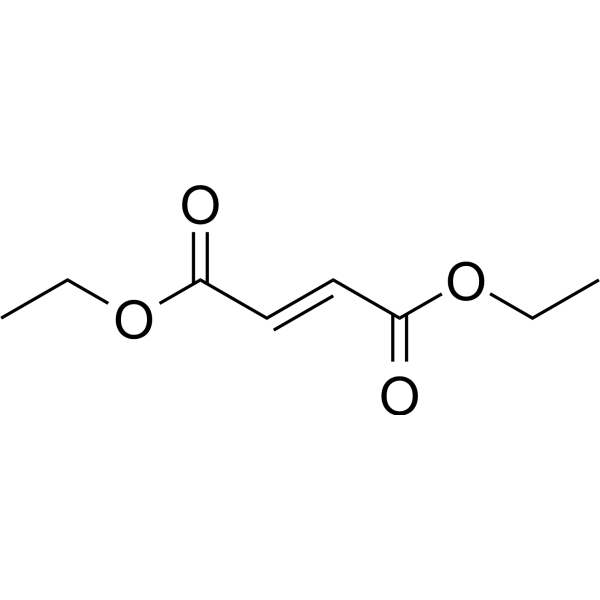
Diethyl fumarate is a decomposition product of Malathion 9 (a pesticide) and reactant in the Diels-Alder reaction. Diethyl fumarate is a reputed skin irritant. Diethyl fumarate can causes non-immunologic contact urticaria on skin. Diethyl fumarate and Curcumin (HY-N0005) hybridize to exert neuroprotective effects .
|
-
-
- HY-B2033
-
|
|
Environmental Pollutants
Fungal
|
Infection
|
|
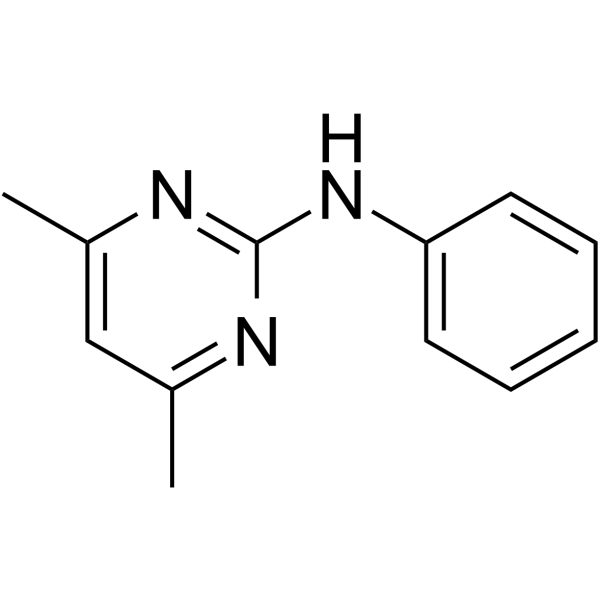
Pyrimethanil is an anilinopyrimidine and broad-spectrum contact fungicide for the control of Botrytis spp. on a wide variety of crops . Pyrimethanil inhibits the biosynthesis of methionine and other amino acids in Botrytis cinerea. Pyrimethanil can be used for the research of fungal diseases prevention on fruit, vegetable and ornamental plants with mold infection .
|
-
-
- HY-76025S
-
|
p-Dibromobenzene-d4
|
Isotope-Labeled Compounds
|
Inflammation/Immunology
|
|
1,4-Dibromobenzene-d4 is a deuterium labeled 1,4-Dibromobenzene. 1,4-Dibromobenzene is used as a fumigant and as a chemical intermediate for pharmaceuticals. Inhalation exposure gives rise to dizziness and chokingwhereas contact with skin or eye produces inflammation and burning in humans .
|
-
-
- HY-W089777
-
|
GPTMS
|
Biochemical Assay Reagents
|
Others
|
|
3-Glycidyloxypropyltrimethoxysilane (GPTMS) is a silicon source for the preparation of inorganic-organic hybrid polymers. 3-Glycidyloxypropyltrimethoxysilane can be used to prepare hard coatings of organic polymers, such as contact lens materials in the optical industry, as well as related materials in the fields of electronics, thin films, sensors, nanoimprinting, waveguides, and biology .
|
-
-
- HY-B1946
-
-
-
- HY-W014605
-
|
Diphencyprone
|
Interleukin Related
Apoptosis
p38 MAPK
IRE1
|
Inflammation/Immunology
Cancer
|
|
Diphenylcyclopropenone (Diphencyprone) is a potent hapten acting as a topical immunomodulatory agent, which induces an allergic contact dermatitis. Diphenylcyclopropenone induces an increase of cell-surface thiols in cells of a human monocytic cell line, THP-1. Diphenylcyclopropenone acts on the autoreactive T-lymphocytes within the follicular milieu to induce Apoptosis. Diphenylcyclopropenone can be used for alopecia areata research .
|
-
-
- HY-N0508
-
Rosin
2 Publications Verification
|
Others
|
Inflammation/Immunology
|
|
Rosin is a natural resin extracted from coniferous trees such as pine trees. Rosin is a frequent contact allergen which induces allergic contact dermatitis. Rosin can be used as emulsifiers, adhesives, and other chemical applications .
|
-
-
- HY-W099729
-
|
|
Bacterial
|
Inflammation/Immunology
|
|
Ethylhexylglycerin has antimicrobial activity, inhibiting the growth of Acinetobacter spp., Pseudomonas aeruginosa complex, and Stenotrophomonas maltophilia. Ethylhexylglycerin can cause pigmentary contact dermatitis .
|
-
-
- HY-130313
-
|
|
Amino Acid Derivatives
|
Inflammation/Immunology
|
|
Sodium lauroyl glutamate is an anionic amino acid surfactant. Sodium lauroyl glutamate has the irritant contact dermatitis potential, and possible anti-irritating potential in a surfactant mixture on human skin .
|
-
-
- HY-D1005B
-
|
PEG-PPG-PEG, 7700 (Average Mn)
|
Environmental Pollutants
|
Others
|
|
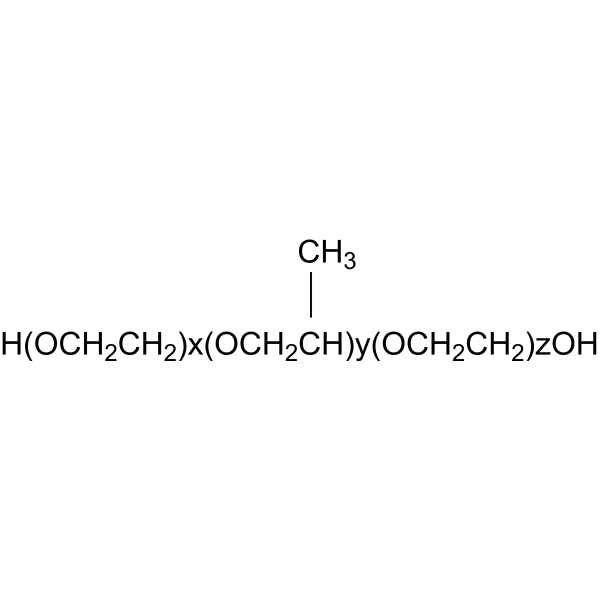
Poloxamer 237 (F87) (PEG-PPG-PEG, 7700 (Average Mn)) is an alcohol substance that acts as an oil-in-water emulsifier and solubilizer. Poloxamer 237 (F87) is used in the research of formulations such as contact lens care solutions and eye drops .
|
-
-
- HY-Y0442
-
|
|
Insecticide
|
Cardiovascular Disease
Infection
|
|
2-Methylbenzaldehyde is an acaricide found in Morinda officinalis. 2-Methylbenzaldehyde exerts fumigant and contact acaricidal activity against Dermatophagoides farinae, Dermatophagoides pteronyssinus, and Haemaphysalis longicornis. 2-Methylbenzaldehyde can be used for the research of severe fever with thrombocytopenia syndrome .
|
-
-
- HY-138301
-
Miclxin
1 Publications Verification
DS37262926
|
Wnt
β-catenin
Apoptosis
|
Cancer
|
|
Miclxin (DS37262926) is a potent inhibitor of mutant β-catenin, involving in Wnt signaling pathway. Miclxin induces β-catenin-dependent apoptosis, leads to severe mitochondrial damage with the loss of mitochondrial membrane. Miclxin kills tumor via targeting to MIC60, a major components of the mitochondrial contact site and cristae organizing system (MICOS) complex .
|
-
-
- HY-125864C
-
|
|
Biochemical Assay Reagents
|
Cardiovascular Disease
|
|
Porcine Fibrinogen is a coagulation protein, purified from porcine plasma with no plasminogen contained. Porcine Fibrinogen has excellent biocompatibility and does not induce aggregation of porcine platelets when in contact with porcine hepatocytes, aortic endothelial cells or hepatic sinusoidal endothelial cells. Porcine Fibrinogen is widely used in studies on the pathological mechanisms of cardiovascular diseases such as atherosclerosis and the development of related drugs .
|
-
-
- HY-117103
-
|
INT131
|
PPAR
|
Metabolic Disease
|
|
AMG131 (INT131) is a potent non-thiazolidinedione (TZD) selective peroxisome proliferator-activated receptor γ modulator (SPPARM). AMG131 binds to PPARγ within the same binding pocket as the TZDs, but occupies a unique space in the pocket and contacts the receptor at distinct points from the TZDs. AMG131 is promising for research of type-2 diabetes mellitus .
|
-
-
- HY-W130442
-
|
|
SOD
|
Inflammation/Immunology
|
|
N-Isopropyl-N'-phenyl-p-phenylenediamine is an antioxidant used in rubber manufacturing to reduce the detrimental effect of oxygen. N-Isopropyl-N'-phenyl-p-phenylenediamine can cause contact allergy .
|
-
-
- HY-13706A
-
|
TM30089
|
Prostaglandin Receptor
|
Inflammation/Immunology
|
|
CAY10471 (TM30089) is a potent, selective, and orally active prostaglandin D2 receptor CRTH2 antagonist. CAY10471 attenuates the progression of tubulointerstitial fibrosis and chronic contact hypersensitivity (CHS) in animal model .
|
-
-
- HY-159051
-
|
|
Biochemical Assay Reagents
|
Others
|
|
Dragendorff reagent is used for detecting alkaloids and other nitrogen-containing compounds. Dragendorff reagent is a solution of potassium bismuth iodide composing of Basic bismuth nitrate (Bi(NO3)3), Tartaric acid (HY-N2436), and Potassium iodide (KI). When contact with alkaloids, Dragendorff reagent produces an orange or orange red precipitate .
|
-
-
- HY-P1722
-
|
|
Neurokinin Receptor
|
Inflammation/Immunology
|
|
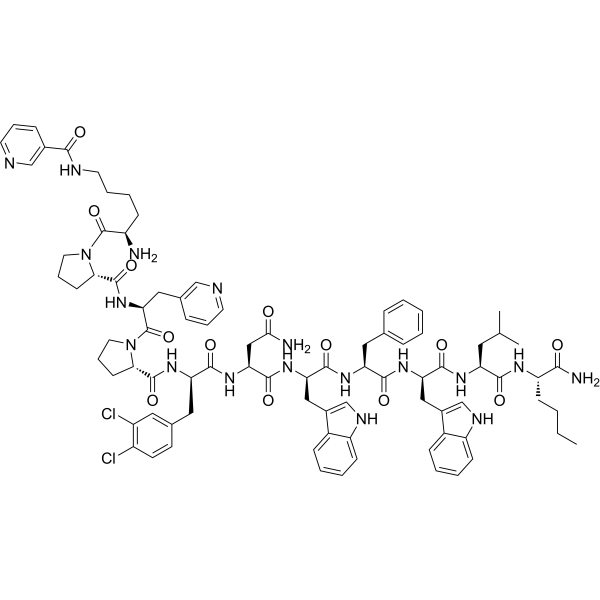
Spantide II, an undecapeptide substance P (SP) analog, is a potent neurokinin-1 receptor (NK-1R) antagonist. Spantide II binds with NK-1R and blocks proinflammatory activities associated with SP. Spantide II can be used in the research of inflammatory skin disorders, such as psoriasis and contact dermatitis .
|
-
-
- HY-W010417
-
|
|
Reactive Oxygen Species (ROS)
|
Others
|
|
4-Thiouracil is a thionucleobase with cytostatic properties. 4-Thiouracil can be used as biological photoprobes to detect RNA structures and nucleic acid-nucleic acid contacts. 4-Thiouracil can also act as a strong ultraviolet A (UVA) photosensitizer, providing a source of the reactive oxygen species of O2. 4-Thiouracil is promising for research of photocross linking, photodamage, as well as photodynamic therapy .
|
-
-
- HY-B1877
-
-
-
- HY-B2033R
-
|
|
Reference Standards
Fungal
|
Infection
|
|
Pyrimethanil (Standard) is the analytical standard of Pyrimethanil. This product is intended for research and analytical applications. Pyrimethanil is an anilinopyrimidine and broad-spectrum contact fungicide for the control of Botrytis spp. on a wide variety of crops . Pyrimethanil inhibits the biosynthesis of methionine and other amino acids in Botrytis cinerea. Pyrimethanil can be used for the research of fungal diseases prevention on fruit, vegetable and ornamental plants with mold infection .
|
-
-
- HY-B2033S
-
|
|
Isotope-Labeled Compounds
Fungal
|
Infection
|
|
Pyrimethanil- 13C, 15N2 is the 13C-labeled and 15N-labeled Pyrimethanil. Pyrimethanil is an?anilinopyrimidine?and broad-spectrum?contact fungicide for the control of Botrytis spp. on a wide variety of crops . Pyrimethanil inhibits the biosynthesis of methionine and other amino acids in?Botrytis cinerea. Pyrimethanil can be used for the research of fungal diseases prevention on fruit, vegetable and ornamental plants with mold infection .
|
-
-
- HY-W184893
-
|
|
Others
|
Inflammation/Immunology
|
|
Atranol is a strong contact allergen found in oak moss absolute (OMA). Atranol causes contact dermatitis by inducing immune system allergic reactions. Atranol is promising for research of etiology of contact dermatitis and cosmetic allergens .
|
-
-
- HY-N0508R
-
|
|
Reference Standards
Others
|
Inflammation/Immunology
|
|
Rosin (Standard) is the analytical standard of Rosin. This product is intended for research and analytical applications. Rosin is a natural resin extracted from coniferous trees such as pine trees. Rosin is a frequent contact allergen which induces allergic contact dermatitis. Rosin can be used as emulsifiers, adhesives, and other chemical applications .
|
-
-
- HY-145941
-
|
2-Acryloxyethyltrimethylammonium chloride
|
Biochemical Assay Reagents
|
Inflammation/Immunology
|
|
AETA (2-Acryloxyethyltrimethylammonium chloride) can be used for the synthesis of hydrophilic polymers and hydrogels. Hydrogels are used for membranes, catheters, contact lenses, and drug delivery systems .
|
-
-
- HY-B2030
-
-
-
- HY-W087907
-
-
-
- HY-106714
-
|
|
Drug Metabolite
|
Inflammation/Immunology
|
|
Clocortolone pivalate is a synthetic glucocorticoid corticosteroid and corticosteroid ester. Clocortolone pivalate is indicated for seborrheic dermatitis, contact dermatitis, atopic dermatitis and psoriasis .
|
-
-
- HY-107793
-
|
|
Drug Derivative
|
Metabolic Disease
|
|
Picosulfate sodium salt hydrate is the hydrate of Sodium Picosulfate (HY-B0544). Picosulfate sodium salt hydrate is an orally active contact irritant laxative. Picosulfate sodium salt hydrate inhibits the absorption of water and electrolytes, increasing their production. Picosulfate sodium salt hydrate can be used in colonoscopy applications .
|
-
-
- HY-138149
-
|
epi-Avermectin B1a
|
Drug Metabolite
|
Infection
|
|
2-epi-Abamectin is a degradation product of Abamectin. It is toxic to the two-spotted spider mite in a contact assay with an LC50 value of 4 ppm, which is approximately 100-fold less potent than abamectin.
|
-
-
- HY-B1946R
-
-
-
- HY-W009688
-
|
|
Drug Intermediate
|
Inflammation/Immunology
|
|
Dibutyl maleate, the diester of the Maleic Acid, can be used as an intermediate of pharmaceutical synthesis. Dibutyl maleate can enhance contact sensitization to Fluorescein isothiocyanate in mice .
|
-
-
- HY-D1177
-
|
|
Fluorescent Dye
|
|
|
Solvent orange 60 is a cyclic ketone dye commonly used in plastic materials such as eyeglass frames and has been shown to cause contact allergies.
|
-
-
- HY-121815
-
|
|
Amyloid-β
|
Neurological Disease
|
|
TDI-2760 is an Aβ aggregation inhibitor with an IC50 of 1.67 μM. TDI-2760 can inhibit the Aβ-fibrinogen interaction and Aβ aggregation, and also modulate the contact system activation induced by Aβ42. TDI-2760 can be used in research related to vascular abnormalities and Aβ aggregation in Alzheimer's disease .
|
-
-
- HY-Y0442S
-
|
|
Insecticide
|
Cardiovascular Disease
Infection
|
|
2-Methylbenzaldehyde- 13C is the 13C labeled 2-Methylbenzaldehyde (HY-Y0442) . 2-Methylbenzaldehyde is an acaricide found in Morinda officinalis. 2-Methylbenzaldehyde exerts fumigant and contact acaricidal activity against Dermatophagoides farinae, Dermatophagoides pteronyssinus, and Haemaphysalis longicornis. 2-Methylbenzaldehyde can be used for the research of severe fever with thrombocytopenia syndrome .
|
-
-
- HY-W099632
-
|
|
Biochemical Assay Reagents
|
Infection
Inflammation/Immunology
|
|
2-Hexyldecanoic acid is a lipid containing one carboxylic acid group and two non-polar tails. In the presence of EDC, HATU and DCC, carboxylic acid groups can undergo continuous amide coupling reactions with amine-containing biomolecules to form stable amide bonds. 2-Hexyldecanoic acid can be used as an aerolysin inhibitor to prevent bacterial pathogens. 2-Hexyldecanoic acid can cause contact dermatitis .
|
-
- HY-186038
-
|
|
Biochemical Assay Reagents
|
Inflammation/Immunology
|
|
Cyanoethyl dimethyldithiocarbamate, a dithiocarbamate-related substance, is a contact allergen. Cyanoethyl dimethyldithiocarbamate can be found in accelerator-free and conventional nitrile gloves. Cyanoethyl dimethyldithiocarbamate can be used for the research of allergic contact dermatitis .
|
-
- HY-A0150
-
|
7a-Chloro-16a-methyl prednisolone
|
Glucocorticoid Receptor
|
Inflammation/Immunology
Cancer
|
|
Alclometasone (7a-Chloro-16a-methyl prednisolone) is a glucocorticoid and inhibits the release of pro-inflammatory mediators from leukocytes. Alclometasone can be used to relieve corticosteroid-responsive dermatoses, including atopic dermatitis, eczema, psoriasis and allergic dermatitis .
|
-
- HY-P5352
-
|
|
CD44
|
Inflammation/Immunology
Cancer
|
|
Hyaluronan-IN-1 (Pep-1) is a Hyaluronan inhibitor with a Kd value of 1.65 μM. Hyaluronan-IN-1 blocks CD44-dependent cell adhesion. Hyaluronan-IN-1 inhibits cell adhesion to hyaluronan substrates. Hyaluronan-IN-1 suppresses the development of contact hypersensitivity in mice by blocking the homing process of inflammatory cells to the skin. Hyaluronan-IN-1 also inhibits responses during the sensitization phase. Hyaluronan-IN-1 reduces lung metastasis of melanoma and prolongs the survival of mice. Hyaluronan-IN-1 can be used in research related to contact hypersensitivity, chronic skin inflammation, and melanoma .
|
-
- HY-130313R
-
|
|
Reference Standards
Amino Acid Derivatives
|
Inflammation/Immunology
|
|
Sodium lauroyl glutamate (Standard) is the analytical standard of Sodium lauroyl glutamate. This product is intended for research and analytical applications. Sodium lauroyl glutamate is an anionic amino acid surfactant. Sodium lauroyl glutamate has the irritant contact dermatitis potential, and possible anti-irritating potential in a surfactant mixture on human skin .
|
-
- HY-136611
-
|
|
Drug Metabolite
|
Infection
|
|
ω-Hydroxy-DEET is a major metabolite of insect repellent N-N-diethyl-meta-toluamide (DEET). ω-Hydroxy-DEET has anti-proliferative effects. DEET is a spatial repellent and an irritant that commonly used to prevent contact with mosquitoes .
|
-
- HY-133848
-
|
OK-135
|
Insecticide
|
Infection
|
|
Alanycarb (OK-135) is a broad-spectrum oxime carbamate insecticide with contact and oral toxicity. Alanycarb is effective against a wide variety of insect pests and is a pro-insecticide. The principal active molecule produced by the biological modification of Alanycarb within target organisms is methomyl .
|
-
- HY-18714
-
|
|
Others
|
Cancer
|
|
BRD7116 is a cell-non-autonomous inhibitor of leukemic stem cells (LSCs). BRD7116, without directly contacting LSCs, can inhibit LSCs merely by altering the microenvironment. BRD7116 also has any cell-autonomous effects on LSCs and induces transcriptional changes consistent with myeloid differentiation. BRD7116 can be used for the study of leukemia .
|
-
- HY-163673
-
|
|
Glucocorticoid Receptor
Drug-Linker Conjugates for ADC
|
Inflammation/Immunology
|
|
Glucocorticoid receptor modulator 4 (Compound DL5) is a conjugate of a linker and a glucocorticoid receptor modulator. Glucocorticoid receptor modulator 4 exhibits GRE Reporter activity in mTNF expressing K562 cell with an EC50 of 40 μM. Glucocorticoid receptor modulator 4 binds with an anti-tumor necrosis factor (TNF) antibody, and exhibits anti-inflammtory activity against arthritis in mouse models .
|
-
- HY-W016149
-
|
Dichloro-1,2-dithiacyclopentenone
|
Environmental Pollutants
Bacterial
|
Infection
|
|
4,5-Dichloro-3H-1,2-dithiol-3-one (Dichloro-1,2-dithiacyclopentenone) is an E. coli FabH inhibitor (IC50: 2.9 µM). 4,5-Dichloro-3H-1,2-dithiol-3-one can be used as a slimicide in the manufacture of food-contact paper and paperboard .
|
-
- HY-N10100
-
|
|
Others
|
Others
|
|
Epiglobulol is a natural product that can be isolated from Atalantia buxifolia. Epiglobulol is a principal components of essential oil which has significant contact toxicity against three stored-product insects .
|
-
- HY-W335896
-
|
|
Bacterial
|
Infection
Inflammation/Immunology
|
|
4-(2-Octylamino)diphenylamine is an aromatic amine antioxidant, which is toxic to V. fischeri with an IC50 value of 0.68 mg/mL. 4-(2-Octylamino)diphenylamine induces skin sensitization and contact dermatitis in a local lymph node assay in mice. 4-(2-Octylamino)diphenylamine can be used as an additive in rubber .
|
-
- HY-W040206S
-
|
|
Isotope-Labeled Compounds
|
Others
|
|
Diflufenican-d3 is the deuterium labeled Diflufenican . Diflufenican is a contact, selective herbicide used to specifically control some broad leaved weeds .
|
-
- HY-B1877R
-
|
|
Herbicide
Reference Standards
|
Cancer
|
|
Nitrofen (Standard) is the analytical standard of Nitrofen. This product is intended for research and analytical applications. Nitrofen is a selective contact herbicide. Nitrofen is a retinal dehydrogenase and protoporphyrinogen oxidase inhibitor .
|
-
- HY-W040206R
-
|
|
Herbicide
Reference Standards
|
Others
|
|
Diflufenican (Standard) is the analytical standard of Diflufenican. This product is intended for research and analytical applications. Diflufenican is a contact, selective herbicide used to specifically control some broad leaved weeds .
|
-
- HY-A0255
-
|
|
Drug Metabolite
|
Inflammation/Immunology
|
|
Clocortolone is a synthetic glucocorticoid steroid and corticosteroid ester. Clocortolone can be used for seborrheic dermatitis, contact dermatitis, atopic dermatitis, and psoriasis. Clocortolone has local in vivo potency and is not easily absorbed into systemic circulation .
|
-
- HY-N0127R
-
|
|
Reference Standards
Adenosine Receptor
|
Endocrinology
|
|
Yohimbine Hydrochloride Standard is an alpha-2 renal adenomatase receptor inhibitor, blocking pre- and post-contact alpha-2 renal adenomatase receptors, causing the release of renal adenoma and multiple sclerosis.
|
-
- HY-106714R
-
|
|
Reference Standards
Drug Metabolite
|
Inflammation/Immunology
|
|
Clocortolone pivalate (Standard) is the analytical standard of Clocortolone pivalate. This product is intended for research and analytical applications. Clocortolone pivalate is a synthetic glucocorticoid corticosteroid and corticosteroid ester. Clocortolone pivalate is indicated for seborrheic dermatitis, contact dermatitis, atopic dermatitis and psoriasis .
|
-
- HY-W724343
-
|
Dimethylbenzyllaurylammonium-d5 chloride
|
Isotope-Labeled Compounds
Biochemical Assay Reagents
|
Others
|
|
Lauryl benzalkonium-d5 chloride (Dimethylbenzyllaurylammonium-d5 chloride) is the deuterium labeled Lauryl benzalkonium chloride (HY-B1549). Lauryl benzalkonium (Dimethylbenzyllaurylammonium) chloride is a cationic surfactant that may produce some irritant contact dermatitis (ICD) to the skin .
|
-
- HY-121856
-
|
|
Others
|
Inflammation/Immunology
|
|
Flumizole, a derivative of substituted 5,6-diaryl-2,3-dihydroimidazo[2,1-b]thiazoles, was synthesized and evaluated for its immunoregulatory and anti-inflammatory properties in animal models such as rat adjuvant-induced arthritis and mouse oxazolone-induced contact sensitivity assays. This compound class combines structural elements from flumizole and levamisole, aiming to enhance therapeutic efficacy. Symmetrically substituted 5,6-diaryl compounds with specific alkyl heteroatom or halogen substitutions showed optimal potency in the arthritis model. However, variations in activity were less consistent in the contact sensitivity assay. Flumizole and related compounds demonstrate potential as dual-action agents, targeting inflammation and immune modulation, offering promise for therapeutic development in immune-related disorders .
|
-
- HY-B2033S1
-
|
|
Fungal
Isotope-Labeled Compounds
|
Others
|
|
Pyrimethanil-d5 is the deuterium labeled Pyrimethanil (HY-B2033). Pyrimethanil is an anilinopyrimidine and broad-spectrum contact fungicide for the control of Botrytis spp. on a wide variety of crops . Pyrimethanil inhibits the biosynthesis of methionine and other amino acids in Botrytis cinerea. Pyrimethanil can be used for the research of fungal diseases prevention on fruit, vegetable and ornamental plants with mold infection .
|
-
- HY-P10306
-
|
|
Bacterial
|
Infection
|
|
Cys-LL37 is a biomaterial with antimicrobial properties developed by covalently fixing to the surface of titanium. Cys-LL37 uses a flexible hydrophilic polyethylene glycol spacer and selective n-terminal coupling LL37, a surface peptide layer that kills bacteria on contact is formed. Cys-LL37 can be used in research to develop new antimicrobial biomaterials .
|
-
- HY-117103A
-
|
INT131 benzenesulfonate
|
PPAR
|
Metabolic Disease
|
|
AMG131 (INT131) (benzenesulfonate) is a potent non-thiazolidinedione (TZD) selective peroxisome proliferator-activated receptor γ modulator (SPPARM). AMG131 (benzenesulfonate) binds to PPARγ within the same binding pocket as the TZDs, but occupies a unique space in the pocket and contacts the receptor at distinct points from the TZDs. AMG131 (benzenesulfonate) is promising for research of type-2 diabetes mellitus .
|
-
- HY-13516R
-
|
|
Apoptosis
Autophagy
Filovirus
HIV
Reference Standards
|
Infection
Inflammation/Immunology
Cancer
|
|
Aloperine (Standard) is the analytical standard of Aloperine. This product is intended for research and analytical applications. Aloperine is an alkaloid in sophora plants such as Sophora alopecuroides L, which has shown anti-cancer, anti-inflammatory and anti-virus properties .
Aloperine is widely used to treat patients with allergic contact dermatitis eczema and other skin inflammation in China . Aloperine induces apoptosis and autophagy in HL-60 cells .
|
-
- HY-136611S
-
|
|
Isotope-Labeled Compounds
Drug Metabolite
|
Infection
|
|
ω-Hydroxy-DEET-d10 is the deuterium labeled ω-Hydroxy-DEET (HY-136611). ω-Hydroxy-DEET is a major metabolite of insect repellent N-N-diethyl-meta-toluamide (DEET). ω-Hydroxy-DEET has anti-proliferative effects. DEET is a spatial repellent and an irritant that commonly used to prevent contact with mosquitoes .
|
-
- HY-N15298
-
|
|
Others
|
Inflammation/Immunology
|
|
Turricolol E is a prenylated phenolic. Turricolol E can be obtained from Glandular Trichomes of Turricula parryi. Prenylated phenolics cause contact dermatitis .
|
-
- HY-124280
-
|
|
Drug Derivative
|
Inflammation/Immunology
|
|
Pyrethrosin is a sesquiterpene lactone and skin-sensitizing substance (Sh).Pyrethrosin can be used for the research of contact eczema (skin sensitization) .
|
-
- HY-W714199
-
|
Potablan
|
Herbicide
|
Others
|
|
Monalide (Potablan) is a soil-applied and contact herbicide that acts both via absorption by plant roots from the soil and through contact with the aboveground parts of plants. Monalide inhibits weed growth. Monalide decomposes within several weeks in soil and leaves no residues on crops .
|
-
- HY-W040536
-
|
Dimethyloldimethyl hydantoin
|
Environmental Pollutants
Bacterial
Fungal
|
Infection
|
|
DMDM hydantoin (Glydant) is an allergen and formaldehyde-releasing preservative. DMDM hydantoin releases formaldehyde under regulation by multiple factors and with enhanced release in alkaline environments. DMDM hydantoin induces allergic contact dermatitis via type-IV delayed hypersensitivity, either directly or through released formaldehyde. DMDM hydantoin is a broad-spectrum preservative that is effective against fungi, yeast, and gram-positive and gram-negative bacteria. DMDM hydantoin can be used in cosmetics industry production research (e.g., shampoos, hairsprays, and skincare products) and can be used for research on allergic contact dermatitis .
|
-
- HY-W269352
-
|
|
Insecticide
|
Infection
|
|
2-Dodecanone is an insecticide with repellent activity against specific insect species. 2-Dodecanone exhibits contact toxicity against adult Tribolium castaneum, Lasioderma serricorne and Liposcelis bostrychophila. 2-Dodecanone shows repellent effects against adult Lasioderma serricorne .
|
-
- HY-100009R
-
|
Flufenamic acid butyl ester (Standard); Butyl flufenamate (Standard)
|
Reference Standards
COX
Prostaglandin Receptor
|
Inflammation/Immunology
|
|
Ufenamate (Standard) is the analytical standard of Ufenamate (HY-100009). This product is intended for research and analytical applications. Ufenamate (Flufenamic acid butyl ester) is an anthranilic acid-based anti-inflammatory drug that can be used in the study of skin diseases such as acute and chronic eczema, contact dermatitis, diaper dermatitis, miliary rashes and atopic dermatitis. Ufenamate has a certain photoprotective effect, reduces the degree of skin erythema and swelling in the photoaging model, downregulates the expression level of COX-2 and can promote the healing of mouse skull defects by secreting BMP2 .
|
-
- HY-W761985
-
|
|
Insecticide
|
Inflammation/Immunology
|
|
Furathiocarb is a carbamate pro-insecticide and a contact allergen. Furathiocarb is commonly used in studies related to contact allergy. Furathiocarb induces significant proliferation of MHC II-positive B cells in auricular lymph node cells and induces the production of Th1 cytokines (such as IL-2, TNF-γ and IFN-γ). However, Furathiocarb does not induce respiratory allergy in mice. After absorption through the abdominal skin of isolated rats, Furathiocarb is completely metabolized into carbofuran, and its permeation amount increases with time and dosage. The skin permeation rates of both emulsifiable concentrate (EC) and wettable powder (WP) formulations of Furathiocarb are higher than that of Furathiocarb itself, with no significant difference between the two formulations .
|
-
- HY-181171
-
|
|
Estrogen Receptor/ERR
|
Cancer
|
|
HIT-2 is an estrogen receptor alpha (ERα) inhibitor that can bind to the ERα ligand binding domain. HIT-2 forms stable interactions including hydrogen bonds, π-π stacking, and hydrophobic contacts to disrupt ERα-driven signaling. HIT-2 exhibits antineoplastic activity against breast cancer. HIT-2 can be used for the research of breast cancer .
|
-
- HY-116923
-
|
|
Endogenous Metabolite
|
Metabolic Disease
|
|
p18SMI-21 is a novel INK4C inhibitor that specifically blocks the biological activity of p18 protein. p18SMI-21 exerts its anti-gastric acid effect through direct contact, and the intensity of this effect varies with the dose. p18SMI-21 can significantly reduce the proteolytic activity of pepsin under certain conditions. The inhibitory effect of p18SMI-21 is best achieved in direct contact with the substrate. If it contacts the substrate first, the inhibitory effect will be lost .
|
-
- HY-181985
-
|
|
Insecticide
|
Infection
|
|
Insecticidal agent 30 is an orally active insecticidal agent. Insecticidal agent 30 induces rapid contact mortality in adult Brassicogethes aeneus, achieves 100% 24-hour contact mortality against Brassicogethes aeneus, and exhibits moderate insecticidal activity against Drosophila melanogaster. Insecticidal agent 30 can be used for the research of pollen beetle (brassicogethes aeneus) infestation .
|
-
- HY-B2030S
-
-
- HY-165620
-
|
CGA 13586
|
Biochemical Assay Reagents
|
Others
|
|
Etacelasil (CGA 13586) is an ethylene-releasing compound. Etacelasil releases ethylene upon contact with water. Etacelasil induces olive fruit abscission .
|
-
- HY-N3076
-
|
(-)-Phyllostine; Phyllostin
|
Others
|
Others
|
|
Phyllostine ((-)-Phyllostine) can be isolated from D. miriciae. Phyllostine exhibits strong antifeedant, contact toxicity, and oviposition deterrent activities against P. xylostella .
|
-
- HY-P11772
-
|
|
Bacterial
|
Infection
|
|
LBP-14, a peptide, is a synthetic fragment of the LPS (HY-D1056) binding protein (LBP) and is a LPS antagonist. LBP-14 interacts with LPS via electrostatic contacts between arginine/lysine residues and LPS phosphate groups, and hydrophobic contacts between aromatic/aliphatic residues and LPS acyl chains, blocking LPS binding to LBP. LBP-14 moderately inhibits LPS-induced TNF-α formation. LBP-14 can be used for the research of gram-negative sepsis .
|
-
- HY-N18682
-
|
|
Bacterial
|
Infection
Inflammation/Immunology
|
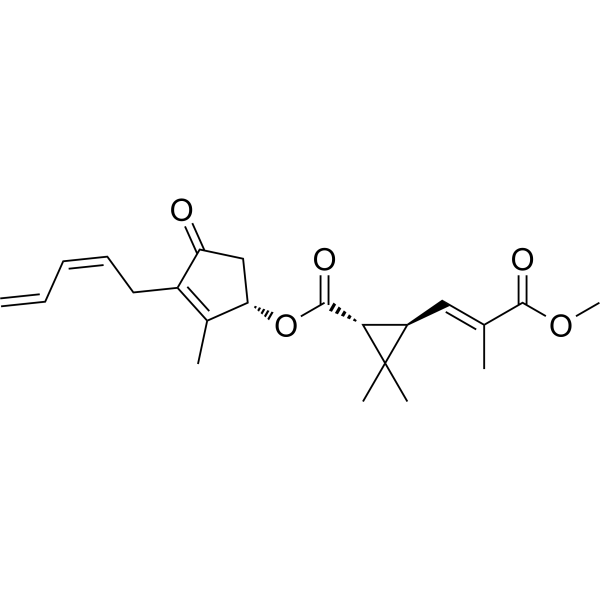
|
Lonicera caprifolium extract has anti-inflammatory, antibacterial, whitening, anti-aging, anti-allergic and moisturizing effects, and is mainly used in research on hand sanitizers, skin care products and skin contact cleaning products.
|
-
- HY-W009688R
-
|
|
Drug Intermediate
Reference Standards
|
Inflammation/Immunology
|
|
Dibutyl maleate (Standard) is the analytical standard of Dibutyl maleate (HY-W009688). This product is intended for research and analytical applications. Dibutyl maleate, the diester of the Maleic Acid, can be used as an intermediate of pharmaceutical synthesis. Dibutyl maleate can enhance contact sensitization to Fluorescein isothiocyanate in mice .
|
-
- HY-107793R
-
|
|
Reference Standards
Others
|
Metabolic Disease
|
|
Picosulfate sodium salt hydrate (Standard) is the analytical standard of Picosulfate (sodium salt hydrate) (HY-107793). This product is intended for research and analytical applications. Picosulfate sodium salt hydrate is the hydrate of Sodium Picosulfate (HY-B0544). Picosulfate sodium salt hydrate is an orally active contact irritant laxative. Picosulfate sodium salt hydrate inhibits the absorption of water and electrolytes, increasing their production. Picosulfate sodium salt hydrate can be used in colonoscopy applications .
|
-
- HY-135450
-
|
|
Insecticide
Cholinesterase (ChE)
|
Infection
Neurological Disease
|
|
Dimefluthrin is an insecticide. Dimefluthrin exhibits contact toxicity against large red imported fire ant workers. Dimefluthrin undergoes horizontal transfer among red imported fire ant workers, causing secondary mortality in recipient workers. Dimefluthrin is a neurodevelopmental toxicant, which can reduces acetylcholinesterase activity, impairing neurotransmitter .
|
-
- HY-N9698
-
|
|
Others
|
Others
|
|
1,5-Diphenyl-2-penten-1-one is a natural product extracted from Stellera chamaejasme. 1,5-Diphenyl-2-penten-1-one has strong contact activity and very good anti-feedant activity against Aphis gossypii and Schizaphis graminum .
|
-
- HY-183603
-
|
|
DNA/RNA Synthesis
|
Cancer
|
|
FRC-222 is a CHD1 tandem chromodomain inhibitor with a Kd of 0.15 μM and an IC50 of 0.18 μM. FRC-222 binds to the H3K4me3 binding site of CHD1 tandem chromodomain via aromatic cage interactions and extended ligand contacts. FRC-222 can be used for the research of prostate cancer[1].
|
-
- HY-B2052A
-
|
Monosultap
|
Insecticide
Angiotensin-converting Enzyme (ACE)
Apoptosis
|
Infection
|
|
Thiosultap monosodium (Monosultap) is a broad-spectrum insecticide and a competitive inhibitor of acetylcholine. Thiosultap monosodium exerts contact and stomach poisoning effects through systemic conduction in field pests. Thiosultap monosodium has teratogenic effects, induces notochord malformations in zebrafish embryos, and causes apoptosis and abnormally elevated cell proliferation in partial notochord tissues of zebrafish. Thiosultap monosodium is applicable to the research of controlling rice stem borers .
|
-
- HY-W010056R
-
|
|
Others
Reference Standards
|
Neurological Disease
Inflammation/Immunology
|
|
Diethyl fumarate (Standard) is the analytical standard of Diethyl fumarate (HY-W010056). This product is intended for research and analytical applications. Diethyl fumarate is a decomposition product of Malathion 9 (a pesticide) and reactant in the Diels-Alder reaction. Diethyl fumarate is a reputed skin irritant. Diethyl fumarate can causes non-immunologic contact urticaria on skin. Diethyl fumarate and Curcumin (HY-N0005) hybridize to exert neuroprotective effects .
|
-
- HY-183602
-
|
|
DNA/RNA Synthesis
|
Cancer
|
|
FRC-303 is a CHD1 inhibitor with a Kd of 0.14 μM and an IC50 of 0.18 μM. FRC-303 binds to the H3K4me3 binding site of CHD1 tandem chromodomain, forms aromatic cage interactions and extended ligand contacts, acts as a methyl-lysine mimic, and occupies natural peptide ligand-binding regions. FRC-303 can be used for the research of prostate cancer .
|
-
- HY-182306
-
|
|
VEGFR
|
Cardiovascular Disease
|
|
VEGFR-2 ligand-1, Sorafenib (HY-10201) derivative, is a vascular endothelial growth factor receptor 2 (VEGFR2) ligand. VEGFR-2 ligand-1 binds to the ATP-binding pocket of VEGFR2, forms hydrophobic contacts and hydrogen bonds with key binding-site residues. VEGFR-2 ligand-1 can be used for the research angiogenesis-related pathologies .
|
-
- HY-P11704
-
|
|
Formyl Peptide Receptor (FPR)
Bacterial
|
Neurological Disease
|
|
f-MKKFRW is a selective mouse formyl peptide receptor 3 (Fpr3) activator and bacterial MgrB-derived peptide motif. f-MKKFRW activates Fpr3 to trigger downstream signaling and calcium responses in Fpr3-expressing cells. f-MKKFRW stimulates a subset of mouse vomeronasal sensory neurons in the accessory olfactory system to evoke calcium responses. f-MKKFRW drives innate avoidance behavior in mice via nasal contact .
|
-
- HY-181944
-
|
|
RIP kinase
Necroptosis
|
Cancer
|
|
RIPK1-IN-40 (Compound 51) is a RIPK1 inhibitor and anti-necroptotic agent (with an EC50 of 0.07 μM against necroptosis). RIPK1-IN-40 binds to the kinase domain of RIPK1, forms hydrogen bond interactions with Met95, and establishes additional polar contacts with Asp156 to stabilize binding, thereby inhibiting necroptosis. RIPK1-IN-40 can be used for the research of colorectal cancer .
|
-
- HY-W016149R
-
|
Dichloro-1,2-dithiacyclopentenone (Standard)
|
Reference Standards
Bacterial
|
Infection
|
|
4,5-Dichloro-3H-1,2-dithiol-3-one (Dichloro-1,2-dithiacyclopentenone) is an E. coli FabH inhibitor (IC50: 2.9 µM). 4,5-Dichloro-3H-1,2-dithiol-3-one can be used as a slimicide in the manufacture of food-contact paper and paperboard .
|
-
- HY-114348R
-
|
DiNAC (Standard); (Ac-Cys-OH)2 (Standard)
|
Amino Acid Derivatives
Reference Standards
|
Cardiovascular Disease
|
|
N,N'-Diacetyl-L-cystine (Standard) is the analytical standard of N,N'-Diacetyl-L-cystine. This product is intended for research and analytical applications. N,N'-diacetyl-L-cystine (DiNAC) is the disulphide dimer of N-acetylcysteine with immunomodulating properties. N,N'-diacetyl-L-cystine is a potent, orally active modulator of contact sensitivity/delayed type hypersensitivity reactions in rodents. N,N'-diacetyl-L-cystine also has antiatherosclerotic effects in Watanabe-heritable hyperlipidemic rabbit (WHHL) rabbits .
|
-
- HY-W099632R
-
|
|
Biochemical Assay Reagents
Reference Standards
|
Others
|
|
Dipotassium glycyrrhizinate (Standard) is the analytical standard of Dipotassium glycyrrhizinate. This product is intended for research and analytical applications. 2-Hexyldecanoic acid is a lipid containing one carboxylic acid group and two non-polar tails. In the presence of EDC, HATU and DCC, carboxylic acid groups can undergo continuous amide coupling reactions with amine-containing biomolecules to form stable amide bonds. 2-Hexyldecanoic acid can be used as an aerolysin inhibitor to prevent bacterial pathogens. 2-Hexyldecanoic acid can cause contact dermatitis.
|
-
- HY-W015616
-
|
4-Penylbutan-2-one
|
Environmental Pollutants
Tyrosinase
|
Infection
Metabolic Disease
|
|
Benzylacetone (4-Penylbutan-2-one) is an aromatic compound. Benzylacetone is a mushroom tyrosinase inhibitor with an IC50 of 2.8 mM, a Ki of 1.25 mM for monophenolase and an IC50 of 0.6 mM, a Ki of 0.39 mM for diphenolase. Benzylacetone inhibits free mushroom tyrosinase and enzyme-substrate complex. Benzylacetone acts as an appetite enhancer via olfactory stimulation, reduces spontaneous locomotor activity, induces weight gain. Benzylacetone exhibits repellent, fumigant, and contact toxicity against Tribolium castaneum adults .
|
-
- HY-182735
-
|
|
CCR
Cytochrome P450
5-HT Receptor
Dopamine Receptor
Serotonin Transporter
|
Inflammation/Immunology
|
|
BMS-570520 is an orally bioavailable CCR3 antagonist with an IC50 of 1.9 nM against hCCR3 and an IC50 of 1300 nM against hCYP2D6. BMS-570520 inhibits CYP2D6, but shows low activity against off-target G protein-coupled receptors, biogenic amine transporters, and the hERG potassium channel. BMS-570520 regulates chemotaxis, calcium mobilization, and anti-inflammatory pathways. BMS-570520 can be used in research related to asthma, allergic rhinitis, and contact dermatitis .
|
-
- HY-17484
-
|
CP 65703
|
Drug Derivative
|
Inflammation/Immunology
|
|
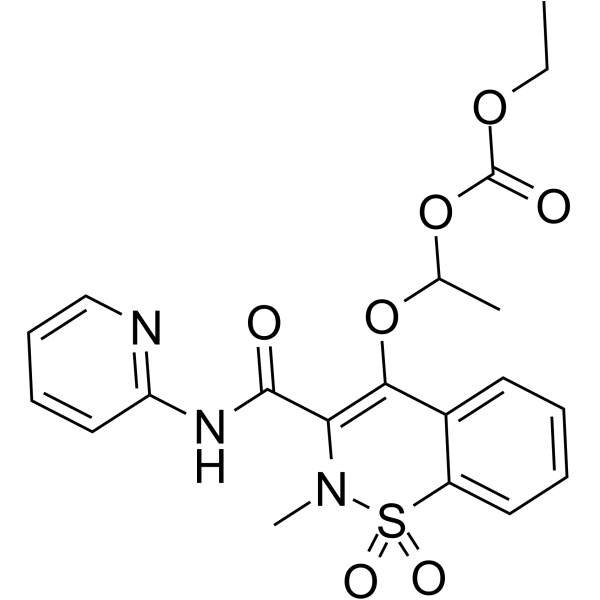
Ampiroxicam is an orally active prodrug of non-steroidal anti-inflammatory drug (NSAID). Ampiroxicam inhibits paw swelling in adjuvant-induced arthritis and acute inflammation models, and suppresses phenylbenzoquinone-induced stretching responses in mice. Ampiroxicam is rapidly and completely converted to Piroxicam (HY-B0253) via non-specific esterases and first-pass metabolism. Ampiroxicam induces contact hypersensitivity and photosensitivity reactions through photoproducts generated by UVA. Ampiroxicam can be used in research related to photosensitivity, adjuvant-induced arthritis, rheumatism, osteoarthritis and other inflammatory diseases .
|
-
- HY-182277
-
|
|
HIV Integrase
HIV
|
Infection
|
|
GSK-1264 is an HIV-1 integrase inhibitor. GSK-1264 binds to a site spanning the HIV-1 integrase catalytic core domain and C-terminal domain, mediates formation of an open polymer of HIV-1 integrase dimers via inhibitor-bridged contacts between adjacent dimers. GSK-1264 disrupts late-stage HIV replication by interfering with viral particle assembly. GSK-1264 stimulates inappropriate polymerization of HIV-1 integrase. GSK-1264 can be used for the research of HIV infection .
|
-
- HY-110196
-
|
|
Histone Methyltransferase
|
Others
|
|
(S)-PFI-2 hydrochloride is an inhibitor of lysine methyltransferase SETD7 and is approximately 500-fold more active than its enantiomer (R)-PFI-2. (R)-PFI-2 is a cofactor-dependent and substrate-competitive inhibitor. (R)-PFI-2 can occupy the substrate peptide binding groove of SETD7 (including the catalytic lysine binding channel) and interact with the cofactor The donor methyl group is in direct contact. However, (S)-PFI-2 was not observed to have the same interaction as (R)-PFI-2 .
|
-
- HY-W015616R
-
|
4-Penylbutan-2-one (Standard)
|
Tyrosinase
Reference Standards
|
Infection
Metabolic Disease
|
|
Benzylacetone (4-Penylbutan-2-one) (Standard) is the analytical standard of Benzylacetone (HY-W015616). This product is intended for research and analytical applications. Benzylacetone is an aromatic compound. Benzylacetone is a mushroom tyrosinase inhibitor with an IC50 of 2.8 mM, a Ki of 1.25 mM for monophenolase and an IC50 of 0.6 mM, a Ki of 0.39 mM for diphenolase. Benzylacetone inhibits free mushroom tyrosinase and enzyme-substrate complex. Benzylacetone acts as an appetite enhancer via olfactory stimulation, reduces spontaneous locomotor activity, induces weight gain. Benzylacetone exhibits repellent, fumigant, and contact toxicity against Tribolium castaneum adults .
|
-
- HY-17484R
-
|
CP 65703 (Standard)
|
Reference Standards
|
Inflammation/Immunology
|
|
Ampiroxicam (Standard) is the analytical standard of Ampiroxicam. This product is intended for research and analytical applications. Ampiroxicam is an orally active prodrug of non-steroidal anti-inflammatory drug (NSAID). Ampiroxicam inhibits paw swelling in adjuvant-induced arthritis and acute inflammation models, and suppresses phenylbenzoquinone-induced stretching responses in mice. Ampiroxicam is rapidly and completely converted to Piroxicam (HY-B0253) via non-specific esterases and first-pass metabolism. Ampiroxicam induces contact hypersensitivity and photosensitivity reactions through photoproducts generated by UVA. Ampiroxicam can be used in research related to photosensitivity, adjuvant-induced arthritis, rheumatism, osteoarthritis and other inflammatory diseases.
|
-
- HY-175278
-
|
|
NOD-like Receptor (NLR)
|
Neurological Disease
Inflammation/Immunology
|
|
BAL-1516 is an orally active NLRP3 inhibitor with human NLRP3 Kd of 14.2 nM, mouse NLRP3 Kd of 200 nM, and blood-brain barrier penetration.BAL-1516 binds to a surface groove of the NLRP3 nucleotide-binding domain, contacts FISNA and WHD subdomains, forms three hydrogen bonds to the peripheral β-strand of the triple-ATPase, and does not alter NLRP3 ATP-hydrolysis activity.BAL-1516 shows specificity for NLRP3 over other NOD-like receptors, directly binds mouse NLRP3, and inhibits inflammasome formation in monocytes and microglia .
|
-
- HY-Y0912
-
|
N-HBTU
|
Biochemical Assay Reagents
|
Inflammation/Immunology
|
|
HBTU (N-HBTU) is a guanidinium-based peptide coupling reagent and immunological sensitizer. HBTU can be used in combination with bases such as DIPEA (HY-130142) to complete coupling reactions, with HOBt and TMU as by-products. HBTU is a standard reagent in automated solid-phase peptide synthesis, particularly for the Fmoc/tBu strategy, which effectively promotes coupling steps, but it is not suitable for sterically hindered amino acids or dipeptide derivatives. HBTU can induce rhinitis, dermatitis, bronchial asthma and severe allergic reactions. HBTU can be used to study the pathogenesis of allergic reactions, occupational rhinitis, allergic contact dermatitis and bronchial asthma .
|
-
- HY-W099725
-
|
|
Herbicide
Photosystem II
|
Cardiovascular Disease
Infection
|
|
Sarmentine is a broad-spectrum contact herbicide and PSII inhibitor, with an IC50 of 3.0 μM and a Ki of 1.5 μM against spinach, an IC50 of 1.72 μM against wild-type Amaranthus retroflexus, and an IC50 of 0.97 μM against triazine-resistant Amaranthus retroflexus. Sarmentine competitively binds to the QB binding site of plastoquinone on PSII, thereby blocking photosynthetic electron transport. Sarmentine inhibits enoyl-ACP reductase in Arabidopsis thaliana by targeting the early fatty acid synthesis process, with an IC50 of 18.3 μM. Sarmentine induces light-independent loss of plasma membrane integrity and electrolyte leakage. Sarmentine also exhibits antiplasmodial, antimycobacterial, antituberculous, and antiplatelet aggregation activities .
|
-
- HY-134098
-
|
Adipic acid diisopropyl ester
|
Environmental Pollutants
TRP Channel
|
Others
|
|
Diisopropyl adipate is an alternative plasticizer and a TRPA1 activator. Diisopropyl adipate activates TRPA1 and enhances FITC-induced contact hypersensitivity (CHS).Diisopropyl adipate also serves as an ingredient in cosmetics and drug formulations topically applied to the skin. Diisopropyl adipate can be used as an excipient, such as emollients, plasticizers. Pharmaceutical excipients, or pharmaceutical auxiliaries, refer to other chemical substances used in the pharmaceutical process other than pharmaceutical ingredients. Pharmaceutical excipients generally refer to inactive ingredients in pharmaceutical preparations, which can improve the stability, solubility and processability of pharmaceutical preparations. Pharmaceutical excipients also affect the absorption, distribution, metabolism, and elimination (ADME) processes of co-administered drugs .
|
-
- HY-119167
-
|
F 1686
|
COX
|
Inflammation/Immunology
|
|
Lotifazole (F 1686) is a non-steroidal anti-inflammatory agent. Lotifazole exhibits specific inhibition of delayed-type hypersensitivity and does not rely on the prostaglandin synthesis inhibition pathway at low doses. Lotifazole shows significant efficacy in treating paw edema induced by carrageenan in rats, erythema induced by ultraviolet radiation in guinea pigs, and pleurisy at high doses. Lotifazole can be used for the study of T-cell-mediated diseases .
|
-
- HY-P991994
-
|
|
Factor Xa
|
Cardiovascular Disease
|
|
REGN9533 is a human-derived monoclonal antibody against FXII/FXIIa with high affinity for FXII, FXIIa and β-FXIIa. REGN9533 selectively inhibits the intrinsic coagulation pathway and FXIIa-driven plasma kallikrein activity. REGN9533 is applicable to FXIIa-related diseases such as thrombosis and hereditary angioedema .
|
-
- HY-178343
-
|
|
Aurora Kinase
Apoptosis
|
Cancer
|
|
Aurora A-IN-5 is a potent and highly selective Aurora A inhibitor (IC50 = 0.02 μM), showing 362-fold selectivity for over Aurora B. Aurora A-IN-5 shows its selectivity through unique C−H/π interactions, enhanced hydrophobic contacts, an open binding pocket, and tighter protein packing. Aurora A-IN-5 suppresses Aurora A autophosphorylation, thereby inhibiting cancer cell proliferation by inducing G2/M phase arrest, triggering apoptosis, and suppressing colony formation. Aurora A-IN-5 inhibits tumor growth in MDA-MB-231 xenograft mouse models. Aurora A-IN-5 can be used for breast, cervical, prostate, and lymphoma cancer research .
|
-
- HY-W778649
-
|
|
Isotope-Labeled Compounds
Herbicide
Photosystem II
|
Others
|
|
Sarmentine-d8 is the deuterium labeled Sarmentine. Sarmentine is a broad-spectrum contact herbicide and PSII inhibitor, with an IC50 of 3.0 μM and a Ki of 1.5 μM against spinach, an IC50 of 1.72 μM against wild-type Amaranthus retroflexus, and an IC50 of 0.97 μM against triazine-resistant Amaranthus retroflexus. Sarmentine competitively binds to the QB binding site of plastoquinone on PSII, thereby blocking photosynthetic electron transport. Sarmentine inhibits enoyl-ACP reductase in Arabidopsis thaliana by targeting the early fatty acid synthesis process, with an IC50 of 18.3 μM. Sarmentine induces light-independent loss of plasma membrane integrity and electrolyte leakage. Sarmentine also exhibits antiplasmodial, antimycobacterial, antituberculous, and antiplatelet aggregation activities .
|
-
- HY-D3389
-
|
|
Fluorescent Dye
Bacterial
|
Infection
|
|
sCy5DL-amide is an amidated fluorescent D-amino acid conjugated to Sulfo-Cyanine 5, and a peptidoglycan labeling agent. sCy5DL-amide incorporates into bacterial peptidoglycan cell wall via transpeptidase-mediated reactions, replacing the fourth or fifth D-amino acid of the peptidoglycan stem peptide for visualization of nascent peptidoglycan biosynthesis. sCy5DL-amide produces clear cell outline, septum labeling, and high localization density in Bacillus subtilis, including a 'V-shape' pattern at cell-cell contact areas. sCy5DL-amide exhibits robust incorporation into Gram-positive bacteria and mycobacteria, with reduced incorporation into Gram-negative bacteria (Ex/Em = 646/666 nm) .
|
-
- HY-127032
-
|
Polidronium chloride
|
Biochemical Assay Reagents
|
Infection
|
|
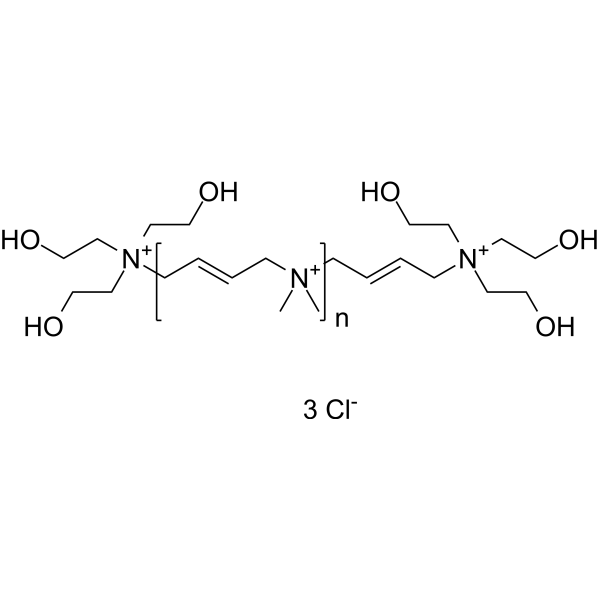
Polyquaternium-1 (Polidronium chloride; PQ-1) is an antimicrobial preservative and an activator of NF-κB. Polyquaternium-1 targets bacterial cell membranes, commonly used in ophthalmic surgery. Polyquaternium-1 adsorbs to the surface of microbial membranes through its polycationic properties, destroying membrane integrity and inducing potassium ion leakage, leading to bacterial death. Polyquaternium-1 exerts antimicrobial effects at a concentration of 0.001% and has low toxicity to mammalian cells. Polyquaternium-1 can be used to prepare products such as glaucoma eye drops (Travoprost preparations containing PQ-1), artificial tears, and contact lens solutions to reduce the ocular surface toxicity of traditional preservatives such as benzalkonium chloride (HY-B2232) .
|
-
- HY-66019
-
|
Fluorescein 5-isothiocyanate
|
Fluorescent Dye
|
Inflammation/Immunology
|
|
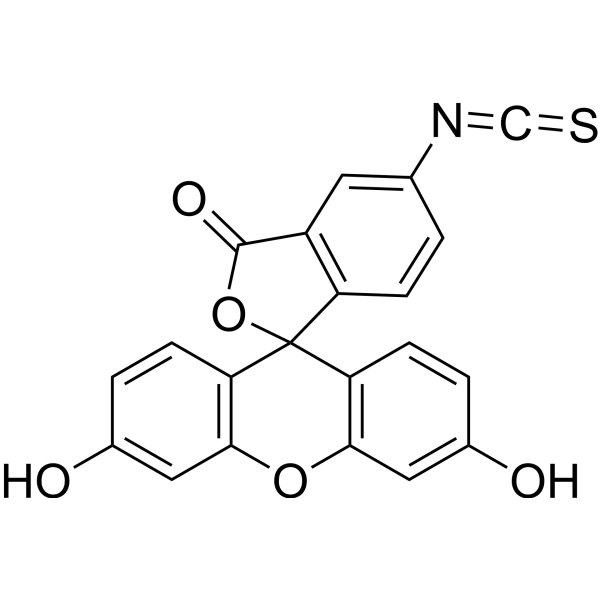
FITC (Fluorescein Isothiocyanate), is one of the green fluorescein derivatives widely used in biology. FITC has the characteristics of high absorptivity and excellent fluorescence quantum yield. The isothiocyanate group of FITC can be combined with amino, sulfhydryl, imidazole, tyrosyl, carbonyl and other groups on the protein, so as to achieve protein labeling including antibodies and lectins. In addition to its use as a protein marker, FITC can also be used as a fluorescent protein tracer to rapidly identify pathogens by labeling antibodies, or for microsequencing of proteins and peptides (HPLC). The maximum excitation wavelength of FITC is 494 nm. Once excited, it fluoresces yellow-green at a maximum emission wavelength of 520 nm. In addition, FITC is also a hapten that can induce contact hypersensitivity (CHS) and induce an atopic dermatitis model .
|
-
- HY-D3319
-
|
|
Biochemical Assay Reagents
MMP
|
Inflammation/Immunology
Cancer
|
|
BHQ‑3 carboxylic acid is an azo‑containing dark fluorescence quencher. BHQ‑3 carboxylic acid is conjugated to an MMP‑cleavable peptide and paired with a fluorophore to form an activatable probe for MMP activity detection in vitro. BHQ‑3 carboxylic acid shows maximal absorption in the 620 to 730 nm range. BHQ‑3 carboxylic acid–based fluorescent probes can be used in the research of arthritis and tumor‑related pathological processes. .
|
-
- HY-Y1890B
-
|
|
Biochemical Assay Reagents
|
Others
|
|
Cremophor EL-10 is a nonionic polyoxyethylene castor oil surfactant with multiple functions including organic solubilizer, mixed zinc anode corrosion inhibitor and dendrite growth inhibitor. By forming a physical barrier to block electrolyte contact and constructing oriented hydration channels to reduce the desolvation energy barrier of Zn 2+ , Cremophor EL-10 achieves a corrosion inhibition efficiency of over 99%. Cremophor EL-10 exerts no significant effects on the mitochondrial activity and cell viability of epithelial cells, making it suitable for in vitro drug delivery and biopharmaceutical research at concentrations ≤10% v/v. However, Cremophor EL-10 may induce sustained non-endothelium-dependent contraction in rat aortic rings and exert concentration-dependent inhibitory effects on acetylcholine-induced endothelium-dependent relaxation responses .
|
-
- HY-116691
-
|
Hydrocortisone 17-propionate 21-acetate
|
Glucocorticoid Receptor
|
Neurological Disease
Inflammation/Immunology
|
|
Hydrocortisone aceponate (Hydrocortisone 17-propionate 21-acetate) is a diester-based topical glucocorticoid. Hydrocortisone aceponate alleviates symptoms such as erythema, dryness/desquamation, pruritus, epidermal exfoliation, and exudation/crusting. Hydrocortisone aceponate causes extremely few adverse reactions. Hydrocortisone aceponate is applicable to various dermatological disease studies .
|
-
- HY-DY1007
-
|
|
Fluorescent Dye
|
Inflammation/Immunology
|
FITC (Fluorescein Isothiocyanate) (solution) , is one of the green fluorescein derivatives widely used in biology. FITC has the characteristics of high absorptivity and excellent fluorescence quantum yield. The isothiocyanate group of FITC can be combined with amino, sulfhydryl, imidazole, tyrosyl, carbonyl and other groups on the protein, so as to achieve protein labeling including antibodies and lectins. In addition to its use as a protein marker, FITC can also be used as a fluorescent protein tracer to rapidly identify pathogens by labeling antibodies, or for microsequencing of proteins and peptides (HPLC). The maximum excitation wavelength of FITC is 494 nm. Once excited, it fluoresces yellow-green at a maximum emission wavelength of 520 nm. In addition, FITC is also a hapten that can induce contact hypersensitivity (CHS) and induce an atopic dermatitis model . Solvent and concentration: DMSO: 20 mM The 1 mL volume is defined as the base specification. All larger sizes correspond to incremental volumes of this base.
|
-
- HY-112531B
-
|
|
Biochemical Assay Reagents
|
Others
|
|
Poly(2-hydroxyethyl methacrylate) (Mv 300000) is a biocompatible, optically transparent, hydrophilic, and non-degradable polymer with excellent cytocompatibility, eliciting a minimal immunological response from host tissue. Poly(2-hydroxyethyl methacrylate) (Mv 300000) can be used for different biomedical applications, such as bone tissue regeneration, wound dressings and drug delivery .
|
-
- HY-164894
-
-
- HY-W011696
-
|
cis-1-Amino-9-octadecene, 80-90%
|
Environmental Pollutants
Biochemical Assay Reagents
|
Cancer
|
|
Oleylamine, 80-90% (cis-1-Amino-9-octadecene, 80-90%) is a multifunctional reagent used for metal ion coordination and nanoparticle surface modification, and acts as a solvent, surfactant and reducing agent in the synthesis of metal oxide nanoparticles. Oleylamine, 80-90% regulates nanoparticle morphology, magnetization intensity and water proton relaxation rate via thiol-ene "click" reaction, and enhances the colloidal stability of nanoparticles in organic reagents. Oleylamine, 80-90% is mainly used in research and applications in fields such as nanomaterial synthesis, biomedical imaging (MRI contrast agents, fluorescent probes), cancer cell targeting and drug delivery .
|
-
- HY-N19844
-
|
|
Others
|
Cardiovascular Disease
|
|
3-Heptadecylcatechol is an urushiphenol compound found in Toxicodendron vernicifluum resin and poison oak urushiol. 3-Heptadecylcatechol exhibits anti-platelet aggregation and immune regulation activity. 3-Heptadecylcatechol can be used for the research of thrombotic disorders .
|
-
- HY-W012658
-
|
O-Methylacetophenone
|
Xanthine Oxidase
|
Metabolic Disease
Inflammation/Immunology
|
|
2-Methylacetophenone (O-Methylacetophenone), acetophenone derivative and acaricide, is a xanthine dehydrogenase (XDH) inhibitor. 2-Methylacetophenone competitively binds to the XDH active site, blocking the pathway for xanthine to be converted to uric acid. 2-Methylacetophenone can be used for the study of hyperuricemia and house dust .
|
-
- HY-W019888
-
|
Ferrofloc
|
Environmental Pollutants
|
Others
|
|
Iron (II) chloride (Ferrofloc) is an active radical polymerization initiator, which is a transition metal chloride composed of Fe 2+ and Cl − ions. The ion association constant logKFeCl2 of Iron (II) chloride is −0.89. In acidic aqueous solutions, Iron (II) chloride forms solvated Fe 2++2Cl − ions as well as FeCl ++Cl − ion pairs. Without the addition of aluminum compounds, Iron (II) chloride drives the living radical polymerization of methyl methacrylate by generating transient radical growing species through homolytic reversible cleavage of the carbon-halogen end groups of organic halide initiators .
|
-
| Cat. No. |
Product Name |
Type |
-
- HY-66019
-
|
Fluorescein 5-isothiocyanate
|
Fluorescent Dyes
|
|
FITC (Fluorescein Isothiocyanate), is one of the green fluorescein derivatives widely used in biology. FITC has the characteristics of high absorptivity and excellent fluorescence quantum yield. The isothiocyanate group of FITC can be combined with amino, sulfhydryl, imidazole, tyrosyl, carbonyl and other groups on the protein, so as to achieve protein labeling including antibodies and lectins. In addition to its use as a protein marker, FITC can also be used as a fluorescent protein tracer to rapidly identify pathogens by labeling antibodies, or for microsequencing of proteins and peptides (HPLC). The maximum excitation wavelength of FITC is 494 nm. Once excited, it fluoresces yellow-green at a maximum emission wavelength of 520 nm. In addition, FITC is also a hapten that can induce contact hypersensitivity (CHS) and induce an atopic dermatitis model .
|
-
- HY-DY1007
-
|
|
Fluorescent Dyes
|
FITC (Fluorescein Isothiocyanate) (solution) , is one of the green fluorescein derivatives widely used in biology. FITC has the characteristics of high absorptivity and excellent fluorescence quantum yield. The isothiocyanate group of FITC can be combined with amino, sulfhydryl, imidazole, tyrosyl, carbonyl and other groups on the protein, so as to achieve protein labeling including antibodies and lectins. In addition to its use as a protein marker, FITC can also be used as a fluorescent protein tracer to rapidly identify pathogens by labeling antibodies, or for microsequencing of proteins and peptides (HPLC). The maximum excitation wavelength of FITC is 494 nm. Once excited, it fluoresces yellow-green at a maximum emission wavelength of 520 nm. In addition, FITC is also a hapten that can induce contact hypersensitivity (CHS) and induce an atopic dermatitis model . Solvent and concentration: DMSO: 20 mM The 1 mL volume is defined as the base specification. All larger sizes correspond to incremental volumes of this base.
|
-
- HY-164894
-
|
|
Fluorescent Dyes
|
ABBV-3373 is an anti-TNF antibody-drug conjugate (ADC). ABBV-3373 consists of a humanized TNF antibody Adalimumab (HY-P9908) conjugated to a glucocorticoid receptor agonist (HY-148436). ABBV-3373 can be used for the research of rheumatoid arthritis .
|
-
- HY-D0154
-
|
Tetramethylrhodamine-6-isothiocyanate
|
Fluorescent Dyes
|
|
6-TRITC (Tetramethylrhodamine-6-isothiocyanate) is a potent fluorescent tracer. 6-TRITC can be used as an probe for haptenated proteins/peptides for the research of contact allergy. 6-TRITC can be used as a tracer for the confocal imaging in living cells .
|
-
- HY-D1177
-
|
|
Fluorescent Dyes
|
|
Solvent orange 60 is a cyclic ketone dye commonly used in plastic materials such as eyeglass frames and has been shown to cause contact allergies.
|
-
- HY-D3389
-
|
|
Fluorescent Dyes
|
|
sCy5DL-amide is an amidated fluorescent D-amino acid conjugated to Sulfo-Cyanine 5, and a peptidoglycan labeling agent. sCy5DL-amide incorporates into bacterial peptidoglycan cell wall via transpeptidase-mediated reactions, replacing the fourth or fifth D-amino acid of the peptidoglycan stem peptide for visualization of nascent peptidoglycan biosynthesis. sCy5DL-amide produces clear cell outline, septum labeling, and high localization density in Bacillus subtilis, including a 'V-shape' pattern at cell-cell contact areas. sCy5DL-amide exhibits robust incorporation into Gram-positive bacteria and mycobacteria, with reduced incorporation into Gram-negative bacteria (Ex/Em = 646/666 nm) .
|
-
- HY-D3319
-
|
|
Fluorescent Dyes
|
|
BHQ‑3 carboxylic acid is an azo‑containing dark fluorescence quencher. BHQ‑3 carboxylic acid is conjugated to an MMP‑cleavable peptide and paired with a fluorophore to form an activatable probe for MMP activity detection in vitro. BHQ‑3 carboxylic acid shows maximal absorption in the 620 to 730 nm range. BHQ‑3 carboxylic acid–based fluorescent probes can be used in the research of arthritis and tumor‑related pathological processes. .
|
| Cat. No. |
Product Name |
Type |
-
- HY-W011696
-
|
cis-1-Amino-9-octadecene, 80-90%
|
Biochemical Assay Reagents
|
|
Oleylamine, 80-90% (cis-1-Amino-9-octadecene, 80-90%) is a multifunctional reagent used for metal ion coordination and nanoparticle surface modification, and acts as a solvent, surfactant and reducing agent in the synthesis of metal oxide nanoparticles. Oleylamine, 80-90% regulates nanoparticle morphology, magnetization intensity and water proton relaxation rate via thiol-ene "click" reaction, and enhances the colloidal stability of nanoparticles in organic reagents. Oleylamine, 80-90% is mainly used in research and applications in fields such as nanomaterial synthesis, biomedical imaging (MRI contrast agents, fluorescent probes), cancer cell targeting and drug delivery .
|
-
- HY-W089777
-
|
GPTMS
|
Biochemical Assay Reagents
|
|
3-Glycidyloxypropyltrimethoxysilane (GPTMS) is a silicon source for the preparation of inorganic-organic hybrid polymers. 3-Glycidyloxypropyltrimethoxysilane can be used to prepare hard coatings of organic polymers, such as contact lens materials in the optical industry, as well as related materials in the fields of electronics, thin films, sensors, nanoimprinting, waveguides, and biology .
|
-
- HY-D1005B
-
|
PEG-PPG-PEG, 7700 (Average Mn)
|
Biochemical Assay Reagents
|
|
Poloxamer 237 (F87) (PEG-PPG-PEG, 7700 (Average Mn)) is an alcohol substance that acts as an oil-in-water emulsifier and solubilizer. Poloxamer 237 (F87) is used in the research of formulations such as contact lens care solutions and eye drops .
|
-
- HY-159051
-
|
|
Biochemical Assay Reagents
|
|
Dragendorff reagent is used for detecting alkaloids and other nitrogen-containing compounds. Dragendorff reagent is a solution of potassium bismuth iodide composing of Basic bismuth nitrate (Bi(NO3)3), Tartaric acid (HY-N2436), and Potassium iodide (KI). When contact with alkaloids, Dragendorff reagent produces an orange or orange red precipitate .
|
-
- HY-Y1890B
-
|
|
Biochemical Assay Reagents
|
|
Cremophor EL-10 is a nonionic polyoxyethylene castor oil surfactant with multiple functions including organic solubilizer, mixed zinc anode corrosion inhibitor and dendrite growth inhibitor. By forming a physical barrier to block electrolyte contact and constructing oriented hydration channels to reduce the desolvation energy barrier of Zn 2+ , Cremophor EL-10 achieves a corrosion inhibition efficiency of over 99%. Cremophor EL-10 exerts no significant effects on the mitochondrial activity and cell viability of epithelial cells, making it suitable for in vitro drug delivery and biopharmaceutical research at concentrations ≤10% v/v. However, Cremophor EL-10 may induce sustained non-endothelium-dependent contraction in rat aortic rings and exert concentration-dependent inhibitory effects on acetylcholine-induced endothelium-dependent relaxation responses .
|
-
- HY-145941
-
|
2-Acryloxyethyltrimethylammonium chloride
|
Biochemical Assay Reagents
|
|
AETA (2-Acryloxyethyltrimethylammonium chloride) can be used for the synthesis of hydrophilic polymers and hydrogels. Hydrogels are used for membranes, catheters, contact lenses, and drug delivery systems .
|
-
- HY-W016149
-
|
Dichloro-1,2-dithiacyclopentenone
|
Biochemical Assay Reagents
|
|
4,5-Dichloro-3H-1,2-dithiol-3-one (Dichloro-1,2-dithiacyclopentenone) is an E. coli FabH inhibitor (IC50: 2.9 µM). 4,5-Dichloro-3H-1,2-dithiol-3-one can be used as a slimicide in the manufacture of food-contact paper and paperboard .
|
-
- HY-W016149R
-
|
Dichloro-1,2-dithiacyclopentenone (Standard)
|
Biochemical Assay Reagents
|
|
4,5-Dichloro-3H-1,2-dithiol-3-one (Dichloro-1,2-dithiacyclopentenone) is an E. coli FabH inhibitor (IC50: 2.9 µM). 4,5-Dichloro-3H-1,2-dithiol-3-one can be used as a slimicide in the manufacture of food-contact paper and paperboard .
|
| Cat. No. |
Product Name |
Target |
Research Area |
-
- HY-P10940
-
|
|
Peptides
|
Inflammation/Immunology
|
|
Ac-RFAAKAA-COOH is a cysteine-containing polypeptide with a reactive lysine residue, and serves as a substrate for covalent modification and chemical reactivity assays. Ac-RFAAKAA-COOH forms stable covalent adducts with isothiocyanates, resulting in peptide depletion over time. Ac-RFAAKAA-COOH acts as a model peptide in direct peptide reactivity assays, where its chemical reactivity is evaluated via fluorescamine-based free amine assays. Ac-RFAAKAA-COOH can be used in studies related to allergic contact dermatitis and skin sensitization .
|
-
- HY-P1722
-
|
|
Neurokinin Receptor
|
Inflammation/Immunology
|
|
Spantide II, an undecapeptide substance P (SP) analog, is a potent neurokinin-1 receptor (NK-1R) antagonist. Spantide II binds with NK-1R and blocks proinflammatory activities associated with SP. Spantide II can be used in the research of inflammatory skin disorders, such as psoriasis and contact dermatitis .
|
-
- HY-P5352
-
|
|
CD44
|
Inflammation/Immunology
Cancer
|
|
Hyaluronan-IN-1 (Pep-1) is a Hyaluronan inhibitor with a Kd value of 1.65 μM. Hyaluronan-IN-1 blocks CD44-dependent cell adhesion. Hyaluronan-IN-1 inhibits cell adhesion to hyaluronan substrates. Hyaluronan-IN-1 suppresses the development of contact hypersensitivity in mice by blocking the homing process of inflammatory cells to the skin. Hyaluronan-IN-1 also inhibits responses during the sensitization phase. Hyaluronan-IN-1 reduces lung metastasis of melanoma and prolongs the survival of mice. Hyaluronan-IN-1 can be used in research related to contact hypersensitivity, chronic skin inflammation, and melanoma .
|
-
- HY-B1603S
-
|
|
Peptides
|
Others
|
|
Chlorophenothane-d8 is the deuterium labeled Chlorophenothane. Chlorophenothane has stomach poisoning and contact killing effects. Chlorophenothane has been widely used as an insecticide .
|
-
- HY-P10306
-
|
|
Bacterial
|
Infection
|
|
Cys-LL37 is a biomaterial with antimicrobial properties developed by covalently fixing to the surface of titanium. Cys-LL37 uses a flexible hydrophilic polyethylene glycol spacer and selective n-terminal coupling LL37, a surface peptide layer that kills bacteria on contact is formed. Cys-LL37 can be used in research to develop new antimicrobial biomaterials .
|
-
- HY-P11772
-
|
|
Bacterial
|
Infection
|
|
LBP-14, a peptide, is a synthetic fragment of the LPS (HY-D1056) binding protein (LBP) and is a LPS antagonist. LBP-14 interacts with LPS via electrostatic contacts between arginine/lysine residues and LPS phosphate groups, and hydrophobic contacts between aromatic/aliphatic residues and LPS acyl chains, blocking LPS binding to LBP. LBP-14 moderately inhibits LPS-induced TNF-α formation. LBP-14 can be used for the research of gram-negative sepsis .
|
-
- HY-P11704
-
|
|
Formyl Peptide Receptor (FPR)
Bacterial
|
Neurological Disease
|
|
f-MKKFRW is a selective mouse formyl peptide receptor 3 (Fpr3) activator and bacterial MgrB-derived peptide motif. f-MKKFRW activates Fpr3 to trigger downstream signaling and calcium responses in Fpr3-expressing cells. f-MKKFRW stimulates a subset of mouse vomeronasal sensory neurons in the accessory olfactory system to evoke calcium responses. f-MKKFRW drives innate avoidance behavior in mice via nasal contact .
|
| Cat. No. |
Product Name |
Target |
Research Area |
Image |
-
- HY-P991226
-
|
|
Inhibitory Antibodies
|
Cancer
|
|
RG7287 is an activating antibody inhibitor targeting human CDCP1. RG7287 prevents the loss of contact inhibition caused by the co-transformation of NIH3T3 cells with CDCP1 and Src in focus formation assays. RG7287 inhibits tumor cell proliferation and leads to a significant reduction in CDCP1 levels .
|
-
(5)
-
- HY-P991994
-
|
|
Factor Xa
|
Cardiovascular Disease
|
|
REGN9533 is a human-derived monoclonal antibody against FXII/FXIIa with high affinity for FXII, FXIIa and β-FXIIa. REGN9533 selectively inhibits the intrinsic coagulation pathway and FXIIa-driven plasma kallikrein activity. REGN9533 is applicable to FXIIa-related diseases such as thrombosis and hereditary angioedema .
|
-
(5)
| Cat. No. |
Product Name |
Category |
Target |
Chemical Structure |
-
- HY-N0127
-
-
-
- HY-13516
-
-
-
- HY-N0257
-
-
-
- HY-B1419
-
-
-
- HY-W010056
-
-
-
- HY-W012658
-
-
-
- HY-N0508
-
-
-
- HY-Y0442
-
-
-
- HY-W015616
-
-
-
- HY-W184893
-
-
-
- HY-N0508R
-
-
-
- HY-W009688
-
-
-
- HY-N10100
-
-
-
- HY-13516R
-
-
-
- HY-N15298
-
-
-
- HY-N3076
-
-
-
- HY-N18682
-
|
|
Structural Classification
Extract
|
Bacterial
|
|
Lonicera caprifolium extract has anti-inflammatory, antibacterial, whitening, anti-aging, anti-allergic and moisturizing effects, and is mainly used in research on hand sanitizers, skin care products and skin contact cleaning products.
|
-
-
- HY-W009688R
-
-
-
- HY-N9698
-
-
-
- HY-W010056R
-
|
|
Structural Classification
Natural Products
Endogenous metabolite
Source Classification
|
Others
Reference Standards
|
|
Diethyl fumarate (Standard) is the analytical standard of Diethyl fumarate (HY-W010056). This product is intended for research and analytical applications. Diethyl fumarate is a decomposition product of Malathion 9 (a pesticide) and reactant in the Diels-Alder reaction. Diethyl fumarate is a reputed skin irritant. Diethyl fumarate can causes non-immunologic contact urticaria on skin. Diethyl fumarate and Curcumin (HY-N0005) hybridize to exert neuroprotective effects .
|
-
-
- HY-W015616R
-
|
4-Penylbutan-2-one (Standard)
|
Structural Classification
Ketones, Aldehydes, Acids
Thymelaeaceae
Plants
Aquilaria sinensis (Lour.) Spreng.
Source Classification
|
Tyrosinase
Reference Standards
|
|
Benzylacetone (4-Penylbutan-2-one) (Standard) is the analytical standard of Benzylacetone (HY-W015616). This product is intended for research and analytical applications. Benzylacetone is an aromatic compound. Benzylacetone is a mushroom tyrosinase inhibitor with an IC50 of 2.8 mM, a Ki of 1.25 mM for monophenolase and an IC50 of 0.6 mM, a Ki of 0.39 mM for diphenolase. Benzylacetone inhibits free mushroom tyrosinase and enzyme-substrate complex. Benzylacetone acts as an appetite enhancer via olfactory stimulation, reduces spontaneous locomotor activity, induces weight gain. Benzylacetone exhibits repellent, fumigant, and contact toxicity against Tribolium castaneum adults .
|
-
-
- HY-W099725
-
|
|
Piper longum Linn.
Structural Classification
Alkaloids
Pyrrole Alkaloids
Piperaceae
Plants
Source Classification
|
Herbicide
Photosystem II
|
|
Sarmentine is a broad-spectrum contact herbicide and PSII inhibitor, with an IC50 of 3.0 μM and a Ki of 1.5 μM against spinach, an IC50 of 1.72 μM against wild-type Amaranthus retroflexus, and an IC50 of 0.97 μM against triazine-resistant Amaranthus retroflexus. Sarmentine competitively binds to the QB binding site of plastoquinone on PSII, thereby blocking photosynthetic electron transport. Sarmentine inhibits enoyl-ACP reductase in Arabidopsis thaliana by targeting the early fatty acid synthesis process, with an IC50 of 18.3 μM. Sarmentine induces light-independent loss of plasma membrane integrity and electrolyte leakage. Sarmentine also exhibits antiplasmodial, antimycobacterial, antituberculous, and antiplatelet aggregation activities .
|
-
-
- HY-N19844
-
-
| Cat. No. |
Product Name |
Chemical Structure |
-
- HY-76025S
-
|
|
|
1,4-Dibromobenzene-d4 is a deuterium labeled 1,4-Dibromobenzene. 1,4-Dibromobenzene is used as a fumigant and as a chemical intermediate for pharmaceuticals. Inhalation exposure gives rise to dizziness and chokingwhereas contact with skin or eye produces inflammation and burning in humans .
|
-
-
- HY-B2033S
-
|
|
|
Pyrimethanil- 13C, 15N2 is the 13C-labeled and 15N-labeled Pyrimethanil. Pyrimethanil is an?anilinopyrimidine?and broad-spectrum?contact fungicide for the control of Botrytis spp. on a wide variety of crops . Pyrimethanil inhibits the biosynthesis of methionine and other amino acids in?Botrytis cinerea. Pyrimethanil can be used for the research of fungal diseases prevention on fruit, vegetable and ornamental plants with mold infection .
|
-
-
- HY-Y0442S
-
|
|
|
2-Methylbenzaldehyde- 13C is the 13C labeled 2-Methylbenzaldehyde (HY-Y0442) . 2-Methylbenzaldehyde is an acaricide found in Morinda officinalis. 2-Methylbenzaldehyde exerts fumigant and contact acaricidal activity against Dermatophagoides farinae, Dermatophagoides pteronyssinus, and Haemaphysalis longicornis. 2-Methylbenzaldehyde can be used for the research of severe fever with thrombocytopenia syndrome .
|
-
-
- HY-W040206S
-
|
|
|
Diflufenican-d3 is the deuterium labeled Diflufenican . Diflufenican is a contact, selective herbicide used to specifically control some broad leaved weeds .
|
-
-
- HY-W724343
-
|
|
|
Lauryl benzalkonium-d5 chloride (Dimethylbenzyllaurylammonium-d5 chloride) is the deuterium labeled Lauryl benzalkonium chloride (HY-B1549). Lauryl benzalkonium (Dimethylbenzyllaurylammonium) chloride is a cationic surfactant that may produce some irritant contact dermatitis (ICD) to the skin .
|
-
-
- HY-B2033S1
-
|
|
|
Pyrimethanil-d5 is the deuterium labeled Pyrimethanil (HY-B2033). Pyrimethanil is an anilinopyrimidine and broad-spectrum contact fungicide for the control of Botrytis spp. on a wide variety of crops . Pyrimethanil inhibits the biosynthesis of methionine and other amino acids in Botrytis cinerea. Pyrimethanil can be used for the research of fungal diseases prevention on fruit, vegetable and ornamental plants with mold infection .
|
-
-
- HY-136611S
-
|
|
|
ω-Hydroxy-DEET-d10 is the deuterium labeled ω-Hydroxy-DEET (HY-136611). ω-Hydroxy-DEET is a major metabolite of insect repellent N-N-diethyl-meta-toluamide (DEET). ω-Hydroxy-DEET has anti-proliferative effects. DEET is a spatial repellent and an irritant that commonly used to prevent contact with mosquitoes .
|
-
-
- HY-W778649
-
|
|
|
Sarmentine-d8 is the deuterium labeled Sarmentine. Sarmentine is a broad-spectrum contact herbicide and PSII inhibitor, with an IC50 of 3.0 μM and a Ki of 1.5 μM against spinach, an IC50 of 1.72 μM against wild-type Amaranthus retroflexus, and an IC50 of 0.97 μM against triazine-resistant Amaranthus retroflexus. Sarmentine competitively binds to the QB binding site of plastoquinone on PSII, thereby blocking photosynthetic electron transport. Sarmentine inhibits enoyl-ACP reductase in Arabidopsis thaliana by targeting the early fatty acid synthesis process, with an IC50 of 18.3 μM. Sarmentine induces light-independent loss of plasma membrane integrity and electrolyte leakage. Sarmentine also exhibits antiplasmodial, antimycobacterial, antituberculous, and antiplatelet aggregation activities .
|
-
-
- HY-B2030S
-
|
|
|
Propanil-d5 is the deuterium labeled Propanil. Propanil is a widely used contact herbicide, mainly use in rice production.
|
-
Your information is safe with us. * Required Fields.
Inquiry Information
- Product Name:
- Cat. No.:
- Quantity:
- MCE Japan Authorized Agent:

