

Search Result
Results for "
culture medium
" in MedChemExpress (MCE) Product Catalog:
67
Biochemical Assay Reagents
18
Isotope-Labeled Compounds
| Cat. No. |
Product Name |
Target |
Research Areas |
Chemical Structure |
-
- HY-N0378
-
D-Mannitol
Maximum Cited Publications
13 Publications Verification
Mannitol; Mannite
|
Environmental Pollutants
Endogenous Metabolite
Apoptosis
PGC-1α
PKA
Adrenergic Receptor
|
Cardiovascular Disease
Metabolic Disease
Cancer
|
|
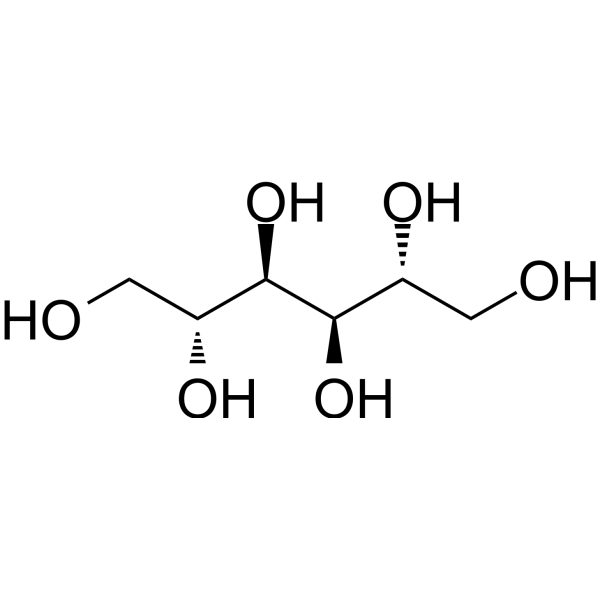
D-Mannitol (Mannitol) is an oral, resistant sugar widely used in the food and pharmaceutical industries to promote the absorption and retention of calcium and magnesium through cecal fermentation, while acting as a osmotic diuretic to reduce tissue edema. D-Mannitol can enhance brown fat formation, improve insulin effect, reduce blood sugar levels, And through the start the β3-adrenergic receptor (β3-AR), PGC1α and PKA induced by means of white fat cells into brown fat cells . D-Mannitol is commonly used to maintain osmotic pressure between the plant cytoplasm and the culture medium and protect cells when the cell wall is weakened or even removed .
|
-
-
- HY-D0858
-
MES
4 Publications Verification
2-Morpholinoethanesulphonic acid
|
Biochemical Assay Reagents
|
Others
|
|
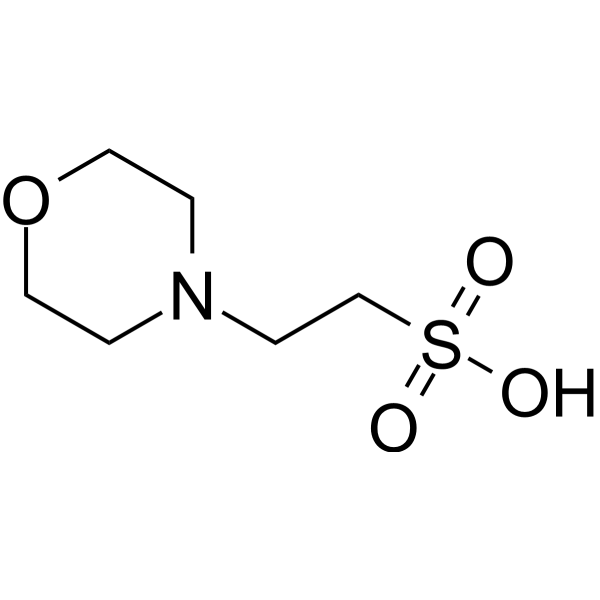
MES (2-Morpholinoethanesulphonic acid) is a kind of amphoteric ion buffer, the buffer capacity ranging pH 5.5-7.0. As a Good's buffer, MES is widely used in biochemistry and molecular biology experiments, such as cell culture, enzyme activity determination, electrophoresis and protein studies .
|
-
-
- HY-103701A
-
|
2-Phospho-L-ascorbic acid magnesium; LAA2P magnesium
|
Phosphatase
Reactive Oxygen Species (ROS)
Endogenous Metabolite
|
Metabolic Disease
|
|
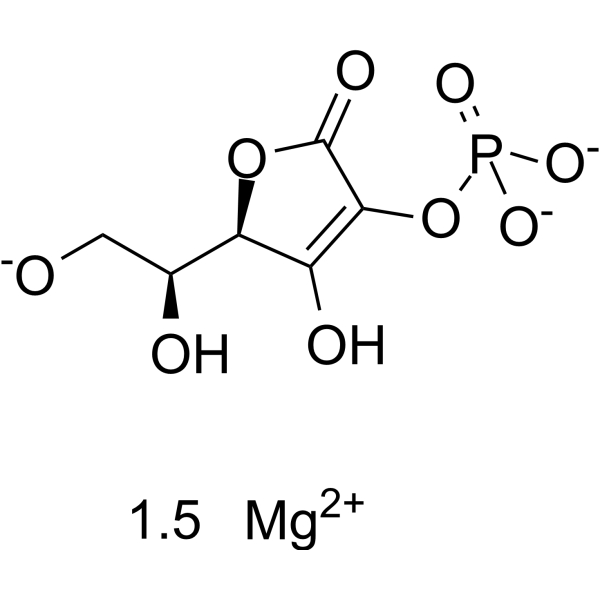
L-Ascorbic acid 2-phosphate magnesium (2-Phospho-L-ascorbic acid magnesium) is a long-acting vitamin C derivative that can stimulate collagen formation and expression . L-Ascorbic acid 2-phosphate magnesium (2-Phospho-L-ascorbic acid magnesium) can be used as a culture medium supplement for the osteogenic differentiation of human adipose stem cells (hASCs). L-Ascorbic acid 2-phosphate magnesium (2-Phospho-L-ascorbic acid magnesium) increases alkaline phosphatase (ALP) activity and expression of runx2A in hASCs during the osteogenic differentiation .
|
-
-
- HY-107837
-
|
2-Phospho-L-ascorbic acid trisodium
|
Phosphatase
Reactive Oxygen Species (ROS)
Endogenous Metabolite
|
Metabolic Disease
|
|
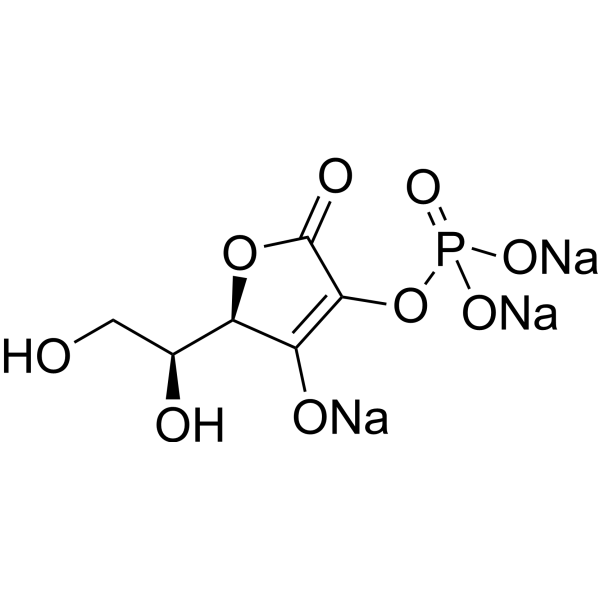
L-Ascorbic acid 2-phosphate trisodium (2-Phospho-L-ascorbic acid trisodium) is a long-acting vitamin C derivative that can stimulate collagen formation and expression . L-Ascorbic acid 2-phosphate trisodium (2-Phospho-L-ascorbic acid trisodium) can be used as a culture medium supplement for the osteogenic differentiation of human adipose stem cells (hASCs). L-Ascorbic acid 2-phosphate trisodium (2-Phospho-L-ascorbic acid trisodium) increases alkaline phosphatase (ALP) activity and expression of runx2A in hASCs during the osteogenic differentiation .
|
-
-
- HY-103701
-
|
2-Phospho-L-ascorbic acid; LAA2P
|
Phosphatase
Reactive Oxygen Species (ROS)
Endogenous Metabolite
|
Metabolic Disease
|
|
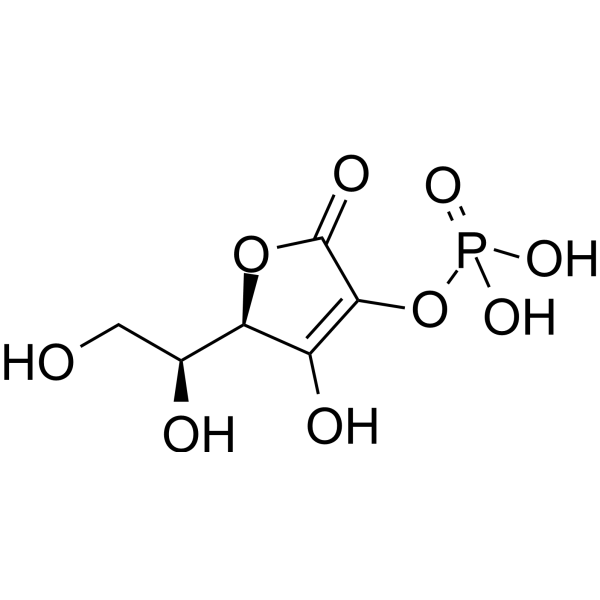
L-ascorbic acid 2-phosphate (2-Phospho-L-ascorbic acid) is a long-acting vitamin C derivative that can stimulate collagen formation and expression . L-ascorbic acid 2-phosphate (2-Phospho-L-ascorbic acid) can be used as a culture medium supplement for the osteogenic differentiation of human adipose stem cells (hASCs). L-ascorbic acid 2-phosphate increases alkaline phosphatase (ALP) activity and expression of runx2A in hASCs during the osteogenic differentiation .
|
-
-
- HY-103701B
-
|
2-Phospho-L-ascorbic acid magnesium hydrate; LAA2P magnesium hydrate
|
Phosphatase
Reactive Oxygen Species (ROS)
Endogenous Metabolite
|
Metabolic Disease
|
|
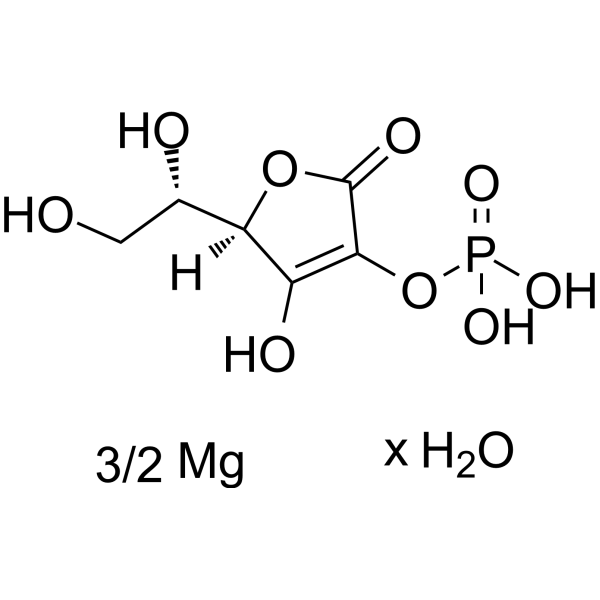
L-ascorbic acid 2-phosphate (2-Phospho-L-ascorbic acid) magnesium hydrate is a long-acting vitamin C derivative that can stimulate collagen formation and expression. L-ascorbic acid 2-phosphate magnesium hydrate can be used as a culture medium supplement for the osteogenic differentiation of human adipose stem cells (hASCs). L-ascorbic acid 2-phosphate magnesium hydrate increases alkaline phosphatase (ALP) activity and expression of runx2A in hASCs during the osteogenic differentiation .
|
-
-
- HY-150287
-
|
ITS-G
|
Biochemical Assay Reagents
|
Endocrinology
|
|
Insulin-Transferrin-Selenium, 100X (ITS-G) is a mixture of Insulin, transferrin, and sodium selenite that is a general supplement designed for use in classic media such as DMEM, RPMI-1640, and nutrient media such as Ham's F-12, DMEM/F-12. Insulin-Transferrin-Selenium is added to basal medium to reduce the amount of fetal calf serum required to culture cells .
|
-
-
- HY-170230
-
|
ECGS,Bovine
|
Biochemical Assay Reagents
|
Others
|
|
Bovine Endothelial cell growth supplement, suitable for cell culture (ECGS, Bovine) is a culture medium supplement, endothelial cell growth supplement (ECGS), which promotes the proliferation of human saphenous vein endothelial cells (HSVEC) and human umbilical vein endothelial cells (HUVEC) .
|
-
-
- HY-101040
-
|
Q203; IAP6
|
Bacterial
Antibiotic
|
Infection
|
|
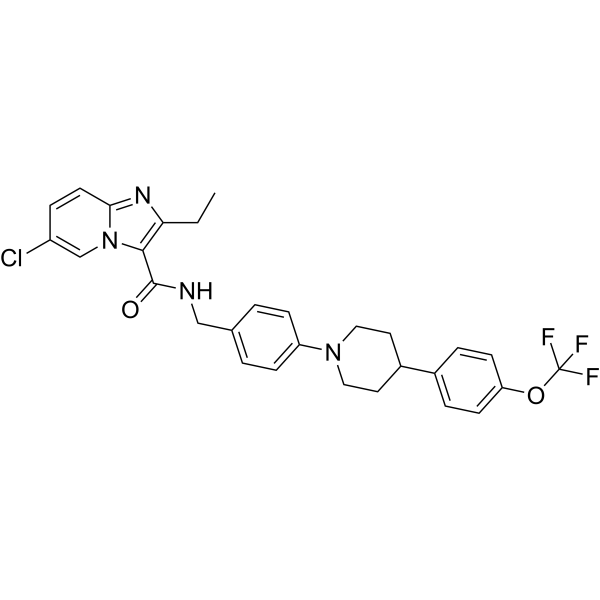
Telacebec (Q203) is a midazopyridine amide compound. Telacebec is active against Mycobacterium tuberculosis H37Rv with an MIC50 of 2.7 nM in culture broth medium.
|
-
-
- HY-W251598C
-
|
Sodium hydrogen carbonate for cell culture; Soda bicarbonate for cell culture
|
Environmental Pollutants
Bacterial
|
Inflammation/Immunology
Cancer
|
|
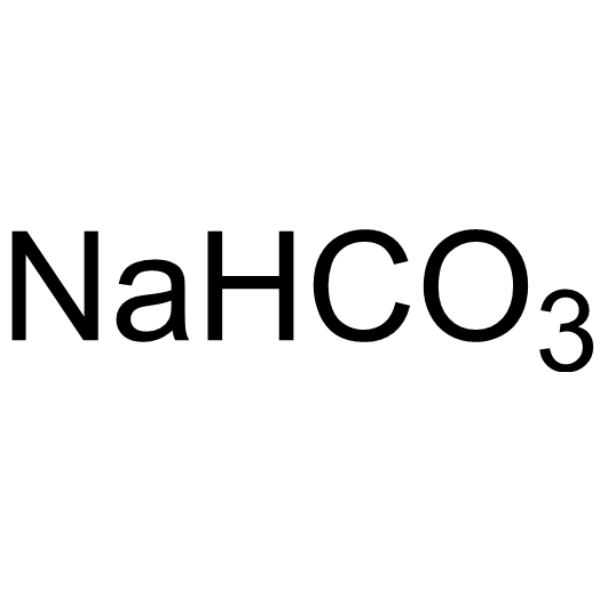
Sodium bicarbonate, for cell culture (Sodium hydrogen carbonate for cell culture; Soda bicarbonate for cell culture) is an inorganic salt that is neutral to slightly alkaline and easily decomposes when exposed to moisture in the air. Sodium bicarbonate, for cell culture can maintain the pH of the culture medium, thereby affecting the expression of inducible nitric oxide synthase (iNOS) and nitric oxide (NO) production in macrophages and reversing the acidosis of the tumor microenvironment. Sodium bicarbonate is widely used in the fields of food, medicine, cosmetics, etc. Its main uses include buffers, flavoring agents, disinfectants, pharmaceuticals, and proton gradient regulators. Sodium bicarbonate is also commonly used as an antacid to inhibit gastrointestinal diseases, neutralize gastric acid, and reduce gastric discomfort .
|
-
-
- HY-D0858A
-
|
2-Morpholinoethanesulphonic acid monohydrate
|
Biochemical Assay Reagents
|
Others
|
|
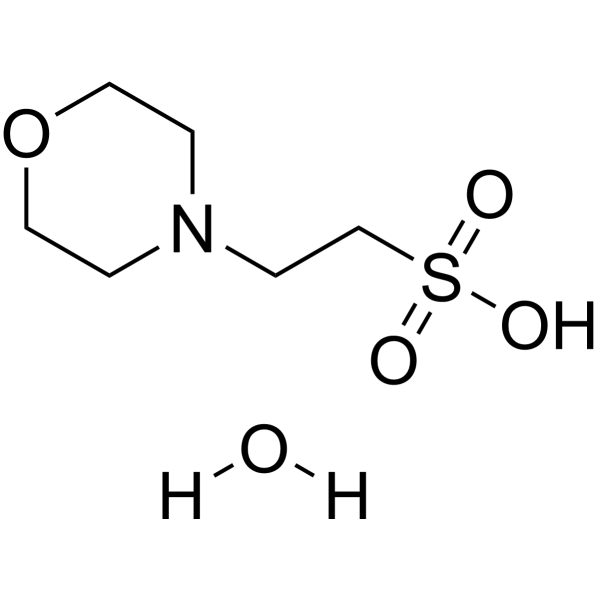
MES (2-Morpholinoethanesulphonic acid) monohydrate is a kind of amphoteric ion buffer, the buffer capacity ranging pH 5.5-7.0. As a Good's buffer, MES monohydrate is widely used in biochemistry and molecular biology experiments, such as cell culture, enzyme activity determination, electrophoresis and protein studies .
|
-
-
- HY-W133898
-
|
|
Environmental Pollutants
Biochemical Assay Reagents
|
Others
|
|
Tryptone is a peptide-rich bacterial culture medium component that can regulate bacterial cell surface proteins and biofilm-related genes. Tryptone promotes the expression and assembly of bacterial adhesion proteins (such as LapA and LapF) by providing peptide substances as structural factors, enhancing cell surface hydrophobicity and intercellular adhesion, thereby stabilizing the biofilm matrix and supporting the maturation and maintenance of bacterial biofilms. The peptide mixture contained in Tryptone can specifically regulate the transcription of bacterial adhesion-related genes (such as activating LapA and inhibiting LapF), affecting the synthesis and localization of biofilm structural proteins .
|
-
-
- HY-W133982
-
-
-
- HY-126437H
-
|
|
Biochemical Assay Reagents
|
Others
|
|
Poly-L-lysine hydrobromide (MW 4000-15000) is a positively charged amino acid polymer that acts as a non-specific attachment factor for cells. Poly-L-lysine hydrobromide (MW 4000-15000) enhances the electrostatic interaction between the negative ions of the cell membrane and the surface of the culture medium, thereby promoting the adhesion of cells to solid substrates. Poly-L-lysine hydrobromide (MW 4000-15000) can be used for gene delivery .
|
-
-
- HY-W251598B
-
|
Sodium hydrogen carbonate for molecular biology; Soda bicarbonate for molecular biology
|
Bacterial
NO Synthase
|
Inflammation/Immunology
Cancer
|
|
Sodium bicarbonate, for molecular biology (Sodium hydrogen carbonate for molecular biolog; Soda bicarbonate for molecular biolog) is an inorganic salt. Sodium bicarbonate can maintain the pH of the culture medium, thereby affecting the expression of inducible nitric oxide synthase (iNOS) and nitric oxide (NO) production in macrophages and reversing the acidosis of the tumor microenvironment. Sodium bicarbonate is widely used in the fields of food, cosmetics, etc. Its main uses include buffers, flavoring agents, disinfectants, pharmaceuticals, and proton gradient regulators. Sodium bicarbonate is also commonly used as an antacid to inhibit gastrointestinal diseases, neutralize gastric acid, and reduce gastric discomfort .
|
-
-
- HY-Y1110H
-
|
Magnogene, suitable for insect cell culture
|
Environmental Pollutants
Biochemical Assay Reagents
|
Others
|
|
Magnesium chloride anhydrous, suitable for insect cell culture is an inorganic salt and cell culture medium component that can be used to prepare Tris buffer. Magnesium chloride anhydrous, suitable for insect cell culture is a component of Hunter's Thrips medium, which supports the in vitro culture of western flower thrip embryonic cells, and promotes the adhesion of tissue fragments/cells as well as the growth of fibroblast-like and epithelial-like cells .
|
-
-
- HY-157355
-
-
-
- HY-D0858C
-
|
2-Morpholinoethanesulphonic acid hydrate
|
Biochemical Assay Reagents
|
Others
|
|
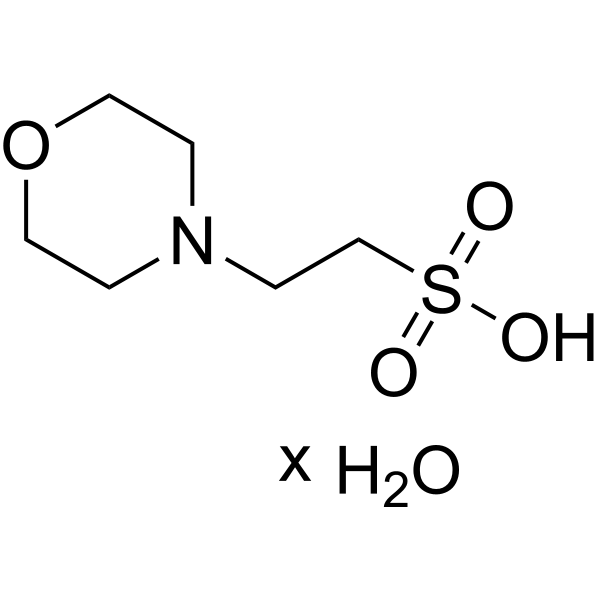
MES (2-Morpholinoethanesulphonic acid) hydrate is a kind of amphoteric ion buffer, the buffer capacity ranging pH 5.5-7.0. As a Good's buffer, MES hydrate is widely used in biochemistry and molecular biology experiments, such as cell culture, enzyme activity determination, electrophoresis and protein studies .
|
-
-
- HY-D0858E
-
|
2-Morpholinoethanesulphonic acid potassium
|
Biochemical Assay Reagents
|
Others
|
|
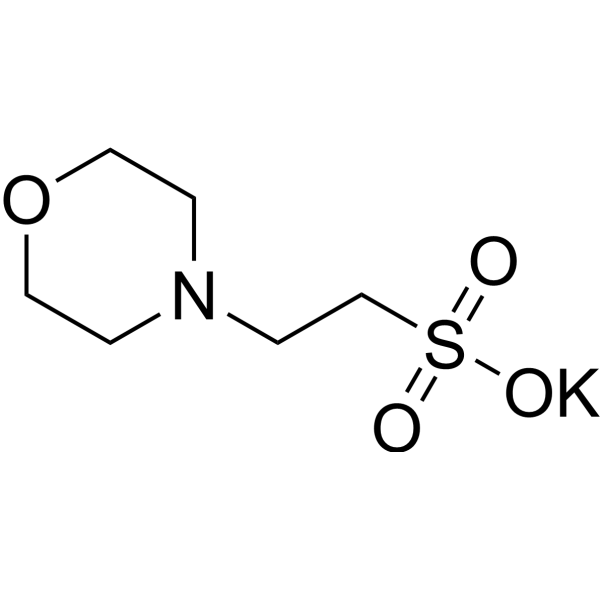
MES (2-Morpholinoethanesulphonic acid) potassium is a kind of amphoteric ion buffer, the buffer capacity ranging pH 5.5-7.0. As a Good's buffer, MES potassium is widely used in biochemistry and molecular biology experiments, such as cell culture, enzyme activity determination, electrophoresis and protein studies .
|
-
-
- HY-D0858B
-
|
2-Morpholinoethanesulphonic acid sodium salt
|
Biochemical Assay Reagents
|
Others
|
|
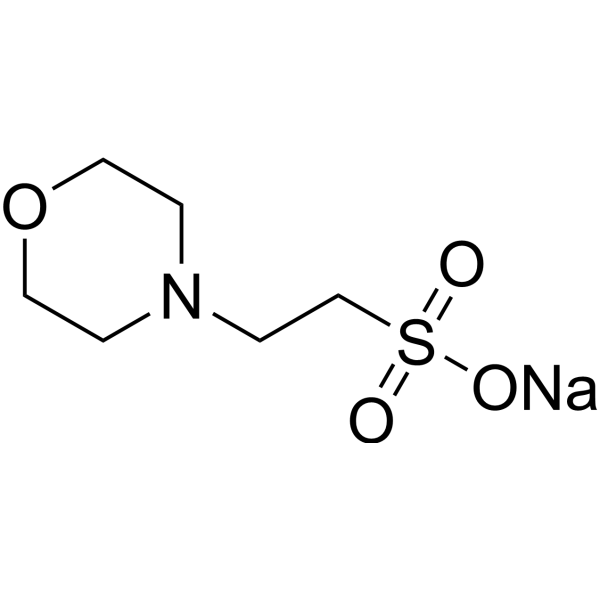
MES sodium salt (2-Morpholinoethanesulphonic acid) is a kind of amphoteric ion buffer, the buffer capacity ranging pH 5.5-7.0. As a Good's buffer, MES sodium salt is widely used in biochemistry and molecular biology experiments, such as cell culture, enzyme activity determination, electrophoresis and protein studies .
|
-
-
- HY-W133891
-
|
Peptones, soybean
|
Biochemical Assay Reagents
|
Others
|
|
Peptone from soy (peptones, soybean) is a peptone. Peptone from soy provides nitrogen and carbon sources, as well as other nutrients. Peptone from soy can stimulate/regulate the biosynthesis of cyclic eicosanoids. Peptone from soy induces dose-dependent contraction of guinea pig lung parenchyma. Peptone from soy can be used in microbial and cell culture .
|
-
-
- HY-Y1365E
-
-
-
- HY-W251598S
-
|
|
Reference Standards
Bacterial
NO Synthase
|
Inflammation/Immunology
Cancer
|
|
Bicarbonate- 13C sodium is the 13C-labeled Sodium bicarbonate (HY-Y0756). Sodium bicarbonate is an inorganic salt that is neutral to slightly alkaline and easily decomposes when exposed to moisture in the air. Sodium bicarbonate can maintain the pH of the culture medium, thereby affecting the expression of inducible nitric oxide synthase (iNOS) and nitric oxide (NO) production in macrophages and reversing the acidosis of the tumor microenvironment. Sodium bicarbonate is widely used in the fields of food, medicine, cosmetics, etc. Its main uses include buffers, flavoring agents, disinfectants, pharmaceuticals, and proton gradient regulators. Sodium bicarbonate is also commonly used as an antacid to inhibit gastrointestinal diseases, neutralize gastric acid, and reduce gastric discomfort .
|
-
-
- HY-144012
-
|
16:0 PEG2000 PE ammonium; 1,2-Dipalmitoyl-sn-glycero-3-phosphoethanolamine-N-[methoxy(polyethylene glycol)-2000] ammonium
|
Liposome
|
Others
|
|
DPPE-PEG2000 ammonium (16:0 PEG5000 PE) is a polymer-lipid conjugate and LipoParticle stabilizer with a PEG chain of 5,000 g/mol molecular weight attached to its polar head, and it can be internalized by biological membranes. DPPE-PEG2000 ammonium enables LipoParticle to maintain colloidal stability after 20-fold dilution in PBS or cell culture medium, and prevents aggregate formation during lyophilization and rehydration. DPPE-PEG2000 ammonium helps enhance the non-cytotoxic property of LipoParticle formulations against human osteoblasts. DPPE-PEG2000 ammonium serves as a PEG lipid functional end group for synthesizing liposomes (LPs), is used in the design of conjugated polymer nanoparticles, and applies to research related to bone and joint infections .
|
-
-
- HY-144012H
-
|
16:0 PEG5000 PE; 1,2-Dipalmitoyl-sn-glycero-3-phosphoethanolamine-N-[methoxy(polyethylene glycol)-5000] ammonium
|
Liposome
|
Others
|
|
DPPE-PEG5000 (16:0 PEG5000 PE) is a polymer-lipid conjugate and LipoParticle stabilizer with a PEG chain of 5,000 g/mol molecular weight attached to its polar head, and it can be internalized by biological membranes. DPPE-PEG5000 enables LipoParticle to maintain colloidal stability after 20-fold dilution in PBS or cell culture medium, and prevents aggregate formation during lyophilization and rehydration. DPPE-PEG5000 helps enhance the non-cytotoxic property of LipoParticle formulations against human osteoblasts. DPPE-PEG5000 serves as a PEG lipid functional end group for synthesizing liposomes (LPs), is used in the design of conjugated polymer nanoparticles, and applies to research related to bone and joint infections .
|
-
-
- HY-18569S4
-
|
Indole-3-acetic acid-13C6; 3-IAA-13C6
|
Isotope-Labeled Compounds
Endogenous Metabolite
|
Metabolic Disease
|
|
3-Indoleacetic acid- 13C6 is the 13C labeled 3-Indoleacetic acid (HY-18569). 3-Indoleacetic acid (Indole-3-acetic acid) is the most common natural plant growth hormone of the auxin class. It can be added to cell culture medium to induce plant cell elongation and division .
|
-
-
- HY-18569S3
-
|
Indole-3-acetic acid-d7; 3-IAA-d7
|
Isotope-Labeled Compounds
Endogenous Metabolite
|
Metabolic Disease
|
|
3-Indoleacetic acid-d7 is the deuterium labeled 3-Indoleacetic acid (HY-18569). 3-Indoleacetic acid (Indole-3-acetic acid) is the most common natural plant growth hormone of the auxin class. It can be added to cell culture medium to induce plant cell elongation and division .
|
-
-
- HY-136593
-
|
(S)-3-(4-Hydroxyphenyl)lactic acid
|
Reactive Oxygen Species (ROS)
|
Infection
|
|
(S)-3-(4-Hydroxyphenyl)-2-hydroxypropionic acid (Compound 1) is a metabolite. (S)-3-(4-Hydroxyphenyl)-2-hydroxypropionic acid can be isolated from the culture medium of Leuconostoc mesenteroides. (S)-3-(4-Hydroxyphenyl)-2-hydroxypropionic acid has strong antioxidant activity .
|
-
-
- HY-157374
-
|
|
Biochemical Assay Reagents
|
Others
|
|
Beef Heart Infusion is a non-selective microbial culture medium formulation. Beef Heart Infusion provides nutrients for microbial growth. Beef Heart Infusion can be used for the culture, transplantation and rejuvenation of microorganisms.
|
-
-
- HY-157345
-
|
|
Bacterial
|
Others
|
|
Nutrient Agar is a special agar for bacterial culture. The composition of 1 litre medium is 33 g Nutrient Agar .
|
-
-
- HY-108263
-
|
CGP52421
|
FLT3
|
Cancer
|
|
3-Hydroxy Midostaurin (CGP 52421), a metabolite of PKC412, effectively inhibits FMS-like tyrosine kinase-3 (FLT3) autophosphorylation with IC50s of approximately 132 nM and 9.8 μM in culture medium and plasma, respectively. 3-Hydroxy Midostaurin is less selective but more cytotoxic than PKC412 .
|
-
-
- HY-18569S2
-
|
Indole-3-acetic acid-2,2-d2; 3-IAA-2,2-d2
|
Isotope-Labeled Compounds
Endogenous Metabolite
|
Metabolic Disease
|
|
3-Indoleacetic acid-2,2-d2 is the deuterium labeled 3-Indoleacetic acid (HY-18569). 3-Indoleacetic acid (Indole-3-acetic acid) is the most common natural plant growth hormone of the auxin class. It can be added to cell culture medium to induce plant cell elongation and division .
|
-
-
- HY-157363
-
|
|
Biochemical Assay Reagents
|
Others
|
|
Tryptone Soya Agar is a general-purpose culture medium for the isolation and cultivation of fastidious and non-fastidious microorganisms or the maintenance of stock culture.
|
-
-
- HY-157344
-
|
|
Biochemical Assay Reagents
|
Others
|
|
Nutrient Broth is an important formula Broth medium and it can be used to culture microorganisms, bacteria and other organisms .
|
-
-
- HY-D0858AR
-
|
2-Morpholinoethanesulphonic acid monohydrate (Standard)
|
Biochemical Assay Reagents
Reference Standards
|
Others
|
|
MES (monohydrate) (Standard) is the analytical standard of MES (monohydrate). This product is intended for research and analytical applications. MES (2-Morpholinoethanesulphonic acid) is a kind of amphoteric ion buffer, the buffer capacity ranging pH 5.5-7.0. As a Good's buffer, MES is widely used in biochemistry and molecular biology experiments, such as cell culture, enzyme activity determination, electrophoresis and protein studies .
|
-
-
- HY-W134423B
-
|
|
Biochemical Assay Reagents
|
Others
|
|
Agar, meets USP testing specifications is a high-quality selective growth support and substrate for non-adherent cells. Agar, meets USP testing specifications effectively supports the growth, colony formation and metachromatic matrix production of chondrocytes, and also facilitates the isolation and differentiation of pure chondrocyte strains by restricting the proliferation of fibroblast-like cells. Chondrocytes grown in Agar, meets USP testing specifications can be successfully transferred to a liquid suspension culture system, where they continue to proliferate while retaining the characteristics exhibited during growth in agar .
|
-
-
- HY-157347
-
|
YNB medium
|
Biochemical Assay Reagents
|
Others
|
|
Yeast Nitrogen Base Medium (YNB Medium) is a yeast-specific medium. Yeast Nitrogen Base Medium can be used for microbial culture. The composition of 100 mL of the medium is as follows: 6.7 g Yeast Nitrogen Base Medium and 5 g D-Glucose (HY-B0389) or other carbohydrates .
|
-
-
- HY-18569S1
-
|
Indole-3-acetic acid-d4; 3-IAA-d4
|
Isotope-Labeled Compounds
Molecular Glues
Endogenous Metabolite
|
Metabolic Disease
|
|
3-Indoleacetic acid-d4 (Indole-3-acetic acid-d4; 3-IAA-d4) is the deuterium labeled 3-Indoleacetic acid (HY-18569) . 3-Indoleacetic acid (Indole-3-acetic acid) is the most common natural plant growth hormone of the auxin class. It can be added to cell culture medium to induce plant cell elongation and division .
|
-
-
- HY-W251598I
-
|
Sodium hydrogen carbonate, meets analytical specification of Ph. Eur., BP, USP, FCC, E500
|
Bacterial
NO Synthase
|
Inflammation/Immunology
Cancer
|
|
Sodium bicarbonate, meets analytical specification of Ph. Eur., BP, USP, FCC, E500 is an inorganic salt that is neutral to slightly alkaline and easily decomposes when exposed to moisture in the air. Sodium bicarbonate can maintain the pH of the culture medium, thereby affecting the expression of inducible nitric oxide synthase (iNOS) and nitric oxide (NO) production in macrophages and reversing the acidosis of the tumor microenvironment. Sodium bicarbonate is widely used in the fields of food, medicine, cosmetics, etc. Its main uses include buffers, flavoring agents, disinfectants, pharmaceuticals, and proton gradient regulators. Sodium bicarbonate is also commonly used as an antacid to inhibit gastrointestinal diseases, neutralize gastric acid, and reduce gastric discomfort .
|
-
-
- HY-172183
-
-
-
- HY-122493
-
|
|
DNA Alkylator/Crosslinker
Apoptosis
|
Cancer
|
|
Illudin M is a cytotoxic fungal sesquiterpene that can be isolated from the culture medium of Omphalotus illudens mushrooms. Illudin M can alkylate DNA. Illudin M has anti-tumor activities .
|
-
-
- HY-D0858D
-
|
2-Morpholinoethanesulphonic acid hemisodium
|
Biochemical Assay Reagents
|
Others
|
|
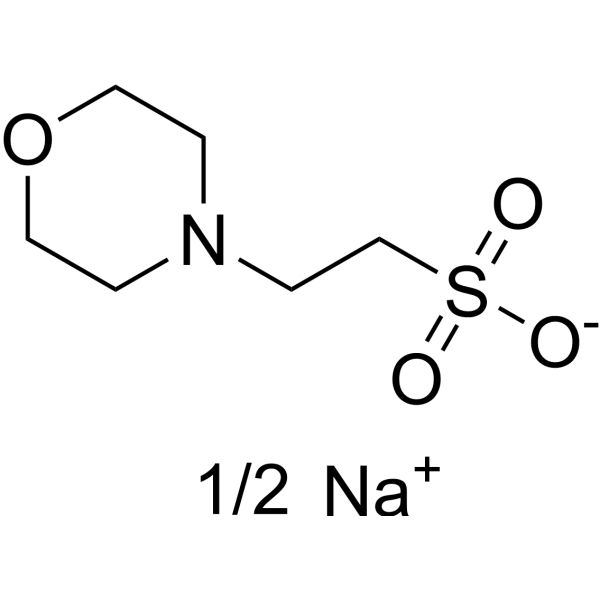
MES (2-Morpholinoethanesulphonic acid) hemisodium is a kind of amphoteric ion buffer, the buffer capacity ranging pH 5.5-7.0. As a Good's buffer, MES hemisodium is widely used in biochemistry and molecular biology experiments, such as cell culture, enzyme activity determination, electrophoresis and protein studies .
|
-
-
- HY-103701AR
-
|
2-Phospho-L-ascorbic acid magnesium (Standard); LAA2P magnesium (Standard)
|
Reference Standards
Phosphatase
Reactive Oxygen Species (ROS)
Endogenous Metabolite
|
Metabolic Disease
|
|
L-Ascorbic acid 2-phosphate (magnesium) (Standard) is the analytical standard of L-Ascorbic acid 2-phosphate (magnesium). This product is intended for research and analytical applications. L-Ascorbic acid 2-phosphate magnesium (2-Phospho-L-ascorbic acid magnesium) is a?long-acting?vitamin?C?derivative?that can stimulate collagen formation and expression . L-Ascorbic acid 2-phosphate magnesium (2-Phospho-L-ascorbic acid magnesium) can be used as a culture medium supplement for the osteogenic differentiation of human adipose stem cells (hASCs). L-Ascorbic acid 2-phosphate magnesium (2-Phospho-L-ascorbic acid magnesium) increases alkaline phosphatase (ALP) activity and expression of runx2A in hASCs during the osteogenic differentiation .
|
-
-
- HY-157368
-
-
-
- HY-101150A
-
|
|
DNA Alkylator/Crosslinker
ADC Payload
|
Cancer
|
|
sulfo-DGN462 sodium is degraded to DGN462 in culture medium and plasma. DGN462, a potent DNA-alkylating agent, shows anti-tumor activity, such as acute myeloid leukemia (AML) .
|
-
-
- HY-157380
-
|
SS Agar
|
Biochemical Assay Reagents
|
Others
|
|
Salmonella-Shigella Agar (SS Agar) is a solid medium that can be used for the isolation, detection and culture of Salmonella and Shigella.
|
-
-
- HY-101040A
-
|
Q203 ditosylate; IAP6 ditosylate
|
Bacterial
Antibiotic
|
Infection
|
|
Telacebec ditosylate is a midazopyridine amide compound. Telacebec ditosylate is active against Mycobacterium tuberculosis H37Rv with an MIC50 of 2.7 nM in culture broth medium.
|
-
-
- HY-P4910
-
|
|
Proteasome
Apoptosis
|
Cancer
|
|
Baceridin is a proteasome inhibitor and a cyclic hexapeptide. Baceridin can be isolated from the culture medium of Epiphytic Bacillus. Baceridin can inhibit cell cycle progression and induce tumor cell apoptosis through a p53-independent pathway. Baceridin can be used in cancer research .
|
-
-
- HY-P10400A
-
|
|
Phytohormone
|
Infection
|
|
AtPep1 TFA is an endogenous inducer of innate immune responses. AtPep1 TFA can be isolated from Arabidopsis thaliana leaves. AtPep1 TFA activates the transcription of defensin (PDF1.2), the expression of PROPEP1, the synthesis of hydrogen peroxide (H2O2) near leaf veins, and the alkalization of Arabidopsis suspension cell culture medium. AtPep1 TFA induces the expression of genes encoding defensins and PR-1. AtPep1 TFA is applicable to studies related to Pythium irregulare infection and pathogen infection .
|
-
-
- HY-W251598J
-
|
Sodium hydrogen carbonate (Pharmaceutical primary standard, USP); Soda bicarbonate (Pharmaceutical primary standard, USP)
|
Bacterial
NO Synthase
|
Inflammation/Immunology
Cancer
|
|
Sodium bicarbonate, United States Pharmacopeia (USP) Reference Standard is an inorganic salt. Sodium bicarbonate, United States Pharmacopeia (USP) Reference Standard can maintain the pH of the culture medium, thereby affecting the expression of inducible nitric oxide synthase (iNOS) and nitric oxide (NO) production in macrophages and reversing the acidosis of the tumor microenvironment. Sodium bicarbonate, United States Pharmacopeia (USP) Reference Standard is widely used in the fields of food, cosmetics, etc. Its main uses include buffers, flavoring agents, disinfectants, pharmaceuticals, and proton gradient regulators. Sodium bicarbonate, United States Pharmacopeia (USP) Reference Standard is also commonly used as an antacid to inhibit gastrointestinal diseases, neutralize gastric acid, and reduce gastric discomfort .
|
-
- HY-N0378S4
-
|
Mannitol-d2; Mannite-d2
|
Isotope-Labeled Compounds
Endogenous Metabolite
Apoptosis
PGC-1α
Adrenergic Receptor
PKA
|
Cardiovascular Disease
Metabolic Disease
Cancer
|
|
D-Mannitol-d2 is the deuterium labeled D-Mannitol (HY-N0378). D-Mannitol (Mannitol) is an oral, resistant sugar widely used in the food and pharmaceutical industries to promote the absorption and retention of calcium and magnesium through cecal fermentation, while acting as a osmotic diuretic to reduce tissue edema. D-Mannitol can enhance brown fat formation, improve insulin effect, reduce blood sugar levels, And through the start the β3-adrenergic receptor (β3-AR), PGC1α and PKA induced by means of white fat cells into brown fat cells . D-Mannitol is commonly used to maintain osmotic pressure between the plant cytoplasm and the culture medium and protect cells when the cell wall is weakened or even removed .
|
-
- HY-172190
-
|
|
Biochemical Assay Reagents
|
Others
|
|
MS Medium is a basic medium for plant tissue culture. MS Medium has a high concentration of inorganic salts and is suitable for plant protoplast, cell and tissue culture .
|
-
- HY-157358
-
-
- HY-W509915
-
-
- HY-157361
-
|
|
Biochemical Assay Reagents
|
Others
|
|
Ethyl Violet Aziode Broth is a special medium for growth culture of streptococcus. The composition of 1 litre medium is 35.8 g Ethyl Violet Aziode Broth.
|
-
- HY-172190A
-
|
|
Biochemical Assay Reagents
|
Others
|
|
MS Medium (Agar-Free, Sucrose-Free) is a culture medium with a high concentration of inorganic salts and ions, making it a relatively stable balanced solution. The quantity and ratio of nutrients in MS Medium (Agar-Free, Sucrose-Free) are suitable to meet the nutritional and physiological needs of plants.
|
-
- HY-116791
-
|
|
Others
|
Others
|
|
Calanolide A is an antioxidant that was initially thought to be produced by neuroblastoma cells but was later detected as a contaminant in the cell culture medium with no clear biological activity.
|
-
- HY-157370
-
|
|
Biochemical Assay Reagents
|
Others
|
|
Blood Enrichment Medium can be used for enrichment culture of pathogenic bacteria in blood. Blood Enrichment Medium ingredients include peptone, beef extract powder, NaCl, glucose, sodium citrate, para-aminobenzoic acid, magnesium sulfate, phenol red .
|
-
- HY-157367
-
|
|
Biochemical Assay Reagents
|
Others
|
|
Bismuth Sulfite Agar Medium can be used for selective isolation and culture of Salmonella. Bismuth Sulfite Agar Medium ingredients include tryptone, peptone, beef powder, ferrous sulfate, bismuth sulfite, disodium hydrogen phosphate, glucose, brilliant green, agar .
|
-
- HY-118965
-
|
|
Antibiotic
|
Cancer
|
|
Alazopeptin is an anti-tumor compound that can be isolated from the culture medium of Streptomyces candidus var. azaticus. Alazopeptin can be used in the study of leukemia .
|
-
- HY-N8908
-
|
|
Others
|
Infection
|
|
2α,9α,11-Trihydroxy-6-oxodrim-7-ene is a natural product that can be isolated from the culture medium of the marine-derived fungus Aspergillus insuetus .
|
-
- HY-119195
-
-
- HY-108263S
-
|
CGP52421-d5
|
Isotope-Labeled Compounds
FLT3
|
Cancer
|
|
3-Hydroxy Midostaurin-d5 is a deuterium labeled 3-Hydroxy Midostaurin. 3-Hydroxy Midostaurin is a metabolite of PKC412, which effectively inhibits FMS-like tyrosine kinase-3 (FLT3) autophosphorylation with IC50s of approximately 132 nM and 9.8 μM in culture medium and plasma, respectively .
|
-
- HY-120721
-
|
|
Lipoxygenase
|
Cancer
|
|
Lagunamycin is a 5-lipoxygenase inhibitor isolated from the culture medium of Streptomyces sp. AA0310. Lagunamycin has a significant inhibitory activity against rat 5-lipoxygenase with an IC50 value of 6.08 μM. Lagunamycin can effectively inhibit 5-lipoxygenase without causing lipid peroxidation, indicating that it has an effective inhibitory effect without causing side effects.
|
-
- HY-W751180
-
|
CGP52421-13C6
|
Isotope-Labeled Compounds
FLT3
|
Cancer
|
|
3-Hydroxy Midostaurin- 13C6 (CGP52421- 13C6) is the 13C-labeled 3-Hydroxy Midostaurin (HY-108263). 3-Hydroxy Midostaurin (CGP 52421), a metabolite of PKC412, effectively inhibits FMS-like tyrosine kinase-3 (FLT3) autophosphorylation with IC50s of approximately 132 nM and 9.8 μM in culture medium and plasma, respectively. 3-Hydroxy Midostaurin is less selective but more cytotoxic than PKC412 .
|
-
- HY-107837R
-
|
2-Phospho-L-ascorbic acid trisodium (Standard)
|
Reference Standards
Phosphatase
Reactive Oxygen Species (ROS)
Endogenous Metabolite
|
Metabolic Disease
|
|
L-Ascorbic acid 2-phosphate (trisodium) (Standard) is the analytical standard of L-Ascorbic acid 2-phosphate (trisodium). This product is intended for research and analytical applications. L-Ascorbic acid 2-phosphate trisodium (2-Phospho-L-ascorbic acid trisodium) is a long-acting vitamin C derivative that can stimulate collagen formation and expression[1]. L-Ascorbic acid 2-phosphate trisodium (2-Phospho-L-ascorbic acid trisodium) can be used as a culture medium supplement for the osteogenic differentiation of human adipose stem cells (hASCs). L-Ascorbic acid 2-phosphate trisodium (2-Phospho-L-ascorbic acid trisodium) increases alkaline phosphatase (ALP) activity and expression of runx2A in hASCs during the osteogenic differentiation[2][3].
|
-
- HY-116748
-
|
|
PDI
Phosphatase
|
|
|
(±)-trans-1,2-Bis(2-mercaptoacetamido)cyclohexane is a small-molecule dithiol catalyst with a low thiol pKa value (8.3) and high reduction potential (-0.24 V), capable of mimicking PDI activity. It catalyzes the activation of scrambled ribonuclease A (scrambled ribonuclease A) and promotes the formation of native disulfide bonds, thereby significantly enhancing protein folding efficiency. Adding (±)-trans-1,2-Bis(2-mercaptoacetamido)cyclohexane to the culture medium of Saccharomyces cerevisiae can increase the secretion of exogenously expressed Schizosaccharomyces pombe acid phosphatase by more than threefold. (±)-trans-1,2-Bis(2-mercaptoacetamido)cyclohexane holds great potential for applications in protein production and secretion research .
|
-
- HY-179187
-
-
- HY-179186
-
-
- HY-179183
-
|
|
Biochemical Assay Reagents
|
Others
|
|
B5 Medium is a culture medium primarily used for soybean tissue culture. A key characteristic of B5 Medium is its low ammonium content, which may inhibit the growth of many cultures .
|
-
- HY-179183A
-
|
|
Biochemical Assay Reagents
|
Others
|
|
B5 Medium (Agar-Free) is a culture medium primarily used for soybean tissue culture. A key characteristic of B5 Medium (Agar-Free) is its low ammonium content, which may inhibit the growth of many cultures .
|
-
- HY-179184
-
|
|
Biochemical Assay Reagents
|
Others
|
|
N6 Medium (Agar-Free) is the international standard culture medium for cereal cell culture, especially suitable for anther culture of monocotyledonous plants (such as rice, wheat, barley, corn, etc.).
|
-
- HY-179183B
-
|
|
Biochemical Assay Reagents
|
Others
|
|
B5 Medium (Agar-Free, Sucrose-Free) is a culture medium primarily used for soybean tissue culture. A key characteristic of B5 Medium (Agar-Free, Sucrose-Free) is its low ammonium content, which may inhibit the growth of many cultures .
|
-
- HY-179184A
-
|
|
Biochemical Assay Reagents
|
Others
|
|
N6 Medium (Agar-Free, Sucrose-Free) is the international standard culture medium for cereal cell culture, especially suitable for anther culture of monocotyledonous plants (such as rice, wheat, barley, corn, etc.).
|
-
- HY-182658
-
|
|
Biochemical Assay Reagents
|
Others
|
|
Litvay vitamin solution (1000×) is a plant culture medium additive used to prepare Litvay culture medium, which provides essential vitamins for plant cell growth.
|
-
- HY-179188
-
-
- HY-182732
-
|
|
Biochemical Assay Reagents
|
Others
|
|
Oatmeal Agar is a selective culture medium for culturing fungi, especially for megaspore formation, which helps in the classification and identification of fungi.
|
-
- HY-182666A
-
|
|
Biochemical Assay Reagents
|
Others
|
|
Arabidopsis thaliana Rooting Medium II is a culture medium for rooting Arabidopsis thaliana (containing sucrose, agar, hormones, pH 5.8).
|
-
- HY-182666
-
|
|
Biochemical Assay Reagents
|
Others
|
|
Arabidopsis thaliana Rooting Medium I is a culture medium for rooting Arabidopsis thaliana (containing sucrose, agar, hormones, pH 5.8).
|
-
- HY-182651C
-
|
|
Biochemical Assay Reagents
|
Others
|
|
SH vitamin solution (100×) is a filtered and sterilized vitamin concentrate used for plant tissue culture and is the core component for preparing SH culture medium.
|
-
- HY-179184B
-
|
|
Biochemical Assay Reagents
|
Others
|
|
N6 vitamin solution (1000×) is a concentrated storage solution of vitamins required for preparing N6 culture medium, specifically for plant tissue culture research.
|
-
- HY-172190C
-
|
|
Biochemical Assay Reagents
|
Others
|
|
MS Medium (Calcium-Free) is a culture medium with a high concentration of inorganic salts and ions, making it a relatively stable balanced solution. The quantity and ratio of nutrients in MS Medium (Calcium-Free) are suitable to meet the nutritional and physiological needs of plants.
|
-
- HY-172190B
-
|
|
Biochemical Assay Reagents
|
Others
|
|
MS Medium (Agar-Free) is a culture medium with a high concentration of inorganic salts and ions, making it a relatively stable balanced solution. The quantity and ratio of nutrients in MS Medium (Agar-Free) are suitable to meet the nutritional and physiological needs of plants.
|
-
- HY-156263A
-
-
- HY-182655
-
|
|
Biochemical Assay Reagents
|
Others
|
|
HE Medium (With Sucrose) is mainly composed of potassium salts, calcium chloride, magnesium sulfate, phosphates, etc. It is a sterile solution that can be used for plant culture.
|
-
- HY-179183C
-
|
|
Biochemical Assay Reagents
|
Others
|
|
B5 vitamin solution (1000×) is a high-concentration additive for plant tissue culture, specifically designed for the preparation of Gamborg B5 medium.
|
-
- HY-182650A
-
|
|
Biochemical Assay Reagents
|
Others
|
|
Nitsch vitamin solution (1000×) is a highly concentrated vitamin supplement for plant tissue culture and is an essential core component for the preparation of classic Nitsch medium.
|
-
- HY-182655A
-
|
|
Biochemical Assay Reagents
|
Others
|
|
HE Medium (With Sucrose, Agar) is mainly composed of potassium salts, calcium chloride, magnesium sulfate, phosphates, etc. It is a sterile solution that can be used for plant culture.
|
-
- HY-157378
-
|
|
Biochemical Assay Reagents
|
Others
|
|
YM11 Agar is a special agar for isolation and culture of mold and yeast. The composition of 1 litre medium is 47.5 g YM11 Agar .
|
-
- HY-182656
-
|
|
Biochemical Assay Reagents
|
Others
|
|
WPM vitamin solution (1000×) is a high-concentration vitamin supplement designed to support the growth of woody plants in tissue culture and can be used to prepare WPM medium.
|
-
- HY-182657
-
|
|
Biochemical Assay Reagents
|
Others
|
|
DKW vitamin solution (1000×) is a high-concentration vitamin supplement designed to support the growth of woody plants in tissue culture and can be used to prepare DKW medium.
|
-
- HY-182655B
-
|
|
Biochemical Assay Reagents
|
Others
|
|
HE Medium (Agar-Free, Sucrose-Free) is mainly composed of potassium salts, calcium chloride, magnesium sulfate, phosphates, etc. It is a sterile solution that can be used for plant culture.
|
-
- HY-182738B
-
|
|
Biochemical Assay Reagents
|
Others
|
|
White Medium (With Sucrose) is mainly composed of potassium nitrate, calcium chloride, magnesium sulfate, and phosphate, with potassium nitrate concentration of 80 mg/L and magnesium sulfate concentration of 720 mg/L. White Medium (With Sucrose) has a low concentration of inorganic salts and is primarily used for culturing plant roots, embryos, and general tissues; it is a sterile solution.
|
-
- HY-183863
-
|
|
Biochemical Assay Reagents
|
Others
|
|
N-(4-(1H-Pyrazol-1-yl) butyl)-5-(furan-2-yl) isoxazole-3-carboxamide is a cell culture medium component used for the long-term expansion of granulocyte/macrophage progenitor cells in culture .
|
-
- HY-179179B
-
|
|
Biochemical Assay Reagents
|
Others
|
|
MS vitamin solution (1000×) is a vitamin mixture essential for MS medium in plant tissue culture. It provides key organic nutrients and coenzyme factors for isolated plant tissues, supporting their normal growth, differentiation and proliferation.
|
-
- HY-D0858DR
-
|
2-Morpholinoethanesulphonic acid hemisodium (Standard)
|
Biochemical Assay Reagents
|
Others
|
|
MES (hemisodium) (Standard) is the analytical standard of MES (hemisodium). This product is intended for research and analytical applications. MES (2-Morpholinoethanesulphonic acid) hemisodium is a kind of amphoteric ion buffer, the buffer capacity ranging pH 5.5-7.0. As a Good's buffer, MES hemisodium is widely used in biochemistry and molecular biology experiments, such as cell culture, enzyme activity determination, electrophoresis and protein studies .
|
-
- HY-108592R
-
|
|
Reference Standards
Potassium Channel
|
Neurological Disease
|
|
UCL 2077 (Standard) is the analytical standard of UCL 2077 (HY-108592). This product is intended for research and analytical applications. UCL 2077 is a selective slow-afterhyperpolarization (sAHP) channel blocker (IC50 = 500 nM in hippocampal neurons in culture), having minimal effects on Ca2+ channels, action potentials, input resistance and the medium after hyperpolarization . UCL 2077 is also a subtype-selective blocker of the epilepsy associated KCNQ channels .
|
-
- HY-181553
-
|
|
PROTACs
Epigenetic Reader Domain
|
Others
|
|
PROTAC BRD4 Degrader-44 is a BRD4 PROTAC degrader with a DC50 of 16 nM. PROTAC BRD4 Degrader-44 is applicable to studies on membrane-permeable PROTACs .
|
-
- HY-N2457
-
|
(25R)-3β-Hydroxy-5α-spirostan-6-one; 6-Oxotigogenin
|
Reactive Oxygen Species (ROS)
|
Inflammation/Immunology
Cancer
|
|
Laxogenin ((25R)-3β-Hydroxy-5α-spirostan-6-one; 6-Oxotigogenin) is an orally active myostatin (myostatin) inhibitor. Laxogenin promotes myogenesis and enhances the formation and maturation of myotubes. Laxogenin downregulates ROS. When added to the culture medium for cultured meat production, Laxogenin improves the texture, quality and nutritional value of cultured meat. Laxogenin reduces the average number of tumors in a two-stage mouse lung carcinogenesis model. Laxogenin can be used in research related to myogenesis and lung cancer .
|
-
- HY-181553A
-
|
|
PROTACs
Epigenetic Reader Domain
|
Cancer
|
|
PROTAC BRD4 Degrader-45 is a PROTAC degrader targeting BRD4, with a DC50 of 43 nM. PROTAC BRD4 Degrader-45 is applicable to studies on membrane-permeable PROTACs .
|
-
- HY-W008923
-
|
|
MMP
Parasite
Bacterial
Antibiotic
Apoptosis
Akt
PI3K
|
Infection
Neurological Disease
Inflammation/Immunology
Cancer
|
|
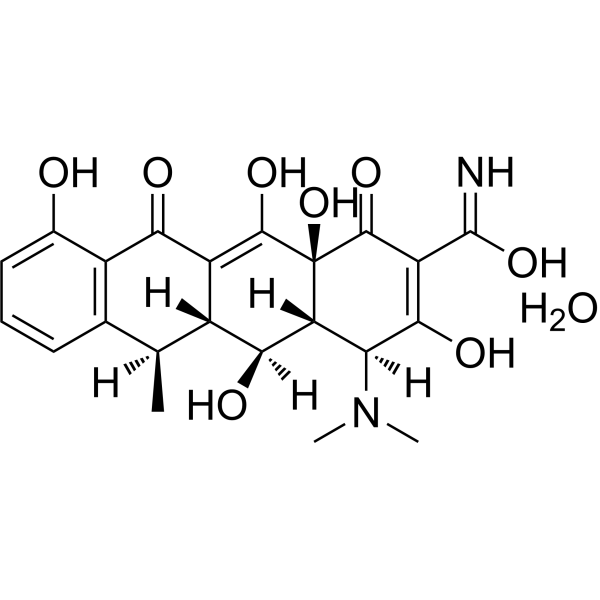
Doxycycline monohydrate is an orally active highly lipophilic, tissue-permeable MMP inhibitor with broad-spectrum antibacterial activity. Doxycycline monohydrate is also a semi-synthetic antibiotic with chelating properties, which blocks bacterial protein synthesis and inhibits extracellular matrix degradation through interactions with zinc and calcium atoms. Doxycycline monohydrate also inhibits mitochondrial biogenesis, translation, and the expression of respiratory chain proteins. Doxycycline monohydrate induces apoptosis, inhibits autophagy and EMT, downregulates stem cell markers, and activates the PI3K-AKT pathway, thereby effectively inhibiting the viability and proliferation of cancer cells such as breast cancer cells. Doxycycline monohydrate also promotes the survival and self-renewal of embryonic stem cells and neural stem cells, and reduces the frequency of medium changes in culture. Doxycycline monohydrate has been applied in studies related to breast cancer, prostate cancer, bladder cancer, and other cancers .
|
-
- HY-N0378S2
-
|
Mannitol-13C6; Mannite-13C6
|
Isotope-Labeled Compounds
Endogenous Metabolite
Apoptosis
PGC-1α
Adrenergic Receptor
PKA
|
Cardiovascular Disease
Metabolic Disease
Cancer
|
|
D-Mannitol- 13C6 is the 13C labeled D-Mannitol (HY-N0378). D-Mannitol (Mannitol) is an oral, resistant sugar widely used in the food and pharmaceutical industries to promote the absorption and retention of calcium and magnesium through cecal fermentation, while acting as a osmotic diuretic to reduce tissue edema. D-Mannitol can enhance brown fat formation, improve insulin effect, reduce blood sugar levels, And through the start the β3-adrenergic receptor (β3-AR), PGC1α and PKA induced by means of white fat cells into brown fat cells . D-Mannitol is commonly used to maintain osmotic pressure between the plant cytoplasm and the culture medium and protect cells when the cell wall is weakened or even removed .
|
-
- HY-N0378S1
-
|
Mannitol-13C; Mannite-13C
|
Isotope-Labeled Compounds
Endogenous Metabolite
Apoptosis
PGC-1α
Adrenergic Receptor
PKA
|
Cardiovascular Disease
Metabolic Disease
Cancer
|
|
D-Mannitol- 13C is the 13C labeled D-Mannitol (HY-N0378). D-Mannitol (Mannitol) is an oral, resistant sugar widely used in the food and pharmaceutical industries to promote the absorption and retention of calcium and magnesium through cecal fermentation, while acting as a osmotic diuretic to reduce tissue edema. D-Mannitol can enhance brown fat formation, improve insulin effect, reduce blood sugar levels, And through the start the β3-adrenergic receptor (β3-AR), PGC1α and PKA induced by means of white fat cells into brown fat cells . D-Mannitol is commonly used to maintain osmotic pressure between the plant cytoplasm and the culture medium and protect cells when the cell wall is weakened or even removed .
|
-
- HY-N0378S
-
|
Mannitol-d8; Mannite-d8
|
Isotope-Labeled Compounds
Endogenous Metabolite
Apoptosis
PGC-1α
Adrenergic Receptor
PKA
|
Cardiovascular Disease
Metabolic Disease
Cancer
|
|
D-Mannitol-d8 is the deuterium labeled D-Mannitol (HY-N0378). D-Mannitol (Mannitol) is an oral, resistant sugar widely used in the food and pharmaceutical industries to promote the absorption and retention of calcium and magnesium through cecal fermentation, while acting as a osmotic diuretic to reduce tissue edema. D-Mannitol can enhance brown fat formation, improve insulin effect, reduce blood sugar levels, And through the start the β3-adrenergic receptor (β3-AR), PGC1α and PKA induced by means of white fat cells into brown fat cells . D-Mannitol is commonly used to maintain osmotic pressure between the plant cytoplasm and the culture medium and protect cells when the cell wall is weakened or even removed .
|
-
- HY-N0378S5
-
|
Mannitol-d1; Mannite-d1
|
Isotope-Labeled Compounds
Endogenous Metabolite
Apoptosis
PGC-1α
Adrenergic Receptor
PKA
|
Cardiovascular Disease
Metabolic Disease
Cancer
|
|
D-Mannitol-d is the deuterium labeled D-Mannitol (HY-N0378). D-Mannitol (Mannitol) is an oral, resistant sugar widely used in the food and pharmaceutical industries to promote the absorption and retention of calcium and magnesium through cecal fermentation, while acting as a osmotic diuretic to reduce tissue edema. D-Mannitol can enhance brown fat formation, improve insulin effect, reduce blood sugar levels, And through the start the β3-adrenergic receptor (β3-AR), PGC1α and PKA induced by means of white fat cells into brown fat cells . D-Mannitol is commonly used to maintain osmotic pressure between the plant cytoplasm and the culture medium and protect cells when the cell wall is weakened or even removed .
|
-
- HY-N0565C
-
|
|
MMP
Parasite
Bacterial
Antibiotic
Apoptosis
Akt
PI3K
|
Infection
Neurological Disease
Inflammation/Immunology
Cancer
|
|
Doxycycline calcium is an orally active highly lipophilic, tissue-permeable MMP inhibitor with broad-spectrum antibacterial activity. Doxycycline calcium is also a semi-synthetic antibiotic with chelating properties, which blocks bacterial protein synthesis and inhibits extracellular matrix degradation through interactions with zinc and calcium atoms. Doxycycline calcium also inhibits mitochondrial biogenesis, translation, and the expression of respiratory chain proteins. Doxycycline calcium induces apoptosis, inhibits autophagy and EMT, downregulates stem cell markers, and activates the PI3K-AKT pathway, thereby effectively inhibiting the viability and proliferation of cancer cells such as breast cancer cells. Doxycycline calcium also promotes the survival and self-renewal of embryonic stem cells and neural stem cells, and reduces the frequency of medium changes in culture. Doxycycline calcium has been applied in studies related to breast cancer, prostate cancer, bladder cancer, and other cancers .
|
-
- HY-N0378S3
-
|
Mannitol-2-13C; Mannite-2-13C
|
Isotope-Labeled Compounds
Endogenous Metabolite
Apoptosis
PGC-1α
Adrenergic Receptor
PKA
|
Cardiovascular Disease
Metabolic Disease
Cancer
|
|
D-Mannitol-2- 13C is the 13C labeled D-Mannitol (HY-N0378). D-Mannitol (Mannitol) is an oral, resistant sugar widely used in the food and pharmaceutical industries to promote the absorption and retention of calcium and magnesium through cecal fermentation, while acting as a osmotic diuretic to reduce tissue edema. D-Mannitol can enhance brown fat formation, improve insulin effect, reduce blood sugar levels, And through the start the β3-adrenergic receptor (β3-AR), PGC1α and PKA induced by means of white fat cells into brown fat cells . D-Mannitol is commonly used to maintain osmotic pressure between the plant cytoplasm and the culture medium and protect cells when the cell wall is weakened or even removed .
|
-
- HY-N0378R
-
|
Mannitol(Standard); Mannite (Standard)
|
Reference Standards
Endogenous Metabolite
Apoptosis
PGC-1α
Adrenergic Receptor
PKA
|
Cardiovascular Disease
Metabolic Disease
Cancer
|
|
D-Mannitol (Standard) is the analytical standard of D-Mannitol (HY-N0378). This product is intended for research and analytical applications. D-Mannitol (Mannitol) is an oral, resistant sugar widely used in the food and pharmaceutical industries to promote the absorption and retention of calcium and magnesium through cecal fermentation, while acting as a osmotic diuretic to reduce tissue edema. D-Mannitol can enhance brown fat formation, improve insulin effect, reduce blood sugar levels, And through the start the β3-adrenergic receptor (β3-AR), PGC1α and PKA induced by means of white fat cells into brown fat cells . D-Mannitol is commonly used to maintain osmotic pressure between the plant cytoplasm and the culture medium and protect cells when the cell wall is weakened or even removed .
|
-
- HY-178413S
-
|
Mannitol-d4; Mannite-d4
|
Isotope-Labeled Compounds
PKA
Apoptosis
Adrenergic Receptor
PGC-1α
Endogenous Metabolite
|
Cardiovascular Disease
Metabolic Disease
Cancer
|
|
D-Mannitol-d4 (Mannitol-d4) is the deuterium labeled D-Mannitol (HY-N0378). D-Mannitol (Mannitol) is an oral, resistant sugar widely used in the food and pharmaceutical industries to promote the absorption and retention of calcium and magnesium through cecal fermentation, while acting as a osmotic diuretic to reduce tissue edema. D-Mannitol can enhance brown fat formation, improve insulin effect, reduce blood sugar levels, And through the start the β3-adrenergic receptor (β3-AR), PGC1α and PKA induced by means of white fat cells into brown fat cells . D-Mannitol is commonly used to maintain osmotic pressure between the plant cytoplasm and the culture medium and protect cells when the cell wall is weakened or even removed .
|
-
- HY-N0378S6
-
|
Mannitol-13C,d2; Mannite-13C,d2
|
Isotope-Labeled Compounds
Endogenous Metabolite
Apoptosis
PGC-1α
Adrenergic Receptor
PKA
|
Cardiovascular Disease
Metabolic Disease
Cancer
|
|
D-Mannitol- 13C,d2 is the deuterium and 13C labeled D-Mannitol (HY-N0378). D-Mannitol (Mannitol) is an oral, resistant sugar widely used in the food and pharmaceutical industries to promote the absorption and retention of calcium and magnesium through cecal fermentation, while acting as a osmotic diuretic to reduce tissue edema. D-Mannitol can enhance brown fat formation, improve insulin effect, reduce blood sugar levels, And through the start the β3-adrenergic receptor (β3-AR), PGC1α and PKA induced by means of white fat cells into brown fat cells . D-Mannitol is commonly used to maintain osmotic pressure between the plant cytoplasm and the culture medium and protect cells when the cell wall is weakened or even removed .
|
-
- HY-W008923R
-
|
|
Reference Standards
MMP
Parasite
Bacterial
Antibiotic
Apoptosis
Akt
PI3K
|
Infection
Neurological Disease
Inflammation/Immunology
Cancer
|
|
Doxycycline monohydrate (Standard) is the analytical standard of Doxycycline monohydrate (HY-W008923). Doxycycline monohydrate is an orally active highly lipophilic, tissue-permeable MMP inhibitor with broad-spectrum antibacterial activity. Doxycycline monohydrate is also a semi-synthetic antibiotic with chelating properties, which blocks bacterial protein synthesis and inhibits extracellular matrix degradation through interactions with zinc and calcium atoms. Doxycycline monohydrate also inhibits mitochondrial biogenesis, translation, and the expression of respiratory chain proteins. Doxycycline monohydrate induces apoptosis, inhibits autophagy and EMT, downregulates stem cell markers, and activates the PI3K-AKT pathway, thereby effectively inhibiting the viability and proliferation of cancer cells such as breast cancer cells. Doxycycline monohydrate also promotes the survival and self-renewal of embryonic stem cells and neural stem cells, and reduces the frequency of medium changes in culture. Doxycycline monohydrate has been applied in studies related to breast cancer, prostate cancer, bladder cancer, and other cancers .
|
-
- HY-N0565AR
-
|
|
Reference Standards
MMP
Parasite
Bacterial
Antibiotic
Apoptosis
Akt
PI3K
|
Infection
Neurological Disease
Inflammation/Immunology
Cancer
|
|
Doxycycline hydrochloride (Standard) is the analytical standard of Doxycycline hydrochloride (HY-N0565A). This product is intended for research and analytical applications. Doxycycline hydrochloride is an orally active highly lipophilic, tissue-permeable MMP inhibitor with broad-spectrum antibacterial activity. Doxycycline hydrochloride is also a semi-synthetic antibiotic with chelating properties, which blocks bacterial protein synthesis and inhibits extracellular matrix degradation through interactions with zinc and calcium atoms. Doxycycline hydrochloride also inhibits mitochondrial biogenesis, translation, and the expression of respiratory chain proteins. Doxycycline hydrochloride induces apoptosis, inhibits autophagy and EMT, downregulates stem cell markers, and activates the PI3K-AKT pathway, thereby effectively inhibiting the viability and proliferation of cancer cells such as breast cancer cells. Doxycycline hydrochloride also promotes the survival and self-renewal of embryonic stem cells and neural stem cells, and reduces the frequency of medium changes in culture. Doxycycline hydrochloride has been applied in studies related to breast cancer, prostate cancer, bladder cancer, and other cancers .
|
-
- HY-N0565AS
-
|
|
Isotope-Labeled Compounds
MMP
Parasite
Bacterial
Antibiotic
Apoptosis
Akt
PI3K
|
Infection
Neurological Disease
Inflammation/Immunology
Cancer
|
|
Doxycycline-d3 hydrochloride is deuterium labeled Doxycycline hydrochloride (HY-N0565A). Doxycycline hydrochloride is an orally active highly lipophilic, tissue-permeable MMP inhibitor with broad-spectrum antibacterial activity. Doxycycline hydrochloride is also a semi-synthetic antibiotic with chelating properties, which blocks bacterial protein synthesis and inhibits extracellular matrix degradation through interactions with zinc and calcium atoms. Doxycycline hydrochloride also inhibits mitochondrial biogenesis, translation, and the expression of respiratory chain proteins. Doxycycline hydrochloride induces apoptosis, inhibits autophagy and EMT, downregulates stem cell markers, and activates the PI3K-AKT pathway, thereby effectively inhibiting the viability and proliferation of cancer cells such as breast cancer cells. Doxycycline hydrochloride also promotes the survival and self-renewal of embryonic stem cells and neural stem cells, and reduces the frequency of medium changes in culture. Doxycycline hydrochloride has been applied in studies related to breast cancer, prostate cancer, bladder cancer, and other cancers .
|
-
- HY-N0565S3
-
|
|
Isotope-Labeled Compounds
MMP
Parasite
Bacterial
Antibiotic
Apoptosis
Akt
PI3K
|
Infection
Neurological Disease
Inflammation/Immunology
Cancer
|
|
Doxycycline- 13C,d3 is 13C and deuterium labeled Doxycycline (HY-N0565). Doxycycline is an orally active highly lipophilic, tissue-permeable MMP inhibitor with broad-spectrum antibacterial activity. Doxycycline is also a semi-synthetic antibiotic with chelating properties, which blocks bacterial protein synthesis and inhibits extracellular matrix degradation through interactions with zinc and calcium atoms. Doxycycline also inhibits mitochondrial biogenesis, translation, and the expression of respiratory chain proteins. Doxycycline induces apoptosis, inhibits autophagy and EMT, downregulates stem cell markers, and activates the PI3K-AKT pathway, thereby effectively inhibiting the viability and proliferation of cancer cells such as breast cancer cells. Doxycycline also promotes the survival and self-renewal of embryonic stem cells and neural stem cells, and reduces the frequency of medium changes in culture. Doxycycline has been applied in studies related to breast cancer, prostate cancer, bladder cancer, and other cancers .
|
-
- HY-N0565R
-
|
|
Reference Standards
MMP
Parasite
Bacterial
Antibiotic
Apoptosis
Akt
PI3K
|
Infection
Neurological Disease
Inflammation/Immunology
Cancer
|
|
Doxycycline (Standard) is the analytical standard of Doxycycline (HY-N0565). This product is intended for research and analytical applications. Doxycycline is an orally active highly lipophilic, tissue-permeable MMP inhibitor with broad-spectrum antibacterial activity. Doxycycline is also a semi-synthetic antibiotic with chelating properties, which blocks bacterial protein synthesis and inhibits extracellular matrix degradation through interactions with zinc and calcium atoms. Doxycycline also inhibits mitochondrial biogenesis, translation, and the expression of respiratory chain proteins. Doxycycline induces apoptosis, inhibits autophagy and EMT, downregulates stem cell markers, and activates the PI3K-AKT pathway, thereby effectively inhibiting the viability and proliferation of cancer cells such as breast cancer cells. Doxycycline also promotes the survival and self-renewal of embryonic stem cells and neural stem cells, and reduces the frequency of medium changes in culture. Doxycycline has been applied in studies related to breast cancer, prostate cancer, bladder cancer, and other cancers .
|
-
- HY-N0565S1
-
|
|
Isotope-Labeled Compounds
MMP
Parasite
Bacterial
Antibiotic
Apoptosis
Akt
PI3K
|
Infection
Neurological Disease
Inflammation/Immunology
Cancer
|
|
Doxycycline-d3 hyclate (major) is the deuterium labeled Doxycycline hyclate (HY-N0565B). Doxycycline hyclate is an orally active highly lipophilic, tissue-permeable MMP inhibitor with broad-spectrum antibacterial activity. Doxycycline hyclate is also a semi-synthetic antibiotic with chelating properties, which blocks bacterial protein synthesis and inhibits extracellular matrix degradation through interactions with zinc and calcium atoms. Doxycycline hyclate also inhibits mitochondrial biogenesis, translation, and the expression of respiratory chain proteins. Doxycycline hyclate induces apoptosis, inhibits autophagy and EMT, downregulates stem cell markers, and activates the PI3K-AKT pathway, thereby effectively inhibiting the viability and proliferation of cancer cells such as breast cancer cells. Doxycycline hyclate also promotes the survival and self-renewal of embryonic stem cells and neural stem cells, and reduces the frequency of medium changes in culture. Doxycycline hyclate has been applied in studies related to breast cancer, prostate cancer, bladder cancer, and other cancers .
|
-
- HY-N0565BR
-
|
Doxycycline (hydrochloride hemiethanolate hemihydrate) (Standard); WC2031 (Standard)
|
Reference Standards
MMP
Parasite
Bacterial
Antibiotic
Apoptosis
Akt
PI3K
|
Infection
Neurological Disease
Inflammation/Immunology
Cancer
|
|
Doxycycline hyclate (Standard) is the analytical standard of Doxycycline hyclate (HY-N0565B). This product is intended for research and analytical applications. Doxycycline hyclate is an orally active highly lipophilic, tissue-permeable MMP inhibitor with broad-spectrum antibacterial activity. Doxycycline hyclate is also a semi-synthetic antibiotic with chelating properties, which blocks bacterial protein synthesis and inhibits extracellular matrix degradation through interactions with zinc and calcium atoms. Doxycycline hyclate also inhibits mitochondrial biogenesis, translation, and the expression of respiratory chain proteins. Doxycycline hyclate induces apoptosis, inhibits autophagy and EMT, downregulates stem cell markers, and activates the PI3K-AKT pathway, thereby effectively inhibiting the viability and proliferation of cancer cells such as breast cancer cells. Doxycycline hyclate also promotes the survival and self-renewal of embryonic stem cells and neural stem cells, and reduces the frequency of medium changes in culture. Doxycycline hyclate has been applied in studies related to breast cancer, prostate cancer, bladder cancer, and other cancers .
|
-
- HY-N0565AG
-
|
|
Apoptosis
MMP
Akt
PI3K
|
Infection
Neurological Disease
Inflammation/Immunology
Cancer
|
|
Doxycycline hydrochloride GMP is Doxycycline (hydrochloride) (HY-N0565A) produced by using GMP guidelines. GMP small molecules works appropriately as an auxiliary reagent for cell therapy manufacture. Doxycycline hydrochloride is an orally active highly lipophilic, tissue-permeable MMP inhibitor with broad-spectrum antibacterial activity. Doxycycline hydrochloride is also a semi-synthetic antibiotic with chelating properties, which blocks bacterial protein synthesis and inhibits extracellular matrix degradation through interactions with zinc and calcium atoms. Doxycycline hydrochloride also inhibits mitochondrial biogenesis, translation, and the expression of respiratory chain proteins. Doxycycline hydrochloride induces apoptosis, inhibits autophagy and EMT, downregulates stem cell markers, and activates the PI3K-AKT pathway, thereby effectively inhibiting the viability and proliferation of cancer cells such as breast cancer cells. Doxycycline hydrochloride also promotes the survival and self-renewal of embryonic stem cells and neural stem cells, and reduces the frequency of medium changes in culture. Doxycycline hydrochloride has been applied in studies related to breast cancer, prostate cancer, bladder cancer, and other cancers .
|
-
| Cat. No. |
Product Name |
Type |
-
- HY-N0565AG
-
|
|
Fluorescent Dyes
|
|
Doxycycline hydrochloride GMP is Doxycycline (hydrochloride) (HY-N0565A) produced by using GMP guidelines. GMP small molecules works appropriately as an auxiliary reagent for cell therapy manufacture. Doxycycline hydrochloride is an orally active highly lipophilic, tissue-permeable MMP inhibitor with broad-spectrum antibacterial activity. Doxycycline hydrochloride is also a semi-synthetic antibiotic with chelating properties, which blocks bacterial protein synthesis and inhibits extracellular matrix degradation through interactions with zinc and calcium atoms. Doxycycline hydrochloride also inhibits mitochondrial biogenesis, translation, and the expression of respiratory chain proteins. Doxycycline hydrochloride induces apoptosis, inhibits autophagy and EMT, downregulates stem cell markers, and activates the PI3K-AKT pathway, thereby effectively inhibiting the viability and proliferation of cancer cells such as breast cancer cells. Doxycycline hydrochloride also promotes the survival and self-renewal of embryonic stem cells and neural stem cells, and reduces the frequency of medium changes in culture. Doxycycline hydrochloride has been applied in studies related to breast cancer, prostate cancer, bladder cancer, and other cancers .
|
| Cat. No. |
Product Name |
Type |
-
- HY-D0858
-
MES
4 Publications Verification
2-Morpholinoethanesulphonic acid
|
Biochemical Assay Reagents
|
|
MES (2-Morpholinoethanesulphonic acid) is a kind of amphoteric ion buffer, the buffer capacity ranging pH 5.5-7.0. As a Good's buffer, MES is widely used in biochemistry and molecular biology experiments, such as cell culture, enzyme activity determination, electrophoresis and protein studies .
|
-
- HY-103701B
-
|
2-Phospho-L-ascorbic acid magnesium hydrate; LAA2P magnesium hydrate
|
Biochemical Assay Reagents
|
|
L-ascorbic acid 2-phosphate (2-Phospho-L-ascorbic acid) magnesium hydrate is a long-acting vitamin C derivative that can stimulate collagen formation and expression. L-ascorbic acid 2-phosphate magnesium hydrate can be used as a culture medium supplement for the osteogenic differentiation of human adipose stem cells (hASCs). L-ascorbic acid 2-phosphate magnesium hydrate increases alkaline phosphatase (ALP) activity and expression of runx2A in hASCs during the osteogenic differentiation .
|
-
- HY-150287
-
|
ITS-G
|
Biochemical Assay Reagents
|
|
Insulin-Transferrin-Selenium, 100X (ITS-G) is a mixture of Insulin, transferrin, and sodium selenite that is a general supplement designed for use in classic media such as DMEM, RPMI-1640, and nutrient media such as Ham's F-12, DMEM/F-12. Insulin-Transferrin-Selenium is added to basal medium to reduce the amount of fetal calf serum required to culture cells .
|
-
- HY-170230
-
|
ECGS,Bovine
|
Biochemical Assay Reagents
|
|
Bovine Endothelial cell growth supplement, suitable for cell culture (ECGS, Bovine) is a culture medium supplement, endothelial cell growth supplement (ECGS), which promotes the proliferation of human saphenous vein endothelial cells (HSVEC) and human umbilical vein endothelial cells (HUVEC) .
|
-
- HY-W251598C
-
|
Sodium hydrogen carbonate for cell culture; Soda bicarbonate for cell culture
|
Biochemical Assay Reagents
|
|
Sodium bicarbonate, for cell culture (Sodium hydrogen carbonate for cell culture; Soda bicarbonate for cell culture) is an inorganic salt that is neutral to slightly alkaline and easily decomposes when exposed to moisture in the air. Sodium bicarbonate, for cell culture can maintain the pH of the culture medium, thereby affecting the expression of inducible nitric oxide synthase (iNOS) and nitric oxide (NO) production in macrophages and reversing the acidosis of the tumor microenvironment. Sodium bicarbonate is widely used in the fields of food, medicine, cosmetics, etc. Its main uses include buffers, flavoring agents, disinfectants, pharmaceuticals, and proton gradient regulators. Sodium bicarbonate is also commonly used as an antacid to inhibit gastrointestinal diseases, neutralize gastric acid, and reduce gastric discomfort .
|
-
- HY-D0858A
-
|
2-Morpholinoethanesulphonic acid monohydrate
|
Biochemical Assay Reagents
|
|
MES (2-Morpholinoethanesulphonic acid) monohydrate is a kind of amphoteric ion buffer, the buffer capacity ranging pH 5.5-7.0. As a Good's buffer, MES monohydrate is widely used in biochemistry and molecular biology experiments, such as cell culture, enzyme activity determination, electrophoresis and protein studies .
|
-
- HY-W133898
-
|
|
Biochemical Assay Reagents
|
|
Tryptone is a peptide-rich bacterial culture medium component that can regulate bacterial cell surface proteins and biofilm-related genes. Tryptone promotes the expression and assembly of bacterial adhesion proteins (such as LapA and LapF) by providing peptide substances as structural factors, enhancing cell surface hydrophobicity and intercellular adhesion, thereby stabilizing the biofilm matrix and supporting the maturation and maintenance of bacterial biofilms. The peptide mixture contained in Tryptone can specifically regulate the transcription of bacterial adhesion-related genes (such as activating LapA and inhibiting LapF), affecting the synthesis and localization of biofilm structural proteins .
|
-
- HY-W133982
-
|
|
Biochemical Assay Reagents
|
|
Corn steep liquor, a food industrial by-product, is a nutritional additive in the liquid culture medium of fungus. Corn steep liquor can increase the production of fairy chemicals and mycelia .
|
-
- HY-126437H
-
|
|
Biochemical Assay Reagents
|
|
Poly-L-lysine hydrobromide (MW 4000-15000) is a positively charged amino acid polymer that acts as a non-specific attachment factor for cells. Poly-L-lysine hydrobromide (MW 4000-15000) enhances the electrostatic interaction between the negative ions of the cell membrane and the surface of the culture medium, thereby promoting the adhesion of cells to solid substrates. Poly-L-lysine hydrobromide (MW 4000-15000) can be used for gene delivery .
|
-
- HY-W251598B
-
|
Sodium hydrogen carbonate for molecular biology; Soda bicarbonate for molecular biology
|
Biochemical Assay Reagents
|
|
Sodium bicarbonate, for molecular biology (Sodium hydrogen carbonate for molecular biolog; Soda bicarbonate for molecular biolog) is an inorganic salt. Sodium bicarbonate can maintain the pH of the culture medium, thereby affecting the expression of inducible nitric oxide synthase (iNOS) and nitric oxide (NO) production in macrophages and reversing the acidosis of the tumor microenvironment. Sodium bicarbonate is widely used in the fields of food, cosmetics, etc. Its main uses include buffers, flavoring agents, disinfectants, pharmaceuticals, and proton gradient regulators. Sodium bicarbonate is also commonly used as an antacid to inhibit gastrointestinal diseases, neutralize gastric acid, and reduce gastric discomfort .
|
-
- HY-Y1110H
-
|
Magnogene, suitable for insect cell culture
|
Biochemical Assay Reagents
|
|
Magnesium chloride anhydrous, suitable for insect cell culture is an inorganic salt and cell culture medium component that can be used to prepare Tris buffer. Magnesium chloride anhydrous, suitable for insect cell culture is a component of Hunter's Thrips medium, which supports the in vitro culture of western flower thrip embryonic cells, and promotes the adhesion of tissue fragments/cells as well as the growth of fibroblast-like and epithelial-like cells .
|
-
- HY-157355
-
|
BHI
|
Biochemical Assay Reagents
|
|
Brain Heart Infusion Broth (BHI) is a bacterial culture medium that can be used for microbial culture .
|
-
- HY-D0858C
-
|
2-Morpholinoethanesulphonic acid hydrate
|
Biochemical Assay Reagents
|
|
MES (2-Morpholinoethanesulphonic acid) hydrate is a kind of amphoteric ion buffer, the buffer capacity ranging pH 5.5-7.0. As a Good's buffer, MES hydrate is widely used in biochemistry and molecular biology experiments, such as cell culture, enzyme activity determination, electrophoresis and protein studies .
|
-
- HY-D0858E
-
|
2-Morpholinoethanesulphonic acid potassium
|
Biochemical Assay Reagents
|
|
MES (2-Morpholinoethanesulphonic acid) potassium is a kind of amphoteric ion buffer, the buffer capacity ranging pH 5.5-7.0. As a Good's buffer, MES potassium is widely used in biochemistry and molecular biology experiments, such as cell culture, enzyme activity determination, electrophoresis and protein studies .
|
-
- HY-D0858B
-
|
2-Morpholinoethanesulphonic acid sodium salt
|
Biochemical Assay Reagents
|
|
MES sodium salt (2-Morpholinoethanesulphonic acid) is a kind of amphoteric ion buffer, the buffer capacity ranging pH 5.5-7.0. As a Good's buffer, MES sodium salt is widely used in biochemistry and molecular biology experiments, such as cell culture, enzyme activity determination, electrophoresis and protein studies .
|
-
- HY-W133891
-
|
Peptones, soybean
|
Biochemical Assay Reagents
|
|
Peptone from soy (peptones, soybean) is a peptone. Peptone from soy provides nitrogen and carbon sources, as well as other nutrients. Peptone from soy can stimulate/regulate the biosynthesis of cyclic eicosanoids. Peptone from soy induces dose-dependent contraction of guinea pig lung parenchyma. Peptone from soy can be used in microbial and cell culture .
|
-
- HY-Y1365E
-
|
|
Biochemical Assay Reagents
|
|
Porcine skin Gelatin, suitable for cell culture (medium gel strength) can be used to coat cells to improve cell attachment .
|
-
- HY-144012
-
|
16:0 PEG2000 PE ammonium; 1,2-Dipalmitoyl-sn-glycero-3-phosphoethanolamine-N-[methoxy(polyethylene glycol)-2000] ammonium
|
Biochemical Assay Reagents
|
|
DPPE-PEG2000 ammonium (16:0 PEG5000 PE) is a polymer-lipid conjugate and LipoParticle stabilizer with a PEG chain of 5,000 g/mol molecular weight attached to its polar head, and it can be internalized by biological membranes. DPPE-PEG2000 ammonium enables LipoParticle to maintain colloidal stability after 20-fold dilution in PBS or cell culture medium, and prevents aggregate formation during lyophilization and rehydration. DPPE-PEG2000 ammonium helps enhance the non-cytotoxic property of LipoParticle formulations against human osteoblasts. DPPE-PEG2000 ammonium serves as a PEG lipid functional end group for synthesizing liposomes (LPs), is used in the design of conjugated polymer nanoparticles, and applies to research related to bone and joint infections .
|
-
- HY-144012H
-
|
16:0 PEG5000 PE; 1,2-Dipalmitoyl-sn-glycero-3-phosphoethanolamine-N-[methoxy(polyethylene glycol)-5000] ammonium
|
Biochemical Assay Reagents
|
|
DPPE-PEG5000 (16:0 PEG5000 PE) is a polymer-lipid conjugate and LipoParticle stabilizer with a PEG chain of 5,000 g/mol molecular weight attached to its polar head, and it can be internalized by biological membranes. DPPE-PEG5000 enables LipoParticle to maintain colloidal stability after 20-fold dilution in PBS or cell culture medium, and prevents aggregate formation during lyophilization and rehydration. DPPE-PEG5000 helps enhance the non-cytotoxic property of LipoParticle formulations against human osteoblasts. DPPE-PEG5000 serves as a PEG lipid functional end group for synthesizing liposomes (LPs), is used in the design of conjugated polymer nanoparticles, and applies to research related to bone and joint infections .
|
-
- HY-157374
-
|
|
Biochemical Assay Reagents
|
|
Beef Heart Infusion is a non-selective microbial culture medium formulation. Beef Heart Infusion provides nutrients for microbial growth. Beef Heart Infusion can be used for the culture, transplantation and rejuvenation of microorganisms.
|
-
- HY-157345
-
|
|
Biochemical Assay Reagents
|
|
Nutrient Agar is a special agar for bacterial culture. The composition of 1 litre medium is 33 g Nutrient Agar .
|
-
- HY-157363
-
|
|
Biochemical Assay Reagents
|
|
Tryptone Soya Agar is a general-purpose culture medium for the isolation and cultivation of fastidious and non-fastidious microorganisms or the maintenance of stock culture.
|
-
- HY-157344
-
|
|
Biochemical Assay Reagents
|
|
Nutrient Broth is an important formula Broth medium and it can be used to culture microorganisms, bacteria and other organisms .
|
-
- HY-D0858AR
-
|
2-Morpholinoethanesulphonic acid monohydrate (Standard)
|
Biochemical Assay Reagents
|
|
MES (monohydrate) (Standard) is the analytical standard of MES (monohydrate). This product is intended for research and analytical applications. MES (2-Morpholinoethanesulphonic acid) is a kind of amphoteric ion buffer, the buffer capacity ranging pH 5.5-7.0. As a Good's buffer, MES is widely used in biochemistry and molecular biology experiments, such as cell culture, enzyme activity determination, electrophoresis and protein studies .
|
-
- HY-W134423B
-
|
|
Biochemical Assay Reagents
|
|
Agar, meets USP testing specifications is a high-quality selective growth support and substrate for non-adherent cells. Agar, meets USP testing specifications effectively supports the growth, colony formation and metachromatic matrix production of chondrocytes, and also facilitates the isolation and differentiation of pure chondrocyte strains by restricting the proliferation of fibroblast-like cells. Chondrocytes grown in Agar, meets USP testing specifications can be successfully transferred to a liquid suspension culture system, where they continue to proliferate while retaining the characteristics exhibited during growth in agar .
|
-
- HY-157347
-
|
YNB medium
|
Biochemical Assay Reagents
|
|
Yeast Nitrogen Base Medium (YNB Medium) is a yeast-specific medium. Yeast Nitrogen Base Medium can be used for microbial culture. The composition of 100 mL of the medium is as follows: 6.7 g Yeast Nitrogen Base Medium and 5 g D-Glucose (HY-B0389) or other carbohydrates .
|
-
- HY-W251598I
-
|
Sodium hydrogen carbonate, meets analytical specification of Ph. Eur., BP, USP, FCC, E500
|
Biochemical Assay Reagents
|
|
Sodium bicarbonate, meets analytical specification of Ph. Eur., BP, USP, FCC, E500 is an inorganic salt that is neutral to slightly alkaline and easily decomposes when exposed to moisture in the air. Sodium bicarbonate can maintain the pH of the culture medium, thereby affecting the expression of inducible nitric oxide synthase (iNOS) and nitric oxide (NO) production in macrophages and reversing the acidosis of the tumor microenvironment. Sodium bicarbonate is widely used in the fields of food, medicine, cosmetics, etc. Its main uses include buffers, flavoring agents, disinfectants, pharmaceuticals, and proton gradient regulators. Sodium bicarbonate is also commonly used as an antacid to inhibit gastrointestinal diseases, neutralize gastric acid, and reduce gastric discomfort .
|
-
- HY-172183
-
|
|
Biochemical Assay Reagents
|
|
Potato Dextrose agar is a commonly used culture medium, suitable for culturing yeast, mold, mushrooms and other fungi .
|
-
- HY-D0858D
-
|
2-Morpholinoethanesulphonic acid hemisodium
|
Biochemical Assay Reagents
|
|
MES (2-Morpholinoethanesulphonic acid) hemisodium is a kind of amphoteric ion buffer, the buffer capacity ranging pH 5.5-7.0. As a Good's buffer, MES hemisodium is widely used in biochemistry and molecular biology experiments, such as cell culture, enzyme activity determination, electrophoresis and protein studies .
|
-
- HY-157368
-
|
|
Biochemical Assay Reagents
|
|
Bismuth Sulfite Agar is a selective solid medium that can be used for the isolation, determination and culture of Salmonella .
|
-
- HY-157380
-
|
SS Agar
|
Biochemical Assay Reagents
|
|
Salmonella-Shigella Agar (SS Agar) is a solid medium that can be used for the isolation, detection and culture of Salmonella and Shigella.
|
-
- HY-W251598J
-
|
Sodium hydrogen carbonate (Pharmaceutical primary standard, USP); Soda bicarbonate (Pharmaceutical primary standard, USP)
|
Biochemical Assay Reagents
|
|
Sodium bicarbonate, United States Pharmacopeia (USP) Reference Standard is an inorganic salt. Sodium bicarbonate, United States Pharmacopeia (USP) Reference Standard can maintain the pH of the culture medium, thereby affecting the expression of inducible nitric oxide synthase (iNOS) and nitric oxide (NO) production in macrophages and reversing the acidosis of the tumor microenvironment. Sodium bicarbonate, United States Pharmacopeia (USP) Reference Standard is widely used in the fields of food, cosmetics, etc. Its main uses include buffers, flavoring agents, disinfectants, pharmaceuticals, and proton gradient regulators. Sodium bicarbonate, United States Pharmacopeia (USP) Reference Standard is also commonly used as an antacid to inhibit gastrointestinal diseases, neutralize gastric acid, and reduce gastric discomfort .
|
-
- HY-172190
-
|
|
Biochemical Assay Reagents
|
|
MS Medium is a basic medium for plant tissue culture. MS Medium has a high concentration of inorganic salts and is suitable for plant protoplast, cell and tissue culture .
|
-
- HY-157358
-
|
|
Biochemical Assay Reagents
|
|
Corn Meal Medium is a special medium for fungus culture. The composition of 1 litre medium is 22 g Corn Meal Medium.
|
-
- HY-157361
-
|
|
Biochemical Assay Reagents
|
|
Ethyl Violet Aziode Broth is a special medium for growth culture of streptococcus. The composition of 1 litre medium is 35.8 g Ethyl Violet Aziode Broth.
|
-
- HY-172190A
-
|
|
Biochemical Assay Reagents
|
|
MS Medium (Agar-Free, Sucrose-Free) is a culture medium with a high concentration of inorganic salts and ions, making it a relatively stable balanced solution. The quantity and ratio of nutrients in MS Medium (Agar-Free, Sucrose-Free) are suitable to meet the nutritional and physiological needs of plants.
|
-
- HY-157370
-
|
|
Biochemical Assay Reagents
|
|
Blood Enrichment Medium can be used for enrichment culture of pathogenic bacteria in blood. Blood Enrichment Medium ingredients include peptone, beef extract powder, NaCl, glucose, sodium citrate, para-aminobenzoic acid, magnesium sulfate, phenol red .
|
-
- HY-157367
-
|
|
Biochemical Assay Reagents
|
|
Bismuth Sulfite Agar Medium can be used for selective isolation and culture of Salmonella. Bismuth Sulfite Agar Medium ingredients include tryptone, peptone, beef powder, ferrous sulfate, bismuth sulfite, disodium hydrogen phosphate, glucose, brilliant green, agar .
|
-
- HY-179187
-
-
- HY-179186
-
-
- HY-179183
-
|
|
Biochemical Assay Reagents
|
|
B5 Medium is a culture medium primarily used for soybean tissue culture. A key characteristic of B5 Medium is its low ammonium content, which may inhibit the growth of many cultures .
|
-
- HY-179183A
-
|
|
Biochemical Assay Reagents
|
|
B5 Medium (Agar-Free) is a culture medium primarily used for soybean tissue culture. A key characteristic of B5 Medium (Agar-Free) is its low ammonium content, which may inhibit the growth of many cultures .
|
-
- HY-179184
-
|
|
Biochemical Assay Reagents
|
|
N6 Medium (Agar-Free) is the international standard culture medium for cereal cell culture, especially suitable for anther culture of monocotyledonous plants (such as rice, wheat, barley, corn, etc.).
|
-
- HY-179183B
-
|
|
Biochemical Assay Reagents
|
|
B5 Medium (Agar-Free, Sucrose-Free) is a culture medium primarily used for soybean tissue culture. A key characteristic of B5 Medium (Agar-Free, Sucrose-Free) is its low ammonium content, which may inhibit the growth of many cultures .
|
-
- HY-179184A
-
|
|
Biochemical Assay Reagents
|
|
N6 Medium (Agar-Free, Sucrose-Free) is the international standard culture medium for cereal cell culture, especially suitable for anther culture of monocotyledonous plants (such as rice, wheat, barley, corn, etc.).
|
-
- HY-182658
-
|
|
Biochemical Assay Reagents
|
|
Litvay vitamin solution (1000×) is a plant culture medium additive used to prepare Litvay culture medium, which provides essential vitamins for plant cell growth.
|
-
- HY-179188
-
-
- HY-182732
-
|
|
Biochemical Assay Reagents
|
|
Oatmeal Agar is a selective culture medium for culturing fungi, especially for megaspore formation, which helps in the classification and identification of fungi.
|
-
- HY-182666A
-
|
|
Biochemical Assay Reagents
|
|
Arabidopsis thaliana Rooting Medium II is a culture medium for rooting Arabidopsis thaliana (containing sucrose, agar, hormones, pH 5.8).
|
-
- HY-182666
-
|
|
Biochemical Assay Reagents
|
|
Arabidopsis thaliana Rooting Medium I is a culture medium for rooting Arabidopsis thaliana (containing sucrose, agar, hormones, pH 5.8).
|
- HY-182651C
-
|
|
Biochemical Assay Reagents
|
|
SH vitamin solution (100×) is a filtered and sterilized vitamin concentrate used for plant tissue culture and is the core component for preparing SH culture medium.
|
- HY-179184B
-
|
|
Biochemical Assay Reagents
|
|
N6 vitamin solution (1000×) is a concentrated storage solution of vitamins required for preparing N6 culture medium, specifically for plant tissue culture research.
|
- HY-172190C
-
|
|
Biochemical Assay Reagents
|
|
MS Medium (Calcium-Free) is a culture medium with a high concentration of inorganic salts and ions, making it a relatively stable balanced solution. The quantity and ratio of nutrients in MS Medium (Calcium-Free) are suitable to meet the nutritional and physiological needs of plants.
|
- HY-172190B
-
|
|
Biochemical Assay Reagents
|
|
MS Medium (Agar-Free) is a culture medium with a high concentration of inorganic salts and ions, making it a relatively stable balanced solution. The quantity and ratio of nutrients in MS Medium (Agar-Free) are suitable to meet the nutritional and physiological needs of plants.
|
- HY-156263A
-
|
|
Biochemical Assay Reagents
|
|
TB Medium Powder can be used to culture genetically engineered bacteria Escherichia coli and is rich in nutrients.
|
- HY-182655
-
|
|
Biochemical Assay Reagents
|
|
HE Medium (With Sucrose) is mainly composed of potassium salts, calcium chloride, magnesium sulfate, phosphates, etc. It is a sterile solution that can be used for plant culture.
|
- HY-179183C
-
|
|
Biochemical Assay Reagents
|
|
B5 vitamin solution (1000×) is a high-concentration additive for plant tissue culture, specifically designed for the preparation of Gamborg B5 medium.
|
- HY-182650A
-
|
|
Biochemical Assay Reagents
|
|
Nitsch vitamin solution (1000×) is a highly concentrated vitamin supplement for plant tissue culture and is an essential core component for the preparation of classic Nitsch medium.
|
- HY-182655A
-
|
|
Biochemical Assay Reagents
|
|
HE Medium (With Sucrose, Agar) is mainly composed of potassium salts, calcium chloride, magnesium sulfate, phosphates, etc. It is a sterile solution that can be used for plant culture.
|
- HY-157378
-
|
|
Biochemical Assay Reagents
|
|
YM11 Agar is a special agar for isolation and culture of mold and yeast. The composition of 1 litre medium is 47.5 g YM11 Agar .
|
- HY-182656
-
|
|
Biochemical Assay Reagents
|
|
WPM vitamin solution (1000×) is a high-concentration vitamin supplement designed to support the growth of woody plants in tissue culture and can be used to prepare WPM medium.
|
- HY-182657
-
|
|
Biochemical Assay Reagents
|
|
DKW vitamin solution (1000×) is a high-concentration vitamin supplement designed to support the growth of woody plants in tissue culture and can be used to prepare DKW medium.
|
- HY-182655B
-
|
|
Biochemical Assay Reagents
|
|
HE Medium (Agar-Free, Sucrose-Free) is mainly composed of potassium salts, calcium chloride, magnesium sulfate, phosphates, etc. It is a sterile solution that can be used for plant culture.
|
- HY-182738B
-
|
|
Biochemical Assay Reagents
|
|
White Medium (With Sucrose) is mainly composed of potassium nitrate, calcium chloride, magnesium sulfate, and phosphate, with potassium nitrate concentration of 80 mg/L and magnesium sulfate concentration of 720 mg/L. White Medium (With Sucrose) has a low concentration of inorganic salts and is primarily used for culturing plant roots, embryos, and general tissues; it is a sterile solution.
|
- HY-179179B
-
|
|
Biochemical Assay Reagents
|
|
MS vitamin solution (1000×) is a vitamin mixture essential for MS medium in plant tissue culture. It provides key organic nutrients and coenzyme factors for isolated plant tissues, supporting their normal growth, differentiation and proliferation.
|
- HY-D0858DR
-
|
2-Morpholinoethanesulphonic acid hemisodium (Standard)
|
Biochemical Assay Reagents
|
|
MES (hemisodium) (Standard) is the analytical standard of MES (hemisodium). This product is intended for research and analytical applications. MES (2-Morpholinoethanesulphonic acid) hemisodium is a kind of amphoteric ion buffer, the buffer capacity ranging pH 5.5-7.0. As a Good's buffer, MES hemisodium is widely used in biochemistry and molecular biology experiments, such as cell culture, enzyme activity determination, electrophoresis and protein studies .
|
- HY-N0565AG
-
|
|
Biochemical Assay Reagents
|
|
Doxycycline hydrochloride GMP is Doxycycline (hydrochloride) (HY-N0565A) produced by using GMP guidelines. GMP small molecules works appropriately as an auxiliary reagent for cell therapy manufacture. Doxycycline hydrochloride is an orally active highly lipophilic, tissue-permeable MMP inhibitor with broad-spectrum antibacterial activity. Doxycycline hydrochloride is also a semi-synthetic antibiotic with chelating properties, which blocks bacterial protein synthesis and inhibits extracellular matrix degradation through interactions with zinc and calcium atoms. Doxycycline hydrochloride also inhibits mitochondrial biogenesis, translation, and the expression of respiratory chain proteins. Doxycycline hydrochloride induces apoptosis, inhibits autophagy and EMT, downregulates stem cell markers, and activates the PI3K-AKT pathway, thereby effectively inhibiting the viability and proliferation of cancer cells such as breast cancer cells. Doxycycline hydrochloride also promotes the survival and self-renewal of embryonic stem cells and neural stem cells, and reduces the frequency of medium changes in culture. Doxycycline hydrochloride has been applied in studies related to breast cancer, prostate cancer, bladder cancer, and other cancers .
|
| Cat. No. |
Product Name |
Target |
Research Area |
-
- HY-P4910
-
|
|
Proteasome
Apoptosis
|
Cancer
|
|
Baceridin is a proteasome inhibitor and a cyclic hexapeptide. Baceridin can be isolated from the culture medium of Epiphytic Bacillus. Baceridin can inhibit cell cycle progression and induce tumor cell apoptosis through a p53-independent pathway. Baceridin can be used in cancer research .
|
-
- HY-P10400A
-
|
|
Phytohormone
|
Infection
|
|
AtPep1 TFA is an endogenous inducer of innate immune responses. AtPep1 TFA can be isolated from Arabidopsis thaliana leaves. AtPep1 TFA activates the transcription of defensin (PDF1.2), the expression of PROPEP1, the synthesis of hydrogen peroxide (H2O2) near leaf veins, and the alkalization of Arabidopsis suspension cell culture medium. AtPep1 TFA induces the expression of genes encoding defensins and PR-1. AtPep1 TFA is applicable to studies related to Pythium irregulare infection and pathogen infection .
|
-
- HY-K3027
-
|
|
|
Minimum Essential Medium (MEM), also known as Minimal Essential Medium, was developed by Harry Eagle based on Eagle’s Basal Medium (BME). It is a basic cell culture medium with a simple formulation and broad applicability, and is one of the most commonly used media in animal cell culture. MEM contains only 12 essential amino acids, L-glutamine, and 8 vitamins. It is primarily used for the culture of adherent cells. With appropriate formulation modifications, it can also be used for other types of cell culture.
|
-
- HY-K6101A
-
|
|
|
MCE Human Breast Cancer Organoid Complete Culture Medium is a pre-mixed, ready-to-use formulation composed of a basal breast cancer organoid medium and multiple key culture supplements at optimized ratios. This medium requires no additional preparation and enables the efficient and stable establishment of human breast cancer organoid models.
|
-
- HY-K6104A
-
|
|
|
MCE Human Colorectal Cancer Organoid Complete Culture Medium is a pre-mixed, ready-to-use formulation composed of a basal colorectal cancer organoid medium and multiple key culture supplements at optimized ratios. This medium requires no additional preparation and enables the efficient and stable establishment of human colorectal cancer organoid models.
|
-
- HY-K6105A
-
|
|
|
MCE Human Gastric Cancer Organoid Complete Culture Medium is a pre-mixed, ready-to-use formulation composed of a basal gastric cancer organoid medium and multiple key culture supplements at optimized ratios. This medium requires no additional preparation and enables the efficient and stable establishment of human gastric cancer organoid models.
|
-
- HY-K6123A
-
|
|
|
MCE Human Ovarian Cancer Organoid Complete Culture Medium is a pre-mixed, ready-to-use formulation composed of a basal ovarian cancer organoid medium and multiple key culture supplements at optimized ratios. This medium requires no additional preparation and enables the efficient and stable establishment of human ovarian cancer organoid models.
|
-
- HY-K3018
-
1 Publications Verification
|
|
MCE ITS Supplement (100×) can be used as a cell culture supplement and added to the medium for serum-free or low-serum cell culture systems.
|
-
- HY-K6142
-
|
|
|
MCE Human Brain (Differentiation) Organoid Kit includes a basic culture medium and differentiation supplements, designed for the induction and culture of human brain organoids (hFBs).
|
-
- HY-K3110
-
|
|
|
MCE T-Cell Expansion Medium (Serum-Free) is a specialized culture medium formulated for the in vitro cultivation and robust expansion of human T lymphocytes without the need for serum.
|
-
- HY-K6128
-
|
|
|
MCE Human Endometrium Organoid Kit includes a basic culture medium for human endometrium organoids, as well as culture supplements, and is designed for the effective construction of human endometrium organoids.
|
-
- HY-K6144
-
|
|
|
MCE Mouse Fetal Brain (Differentiation) Organoid Kit includes a basic culture medium and differentiation supplements, designed for the induction and culture of mouse fetal brain organoids (mFBs).
|
-
- HY-K6123
-
|
|
|
MCE Human Ovarian Cancer Organoid Kit includes a basic culture medium for ovarian cancer organoids, as well as culture supplements, and is designed for the effective construction of human ovarian cancer organoids.
|
-
- HY-K6125
-
|
|
|
MCE Human Neuroendocrine Neoplasm Organoid Kit includes a basic culture medium for Neuroendocrine Neoplasm organoids, as well as culture supplements, and is designed for the effective construction of human Neuroendocrine Neoplasm organoids.
|
-
- HY-K6126
-
|
|
|
MCE Human Kidney Cancer Organoid Kit includes a basic culture medium for Kidney Cancer organoids, as well as culture supplements, and is designed for the effective construction of human Kidney Cancer organoids.
|
-
- HY-K6129
-
|
|
|
MCE Human Esophageal Organoid Kit includes a basic culture medium for human esophageal organoids, as well as culture supplements, and is designed for the establishment and long-term maintenance of human esophageal organoids.
|
-
- HY-K6136
-
|
|
|
MCE Human Nasopharyngeal Carcinoma Organoid Kit includes a basic culture medium for Nasopharyngeal Carcinoma organoids, as well as culture supplements, and is designed for the effective construction of human Nasopharyngeal Carcinoma organoids.
|
-
- HY-K3012A
-
|
|
|
MCE N-2 Serum-free Supplement (100×) can be used in conjunction with growth factors such as bFGF and EGF in serum-free neuronal cell culture mediums, DMEM and the DMEM/F12. This product is formulated with basal culture medium. The 5 mL is defined as the base specification. All larger sizes correspond to incremental volumes of this base.
|
-
- HY-K3111
-
|
|
|
MCE Exosome-Specific Culture Medium (Serum-Free, Phenol Red-Free) is specifically formulated for optimized exosome collection.
|
-
- HY-K3101
-
|
|
|
MCE Human Neuroblastoma Cell Culture Medium is specially designed to promote the in vitro growth of primary human neuroblastoma cells.
|
-
- HY-K6133
-
|
|
|
MCE Human Oral Squamous Carcinoma Organoid Kit includes a basic culture medium for Oral Squamous Carcinoma organoids, as well as culture supplements, and is designed for the effective construction of human Oral Squamous Carcinoma organoids.
|
-
- HY-K6130
-
|
|
|
MCE Human Mammary Epithelial Organoid Kit includes a basic culture medium for human Mammary Epithelial organoids, as well as culture supplements, and is designed for the establishment and long-term maintenance of human Mammary Epithelial organoids.
|
-
- HY-K6134
-
|
|
|
MCE Human Salivary Gland Cancer Organoid Kit includes a basic culture medium for Salivary Gland Cancer organoids, as well as culture supplements, and is designed for the effective construction of human Salivary Gland Cancer organoids.
|
-
- HY-K6502
-
|
|
|
MCE Human iPSC-Derived Brain Organoid Long-term Culture Medium is a specialized culture system developed through systematic reformulation and concentration optimization based on neuronal cell culture platforms. It significantly enhances the adaptability and stability of long-term culture for brain organoids derived from human induced pluripotent stem cells (iPSCs).
|
-
- HY-K6127
-
|
|
|
MCE Human Airway Organoid Kit includes a basic culture medium for Human Airway organoids, as well as culture supplements, and is designed for the effective construction of human airway organoids (hAOs) from human airway stem cells.
|
-
- HY-K6132
-
|
|
|
MCE Mouse Airway Organoid Kit includes a basic culture medium for Mouse Airway organoids, as well as culture supplements, and is designed for the establishment and long-term maintenance of mouse airway organoids derived from airway stem cells.
|
-
- HY-K3029
-
|
|
|
MCE Advanced DMEM/F-12 is an optimized mammalian cell culture medium designed to reduce the requirement for fetal bovine serum (FBS). Compared with classical DMEM/F-12 medium, it can reduce serum usage by 50–90% while maintaining comparable cell growth rates and cellular morphology, thereby effectively lowering serum consumption and reducing overall cell culture costs.
|
-
- HY-K6139
-
|
|
|
MCE Neuroblastoma Organoid Kit contains Neuroblastoma organoid basal medium and culture supplement. This product can be used to efficiently construct Neuroblastoma organoid.
|
-
- HY-K6138
-
|
|
|
MCE Rhabdomyosarcoma Organoid Kit contains rhabdomyosarcoma organoid basal medium and culture supplement. This product can be used to efficiently construct rhabdomyosarcoma organoid.
|
-
- HY-K6140
-
|
|
|
MCE Hepatoblastoma Organoid Kit contains hepatoblastoma organoid basal medium and culture supplement. This product can be used to efficiently construct hepatoblastoma organoid.
|
-
- HY-K3102
-
|
|
|
MCE Human Acute Myeloid Leukemia Cell Culture Medium is specially designed to promote the in vitro growth of primary human acute myeloid leukemia cells.
|
-
- HY-K6135
-
|
|
|
MCE Human Liver Ductal (Differentiation) Organoid Kit includes a basic culture medium for Human Liver Ductal (Differentiation) organoids, as well as culture supplements, and is designed for the establishment and long-term maintenance of human liver ductal organoids (hLDs) derived from adult stem cells.
|
-
- HY-K6131
-
|
|
|
MCE Mouse Liver Ductal (Differentiation) Organoid Kit includes a basic culture medium for Mouse Liver Ductal (Differentiation) organoids, as well as culture supplements, and is designed for the establishment and long-term maintenance of mouse liver ductal organoids (mLDs) derived from adult stem cells.
|
-
- HY-K6504
-
|
|
|
MCE Human iPSC/ESC Cortical Brain Organoid Maturation Medium is a ready-to-use culture system specifically formulated for the long-term maintenance and maturation of cortical brain organoids. It serves as a seamless transition from the induction phase and supports the continued growth and functional development of the organoids. Upon switching PSC-derived cortical brain organoids to this medium, organoid viability and structural stability are markedly enhanced, enabling a robust and extended culture period of up to 180 d.
|
-
- HY-K6137
-
|
|
|
MCE Brain Glioma Organoid Kit contains brain glioma organoid basal medium and culture supplement. This product can be used to efficiently construct brain glioma organoid.
|
-
- HY-K6119P
-
|
|
|
MCE Mouse Intestinal Organoid Plus Kit is an upgraded serum-free culture system developed based on the Mouse Small Intestinal Organoid Culture Kit (HY-K6119), designed for the establishment, expansion, and long-term maintenance of mouse small intestinal organoids. The kit contains basal culture medium and multiple essential supplements, and an optional Wnt ligand supplement is provided to enable modulation of Wnt signaling activity in the culture system.
|
-
- HY-K3028
-
|
|
|
MCE Advanced MEM Reduced Serum Medium is a chemically defined essential medium developed based on classical MEM formulation. Enables at least a 50% reduction in fetal bovine serum (FBS) usage while maintaining normal cell growth rates and cellular morphology, and is suitable for the culture of a wide variety of suspension and adherent mammalian cells.
|
-
- HY-K6122
-
|
|
|
MCE Human Bladder Cancer Organoid Kit contains human bladder cancer organoid basal medium and culture supplement. This product can be used to efficiently construct Human Bladder Cancer organoid.
|
-
- HY-K6503
-
|
|
|
MCE Human PSC Embryoid Body (EB) Induction Medium is specifically designed to support the efficient and reproducible formation of uniform embryoid bodies from pluripotent stem cells under suspension culture conditions. This optimized culture system integrates microenvironmental regulation with metabolic adaptation strategies, significantly improving the stability and reproducibility of EB formation.
|
-
- HY-K6141
-
|
|
|
MCE Human Brain Organoid (Expansion) Kit contains Human Brain Organoid Expansion Basal Medium and Human Brain Organoid Expansion Culture Supplements. This kit enables the efficient in vitro generation of human forebrain organoids (hFBs). Within this culture system, human brain tissue can spontaneously form organoid structures that faithfully recapitulate key features of in vivo cellular heterogeneity and complex tissue organization.
|
-
- HY-K6501
-
|
|
|
MCE Human PSC Maintenance Medium is a ready-to-use, chemically defined formulation designed to support the robust growth and self-renewal of human embryonic stem cells (hESCs) and induced pluripotent stem cells (iPSCs) under feeder-free culture conditions.
|
-
- HY-K3030
-
|
|
|
Ham’s F-12K Medium was originally designed for the culture of primary human hepatocytes and differentiated rat and chicken cells. It is particularly suitable for single-cell cloning of Chinese hamster ovary (CHO) cells under serum-free conditions. When supplemented with serum, it can also be used for the culture of various other mammalian cell types, including chondrocytes and rat prostate epithelial cells.
|
-
- HY-K3016
-
|
|
|
MCE HAT Supplement (50×) can be added to cell culture medium as a selection agent for post-fusion selection of HGPRT-myeloma hybridoma cells used for antibody production. The 10 mL is defined as the base specification. All larger sizes correspond to incremental volumes of this base.
|
-
- HY-K3017
-
|
|
|
MCE HT Supplement (50×) is a liquid mixture of hypoxanthine (5 mM) and thymidine (0.8 mM), and can be added to cell culture medium as an additive for the DNA salvage synthesis pathway. The 10 mL is defined as the base specification. All larger sizes correspond to incremental volumes of this base.
|
-
- HY-K6143
-
|
|
|
MCE Mouse Fetal Brain Organoid (Expansion) Kit contains Mouse Fetal Brain Organoid Expansion Basal Medium and Mouse Fetal Brain Organoid Expansion Culture Supplement
. This kit enables the efficient in vitro generation of mouse fetal brain organoids (mFBs). Within this culture system, mouse fetal brain tissue can spontaneously form organoid structures that faithfully recapitulate key features of in vivo cellular heterogeneity and complex tissue organization.
|
-
- HY-K3013A
-
|
|
|
MCE Bi-27 Serum-free Supplement (50×) can be used to support the low- or high-density growth and short- or long-term viability of embryonic. This product is formulated with basal culture medium. The 10 mL is defined as the base specification. All larger sizes correspond to incremental volumes of this base.
|
-
- HY-K3014A
-
|
|
|
MCE Bi-27 Serum-free Supplement (50×), Vitamin A-Free can be used to support the low- or high-density growth and short- or long-term viability of embryonic. This product is formulated with basal culture medium. The 10 mL is defined as the base specification. All larger sizes correspond to incremental volumes of this base.
|
| Cat. No. |
Product Name |
Category |
Target |
Chemical Structure |
| Cat. No. |
Product Name |
Chemical Structure |
-
- HY-W251598S
-
|
|
|
Bicarbonate- 13C sodium is the 13C-labeled Sodium bicarbonate (HY-Y0756). Sodium bicarbonate is an inorganic salt that is neutral to slightly alkaline and easily decomposes when exposed to moisture in the air. Sodium bicarbonate can maintain the pH of the culture medium, thereby affecting the expression of inducible nitric oxide synthase (iNOS) and nitric oxide (NO) production in macrophages and reversing the acidosis of the tumor microenvironment. Sodium bicarbonate is widely used in the fields of food, medicine, cosmetics, etc. Its main uses include buffers, flavoring agents, disinfectants, pharmaceuticals, and proton gradient regulators. Sodium bicarbonate is also commonly used as an antacid to inhibit gastrointestinal diseases, neutralize gastric acid, and reduce gastric discomfort .
|
-
-
- HY-18569S4
-
|
|
|
3-Indoleacetic acid- 13C6 is the 13C labeled 3-Indoleacetic acid (HY-18569). 3-Indoleacetic acid (Indole-3-acetic acid) is the most common natural plant growth hormone of the auxin class. It can be added to cell culture medium to induce plant cell elongation and division .
|
-
-
- HY-18569S3
-
|
|
|
3-Indoleacetic acid-d7 is the deuterium labeled 3-Indoleacetic acid (HY-18569). 3-Indoleacetic acid (Indole-3-acetic acid) is the most common natural plant growth hormone of the auxin class. It can be added to cell culture medium to induce plant cell elongation and division .
|
-
-
- HY-N0565S1
-
|
|
|
Doxycycline-d3 hyclate (major) is the deuterium labeled Doxycycline hyclate (HY-N0565B). Doxycycline hyclate is an orally active highly lipophilic, tissue-permeable MMP inhibitor with broad-spectrum antibacterial activity. Doxycycline hyclate is also a semi-synthetic antibiotic with chelating properties, which blocks bacterial protein synthesis and inhibits extracellular matrix degradation through interactions with zinc and calcium atoms. Doxycycline hyclate also inhibits mitochondrial biogenesis, translation, and the expression of respiratory chain proteins. Doxycycline hyclate induces apoptosis, inhibits autophagy and EMT, downregulates stem cell markers, and activates the PI3K-AKT pathway, thereby effectively inhibiting the viability and proliferation of cancer cells such as breast cancer cells. Doxycycline hyclate also promotes the survival and self-renewal of embryonic stem cells and neural stem cells, and reduces the frequency of medium changes in culture. Doxycycline hyclate has been applied in studies related to breast cancer, prostate cancer, bladder cancer, and other cancers .
|
-
-
- HY-18569S2
-
|
|
|
3-Indoleacetic acid-2,2-d2 is the deuterium labeled 3-Indoleacetic acid (HY-18569). 3-Indoleacetic acid (Indole-3-acetic acid) is the most common natural plant growth hormone of the auxin class. It can be added to cell culture medium to induce plant cell elongation and division .
|
-
-
- HY-18569S1
-
|
|
|
3-Indoleacetic acid-d4 (Indole-3-acetic acid-d4; 3-IAA-d4) is the deuterium labeled 3-Indoleacetic acid (HY-18569) . 3-Indoleacetic acid (Indole-3-acetic acid) is the most common natural plant growth hormone of the auxin class. It can be added to cell culture medium to induce plant cell elongation and division .
|
-
-
- HY-N0378S1
-
|
|
|
D-Mannitol- 13C is the 13C labeled D-Mannitol (HY-N0378). D-Mannitol (Mannitol) is an oral, resistant sugar widely used in the food and pharmaceutical industries to promote the absorption and retention of calcium and magnesium through cecal fermentation, while acting as a osmotic diuretic to reduce tissue edema. D-Mannitol can enhance brown fat formation, improve insulin effect, reduce blood sugar levels, And through the start the β3-adrenergic receptor (β3-AR), PGC1α and PKA induced by means of white fat cells into brown fat cells . D-Mannitol is commonly used to maintain osmotic pressure between the plant cytoplasm and the culture medium and protect cells when the cell wall is weakened or even removed .
|
-
-
- HY-N0378S2
-
|
|
|
D-Mannitol- 13C6 is the 13C labeled D-Mannitol (HY-N0378). D-Mannitol (Mannitol) is an oral, resistant sugar widely used in the food and pharmaceutical industries to promote the absorption and retention of calcium and magnesium through cecal fermentation, while acting as a osmotic diuretic to reduce tissue edema. D-Mannitol can enhance brown fat formation, improve insulin effect, reduce blood sugar levels, And through the start the β3-adrenergic receptor (β3-AR), PGC1α and PKA induced by means of white fat cells into brown fat cells . D-Mannitol is commonly used to maintain osmotic pressure between the plant cytoplasm and the culture medium and protect cells when the cell wall is weakened or even removed .
|
-
-
- HY-N0565AS
-
|
|
|
Doxycycline-d3 hydrochloride is deuterium labeled Doxycycline hydrochloride (HY-N0565A). Doxycycline hydrochloride is an orally active highly lipophilic, tissue-permeable MMP inhibitor with broad-spectrum antibacterial activity. Doxycycline hydrochloride is also a semi-synthetic antibiotic with chelating properties, which blocks bacterial protein synthesis and inhibits extracellular matrix degradation through interactions with zinc and calcium atoms. Doxycycline hydrochloride also inhibits mitochondrial biogenesis, translation, and the expression of respiratory chain proteins. Doxycycline hydrochloride induces apoptosis, inhibits autophagy and EMT, downregulates stem cell markers, and activates the PI3K-AKT pathway, thereby effectively inhibiting the viability and proliferation of cancer cells such as breast cancer cells. Doxycycline hydrochloride also promotes the survival and self-renewal of embryonic stem cells and neural stem cells, and reduces the frequency of medium changes in culture. Doxycycline hydrochloride has been applied in studies related to breast cancer, prostate cancer, bladder cancer, and other cancers .
|
-
-
- HY-N0565S3
-
|
|
|
Doxycycline- 13C,d3 is 13C and deuterium labeled Doxycycline (HY-N0565). Doxycycline is an orally active highly lipophilic, tissue-permeable MMP inhibitor with broad-spectrum antibacterial activity. Doxycycline is also a semi-synthetic antibiotic with chelating properties, which blocks bacterial protein synthesis and inhibits extracellular matrix degradation through interactions with zinc and calcium atoms. Doxycycline also inhibits mitochondrial biogenesis, translation, and the expression of respiratory chain proteins. Doxycycline induces apoptosis, inhibits autophagy and EMT, downregulates stem cell markers, and activates the PI3K-AKT pathway, thereby effectively inhibiting the viability and proliferation of cancer cells such as breast cancer cells. Doxycycline also promotes the survival and self-renewal of embryonic stem cells and neural stem cells, and reduces the frequency of medium changes in culture. Doxycycline has been applied in studies related to breast cancer, prostate cancer, bladder cancer, and other cancers .
|
-
-
- HY-N0378S4
-
|
|
|
D-Mannitol-d2 is the deuterium labeled D-Mannitol (HY-N0378). D-Mannitol (Mannitol) is an oral, resistant sugar widely used in the food and pharmaceutical industries to promote the absorption and retention of calcium and magnesium through cecal fermentation, while acting as a osmotic diuretic to reduce tissue edema. D-Mannitol can enhance brown fat formation, improve insulin effect, reduce blood sugar levels, And through the start the β3-adrenergic receptor (β3-AR), PGC1α and PKA induced by means of white fat cells into brown fat cells . D-Mannitol is commonly used to maintain osmotic pressure between the plant cytoplasm and the culture medium and protect cells when the cell wall is weakened or even removed .
|
-
-
- HY-108263S
-
|
|
|
3-Hydroxy Midostaurin-d5 is a deuterium labeled 3-Hydroxy Midostaurin. 3-Hydroxy Midostaurin is a metabolite of PKC412, which effectively inhibits FMS-like tyrosine kinase-3 (FLT3) autophosphorylation with IC50s of approximately 132 nM and 9.8 μM in culture medium and plasma, respectively .
|
-
-
- HY-W751180
-
|
|
|
3-Hydroxy Midostaurin- 13C6 (CGP52421- 13C6) is the 13C-labeled 3-Hydroxy Midostaurin (HY-108263). 3-Hydroxy Midostaurin (CGP 52421), a metabolite of PKC412, effectively inhibits FMS-like tyrosine kinase-3 (FLT3) autophosphorylation with IC50s of approximately 132 nM and 9.8 μM in culture medium and plasma, respectively. 3-Hydroxy Midostaurin is less selective but more cytotoxic than PKC412 .
|
-
-
- HY-N0378S
-
|
|
|
D-Mannitol-d8 is the deuterium labeled D-Mannitol (HY-N0378). D-Mannitol (Mannitol) is an oral, resistant sugar widely used in the food and pharmaceutical industries to promote the absorption and retention of calcium and magnesium through cecal fermentation, while acting as a osmotic diuretic to reduce tissue edema. D-Mannitol can enhance brown fat formation, improve insulin effect, reduce blood sugar levels, And through the start the β3-adrenergic receptor (β3-AR), PGC1α and PKA induced by means of white fat cells into brown fat cells . D-Mannitol is commonly used to maintain osmotic pressure between the plant cytoplasm and the culture medium and protect cells when the cell wall is weakened or even removed .
|
-
-
- HY-N0378S5
-
|
|
|
D-Mannitol-d is the deuterium labeled D-Mannitol (HY-N0378). D-Mannitol (Mannitol) is an oral, resistant sugar widely used in the food and pharmaceutical industries to promote the absorption and retention of calcium and magnesium through cecal fermentation, while acting as a osmotic diuretic to reduce tissue edema. D-Mannitol can enhance brown fat formation, improve insulin effect, reduce blood sugar levels, And through the start the β3-adrenergic receptor (β3-AR), PGC1α and PKA induced by means of white fat cells into brown fat cells . D-Mannitol is commonly used to maintain osmotic pressure between the plant cytoplasm and the culture medium and protect cells when the cell wall is weakened or even removed .
|
-
-
- HY-N0378S3
-
|
|
|
D-Mannitol-2- 13C is the 13C labeled D-Mannitol (HY-N0378). D-Mannitol (Mannitol) is an oral, resistant sugar widely used in the food and pharmaceutical industries to promote the absorption and retention of calcium and magnesium through cecal fermentation, while acting as a osmotic diuretic to reduce tissue edema. D-Mannitol can enhance brown fat formation, improve insulin effect, reduce blood sugar levels, And through the start the β3-adrenergic receptor (β3-AR), PGC1α and PKA induced by means of white fat cells into brown fat cells . D-Mannitol is commonly used to maintain osmotic pressure between the plant cytoplasm and the culture medium and protect cells when the cell wall is weakened or even removed .
|
-
-
- HY-N0378S6
-
|
|
|
D-Mannitol- 13C,d2 is the deuterium and 13C labeled D-Mannitol (HY-N0378). D-Mannitol (Mannitol) is an oral, resistant sugar widely used in the food and pharmaceutical industries to promote the absorption and retention of calcium and magnesium through cecal fermentation, while acting as a osmotic diuretic to reduce tissue edema. D-Mannitol can enhance brown fat formation, improve insulin effect, reduce blood sugar levels, And through the start the β3-adrenergic receptor (β3-AR), PGC1α and PKA induced by means of white fat cells into brown fat cells . D-Mannitol is commonly used to maintain osmotic pressure between the plant cytoplasm and the culture medium and protect cells when the cell wall is weakened or even removed .
|
-
-
- HY-178413S
-
|
|
|
D-Mannitol-d4 (Mannitol-d4) is the deuterium labeled D-Mannitol (HY-N0378). D-Mannitol (Mannitol) is an oral, resistant sugar widely used in the food and pharmaceutical industries to promote the absorption and retention of calcium and magnesium through cecal fermentation, while acting as a osmotic diuretic to reduce tissue edema. D-Mannitol can enhance brown fat formation, improve insulin effect, reduce blood sugar levels, And through the start the β3-adrenergic receptor (β3-AR), PGC1α and PKA induced by means of white fat cells into brown fat cells . D-Mannitol is commonly used to maintain osmotic pressure between the plant cytoplasm and the culture medium and protect cells when the cell wall is weakened or even removed .
|
-
| Cat. No. |
Product Name |
|
Classification |
-
- HY-118965
-
|
|
|
Azide
|
|
Alazopeptin is an anti-tumor compound that can be isolated from the culture medium of Streptomyces candidus var. azaticus. Alazopeptin can be used in the study of leukemia .
|
| Cat. No. |
Product Name |
|
Classification |
-
- HY-144012
-
|
16:0 PEG2000 PE ammonium; 1,2-Dipalmitoyl-sn-glycero-3-phosphoethanolamine-N-[methoxy(polyethylene glycol)-2000] ammonium
|
|
Pegylated Lipids
|
|
DPPE-PEG2000 ammonium (16:0 PEG5000 PE) is a polymer-lipid conjugate and LipoParticle stabilizer with a PEG chain of 5,000 g/mol molecular weight attached to its polar head, and it can be internalized by biological membranes. DPPE-PEG2000 ammonium enables LipoParticle to maintain colloidal stability after 20-fold dilution in PBS or cell culture medium, and prevents aggregate formation during lyophilization and rehydration. DPPE-PEG2000 ammonium helps enhance the non-cytotoxic property of LipoParticle formulations against human osteoblasts. DPPE-PEG2000 ammonium serves as a PEG lipid functional end group for synthesizing liposomes (LPs), is used in the design of conjugated polymer nanoparticles, and applies to research related to bone and joint infections .
|
-
- HY-144012H
-
|
16:0 PEG5000 PE; 1,2-Dipalmitoyl-sn-glycero-3-phosphoethanolamine-N-[methoxy(polyethylene glycol)-5000] ammonium
|
|
Pegylated Lipids
|
|
DPPE-PEG5000 (16:0 PEG5000 PE) is a polymer-lipid conjugate and LipoParticle stabilizer with a PEG chain of 5,000 g/mol molecular weight attached to its polar head, and it can be internalized by biological membranes. DPPE-PEG5000 enables LipoParticle to maintain colloidal stability after 20-fold dilution in PBS or cell culture medium, and prevents aggregate formation during lyophilization and rehydration. DPPE-PEG5000 helps enhance the non-cytotoxic property of LipoParticle formulations against human osteoblasts. DPPE-PEG5000 serves as a PEG lipid functional end group for synthesizing liposomes (LPs), is used in the design of conjugated polymer nanoparticles, and applies to research related to bone and joint infections .
|
| Cat. No. |
Product Name |
Target |
Research Areas |
Chemical Structure |
-
- HY-N0565AG
-
|
|
Apoptosis
MMP
Akt
PI3K
|
Infection
Neurological Disease
Inflammation/Immunology
Cancer
|
|
Doxycycline hydrochloride GMP is Doxycycline (hydrochloride) (HY-N0565A) produced by using GMP guidelines. GMP small molecules works appropriately as an auxiliary reagent for cell therapy manufacture. Doxycycline hydrochloride is an orally active highly lipophilic, tissue-permeable MMP inhibitor with broad-spectrum antibacterial activity. Doxycycline hydrochloride is also a semi-synthetic antibiotic with chelating properties, which blocks bacterial protein synthesis and inhibits extracellular matrix degradation through interactions with zinc and calcium atoms. Doxycycline hydrochloride also inhibits mitochondrial biogenesis, translation, and the expression of respiratory chain proteins. Doxycycline hydrochloride induces apoptosis, inhibits autophagy and EMT, downregulates stem cell markers, and activates the PI3K-AKT pathway, thereby effectively inhibiting the viability and proliferation of cancer cells such as breast cancer cells. Doxycycline hydrochloride also promotes the survival and self-renewal of embryonic stem cells and neural stem cells, and reduces the frequency of medium changes in culture. Doxycycline hydrochloride has been applied in studies related to breast cancer, prostate cancer, bladder cancer, and other cancers .
|
-
Your information is safe with us. * Required Fields.
Inquiry Information
- Product Name:
- Cat. No.:
- Quantity:
- MCE Japan Authorized Agent:

