1. Search Result
Search Result
Results for "

cytochrome P450 isoforms

" in MedChemExpress (MCE) Product Catalog:

52

Inhibitors & Agonists

2

Fluorescent Dyes

1

Biochemical Assay Reagents

7

Natural
Products

4

Isotope-Labeled Compounds

1

GMP Molecules

Targets Recommended:
Cat. No. Product Name Target Research Areas Chemical Structure
  • HY-17356
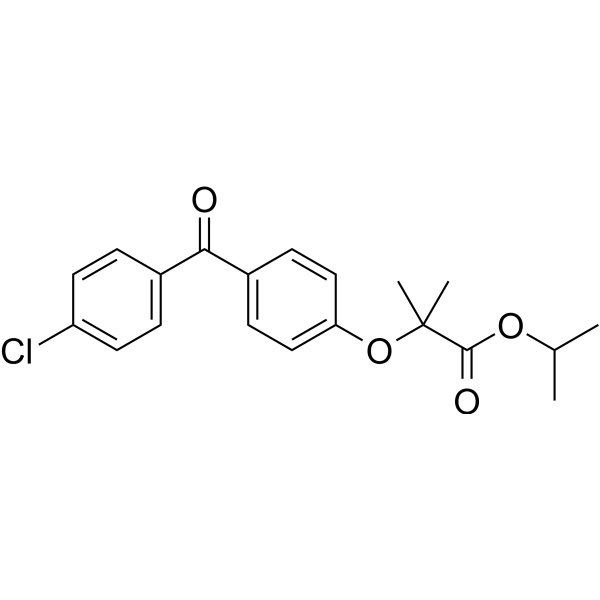
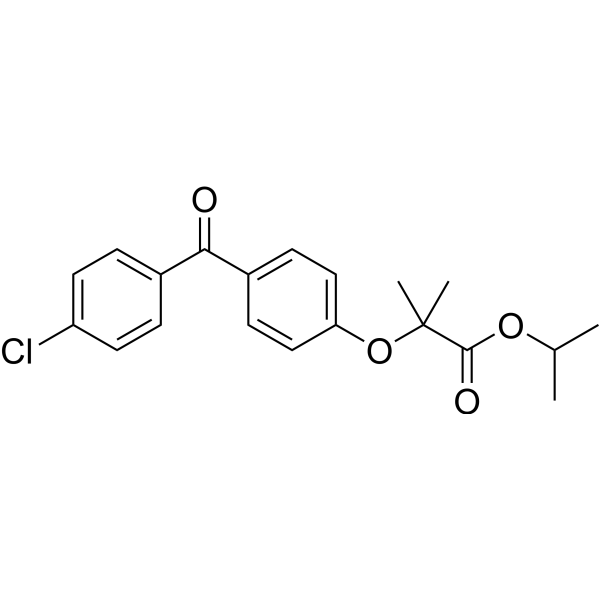
    Fenofibrate
    Maximum Cited Publications
    33 Publications Verification

    PPAR Cytochrome P450 Autophagy Cardiovascular Disease Cancer
    Fenofibrate is a selective PPARα agonist with an EC50 of 30 μM. Fenofibrate also inhibits human cytochrome P450 isoforms, with IC50s of 0.2, 0.7, 9.7, 4.8 and 142.1 μM for CYP2C19, CYP2B6, CYP2C9, CYP2C8, and CYP3A4, respectively.
    Fenofibrate
  • HY-B1184A

    (+)-Mephenytoin

    Cytochrome P450 Neurological Disease
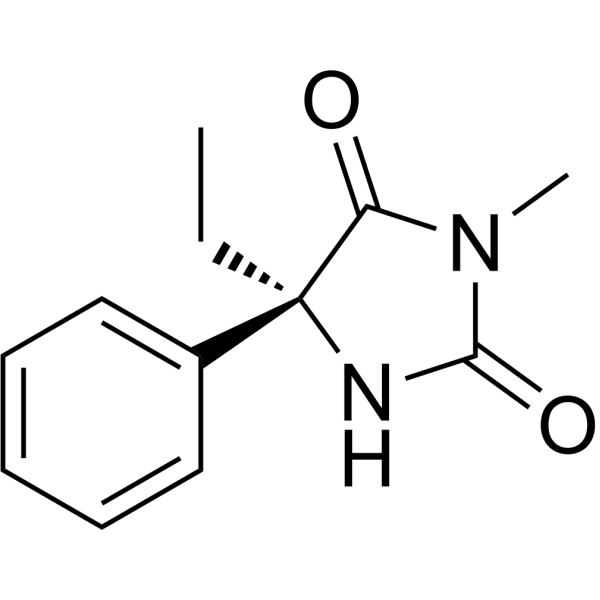
    (S)-Mephenytoin ((+)-Mephenytoin) is an anticonvulsive agent. (S)-Mephenytoin is a substrate of the cytochrome P450 (CYP) isoform CYP2C19. (S)-Mephenytoin can be used for the analysis of cytochrome P450 metabolism .
    (S)-Mephenytoin
  • HY-N2574
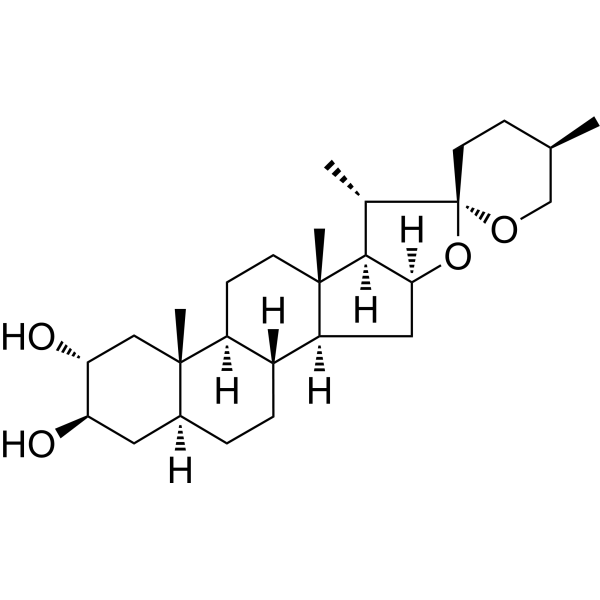
    Gitogenin
    2 Publications Verification

    Glycosidase Metabolic Disease
    Gitogenin is a natural steroid isolated from the whole plant of Tribulus longipetalus. Gitogenin is a selective inhibitor of UDP-glucuronosyltransferase 1A4 (UGT1A4) and enzyme α-glucosidase with IC50 values of 0.69 μM (use trifluoperazine as a substrate) and 37.2 μM, respectively, and does not inhibit the activities of major human cytochrome P450 isoforms .
    Gitogenin
  • HY-129105
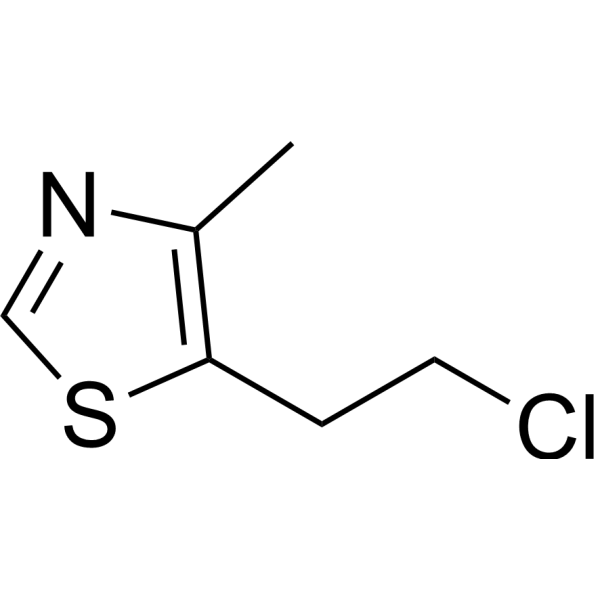
    Clomethiazole
    4 Publications Verification

    GABA Receptor Cytochrome P450 Neurological Disease
    Chlormethiazole is an potent and orally active GABAA agonist . Chlormethiazole inhibits cytochrome P450 isoforms: CYP2A6 and CYP2E1 in human liver microsomes. Chlormethiazole is an anticonvulsant agent and has the potential for treating convulsive status epilepticus .
    Clomethiazole
  • HY-N0926
    Columbamine
    1 Publications Verification

    Columbamin; Dehydroisocorypalmine

    Cytochrome P450 Apoptosis Parasite Infection Neurological Disease Inflammation/Immunology Cancer
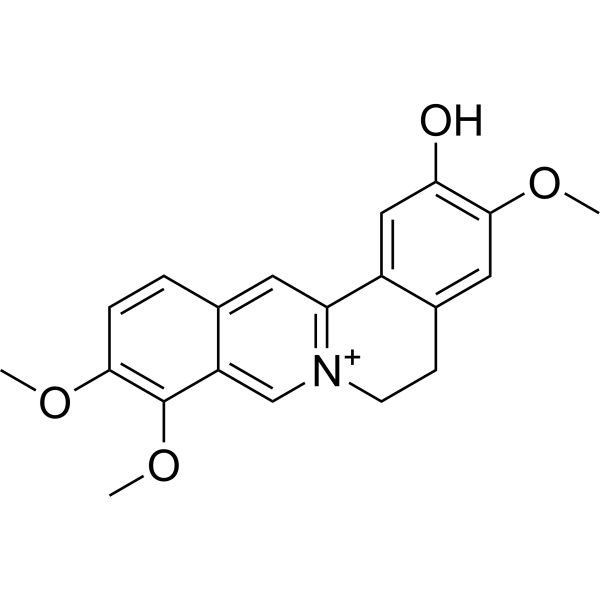
    Columbamine (Columbamin; Dehydroisocorypalmine) is an organic heterotetracyclic alkaloid extracted from plants. Columbamine is a metabolite of Berberine (HY-N0716). Columbamine inhibits the cytochrome P450 (CYP) isoform CYP3A4 (IC50 = 30.6 µM). Columbamine induces apoptosis in cancer cells. Columbamine can be used for antioxidant, anti-inflammatory, antitumor, antifungal, antiparasite, hepatoprotective, neuroprotective, hypolipidemic and hypoglycemic study .
    Columbamine
  • HY-100625
    BVT948
    2 Publications Verification

    Phosphatase Cytochrome P450 Histone Methyltransferase Cancer
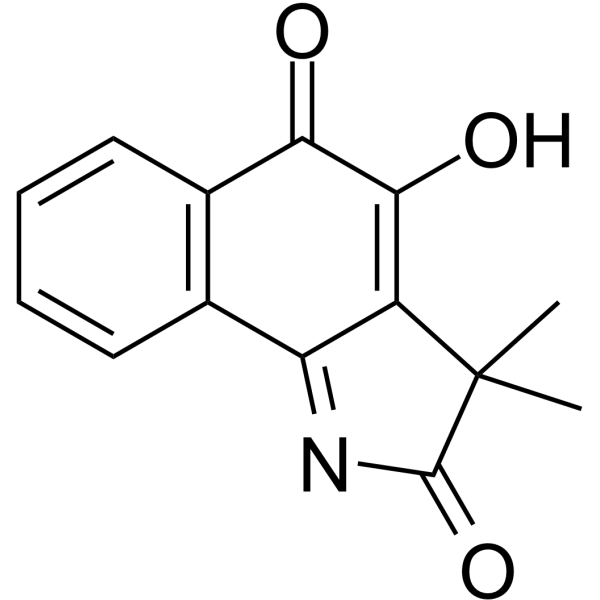
    BVT948 is a protein tyrosine phosphatase (PTP) inhibitor which can also inhibit several cytochrome P450 (P450) isoforms and lysine methyltransferase SETD8 (KMT5A).
    BVT948
  • HY-154980

    GPR52 Neurological Disease
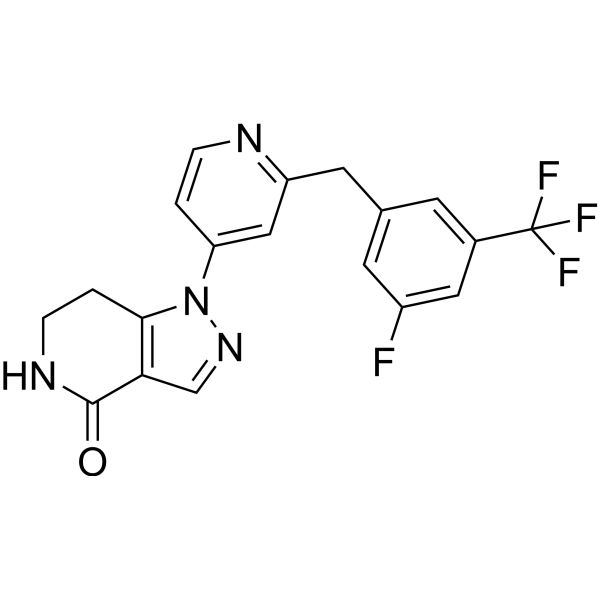
    NXE0041178 is an orally active and BBB-penetrant full GPR52 agonist, with a pEC50 of 7.5 for human GPR52 and an EC50 of 27.5 nM (pEC50 = 7.55) for rat GPR52. NXE0041178 shows no significant inhibition on hERG, hNaV1.5 and cytochrome P450 isoforms. NXE0041178 can reduce d-amphetamine-induced hyperactivity in rats. NXE0041178 can be used for research of Neurological disease .
    NXE0041178
  • HY-132184

    5,6-EET; (±)5,6-EpETrE

    Adrenergic Receptor Calcium Channel Endocrinology
    5,6-Epoxyeicosatrienoic acid (5,6-EET; (±)5,6-EpETrE) is a fully racemic version of the enantiomeric forms biosynthesized from arachidonic acid by cytochrome P450 enzymes. In solution, 5,6-Epoxyeicosatrienoic acid degrades into 5,6-DiHET and 5,6-δ-lactone, which can be converted to 5,6-DiHET and quantified by GC-MS. In neuroendocrine cells, such as the anterior pituitary and pancreatic islets, 5,6-Epoxyeicosatrienoic acid has been implicated in the mobilization of calcium and hormone secretion. 5,6-Epoxyeicosatrienoic acid is an inhibitor of T-type voltage-gated calcium channels (Cav3) that inhibits isoforms Cav3.1, Cav3.2 (IC50=0.54 μM), and Cav3. and decreases nifedipine-resistant phenylephrine-induced vasoconstriction in isolated mouse mesenteric arteries via Cav3.2 blockade when used at a concentration of 3 μM. In addition, it is a substrate of COX-1 and COX-2.
    5,6-Epoxyeicosatrienoic acid
  • HY-A0296
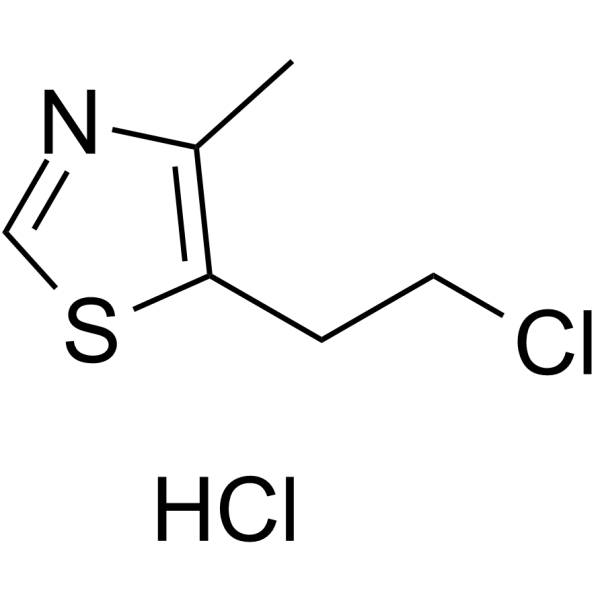
    Chlormethiazole hydrochloride
    4 Publications Verification

    Clomethiazole hydrochloride

    Cytochrome P450 Neurological Disease
    Clomethiazole hydrochloride is a potent and orally active GABAA agonist . Clomethiazole hydrochloride inhibits cytochrome P450 isoforms: CYP2A6 and CYP2E1 in human liver microsomes. Clomethiazole hydrochloride is an anticonvulsant agent and has the potential for treating convulsive status epilepticus .
    Chlormethiazole hydrochloride
  • HY-W013268

    (+)-N-3-Benzylnirvanol

    Cytochrome P450 Metabolic Disease
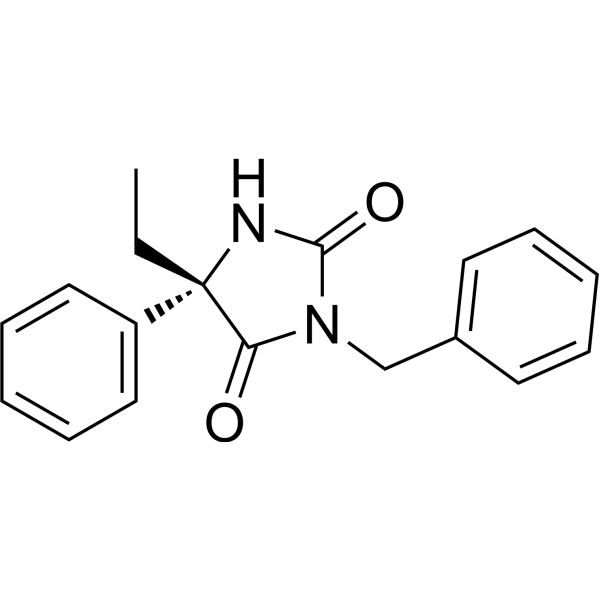
    (S)-(+)-N-3-Benzylnirvanol ((+)-N-3-Benzylnirvanol) is a selective and competitive cytochrome P450 (CYP) isoform CYP2C19 inhibitor with a Ki of 250 nM. (S)-(+)-N-3-Benzylnirvanol has low activity against CYP1A2, CYP2A6, CYP2C8, CYP2C9, CYP2D6, CYP2E1, and CYP3A4 .
    (S)-(+)-N-3-Benzylnirvanol
  • HY-116862

    DBF

    Cytochrome P450 Fluorescent Dye Others
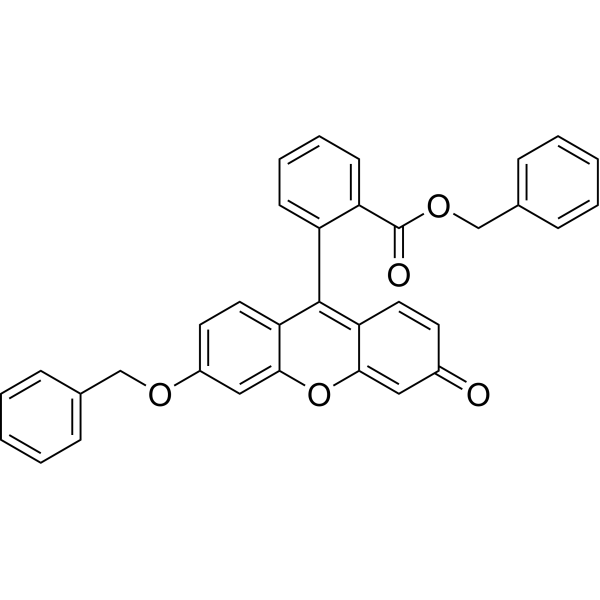
    Dibenzylfluorescein (DBF) is a fluorogenic probe (Fluoresecent dye) that acts as a substrate for specific cytochrome P450 (CYP) isoforms, including CYP3A4, CYP2C8, CYP2C9, CYP2C19, and aromatase (CYP19). Dibenzylfluorescein is typically used near its Km value of 0.87-1.9 μM (Ex=485 nm,Em=535 nm). Dibenzylfluorescein is used to detect changes in CYP catalytic activity caused by drugs or disease .
    Dibenzylfluorescein
  • HY-124542

    Drug Metabolite Apoptosis Cancer
    5-Hydroxydiclofenac is a major metabolite of Diclofenac (HY-15036). 5-Hydroxydiclofenac is formed by the cytochrome P450 (CYP) isoforms CYP3A4, CYP2C189, CYP2C19, and CYP2C8. 5-Hydroxydiclofenac shows apoptotic effects in hepatocytes .
    5-Hydroxydiclofenac
  • HY-17356S

    Isotope-Labeled Compounds PPAR Cytochrome P450 Autophagy Cardiovascular Disease Cancer
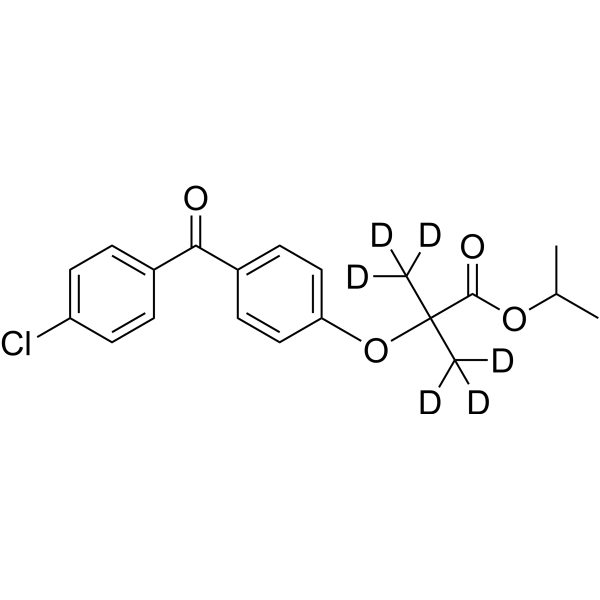
    Fenofibrate-d6 is the deuterium labeled Fenofibrate. Fenofibrate is a selective PPARα agonist with an EC50 of 30 μM. Fenofibrate also inhibits human cytochrome P450 isoforms, with IC50s of 0.2, 0.7, 9.7, 4.8 and 142.1 μM for CYP2C19, CYP2B6, CYP2C9, CYP2C8, and CYP3A4, respectively.
    Fenofibrate-d6
  • HY-B1184AR

    (+)-Mephenytoin (Standard)

    Reference Standards Cytochrome P450 Neurological Disease
    (S)-Mephenytoin (Standard) is the analytical standard of (S)-Mephenytoin. This product is intended for research and analytical applications. (S)-Mephenytoin ((+)-Mephenytoin) is an anticonvulsive agent. (S)-Mephenytoin is a substrate of the cytochrome P450 (CYP) isoform CYP2C19. (S)-Mephenytoin can be used for the analysis of cytochrome P450 metabolism .
    (S)-Mephenytoin (Standard)
  • HY-113031

    16α-Hydroxy-DHEA; 16α-OH-DHEA; 16α-hydroxy DHEA

    Cytochrome P450 Endocrinology
    16a-Hydroxydehydroisoandrosterone (16α-Hydroxy-DHEA) is a metabolite of the endogenous steroid hormone dehydroepiandrosterone. 16α-hydroxy Dehydroepiandrosterone is formed from dehydroepiandrosterone via 16-hydroxylation by the cytochrome P450 (CYP) isoforms CYP3A4 and CYP3A5 in adult human liver microsomes, as well as by fetal recombinant CYP3A7. It is a precursor to fetal estrogens, including estriol.
    16a-Hydroxydehydroisoandrosterone
  • HY-N0926A
    Columbamine chloride
    1 Publications Verification

    Columbamin chloride; Dehydroisocorypalmine chloride

    Cytochrome P450 Apoptosis Parasite Infection Neurological Disease Inflammation/Immunology Cancer
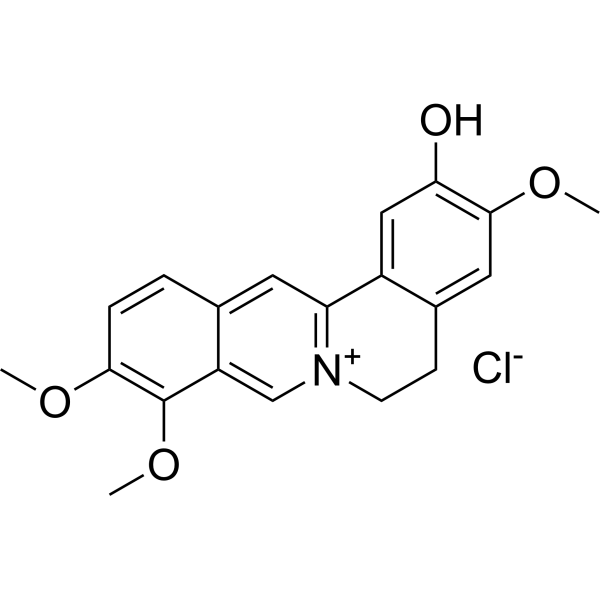
    Columbamine (Columbamin; Dehydroisocorypalmine) chloride is an organic heterotetracyclic alkaloid extracted from plants. Columbamine chloride is a metabolite of Berberine (HY-N0716). Columbamine chloride inhibits the cytochrome P450 (CYP) isoform CYP3A4 (IC50 = 30.6 µM). Columbamine chloride induces apoptosis in cancer cells. Columbamine chloride can be used for antioxidant, anti-inflammatory, antitumor, antifungal, antiparasite, hepatoprotective, neuroprotective, hypolipidemic and hypoglycemic study .
    Columbamine chloride
  • HY-17356R
    Fenofibrate (Standard)
    Maximum Cited Publications
    33 Publications Verification

    Reference Standards PPAR Cytochrome P450 Autophagy Cardiovascular Disease Cancer
    Fenofibrate (Standard) is the analytical standard of Fenofibrate. This product is intended for research and analytical applications. Fenofibrate is a selective PPARα agonist with an EC50 of 30 μM. Fenofibrate also inhibits human cytochrome P450 isoforms, with IC50s of 0.2, 0.7, 9.7, 4.8 and 142.1 μM for CYP2C19, CYP2B6, CYP2C9, CYP2C8, and CYP3A4, respectively.
    Fenofibrate (Standard)
  • HY-131495

    (S)-6-Desmethyl Naproxen

    COX Inflammation/Immunology
    (S)-6-O-Desmethylnaproxen ((S)-6-Desmethyl Naproxen) is a metabolite of the non-steroidal anti-inflammatory drug (NSAID) and COX inhibitor (+)-naproxen ((S)-naproxen). (S)-6-O-Desmethylnaproxen is formed from (S)-naproxen by the cytochrome P450 (CYP) isoforms CYP1A2 and CYP2C9.
    (S)-6-O-Desmethylnaproxen
  • HY-117160

    4-trans-hydroxycyclohexyl Glyburide; 4-trans-hydroxy Glibenclamide

    Potassium Channel Neurological Disease
    rac-trans-4-hydroxy Glyburide is an active metabolite of the SUR1/Kir6.2 sulfonylurea inhibitor glyburide (HY-15206). It is formed from glyburide by the cytochrome P450 (CYP) isoforms CYP2C8 and CYP2C9. rac-trans-4-hydroxy Glyburide inhibits glyburide binding to rat brain synaptosomes at the high and low affinity sites of SUR1/Kir6.2 with IC50 values of 0.95 and 100 nM, respectively.
    4-trans-Hydroxy-glibenclamide
  • HY-Z9101

    Histamine Receptor Neurological Disease
    Promethazine sulfoxide is a metabolite of the histamine H1 receptor antagonist Promethazine (HY-B1296). It is formed from promethazine by the cytochrome P450 (CYP) isoform CYP2D6.
    Promethazine sulfoxide
  • HY-137310

    HMG-CoA Reductase (HMGCR) Drug Metabolite Metabolic Disease
    4-Hydroxy atorvastatin hemicalcium is a metabolite of Atorvastatin (HY-B0589). Atorvastatin is an orally active HMG-CoA reductase inhibitor, has the ability to effectively decrease blood lipids. Atorvastatin is metabolized by the cytochrome P450 (CYP) isoform CYP3A4 to form 4-hydroxy atorvastatin .
    4-Hydroxy atorvastatin hemicalcium
  • HY-127059

    U-25026A

    Antibiotic Metabolic Disease
    Clindamycin sulfoxide is an active metabolite of the antibiotic Clindamycin (HY-B1455). It is formed via S-oxidation of clindamycin primarily by the cytochrome P450 (CYP) isoform CYP3A4. Clindamycin sulfoxide inhibits the growth of P. prevotti, B. fragilis, and C. sordelli in vitro with MIC values of 2, 2, and 1 mg/L, respectively.
    Clindamycin Sulfoxide
  • HY-119311

    PPAR Metabolic Disease
    Pioglitazone ketone is an active metabolite of the PPARγ agonist Pioglitazone (HY-13956). Formation of pioglitazone ketone occurs primarly through cytochrome P450 (CYP) isoform CYP2C8-mediated metabolism of pioglitazone. Pioglitazone ketone (100 mg/kg in the diet) reduces blood glucose levels in a KKAy mouse model of type 2 diabetes.
    Ketopioglitazone
  • HY-N7454

    Drug Metabolite Bacterial Infection
    Anhydroerythromycin A is a degradation product of the macrolide antibiotic erythromycin. Anhydroerythromycin A is formed via degradation of erythromycin in acidic aqueous solutions in vitro as well as in vivo. Anhydroerythromycin A is active against S. aureus and B. cereus in vitro (MICs = 12.5 and 6.25 μg/ml, respectively). Anhydroerythromycin A also inhibits steroid 6β-hydroxylase activity associated with the cytochrome P450 (CYP) isoform CYP3A in human liver microsomes.
    Anhydroerythromycin A
  • HY-17356G

    Cytochrome P450 PPAR Autophagy Cardiovascular Disease
    Fenofibrate (GMP) is Fenofibrate (HY-17356) produced by using GMP guidelines. GMP small molecules work appropriately as an auxiliary reagent for cell therapy manufacture. Fenofibrate is a selective PPARα agonist with an EC50 of 30 μM. Fenofibrate also inhibits human cytochrome P450 isoforms, with IC50s of 0.2, 0.7, 9.7, 4.8 and 142.1 μM for CYP2C19, CYP2B6, CYP2C9, CYP2C8, and CYP3A4, respectively.
    Fenofibrate
  • HY-B0822S1

    GABA Receptor Cytochrome P450 Inflammation/Immunology
    Fipronil- 13C6 is the 13C-labeled Fipronil. Fipronil is an insecticide that acts as a selective antagonist of insect GABA receptors (IC50s = 30 nM and 1,600 nM for cockroach and rat receptors, respectively). Fipronil also inhibits desensitizing and non-desensitizing glutamate-induced chloride currents in cockroach neurons (IC50s = 800 nM and 10 nM, respectively). Fipronil induces activity of the cytochrome P450 (CYP) isoforms CYP1A1/2, CYP2B1/2, and CYP3A1/2 in isolated rat liver microsomes.
    Fipronil-13C6
  • HY-137580

    Cytochrome P450 Metabolic Disease
    N-desmethyl Eletriptan is a metabolite of Eletriptan (HY-A0039). It is formed from eletriptan primarily by the cytochrome P450 (CYP) isoform CYP3A4 in human liver microsomes.
    N-Desmethyl Eletriptan
  • HY-145490

    Drug Metabolite Metabolic Disease
    trans-hydroxy Glimepiride is an active metabolite of the sulfonylurea Glimepiride (HY-B0104). It is formed from glimepiride primarily in the liver by the cytochrome P450 (CYP) isoform CYP2C9.
    trans-Hydroxy Glimepiride
  • HY-W740630

    5-HT Receptor Neurological Disease
    8-Hydroxy mirtazapine is a metabolite of the antidepressant Mirtazapine (HY-B0352). 8-Hydroxy mirtazapine is formed from mMirtazapine by the cytochrome P450 (CYP) isoform CYP2D6.
    8-Hydroxy mirtazapine
  • HY-W749323

    Mineralocorticoid Receptor Cardiovascular Disease
    21-Hydroxyeplerenone is a major metabolite of the mineralocorticoid receptor antagonist Eplerenone (HY-B0251). 21-Hydroxyeplerenone is formed from eplerenone by the cytochrome P450 (CYP) isoform CYP3A4.
    21-Hydroxyeplerenone
  • HY-Z2493

    Dopamine Receptor Neurological Disease
    Aripiprazole N-oxide is a metabolite of the atypical antipsychotic Aripiprazole (HY-14546). Aripiprazole N-oxide is formed from aripiprazole by the cytochrome P450 (CYP) isoforms CYP2D6 and CYP3A4.
    Aripiprazole N1-oxide
  • HY-W702646

    Drug Metabolite Neurological Disease
    Hydroxymethyl tolperisone hydrochloride is a metabolite of Tolperisone (HY-B1139A). Hydroxymethyl tolperisone hydrochloride is formed from tolperisone primarily by the cytochrome P450 (CYP) isoform CYP2D6 and to a lesser extent by CYP2C19 and CYP1A2.
    Hydroxymethyl tolperisone hydrochloride
  • HY-W740175

    Glucocorticoid Receptor Inflammation/Immunology
    6b-Hydroxy triamcinolone acetonide is a metabolite of the synthetic corticosteroid Triamcinolone acetonide (HY-B0636). 6b-Hydroxy triamcinolone acetonide is formed from triamcinolone acetonide by the cytochrome P450 (CYP) isoforms CYP3A4, CYP3A5, and CYP3A7.
    6b-Hydroxy triamcinolone acetonide
  • HY-129105R

    GABA Receptor Cytochrome P450 Reference Standards Neurological Disease
    Clomethiazole (Standard) is the analytical standard of Clomethiazole. This product is intended for research and analytical applications. Chlormethiazole is an potent and orally active GABAA agonist . Chlormethiazole inhibits cytochrome P450 isoforms: CYP2A6 and CYP2E1 in human liver microsomes. Chlormethiazole is an anticonvulsant agent and has the potential for treating convulsive status epilepticus .
    Clomethiazole (Standard)
  • HY-76569B

    PNU-200577 formic

    mAChR Neurological Disease
    5-Hydroxymethyl tolterodine (formate) (PNU-200577 (formic)) is an active metabolite of the muscarinic acetylcholine receptor antagonists Tolterodine (HY-A0024) and Fesoterodine (HY-70053). 5-Hydroxymethyl tolterodine (formate) is formed from tolterodine by the cytochrome P450 (CYP) isoform CYP2D6 and from fesoterodine by plasma esterases.
    5-Hydroxymethyl tolterodine formate
  • HY-177997

    Drug Metabolite Neurological Disease
    α-Hydroxysalmeterol is a metabolite that can be formed via cytochrome P450 isoform 3A4-induced hydroxylation of Salmeterol (HY-14302). α-Hydroxysalmeterol is a potentially relevant urine biomarker to include when screening for Salmeterol misuse .
    α-Hydroxysalmeterol
  • HY-179154

    Glycosidase Cytochrome P450 Metabolic Disease
    α-Glucosidase-IN-101 (Compound 13j) is an uncompetitive α-glucosidase inhibitor, with an IC50 of 120 nM. α-Glucosidase-IN-101 properly inhibits CYP1A2, CYP2C19, and CYP2C9 isoforms of cytochrome P450. α-Glucosidase-IN-101 can be used in the research of diabetes .
    α-Glucosidase-IN-101
  • HY-N4205R

    Reference Standards Cytochrome P450 Cancer
    Tetrahydropiperine (Standard) is the analytical standard of Tetrahydropiperine. This product is intended for research and analytical applications. Tetrahydropiperine, a cyclohexyl analogue of piperine, is the first natural aryl pentanamide from Piper longum . Tetrahydropiperine (compound 14) inhibits the cytochrome P450 (CYP) isoform CYP1A1/arylhydrocarbon hydroxylase (AHH; IC50=23 µM) .
    Tetrahydropiperine (Standard)
  • HY-113777

    22-Hydroxy Docosahexaenoic acid; 22-OH DHA

    Cytochrome P450 Metabolic Disease
    22-HDHA (22-Hydroxy Docosahexaenoic acid) is an oxidation product of docosahexaenoic acid. In vitro, it is formed upon incubation of rat liver microsomes with DHA and NADPH and also by the human cytochrome P450 (CYP) isoform CYP4F3B in BTI-TN-5B1-4 microsomes. Serum levels of 22-HDHA increase following dietary DHA supplementation in humans.
    22-HDHA
  • HY-130309

    (±)8,9-EEQ; (±)8,9-epoxy Eicosatetraenoic acid

    Angiotensin-converting Enzyme (ACE) Cardiovascular Disease
    Eicosapentaenoic acid (EPA) is converted to epoxyeicosatetraenoic acids (EpETEs) by several cytochrome P450 isoforms. The major product of this epoxygenase pathway, (±)17(18)-EpETE, relaxes vascular and airway smooth muscle by activating large conductance Ca 2+-activated K + (BKCa) channels by directly interacting with BKα channel subunits. (±)8(9)-EpETE is an epoxygenase pathway product produced from EPA by CYP450 both in vitro and in vivo.
    (±)8(9)-EpETE
  • HY-N2574R

    Reference Standards Glycosidase Metabolic Disease
    Gitogenin (Standard) is the analytical standard of Gitogenin. This product is intended for research and analytical applications. Gitogenin is a natural steroid isolated from the whole plant of Tribulus longipetalus. Gitogenin is a selective inhibitor of UDP-glucuronosyltransferase 1A4 (UGT1A4) and enzyme α-glucosidase with IC50 values of 0.69 μM (use trifluoperazine as a substrate) and 37.2 μM, respectively, and does not inhibit the activities of major human cytochrome P450 isoforms .
    Gitogenin (Standard)
  • HY-17356S2

    Isotope-Labeled Compounds Cytochrome P450 PPAR Autophagy Cardiovascular Disease
    Fenofibrate-13C6 is a deuterated labeled Fenofibrate . Fenofibrate is a selective PPARα agonist with an EC50 of 30 μM. Fenofibrate also inhibits human cytochrome P450 isoforms, with IC50s of 0.2, 0.7, 9.7, 4.8 and 142.1 μM for CYP2C19, CYP2B6, CYP2C9, CYP2C8, and CYP3A4, respectively.
    Fenofibrate-13C6
  • HY-17356S1

    PPAR Autophagy Cytochrome P450 Cardiovascular Disease
    Fenofibrate-d4 is the deuterium labeled Fenofibrate . Fenofibrate is a selective PPARα agonist with an EC50 of 30 μM. Fenofibrate also inhibits human cytochrome P450 isoforms, with IC50s of 0.2, 0.7, 9.7, 4.8 and 142.1 μM for CYP2C19, CYP2B6, CYP2C9, CYP2C8, and CYP3A4, respectively .
    Fenofibrate-d4
  • HY-147999

    Bacterial Fungal Cytochrome P450 Infection
    GlcN-6-P Synthase-IN-1 (Compound 4d) is a Glucosamine-6-phosphate (GlcN-6-P) synthase inhibitor with an IC50 of 3.47 μM. GlcN-6-P Synthase-IN-1 exhibits significant antimicrobial activity. GlcN-6-P Synthase-IN-1 has good penetration in the CNS and is able to inhibit the cytochrome P450, CYP3A4 isoform .
    GlcN-6-P Synthase-IN-1
  • HY-131495R

    (S)-6-Desmethyl Naproxen (Standard)

    Cytochrome P450 Reference Standards Inflammation/Immunology
    (S)-6-O-Desmethylnaproxen (Standard) is the analytical standard of (S)-6-O-Desmethylnaproxen. This product is intended for research and analytical applications. (S)-6-O-Desmethylnaproxen ((S)-6-Desmethyl Naproxen) is a metabolite of the non-steroidal anti-inflammatory drug (NSAID) and COX inhibitor (+)-naproxen ((S)-naproxen). (S)-6-O-Desmethylnaproxen is formed from (S)-naproxen by the cytochrome P450 (CYP) isoforms CYP1A2 and CYP2C9.
    (S)-6-O-Desmethylnaproxen (Standard)
  • HY-W067374

    Cytochrome P450 Others
    5-Hydroxy-3,4-dihydroquinolin-2 (1H)-one (Compound OPC-1606) is a compound related to Carteolol (HY-17495). 5-Hydroxy-3,4-dihydroquinolin-2 (1H)-one is not produced by any tested cytochrome P450 isoform .
    Aripiprazole impurity 38
  • HY-W762015

    1,2,3,6,7,8-HxCDF

    Cytochrome P450 Cancer
    1,2,3,6,7,8-Hexachlorodibenzofuran (1,2,3,6,7,8-HxCDF) is a dioxin-like polychlorinated dibenzofuran (PCDF). 1,2,3,6,7,8-Hexachlorodibenzofuran induces expression of the genes encoding aryl hydrocarbon hydroxylase (AHH) and ethoxyresorufin-O-deethylase (EROD) in H-4-II-E rat hepatoma cells (EC50s = 1.47 and 1.24 nM, respectively). 1,2,3,6,7,8-Hexachlorodibenzofuran reduces weight, induces thymic atrophy, and induces the expression of genes encoding the cytochrome P450 (CYP) isoform CYP1A1 and 4-chlorobiphenyl hydroxylase in rats (EC50s = 3.2, 0.9, 0.35, and 0.21 µmol/kg, respectively) .
    1,2,3,6,7,8-Hexachlorodibenzofuran
  • HY-N8094

    Cytochrome P450 Others
    Kushenol M is a flavonoid from Sophora flavescens. Kushenol M is a cytochrome P450 (CYP) inhibitor, with IC50 values of 1.29 μM for CYP3A4 in human liver microsomes .
    Kushenol M
  • HY-W100681R

    Drug Intermediate Reference Standards Others
    Tetrahydropiperine (Standard) is the analytical standard of Tetrahydropiperine. This product is intended for research and analytical applications. Tetrahydropiperine, a cyclohexyl analogue of piperine, is the first natural aryl pentanamide from Piper longum . Tetrahydropiperine (compound 14) inhibits the cytochrome P450 (CYP) isoform CYP1A1/arylhydrocarbon hydroxylase (AHH; IC50=23 µM) .
    2'-Hydroxy-5'-methylacetophenone (Standard)
  • HY-183606

    Bacterial Infection
    Mycobacterium tuberculosis-IN-9 is an orally active Mycobacterium tuberculosis BioA inhibitor with a Ki value of 0.2 nM. Mycobacterium tuberculosis-IN-9 targets the biotin biosynthesis pathway. Mycobacterium tuberculosis-IN-9 inhibits the growth of Mycobacterium tuberculosis in mouse models and is effective against both drug-sensitive and drug-resistant strains. Mycobacterium tuberculosis-IN-9 can be used for the research of tuberculosis .
    Mycobacterium tuberculosis-IN-9

Inquiry Online

Your information is safe with us. * Required Fields.

Salutation


Country or Region *

Applicant Name *


Organization Name *

Department *


Email Address *


Product Name *

Cat. No.


Requested quantity *

Phone Number *


Remarks

Inquiry Online

Inquiry Information

Product Name:
Cat. No.:
Quantity:
MCE Japan Authorized Agent:

