




Search Result
Results for "
electrostatic
" in MedChemExpress (MCE) Product Catalog:
13
Biochemical Assay Reagents
2
Isotope-Labeled Compounds
| Cat. No. |
Product Name |
Target |
Research Areas |
Chemical Structure |
-
- HY-W127378
-
|
1,2-Dioleoyl-3-trimethylammonium-propane methylsulfate
|
Liposome
|
Others
|
|
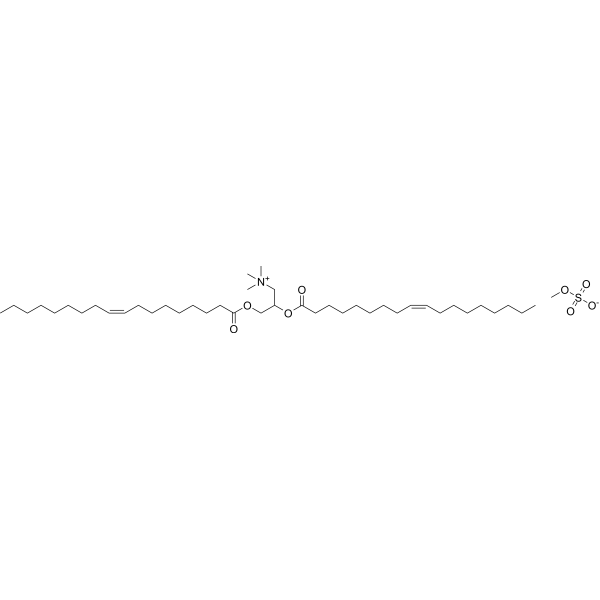
DOTAP methylsulfat is a cationic lipid reagent, a cationic derivative of trimethylammonium, linked to two 18-carbon fatty acid tails, each with a single olefin group. DOTAP methylsulfat can self-assemble with negatively charged ions (such as DNA) to form complexes, which can be adsorbed to the cell membrane surface and enter the cell by electrostatic interaction and endocytosis, respectively. DOTAP methylsulfat promotes endosomal membrane fusion with its own hydrophobic domain, releases DNA into the cytoplasm, and exerts gene delivery function. DOTAP methylsulfat can be widely used in research fields such as gene therapy, cell transfection, and non-viral vector design .
|
-
-
- HY-B0438
-
|
|
Bacterial
Antibiotic
|
Infection
|
|
Spectinomycin dihydrochloride is a broad-spectrum antibiotic and inhibits the growth of a variety of gram-positive and gram-negative organisms. Spectinomycin dihydrochloride acts by selectively targeting to the bacterial ribosome and interrupting protein synthesis. Spectinomycin dihydrochloride is also a noncompetitive inhibitor of td intron RNA with an Ki value of 7.2 mM - .
|
-
-
- HY-P1902
-
|
|
Apoptosis
|
Cardiovascular Disease
|
|
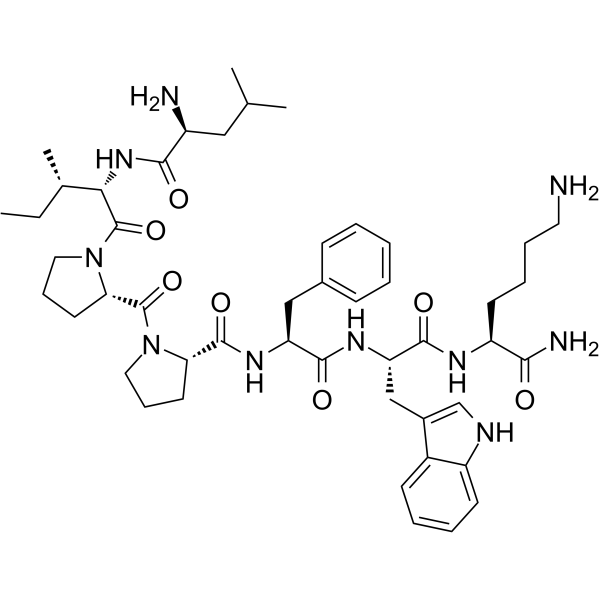
Cardiotoxin Analog (CTX) IV (6-12) is a membrane active peptide that specifically targets negatively charged phospholipid membranes (such as phosphatidylserine and phosphatidylinositol). Cardiotoxin Analog (CTX) IV (6-12) was discovered in the venom of the Taiwan cobra. Cardiotoxin Analog (CTX) IV (6-12) is a chemically synthesized snake venom cardiotoxin that binds to cell membranes and embeds into lipid bilayers through hydrophobic interactions and electrostatic attraction, thereby destroying the stability of membrane structure. Cardiotoxin Analog (CTX) IV (6-12) can induce membrane lipid disorder and cell lysis, exhibiting hemolysis and cytotoxicity .
|
-
-
- HY-16468
-
|
MSI-1256; ENT-01 free acid
|
Bacterial
HBV
FAK
Dengue Virus
|
Infection
Neurological Disease
Cancer
|
|
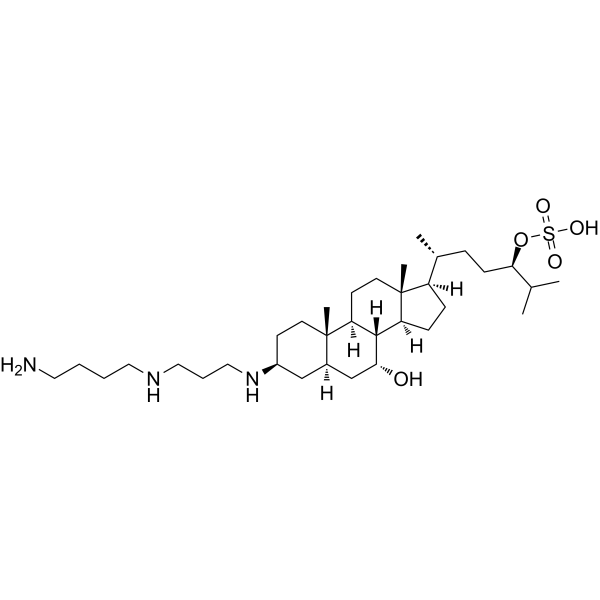
Squalamine (MSI-1256) is an aminosterol compound with broad-spectrum antiviral activity. Squalamine makes cells less conducive to certain viral replication by altering the electrostatic interactions in the inner membrane of host cells. Squalamine also has antibacterial and antitumor activities. Squalamine has broad-spectrum antibacterial activity against Gram-negative and Gram-positive bacteria, fungi and protozoa. Squalamine inhibits tumor-related angiogenesis and the growth of human breast cancer cells. Squalamine restores the function of enteric nervous system in Parkinson ,s disease mouse models .
|
-
-
- HY-126437C
-
|
|
Biochemical Assay Reagents
|
Others
|
|
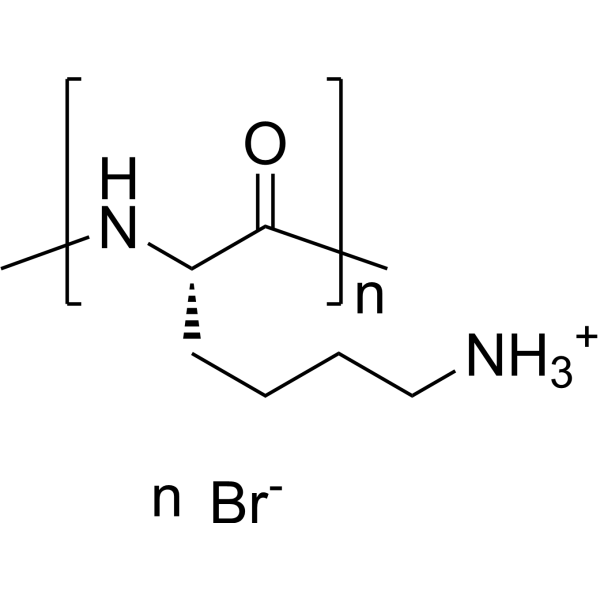
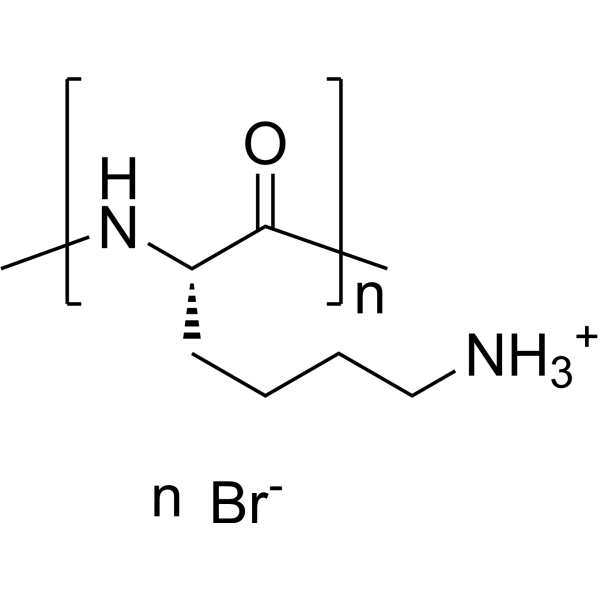
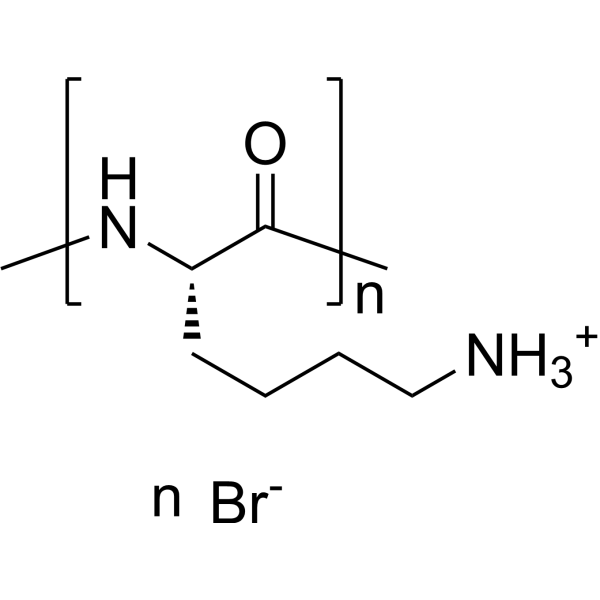
Poly-L-lysine (hydrobromide) (MW 150000-300000), a positively charged amino acid polymer, is a nonspecific attachment factor for cells. Poly-L-lysine (hydrobromide) (MW 150000-300000) has good biocompatibility. Poly-L-lysine (hydrobromide) (MW 150000-300000) is used to increase cell adhesion to solid substrates by enhancing electrostatic interaction between negatively charged ions of the cell membrane and the culture surface .
|
-
-
- HY-B1828A
-
|
Spectinomycin hydrochloride hydrate
|
Bacterial
Antibiotic
|
Infection
|
|
Spectinomycin dihydrochloride pentahydrate is a broad-spectrum antibiotic and inhibits the growth of a variety of gram-positive and gram-negative organisms. Spectinomycin dihydrochloride pentahydrate acts by selectively targeting to the bacterial ribosome and interrupting protein synthesis. Spectinomycin dihydrochloride pentahydrate is also a noncompetitive inhibitor of td intron RNA with an Ki value of 7.2 mM - .
|
-
-
- HY-126437B
-
|
|
Biochemical Assay Reagents
|
Others
|
|
Poly-L-lysine (hydrobromide) (MW 70000-150000), a positively charged amino acid polymer, is a nonspecific attachment factor for cells. Poly-L-lysine (hydrobromide) (MW 70000-150000) has good biocompatibility. Poly-L-lysine (hydrobromide) (MW 70000-150000) is used to increase cell adhesion to solid substrates by enhancing electrostatic interaction between negatively charged ions of the cell membrane and the culture surface .
|
-
-
- HY-Y1101B
-
|
N-Methylmorpholine N-Oxide; MMNO; 4-Methylmorpholine 4-oxide
|
Biochemical Assay Reagents
|
Others
|
|
4-Methylmorpholine N-oxide (N-Methylmorpholine N-Oxide; MMNO; 4-Methylmorpholine 4-oxide) is an amine oxide ligand and ozonation reagent. 4-Methylmorpholine N-oxide forms coordination complexes with lanthanum (III) nitrate and yttrium (III) nitrate via its nitroso oxygen atom. The metal-ligand bonds are dominated by electrostatic interactions with a small covalent component. 4-Methylmorpholine N-oxide is applicable in ozonation reactions for the synthesis of methyl 9-oxononanoate .
|
-
-
- HY-126437A
-
|
|
Bacterial
|
Infection
Inflammation/Immunology
|
|
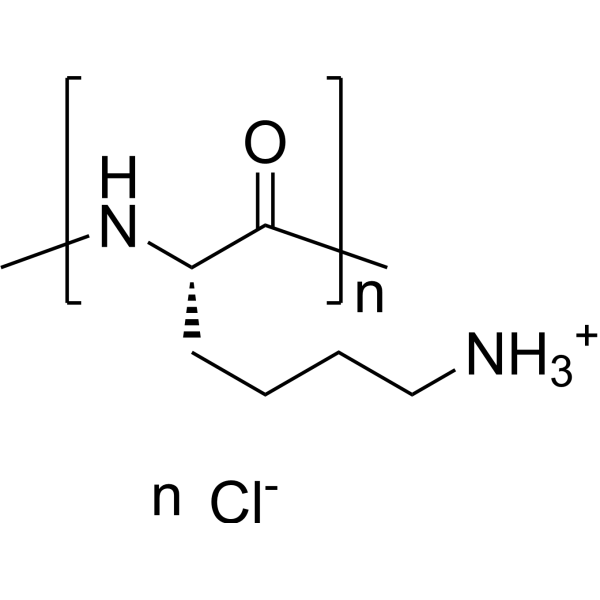
Poly-L-lysine hydrochloride is a nonspecific attachment factor for cells useful in promoting cell adhesion to solid substrates by enhancing electrostatic interaction between negatively charged ions of the cell membrane and the culture surface. Poly-L-lysine hydrochloride is a strong-attraction regulator that promotes liquid-liquid phase separation (LLPS) at low concentrations but suppresses LLPS at high concentrations. Antibacterial cationic peptide. .
|
-
-
- HY-126437H
-
|
|
Biochemical Assay Reagents
|
Others
|
|
Poly-L-lysine hydrobromide (MW 4000-15000) is a positively charged amino acid polymer that acts as a non-specific attachment factor for cells. Poly-L-lysine hydrobromide (MW 4000-15000) enhances the electrostatic interaction between the negative ions of the cell membrane and the surface of the culture medium, thereby promoting the adhesion of cells to solid substrates. Poly-L-lysine hydrobromide (MW 4000-15000) can be used for gene delivery .
|
-
-
- HY-126437J
-
|
PLL solution 0.01%, sterile-filtered, hydrobromide, MW 150000-300000, for cell culture
|
Biochemical Assay Reagents
|
Others
|
|
Poly-L-lysine solution (0.01%, sterile-filtered, MW 150000-300000), a positively charged amino acid polymer, is a nonspecific attachment factor for cells. Poly-L-lysine solution (0.01%, sterile-filtered, MW 150000-300000) has good biocompatibility. Poly-L-lysine solution (0.01%, sterile-filtered, MW 150000-300000) is used to increase cell adhesion to solid substrates by enhancing electrostatic interaction between negatively charged ions of the cell membrane and the culture surface .
|
-
-
- HY-P1902A
-
|
|
Apoptosis
|
Cardiovascular Disease
|
|
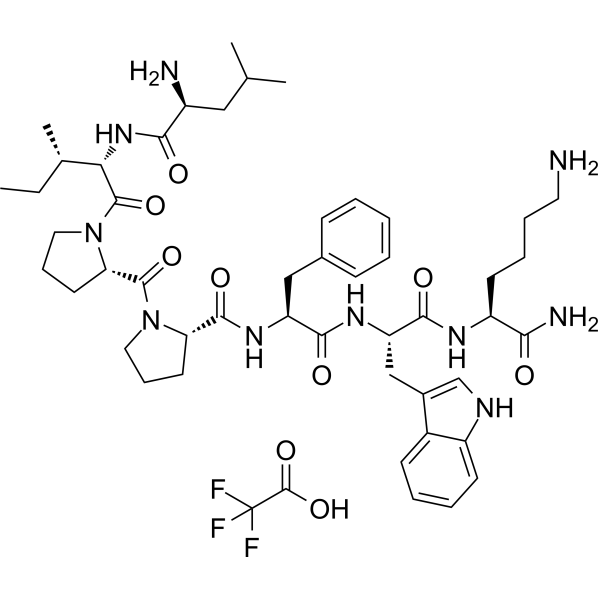
Cardiotoxin Analog (CTX) IV (6-12) TFA is a membrane active peptide that specifically targets negatively charged phospholipid membranes (such as phosphatidylserine and phosphatidylinositol). Cardiotoxin Analog (CTX) IV (6-12) TFA was discovered in the venom of the Taiwan cobra. Cardiotoxin Analog (CTX) IV (6-12) TFA is a chemically synthesized snake venom cardiotoxin that binds to cell membranes and embeds into lipid bilayers through hydrophobic interactions and electrostatic attraction, thereby destroying the stability of membrane structure. Cardiotoxin Analog (CTX) IV (6-12) TFA can induce membrane lipid disorder and cell lysis, exhibiting hemolysis and cytotoxicity .
|
-
-
- HY-126437D
-
|
|
Biochemical Assay Reagents
|
Others
|
|
Poly-L-lysine hydrobromide (MW 150000-300000), a positively charged amino acid polymer, is a nonspecific attachment factor for cells. Poly-L-lysine hydrobromide (MW 150000-300000) has good biocompatibility. Poly-L-lysine hydrobromide (MW 150000-300000) is used to increase cell adhesion to solid substrates by enhancing electrostatic interaction between negatively charged ions of the cell membrane and the culture surface .
|
-
-
- HY-W145665
-
|
|
Biochemical Assay Reagents
Endogenous Metabolite
|
Others
|
|
Amylose is not a typical small-molecule ligand with a specific traditional receptor-binding target. It is a polysaccharide. In food science and biological systems, amylose can interact with proteins and free fatty acids through non-covalent forces like hydrophobic interactions and electrostatic interactions. For example, it can form a ternary complex with them, which is related to the structure and digestion of starch. It is widely studied in the fields of food science, carbohydrate metabolism, and is also relevant in research on controlling glycemic responses, as it affects starch digestion rate .
|
-
-
- HY-P4121
-
|
|
Potassium Channel
|
Inflammation/Immunology
Cancer
|
|
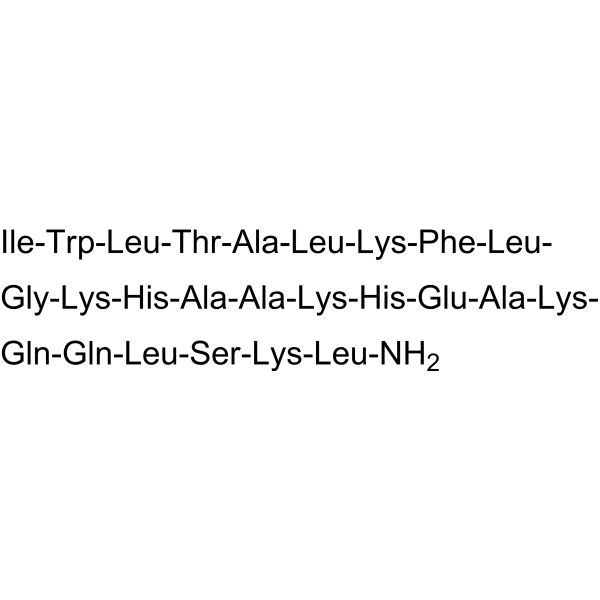
L17E is an attenuated cationic amphiphilic lytic (ACAL) peptide that can be used to deliver a variety of macromolecules, including proteins, antibodies, and DNA nanostructures. L17E inserts and cleaves the membrane structure through electrostatic interaction, enabling intracellular escape. The efficiency of L17E-mediated delivery is strongly correlated with the expression level of KCNN4 (the gene encoding the calcium-activated potassium channel KCa3.1). L17E also promotes the cellular uptake of macromolecules by inducing micropinocytosis. L17E can be further optimized and improved through dimerization strategies and in combination with other delivery systems, such as nuclear localization signal peptides and cell membrane-coated nanoparticles .
|
-
-
- HY-W250727
-
|
6-(p-Tolylamino)naphthalene-2-sulfonate sodium
|
Fluorescent Dye
|
Others
|
|
TNS (6-(p-Tolylamino) naphthalene-2-sulfonate) sodium is a fluorescent probe used to detect the conformational state of proteins. TNS sodium binds to the central hydrophobic calyx of β-lactoglobulin (β-LG) to form a 1:1 complex, which stabilizes the folded conformation of β-LG. TNS sodium shows weak fluorescent signals in aqueous solution, but its fluorescence intensity increases significantly upon binding to the hydrophobic domains of proteins, with the maximum excitation wavelength and maximum emission wavelength located at 321 nm and 446 nm, respectively .
|
-
-
- HY-Y0537B
-
|
|
Environmental Pollutants
Biochemical Assay Reagents
Mitochondrial Metabolism
|
Metabolic Disease
|
|
Potassium chloride, for molecular biology is potassium chloride that can be used in molecular biology. Potassium chloride, for molecular biology affects the stability of biological membranes by disrupting the electrostatic interactions between proteins and lipids. Potassium chloride, for molecular biology affects the solubility of myofibrillar proteins and the integrity of mitochondria. Potassium chloride, for molecular biology is commonly used in homogenization buffers and protein extraction procedures .
|
-
-
- HY-W590549
-
|
DODAC
|
Liposome
|
Cancer
|
|
Dioleyldimethylammonium chloride (DODAC) is a positively charged lipid promoter with membrane-disrupting activity, which is often formulated into cationic liposomes with dioleoylphosphatidylethanolamine. Dioleyldimethylammonium chloride is used in gene transfection research; through electrostatic interactions, it effectively promotes the binding of programmable fusion vesicles to cells and induces membrane disruption. Dioleyldimethylammonium chloride is also applied in studies on L1210 leukemia and LS180 human colon cancer .
|
-
-
- HY-D0163
-
|
|
DNA Stain
|
Others
|
|
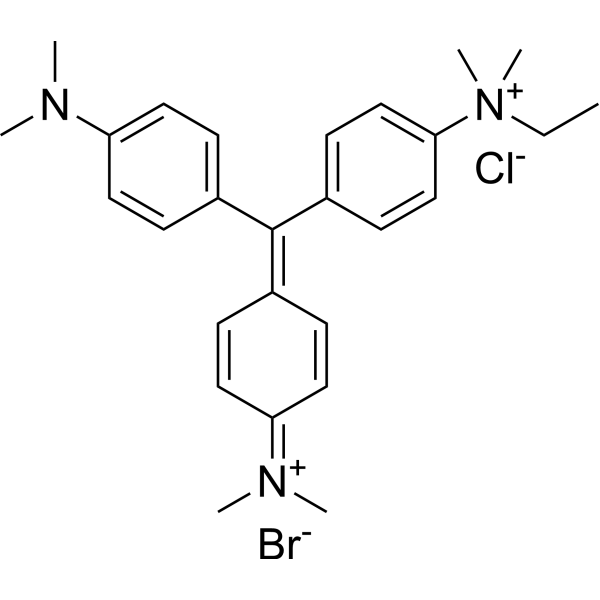
Methyl Green is a non-intercalating fluorescent labeling agent that selectively binds to the major groove of DNA. Methyl Green electrostatically interacts with the major groove of DNA through positively charged groups, exhibiting key activities such as high affinity, resistance to photobleaching, and stable fluorescence emission. Methyl Green can be directly measured by microscopy and flow cytometry, with peaks at 633 and 677 nm. Methyl Green can be used for fluorescent labeling of the nuclei of embryonic tissues or cells, or DNA staining and cell activity detection in gel electrophoresis[1][2][3].
|
-
-
- HY-D0006
-
|
|
Fluorescent Dye
|
Others
|
|
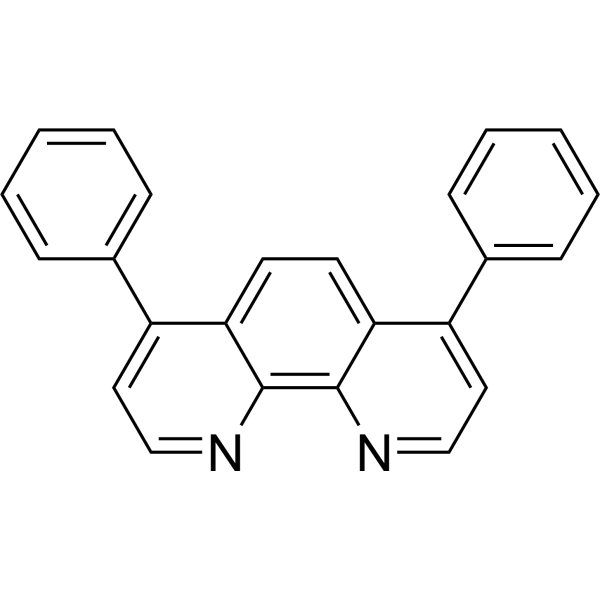
Bathophenanthroline is a nitrogen-containing organic ligand that can form stable complexes with transition metal ions such as Ru 2+. In proteomics, Bathophenanthroline is often used for in-gel protein staining. The negatively charged sulfonic acid groups of Bathophenanthroline interact electrostatically with the positively charged amino acid residues of proteins, thereby achieving specific binding to proteins and enhancing the fluorescent signal of detection. Bathophenanthroline can be used for protein separation and detection in SDS-PAGE gels in the field of proteomics, as well as other fluorescence studies[1]. Ex/Em=532 nm/610 nm[1].
|
-
-
- HY-P4076
-
|
|
HIV
DNA Alkylator/Crosslinker
|
Infection
|
|
MPG peptides, Pβ is an amphipathic cell-penetrating peptide. MPG peptides, Pβ consists of three components: the hydrophobic fusion sequence (GALFLGFLGAAGSTMGA) of HIV glycoprotein 41, a spacer domain (WSQP), and the nuclear localization signal (KKKRKV) of the large T antigen of Simian virus 40. MPG peptides, Pβ can form stable non-covalent complexes with nucleic acids (including DNA) through electrostatic interactions and improve their intracellular delivery. MPG peptides, Pβ can be used in studies of HIV-1-related immune responses .
|
-
-
- HY-W1048558A
-
|
mPEG2000-COOH
|
Biochemical Assay Reagents
|
Others
|
|
mPEG2000-CM (mPEG2000-COOH) is a carboxyl-terminated monomethoxy polyethylene glycol. mPEG2000-CM bears a reactive carboxyl group (-COOH) at its structural terminal site, which can form stable amide bonds with amino groups and ester bonds with hydroxyl groups. mPEG2000-CM binds to PCA-g-PCL copolymers via electrostatic interaction to form polyion complex micelles with a hydrophilic PEG surface, which enhances the stability of micelles in aqueous media. mPEG2000-CM can be used for drug delivery .
|
-
-
- HY-B1828
-
|
|
Antibiotic
Bacterial
|
Infection
|
|
Spectinomycin is a broad-spectrum antibiotic and inhibits the growth of a variety of gram-positive and gram-negative organisms. Spectinomycin acts by selectively targeting to the bacterial ribosome and interrupting protein synthesis. Spectinomycin is also a noncompetitive inhibitor of td intron RNA .
|
-
-
- HY-Y1123
-
|
Glycinamide hydrochloride
|
Amino Acid Derivatives
Phosphatase
|
Endocrinology
|
|
2-Aminoacetamide hydrochloride (Glycinamide hydrochloride) is a derivative of Glycine (HY-Y0966). 2-Aminoacetamide hydrochloride forms cell-absorbable nanocomplexes with proteins (such as bovine serum albumin) through strong electrostatic interactions, promoting cellular uptake of related proteins. 2-Aminoacetamide hydrochloride synergizes with BMP2 to upregulate the expression of osteogenic marker genes (such as Col1a1, Alp, Runx2) and proteins (such as COL1, BSP), enhancing collagen synthesis. 2-Aminoacetamide hydrochloride synergizes with BMP2 to promote osteoblast differentiation in vitro and bone regeneration in vivo .
|
-
-
- HY-W111692
-
|
|
Biochemical Assay Reagents
|
Others
|
|
Sodium polyphosphate, crystal,+200 mesh, 96% is an inorganic polyphosphate that also serves as a stabilizer, dispersant, chelating agent, and coacervate-forming agent. Sodium polyphosphate provides electrostatic stabilization for mineral and material suspensions, but its dispersing efficacy decreases under acidic pH, high temperature, high calcium concentration, or a combination of these conditions. Sodium polyphosphate can chelate alkaline earth metals, reduce solution pH, and alter the rate of pH decline at a divalent cation/phosphorus molar ratio of 0.18. Sodium polyphosphate forms coacervates with smaller divalent cations and precipitates with larger divalent cations, where the functional requirements of cations depend on polyphosphate concentration, average degree of polymerization, and cation type .
|
-
-
- HY-W587839
-
|
|
Pregnane X Receptor (PXR)
|
Endocrinology
|
|
4,8-Dioxa-3H-perfluorononanoic acid is an ether-substituted polyfluoroalkyl compound and also a ligand of human pregnane X receptor (hPXR), which binds to the ligand-binding domain of hPXR. 4,8-Dioxa-3H-perfluorononanoic acid targets Arg-410, Lys-210, Lys-226, Met-323 and His-327 residues. Its binding process relies on long-range electrostatic interactions, and no significant hydrogen bonds form with hPXR residues. 4,8-Dioxa-3H-perfluorononanoic acid is used as a substitute for PFOA in Germany. 4,8-Dioxa-3H-perfluorononanoic acid is detectable in environmental matrices such as river water near fluoride production plants, accumulates in organisms including grass, deer liver and locusts, and is present in plasma samples of populations in southern Germany .
|
-
-
- HY-W284558
-
|
|
Biochemical Assay Reagents
|
Others
|
|
Sodium hexadecyl sulfate is a long-chain anionic surfactant. Sodium hexadecyl sulfate can act as an interface-regulating substance to form a soft layer on the surface of carbon nanotubes, guide proteins to adsorb in the correct orientation with active sites facing outward through electrostatic interactions, and significantly enhance the activity of immobilized enzymes. Sodium hexadecyl sulfate can replace or supplement SDS (HY-Y0316) in capillary gel electrophoresis (CGE) .
|
-
-
- HY-D2864
-
|
|
Fluorescent Dye
|
Others
|
|
Aza-CyBz is a selective NaCl-responsive fluorescent probe. Aza-CyBz visualizes plant salt stress by forming ordered aggregates with NaCl, leading to near-infrared fluorescence quenching. Aza-CyBz acts via electrostatic interaction between the cationic cyanine dye and NaCl to form J-aggregates, causing fluorescence quenching with a detection limit of 170 μM .
|
-
-
- HY-145969
-
|
3'-O-Me-m7G(5')ppp(5')G
|
DNA/RNA Synthesis
Eukaryotic Initiation Factor (eIF)
|
Cancer
|
|
β-S-ARCA (3'-O-Me-m7G(5')ppp(5')G) is a mRNA 7-methylguanosine (m7G) cap analog carrying a phosphorothioate (PS) moiety. β-S-ARCA binds eIF4E via electrostatic interactions between its β-sulfur atom and positively charged Arg and Lys residues in the protein binding site. β-S-ARCA prevents the decapping by Dcp2, increases the mRNA half-life, enhances cap-dependent translation, and increases protein expression in cells. β-S-ARCA has been applied in researching experimental mRNA-based anticancer vaccines .
|
-
-
- HY-145969A
-
|
3’-O-Me-m7G(5')ppp(5')G triammonium
|
DNA/RNA Synthesis
Eukaryotic Initiation Factor (eIF)
|
Cancer
|
|
β-S-ARCA (3'-O-Me-m7G(5')ppp(5')G) triammonium is a mRNA 7-methylguanosine (m7G) cap analog carrying a phosphorothioate (PS) moiety. β-S-ARCA triammonium binds eIF4E via electrostatic interactions between its β-sulfur atom and positively charged Arg and Lys residues in the protein binding site. β-S-ARCA triammonium prevents the decapping by Dcp2, increases the mRNA half-life, enhances cap-dependent translation, and increases protein expression in cells. β-S-ARCA triammonium has been applied in researching experimental mRNA-based anticancer vaccines .
|
-
-
- HY-D1225
-
|
|
Fluorescent Dye
|
|
|
Reactive red 180 is common textile dyes that can be adsorbed onto single-walled carbon nanotubes (SWCNTs) through electrostatic interactions, allowing the separation of residual dyes.
|
-
-
- HY-P4119
-
|
|
Biochemical Assay Reagents
|
Others
|
|
Pep-1-Cysteamine is an amphipathic chimeric cell-penetrating peptide. Pep-1-Cysteamine can penetrate biological membranes in an energy-independent manner without forming transmembrane pores, and efficiently deliver active proteins into cells, with its translocation dominated by electrostatic interactions and membrane perturbation .
|
-
-
- HY-D0948
-
|
|
Fluorescent Dye
|
Infection
|
|
Celestine Blue is a electroactive indicator in DNA biosensors. Celestine Blue is strongly adsorbed on the spinel phases and CNT (carbon nanotubes), facilitates dispersion, acts as a capping agent and allows for the fabrication of spinel decorated CNT. Celestine Blue is an efficient charge transfer mediator, which allows for significant improvement of capacitive behavior. TiO2 nanoparticles doped with Celestine Blue can be used as a label in a sandwich immunoassay for the hepatitis C virus (HCV) core antigen .
|
-
-
- HY-126436D
-
|
L-Ornithine homopolymer hydrochloride (MW 15000-30000)
|
Biochemical Assay Reagents
|
Metabolic Disease
Endocrinology
|
|
Poly-L-ornithine hydrochloride (MW 15000-30000) is a polycationic homopolymer composed of L-ornithine. Poly-L-ornithine hydrochloride (MW 15000-30000) adsorbs negatively charged species through electrostatic interactions. Poly-L-ornithine hydrochloride (MW 15000-30000) can be used as a key component of polyelectrolyte complexes to construct core-shell structure carriers to achieve controlled delivery of growth factors (such as rhBMP-2, FGF-1). Poly-L-ornithine hydrochloride (MW 15000-30000) is used in the study of diabetes and bone regeneration related diseases .
|
-
-
- HY-W243460
-
|
|
Biochemical Assay Reagents
|
Others
|
|
EDTA copper (II) disodium salt, 97% is a negatively charged copper (II)-ethylenediaminetetraacetic acid chelate and also an adsorption substrate. EDTA copper (II) disodium salt, 97% forms amide bonds with chitosan amino groups in weakly acidic (pH 3-5) solutions, while it forms the CuEDTA (OH) 3− hydroxyl complex in strongly alkaline (pH > 12) solutions. EDTA copper (II) disodium salt, 97% can be adsorbed onto granular activated carbon, with electrostatic interactions dominating its pH-dependent adsorption behavior. EDTA copper (II) disodium salt, 97% can be used to eliminate the inhibition of enzyme-catalyzed reactions caused by trace heavy metals .
|
-
-
- HY-D1556
-
|
1,2-dioleoyl-sn-glycero-3-phosphoethanolamine-N-(carboxyfluorescein) ammonium
|
Fluorescent Dye
|
Cancer
|
|
18:1 PE CF (1,2-dioleoyl-sn-glycero-3-phosphoethanolamine-N-(carboxyfluorescein) (ammonium)) is a pH-sensitive fluorescent indicator. 18:1 PE CF exhibits changes in fluorescence intensity in response to pH variations and reflects the electrostatic states of cationic liposomes and lipoplexes. 18:1 PE CF supports real-time visualization of pH distribution and membrane deformation in giant unilamellar vesicles and is suitable for steady-state fluorescence testing in large unilamellar vesicle membranes. 18:1 PE CF is capable of monitoring the surface electrical potential of cationic liposomes and lipoplexes and can effectively label lipid bilayers and nanomicelles. 18:1 PE CF can be used for the research of the investigation of lung cancer (Ex = 495 nm; Em = 520 nm) .
|
-
-
- HY-W276164
-
|
Sodium stearyl sulfate
|
Biochemical Assay Reagents
|
Others
|
|
Sodium octadecyl sulfate (Sodium stearyl sulfate) is a long-chain alkyl sodium sulfate that functions as an emulsifier, crosslinking agent, and regulator. Sodium octadecyl sulfate has high safety, with a LD50 greater than 3.00 Gm./Kg for both intraperitoneal injection in mice and oral administration in rats. Sodium octadecyl sulfate enhances continuous contraction of the gastrocnemius muscle in frogs and boosts intestinal smooth muscle activity in albino rats. However, Sodium octadecyl sulfate exerts no significant effect on isolated tortoise myocardium and does not alter the conduction function of frog sciatic nerves. Sodium octadecyl sulfate can also be used to coat the surface of starch aggregates, promote crosslinking and increase aggregate size through hydrophobic and electrostatic interactions, and further form a coexistent B-V type crystalline structure with acid-hydrolyzed gelatinized starch, thereby effectively modifying the structure and surface properties of high-starch systems .
|
-
-
- HY-P2302
-
|
|
Antibiotic
Bacterial
Fungal
|
Infection
Inflammation/Immunology
Cancer
|
|
Defensin HNP-3 human is an α-defensin stored in the azurophilic granules of human neutrophils. Defensin HNP-3 human exerts broad-spectrum bactericidal, antifungal and antiviral activities mainly by forming bacterial membrane pores, and acts as a chemoattractant for monocytes and T cells. Defensin HNP-3 human maintains epithelial integrity to support periodontal tissue homeostasis, and exerts concentration-dependent effects on epithelial cell proliferation, adhesion and bacterial adhesion. Defensin HNP-3 human targets solid tumors and leukemia by inducing single-strand DNA breaks and membrane permeabilization in tumor cells via electrostatic binding and pore formation. Defensin HNP-3 human is abundant in human tongue squamous cell carcinoma and neutrophils infiltrating oral squamous cell carcinoma. Defensin HNP-3 human can be applied to research related to periodontitis and human tongue squamous cell carcinoma .
|
-
-
- HY-D1138
-
|
|
Fluorescent Dye
|
|
|
Reactive red 120 is common textile dyes that can be adsorbed onto single-walled carbon nanotubes (SWCNTs) through electrostatic interactions, allowing the separation of residual dyes.
|
-
-
- HY-P11430
-
|
|
Biochemical Assay Reagents
|
Infection
|
|
UBI (31-38) is a Ubiquicidin-derived octapeptide and anti-bacterial agent. UBI (31-38) selectively interacts with anionic phospholipid membranes and restricts lipid lateral motion. UBI (31-38) induces anionic vesicle aggregation via electrostatic repulsion screening, and undergoes conformational changes in membrane-mimicking environments. UBI (31-38) can be used for the research of infection imaging probes .
|
-
-
- HY-177531
-
|
|
Liposome
mRNA
|
Neurological Disease
Inflammation/Immunology
Cancer
|
|
S-Ac7-DOG is a cationic lipid with biodegradability, low immunogenicity and high nucleic acid transfection capacity, which is commonly used to construct lipid nanoparticles for nucleic acid molecule delivery. S-Ac7-DOG can bind to mRNA, microRNA and self-amplifying RNA through electrostatic interaction. Lipid nanoparticles formed by S-Ac7-DOG enter cells via an energy-dependent endocytic pathway, release nucleic acid cargos, induce antigen-specific CD8 + T cell responses, promote the generation of precursor memory T cells, and regulate neuroinflammatory pathways. S-Ac7-DOG can be used in the research of retinal diseases, neuroinflammation and cancer .
|
-
-
- HY-P4101
-
|
|
HIV
|
Infection
|
|
Cys(Npys)-TAT (47-57) is a peptide fragment of TAT peptide and it is able to interact with plasmid DNA electrostatically. Cys(Npys)-TAT (47-57) is corresponding to the transduction domain of TAT with an activated cysteine residue C. TAT is a small nuclear transcriptional activator protein encoded by HIV-1 .
|
-
-
- HY-23148
-
|
N-Methylisatin
|
Carboxylesterase (CES)
|
Others
|
|
1-Methylisatin is a potent and selective CE (carboxylesterases) inhibitor, with Kis of 38.2 and 5.38 μM for hiCE and hCE1, respectively. 1-Methylisatin interacts with Hb (human adult hemoglobin) by hydrophobic binding and electrostatic attraction. 1-Methylisatin can be used in the study of regulation of agent metabolism in vivo .
|
-
-
- HY-109659
-
|
|
Biochemical Assay Reagents
DNA Alkylator/Crosslinker
|
Others
|
|
1-(3-Aminopropyl)-4-methylpiperazine is a capping agent. The 1-(3-Aminopropyl)-4-methylpiperazine-capped Poly (β-amino ester) (PBAE) poly (1,4-butanediol diacrylate-co-4-amino-1-butanol) undergoes electrostatic interactions with anionic molecules such as DNA and exhibits low cytotoxicity. The 1-(3-Aminopropyl)-4-methylpiperazine-capped Poly (1,4-butanediol diacrylate-co-4-amino-1-butanol) PBAE effectively delivers nucleic acids in various systems .
|
-
-
- HY-D1633A
-
|
|
Fluorescent Dye
|
Others
|
|
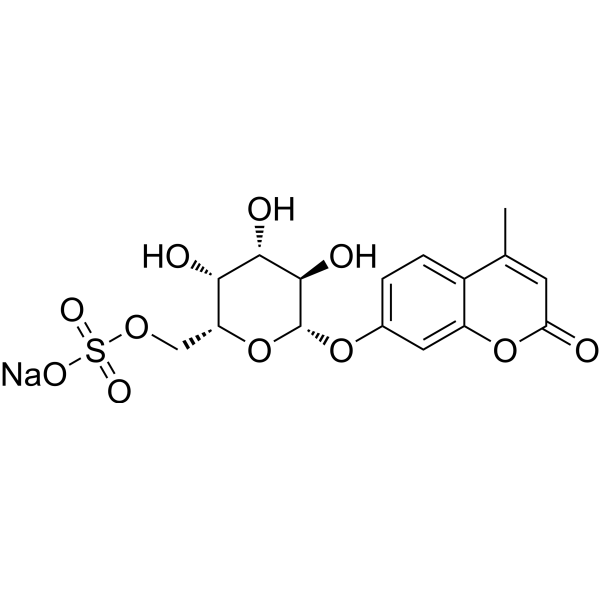
4-Methylumbelliferyl-β-D-galactopyranoside 6-sulfate sodium is a fluorescent dye. 4-Methylumbelliferyl-β-D-galactopyranoside 6-sulfate sodium undergoes desulphation by galactose-6-sulphate sulphatase to form 4-methylumbelliferyl-β-D-galactopyranoside, which is cleaved by β-galactosidase to release fluorescent 4-methylumbelliferone. 4-Methylumbelliferyl-β-D-galactopyranoside 6-sulfate sodium interacts with N-acetylgalactosamine-6-sulfate sulfatase (GALNS) via hydrogen bonds, electrostatic interactions, and steric interactions. 4-Methylumbelliferyl-β-D-galactopyranoside 6-sulfate sodium serves as a substrate in assays measuring galactose-6-sulphate sulphatase and GALNS activity. 4-Methylumbelliferyl-β-D-galactopyranoside 6-sulfate sodium can be used for the research of Morquio disease type A (mucopolysaccharidosis IV A) .
|
-
-
- HY-D1633
-
|
|
Fluorescent Dye
|
Metabolic Disease
|
|
4-Methylumbelliferyl-β-D-galactopyranoside 6-sulfate is a fluorescent dye. 4-Methylumbelliferyl-β-D-galactopyranoside 6-sulfate undergoes desulphation by galactose-6-sulphate sulphatase to form 4-methylumbelliferyl-β-D-galactopyranoside, which is cleaved by β-galactosidase to release fluorescent 4-methylumbelliferone. 4-Methylumbelliferyl-β-D-galactopyranoside 6-sulfate interacts with N-acetylgalactosamine-6-sulfate sulfatase (GALNS) via hydrogen bonds, electrostatic interactions, and steric interactions. 4-Methylumbelliferyl-β-D-galactopyranoside 6-sulfate serves as a substrate in assays measuring galactose-6-sulphate sulphatase and GALNS activity. 4-Methylumbelliferyl-β-D-galactopyranoside 6-sulfate can be used for the research of Morquio disease type A (mucopolysaccharidosis IV A) .
|
-
-
- HY-D0622
-
|
|
Fluorescent Dye
|
|
|
Reactive Green 19 is common textile dyes that can be adsorbed onto single-walled carbon nanotubes (SWCNTs) through electrostatic interactions, allowing the separation of residual dyes.
|
-
-
- HY-D0514
-
|
|
Fluorescent Dye
|
|
|
Reactive blue 5 is common textile dyes that can be adsorbed onto single-walled carbon nanotubes (SWCNTs) through electrostatic interactions, allowing the separation of residual dyes.
|
-
-
- HY-D0661
-
|
|
Fluorescent Dye
|
|
|
Reactive red 45 is common textile dyes that can be adsorbed onto single-walled carbon nanotubes (SWCNTs) through electrostatic interactions, allowing the separation of residual dyes.
|
-
-
- HY-W154333
-
|
|
Bacterial
|
Infection
|
|
H-Arg-OtBu (dihydrochloride) is a membrane-targeting antimicrobial. H-Arg-OtBu (dihydrochloride) targets the negatively charged bacterial membrane via a combination of electrostatic and hydrophobic interactions. H-Arg-OtBu (dihydrochloride) can be used for bacterial infections diseases research .
|
-
- HY-16468A
-
|
ENT 01; MSI-1256 phosphate
|
α-synuclein
|
Neurological Disease
|
|
Squalamine phosphate (Compound ENT-01) is an orally active neuroprotective agent. Squalamine phosphate can displace α-Syn that is bound electrostatically to nerve cell membranes and prevent aggregation of α-Syn. Squalamine phosphate can be used for the research of neurological disease, such as Parkinson’s disease .
|
-
- HY-D0476
-
|
|
Fluorescent Dye
|
|
|
C.I. Acid yellow 99 is an acidic yellow dye that combines with coconut shell pith through electrostatic and complexing reactions.
|
-
- HY-D0668
-
|
|
Fluorescent Dye
|
|
|
Reactive orange 13 is common textile dyes that can be adsorbed onto single-walled carbon nanotubes (SWCNTs) through electrostatic interactions, allowing the separation of residual dyes.
|
-
- HY-D1243
-
|
|
Fluorescent Dye
|
|
|
Reactive yellow 3 is common textile dyes that can be adsorbed onto single-walled carbon nanotubes (SWCNTs) through electrostatic interactions, allowing the separation of residual dyes.
|
-
- HY-D0653
-
|
|
Fluorescent Dye
|
|
|
Reactive orange 35 is common textile dyes that can be adsorbed onto single-walled carbon nanotubes (SWCNTs) through electrostatic interactions, allowing the separation of residual dyes.
|
-
- HY-D0691
-
|
|
Fluorescent Dye
|
|
|
Reactive yellow 25 is common textile dyes that can be adsorbed onto single-walled carbon nanotubes (SWCNTs) through electrostatic interactions, allowing the separation of residual dyes.
|
-
- HY-D0522
-
|
|
Fluorescent Dye
|
|
|
Reactive orange 16 is common textile dyes that can be adsorbed onto single-walled carbon nanotubes (SWCNTs) through electrostatic interactions, allowing the separation of residual dyes.
|
-
- HY-D0639
-
|
|
Fluorescent Dye
|
|
|
Reactive Brown 23 is common textile dyes that can be adsorbed onto single-walled carbon nanotubes (SWCNTs) through electrostatic interactions, allowing the separation of residual dyes.
|
-
- HY-D0669
-
|
|
Fluorescent Dye
|
|
|
Reactive orange 4 is common textile dyes that can be adsorbed onto single-walled carbon nanotubes (SWCNTs) through electrostatic interactions, allowing the separation of residual dyes.
|
-
- HY-D0692
-
|
|
Fluorescent Dye
|
|
|
Reactive red 124 is common textile dyes that can be adsorbed onto single-walled carbon nanotubes (SWCNTs) through electrostatic interactions, allowing the separation of residual dyes.
|
-
- HY-D0584
-
|
|
Fluorescent Dye
|
|
|
Reactive orange 86 is common textile dyes that can be adsorbed onto single-walled carbon nanotubes (SWCNTs) through electrostatic interactions, allowing the separation of residual dyes.
|
-
- HY-D0700
-
|
|
Fluorescent Dye
|
|
|
Reactive red 24:1 is common textile dyes that can be adsorbed onto single-walled carbon nanotubes (SWCNTs) through electrostatic interactions, allowing the separation of residual dyes.
|
-
- HY-P11457
-
|
|
Bacterial
|
Infection
|
|
cCBD-LL37 is a chimeric antimicrobial peptide modified with a collagen-binding domain (cCBD) (TKKTLRT). cCBD-LL37 has improved retention on collagen after PBS washing and varying electrostatic conditions. cCBD-LL37 binds to collagen involves both specific and non-specific interactions, initiated by long-range electrostatic forces that transitions to close range or hydrophobic interactions. cCBD-LL37 has potent antimicrobial activity with improved structural stability under different ionic strengths and pH conditions (pH 5.5-8). cCBD-LL37 can be used for biomaterials like collagen-based wound dressings research .
|
-
- HY-130671A
-
|
(R)-1,2-Dipalmitoyl-sn-glycero-3-phosphoglycerol sodium
|
Liposome
|
Others
|
|
L-DPPG ((R)-1,2-Dipalmitoyl-sn-glycero-3-phosphoglycerol sodium) is a phospholipid targeting biological membranes. L-DPPG interacts with lipid bilayers through hydrophobic and electrostatic interactions. L-DPPG is used in research on drug delivery systems .
|
-
- HY-W286362
-
|
Palmitic acid anilide
|
Bacterial
|
Infection
|
|
Palmitanilide (Palmitic acid anilide) is an antibacterial agent against Gram-positive bacteria. Palmitanilide can electrostatically bind to relevant components in the cell walls of Gram-positive bacteria (such as Bacillus cereus), alter the cell membrane structure, and affect the normal functions of the cells. Palmitanilide is promising for research of infectious diseases caused by Gram-positive bacteria .
|
-
- HY-155165
-
-
- HY-130671B
-
|
(S,S)-1,2-Dipalmitoyl-sn-glycero-3-phosphoglycerol sodium
|
Liposome
|
Others
|
|
(S,S)-DPPG is an enantiomeric isomer of L-DPPG. L-DPPG ((R)-1,2-Dipalmitoyl-sn-glycero-3-phosphoglycerol (sodium)) is a phospholipid targeting biological membranes. L-DPPG interacts with lipid bilayers through hydrophobic and electrostatic interactions. L-DPPG is used in research on drug delivery systems .
|
-
- HY-120465
-
|
|
HIV
|
Infection
|
|
ZINC36617540 is a novel Nef protein inhibitor with anti-HIV activity. ZINC36617540 exhibits superior binding affinity by binding to Nef protein. ZINC36617540 shows a similar binding mode to the prototype molecule B9 in molecular docking. The mechanism of action of ZINC36617540 mainly depends on its hydrophobic and electrostatic interactions with Nef protein .
|
-
- HY-P5461
-
|
|
Bacterial
|
Others
|
|
CHRG01 is a biological active peptide. (CHRG01 is derived from human b-defensin 3 (hBD3) C-terminal amino acids 54 to 67, with all Cys residues substituted with Ser. This substitution removes all disulfide bond linkages within the sequence. CHRG01, like hBD3, displays electrostatic-dependent antimicrobial properties.)
|
-
- HY-165427
-
|
|
Liposome
|
Cancer
|
|
Lipid 11 (Compound Lipid 1) is a cationic lipid for nucleic acid delivery. Lipid 11 forms lipid nanoparticles (LNPs) through electrostatic binding with nucleic acids (such as ceDNA). Lipid 11 forms complexes with negatively charged nucleic acids via cationic amine groups, which can be endocytosed by cells to release nucleic acids for activity. Lipid 11 is promising for research of gene therapy drug delivery systems .
|
-
- HY-159893
-
|
|
Smo
Hedgehog
Apoptosis
|
Cancer
|
|
SMO-IN-5 ((Compound 25(B31)) is a potent and competitive inhibitor of smoothened (SMO) that can inhibit Hedgehog (Hh) signaling. SMO-IN-5 interacts with Smo through hydrogen bonds, hydrophobic interactions, and electrostatic forces. SMO-IN-5 inhibits PC cell proliferation, migration, and induces apoptosis by suppressing Gli1 expression. SMO-IN-5 exhibits antitumor activity in pancreatic cancer. .
|
-
- HY-W284558S
-
|
|
Isotope-Labeled Compounds
Biochemical Assay Reagents
|
Others
|
|
Sodium hexadecyl sulfate-d33 is the deuterium labeled Sodium hexadecyl sulfate. Sodium hexadecyl sulfate is a long-chain anionic surfactant. Sodium hexadecyl sulfate can act as an interface-regulating substance to form a soft layer on the surface of carbon nanotubes, guide proteins to adsorb in the correct orientation with active sites facing outward through electrostatic interactions, and significantly enhance the activity of immobilized enzymes. Sodium hexadecyl sulfate can replace or supplement SDS (HY-Y0316) in capillary gel electrophoresis (CGE) .
|
-
- HY-W928617
-
|
|
Antibiotic
Bacterial
|
Infection
|
|
Spectinomycin sulfate hydrate is a broad-spectrum antibiotic and inhibits the growth of a variety of gram-positive and gram-negative organisms. Spectinomycin sulfate hydrate acts by selectively targeting to the bacterial ribosome and interrupting protein synthesis. Spectinomycin sulfate hydrate is also a noncompetitive inhibitor of td intron RNA with an Ki value of 7.2 mM - .
|
-
- HY-B0438R
-
|
|
Reference Standards
Bacterial
Antibiotic
|
Infection
|
|
Spectinomycin (dihydrochloride) (Standard) is the analytical standard of Spectinomycin (dihydrochloride). This product is intended for research and analytical applications. Spectinomycin dihydrochloride is a broad-spectrum antibiotic and inhibits the growth of a variety of gram-positive and gram-negative organisms. Spectinomycin dihydrochloride acts by selectively targeting to the bacterial ribosome and interrupting protein synthesis. Spectinomycin dihydrochloride is also a noncompetitive inhibitor of td intron RNA with an Ki value of 7.2 mM[1]-[5].
|
-
- HY-D3310
-
|
|
Fluorescent Dye
|
Others
|
|
Fluorescein-12-dGTP is a fluorescein-labeled deoxyguanosine triphosphate. Fluorescein-12-dGTP incorporates into complementary allele-specific primers at SNP sites, enabling FRET with cationic conjugated polymer PFP via DNA-PFP electrostatic interactions. Fluorescein-12-dGTP incorporates into G-allele-specific primers for homozygous G/G SNP genotypes to enable genotype discrimination. Fluorescein-12-dGTP serves as a fluorescently labeled nucleotide for homogeneous solution-based SNP and FRET genotyping assays (Ex/Em = 498/517 nm) .
|
-
- HY-180545
-
|
|
DNA/RNA Synthesis
|
Neurological Disease
|
|
S-Chromene is a selective DNA polymerase-β (DNA pol-β) inhibitor. S-Chromene exhibits strong electrostatic complementarity with DNA pol-β but weak interaction with primase p58 .
|
-
- HY-186158
-
|
|
Drug Intermediate
|
Cancer
|
|
HOOC-OXA-COOH is an anionic prodrug of Oxaliplatin (HY-17371). HOOC-OXA-COOH can be loaded onto nanomotors via electrostatic interaction, and undergoes cascade activation by H2S and endogenous glutathione in the tumor microenvironment to release cytotoxic Pt 2+. HOOC-OXA-COOH can be used in the research of colon cancer .
|
-
- HY-118260
-
|
|
Adrenergic Receptor
|
Endocrinology
|
|
Phendioxan is a compound with binding activity at the α(1)-adrenaline receptor subtype. The facilitated membrane diffusion of phendioxan is thought to be associated with improved α(1d)-AR affinity. Docking simulations of phendioxan at biological targets supported the stoichiometric analysis and revealed the importance of polar, electrostatic, hydrophobic, and shape effects of its phenoxy terminal orthogonal substituents on ligand binding .
|
-
- HY-P11772
-
|
|
Bacterial
|
Infection
|
|
LBP-14, a peptide, is a synthetic fragment of the LPS (HY-D1056) binding protein (LBP) and is a LPS antagonist. LBP-14 interacts with LPS via electrostatic contacts between arginine/lysine residues and LPS phosphate groups, and hydrophobic contacts between aromatic/aliphatic residues and LPS acyl chains, blocking LPS binding to LBP. LBP-14 moderately inhibits LPS-induced TNF-α formation. LBP-14 can be used for the research of gram-negative sepsis .
|
-
- HY-178383
-
|
|
Glycosidase
|
Metabolic Disease
|
|
α-Glucosidase-IN-98 is a potent orally active α-Glucosidase inhibitor with an IC50 of 18.1 μM. α-Glucosidase-IN-98 reversibly binds with α-Glucosidase via hydrogen bonds, electrostatic interactions and hydrophobic effects, which induces significant conformational alterations in the secondary structure of α-Glucosidase. α-Glucosidase-IN-98 decreases postprandial hyperglycemia in Starch (HY-B2225B)/Sucrose (HY-B1779)-challenged mice. α-Glucosidase-IN-98 can be used for type 2 diabetes mellitus (T2DM) research .
|
-
- HY-181714
-
|
|
EGFR
|
Cancer
|
|
EGFR-IN-203 is a EGFR kinase domain inhibitor targeting EGFR T790M/C797S/V948R. EGFR-IN-203 stably binds to the allosteric pocket of EGFR in an inactive conformation. EGFR-IN-203 can be used in research related to cancers such as non-small cell lung cancer .
|
-
- HY-N8075
-
|
|
Estrogen Receptor/ERR
|
Cancer
|
|
Artonin U is an artonin. Artonin U can be isolated from Artocarpus species. Artonin U binds to hERα, as measured by docking score and Prime MM-GBSA binding free energy evaluation. Artonin U can be used in breast cancer research .
|
-
- HY-175991S
-
|
Sodium stearyl sulfate sulfate-d37
|
Isotope-Labeled Compounds
Biochemical Assay Reagents
|
Others
|
|
Sodium octadecyl sulfate-d37 (Sodium stearyl sulfate-d37) is the deuterium labeled Sodium octadecyl sulfate (HY-W276164). Sodium octadecyl sulfate (Sodium stearyl sulfate) is a long-chain alkyl sodium sulfate that functions as an emulsifier, crosslinking agent, and regulator. Sodium octadecyl sulfate has high safety, with a LD50 greater than 3.00 Gm./Kg for both intraperitoneal injection in mice and oral administration in rats. Sodium octadecyl sulfate enhances continuous contraction of the gastrocnemius muscle in frogs and boosts intestinal smooth muscle activity in albino rats. However, Sodium octadecyl sulfate exerts no significant effect on isolated tortoise myocardium and does not alter the conduction function of frog sciatic nerves. Sodium octadecyl sulfate can also be used to coat the surface of starch aggregates, promote crosslinking and increase aggregate size through hydrophobic and electrostatic interactions, and further form a coexistent B-V type crystalline structure with acid-hydrolyzed gelatinized starch, thereby effectively modifying the structure and surface properties of high-starch systems .
|
-
| Cat. No. |
Product Name |
Type |
-
- HY-D0163
-
|
|
Fluorescent Dyes
|
|
Methyl Green is a non-intercalating fluorescent labeling agent that selectively binds to the major groove of DNA. Methyl Green electrostatically interacts with the major groove of DNA through positively charged groups, exhibiting key activities such as high affinity, resistance to photobleaching, and stable fluorescence emission. Methyl Green can be directly measured by microscopy and flow cytometry, with peaks at 633 and 677 nm. Methyl Green can be used for fluorescent labeling of the nuclei of embryonic tissues or cells, or DNA staining and cell activity detection in gel electrophoresis[1][2][3].
|
-
- HY-D0006
-
|
|
Fluorescent Dyes
|
|
Bathophenanthroline is a nitrogen-containing organic ligand that can form stable complexes with transition metal ions such as Ru 2+. In proteomics, Bathophenanthroline is often used for in-gel protein staining. The negatively charged sulfonic acid groups of Bathophenanthroline interact electrostatically with the positively charged amino acid residues of proteins, thereby achieving specific binding to proteins and enhancing the fluorescent signal of detection. Bathophenanthroline can be used for protein separation and detection in SDS-PAGE gels in the field of proteomics, as well as other fluorescence studies[1]. Ex/Em=532 nm/610 nm[1].
|
-
- HY-D2864
-
|
|
Fluorescent Dyes
|
|
Aza-CyBz is a selective NaCl-responsive fluorescent probe. Aza-CyBz visualizes plant salt stress by forming ordered aggregates with NaCl, leading to near-infrared fluorescence quenching. Aza-CyBz acts via electrostatic interaction between the cationic cyanine dye and NaCl to form J-aggregates, causing fluorescence quenching with a detection limit of 170 μM .
|
-
- HY-D1225
-
|
|
Fluorescent Dyes
|
|
Reactive red 180 is common textile dyes that can be adsorbed onto single-walled carbon nanotubes (SWCNTs) through electrostatic interactions, allowing the separation of residual dyes.
|
-
- HY-D0948
-
|
|
Fluorescent Dyes
|
|
Celestine Blue is a electroactive indicator in DNA biosensors. Celestine Blue is strongly adsorbed on the spinel phases and CNT (carbon nanotubes), facilitates dispersion, acts as a capping agent and allows for the fabrication of spinel decorated CNT. Celestine Blue is an efficient charge transfer mediator, which allows for significant improvement of capacitive behavior. TiO2 nanoparticles doped with Celestine Blue can be used as a label in a sandwich immunoassay for the hepatitis C virus (HCV) core antigen .
|
-
- HY-D1556
-
|
1,2-dioleoyl-sn-glycero-3-phosphoethanolamine-N-(carboxyfluorescein) ammonium
|
Fluorescent Dyes
|
|
18:1 PE CF (1,2-dioleoyl-sn-glycero-3-phosphoethanolamine-N-(carboxyfluorescein) (ammonium)) is a pH-sensitive fluorescent indicator. 18:1 PE CF exhibits changes in fluorescence intensity in response to pH variations and reflects the electrostatic states of cationic liposomes and lipoplexes. 18:1 PE CF supports real-time visualization of pH distribution and membrane deformation in giant unilamellar vesicles and is suitable for steady-state fluorescence testing in large unilamellar vesicle membranes. 18:1 PE CF is capable of monitoring the surface electrical potential of cationic liposomes and lipoplexes and can effectively label lipid bilayers and nanomicelles. 18:1 PE CF can be used for the research of the investigation of lung cancer (Ex = 495 nm; Em = 520 nm) .
|
-
- HY-D1138
-
|
|
Fluorescent Dyes
|
|
Reactive red 120 is common textile dyes that can be adsorbed onto single-walled carbon nanotubes (SWCNTs) through electrostatic interactions, allowing the separation of residual dyes.
|
-
- HY-D1633A
-
|
|
Fluorescent Dyes
|
|
4-Methylumbelliferyl-β-D-galactopyranoside 6-sulfate sodium is a fluorescent dye. 4-Methylumbelliferyl-β-D-galactopyranoside 6-sulfate sodium undergoes desulphation by galactose-6-sulphate sulphatase to form 4-methylumbelliferyl-β-D-galactopyranoside, which is cleaved by β-galactosidase to release fluorescent 4-methylumbelliferone. 4-Methylumbelliferyl-β-D-galactopyranoside 6-sulfate sodium interacts with N-acetylgalactosamine-6-sulfate sulfatase (GALNS) via hydrogen bonds, electrostatic interactions, and steric interactions. 4-Methylumbelliferyl-β-D-galactopyranoside 6-sulfate sodium serves as a substrate in assays measuring galactose-6-sulphate sulphatase and GALNS activity. 4-Methylumbelliferyl-β-D-galactopyranoside 6-sulfate sodium can be used for the research of Morquio disease type A (mucopolysaccharidosis IV A) .
|
-
- HY-D1633
-
|
|
Fluorescent Dyes
|
|
4-Methylumbelliferyl-β-D-galactopyranoside 6-sulfate is a fluorescent dye. 4-Methylumbelliferyl-β-D-galactopyranoside 6-sulfate undergoes desulphation by galactose-6-sulphate sulphatase to form 4-methylumbelliferyl-β-D-galactopyranoside, which is cleaved by β-galactosidase to release fluorescent 4-methylumbelliferone. 4-Methylumbelliferyl-β-D-galactopyranoside 6-sulfate interacts with N-acetylgalactosamine-6-sulfate sulfatase (GALNS) via hydrogen bonds, electrostatic interactions, and steric interactions. 4-Methylumbelliferyl-β-D-galactopyranoside 6-sulfate serves as a substrate in assays measuring galactose-6-sulphate sulphatase and GALNS activity. 4-Methylumbelliferyl-β-D-galactopyranoside 6-sulfate can be used for the research of Morquio disease type A (mucopolysaccharidosis IV A) .
|
-
- HY-D0622
-
|
|
Fluorescent Dyes
|
|
Reactive Green 19 is common textile dyes that can be adsorbed onto single-walled carbon nanotubes (SWCNTs) through electrostatic interactions, allowing the separation of residual dyes.
|
-
- HY-D0514
-
|
|
Fluorescent Dyes
|
|
Reactive blue 5 is common textile dyes that can be adsorbed onto single-walled carbon nanotubes (SWCNTs) through electrostatic interactions, allowing the separation of residual dyes.
|
-
- HY-D0661
-
|
|
Fluorescent Dyes
|
|
Reactive red 45 is common textile dyes that can be adsorbed onto single-walled carbon nanotubes (SWCNTs) through electrostatic interactions, allowing the separation of residual dyes.
|
-
- HY-D0476
-
|
|
Fluorescent Dyes
|
|
C.I. Acid yellow 99 is an acidic yellow dye that combines with coconut shell pith through electrostatic and complexing reactions.
|
-
- HY-D0668
-
|
|
Fluorescent Dyes
|
|
Reactive orange 13 is common textile dyes that can be adsorbed onto single-walled carbon nanotubes (SWCNTs) through electrostatic interactions, allowing the separation of residual dyes.
|
-
- HY-D1243
-
|
|
Fluorescent Dyes
|
|
Reactive yellow 3 is common textile dyes that can be adsorbed onto single-walled carbon nanotubes (SWCNTs) through electrostatic interactions, allowing the separation of residual dyes.
|
-
- HY-D0653
-
|
|
Fluorescent Dyes
|
|
Reactive orange 35 is common textile dyes that can be adsorbed onto single-walled carbon nanotubes (SWCNTs) through electrostatic interactions, allowing the separation of residual dyes.
|
-
- HY-D0691
-
|
|
Fluorescent Dyes
|
|
Reactive yellow 25 is common textile dyes that can be adsorbed onto single-walled carbon nanotubes (SWCNTs) through electrostatic interactions, allowing the separation of residual dyes.
|
-
- HY-D0522
-
|
|
Fluorescent Dyes
|
|
Reactive orange 16 is common textile dyes that can be adsorbed onto single-walled carbon nanotubes (SWCNTs) through electrostatic interactions, allowing the separation of residual dyes.
|
-
- HY-D0639
-
|
|
Fluorescent Dyes
|
|
Reactive Brown 23 is common textile dyes that can be adsorbed onto single-walled carbon nanotubes (SWCNTs) through electrostatic interactions, allowing the separation of residual dyes.
|
-
- HY-D0669
-
|
|
Fluorescent Dyes
|
|
Reactive orange 4 is common textile dyes that can be adsorbed onto single-walled carbon nanotubes (SWCNTs) through electrostatic interactions, allowing the separation of residual dyes.
|
-
- HY-D0692
-
|
|
Fluorescent Dyes
|
|
Reactive red 124 is common textile dyes that can be adsorbed onto single-walled carbon nanotubes (SWCNTs) through electrostatic interactions, allowing the separation of residual dyes.
|
-
- HY-D0584
-
|
|
Fluorescent Dyes
|
|
Reactive orange 86 is common textile dyes that can be adsorbed onto single-walled carbon nanotubes (SWCNTs) through electrostatic interactions, allowing the separation of residual dyes.
|
-
- HY-D0700
-
|
|
Fluorescent Dyes
|
|
Reactive red 24:1 is common textile dyes that can be adsorbed onto single-walled carbon nanotubes (SWCNTs) through electrostatic interactions, allowing the separation of residual dyes.
|
-
- HY-D3310
-
|
|
Fluorescent Dyes
|
|
Fluorescein-12-dGTP is a fluorescein-labeled deoxyguanosine triphosphate. Fluorescein-12-dGTP incorporates into complementary allele-specific primers at SNP sites, enabling FRET with cationic conjugated polymer PFP via DNA-PFP electrostatic interactions. Fluorescein-12-dGTP incorporates into G-allele-specific primers for homozygous G/G SNP genotypes to enable genotype discrimination. Fluorescein-12-dGTP serves as a fluorescently labeled nucleotide for homogeneous solution-based SNP and FRET genotyping assays (Ex/Em = 498/517 nm) .
|
| Cat. No. |
Product Name |
Type |
-
- HY-W127378
-
|
1,2-Dioleoyl-3-trimethylammonium-propane methylsulfate
|
Biochemical Assay Reagents
|
|
DOTAP methylsulfat is a cationic lipid reagent, a cationic derivative of trimethylammonium, linked to two 18-carbon fatty acid tails, each with a single olefin group. DOTAP methylsulfat can self-assemble with negatively charged ions (such as DNA) to form complexes, which can be adsorbed to the cell membrane surface and enter the cell by electrostatic interaction and endocytosis, respectively. DOTAP methylsulfat promotes endosomal membrane fusion with its own hydrophobic domain, releases DNA into the cytoplasm, and exerts gene delivery function. DOTAP methylsulfat can be widely used in research fields such as gene therapy, cell transfection, and non-viral vector design .
|
-
- HY-126437A
-
|
|
Biochemical Assay Reagents
|
|
Poly-L-lysine hydrochloride is a nonspecific attachment factor for cells useful in promoting cell adhesion to solid substrates by enhancing electrostatic interaction between negatively charged ions of the cell membrane and the culture surface. Poly-L-lysine hydrochloride is a strong-attraction regulator that promotes liquid-liquid phase separation (LLPS) at low concentrations but suppresses LLPS at high concentrations. Antibacterial cationic peptide. .
|
-
- HY-126437H
-
|
|
Biochemical Assay Reagents
|
|
Poly-L-lysine hydrobromide (MW 4000-15000) is a positively charged amino acid polymer that acts as a non-specific attachment factor for cells. Poly-L-lysine hydrobromide (MW 4000-15000) enhances the electrostatic interaction between the negative ions of the cell membrane and the surface of the culture medium, thereby promoting the adhesion of cells to solid substrates. Poly-L-lysine hydrobromide (MW 4000-15000) can be used for gene delivery .
|
-
- HY-126437J
-
|
PLL solution 0.01%, sterile-filtered, hydrobromide, MW 150000-300000, for cell culture
|
Biochemical Assay Reagents
|
|
Poly-L-lysine solution (0.01%, sterile-filtered, MW 150000-300000), a positively charged amino acid polymer, is a nonspecific attachment factor for cells. Poly-L-lysine solution (0.01%, sterile-filtered, MW 150000-300000) has good biocompatibility. Poly-L-lysine solution (0.01%, sterile-filtered, MW 150000-300000) is used to increase cell adhesion to solid substrates by enhancing electrostatic interaction between negatively charged ions of the cell membrane and the culture surface .
|
-
- HY-W145665
-
|
|
Biochemical Assay Reagents
|
|
Amylose is not a typical small-molecule ligand with a specific traditional receptor-binding target. It is a polysaccharide. In food science and biological systems, amylose can interact with proteins and free fatty acids through non-covalent forces like hydrophobic interactions and electrostatic interactions. For example, it can form a ternary complex with them, which is related to the structure and digestion of starch. It is widely studied in the fields of food science, carbohydrate metabolism, and is also relevant in research on controlling glycemic responses, as it affects starch digestion rate .
|
-
- HY-W250727
-
|
6-(p-Tolylamino)naphthalene-2-sulfonate sodium
|
Biochemical Assay Reagents
|
|
TNS (6-(p-Tolylamino) naphthalene-2-sulfonate) sodium is a fluorescent probe used to detect the conformational state of proteins. TNS sodium binds to the central hydrophobic calyx of β-lactoglobulin (β-LG) to form a 1:1 complex, which stabilizes the folded conformation of β-LG. TNS sodium shows weak fluorescent signals in aqueous solution, but its fluorescence intensity increases significantly upon binding to the hydrophobic domains of proteins, with the maximum excitation wavelength and maximum emission wavelength located at 321 nm and 446 nm, respectively .
|
-
- HY-Y0537B
-
|
|
Biochemical Assay Reagents
|
|
Potassium chloride, for molecular biology is potassium chloride that can be used in molecular biology. Potassium chloride, for molecular biology affects the stability of biological membranes by disrupting the electrostatic interactions between proteins and lipids. Potassium chloride, for molecular biology affects the solubility of myofibrillar proteins and the integrity of mitochondria. Potassium chloride, for molecular biology is commonly used in homogenization buffers and protein extraction procedures .
|
-
- HY-W1048558A
-
|
mPEG2000-COOH
|
Biochemical Assay Reagents
|
|
mPEG2000-CM (mPEG2000-COOH) is a carboxyl-terminated monomethoxy polyethylene glycol. mPEG2000-CM bears a reactive carboxyl group (-COOH) at its structural terminal site, which can form stable amide bonds with amino groups and ester bonds with hydroxyl groups. mPEG2000-CM binds to PCA-g-PCL copolymers via electrostatic interaction to form polyion complex micelles with a hydrophilic PEG surface, which enhances the stability of micelles in aqueous media. mPEG2000-CM can be used for drug delivery .
|
-
- HY-Y1123
-
|
Glycinamide hydrochloride
|
Biochemical Assay Reagents
|
|
2-Aminoacetamide hydrochloride (Glycinamide hydrochloride) is a derivative of Glycine (HY-Y0966). 2-Aminoacetamide hydrochloride forms cell-absorbable nanocomplexes with proteins (such as bovine serum albumin) through strong electrostatic interactions, promoting cellular uptake of related proteins. 2-Aminoacetamide hydrochloride synergizes with BMP2 to upregulate the expression of osteogenic marker genes (such as Col1a1, Alp, Runx2) and proteins (such as COL1, BSP), enhancing collagen synthesis. 2-Aminoacetamide hydrochloride synergizes with BMP2 to promote osteoblast differentiation in vitro and bone regeneration in vivo .
|
-
- HY-W111692
-
|
|
Biochemical Assay Reagents
|
|
Sodium polyphosphate, crystal,+200 mesh, 96% is an inorganic polyphosphate that also serves as a stabilizer, dispersant, chelating agent, and coacervate-forming agent. Sodium polyphosphate provides electrostatic stabilization for mineral and material suspensions, but its dispersing efficacy decreases under acidic pH, high temperature, high calcium concentration, or a combination of these conditions. Sodium polyphosphate can chelate alkaline earth metals, reduce solution pH, and alter the rate of pH decline at a divalent cation/phosphorus molar ratio of 0.18. Sodium polyphosphate forms coacervates with smaller divalent cations and precipitates with larger divalent cations, where the functional requirements of cations depend on polyphosphate concentration, average degree of polymerization, and cation type .
|
-
- HY-W284558
-
|
|
Biochemical Assay Reagents
|
|
Sodium hexadecyl sulfate is a long-chain anionic surfactant. Sodium hexadecyl sulfate can act as an interface-regulating substance to form a soft layer on the surface of carbon nanotubes, guide proteins to adsorb in the correct orientation with active sites facing outward through electrostatic interactions, and significantly enhance the activity of immobilized enzymes. Sodium hexadecyl sulfate can replace or supplement SDS (HY-Y0316) in capillary gel electrophoresis (CGE) .
|
-
- HY-126436D
-
|
L-Ornithine homopolymer hydrochloride (MW 15000-30000)
|
Biochemical Assay Reagents
|
|
Poly-L-ornithine hydrochloride (MW 15000-30000) is a polycationic homopolymer composed of L-ornithine. Poly-L-ornithine hydrochloride (MW 15000-30000) adsorbs negatively charged species through electrostatic interactions. Poly-L-ornithine hydrochloride (MW 15000-30000) can be used as a key component of polyelectrolyte complexes to construct core-shell structure carriers to achieve controlled delivery of growth factors (such as rhBMP-2, FGF-1). Poly-L-ornithine hydrochloride (MW 15000-30000) is used in the study of diabetes and bone regeneration related diseases .
|
-
- HY-W276164
-
|
Sodium stearyl sulfate
|
Biochemical Assay Reagents
|
|
Sodium octadecyl sulfate (Sodium stearyl sulfate) is a long-chain alkyl sodium sulfate that functions as an emulsifier, crosslinking agent, and regulator. Sodium octadecyl sulfate has high safety, with a LD50 greater than 3.00 Gm./Kg for both intraperitoneal injection in mice and oral administration in rats. Sodium octadecyl sulfate enhances continuous contraction of the gastrocnemius muscle in frogs and boosts intestinal smooth muscle activity in albino rats. However, Sodium octadecyl sulfate exerts no significant effect on isolated tortoise myocardium and does not alter the conduction function of frog sciatic nerves. Sodium octadecyl sulfate can also be used to coat the surface of starch aggregates, promote crosslinking and increase aggregate size through hydrophobic and electrostatic interactions, and further form a coexistent B-V type crystalline structure with acid-hydrolyzed gelatinized starch, thereby effectively modifying the structure and surface properties of high-starch systems .
|
| Cat. No. |
Product Name |
Target |
Research Area |
-
- HY-P1902
-
|
|
Apoptosis
|
Cardiovascular Disease
|
|
Cardiotoxin Analog (CTX) IV (6-12) is a membrane active peptide that specifically targets negatively charged phospholipid membranes (such as phosphatidylserine and phosphatidylinositol). Cardiotoxin Analog (CTX) IV (6-12) was discovered in the venom of the Taiwan cobra. Cardiotoxin Analog (CTX) IV (6-12) is a chemically synthesized snake venom cardiotoxin that binds to cell membranes and embeds into lipid bilayers through hydrophobic interactions and electrostatic attraction, thereby destroying the stability of membrane structure. Cardiotoxin Analog (CTX) IV (6-12) can induce membrane lipid disorder and cell lysis, exhibiting hemolysis and cytotoxicity .
|
-
- HY-126437B
-
|
|
Biochemical Assay Reagents
|
Others
|
|
Poly-L-lysine (hydrobromide) (MW 70000-150000), a positively charged amino acid polymer, is a nonspecific attachment factor for cells. Poly-L-lysine (hydrobromide) (MW 70000-150000) has good biocompatibility. Poly-L-lysine (hydrobromide) (MW 70000-150000) is used to increase cell adhesion to solid substrates by enhancing electrostatic interaction between negatively charged ions of the cell membrane and the culture surface .
|
-
- HY-P1902A
-
|
|
Apoptosis
|
Cardiovascular Disease
|
|
Cardiotoxin Analog (CTX) IV (6-12) TFA is a membrane active peptide that specifically targets negatively charged phospholipid membranes (such as phosphatidylserine and phosphatidylinositol). Cardiotoxin Analog (CTX) IV (6-12) TFA was discovered in the venom of the Taiwan cobra. Cardiotoxin Analog (CTX) IV (6-12) TFA is a chemically synthesized snake venom cardiotoxin that binds to cell membranes and embeds into lipid bilayers through hydrophobic interactions and electrostatic attraction, thereby destroying the stability of membrane structure. Cardiotoxin Analog (CTX) IV (6-12) TFA can induce membrane lipid disorder and cell lysis, exhibiting hemolysis and cytotoxicity .
|
-
- HY-126437D
-
|
|
Biochemical Assay Reagents
|
Others
|
|
Poly-L-lysine hydrobromide (MW 150000-300000), a positively charged amino acid polymer, is a nonspecific attachment factor for cells. Poly-L-lysine hydrobromide (MW 150000-300000) has good biocompatibility. Poly-L-lysine hydrobromide (MW 150000-300000) is used to increase cell adhesion to solid substrates by enhancing electrostatic interaction between negatively charged ions of the cell membrane and the culture surface .
|
-
- HY-P4121
-
|
|
Potassium Channel
|
Inflammation/Immunology
Cancer
|
|
L17E is an attenuated cationic amphiphilic lytic (ACAL) peptide that can be used to deliver a variety of macromolecules, including proteins, antibodies, and DNA nanostructures. L17E inserts and cleaves the membrane structure through electrostatic interaction, enabling intracellular escape. The efficiency of L17E-mediated delivery is strongly correlated with the expression level of KCNN4 (the gene encoding the calcium-activated potassium channel KCa3.1). L17E also promotes the cellular uptake of macromolecules by inducing micropinocytosis. L17E can be further optimized and improved through dimerization strategies and in combination with other delivery systems, such as nuclear localization signal peptides and cell membrane-coated nanoparticles .
|
-
- HY-P4076
-
|
|
HIV
DNA Alkylator/Crosslinker
|
Infection
|
|
MPG peptides, Pβ is an amphipathic cell-penetrating peptide. MPG peptides, Pβ consists of three components: the hydrophobic fusion sequence (GALFLGFLGAAGSTMGA) of HIV glycoprotein 41, a spacer domain (WSQP), and the nuclear localization signal (KKKRKV) of the large T antigen of Simian virus 40. MPG peptides, Pβ can form stable non-covalent complexes with nucleic acids (including DNA) through electrostatic interactions and improve their intracellular delivery. MPG peptides, Pβ can be used in studies of HIV-1-related immune responses .
|
-
- HY-P5284
-
|
|
Peptides
|
Others
|
|
RALA peptide is a cationic amphiphilic delivery agent targeting cell membranes, which forms nanoparticles through electrostatic interactions with anionic drugs. RALA peptide has pH-responsive binding properties, which can enhance the α-helical conformation in an acidic environment and destroy the endosomal membrane, promote the release of drugs into the cytoplasm, and exert efficient intracellular delivery activity. RALA peptide can be used in cancer research (enhancing the activity of bisphosphonates against prostate cancer and breast cancer cells) and bone tissue engineering (promoting osteoblast collagen deposition and extracellular matrix mineralization) .
|
-
- HY-P4119
-
|
|
Biochemical Assay Reagents
|
Others
|
|
Pep-1-Cysteamine is an amphipathic chimeric cell-penetrating peptide. Pep-1-Cysteamine can penetrate biological membranes in an energy-independent manner without forming transmembrane pores, and efficiently deliver active proteins into cells, with its translocation dominated by electrostatic interactions and membrane perturbation .
|
-
- HY-P2302
-
|
|
Antibiotic
Bacterial
Fungal
|
Infection
Inflammation/Immunology
Cancer
|
|
Defensin HNP-3 human is an α-defensin stored in the azurophilic granules of human neutrophils. Defensin HNP-3 human exerts broad-spectrum bactericidal, antifungal and antiviral activities mainly by forming bacterial membrane pores, and acts as a chemoattractant for monocytes and T cells. Defensin HNP-3 human maintains epithelial integrity to support periodontal tissue homeostasis, and exerts concentration-dependent effects on epithelial cell proliferation, adhesion and bacterial adhesion. Defensin HNP-3 human targets solid tumors and leukemia by inducing single-strand DNA breaks and membrane permeabilization in tumor cells via electrostatic binding and pore formation. Defensin HNP-3 human is abundant in human tongue squamous cell carcinoma and neutrophils infiltrating oral squamous cell carcinoma. Defensin HNP-3 human can be applied to research related to periodontitis and human tongue squamous cell carcinoma .
|
-
- HY-P11430
-
|
|
Biochemical Assay Reagents
|
Infection
|
|
UBI (31-38) is a Ubiquicidin-derived octapeptide and anti-bacterial agent. UBI (31-38) selectively interacts with anionic phospholipid membranes and restricts lipid lateral motion. UBI (31-38) induces anionic vesicle aggregation via electrostatic repulsion screening, and undergoes conformational changes in membrane-mimicking environments. UBI (31-38) can be used for the research of infection imaging probes .
|
-
- HY-P4101
-
|
|
HIV
|
Infection
|
|
Cys(Npys)-TAT (47-57) is a peptide fragment of TAT peptide and it is able to interact with plasmid DNA electrostatically. Cys(Npys)-TAT (47-57) is corresponding to the transduction domain of TAT with an activated cysteine residue C. TAT is a small nuclear transcriptional activator protein encoded by HIV-1 .
|
-
- HY-P11457
-
|
|
Bacterial
|
Infection
|
|
cCBD-LL37 is a chimeric antimicrobial peptide modified with a collagen-binding domain (cCBD) (TKKTLRT). cCBD-LL37 has improved retention on collagen after PBS washing and varying electrostatic conditions. cCBD-LL37 binds to collagen involves both specific and non-specific interactions, initiated by long-range electrostatic forces that transitions to close range or hydrophobic interactions. cCBD-LL37 has potent antimicrobial activity with improved structural stability under different ionic strengths and pH conditions (pH 5.5-8). cCBD-LL37 can be used for biomaterials like collagen-based wound dressings research .
|
-
- HY-P10708A
-
|
|
Peptides
|
Cancer
|
|
SVS-1 peptide acetate is an anticancer peptide. SVS-1 peptide acetate can selectively recognize cancer cells through electrostatic interactions, disrupt the cell membrane structure, and lead to cell death. Unlike antimicrobial peptides, the efficacy of SVS-1 peptide acetate occurs before complete neutralization of the membrane charge .
|
-
- HY-P10708
-
|
|
Peptides
|
Cancer
|
|
SVS-1 peptide is an anticancer peptide. SVS-1 peptide can selectively recognize cancer cells through electrostatic interactions, disrupt the cell membrane structure, and lead to cell death. Unlike antimicrobial peptides, the efficacy of SVS-1 peptide occurs before complete neutralization of the membrane charge .
|
-
- HY-P5461
-
|
|
Bacterial
|
Others
|
|
CHRG01 is a biological active peptide. (CHRG01 is derived from human b-defensin 3 (hBD3) C-terminal amino acids 54 to 67, with all Cys residues substituted with Ser. This substitution removes all disulfide bond linkages within the sequence. CHRG01, like hBD3, displays electrostatic-dependent antimicrobial properties.)
|
-
- HY-P11772
-
|
|
Bacterial
|
Infection
|
|
LBP-14, a peptide, is a synthetic fragment of the LPS (HY-D1056) binding protein (LBP) and is a LPS antagonist. LBP-14 interacts with LPS via electrostatic contacts between arginine/lysine residues and LPS phosphate groups, and hydrophobic contacts between aromatic/aliphatic residues and LPS acyl chains, blocking LPS binding to LBP. LBP-14 moderately inhibits LPS-induced TNF-α formation. LBP-14 can be used for the research of gram-negative sepsis .
|
| Cat. No. |
Product Name |
Category |
Target |
Chemical Structure |
-
- HY-B0438
-
-
-
- HY-P1902
-
|
|
Cardiovascular Disease
Natural Products
Animals
Disease Research Fields
Source Classification
|
Apoptosis
|
|
Cardiotoxin Analog (CTX) IV (6-12) is a membrane active peptide that specifically targets negatively charged phospholipid membranes (such as phosphatidylserine and phosphatidylinositol). Cardiotoxin Analog (CTX) IV (6-12) was discovered in the venom of the Taiwan cobra. Cardiotoxin Analog (CTX) IV (6-12) is a chemically synthesized snake venom cardiotoxin that binds to cell membranes and embeds into lipid bilayers through hydrophobic interactions and electrostatic attraction, thereby destroying the stability of membrane structure. Cardiotoxin Analog (CTX) IV (6-12) can induce membrane lipid disorder and cell lysis, exhibiting hemolysis and cytotoxicity .
|
-
-
- HY-16468
-
-
-
- HY-P1902A
-
|
|
Structural Classification
Pyrrole Alkaloids
Animals
Other Diseases
Disease Research Fields
Source Classification
|
Apoptosis
|
|
Cardiotoxin Analog (CTX) IV (6-12) TFA is a membrane active peptide that specifically targets negatively charged phospholipid membranes (such as phosphatidylserine and phosphatidylinositol). Cardiotoxin Analog (CTX) IV (6-12) TFA was discovered in the venom of the Taiwan cobra. Cardiotoxin Analog (CTX) IV (6-12) TFA is a chemically synthesized snake venom cardiotoxin that binds to cell membranes and embeds into lipid bilayers through hydrophobic interactions and electrostatic attraction, thereby destroying the stability of membrane structure. Cardiotoxin Analog (CTX) IV (6-12) TFA can induce membrane lipid disorder and cell lysis, exhibiting hemolysis and cytotoxicity .
|
-
-
- HY-W145665
-
-
-
- HY-B1828
-
|
|
Microorganisms
Source Classification
|
Antibiotic
Bacterial
|
|
Spectinomycin is a broad-spectrum antibiotic and inhibits the growth of a variety of gram-positive and gram-negative organisms. Spectinomycin acts by selectively targeting to the bacterial ribosome and interrupting protein synthesis. Spectinomycin is also a noncompetitive inhibitor of td intron RNA .
|
-
-
- HY-B0438R
-
-
-
- HY-N8075
-
-
| Cat. No. |
Product Name |
Chemical Structure |
-
- HY-W284558S
-
|
|
|
Sodium hexadecyl sulfate-d33 is the deuterium labeled Sodium hexadecyl sulfate. Sodium hexadecyl sulfate is a long-chain anionic surfactant. Sodium hexadecyl sulfate can act as an interface-regulating substance to form a soft layer on the surface of carbon nanotubes, guide proteins to adsorb in the correct orientation with active sites facing outward through electrostatic interactions, and significantly enhance the activity of immobilized enzymes. Sodium hexadecyl sulfate can replace or supplement SDS (HY-Y0316) in capillary gel electrophoresis (CGE) .
|
-
-
- HY-175991S
-
|
|
|
Sodium octadecyl sulfate-d37 (Sodium stearyl sulfate-d37) is the deuterium labeled Sodium octadecyl sulfate (HY-W276164). Sodium octadecyl sulfate (Sodium stearyl sulfate) is a long-chain alkyl sodium sulfate that functions as an emulsifier, crosslinking agent, and regulator. Sodium octadecyl sulfate has high safety, with a LD50 greater than 3.00 Gm./Kg for both intraperitoneal injection in mice and oral administration in rats. Sodium octadecyl sulfate enhances continuous contraction of the gastrocnemius muscle in frogs and boosts intestinal smooth muscle activity in albino rats. However, Sodium octadecyl sulfate exerts no significant effect on isolated tortoise myocardium and does not alter the conduction function of frog sciatic nerves. Sodium octadecyl sulfate can also be used to coat the surface of starch aggregates, promote crosslinking and increase aggregate size through hydrophobic and electrostatic interactions, and further form a coexistent B-V type crystalline structure with acid-hydrolyzed gelatinized starch, thereby effectively modifying the structure and surface properties of high-starch systems .
|
-
| Cat. No. |
Product Name |
|
Classification |
-
- HY-W127378
-
|
1,2-Dioleoyl-3-trimethylammonium-propane methylsulfate
|
|
Cationic Lipids
|
|
DOTAP methylsulfat is a cationic lipid reagent, a cationic derivative of trimethylammonium, linked to two 18-carbon fatty acid tails, each with a single olefin group. DOTAP methylsulfat can self-assemble with negatively charged ions (such as DNA) to form complexes, which can be adsorbed to the cell membrane surface and enter the cell by electrostatic interaction and endocytosis, respectively. DOTAP methylsulfat promotes endosomal membrane fusion with its own hydrophobic domain, releases DNA into the cytoplasm, and exerts gene delivery function. DOTAP methylsulfat can be widely used in research fields such as gene therapy, cell transfection, and non-viral vector design .
|
-
- HY-126437A
-
|
|
|
Polymers
|
|
Poly-L-lysine hydrochloride is a nonspecific attachment factor for cells useful in promoting cell adhesion to solid substrates by enhancing electrostatic interaction between negatively charged ions of the cell membrane and the culture surface. Poly-L-lysine hydrochloride is a strong-attraction regulator that promotes liquid-liquid phase separation (LLPS) at low concentrations but suppresses LLPS at high concentrations. Antibacterial cationic peptide. .
|
-
- HY-W590549
-
|
DODAC
|
|
Cationic Lipids
|
|
Dioleyldimethylammonium chloride (DODAC) is a positively charged lipid promoter with membrane-disrupting activity, which is often formulated into cationic liposomes with dioleoylphosphatidylethanolamine. Dioleyldimethylammonium chloride is used in gene transfection research; through electrostatic interactions, it effectively promotes the binding of programmable fusion vesicles to cells and induces membrane disruption. Dioleyldimethylammonium chloride is also applied in studies on L1210 leukemia and LS180 human colon cancer .
|
-
- HY-145969
-
|
3'-O-Me-m7G(5')ppp(5')G
|
|
Cap Analogs
|
|
β-S-ARCA (3'-O-Me-m7G(5')ppp(5')G) is a mRNA 7-methylguanosine (m7G) cap analog carrying a phosphorothioate (PS) moiety. β-S-ARCA binds eIF4E via electrostatic interactions between its β-sulfur atom and positively charged Arg and Lys residues in the protein binding site. β-S-ARCA prevents the decapping by Dcp2, increases the mRNA half-life, enhances cap-dependent translation, and increases protein expression in cells. β-S-ARCA has been applied in researching experimental mRNA-based anticancer vaccines .
|
-
- HY-145969A
-
|
3’-O-Me-m7G(5')ppp(5')G triammonium
|
|
Cap Analogs
|
|
β-S-ARCA (3'-O-Me-m7G(5')ppp(5')G) triammonium is a mRNA 7-methylguanosine (m7G) cap analog carrying a phosphorothioate (PS) moiety. β-S-ARCA triammonium binds eIF4E via electrostatic interactions between its β-sulfur atom and positively charged Arg and Lys residues in the protein binding site. β-S-ARCA triammonium prevents the decapping by Dcp2, increases the mRNA half-life, enhances cap-dependent translation, and increases protein expression in cells. β-S-ARCA triammonium has been applied in researching experimental mRNA-based anticancer vaccines .
|
-
- HY-177531
-
|
|
|
Cationic Lipids
|
|
S-Ac7-DOG is a cationic lipid with biodegradability, low immunogenicity and high nucleic acid transfection capacity, which is commonly used to construct lipid nanoparticles for nucleic acid molecule delivery. S-Ac7-DOG can bind to mRNA, microRNA and self-amplifying RNA through electrostatic interaction. Lipid nanoparticles formed by S-Ac7-DOG enter cells via an energy-dependent endocytic pathway, release nucleic acid cargos, induce antigen-specific CD8 + T cell responses, promote the generation of precursor memory T cells, and regulate neuroinflammatory pathways. S-Ac7-DOG can be used in the research of retinal diseases, neuroinflammation and cancer .
|
-
- HY-130671A
-
|
(R)-1,2-Dipalmitoyl-sn-glycero-3-phosphoglycerol sodium
|
|
Phospholipids
|
|
L-DPPG ((R)-1,2-Dipalmitoyl-sn-glycero-3-phosphoglycerol sodium) is a phospholipid targeting biological membranes. L-DPPG interacts with lipid bilayers through hydrophobic and electrostatic interactions. L-DPPG is used in research on drug delivery systems .
|
-
- HY-130671B
-
|
(S,S)-1,2-Dipalmitoyl-sn-glycero-3-phosphoglycerol sodium
|
|
Phospholipids
|
|
(S,S)-DPPG is an enantiomeric isomer of L-DPPG. L-DPPG ((R)-1,2-Dipalmitoyl-sn-glycero-3-phosphoglycerol (sodium)) is a phospholipid targeting biological membranes. L-DPPG interacts with lipid bilayers through hydrophobic and electrostatic interactions. L-DPPG is used in research on drug delivery systems .
|
-
- HY-165427
-
|
|
|
Cationic Lipids
|
|
Lipid 11 (Compound Lipid 1) is a cationic lipid for nucleic acid delivery. Lipid 11 forms lipid nanoparticles (LNPs) through electrostatic binding with nucleic acids (such as ceDNA). Lipid 11 forms complexes with negatively charged nucleic acids via cationic amine groups, which can be endocytosed by cells to release nucleic acids for activity. Lipid 11 is promising for research of gene therapy drug delivery systems .
|
Your information is safe with us. * Required Fields.
Inquiry Information
- Product Name:
- Cat. No.:
- Quantity:
- MCE Japan Authorized Agent:

