From 11:00 pm to 12:00 pm EST ( 8:00 pm to 9:00 pm PST ) on January 6th, the website will be under maintenance. We are sorry for the inconvenience. Please arrange your schedule properly.
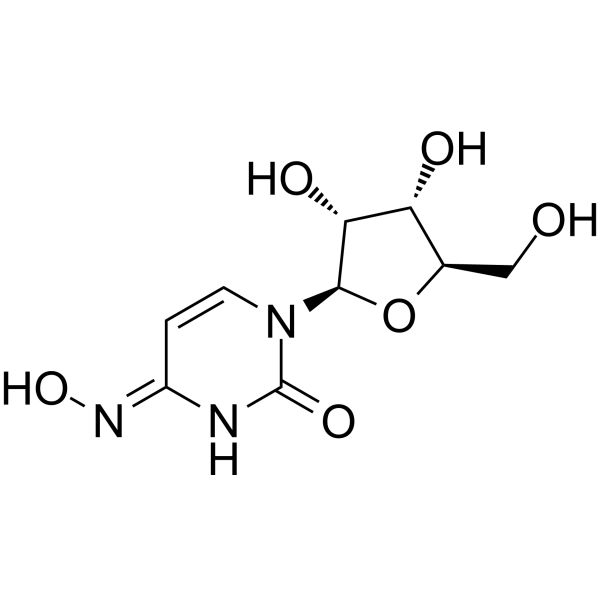
EIDD-1931 (Beta-d-N4-hydroxycytidine; NHC) is a novel nucleoside analog and behaves as a potent anti-virus agent. EIDD-1931 effectively inhibits the replication activity of venezuelan equine encephalitis virus (VEEV), Chikungunya virus (CHIKV) and hepatitis C virus (HCV) .
Cytochrome C (equine heart) is composed of 104 amino acids and is a nuclear-encoded mitochondrial protein. Cytochrome C (equine heart) is involved in mitochondrial electron transport and intrinsic type II apoptosis. Cytochrome C (equine heart) can act as a single electron carrier .
STING agonist-1 (G10) is human-specific STING agonist that elicits antiviral activity against emerging Alphaviruses. G10 potently blocks replication of Alphavirus species Venezuelan Equine Encephalitis Virus (VEEV) with IC90 of 24.57 μM .
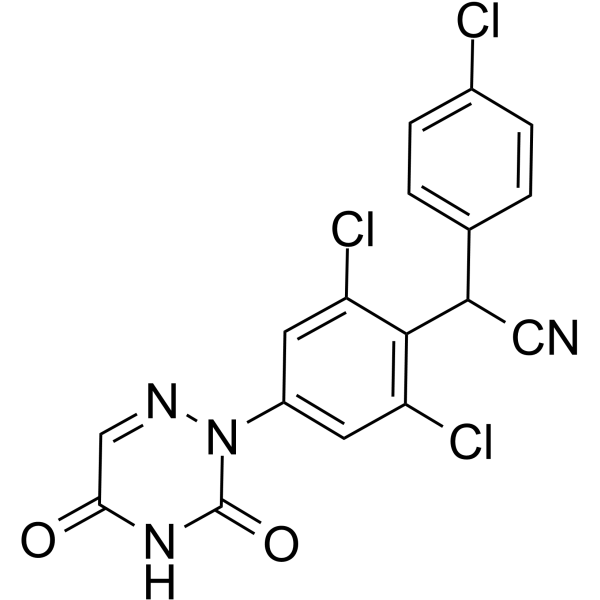
Diclazuril (R-64433), a benzeneacetonitrile derivative, is a potent and orally active anticoccidial agent. Diclazuril can be used for the research of certain infectious and parasitic diseases, including coccidiosis, acute toxoplasmosis, equine protozoal pyoencephalitis (EPM) et.al .
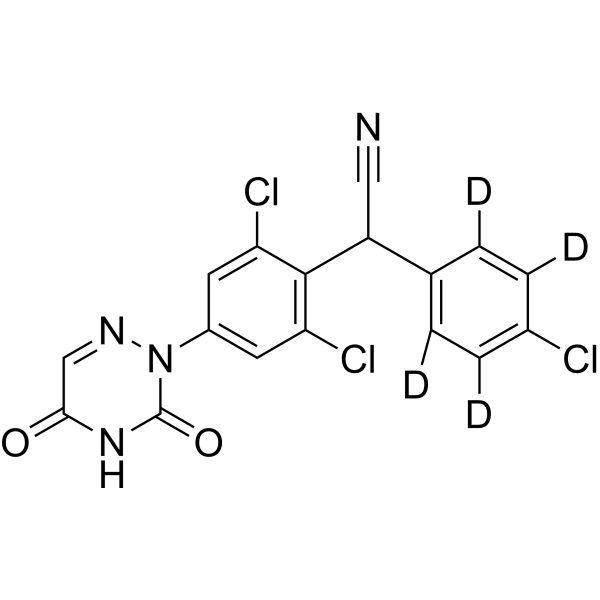
Diclazuril-d4 is deuterium labeled Diclazuril. Diclazuril (R-64433), a benzeneacetonitrile derivative, is a potent and orally active anticoccidial agent. Diclazuril can be used for the research of certain infectious and parasitic diseases, including coccidiosis, acute toxoplasmosis, equine protozoal pyoencephalitis (EPM) et.al .
7-Amino-4-methylcoumarin-3-acetic acid (AMCA) serves as the parent structure of coumarin-based blue fluorescent dyes, and its activated form AMCA-NHS can directly conjugate with proteins (Ex/Em ≈ 350/440-460).
V5 Epitope Tag Peptide TFA is a tag peptide derived from a small epitope present on the P and V proteins of the paramyxovirus of simian virus 5. V5 Epitope Tag Peptide TFA can be used for protein separation and purification, and competitive elution with target proteins .
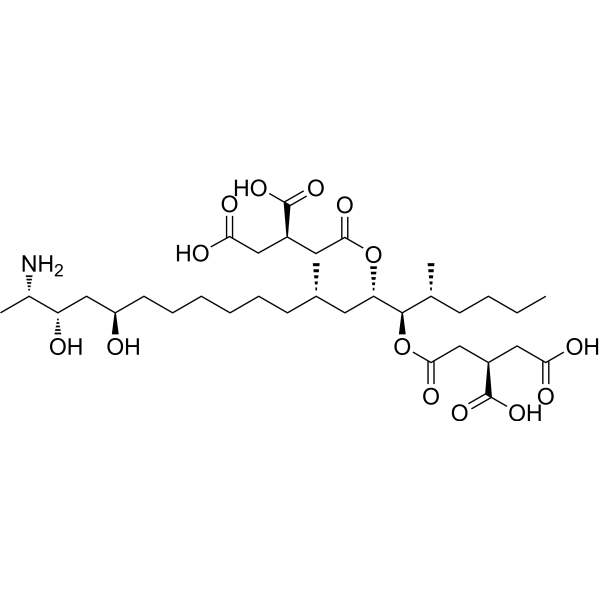
Fumonisin B2 is a selective ceramide synthase inhibitor and carcinogenic mycotoxin with toxicity comparable to that of Fumonisin B1 (HY-N6719). Fumonisin B2 inhibits de novo sphingolipid biosynthesis by blocking the amide bond formation between fatty acids and dihydrosphingosine, which leads to a massive intracellular accumulation of free dihydrosphingosine, altered sphingosine levels, subsequent inhibition of cell proliferation, and induction of cell death. Fumonisin B2 is used to investigate the pathogenesis of diseases associated with Fusarium verticillioides contamination, including equine leukoencephalomalacia, porcine pulmonary edema syndrome, human esophageal cancer, and rat hepatocellular carcinoma .
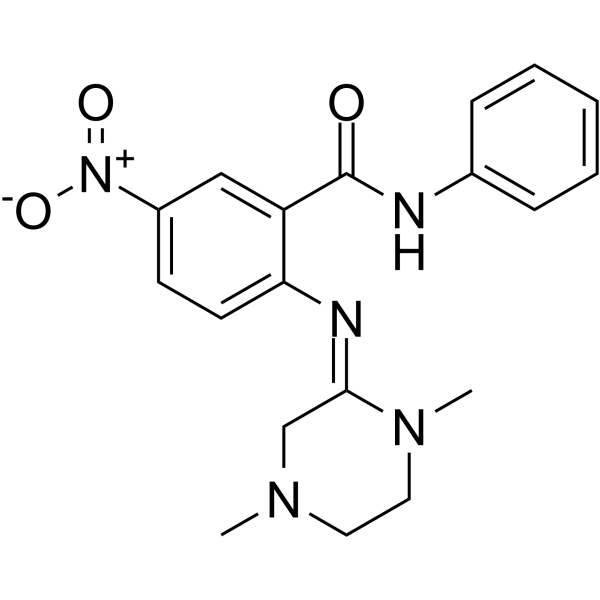
ML336 is quinazolinone-based inhibitor against venezuelan equine encephalitis virus (VEEV), with IC50s of 32, 20, and 42 nM for VEEV TC-83 CPE , VEEV V3526 CPE, VEEV Wild Type CPE, respectively. ML336 potently inhibits a VEEV-induced cytopathic effect in three strains of the virus (TC-83, V3526, and wild type Trinidad donkey) in the low nanomolar range .
NHC-triphosphate tetraammonium is an active phosphorylated intracellular metabolite of β-d-N4-Hydroxycytidine (NHC) (HY-125033) as a triphosphate form . NHC-triphosphate tetraammonium is a weak alternative substrate for the viral polymerase and can be incorporated into HCV replicon RNA .
Gypsogenin is a selective mixed-type BChE inhibitor (Ki=19.99 μM) that also exhibits significant cytotoxicity against various human cancer cell lines. Gypsogenin inhibits tumor growth by inducing cell cycle arrest and triggering apoptosis. Gypsogenin displays antibacterial activity against bacteria such as Bacillus subtilis and Bacillus thuringiensis, and often serves as a key parent nucleus for the synthesis of anticancer compounds. Gypsogenin is widely used in research on Alzheimer's disease and various cancers including colon cancer, melanoma, and leukemia .
Penicillin G Procaine hydrate (PGP hydrate) is a β-lactam antibiotic and sustained-release formulation. Penicillin G procaine (hydrate) hydrolyzes in vivo to release penicillin G and Procaine (HY-B0546), thereby delaying the absorption of penicillin G .
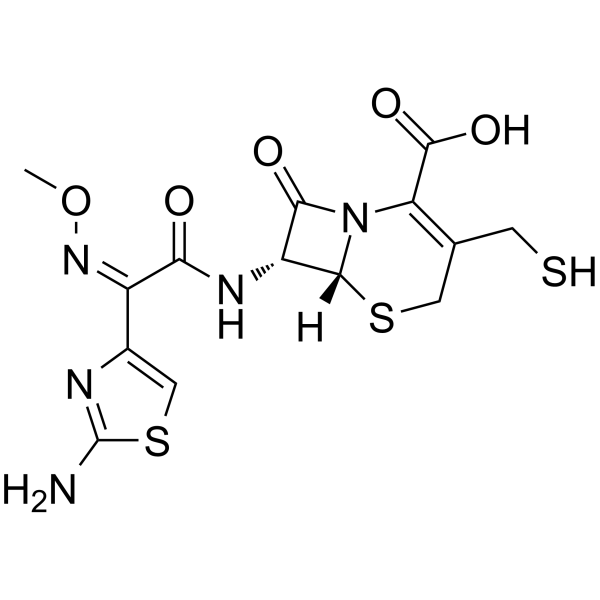
Desfuroylceftiofur is a metabolite of Ceftiofur (HY-N7102) and an Antibacterial agent. Desfuroylceftiofur exhibits comparable activity against Gram-negative bacteria to that of Ceftiofur .
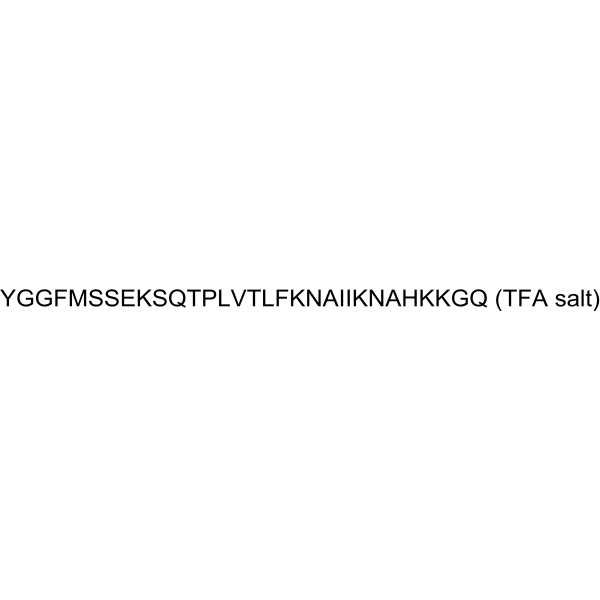
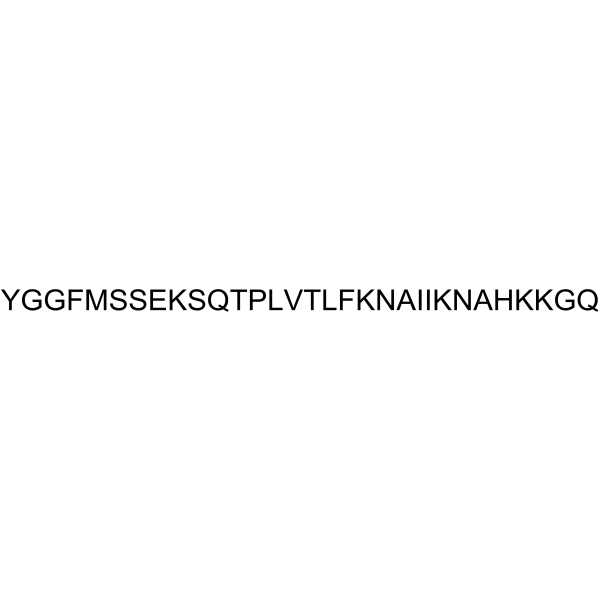
β-Endorphin, equine TFA is an endogenous opioid peptide, which binds at high affinity to both μ/δ opioid receptors. β-Endorphin, equine TFA has analgesic properties .
NHC-triphosphate is an active phosphorylated intracellular metabolite of β-d-N4-Hydroxycytidine (NHC) (HY-125033) as a triphosphate form . NHC-triphosphate is a weak alternative substrate for the viral polymerase and can be incorporated into HCV replicon RNA .
NHC-triphosphate tetrasodium is an active phosphorylated intracellular metabolite of β-d-N4-Hydroxycytidine (NHC) (HY-125033) as a triphosphate form . NHC-triphosphate tetrasodium is a weak alternative substrate for the viral polymerase and can be incorporated into HCV replicon RNA .
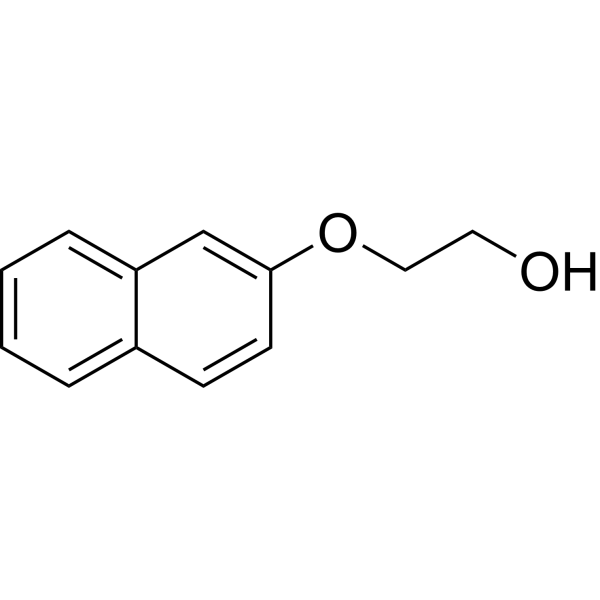
Anavenol (β-Naphthoxyethanol) is an anesthetic. Anavenol exerts anesthetic effects on horses. Anavenol can be used in studies on adverse events associated with equine anesthesia .
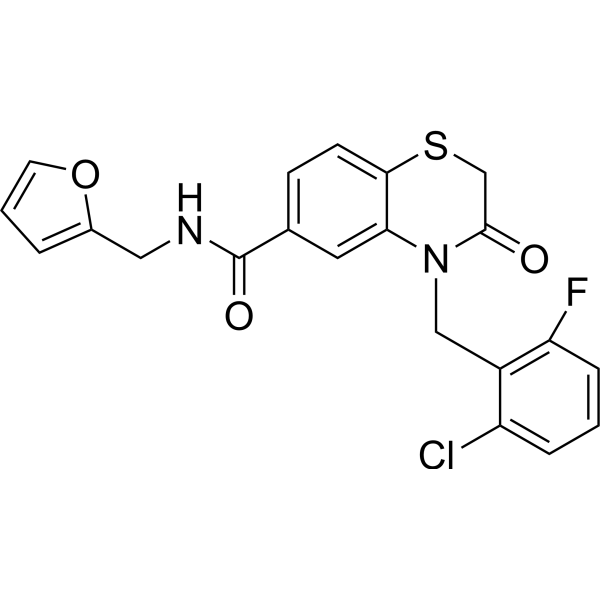
Encephalitic alphavirus-IN-1 has antiviral activity for VEEV and EEEV with EC50s of 0.24 μM and 0.16 μM, respectively. Encephalitic alphavirus-IN-1 has robust mouse plasma stability, and no obvious cytotoxicity .
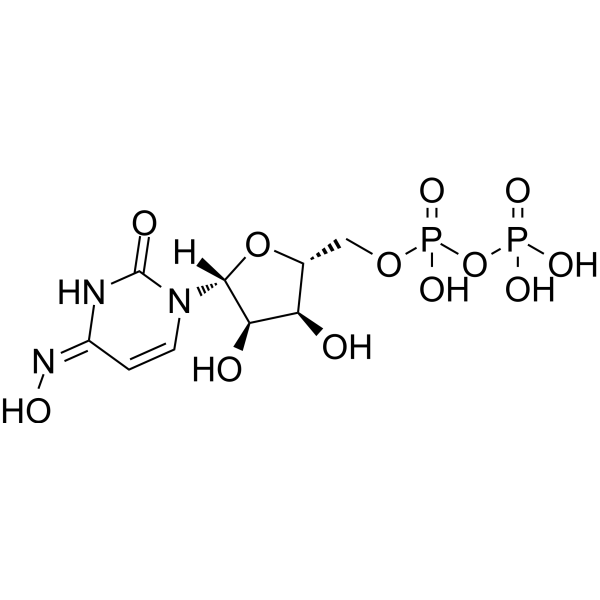
NHC-diphosphate is an active phosphorylated intracellular metabolite of β-d-N4-Hydroxycytidine (NHC) (HY-125033) as a diphosphate form . NHC is a pyrimidine ribonucleoside and behaves as a potent anti-virus agent. NHC effectively inhibits the replication of venezuelan equine encephalitis virus (VEEV), Chikungunya virus (CHIKV) and hepatitis C virus (HCV) .
NHC-diphosphate triammonium is an active phosphorylated intracellular metabolite of β-d-N4-Hydroxycytidine (NHC) (HY-125033) as a diphosphate form . NHC-diphosphate triammonium is a weak alternative substrate for the viral polymerase and can be incorporated into HCV replicon RNA .
BChE-IN-44 is a potent, brain-penetrant, highly selective BChE inhibitor [equine BChE IC50 = 18.00 pM, human BChE IC50 = 1.50 nM]. BChE-IN-44 shows neuroprotective effects against the Aβ1-42-induced injury model and inhibitory effects on Aβ1-42 self-aggregation. BChE-IN-44 reduces the levels of inflammatory factors (NO, IL-6, and TNF-α) in Lipopolysaccharides (HY-D1056)-induced BV2 cells. BChE-IN-44 can significantly ameliorate Scopolamine (HY-N0296)-induced cognition impairment. BChE-IN-44 exhibits capacity in the regulation of BChE and acetylcholine levels in the mouse hippocampus. BChE-IN-44 can be used for the study of Alzheimer’s disease (AD) .
CID15997213 is a blood-brain barrier penetrating antiviral agent. CID15997213 targets the amino-terminal domain of the VEEV nonstructural protein 2 (nsP2). CID15997213 shows alphavirus-specific antiviral effect, inhibiting VEEV and Western equine encephalitis virus .
AAK1-IN-6 (Compound 23) is an inhibitor of AP-2-associated protein kinase 1 (AAK1, IC50 = 12 nM) with antiviral activity against the dengue virus (DNEV2, EC50 = 0.24 μM) and Venezuelan equine encephalitis virus (VEEV, EC50 = 0.30 μM). AAK1-IN-6 can be utilized in antiviral research .
Diclazuril (R-64433) potassium, a benzeneacetonitrile derivative, is a potent and orally active anticoccidial agent. Diclazuril potassium can be used for the research of certain infectious and parasitic diseases, including coccidiosis, acute toxoplasmosis, equine protozoal pyoencephalitis (EPM) et.al .
Diclazuril (Standard) is the analytical standard of Diclazuril. This product is intended for research and analytical applications. Diclazuril (R-64433), a benzeneacetonitrile derivative, is a potent and orally active anticoccidial agent. Diclazuril can be used for the research of certain infectious and parasitic diseases, including coccidiosis, acute toxoplasmosis, equine protozoal pyoencephalitis (EPM) et.al .
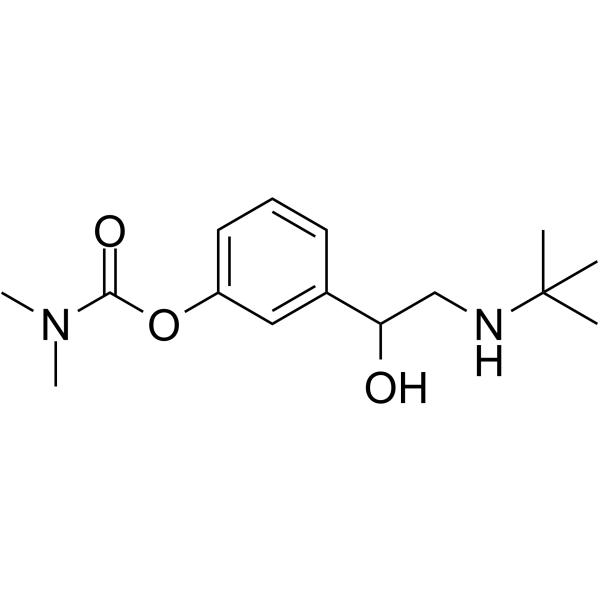
AChE/BChE-IN-3 (BMC-1) is a dual AChE and BChE inhibitor with IC50 values of 6.08 μM and 0.383 μM against electric eel AChE (elAChE) and equine serum BChE (eqBChE), respectively .
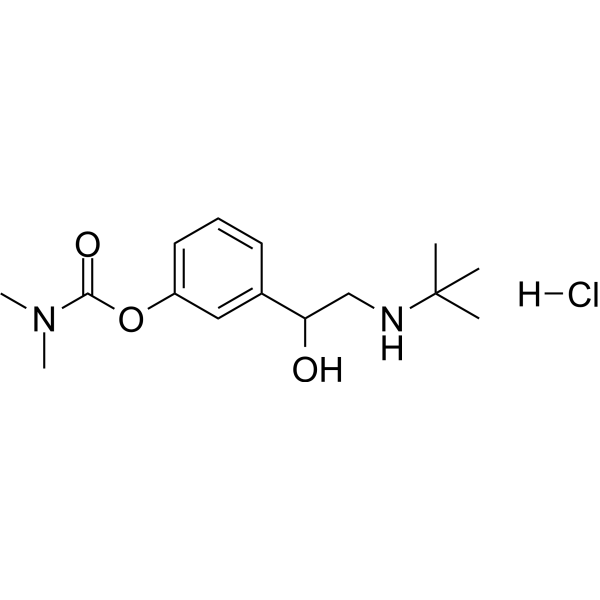
AChE/BChE-IN-3 (BMC-1) hydrochloride is a dual AChE and BChE inhibitor with IC50 values of 6.08 μM and 0.383 μM against electric eel AChE (elAChE) and equine serum BChE (eqBChE), respectively .
AChE/BChE-IN-8 (Compound 5a) is an uncompetitive AChE and mixed BChE inhibitor with Ki values of 0.788 μM and 2.364 μM against Electrophorus electricus AChE (EeAChE) and equine BChE (eqBChE), respectively. AChE/BChE-IN-8 can cross the BBB and has low cytotoxicity .
BuChE-IN-9 (compound 22a) is a potent equine serum-derived BuChE (eqBuChE) inhibitor with an IC50 of 173 nM. BuChE-IN-9 also inhibits human BACE1, Aβ aggregation, mouse GABA transporter 1 (mGAT1) and mGAT4. BuChE-IN-9 has significant antiamnesic properties .
Diclazuril- 13C3, 15N 2 is 13C and 15N labeled Diclazuril. Diclazuril (R-64433), a benzeneacetonitrile derivative, is a potent and orally active anticoccidial agent. Diclazuril can be used for the research of certain infectious and parasitic diseases, including coccidiosis, acute toxoplasmosis, equine protozoal pyoencephalitis (EPM) et.al .
Tenellin is a fungal metabolite that has been found in Beauveria. It inhibits Mg2+-, Ca2+-, and Na+/K+-ATPase activities in equine erythrocytes by 51, 57, and 74%, respectively, when used at a concentration of 200 μg/mL.1 Tenellin is cytotoxic to Sf9 and Sf21 insect cells with 50% cytotoxic concentration (CC50) values of- 4.84 and 11.95 μM, respectively.
AChE-IN-14 (compound 5) is a potent cholinesterase inhibitor with IC50s of 0.46 , 0.48, and 0.44 μM for electric eel acetylcholinesterase (eeAChE), human recombinant acetylcholinesterase (hAChE), and equine serum butyrylcholinesterase (eqBuChE), respectively. AChE-IN-14 exhibits high affinity toward human H3 receptor (H3R; Ki= 159.8 nM). AChE-IN-14 can be used for the research of Alzheimer’s disease .
BChE-IN-8 (compound 20) is an orally active, potent and BBB-penetrated BChE (butyrylcholinesterase) inhibitor, with IC50 values of 0.15 nM (eqBChE, equine serum BChE) and 45.2 nM (hBChE), respectively. High stability of BChE-IN-8 contributes to significantly improved blood concentration and tissue exposure. BChE-IN-8 can exert neuro-protecting and cognition improving properties through multiple modulations, including cholinergic system, Aβ aggregation, neuropeptide levels. BChE-IN-8 can be used for Alzheimer's disease (AD) research .
AChE/BChE-IN-29 is an AChE/BChE inhibitor. AChE/BChE-IN-29 exhibits balanced dual cholinesterase inhibitory activity with IC50 values of 2.1 μM for Electrophorus electricus AChE (eeAChE) and 6.3 μM for equine serum butyrylcholinesterase (eqBChE). AChE/BChE-IN-29 effectively inhibits amyloid-β (Aβ42) aggregation and tau protein aggregation in E. coli cell models. AChE/BChE-IN-29 can be used for the study of Alzheimer’s disease (AD) .
CHIKV nsP2 protease-IN-2 (Compound 2o) is a allosteric nonstructural protein 2 helicase (nsP2hel) inhibitor with IC50s of 0.5 μM and 0.9 μM for nsP2 ATPase and RNA unwindase, respectively. CHIKV nsP2 protease-IN-2 has broad-spectrum antialphaviral activity against chikungunya virus (CHIKV), Mayaro virus (MAYV), and Venezuelan equine encephalitis virus (VEEV) (EC50 of 120 nM for CHIKV-nLuc). CHIKV nsP2 protease-IN-2 can be used for alphaviruses infections research .
Multitarget AD inhibitor-1 is a selective and reversible butyrylcholinesterase (BuChE) inhibitor with IC50s of 7.22 μM and 1.55 μM for hBuChE and eqBuChE (BuChE from equine serum), respectively. Multitarget AD inhibitor-1 inhibits β-secretase (IC50hBACE-1=41.60 μM), amyloid β aggregation (IC50Aβ=3.09 μM), tau aggregation. Multitarget AD inhibitor-1, a diphenylpropylamine derivative, has the potential for multifunctional disease-modifying anti-Alzheimer’s research .
Diclazuril sodium (R-64433 sodium) is an anticoccidial agent active in preventing parasitic contamination of livestock and poultry feed. Evaluation of the efficacy of Diclazuril sodium in the treatment of Eimeria infection showed poor performance in sustained levels of oocyst excretion compared with controls. Diclazuril sodium has a significant impact on the pathological effects of young animals in clinical applications .
BChE-IN-6 (compound 12) is a potent BChE inhibitor, with a Ki of 0.182 μM. BChE-IN-6 shows chelating capacity on Zn 2+. BChE-IN-6 can be used for Alzheimer’s disease (AD) research .
γ-Glutamyltranspeptidase, Equine (EC 2.3.2.2) is an enzyme capable of transferring the γ-glutamyl functional group. γ-Glutamyltranspeptidase, Equine (EC 2.3.2.2) catalyzes the transfer of the γ-glutamyl group of glutathione to a receptor, which can be an amino acid, peptide, or water (to produce glutamate).
Anti-Eastern equine encephalitis virus E2 protein Antibody (EEEV-3) reacts with the B domain of the E2 glycoprotein on the eastern equine encephalitis virus (EEEV). Anti-Eastern equine encephalitis virus E2 protein Antibody (EEEV-3) exhibits a modest inhibition of viral attachment to the plasma membrane of the cells. Recommend Isotype Controls: Mouse IgG2c kappa, Isotype Control (HY-P99981) .
Anti-Venezuelan equine encephalitis virus E2 protein Antibody (VEEV-57) reacts with the E2 protein of the Venezuelan equine encephalitis virus (VEEV). Anti-Venezuelan equine encephalitis virus E2 protein Antibody (VEEV-57) inhibits VEEV attachment to Vero cells, viral egress, viral fusion, and LDLRAD3-D1-Fc binding. Recommend Isotype Controls: Mouse IgG2c kappa, Isotype Control (HY-P99981) .
AChE/BChE-IN-35, Tacrine (HY-111338) derivative, is a brain-penetrant dual AChE/BChE inhibitor with an Electric Eel AChEIC50 of 123.66 nM, human AChEIC50 of 122.34 nM, and equineBChEIC50 of 488.00 nM. AChE/BChE-IN-35 undergoes LAT1-mediated active transport across cell membranes. AChE/BChE-IN-35 exhibits enhanced brain exposure with slower brain tissue elimination. AChE/BChE-IN-35 can be used for the research of alzheimer's disease .
AChE-IN-107 is a selective acetylcholinesterase (AChE) inhibitor with an IC50 of 0.22 μM and a Ki of 0.207 μM. AChE-IN-107 shows no inhibitory effect on equine serum BChE at 10 μM. AChE-IN-107 exhibits mixed-type inhibition of electric eel acetylcholinesterase, binding to both free enzyme and enzyme-substrate complex. AChE-IN-107 acts as a cytotoxin, reduces cell viability in hepatocellular carcinoma HepG2 cells.AChE-IN-107 can be used for the research of alzheimer's disease .
BFB78 is a blood-brain barrier-permeable nsP2 protease inhibitor. BFB78 potently and broadly inhibits the purified nsP2 proteases of various alphaviruses, with IC50 values ranging from 21.6 nM (Mayaro virus; MAYV) to 130.7 nM (Chikungunya virus; CHIKV). BFB78 blocks viral replication in cell culture systems and reduces viral titers in the brains of mice. BFB78 can be used in studies related to Venezuelan equine encephalitis virus (VEEV) infection .
AChE-IN-116 is a selective acetylcholinesterase (AChE) inhibitor with an electric eel AChE IC50 of 1.60 μM and Ki of 1.72 μM. AChE-IN-116 exhibits weak ability to scavenge DPPH radical. AChE-IN-116 can be used for the research of Alzheimer's disease .
7-Amino-4-methylcoumarin-3-acetic acid (AMCA) serves as the parent structure of coumarin-based blue fluorescent dyes, and its activated form AMCA-NHS can directly conjugate with proteins (Ex/Em ≈ 350/440-460).
Cytochrome C (equine heart) is composed of 104 amino acids and is a nuclear-encoded mitochondrial protein. Cytochrome C (equine heart) is involved in mitochondrial electron transport and intrinsic type II apoptosis. Cytochrome C (equine heart) can act as a single electron carrier .
V5 Epitope Tag Peptide TFA is a tag peptide derived from a small epitope present on the P and V proteins of the paramyxovirus of simian virus 5. V5 Epitope Tag Peptide TFA can be used for protein separation and purification, and competitive elution with target proteins .
β-Endorphin, equine TFA is an endogenous opioid peptide, which binds at high affinity to both μ/δ opioid receptors. β-Endorphin, equine TFA has analgesic properties .
Anti-Eastern equine encephalitis virus E2 protein Antibody (EEEV-3) reacts with the B domain of the E2 glycoprotein on the eastern equine encephalitis virus (EEEV). Anti-Eastern equine encephalitis virus E2 protein Antibody (EEEV-3) exhibits a modest inhibition of viral attachment to the plasma membrane of the cells. Recommend Isotype Controls: Mouse IgG2c kappa, Isotype Control (HY-P99981) .
Anti-Venezuelan equine encephalitis virus E2 protein Antibody (VEEV-57) reacts with the E2 protein of the Venezuelan equine encephalitis virus (VEEV). Anti-Venezuelan equine encephalitis virus E2 protein Antibody (VEEV-57) inhibits VEEV attachment to Vero cells, viral egress, viral fusion, and LDLRAD3-D1-Fc binding. Recommend Isotype Controls: Mouse IgG2c kappa, Isotype Control (HY-P99981) .
Fumonisin B2 is a selective ceramide synthase inhibitor and carcinogenic mycotoxin with toxicity comparable to that of Fumonisin B1 (HY-N6719). Fumonisin B2 inhibits de novo sphingolipid biosynthesis by blocking the amide bond formation between fatty acids and dihydrosphingosine, which leads to a massive intracellular accumulation of free dihydrosphingosine, altered sphingosine levels, subsequent inhibition of cell proliferation, and induction of cell death. Fumonisin B2 is used to investigate the pathogenesis of diseases associated with Fusarium verticillioides contamination, including equine leukoencephalomalacia, porcine pulmonary edema syndrome, human esophageal cancer, and rat hepatocellular carcinoma .
Gypsogenin is a selective mixed-type BChE inhibitor (Ki=19.99 μM) that also exhibits significant cytotoxicity against various human cancer cell lines. Gypsogenin inhibits tumor growth by inducing cell cycle arrest and triggering apoptosis. Gypsogenin displays antibacterial activity against bacteria such as Bacillus subtilis and Bacillus thuringiensis, and often serves as a key parent nucleus for the synthesis of anticancer compounds. Gypsogenin is widely used in research on Alzheimer's disease and various cancers including colon cancer, melanoma, and leukemia .
β-Endorphin, equine TFA is an endogenous opioid peptide, which binds at high affinity to both μ/δ opioid receptors. β-Endorphin, equine TFA has analgesic properties .
NHC-triphosphate is an active phosphorylated intracellular metabolite of β-d-N4-Hydroxycytidine (NHC) (HY-125033) as a triphosphate form . NHC-triphosphate is a weak alternative substrate for the viral polymerase and can be incorporated into HCV replicon RNA .
NHC-triphosphate tetrasodium is an active phosphorylated intracellular metabolite of β-d-N4-Hydroxycytidine (NHC) (HY-125033) as a triphosphate form . NHC-triphosphate tetrasodium is a weak alternative substrate for the viral polymerase and can be incorporated into HCV replicon RNA .
NHC-diphosphate is an active phosphorylated intracellular metabolite of β-d-N4-Hydroxycytidine (NHC) (HY-125033) as a diphosphate form . NHC is a pyrimidine ribonucleoside and behaves as a potent anti-virus agent. NHC effectively inhibits the replication of venezuelan equine encephalitis virus (VEEV), Chikungunya virus (CHIKV) and hepatitis C virus (HCV) .
NHC-diphosphate triammonium is an active phosphorylated intracellular metabolite of β-d-N4-Hydroxycytidine (NHC) (HY-125033) as a diphosphate form . NHC-diphosphate triammonium is a weak alternative substrate for the viral polymerase and can be incorporated into HCV replicon RNA .
TNF-alpha/TNFSF2 protein binds to TNFRSF1A/TNFR1 and TNFRSF1B/TNFBR. It induces tumor cell death, fever, cachexia, cell proliferation, and cell differentiation. It also causes insulin resistance and GKAP42 protein degradation in adipocytes. Additionally, it plays a role in angiogenesis, osteoclastogenesis, and IL12 production in dendritic cells. TNF-alpha/TNFSF2 Protein, Equine is the recombinant equine-derived TNF-alpha/TNFSF2 protein, expressed by E. coli , with tag free.
IL-6 protein is a crucial cytokine in immunity, tissue regeneration and metabolism. It binds to IL6R and forms a complex that binds to IL6ST/gp130, triggering intracellular IL6 signaling. Membrane-bound IL6:IL6R complexes induce "cluster signaling" that activates IL6ST receptors on neighboring cells. IL-6 Protein, Equine is the recombinant equine-derived IL-6 protein, expressed by E. coli , with tag free.
The hemagglutinin (HA) protein attaches viral particles to host cells by binding to sialic acid-containing receptors and induces viral particle internalization through clathrin-dependent endocytosis.HA also promotes an alternative clathrin- and caveolin-independent pathway for some virions.HA/Hemagglutinin Protein, H7N7 (ACL12085, sf9, His) is the recombinant Virus-derived HA/Hemagglutinin protein, expressed by Sf9 insect cells , with C-His labeled tag.
Avian influenza virus (AIV) belongs to the genus Orthomyxovirus and contains eight single-stranded negative-sense RNA segments (PB2, PB1, PA, HA, NP, NA, M, and NS). The haemagglutinin (HA) protein presents as a homotrimer in which each monomer consists of two di-sulfide-linked HA1 and HA2 subunits after the cleavage of the HA0 precursor. The HA protein, which is responsible for receptor binding and membrane fusion, plays a key role in the influenza virus entry pathway. HA1/Hemagglutinin Protein, H3N8 (ACE81938, HEK293, His) is the recombinant Virus-derived HA1/Hemagglutinin protein, expressed by HEK293 , with C-His labeled tag.
Avian influenza virus (AIV) belongs to the genus Orthomyxovirus and contains eight single-stranded negative-sense RNA segments (PB2, PB1, PA, HA, NP, NA, M, and NS). The haemagglutinin (HA) protein presents as a homotrimer in which each monomer consists of two di-sulfide-linked HA1 and HA2 subunits after the cleavage of the HA0 precursor. The HA protein, which is responsible for receptor binding and membrane fusion, plays a key role in the influenza virus entry pathway. HA1/Hemagglutinin Protein, H3N8 (ACE81938, sf9, His) is the recombinant Virus-derived HA1/Hemagglutinin protein, expressed by Sf9 insect cells , with C-His labeled tag.
Diclazuril-d4 is deuterium labeled Diclazuril. Diclazuril (R-64433), a benzeneacetonitrile derivative, is a potent and orally active anticoccidial agent. Diclazuril can be used for the research of certain infectious and parasitic diseases, including coccidiosis, acute toxoplasmosis, equine protozoal pyoencephalitis (EPM) et.al .
Diclazuril- 13C3, 15N 2 is 13C and 15N labeled Diclazuril. Diclazuril (R-64433), a benzeneacetonitrile derivative, is a potent and orally active anticoccidial agent. Diclazuril can be used for the research of certain infectious and parasitic diseases, including coccidiosis, acute toxoplasmosis, equine protozoal pyoencephalitis (EPM) et.al .
Inquiry Online
Your information is safe with us. * Required Fields.
Western blot analysis of extracts from THP-1(lane 2(20μg), Jurkat (lane 3(20μg) and NIH3T3(lane 4(20μg) using FOXO1A (HY-P80132) Rabbit mAb. Proteins were transferred
to a PVDF membrane and blocked with 5% non-fat milk in TBST for 2 hour at room temperature. The primary antibody (1/1000) and Loading control antibody (Beta Actin, HY-P80438, 1/10000) was
used in 5% non-fat milk in TBST at 4°C overnight. Goat Anti-Mouse/Rabbit IgG-HRP Secondary Antibody (1/10000) was used for 1 hour at room temperature.
Western blot analysis of extracts from THP-1(lane 2(20μg), Jurkat (lane 3(20μg) and NIH3T3(lane 4(20μg) using FOXO1A (HY-P80132) Rabbit mAb. Proteins were transferred
to a PVDF membrane and blocked with 5% non-fat milk in TBST for 2 hour at room temperature. The primary antibody (1/1000) and Loading control antibody (Beta Actin, HY-P80438, 1/10000) was
used in 5% non-fat milk in TBST at 4°C overnight. Goat Anti-Mouse/Rabbit IgG-HRP Secondary Antibody (1/10000) was used for 1 hour at room temperature.
Western blot analysis of extracts from THP-1(lane 2(20μg), Jurkat (lane 3(20μg) and NIH3T3(lane 4(20μg) using FOXO1A (HY-P80132) Rabbit mAb. Proteins were transferred
to a PVDF membrane and blocked with 5% non-fat milk in TBST for 2 hour at room temperature. The primary antibody (1/1000) and Loading control antibody (Beta Actin, HY-P80438, 1/10000) was
used in 5% non-fat milk in TBST at 4°C overnight. Goat Anti-Mouse/Rabbit IgG-HRP Secondary Antibody (1/10000) was used for 1 hour at room temperature.
Western blot analysis of extracts from THP-1(lane 2(20μg), Jurkat (lane 3(20μg) and NIH3T3(lane 4(20μg) using FOXO1A (HY-P80132) Rabbit mAb. Proteins were transferred
to a PVDF membrane and blocked with 5% non-fat milk in TBST for 2 hour at room temperature. The primary antibody (1/1000) and Loading control antibody (Beta Actin, HY-P80438, 1/10000) was
MedchemExpress Validation 03
Western blot analysis of extracts from THP-1(lane 2(20μg), Jurkat (lane 3(20μg) and NIH3T3(lane 4(20μg) using FOXO1A (HY-P80132) Rabbit mAb. Proteins were transferred
MedchemExpress Validation 04
Western blot analysis of extracts from THP-1(lane 2(20μg), Jurkat (lane 3(20μg) and NIH3T3(lane 4(20μg) using FOXO1A (HY-P80132) Rabbit mAb. Proteins were transferred
to a PVDF membrane and blocked with 5% non-fat milk in TBST for 2 hour at room temperature. The primary antibody (1/1000) and Loading control antibody (Beta Actin, HY-P80438, 1/10000) was
used in 5% non-fat milk in TBST at 4°C overnight. Goat Anti-Mouse/Rabbit IgG-HRP Secondary Antibody (1/10000) was used for 1 hour at room temperature.
MedchemExpress Validation
Western blot analysis of extracts from THP-1(lane 2(20μg), Jurkat (lane 3(20μg) and NIH3T3(lane 4(20μg) using FOXO1A (HY-P80132) Rabbit mAb. Proteins were transferred
to a PVDF membrane and blocked with 5% non-fat milk in TBST for 2 hour at room temperature. The primary antibody (1/1000) and Loading control antibody (Beta Actin, HY-P80438, 1/10000) was
used in 5% non-fat milk in TBST at 4°C overnight. Goat Anti-Mouse/Rabbit IgG-HRP Secondary Antibody (1/10000) was used for 1 hour at room temperature.
Western blot analysis of extracts from THP-1(lane 2(20μg), Jurkat (lane 3(20μg) and NIH3T3(lane 4(20μg) using FOXO1A (HY-P80132) Rabbit mAb. Proteins were transferred
to a PVDF membrane and blocked with 5% non-fat milk in TBST for 2 hour at room temperature. The primary antibody (1/1000) and Loading control antibody (Beta Actin, HY-P80438, 1/10000) was
used in 5% non-fat milk in TBST at 4°C overnight. Goat Anti-Mouse/Rabbit IgG-HRP Secondary Antibody (1/10000) was used for 1 hour at room temperature.
MedchemExpress Validation
Western blot analysis of extracts from THP-1(lane 2(20μg), Jurkat (lane 3(20μg) and NIH3T3(lane 4(20μg) using FOXO1A (HY-P80132) Rabbit mAb. Proteins were transferred
to a PVDF membrane and blocked with 5% non-fat milk in TBST for 2 hour at room temperature. The primary antibody (1/1000) and Loading control antibody (Beta Actin, HY-P80438, 1/10000) was
used in 5% non-fat milk in TBST at 4°C overnight. Goat Anti-Mouse/Rabbit IgG-HRP Secondary Antibody (1/10000) was used for 1 hour at room temperature.
MedchemExpress Validation
Western blot analysis of extracts from THP-1(lane 2(20μg), Jurkat (lane 3(20μg) and NIH3T3(lane 4(20μg) using FOXO1A (HY-P80132) Rabbit mAb. Proteins were transferred
to a PVDF membrane and blocked with 5% non-fat milk in TBST for 2 hour at room temperature. The primary antibody (1/1000) and Loading control antibody (Beta Actin, HY-P80438, 1/10000) was
used in 5% non-fat milk in TBST at 4°C overnight. Goat Anti-Mouse/Rabbit IgG-HRP Secondary Antibody (1/10000) was used for 1 hour at room temperature.
MedchemExpress Validation
Western blot analysis of extracts from THP-1(lane 2(20μg), Jurkat (lane 3(20μg) and NIH3T3(lane 4(20μg) using FOXO1A (HY-P80132) Rabbit mAb. Proteins were transferred
to a PVDF membrane and blocked with 5% non-fat milk in TBST for 2 hour at room temperature. The primary antibody (1/1000) and Loading control antibody (Beta Actin, HY-P80438, 1/10000) was
used in 5% non-fat milk in TBST at 4°C overnight. Goat Anti-Mouse/Rabbit IgG-HRP Secondary Antibody (1/10000) was used for 1 hour at room temperature.
MedchemExpress Validation
Western blot analysis of extracts from THP-1(lane 2(20μg), Jurkat (lane 3(20μg) and NIH3T3(lane 4(20μg) using FOXO1A (HY-P80132) Rabbit mAb. Proteins were transferred
to a PVDF membrane and blocked with 5% non-fat milk in TBST for 2 hour at room temperature. The primary antibody (1/1000) and Loading control antibody (Beta Actin, HY-P80438, 1/10000) was
used in 5% non-fat milk in TBST at 4°C overnight. Goat Anti-Mouse/Rabbit IgG-HRP Secondary Antibody (1/10000) was used for 1 hour at room temperature.
MedchemExpress Validation
Western blot analysis of extracts from THP-1(lane 2(20μg), Jurkat (lane 3(20μg) and NIH3T3(lane 4(20μg) using FOXO1A (HY-P80132) Rabbit mAb. Proteins were transferred
to a PVDF membrane and blocked with 5% non-fat milk in TBST for 2 hour at room temperature. The primary antibody (1/1000) and Loading control antibody (Beta Actin, HY-P80438, 1/10000) was
used in 5% non-fat milk in TBST at 4°C overnight. Goat Anti-Mouse/Rabbit IgG-HRP Secondary Antibody (1/10000) was used for 1 hour at room temperature.
MedchemExpress Validation
Western blot analysis of extracts from THP-1(lane 2(20μg), Jurkat (lane 3(20μg) and NIH3T3(lane 4(20μg) using FOXO1A (HY-P80132) Rabbit mAb. Proteins were transferred
to a PVDF membrane and blocked with 5% non-fat milk in TBST for 2 hour at room temperature. The primary antibody (1/1000) and Loading control antibody (Beta Actin, HY-P80438, 1/10000) was
used in 5% non-fat milk in TBST at 4°C overnight. Goat Anti-Mouse/Rabbit IgG-HRP Secondary Antibody (1/10000) was used for 1 hour at room temperature.
MedChemExpress values your privacy and your trust is important to us. We use cookies to enhance your website experience. Some cookies are necessary to run the website.
Privacy and Cookie Policy

