



1. Search Result
Search Result
Results for "

fibril

" in MedChemExpress (MCE) Product Catalog:

112

Inhibitors & Agonists

8

Fluorescent Dyes

4

Biochemical Assay Reagents

31

Peptides

7

Inhibitory Antibodies

15

Natural
Products

2

Isotope-Labeled Compounds

1

Antibodies

4

Oligonucleotides

Cat. No. Product Name Target Research Areas Chemical Structure
  • HY-N0225
    (-)-Epigallocatechin
    5 Publications Verification

    Epigallocatechin; L-Epigallocatechin

    MMP Autophagy Cancer
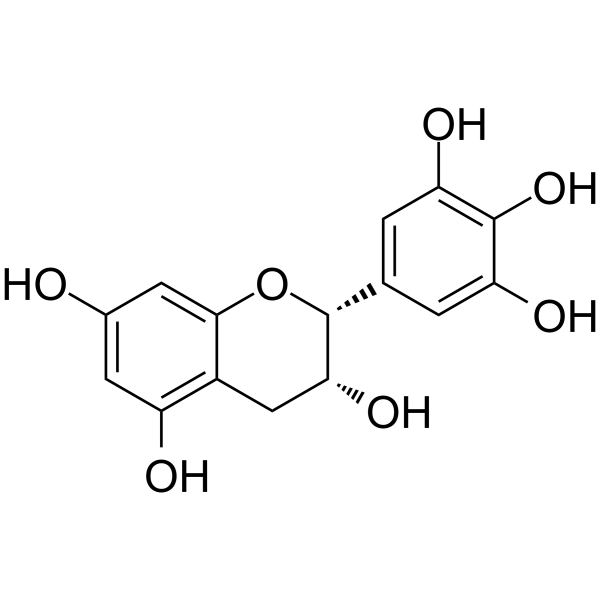
    (-)-Epigallocatechin (Epigallocatechin) is the most abundant flavonoid in green tea, can bind to unfolded native polypeptides and prevent conversion to amyloid fibrils.
    (-)-Epigallocatechin
  • HY-P99022

    R-04909832; RG-1450

    Amyloid-β Neurological Disease
    Gantenerumab is a fully humanized anti-Aβ IgG1 monoclonal antibody. Gantenerumab can specifically bind to Aβ fibrils and plaques and can be used in Alzheimer's disease research .
    Gantenerumab
  • HY-103240
    Methoxy-X04
    5 Publications Verification

    Amyloid-β Others
    Methoxy-X04 is a fluorescent dye that crosses the blood-brain barrier and selectively binds to beta-pleated sheets found in dense core amyloid Aβ plaques. Methoxy-X04 retains in vitro binding affinity for amyloid b (Ab) fibrils (Ki= 26.8 nM). Methoxy-X04 is fluorescent and stains plaques, tangles, and cerebrovascular amyloid in postmortem sections of AD brain with good specificity .
    Methoxy-X04
  • HY-N0373
    Licochalcone B
    Maximum Cited Publications
    12 Publications Verification

    Amyloid-β Apoptosis NOD-like Receptor (NLR) Neurological Disease
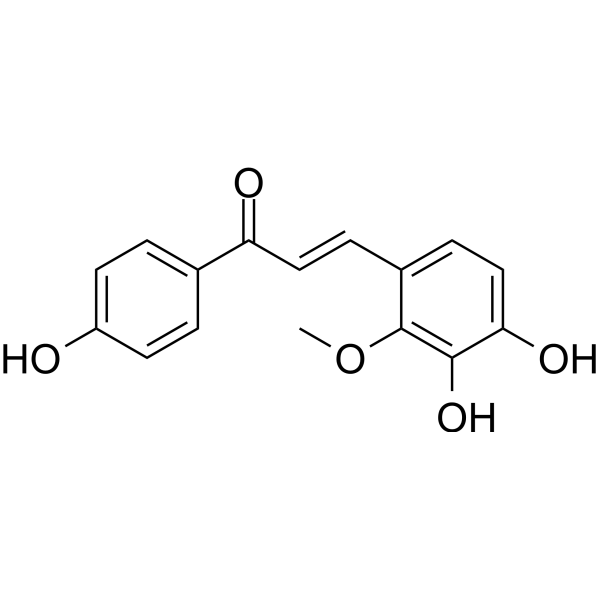
    Licochalcone B is an extract from the root of Glycyrrhiza uralensis. Licochalcone B inhibits amyloid β (42) self-aggregation (IC50=2.16 μM) and disaggregate pre-formed Aβ42 fibrils, reduce metal-induced Aβ42 aggregation through chelating metal ionsLicochalcone B inhibits phosphorylation of NF-κB p65 in LPS signaling pathway. Licochalcone B inhibits growth and induces apoptosis of NSCLC cells. Licochalcone B specifically inhibits the NLRP3 inflammasome by disrupting NEK7‐NLRP3 interaction .
    Licochalcone B
  • HY-137131

    DC-Cholesterol hydrochloride

    Amyloid-β Liposome IFNAR Interleukin Related Neurological Disease Inflammation/Immunology
    DC-Chol hydrochloride is a cationic lipid. DC-Chol hydrochloride could inhibit Aβ40 fibril formation under appropriate experimental conditions. DC-Chol hydrochloride strongly inhibits amyloidogenesis of oxidized hCT in a dose-dependent manner. DC-Chol hydrochloride induces the production of Th1 (IL-2 and IFN-γ) and Th2 (IL-5) cytokines. DC-Chol hydrochloride can enhance the body's immune response to antigens. DC-Chol hydrochloride is used as a gene delivery vector. DC-Chol hydrochloride can be used in research in areas such as hepatitis B vaccines to improve vaccine immunity .
    DC-Chol hydrochloride
  • HY-148089
    Eplontersen
    1 Publications Verification

    Transthyretin (TTR) Neurological Disease
    Eplontersen is a triantennary N-acetyl galactosamine (GalNAc3-7a)-conjugated antisense oligonucleotide targeting transthyretin (TTR) mRNA to inhibit production of both variant and wild-type TTR protein. Misfolded TTR induces amyloid fibrils formation in the heart and peripheral nerves, leads to amyloid TTR (ATTR) amyloidosis diseases .
    Eplontersen
  • HY-P2358

    NF-κB p38 MAPK Infection Inflammation/Immunology
    PSMα3 is an inhibitor of NF-κB p65 and p38 MAPK. PSMα3 forms membrane pores and binds to residues of human insulin B chain to inhibit insulin aggregation. PSMα3 forms α-type amyloid-like fibrils to exert cytotoxic effects, and acts as a functional amyloid virulence determinant of Staphylococcus aureus. PSMα3 is applicable to research related to spondyloarthritis, rheumatoid arthritis, insulin-derived amyloidosis, and Staphylococcus aureus infection .
    PSMα3
  • HY-N7046

    Silibinin B

    Amyloid-β Apoptosis JNK p38 MAPK Neurological Disease Cancer
    Silybin B (Silibinin B) is an orally active amyloid-β aggregation inhibitor and ATR pathway activator that can cross the blood-brain barrier. Silybin B inhibits Aβ fibril formation and promotes amorphous aggregate formation, while activating the ATR-mediated DNA damage repair pathway and inhibiting JNK/p38 MAPK signaling. Silybin B can reduce Cisplatin (HY-17394)-induced neuronal DNA damage and apoptosis. Silybin B has anti-oxidative stress, cell cycle regulation and neuroprotective activities. Silybin B is mainly used in the study of Alzheimer's disease and Cisplatin chemotherapy-related neurotoxicity .
    Silybin B
  • HY-126192

    PiB; 6-OH-BTA-1

    Amyloid-β Neurological Disease
    Pittsburgh Compound B (PiB) is a blood-brain barrier-permeable, specific deposition PET tracer that binds to Aβ(1-40) fibrils with a Ki value of 678.4 nM. Through click chemical modification (a clickable Pittsburgh Compound B derivative is prepared by introducing a PEG3 linker and an alkynyl group at the 6-hydroxy site of Pittsburgh Compound B, followed by covalent conjugation with azide-labeled fluorescent dyes or affinity tags via copper-catalyzed azide-alkyne cycloaddition (CuAAC)), Pittsburgh Compound B and its conjugates can be used for fluorescence imaging, ultrastructural studies, and enrichment and characterization of Aβ complexes. Pittsburgh Compound B is applicable to Alzheimer's disease research .
    Pittsburgh Compound B
  • HY-P991128

    NI-006; ALXN2220

    Transthyretin (TTR) Cardiovascular Disease Neurological Disease
    Cliramitug (NI-006; ALXN2220) is a monoclonal antibody that targets human transthyretin (TTR). Cliramitug binds to TTR and inhibits its amyloidogenic process, exerting amyloid formation-inhibiting activity. Cliramitug can be used in the research of transthyretin amyloidosis-related diseases, such as certain neurological and cardiovascular diseases .
    Cliramitug
  • HY-P990109

    Amyloid-β Neurological Disease
    Aducanumab (Mouse IGG2a) is a monoclonal antibody that selectively targets aggregated amyloid-beta (Aβ). The variable region of Aducanumab (Mouse IGG2a) is consistent with that of Aducanumab (HY-P9967), while the constant region is of Mouse IGG2a sequence. Aducanumab (Mouse IGG2a) has strong selectivity for Aβ fibrils with EC50s of >1 μM and 0.2 nM for monomeric Aβ1-40 and fibrillar Aβ1-42, respectively. Aducanumab (Mouse IGG2a) can be used for Alzheimer's disease (AD) research .
    Aducanumab (Mouse IGG2a)
  • HY-NP009

    Bacterial Infection Neurological Disease
    α-Lactalbumin is a globular whey protein that exists in milk. α-Lactalbumin binds Ca 2+, Mg 2+, Mn 2+, Na +, K + and Zn 2+ ions; among these, Ca 2+ binding enhances protein stability, while Zn 2+ binding reduces stability and induces aggregation. α-Lactalbumin forms amyloid fibrils, amorphous aggregates, nanoparticles and nanotubes depending on external conditions. α-Lactalbumin exhibits bactericidal and antiviral activities. α-Lactalbumin has anxiolytic and antidepressant activities, and its effects are enhanced under stress conditions .
    α-Lactalbumin
  • HY-18257

    Antibiotic Bacterial Dengue Virus Amyloid-β HIV Integrase Infection Neurological Disease Inflammation/Immunology
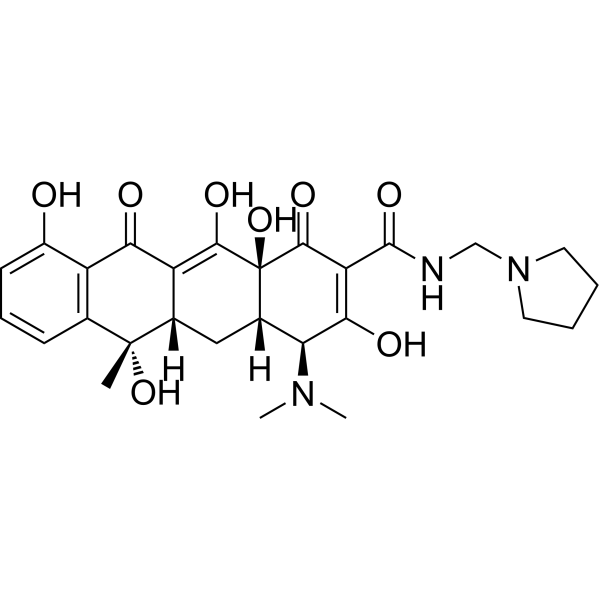
    Rolitetracycline is a highly soluble, broad-spectrum antibiotic derived from tetracycline. Rolitetracycline binds to and stabilizes bovine serum albumin, and also inhibits HIV-1 integrase, blocks fibril formation and suppresses dengue virus proliferation. Rolitetracycline mediates the inhibition of Aβ fibrils via a specific three-dimensional pharmacophore conformation, and exerts bacteriostatic and bactericidal activities. Rolitetracycline acts synergistically with Penicillin G (HY-N7139) or Cephalothin (HY-B1275A) to alter the effects on microbial growth. Rolitetracycline serves as an important tool compound for the study of bacterial infections (urinary tract infections, sepsis), HIV-1 and dengue virus infections, as well as Alzheimer's disease .
    Rolitetracycline
  • HY-124876
    SynuClean-D
    1 Publications Verification

    SC-D

    α-synuclein Neurological Disease
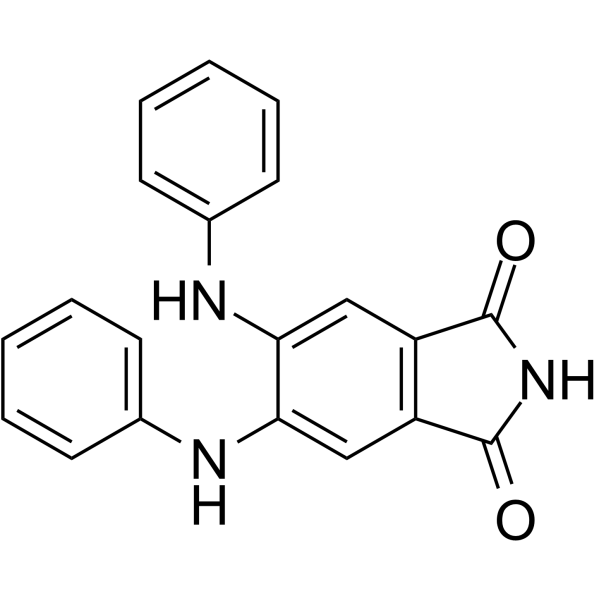
    SynuClean-D (SC-D) is an inhibitor of α-synuclein aggregation, disrupts mature amyloid fibrils, prevents fibril propagation, and abolishes the degeneration of dopaminergic neurons in an animal model of Parkinson’s disease .
    SynuClean-D
  • HY-D0933

    Environmental Pollutants Amyloid-β Fluorescent Dye Others Neurological Disease
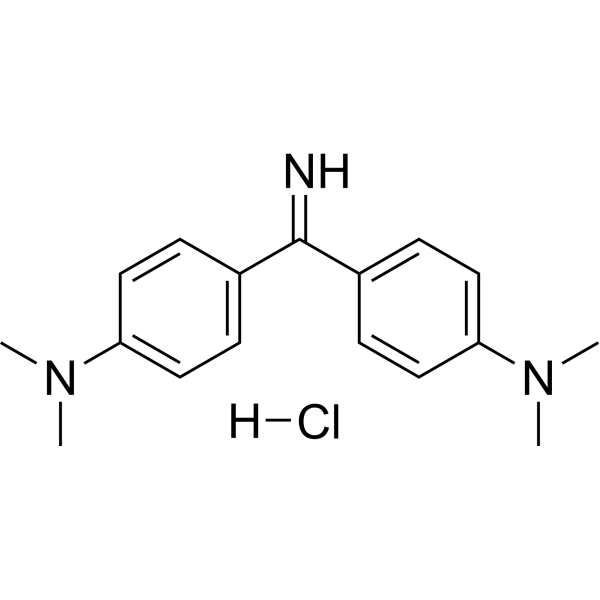
    Auramine O is a yellow fluorescent dye. Auramine O is used to detect amyloid fibrils. Auramine O promotes lung malignancy. Auramine O is also used to determine algal cell viability and stain acid-fast bacteria .
    Auramine O
  • HY-N0698

    Endogenous Metabolite α-synuclein Neurological Disease Cancer
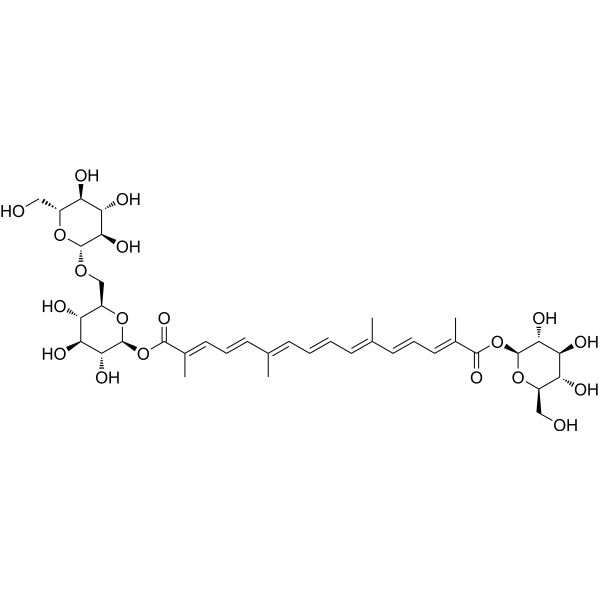
    Crocin II is an inhibitor targeting α-synuclein aggregation, with a IC50 of 0.541 μM and a EC50 of 3.63 μM. Crocin II inhibits α-synuclein aggregation and dissociates pre-formed α-synuclein fibrils. Crocin II possesses antioxidant, anticancer and antidepressant activities. Crocin II is applicable to research related to neurological disorders such as Parkinson's disease, dementia with Lewy bodies and multiple system atrophy, as well as cancers .
    Crocin II
  • HY-145580

    UCB0599; (R)-NPT200-11

    α-synuclein Neurological Disease
    Minzasolmin (UCB0599; (R)-NPT200-11) is an orally active, blood-brain-permeable α-synuclein (α-Syn) inhibitor that selectively binds to α-Syn misfolded intermediates (such as oligomers) and inhibits aggregation and fibril formation by regulating their conformational stability. Minzasolmin can reduce the generation of pathological oligomers and block neurotoxic signaling, thereby reducing the abnormal accumulation of α-Syn in the brain. Minzasolmin significantly improved motor deficits, reduced neuroinflammatory markers, and α-Syn-related pathological deposition in transgenic mouse models .
    Minzasolmin
  • HY-103241
    Ro 90-7501
    3 Publications Verification

    Amyloid-β ATM/ATR Phosphatase Apoptosis Neurological Disease Cancer
    Ro 90-7501 is an amyloid β42 (Aβ42) fibril assembly inhibitor that reduces 42-induced cytotoxicity (EC50 of 2 μM). Ro 90-7501 inhibits ATM phosphorylation and DNA repair. RO 90-7501 selectively enhances toll-like receptor 3 (TLR3) and RIG-I-like receptor (RLR) ligand-induced IFN-β gene expression and antiviral response . Ro 90-7501 also inhibits protein phosphatase 5 (PP5) in a TPR-dependent manner . Ro 90-7501 has significant radiosensitizing effects on cervical cancer cells .
    Ro 90-7501
  • HY-148089A
    Eplontersen sodium
    1 Publications Verification

    Transthyretin (TTR) Neurological Disease
    Eplontersen sodium the sodium salt form of Eplontersen (HY-148089). Eplontersen sodium is a triantennary N-acetyl galactosamine (GalNAc3-7a)-conjugated antisense oligonucleotide targeting transthyretin (TTR) mRNA to inhibit production of both variant and wild-type TTR protein. Misfolded TTR induces amyloid fibrils formation in the heart and peripheral nerves, leads to amyloid TTR (ATTR) amyloidosis diseases .
    Eplontersen sodium
  • HY-P99105

    CAEL-101

    Apolipoprotein Amyloid-β Neurological Disease
    Anselamimab (CAEL-101) is a chimeric monoclonal antibody for systemic light chain (AL) amyloidosis. Anselamimab can promote phagocytic destruction and subsequent clearance of amyloid deposits. Anselamimab can be used in the research of amyloidosis .
    Anselamimab
  • HY-101861

    CPHPC; Ro63-8695; GSK2315698

    Amyloid-β Neurological Disease
    Miridesap is a ligand for serum amyloid P component (SAP) and intends to inhibit and dissociate SAP binding to amyloid fibrils and tangles.
    Miridesap
  • HY-105252A

    Amyloid-β Neurological Disease
    BF 227 is a candidate for an amyloid imaging probe for PET, with a Ki of 4.3 nM for Aβ1-42 fibrils.
    BF 227
  • HY-103470

    Fluorescent Dye Others
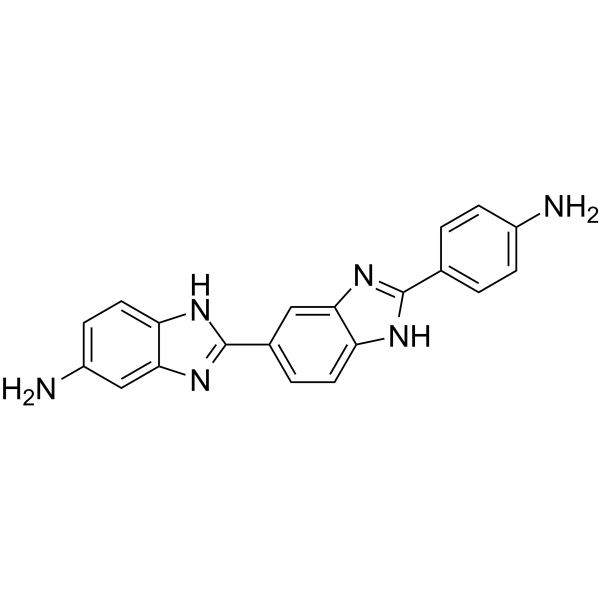
    K114, a fluorescent Congo Red analogue, binds tightly to amyloid fibrils with an EC50 of 20-30 nM . K114 is an efficient detector of semen-derived enhancer of virus infection (SEVI) .
    K114
  • HY-156585

    Tau Protein α-synuclein Neurological Disease
    CNS-11 is a brain-penetrant tau fibril-degrading compound. CNS-11 reduces α-synuclein. CNS-11 can be used in Alzheimer's and Parkinson's disease research .
    CNS-11
  • HY-P5124

    KLVFF

    Amyloid-β Neurological Disease
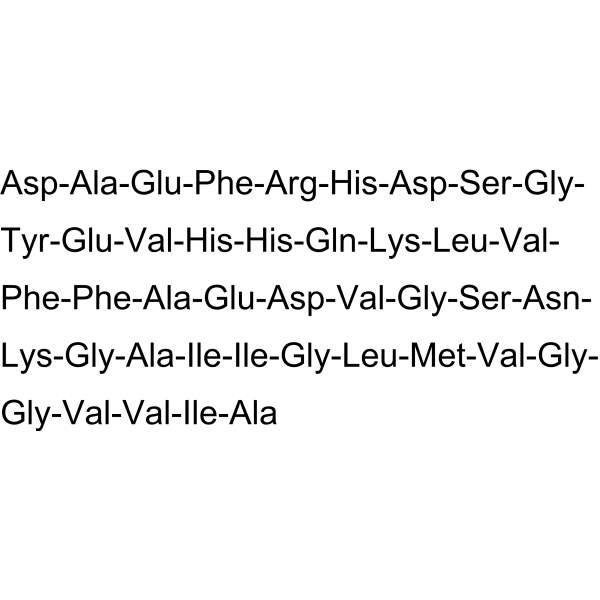
    β-Amyloid peptide(16-20) is a amino acid sequences (KLVFF) of Amyloid-β (Abeta). β-Amyloid peptide(16-20) is an effective inhibitor of Abeta fibril formation, with RG-/-GR-NH2 residues added at N- and C-terminal ends to aid solubility) .
    β-Amyloid peptide(16-20)
  • HY-P990078

    LY3372993

    Amyloid-β Neurological Disease
    Remternetug (LY3372993) is a monoclonal antibody that targets pyroglutamylated amyloid β fibrils (N3pG-Aβ). Remternetug specifically binds to N3pG-Aβ, thereby clearing amyloid plaques in the brain and reducing amyloid burden. Remternetug can be used in research related to Alzheimer's disease .
    Remternetug
  • HY-E70127

    Brasan; Dasen

    Ser/Thr Protease COX Bacterial Prostaglandin Receptor Interleukin Related Cardiovascular Disease Infection Neurological Disease Inflammation/Immunology Cancer
    Serratiopeptidase (Brasan; Dasen) is an orally active zinc-containing metalloprotease belonging to the serralysin family. Serratiopeptidase reduces the release of inflammatory mediators such as prostaglandins, thromboxanes and interleukins by inhibiting COX, thereby relieving pain, swelling and redness. Serratiopeptidase exhibits antibiofilm, mucolytic and wound-healing activities. As a serine protease, Serratiopeptidase has the ability to dissolve blood clots, fibrin and atherosclerotic plaques. Serratiopeptidase degrades amyloid fibrils and has potential anti-Alzheimer's effects. Serratiopeptidase shows cytotoxicity against colon cancer cells .
    Serratiopeptidase
  • HY-171179

    Fluorescent Dye Neurological Disease
    BD-Oligo is an oligomer-specific fluorescent chemical probe. BD-Oligo preferentially identifies Aβ oligomer assemblies over monomers or fibrils by using diversity-directed fluorescent library (DOFL) screening and computational techniques. BD-Oligo exhibits dynamic oligomer monitoring capabilities during Aβ peptide fibril formation as Aβ is induced to form oligomers and ultimately fibrils over time. BD-Oligo also exhibits blood-brain barrier permeability with the ability to stain Aβ oligomers in vivo .
    BD-Oligo
  • HY-128849

    Amyloid-β Inflammation/Immunology
    Eprodisate (70% in water) is an amyloid inhibitor that interferes with the interaction between amyloidogenic proteins and glycosaminoglycans, thereby inhibiting the aggregation of amyloid fibrils and the deposition of fibrils in tissues. Eprodisate (70% in water) slows the progression of renal disease associated with AA amyloidosis and may be useful for other types of amyloidosis .
    Eprodisate (70% in water)
  • HY-19738

    Tau Protein Neurological Disease
    NQTrp, an aromatic naphthoquinone-tryptophan hybrid molecule, an inhibitor of the aggregation of the tau protein with generic anti-amyloidogenic effects. NQTrp inhibits the in vitro aggregation of hexapeptide ( 41GCWMLY 46 within the N-terminus of γD-crystallin) as well as full-length γD-crystallin .
    NQTrp
  • HY-N0413

    α-synuclein Reactive Oxygen Species (ROS) Apoptosis Autophagy Parasite Infection Neurological Disease Inflammation/Immunology Cancer
    Hupehenine is an orally active isosteroidal alkaloid that can be extracted from F. hupehensis. Hupehenine exhibits activities such as antitussive, expectorant, anticancer, and antiparasitic. In vitro, Hupehenine can also inhibit α-synuclein seeded fibril formation, making it applicable for the research of Parkinson's disease and other related disorders .
    Hupehenine
  • HY-150209

    Fluorescent Dye Neurological Disease
    MODAG-001 can bind to synuclein fibrils in a rat brain. MODAG-001 is a candidate α-syn imaging probe .
    MODAG-001
  • HY-P4767

    Amylin Receptor Metabolic Disease
    Amylin (1-13) (human) is a fragment and a residues within amyloid cores of Amylin (human IAPP). Amylin is a glucose-regulating hormone, deposits as amyloid fibrils in condition of type II diabetes (T2D). Amylin (1-13) (human) has no effect on firbl formation, as it cannot form fibrils by itself .
    Amylin (1-13) (human)
  • HY-148547

    Amyloid-β Neurological Disease
    q-FTAA is an oligothiophene. q-FTAA competes for binding to the X-34 binding site on fibrils. q-FTAA is applicable to research related to Alzheimer's disease .
    q-FTAA
  • HY-P5082

    α-synuclein Neurological Disease
    α-Synuclein 4554W is an inhibitor of α-Synuclein (aSyn) aggregation with associated toxicity. α-Synuclein 4554W consists of GIVNGVKA sequences, previously identified through intracellular library screening. α-Synuclein 4554W reduces fibril formation of aSyn mutants assocaited with Parkinson’s disease .
    α-Synuclein 4554W
  • HY-W117986

    Amyloid-β Reactive Oxygen Species (ROS) Caspase Neurological Disease
    Aβ aggregation-IN-1 (Compound 1b) is a β-amyloid aggregation inhibitor/depolymerizer, with IC50 values of 3.92 μM and 7.19 μM, respectively. Aβ aggregation-IN-1 inhibits the activation of preformed β-amyloid fibrils, reactive oxygen species (ROS) and Caspase-3. Aβ aggregation-IN-1 can be used in research related to Alzheimer's disease .
    Aβ aggregation-IN-1
  • HY-N0225R
    (-)-Epigallocatechin (Standard)
    5 Publications Verification

    Epigallocatechin(Standard); L-Epigallocatechin (Standard)

    Reference Standards MMP Autophagy Cancer
    (-)-Epigallocatechin (Standard) is the analytical standard of (-)-Epigallocatechin. This product is intended for research and analytical applications. (-)-Epigallocatechin (Epigallocatechin) is the most abundant flavonoid in green tea, can bind to unfolded native polypeptides and prevent conversion to amyloid fibrils.
    (-)-Epigallocatechin (Standard)
  • HY-103442
    CGP52411
    1 Publications Verification

    DAPH

    EGFR Amyloid-β Neurological Disease Cancer
    CGP52411 (DAPH) is a high selective, potent, orally active and ATP-competitive EGFR inhibitor with an IC50 of 0.3 μM. CGP52411 blocks the toxic influx of Ca 2+ ions into neuronal cells, and dramatic inhibits and reverses the formation of β-amyloid (Aβ42) fibril aggregates associated with Alzheimer's disease .
    CGP52411
  • HY-P5905

    Citrullinated Aβ (1-42); Citrullinated Aβ42

    Amyloid-β Neurological Disease
    Citrullinated amyloid-β (1-42) peptide (human) (Citrullinated Aβ (1-42)) is a modified form of β-Amyloid (1-42) (HY-P1363) with a citrullination at the Arg5 site. Compared to the unmodified β-Amyloid (1-42), its formation of soluble low-molecular-weight oligomers is enhanced, the rate of fibril formation is reduced, and like unmodified Aβ42, it forms protofibrils comprised of parallel β-sheets .
    Citrullinated amyloid-β (1-42) peptide (human)
  • HY-B1588
    Carbenoxolone
    5+ Cited Publications

    Amyloid-β Gap Junction Protein Neurological Disease Metabolic Disease
    Carbenoxolone is a blood-brain barrier-permeable Pannexin1 inhibitor, gap junction (Gap junction) blocker, and β-amyloid 42 inhibitor. Carbenoxolone modulates voltage-gated currents of wild-type and mutant Panx1, and inhibits stimulus-activated Panx1 channel function. Carbenoxolone interacts with stable residues of β-amyloid 42 peptides, fibrils and oligomers, thereby inhibiting their aggregation. Carbenoxolone alleviates liver fibrosis. Carbenoxolone exerts neuroprotective and nootropic effects. Carbenoxolone can be used in studies related to Alzheimer's disease and liver fibrosis .
    Carbenoxolone
  • HY-401209

    α-synuclein DNA/RNA Synthesis Neurological Disease
    Synucleozid-2.0 is a blood-brain barrier-permeable inhibitor that binds to the IRE of SNCA mRNA, with a EC50 of 2.9 µM and a Kd value of 1.8 µM. Synucleozid-2.0 selectively binds to and stabilizes the A bulge and adjacent closed base pairs in the 5' UTR IRE of SNCA mRNA, blocks the translation process and reduces intracellular levels of α-synuclein. Synucleozid-2.0 exerts cytoprotective effects against cytotoxicity induced by α-synuclein preformed fibrils. Synucleozid-2.0 is applicable to the research of Parkinson's disease .
    Synucleozid-2.0
  • HY-W278021

    Amyloid-β Others
    BTA-1 is an uncharged derivative of thioflavin-T. BTA-1 has a high affinity for Aβ fibrils and shows very good brain penetration and clearance .
    BTA-1
  • HY-Y0317I

    Disodium sulfate, meets analytical specification of Ph. Eur. BP USP

    Biochemical Assay Reagents Cancer
    Sodium sulfate anhydrous (Disodium sulfate), meets analytical specification of Ph. Eur. BP USP is an orally active multifunctional ionic salt that serves as a protein precipitant, collagen fibril bundling inducer, and chlorine-free sodium source. Sodium sulfate anhydrous, meets analytical specification of Ph. Eur. BP USP promotes collagen fibril bundling to increase matrix pore size, alters cancer cell morphology and regulates their migration direction via geometric signals, and separates plasma/serum proteins or concentrates proteins at 37°C without causing thermal denaturation. In poultry farming applications, Sodium sulfate anhydrous, meets analytical specification of Ph. Eur. BP USP improves laying performance and eggshell quality, and is safe and effective at an addition level of 0.3-1.5%, while a high concentration of 3.0% causes negative physiological effects. Sodium sulfate anhydrous, meets analytical specification of Ph. Eur. BP USP can be widely applied in scientific research on cervical cancer and related fields .
    Sodium sulfate anhydrous, meets analytical specification of Ph. Eur. BP USP
  • HY-P5681

    Bacterial Infection Inflammation/Immunology
    Human α-Defensin 6, a 32-residue cysteine-rich peptide, can inhibit bacterial invasion and contribute to the mucosal immunity. Human α-Defensin 6 forms ordered self-assembly fibrils and nanonets that surround and entangle bacteria after stochastic binding to bacterial surface proteins. Human α-Defensin 6 also inhibits C. albicans biofilm formation .
    Human α-Defensin 6
  • HY-DY1045

    Amyloid-β Neurological Disease
    Methoxy-X04 (solution) is a fluorescent dye that crosses the blood-brain barrier and selectively binds to beta-pleated sheets found in dense core amyloid Aβ plaques. Methoxy-X04 retains in vitro binding affinity for amyloid b (Ab) fibrils (Ki= 26.8 nM). Methoxy-X04 is fluorescent and stains plaques, tangles, and cerebrovascular amyloid in postmortem sections of AD brain with good specificity .
    Solvent and concentration: DMSO: 5 mg/mL
    Methoxy-X04 (solution)
  • HY-W338446

    Tau Protein Neurological Disease
    BF-170 is a selective tau fibril binding agent with an EC50 of 221 nM. It exhibits good blood-brain barrier permeability, and after intravenous injection in mice, the concentration in brain tissue reaches 9.1% ID/g within 2 minutes (with a brain clearance rate of 0.25% ID/g after 30 minutes). BF-170 can be used as a probe for tau protein pathology imaging in Alzheimer's disease (AD). It plays an important role in early-stage AD research and holds potential for imaging studies of tau-related neurodegenerative diseases .
    BF-170
  • HY-178920

    α-synuclein Neurological Disease
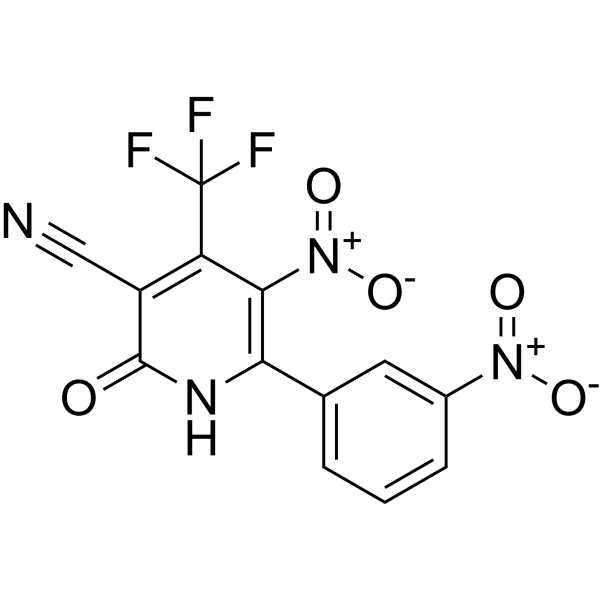
    α-Synuclein-IN-17 (Compound 10) is an α-Synuclein inhibitor, with an IC50 value of 9 μM. α-Synuclein-IN-17 exhibits potent inhibitory activity against both in-vitro assembled asyn fibrils and LBD brain tissue-amplified asyn fibrils. α-Synuclein-IN-17 can be used for the study of Parkinson's disease (PD) and Lewy Body Disease (LBD) .
    α-Synuclein-IN-17
  • HY-115650

    Cholinesterase (ChE) Amyloid-β Neurological Disease
    TAE-1 is a potent inhibitor of AChE and BuChE. TAE-1 also inhibits fibril formation and aggregation. TAE-1 can be used for the researches of Alzheimer's disease .
    TAE-1
  • HY-P4295

    PADK

    Cathepsin γ-secretase Neurological Disease
    Z-Phe-Ala-diazomethylketone binds directly to Aβ42 monomers and small oligomers. Z-Phe-Ala-diazomethylketone inhibits the formation of Aβ42 dodecamers and inhibits Aβ42 fibril formation in the solution. Z-Phe-Ala-diazomethylketone has the potential for neurodegenerative disorders research .
    Z-Phe-Ala-diazomethylketone
  • HY-148495

    Amyloid-β Neurological Disease
    Carnosine conjugated hyalyronate is a hyaluronic acid derivative functionalized with the dipeptide carnosine (Carnosine, Car) and has the ability to resist amyloid aggregation. Carnosine conjugated hyalyronate dissolves amyloid fibrils and reduces Aβ-induced toxicity in vitro. The effectiveness of Carnosine conjugated hyalyronate against amyloid aggregation is directly proportional to the Carnosine loading .
    Carnosine conjugated hyalyronate

Inquiry Online

Your information is safe with us. * Required Fields.

Salutation


Country or Region *

Applicant Name *


Organization Name *

Department *


Email Address *


Product Name *

Cat. No.


Requested quantity *

Phone Number *


Remarks

Inquiry Online

Inquiry Information

Product Name:
Cat. No.:
Quantity:
MCE Japan Authorized Agent:

