
1. Search Result
Search Result
Pathways Recommended: Stem Cell/Wnt Cell Cycle/DNA Damage
Results for "

human dermal fibroblast cells

" in MedChemExpress (MCE) Product Catalog:

21

Inhibitors & Agonists

1

Fluorescent Dyes

1

Biochemical Assay Reagents

3

Peptides

1

Inhibitory Antibodies

7

Natural
Products

1

GMP Molecules

Cat. No. Product Name Target Research Areas Chemical Structure
  • HY-N6821

    Drug Derivative Inflammation/Immunology Cancer
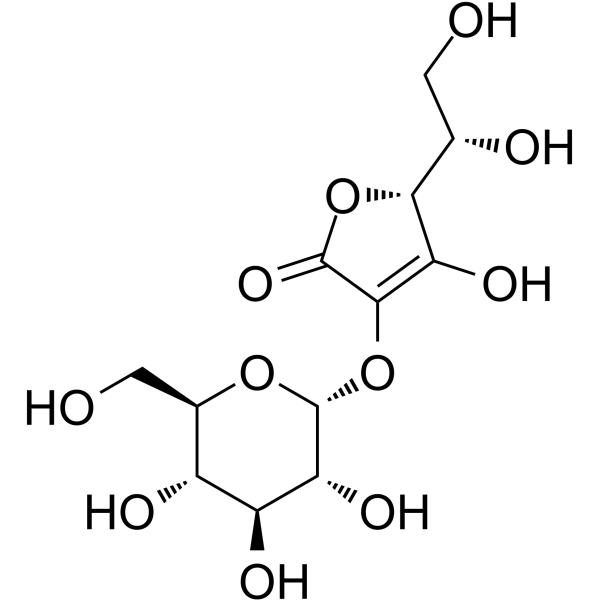
    2-O-α-D-Glucopyranosyl-L-ascorbic Acid is an orally active glucoside derivative of ascorbic acid. 2-O-α-D-Glucopyranosyl-L-ascorbic Acid can be hydrolyzed by α-glucosidase to release ascorbic acid. 2-O-α-D-Glucopyranosyl-L-ascorbic Acid inhibits melanin synthesis, prevents UV-induced cell damage, and promotes collagen synthesis in skin fibroblasts. 2-O-α-D-Glucopyranosyl-L-ascorbic Acid also induces oxidative stress to inhibit tumor growth. 2-O-α-D-Glucopyranosyl-L-ascorbic Acid can be used in research related to tumors, inflammation, and other conditions .
    2-O-α-D-Glucopyranosyl-L-ascorbic Acid
  • HY-P991267

    Interleukin Related Inflammation/Immunology
    CAN10 is is a humanized monoclonal antibody inhibitor targeting interleukin 1RAP (IL1RAP). CAN10 blocks IL-1, IL-33, and IL-36 signalling by targeting IL1RAP, preventing downstream proinflammatory and profibrotic responses. CAN10 reduces dermal and pulmonary fibrosis. CAN10 can be used for the research of immune system diseases, such as systemic sclerosis .
    CAN10
  • HY-N0757
    8-​O-​Acetylharpagide
    1 Publications Verification

    Akt Bcl-2 Family Apoptosis Adrenergic Receptor Cardiovascular Disease Inflammation/Immunology Cancer
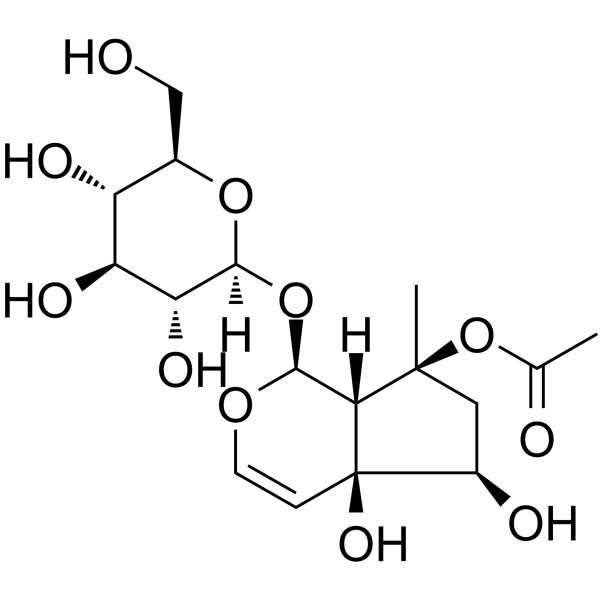
    8-O-Acetylharpagide is an orally active iridoid glycoside compound. 8-O-Acetylharpagide exhibits anti-aging activity at low doses and anticancer activity at high doses. 8-O-Acetylharpagide induces late-stage apoptosis and necrosis-like death in cancer cells, and downregulates anti-apoptotic proteins such as Akt, p-Akt and Bcl-2. 8-O-Acetylharpagide is mainly metabolized in rats via demethylation, hydrolysis and glucuronidation, and its active metabolites downregulate the AKT/NF-κB/MMP9 signaling axis. 8-O-Acetylharpagide exerts vasoconstrictive effects by activating vascular α-adrenoceptor .
    8-​O-​Acetylharpagide
  • HY-164159

    Reactive Oxygen Species (ROS) MMP Inflammation/Immunology
    α-Glucosylrutin, a flavonoid, is a potent antioxidant with free radical scavenging activity. α-Glucosylrutin reduces MMP-1 gene expression, protein expression, and enzyme activity, and reduces MMP-2 protein expression and enzyme activity in UVA-irradiated human dermal fibroblasts. α-Glucosylrutin prevents oxidative stress-induced intracellular tyrosine residue phosphorylation and counteracts intracellular thiol level depletion in human skin cells. α-Glucosylrutin is effective in the prevention of dermatologic diseases in which oxidative stress is of pathogenetic relevance, e.g. in polymorphous light eruption (PLE). α-Glucosylrutin can be used for the research of UV-induced skin photodamage/photoaging .
    α-Glucosylrutin
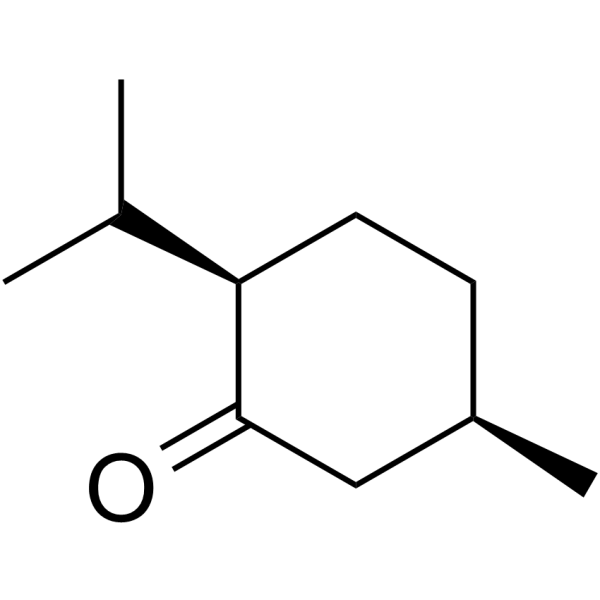
  • HY-N7259

    JNK p38 MAPK Apoptosis Inflammation/Immunology
    (+)-Isomenthone is an enantiomer form of Menthone (HY-N2381). (+)-Isomenthone blocks TNF-α-triggered activation of the JNK and p38 MAPK pathways.(+)-Isomenthone inhibits TNF-α-mediated reductions in cell viability, increases in apoptosis, and downstream apoptotic events linked to pathway activation.(+)-Isomenthone protects human dermal fibroblasts against TNF-α-induced cell death under serum-deprived conditions .
    (+)-Isomenthone
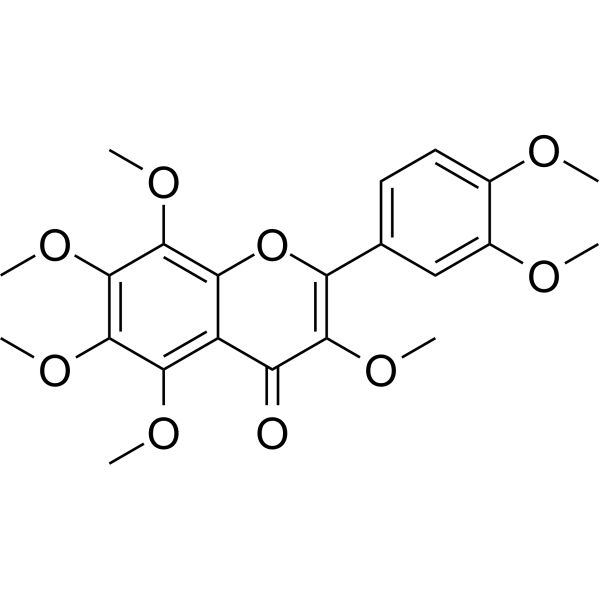
  • HY-N2038

    Phosphodiesterase (PDE) Neurological Disease Cancer
    3,5,6,7,8,3',4'-Heptemthoxyflavone, a flavonoid from satsuma peel, is an orally available CREB activator with anti-tumor and anti-neuroinflammatory activity. 3,5,6,7,8,3',4'-Heptemthoxyflavone inhibits collagenase activity and increases the content of type I procollagen in human dermal fibroblast neoblast (HDFn) cells. 3,5,6,7,8,3',4'-Heptemthoxyflavone induces brain-derived neurotrophic factor (BDNF) expression through the cAMP/ERK/CREB signaling pathway and reduces phosphodiesterase activity in C6 glioma .
    3,​5,​6,​7,​8,​3',​4'-​Heptemthoxyflavone
  • HY-N2484
    Methylnissolin
    2 Publications Verification

    Astrapterocarpan

    PDGFR ERK Cardiovascular Disease Neurological Disease Metabolic Disease Inflammation/Immunology
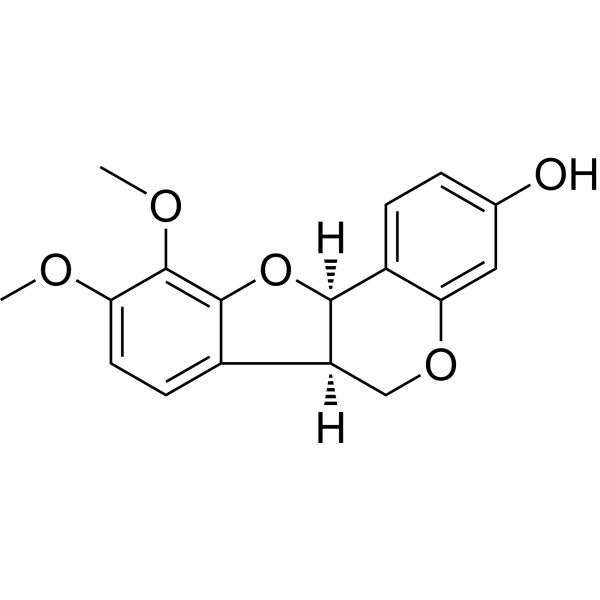
    Methylnissolin (Astrapterocarpan) is an osteoclast inhibitor with anti-inflammatory, neuroprotective and antioxidant activities. Methylnissolin downregulates the activation of the MAPK and PI3K/AKT pathways, inhibits the phosphorylation of MAPK1 and AKT1, and blocks PDGF-BB-induced phosphorylation of ERK1/2. Methylnissolin reduces the expression and secretion of proinflammatory mediators, decreases intracellular ROS levels, upregulates antioxidant enzymes, and downregulates osteoclastogenesis markers. Methylnissolin is applicable to research related to ischemic stroke, osteoporosis, cardiovascular diseases, skin aging, etc.
    Methylnissolin
  • HY-W002199

    6:2 FTOH; 1H,1H,2H,2H-Perfluoro-1-octanol; 2-(Perfluorohexyl)ethanol

    Bacterial Apoptosis ERK TNF Receptor Infection Neurological Disease
    6:2 Fluorotelomer alcohol (6:2 FTOH) is an orally active, blood-brain barrier-permeable modulator of cyclin D1 and ETS1. 6:2 Fluorotelomer alcohol downregulates cyclin D1 expression, upregulates ETS1 via the TNF-α/ERK 1/2 pathway, impairs mitochondrial membrane potential and respiratory function, increases reactive oxygen species levels, disrupts calcium homeostasis and activates endoplasmic reticulum stress markers, and induces cell proliferation inhibition and endothelial-mesenchymal transition. Furthermore, 6:2 Fluorotelomer alcohol induces morphological abnormalities in zebrafish embryos and liver developmental damage, while disrupting the brain immune microenvironment in mice, causing systemic toxicity and delayed pup maturation in CD-1 mice. 6:2 Fluorotelomer alcohol also induces cortical neuron apoptosis, glial cell activation, synaptic abnormalities, colonic barrier damage, intestinal dysbiosis and autism spectrum disorder-like symptoms in mice. 6:2 Fluorotelomer alcohol shows no mutagenic, clastogenic, primary skin/eye irritation or skin sensitizing effects, exhibits no selective reproductive toxicity in CD-1 mice, and is classified as GHS Category 4 for acute oral toxicity. 6:2 Fluorotelomer alcohol can be used in studies of neurodevelopmental disorders and autism spectrum disorders .
    6:2 Fluorotelomer alcohol
  • HY-N7926

    Environmental Pollutants Apoptosis Parasite TNF Receptor Interleukin Related Infection Inflammation/Immunology
    Pentadecane is an orally active natural plant volatile alkane with anti-inflammatory, analgesic, antipyretic and anti-leishmanial activities. Pentadecane presents IC50 values of 65.3 μM, 60.5 μM and 194.8 μM against Leishmania infantum promastigotes, amastigotes and intracellular amastigotes, respectively. Pentadecane downregulates the mRNA expression of TNF-α and IL-12 and inhibits the release of inflammatory mediators. Pentadecane arrests the cell cycle of Leishmania infantum and induces apoptosis. Pentadecane can be applied to the research of inflammation and leishmaniasis .
    Pentadecane
  • HY-W743654

    Apoptosis Cancer
    Capsorubin is a carotenoid found in peppers with multiple biological activities. Capsorubin (167 μM) inhibits lipid peroxidation induced by 2,2'-azobis(2,4-dimethylvaleronitrile) (AMVN) in vitro. Capsorubin (1 μM) reduces UVB-induced DNA strand breaks and apoptosis in human dermal fibroblasts. Capsorubin also inhibits Epstein-Barr virus early antigen (EBV-EA) activation induced by phorbol 12-myristate 13-acetate in Raji cells, a marker of tumorigenesis.
    Capsorubin
  • HY-W743654R

    Apoptosis Reference Standards Cancer
    Capsorubin (Standard) is the analytical standard of Capsorubin. This product is intended for research and analytical applications. Capsorubin is a carotenoid found in peppers with multiple biological activities. Capsorubin (167 μM) inhibits lipid peroxidation induced by 2,2'-azobis(2,4-dimethylvaleronitrile) (AMVN) in vitro. Capsorubin (1 μM) reduces UVB-induced DNA strand breaks and apoptosis in human dermal fibroblasts. Capsorubin also inhibits Epstein-Barr virus early antigen (EBV-EA) activation induced by phorbol 12-myristate 13-acetate in Raji cells, a marker of tumorigenesis.
    Capsorubin (Standard)
  • HY-N2038R

    Reference Standards Phosphodiesterase (PDE) Neurological Disease Cancer
    3,​5,​6,​7,​8,​3',​4'-​Heptemthoxyflavone (Standard) is the analytical standard of 3,​5,​6,​7,​8,​3',​4'-​Heptemthoxyflavone (HY-N2038). This product is intended for research and analytical applications. 3,5,6,7,8,3',4'-Heptemthoxyflavone, a flavonoid from satsuma peel, is an orally available CREB activator with anti-tumor and anti-neuroinflammatory activity. 3,5,6,7,8,3',4'-Heptemthoxyflavone inhibits collagenase activity and increases the content of type I procollagen in human dermal fibroblast neoblast (HDFn) cells. 3,5,6,7,8,3',4'-Heptemthoxyflavone induces brain-derived neurotrophic factor (BDNF) expression through the cAMP/ERK/CREB signaling pathway and reduces phosphodiesterase activity in C6 glioma .
    3,?5,?6,?7,?8,?3',?4'-?Heptemthoxyflavone (Standard)
  • HY-N16691

    Others Inflammation/Immunology Cancer
    Acrovestone (compound 4) is an Acronychia-type acetophenone dimer and a selective anticancer agent. Acrovestone has IC50 values ??of 0.38 μM and 0.93 μM against A2058 melanoma cells and DU145 prostate cancer cells, respectively. Acrovestone shows low inhibitory activity against normal human dermal fibroblasts (NHDF), with an IC50 >5 μM. Acrovestone can be used in anticancer research related to prostate cancer and melanoma. Acrovestone can be naturally extracted from the trunk bark of Acronychia pedunculata .
    Acrovestone
  • HY-181431

    TGF-beta/Smad Inflammation/Immunology
    PXS 64, a mannose-6-phosphate (M6P) analogue. a lipophilic prodrug of PXS 25 (HY-181430). PXS 64 is an effective anti-fibrotic agent by inhibiting the activation of latent TGF-β1. PXS64, inhibits fibrosis via TGF-β1 pathway in human lung fibroblasts. PXS 64 reduces TGFβ-mediated collagen IV, fibronectin, MCP-1, and phospho-smad2 expression in kidney cells. PXS 64 reduces collagen deposition in dermal scar fibroblasts. PXS 64 can be used for the research of chronic kidney disease, idiopathic pulmonary fibrosis, scarring .
    PXS 64
  • HY-P11797

    Transmembrane Glycoprotein Cardiovascular Disease
    EP9 is a 7-amino acid peptide targeting CD63. EP9 binds specifically to the extracellular region of CD63, including a groove in the large extracellular loop (EC2) or the extracellular end of CD63’s central cavity, triggering endocytosis of decorated nanoemulsions/liposomes into cells. EP9 promotes cellular uptake of decorated nanoemulsions/liposomes into activated cardiac fibroblasts and epicardial stromal cells via caveolae and/or clathrin-coated pits. EP9 can be used for the research of myocardial infarction, cardiac fibrosis .
    EP9
  • HY-P11656

    mTOR Beclin1 Autophagy Atg8/LC3 Reactive Oxygen Species (ROS) MMP p38 MAPK PERK JNK Collagen Inflammation/Immunology
    α-Neoendorphin porcine is a peptide. α-Neoendorphin porcine effectively alleviates UVB-induced skin photoaging via activating mTOR-Beclin-1-mediated autophagy, reducing UVB-triggered ROS production, inhibiting the MAPK pathway and MMP activity, and promoting type I procollagen synthesis. α-Neoendorphin porcine exerts anti-aging and anti-wrinkle effects on skin cells. α-Neoendorphin porcine can be used in studies related to skin photoaging .
    α-Neoendorphin (porcine)
  • HY-182517

    TRP Channel Inflammation/Immunology
    AG1529 is a TRPV1 inhibitor and capsaicinoid-based soft agent with a human TRPV1 IC50 of 0.9-0.93 μM. AG1529 reversibly blocks capsaicin-evoked TRPV1 activation, binds to the TRPV1 capsaicin binding site, moderately affects pH-induced TRPV1 gating, and does not alter voltage- or heat-mediated TRPV1 responses. AG1529 suppresses TRPV1-mediated neuronal excitability, reduces capsaicin- and pH-evoked neuronal firing, abolishes histaminergic and inflammation-mediated TRPV1 sensitization. AG1529 exhibits anti-nociceptive and antipruritic effects, attenuates in vivo hyperalgesia and pruritus, dose-dependently reduces acute histaminergic itch in rodents, and mildly blocks hTRPA1 and hTRPM8 channel activity. AG1529 undergoes hydrolysis and dermal deactivation, minimizes TRPV1-associated side reactions, does not evoke capsaicin-like burning sensation, and does not disrupt physiological thermal regulation. AG1529 can be used for the research of inflammatory cutaneous nociception and acute histaminergic pruritus .
    AG1529
  • HY-W010790

    Bacterial Fungal Infection
    Dimethyloctadecyl[3-(trimethoxysilyl) propyl]ammonium chloride is a quaternary ammonium silane monomer-based disinfectant/antimicrobial agent. Dimethyloctadecylammonium chloride exhibits bactericidal activity against Gram-positive and Gram-negative bacteria, as well as fungicidal activity against Candida albicans in solution; it can form a hydrophobic glass coating that displays bactericidal activity against Gram-positive and Gram-negative bacteria but has limited fungicidal activity against Candida albicans .
    Dimethyloctadecyl[3-(trimethoxysilyl)propyl]ammonium chloride
  • HY-181827

    Interleukin Related Inflammation/Immunology
    IL-17-IN-7 (Compound 23) is a IL-17 inhibitor with a pIC50 of 7.1 against IL-17A .
    IL-17-IN-7
  • HY-15947G

    GDC-0994

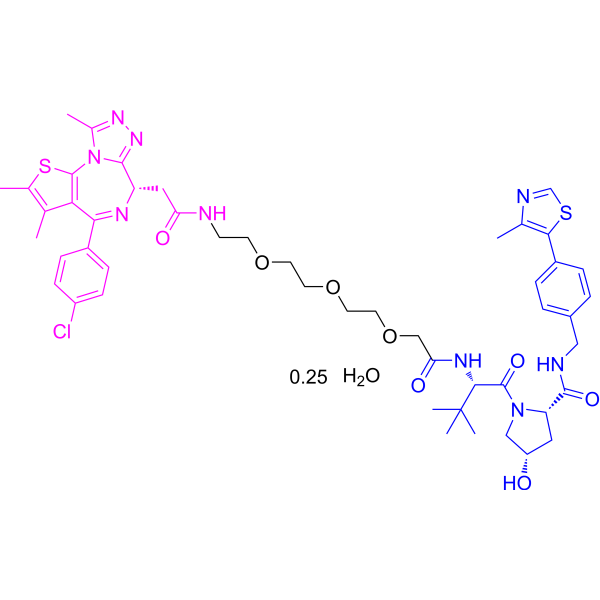
    ERK c-Myc Hexokinase Lactate Dehydrogenase Cancer
    Ravoxertinib GMP is Ravoxertinib (HY-15947) produced by using GMP guidelines. GMP small molecules works appropriately as an auxiliary reagent for cell therapy manufacture. Ravoxertinib (GDC-0994) is an orally active ERK1/2 inhibitor. Ravoxertinib inhibits the ERK1/2 MAPK signaling pathway and reduces the expression levels of c-Myc, HK2 and LDHA. Ravoxertinib decreases mammosphere formation, and exerts additive and/or superadditive cytotoxicity when combined with Ipatasertib (HY-15186) in 3D tumor sphere models. Ravoxertinib can be used in research related to various cancers including breast cancer, melanoma, head and neck cancer, non-small cell lung cancer, ovarian cancer and Merkel cell carcinoma .
    Ravoxertinib
  • HY-182285A

    5-HT Receptor DNA/RNA Synthesis Cancer
    FOXM1-IN-4 hydrochloride is a selective 5-HT7 receptor inhibitor with a Ki of 92 nM. FOXM1-IN-4 hydrochloride blocks 5-HT7 receptor signaling to reduce FOXM1, p-FOXM1, cyclin B1, and cdc25B levels. FOXM1-IN-4 hydrochloride acts as an antiproliferative, clonogenic inhibitor, and cell cycle inhibitor that induces G2/M arrest, reduces G0/G1 population. FOXM1-IN-4 hydrochloride can be used for the research of triple-negative breast cancer .
    FOXM1-IN-4 hydrochloride

Inquiry Online

Your information is safe with us. * Required Fields.

Salutation


Country or Region *

Applicant Name *


Organization Name *

Department *


Email Address *


Product Name *

Cat. No.


Requested quantity *

Phone Number *


Remarks

Inquiry Online

Inquiry Information

Product Name:
Cat. No.:
Quantity:
MCE Japan Authorized Agent:

