1. Search Result
Search Result
Pathways Recommended: Membrane Transporter/Ion Channel
Results for "

human hERG channels

" in MedChemExpress (MCE) Product Catalog:

43

Inhibitors & Agonists

3

Natural
Products

1

Isotope-Labeled Compounds

Cat. No. Product Name Target Research Areas Chemical Structure
  • HY-N1934

    Potassium Channel HSP Cardiovascular Disease Inflammation/Immunology Cancer
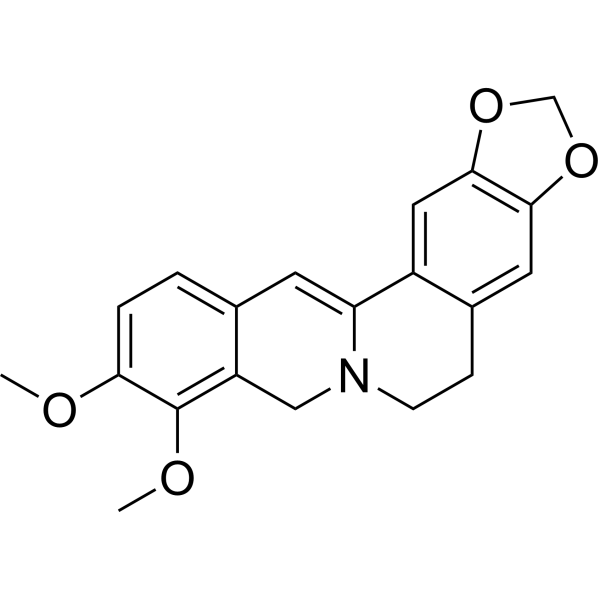
    Dihydroberberine is a naturally occurring isoquinoline alkaloid with anti-inflammatory, anti-atherosclerotic, hypolipidemic and anti-tumor activities. Dihydroberberine inhibits the human ether-related gene (hERG) channel and significantly reduces the expression of heat shock protein 90 (Hsp90) and its interaction with hERG. Dihydroberberine also blocks the TLR4/MyD88/NF-κB signaling pathway to reduce pro-inflammatory cytokines and immunoglobulins, and has inhibitory effects on DSS (HY-116282C)-induced experimental colitis. Dihydroberberine also increases the sensitivity of lung cancer to sunitinib (HY-10255A), with synergistic efficacy .
    Dihydroberberine
  • HY-108586

    Potassium Channel Neurological Disease
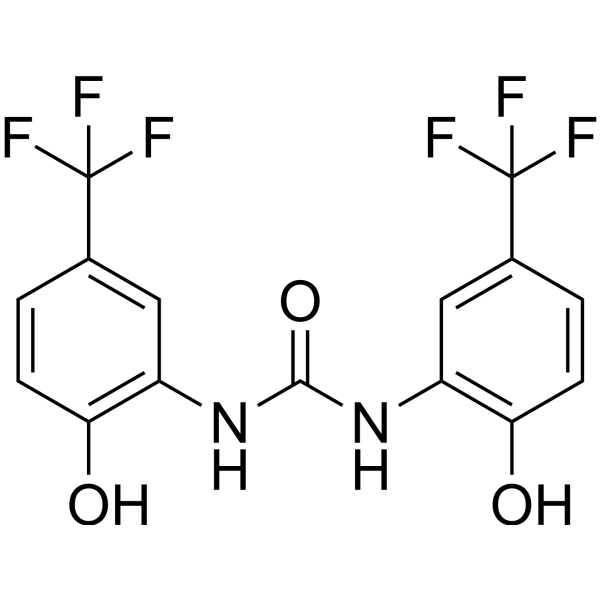
    NS3623 is an activator of human ether-a-go-go-related gene (hERG1/KV11.1) potassium channels. NS3623 activates the IKr and Ito currents and has antiarrhythmic effect. NS3623 has a dual mode of action, being an inhibitor of hERG1 channels .
    NS3623
  • HY-112075

    Potassium Channel Calcium Channel Cardiovascular Disease
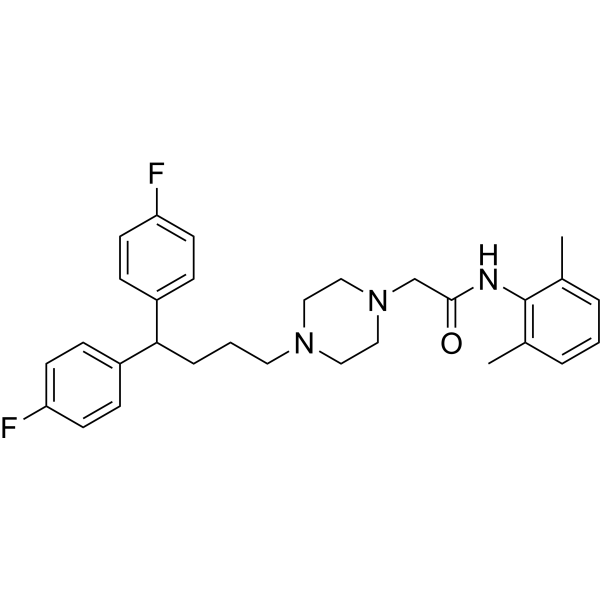
    Lidoflazine is a high affinity blocker of the HERG (human ether-a-go-go-related gene) K + channel. Lidoflazine is an antianginal calcium channel blocker that carries a significant risk of QT interval prolongation and ventricular arrhythmia .
    Lidoflazine
  • HY-16916
    NS1643
    1 Publications Verification

    Potassium Channel Autophagy Cancer
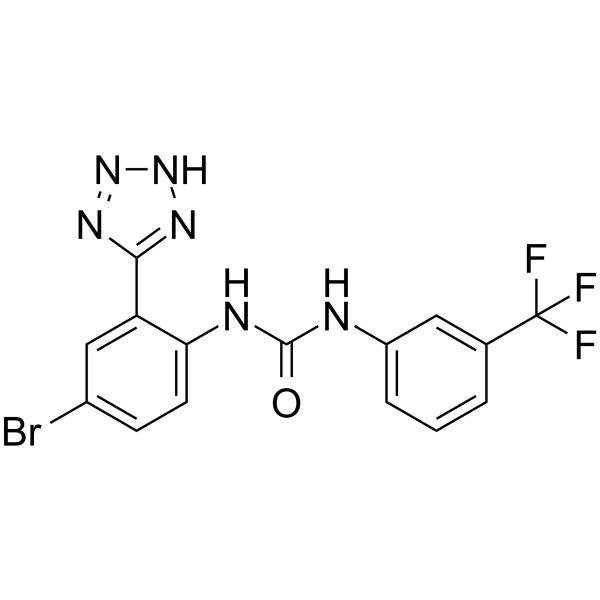
    NS1643 is a partial agonist of human ether-a-go-go-related gene (hERG) K + channels with an EC50 of 10.5 μM. NS1643 inhibits the growth of breast cancer tumors in TNBC mouse models. NS1643 inhibits cell migration and invasion of breast cancer cells .
    NS1643
  • HY-136832

    Serotonin Transporter Potassium Channel Arrestin Opioid Receptor Cardiovascular Disease Neurological Disease
    Noribogaine hydrochloride is an orally active, blood-brain barrier permeable SERT inhibitor (IC50=50-300 nM) and hERG channel blocker. Noribogaine hydrochloride enhances serotonergic transmission, activates the κ-opioid receptor (OPRK) G protein signaling pathway and inhibits β-arrestin recruitment. Meanwhile, Noribogaine hydrochloride blocks the μ-opioid receptor (OPRM) signaling pathway as well as ion channels associated with cardiac repolarization. Noribogaine hydrochloride induces neuritogenesis, upregulates GDNF mRNA expression, and modulates opioid tolerance. Noribogaine hydrochloride reduces alcohol-seeking behavior in experimental animals, and is widely used in studies related to depression, addiction, alcoholism, and cardiotoxicity .
    Noribogaine hydrochloride
  • HY-16915
    RPR-260243
    1 Publications Verification

    Potassium Channel Cardiovascular Disease
    RPR-260243, a potent activator of human ether-a-go-go-related gene (hERG), slows deactivation and attenuates inactivation of hERG1 channels. RPR260243-modified HERG currents are inhibited by Dofetilide (IC50=58 nM). RPR260243 displays no activator-like effects on other voltage-dependent ion channels, including the closely related ERG3 K+ channel . RPR-260243 is a click chemistry reagent, it contains an Alkyne group and can undergo copper-catalyzed azide-alkyne cycloaddition (CuAAc) with molecules containing Azide groups.
    RPR-260243
  • HY-B1482A

    TPS-23

    Potassium Channel Neurological Disease
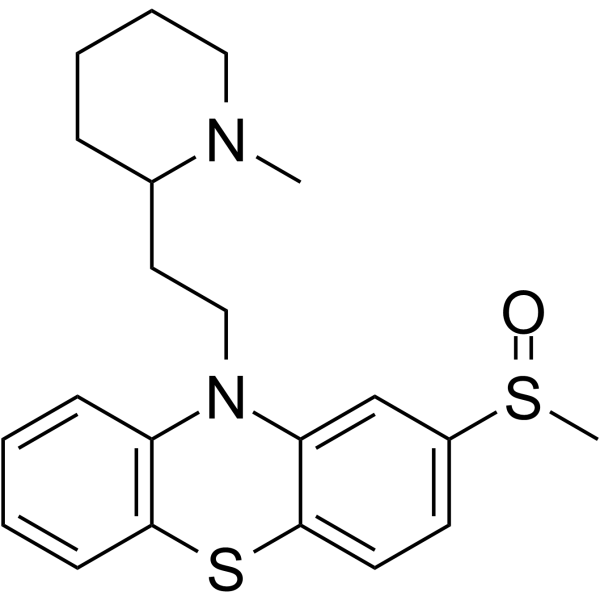
    Mesoridazine (TPS-23) , a metabolite of Thioridazine (HY-B0965A), acts as an orally active phenothiazine antipsychotic agent. Mesoridazine is a potent and rapid open-channel blocker of human ether-a-go-go related gene (hERG) channels and blocks hERG currents with an IC50 of 550 nM (at 0 mV) in human embryonic kidney 293 cells .Mesoridazine can be used for the research of schizophrenia, as well as certain other psychiatric disorders .
    Mesoridazine
  • HY-148825

    iGluR Histamine Receptor Potassium Channel Cytochrome P450 Adrenergic Receptor Metabolic Disease Inflammation/Immunology Cancer
    NP10679 is a selective, pH dependent GluN2B subunit-specific N-methyl-D-aspartate (NMDA) receptor inhibitor with high oral bioavailability and good brain penetration. NP10679 inhibits GluN2B with IC50s of 23 and 142 nM at pH 6.9 and 7.6, respectively. NP10679 is a histamine H1 antagonist and a hERG channel inhibitor with IC50s of 73 and 620 nM, respectively. NP10679 is a reversible inhibitor of human liver CYP enzymes .
    NP10679
  • HY-119101
    AZD-5672
    1 Publications Verification

    CCR Potassium Channel P-glycoprotein Inflammation/Immunology
    AZD-5672 is an orally active, potent, and selective CCR5 antagonist (IC50=0.32 nM). AZD-5672 shows moderate activity against the hERG ion channel (binding IC50=7.3 μM). AZD5672 is a substrate of human P-gp, and inhibits P-gp-mediated digoxin transport (IC50=32 μM). AZD-5672 can be used for the research of rheumatoid arthritis .
    AZD-5672
  • HY-111781

    WS-413

    Btk Cancer
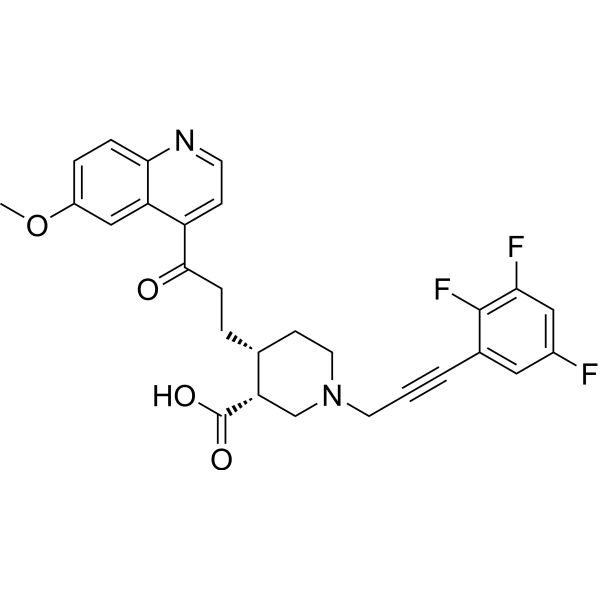
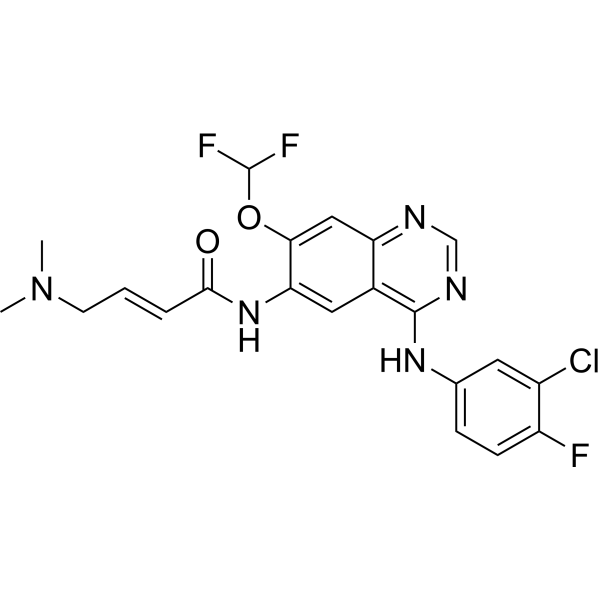
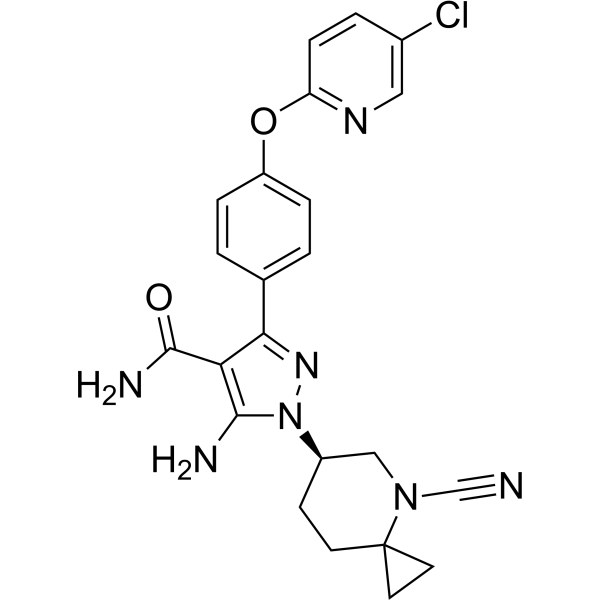
    Civorebrutinib (WS-413) is a selective, orally active BTK and TEC inhibitor with an IC50 of <100 nM for both targets. Civorebrutinib inhibits B cell activation. Civorebrutinib significantly suppresses the in vivo growth of diffuse large B-cell lymphoma cells. Civorebrutinib can be used for the research of diffuse large B-cell lymphoma .
    Civorebrutinib
  • HY-N1483

    Potassium Channel Cardiovascular Disease
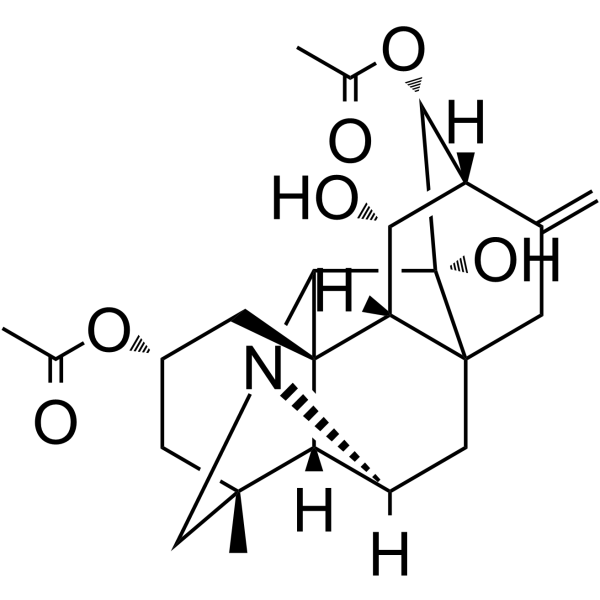
    Guanfu base A is an antiarrhythmic alkaloid isolated from Aconitum coreanum and is a potent noncompetitive CYP2D6 inhibitor, with a Ki of 1.20 μM in human liver microsomes (HLMs) and a Ki of 0.37 μM for the human recombinant form (rCYP2D6). Guanfu base A is also a potent competitive inhibitor of CYP2D in monkey (Ki of 0.38 μM) and dog (Ki of 2.4 μM) microsomes . Guanfu base A also inhibits HERG channel current .
    Guanfu base A
  • HY-N1934R

    Reference Standards Potassium Channel HSP Cardiovascular Disease Inflammation/Immunology Cancer
    Dihydroberberine (Standard) is the analytical standard of Dihydroberberine. This product is intended for research and analytical applications. Dihydroberberine is a naturally occurring isoquinoline alkaloid with anti-inflammatory, anti-atherosclerotic, hypolipidemic and anti-tumor activities. Dihydroberberine inhibits the human ether-related gene (hERG) channel and significantly reduces the expression of heat shock protein 90 (Hsp90) and its interaction with hERG. Dihydroberberine also blocks the TLR4/MyD88/NF-κB signaling pathway to reduce pro-inflammatory cytokines and immunoglobulins, and has inhibitory effects on DSS (HY-116282C)-induced experimental colitis. Dihydroberberine also increases the sensitivity of lung cancer to sunitinib (HY-10255A), with synergistic efficacy .
    Dihydroberberine (Standard)
  • HY-B1482

    TPS-23 benzenesulfonate

    Potassium Channel Neurological Disease
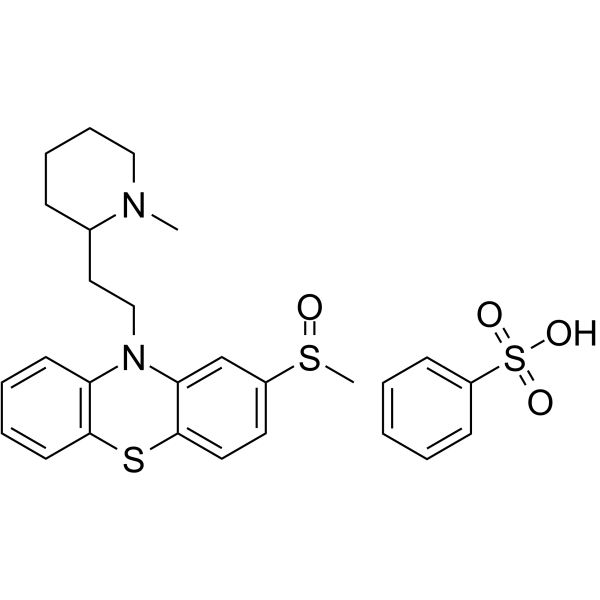
    Mesoridazine (TPS-23) benzenesulfonate, a metabolite of Thioridazine (HY-B0965A), acts as an orally active phenothiazine antipsychotic agent. Mesoridazine benzenesulfonate is a potent and rapid open-channel blocker of human ether-a-go-go related gene (hERG) channels and blocks hERG currents with an IC50 of 550 nM (at 0 mV) in human embryonic kidney 293 cells .Mesoridazine benzenesulfonate can be used for the research of schizophrenia, as well as certain other psychiatric disorders .
    Mesoridazine benzenesulfonate
  • HY-15736

    Sodium Channel Neurological Disease
    Sodium Channel inhibitor 1 is a state-dependent voltage-gated NaV1.7 inhibitor with an IC50 of 0.087 μM. Sodium Channel inhibitor 1 can be used for research of pain .
    Sodium Channel inhibitor 1
  • HY-178775

    PI4K Parasite MAP4K PI3K Infection
    PI4K-IN-3 (Compound 27) is an orally active PI4K inhibitor with an IC50 of 1.9  nM for Plasmodium vivax PI4K. PI4K-IN-3 has no hERG channel inhibition and mammalian cytotoxicity. PI4K-IN-3 has significant selectivity against the human MINK1 and MAP4K4 kinases but with low selectivity against human PI3Kα and PI4Kβ. PI4K-IN-3 has potent antimalarial activity and significantly reduces parasitaemia in NSG mice mouse models of Plasmodium falciparum malaria .
    PI4K-IN-3
  • HY-113673

    Potassium Channel Cardiovascular Disease
    A-935142 is a human ether-a-go-go-related gene (hERG, Kv 11.1) channel activator. A-935142 enhances hERG current in a complex manner by facilitation of activation, reduction of inactivation, and slowing of deactivation, and abbreviates atrial and ventricular repolarization .
    A-935142
  • HY-B1482AS

    Isotope-Labeled Compounds Potassium Channel Neurological Disease
    Mesoridazine-d3 is the deuterium labeled Mesoridazine (HY-B1482A). Mesoridazine (TPS-23) , a metabolite of Thioridazine (HY-B0965A), acts as an orally active phenothiazine antipsychotic agent. Mesoridazine is a potent and rapid open-channel blocker of human ether-a-go-go related gene (hERG) channels and blocks hERG currents with an IC50 of 550 nM (at 0 mV) in human embryonic kidney 293 cells .Mesoridazine can be used for the research of schizophrenia, as well as certain other psychiatric disorders .
    Mesoridazine-d3
  • HY-19117

    Potassium Channel Cardiovascular Disease
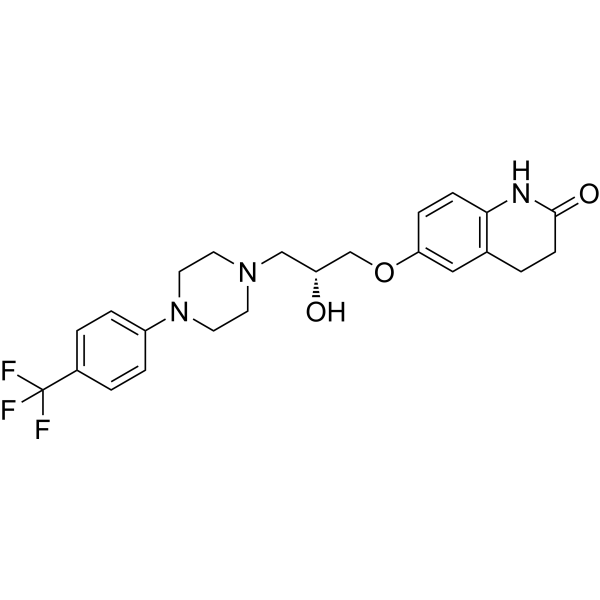
    BRL-32872 is a potent human ether-a-go-go-related gene (hERG) potassium channel blocker (IC50=241 nM in isolated cardiomyocytes; 19.8 nM in HEK293 cells). BRL-32872 is promising for research of cardiac arrhythmias (e.g., atrial/ventricular rhythms) .
    BRL-32872
  • HY-10800

    5-HT Receptor Potassium Channel Neurological Disease
    GSK-588045 is a potent 5-HT(1A/B/D) receptor antagonist. GSK-588045 shows high degree of selectivity over human ether-a-go-go related gene (hERG) potassium channels. GSK-588045 can be used for the research of neurological disease, such as depression and anxiety .
    GSK-588045
  • HY-153952

    TNF Receptor Interleukin Related Potassium Channel Inflammation/Immunology Cancer
    Immuno modulator-1 (compound 22) inhibits TNFα and IL-2 secretion in human peripheral blood mononuclear cells (hPBMC), with IC50 values of 4.7 and 26 nM, respectively. Immuno modulator-1 shows hERG potassium channel blocking effect, with Inhibitory percentage of 20% at 3 μM .
    Immuno modulator-1
  • HY-103268

    Potassium Channel Neurological Disease
    (Rac)-AZD3839 is an orally active beta-amyloid precursor protein cleaving enzyme (BACE1) inhibitor that is blood-brain barrier-permeable. (Rac)-AZD3839 has an affinity for the human ether-a-go-go related gene (hERG) ion channel. (Rac)-AZD3839 can be used in the research of Alzheimer's disease .
    (Rac)-AZD3839
  • HY-173024

    TRP Channel Neurological Disease
    TRPC4/5-IN-3 (Compound 32) is the orally active inhibitor for transient receptor potential canonical channel 4/5 (TRPC4/5) with IC50 of 3.6 nM and 5.5 nM. TRPC4/5-IN-3 inhibits hERG channel with IC50 of 6.5 µM. TRPC4/5-IN-3 exhibits good metabolic stability in human/rat/mouse liver microsomes. TRPC4/5-IN-3 exhibits antidepressant and anxiolytic activity in mouse models, exhibits good pharmacokinetic characteristics in mouse with an oral bioavailability of 87% .
    TRPC4/5-IN-3
  • HY-147691

    Glutathione Peroxidase Potassium Channel Inflammation/Immunology
    MPO-IN-5 (compound 1) is a potent, irreversible MPO (myeloperoxidase) inhibitor. MPO-IN-5 inhibits MPO peroxidation and hERG binding, with IC50 values of 0.22 and 2.8 μM, respectively. MPO-IN-5 shows rapid kinetics of inhibition, with enzyme inactivation rate (kinact/Ki) of 23000 M −1s −1 .
    MPO-IN-5
  • HY-108586R

    Reference Standards Potassium Channel Neurological Disease
    NS3623 (Standard) is the analytical standard of NS3623 (HY-108586). This product is intended for research and analytical applications. NS3623 is an activator of human ether-a-go-go-related gene (hERG1/KV11.1) potassium channels. NS3623 activates the IKr and Ito currents and has antiarrhythmic effect. NS3623 has a dual mode of action, being an inhibitor of hERG1 channels .
    NS3623 (Standard)
  • HY-121675A

    BOL-148 D-Tartrate; Bromolysergide D-Tartrate

    5-HT Receptor G protein-coupled Bile Acid Receptor 1 Neurological Disease
    2-Bromo-LSD D-Tartrate (BOL-148 D-Tartrate) is a blood-brain barrier-permeable 5-HT2A partial agonist and competitive partial antagonist. 2-Bromo-LSD D-Tartrate acts as both a potent partial agonist (with an EC50 of 0.81 nM for Gq dissociation) and a potent partial antagonist (with a KB of 0.18 nM for Gq dissociation) at the 5-HT2A receptor. 2-Bromo-LSD D-Tartrate exhibits partial agonist activity at multiple aminergic GPCRs, including 5-HT2A. 2-Bromo-LSD D-Tartrate lacks 5-HT2B agonist activity. 2-Bromo-LSD D-Tartrate induces dendritogenesis and spinogenesis. 2-Bromo-LSD D-Tartrate reverses the behavioral effects of chronic stress and increases active coping behaviors in mice .
    2-Bromo-LSD D-Tartrate
  • HY-179580

    PPAR Phosphodiesterase (PDE) Inflammation/Immunology
    EL244 is a dua Autotaxin (ATX) (IC50 = 50 nM) inhibitor and PPARγ (IC50 = 1.3 μM; Kd = 1.3 μM) agonist. EL244 demonstrates low cytotoxicity in human HepG2 cells (EC50 = 81.2 μM) with minimal inhibition of the cardiac hERG potassium channel (12% at 25 μM). EL244 significantly reduces pulmonary Lysophosphatidic Acid (LPA) levels, attenuates fibrosis, and restores respiratory function with limited systemic absorption in vivo. EL244 can be used for idiopathic pulmonary fibrosis and interstitial lung disease (ILD) research .
    EL244
  • HY-183269

    Serotonin Transporter Neurological Disease
    SERT-IN-5 is a potent, selective, and CNS-penetrant serotonin transporter (SERT) inhibitor with a Ki of 0.3 nM. SERT-IN-5 blocks serotonin reuptake to increase synaptic serotonin levels. SERT-IN-5 exhibits anti-anxiety effects in mice. SERT-IN-5 can be used for the research of anxiety, depression .
    SERT-IN-5
  • HY-182357

    PAK Potassium Channel Others
    PAK1-IN-3 is a PAK1 inhibitor with an IC50 of 10 nM, an IC50 of 20 nM against PAK2, and an IC50 of 1079 nM against hERG potassium channels. PAK1-IN-3 forms a salt bridge with Asp106 in PAK1 via a properly positioned tertiary amine. PAK1-IN-3 inhibits PAK2 and hERG potassium channels .
    PAK1-IN-3
  • HY-182638

    Phosphodiesterase (PDE) mAChR Potassium Channel Neurological Disease
    CPL500036 is an orally active, blood-brain barrier permeable phosphodiesterase 10A (PDE10A) inhibitor with IC50 values of 1 nM (Reference 1) and 35 nM (Reference 2). CPL500036 acts as a negative allosteric modulator of the M2 muscarinic receptor with an IC50 of 9.2 μM. CPL500036 alters cyclic nucleotide levels in basal ganglia circuits, inhibits the hydrolysis of cAMP and cGMP, and suppresses hERG potassium channel tail currents. CPL500036 induces catalepsy in rats and reverses injury-induced contralateral forelimb use impairment. CPL500036 can be used in research related to schizophrenia, Parkinson's disease, and levodopa-induced dyskinesia .
    CPL500036
  • HY-182735

    CCR Cytochrome P450 5-HT Receptor Dopamine Receptor Serotonin Transporter Inflammation/Immunology
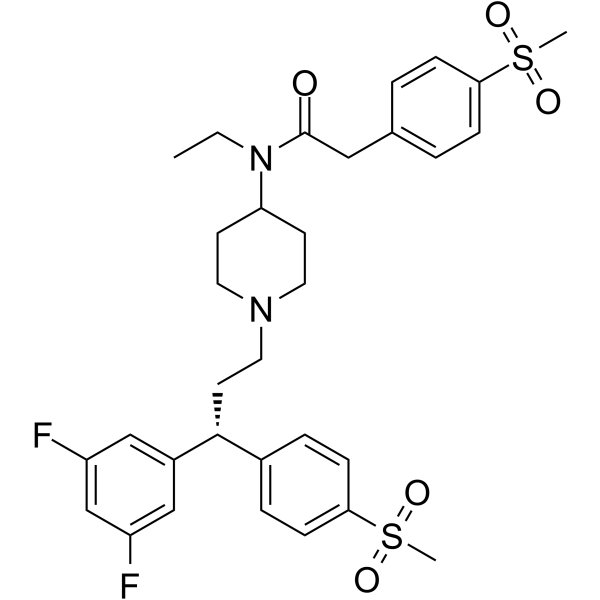
    BMS-570520 is an orally bioavailable CCR3 antagonist with an IC50 of 1.9 nM against hCCR3 and an IC50 of 1300 nM against hCYP2D6. BMS-570520 inhibits CYP2D6, but shows low activity against off-target G protein-coupled receptors, biogenic amine transporters, and the hERG potassium channel. BMS-570520 regulates chemotaxis, calcium mobilization, and anti-inflammatory pathways. BMS-570520 can be used in research related to asthma, allergic rhinitis, and contact dermatitis .
    BMS-570520
  • HY-182440

    5-HT Receptor Neurological Disease
    AZD3783 is an orally active, blood-brain barrier-penetrant 5-HT1B receptor antagonist. AZD3783 reverses agonist-induced hypothermia, inhibits separation-induced vocalizations in guinea pig pups, and acts as a moderately permeable glycoprotein substrate with moderate clearance. AZD3783 inhibits hERG channel activity. AZD3783 is applicable for research on depression, anxiety disorders, and other psychiatric diseases associated with serotonergic neurotransmission .
    AZD3783
  • HY-156484

    PI3K mTOR Cancer
    SPR519 is a selective, orally active dual PI3Kα/mTOR kinase inhibitor, with an IC50 of 0.03 μM against PI3Kα and an IC50 of 0.01 μM against mTOR. SPR519 exhibits anticancer effects in ovarian cancer and colon cancer xenograft models. SPR519 can be used for the research of solid tumors (ovarian cancer, colon cancer) .
    SPR519
  • HY-122561

    Opioid Receptor Neurological Disease
    MK-1925 is an orally active, CNS-penetrant ORL1 receptor antagonist with an IC50 of 8.2 nM. MK-1925 selectively inhibits the ORL1 receptor and shows no significant activity against other opioid receptors or the hERG potassium channel .
    MK-1925
  • HY-182928

    LRRK2 Mps1 Neurological Disease
    LRRK2-IN-21 is a selective, blood-brain barrier-permeable LRRK2 kinase inhibitor with an IC50 of 0.35 nM. LRRK2-IN-21 inhibits TTK kinase with an IC50 of 70 nM. LRRK2-IN-21 is applicable to the research of Parkinson's disease .
    LRRK2-IN-21
  • HY-181103

    Opioid Receptor Potassium Channel Neurological Disease
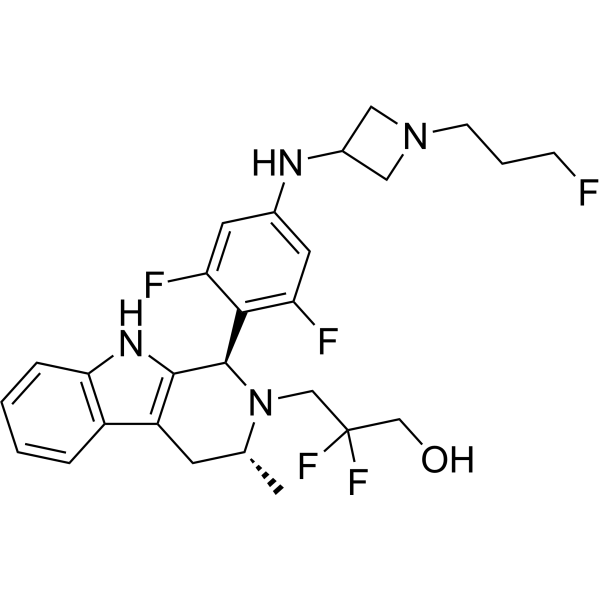
    ERG-IN-6 (compound (+)-(S)-5a) is a μ-opioid receptor activator with an EC50 of 0.12 nM. ERG-IN-6 also is a hERG (Kv11.1) potassium channel inhibitor with an IC50 of 0.681 μM. ERG-IN-6 can be used for the research of pain .
    ERG-IN-6
  • HY-181348

    HBV Infection
    HBV-IN-56 is an orally active HBsAg production inhibitor. HBV-IN-56 inhibits HBsAg production both in vitro and in vivo. HBV-IN-56 can be used for the research of chronic hepatitis B virus infection .
    HBV-IN-56
  • HY-181551

    MCHR1 (GPR24) Metabolic Disease
    RGH-706 is an orally active, blood-brain barrier-permeable, selective MCH1 receptor antagonist with an IC50 of 6.2 nM against hMCHR1. RGH-706 shows no antagonistic activity against hMCH2 receptors. RGH-706 improves obesity. RGH-706 can be used in research related to obesity and Prader-Willi syndrome .
    RGH-706
  • HY-181406

    Eukaryotic Initiation Factor (eIF) Potassium Channel Neurological Disease
    eIF2B activator-1 (Compound 7a) is a eIF2B activator with a pEC50 value of 7.3. eIF2B activator-1 exhibits significant hERG inhibitory activity, with a pIC50 value of 5.7. eIF2B activator-1 can be used in research related to Huntington's disease, Parkinson's disease, and amyotrophic lateral sclerosis (ALS).
    eIF2B activator-1
  • HY-183283

    Carbonic Anhydrase Apoptosis NOD-like Receptor (NLR) Interleukin Related Reactive Oxygen Species (ROS) Neurological Disease
    CAII-IN-15 is a potent carbonic anhydrase II (CA II) inhibitor with a hCA II IC50 of 10 nM. CAII-IN-15 elevates cGMP levels, releases nitric oxide, reduces oxidative stress, and exhibits neuroprotective activity in vitro. CAII-IN-15 inhibits NLRP3 inflammasome activation, reduces neuronal apoptosis. CAII-IN-15 reduces Intraocular pressure (IOP) in rabbits. CAII-IN-15 can be used for the research of glaucoma .
    CAII-IN-15
  • HY-183260

    HBV Cytochrome P450 Infection
    HBV-IN-57 is an orally active HBV inhibitor with pan-genotypic efficacy against HBV genotypes B/C. HBV-IN-57 inhibits HBV DNA replication and HBV capsid assembly. HBV-IN-57 can be used for the research of chronic hepatitis B .
    HBV-IN-57
  • HY-182637

    Prostaglandin Receptor Inflammation/Immunology
    ACT-774312 is a potent and selective CRTH2 antagonist with an IC50 of 4 nM. ACT-774312 blocks the activity and internalization of the CRTH2 receptor, and inhibits PGD2-induced morphological changes in eosinophils. ACT-774312 can be used in the research of nasal polyps and type 2 inflammatory diseases.
    ACT-774312
  • HY-181682

    Neurokinin Receptor Endocrinology
    NK3R antagonist-1 is an orally active neurokinin-3 receptor (NK3R) antagonist with an IC50 of 53.61 nM. NK3R antagonist-1 reduces plasma luteinizing hormone (LH) levels in ovariectomized rat models. NK3R antagonist-1 is applicable to research related to menopausal hot flushes .
    NK3R antagonist-1
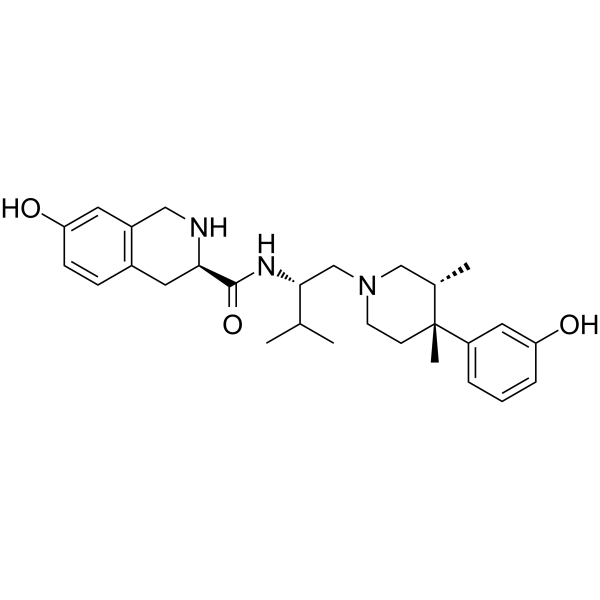
  • HY-170547A

    HSV CMV EBV DNA/RNA Synthesis Infection
    DNA polymerase-IN-6 formic is an antiviral agent and a DNA polymerase inhibitor. DNA polymerase-IN-6 formic inhibits the replication of HCMV, HSV-1, HSV-2 and EBV. DNA polymerase-IN-6 formic exhibits low cytotoxicity in mammalian cells. DNA polymerase-IN-6 formic can be used in research related to viral infections .
    DNA polymerase-IN-6 formic

Inquiry Online

Your information is safe with us. * Required Fields.

Salutation


Country or Region *

Applicant Name *


Organization Name *

Department *


Email Address *


Product Name *

Cat. No.


Requested quantity *

Phone Number *


Remarks

Inquiry Online

Inquiry Information

Product Name:
Cat. No.:
Quantity:
MCE Japan Authorized Agent:

