Search Result
Results for "
hypolipidemic
" in MedChemExpress (MCE) Product Catalog:
6
Isotope-Labeled Compounds
| Cat. No. |
Product Name |
Target |
Research Areas |
Chemical Structure |
-
- HY-B0637
-
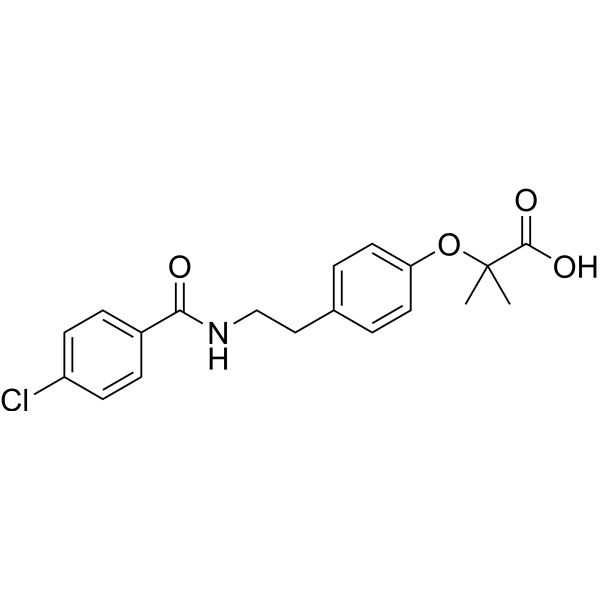
Bezafibrate
Maximum Cited Publications
13 Publications Verification
BM15075
|
PPAR
|
Cardiovascular Disease
Metabolic Disease
|
|
Bezafibrate is an agonist of PPAR, with EC50s of 50 μM, 60 μM, 20 μM for human PPARα, PPARγ and PPARδ, and 90 μM, 55 μM, 110 μM for murine PPARα, PPARγ and PPARδ, respectively; Bezafibrate is used as an hypolipidemic agent.
|
-
-
- HY-N0652
-
|
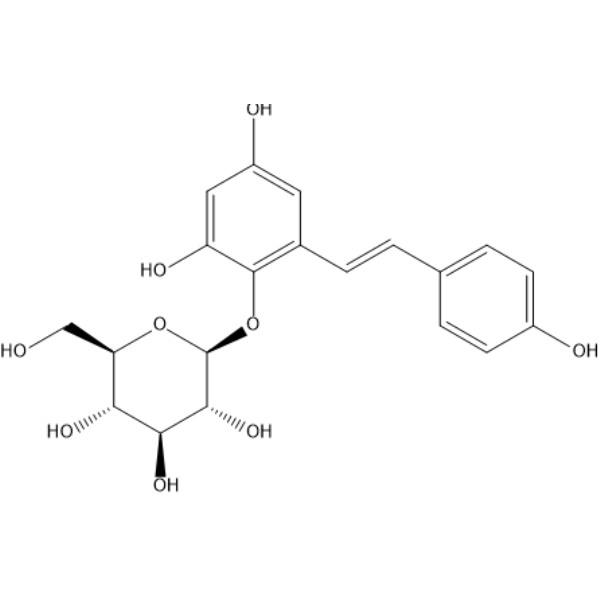
2,3,4',5-Tetrahydroxystilbene 2-O-D-glucoside
|
ERK
NF-κB
|
Cardiovascular Disease
Neurological Disease
|
|
2,3,5,4'-Tetrahydroxystilbene 2-O-β-D-glucoside isolats from the roots of Polygonaceae species, inhibits the formation of 5-HETE, HHT and thromboxane B2. 2,3,5,4'-Tetrahydroxystilbene 2-O-β-D-glucoside has hypotensive, anti-ageing, anti-inflammatory, hypolipidemic, cardioprotective, and neuroprotective actions .
|
-
-
- HY-N1214
-
-
-
- HY-N1214S
-
|
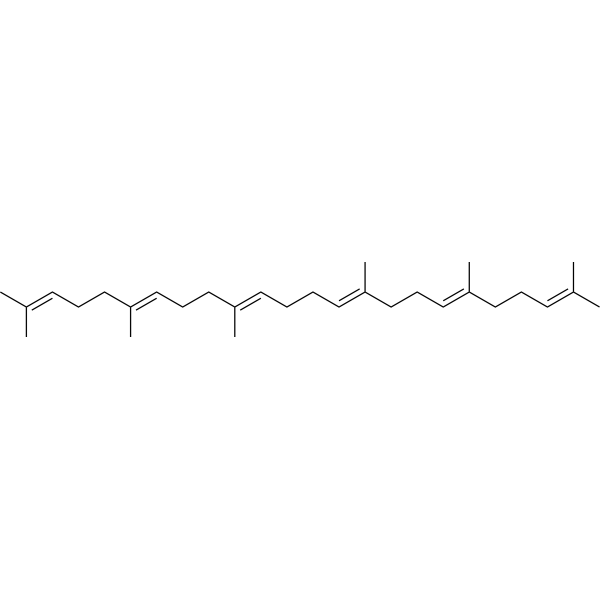
Super Squalene-d6; trans-Squalene-d6; AddaVax-d6
|
Isotope-Labeled Compounds
|
Others
|
|
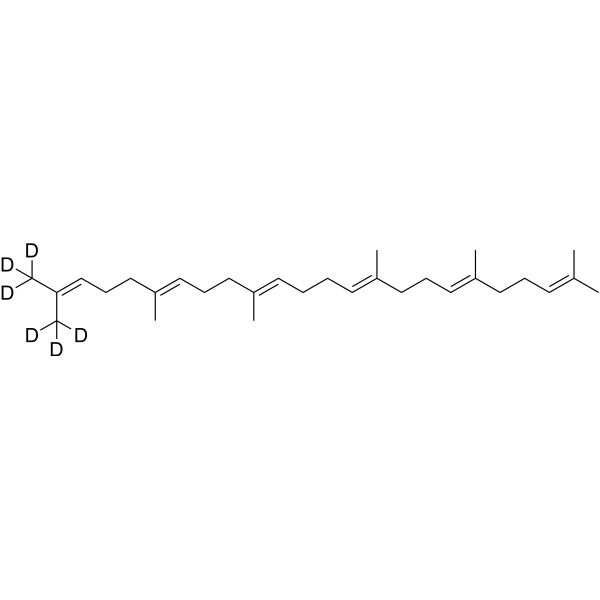
Squalene-d6 (Super Squalene-d6) is a deuterium labeled Squalene. Squalene (Super Squalene) is an intermediate product in the synthesis of cholesterol, and shows several pharmacological properties such as hypolipidemic, hepatoprotective, antiatherosclerotic, cardioprotective, antioxidant, and antitumour activity .
|
-
-
- HY-N0721
-
-
-
- HY-N1934
-
|
|
Potassium Channel
HSP
|
Cardiovascular Disease
Inflammation/Immunology
Cancer
|
|
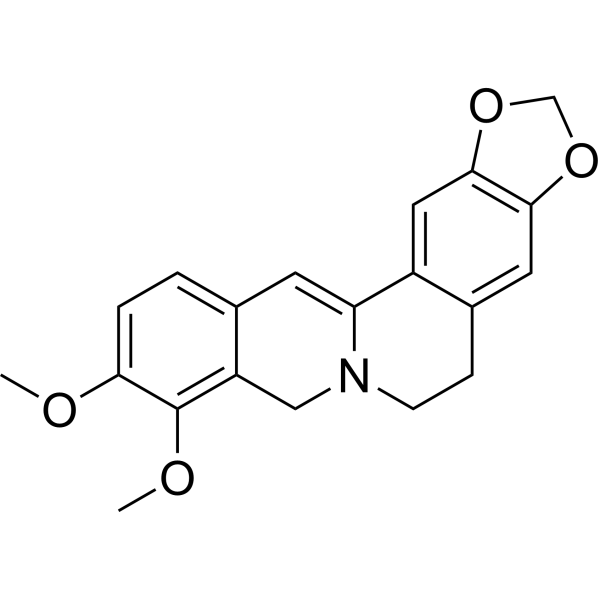
Dihydroberberine is a naturally occurring isoquinoline alkaloid with anti-inflammatory, anti-atherosclerotic, hypolipidemic and anti-tumor activities. Dihydroberberine inhibits the human ether-related gene (hERG) channel and significantly reduces the expression of heat shock protein 90 (Hsp90) and its interaction with hERG. Dihydroberberine also blocks the TLR4/MyD88/NF-κB signaling pathway to reduce pro-inflammatory cytokines and immunoglobulins, and has inhibitory effects on DSS (HY-116282C)-induced experimental colitis. Dihydroberberine also increases the sensitivity of lung cancer to sunitinib (HY-10255A), with synergistic efficacy .
|
-
-
- HY-147246
-
|
HTD1801; BUDCA
|
Biochemical Assay Reagents
|
Metabolic Disease
|
|
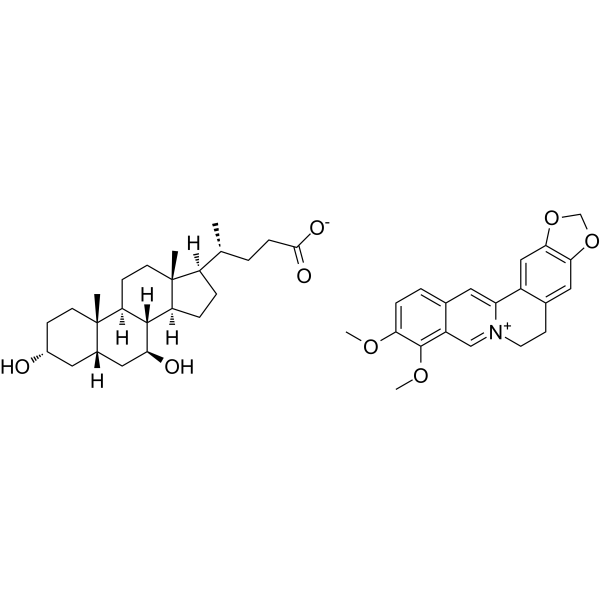
Berberine ursodeoxycholate (HTD1801), an ionic salt of Berberine and Ursodeoxycholic acid, is an orally active and potent hypolipidemic agent. Berberine ursodeoxycholate shows significantly great reduction in liver fat content. Berberine ursodeoxycholate has a broad spectrum of metabolic activity. Berberine ursodeoxycholate can be used for the research of hyperlipidemia, non-alcoholic steatohepatitis (NASH) and diabetes .
|
-
-
- HY-N0926
-
|
Columbamin; Dehydroisocorypalmine
|
Cytochrome P450
Apoptosis
Parasite
|
Infection
Neurological Disease
Inflammation/Immunology
Cancer
|
|
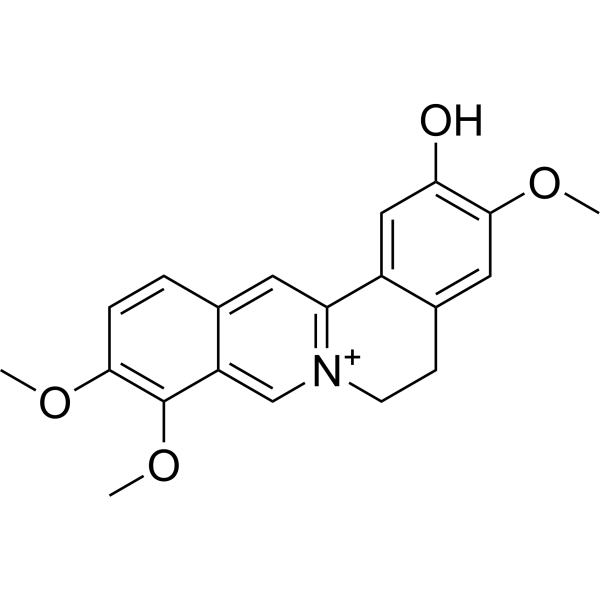
Columbamine (Columbamin; Dehydroisocorypalmine) is an organic heterotetracyclic alkaloid extracted from plants. Columbamine is a metabolite of Berberine (HY-N0716). Columbamine inhibits the cytochrome P450 (CYP) isoform CYP3A4 (IC50 = 30.6 µM). Columbamine induces apoptosis in cancer cells. Columbamine can be used for antioxidant, anti-inflammatory, antitumor, antifungal, antiparasite, hepatoprotective, neuroprotective, hypolipidemic and hypoglycemic study .
|
-
-
- HY-14739
-
|
ABT-335
|
PPAR
COX
|
Cardiovascular Disease
|
|
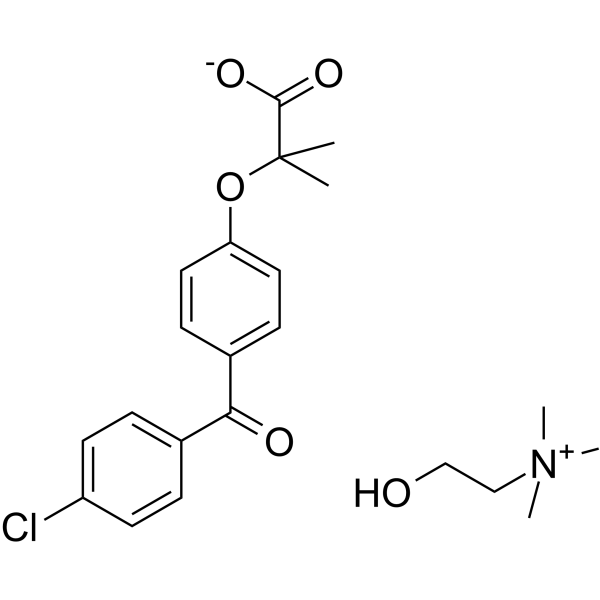
Choline Fenofibrate (ABT-335), a choline salt of Fenofibric acid (HY-B0760), releases free Fenofibric acid in the gastrointestinal tract. Fenofibric acid is a PPAR activator with antihyperlipidemic effect .
|
-
-
- HY-W012946
-
-
-
- HY-113427
-
|
|
Endogenous Metabolite
Bcl-2 Family
Apoptosis
|
Cardiovascular Disease
Cancer
|
|
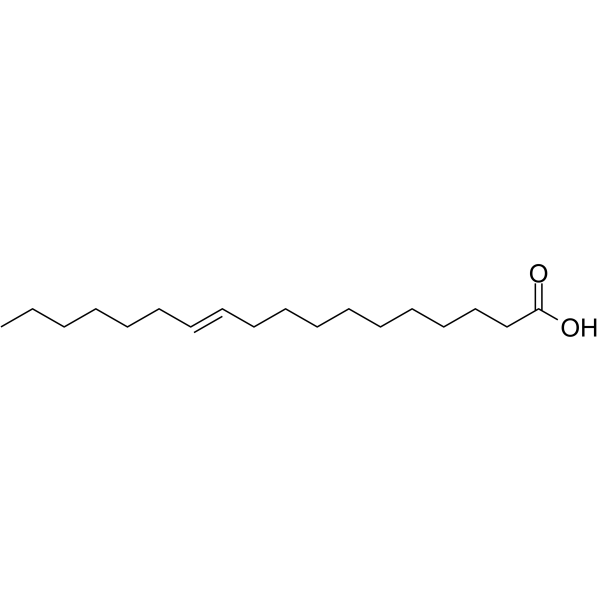
trans-Vaccenic acid is a naturally occurring trans fatty acid (TFA). trans-Vaccenic acid inhibits nasopharyngeal carcinoma (NPC) cell growth and induces apoptosis through the inhibition of Bad/Akt phosphorylation. trans-Vaccenic acid is a precursor for the synthesis of saturated fatty acid in the rumen and of conjugated Linoleic acid (CLA) at the tissue level. trans-Vaccenic acid exerts hypolipidemic effects in a rat model of obesity .
|
-
-
- HY-34781
-
-
-
- HY-N6642
-
|
|
PPAR
Apoptosis
|
Inflammation/Immunology
Cancer
|
|
Ankaflavin, isolated from Monascus-Fermented red rice, is an orally active PPARγ agonist. Ankaflavin exhibits selective cytotoxic effect and induces cell death through apoptosis on cancer cells. Ankaflavin has anti-inflammatory, anti-cancer, antiatherosclerotic, and hypolipidemic effects .
|
-
-
- HY-105008
-
|
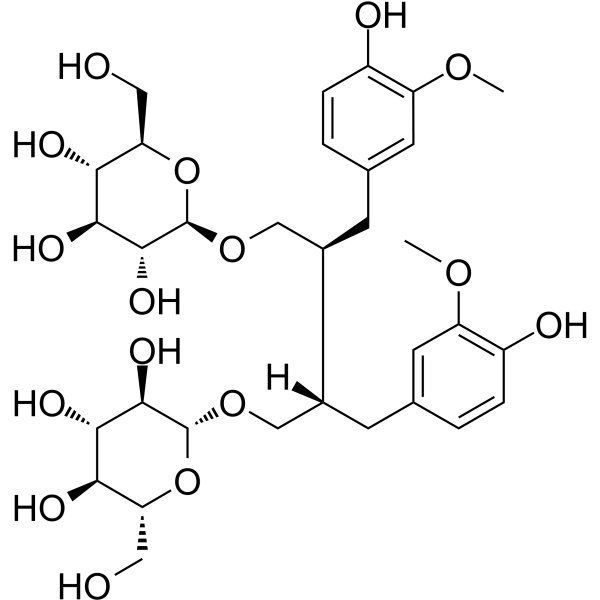
(S,S)-SDG; (S,S)-LGM2605
|
Others
|
Cardiovascular Disease
Neurological Disease
Inflammation/Immunology
|
|
Secoisolariciresinol diglucoside ((S,S)-SDG), the main lignan in wholegrain flaxseed, is known for its beneficial effects including anti-inflammatory, antioxidant, anti-mutagenic, anti-microbial, anti-obesity, hypolipidemic, and neuroprotective effects .
|
-
-
- HY-117549
-
|
NO-1886
|
Lipase
|
Cardiovascular Disease
|
|
Ibrolipim (NO-1886) is an orally active lipoprotein lipase (LPL)-promoting agent. Ibrolipim decreases plasma triglycerides, increases high-density lipoprotein cholesterol levels. Ibrolipim has renoprotective and hypolipidemic effects .
|
-
-
- HY-N7781
-
-
-
- HY-N1214R
-
|
Super Squalene (Standard); trans-Squalene (Standard); AddaVax (Standard)
|
Reference Standards
Endogenous Metabolite
Reactive Oxygen Species (ROS)
Fungal
|
Infection
Cardiovascular Disease
|
|
Squalene (Standard) is the analytical standard of Squalene. This product is intended for research and analytical applications. Squalene (Super Squalene) is an intermediate product in the synthesis of cholesterol, and shows several pharmacological properties such as hypolipidemic, hepatoprotective, antiatherosclerotic, cardioprotective, antioxidant, and antitumour activity .
|
-
-
- HY-B2153
-
|
|
Cuproptosis
Bacterial
|
Infection
|
|
Tetraethylenepentamine pentahydrochloride is an orally active copper chelator and copper mobilizer. Tetraethylenepentamine pentahydrochloride exhibits growth inhibitory and hypolipidemic properties. Tetraethylenepentamine pentahydrochloride significantly increases urinary copper excretion and reduces renal copper accumulation in copper overload models, but does not significantly alter hepatic copper levels. Tetraethylenepentamine pentahydrochloride exerts growth inhibitory effects on Candida albicans and Fluconazole (HY-B0101)-resistant strains, and can be widely used in studies related to Wilson's disease and Candida infections .
|
-
-
- HY-137318
-
|
|
Drug Derivative
|
Metabolic Disease
|
|
BM 15766 sulfate is an inhibitor of 7-dehydrocholesterol δ7-reductase and reduces plasma cholesterol levels. BM 15766 sulfate is a hypolipidemic agent .
|
-
-
- HY-119964
-
|
|
PPAR
|
Cardiovascular Disease
|
|
Cetaben is a PPARα-independent peroxisome proliferator. Cetaben is a non-fibrate hypolipidemic agent and potently reduces the concentration of cholesterol and triglycerides .
|
-
-
- HY-N0926A
-
|
Columbamin chloride; Dehydroisocorypalmine chloride
|
Cytochrome P450
Apoptosis
Parasite
|
Infection
Neurological Disease
Inflammation/Immunology
Cancer
|
|
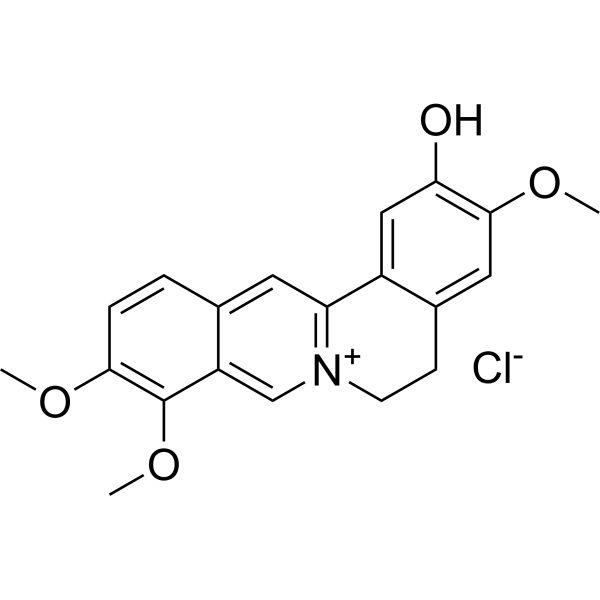
Columbamine (Columbamin; Dehydroisocorypalmine) chloride is an organic heterotetracyclic alkaloid extracted from plants. Columbamine chloride is a metabolite of Berberine (HY-N0716). Columbamine chloride inhibits the cytochrome P450 (CYP) isoform CYP3A4 (IC50 = 30.6 µM). Columbamine chloride induces apoptosis in cancer cells. Columbamine chloride can be used for antioxidant, anti-inflammatory, antitumor, antifungal, antiparasite, hepatoprotective, neuroprotective, hypolipidemic and hypoglycemic study .
|
-
-
- HY-113873
-
-
-
- HY-108571
-
|
|
PPAR
|
Cardiovascular Disease
Metabolic Disease
|
|
CP-775146 is a selective PPARα agonist (Ki of 24.5 nM) that binds strongly to the PPARα ligand. CP-775146 has no observable affinity for PPARβ and PPARγ.CP-775146 shows hypolipidemic activity. CP-775146 efficiently alleviates obesity-induced liver damage, prevents lipid accumulation by activating the liver fatty acid β-oxidation pathway .
|
-
-
- HY-N0652R
-
|
2,3,4',5-Tetrahydroxystilbene 2-O-D-glucoside (Standard)
|
Reference Standards
ERK
NF-κB
|
Cardiovascular Disease
Neurological Disease
|
|
2,3,5,4'-Tetrahydroxystilbene 2-O-β-D-glucoside (Standard) is the analytical standard of 2,3,5,4'-Tetrahydroxystilbene 2-O-β-D-glucoside. This product is intended for research and analytical applications. 2,3,5,4'-Tetrahydroxystilbene 2-O-β-D-glucoside isolats from the roots of Polygonaceae species, inhibits the formation of 5-HETE, HHT and thromboxane B2. 2,3,5,4'-Tetrahydroxystilbene 2-O-β-D-glucoside has hypotensive, anti-ageing, anti-inflammatory, hypolipidemic, cardioprotective, and neuroprotective actions .
|
-
-
- HY-A0127
-
|
|
LDLR
|
Metabolic Disease
|
|
Etofibrate is the ethandiol-1,2 diester of the nicotinic and clofibric acids. Etofibrate has been shown to be a potent hypolipidemic agent in animal and human.
|
-
-
- HY-N6993
-
|
|
Others
|
Metabolic Disease
|
|
25-O-Methylalisol A is a protostane triterpenoids isolated from Alisma orientale. The dried rhizomes of the aquatic plant Alisma orientale known as Rhizoma Alismatis is a common traditional Chinese medicine used for diuretic, anti-inflammatory, and hypolipidemic purposes, as well as the treatment of diabetes .
|
-
-
- HY-172914
-
|
|
ATP Citrate Lyase
|
Cardiovascular Disease
Metabolic Disease
|
|
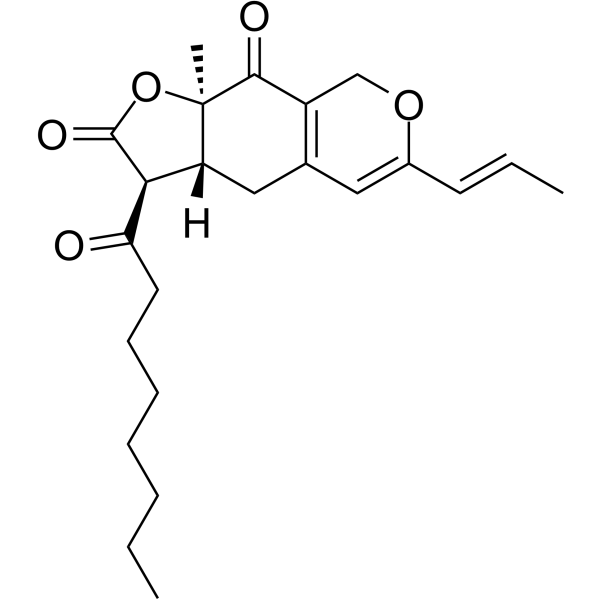
ACLY-IN-1 is an orally active ACLY inhibitor. ACLY-IN-1 exhibits potent ACLY inhibitory activity (IC50 = 8.3 nM) and high binding affinity (KD = 72.0 nM) to ACLY. ACLY-IN-1 demonstrates good pharmacokinetic profiles and a potent in vivo hypolipidemic effect .
|
-
-
- HY-B0637S
-
|
|
PPAR
|
Cardiovascular Disease
Metabolic Disease
|
|
Bezafibrate-d6 is the deuterium labeled Bezafibrate. Bezafibrate is an agonist of PPAR, with EC50s of 50 μM, 60 μM, 20 μM for human PPARα, PPARγ and PPARδ, and 90 μM, 55 μM, 110 μM for murine PPARα, PPARγ and PPARδ, respectively; Bezafibrate is used as an hypolipidemic agent.
|
-
-
- HY-W012946S
-
-
-
- HY-N1934R
-
|
|
Reference Standards
Potassium Channel
HSP
|
Cardiovascular Disease
Inflammation/Immunology
Cancer
|
|
Dihydroberberine (Standard) is the analytical standard of Dihydroberberine. This product is intended for research and analytical applications. Dihydroberberine is a naturally occurring isoquinoline alkaloid with anti-inflammatory, anti-atherosclerotic, hypolipidemic and anti-tumor activities. Dihydroberberine inhibits the human ether-related gene (hERG) channel and significantly reduces the expression of heat shock protein 90 (Hsp90) and its interaction with hERG. Dihydroberberine also blocks the TLR4/MyD88/NF-κB signaling pathway to reduce pro-inflammatory cytokines and immunoglobulins, and has inhibitory effects on DSS (HY-116282C)-induced experimental colitis. Dihydroberberine also increases the sensitivity of lung cancer to sunitinib (HY-10255A), with synergistic efficacy .
|
-
-
- HY-127055
-
|
|
Apolipoprotein
|
Metabolic Disease
Endocrinology
|
|
Tiadenol is an absorbable hypolipidemic agent. Tiadenol can effectively reduce triglycerides and decrease the level of apolipoprotein E in very low-density lipoproteins in hyperlipoproteinemia. Tiadenol causes hepatomegaly in rats and affects their hepatic lipid levels, cholesterol synthesis and absorption at high doses. Tiadenol can be used in the research of endocrine and metabolic diseases such as hyperlipidemia .
|
-
-
- HY-175005
-
|
|
Keap1-Nrf2
PPAR
Interleukin Related
|
Metabolic Disease
Inflammation/Immunology
|
|
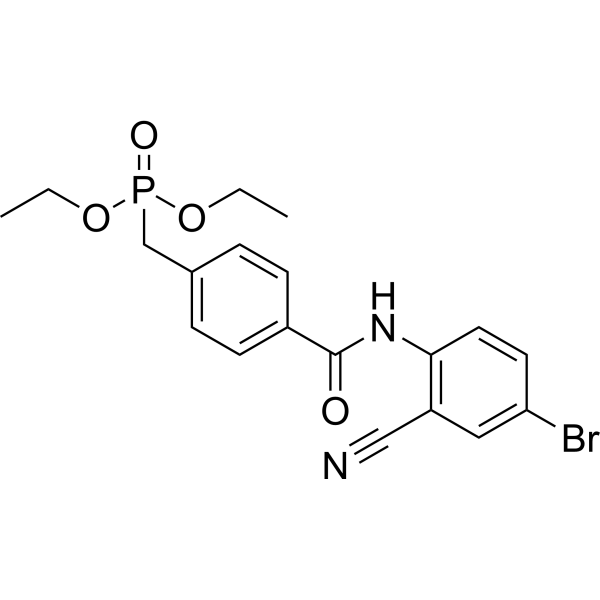
CF-Carvacrol is an orally active lipid-lowering agent synthesized by merging the pharmacophores of Carvacrol (HY-N0711) and Clofibric acid (HY-B1415). CF-Carvacrol has a good affinity for PPAR-α. CF-Carvacrol has significant hypolipidemic activity and may exert antioxidant and anti-inflammatory activity by activating the Nrf2/HO-1 signaling pathway to reduce liver injury. CF-Carvacrol can be used for the study of CF-induced liver damage .
|
-
-
- HY-B1734
-
|
16-DPA
|
FXR
5 alpha Reductase
Cytochrome P450
Drug Intermediate
|
Cardiovascular Disease
Cancer
|
|
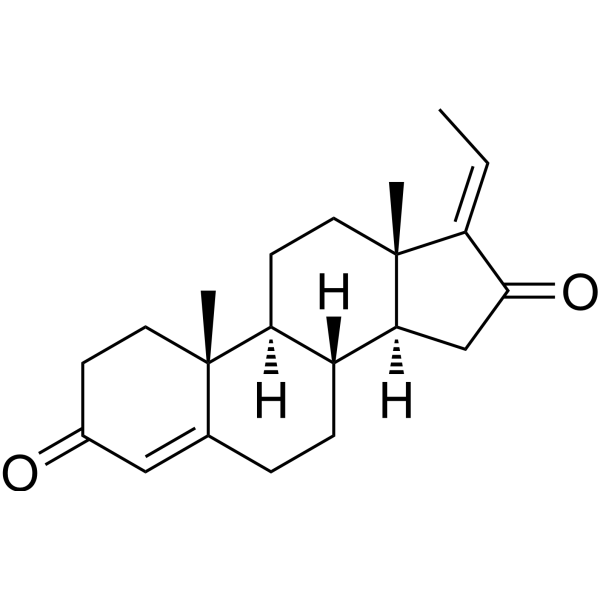
16-Dehydropregnenolone acetate (16-DPA), a sterols compound, is an orally active 17α-hydroxylase and 5α-reductase inhibitor. 16-Dehydropregnenolone is also a potent bile acid receptor (BAR)/farnesoid X receptor (FXR) antagonist. 16-Dehydropregnenolone hypolipidemic and anticancer effects. 16-Dehydropregnenolone acetate (16-DPA) is the drug intermediate that can be used for synthesis of Dexamethasone (HY-14648) and related other steroidal pharmacophores .
|
-
-
- HY-100144
-
-
-
- HY-100334
-
-
-
- HY-N8206
-
-
-
- HY-125780
-
-
-
- HY-113427S
-
|
|
Isotope-Labeled Compounds
Endogenous Metabolite
Bcl-2 Family
Apoptosis
|
Cardiovascular Disease
Cancer
|
|
trans-Vaccenic acid-d13 is deuterium labeled trans-Vaccenic acid (HY-113427). trans-Vaccenic acid is a naturally occurring trans fatty acid (TFA). trans-Vaccenic acid inhibits nasopharyngeal carcinoma (NPC) cell growth and induces apoptosis through the inhibition of Bad/Akt phosphorylation. trans-Vaccenic acid is a precursor for the synthesis of saturated fatty acid in the rumen and of conjugated Linoleic acid (CLA) at the tissue level. trans-Vaccenic acid exerts hypolipidemic effects in a rat model of obesity .
|
-
-
- HY-N0721R
-
-
-
- HY-125716
-
|
|
PPAR
|
Metabolic Disease
|
|
DRF-2519 (free base) is a dual activator of PPAR α and PPAR γ. DRF-2519 (free base) has antidiabetic and hypolipidemic activity .
|
-
-
- HY-121755
-
|
CP 18524
|
PPAR
|
Metabolic Disease
|
|
Tibric acid (CP 18524) has similar effects to those of hypolipidemic agents. Tibric acid has orally active triglyceride-lowering effects. Tibric acid can be used for research of hypertriglyceridemia .
|
-
-
- HY-121776
-
|
|
Drug Derivative
|
Cardiovascular Disease
|
|
Nicomol is an orally active hypolipidemic agent that can increase the high density lipoprotein cholesterol (HDL-C) level. Nicomol inhibits the rapid rise of plasma free fatty acids .
|
-
-
- HY-121776R
-
|
|
Drug Derivative
Reference Standards
|
Cardiovascular Disease
|
|
Nicomol (Standard) is the analytical standard of Nicomol. This product is intended for research and analytical applications. Nicomol is an orally active hypolipidemic agent that can increase the high density lipoprotein cholesterol (HDL-C) level. Nicomol inhibits the rapid rise of plasma free fatty acids .
|
-
-
- HY-116699
-
|
|
PPAR
|
Neurological Disease
Metabolic Disease
Inflammation/Immunology
|
|
CP-868388 free base is a potent, selective and orally active PPARα agonist with a Ki value of 10.8 nM. CP-868388 free base has little or no affinity for PPARβ (Ki of 3.47 μM) and PPARγ. CP-868388 free base has hypolipidemic and anti-inflammatory actions .
|
-
-
- HY-115914
-
|
|
LDLR
|
Others
|
|
Lipid-lowering agent-1 is a potent lipid-lowering agent. Lipid-lowering agent-1 has significant pharmacological effects on the inhibition of low-density lipoprotein cholesterol (LDLC) and promotion of high-density lipoprotein cholesterol (HDLC) production. Lipid-lowering agent-1 shows potent hypolipidemic effect in high-fat diet rats .
|
-
-
- HY-173217
-
|
|
PPAR
Phosphatase
|
Cardiovascular Disease
Metabolic Disease
|
|
PPARα agonist 5 is an orally available, selective partial agonist of PPARα (EC50: 3 nM). PPARα agonist 5 reduces lipid accumulation and upregulates key PPARα target genes, exerting anti-fatty liver effects. PPARα agonist 5 also exhibits significant hypolipidemic and hypoglycemic effects through partial PPARγ agonist activity and mild inhibition of protein tyrosine phosphatase 1B (PTP1B) (IC50: 79.1 μM). PPARα agonist 5 has a good safety profile and can be used in the study of type 2 diabetes with dyslipidemia .
|
-
-
- HY-100258
-
-
-
- HY-19030
-
-
-
- HY-N9725
-
|
16ξ-Hydroxycleroda-3,13-dien-15,16-olide
|
Dipeptidyl Peptidase
|
Metabolic Disease
|
|
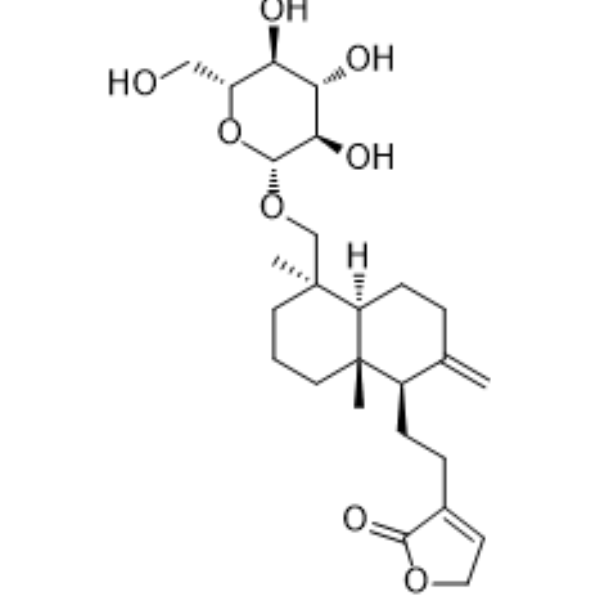
16-Hydroxycleroda-3,13-dien-15,16-olide (16ξ-Hydroxycleroda-3,13-dien-15,16-olide; HCD), a clerodane diterpene, is a potent serine protease dipeptidyl peptidase 4 (DPP-4) inhibitor. 16-Hydroxycleroda-3,13-dien-15,16-olide down-regulates LPS-induced ERK phosphorylation in myocyte but blocks GLP-1 induced PKA expression. 16-Hydroxycleroda-3,13-dien-15,16-olide exhibits hypolipidemic, hepatoprotective, hypoglycemic efficacy .
|
-
-
- HY-100144R
-
|
|
LDLR
Reference Standards
|
Metabolic Disease
|
|
Pirozadil (Standard) is the analytical standard of Pirozadil. This product is intended for research and analytical applications. Pirozadil is a hypolipidemic agent.
|
-
- HY-124560
-
|
|
LDLR
|
Metabolic Disease
|
|
Lifibrol is a potent and oral activity hypolipidemic agent. Lifibrol decreases the plasma total cholesterol. Lifibrol has the potential for the research of hypercholesterolemia .
|
-
- HY-N7729
-
|
|
Amylases
Glycosidase
|
Metabolic Disease
|
|
Sekikaic acid is an α-glucosidase (Glucosidase) and α-amylase (Amylases) inhibitor with hypolipidemic, antioxidant and antidiabetic activities. Sekikaic acid significantly reduces LDL, total cholesterol, and total glyceride levels and causes pancreatic beta cell regeneration .
|
-
- HY-14739R
-
|
ABT-335 (Standard)
|
Reference Standards
PPAR
COX
|
Cardiovascular Disease
|
|
Choline Fenofibrate (Standard) is the analytical standard of Choline Fenofibrate. This product is intended for research and analytical applications. Choline Fenofibrate (ABT-335), a choline salt of Fenofibric acid (HY-B0760), releases free Fenofibric acid in the gastrointestinal tract. Fenofibric acid is a PPAR activator with antihyperlipidemic effect .
|
-
- HY-N0807R
-
-
- HY-167664
-
|
|
Acyltransferase
|
Metabolic Disease
|
|
KY-455 is a novel inhibitor of acyl-CoA:cholesterol acyltransferase (ACAT). KY-455 inhibita rabbit intestinal, hepatic, macrophage and adrenal ACAT with IC50 values of 0.4, 0.9, 2.9 and 4.1 μmol/L, respectively.
|
-
- HY-105008R
-
|
(S,S)-SDG (Standard); (S,S)-LGM2605 (Standard)
|
Reference Standards
Others
|
Cardiovascular Disease
Neurological Disease
Inflammation/Immunology
|
|
Secoisolariciresinol diglucoside (Standard) is the analytical standard of Secoisolariciresinol diglucoside. This product is intended for research and analytical applications. Secoisolariciresinol diglucoside ((S,S)-SDG), the main lignan in wholegrain flaxseed, is known for its beneficial effects including anti-inflammatory, antioxidant, anti-mutagenic, anti-microbial, anti-obesity, hypolipidemic, and neuroprotective effects[1][2].
|
-
- HY-B0637S1
-
|
BM15075-d4
|
Isotope-Labeled Compounds
PPAR
|
Cardiovascular Disease
Metabolic Disease
|
|
Bezafibrate-d4 is deuterium labeled Bezafibrate. Bezafibrate is an agonist of PPAR, with EC50s of 50 μM, 60 μM, 20 μM for human PPARα, PPARγ and PPARδ, and 90 μM, 55 μM, 110 μM for murine PPARα, PPARγ and PPARδ, respectively; Bezafibrate is used as an hypolipidemic agent.
|
-
- HY-W012946R
-
|
Pyromucic acid (Standard)
|
Reference Standards
ATP Citrate Lyase
Acyltransferase
Endogenous Metabolite
|
Metabolic Disease
|
|
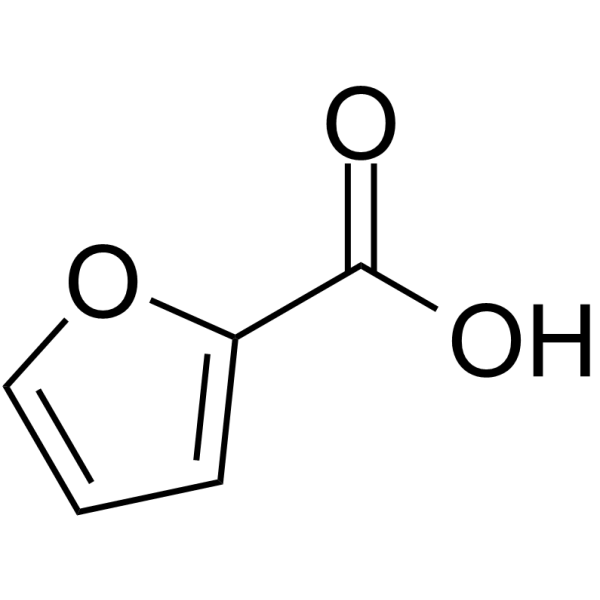
2-Furoic acid (Standard) is the analytical standard of 2-Furoic acid. This product is intended for research and analytical applications. 2-Furoic acid (Furan-2-carboxylic acid) is an organic compound produced through furfural oxidation . 2-Furoic acid exhibits hypolipidemic effet, lowers both serum cholesterol and serum triglyceride levels in rats .
|
-
- HY-B0637R
-
|
BM15075 (Standard)
|
Reference Standards
PPAR
|
Cardiovascular Disease
Metabolic Disease
|
|
Bezafibrate (Standard) is the analytical standard of Bezafibrate. This product is intended for research and analytical applications. Bezafibrate is an agonist of PPAR, with EC50s of 50 μM, 60 μM, 20 μM for human PPARα, PPARγ and PPARδ, and 90 μM, 55 μM, 110 μM for murine PPARα, PPARγ and PPARδ, respectively; Bezafibrate is used as an hypolipidemic agent.
|
-
- HY-B0637S2
-
|
BM15075-13C6
|
Isotope-Labeled Compounds
PPAR
|
Cardiovascular Disease
Metabolic Disease
|
|
Bezafibrate- 13C6 (BM15075- 13C6) is 13C labeled Bezafibrate. Bezafibrate is an agonist of PPAR, with EC50s of 50 μM, 60 μM, 20 μM for human PPARα, PPARγ and PPARδ, and 90 μM, 55 μM, 110 μM for murine PPARα, PPARγ and PPARδ, respectively; Bezafibrate is used as an hypolipidemic agent.
|
-
- HY-113427R
-
|
|
Endogenous Metabolite
Reference Standards
Bcl-2 Family
Apoptosis
|
Cardiovascular Disease
Cancer
|
|
trans-Vaccenic acid (Standard) is the analytical standard of trans-Vaccenic acid (HY-113427). This product is intended for research and analytical applications. trans-Vaccenic acid is a naturally occurring trans fatty acid (TFA). trans-Vaccenic acid inhibits nasopharyngeal carcinoma (NPC) cell growth and induces apoptosis through the inhibition of Bad/Akt phosphorylation. trans-Vaccenic acid is a precursor for the synthesis of saturated fatty acid in the rumen and of conjugated Linoleic acid (CLA) at the tissue level. trans-Vaccenic acid exerts hypolipidemic effects in a rat model of obesity.
|
-
- HY-137390A
-
|
|
HMG-CoA Reductase (HMGCR)
|
Cardiovascular Disease
Metabolic Disease
|
|
(3S,5R)-Fluvastatin (potassium) is a synthetic hypolipidemic drug that inhibits HMG-CoA reductase activity. (3S,5R)-Fluvastatin (potassium) has similar antioxidative effects on copper ion-induced LDL oxidation compared to its 3R,5S enantiomer. (3S,5R)-Fluvastatin (potassium) and its metabolites demonstrate a potential to exhibit anti-atherosclerotic effects through their antioxidative activities. (3S,5R)-Fluvastatin (potassium) is clinically utilized as part of a racemic mixture for reducing plasma cholesterol levels.
|
-
- HY-N7781R
-
-
- HY-19227
-
|
|
PPAR
|
Cardiovascular Disease
|
|
BM 170249 is a peroxisome proliferator, particularly in the perivenous region of the central acini in the liver. BM 170249 significantly reduces serum triglyceride and cholesterol levels in rats. BM 170249 strongly induces the activity of key enzymes in the peroxisome fatty acid β-oxidation system (such as acyl-CoA oxidase AOX, multifunctional enzyme PH, and thiolase PT), but leads to decreased activity of catalase and uricase in peroxisome components. BM 170249 could be used in lipid-lowering studies .
|
-
- HY-19159
-
|
|
Drug Derivative
|
Cardiovascular Disease
|
|
CGP-43371, a Rifampicin (HY-B0272) derivative, is an orally active hypolipidemic agent. CGP-43371 has hypolipidemic and anti-atherosclerotic activities .
|
-
- HY-167654
-
|
|
Drug Derivative
|
Cardiovascular Disease
|
|
Treloxinate is an effective hypolipidemic agent. Treloxinate affects only triglyceride levels in Sprague-Dawley rats, but affects both triglyceride and cholesterol levels in Wistar rats .
|
-
- HY-114834
-
|
|
Drug Derivative
|
Metabolic Disease
|
|
AHL-157 is a fibrate hypolipidemic agent. AHL-157 can decrease triglyceride, cholesterol, and blood sugar. AHL-157 can be used for the research of metabolic disease, such as hyperlipidemia and diabete .
|
-
- HY-118523
-
|
|
Endogenous Metabolite
|
Metabolic Disease
|
|
AL-321 is an insulin sensitizer. AL-321 exhibits significant hypoglycemic and hypolipidemic activities in insulin resistance models. AL-321 can be used in the research of hereditary obesity-related diabetes .
|
-
- HY-156192
-
|
|
Drug Derivative
|
Cardiovascular Disease
|
|
CGS 24565, a derivative of the antibiotic Rifamycin (HY-B1907A), is an orally active hypolipidemic agent. CGS 24565 can reduce plasma cholesterol levels in both primate and nonprimate species .
|
-
- HY-181474
-
|
|
Keap1-Nrf2
Heme Oxygenase (HO)
PPAR
Interleukin Related
SOD
|
Metabolic Disease
Inflammation/Immunology
|
|
CF-Vanillin is an orally active hypolipidemic/hepatic protector with strong binding affinity for PPAR-α. CF-Vanillin exerts antioxidant and anti-inflammatory effects by activating the Nrf2/HO-1 signaling pathway. CF-Vanillin reduces triglyceride and total cholesterol levels and alleviates liver injury. CF-Vanillin can be used in the research of diseases such as hyperlipidemia and liver injury .
|
-
- HY-182751
-
|
|
ATP Citrate Lyase
|
Inflammation/Immunology
|
|
ACLY-IN-4 is an ATP-citrate lyase (ACLY) inhibitor with an IC50 of 0.022 μM and a Kd of 0.19 μM. ACLY-IN-4 binds to the allosteric binding site of ACLY. ACLY-IN-4 exhibits hypolipidemic, anti-steatotic, insulin sensitivity-improving, anti-oxidative stress, anti-inflammatory and anti-fibrotic activities. ACLY-IN-4 alleviates hepatic steatosis, systemic insulin resistance, oxidative stress, hepatic inflammation and fibrosis. ACLY-IN-4 can be used for the research of metabolic dysfunction-associated steatohepatitis .
|
-
- HY-N18066
-
|
|
Drug Derivative
Acyltransferase
NF-κB
PPAR
Fatty Acid Synthase (FASN)
Keap1-Nrf2
|
Cardiovascular Disease
Metabolic Disease
Inflammation/Immunology
|
|
Esculeogenin A is the sapogenol of tomato saponin Esculeoside A (HY-N18067). Esculeogenin A is an orally active hepatoprotective, hypolipidemic, and antioxidant agent. Esculeogenin A regulates molecular targets like PPARα, SREBP1, Nrf2, NF-κB, ACAT1/ACAT2 to promote hepatic fatty acid oxidation, suppress de novo lipogenesis, enhance antioxidant defense, and inhibit inflammation. Esculeogenin A improves liver function, alleviates hyperlipidemia, and inhibits hepatic steatosis and foam cell formation, preventing nonalcoholic fatty liver disease in high-fat-diet-fed rats and reducing atherosclerotic lesions in apoE-deficient mice. Esculeogenin A can be used for the research of nonalcoholic fatty liver disease, atherosclerosis, and hyperlipidemia .
|
-
- HY-N7773
-
|
|
TNF Receptor
Interleukin Related
Caspase
SOD
|
Neurological Disease
Metabolic Disease
|
|
Hibiscetin is an orally active anti-inflammatory, antioxidant, antihyperglycemic, hypolipidemic, hepatoprotective and neuroprotective agent. Hibiscetin reduces the levels of TNF-α, IL-1β and IL-6. Hibiscetin inhibits lipid peroxidation, reduces MDA levels, and induces the activities of antioxidant enzymes CAT, GSH and SOD. Hibiscetin lowers blood glucose, reverses reduced insulin levels, regulates adipokine levels, and reduces elevated AST and ALT levels. Hibiscetin alleviates Rotenone (HY-B1756)-induced akinesia and catalepsy, normalizes neurotransmitter levels, and modulates the activities of activated caspase 3 and BDNF. Hibiscetin can be used in the research of type 2 diabetes, Parkinson's disease and Huntington's disease .
|
-
| Cat. No. |
Product Name |
Category |
Target |
Chemical Structure |
-
- HY-N0652
-
|
2,3,4',5-Tetrahydroxystilbene 2-O-D-glucoside
|
Stilbenes
Classification of Application Fields
Polygonaceae
Other Diseases
Phenols
Polyphenols
Fallopia multiflora (Thunb.) Harald.
Plants
Disease Research Fields
Source Classification
|
ERK
NF-κB
|
|
2,3,5,4'-Tetrahydroxystilbene 2-O-β-D-glucoside isolats from the roots of Polygonaceae species, inhibits the formation of 5-HETE, HHT and thromboxane B2. 2,3,5,4'-Tetrahydroxystilbene 2-O-β-D-glucoside has hypotensive, anti-ageing, anti-inflammatory, hypolipidemic, cardioprotective, and neuroprotective actions .
|
-
-
- HY-N1214
-
-
-
- HY-N0721
-
-
-
- HY-N1934
-
-
-
- HY-N0926
-
-
-
- HY-W012946
-
-
-
- HY-113427
-
-
-
- HY-N6642
-
-
-
- HY-105008
-
|
(S,S)-SDG; (S,S)-LGM2605
|
Cardiovascular Disease
Neurological Disease
Classification of Application Fields
Lignans
Plants
Microorganisms
Linum usitatissimum Linn.
Linaceae
Phenols
Polyphenols
Phenylpropanoids
Disease Research Fields
Source Classification
|
Others
|
|
Secoisolariciresinol diglucoside ((S,S)-SDG), the main lignan in wholegrain flaxseed, is known for its beneficial effects including anti-inflammatory, antioxidant, anti-mutagenic, anti-microbial, anti-obesity, hypolipidemic, and neuroprotective effects .
|
-
-
- HY-N7781
-
-
-
- HY-N1214R
-
-
-
- HY-N0926A
-
|
Columbamin chloride; Dehydroisocorypalmine chloride
|
Alkaloids
Mahonia bealei (Fort.) Carr.
Quinoline Alkaloids
Plants
Berberidaceae
Source Classification
|
Cytochrome P450
Apoptosis
Parasite
|
|
Columbamine (Columbamin; Dehydroisocorypalmine) chloride is an organic heterotetracyclic alkaloid extracted from plants. Columbamine chloride is a metabolite of Berberine (HY-N0716). Columbamine chloride inhibits the cytochrome P450 (CYP) isoform CYP3A4 (IC50 = 30.6 µM). Columbamine chloride induces apoptosis in cancer cells. Columbamine chloride can be used for antioxidant, anti-inflammatory, antitumor, antifungal, antiparasite, hepatoprotective, neuroprotective, hypolipidemic and hypoglycemic study .
|
-
-
- HY-N0652R
-
|
2,3,4',5-Tetrahydroxystilbene 2-O-D-glucoside (Standard)
|
Structural Classification
Stilbenes
Polygonaceae
Phenols
Polyphenols
Fallopia multiflora (Thunb.) Harald.
Plants
Source Classification
|
Reference Standards
ERK
NF-κB
|
|
2,3,5,4'-Tetrahydroxystilbene 2-O-β-D-glucoside (Standard) is the analytical standard of 2,3,5,4'-Tetrahydroxystilbene 2-O-β-D-glucoside. This product is intended for research and analytical applications. 2,3,5,4'-Tetrahydroxystilbene 2-O-β-D-glucoside isolats from the roots of Polygonaceae species, inhibits the formation of 5-HETE, HHT and thromboxane B2. 2,3,5,4'-Tetrahydroxystilbene 2-O-β-D-glucoside has hypotensive, anti-ageing, anti-inflammatory, hypolipidemic, cardioprotective, and neuroprotective actions .
|
-
-
- HY-N6993
-
-
-
- HY-N1934R
-
|
|
Alkaloids
Structural Classification
other families
Plants
Isoquinoline Alkaloids
Source Classification
|
Reference Standards
Potassium Channel
HSP
|
|
Dihydroberberine (Standard) is the analytical standard of Dihydroberberine. This product is intended for research and analytical applications. Dihydroberberine is a naturally occurring isoquinoline alkaloid with anti-inflammatory, anti-atherosclerotic, hypolipidemic and anti-tumor activities. Dihydroberberine inhibits the human ether-related gene (hERG) channel and significantly reduces the expression of heat shock protein 90 (Hsp90) and its interaction with hERG. Dihydroberberine also blocks the TLR4/MyD88/NF-κB signaling pathway to reduce pro-inflammatory cytokines and immunoglobulins, and has inhibitory effects on DSS (HY-116282C)-induced experimental colitis. Dihydroberberine also increases the sensitivity of lung cancer to sunitinib (HY-10255A), with synergistic efficacy .
|
-
-
- HY-N8206
-
-
-
- HY-125780
-
-
-
- HY-N0721R
-
-
-
- HY-N7729
-
-
-
- HY-N0807R
-
-
-
- HY-105008R
-
|
(S,S)-SDG (Standard); (S,S)-LGM2605 (Standard)
|
Structural Classification
Microorganisms
Linum usitatissimum Linn.
Linaceae
Lignans
Phenols
Polyphenols
Phenylpropanoids
Plants
Source Classification
|
Reference Standards
Others
|
|
Secoisolariciresinol diglucoside (Standard) is the analytical standard of Secoisolariciresinol diglucoside. This product is intended for research and analytical applications. Secoisolariciresinol diglucoside ((S,S)-SDG), the main lignan in wholegrain flaxseed, is known for its beneficial effects including anti-inflammatory, antioxidant, anti-mutagenic, anti-microbial, anti-obesity, hypolipidemic, and neuroprotective effects[1][2].
|
-
-
- HY-W012946R
-
-
-
- HY-113427R
-
-
-
- HY-N7781R
-
-
-
- HY-N18066
-
|
|
Structural Classification
Solanum lycopersicum L.
Solanaceae
Plants
Steroids
Source Classification
|
Drug Derivative
Acyltransferase
NF-κB
PPAR
Fatty Acid Synthase (FASN)
Keap1-Nrf2
|
|
Esculeogenin A is the sapogenol of tomato saponin Esculeoside A (HY-N18067). Esculeogenin A is an orally active hepatoprotective, hypolipidemic, and antioxidant agent. Esculeogenin A regulates molecular targets like PPARα, SREBP1, Nrf2, NF-κB, ACAT1/ACAT2 to promote hepatic fatty acid oxidation, suppress de novo lipogenesis, enhance antioxidant defense, and inhibit inflammation. Esculeogenin A improves liver function, alleviates hyperlipidemia, and inhibits hepatic steatosis and foam cell formation, preventing nonalcoholic fatty liver disease in high-fat-diet-fed rats and reducing atherosclerotic lesions in apoE-deficient mice. Esculeogenin A can be used for the research of nonalcoholic fatty liver disease, atherosclerosis, and hyperlipidemia .
|
-
-
- HY-N7773
-
|
|
Malvaceae
Structural Classification
Flavonols
Flavonoids
Hibiscus sabdariffa Linn.
Plants
Source Classification
|
TNF Receptor
Interleukin Related
Caspase
SOD
|
|
Hibiscetin is an orally active anti-inflammatory, antioxidant, antihyperglycemic, hypolipidemic, hepatoprotective and neuroprotective agent. Hibiscetin reduces the levels of TNF-α, IL-1β and IL-6. Hibiscetin inhibits lipid peroxidation, reduces MDA levels, and induces the activities of antioxidant enzymes CAT, GSH and SOD. Hibiscetin lowers blood glucose, reverses reduced insulin levels, regulates adipokine levels, and reduces elevated AST and ALT levels. Hibiscetin alleviates Rotenone (HY-B1756)-induced akinesia and catalepsy, normalizes neurotransmitter levels, and modulates the activities of activated caspase 3 and BDNF. Hibiscetin can be used in the research of type 2 diabetes, Parkinson's disease and Huntington's disease .
|
-
| Cat. No. |
Product Name |
Chemical Structure |
-
- HY-N1214S
-
|
|
|
Squalene-d6 (Super Squalene-d6) is a deuterium labeled Squalene. Squalene (Super Squalene) is an intermediate product in the synthesis of cholesterol, and shows several pharmacological properties such as hypolipidemic, hepatoprotective, antiatherosclerotic, cardioprotective, antioxidant, and antitumour activity .
|
-
-
- HY-B0637S
-
|
|
|
Bezafibrate-d6 is the deuterium labeled Bezafibrate. Bezafibrate is an agonist of PPAR, with EC50s of 50 μM, 60 μM, 20 μM for human PPARα, PPARγ and PPARδ, and 90 μM, 55 μM, 110 μM for murine PPARα, PPARγ and PPARδ, respectively; Bezafibrate is used as an hypolipidemic agent.
|
-
-
- HY-W012946S
-
|
|
|
2-Furoic acid-d3 is the deuterium labeled 2-Furoic acid . 2-Furoic acid (Furan-2-carboxylic acid) is an organic compound produced through furfural oxidation . 2-Furoic acid exhibits hypolipidemic effet, lowers both serum cholesterol and serum triglyceride levels in rats .
|
-
-
- HY-113427S
-
|
|
|
trans-Vaccenic acid-d13 is deuterium labeled trans-Vaccenic acid (HY-113427). trans-Vaccenic acid is a naturally occurring trans fatty acid (TFA). trans-Vaccenic acid inhibits nasopharyngeal carcinoma (NPC) cell growth and induces apoptosis through the inhibition of Bad/Akt phosphorylation. trans-Vaccenic acid is a precursor for the synthesis of saturated fatty acid in the rumen and of conjugated Linoleic acid (CLA) at the tissue level. trans-Vaccenic acid exerts hypolipidemic effects in a rat model of obesity .
|
-
-
- HY-B0637S1
-
|
|
|
Bezafibrate-d4 is deuterium labeled Bezafibrate. Bezafibrate is an agonist of PPAR, with EC50s of 50 μM, 60 μM, 20 μM for human PPARα, PPARγ and PPARδ, and 90 μM, 55 μM, 110 μM for murine PPARα, PPARγ and PPARδ, respectively; Bezafibrate is used as an hypolipidemic agent.
|
-
-
- HY-B0637S2
-
|
|
|
Bezafibrate- 13C6 (BM15075- 13C6) is 13C labeled Bezafibrate. Bezafibrate is an agonist of PPAR, with EC50s of 50 μM, 60 μM, 20 μM for human PPARα, PPARγ and PPARδ, and 90 μM, 55 μM, 110 μM for murine PPARα, PPARγ and PPARδ, respectively; Bezafibrate is used as an hypolipidemic agent.
|
-
Your information is safe with us. * Required Fields.
Inquiry Information
- Product Name:
- Cat. No.:
- Quantity:
- MCE Japan Authorized Agent:

