



1. Search Result
Search Result
Results for "

immunomodulation

" in MedChemExpress (MCE) Product Catalog:

41

Inhibitors & Agonists

1

Screening Libraries

1

Biochemical Assay Reagents

4

Peptides

3

Inhibitory Antibodies

6

Natural
Products

1

Isotope-Labeled Compounds

Cat. No. Product Name Target Research Areas Chemical Structure
  • HY-P4744
    LL-37 amide
    2 Publications Verification

    Formyl Peptide Receptor (FPR) Bacterial Infection Cancer
    LL-37 amide is a selective agonist of formyl peptide receptor-like FPRL1, effectively inhibiting periodontal pathogens (ED99=8.5-8.7 μg/mL). LL-37 amide exerts its bactericidal effect by activating FPRL1-mediated immune cell chemotaxis and disrupting bacterial cell membrane integrity. It can also regulate inflammatory responses (inhibiting the release of factors such as TNF-α) and promote angiogenesis. Amidation modification reduces its sensitivity to serum inhibition and improves its stability. LL-37 amide possesses key activities in bactericidal action, immunomodulation, and wound healing, and is mainly used in research on infection-related diseases such as periodontal disease and deep tissue injuries (pressure ulcers), and wound healing .
    LL-37 amide
  • HY-136339
    Cbl-b-IN-1
    1 Publications Verification

    E1/E2/E3 Enzyme Interleukin Related Inflammation/Immunology Cancer
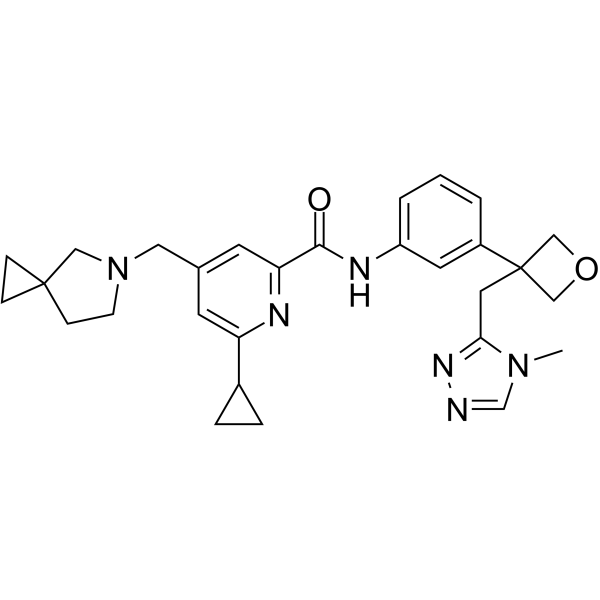
    Cbl-b-IN-1 (Example 519) is an inhibitor of Cbl-b, with an IC50 of less than 100 nM. Cbl-b-IN-1 can promote the secretion of cytokines such as IL-2, IFN-γ, and TNF-α, facilitate T cell activation, and enhance the TCR signaling pathway. Cbl-b-IN-1 can be used in research on immunomodulation .
    Cbl-b-IN-1
  • HY-B1637
    Ditiocarb sodium
    4 Publications Verification

    Sodium diethyldithiocarbamate

    HIV Biochemical Assay Reagents Infection Inflammation/Immunology Cancer
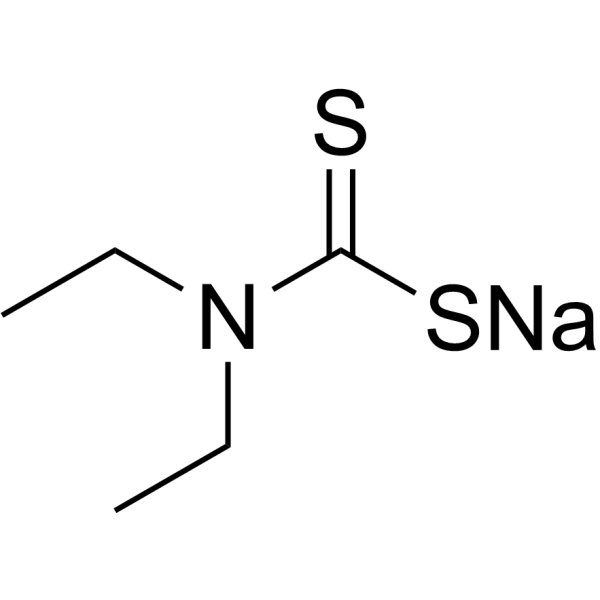
    Ditiocarb sodium (Sodium diethyldithiocarbamate) is an orally active copper reagent. Ditiocarb sodium exhibits activities such as antioxidation, chelation, anti-tumor effects, immunomodulation, and anti-HIV properties. Ditiocarb sodium can be used in the research of tumors, inflammatory, and immune-related diseases .
    Ditiocarb sodium
  • HY-B1637A
    Ditiocarb sodium,98%
    4 Publications Verification

    Sodium diethyldithiocarbamate,98%

    HIV Biochemical Assay Reagents Infection Inflammation/Immunology Cancer
    Ditiocarb sodium,98% (Sodium diethyldithiocarbamate,98%) is an orally active copper reagent. Ditiocarb sodium,98% exhibits activities such as antioxidation, chelation, anti-tumor effects, immunomodulation, and anti-HIV properties. Ditiocarb sodium,98% can be used in the research of tumors, inflammatory, and immune-related diseases .
    Ditiocarb sodium,98%
  • HY-P99510

    LY-3127804

    Tie Inflammation/Immunology Cancer
    Zansecimab (LY-3127804) is a monoclonal antibody against angiopoietin 2 (Ang‑2). Zansecimab can be used in research on angiogenesis, immunomodulation and anti-tumor activity .
    Zansecimab
  • HY-175200

    Slit Proteins Neurological Disease Cancer
    DEL-S1 is a SLIT2 binder. DEL-S1 significantly inhibits the formation of the SLIT2/ROBO1 complex by inducing conformational rearrangement, and further suppresses its function, with an IC50 of 68.8 μM. DEL-S1 can be used in studies of neurodevelopment, immunomodulation, and cancers such as glioblastoma .
    DEL-S1
  • HY-P99744

    TAK-573

    CD38 Inflammation/Immunology Cancer
    Modakafusp alfa (TAK-573) is a humanized, anti-CD38 IgG4 monoclonal antibody fused to 2 attenuated IFNα2b molecules, which delivers interferon-alpha to CD38-expressing cells. Modakafusp alfa has direct anti-proliferative activity on multiple myeloma (MM) cancer cells in vitro and induces robust and durable antitumor responses in MM xenograft tumor models. Modakafusp alfa in combination with anti-PD-1 antibodies induces immunomodulation and antitumor responses with good tolerance in mice .
    Modakafusp alfa
  • HY-W679754

    PFTrDA

    Biochemical Assay Reagents Cytochrome P450 Metabolic Disease
    Pentacosafluorotridecanoic Acid (PFTrDA) is a long-chain perfluoroalkyl carboxylic acid with strong endocrine-disrupting activity. Pentacosafluorotridecanoic Acid exhibits estrogenic effects and disrupts vtg1 transcription as well as sex hormone homeostasis in male Danio rerio. Pentacosafluorotridecanoic Acid disturbs steroidogenesis and HPG axis function in a sex-dependent pattern. Pentacosafluorotridecanoic Acid inhibits CYP17A and CYP11A1 to reduce testosterone and increase E2/T ratio in H295R cells. Pentacosafluorotridecanoic Acid triggers gender-specific immunomodulation after prenatal exposure. Pentacosafluorotridecanoic Acid correlates with lower eczema risk in female infants. Pentacosafluorotridecanoic Acid can be used for the research of endocrine disruption and eczema .
    Pentacosafluorotridecanoic Acid
  • HY-P4744A
    LL-37 amide TFA
    2 Publications Verification

    Formyl Peptide Receptor (FPR) Bacterial Infection Cancer
    LL-37 amide TFA is a selective agonist of formyl peptide receptor-like FPRL1, effectively inhibiting periodontal pathogens (ED99=8.5-8.7 μg/mL). LL-37 amide TFA exerts its bactericidal effect by activating FPRL1-mediated immune cell chemotaxis and disrupting bacterial cell membrane integrity. It can also regulate inflammatory responses (inhibiting the release of factors such as TNF-α) and promote angiogenesis. Amidation modification reduces its sensitivity to serum inhibition and improves its stability. LL-37 amide TFA possesses key activities in bactericidal action, immunomodulation, and wound healing, and is mainly used in research on infection-related diseases such as periodontal disease and deep tissue injuries (pressure ulcers), and wound healing .
    LL-37 amide TFA
  • HY-P99178

    Interleukin Related Inflammation/Immunology Cancer
    CTX-471 is a fully human monoclonal antibody of CD137. CTX-471 has bind affinity for recombinant human, cynomolgus macaque CD137 and mouse CD137 with Kd values of 50 nM, 61 nM and 748 nM, respectively. CTX-471 can be used for the research of immunomodulation and cancer .
    CTX-471
  • HY-14801

    A-007

    Drug Derivative Inflammation/Immunology Cancer
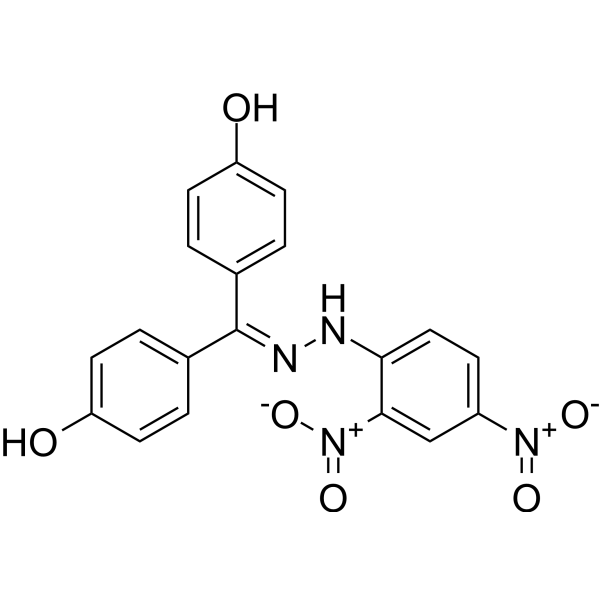
    Sivifene (A-007) is a triaryl hydrazone. Sivifene has anticancer activity and immunomodulatory effects. Sivifene regulates immune regulation by upregulating CD45 T lymphocyte surface receptors .
    Sivifene
  • HY-148744

    Biochemical Assay Reagents Others
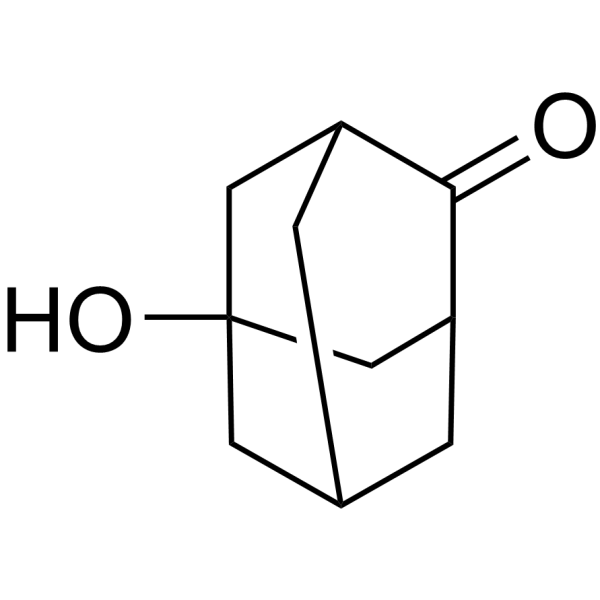
    3-Deoxy-D-manno-2-octulosonic acid (ammonium), 97% can be used for immunomodulation and for studying bacterial lipopolysaccharides (LPS).
    3-Deoxy-D-manno-2-octulosonic acid ammonium, 97%
  • HY-N10520

    Methyl protopectin; Polygalacturonic acid

    Apoptosis Necroptosis Endogenous Metabolite Inflammation/Immunology Cancer
    Pectic acid (Methyl protopectin), a polygalacturonic acid, induces cell apoptosis and necrosis in pituitary tumor cells. Pectic acid can be used in the research of cancers and autoimmune disease .
    Pectic acid
  • HY-157728

    E1/E2/E3 Enzyme Inflammation/Immunology
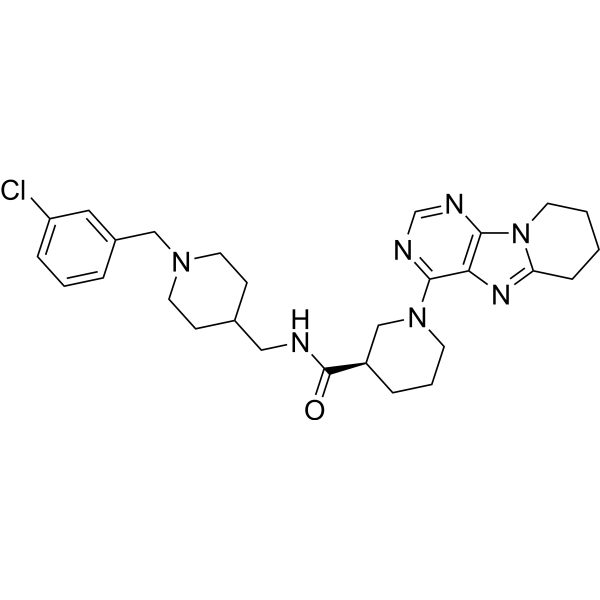
    ML307 is a potent, sub-micromolar, first-in-class Ubc13 enzyme activity inhibitor with an IC50 of 781 nM. ML307 has the potential for immunomodulation and inflammation research .
    ML307
  • HY-N2958

    Phosphodiesterase (PDE) Inflammation/Immunology
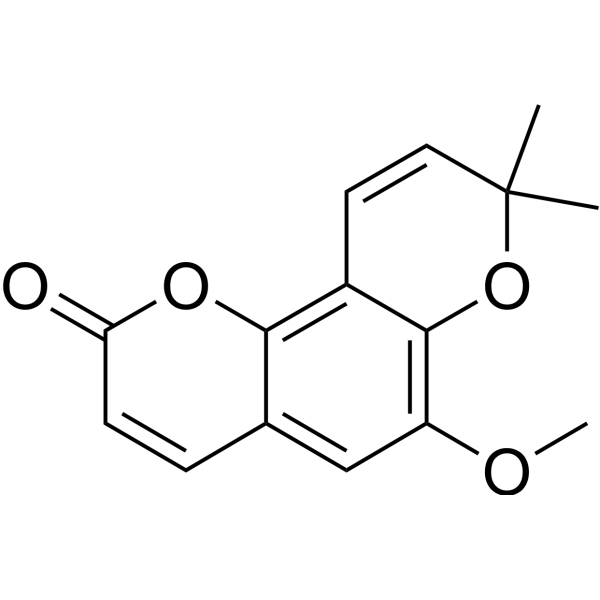
    Braylin, a coumarin, is a potent phosphodiesterase-4 (PDE4) inhibitor and is involved in anti-inflammatory and immunomodulation, which may serve as a potential target for the study of immunoinflammatory diseases .
    Braylin
  • HY-174811

    PROTACs Epigenetic Reader Domain PD-1/PD-L1 Inflammation/Immunology Cancer
    PROTAC BRD4 Degrader-33 is an enzyme activated clickable BRD4 PROTAC degrader with favorable tumor microenvironment-response. PROTAC BRD4 Degrader-33 has superior tumor tissue penetration capabilities and efficiently inhibits PD-L1 protein expression. PROTAC BRD4 Degrader-33 shows potent anti-tumoral immunomodulation activity in 4T1 tumor-bearing mice model . Pink: BRD4 ligand (HY-174812); Blue: CRBN ligase ligand (HY-10984); Black: linker
    PROTAC BRD4 Degrader-33
  • HY-167917

    Drug Isomer Metabolic Disease Inflammation/Immunology Endocrinology Cancer
    Conjugated linoleic acid is a group of isomers of Linoleic acid (HY-N0729) containing conjugated double bonds. Conjugated linoleic acid is mainly derived from dairy products and ruminant meats. Conjugated linoleic acid exhibits various activities such as anti-carcinogenicity, immunomodulation, weight loss promotion, reduction of muscle damage, and alleviation of inflammatory responses. Conjugated linoleic acid can be used as a food additive .
    Conjugated linoleic acid
  • HY-139174

    MAGL Inflammation/Immunology
    (S)-DO271 is a non-active control probe targeting ABHD12, and it has almost no inhibitory activity against ABHD12 (IC50 > 100 μM). (S)-DO271 does not cause the upregulation of inflammatory factors and has no cytotoxicity. (S)-DO271 is suitable as a negative control for validating the functional studies of ABHD12 .
    (S)-DO271
  • HY-172568

    Cannabinoid Receptor Cytochrome P450 Neurological Disease Inflammation/Immunology
    (±)5(6)-EET Ethanolamide is a metabolite of Anandamide (HY-10863) generated via oxidation by cytochrome P450 enzymes. (±)5(6)-EET Ethanolamide is also a selective cannabinoid receptor 2 (CB2) agonist. (±)5(6)-EET Ethanolamide has Ki values of 11.4 μM and 8.9 nM for human CB1 and CB2, respectively . (±)5(6)-EET Ethanolamide can be used in research on immunomodulation and neuroinflammation .
    (±)5(6)-EET Ethanolamide
  • HY-170564

    Phosphatase Inflammation/Immunology
    PTPN22-IN-2 (Compound 8b-19) is a PTPN22 inhibitor with an IC50 of 250 nM. PTPN22-IN-2 can be used for research in the field of immunomodulation .
    PTPN22-IN-2
  • HY-179009

    NOD-like Receptor (NLR) Interleukin Related Inflammation/Immunology
    NOD2 agonist 4 (Compound 12b) is a potent NOD2 agonist with an EC50 of 44.1 nM. NOD2 agonist 4 induces cytokine production (MCP-1, IL-6 and IL-8) in peripheral blood mononuclear cells (PBMCs), both alone and in combination with Lipopolysaccharide (LPS) (HY-D1056). NOD2 agonist 4 can be used for the studies of NOD2-targeted immunomodulator or vaccine adjuvant .
    NOD2 agonist 4
  • HY-P5724

    Bacterial Infection
    Nv-CATH is an antibacterial peptide of frog origin. Nv-CATH has broad-spectrum antibacterial activity against gram-positive and gram-negative bacteria. Nv-CATH significantly protects mice from fatal infections caused by Staphylococcus aureus. Nv-CATH protects mice from bacterial infection through antimicrobial immunoregulatory duality .
    Nv-CATH
  • HY-129577

    Necroptosis Inflammation/Immunology Cancer
    Aplysin is a brominated sesquiterpene with an isoprene backbone that exhibits hepatoprotective, immunomodulatory, and antitumor activities. Aplysin effectively prevents spontaneous pancreatic necrosis and inflammatory responses in NOD mice .
    Aplysin
  • HY-106981

    OR 1384

    NADPH Oxidase Reactive Oxygen Species (ROS) Apoptosis NF-κB NO Synthase STAT Inflammation/Immunology
    Orazipone (OR 1384) is a small molecule immunomodulator with strong anti-inflammatory properties. Orazipone exerts its immunomodulatory effect by forming reversible thiol complexes, which bind to intracellular signaling proteins and the thiol groups of glutathione. Orazipone exhibits potent anti-eosinophilic activity by inducing apoptosis. Orazipone inhibits activation of inflammatory transcription factors NF-kB and STAT 1 and decreases inducible iNOS expression and NO production in response to inflammatory stimuli. Orazipone reduces NADPH oxidase activity and thereby decreases ROS production. Orazipone has a protective effect in intestinal radiation injury .
    Orazipone
  • HY-179875

    Endogenous Metabolite Metabolic Disease
    N-Cholyl-L-leucine is a bile acid-amino acid conjugate, mainly produced by intestinal microorganisms. N-Cholyl-L-leucine can be used as a biomarker for premature infants and is also employed in the study of bile acid metabolism .
    N-Cholyl-L-leucine
  • HY-N15147

    DNA/RNA Synthesis Cardiovascular Disease Neurological Disease Metabolic Disease Inflammation/Immunology Cancer
    Panax saponin C is a ginsenoside found in Ginseng with biological activities including regulatory effects on immunomodulation, protection functions in the central nervous and cardiovascular systems, anti-diabetic, anti-aging, anti-carcinogenic, anti-fatigue, anti-pyretic, anti-stress, boosting physical vitality, and promotion of DNA, RNA, and protein synthesis activities .
    Panax saponin C
  • HY-170770

    Toll-like Receptor (TLR) Inflammation/Immunology
    TLR7/8 agonist 12 (compound 9) is an hTLR7/8 agonist, with EC50 values of 11 nM (hTLR7) and 150 nM (hTLR8), respectively. TLR7/8 agonist 12 has the potential for immunomodulation .
    TLR7/8 agonist 12
  • HY-164073

    Biochemical Assay Reagents Others
    Allylate Dextran is an allyl dextran with good biocompatibility and stability, which can be used for research on immune modulation and targeted delivery .
    Allylate Dextran
  • HY-144465

    Indoleamine 2,3-Dioxygenase (IDO) Cancer
    IDO1-IN-15 is a potent IDO1 inhibitor (IC50=127 nM). IDO1-IN-15 has comparable potency against IDO1 enzyme in vitro with Epacadostat .
    IDO1-IN-15
  • HY-B1637S

    Sodium diethyldithiocarbamate-d10 sodium

    Isotope-Labeled Compounds HIV Biochemical Assay Reagents Infection Inflammation/Immunology Cancer
    Ditiocarb-d10 sodium (Sodium diethyldithiocarbamate-d10) is the deuterium labeled Ditiocarb sodium (HY-B1637). Ditiocarb sodium (Sodium diethyldithiocarbamate) is an orally active copper reagent. Ditiocarb sodium exhibits activities such as antioxidation, chelation, anti-tumor effects, immunomodulation, and anti-HIV properties. Ditiocarb sodium can be used in the research of tumors, inflammatory, and immune-related diseases .
    Ditiocarb-d10 sodium
  • HY-168091

    NOD-like Receptor (NLR) Interleukin Related Inflammation/Immunology
    YM-I-26 is a selective NLRP3 inflammasome inhibitor. YM-I-26 enhances the phagocytosis of β-amyloid protein by mouse microglial BV2 cells and inhibits the production of IL-1β and IL-10. YM-I-26 can be used to study the immunomodulatory activity associated with inflammation .
    YM-I-26
  • HY-N12198

    Others Cancer
    Mollicellin H is a secondary metabolite of the fungus C. brasiliense and has a wide range of biological activities, including immunomodulation, cytotoxicity and anti-tumor effects. The growth inhibitory effects (GI50s) of Mollicellin H on human breast cancer (Bre04), human lung (Lu04) and human neuroma (N04) cell lines are 5.1 μg/mL, 6.5 μg/mL and 2.5 μg/mL respectively .
    Mollicellin H
  • HY-N12834

    Others Inflammation/Immunology Cancer
    Ecdysoside B (compound 6b) is a pregnanoside compound isolated from the plant Ecdysanthera rosea. Ecdysoside B and its derivatives and isomers shows anticancer, immunosuppressive and anti-inflammatory activities. Ecdysoside B shows cytotoxicity to a variety of human tumor cell lines, including PANC-1 (human pancreatic cancer cells), A375 (human melanoma cells) and U87 (brain glioma U87 cells). Ecdysoside B can be used for research in the areas of cancer, immunomodulation and anti-inflammato .
    Ecdysoside B
  • HY-117231

    Others Cancer
    RM 06 is an immunomodulator with a peptidyl hypoxanthine structure that significantly reduces the number of lung metastases of B16 melanoma cells in mice after lethal irradiation and bone marrow reconstitution by stimulating the activity of natural killer (NK) cells .
    RM 06
  • HY-16621

    SphK Inflammation/Immunology
    PPI-4955 is a subtype 1 (S1P₁) agonist of sphingosine-1-phosphate receptor with an EC50 of 1.62 nM. PPI-4955-P (the active phosphorylated form) exhibits excellent receptor selectivity and affinity, and the IC50 values for hS1P₁, hS1P₃, hS1P₄, and hS1P₅ are 0.23, 2000, 6.5, and 184 nM respectively. PPI-4955 has significantly improved in vivo phosphorylation efficiency, which can reduce lymphocytes and improve cardiovascular risk. PPI-4955 can be used in immunomodulation research .
    PPI-4955
  • HY-W679754R

    PFTrDA (Standard)

    Reference Standards Biochemical Assay Reagents Cytochrome P450 Metabolic Disease
    Pentacosafluorotridecanoic Acid (Standard) is the analytical standard of Pentacosafluorotridecanoic Acid (PFTrDA) (HY-W679754). This product is intended for research and analytical applications.Pentacosafluorotridecanoic Acid is a long-chain perfluoroalkyl carboxylic acid with strong endocrine-disrupting activity. Pentacosafluorotridecanoic Acid exhibits estrogenic effects and disrupts vtg1 transcription as well as sex hormone homeostasis in male Danio rerio. Pentacosafluorotridecanoic Acid disturbs steroidogenesis and HPG axis function in a sex-dependent pattern. Pentacosafluorotridecanoic Acid inhibits CYP17A and CYP11A1 to reduce testosterone and increase E2/T ratio in H295R cells. Pentacosafluorotridecanoic Acid triggers gender-specific immunomodulation after prenatal exposure. Pentacosafluorotridecanoic Acid correlates with lower eczema risk in female infants. Pentacosafluorotridecanoic Acid can be used for the research of endocrine disruption and eczema .
    Pentacosafluorotridecanoic Acid (Standard)
  • HY-P11220

    Bacterial Interleukin Related Infection
    Hs02 is a cationic amphiphilic antibacterial peptide derived from human proteins, and it is the membrane-active module of the core chimeric peptide Chim2. Hs02 exhibits broad-spectrum and potent antibacterial activity against various human pathogenic bacteria with the MIC for Staphylococcus aureus and Escherichia coli of as low as 2 μM, and the MBC is 2-4 μM. Hs02 primarily kills bacteria by disrupting the integrity of the bacterial cell membrane, and it has a relatively low selectivity for eukaryotic cell membranes. Hs02 induces the release of IL-12 but does not induce the release of IL-6, indicating its potential for pro-inflammatory or immune activation. Hs02 can be used in antibacterial and immunomodulatory research .
    Hs02
  • HY-180580

    Toll-like Receptor (TLR) MyD88 NF-κB TNF Receptor Interleukin Related Inflammation/Immunology
    SMU-C409 is a TLR1/2 agonist with an EC50 of 65 nM in HEK-Blue hTLR2 Cells. SMU-C409 activates the TLR1/2MyD88NF-κB pathway, inducing TNF-α/IL-1β secretion and robust immune cell activation for antitumor immunomodulation. SMU-C409 shows low toxicity in virto. SMU-C409 can be used for cancer immunotherapy research .
    SMU-C409
  • HY-163747

    VEGFR Cancer
    VEGFR-2-IN-47 (compound 7g) is a potent VEGFR-2 inhibitor with an IC50 value of 0.072 µM. VEGFR-2-IN-47 can induce G2 / M phase cell cycle arrest, promote apoptosis, and boost immunomodulation by downregulating TNF-α expression and upregulating IL-2 levels in MCF-7 cells. VEGFR-2-IN-47 has the potential to be used for the research of cancer such as breast cancer and liver carcinoma .
    VEGFR-2-IN-47
  • HY-181472

    Aryl Hydrocarbon Receptor Interleukin Related Inflammation/Immunology
    10 (11)-Cl-BBQ is a high-affinity aryl hydrocarbon receptor (AhR) agonist. 10 (11)-Cl-BBQ is a mixture of 10-Cl-BBQ and 11-Cl-BBQ, among which 11-Cl-BBQ exhibits higher AhR activation potency than 10-Cl-BBQ. Low-dose/short-term AhR activation by 10 (11)-Cl-BBQ promotes IL-17 production, while high-dose/sustained activation induces regulatory T cells and suppresses immune responses. 10 (11)-Cl-BBQ can be used in immunomodulation research .
    10(11)-Cl-BBQ
  • HY-183607

    STING PD-1/PD-L1 IFNAR Interleukin Related CXCR Cancer
    SMU-3k is a STING activator and PD-L1 inhibitor, with a PD-L1 IC50 of 106 nM, a KD of 386 nM for human PD-L1, and a KD of 352 nM for murine PD-L1. SMU-3k activates the STING pathway, induces phosphorylation of TBK1 and IRF3, and promotes the expression of IFN-β, IL-6 and CXCL10. SMU-3k blocks the PD-1/PD-L1 interaction, reduces PD-L1 levels and induces PD-L1 internalization. Through dual immunomodulation, SMU-3k exerts synergistic tumor growth inhibitory effects in a mouse colon cancer model. SMU-3k can be used for the research of colon cancer .
    SMU-3k

Inquiry Online

Your information is safe with us. * Required Fields.

Salutation


Country or Region *

Applicant Name *


Organization Name *

Department *


Email Address *


Product Name *

Cat. No.


Requested quantity *

Phone Number *


Remarks

Inquiry Online

Inquiry Information

Product Name:
Cat. No.:
Quantity:
MCE Japan Authorized Agent:

