1. Search Result
Search Result
Results for "

immunosuppressive activities

" in MedChemExpress (MCE) Product Catalog:

100

Inhibitors & Agonists

1

Screening Libraries

1

Fluorescent Dyes

1

Biochemical Assay Reagents

9

Peptides

13

Inhibitory Antibodies

26

Natural
Products

9

Isotope-Labeled Compounds

2

Oligonucleotides

1

GMP Molecules

Cat. No. Product Name Target Research Areas Chemical Structure
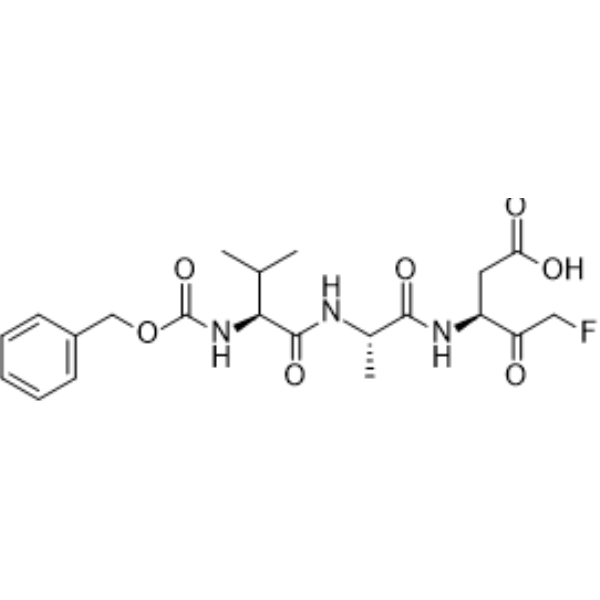
  • HY-16658B
    Z-VAD-FMK
    Maximum Cited Publications
    740 Publications Verification

    Z-VAD(OH)-FMK

    Caspase Apoptosis RIP kinase Glutathione Peroxidase Reactive Oxygen Species (ROS) Inflammation/Immunology Cancer
    Z-VAD-FMK is a pan-caspase inhibitor and also an ICE-like protease inhibitor, which inhibits apoptosis by preventing the processing of CPP32 to its active form. Z-VAD-FMK sensitivity varies primarily due to differential expression of receptor-interacting protein 1 (RIP1). Z-VAD-FMK limits the cryopreservation-induced apoptosis by reducing caspase-3 activity of in vitro produced bovine embryos. Z-VAD-FMK is immunosuppressive in vitro and inhibits T cell proliferation without blocking the processing of caspase-8 and caspase-3. Z-VAD-FMK leads to a decrease in intracellular glutathione (GSH) with a concomitant increase in reactive oxygen species (ROS) levels in activated T cells. Z-VAD-FMK is due to oxidative stress via the depletion of GSH. Z-VAD-FMK can be used for the study of acute pancreatitis .
    Z-VAD-FMK
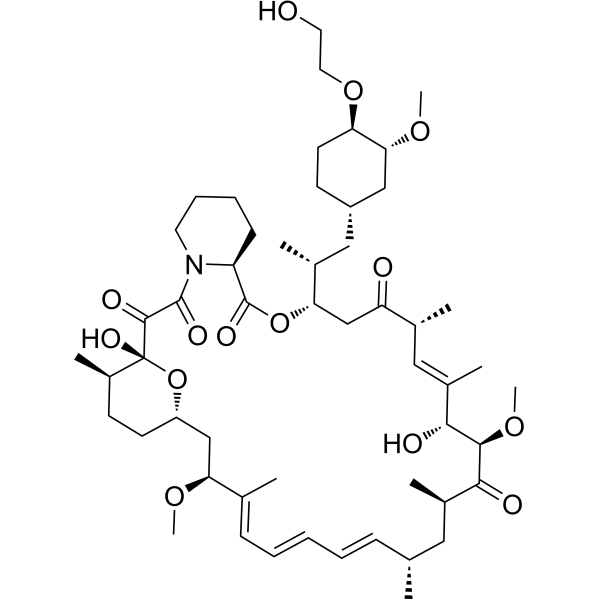
  • HY-10218
    Everolimus
    110+ Cited Publications

    RAD001; SDZ-RAD

    mTOR FKBP Autophagy Apoptosis Bacterial Infection Neurological Disease Metabolic Disease Inflammation/Immunology Cancer
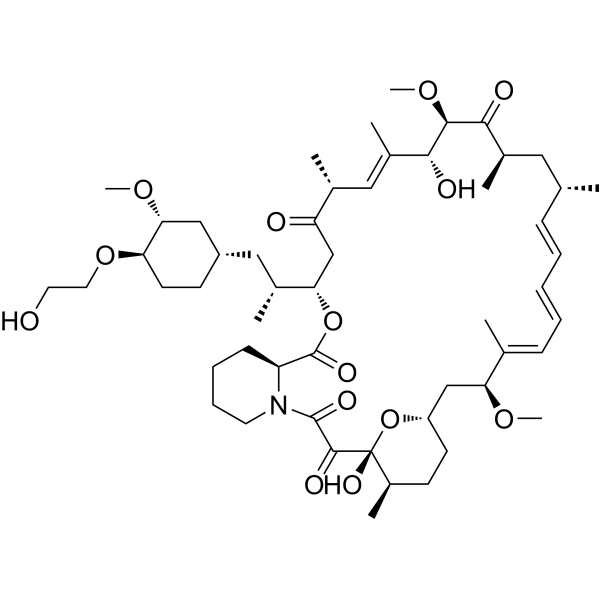
    Everolimus (RAD001) is a Rapamycin (HY-10219) derivative and a potent, selective, orally active, blood-brain barrier-permeable mTOR1 inhibitor. Everolimus binds to FKBP-12 to generate an immunosuppressive complex. Everolimus inhibits tumor cells proliferation and induces cell apoptosis and autophagy. Everolimus has potent immunosuppressive and anticancer activities .
    Everolimus
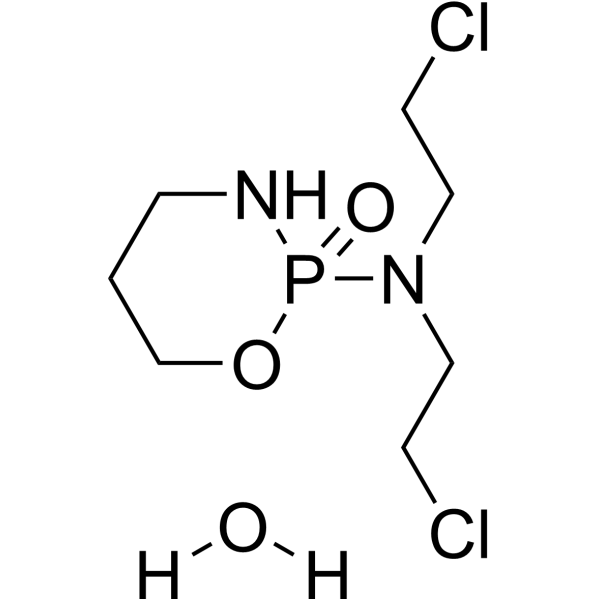
  • HY-17420A
    Cyclophosphamide hydrate
    65+ Cited Publications

    Cyclophosphamide monohydrate

    DNA Alkylator/Crosslinker Cancer
    Cyclophosphamide hydrate is a synthetic alkylating agent chemically related to the nitrogen mustards with antineoplastic and immunosuppressive activities.
    Cyclophosphamide hydrate
  • HY-13570
    Betamethasone
    3 Publications Verification

    Glucocorticoid Receptor Apoptosis Inflammation/Immunology Endocrinology Cancer
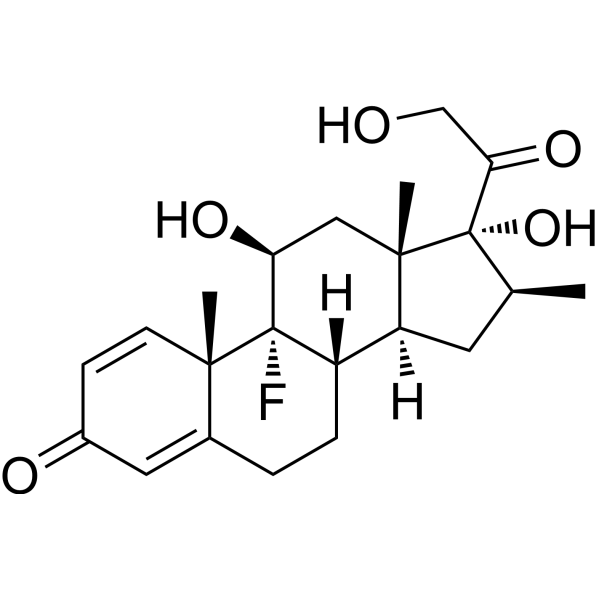
    Betamethasone is a synthetic glucocorticoid with anti-inflammatory and immunosuppressive activities. Betamethasone accelerates fetal lung maturation and induces gene expression and apoptosis .
    Betamethasone
  • HY-124586
    Streptonigrin
    1 Publications Verification

    Bruneomycin

    Antibiotic Protein Arginine Deiminase E1/E2/E3 Enzyme HIF/HIF Prolyl-Hydroxylase MDM-2/p53 Apoptosis Infection Inflammation/Immunology Cancer
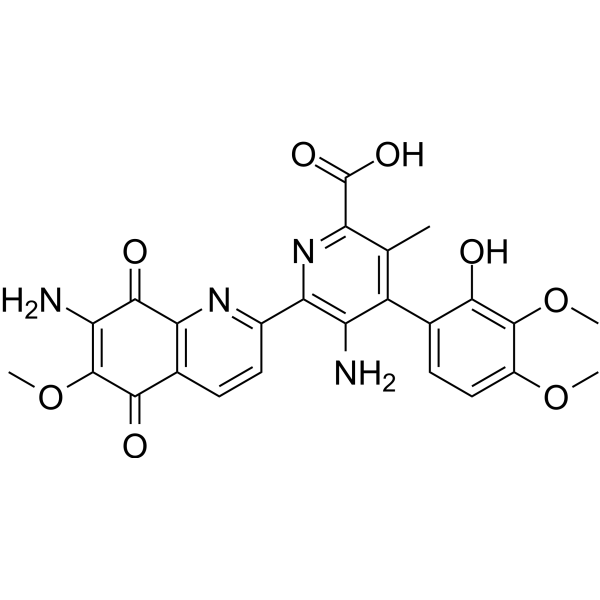
    Streptonigrin (Bruneomycin) is an orally active antibiotic and pan-PAD inhibitor, inhibiting PAD1, PAD2, PAD3 and PAD4 with IC50 of 48.3 μM, 26.1 μM, 0.43 μM and 2.5 μM, respectively. Streptonigrin inhibits SENP1 (IC50 of 0.518 μM) and reduces HIF1α. Streptonigrin increases p53 and Apoptosis. Streptonigrin shows antiviral activity against Rauscher murine leukemia virus. Streptonigrin has immunosuppressive effects. Streptonigrin has antitumor activity against osteosarcoma .
    Streptonigrin
  • HY-P99144A
    Anti-Mouse PD-1 Antibody (S-5001)
    1 Publications Verification

    PD-1/PD-L1 Inflammation/Immunology Cancer
    Anti-Mouse PD-1 Antibody (S-5001) is a selective inhibitor targeting PD-1, blocking the PD-1/PD-L1 immune checkpoint axis through competitive binding to PD-1. Anti-Mouse PD-1 Antibody (S-5001) works by reversing the tumor immunosuppressive microenvironment and reactivating the anti-tumor activity of cytotoxic T lymphocytes. It can be used in research on tumors such as melanoma and HPV-positive oropharyngeal squamous cell carcinoma. Anti-Mouse PD-1 Antibody (S-5001) is often combined with photothermal therapy, chemotherapy, etc., to enhance efficacy .
    Anti-Mouse PD-1 Antibody (S-5001)
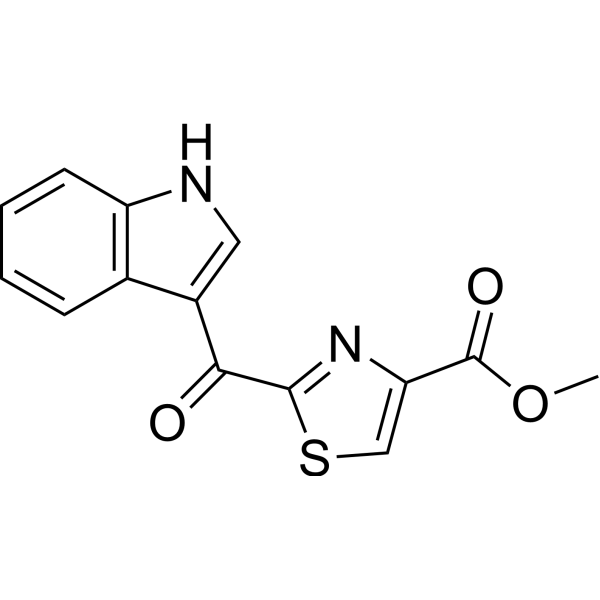
  • HY-19317
    ITE
    5+ Cited Publications

    Aryl Hydrocarbon Receptor Inflammation/Immunology Cancer
    ITE is a potent endogenous agonist of aryl hydrocarbon receptor (AhR), binding directly to AHR, with a Ki of 3 nM. ITE also has immunosuppressive activity.
    ITE
  • HY-14518

    4-Aminofolic acid; APGA

    Antifolate Inflammation/Immunology Cancer
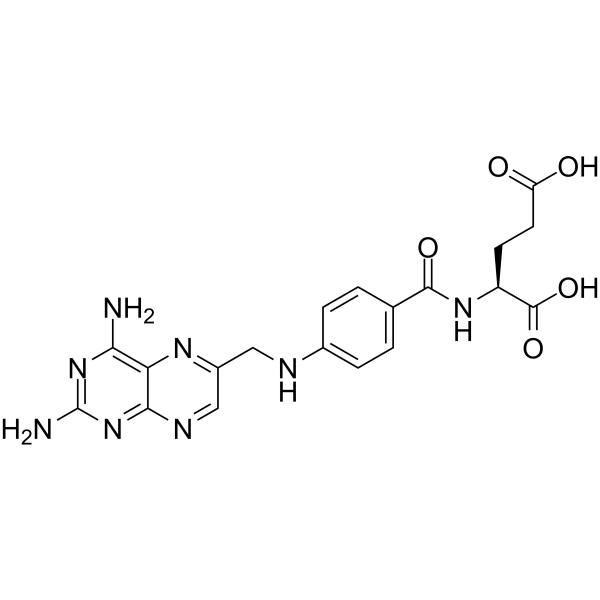
    Aminopterin (4-Aminofolic acid), the 4-amino derivative of folic acid, is a folic acid antagonist. Aminopterin catalyses the reduction of folic acid to tetrahydrofolic acid, and competitively inhibits dihydrofolate reductase (DHFR) with a Ki of 3.7 pM. Aminopterin has anticancer and immunosuppressive activity. Aminopterin is used in treatment of pediatric leukemia .
    Aminopterin
  • HY-N6961
    Lapachol
    3 Publications Verification

    Dihydroorotate Dehydrogenase DNA/RNA Synthesis Parasite Infection Inflammation/Immunology Cancer
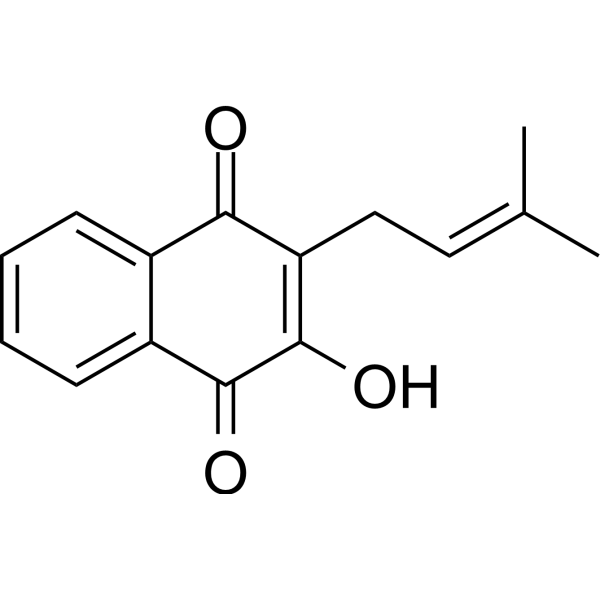
    Lapachol, a natural naphthoquinone, is an orally active, potent DHODH inhibitor. Lapachol has immunosuppressive activity on lymphocytes through its direct ability to block DHODH activity and inhibit pyrimidine synthesis. Lapachol is a vitamin K antagonist with antitumor activity and can inhibit DNA and RNA synthesis in neoplastic cells. Lapachol has anti-Leishmania activity .
    Lapachol
  • HY-153358

    HDAC Cancer
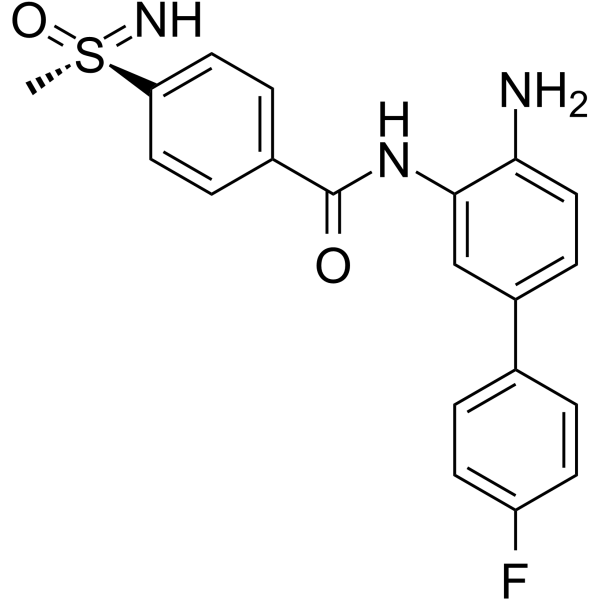
    TNG260 is a selective, orally effective inhibitor of HDAC1 and CoREST complex, with a 10-fold selectivity for HDAC1 over HDAC3 and a 500-fold selectivity for CoREST complex over NuRD and Sin3 complex. TNG260 reshapes the tumor immune microenvironment, reduces immunosuppressive neutrophil infiltration, promotes effector T cell recruitment, and reverses anti-PD-1 resistance caused by STK11 deficiency by inhibiting the activity of the CoREST-HDAC1 complex. TNG260 induces durable tumor regression in combination with α-PD1 in MC38 tumor-bearing mice with STK11 mutations, and has lower toxicity to bone marrow cells than non-selective HDAC inhibitors .
    TNG260
  • HY-10218S

    RAD001-d4; SDZ-RAD-d4

    mTOR FKBP Autophagy Apoptosis Cancer
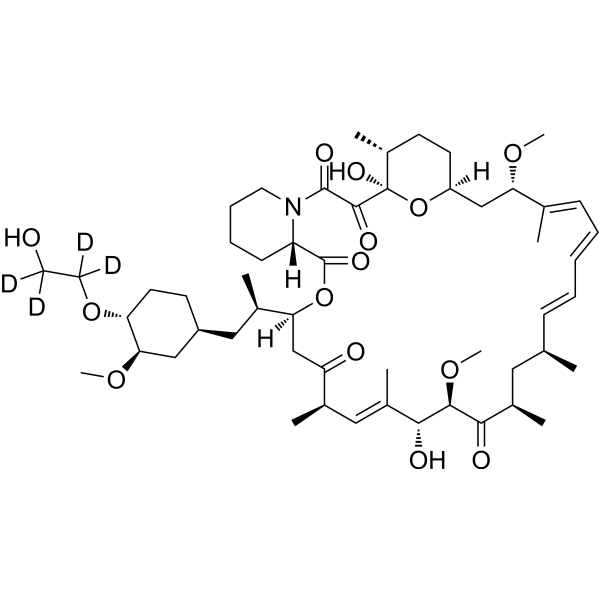
    Everolimus-d4 is the deuterium labeled Everolimus. Everolimus (RAD001) is a Rapamycin derivative and a potent, selective and orally active mTOR1 inhibitor. Everolimus binds to FKBP-12 to generate an immunosuppressive complex. Everolimus inhibits tumor cells proliferation and induces cell apoptosis and autophagy. Everolimus has potent immunosuppressive and anticancer activities .
    Everolimus-d4
  • HY-126147

    HDAC Cancer
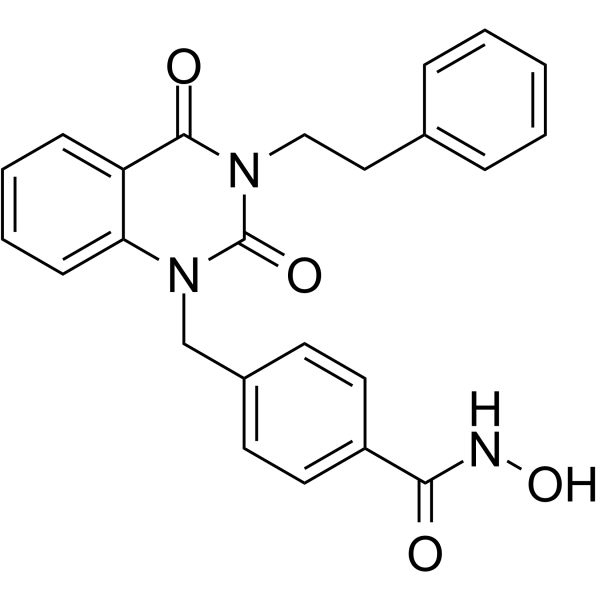
    J22352 is a PROTAC (proteolysis-targeting chimeras)-like and highly selective HDAC6 inhibitor with an IC50 value of 4.7 nM. J22352 promotes HDAC6 degradation and induces anticancer effects by inhibiting autophagy and eliciting the antitumor immune response in glioblastoma cancers, and leading to the restoration of host antitumor activity by reducing the immunosuppressive activity of PD-L1 .
    J22352
  • HY-18620
    DZ2002
    1 Publications Verification

    STAT PI3K NF-κB MEK ERK Bacterial Antibiotic Akt Inflammation/Immunology
    DZ2002 is an orally active, reversible and low-cytotoxic type III SAHH inhibitor (Ki=17.9 nM), with good immunosuppressive activity. DZ2002 prevents the development of experimental dermal fibrosis by reversing the profibrotic phenotype of various cell types. DZ2002 can be used in studies of autoimmune diseases such as lupus syndrome and systemic sclerosis .
    DZ2002
  • HY-N6939
    Pseudolaric Acid B
    2 Publications Verification

    HBV Fungal Apoptosis Autophagy Ferroptosis Interleukin Related HIF/HIF Prolyl-Hydroxylase Infection Cardiovascular Disease Inflammation/Immunology Cancer
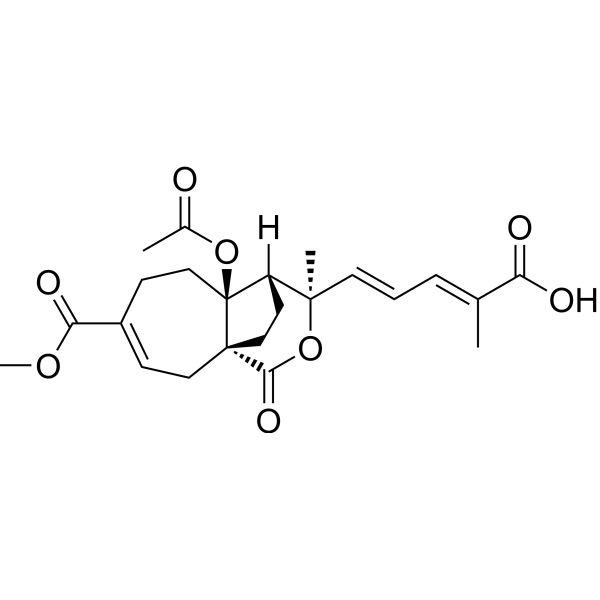
    Pseudolaric Acid B is an orally active diterpene acid. Pseudolaric Acid B has anti-fungal, anti-fertility, anti-angiogenesis and anticancer activity, and can induce tumor cell apoptosis and autophagy. In addition, Pseudolaric Acid B can inhibit the secretion of hepatitis B virus (HBV) and has immunosuppressive effect, selectively inhibiting the proliferation of T lymphocytes and the production of IL-2 .
    Pseudolaric Acid B
  • HY-10218R

    RAD001 (Standard); SDZ-RAD (Standard)

    Reference Standards mTOR FKBP Autophagy Apoptosis Bacterial Cancer
    Everolimus (Standard) is the analytical standard of Everolimus. This product is intended for research and analytical applications. Everolimus (RAD001) is a Rapamycin (HY-10219) derivative and a potent, selective and orally active mTOR1 inhibitor. Everolimus binds to FKBP-12 to generate an immunosuppressive complex. Everolimus inhibits tumor cells proliferation and induces cell apoptosis and autophagy. Everolimus has potent immunosuppressive and anticancer activities .
    Everolimus (Standard)
  • HY-159650

    Adenosine Receptor Cancer
    EOS-984 is a highly potent and selective ENT1 (equilibrative nucleoside transporter 1) inhibitor. EOS-984 is designed to inhibit the immunosuppressive activity of adenosine and restore immune cell proliferation .
    EOS-984
  • HY-P1684
    Peptide P60
    1 Publications Verification

    FOXP3 inhibitor P60

    NF-κB Nuclear Factor of activated T Cells (NFAT) Infection Inflammation/Immunology Cancer
    Peptide P60 is a FOXP3 inhibitor. Peptide P60 reduces the nuclear translocation of FOXP3 and impairs FOXP3-mediated inhibition of NF-κB and NFAT activity. Peptide P60 inhibits the immunosuppressive activity of regulatory T cells and restores the proliferation and activation of effector T cells. Peptide P60 induces lymphoproliferative autoimmune syndrome in neonatal ICR mice and reduces the number of CD4 +CD25 +Foxp3 + T cells in the spleen. Peptide P60 enhances the efficacy of AH1 (HY-P4193) peptide vaccine and recombinant adenovirus-based HCV NS3 vaccine in BALB/c mice, including protective effects against CT26 tumor implantation. Peptide P60 can be used in studies related to tumor immunity, viral infection and lymphoproliferative autoimmune syndrome .
    Peptide P60
  • HY-W012352

    Ferroptosis Cancer
    2-Hydroxyanthraquinone, a natural compound, possesses antitumor and immunosuppressive activity .
    2-Hydroxyanthraquinone
  • HY-78144

    Drug Derivative Drug Intermediate Inflammation/Immunology
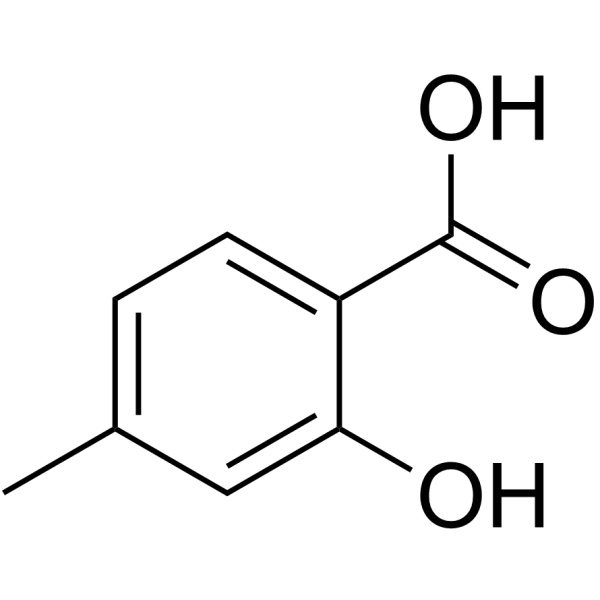
    4-Methylsalicylic acid is a methyl derivative of Salicylic acid (HY-B0167). 4-Methylsalicylic acid derivatives inhibit the activity of alkaline phosphatases such as TNAP and IAP. 4-Methylsalicylic acid derivatives exhibit immunosuppressive activity .
    4-Methylsalicylic acid
  • HY-N7766
    Rubropunctatin
    1 Publications Verification

    Apoptosis Inflammation/Immunology Cancer
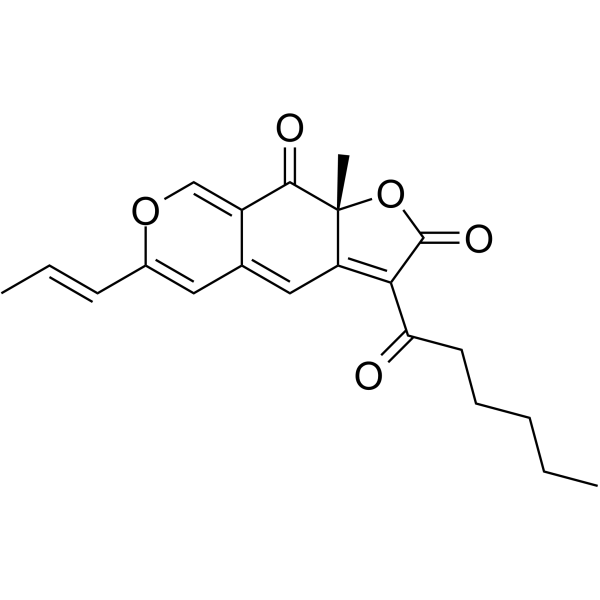
    Rubropunctatin, an orange azaphilone pigment, is isolated from the extracts of Monascus pilosus-fermented rice (red-mold rice). Rubropunctatin has anti-inflammatory, immunosuppressive and antioxidative effects, and also exhibits anti-tumor activity .
    Rubropunctatin
  • HY-13570R
    Betamethasone (Standard)
    3 Publications Verification

    Reference Standards Glucocorticoid Receptor Apoptosis Inflammation/Immunology Endocrinology Cancer
    Betamethasone (Standard) is the analytical standard of Betamethasone. This product is intended for research and analytical applications. Betamethasone is a synthetic glucocorticoid with anti-inflammatory and immunosuppressive activities. Betamethasone accelerates fetal lung maturation and induces gene expression and apoptosis .
    Betamethasone (Standard)
  • HY-108583

    5-(4-Phenylbutoxy)psoralen

    Potassium Channel Inflammation/Immunology
    Psora-4 is a potent and selective inhibitor of Kv1.3 (voltage-gated potassium channels) with an EC50 of 3 nM . Psora-4 has immunosuppressive activity and inhibits proliferation of human and rat myelin-specific effector memory T cells in vitro .
    Psora-4
  • HY-164860

    Glucocorticoid Receptor ADC Payload Inflammation/Immunology
    Glucocorticoid receptor agonist-5 (compound 4), a glucocorticoid molecule, is a potent glucocorticoid receptor agonist. Glucocorticoid receptor agonist-5 shows anti-inflammatory and immunosuppressive activity. Glucocorticoid receptor agonist-5 is used as an ADC Cytotoxin for antibody-drug conjugate .
    Glucocorticoid receptor agonist-5
  • HY-N7700A
    Guluronic acid sodium
    1 Publications Verification

    G2013 sodium

    VEGFR Toll-like Receptor (TLR) COX NO Synthase NF-κB MMP Inflammation/Immunology Cancer
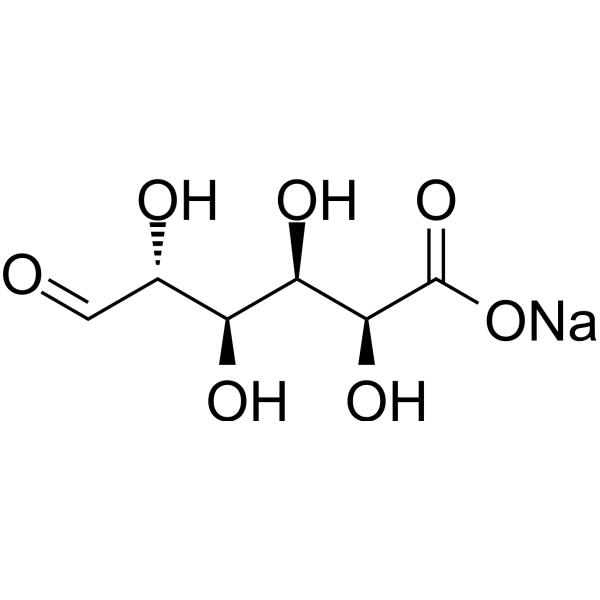
    Guluronic acid (G2013) sodium is an orally active oxidative stress regulator and anti-inflammatory agent that exerts pharmacological effects by down-regulating various pro-inflammatory and oxidative stress-related genes (such as TLR4, NF-κB, iNOS, etc.) and inhibiting the activities of COX-2, MMPs and VEGF. Low-dose Guluronic acid sodium up-regulates the expression of immunoregulatory genes SHIP1 and SOCS1, thereby effectively inhibiting cancer-related inflammation, tumor angiogenesis, cell adhesion and metastasis, while reducing the accumulation of immunosuppressive cells. Guluronic acid sodium significantly prolongs the survival time of tumor-bearing hosts within a concentration range without direct cytotoxicity, demonstrating favorable safety. Guluronic acid sodium has involved in the research of multiple sclerosis, ankylosing spondylitis, breast cancer and other inflammatory diseases .
    Guluronic acid sodium
  • HY-N7700

    G2013

    MMP COX VEGFR Toll-like Receptor (TLR) NF-κB NO Synthase Inflammation/Immunology Cancer
    Guluronic acid (G2013) is an orally active oxidative stress regulator and anti-inflammatory agent that exerts pharmacological effects by down-regulating various pro-inflammatory and oxidative stress-related genes (such as TLR4, NF-κB, iNOS, etc.) and inhibiting the activities of COX-2, MMPs and VEGF. Low-dose Guluronic acid up-regulates the expression of immunoregulatory genes SHIP1 and SOCS1, thereby effectively inhibiting cancer-related inflammation, tumor angiogenesis, cell adhesion and metastasis, while reducing the accumulation of immunosuppressive cells. Guluronic acid significantly prolongs the survival time of tumor-bearing hosts within a concentration range without direct cytotoxicity, demonstrating favorable safety. Guluronic acid has involved in the research of multiple sclerosis, ankylosing spondylitis, breast cancer and other inflammatory diseases .
    Guluronic acid
  • HY-17420AR

    Cyclophosphamide monohydrate (Standard)

    Reference Standards DNA Alkylator/Crosslinker Cancer
    Cyclophosphamide (hydrate) (Standard) is the analytical standard of Cyclophosphamide (hydrate). This product is intended for research and analytical applications. Cyclophosphamide hydrate is a synthetic alkylating agent chemically related to the nitrogen mustards with antineoplastic and immunosuppressive activities.
    Cyclophosphamide hydrate (Standard)
  • HY-118438

    Aryl Hydrocarbon Receptor Inflammation/Immunology
    10-Cl-BBQ is a high affinity AhR ligand with immunosuppressive activity. 10-Cl-BBQ promotes cytosol to nuclear translocation of AhR and activates the AhR-regulated reporter gene at nanomolar concentrations .
    10-Cl-BBQ
  • HY-W015800

    Drug Intermediate Others
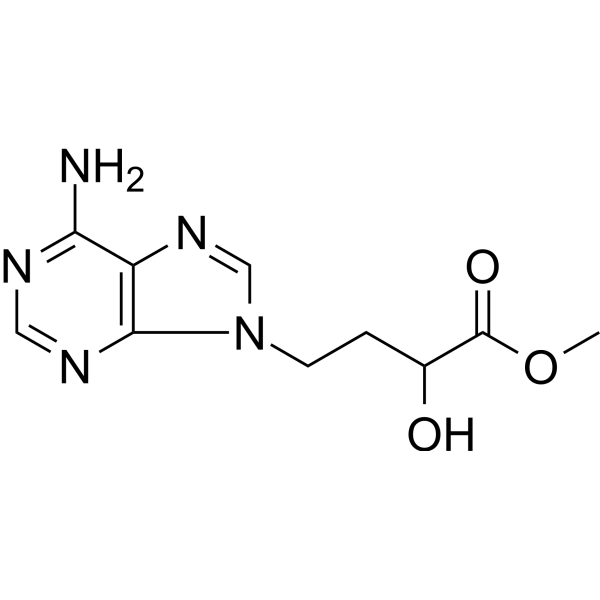
    L-Homoserine lactone hydrochloride is the core structural unit of the bacterial quorum-sensing signal molecule N-acyl-L-homoserine lactone (AHLs). As an important intermediate, L-Homoserine lactone hydrochloride acylated derivatives have potent immunosuppressive activity .
    L-Homoserine lactone hydrochloride
  • HY-106345

    FKBP Calcium Channel Neurological Disease Inflammation/Immunology
    ILS-920 is a nonimmunosuppressive Rapamycin analog with reduced immunosuppressive activity and potent neuroprotective activity. ILS-920 binds selectively to the immunophilin FKBP52 and to the β1-subunit of L-type voltage-gated calcium channels (VGCC). ILS-920 shows 200-fold selectivity for FKBP52 versus FKBP12 .
    ILS-920
  • HY-14370

    LPL Receptor Others Inflammation/Immunology
    LX2931 is an inhibitor of Sphingosine 1-Phosphate Lyase (S1PL). LX2931 works by increasing levels of S1P inside and outside the cell. The decrease in S1PL activity leads to a significant increase in S1P content in tissues, especially in lymphoid tissues which may lead to a restricted exodus of lymphocytes from secondary immune tissues, resulting in lymphocytopenic and immunosuppressive effects in the peripheral circulation. LX2931 can be used in research for the study of autoimmune diseases, especially rheumatoid arthritis .
    LX2931
  • HY-117720

    PKC Apoptosis Cancer
    OSU-2S is a potent PKCδ activator. OSU-2S inhibits cell proliferation and migration. OSU-2S decreases the expression of p-ERK1/2, increases the expression of PKCδ (38 kDa) when combined with Sorafenib (HY-10201). OSU-2S induces Apoptosis. OSU-2S slao is a non-immunosuppressive analogue of FTY720. OSU-2S shows anticancer activity .
    OSU-2S
  • HY-W010989

    Biochemical Assay Reagents Bacterial Infection Neurological Disease Inflammation/Immunology Cancer
    Gly-His-Lys acetate is a natural, circulating regulatory and antimicrobial tripeptide derived from extracellular matrix proteins. Gly-His-Lys acetate binds Cu 2+ to support copper enzyme activation, antioxidant processes, cellular bioenergetics, and the synthesis of elastin, collagen and catecholamines. Gly-His-Lys acetate regulates cell growth, differentiation and tissue repair, and exerts regenerative, anxiolytic, anti-inflammatory, analgesic and immunosuppressive activities. Gly-His-Lys acetate induces liver degenerative changes. Gly-His-Lys acetate can be used for the research of infections, anxiety, pain-related behaviors and immune-associated liver diseases .
    Gly-His-Lys acetate
  • HY-168376

    9(10)-Nitrated oleic acid

    PPAR ERK Akt NO Synthase Metabolic Disease Inflammation/Immunology
    9 (10)-Nitrooleate (9(10)-Nitrated oleic acid) is an endogenous lipid signaling mediator with vasoprotective effects. 9 (10)-Nitrooleate enhances enzymatic activity and improves nitric oxide bioavailability by inducing phosphorylation of Akt and ERK1/2, regulating the multi-site phosphorylation status of eNOS and optimizing its interaction with Hsp90. 9 (10)-Nitrooleate also activates PPARα, PPARδ and PPARγ receptors, thereby regulating adipogenesis, glucose uptake and inflammation-related gene expression, and exhibits immunosuppressive effects by inhibiting neutrophil migration and cytokine secretion. 9 (10)-Nitrooleate is widely used in studies of sepsis and related inflammatory diseases .
    9(10)-Nitrooleate
  • HY-P10862

    Exosomes Virus Protease Infection Cancer
    AH-D peptide is a brain-penetrant antiviral agent disrupting highly curved lipid membranes. AH-D peptide exhibits broad-spectrum antiviral activity against ZIKV, Dengue virus, Chikungunya virus, yellow fever virus and Japanese encephalitis virus, with
    IC50
    values of 11.9, 12.5, 35.7, 206 and 136 nM, respectively. AH-D peptide reduces the viral load in the brain, suppresses inflammation, protects neurons, and does not damage the blood brain barrier. AH-D peptide restores antitumor immunity by decreasing circulating PD-L1 + exosomes, reducing intratumoral immunosuppressive cells (regulatory T cells, myeloid-derived suppressor cells), and enhancing T cell function. AH-D peptide inhibits membrane-enveloped viruses and cancer cell metastasis in vivo. AH-D peptide exhibits no immunogenicity and has negligible effects on normal tissues. AH-D peptide can be used for research in Zika virus and other mosquito-borne viruses, cancer immunotherapy and metastasis .
    AH-D peptide
  • HY-P991114

    FLT3 Inflammation/Immunology
    Adezkibart is a human monoclonal antibody immunosuppressant targeting the human FMS-like tyrosine kinase 3 ligand (FLT3LG). Adezkibart is found in the Chinese hamster ovary cell line CHO-K1, which binds to FLT3LG to block the relevant signaling pathway, inhibits the immune response, and exerts immunosuppressive activity. Adezkibart is promising for research of immune-related diseases .
    Adezkibart
  • HY-107101

    PG 701; LLDT-8; 5α-Hydroxytriptolide

    IFNAR CD74 JNK Interleukin Related TNF Receptor NF-κB HIV Inflammation/Immunology
    (5R)-5-Hydroxytriptolide is an extracted compound from Tripterygium, and shows lower cell cytotoxicity and higher immunosuppressive activity. (5R)-5-Hydroxytriptolide can be used for study of rheumatoid arthritis .
    (5R)-5-Hydroxytriptolide
  • HY-P10839

    NF-κB Inflammation/Immunology
    NBD peptide inhibits NF-κB signaling pathway through inhibition of the NEMO-IKK complex combination. NBD peptide exhibits anti-inflammatory efficacy through block of pro-inflammatory cytokines production. NBD peptide exhibits immunosuppressive activity through regulation of immune cells. NBD peptide enhances its transmembrane ability by combining with cell-penetrating peptide HIV-TAT .
    NBD peptide
  • HY-149916

    Adenosine Receptor Cancer
    A2AR-antagonist-1 (compound 38) is an orally active adenosine A2A receptor (A2AR) antagonist (IC50=29 nM). A2AR-antagonist-1 exhibits anti-tumor activity and mouse liver microsomal metabolic stability (t1/2=86.1 min). A2AR-antagonist-1 is also a T cells activator, via inhibiting immunosuppressive molecules (LAG-3 and TIM-3) and enhancing effector molecules (GZMB, IFNG, and IL-2) .
    A2AR-antagonist-1
  • HY-N4319

    Others Inflammation/Immunology
    Jasminoside B is a natural compound with immunosuppressive activity .
    Jasminoside B
  • HY-P991122

    ONO-4685

    PD-1/PD-L1 CD3 Inflammation/Immunology Cancer
    Besufetamig is a bispecific antibody targeting programmed cell death 1 (PD-1) and CD3ε chain. Besufetamig modulates the activity of immune cells, exerting immunosuppressive and antineoplastic activities. Besufetamig is promising for research of cancers .
    Besufetamig
  • HY-W751099

    17-Deoxycortisol-13C3; 11β,21-Dihydroxyprogesterone-13C3; Kendall's compound B-13C3

    Isotope-Labeled Compounds Others
    Corticosterone- 13C3 is a 13C-labeled corticosterone (HY-B1618). Corticosterone (17-Deoxycortisol) is an orally available glucocorticoid that can regulate limbic system neurons and has good immunosuppressive activity.
    Corticosterone-13C3
  • HY-170616

    Fungal Interleukin Related Infection Inflammation/Immunology
    JH-FK-08 is an inhibitor for the serine/threonine-specific phosphatase calcineurin. JH-FK-08 exhibits antifungal activity that inhibits C. neoformans with MIC80 of 0.8 µg/mL. JH-FK-08 exhibits immunosuppressive activity and inhibits the IL-2 expression with an IC50 of 42.6 nM. JH-FK-08 exhibits anti-infectious activity in mouse models .
    JH-FK-08
  • HY-P991543

    CD2 Inflammation/Immunology Cancer
    BTI-322 is a human IgG1κ antibody directed against the CD2 antigen on T cells and NK cells. BTI-322 can block primary and memory alloantigen proliferative responses in vitro. BTI-322 recognizes over 90% of E-rosette-forming peripheral blood lymphocytes and T-cell leukemias. BTI-322 has immunosuppressive activity. BTI-322 effectively inhibits T cell responses in vitro to allogeneic cells. BTI-322 can be used as a T-cell deplting agent. BTI-322 can be studied in research for renal allograft rejection and steroid-refractory acute graft-versus-host disease .
    BTI-322
  • HY-148992

    Calcineurin Fungal Infection
    APX879 is a fungal-specific calcineurin inhibitor that has less immunosuppressive activities and toxicities. APX879 is a C22-modified FK506 (HY-13756) analog, which maintains broad-spectrum antifungal activity .
    APX879
  • HY-167845

    LD003

    Interleukin Related Inflammation/Immunology
    LD03-DEX is a precursor compound of dexamethasone (HY-14648) with immunosuppressive activity .
    LD03-DEX
  • HY-N12739

    Others Others
    Sibiriquinone A is a diterpene which can be extracted from Veronicastrum sibiricum. Sibiriquinone A exerts immunosuppressive activity and can be used for relevant researches .
    Sibiriquinone A
  • HY-N15137

    Endogenous Metabolite Inflammation/Immunology
    Calycopterin is a flavonoid compound that can be found in the leaves of Digitalis thapsi and exhibits immunosuppressive activity. Calycopterin is expected to be useful in the study of immune diseases .
    Calycopterin
  • HY-13570A

    Glucocorticoid Receptor Apoptosis Inflammation/Immunology Endocrinology Cancer
    Betamethasone hydrochloride is a synthetic glucocorticoid with anti-inflammatory and immunosuppressive activities. Betamethasone hydrochloride accelerates fetal lung maturation and induces gene expression and apoptosis .
    Betamethasone hydrochloride
  • HY-A0288

    Glucocorticoid Receptor Inflammation/Immunology
    Loteprednol is a synthetic corticosteroid that belongs to a family of glucocorticoids. Loteprednol has anti-inflammatory, antiallergic and immunosuppressive activities. Loteprednol can be used to study eye inflammation .
    Loteprednol
  • HY-16035

    DNA/RNA Synthesis Antibiotic Cancer
    Alatrofloxacin, the parenteral proagent of Trovafloxacin, is a fluoronaphthyridone which contains an L-alanyl-L-alanyl salt. Alatrofloxacin functions similar to other fluoroquinolone antibiotics in that it not only has antibiotic activity to kill invading organisms by interfering with DNA synthesis, it possesses immunosuppressive activity .
    Alatrofloxacin

Inquiry Online

Your information is safe with us. * Required Fields.

Salutation


Country or Region *

Applicant Name *


Organization Name *

Department *


Email Address *


Product Name *

Cat. No.


Requested quantity *

Phone Number *


Remarks

Inquiry Online

Inquiry Information

Product Name:
Cat. No.:
Quantity:
MCE Japan Authorized Agent:

