
10022 Results for "

inflammation

" in MedChemExpress (MCE) Product Catalog:
Products (10022)

10022 Results for "inflammation" in MCE Product Catalog:

755
755 Publications Verification
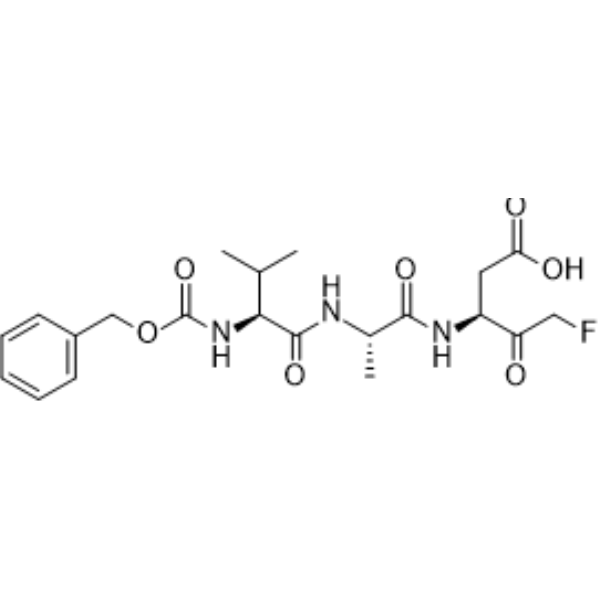
Art. -Nr.: HY-16658B
CAS. Nr.: 161401-82-7
Synonyms: Z-VAD(OH)-FMK
Z-VAD-FMK is a pan-caspase inhibitor and also an ICE-like protease inhibitor, which inhibits apoptosis by preventing the processing of CPP32 to its active form. Z-VAD-FMK sensitivity varies primarily due to differential expression of receptor-interacting protein 1 (RIP1). Z-VAD-FMK limits the cryopreservation-induced apoptosis by reducing caspase-3 activity of in vitro produced bovine embryos. Z-VAD-FMK is immunosuppressive in vitro and inhibits T cell proliferation without blocking the processing of caspase-8 and caspase-3. Z-VAD-FMK leads to a decrease in intracellular glutathione (GSH) with a concomitant increase in reactive oxygen species (ROS) levels in activated T cells. Z-VAD-FMK is due to oxidative stress via the depletion of GSH. Z-VAD-FMK can be used for the study of acute pancreatitis .
510
510 Cited Publications
Art. -Nr.: HY-D1056
Synonyms: LPS, from Escherichia coli (O55:B5)
Lipopolysaccharides, from E. coli O55:B5 (LPS, from Escherichia coli (O55:B5)) are endotoxins and TLR4 activators extracted from Escherichia coli (E. coli O55:B5) and are classified as S (smooth) type LPS. Lipopolysaccharides, from E. coli O55:B5 possess the typical three-part structure: O-antigen, core oligosaccharide, and lipid A. Lipopolysaccharides, from E. coli O55:B5 activate TLR-4 in immune cells, exhibit high pyrogenicity, and demonstrate dose and serotype specificity. Lipopolysaccharides, from E. coli O55:B5 can be widely used to induce cellular inflammation and establish animal models related to inflammation .
It is recommended to prepare a solution with concentration ≥2 mg/mL. Vortex thoroughly for more than 10 minutes. Due to the adsorption characteristics of LPS, silanized container or low adsorption centrifuge tubes should be used for aliquoting and storage, and mix thoroughly before use.
456
456 Cited Publications
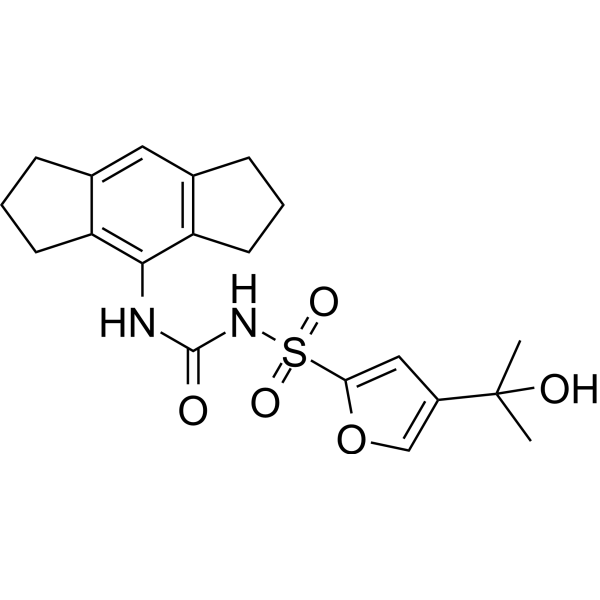
Art. -Nr.: HY-12815
CAS. Nr.: 210826-40-7
Reinheit:  99.62%
Synonyms: CP-456773; CRID3
Forschungsgebiete:  

Inflammation/Immunology

MCC950 (CP-456773; CRID3) is a potent and selective NLRP3 inhibitor with IC50s of 7.5 and 8.1 nM in BMDMs and HMDMs, respectively.
456
456 Cited Publications
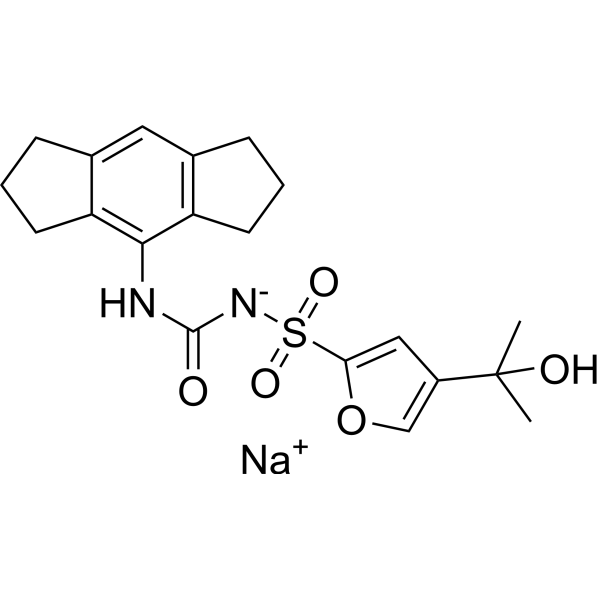
Art. -Nr.: HY-12815A
CAS. Nr.: 256373-96-3
Reinheit:  99.75%
Synonyms: CP-456773 sodium; CRID3 sodium salt
Forschungsgebiete:  

Inflammation/Immunology

MCC950 sodium (CP-456773 sodium; CRID3 sodium salt) is a potent, selective NLRP3 inhibitor with IC50s of 7.5 and 8.1 nM in BMDMs and HMDMs, respectively.
199
199 Cited Publications
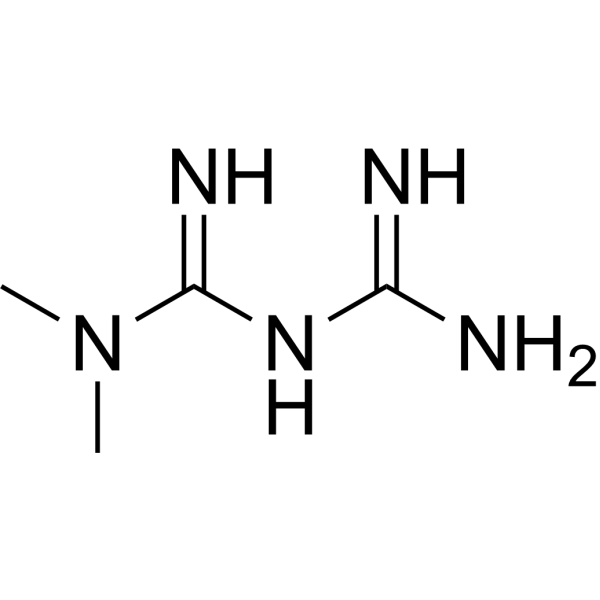
Art. -Nr.: HY-B0627
CAS. Nr.: 657-24-9
Synonyms: 1,1-Dimethylbiguanide
Metformin (1,1-Dimethylbiguanide) inhibits the mitochondrial respiratory chain in the liver, leading to AMPK activation and enhancing insulin sensitivity, and can be used in the study of type 2 diabetes. Metformin exerts central glucose-lowering effects by inhibiting Ras-related protein 1 (Rap1) in SF1 hypothalamic neurons. Metformin also inhibits liver oxidative stress, nitrosative stress, inflammation, and apoptosis caused by liver ischemia/reperfusion injury. In addition, Metformin regulates the expression of autophagy-related proteins by activating AMPK and inhibiting the mTOR signaling pathway, thereby inducing tumor cell autophagy and inhibiting the growth of renal cell carcinoma in vitro and in vivo .
199
199 Cited Publications
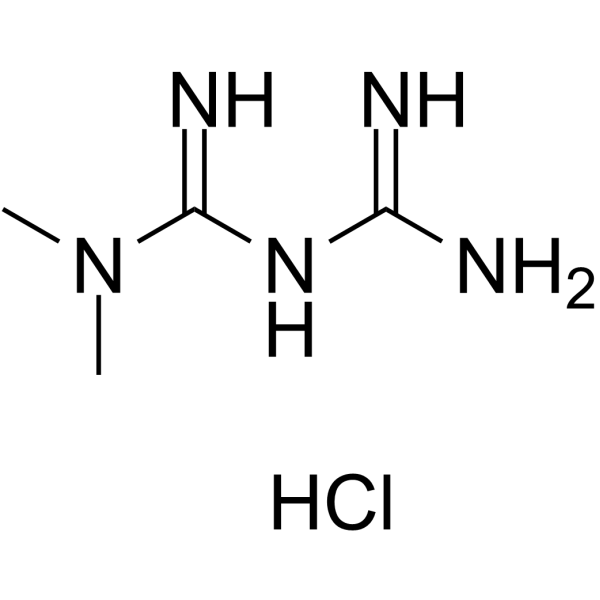
Art. -Nr.: HY-17471A
CAS. Nr.: 1115-70-4
Synonyms: 1,1-Dimethylbiguanide hydrochloride
Metformin (1,1-Dimethylbiguanide) hydrochloride inhibits the mitochondrial respiratory chain in the liver, leading to AMPK activation and enhancing insulin sensitivity, and can be used in the study of type 2 diabetes. Metformin hydrochloride exerts central glucose-lowering effects by inhibiting Ras-related protein 1 (Rap1) in SF1 hypothalamic neurons. Metformin hydrochloride also inhibits liver oxidative stress, nitrosative stress, inflammation, and apoptosis caused by liver ischemia/reperfusion injury. In addition, Metformin hydrochloride regulates the expression of autophagy-related proteins by activating AMPK and inhibiting the mTOR signaling pathway, thereby inducing tumor cell autophagy and inhibiting the growth of renal cell carcinoma in vitro and in vivo .
172
172 Cited Publications
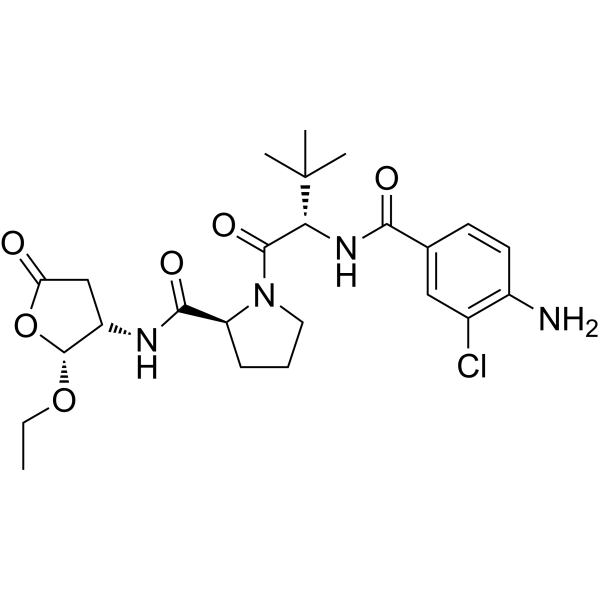
Art. -Nr.: HY-13205
CAS. Nr.: 273404-37-8
Reinheit:  99.99%
Synonyms: VX-765
Target:  

Caspase

Forschungsgebiete:  

Inflammation/Immunology

Belnacasan (VX-765) is an orally bioactive proagent of VRT-043198, which is a potent and selective inhibitor of IL-converting enzyme (ICE)/caspase-1 with Kis of 0.8 nM and less than 0.6 nM for caspase-1 and caspase-4, respectively. Belnacasan (VX-765) inhibits the release of LPS-induced IL-1β and IL-18 by human PBMCs with an IC50 of ~0.7 μM .
153
153 Cited Publications
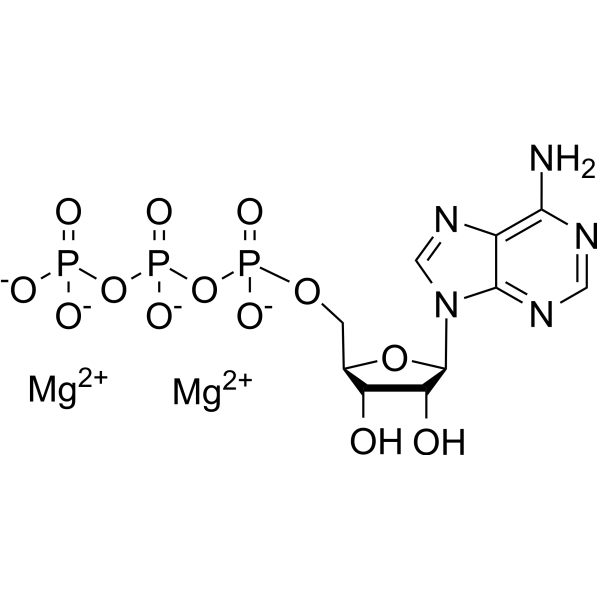
Art. -Nr.: HY-B2176B
CAS. Nr.: 74804-12-9
Synonyms: Adenosine 5'-triphosphate dimagnesium
ATP (Adenosine 5'-triphosphate) dimagnesium is a central component of energy storage and metabolism in vivo. ATP dimagnesium provides the metabolic energy to drive metabolic pumps and serves as a coenzyme in cells. ATP dimagnesium is an important endogenous signaling molecule in immunity and inflammation .
153
153 Cited Publications
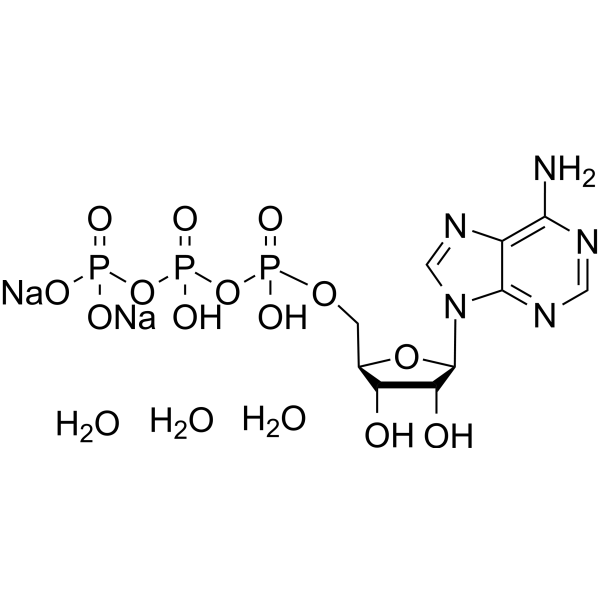
Art. -Nr.: HY-B2176A
CAS. Nr.: 51963-61-2
Synonyms: Adenosine-5'-triphosphate disodium trihydrate
ATP disodium trihydrate (Adenosine 5'-triphosphate disodium trihydrate) is a central component of energy storage and metabolism in vivo. ATP disodium trihydrate provides the metabolic energy to drive metabolic pumps and serves as a coenzyme in cells. ATP disodium trihydrate is an important endogenous signaling molecule in immunity and inflammation .
153
153 Cited Publications
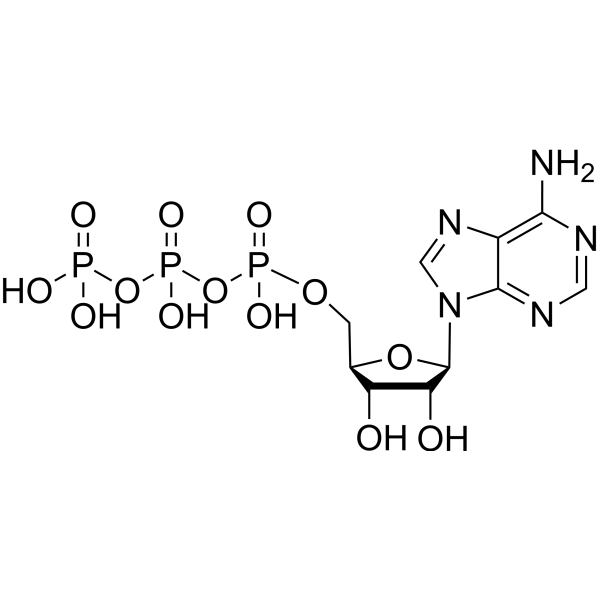
Art. -Nr.: HY-B2176
CAS. Nr.: 56-65-5
Synonyms: Adenosine 5'-triphosphate
ATP (Adenosine 5'-triphosphate) is a central component of energy storage and metabolism in vivo. ATP provides the metabolic energy to drive metabolic pumps and serves as a coenzyme in cells. ATP is an important endogenous signaling molecule in immunity and inflammation. ATP can activate the NLRP3 inflammasome and induce IL-1β and chemokines secretion. ATP has anti-bacterial infection effects and can protect mice against bacterial infection in mice .
150
150 Cited Publications
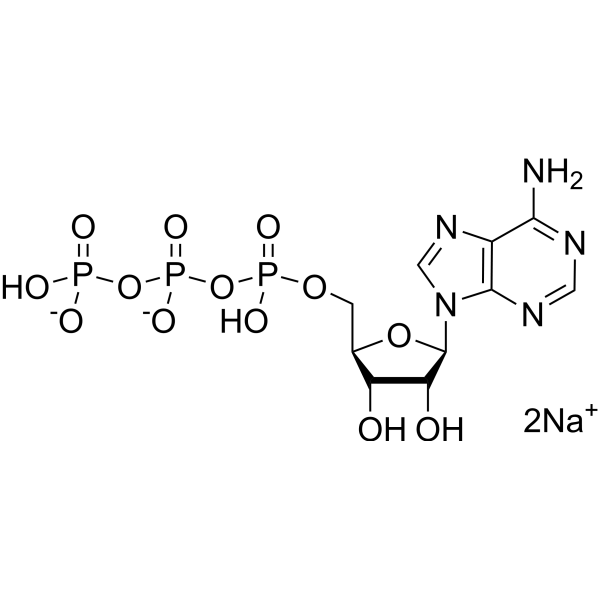
Art. -Nr.: HY-B0345A
CAS. Nr.: 987-65-5
Synonyms: Adenosine 5'-triphosphate disodium salt; Disodium adenosine triphosphate
ATP disodium salt (Adenosine 5'-triphosphate disodium salt) is a central component of energy storage and metabolism in vivo, provides the metabolic energy to drive metabolic pumps and serves as a coenzyme in cells. ATP disodium salt is an important endogenous signaling molecule in immunity and inflammation .
147
147 Cited Publications
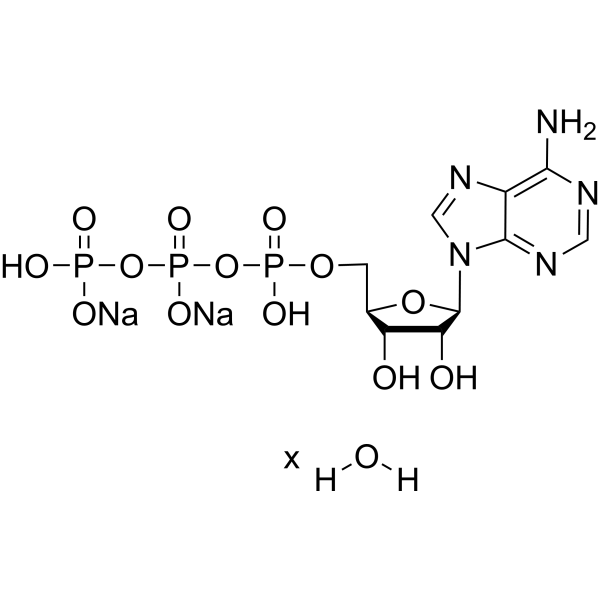
Art. -Nr.: HY-W010735
CAS. Nr.: 34369-07-8
Synonyms: Adenosine 5'-triphosphate disodium salt hydrate
ATP disodium salt hydrate (Adenosine 5'-triphosphatedisodium salt hydrate) is a central component of energy storage and metabolism in vivo, provides the metabolic energy to drive metabolic pumps and serves as a coenzyme in cells. ATP disodium salt hydrate is an important endogenous signaling molecule in immunity and inflammation .
146
146 Cited Publications
Art. -Nr.: HY-18738
CAS. Nr.: 5108-96-3
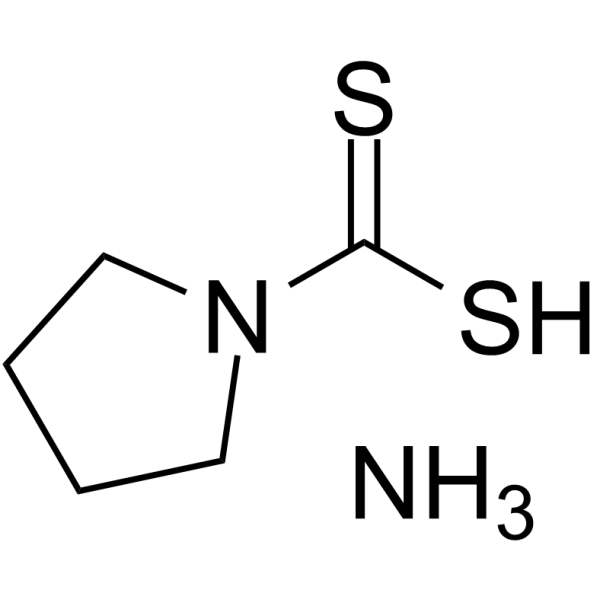
Synonyms: Ammonium pyrrolidinedithiocarbamate; PDTC ammonium; APDC
Target:  

NF-κB

Forschungsgebiete:  

Inflammation/Immunology Cancer

Pyrrolidinedithiocarbamate ammonium (Ammonium pyrrolidinedithiocarbamate) is a selective and blood-brain barrier (BBB) permeable NF-κB inhibitor.
144
144 Cited Publications
Art. -Nr.: HY-B2176E
CAS. Nr.: 1476-84-2
Synonyms: Adenosine 5'-triphosphate magnesium
ATP (Adenosine 5'-triphosphate) magnesium is a central component of energy storage and metabolism in vivo. ATP magnesium provides the metabolic energy to drive metabolic pumps and serves as a coenzyme in cells. ATP magnesium is an important endogenous signaling molecule in immunity and inflammation .
144
144 Cited Publications
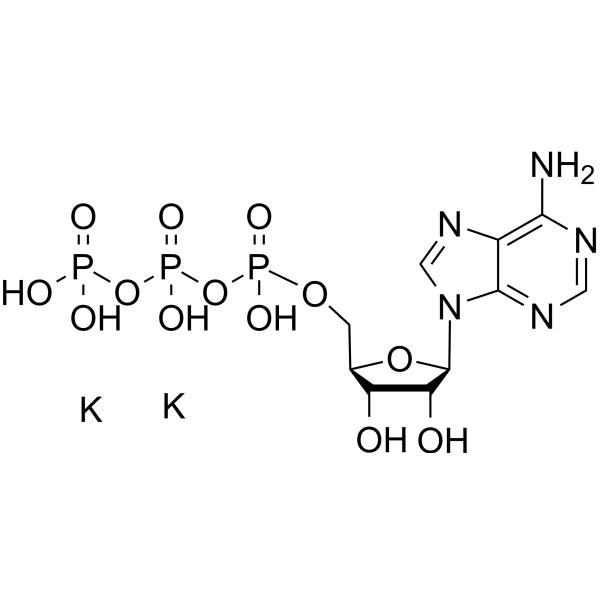
Art. -Nr.: HY-B2176C
CAS. Nr.: 42373-41-1
Synonyms: Adenosine 5'-triphosphate dipotassium
ATP dipotassium (Adenosine 5'-triphosphate dipotassium) is a central component of energy storage and metabolism in vivo. ATP dipotassium provides the metabolic energy to drive metabolic pumps and serves as a coenzyme in cells. ATP dipotassium is an important endogenous signaling molecule in immunity and inflammation .
144
144 Cited Publications
Art. -Nr.: HY-B2176I
CAS. Nr.: 987-65-5
Synonyms: Adenosine 5'-triphosphate disodium salt, 100 mM Solution, PCR Grade
ATP (Adenosine 5'-triphosphate) disodium salt, 100 mM Solution, PCR Grade is a central component of energy storage and metabolism in vivo. ATP disodium salt, 100 mM Solution, PCR Grade provides the metabolic energy to drive metabolic pumps and serves as a coenzyme in cells. ATP disodium salt, 100 mM Solution, PCR Grade is an important endogenous signaling molecule in immunity and inflammation. ATP disodium salt, 100 mM Solution, PCR Grade can activate the NLRP3 inflammasome and induce IL-1β and chemokines secretion. ATP disodium salt, 100 mM Solution, PCR Grade has anti-bacterial infection effects and can protect mice against bacterial infection in mice .
143
143 Cited Publications
Art. -Nr.: HY-112693
CAS. Nr.: 941987-60-6
Reinheit:  99.78%
Target:  

STING

Forschungsgebiete:  

Inflammation/Immunology

H-151 is a potent, selective and covalent antagonist of STING that has noteworthy inhibitory activity both in cells and in vivo. H-151 reduces TBK1 phosphorylation and suppresses STING palmitoylation. H-151 can be used for the research of autoinflammatory disease .
113
113 Cited Publications
Art. -Nr.: HY-112906
CAS. Nr.: 314054-00-7
Reinheit:  99.45%
Target:  

STING

Forschungsgebiete:  

Inflammation/Immunology

C-176 is a selective and blood-brain barrier permeable STING inhibitor. C-176 covalently targets transmembrane cysteine residue 91 and thereby blocking activation-induced palmitoylation of STING .
110
110 Cited Publications
Art. -Nr.: HY-100461
CAS. Nr.: 363600-92-4
Reinheit:  ≥98.0%
Forschungsgebiete:  

Inflammation/Immunology

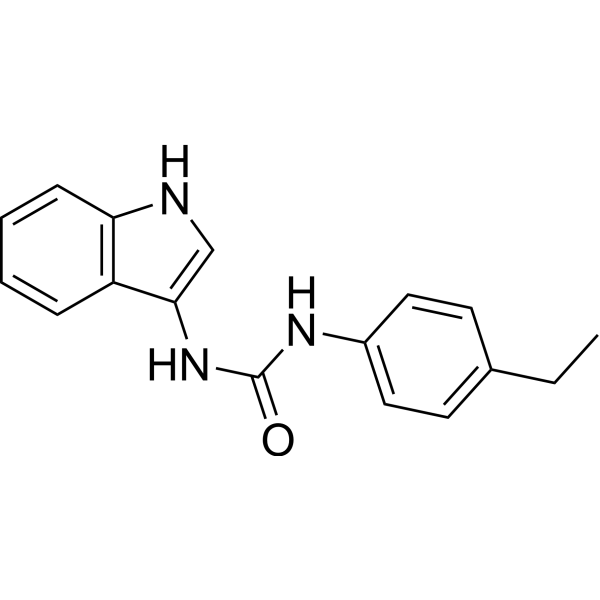
C29 is a Toll-like receptor 2 (TLR2) inhibitor. C29 blocks hTLR2/1 and hTLR2/6 signaling with IC50s of 19.7 and 37.6 μM, respectively .
107
107 Cited Publications
Art. -Nr.: HY-100444
CAS. Nr.: 521985-36-4
Reinheit:  98.11%
Target:  

TGF-beta/Smad

Forschungsgebiete:  

Inflammation/Immunology

SIS3 free base is a potent and selective inhibitor of Smad3 phosphorylation. SIS3 free base inhibits the myofibroblast differentiation of fibroblasts by TGF-β1. SIS3 free base does not affect the phosphorylation of Smad2 .

