
1. Search Result
Search Result
Results for "

intestinal bacteria

" in MedChemExpress (MCE) Product Catalog:

74

Inhibitors & Agonists

1

Fluorescent Dyes

6

Biochemical Assay Reagents

1

Peptides

27

Natural
Products

15

Isotope-Labeled Compounds

1

Oligonucleotides

Cat. No. Product Name Target Research Areas Chemical Structure
  • HY-13771
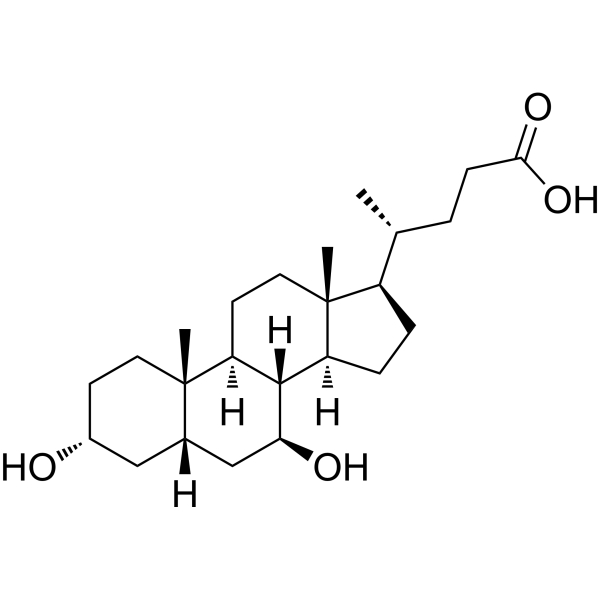
    Ursodeoxycholic acid
    Maximum Cited Publications
    26 Publications Verification

    Ursodeoxycholate; Ursodiol; UDCA

    G protein-coupled Bile Acid Receptor 1 FXR Angiotensin-converting Enzyme (ACE) Endogenous Metabolite Infection Metabolic Disease Cancer
    Ursodeoxycholic acid (Ursodeoxycholate) is a secondary bile acid issued from the transformation of (cheno)deoxycholic acid by intestinal bacteria, acting as a key regulator of the intestinal barrier integrity and essential for lipid metabolism. Ursodeoxycholic acid acts as signaling molecule, exerting its effects by interacting with bile acid activated receptors, including G-protein coupled bile acid receptor 5 (TGR5, GPCR19) and the farnesoid X receptor (FXR). Ursodeoxycholic acid can be used for the research of a variety of hepatic and gastrointestinal diseases. Ursodeoxycholic acid also reduces ACE2 expression and is beneficial for reducing SARS-CoV-2 infection. Orally active .
    Ursodeoxycholic acid
  • HY-B1773A
    Sodium propionate
    3 Publications Verification

    Environmental Pollutants Apoptosis Endogenous Metabolite Bacterial Autophagy HSV PPAR NF-κB COX NO Synthase Infection Neurological Disease Inflammation/Immunology Cancer
    Sodium propionate is an orally active short-chain fatty acid. Sodium propionate can be produced by intestinal bacteria from the metabolism of dietary fiber. Sodium propionate increases PPAR-γ, inhibits NF-κB activation, and reduces COX-2 expression and NO production. Sodium propionate also induces Apoptosis and Autophagy. Sodium propionate reduces HSV-1-induced keratitis. Sodium propionate has anticancer effects against glioblastoma. Sodium propionate exhibits neuroprotective, antioxidant, and anti-inflammatory activities. Sodium propionate can be used in the research of spinal cord injury and Alzheimer's disease .
    Sodium propionate
  • HY-N7075
    Inulin
    4 Publications Verification

    Endogenous Metabolite Infection Neurological Disease Metabolic Disease Cancer
    Inulin is an orally active prebiotic targeting the intestinal microbiota, selectively promoting the proliferation and activity of beneficial bacteria such as bifidobacteria and lactic acid bacteria, and playing a role in regulating the intestinal microecology. The functions of Inulin include: Fermentation by probiotics in the colon to produce short-chain fatty acids (such as butyrate and propionate), lowering the intestinal pH and inhibiting the overgrowth of harmful bacteria; Enhancing the intestinal barrier function and reducing endotoxin translocation; Directly scavenging free radicals (such as superoxide free radicals, hydroxyl free radicals) and activating antioxidant enzymes (SOD, CAT) to reduce oxidative stress. Inulin can also be used in the study of intestinal diseases (constipation, IBD), metabolic syndrome (diabetes, obesity) and liver damage by regulating glucose and lipid metabolism (such as reducing triglycerides, improving insulin sensitivity) and immune response (enhancing NK cell activity, inhibiting inflammatory factors)[1][2][3][4].
    Inulin
  • HY-B1190
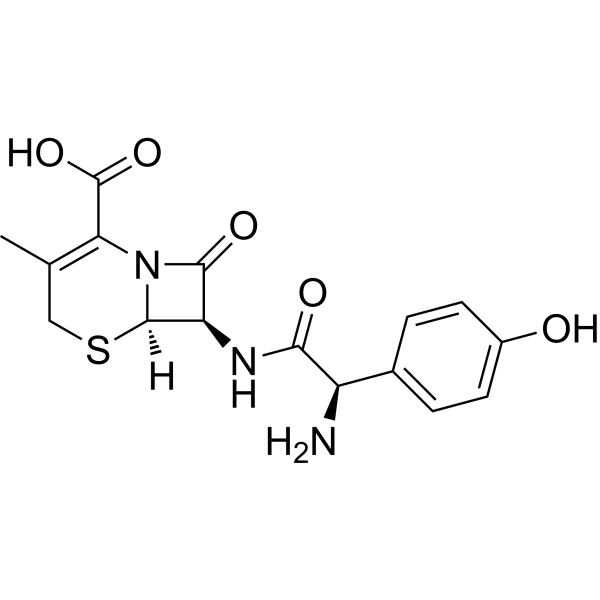
    Cefadroxil
    5 Publications Verification

    BL-S 578

    Bacterial Antibiotic EAAT Infection Neurological Disease
    Cefadroxil is an orally active broad-spectrum cephalosporin antibiotic. Cefadroxil inhibits bacterial cell wall synthesis and enhances the expression of glutamate transporter-1. Cefadroxil is dependent on the intestinal peptide transporter PepT1 for small intestinal absorption. Cefadroxil has inhibitory and bactericidal activity against a variety of Gram-positive and Gram-negative bacteria and has analgesic effects on neuropathic pain .
    Cefadroxil
  • HY-W007355
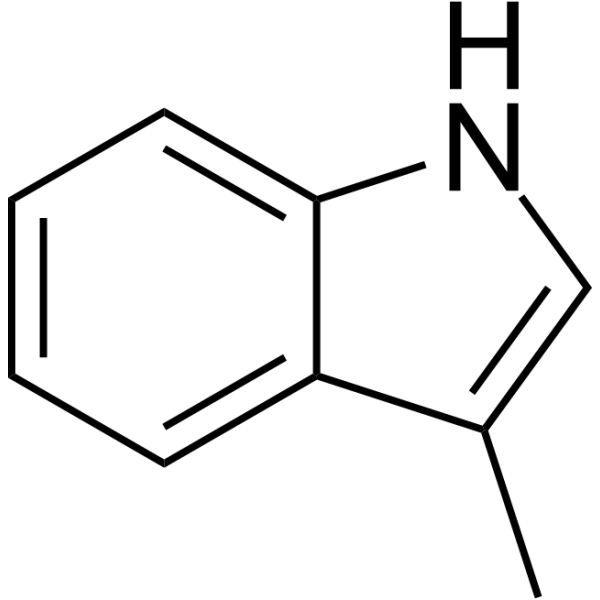
    Skatole
    5+ Cited Publications

    3-Methylindole; 3-Methyl-1H-indole

    Environmental Pollutants Apoptosis Endogenous Metabolite p38 MAPK Aryl Hydrocarbon Receptor Others
    Skatole (3-methylindole) is a heterocyclic compound naturally found in the feces of vertebrates and can be found in certain plants. Skatole can be produced by intestinal bacteria, inducing apoptosis of intestinal epithelial cells through activating aryl hydrocarbon receptors (AhR) and p38. Skatole has been used in specific products of the perfume industry or as a flavor additive in ice cream .
    Skatole
  • HY-W145518

    Environmental Pollutants Antibiotic Endogenous Metabolite Bacterial Infection Cancer
    Pectin is a heteropolysaccharide, derived from the cell wall of higher plants. Pectin involves in the formation of nanoparticles as a delivery vehicle of agents. Pectin is also an adsorbent, a broad-spectrum antimicrobial agent that binds to bacteria toxins and other irritants in the intestinal mucosa, relieves irritated mucosa .
    Pectin
  • HY-B0921
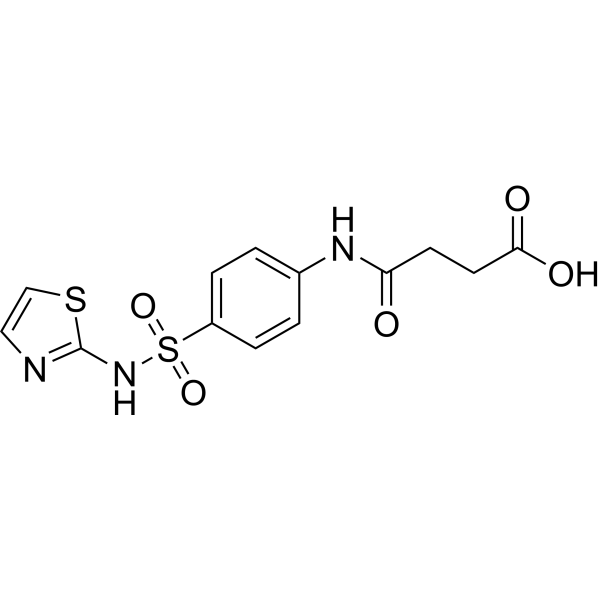
    Succinylsulfathiazole
    1 Publications Verification

    Succinylsulphathiazole

    Antibiotic Bacterial Dihydrofolate reductase (DHFR) mTOR Infection
    Succinylsulfathiazole (Succinylsulphathiazole) is a long-acting sulfonamide antibiotic with localized gut-specific antibacterial activity and is orally active. Succinylsulfathiazole inhibits bacterial folate synthesis, reduces coliform counts, suppresses intestinal bacterial growth and vitamin biosynthesis, and depletes gut folate-producing bacteria. Succinylsulfathiazole modulates hepatic mTOR signaling, diminishes cecal fermentation, decreases hepatic folate levels and total folate excretion, elevates nitrogen excretion and reduces the fermentability of certain dietary fibers. Succinylsulfathiazole induces folate deficiency and triggers biotin- and folate-related nutritional deficiency symptoms in rats and C57BL/6 mice .
    Succinylsulfathiazole
  • HY-13771A
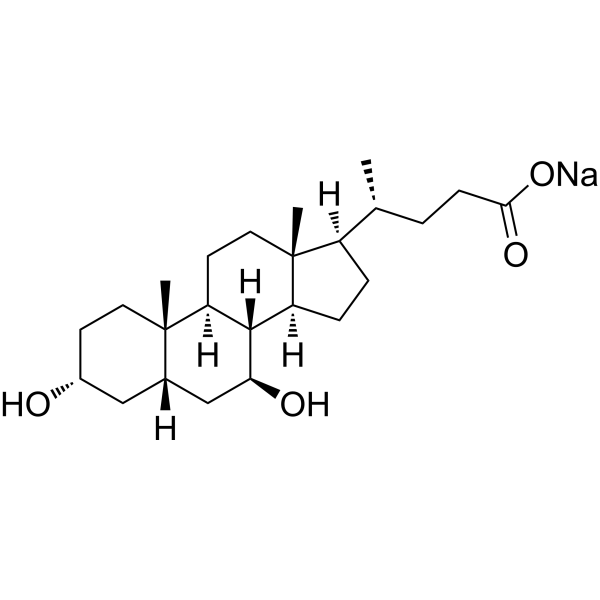
    Ursodeoxycholic acid sodium
    Maximum Cited Publications
    26 Publications Verification

    Ursodeoxycholate sodium; Ursodiol sodium; UCDA sodium

    G protein-coupled Bile Acid Receptor 1 FXR Endogenous Metabolite Metabolic Disease Inflammation/Immunology Cancer
    Ursodeoxycholic acid (Ursodeoxycholate) sodium is a secondary bile acid issued from the transformation of (cheno)deoxycholic acid by intestinal bacteria, acting as a key regulator of the intestinal barrier integrity and essential for lipid metabolism. Ursodeoxycholic acid sodium acts as signaling molecule, exerting its effects by interacting with bile acid activated receptors, including G-protein coupled bile acid receptor 5 (TGR5, GPCR19) and the farnesoid X receptor (FXR). Ursodeoxycholic acid sodium can be used for the research of a variety of hepatic and gastrointestinal diseases. Orally active .
    Ursodeoxycholic acid sodium
  • HY-111095B

    (R)-2-Hydroxypropionic acid sodium

    Endogenous Metabolite Drug Isomer Neurological Disease Metabolic Disease
    D-(-)-Lactic acid ((R)-2-Hydroxypropionic acid) sodium is an orally active, toxic optical isomer of Lactic acid (HY-B2227), mainly derived from overproduction by intestinal bacteria or exogenous intake. D-(-)-Lactic acid sodium can induce intoxication, characterized by severe metabolic acidosis accompanied by neurological symptoms .
    D-(-)-Lactic acid sodium
  • HY-W015954

    Endogenous Metabolite Calcium Channel Bacterial Infection Metabolic Disease
    (2R,3R)-Butane-2,3-diol is a non-covalent, reversible agonist targeting lanthanum (La 3+)-sensitive calcium channels in bacteria (e.g., Escherichia coli) with an EC50 of approximately 25 mM. (2R,3R)-Butane-2,3-diol binds to calcium channel proteins or related complexes, induces channel opening, promotes extracellular calcium influx, and triggers intracellular calcium transients, which may regulate bacterial physiological activities such as growth, metabolism, and signal transduction. (2R,3R)-Butane-2,3-diol mediates bacterial-host cell signaling interactions and affects the metabolic balance of intestinal microorganisms, and can be used to study lactose intolerance and other related diseases .
    (2R,3R)-Butane-2,3-diol
  • HY-P4855
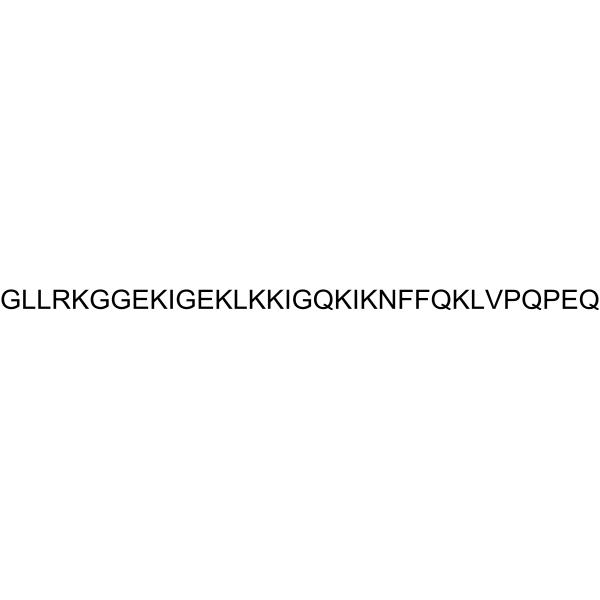
    CRAMP (mouse)
    1 Publications Verification

    Bacterial TNF Receptor Infection Inflammation/Immunology
    CRAMP (mouse) is an antibacterial peptide and a functional homolog of LL-37 . CRAMP (mouse) exhibits potent antibacterial activity against Gram-negative bacteria . The complex formed by CRAMP (mouse) and CpG can activate macrophages to secrete TNF-α . CRAMP (mouse) plays a key role in wound healing, immune regulation and maintenance of intestinal homeostasis .
    CRAMP (mouse)
  • HY-B1773AS3

    Isotope-Labeled Compounds Apoptosis NF-κB Bacterial PPAR COX NO Synthase Autophagy HSV Endogenous Metabolite Infection Neurological Disease Inflammation/Immunology Cancer
    Sodium propionate- 13C-3 is the 13C-labeled Propionate sodium (HY-B1773A). Sodium propionate is an orally active short-chain fatty acid. Sodium propionate can be produced by intestinal bacteria from the metabolism of dietary fiber. Sodium propionate increases PPAR-γ, inhibits NF-κB activation, and reduces COX-2 expression and NO production. Sodium propionate also induces Apoptosis and Autophagy. Sodium propionate reduces HSV-1-induced keratitis. Sodium propionate has anticancer effects against glioblastoma. Sodium propionate exhibits neuroprotective, antioxidant, and anti-inflammatory activities. Sodium propionate can be used in the research of spinal cord injury and Alzheimer's disease .
    Sodium propionate-13C3
  • HY-N0468
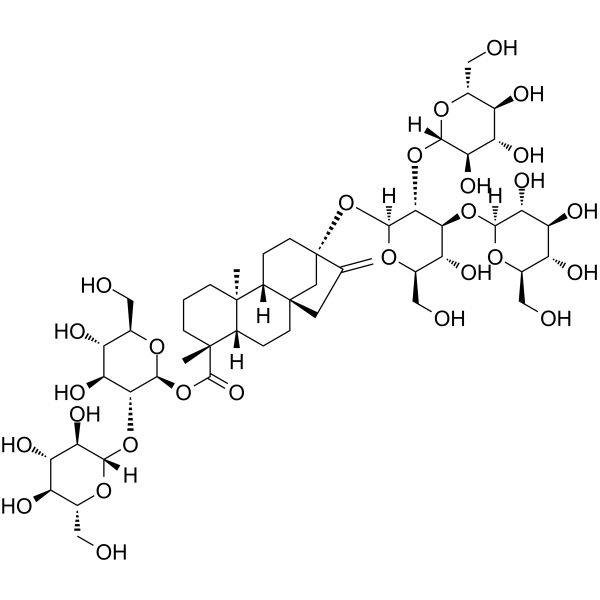
    Rebaudioside D
    1 Publications Verification

    FXR Acetyl-CoA Carboxylase Metabolic Disease
    Rebaudioside D is an orally active sweetener that targets and activates FXR, modulates Acetyl-CoA Carboxylase, and inhibits 3-hydroxy-3-methylglutaryl-CoA reductase. Rebaudioside D regulates bile acid homeostasis and lipid metabolism, reduces the synthesis rates of fatty acids and cholesterol, and exerts multiple effects including anti-adipogenesis, hepatoprotection, anti-steatosis, gut microbiota modulation, enhancement of secondary bile acid metabolism, anti-endotoxin activity, regulation of bile acid transport, and inhibition of bile acid efflux. Rebaudioside D also reduces body weight gain, visceral fat accumulation, hepatic triglyceride and cholesterol accumulation, hepatic lipid peroxidation, and decreases the circulating level of lipopolysaccharide-binding protein. Rebaudioside D additionally enhances the secondary bile acid metabolic pathway of intestinal bacteria, upregulates the gene expression of ileal organic solute transporter α, and downregulates the gene expression of hepatic bile salt export pump. Rebaudioside D does not affect glucose homeostasis, alter total caloric intake or fecal energy excretion, induce weight gain, exacerbate obesity, promote hepatic steatosis, impair brown adipose tissue function, nor change skeletal muscle metabolism-related proteins. Rebaudioside D can be used in diet-induced obesity and obesity-related research .
    Rebaudioside D
  • HY-107863

    Oligolevulose

    Biochemical Assay Reagents Bacterial Infection Metabolic Disease
    Fructooligosaccharides (Oligolevulose) are a class of orally active dietary fibers and prebiotics. Fructooligosaccharides exist in foods such as breast milk, wheat, honey, onions, garlic and bananas. Fructooligosaccharides resist hydrolysis by the body's digestive enzymes and stimulate the growth of beneficial intestinal bacteria through colonic fermentation. Fructooligosaccharides significantly prevent bone loss in the femur and lumbar spine .
    Fructooligosaccharides
  • HY-113478S

    Ursodeoxycholate-d4; Ursodiol-d4; UDCA-d4

    Isotope-Labeled Compounds Infection Metabolic Disease
    Ursodeoxycholic acid-2,2,4,4-d4 is the deuterium labeled Ursodeoxycholic acid (HY-13771). Ursodeoxycholic acid is a secondary bile acid issued from the transformation of (cheno)deoxycholic acid by intestinal bacteria, acting as a key regulator of the intestinal barrier integrity and essential for lipid metabolism. Ursodeoxycholic acid acts as signaling molecule, exerting its effects by interacting with bile acid activated receptors, including G-protein coupled bile acid receptor 5 (TGR5, GPCR19) and the farnesoid X receptor (FXR). Ursodeoxycholic acid can be used for the research of a variety of hepatic and gastrointestinal diseases. Ursodeoxycholic acid also reduces ACE2 expression and is beneficial for reducing SARS-CoV-2 infection .
    Ursodeoxycholic acid-d4
  • HY-N3415
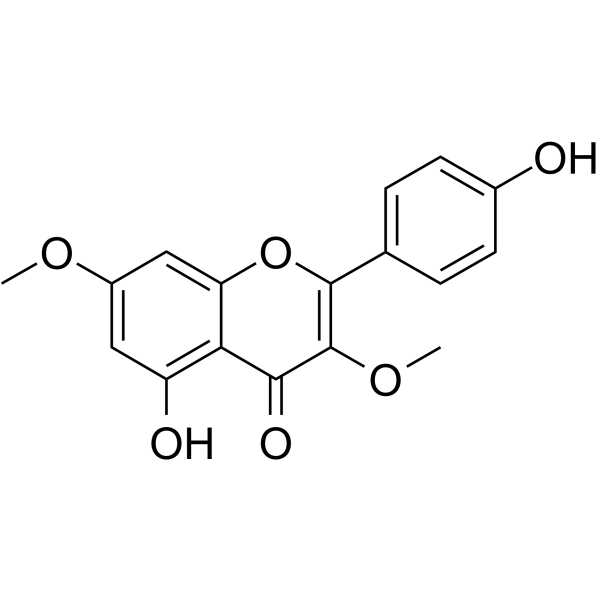
    Kumatakenin
    1 Publications Verification

    Apoptosis Autophagy Caspase Ferroptosis SARS-CoV Neurological Disease Inflammation/Immunology Cancer
    Kumatakenin is an orally active apoptosis inducer and autophagy inhibitor, with a Kd value of 2.94 μM for mouse ATG5. Kumatakenin increases the activities of caspase-3, caspase-8 and caspase-9, thereby inducing caspase-dependent apoptosis in ovarian cancer cells. Kumatakenin reduces the expression of chemokines and pro-oncogenic factors in ovarian cancer cells, and inhibits M2 macrophage polarization. Kumatakenin inactivates TRIM65 function, reduces the expression and stability of FASN, and thus inhibits the proliferation, migration, invasion and tumor progression of esophageal cancer cells. Kumatakenin interacts with ATG5 to reduce its protein level, decrease LC3 level, and reduce the number of autophagosomes in the hippocampus. Kumatakenin binds to Eno3 to upregulate its expression, reduce the stability and expression level of IRP1 mRNA, inhibit ferroptosis, alleviate intestinal inflammation, and restore epithelial barrier function. Kumatakenin enhances the efficacy of antibiotics against pathogenic bacteria, inhibits SARS-CoV-2 replication, and reduces cytokine production. Kumatakenin is applicable to research related to ovarian cancer, esophageal cancer, depression and colitis .
    Kumatakenin
  • HY-B1210
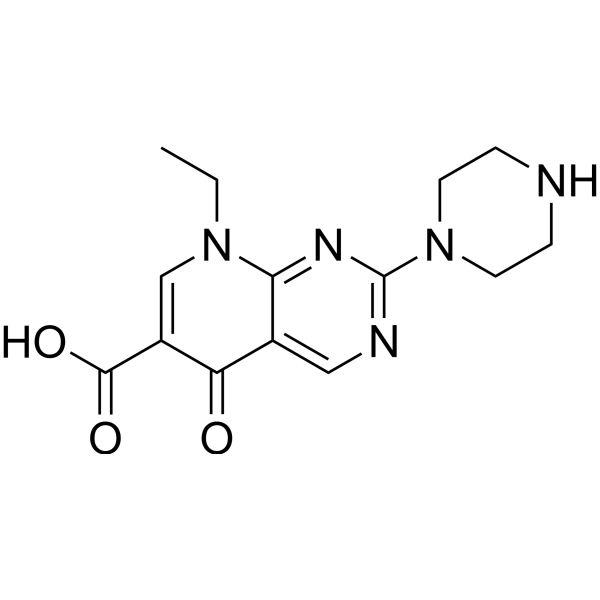
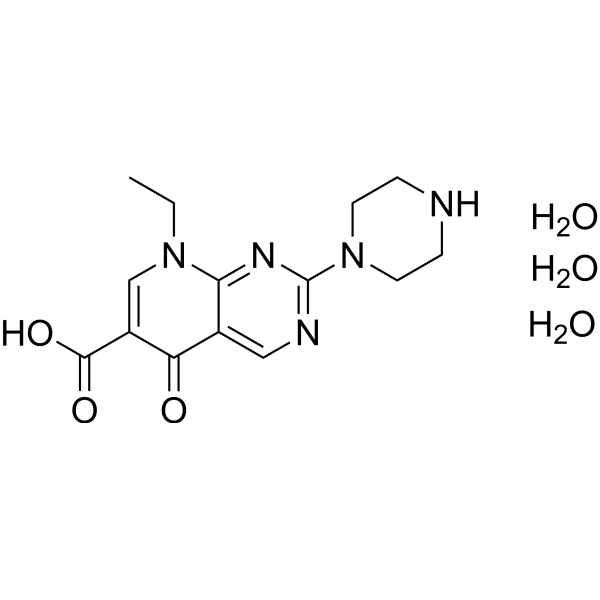
    Pipemidic acid
    1 Publications Verification

    Bacterial Antibiotic Infection
    Pipemidic acid , a derivative of Piromidic acid, is an antibacterial agent. Pipemidic acid inhibits DNA gyrase. Pipemidic acid is active against gram-negative bacteria including Pseudomonas aeruginosa as well as some gram-positive bacteria. Pipemidic acid can be used for the research of intestinal, urinary, and biliary tract infections .
    Pipemidic acid
  • HY-B1407
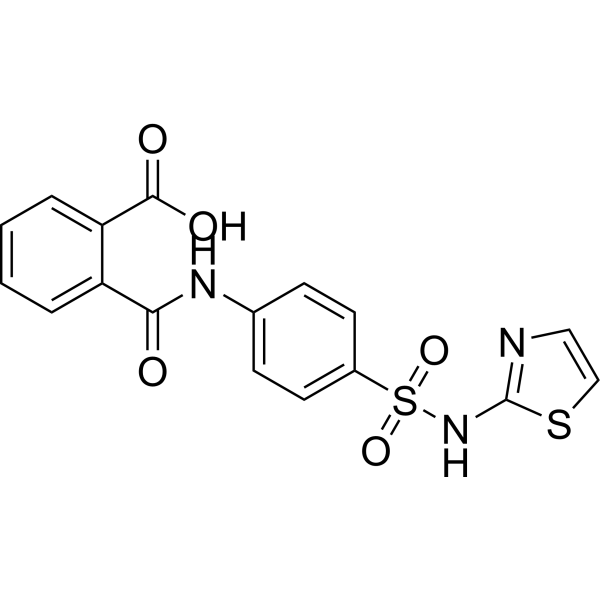
    Phthalylsulfathiazole
    2 Publications Verification

    N4-Phthalylsulfathiazole

    Antibiotic Bacterial Infection
    Phthalylsulfathiazole (N4-Phthalylsulfathiazole) is an orally active sulfonamide intestinal antibacterial agent. Phthalylsulfathiazole has low toxicity and excellent bacteriostatic efficacy. Phthalylsulfathiazole inhibits E. coli, streptococci, staphylococci, and total fecal bacteria. Phthalylsulfathiazole can be used in research related to intestinal infections such as colon infection, bacillary dysentery, and ulcerative colitis .
    Phthalylsulfathiazole
  • HY-B0159

    Q-35

    Bacterial Antibiotic Infection
    Balofloxacin (Q-35) is an orally active fluoroquinolone antibiotic with broad-spectrum antibacterial activity against gram-negative, gram-positive, and anaerobic bacteria. Balofloxacin can be used for the research of respiratory, intestinal, and urinary tract infections .
    Balofloxacin
  • HY-B1043

    Bacterial Antibiotic Infection
    Piromidic acid is an antibacterial agent. Piromidic acid is active against gramnegative bacteria and staphylococci and can be used for the research of intestinal, urinary, and biliary tract infections .
    Piromidic acid
  • HY-W399297
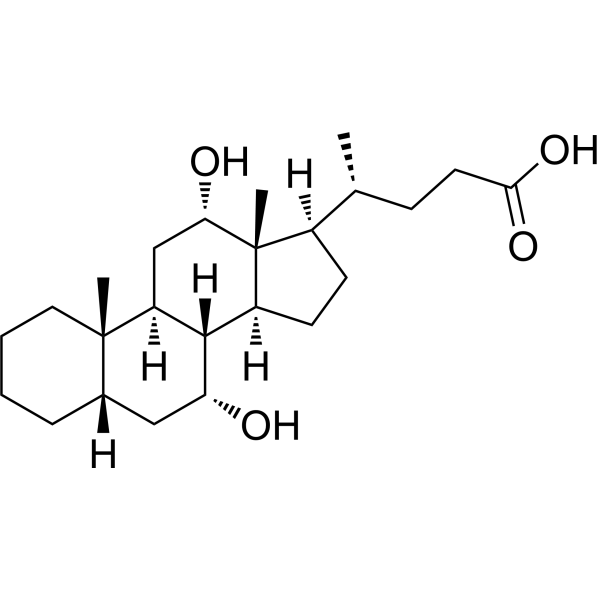
    Isodeoxycholic acid
    1 Publications Verification

    7α,12α-Dihydroxycholanoic acid

    Endogenous Metabolite Metabolic Disease
    Isodeoxycholic acid (7α,12α-Dihydroxycholanoic acid) is a 3β-hydroxylated secondary bile acid. Isodeoxycholic acid is produced by epimerization of deoxycholic acid by intestinal bacteria. Isodeoxycholic acid is detectable in feces, mainly existing as saponifiable conjugates with long-chain fatty acids. Isodeoxycholic acid participates in the regulation of intestinal physiology .
    Isodeoxycholic acid
  • HY-N8196

    Isorhamnetin-3,7-diglucoside; Isorhamnetin diglucoside

    Mitochondrial Metabolism Metabolic Disease
    Isorhamnetin 3,7-di-O-β-D-glucopyranoside, a major flavonoid compound, is metabolized in vivo by intestinal bacteria to isorhamnetin and that isorhamnetin plays an important role as an antioxidant .
    Isorhamnetin 3,7-di-O-β-D-glucopyranoside
  • HY-B1190A
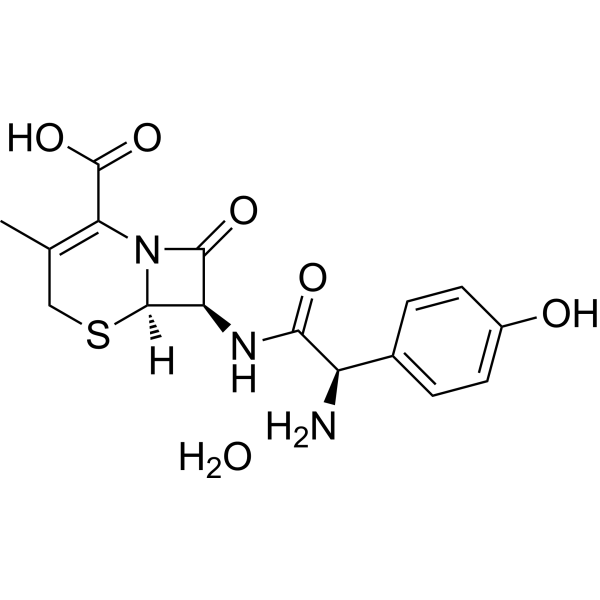
    Cefadroxil hydrate
    5 Publications Verification

    BL-S 578 hydrate

    Bacterial Antibiotic EAAT Infection Neurological Disease
    Cefadroxil hydrate is an orally active broad-spectrum cephalosporin antibiotic. Cefadroxil hydrate inhibits bacterial cell wall synthesis and enhances the expression of glutamate transporter-1. Cefadroxil hydrate is dependent on the intestinal peptide transporter PepT1 for small intestinal absorption. Cefadroxil hydrate has inhibitory and bactericidal activity against a variety of Gram-positive and Gram-negative bacteria and has analgesic effects on neuropathic pain .
    Cefadroxil hydrate
  • HY-W013755
    Dioctyl phthalate
    2 Publications Verification

    DNOP; Di-n-octyl phthalate; Phthalic acid dioctyl ester

    Biochemical Assay Reagents Aminotransferases (Transaminases) Phosphatase Bacterial Inflammation/Immunology
    Dioctyl phthalate (DNOP) is a plasticizer. Dioctyl phthalate increases the activities of alanine aminotransferase (ALT) and alkaline phosphatase (ALP) in the liver, as well as the levels of creatinine and urea in the kidney. Exposure to Dioctyl phthalate disrupts the homeostasis of the intestinal microbial community, increases the abundance of pathogenic bacteria, and reduces the abundance of beneficial bacteria such as Lactobacillus. Dioctyl phthalate induces significant and dose-dependent inflammatory responses in the liver, spleen and kidney of mice .
    Dioctyl phthalate
  • HY-17580S

    Isotope-Labeled Compounds DNA/RNA Synthesis Bacterial Apoptosis Antibiotic Infection
    Fidaxomicin-d7 (OPT-80-D7) is the deuterium labeled Fidaxomicin. Fidaxomicin (OPT-80), a macrocyclic RNA polymerase inhibitor, has a narrow spectrum of activity. Fidaxomicin selectively eradicates pathogenic Clostridium difficile with minimal disruption to the multiple species of bacteria that make up the normal, healthy intestinal flora .
    Fidaxomicin-d7
  • HY-W007355S

    3-Methylindole-d3; 3-Methyl-1H-indole-d3

    Aryl Hydrocarbon Receptor p38 MAPK Endogenous Metabolite Autophagy Bacterial Fungal Others
    Skatole-d3 is the deuterium labeled Skatole. Skatole is produced by intestinal bacteria, regulates intestinal epithelial cellular functions through activating aryl hydrocarbon receptors and p38 .
    Skatole-d3
  • HY-108695

    Apoptosis Endogenous Metabolite Cancer
    Enterodiol is transformed by human intestinal bacteria from lignans contained in various whole-grain cereals, nuts, legumes, flaxseed, and vegetables. Enterodiol has an apoptotic effect in colorectal cancer (CRC) cells. Anti-cancer activities .
    Enterodiol
  • HY-13771R

    Ursodeoxycholate (Standard); Ursodiol (Standard); UDCA (Standard)

    Reference Standards G protein-coupled Bile Acid Receptor 1 FXR Angiotensin-converting Enzyme (ACE) Endogenous Metabolite Infection Metabolic Disease Cancer
    Ursodeoxycholic acid (Standard) is the analytical standard of Ursodeoxycholic acid. This product is intended for research and analytical applications. Ursodeoxycholic acid (Ursodeoxycholate) is a secondary bile acid issued from the transformation of (cheno)deoxycholic acid by intestinal bacteria, acting as a key regulator of the intestinal barrier integrity and essential for lipid metabolism. Ursodeoxycholic acid acts as signaling molecule, exerting its effects by interacting with bile acid activated receptors, including G-protein coupled bile acid receptor 5 (TGR5, GPCR19) and the farnesoid X receptor (FXR). Ursodeoxycholic acid can be used for the research of a variety of hepatic and gastrointestinal diseases. Ursodeoxycholic acid also reduces ACE2 expression and is beneficial for reducing SARS-CoV-2 infection. Orally active .
    Ursodeoxycholic acid (Standard)
  • HY-107831
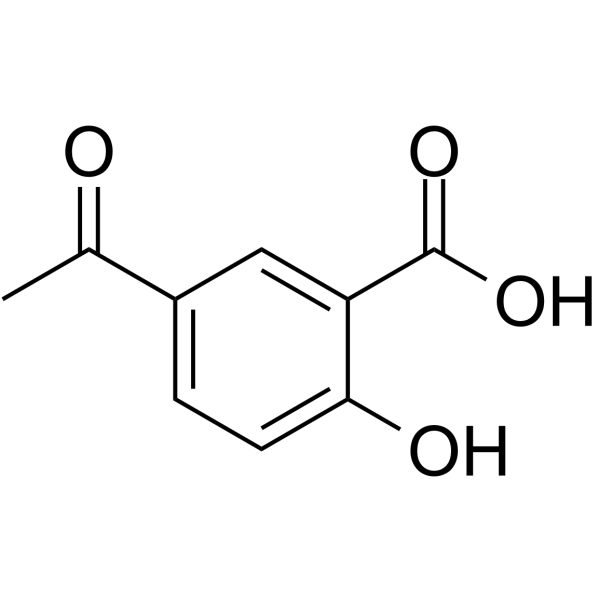
    5-Acetylsalicylic acid
    1 Publications Verification

    Drug Derivative Inflammation/Immunology Cancer
    5-Acetylsalicylic acid is the derivate of Aspirin (HY-14654), with anti-inflammatory property. 5-Acetylsalicylic acid is the active metabolite of Sulfasalazine (HY-14655) and its production is regulated by beneficial bacteria in the gut but is confined to the intestinal tract. 5-Acetylsalicylic acid exhibits a mild cytotoxicity effect on B16F10 cells. 5-Acetylsalicylic acid can be used for the study of inflammatory bowel disease (IBD) such as ulcerative colitis (UC) .
    5-Acetylsalicylic acid
  • HY-W007355R

    3-Methylindole (Standard); 3-Methyl-1H-indole (Standard)

    Reference Standards Aryl Hydrocarbon Receptor p38 MAPK Endogenous Metabolite Apoptosis Others
    Skatole (Standard) is the analytical standard of Skatole. This product is intended for research and analytical applications. Skatole (3-methylindole) is a heterocyclic compound naturally found in the feces of vertebrates and can be found in certain plants. Skatole can be produced by intestinal bacteria, inducing apoptosis of intestinal epithelial cells through activating aryl hydrocarbon receptors (AhR) and p38. Skatole has been used in specific products of the perfume industry or as a flavor additive in ice cream .
    Skatole (Standard)
  • HY-W007355S1

    3-Methylindole-d8; 3-Methyl-1H-indole-d8

    Isotope-Labeled Compounds Aryl Hydrocarbon Receptor p38 MAPK Endogenous Metabolite Autophagy Bacterial Fungal Others
    Skatole-d8 is the deuterium labeled Skatole. Skatole is produced by intestinal bacteria, regulates intestinal epithelial cellular functions through activating aryl hydrocarbon receptors and p38 .
    Skatole-d8
  • HY-W008030

    Bacterial Infection
    3-Aminobiphenyl is a chemical isomer of 4-ABP. 3-Aminobiphenyl can inhibit the growth of human intestinal bacteria Bifidobacterium infantis ATCC 15697, B. bifidium ATCC 11863, Clostridium perfringens ATCC 13124, Escherichia coli ATCC 25922, E. coli ATCC 35218, Enterobacter cloacae ATCC 13047 and Salmonella typhimurium TA98, TA100, YG1041. 3-Aminobiphenyl can be used as a biomarker of exposure to aromatic amines from cigarette smoke .
    3-Aminobiphenyl
  • HY-B1773AS4

    Isotope-Labeled Compounds Apoptosis NF-κB Bacterial PPAR COX NO Synthase Autophagy HSV Endogenous Metabolite Infection Neurological Disease Inflammation/Immunology Cancer
    Sodium propionate-d5 is the deuterium labeled Propionate sodium (HY-B1773A). Sodium propionate is an orally active short-chain fatty acid. Sodium propionate can be produced by intestinal bacteria from the metabolism of dietary fiber. Sodium propionate increases PPAR-γ, inhibits NF-κB activation, and reduces COX-2 expression and NO production. Sodium propionate also induces Apoptosis and Autophagy. Sodium propionate reduces HSV-1-induced keratitis. Sodium propionate has anticancer effects against glioblastoma. Sodium propionate exhibits neuroprotective, antioxidant, and anti-inflammatory activities. Sodium propionate can be used in the research of spinal cord injury and Alzheimer's disease .
    Sodium propionate-d5
  • HY-B1773AS

    Isotope-Labeled Compounds Apoptosis NF-κB Bacterial PPAR COX NO Synthase Autophagy HSV Endogenous Metabolite Infection Neurological Disease Inflammation/Immunology Cancer
    Sodium propionate- 13C is the 13C labeled Propionate sodium (HY-B1773A). Sodium propionate is an orally active short-chain fatty acid. Sodium propionate can be produced by intestinal bacteria from the metabolism of dietary fiber. Sodium propionate increases PPAR-γ, inhibits NF-κB activation, and reduces COX-2 expression and NO production. Sodium propionate also induces Apoptosis and Autophagy. Sodium propionate reduces HSV-1-induced keratitis. Sodium propionate has anticancer effects against glioblastoma. Sodium propionate exhibits neuroprotective, antioxidant, and anti-inflammatory activities. Sodium propionate can be used in the research of spinal cord injury and Alzheimer's disease .
    Sodium propionate-13C
  • HY-D1460

    Bacterial β-glucuronidase Infection
    Fluorescein Di-β-D-Glucuronide is an orally active fluorescent probe substrate and an indicator of β-glucuronidase (βG) activity in intestinal bacteria. Fluorescein Di-β-D-Glucuronide can be used for non-invasive time-lapse optical imaging of βG activity in intestinal bacteria in nude mice. Fluorescein Di-β-D-Glucuronide supports the quantitative analysis of bacterial βG enzyme activity and inhibition .
    Fluorescein Di-β-D-Glucuronide
  • HY-B1190R

    BL-S 578 (Standard)

    Reference Standards Bacterial Antibiotic EAAT Infection Neurological Disease
    Cefadroxil (Standard) is the analytical standard of Cefadroxil (HY-B1190). This product is intended for research and analytical applications. Cefadroxil is an orally active broad-spectrum cephalosporin antibiotic. Cefadroxil inhibits bacterial cell wall synthesis and enhances the expression of glutamate transporter-1. Cefadroxil is dependent on the intestinal peptide transporter PepT1 for small intestinal absorption. Cefadroxil has inhibitory and bactericidal activity against a variety of Gram-positive and Gram-negative bacteria and has analgesic effects on neuropathic pain .
    Cefadroxil (Standard)
  • HY-B0159A

    Q-35 dihydrate

    Bacterial Antibiotic Infection
    Balofloxacin dihydrate (Q-35 dihydrate) is an orally active fluoroquinolone antibiotic with broad-spectrum antibacterial activity against gram-negative, gram-positive, and anaerobic bacteria. Balofloxacin dihydrate can be used for the research of respiratory, intestinal, and urinary tract infections .
    Balofloxacin dihydrate
  • HY-W013766
    Pipemidic acid trihydrate
    1 Publications Verification

    Bacterial Antibiotic Infection
    Pipemidic acid trihydrate, a derivative of Piromidic acid, is an antibacterial agent. Pipemidic acid trihydrate inhibits DNA gyrase. Pipemidic acid trihydrate is active against gram-negative bacteria including Pseudomonas aeruginosa as well as some gram-positive bacteria. Pipemidic acid trihydrate can be used for the research of intestinal, urinary, and biliary tract infections .
    Pipemidic acid trihydrate
  • HY-D0008

    Bacterial Fungal Parasite Infection
    Brilliant green is a cationic dye used to color silk and wool. Brilliant green inhibits propagation of mold, intestinal parasites and fungus. Brilliant green is effective against Gram-positive bacteria .
    Brilliant green
  • HY-108695B

    Apoptosis Endogenous Metabolite Cancer
    (±)-Enterodiol is the racemate of Enterodiol (HY-108695). Enterodiol is transformed by human intestinal bacteria from lignans contained in various whole-grain cereals, nuts, legumes, flaxseed, and vegetables. Enterodiol has an apoptotic effect in colorectal cancer (CRC) cells. Enterodiol has anti-cancer activities .
    (±)-Enterodiol
  • HY-125356

    Beta-lactamase Infection
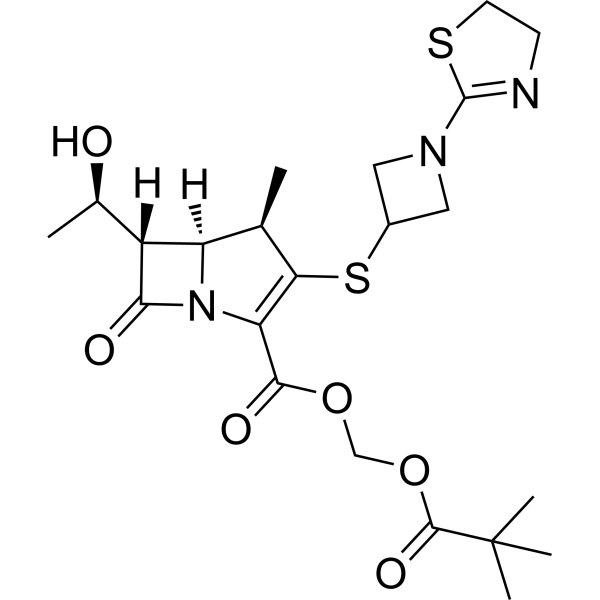
    ETX0282 is an orally active prodrug, with its active form being ETX1317. ETX0282 and ETX1317 are β-lactamase inhibitors of the dioxolane-dibenzo-p-heptane (DBO) type. ETX0282 exhibits high stability during intestinal absorption and can be efficiently converted into ETX1317 in the liver. ETX0282 alone has no bactericidal activity, but in a mouse model of neutropenic thigh infection, it can significantly reduce bacterial load when used in combination with Cefpodoxime Proxetil (HY-N7101). ETX0282 can be used for the study of infections caused by drug-resistant Gram-negative bacteria .
    ETX0282
  • HY-B1773AS5

    Isotope-Labeled Compounds Apoptosis NF-κB Bacterial PPAR COX NO Synthase Autophagy HSV Endogenous Metabolite Infection Neurological Disease Inflammation/Immunology Cancer
    Sodium propionate-d3 is the deuterium labeled Propionate sodium (HY-B1773A). Sodium propionate is an orally active short-chain fatty acid. Sodium propionate can be produced by intestinal bacteria from the metabolism of dietary fiber. Sodium propionate increases PPAR-γ, inhibits NF-κB activation, and reduces COX-2 expression and NO production. Sodium propionate also induces Apoptosis and Autophagy. Sodium propionate reduces HSV-1-induced keratitis. Sodium propionate has anticancer effects against glioblastoma. Sodium propionate exhibits neuroprotective, antioxidant, and anti-inflammatory activities. Sodium propionate can be used in the research of spinal cord injury and Alzheimer's disease .
    Sodium propionate-d3
  • HY-W015954R

    Reference Standards Endogenous Metabolite Calcium Channel Bacterial Infection Metabolic Disease
    (2R,3R)-Butane-2,3-diol (Standard) is the analytical standard of (2R,3R)-Butane-2,3-diol (HY-W015954). This product is intended for research and analytical applications. (2R,3R)-Butane-2,3-diol is a non-covalent, reversible agonist targeting lanthanum (La 3+)-sensitive calcium channels in bacteria (e.g., Escherichia coli) with an EC50 of approximately 25 mM. (2R,3R)-Butane-2,3-diol binds to calcium channel proteins or related complexes, induces channel opening, promotes extracellular calcium influx, and triggers intracellular calcium transients, which may regulate bacterial physiological activities such as growth, metabolism, and signal transduction. (2R,3R)-Butane-2,3-diol mediates bacterial-host cell signaling interactions and affects the metabolic balance of intestinal microorganisms, and can be used to study lactose intolerance and other related diseases .
    (2R,3R)-Butane-2,3-diol (Standard)
  • HY-138094

    Drug Metabolite Infection
    N-(2-hydroxyethyl)-oxamic acid is formed when Metronidazole is reduced either chemically or by the action of the intestinal bacteria. Metronidazole, a nitroimidazole antibiotic, has activity against various protozoans and most Gram-negative and Gram-positive anaerobic bacteria .
    N-(2-Hydroxyethyl)oxamic acid
  • HY-B1190S

    BL-S 578-d4 hydrate

    Isotope-Labeled Compounds Bacterial Antibiotic EAAT Infection Neurological Disease
    Cefadroxil-d4 (hydrate) is the deuterium labeled Cefadroxil hydrate (HY-B1190A). Cefadroxil hydrate is an orally active broad-spectrum cephalosporin antibiotic. Cefadroxil hydrate inhibits bacterial cell wall synthesis and enhances the expression of glutamate transporter-1. Cefadroxil hydrate is dependent on the intestinal peptide transporter PepT1 for small intestinal absorption. Cefadroxil hydrate has inhibitory and bactericidal activity against a variety of Gram-positive and Gram-negative bacteria and has analgesic effects on neuropathic pain .
    Cefadroxil-d4 hydrate
  • HY-13771S1

    Ursodeoxycholate-13C; Ursodiol-13C; UDCA-13C

    Isotope-Labeled Compounds G protein-coupled Bile Acid Receptor 1 FXR Endogenous Metabolite Cancer
    Ursodeoxycholic acid- 13C is the 13C labeled Ursodeoxycholic acid. Ursodeoxycholic acid (Ursodeoxycholate) is a secondary bile acid issued from the transformation of (cheno)deoxycholic acid by intestinal bacteria, acting as a key regulator of the intestinal barrier integrity and essential for lipid metabolism. Ursodeoxycholic acid acts as signaling molecule, exerting its effects by interacting with bile acid activated receptors, including G-protein coupled bile acid receptor 5 (TGR5, GPCR19) and the farnesoid X receptor (FXR). Ursodeoxycholic acid can be used for the research of a variety of hepatic and gastrointestinal diseases. Orally active .
    Ursodeoxycholic acid-13C
  • HY-N9495

    Bacterial Infection
    (-)-trans-Myrtanol is an antimicrobial and acaricide agent. (-)-trans-Myrtanol exhibits potent antimicrobial activities against harmful intestinal bacteria. (-)-trans-Myrtanol shows acaricidal activities for D. farinae, D. pteronyssinus, T. putrescentiae with LD50 values of 2.30 µg/cm 2, 2.22 µg/cm 2, 12.95 µg/cm 2, respectively .
    (-)-trans-Myrtanol
  • HY-W705820

    Isotope-Labeled Compounds Apoptosis Endogenous Metabolite Cancer
    (±)-Enterodiol-d6 is the deuterium labeled (±)-Enterodiol (HY-108695B). (±)-Enterodiol is the racemate of Enterodiol (HY-108695). Enterodiol is transformed by human intestinal bacteria from lignans contained in various whole-grain cereals, nuts, legumes, flaxseed, and vegetables. Enterodiol has an apoptotic effect in colorectal cancer (CRC) cells. Enterodiol has anti-cancer activities .
    (±)-Enterodiol-d6
  • HY-N0882

    Deacetylcinobufotalin

    Apoptosis Bcl-2 Family Inflammation/Immunology Cancer
    Desacetylcinobufotalin is an active component isolated from Venenum Bufonis, which exhibits significant cytotoxicity against human hepatocellular carcinoma HepG2 cells (IC50 = 0.0279 µmol/mL). Desacetylcinobufotalin upregulates Bax protein expression, downregulates Bcl-2 protein expression, and induces apoptosis via the mitochondrial pathway. Desacetylcinobufotalin inhibits cancer cell survival, and shows lower cytotoxicity compared to its parent compound Cinobufagin (HY-N0421). Desacetylcinobufotalin can be used in hepatocellular carcinoma-related research .
    Desacetylcinobufotalin
  • HY-N0468R

    Reference Standards Acetyl-CoA Carboxylase FXR Metabolic Disease
    Rebaudioside D (Standard) is the analytical standard of Rebaudioside D. This product is intended for research and analytical applications. Rebaudioside D is an orally active sweetener that targets and activates FXR, modulates Acetyl-CoA Carboxylase, and inhibits 3-hydroxy-3-methylglutaryl-CoA reductase. Rebaudioside D regulates bile acid homeostasis and lipid metabolism, reduces the synthesis rates of fatty acids and cholesterol, and exerts multiple effects including anti-adipogenesis, hepatoprotection, anti-steatosis, gut microbiota modulation, enhancement of secondary bile acid metabolism, anti-endotoxin activity, regulation of bile acid transport, and inhibition of bile acid efflux. Rebaudioside D also reduces body weight gain, visceral fat accumulation, hepatic triglyceride and cholesterol accumulation, hepatic lipid peroxidation, and decreases the circulating level of lipopolysaccharide-binding protein. Rebaudioside D additionally enhances the secondary bile acid metabolic pathway of intestinal bacteria, upregulates the gene expression of ileal organic solute transporter α, and downregulates the gene expression of hepatic bile salt export pump. Rebaudioside D does not affect glucose homeostasis, alter total caloric intake or fecal energy excretion, induce weight gain, exacerbate obesity, promote hepatic steatosis, impair brown adipose tissue function, nor change skeletal muscle metabolism-related proteins. Rebaudioside D can be used in diet-induced obesity and obesity-related research .
    Rebaudioside D (Standard)

Inquiry Online

Your information is safe with us. * Required Fields.

Salutation


Country or Region *

Applicant Name *


Organization Name *

Department *


Email Address *


Product Name *

Cat. No.


Requested quantity *

Phone Number *


Remarks

Inquiry Online

Inquiry Information

Product Name:
Cat. No.:
Quantity:
MCE Japan Authorized Agent:

