


1. Search Result
Search Result
Results for "

liver tissue

" in MedChemExpress (MCE) Product Catalog:

147

Inhibitors & Agonists

4

Screening Libraries

3

Fluorescent Dyes

7

Biochemical Assay Reagents

9

Peptides

2

MCE Kits

2

Inhibitory Antibodies

26

Natural
Products

4

Recombinant Proteins

14

Isotope-Labeled Compounds

2

Antibodies

1

Click Chemistry

12

Oligonucleotides

Cat. No. Product Name Target Research Areas Chemical Structure
  • HY-D1168
    Oil Red O
    10+ Cited Publications

    Environmental Pollutants Fluorescent Dye Metabolic Disease
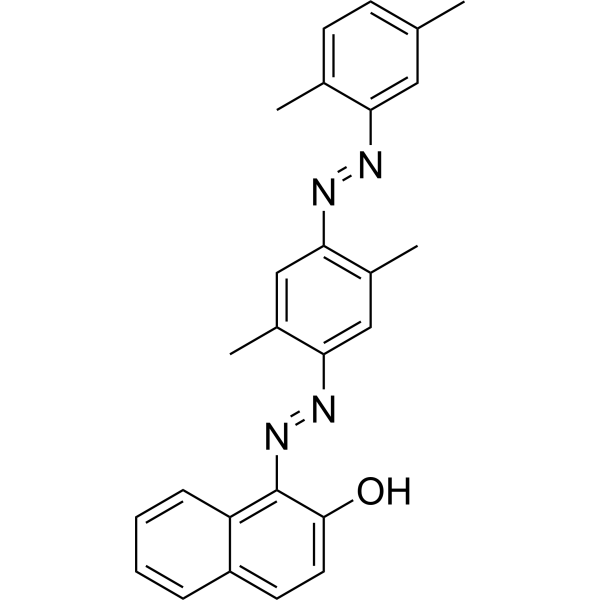
    Oil Red O is a fat-soluble diazol dye, with a maximum absorption at 518 nm. Oil Red O stains neutral lipids and cholesteryl esters but not biological membranes. Oil Red O can be used for detecting and quantifying hepatic steatosis in mouse liver biopsies. Oil Red O staining efficiently helps to visualize the radical changes that occur in tissues as metabolic disease occurs and progresses .
    Oil Red O
  • HY-169179

    PROTACs STAT Cancer
    AK-1690 is a selective PROTAC degrader targeting STAT6 (DC50=1 nM) with a Ki of 6 nM against human STAT6. AK-1690 degrades STAT6 via the interaction of STAT6 with cereblon and a ubiquitin-like process. AK-1690 effectively depletes STAT6 protein in mouse liver and lung tissues, and is applicable to research related to leukemia, Hodgkin's lymphoma, follicular lymphoma, etc. .
    AK-1690
  • HY-N5034
    Phosphorylethanolamine
    4 Publications Verification

    Monoaminoethyl phosphate; NSC 254167; O-Phosphoethanolamine

    Endogenous Metabolite Neurological Disease Metabolic Disease Cancer
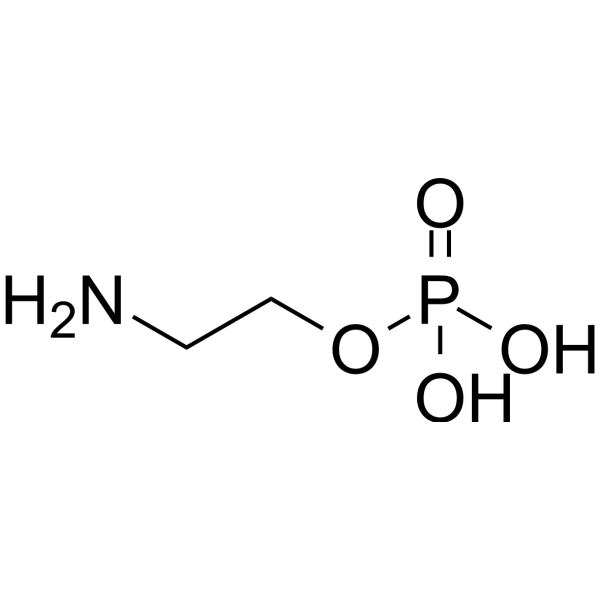
    Phosphorylethanolamine (Monoaminoethyl phosphate) is a membrane phospholipid and an important precursor of Phosphatidylcholine (HY-B2233B). It is found in most animal tissues and various human extracranial tumors, playing a critical role in membrane integrity, cell division, mitochondrial respiratory function, and more. Studies have shown that changes in the abundance of Phosphorylethanolamine are associated with Alzheimer's disease and Parkinson's disease. Lowering the ratio of Phosphorylethanolamine to Phosphatidylcholine in the liver can improve insulin signaling. Phosphorylethanolamine holds promise for research in the fields of cancer, neurodegenerative disorders, and metabolic diseases .
    Phosphorylethanolamine
  • HY-123986
    CTPI-2
    10+ Cited Publications

    Mitochondrial Metabolism Inflammation/Immunology Cancer
    CTPI-2 is a third-generation mitochondrial citrate carrier SLC25A1 inhibitor with a KD of 3.5 μM. CTPI-2 inhibits glycolysis, PPARγ, and its downstream target the glucose transporter GLUT4. CTPI-2 halts salient alterations of NASH reverting steatosis, preventing the evolution to steatohepatitis, reducing inflammatory macrophage infiltration in the liver and adipose tissue, and starkly mitigating obesity induced by a high-fat diet. Antitumor activity .
    CTPI-2
  • HY-108910
    Chymotrypsin
    2 Publications Verification

    EC 3.4.21.1; Chymotrypsin A

    Toll-like Receptor (TLR) NF-κB MMP Others Inflammation/Immunology
    Chymotrypsin (EC 3.4.21.1; Chymotrypsin A) is an orally effective inhibitor targeting molecules such as TLR4, NF-κB, MMP-1, TNF-α, IL-1β, and IL-6. Chymotrypsin downregulates the TLR4/NF-κB signaling pathway, inhibiting the release of inflammatory factors, reducing cell infiltration and tissue damage. It also reduces the expression of tumor cell adhesion molecules (such as CD44 and CD54) and can be specifically detected by fluorescent probes (such as NBD-3). Chymotrypsin has anti-inflammatory, hepatoprotective, joint damage-reducing, liver protection against lipotoxicity, and anti-tumor metastasis functions. It can be used in research on diseases such as rheumatoid arthritis, non-alcoholic fatty liver disease, and melanoma metastasis. Chymotrypsin can be used in studies of inflammation, edema, and expectoration .
    Chymotrypsin
  • HY-P3211
    Nangibotide
    5+ Cited Publications

    LR12

    TREM receptor NF-κB NOD-like Receptor (NLR) Interleukin Related Apoptosis Cardiovascular Disease Inflammation/Immunology
    Nangibotide (LR12) is a synthetic peptide and TREM-1 receptor inhibitor. Nangibotide inhibits NF-κB and NLRP3 inflammasome activation and reduces the release of pro-inflammatory factors (such as IL-1β, IL-8). Nangibotide inhibits Apoptosis. Nangibotide reduces excessive inflammatory responses and protects tissues (liver, lung) from damage. Nangibotide can be used in the researches for myocardial ischemia-reperfusion injury, septic shock, acute lung injury, osteoarthritis, and acute liver failure .
    Nangibotide
  • HY-103243
    TCPOBOP
    4 Publications Verification

    Bcl-2 Family Cancer
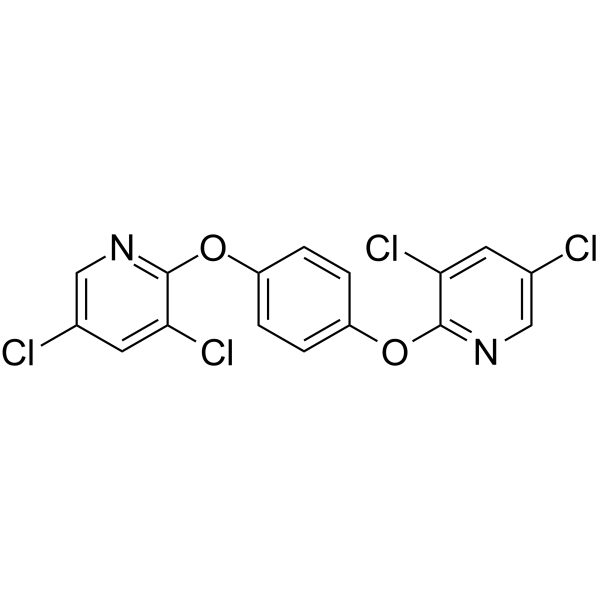
    TCPOBOP is a constitutive androstane receptor (CAR) agonist that induces robust hepatocyte proliferation and hepatomegaly without any liver injury or tissue loss . TCPOBOP attenuates Fas-induced murine liver injury by altering Bcl-2 proteins .
    TCPOBOP
  • HY-W006405

    Estrogen Receptor/ERR Cardiovascular Disease Cancer
    Isoflavone is an orally available bioactive component of soy phytoestrogen with lipid-lowering and antioxidant activities. Isoflavone prevents a variety of chronic diseases by regulating fatty acid oxidation in the liver and gene expression in adipose tissue. In addition, isoflavone has important value in the research of cancer and cardiovascular diseases .
    Isoflavone
  • HY-P3211A
    Nangibotide TFA
    5+ Cited Publications

    LR12 TFA

    TREM receptor NF-κB NOD-like Receptor (NLR) Interleukin Related Apoptosis Cardiovascular Disease Inflammation/Immunology
    Nangibotide TFA (LR12 TFA) is a synthetic peptide and TREM-1 receptor inhibitor. Nangibotide TFA inhibits NF-κB and NLRP3 inflammasome activation and reduces the release of pro-inflammatory factors (such as IL-1β, IL-8). Nangibotide TFA inhibits Apoptosis. Nangibotide TFA reduces excessive inflammatory responses and protects tissues (liver, lung) from damage. Nangibotide TFA can be used in the researches for myocardial ischemia-reperfusion injury, septic shock, acute lung injury, osteoarthritis, and acute liver failure .
    Nangibotide TFA
  • HY-143712
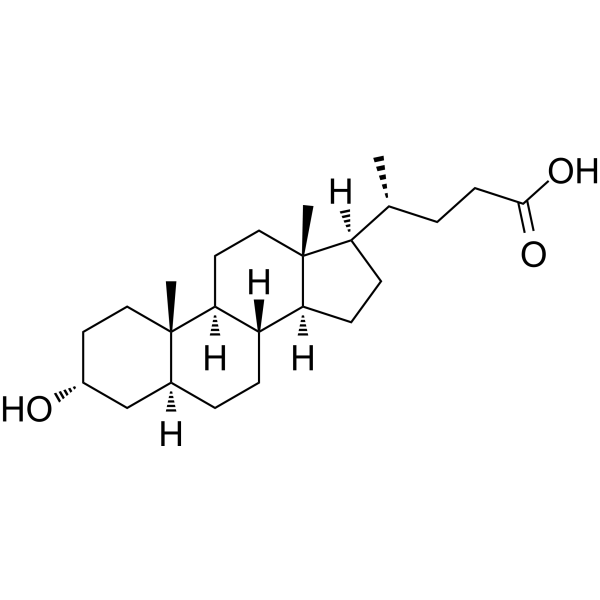
    Allolithocholic acid
    1 Publications Verification

    Drug Metabolite G protein-coupled Bile Acid Receptor 1 ROR Metabolic Disease Inflammation/Immunology Cancer
    Allolithocholic acid is an orally active metabolite of Lithocholic acid (HY-B0172). Allolithocholic acid is a dual GPBAR1 agonist (EC50 = 2.7 μM) and RORγt inverse agonist (IC50 = 3.4 μM). Allolithocholic acid modulates immune and metabolic pathways, regulates immune cell polarization, prevents M1 macrophage and Th17 CD4 cell polarization. Allolithocholic acid improves insulin sensitivity, reduces liver lipid accumulation, reverses liver immunological, inflammatory and metabolic signaling dysregulation, restores bile acid homeostasis, adipose tissue histopathology/function, and intestinal microbiota composition, modulates intestinal immunity. Allolithocholic acid can be used for the researches of cancer, inflammayion, immunology and metabolic disease .
    Allolithocholic acid
  • HY-Y1147
    Diethyl maleate
    1 Publications Verification

    Maleic acid diethyl ester

    Biochemical Assay Reagents Others
    Diethyl maleate (DEM) is an orally available, effective glutathione (GSH) depletor that crosses the blood-brain barrier. Diethyl maleate covalently binds irreversibly to GSH via glutathione S-transferase with an in vitro IC50 of 0.1-0.5 mM. Diethyl maleate selectively depletes GSH in liver, lung, and brain tissues, exacerbating oxidative stress and enhancing hyperbaric oxygen toxicity. Diethyl maleate promotes precursor amino acid uptake and in turn promotes GSH synthesis by upregulating the activity of the cystine-glutamate transporter XO -. Diethyl maleate can be used to study redox homeostasis and GSH protection mechanisms in oxidative stress-related diseases such as hyperbaric oxygen injury and metabolic diseases[1][2][3].
    Diethyl maleate
  • HY-12642
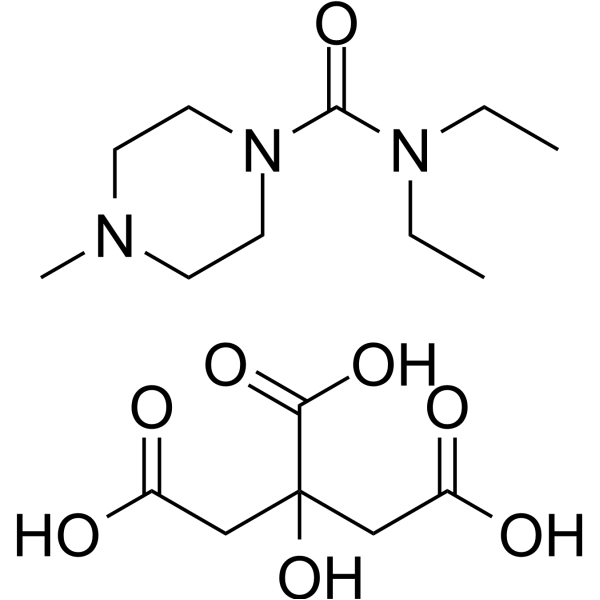
    Diethylcarbamazine citrate
    1 Publications Verification

    Parasite Bacterial TNF Receptor Interleukin Related Infection Metabolic Disease Inflammation/Immunology
    Diethylcarbamazine citrate is an orally active microfilaricidal agent used originally in onchocerciasis and lymphatic filiariasis. Diethylcarbamazine citrate reduces eosinophil trafficking to the lung tissue and exerts anti-allergic effects. Diethylcarbamazine citrate reduces serum levels of leptin, TNF-α, IL-6, MCP-1, glucose, insulin, and triglycerides, and ameliorates insulin resistance without altering body, liver, or adipose tissue weights. Diethylcarbamazine citrate enhances reactive oxygen intermediate expression by polymorphonuclear neutrophils, increases lymphocyte proliferation, and inhibits actinomycetoma lesion development. Diethylcarbamazine citrate can be used for the researches of bronchial asthma, insulin resistance and infection .
    Diethylcarbamazine citrate
  • HY-P2994

    3-HBDH

    Endogenous Metabolite Metabolic Disease
    3-Hydroxybutyrate dehydrogenase (3-HBDH), a mitochondrial enzyme, is a key enzyme in the ketone body metabolism pathway. 3-Hydroxybutyrate dehydrogenase is the last enzyme for ketone synthesis in the liver and the first enzyme for ketone breakdown in extracellular tissues. The absence of 3-Hydroxybutyrate dehydrogenase leads to the inhibition of fatty acid oxidation in the liver during fasting in mice, resulting in lipid accumulation and the development of fatty liver .
    3-Hydroxybutyrate dehydrogenase
  • HY-N0546
    Ligustroflavone
    2 Publications Verification

    Nuezhenoside

    CaSR RIP kinase Mixed Lineage Kinase TGF-beta/Smad Cardiovascular Disease Neurological Disease Metabolic Disease Endocrinology
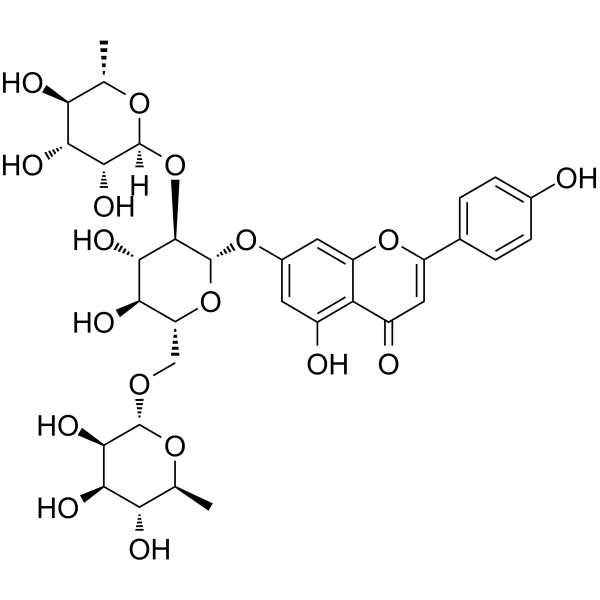
    Ligustroflavone is an orally active flavonoid compound. Ligustroflavone can be extracted from Ligustrum lucidum. Ligustroflavone antagonizes the calcium-sensing receptor (CaSR), inhibits the RIPK1/RIPK3/MLKL pathway, and downregulates TGF-β/Smad signaling. Ligustroflavone regulates calcium metabolism, protects bone tissue, reduces cerebral ischemic injury, and inhibits liver fibrosis. Ligustroflavone can be used in the study of diabetic osteoporosis, ischemic stroke, and liver fibrosis .
    Ligustroflavone
  • HY-N2362

    DL-2-Aminopropionic acid

    Endogenous Metabolite Metabolic Disease
    DL-alanine, an orally active amino acid, is the racemic compound of L- and D-alanine. DL-alanine is employed both as a reducing and a capping agent, used with silver nitrate aqueous solutions for the production of nanoparticles. DL-alanine can be used for the research of transition metals chelation, such as Cu(II), Zn(II), Cd(11). DL-alanine, a sweetener, is classed together with glycine and sodium saccharin. DL-alanine plays a key role in the glucose-alanine cycle between tissues and liver .
    DL-Alanine
  • HY-133971

    5α,6α-Epoxycholesterol

    Liposome Others
    Cholesterol-5α,6α-epoxide is an epoxide derivative of cholesterol formed by the enzymatic oxidation of cholesterol in the liver and other tissues. Cholesterol-5α,6α-epoxide has unique chemical properties that make it an important intermediate in the biosynthesis of bile acids, which play a key role in the digestion and absorption of dietary fats. It also has a potential physiological role in regulating cholesterol metabolism and transport, although its biological function is not fully understood.
    Cholesterol 5α,6α-epoxide
  • HY-108910A
    Chymotrypsin (MS grade)
    2 Publications Verification

    EC 3.4.21.1 (MS grade); Chymotrypsin A (MS grade)

    Toll-like Receptor (TLR) NF-κB MMP Others Inflammation/Immunology
    Chymotrypsin (EC 3.4.21.1; Chymotrypsin A) (MS grade) is an orally effective inhibitor targeting molecules such as TLR4, NF-κB, MMP-1, TNF-α, IL-1β, and IL-6. Chymotrypsin (MS grade) downregulates the TLR4/NF-κB signaling pathway, inhibits the release of inflammatory factors, reduces cell infiltration and tissue damage, and also reduces the expression of tumor cell adhesion molecules (such as CD44 and CD54). It can also be specifically detected by fluorescent probes (such as NBD-3). Chymotrypsin (MS grade) has anti-inflammatory, hepatoprotective, joint damage-reducing, liver protection against lipotoxicity, and anti-tumor metastasis functions, and can be used in the research of diseases such as rheumatoid arthritis, non-alcoholic fatty liver disease, and melanoma metastasis. Chymotrypsin (MS grade) can be used in studies of inflammation, edema, and expectoration .
    Chymotrypsin (MS grade)
  • HY-21197

    Perfluoroheptanoic acid; Tridecafluoroheptanoic acid; PFHpA

    PPAR Neurological Disease Metabolic Disease Inflammation/Immunology
    Perfluoroenanthic acid (Perfluoroheptanoic acid) is a kind of perfluoroalkyl carboxylic acid organic pollutant. Perfluoroenanthic acid has environmental persistence and bioaccumulation, and exposure can occur via oral, dermal and other routes. Perfluoroenanthic acid exhibits reproductive toxicity, neurotoxicity, hepatotoxicity, immunotoxicity and endocrine-disrupting effects. Perfluoroenanthic acid exerts definite adverse effects on development, spermatogenesis, neuronal activity and liver tissue .
    Perfluoroenanthic acid
  • HY-Y0284
    Diethyl phthalate
    2 Publications Verification

    Environmental Pollutants Biochemical Assay Reagents Apoptosis Aminotransferases (Transaminases) Phosphatase Endocrinology
    Diethyl phthalate is an orally active plasticizer and detergent base. Diethyl phthalate increases the activities of ACP, ALP, SDH, and ALT in liver, muscle, or both tissues. Diethyl phthalate induces dose-dependent mortality and sluggish behavior in freshwater fish. Diethyl phthalate may induce male reproductive toxicity. Diethyl phthalate is added to plastic polymers to help maintain their flexibility .
    Diethyl phthalate
  • HY-P1636

    Thrombin YAP Calcium Channel Metabolic Disease
    Hirudin (54-65) is a thrombin antagonist and YAP suppressor with anticoagulatory properties.Hirudin (54-65) blocks thrombin's anion binding site, acts on soluble and thrombus-bound thrombin.Hirudin (54-65) suppresses thrombin-induced profibrotic YAP activity, reduces YAP expression, nuclear translocation, and downstream effector signaling in vascular endothelial cells.Hirudin (54-65) ameliorates obstructive cholestasis, attenuates liver fibrosis symptoms, fibrosis-associated angiogenesis, and endothelial-to-mesenchymal transition.Hirudin (54-65) reduces liver inflammation and tissue hypoxia.Hirudin (54-65) promotes extracellular calcium influx through L-type calcium channels in canine coronary artery smooth muscle, mediates contraction.Hirudin (54-65) induces endothelium-independent contraction of canine coronary arterial segments; this response is not affected by indomethacin pretreatment.Hirudin (54-65) can be used for the research of liver obstructive cholestasis, liver fibrosis .
    Hirudin (54-65)
  • HY-W006566

    5-Aminoisoquinolin-1-one

    PARP Cancer
    5-AIQ (5-Aminoisoquinolin-1-one) is a PARP-1 inhibitor. 5-AIQ is an important functional group in various drugs. 5-AIQ reduces the tissue injury associated with ischemia-reperfusion of the liver, it can be used for the research of the research conditions associated with ischemia-reperfusion of the liver .
    5-AIQ
  • HY-145801
    XT2
    2 Publications Verification

    NF-κB Inflammation/Immunology
    XT2 is a potent, orally active, and selective inhibitor of NF-κB-inducing kinase (NIK) with an IC50 of 9.1 nM. XT2 suppresses CCl4-induced upregulation of ALT, a key biomarker of acute liver injury. XT2 also decreases immune cell infiltration into the injured liver tissue. XT2 has the potential for the research of liver inflammatory diseases . XT2 is a click chemistry reagent, it contains an Alkyne group and can undergo copper-catalyzed azide-alkyne cycloaddition (CuAAc) with molecules containing Azide groups.
    XT2
  • HY-132850

    BLD-2660

    Proteasome Interleukin Related Infection Inflammation/Immunology
    Dazcapistat (BLD-2660) is an orally active small-molecule inhibitor of calpain 1, 2, and 9 (calpain 1, 2, 9). Dazcapistat reduces the expression/production level of IL-6 in injured lung tissue and alleviates fibrosis . Dazcapistat exerts anti-fibrotic effects in various animal models of fibrosis in the skin, liver and lung . Dazcapistat can be used in research related to coronavirus disease 2019 (COVID-19) and idiopathic pulmonary fibrosis .
    Dazcapistat
  • HY-N7755

    Endogenous Metabolite ATP-binding cassette (ABC) transporters OAT Others
    Estradiol 3-glucuronide sodium is an estrogen metabolite, which is a glucuronide conjugate formed by the catalysis of uridine diphosphate glucuronosyltransferase in tissues such as the liver from Estradiol (HY-B0141). Estradiol 3-glucuronide sodium is a potent substrate of Mrp2, with an S50 of 55.7 μM. Estradiol 3-glucuronide sodium achieves hepatobiliary transport in hepatocytes through basolateral uptake via OATP1B1, OATP1B3 and OATP2B1, as well as apical efflux via MRP2 and BCRP .
    Estradiol 3-glucuronide sodium
  • HY-17657

    5-Androstenediol 3-sulfate sodium

    Drug Intermediate Metabolic Disease
    Androst-5-enediol sulfate (5-Androstenediol 3-sulfate) sodium salt is an adrenal Δ5-steroid sulfate that synthesized by zona reticularis of adrenal depending on the lyase and Cytochrome b5 type A (CYB5A) activity. Androst-5-enediol sulfate sodium salt is a precursor hormone and can be desulfated to produce more potent androgens, including testosterone, in peripheral tissues like skin and liver. The serum level of Androst-5-enediol sulfate sodium salt has an age-related increase .
    Androst-5-enediol sulfate sodium
  • HY-113081R

    Reference Standards Endogenous Metabolite PPAR Hedgehog Cancer
    1-Methyladenosine (Standard) is the analytical standard of 1-Methyladenosine. This product is intended for research and analytical applications. 1-Methyladenosine is an RNA modification that can serve as a tumor marker, with elevated levels in the body associated with cancer development. Following 1-methyladenosine methylation, upregulation of PPARδ expression regulates cholesterol metabolism and activates Hedgehog signaling pathway, driving liver tumorigenesis . In Vitro:Compared to surrounding tumor tissues, 1-methyladenosine methylation in RNA is aberrantly elevated in hepatocellular carcinoma (HCC) cell lines and liver cancer stem cells (CSCs). Methylated 1-methyladenosine can promote cholesterol synthesis and activate the Hedgehog signaling pathway by enhancing the translation of PPARδ in liver CSCs, ultimately driving the self-renewal and tumorigenesis of liver cancer stem cells .
    1-Methyladenosine (Standard)
  • HY-12642A
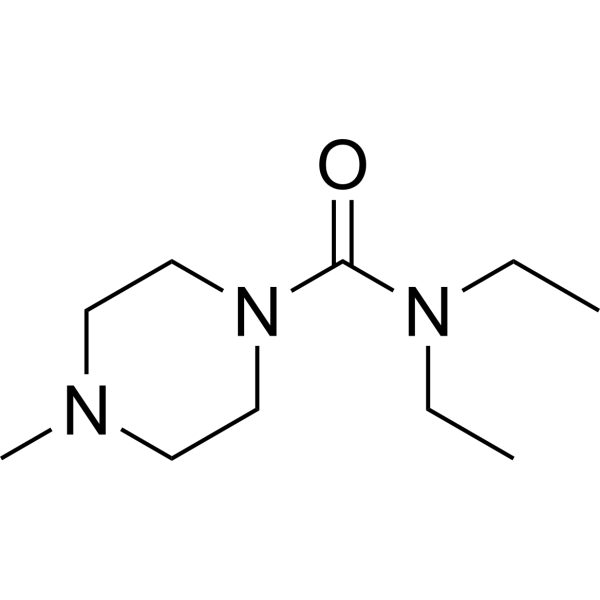
    Diethylcarbamazine
    1 Publications Verification

    Parasite Bacterial TNF Receptor Interleukin Related Infection Metabolic Disease Inflammation/Immunology
    Diethylcarbamazine is an orally active microfilaricidal agent used originally in onchocerciasis and lymphatic filiariasis. Diethylcarbamazine reduces eosinophil trafficking to the lung tissue and exerts anti-allergic effects. Diethylcarbamazine reduces serum levels of leptin, TNF-α, IL-6, MCP-1, glucose, insulin, and triglycerides, and ameliorates insulin resistance without altering body, liver, or adipose tissue weights. Diethylcarbamazine enhances reactive oxygen intermediate expression by polymorphonuclear neutrophils, increases lymphocyte proliferation, and inhibits actinomycetoma lesion development. Diethylcarbamazine can be used for the researches of bronchial asthma, insulin resistance and infection .
    Diethylcarbamazine
  • HY-W109613

    Bacterial PPAR Fungal Infection Metabolic Disease
    Methyl dehydroabietate is an orally active resin acid. Methyl dehydroabietate disrupts microbial cell walls and exhibits significant antibacterial activity. Methyl dehydroabietate induces the expression of PPARα in the liver and PPARγ in adipose tissue, and promotes adipocyte differentiation. Methyl dehydroabietate improves insulin resistance, reduces TNFα levels, and alleviates adipocyte hypertrophy and hepatic steatosis in obese mice. Methyl dehydroabietate can be used in research related to obesity, insulin resistance and hepatic steatosis .
    Methyl dehydroabietate
  • HY-W585842

    Endogenous Metabolite ATP-binding cassette (ABC) transporters OAT Others
    Estradiol 3-glucuronide is an estrogen metabolite, which is a glucuronide conjugate formed from Estradiol (HY-B0141) via catalysis by uridine diphosphate glucuronosyltransferases in tissues such as the liver. Estradiol 3-glucuronide is a potent substrate of Mrp2, with an S50 value of 55.7 μM. Estradiol 3-glucuronide achieves hepatobiliary transport in hepatocytes through basolateral uptake via OATP1B1, OATP1B3 and OATP2B1, as well as apical efflux via MRP2 and BCRP .
    Estradiol 3-glucuronide
  • HY-130581

    Bacterial Cardiovascular Disease Inflammation/Immunology
    Lipid X is a 2,3-diacylglucosamine-1-phosphate that serves as the monosaccharide precursor of lipid A, possessing both LPS antagonist and weak agonist activities. Lipid X exerts protective effects by inhibiting tumor necrosis factor production, monocyte procoagulant activity, and neutrophil priming. Lipid X may induce transient pulmonary hypertension, neutropenia, and mild pyrogenic effects in laboratory animals. Lipid X has low toxicity and no in vitro antibacterial activity, but it significantly reduces mortality following Gram-negative bacterial infection and endotoxin exposure. Lipid X tends to accumulate in liver tissue, binds to circulating cellular components, and can be converted to lipid Y through transesterification. Lipid X can be used in research on Gram-negative bacterial sepsis, endotoxemia, and associated pulmonary hypertension .
    Lipid X
  • HY-D1542

    Fluorescent Dye Cancer
    Mucicarmine is used in the histological visualization of acid mucopolysaccharides in tissue sections. Mucicarmine can identify mucin (deep rose), which is useful in determining the mucin positive cancer (such as liver carcinoma) .
    Mucicarmine
  • HY-161759

    Histone Methyltransferase Metabolic Disease
    MS152 is an oral bioactive inhibitor of EHMT2/G9a. MS152 reactivats maternally silenced Prader-Willi syndrome (PWS) genes in brain and liver tissues of PWS mouse models .
    MS152
  • HY-W010989

    Biochemical Assay Reagents Bacterial Infection Neurological Disease Inflammation/Immunology Cancer
    Gly-His-Lys acetate is a natural, circulating regulatory and antimicrobial tripeptide derived from extracellular matrix proteins. Gly-His-Lys acetate binds Cu 2+ to support copper enzyme activation, antioxidant processes, cellular bioenergetics, and the synthesis of elastin, collagen and catecholamines. Gly-His-Lys acetate regulates cell growth, differentiation and tissue repair, and exerts regenerative, anxiolytic, anti-inflammatory, analgesic and immunosuppressive activities. Gly-His-Lys acetate induces liver degenerative changes. Gly-His-Lys acetate can be used for the research of infections, anxiety, pain-related behaviors and immune-associated liver diseases .
    Gly-His-Lys acetate
  • HY-B0589H

    HMG-CoA Reductase (HMGCR) Autophagy Cardiovascular Disease
    Strontium atorvastatin is a cholesterol-lowering drug with activity in ameliorating cardiovascular disease-related events. Strontium atorvastatin exerts its biological activity by inhibiting HMG-CoA reductase in liver tissue. Strontium atorvastatin is also used to suppress dyslipidemia .
    Atorvastatin strontium
  • HY-W024365

    PROTAC Linkers Cancer
    3-tert-Butyl-4-methoxyphenol is a PROTAC linker, belongs to alkyl/ether class, with insecticidal activity. 3-tert-Butyl-4-methoxyphenol also induced increased activities of glutathione (GSH) S-transferase and epoxide hydrolase in the liver and forestomach tissues of A/HeJ mice, regulating the carcinogen metabolism system .
    3-tert-Butyl-4-methoxyphenol
  • HY-126850

    EGFR Cancer
    4-Epidoxycycline is a liver metabolite of the antibiotic doxycycline (doxycycline, HY-N0565) and doesn't have antibiotic properties in mice. 4-Epidoxycycline’s ability to regulate HER2 gene expression in vitro and in live mouse models is similar to that of doxycycline, and it shows comparable high efficacy in tumor tissues, achieving over 95% tumor regression rates .
    4-Epidoxycycline
  • HY-E70007

    COMT

    Endogenous Metabolite Neurological Disease
    Catechol O-methyltransferase, porcine liver (COMT), the magnesium-dependent transfer of methyl groups from S-adenosyl methionine to a hydroxyl group on dopamine, converting it to 3-methoxytyramine. Catechol O-methyltransferase has two forms in tissues, a soluble form (S-COMT) and a membrane-bound form (MB-COMT). Catechol O-methyltransferase is to regulate epinephrine, norepinephrine, and dopamine levels in the brain .
    Catechol O-methyltransferase, porcine liver
  • HY-118335

    SZL 49

    Adrenergic Receptor Cardiovascular Disease
    Prazobind (SZL 49), a prazosin analog, is an irreversible α1-adrenoceptor antagonist. Prazobind competes for alpha 1-adrenoceptor binding sites with a similar potency (IC50 of 1 nM) in tissues enriched in both the alpha 1A (hippocampus) and alpha 1B (liver) subtypes. Prazobind partially inhibits the contractions of circular muscles, longitudinal muscles and smooth muscles of the spleen. Prazobind can be used for the study of blood pressure .
    Prazobind
  • HY-E70437

    tissue-type transglutaminase; TG2; TGase 2

    Biochemical Assay Reagents Others
    Guinea pig liver transglutaminase (Tissue-type transglutaminase) is an exoenzyme. Enzymes have high catalytic efficiency, high specificity, and mild operating conditions. It can be applied in industries such as pharmaceuticals, industrial production, food manufacturing, and aquaculture .
    Guinea pig liver transglutaminase
  • HY-138291

    Orphan Receptor Constitutive Androstane Receptor Keap1-Nrf2 Drug Metabolite Inflammation/Immunology
    Ethoxyquin dimer is a dimer of Ethoxyquin (HY-B1425). Ethoxyquin dimer is an antioxidant. Ethoxyquin dimer can more readily accumulate in liver and adipose tissue compared with Ethoxyquin. Ethoxyquin above 10 mg/kg shows hepatotoxicity in mice .
    Ethoxyquin dimer
  • HY-118816

    11-epi PGF2α-EA; 11β-PGF2α-EA; 11β-Prostamide F2α

    Drug Metabolite Metabolic Disease
    11β-Prostaglandin F2α ethanolamide (11β-PGF2α-EA) is the theoretical hepatic metabolite of PGD2-EA, produced during COX-2 metabolism of the endogenous cannabinoid AEA which is found in brain, liver, and other mammalian tissues.1 AEA can be used directly by COX-2 and specific PG synthase to produce ethanolamide congeners of the classical PGs. PGD2-EA is formed in activated RAW 264.7 cells treated with AEA.
    11β-Prostaglandin F2α
  • HY-N7741

    Dehydrozaluzanin C-derivative

    Bacterial Infection Inflammation/Immunology
    Isozaluzanin C (Dehydrozaluzanin c-derivative) is an anti-inflammatory agent that can be isolated from Saussurea lappa and has immunomodulatory effects. Isozaluzanin C improves tissue damage (lung, kidney, and liver) and excessive inflammation in mice induced by LPS (HY-D1056) or CRKP infection. Isozaluzanin C can be used in the study of bacterial infections and sepsi .
    Isozaluzanin C
  • HY-N2362S2

    DL-2-Aminopropionic acid-d3

    Endogenous Metabolite Metabolic Disease
    DL-Alanine-d3 is the deuterium labeled DL-Alanine. DL-alanine, an amino acid, is the racemic compound of L- and D-alanine. DL-alanine is employed both as a reducing and a capping agent, used with silver nitrate aqueous solutions for the production of nanoparticles. DL-alanine can be used for the research of transition metals chelation, such as Cu(II), Zn(II), Cd(11). DL-alanine, a sweetener, is classed together with glycine, and sodium saccharin. DL-alanine plays a key role in the glucose-alanine cycle between tissues and liver .
    DL-Alanine-d3
  • HY-160926

    Glutathione S-transferase Cancer
    16-Oxocafestol enhances levels of glutathione S-transferase (GST) and tissue sulfhydryl in liver and in small bowel mucosa .
    16-Oxocafestol
  • HY-134221

    Adrenergic Receptor Reactive Oxygen Species (ROS) Cardiovascular Disease
    S-Nitroso-N-acetylcysteine is a nitric oxide donor. S-Nitroso-N-acetylcysteine has a tissue vascular dilation effect, which can enhance liver microcirculation and effectively prevent ischemia-reperfusion injury in fatty liver. S-Nitroso-N-acetylcysteine can reduce liver fibrosis in rats with cirrhosis .
    S-Nitroso-N-acetylcysteine
  • HY-W006566R

    5-Aminoisoquinolin-1-one (Standard)

    Reference Standards PARP Cancer
    5-AIQ (5-Aminoisoquinolin-1-one) is a PARP-1 inhibitor. 5-AIQ is an important functional group in various drugs. 5-AIQ reduces the tissue injury associated with ischemia-reperfusion of the liver, it can be used for the research of the research conditions associated with ischemia-reperfusion of the liver .
    5-AIQ (Standard)
  • HY-177608

    Interleukin Related Inflammation/Immunology
    Rat IL-10 mRNA encodes interleukin-10 (IL-10). IL-10 is expressed in tissues/cells such as hepatic stellate cells and is involved in physiological processes including liver fibrosis.
    Rat IL10 mRNA
  • HY-16121

    Cathepsin Others
    CAA-0225 is a tissue protease L inhibitor that inhibits rat liver tissue protease L with a IC50 value of 1.9 nM. CAA-0225 can participate in the degradation of autophagosome membrane markers LC3-II and GABARAP (HY-P72639), improve cardiac function in mice with reperfusion injury, and kill and eliminate Trypanosoma brucei parasites [1][2][3].
    CAA-0225
  • HY-N2953

    Fatty Acid Synthase (FASN) Metabolic Disease
    Borapetoside E can be isolated from T. crispa. Borapetoside E improves hyperglycemia, insulin resistance, hepatic steatosis, hyperlipidemia, and oxygen consumption in obese mice. Borapetoside E also inhibits SREBPs expression in the liver and adipose tissue .
    Borapetoside E
  • HY-153114

    FXR Inflammation/Immunology
    HEC96719 is a selective and orally active tricyclic farnesoid X receptor (FXR) agonist with EC50 values of 1.37 and 1.55 nM by time-resolved fluorescence energy transfer (TR-FRET) and luciferase reporter assays, respectively. HEC96719 significantly improves non-alcoholic steatohepatitis (NASH) and liver fibrosis with favorable tissue distribution in liver and intestine. HEC96719 can be used for the research of non-alcoholic steatohepatitis .
    HEC96719

Inquiry Online

Your information is safe with us. * Required Fields.

Salutation


Country or Region *

Applicant Name *


Organization Name *

Department *


Email Address *


Product Name *

Cat. No.


Requested quantity *

Phone Number *


Remarks

Inquiry Online

Inquiry Information

Product Name:
Cat. No.:
Quantity:
MCE Japan Authorized Agent:

