
1. Search Result
Search Result
Results for "

mammals

" in MedChemExpress (MCE) Product Catalog:

125

Inhibitors & Agonists

3

Screening Libraries

2

Fluorescent Dyes

5

Biochemical Assay Reagents

4

Peptides

2

MCE Kits

1

Inhibitory Antibodies

27

Natural
Products

2

Recombinant Proteins

19

Isotope-Labeled Compounds

4

Oligonucleotides

1

GMP Molecules

Cat. No. Product Name Target Research Areas Chemical Structure
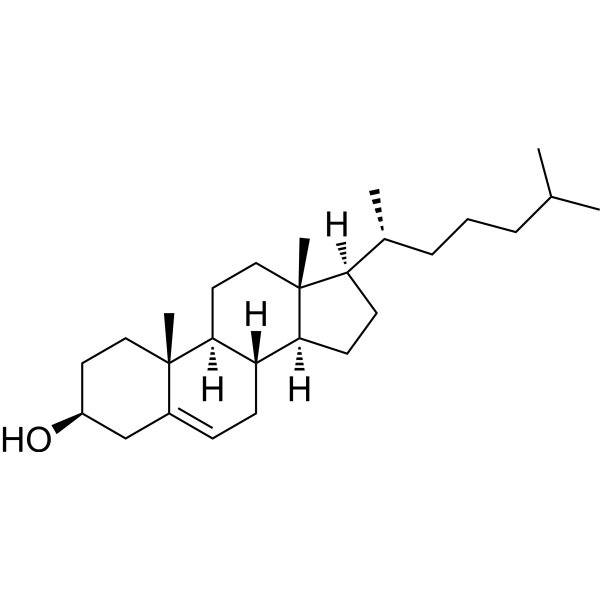
  • HY-N0322
    Cholesterol (from animal)
    80+ Cited Publications

    Environmental Pollutants Endogenous Metabolite Estrogen Receptor/ERR Bacterial Liposome Infection Metabolic Disease Cancer
    Cholesterol (from animal) is the major sterol in mammals. It is making up 20-25% of structural component of the plasma membrane. Plasma membranes are highly permeable to water but relatively impermeable to ions and protons. Cholesterol (from animal) plays an important role in determining the fluidity and permeability characteristics of the membrane as well as the function of both the transporters and signaling proteins . Cholesterol (from animal) is also an endogenous estrogen-related receptor α (ERRα) agonist .
    Cholesterol (from animal)
  • HY-100196
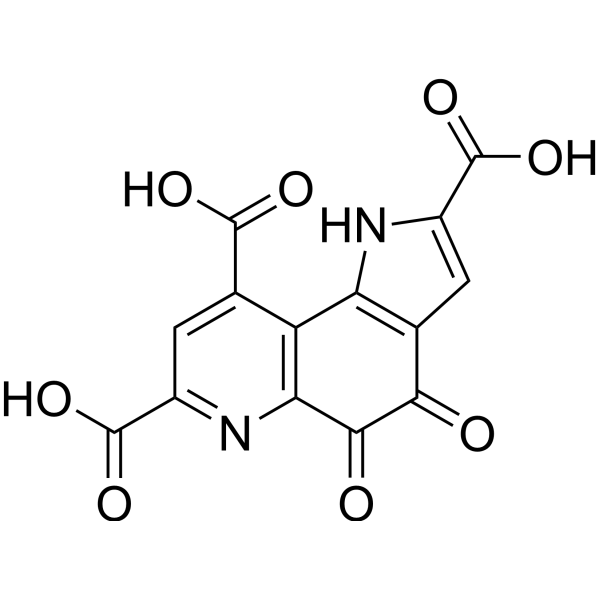
    Pyrroloquinoline quinone
    5+ Cited Publications

    PQQ; Methoxatin

    Endogenous Metabolite Inflammation/Immunology
    Pyrroloquinoline quinone (PQQ), a redox co-factor, is an anionic, redox-cycling orthoquinone. Pyrroloquinoline quinone is isolated from cultures of methylotropic bacteria and tissues of mammals. Pyrroloquinoline quinone is an essential nutrient for mammals and is important for immune function .
    Pyrroloquinoline quinone
  • HY-100196A

    PQQ disodium salt; Methoxatin disodium salt

    Endogenous Metabolite Inflammation/Immunology
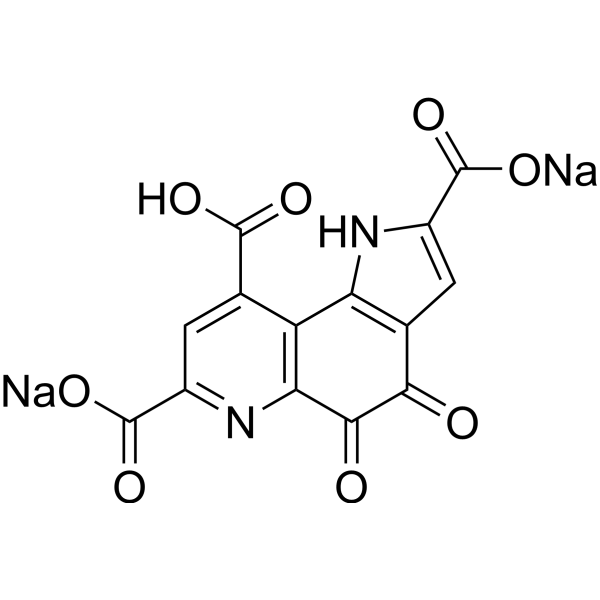
    Pyrroloquinoline quinone disodium salt, a redox co-factor, is an anionic, redox-cycling orthoquinone. Pyrroloquinoline quinone disodium salt is isolated from cultures of methylotropic bacteria and tissues of mammals. Pyrroloquinoline quinone disodium salt is an essential nutrient for mammals and is important for immune function .
    Pyrroloquinoline quinone disodium salt
  • HY-101988
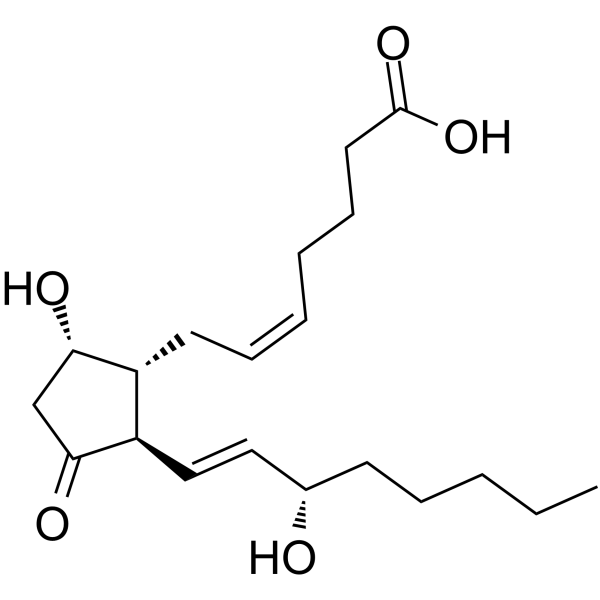
    Prostaglandin D2
    4 Publications Verification

    PGD2

    Prostaglandin Receptor Endogenous Metabolite Inflammation/Immunology
    Prostaglandin D2 (PGD2) is one of the major PGs actively produced in the brain of various mammals . Prostaglandin D2 is one of the most potent endogenous sleep promoting substances . PGD2 plays a protective role by suppressing inflammation .
    Prostaglandin D2
  • HY-N2549

    (±)-ABA

    Calcium Channel Metabolic Disease Inflammation/Immunology
    (±)-Abscisic acid is an orally active plant hormone that is present also in animals. (±)-Abscisic acid (ABA) contributes to the regulation of glycemia in mammals .
    (±)-Abscisic acid
  • HY-W018035
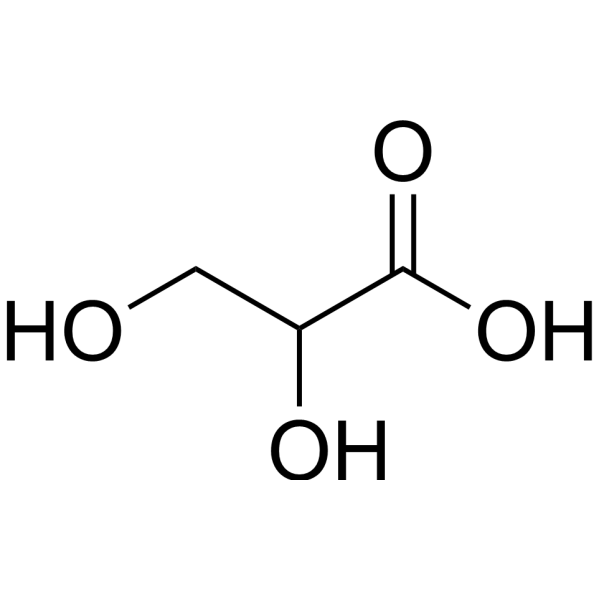
    DL-Glyceric Acid (20% in water)
    1 Publications Verification

    Glyceric Acid (20% in Water,ca.2 mol/L)

    Endogenous Metabolite Metabolic Disease
    DL-Glyceric Acid (20% in water) is a metabolite of plants and mammals and exists in two configurations, D and L .
    DL-Glyceric Acid (20% in water)
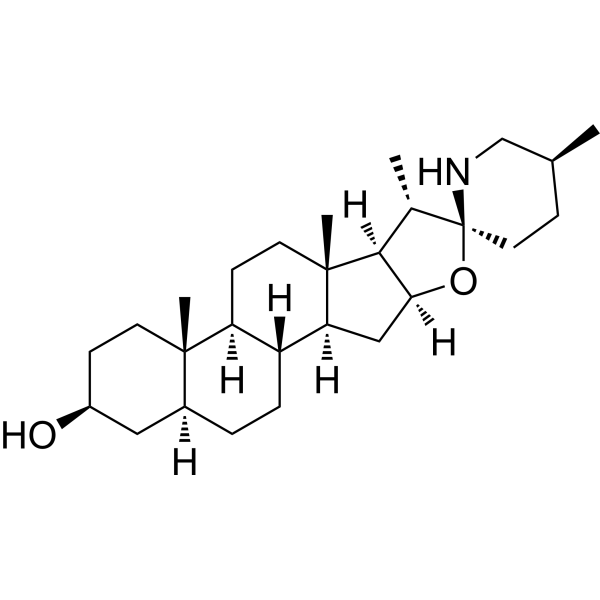
  • HY-N2149
    Tomatidine
    5+ Cited Publications

    NF-κB JNK Autophagy Endogenous Metabolite Cardiovascular Disease Inflammation/Immunology
    Tomatidine acts as an anti-inflammatory agent by blocking NF-κB and JNK signaling . Tomatidine activates autophagy either in mammal cells or C elegans .
    Tomatidine
  • HY-N7387

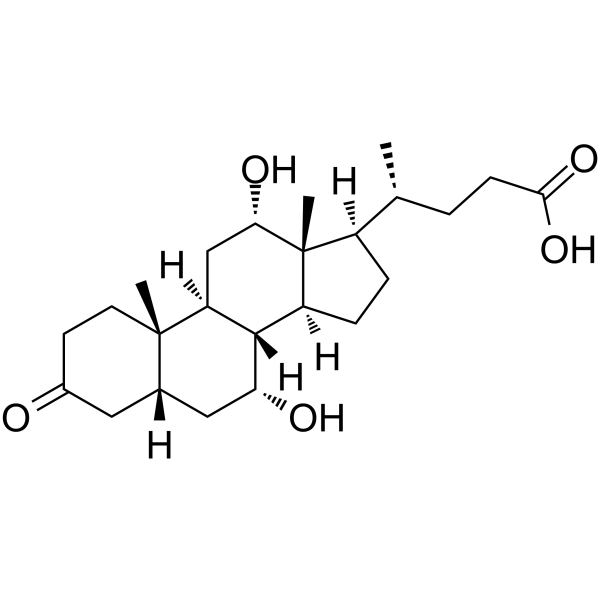
    3-Dehydrocholic acid

    Endogenous Metabolite Metabolic Disease
    3-Oxocholic acid is an oxo-bile acid metabolite and also a major degradation product from cholic by C. perfringens in the intestine. 3-Oxocholic acid is steroid acid found predominantly in bile of mammals .
    3-​Oxocholic acid
  • HY-P991488

    Interleukin Related Inflammation/Immunology
    BI-765423 is a selective monoclonal antibody inhibitor targeting IL-11. BI-765423 blocks IL-11-mediated signaling, inhibits fibroblast activation, and can extend the healthy lifespan of mammals, counteract cellular senescence in human cells, and alleviate inflammatory aging-related pathological processes. BI-765423 is primarily used in research on fibrotic diseases such as idiopathic pulmonary fibrosis (IPF) .
    BI-765423
  • HY-D1163
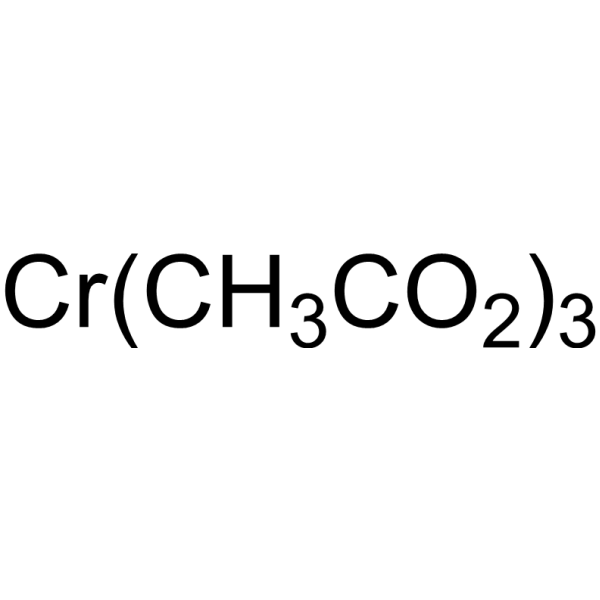
    Chromium(III) acetate
    2 Publications Verification

    Chromium acetate; Chromic acetate; Chromium triacetate

    Environmental Pollutants AMPK Metabolic Disease
    Chromium(III) acetate (Chromic acetate) is an AMPK inhibitor that promotes lipogenesis by inhibiting AMPK phosphorylation. Chromium(III) acetate has low toxicity in mammals, with an LD50 of 2365 mg/kg in rats .
    Chromium(III) acetate
  • HY-W087904

    α-D-Lactose hydrate

    Endogenous Metabolite Biochemical Assay Reagents Others
    α-Lactose hydrate (α-D-Lactose (hydrate)) is the primary carbohydrate in the milk of most mammals. α-Lactose hydrate consists of glucose and galactose and exists in two isomeric forms, α and β. α-Lactose hydrate has numerous applications in the food and pharmaceutical industries, such as serving as a bulking or agglomerating agent, and a diluent for pigments, flavors or enzymes .
    α-Lactose hydrate
  • HY-N0322R
    Cholesterol (Standard)
    70+ Cited Publications

    Liposome Reference Standards Estrogen Receptor/ERR Endogenous Metabolite Bacterial Metabolic Disease Cancer
    Cholesterol (Standard) is the analytical standard of Cholesterol. This product is intended for research and analytical applications. Cholesterol is the major sterol in mammals. It is making up 20-25% of structural component of the plasma membrane. Plasma membranes are highly permeable to water but relatively impermeable to ions and protons. Cholesterol plays an important role in determining the fluidity and permeability characteristics of the membrane as well as the function of both the transporters and signaling proteins . Cholesterol is also an endogenous estrogen-related receptor α (ERRα) agonist .
    Cholesterol (Standard)
  • HY-N0322S5

    Estrogen Receptor/ERR Endogenous Metabolite Metabolic Disease
    Cholesterol- 13C2 is the 13C labeled Cholesterol. Cholesterol is the major sterol in mammals. It is making up 20-25% of structural component of the plasma membrane. Plasma membranes are highly permeable to water but relatively impermeable to ions and protons. Cholesterol plays an important role in determining the fluidity and permeability characteristics of the membrane as well as the function of both the transporters and signaling proteins . Cholesterol is also an endogenous estrogen-related receptor α (ERRα) agonist .
    Cholesterol-13C2
  • HY-P0241
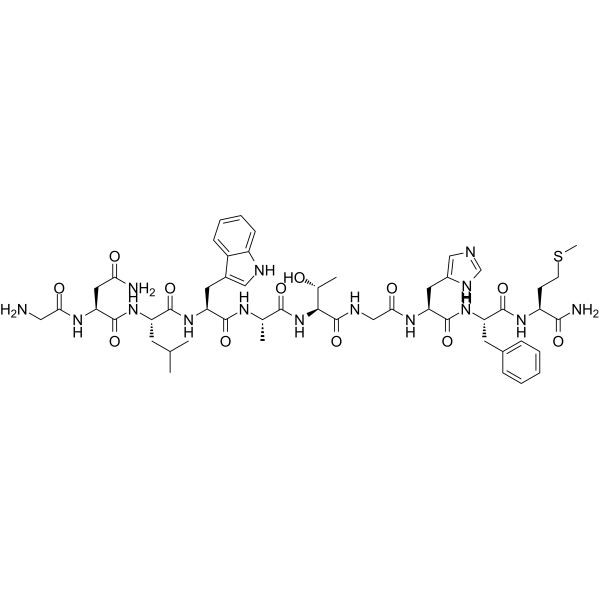
    Neuromedin B
    1 Publications Verification

    Endogenous Metabolite Neurological Disease
    Neuromedin B (NMB) is a member of Bombesin (BN)-like peptide family in mammals.
    Neuromedin B
  • HY-148163
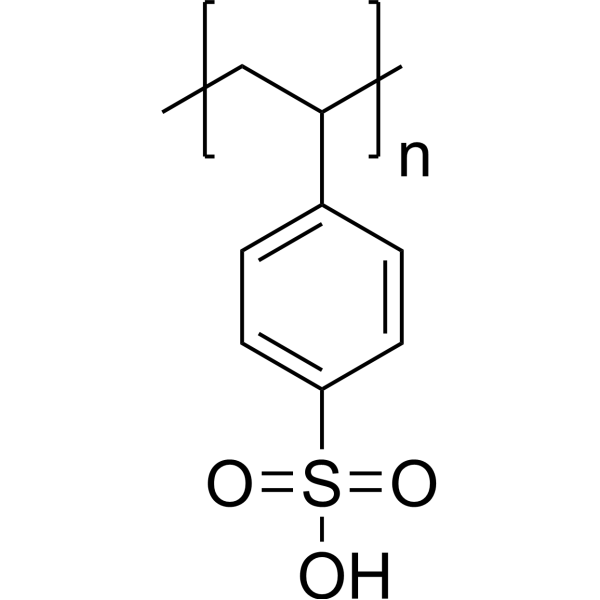
    Polystyrene sulfonic acid (30% in water)
    1 Publications Verification

    Biochemical Assay Reagents Others
    Polystyrene sulfonic acid (30% in water) is a potentially toxic hazardous substance. Polystyrene-derived microplastics (PS-MPs) are harmful to zebrafish hearts and induce male reproductive toxicity in mice. MCE offers Polystyrene products in solution packaging .
    Polystyrene sulfonic acid (30% in water)
  • HY-NP002J

    Biochemical Assay Reagents Others
    Horse Serum Albumin is an abundant, multifunctional mammalian plasma protein and transport molecule. Horse Serum Albumin acts as an allergen, exhibits high cross-reactivity with serum albumins from other mammals, and contains epitope regions recognizable by antibodies. Horse Serum Albumin binds a variety of metabolites, drugs, nutrients, metals and other molecules .
    Horse Serum Albumin
  • HY-W004305

    Palmitaldehyde

    Environmental Pollutants Endogenous Metabolite Metabolic Disease
    Hexadecanal (Palmitaldehyde) , a volatile long-chain aliphatic aldehyde, is emitted from human feces, skin, and breath. The receptor for hexadecanal(OR37B) is highly conserved across mammals. Hexadecanal may exert its effects by modulating functional connectivity between the brain substrates of social appraisal and the brain substrates of aggressive execution. Also, Hexadecanal is confirmed to be highly deterrent to the ant Lasius niger. Hexadecanal is promising for the research of startle responses and aggression
    Hexadecanal
  • HY-N0322S1

    Estrogen Receptor/ERR Endogenous Metabolite Metabolic Disease
    Cholesterol-d6 is the deuterium labeled Cholesterol. Cholesterol is the major sterol in mammals. It is making up 20-25% of structural component of the plasma membrane. Plasma membranes are highly permeable to water but relatively impermeable to ions and protons. Cholesterol plays an important role in determining the fluidity and permeability characteristics of the membrane as well as the function of both the transporters and signaling proteins . Cholesterol is also an endogenous estrogen-related receptor α (ERRα) agonist .
    Cholesterol-d6
  • HY-110406
    13(S)-HPODE
    1 Publications Verification

    EGFR Endogenous Metabolite Metabolic Disease
    13(S)-HPODE is a linoleic acid metabolite found in several plants and mammals.
    13(S)-HPODE
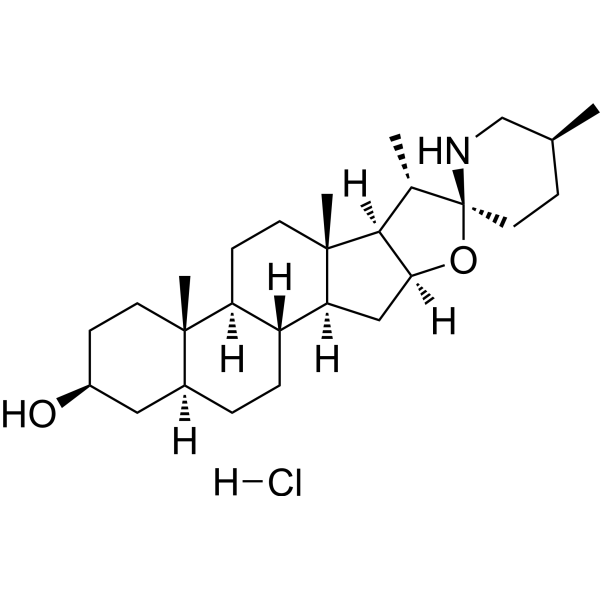
  • HY-N2149A
    Tomatidine hydrochloride
    5+ Cited Publications

    NF-κB JNK Autophagy Endogenous Metabolite Cardiovascular Disease Inflammation/Immunology
    Tomatidine hydrochloride acts as an anti-inflammatory agent by blocking NF-κB and JNK signaling . Tomatidine hydrochloride activates autophagy either in mammal cells or C elegans .
    Tomatidine hydrochloride
  • HY-B1851
    Hexythiazox
    1 Publications Verification

    Environmental Pollutants Parasite Infection
    Hexythiazox is a selective acaricide with ovicidal, larvicidal and nymphicidal activities. Hexythiazox is widely used for chemical control of mites on cotton, fruits and vegetables. Hexythiazox is harmless to mammals and has no effect on beneficial insects and predators of mites .
    Hexythiazox
  • HY-B1217

    BNPD; BNPK

    Environmental Pollutants Bacterial Infection
    Bronopol is an antibacterial agent with low toxicity (to mammals) and high activity (especially against Gram-negative bacteria). Bronopol oxidizes protein thiols, inhibits enzymatic activity, and exhibits antibacterial activity. Bronopol is also a formaldehyde releaser .
    Bronopol
  • HY-P2921

    Uox, Microorganism

    Endogenous Metabolite Metabolic Disease Inflammation/Immunology
    Uricase, Microorganism (Uox, Microorganism) is a uricase (urate oxidase) derived from Microorganism. Uricase, Microorganism converts uric acid into allantoin. The absence of Uricase in mammals causes kidney diseases resulting from uric acid accumulation. Uricase, Microorganism can be used for research on chronic refractory gout and hyperuricemia .
    Uricase, Microorganism
  • HY-128749

    Potassium D-glucarate

    Endogenous Metabolite Apoptosis Metabolic Disease Inflammation/Immunology Cancer
    D-Glucaric acid potassium (Potassium D-glucarate) is an orally active end product of the D-glucuronic acid pathway in mammals. D-Glucaric acid potassium is present in a variety of fruits and vegetables. D-Glucaric acid potassium has cholesterol-lowering and anti-tumor activities. D-Glucaric acid potassium can inhibit tumor cell proliferation and inflammation, and induce apoptosis .
    D-Glucaric acid potassium
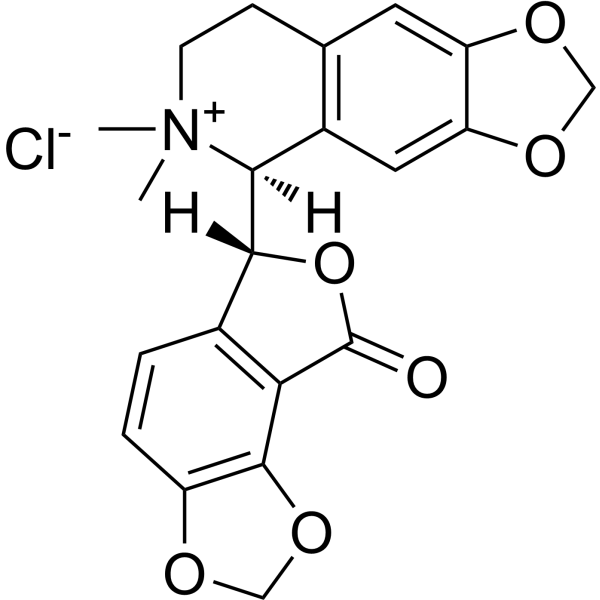
  • HY-137790
    Bicuculline methochloride
    35+ Cited Publications

    (-)-Bicuculline methochloride

    GABA Receptor Neurological Disease
    Bicuculline ((+)-Bicuculline; d-Bicuculline) methochloride is a selective GABAA receptor antagonist with an IC50 value of 3 μM. Bicuculline methochloride induces clonic tonic convulsions in mammals and can also be used to block Ca 2+ activated potassium channels. Bicuculline methochloride can be used in studies of epilepsy and other related psychiatric disorders .
    Bicuculline methochloride
  • HY-W014971
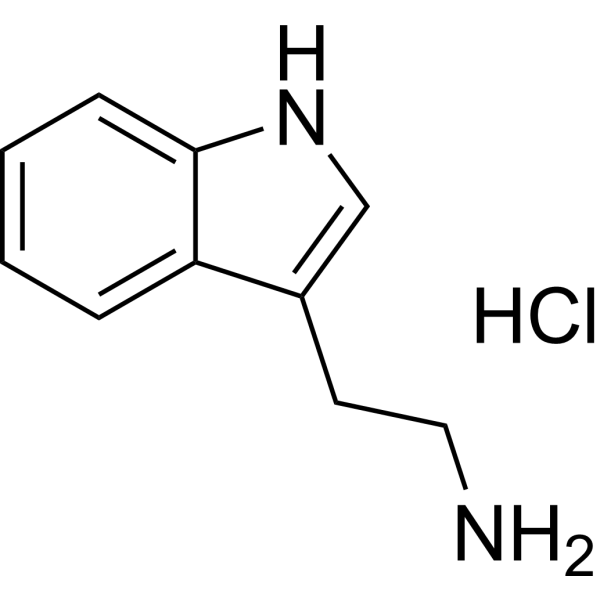
    Tryptamine hydrochloride
    1 Publications Verification

    Biochemical Assay Reagents Others
    Tryptamine hydrochloride belongs to the class of indole alkaloids and is a derivative of the amino acid tryptophan. Tryptamine hydrochloride is psychoactive and acts as a neurotransmitter in the body, affecting mood, perception and cognition. In its hydrochloride form, Tryptamine hydrochloride hydrochloride, it is commonly used as a research chemical and as a starting material for the synthesis of other organic compounds. It can also occur naturally in certain plants and animals, including fungi and mammals. Due to the psychoactive properties of Tryptamine hydrochloride and its derivatives, its use and possession are controlled substances in many countries.
    Tryptamine hydrochloride
  • HY-N0322S2

    Isotope-Labeled Compounds Estrogen Receptor/ERR Endogenous Metabolite Metabolic Disease
    Cholesterol-d6-1 is the deuterium labeled Cholesterol. Cholesterol is the major sterol in mammals. It is making up 20-25% of structural component of the plasma membrane. Plasma membranes are highly permeable to water but relatively impermeable to ions and protons. Cholesterol plays an important role in determining the fluidity and permeability characteristics of the membrane as well as the function of both the transporters and signaling proteins . Cholesterol is also an endogenous estrogen-related receptor α (ERRα) agonist .
    Cholesterol-d6-1
  • HY-165151

    Urochrome hydrochloride

    Endogenous Metabolite Others
    Urobilin hydrochloride is the metabolite of Hemoglobin (HY-P2995), that can be excreted through urine and feces in many mammals. Urobilin hydrochloride can be used as an indicator of human waste pollution .
    Urobilin hydrochloride
  • HY-P5763

    PNX-20

    Epigenetic Reader Domain PGC-1α Neurological Disease
    Phoenixin-20 (PNX-20) is a bioactive peptide with hormone-like actions in vertebrates, and can stimulates hypothalamo-pituitary-gonadal hormones and regulate reproductive processes in mammals. Phoenixin-20 promotes neuronal mitochondrial biogenesis via CREB-PGC-1α pathway. Phoenixin-20 has anxiolytic effect .
    Phoenixin-20
  • HY-101988S

    PGD2-d4

    Prostaglandin Receptor Endogenous Metabolite Inflammation/Immunology
    Prostaglandin D2-d4 is the deuterium labeled Prostaglandin D2. Prostaglandin D2 (PGD2) is one of the major PGs actively produced in the brain of various mammals . Prostaglandin D2 is one of the most potent endogenous sleep promoting substances . PGD2 plays a protective role by suppressing inflammation .
    Prostaglandin D2-d4
  • HY-N0322S4
    Cholesterol-13C3
    1 Publications Verification

    Estrogen Receptor/ERR Endogenous Metabolite Metabolic Disease
    Cholesterol- 13C3 is the 13C-labeled Cholesterol. Cholesterol is the major sterol in mammals. It is making up 20-25% of structural component of the plasma membrane. Plasma membranes are highly permeable to water but relatively impermeable to ions and protons. Cholesterol plays an important role in determining the fluidity and permeability characteristics of the membrane as well as the function of both the transporters and signaling proteins . Cholesterol is also an endogenous estrogen-related receptor α (ERRα) agonist .
    Cholesterol-13C3
  • HY-N0322S6
    Cholesterol-d4
    1 Publications Verification

    Estrogen Receptor/ERR Endogenous Metabolite Metabolic Disease
    Cholesterol-d4 is deuterium labeled Cholesterol. Cholesterol is the major sterol in mammals. It is making up 20-25% of structural component of the plasma membrane. Plasma membranes are highly permeable to water but relatively impermeable to ions and protons. Cholesterol plays an important role in determining the fluidity and permeability characteristics of the membrane as well as the function of both the transporters and signaling proteins . Cholesterol is also an endogenous estrogen-related receptor α (ERRα) agonist .
    Cholesterol-d4
  • HY-N0322S7

    Isotope-Labeled Compounds Estrogen Receptor/ERR Endogenous Metabolite Endocrinology
    Cholesterol-d1 is the deuterium labeled Cholesterol. Cholesterol is the major sterol in mammals. It is making up 20-25% of structural component of the plasma membrane. Plasma membranes are highly permeable to water but relatively impermeable to ions and protons. Cholesterol plays an important role in determining the fluidity and permeability characteristics of the membrane as well as the function of both the transporters and signaling proteins . Cholesterol is also an endogenous estrogen-related receptor α (ERRα) agonist .
    Cholesterol-d1
  • HY-W663938

    Parasite Others
    Cyflumetofen is a synthetic miticide that strongly inhibits mitochondrial complex II of spider mites, but not of insects, crustaceans, or mammals. Cyflumetofen is not significantly effective in inhibiting aflatoxin production in fungi .
    Cyflumetofen
  • HY-Y1373

    Hexahydrobenzoic acid

    Environmental Pollutants Endogenous Metabolite Drug Intermediate Neurological Disease
    Cyclohexanecarboxylic acid is a Valproate structural analogue. Cyclohexanecarboxylic acid is an essential intermediate for the aromatization of Shikimic acid (HY-N0130) by mammals. Cyclohexanecarboxylic acid has anticonvulsant action .
    Cyclohexanecarboxylic acid
  • HY-P2921C

    Uox (Recombinant)

    Endogenous Metabolite Metabolic Disease Inflammation/Immunology
    Uricase (Recombinant) (Uox (Recombinant)) is a uricase (urate oxidase). Uricase (Recombinant) converts uric acid into allantoin. The deficiency of Uricase in mammals causes kidney diseases resulting from uric acid accumulation. Uricase (Recombinant) can be used for research on chronic refractory gout and hyperuricemia .
    Uricase (Recombinant)
  • HY-100196R

    PQQ (Standard); Methoxatin (Standard)

    Reference Standards Endogenous Metabolite Inflammation/Immunology
    Pyrroloquinoline quinone (Standard) is the analytical standard of Pyrroloquinoline quinone. This product is intended for research and analytical applications. Pyrroloquinoline quinone (PQQ), a redox co-factor, is an anionic, redox-cycling orthoquinone. Pyrroloquinoline quinone is isolated from cultures of methylotropic bacteria and tissues of mammals. Pyrroloquinoline quinone is an essential nutrient for mammals and is important for immune function .
    Pyrroloquinoline quinone (Standard)
  • HY-100196S1

    PQQ-13C3 sodium; Methoxatin-13C3 sodium

    Endogenous Metabolite Inflammation/Immunology
    Pyrroloquinoline quinone- 13C3 (PQQ- 13C3) sodium is an isotope of Pyrroloquinoline quinone. Pyrroloquinoline quinone (PQQ), a redox co-factor, is an anionic, redox-cycling orthoquinone. Pyrroloquinoline quinone is isolated from cultures of methylotropic bacteria and tissues of mammals. Pyrroloquinoline quinone is an essential nutrient for mammals and is important for immune function .
    Pyrroloquinoline quinone-13C3 sodium
  • HY-150734A

    Toll-like Receptor (TLR) Infection
    ODN 2007 sodium, a class B CpG ODN (oligodeoxynucleotide), is a Toll-like receptor (TLR) ligand. ODN 2007 sodium can be used as an immunomodulator, vaccine adjuvant, and enhance immune responses in mammals, fish, and humans. ODN 2007 sequence: 5'-TCGTCGTTGTCGTTTTGTCGTT-3' .
    ODN 2007 sodium
  • HY-P2921D

    Uox, candida utilis

    Endogenous Metabolite Metabolic Disease Inflammation/Immunology
    Uricase, candida utilis (Uox, candida utilis) is a uricase (urate oxidase) derived from Candida utilis. Uricase, candida utilis converts uric acid into allantoin. The absence of Uricase in mammals causes kidney diseases resulting from uric acid accumulation. Uricase, candida utilis can be used for research on chronic refractory gout and hyperuricemia .
    Uricase, candida utilis
  • HY-B2186

    Parasite Infection
    Piperazine adipate is a potent broad spectrum anthelmintic against many common worm infections in mammals.
    Piperazine adipate
  • HY-N2149R

    Reference Standards NF-κB JNK Autophagy Endogenous Metabolite Cardiovascular Disease Inflammation/Immunology
    Tomatidine acts as an anti-inflammatory agent by blocking NF-κB and JNK signaling . Tomatidine activates autophagy either in mammal cells or C elegans .
    Tomatidine (Standard)
  • HY-134193

    Cryptochrome Metabolic Disease
    KL101, a selective cryptochrome 1 (CRY1) stabilizer, is a circadian clock modulator. KL101 can stabilize the CRY1 protein and regulate its interaction with the core feedback loop of the biological clock, thereby modulating the circadian rhythm cycle of mammals .
    KL101
  • HY-158012

    γ-secretase Others
    LY3056480 is a gamma-secretase inhibitor (GSI) that inhibits Notch signaling. LY3056480 improves mild to moderate sensorineural hearing loss and is safe and tolerable. Intratympanic administration of LY3056480 induces hair cell regeneration and partial hearing recovery in mammals .
    LY3056480
  • HY-132178B

    Biochemical Assay Reagents Metabolic Disease
    Cytochrome C oxidase (complex IV) (EC 7.1.1.9) is the unique terminal oxidase of the mitochondrial respiratory chain (RC) in mammals. Cytochrome C oxidase is made up of thirteen subunits that catalyze the transfer of electrons from ferro-cytochrome c to molecular oxygen .
    Cytochrome C oxidase
  • HY-100783B

    (+)-Bicuculline methobromide

    GABA Receptor Neurological Disease
    Bicuculline methobromide is a selective GABAA Receptor antagonist with an IC50 value of 3 μM. Bicuculline methobromide induces clonic tonic convulsions in mammals and can also be used to block Ca 2+ activated potassium channels. Bicuculline methobromide can be used in studies of epilepsy and other related psychiatric disorders .
    Bicuculline methobromide
  • HY-P5807A

    β-Mammal toxin Cn2 TFA

    Sodium Channel Neurological Disease
    Cn2 toxin TFA (β-Mammal toxin Cn2 TFA) is a single-chain β-scorpion neurotoxic peptide that is the main toxin in scorpion venom. Cn2 toxin (TFA) specifically targets mammalian voltage-gated sodium channels (VGSC) Nav1.6 .
    Cn2 toxin TFA
  • HY-P2761

    Biochemical Assay Reagents Metabolic Disease
    Glucokinase is a glucose-phosphorylating enzyme that has an important role in glucose homeostasis. Glucokinase acts as a glucose sensot of pancreatic β-cells. Glucokinase regulates the conversion of glucose to glucogen as well as gluconeogenesis. Glucokinase in mammals can phosphorylate hexoses like mannose or fructose in addition to glucose. Glucokinase can be studied in research on diabetes .
    Glucokinase
  • HY-N0322S3

    Estrogen Receptor/ERR Endogenous Metabolite Metabolic Disease
    Cholesterol- 13C5 is the 13C-labeled Cholesterol. Cholesterol is the major sterol in mammals. It is making up 20-25% of structural component of the plasma membrane. Plasma membranes are highly permeable to water but relatively impermeable to ions and protons. Cholesterol plays an important role in determining the fluidity and permeability characteristics of the membrane as well as the function of both the transporters and signaling proteins . Cholesterol is also an endogenous estrogen-related receptor α (ERRα) agonist .
    Cholesterol-13C5
  • HY-126199

    Endogenous Metabolite Others
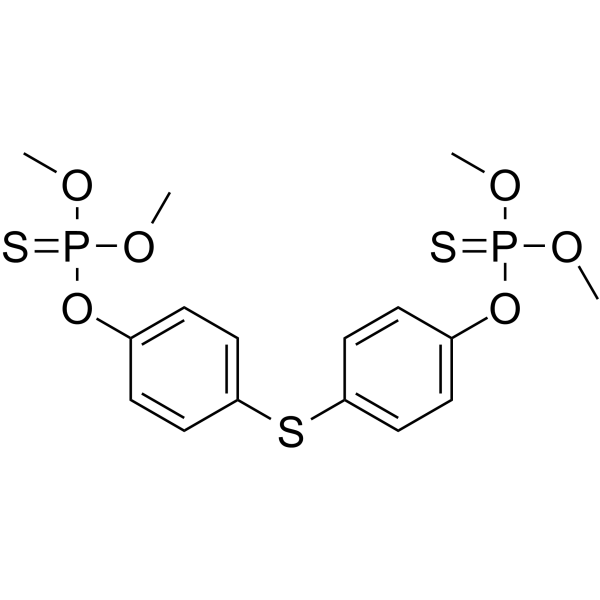
    Tetrachlorvinphos is an organophosphorus pesticide that has the activity of inhibiting cholinesterase. Tetrachlorvinphos is used as a pesticide, mainly for the control of pests. Tetrachlorvinphos has low toxicity to mammals .
    Tetrachlorvinphos

Inquiry Online

Your information is safe with us. * Required Fields.

Salutation


Country or Region *

Applicant Name *


Organization Name *

Department *


Email Address *


Product Name *

Cat. No.


Requested quantity *

Phone Number *


Remarks

Inquiry Online

Inquiry Information

Product Name:
Cat. No.:
Quantity:
MCE Japan Authorized Agent:

