

Search Result
Results for "
membrane permeabilization
" in MedChemExpress (MCE) Product Catalog:
1
Biochemical Assay Reagents
| Cat. No. |
Product Name |
Target |
Research Areas |
Chemical Structure |
-
- HY-106783
-
|
|
Bacterial
Antibiotic
|
Infection
|
|
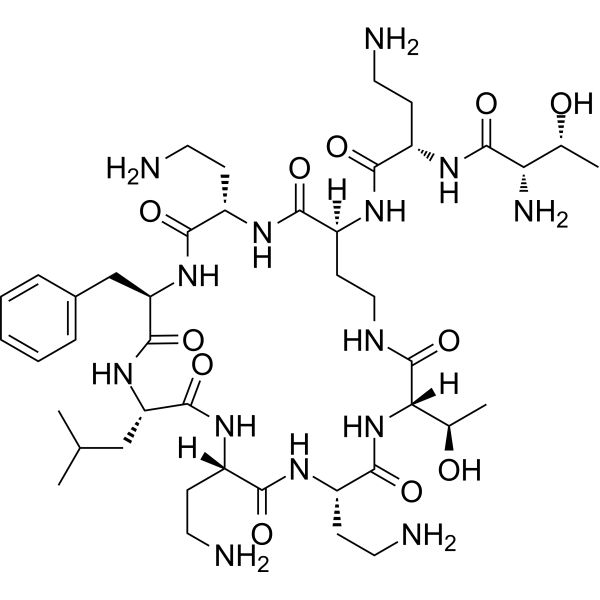
Polymyxin B nonapeptide is a cyclic peptide obtained from Polymyxin B by proteolytic removal of its terminal amino acyl residue. Polymyxin B nonapeptide is less toxic, lacks bactericidal activity, and retains its ability to render gram-negative bacteria susceptible to several antibiotics by permeabilizing their outer membranes .
|
-
-
- HY-135416
-
|
|
Endogenous Metabolite
|
Infection
|
|
Streptolysin O, a group A streptococcal toxin, is a well-characterized oxygen-labile prototype of a cholesterol-binding bacterial exotoxin. Streptolysin O causes both lysis of cells and cardiotoxicity. Streptolysin O is widely used for the controlled permeabilization of cell membranes. Streptolysin O exists in two forms, a reduced active state and an oxidized reversibly inactive state .
|
-
-
- HY-118948
-
MSN-50
1 Publications Verification
|
Bcl-2 Family
|
Neurological Disease
|
|
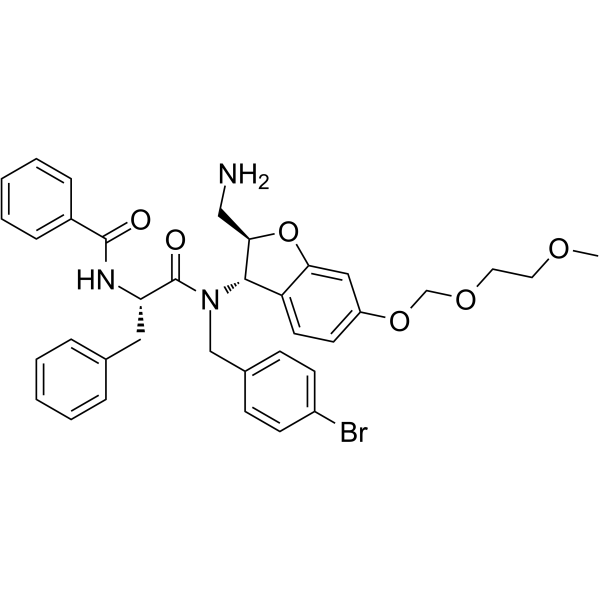
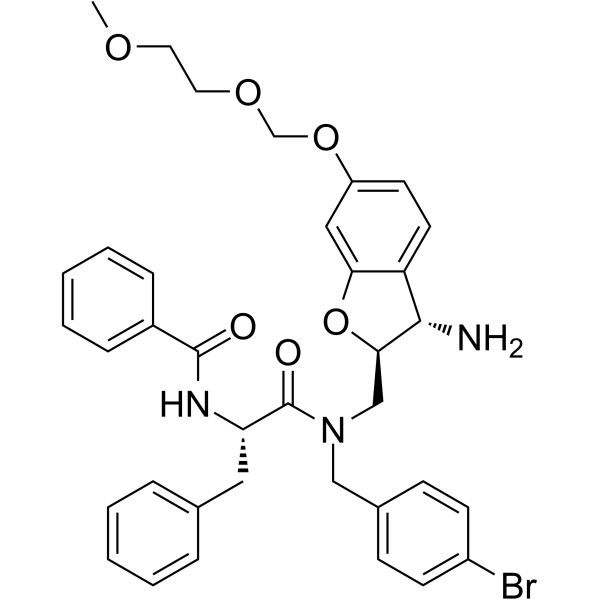
MSN-50 is a Bax and Bak oligomerization inhibitor. MSN-50 efficiently inhibits liposome permeabilization, prevents genotoxic cell death and promotes neuroprotection .
|
-
-
- HY-P991669
-
|
AML-01
|
Caspase
Apoptosis
|
Cancer
|
|
IGN523 is an anti-CD98 antibody (hCD98, KD = 0.55 nM). IGN523 induces antibody-dependent cell-mediated cytotoxicity (ADCC) activity, lysosomal membrane permeabilization, and inhibition of essential amino acid transport, ultimately leading to caspase-3 and caspase-7-mediated apoptosis of tumor cells. IGN523 inhibits tumor growth in multiple tumor xenograft models. IGN523 is useful in the research of non-small cell lung cancer (NSCLC), acute myeloid leukemia (AML), and other cancers. .
|
-
-
- HY-P2460
-
|
|
Bacterial
Fungal
Interleukin Related
TNF Receptor
|
Infection
Inflammation/Immunology
|
|
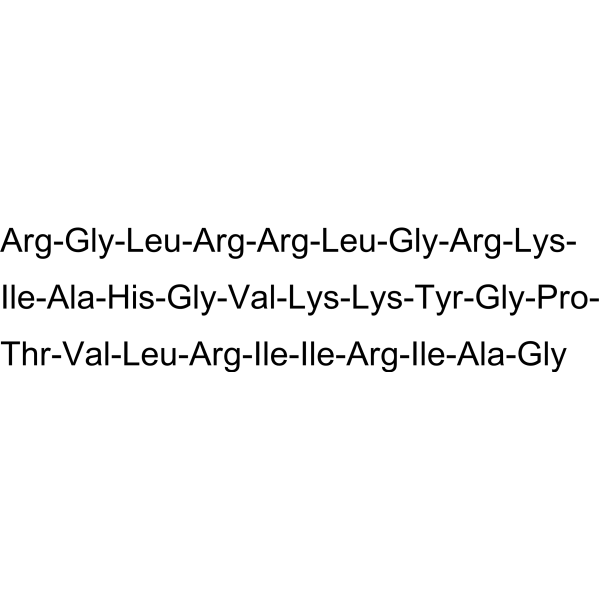
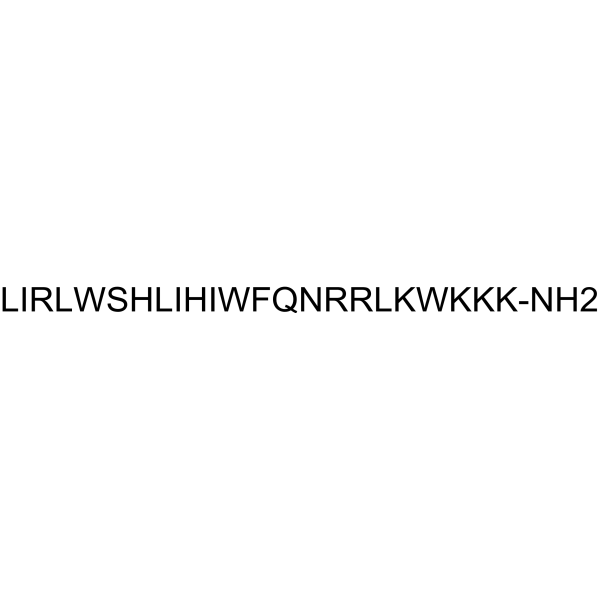
SMAP‑29 is a cathelicidin antimicrobial peptide with LPS‑binding and anti‑inflammatory properties. SMAP‑29 exerts broad‑spectrum antimicrobial activity against bacteria, fungi and multidrug‑resistant isolates. SMAP‑29 kills pathogens by permeabilizing bacterial membranes, inducing depolarization and cell lysis, and also inhibits inflammatory cytokines while reducing lethality in septic shock and pneumonia models. SMAP-29 can be used for research on bacterial infections, drug-resistant infections, septic shock .
|
-
-
- HY-P5589
-
|
PlnA
|
Bacterial
Reactive Oxygen Species (ROS)
|
Infection
Inflammation/Immunology
|
|
Plantaricin A is an antimicrobial peptide that can be derived from Lactobacillus plantarum. Plantaricin A has a synergistic effect with Ciprofloxacin. Plantaricin A shows anti-microbial activity. Plantaricin A increases the membrane potential of S. aureus and the level of intracellular ROS. Plantaricin A inhibits the function of the efflux pump by binding it and altering the structure of MepA, NorA, and LmrS. Plantaricin A significantly relieves inflammation, and promotes wound healing. Plantaricin A permeabilizes cancerous rat pituitary cells [1][2].
|
-
-
- HY-106783A
-
|
|
Bacterial
Antibiotic
|
Infection
|
|
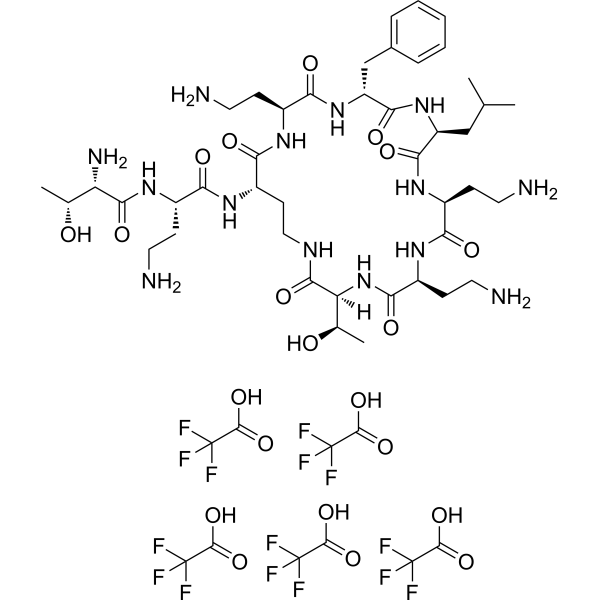
Polymyxin B nonapeptide TFA is a cyclic peptide obtained from Polymyxin B by proteolytic removal of its terminal amino acyl residue. Polymyxin B nonapeptide TFA is less toxic, lacks bactericidal activity, and retains its ability to render gram-negative bacteria susceptible to several antibiotics by permeabilizing their outer membranes .
|
-
-
- HY-135416A
-
|
|
Endogenous Metabolite
|
Infection
|
|
Streptolysin O (≥1000000 units/mg) is a ≥1000000 units/mg Streptolysin O (HY-135416). Streptolysin O, a group A streptococcal toxin, is a well-characterized oxygen-labile prototype of a cholesterol-binding bacterial exotoxin. Streptolysin O causes both lysis of cells and cardiotoxicity. Streptolysin O is widely used for the controlled permeabilization of cell membranes. Streptolysin O exists in two forms, a reduced active state and an oxidized reversibly inactive state .
|
-
-
- HY-120079
-
MSN-125
4 Publications Verification
|
Bcl-2 Family
Apoptosis
|
Cancer
|
|
MSN-125 is a potent Bax and Bak oligomerization inhibitor. MSN-125 prevents mitochondrial outer membrane permeabilization (MOMP) with an IC50 of 4 μM. MSN-125 potently inhibits Bax/Bak-mediated apoptosis in HCT-116, BMK Cells, and primary cortical neurons, protects primary neurons against glutamate excitotoxicity .
|
-
-
- HY-129746
-
|
|
Apoptosis
|
Cancer
|
|
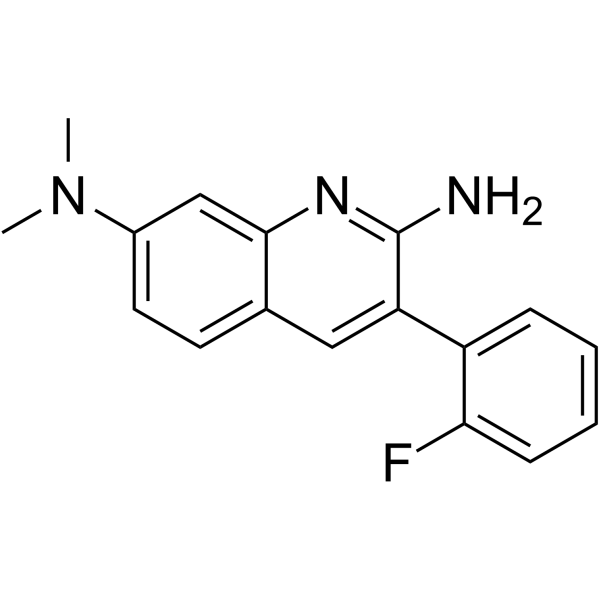
Arylquin 1, a prostate-apoptosis-response-4 (Par-4) secretagogue, targets vimentin to induce Par-4 secretion. Arylquin 1 induces non-apoptotic cell death in cancer cells through the induction of lysosomal membrane permeabilization (LMP) .
|
-
-
- HY-P4118
-
|
Penetrating analog
|
Amino Acid Derivatives
Peptide-Drug Conjugates (PDCs)
|
Others
|
|
EB1 peptide (Penetrating analog) is an endosomolytic agent and siRNA delivery agent. EB1 peptide forms an amphipathic alpha helix upon protonation in early-late endosomes, drives endosomal membrane permeabilization, and enables endocytosed siRNA escape into the cytosol. EB1 peptide facilitates biologically active siRNA cellular uptake and targeted gene silencing. EB1 peptide forms complexes with siRNA. EB1 peptide can be used for drug delivery research .
|
-
-
- HY-D1005I
-
|
|
Biochemical Assay Reagents
|
Others
|
|
Poloxamer L61 is a non-ionic triblock copolymer surfactant. Poloxamer L61 effectively achieves intracellular molecular delivery to cancer cells during photoacoustic molecular delivery, and maintains cell viability by promoting cell membrane resealing, thus avoiding irreversible damage caused by laser-induced membrane permeabilization. Poloxamer L61 is a key component of SP1017, a compound related to gene therapy, which regulates the interaction between DNA and extracellular matrix as well as cellular uptake, and significantly enhances the distribution and bioavailability of plasmid DNA in skeletal muscle. Poloxamer L61 can be used in studies on local or systemic therapeutic protein production .
|
-
-
- HY-P2302
-
|
|
Antibiotic
Bacterial
Fungal
|
Infection
Inflammation/Immunology
Cancer
|
|
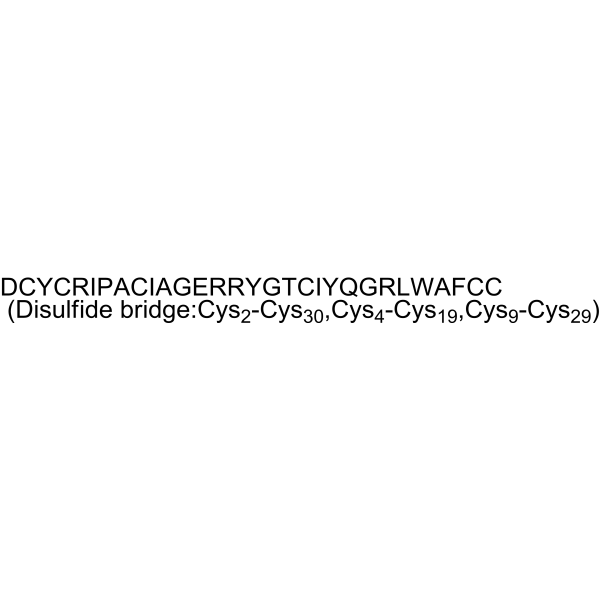
Defensin HNP-3 human is an α-defensin stored in the azurophilic granules of human neutrophils. Defensin HNP-3 human exerts broad-spectrum bactericidal, antifungal and antiviral activities mainly by forming bacterial membrane pores, and acts as a chemoattractant for monocytes and T cells. Defensin HNP-3 human maintains epithelial integrity to support periodontal tissue homeostasis, and exerts concentration-dependent effects on epithelial cell proliferation, adhesion and bacterial adhesion. Defensin HNP-3 human targets solid tumors and leukemia by inducing single-strand DNA breaks and membrane permeabilization in tumor cells via electrostatic binding and pore formation. Defensin HNP-3 human is abundant in human tongue squamous cell carcinoma and neutrophils infiltrating oral squamous cell carcinoma. Defensin HNP-3 human can be applied to research related to periodontitis and human tongue squamous cell carcinoma .
|
-
-
- HY-129461
-
|
DTS
|
Cathepsin
|
Cancer
|
|
Dibenzyl trisulfide (DTS) is an active ingredient that can be isolated from Petiveria alliacea L.. Dibenzyl trisulfide inhibits cell proliferation and migration. Dibenzyl trisulfide decreased the mRNA and protein expression of BAK-1 and LTA. Dibenzyl trisulfide induces lysosomal membrane permeabilization and cathepsin B release .
|
-
-
- HY-131058
-
|
|
ADC Payload
|
Cancer
|
|
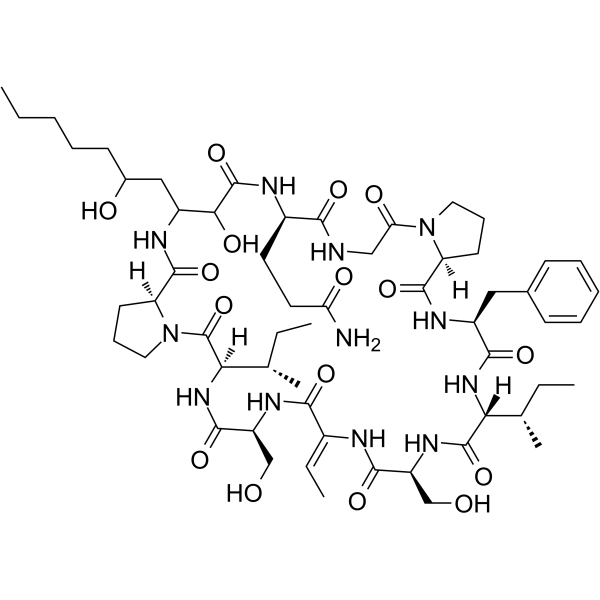
Muscotoxin A is an ADC cytotoxin. Muscotoxin A is a cytotoxic lipopeptide that permeabilizes mammalian cell membranes and induces necrotic cell death .
|
-
-
- HY-143335
-
|
|
Fungal
|
Infection
|
|
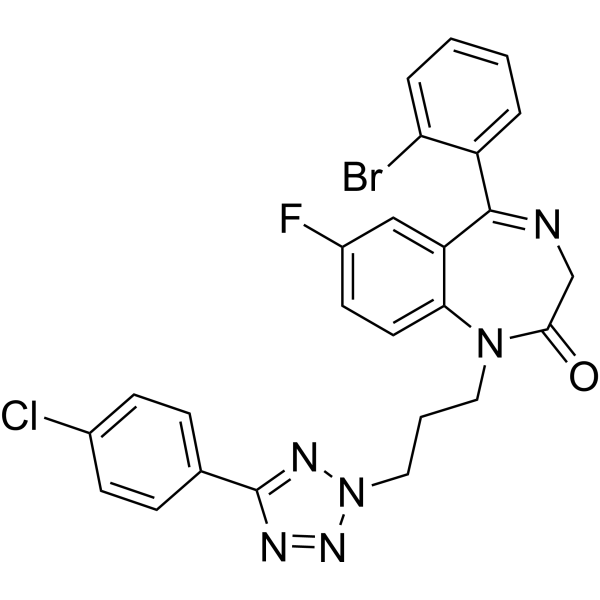
Antifungal agent 52 (compound 6c) is a tetrazole derivative. Antifungal agent 52 inhibits the synthesis of Ergosterol (HY-N0181). Antifungal agent 52 exhibit a significant antifungal activity against Candida albicans. Antifungal agent 52 affects C. albicans sessile cell membrane permeabilization .
|
-
-
- HY-N15548
-
|
Armeniaspirole A
|
Bacterial
|
Infection
|
|
Armeniaspirol A (Armeniaspirole A) is an antibacterial agent targeting Helicobacter pylori cell membranes. Armeniaspirol A induces membrane permeabilization, cytoplasmic leakage, and biofilm inhibition/eradication. Armeniaspirol A is promising for research of H. pylori infection .
|
-
-
- HY-P10614
-
|
|
Apoptosis
Bcl-2 Family
|
Others
|
|
Bid BH3 peptide is a small peptide derived from Bid protein that can bind and activate the pro-apoptotic proteins Bax and Bak, leading to mitochondrial outer membrane permeabilization (MOMP) and apoptosis. Bid BH3 peptide can be used to study mitochondrial bioenergetics .
|
-
-
- HY-175376
-
|
|
Antibiotic
Bacterial
|
Infection
|
|
QPyN16Th is an N-palmitoylated cationic thiazolidine antibiotic. QPyN16Th is selectively active against the Gram-positive bavteria E. faecalis, S. aureus and MRSA with an MIC of 1.95 μM over gram-negative bacteria. QPyN16Th can induce membrane permeabilization and depolarization and ROS production in MRSA. QPyN16Th increases the survival of zebrafish model of intramuscular MRSA infection .
|
-
-
- HY-115832
-
|
|
Transferrin Receptor
|
Cancer
|
|
Ap44mSe is a selenosemicarbazone that effectively depletes cellular Fe, resulting in transferrin receptor-1 up-regulation, ferritin down-regulation, and increased expression of the potent metastasis suppressor, N-myc downstream regulated gene-1. Ap44mSe forms redox active Cu complexes that target the lysosome to induce lysosomal membrane permeabilization .
|
-
-
- HY-173163
-
|
|
Bacterial
|
Infection
|
|
(E)-2,6-Di-tert-butyl-4-(4-(diethylamino)styryl)pyrylium (trifluoromethanesulfonate) (Compound 4a) is a Gram-negative outer membrane permeabilizer with synergistic antibacterial activity through the blockage on LptA/LptC interaction via targeting Met47 in LptA. (E)-2,6-Di-tert-butyl-4-(4-(diethylamino)styryl)pyrylium (trifluoromethanesulfonate) potentiates pol B against both wild-typed and MDR A. baumannii and E. coli strains. (E)-2,6-Di-tert-butyl-4-(4-(diethylamino)styryl)pyrylium (trifluoromethanesulfonate) can be used as antibiotic adjuvants against MDR Gram-negative bacteria .
|
-
-
- HY-P5949
-
|
|
Bacterial
|
Infection
|
|
AMPR-22 is an antimicrobial peptide. AMPR-22 can bind to the bacterial membrane and induces membrane permeabilization. AMPR-22 is effective against murine model of sepsis induced by MDR strains
|
-
-
- HY-P11251
-
|
|
Bacterial
|
Infection
|
|
RI-18 is an antimicrobial peptide. RI-18 exhibits high affinity for bacterial plasma membranes, inducing rapid membrane permeabilization and rupture. RI-18 exhibits potent antimicrobial activity against bacteria in planktonic and biofilmforms .
|
-
-
- HY-122481
-
|
|
Topoisomerase
Apoptosis
Bcl-2 Family
Cytochrome P450
|
Cancer
|
|
Thaspine acetate, an alkaloid, is a topoisomerase I and II inhibitor. Thaspine acetate induces cancer cell apoptosis. Thaspine acetate induces Bak and Bax activation, mitochondrial cytochrome c release and mitochondrial membrane permeabilization. Thaspine acetate can be isoalted from the cortex of the South American tree Croton lechleri .
|
-
-
- HY-176481
-
|
|
Autophagy
Apoptosis
|
Cancer
|
|
ML-20, Malabaricone C (HY-N8518) analogue, is a autophagy inhibitor and radiosensitizer. ML-20 inhibits cell growth, induces cell apoptosis . ML-20 induces DNA double-strand breaks, loss of mitochondrial membrane potential (MMP), and lysosomal membrane permeabilization (LMP). ML-20 induces endoplasmic reticulum stress and concurrent inhibition of autophagy flux due to LMP .
|
-
-
- HY-106783R
-
|
|
Reference Standards
Bacterial
Antibiotic
|
Infection
|
|
Polymyxin B nonapeptide (Standard) is the analytical standard of Polymyxin B nonapeptide. This product is intended for research and analytical applications. Polymyxin B nonapeptide is a cyclic peptide obtained from Polymyxin B by proteolytic removal of its terminal amino acyl residue. Polymyxin B nonapeptide is less toxic, lacks bactericidal activity, and retains its ability to render gram-negative bacteria susceptible to several antibiotics by permeabilizing their outer membranes[1][2][3].
|
-
-
- HY-P10546
-
|
pALA
|
Bacterial
|
Infection
|
|
Polyalanine peptide (pALA) is an antimicrobial peptide that targets biofilms and Gram-negative bacteria and is non-toxic to mammalian cells. Polyalanine peptide forms an α-helical conformation that effectively permeabilizes Gram-negative bacterial membranes, thereby inducing lethal cell leakage. Polyalanine peptide can be used in anti-infection research .
|
-
-
- HY-P5680
-
|
|
Bacterial
|
Inflammation/Immunology
|
|
SpHistin is an antimicrobial peptide (AMP). SpHistin can bind to LPS (HY-D1056) and permeabilize the bacterial membrane. SpHistin combined with Rifampicin (HY-B0272) and Azithromycin (HY-17506) promotes the intracellular uptake of the antibiotics and subsequently enhances the bactericidal activity of both agents against P. aeruginosa .
|
-
-
- HY-106783AR
-
|
|
Reference Standards
Bacterial
Antibiotic
|
Infection
|
|
Polymyxin B nonapeptide (TFA) (Standard) is the analytical standard of Polymyxin B nonapeptide (TFA). This product is intended for research and analytical applications. Polymyxin B nonapeptide TFA is a cyclic peptide obtained from Polymyxin B by proteolytic removal of its terminal amino acyl residue. Polymyxin B nonapeptide TFA is less toxic, lacks bactericidal activity, and retains its ability to render gram-negative bacteria susceptible to several antibiotics by permeabilizing their outer membranes[1][2][3].
|
-
-
- HY-P10669
-
|
|
Caspase
Apoptosis
|
Cancer
|
|
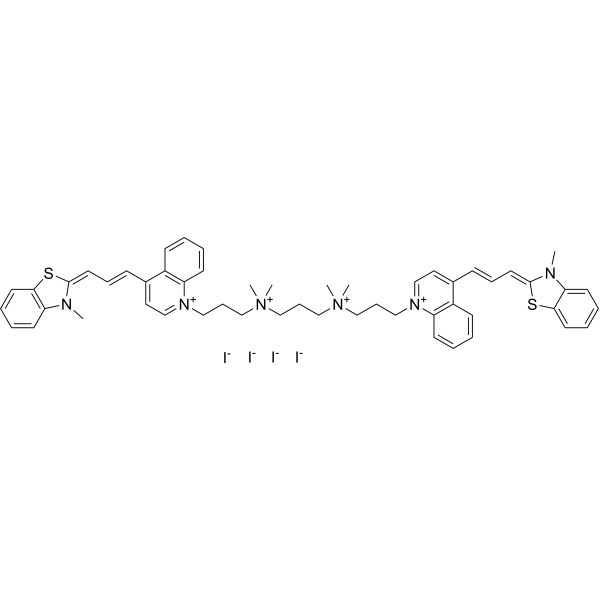
NDI-Lyso is a lysosome-targeted anticancer agent that induces the formation of rigid long fibers in cancer cell lysosomes through an enzyme-instructed self-assembly (EISA) mechanism catalyzed by cathepsin B. This process triggers lysosomal swelling, membrane permeabilization (LMP), and membrane disruption, ultimately leading to cancer cell apoptosis via a non-classical caspase-independent pathway. NDI-Lyso exhibits significant selective anticancer activity in various cancer cell lines and drug-resistant cancer cells (IC50 ~10 μM) while showing low toxicity to normal cells (IC50 > 60 μM) .
|
-
-
- HY-17662
-
|
AK-918/41759663
|
Bcl-2 Family
|
Cancer
|
|
Mol4 (AK-918/41759663) is a highly selective BCL-2 protein inhibitor (IC50=153.3 μM). Mol4 induces mitochondrial outer membrane permeabilization (MOMP) and cytochrome c release, showing significant antiproliferative activity against glioblastoma (U87-MG) cell lines. Mol4 is promising for research of BCL-2-dependent tumors (e.g., chronic lymphocytic leukemia) .
|
-
-
- HY-P11109
-
|
|
Antibiotic
Bacterial
|
Infection
|
|
RL-37 is an alpha-helical antimicrobial peptide. RL-37 can be isolated for rhesus monkey bone marrow. RL-37 rapidly permeabilizes the membranes of Escherichia coli ML-35p and lysed liposomes. RL-37 has effective antibacterial activity against staphylococci, such as wild-type and Methicillin (HY-121544)-resistant S. aureus strains and S. epidermidis ATCC 49741. RL-37 can be used for human skin infections research .
|
-
-
- HY-168953
-
|
|
P-glycoprotein
Apoptosis
Bcl-2 Family
Reactive Oxygen Species (ROS)
Caspase
|
Cancer
|
|
Lysosomal P-gp targeted agent 1 (Compound 14) is an anti-tumor agent targeting lysosomal P-glycoprotein (Pgp). Lysosomal P-gp targeted agent 1 is selectively transported into lysosomes by overexpressed Pgp, release nitric oxide (NO) to generate reactive oxygen species (ROS), resulting in lysosomal membrane permeabilization (LMP) and inducing apoptosis. Lysosomal P-gp targeted agent 1 can overcome P-glycoprotein-mediated drug resistance and lead to cell cycle arrest, but relatively low toxicity to normal cells. Lysosomal P-gp targeted agent 1 has antitumor activity, significantly inhibits tumor volume .
|
-
-
- HY-180427
-
|
|
Bacterial
Endogenous Metabolite
|
Infection
|
|
Viscosin is a cyclic lipopeptide compound produced by the Pseudomonas genus. Viscosin exerts its antibacterial effect through two mechanisms: membrane permeabilization and interference with cell wall synthesis. Viscosin shows significant antibacterial activity against various Gram-positive bacteria, but has no inhibitory effect on fungi. Viscosin can be used for the study of bacterial infections .
|
-
-
- HY-P11180
-
|
|
Antibiotic
Bacterial
|
Infection
|
|
Clavanin A is a peptide Antibiotic and membrane permeabilizer. Clavanin A permeabilizes cytoplasmic membranes and unilamellar lipid bilayers, and dissipates membrane potential. Clavanin A inserts into phospholipid monolayers via hydrophobic interactions under physiologically relevant surface pressures. Clavanin A exhibits antibacterial activity against Micrococcus flavus. Clavanin A can be used in studies related to Micrococcus flavus infection .
|
-
-
- HY-P11180A
-
|
|
Antibiotic
Bacterial
|
Infection
|
|
Clavanin A acetate is a peptide Antibiotic and membrane permeabilizer. Clavanin A acetate permeabilizes cytoplasmic membranes and unilamellar lipid bilayers, and dissipates membrane potential. Clavanin A acetate inserts into phospholipid monolayers via hydrophobic interactions under physiologically relevant surface pressures. Clavanin A acetate exhibits antibacterial activity against Micrococcus flavus. Clavanin A acetate can be used in studies related to Micrococcus flavus infection .
|
-
-
- HY-N19777
-
|
|
Fungal
|
Infection
|
|
Glochidioboside, a neolignan glucoside found in Sambucus williamsii, is an antifungal agent. Glochidioboside induces membrane depolarization, membrane permeabilization, and pore formation on fungal membranes. Glochidioboside exerts an antifungal activity through a membrane-disruptive mechanism .
|
-
-
- HY-P11582
-
|
|
Bacterial
|
Infection
|
|
CyLip-20 is a cyclic lipopeptide antimicrobial peptide that targets Gram-positive and Gram-negative bacteria. CyLip-20 exhibits low hemolytic activity and mild in vivo toxicity. CyLip-20 disrupts the integrity of bacterial outer membrane, inner membrane and cytoplasmic membrane by binding to bacterial lipopolysaccharide (LPS), triggering membrane permeabilization, depolarization and leakage of intracellular contents, and inhibits bacterial biofilm formation. In animal models, CyLip-20 reduces the bacterial load in skin wounds of mice infected with MRSA, promotes wound healing, decreases the levels of inflammatory cytokines and reduces inflammatory cell infiltration. CyLip-20 can be used in research related to MRSA skin wound infections .
|
-
-
- HY-175731
-
|
|
Bacterial
|
Infection
|
|
FabX-IN-1 (Compound 47) is a selective FabX inhibitor with an IC50 of 0.128 μM. FabX-IN-1 has a narrow-spectrum antibacterial activity against Helicobacter pylori with a MIC of 64 μg/mL, but significantly enhances synergistic inhibitory efficacy combined with membrane permeabilizers, efflux pump inhibitors, and Clarithromycin (HY-17508). FabX-IN-1 can be used for bacterial infections research .
|
-
-
- HY-P11607
-
|
|
Bacterial
|
Infection
|
|
CyLip-10 is a microbial-derived cyclic-lipid antimicrobial peptide. CyLip-10 has broad-spectrum antimicrobial efficacy, low hemolytic activity, and excellent stability. CyLip-10 can disrupt membrane integrity, inhibit biofilm formation and induce membrane permeabilization and bacterial cell death. CyLip-10 reduces bacterial load, promotes wound healing, and alleviates inflammatory responses in a mouse Methicillin (HY-121544)-resistant Staphylococcus aureus skin wound infection model. CyLip-10 can be used for the bacterial infection .
|
-
-
- HY-183621
-
|
|
Parasite
Reactive Oxygen Species (ROS)
Autophagy
|
Infection
|
|
Antileishmanial agent-43 is a 3,4,5‑trisubstituted isoxazole with selective antileishmanial activity. Antileishmanial agent-43 shows IC50 values of 12.7 μM against Leishmania amazonensis promastigotes and 0.96 μM against intracellular amastigotes. Antileishmanial agent-43 induces ROS elevation, oxidative stress and mitochondrial dysfunction, resulting in lipid peroxidation, mitochondrial depolarization and ATP imbalance. Antileishmanial agent-43 causes cell shrinkage, phosphatidylserine externalization, plasma membrane permeabilization, and promotes autophagy. Antileishmanial agent-43 can be used for the research of leishmaniasis .
|
-
-
- HY-P11743
-
|
|
Biochemical Assay Reagents
Reactive Oxygen Species (ROS)
|
Metabolic Disease
|
|
Mitochondrial penetrating peptide is a peptide sequence (FrFKFrFK-CONH2) that selectively transports cargo into mitochondria. Mitochondrial penetrating peptide possesses special physicochemical properties, enabling it to selectively translocate dinuclear Ru (II) polypyridine complexes into mitochondria of living mammalian cells without the aid of solvents or membrane permeabilization treatments, thus achieving precise mitochondrial localization and enrichment of the complexes while excluding their distribution in the nucleus. Mitochondrial penetrating peptide enables dynamic monitoring of mitochondrial oxygen concentration and ROS production in living mammalian cells via changes in the luminescence lifetime of the coupled Ru (II) complex .
|
-
-
- HY-183308
-
|
|
Fungal
|
Infection
|
|
Antifungal agent-161 (Compound 7) is an Antifungal agent. Antifungal agent-161 potently inhibits Candida albicans ATCC 36082 (with a MIC of 1.32 μM) and Candida glabrata ATCC 2001 (with a MIC of 1.66 μM). Antifungal agent-161 reduces fungal loads in infected mice and eliminates Candida albicans and Candida glabrata infections. Antifungal agent-161 can be used for the research of candidiasis .
|
-
-
- HY-185311
-
|
|
Molecular Glues
NEKs
NOD-like Receptor (NLR)
Caspase
Interleukin Related
Pyroptosis
|
Neurological Disease
Inflammation/Immunology
|
|
NEK7 degrader-3 is an orally active and brain-penetrant NEK7 molecular glue degrader with a DC50 of 33.1 nM. NEK7 degrader-3 mediates interaction between NEK7 and E3 ligase cereblon, promoting proteasomal degradation of NEK7 and attenuating NLRP3 inflammasome-mediated inflammatory responses. NEK7 degrader-3 inhibits caspase-1 activity, cytokine release of IL-1β, IL-1α, and IL-18, and pyroptosis-related plasma membrane permeabilization. NEK7 degrader-3 shows antiinflammatory activity in an LPS (HY-D1056)-induced neuroinflammation mouse model. NEK7 degrader-3 can be used for the research of neuroinflammation .
|
-
-
- HY-P11580
-
|
|
Toll-like Receptor (TLR)
Bacterial
|
Infection
|
|
Pap12-6-10 is an MD-2 ligand that binds to the hydrophobic pocket of MD-2 to inhibit the dimerization of the TLR4/MD-2 complex and downstream inflammatory signal transduction. Pap12-6-10 also binds to LPS to permeabilize bacterial cell membranes and induce oxidative stress, leading to bacterial death. Pap12-6-10 regulates LPS-induced inflammatory responses through the TLR4 signaling pathway and exhibits antibacterial activity against multidrug-resistant Gram-negative bacteria. Pap12-6-10 shows low tendency to induce drug resistance and low preclinical cytotoxicity, and it prevents organ damage in a mouse model of sepsis. Pap12-6-10 can be used for research related to Gram-negative sepsis and carbapenem-resistant Acinetobacter baumannii infections .
|
-
| Cat. No. |
Product Name |
Type |
-
- HY-D1005I
-
|
|
Biochemical Assay Reagents
|
|
Poloxamer L61 is a non-ionic triblock copolymer surfactant. Poloxamer L61 effectively achieves intracellular molecular delivery to cancer cells during photoacoustic molecular delivery, and maintains cell viability by promoting cell membrane resealing, thus avoiding irreversible damage caused by laser-induced membrane permeabilization. Poloxamer L61 is a key component of SP1017, a compound related to gene therapy, which regulates the interaction between DNA and extracellular matrix as well as cellular uptake, and significantly enhances the distribution and bioavailability of plasmid DNA in skeletal muscle. Poloxamer L61 can be used in studies on local or systemic therapeutic protein production .
|
| Cat. No. |
Product Name |
Target |
Research Area |
-
- HY-106783
-
|
|
Bacterial
Antibiotic
|
Infection
|
|
Polymyxin B nonapeptide is a cyclic peptide obtained from Polymyxin B by proteolytic removal of its terminal amino acyl residue. Polymyxin B nonapeptide is less toxic, lacks bactericidal activity, and retains its ability to render gram-negative bacteria susceptible to several antibiotics by permeabilizing their outer membranes .
|
-
- HY-P2460
-
|
|
Bacterial
Fungal
Interleukin Related
TNF Receptor
|
Infection
Inflammation/Immunology
|
|
SMAP‑29 is a cathelicidin antimicrobial peptide with LPS‑binding and anti‑inflammatory properties. SMAP‑29 exerts broad‑spectrum antimicrobial activity against bacteria, fungi and multidrug‑resistant isolates. SMAP‑29 kills pathogens by permeabilizing bacterial membranes, inducing depolarization and cell lysis, and also inhibits inflammatory cytokines while reducing lethality in septic shock and pneumonia models. SMAP-29 can be used for research on bacterial infections, drug-resistant infections, septic shock .
|
-
- HY-P5589
-
|
PlnA
|
Bacterial
Reactive Oxygen Species (ROS)
|
Infection
Inflammation/Immunology
|
|
Plantaricin A is an antimicrobial peptide that can be derived from Lactobacillus plantarum. Plantaricin A has a synergistic effect with Ciprofloxacin. Plantaricin A shows anti-microbial activity. Plantaricin A increases the membrane potential of S. aureus and the level of intracellular ROS. Plantaricin A inhibits the function of the efflux pump by binding it and altering the structure of MepA, NorA, and LmrS. Plantaricin A significantly relieves inflammation, and promotes wound healing. Plantaricin A permeabilizes cancerous rat pituitary cells [1][2].
|
-
- HY-106783A
-
|
|
Bacterial
Antibiotic
|
Infection
|
|
Polymyxin B nonapeptide TFA is a cyclic peptide obtained from Polymyxin B by proteolytic removal of its terminal amino acyl residue. Polymyxin B nonapeptide TFA is less toxic, lacks bactericidal activity, and retains its ability to render gram-negative bacteria susceptible to several antibiotics by permeabilizing their outer membranes .
|
-
- HY-P4118
-
|
Penetrating analog
|
Amino Acid Derivatives
Peptide-Drug Conjugates (PDCs)
|
Others
|
|
EB1 peptide (Penetrating analog) is an endosomolytic agent and siRNA delivery agent. EB1 peptide forms an amphipathic alpha helix upon protonation in early-late endosomes, drives endosomal membrane permeabilization, and enables endocytosed siRNA escape into the cytosol. EB1 peptide facilitates biologically active siRNA cellular uptake and targeted gene silencing. EB1 peptide forms complexes with siRNA. EB1 peptide can be used for drug delivery research .
|
-
- HY-P2302
-
|
|
Antibiotic
Bacterial
Fungal
|
Infection
Inflammation/Immunology
Cancer
|
|
Defensin HNP-3 human is an α-defensin stored in the azurophilic granules of human neutrophils. Defensin HNP-3 human exerts broad-spectrum bactericidal, antifungal and antiviral activities mainly by forming bacterial membrane pores, and acts as a chemoattractant for monocytes and T cells. Defensin HNP-3 human maintains epithelial integrity to support periodontal tissue homeostasis, and exerts concentration-dependent effects on epithelial cell proliferation, adhesion and bacterial adhesion. Defensin HNP-3 human targets solid tumors and leukemia by inducing single-strand DNA breaks and membrane permeabilization in tumor cells via electrostatic binding and pore formation. Defensin HNP-3 human is abundant in human tongue squamous cell carcinoma and neutrophils infiltrating oral squamous cell carcinoma. Defensin HNP-3 human can be applied to research related to periodontitis and human tongue squamous cell carcinoma .
|
-
- HY-P10614
-
|
|
Apoptosis
Bcl-2 Family
|
Others
|
|
Bid BH3 peptide is a small peptide derived from Bid protein that can bind and activate the pro-apoptotic proteins Bax and Bak, leading to mitochondrial outer membrane permeabilization (MOMP) and apoptosis. Bid BH3 peptide can be used to study mitochondrial bioenergetics .
|
-
- HY-P5949
-
|
|
Bacterial
|
Infection
|
|
AMPR-22 is an antimicrobial peptide. AMPR-22 can bind to the bacterial membrane and induces membrane permeabilization. AMPR-22 is effective against murine model of sepsis induced by MDR strains
|
-
- HY-P11251
-
|
|
Bacterial
|
Infection
|
|
RI-18 is an antimicrobial peptide. RI-18 exhibits high affinity for bacterial plasma membranes, inducing rapid membrane permeabilization and rupture. RI-18 exhibits potent antimicrobial activity against bacteria in planktonic and biofilmforms .
|
-
- HY-106783R
-
|
|
Reference Standards
Bacterial
Antibiotic
|
Infection
|
|
Polymyxin B nonapeptide (Standard) is the analytical standard of Polymyxin B nonapeptide. This product is intended for research and analytical applications. Polymyxin B nonapeptide is a cyclic peptide obtained from Polymyxin B by proteolytic removal of its terminal amino acyl residue. Polymyxin B nonapeptide is less toxic, lacks bactericidal activity, and retains its ability to render gram-negative bacteria susceptible to several antibiotics by permeabilizing their outer membranes[1][2][3].
|
-
- HY-P10546
-
|
pALA
|
Bacterial
|
Infection
|
|
Polyalanine peptide (pALA) is an antimicrobial peptide that targets biofilms and Gram-negative bacteria and is non-toxic to mammalian cells. Polyalanine peptide forms an α-helical conformation that effectively permeabilizes Gram-negative bacterial membranes, thereby inducing lethal cell leakage. Polyalanine peptide can be used in anti-infection research .
|
-
- HY-P5680
-
|
|
Bacterial
|
Inflammation/Immunology
|
|
SpHistin is an antimicrobial peptide (AMP). SpHistin can bind to LPS (HY-D1056) and permeabilize the bacterial membrane. SpHistin combined with Rifampicin (HY-B0272) and Azithromycin (HY-17506) promotes the intracellular uptake of the antibiotics and subsequently enhances the bactericidal activity of both agents against P. aeruginosa .
|
-
- HY-106783AR
-
|
|
Reference Standards
Bacterial
Antibiotic
|
Infection
|
|
Polymyxin B nonapeptide (TFA) (Standard) is the analytical standard of Polymyxin B nonapeptide (TFA). This product is intended for research and analytical applications. Polymyxin B nonapeptide TFA is a cyclic peptide obtained from Polymyxin B by proteolytic removal of its terminal amino acyl residue. Polymyxin B nonapeptide TFA is less toxic, lacks bactericidal activity, and retains its ability to render gram-negative bacteria susceptible to several antibiotics by permeabilizing their outer membranes[1][2][3].
|
-
- HY-P10669
-
|
|
Caspase
Apoptosis
|
Cancer
|
|
NDI-Lyso is a lysosome-targeted anticancer agent that induces the formation of rigid long fibers in cancer cell lysosomes through an enzyme-instructed self-assembly (EISA) mechanism catalyzed by cathepsin B. This process triggers lysosomal swelling, membrane permeabilization (LMP), and membrane disruption, ultimately leading to cancer cell apoptosis via a non-classical caspase-independent pathway. NDI-Lyso exhibits significant selective anticancer activity in various cancer cell lines and drug-resistant cancer cells (IC50 ~10 μM) while showing low toxicity to normal cells (IC50 > 60 μM) .
|
-
- HY-P11109
-
|
|
Antibiotic
Bacterial
|
Infection
|
|
RL-37 is an alpha-helical antimicrobial peptide. RL-37 can be isolated for rhesus monkey bone marrow. RL-37 rapidly permeabilizes the membranes of Escherichia coli ML-35p and lysed liposomes. RL-37 has effective antibacterial activity against staphylococci, such as wild-type and Methicillin (HY-121544)-resistant S. aureus strains and S. epidermidis ATCC 49741. RL-37 can be used for human skin infections research .
|
-
- HY-P11180
-
|
|
Antibiotic
Bacterial
|
Infection
|
|
Clavanin A is a peptide Antibiotic and membrane permeabilizer. Clavanin A permeabilizes cytoplasmic membranes and unilamellar lipid bilayers, and dissipates membrane potential. Clavanin A inserts into phospholipid monolayers via hydrophobic interactions under physiologically relevant surface pressures. Clavanin A exhibits antibacterial activity against Micrococcus flavus. Clavanin A can be used in studies related to Micrococcus flavus infection .
|
-
- HY-P11180A
-
|
|
Antibiotic
Bacterial
|
Infection
|
|
Clavanin A acetate is a peptide Antibiotic and membrane permeabilizer. Clavanin A acetate permeabilizes cytoplasmic membranes and unilamellar lipid bilayers, and dissipates membrane potential. Clavanin A acetate inserts into phospholipid monolayers via hydrophobic interactions under physiologically relevant surface pressures. Clavanin A acetate exhibits antibacterial activity against Micrococcus flavus. Clavanin A acetate can be used in studies related to Micrococcus flavus infection .
|
-
- HY-P11582
-
|
|
Bacterial
|
Infection
|
|
CyLip-20 is a cyclic lipopeptide antimicrobial peptide that targets Gram-positive and Gram-negative bacteria. CyLip-20 exhibits low hemolytic activity and mild in vivo toxicity. CyLip-20 disrupts the integrity of bacterial outer membrane, inner membrane and cytoplasmic membrane by binding to bacterial lipopolysaccharide (LPS), triggering membrane permeabilization, depolarization and leakage of intracellular contents, and inhibits bacterial biofilm formation. In animal models, CyLip-20 reduces the bacterial load in skin wounds of mice infected with MRSA, promotes wound healing, decreases the levels of inflammatory cytokines and reduces inflammatory cell infiltration. CyLip-20 can be used in research related to MRSA skin wound infections .
|
-
- HY-P11607
-
|
|
Bacterial
|
Infection
|
|
CyLip-10 is a microbial-derived cyclic-lipid antimicrobial peptide. CyLip-10 has broad-spectrum antimicrobial efficacy, low hemolytic activity, and excellent stability. CyLip-10 can disrupt membrane integrity, inhibit biofilm formation and induce membrane permeabilization and bacterial cell death. CyLip-10 reduces bacterial load, promotes wound healing, and alleviates inflammatory responses in a mouse Methicillin (HY-121544)-resistant Staphylococcus aureus skin wound infection model. CyLip-10 can be used for the bacterial infection .
|
-
- HY-P11743
-
|
|
Biochemical Assay Reagents
Reactive Oxygen Species (ROS)
|
Metabolic Disease
|
|
Mitochondrial penetrating peptide is a peptide sequence (FrFKFrFK-CONH2) that selectively transports cargo into mitochondria. Mitochondrial penetrating peptide possesses special physicochemical properties, enabling it to selectively translocate dinuclear Ru (II) polypyridine complexes into mitochondria of living mammalian cells without the aid of solvents or membrane permeabilization treatments, thus achieving precise mitochondrial localization and enrichment of the complexes while excluding their distribution in the nucleus. Mitochondrial penetrating peptide enables dynamic monitoring of mitochondrial oxygen concentration and ROS production in living mammalian cells via changes in the luminescence lifetime of the coupled Ru (II) complex .
|
-
- HY-P11580
-
|
|
Toll-like Receptor (TLR)
Bacterial
|
Infection
|
|
Pap12-6-10 is an MD-2 ligand that binds to the hydrophobic pocket of MD-2 to inhibit the dimerization of the TLR4/MD-2 complex and downstream inflammatory signal transduction. Pap12-6-10 also binds to LPS to permeabilize bacterial cell membranes and induce oxidative stress, leading to bacterial death. Pap12-6-10 regulates LPS-induced inflammatory responses through the TLR4 signaling pathway and exhibits antibacterial activity against multidrug-resistant Gram-negative bacteria. Pap12-6-10 shows low tendency to induce drug resistance and low preclinical cytotoxicity, and it prevents organ damage in a mouse model of sepsis. Pap12-6-10 can be used for research related to Gram-negative sepsis and carbapenem-resistant Acinetobacter baumannii infections .
|
| Cat. No. |
Product Name |
Target |
Research Area |
Image |
-
- HY-P991669
-
|
AML-01
|
Caspase
Apoptosis
|
Cancer
|
|
IGN523 is an anti-CD98 antibody (hCD98, KD = 0.55 nM). IGN523 induces antibody-dependent cell-mediated cytotoxicity (ADCC) activity, lysosomal membrane permeabilization, and inhibition of essential amino acid transport, ultimately leading to caspase-3 and caspase-7-mediated apoptosis of tumor cells. IGN523 inhibits tumor growth in multiple tumor xenograft models. IGN523 is useful in the research of non-small cell lung cancer (NSCLC), acute myeloid leukemia (AML), and other cancers. .
|
-
(5)
| Cat. No. |
Product Name |
Category |
Target |
Chemical Structure |
Your information is safe with us. * Required Fields.
Inquiry Information
- Product Name:
- Cat. No.:
- Quantity:
- MCE Japan Authorized Agent:

