

72 Results for "

mouse heart

" in MedChemExpress (MCE) Product Catalog:
Products (72)

72 Results for "mouse heart" in MCE Product Catalog:

9
9 Publications Verification
Cat. No.: HY-P0203
CAS No.: 83651-90-5
Synonyms: CGRP (83-119), mouse, rat
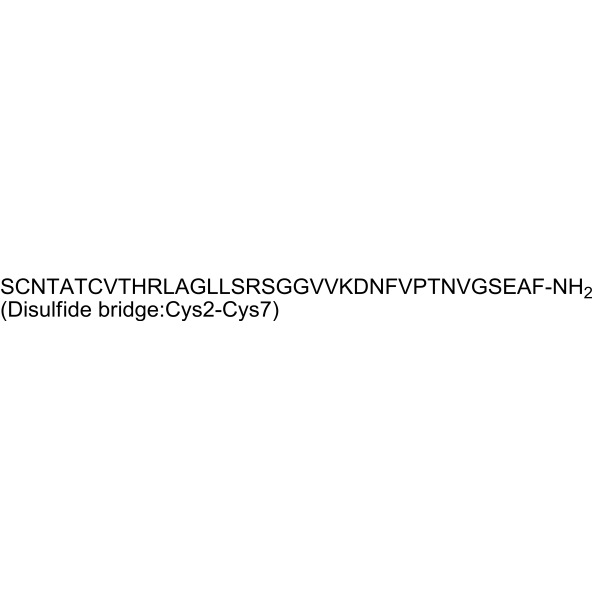
α-CGRP (mouse, rat), a neuropeptide (calcitonin gene-related peptide (CGRP)) mainly expressed in neuromuscular junction, is a potent vasodilator. α-CGRP (mouse, rat) can lead to a fall in blood pressure and an increase in heart rate by peripheral administration, also relax colonie smooth muscle. α-CGRP (mouse, rat) has the potential in cardiovascular, pro-inflammatory, migraine and metabolic studies .
loading...
    loading...
9
9 Publications Verification
Cat. No.: HY-P0203A
Synonyms: CGRP (83-119), mouse, rat TFA
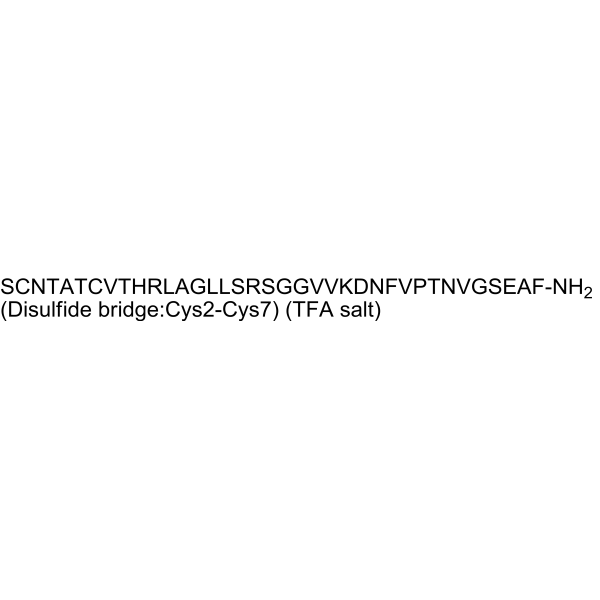
α-CGRP (mouse, rat) TFA, a neuropeptide (calcitonin gene-related peptide (CGRP)) mainly expressed in neuromuscular junction, is a potent vasodilator. α-CGRP (mouse, rat) TFA can lead to a fall in blood pressure and an increase in heart rate by peripheral administration, also relax colonie smooth muscle. α-CGRP (mouse, rat) TFA has the potential in cardiovascular, pro-inflammatory, migraine and metabolic studies .
loading...
    loading...
5
5 Cited Publications
Cat. No.: HY-P1290
CAS No.: 121932-06-7
Synonyms: PKI-(6-22)-amide
Target:  

PKA

Research Areas:  

Neurological Disease

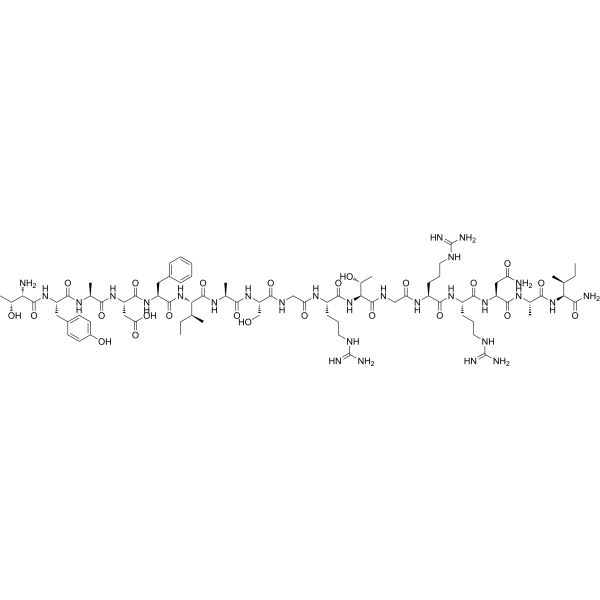
PKA Inhibitor Fragment (6-22) amide is a highly potent and specific competitive inhibitor of PKA, with Ki values of 1.7 nM and 1.6 nM against human and bovine PKA catalytic subunits, respectively. The IC50 of PKA Inhibitor Fragment (6-22) amide targeting bovine PKA is 8.6 nM. PKA Inhibitor Fragment (6-22) amide effectively abolishes PKA activity in mouse brain and spinal cord, and exerts in vivo efficacy via intracerebroventricular administration. PKA Inhibitor Fragment (6-22) amide significantly reverses low-dose morphine analgesic tolerance in mice and blocks photoaffinity labeling of cAMP-dependent protein kinase. PKA Inhibitor Fragment (6-22) amide can be applied to research in fields related to the mechanism of morphine analgesic tolerance and skin wound healing .
loading...
    loading...
1
1 Cited Publications
Cat. No.: HY-W017540
CAS No.: 35404-50-3
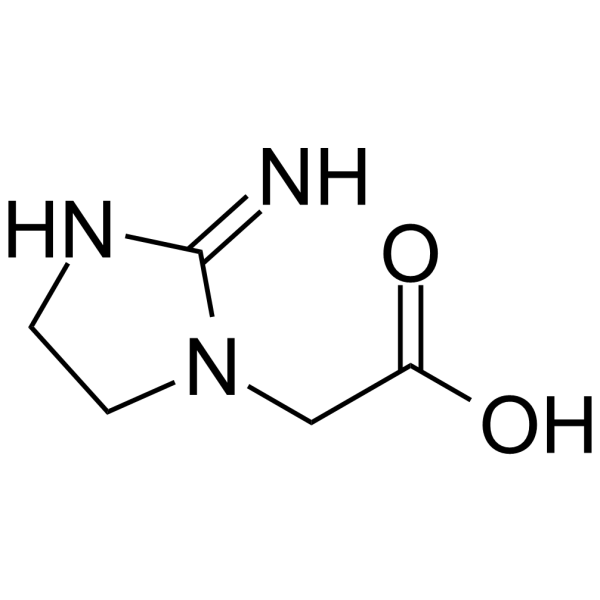
Cyclocreatine, a creatine analogue, acts as a brain-penetrant and potent bioenergetic protective agent by providing high levels of ATP. Cyclocreatine can be phosphorylated and dephosphorylated by creatine kinases. Cyclocreatine suppresses creatine metabolism ameliorating the cognitive, autistic and epileptic phenotype in a mouse model of creatine transporter defciency. Cyclocreatine protects against ischemic injury and enhances cardiac recovery during early reperfusion in dogs and rats. Cyclocreatine decreases plaque-adjacent neuronal dystrophy in TREM2-deficient mice with amyloid-β pathology. Cyclocreatine is proming for research of ischemic heart disease, cardiovascular diseases, Alzheimer’s disease and other neurodegenerative diseases associated with microglial dysfunction, prostate cancer .
loading...
    loading...
1
1 Cited Publications
Cat. No.: HY-150508
CAS No.: 2641484-61-7
Purity:  98.60%
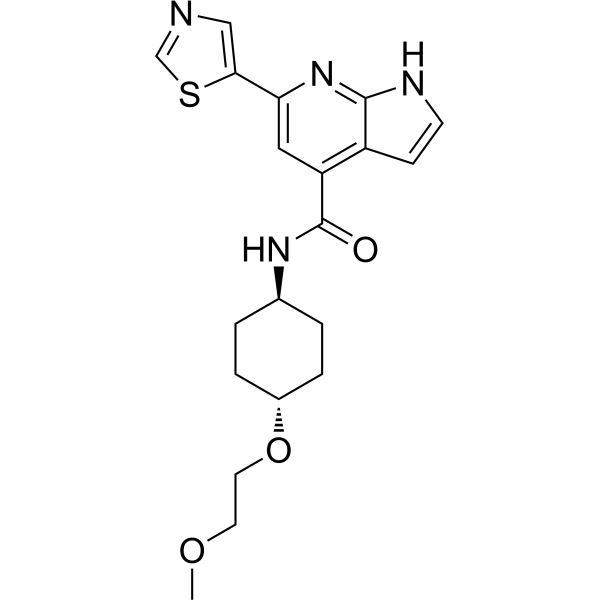
MK-0159 is an orally active, potent and selective CD38 inhibitor, with IC50 values of 22, 3, and 70 nM for human, mouse and rat CD38, respectively. MK-0159 also shows good microsomal stability for human and rodent liver microsomes. MK-0159 increases NAD + (nicotinamide adenine dinucleotide) and reduces ADPR (adenosine diphosphate ribose) in whole blood and heart .
loading...
    loading...
1
1 Cited Publications
Cat. No.: HY-N8157
CAS No.: 1464-33-1
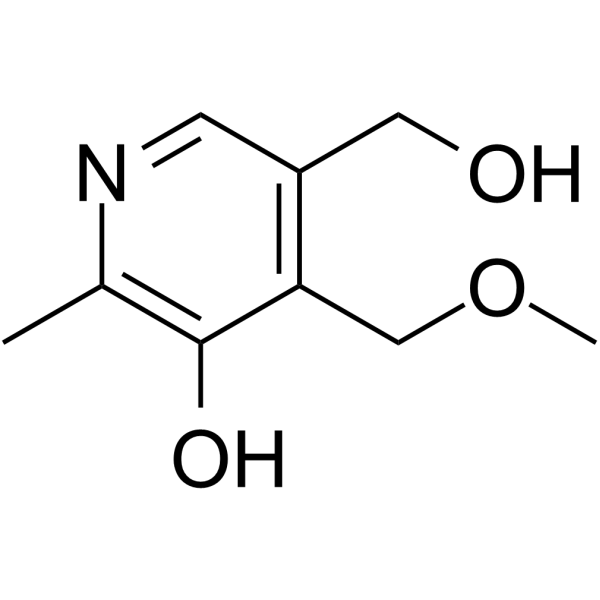
4'-O-Methylpyridoxine is an orally active antivitamin B6 compound found in Ginkgo biloba seeds and leaves. 4'-O-Methylpyridoxine inhibits pyridoxal kinase. 4'-O-Methylpyridoxine reduces brain pyridoxal-5'-phosphate (PLP) levels, decreases gamma-aminobutyric acid/glutamate (GABA/Glu) ratio. 4'-O-Methylpyridoxine increases plasma levels of pyridoxal-5'-phosphate and pyridoxal. 4'-O-Methylpyridoxine induces hyperactivity, convulsions, pathological tissue changes, organ damage in rodent brain and heart .
loading...
    loading...
1
1 Cited Publications
Cat. No.: HY-P990255

Target:  

CXCR

Research Areas:  

Inflammation/Immunology Cancer

Anti-Mouse CXCL9/MIG Antibody (MIG-2F5.5) is an anti-mouse CXCL9/MIG IgG monoclonal antibody. Anti-Mouse CXCL9/MIG Antibody (MIG-2F5.5) can reduce tumor infiltration of CD8 + cytotoxic T cells (CTLs). Anti-Mouse CXCL9/MIG Antibody (MIG-2F5.5) can prolong the survival of transplanted hearts. Anti-Mouse CXCL9/MIG Antibody (MIG-2F5.5) can be used for researches on immunology and cancer such as prostate cancer .
loading...
    loading...
1
1 Cited Publications
Cat. No.: HY-10081
CAS No.: 752222-83-6
Purity:  98.47%
Synonyms: CVT-6883
Target:  

Adenosine Receptor

Research Areas:  

Inflammation/Immunology

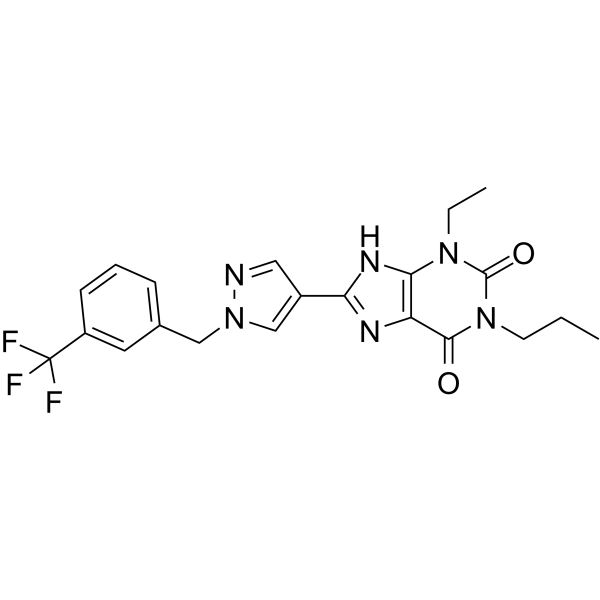
GS-6201 (CVT-6883) is a selective adenosine A2B receptor antagonist. GS-6201 displays high affinity and selectivity for the human adenosine A2B receptors (Ki=22 nM) . GS-6201 reduces caspase-1 activity in the heart, and attenuates cardiac remodeling after acute myocardial infarction (AMI) in the mouse . GS-62013 attenuates the airway reactivity induced by NECA, AMP, or allergen in sensitized mice .
loading...
    loading...
1
1 Cited Publications
Cat. No.: HY-P1181A
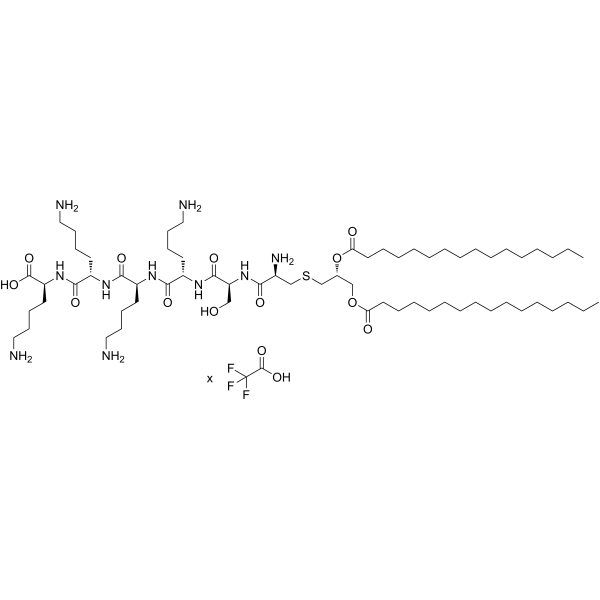
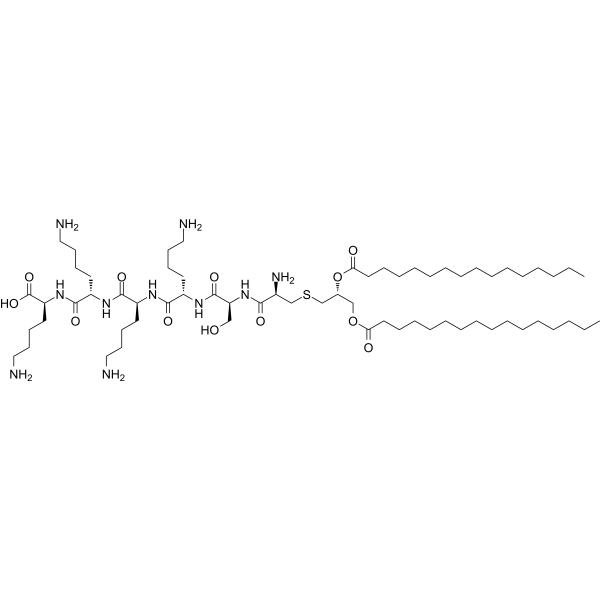
Pam2CSK4 TFA is a TLR2 agonist. Pam2CSK4 TFA induces the expression of iNOS and NO in macrophage cell lines via TBK1 and MyD88 molecules. Pam2CSK4 TFA activates the NF-κB and Bruton's tyrosine kinase signaling pathways in platelets, and promotes platelet-endothelial cell interactions. TLR2 activation triggered by Pam2CSK4 TFA expands myeloid-derived suppressor cells (MDSCs) and suppresses anti-tumor immune responses in the tumor microenvironment. Pam2CSK4 TFA acts as a Th2-polarizing adjuvant in mouse vaccine models against Leishmania major and Brugia malayi. Pam2CSK4 TFA can be used in the research of various diseases, including thromboinflammatory diseases, sepsis, atherosclerosis, heart failure, influenza, lymphoma, melanoma, cutaneous leishmaniasis and lymphatic filariasis .
loading...
    loading...
Cat. No.: HY-P99139
Anti-Mouse IL-1b Antibody (B122) is an anti-mouse IL-1b IgG monoclonal antibody. Anti-Mouse IL-1b Antibody (B122) enhances ferroptosis and increases levels of reactive oxygen species (ROS) combined with Sulfasalazine (SAS) (HY-14655). Anti-Mouse IL-1b Antibody (B122) can reduce monocyte infiltration and alleviate T cell exhaustion by blocking IL-1β signaling. Anti-Mouse IL-1b Antibody (B122) can be used for researches on cancer and cardiovascular conditions such as oral squamous cell carcinoma (OSCC), glioblastoma (GBM) and heart failure .
loading...
    loading...
Cat. No.: HY-P99152
CAS No.: 140608-64-6
Synonyms: Muromanab-CD3

Research Areas:  

Inflammation/Immunology Cancer

Muromonab (Muromonab-CD3; OKT3) is a mouse monoclonal antibody targeting the CD3 antigen. Muromonab specifically binds to the CD3 antigen on the surface of human and higher primate T cells. Muromonab blocks the function of T cell receptors to recognize foreign antigens and inhibits T cell-mediated immune responses, including cell-mediated lymphocyte lysis and T cell proliferation responses. Muromonab can be used to study acute kidney, liver, heart and combined kidney-pancreas transplant rejection, and can also be used to study graft-versus-host disease in bone marrow transplant patients .
loading...
    loading...
Cat. No.: HY-149662
CAS No.: 2681302-83-8
Purity:  99.92%
Research Areas:  

Cardiovascular Disease

TMDJ-035 is a high-affinity, selective RyR2 inhibitor with an EC50 of 0.0130 μM. TMDJ-035 reduces RyR2 protein expression without affecting action potential-induced Ca 2+ transients. TMDJ-035 decreases ATP content and intracellular Ca 2+ levels. TMDJ-035 inhibits arrhythmias in a CPVT mouse model carrying mutant RyR2s. TMDJ-035 has no effect on electrocardiogram parameters or cardiac systolic function. TMDJ-035 exacerbates heart failure in mouse myocardial infarction models and hypoxic cardiomyocytes by altering cardiac function, causing tissue damage, promoting inflammatory infiltration, collagen deposition, and changes in Myosin heavy chain/actin expression. TMDJ-035 can be used in studies related to heart failure, catecholaminergic polymorphic ventricular tachycardia, and arrhythmias .
loading...
    loading...
Cat. No.: HY-P990254

Target:  

CXCR

Research Areas:  

Inflammation/Immunology Cancer

Anti-Mouse CXCR3/CD183 Antibody (CXCR3-173) is an anti-mouse CXCR3/CD183 IgG monoclonal antibody. Anti-Mouse CXCR3/CD183 Antibody (CXCR3-173) weakens the immune response by reducing the infiltration of CD4 + and CD8 + T cells. Anti-Mouse CXCR3/CD183 Antibody (CXCR3-173) significantly prolongs the survival time of heart or islet transplants in mice. Anti-Mouse CXCR3/CD183 Antibody (CXCR3-173) can be used for researches on immunology and cancer such as pancreatic cancer .
loading...
    loading...
Cat. No.: HY-129115
CAS No.: 897613-29-5
Research Areas:  

Others

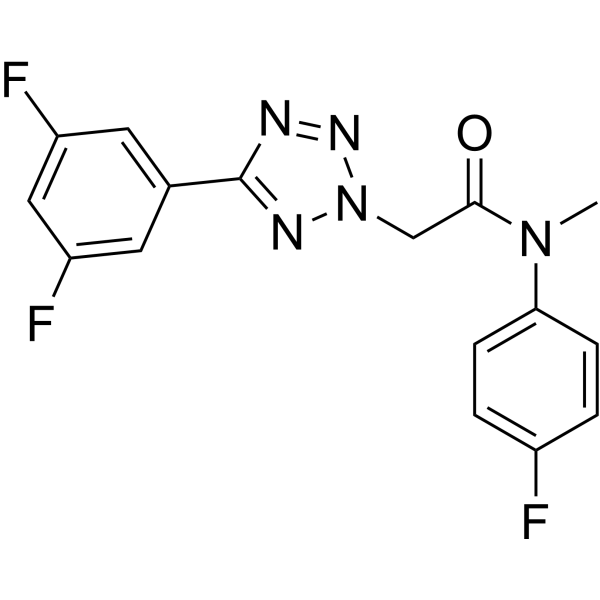
S1QEL1.1 is a small molecule inhibitor that specifically inhibits the generation of superoxide and hydrogen peroxide at the IQ site during reverse electron transfer in mitochondrial respiratory chain complex I (Complex I), with an IC50 of 0.07 μM. S1QEL1.1 can significantly reduce the activation of cysteine-aspartic protease (caspase) triggered by endoplasmic reticulum stress. S1QEL1.1 helps to decrease excessive proliferation of stem cells by inhibiting the Reactive Oxygen Species signaling pathway initiated by endoplasmic reticulum stress .
loading...
    loading...
Cat. No.: HY-168894
CT-1 is a secreted protein belonging to the IL-6 cytokine family. Overexpression of CT-1 enhances cell proliferation, migration and angiogenesis via the ADMA/DDAH pathway. CT-1 inhibits the growth of triple-negative breast cancer cells by simultaneously inducing Ferroptosis in N2-type tumor-associated neutrophils and cancer cells. CT-1 activates the Jak/STAT-3, p42/p44 MAPK and AMPK pathways, and inhibits GSK-3β activity through phosphorylation to induce cardiomyocyte hypertrophy. CT-1 enhances the viability of cardiomyocytes and neurons, reduces cell Apoptosis, induces the expression of heat shock proteins (HSP) and BNP, and inhibits TNF levels. CT-1 exerts anti-tumor activity in mouse models of triple-negative breast cancer. CT-1 improves cognitive impairment in mice. CT-1 is applicable to the research of ischemic heart disease, triple-negative breast cancer, myocardial hypertrophy, Parkinson's disease, hypertensive heart disease, myocardial infarction, acute Chagas cardiomyopathy, high-fat diet-induced cognitive impairment and diabetes-related cognitive impairment .
loading...
    loading...
Cat. No.: HY-N7065
CAS No.: 7327-87-9
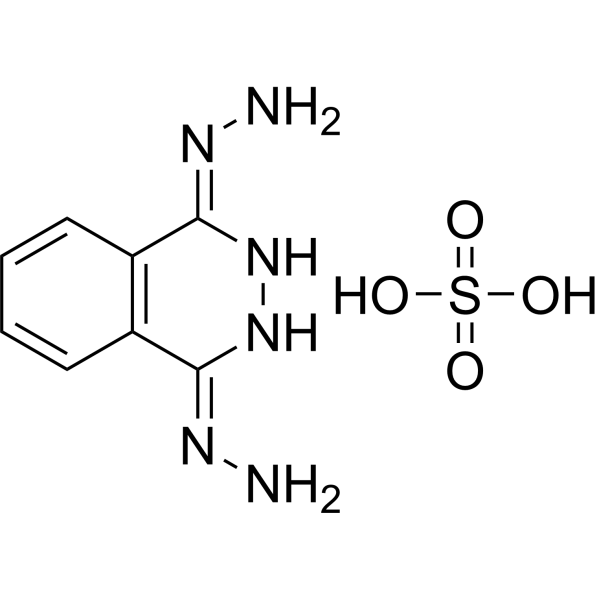
Dihydralazine sulfate is an antihypertensive hydrazine derivative and also a low-potency genotoxic agent. Dihydralazine sulfate is a direct-acting mutagen with a mixed gene mutation mechanism, which induces DNA fragmentation in the lung, kidney and spleen of mice, and induces sister chromatid exchange in mouse bone marrow cells. Dihydralazine sulfate specifically kills DNA repair-deficient bacteria. Dihydralazine sulfate is a vasodilator and antihypertensive agent that reduces systemic vascular resistance, increases cardiac output and heart rate, thereby lowering blood pressure. Dihydralazine sulfate can be used in research related to hypertension and severe early-onset preeclampsia .
loading...
    loading...
Cat. No.: HY-147174
CAS No.: 1801547-15-8
Purity:  99.71%
Research Areas:  

Cancer

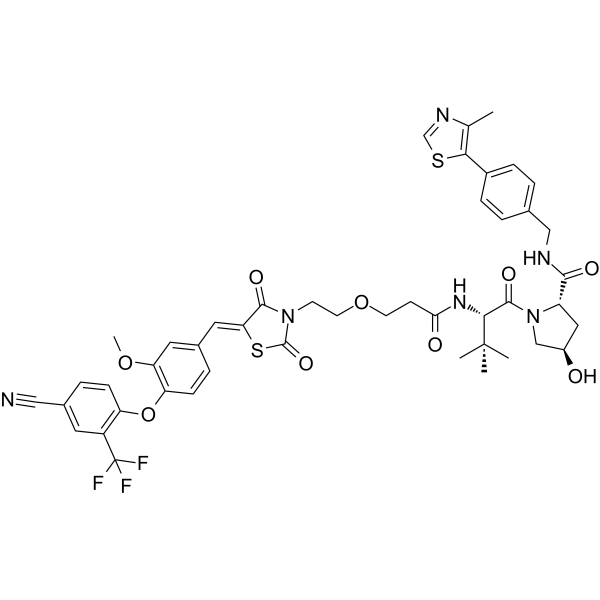
PROTAC_ERRα is a potent and selective ERRα PROTAC degrader (DC50: ~100 nM in MCF-7 cells). PROTAC_ERRα recruits the VHL E3 ubiquitin ligase to ERRα, inducing ERRα ubiquitination and proteasomal degradation in a VHL-dependent manner. PROTAC_ERRα can be used in breast cancer-related research .
loading...
    loading...
Cat. No.: HY-P1181
CAS No.: 868247-72-7
Pam2CSK4 is a TLR2 agonist. Pam2CSK4 induces the expression of iNOS and NO in macrophage cell lines via TBK1 and MyD88 molecules. Pam2CSK4 activates the NF-κB and Bruton's tyrosine kinase signaling pathways in platelets, and promotes platelet-endothelial cell interactions. TLR2 activation triggered by Pam2CSK4 expands myeloid-derived suppressor cells (MDSCs) and suppresses anti-tumor immune responses in the tumor microenvironment. Pam2CSK4 acts as a Th2-polarizing adjuvant in mouse vaccine models against Leishmania major and Brugia malayi. Pam2CSK4 can be used in the research of various diseases, including thromboinflammatory diseases, sepsis, atherosclerosis, heart failure, influenza, lymphoma, melanoma, cutaneous leishmaniasis and lymphatic filariasis .
loading...
    loading...
Cat. No.: HY-P3436
CAS No.: 771479-86-8
Target:  

Exosomes

Research Areas:  

Cardiovascular Disease

WLSEAGPVVTVRALRGTGSW is a cardiomyocyte-targeting peptide that specifically recognizes tenascin X on the surface of cardiomyocytes. WLSEAGPVVTVRALRGTGSW can serve as a targeting ligand to conjugate with various therapeutic carriers (drugs, genes, exosomes, nanoparticles, etc.) for research on cardiovascular diseases (such as myocardial infarction, heart failure) .
loading...
    loading...
Cat. No.: HY-126359
CAS No.: 27098-24-4
Purity:  ≥98.0%
Synonyms: SLPC; 18:0-18:2 PC
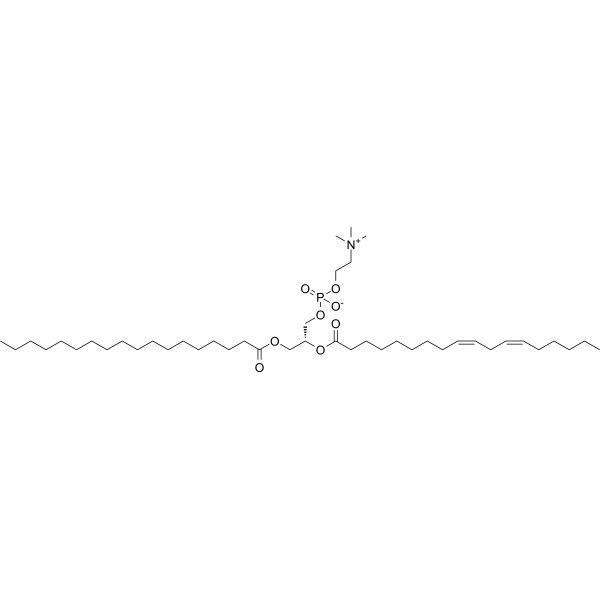
1-Stearoyl-2-linoleoyl-sn-glycero-3-phosphocholine (SLPC; 18:0-18:2 PC) is an endogenous phospholipid marker molecule in the glycerophospholipid metabolic pathway. 1-Stearoyl-2-linoleoyl-sn-glycero-3-phosphocholine is a core component of the phospholipid bilayer of biological membranes and a key responsive lipid for radiation injury and cardiometabolic diseases. 1-Stearoyl-2-linoleoyl-sn-glycero-3-phosphocholine constitutes the phospholipid bilayers of cell membranes and high-density lipoprotein (HDL), and regulates the core activity of lipoprotein functional homeostasis. The content of 1-Stearoyl-2-linoleoyl-sn-glycero-3-phosphocholine in mouse serum shows a significant dose-dependent decrease with increasing ionizing radiation dose, and its level in human HDL also decreases significantly in metabolic syndrome. 1-Stearoyl-2-linoleoyl-sn-glycero-3-phosphocholine can serve as a biological dosimeter marker for ionizing radiation injury, and is used for rapid and accurate assessment of radiation absorbed dose in exposed individuals. 1-Stearoyl-2-linoleoyl-sn-glycero-3-phosphocholine can also act as a lipidomics research target for cardiometabolic diseases such as lipid metabolic syndrome and early-onset coronary heart disease .
loading...
    loading...

