

From 11:00 pm to 12:00 pm EST ( 8:00 pm to 9:00 pm PST ) on January 6th, the website will be under maintenance. We are sorry for the inconvenience. Please arrange your schedule properly.
Ro 08-2750 is a non-peptide and reversible nervegrowthfactor (NGF) inhibitor which binds to NGF, and with an IC50 of ~ 1 μM. Ro 08-2750 inhibits NGF binding to p75 NTR selectively over TRKA . Ro 08-2750 is a selective MSI RNA-binding activity inhibitor, with an IC50 of 2.7 μM .
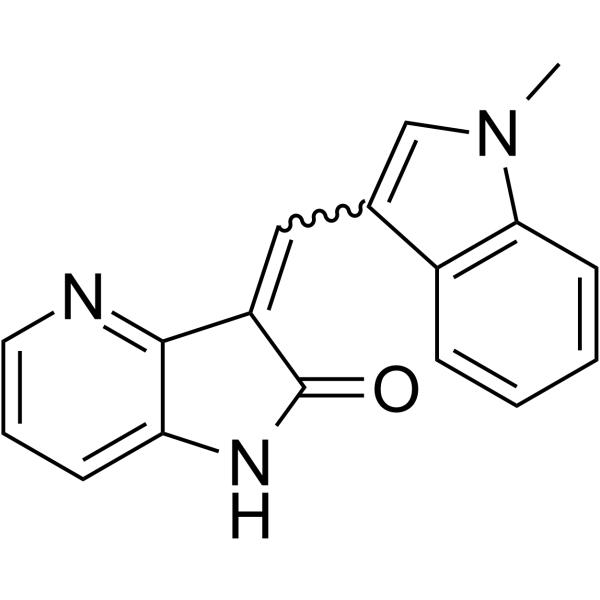
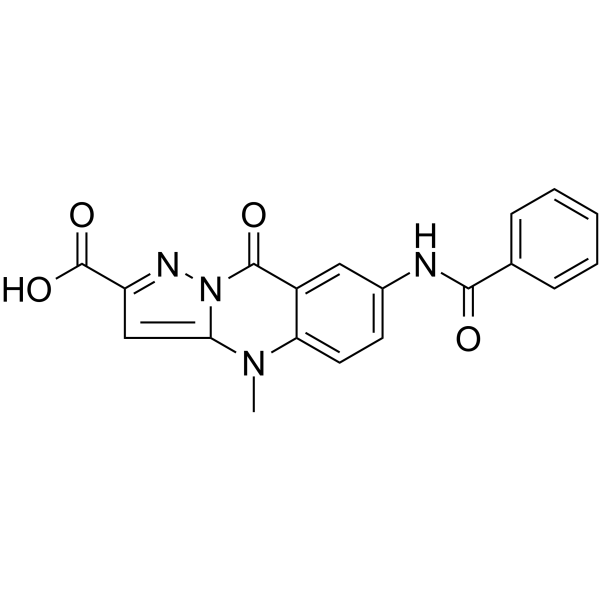
GW 441756 is a potent and specific nervegrowthfactor (NGF) receptor tyrosine kinases A (TrkA) inhibitor (IC50=2 nM), which eliminates the BmK NSPK-induced neurite outgrowth .
Bedinvetmab (ZTS-00508841) is a canine monoclonal antibody (mAb) targeting nervegrowthfactor (NGF). Bedinvetmab inhibits NGF interaction with tropomyosin receptor kinase A (trkA) and p75 neurotrophin receptor (p75NTR) receptors. Bedinvetmab can be used for the research of osteoarthritis pain in dogs .
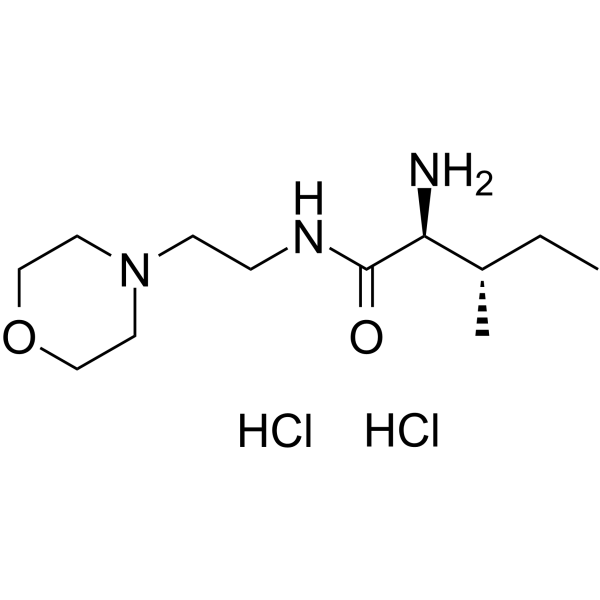
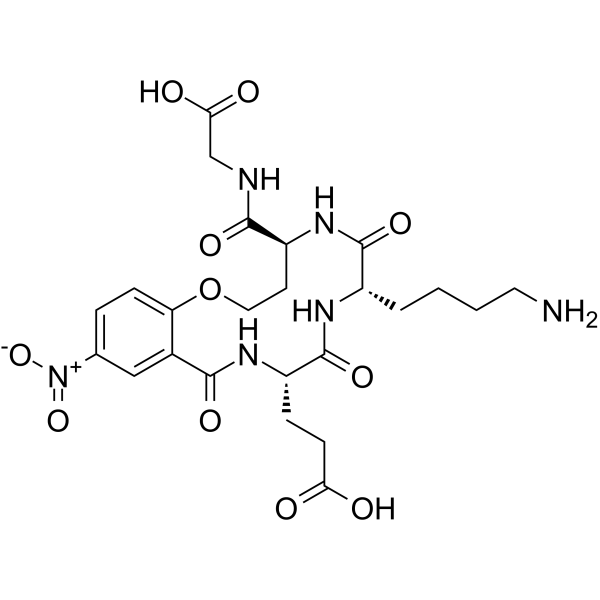
LM11A-31 dihydrochloride, a non-peptide p75 NTR (neurotrophin receptor p75) modulator, is an orally active and potent proNGF (nervegrowthfactor) antagonist. LM11A-31 dihydrochloride is an amino acid derivative with high blood-brain barrier permeability and blocks p75-mediated cell death. LM11A-31 dihydrochloride reverses cholinergic neurite dystrophy in Alzheimer's disease mouse models with mid- to late-stage disease progression .
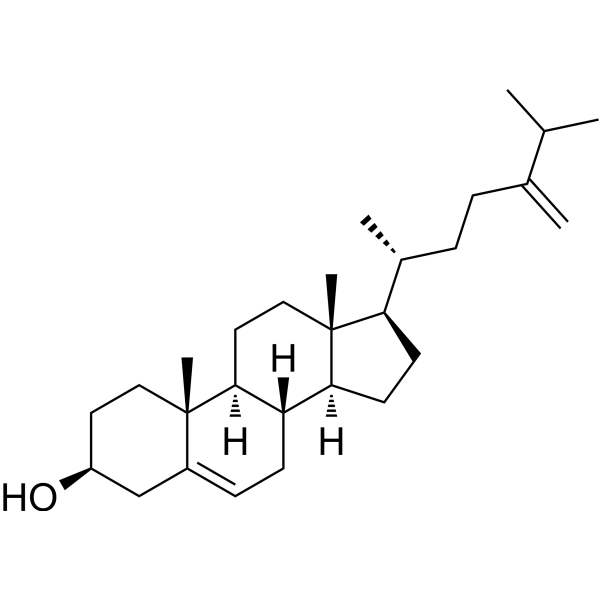
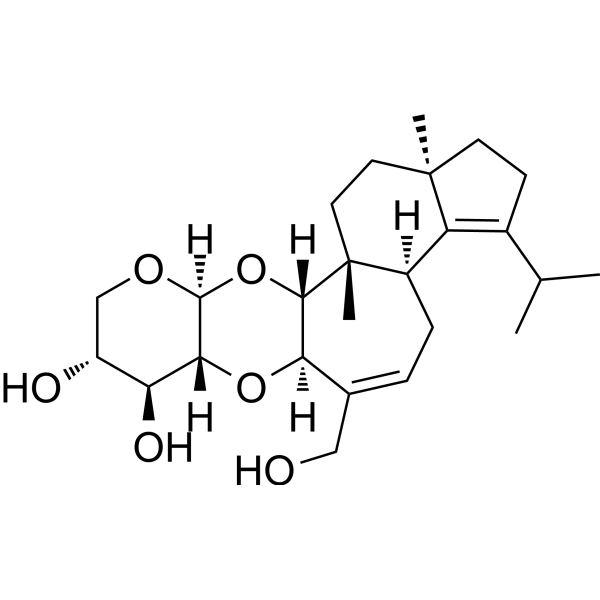
24-Methylenecholesterol (Ostreasterol) is a regulator targeting acyl-CoA cholesterol acyltransferase (ACAT) with anti-aging and neuroprotective effects. 24-Methylenecholesterol mimics the effects of nervegrowthfactor (NGF), can extend yeast lifespan through an anti-oxidative stress mechanism, and exhibits neuroprotective activity in PC12 cells. 24-Methylenecholesterol can reduce intracellular reactive oxygen species (ROS) and malondialdehyde (MDA) levels, activate anti-oxidative stress pathways (such as UTH1, SOD-related genes), and promote synaptic growth .
LM11A-31, a non-peptide p75 NTR (neurotrophin receptor p75) modulator, is an orally active and potent proNGF (nervegrowthfactor) antagonist. LM11A-31 is an amino acid derivative with high blood-brain barrier permeability and blocks p75-mediated cell death. LM11A-31 reverses cholinergic neurite dystrophy in Alzheimer's disease mouse models with mid- to late-stage disease progression .
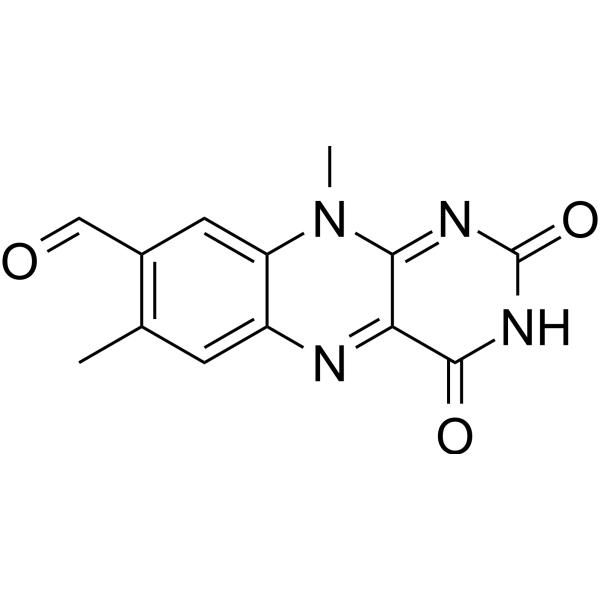
Erinacine C is the inhibitor for NF-κB signaling pathway and the activator for Nrf2 signaling pathway. Erinacine C exhibits antioxidant, neuroprotective and anti-inflammatory effects .
Izenivetmab (ZTS-00075623) is an anti-NGFB IgG2κ monoclonal antibody. Izenivetmab shows anti-inflammatory and analgesic effects by targeting anti-nervegrowthfactor (NGF). Izenivetmab can be used for the research of osteoarthritis .
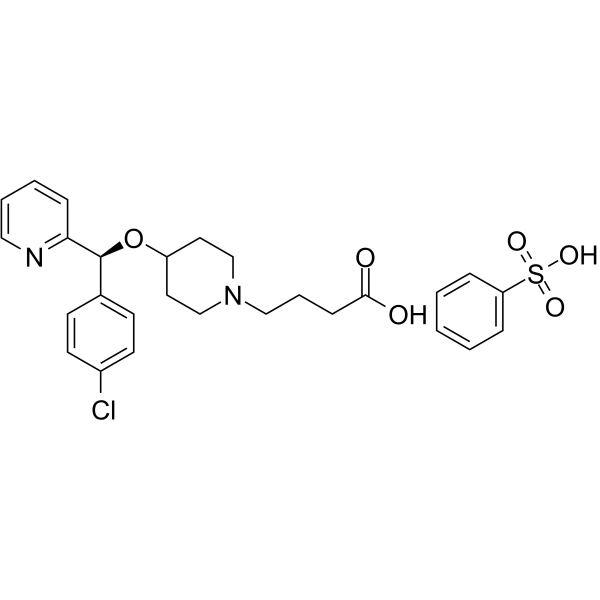
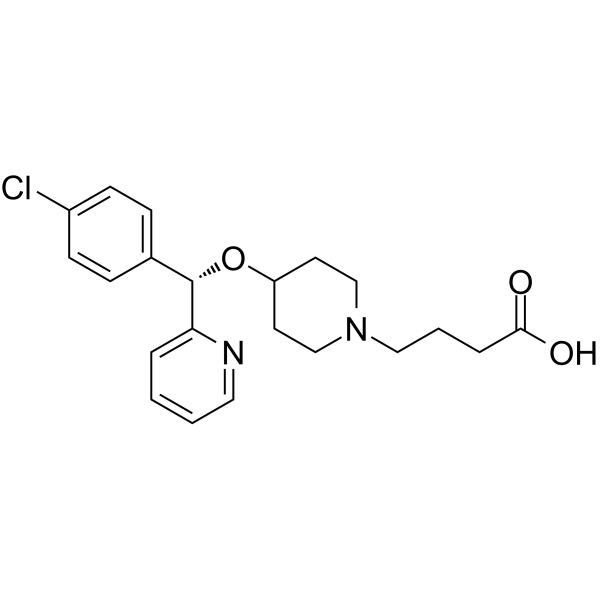
Bepotastine besilate is a selective and orally active second-generation histamine H1 receptor antagonist, can suppress the expression of nervegrowthfactor (NGF). Bepotastine besilate has the potential for allergic rhinitis, allergic conjunctivitis and urticaria/pruritus research .
Pheophytin a is a multi-target inhibitor, anticancer agent, antioxidant and antiviral agent. Pheophytin a directly binds to and inhibits HCV-NS3/4A protease (IC50=0.89 μM) to block viral replication. Pheophytin a also scavenges free radicals, reduces ferric ions, and exhibits cytotoxic activity against breast cancer cells. Pheophytin a effectively inhibits LPS-induced production of nitric oxide, prostaglandin E2, NOS2 and COX-2, as well as various pro-inflammatory cytokines, by downregulating the transcription levels of inflammatory mediators and blocking the ERK1/2 and STAT-1 pathways. In a low nervegrowthfactor environment, Pheophytin a also enhances ERK1/2 phosphorylation and synergistically promotes neurite outgrowth through MAPK pathway. Pheophytin a can be used to investigate the pathogenic mechanisms of diseases including chronic hepatitis C, sepsis, breast cancer and Alzheimer's disease .
NerveGrowthFactor 2.5S, murine submaxillary gland is a neurotrophic polypeptide required for normal growth and development of sympathetic and embryonic sensory neurons and certain cholinergic neurons in the central nervous system. NerveGrowthFactor 2.5S, murine submaxillary gland has only β-subunit , and shows nervegrowth-promoting activity .
Frunevetmab (NV-02) is a felinized anti-nervegrowthfactor (NGF) monoclonal antibody with a Kd of 20 pM. Frunevetmab can effectively decrease osteoarthritis (OA) pain in cats .
Negletein (5,6-Dihydroxy-7-methoxyflavone) is a flavone found in Scutellaria. Negletein shows anti-inflammatory activity via inhibiting TNF-α and IL-1β with IC50 values of 16.4 and 6.4 μM, respectively. Negletein can activate Nrf2 and inhibit ROS production. Negletein can enhance the neuroprotective effect of nervegrowthfactor. Negletein can inhibit amyloid beta-peptide release and accumulation. Negletein can inhibit pathogens biofilms formation. Negletein can be used for the researches of cancer, infection, inflammation and neurological disease, such as colon cancer and Alzheimer's disease .
Trapidil (AR-12008) is an orally active vasodilator and antiplatelet agent. Trapidil antagonizes platelet-derived growthfactor (PDGF), inhibits phosphodiesterase, thromboxane A2 synthesis and pro-inflammatory cytokine production. Trapidil promotes prostacyclin biosynthesis, reduces lipid peroxidation, regulates nitric oxide metabolism, and inhibits cell proliferation and migration. Trapidil exerts tissue-protective effects, regulates bone turnover, and inhibits pyroptosis via the GPX3/Nrf2 pathway. Trapidil is applicable to research related to renal ischemia-reperfusion injury, chronic stable angina, restenosis, meningioma, diabetic cardiomyopathy and peripheral nerve crush injury .
Fasinumab (Anti-Human NGF) is a human IgG4 monoclonal antibody to nervegrowthfactor (NGF). Fasinumab can be used in acute sciatica and knee osteoarthritis (OA) studies .
Nardosinone, isolated from Nardostachys chinensis, is the first enhancer of the neuritogenic action of dbcAMP and staurosporine. Nardosinone may become a useful pharmacological tool for studying the mechanism of action of not only nervegrowthfactor (NGF) but also both the neuritogenic substances .
Bepotastine is a selective and orally active second-generation histamine H1 receptor antagonist, can suppress the expression of nervegrowthfactor (NGF). Bepotastine has the potential for allergic rhinitis, allergic conjunctivitis and urticaria/pruritus research .
PD 90780 is a non peptide antagonist of nervegrowthfactor (NGF). PD 90780 interacts with NGF, prevents NGF binds with p75 NTR. PD 90780 inhibits NGF-p75 NTR interaction with IC50s of 23.1 and 1.8 μM in PC12 cells and PC12 nnr5 cells, respectively .
(Rac)-LM11A-31 dihydrochloride is an isomer of LM11A-31 dihydrochloride. LM11A-31 dihydrochloride, a non-peptide p75 NTR (neurotrophin receptor p75) modulator, is an orally active and potent proNGF (nervegrowthfactor) antagonist .
NerveGrowthFactor 7S, murine submaxillary gland is an α2β2γ2 complex in which the β-NGF dimer (the active neurotrophin) is associated with two α-NGF and two γ-NGF subunits .
NG-012, potentiator of nervegrowthfactor (NGF), were isolated from the culture broth of Penicillium verruculosum F-4542. NG-012 potentiates the neurite outgrowth induced by NGF in rat pheochromocytoma cell line (PC12) .
Erinacin B is a active product that can be extracts from the mycelia of Hericium erinaceum. Erinacin B shows potent stimulating activity of nervegrowthfactor (NGF)-synthesis .
TBE 31 is an orally active Keap1/Nrf2 pathway activator and NQO1 inducer with a Dm value of 1.1 nM for NQO1. TBE 31 binds to cysteine residues of Keap1, inhibits ubiquitination and degradation of Nrf2, thereby activating the expression of ARE-dependent genes. TBE 31 induces cytoprotective enzymes including NQO1 and GST isoforms, promotes Nrf2 accumulation, and upregulates Nrf2-regulated genes related to antioxidation and lipid metabolism. TBE 31 inhibits pro-inflammatory responses, formation of AFB1-DNA adducts, endoplasmic reticulum stress, cell apoptosis (apoptosis), hepatic fibrosis, oxidative stress, and the expression of ChREBP. TBE 31 reduces the number of tumors in a mouse model of ultraviolet-induced skin carcinogenesis. TBE 31 enhances nervegrowthfactor-induced neurite outgrowth. TBE 31 attenuates LPS-induced serum TNF-α levels and immobility time in mice. TBE 31 can be used in research related to liver cancer, skin cancer, inflammation-related depression, and non-alcoholic steatohepatitis .
Hericenone D, an orally active pancreatic lipase inhibitor, can be found in Hericium erinaceus. Hericenone D reduces lipid absorption and stimulates nervegrowthfactorNGF gene expression. Hericenone D can be used for the research of menopausal obesity .
Gelsemiol is the main active ingredient in Verbena littoralis H. B. K.. Gelsemiol enhanced nervegrowthfactor (NGF) -induced axonal elongation in PC12D cells .
VMD-928 is an orally active, allosteric, irreversible and selective tropomyosin receptor kinase A (TrkA) inhibitor. VMD-928 blocks the downstream signaling pathways triggered by the binding of nervegrowthfactor (NGF) to TrkA, thereby inhibiting cell proliferation, invasion, and promoting cancer cell death. VMD-928 is promising for research of various cancers, including prostate cancer, thymic carcinoma, mesothelioma, squamous cell carcinoma of the head and neck, squamous cell carcinoma of the lung, ovarian cancer, hepatocellular carcinoma .
ALE-0540, a nonpeptidic small molecule, is a nervegrowthfactor receptor antagonist. ALE-0540 inhibits the binding of NGF to tyrosine kinase (Trk) A or both p75 and TrkA with IC50 values of 5.88 μM and 3.72 μM, respectively. ALE-0540 can be used to examine mechanisms leading to the development of agents for the study of pain .
KP 544 is a potent neurotrophic protein enhancer that amplifies nervegrowthfactor (NGF)-induced neurite outgrowth of PC12 cells and SH-SY5Y neuroblastoma cells. KP544 also enhances choline acetyltransferase activity. KP 544 selectively interact in the differentiation pathway downstream of MAPK in a manner that amplifies nervegrowthfactor and cyclic AMP effects and is also neuroprotective .
Garciniaxanthone E is a xanthone compound. Garciniaxanthone E significantly enhances cellular nervegrowthfactor (NGF)-mediated neurite outgrowth in PC12D cells. Garciniaxanthone E contributes to basic research and medicinal development in neurodegenerative diseases .
NS 1231 is a neurotrophic-like compound with neuroprotective effect. NS 1231 can rescue nervegrowthfactor (NGF)-differentiated PC12 cells from death induced by withdrawal of trophic factors. NS 1231 can stimulate NGF-induced neurite outgrowth of undifferentiated PC12 cells. NS 1231 can be used for the research of neurological disease, such as stroke .
(Rac)-Bepotastine (besilate) is the isomer of Bepotastine (besilate) (HY-A0015), and can be used as an experimental control. Bepotastine besilate is a selective and orally active second-generation histamine H1 receptor antagonist, can suppress the expression of nervegrowthfactor (NGF). Bepotastine besilate has the potential for allergic rhinitis, allergic conjunctivitis and urticaria/pruritus research .
TRKB(NTRK2) is a member of tyrosine kinase gene family. TRKB is the primary receptor for brain-derived nervegrowthfactor (BDNF) and neurotrophin 4/5 (NT4/5). TRKB(NTRK2) Recombinant Human Active Protein Kinase is a recombinant TRKB(NTRK2) protein that can be used to study TRKB(NTRK2)-related functions .
Kissoone C (compound 3) is a three-membered ring sesquiterpene isolated from valerian root. Kissoone C can enhance the activity of nervegrowthfactor (NGF)-mediated neurite outgrowth in PC12D cells .
A-582941 dihydrochloride is a selective, orally active, blood-brain barrier-permeable α7 nAChR agonist, with Ki values of 10.8 nM and 17 nM in rat brain and human frontal cortex, respectively. A-582941 dihydrochloride exhibits agonistic activity at 5-HT3 receptors, with a Ki of 150 nM. A-582941 dihydrochloride triggers phosphorylation of ERK1/2 and CREB, inhibits GSK-3β via Ser-9 phosphorylation, increases acetylcholine release, induces the expression of Arc and c-Fos, activates brain regions associated with working memory and attention, and reduces cell death caused by nervegrowthfactor (NGF) deprivation. A-582941 dihydrochloride is applicable for the research of Alzheimer's disease and schizophrenia .
Trapidil (Standard) (AR-12008 (Standard)) is the analytical standard of Trapidil (HY-B1016R). This product is intended for research and analytical applications. Trapidil (AR-12008) is an orally active vasodilator and antiplatelet agent. Trapidil antagonizes platelet-derived growthfactor (PDGF), inhibits phosphodiesterase, thromboxane A2 synthesis and pro-inflammatory cytokine production. Trapidil promotes prostacyclin biosynthesis, reduces lipid peroxidation, regulates nitric oxide metabolism, and inhibits cell proliferation and migration. Trapidil exerts tissue-protective effects, regulates bone turnover, and inhibits pyroptosis via the GPX3/Nrf2 pathway. Trapidil is applicable to research related to renal ischemia-reperfusion injury, chronic stable angina, restenosis, meningioma, diabetic cardiomyopathy and peripheral nerve crush injury.
Isogarciniaxanthone E (compound 1) is a natural product that can be found in Garcinia xanthochymus. Isogarciniaxanthone E enhances nervegrowthfactor-mediated neurite outgrowth .
PACA is an enhancer of nervegrowthfactor-induced neurite outgrowth, enhancing nervegrowthfactor (NGF)-induced neurite outgrowth and attenuating 6-hydroxydopamine (6-OHDA)-induced toxicity by activating the Nrf2/HO-1 pathway. PACA has neuroprotective and neurogenic activities. PACA can be used to improve dopaminergic neuron loss and motor dysfunction in MPTP mouse models of Parkinson's disease and MPP +-induced neurons .
Methyl Ganoderic acid B is a triterpenoid, that can be isolated from Ganoderma lucidum. Methyl Ganoderic acid B has nervegrowthfactor-like neuronal survival-promoting effects .
TRK-IN-17 is a potent inhibitor of TRK. Tropomyosin-related kinases (Trks) are a family of receptor tyrosine kinases activated by neurotrophins, a group of soluble growthfactors including NerveGrowthFactor (NGF), Brain-Derived Neurotrophic Factor (BDNF) and Neurotrophin-3 (NT-3) and Neurotrophin-4/5 (NT-4/5). TRK-IN-17 has the potential for the research of cancer diseases (extracted from patent WO2021148807A1, compound 3) .
TRK-IN-18 is a potent inhibitor of TRK. Tropomyosin-related kinases (Trks) are a family of receptor tyrosine kinases activated by neurotrophins, a group of soluble growthfactors including NerveGrowthFactor (NGF), Brain-Derived Neurotrophic Factor (BDNF) and Neurotrophin-3 (NT-3) and Neurotrophin-4/5 (NT-4/5). TRK-IN-18 has the potential for the research of cancer diseases (extracted from patent WO2021148805A1, compound 7) .
Bepotastine tosylate is a selective and orally active second-generation histamine H1 receptor antagonist. Bepotastine tosylate can suppress the expression of nervegrowthfactor (NGF). Bepotastine tosylate can be used in studies of allergic rhinitis, allergic conjunctivitis and urticaria/pruritus .
3,4-Dephostatin (Methyl-3,4-dephostatin) is an inhibitor of protein-tyrosine phosphatase (PTPase). 3,4-Dephostatin accelerates nervegrowthfactor (NGF)-induced neurite formation in PC12h cells. 3,4-Dephostatin sustains the NGF-induced tyrosine phosphorylation of proteins, most prominently that of mitogen-activated protein (MAP) kinase. 3,4-Dephostatin also prolongs epidermal growthfactor (EGF)-induced tyrosine phosphorylation and activation of MAP kinase .
Nardosinone (Standard) is the analytical standard of Nardosinone. This product is intended for research and analytical applications. Nardosinone, isolated from Nardostachys chinensis, is the first enhancer of the neuritogenic action of dbcAMP and staurosporine. Nardosinone may become a useful pharmacological tool for studying the mechanism of action of not only nervegrowthfactor (NGF) but also both the neuritogenic substances .
Phenylmethyl 6-O-α-L-arabinofuranosyl-β-D-glucopyranoside (Compound 12) is a nervegrowthfactor (NGF) secretion promoter, which is found in plants of the genus Piper. Phenylmethyl 6-O-α-L-arabinofuranosyl-β-D-glucopyranoside is promising for research of neurodegenerative diseases (such as Parkinson's disease and Alzheimer's disease) and diabetic polyneuropathy .
Bepotastine-d6(besylate) is deuterium labeled Bepotastine (besilate). Bepotastine besilate is a selective and orally active second-generation histamine H1 receptor antagonist, can suppress the expression of nervegrowthfactor (NGF). Bepotastine besilate has the potential for allergic rhinitis, allergic conjunctivitis and urticaria/pruritus research .
Bepotastine (besilate) (Standard) is the analytical standard of Bepotastine (besilate). This product is intended for research and analytical applications. Bepotastine besilate is a selective and orally active second-generation histamine H1 receptor antagonist, can suppress the expression of nervegrowthfactor (NGF). Bepotastine besilate has the potential for allergic rhinitis, allergic conjunctivitis and urticaria/pruritus research .
TRKA is a member of the tropomyosin receptor kinase (TRK) family, and its primary binding ligand is nervegrowthfactor (NGF). TRKA G667C is a mutant of TRKA. TRKA G667C Recombinant Human Active Protein Kinase is a recombinant TRKA G667C protein that can be used to study TRKA G667C-related functions .
Leteprinim potassium (AIT-082), a purine analog, is a neuroprotective agent and cognitive enhancer. Leteprinim potassium is a hypoxanthine derivative neurotrophic agent. Leteprinim potassium can induce brain-derived neurotrophic factor (BDNF) mRNA production following spinal cord lesions, and nervegrowthfactor (NGF) mRNA production in basal forebrain. Leteprinim potassium reduces glutamate toxicity in cultured hippocampal neurons. Leteprinim potassium increases heme-oxygenase 1 and 2 mRNA levels that play role in cellular defense against reactive oxygen species .
Leteprinim (AIT-082 free acid), a purine analog, is a neuroprotective agent and cognitive enhancer. Leteprinim is a hypoxanthine derivative neurotrophic agent. Leteprinim can induce brain-derived neurotrophic factor (BDNF) mRNA production following spinal cord lesions, and nervegrowthfactor (NGF) mRNA production in basal forebrain. Leteprinim reduces glutamate toxicity in cultured hippocampal neurons. Leteprinim increases heme-oxygenase 1 and 2 mRNA levels that play role in cellular defense against reactive oxygen species .
RC-33 hydrochloride is a selective and metabolically stable σ receptor agonist with activity in enhancing nervegrowthfactor (NGF)-induced neurite outgrowth. Both enantiomers of RC-33 hydrochloride bind to the σ receptor with similar affinity and show almost equal effectiveness as σ receptor agonists. The R-configured enantiomer of RC-33 hydrochloride shows higher liver metabolic stability in the presence of NADPH. RC-33 hydrochloride was selected as the best candidate for further in vivo studies in animal models of amyotrophic lateral sclerosis .
24-Methylenecholesterol- 13C (Ostreasterol- 13C) is the 13C labeled 24-Methylenecholesterol (HY-133968) . 24-Methylenecholesterol (Ostreasterol) is a regulator targeting acyl-CoA cholesterol acyltransferase (ACAT) with anti-aging and neuroprotective effects. 24-Methylenecholesterol mimics the effects of nervegrowthfactor (NGF), can extend yeast lifespan through an anti-oxidative stress mechanism, and exhibits neuroprotective activity in PC12 cells. 24-Methylenecholesterol can reduce intracellular reactive oxygen species (ROS) and malondialdehyde (MDA) levels, activate anti-oxidative stress pathways (such as UTH1, SOD-related genes), and promote synaptic growth .
24-Methylenecholesterol (Ostreasterol) (Standard) is the analytical standard of 24-Methylenecholesterol (HY-133968). This product is intended for research and analytical applications. 24-Methylenecholesterol (Ostreasterol) is a regulator targeting acyl-CoA cholesterol acyltransferase (ACAT) with anti-aging and neuroprotective effects. 24-Methylenecholesterol mimics the effects of nervegrowthfactor (NGF), can extend yeast lifespan through an anti-oxidative stress mechanism, and exhibits neuroprotective activity in PC12 cells. 24-Methylenecholesterol can reduce intracellular reactive oxygen species (ROS) and malondialdehyde (MDA) levels, activate anti-oxidative stress pathways (such as UTH1, SOD-related genes), and promote synaptic growth .
Ro 08-2750 (Standard) is the analytical standard of Ro 08-2750 (HY-108466). This product is intended for research and analytical applications. Ro 08-2750 is a non-peptide and reversible nervegrowthfactor (NGF) inhibitor which binds to NGF, and with an IC50 of ~ 1 μM. Ro 08-2750 inhibits NGF binding to p75NTR selectively over TRKA . Ro 08-2750 is a selective MSI RNA-binding activity inhibitor, with an IC50 of 2.7 μM .
Sucrose dilaurate acts as an emulsifier, dispersant and stabilizer. Sucrose dilaurate reduces the release of HMGB1 from UVB-irradiated keratinocytes. Sucrose dilaurate inhibits melanogenesis and decreases bilirubin levels. Sucrose dilaurate induces autophagy in human epidermal keratinocytes, thereby reducing carboxymethyl lysine (CML) levels. Sucrose dilaurate reduces the secretion of insulin-like growthfactor-binding protein 3 (IGFBP3) and nervegrowthfactor (NGF) by senescent keratinocytes. Sucrose dilaurate is investigated as an emulsifier, dispersant or stabilizer in the cosmetics, food and pharmaceutical industries .
Bepotastine (Standard) is the analytical standard of Bepotastine. This product is intended for research and analytical applications. Bepotastine is a selective and orally active second-generation histamine H1 receptor antagonist, can suppress the expression of nervegrowthfactor (NGF). Bepotastine has the potential for allergic rhinitis, allergic conjunctivitis and urticaria/pruritus research .
PF-07245303 is a ITK/TRK inhibitor. PF-07245303 reduces the production of inflammatory cytokines such as IL-4 and IFNγ, and inhibits the phosphorylation of PLCγ1. PF-07245303 inhibits nervegrowthfactor-induced basophil activation and the phosphorylation of TRKA. PF-07245303 reduces oxazolone-induced ear swelling in mouse ear tissues. PF-07245303 is applicable to research related to atopic dermatitis .
A-582941 is a selective, orally active, blood-brain barrier-permeable α7 nAChR agonist, with Ki values of 10.8 nM and 17 nM in rat brain and human frontal cortex, respectively. A-582941 exhibits agonistic activity at 5-HT3 receptors, with a Ki of 150 nM. A-582941 triggers phosphorylation of ERK1/2 and CREB, inhibits GSK-3β via Ser-9 phosphorylation, increases acetylcholine release, induces the expression of Arc and c-Fos, activates brain regions associated with working memory and attention, and reduces cell death caused by nervegrowthfactor (NGF) deprivation. A-582941 is applicable for the research of Alzheimer's disease and schizophrenia .
DS002 is a human monoclonal antibody targeting NGF/bNGF, with an IC50 of 6.60 nM against human NGF, 1.98 nM against rat NGF, and 8.46 nM against mouse NGF. DS002 blocks NGF-TrkA binding, interrupts pain signal transduction, inhibits TrkA-mediated downstream signaling pathways, and alters aromatic amino acid metabolic pathways. DS002 inhibits cancer cell proliferation. DS002 exerts a preventive effect on Paclitaxel-, Cisplatin- and Vincristine-induced peripheral neuropathy in rats. DS002 can be used in studies related to chronic pain and chemotherapy-induced peripheral neuropathy .
NerveGrowthFactor 2.5S, murine submaxillary gland is a neurotrophic polypeptide required for normal growth and development of sympathetic and embryonic sensory neurons and certain cholinergic neurons in the central nervous system. NerveGrowthFactor 2.5S, murine submaxillary gland has only β-subunit , and shows nervegrowth-promoting activity .
NerveGrowthFactor 7S, murine submaxillary gland is an α2β2γ2 complex in which the β-NGF dimer (the active neurotrophin) is associated with two α-NGF and two γ-NGF subunits .
Bedinvetmab (ZTS-00508841) is a canine monoclonal antibody (mAb) targeting nervegrowthfactor (NGF). Bedinvetmab inhibits NGF interaction with tropomyosin receptor kinase A (trkA) and p75 neurotrophin receptor (p75NTR) receptors. Bedinvetmab can be used for the research of osteoarthritis pain in dogs .
Izenivetmab (ZTS-00075623) is an anti-NGFB IgG2κ monoclonal antibody. Izenivetmab shows anti-inflammatory and analgesic effects by targeting anti-nervegrowthfactor (NGF). Izenivetmab can be used for the research of osteoarthritis .
Frunevetmab (NV-02) is a felinized anti-nervegrowthfactor (NGF) monoclonal antibody with a Kd of 20 pM. Frunevetmab can effectively decrease osteoarthritis (OA) pain in cats .
Fasinumab (Anti-Human NGF) is a human IgG4 monoclonal antibody to nervegrowthfactor (NGF). Fasinumab can be used in acute sciatica and knee osteoarthritis (OA) studies .
DS002 is a human monoclonal antibody targeting NGF/bNGF, with an IC50 of 6.60 nM against human NGF, 1.98 nM against rat NGF, and 8.46 nM against mouse NGF. DS002 blocks NGF-TrkA binding, interrupts pain signal transduction, inhibits TrkA-mediated downstream signaling pathways, and alters aromatic amino acid metabolic pathways. DS002 inhibits cancer cell proliferation. DS002 exerts a preventive effect on Paclitaxel-, Cisplatin- and Vincristine-induced peripheral neuropathy in rats. DS002 can be used in studies related to chronic pain and chemotherapy-induced peripheral neuropathy .
24-Methylenecholesterol (Ostreasterol) is a regulator targeting acyl-CoA cholesterol acyltransferase (ACAT) with anti-aging and neuroprotective effects. 24-Methylenecholesterol mimics the effects of nervegrowthfactor (NGF), can extend yeast lifespan through an anti-oxidative stress mechanism, and exhibits neuroprotective activity in PC12 cells. 24-Methylenecholesterol can reduce intracellular reactive oxygen species (ROS) and malondialdehyde (MDA) levels, activate anti-oxidative stress pathways (such as UTH1, SOD-related genes), and promote synaptic growth .
Erinacine C is the inhibitor for NF-κB signaling pathway and the activator for Nrf2 signaling pathway. Erinacine C exhibits antioxidant, neuroprotective and anti-inflammatory effects .
Pheophytin a is a multi-target inhibitor, anticancer agent, antioxidant and antiviral agent. Pheophytin a directly binds to and inhibits HCV-NS3/4A protease (IC50=0.89 μM) to block viral replication. Pheophytin a also scavenges free radicals, reduces ferric ions, and exhibits cytotoxic activity against breast cancer cells. Pheophytin a effectively inhibits LPS-induced production of nitric oxide, prostaglandin E2, NOS2 and COX-2, as well as various pro-inflammatory cytokines, by downregulating the transcription levels of inflammatory mediators and blocking the ERK1/2 and STAT-1 pathways. In a low nervegrowthfactor environment, Pheophytin a also enhances ERK1/2 phosphorylation and synergistically promotes neurite outgrowth through MAPK pathway. Pheophytin a can be used to investigate the pathogenic mechanisms of diseases including chronic hepatitis C, sepsis, breast cancer and Alzheimer's disease .
Negletein (5,6-Dihydroxy-7-methoxyflavone) is a flavone found in Scutellaria. Negletein shows anti-inflammatory activity via inhibiting TNF-α and IL-1β with IC50 values of 16.4 and 6.4 μM, respectively. Negletein can activate Nrf2 and inhibit ROS production. Negletein can enhance the neuroprotective effect of nervegrowthfactor. Negletein can inhibit amyloid beta-peptide release and accumulation. Negletein can inhibit pathogens biofilms formation. Negletein can be used for the researches of cancer, infection, inflammation and neurological disease, such as colon cancer and Alzheimer's disease .
Nardosinone, isolated from Nardostachys chinensis, is the first enhancer of the neuritogenic action of dbcAMP and staurosporine. Nardosinone may become a useful pharmacological tool for studying the mechanism of action of not only nervegrowthfactor (NGF) but also both the neuritogenic substances .
NG-012, potentiator of nervegrowthfactor (NGF), were isolated from the culture broth of Penicillium verruculosum F-4542. NG-012 potentiates the neurite outgrowth induced by NGF in rat pheochromocytoma cell line (PC12) .
Erinacin B is a active product that can be extracts from the mycelia of Hericium erinaceum. Erinacin B shows potent stimulating activity of nervegrowthfactor (NGF)-synthesis .
Hericenone D, an orally active pancreatic lipase inhibitor, can be found in Hericium erinaceus. Hericenone D reduces lipid absorption and stimulates nervegrowthfactorNGF gene expression. Hericenone D can be used for the research of menopausal obesity .
Gelsemiol is the main active ingredient in Verbena littoralis H. B. K.. Gelsemiol enhanced nervegrowthfactor (NGF) -induced axonal elongation in PC12D cells .
Garciniaxanthone E is a xanthone compound. Garciniaxanthone E significantly enhances cellular nervegrowthfactor (NGF)-mediated neurite outgrowth in PC12D cells. Garciniaxanthone E contributes to basic research and medicinal development in neurodegenerative diseases .
Kissoone C (compound 3) is a three-membered ring sesquiterpene isolated from valerian root. Kissoone C can enhance the activity of nervegrowthfactor (NGF)-mediated neurite outgrowth in PC12D cells .
Isogarciniaxanthone E (compound 1) is a natural product that can be found in Garcinia xanthochymus. Isogarciniaxanthone E enhances nervegrowthfactor-mediated neurite outgrowth .
Methyl Ganoderic acid B is a triterpenoid, that can be isolated from Ganoderma lucidum. Methyl Ganoderic acid B has nervegrowthfactor-like neuronal survival-promoting effects .
Nardosinone (Standard) is the analytical standard of Nardosinone. This product is intended for research and analytical applications. Nardosinone, isolated from Nardostachys chinensis, is the first enhancer of the neuritogenic action of dbcAMP and staurosporine. Nardosinone may become a useful pharmacological tool for studying the mechanism of action of not only nervegrowthfactor (NGF) but also both the neuritogenic substances .
Phenylmethyl 6-O-α-L-arabinofuranosyl-β-D-glucopyranoside (Compound 12) is a nervegrowthfactor (NGF) secretion promoter, which is found in plants of the genus Piper. Phenylmethyl 6-O-α-L-arabinofuranosyl-β-D-glucopyranoside is promising for research of neurodegenerative diseases (such as Parkinson's disease and Alzheimer's disease) and diabetic polyneuropathy .
24-Methylenecholesterol (Ostreasterol) (Standard) is the analytical standard of 24-Methylenecholesterol (HY-133968). This product is intended for research and analytical applications. 24-Methylenecholesterol (Ostreasterol) is a regulator targeting acyl-CoA cholesterol acyltransferase (ACAT) with anti-aging and neuroprotective effects. 24-Methylenecholesterol mimics the effects of nervegrowthfactor (NGF), can extend yeast lifespan through an anti-oxidative stress mechanism, and exhibits neuroprotective activity in PC12 cells. 24-Methylenecholesterol can reduce intracellular reactive oxygen species (ROS) and malondialdehyde (MDA) levels, activate anti-oxidative stress pathways (such as UTH1, SOD-related genes), and promote synaptic growth .
Nerve Growth Factor-β (Beta-NGF; NGF) is a neurotrophic factor that regulates neuronal survival and differentiation. NGF is also a seminal plasma protein involved in ovulation and luteinizing. NGF has potential functions in the female reproductive system to help overcome the current problem of early embryo loss.
Neurotrophin-3 Protein, Human is a recombinant Neurotrophin-3 protein expressed in E. coli system. Neurotrophin-3 is widely expressed in the nervous system. Neurotrophin-3 reduces cellular damage, improves neuronal regeneration in different models of lesions.
Nerve Growth Factor-β (Beta-NGF; NGF) is a neurotrophic factor that regulates neuronal survival and differentiation. NGF is also a seminal plasma protein involved in ovulation and luteinizing. NGF has potential functions in the female reproductive system to help overcome the current problem of early embryo loss. Animal-Free Beta-NGF Protein, Human (His) is produced by E.coli (S122-A241), with C-terminal His-tag.This product is for cell culture use only.
Nerve Growth Factor-β (Beta-NGF; NGF) is a neurotrophic factor that regulates neuronal survival and differentiation. NGF is also a seminal plasma protein involved in ovulation and luteinizing. NGF has potential functions in the female reproductive system to help overcome the current problem of early embryo loss. Beta-NGF Protein, Human (CHO) is produced by CHO cells (S122-R239), with tag free.
Nerve Growth Factor-β (Beta-NGF; NGF) is a neurotrophic factor that regulates neuronal survival and differentiation. NGF is also a seminal plasma protein involved in ovulation and luteinizing. NGF has potential functions in the female reproductive system to help overcome the current problem of early embryo loss. Beta-NGF Protein, Mouse (CHO) is produced by CHO cells (S122-G241), with tag free.
Animal-Free Neurotrophin-3 Protein, Human is a recombinant Neurotrophin-3 protein expressed in E. coli system. Neurotrophin-3 is widely expressed in the nervous system. Neurotrophin-3 reduces cellular damage, improves neuronal regeneration in different models of lesions.
Nerve Growth Factor-β (Beta-NGF; NGF) is a neurotrophic factor that regulates neuronal survival and differentiation. NGF is also a seminal plasma protein involved in ovulation and luteinizing. NGF has potential functions in the female reproductive system to help overcome the current problem of early embryo loss. Beta-NGF Protein, Human (HEK293) is produced by HEK293 cells (S122-R239), with tag free.
Beta-NGF protein is essential for the development and maintenance of the nervous system and binds to NTRK1 and NGFR receptors to initiate signaling cascades that regulate neuronal processes. The NGF precursor proNGF acts as a ligand for the SORCS2-NGFR receptor and activates pathways affecting RAC1/2, the actin cytoskeleton, and neuronal growth. Beta-NGF Protein, Mouse (HEK293) is the recombinant mouse-derived Beta-NGF protein, expressed by HEK293, with tag free.
Nerve Growth Factor-β (Beta-NGF; NGF) is a neurotrophic factor that regulates neuronal survival and differentiation. NGF is also a seminal plasma protein involved in ovulation and luteinizing. NGF has potential functions in the female reproductive system to help overcome the current problem of early embryo loss. Beta-NGF Protein, Human (120a.a) is produced by E.coli (S122-A241), with tag free.
Nerve Growth Factor-β (Beta-NGF; NGF) is a neurotrophic factor that regulates neuronal survival and differentiation. NGF is also a seminal plasma protein involved in ovulation and luteinizing. NGF has potential functions in the female reproductive system to help overcome the current problem of early embryo loss. Beta-NGF Protein, Mouse is produced by E.coli (M130-R239), with tag free.
Pro-Beta-NGF protein plays a crucial role in the development and maintenance of the nervous system by binding to NTRK1 and NGFR receptors. Immature NGF precursors act as ligands for the SORCS2-NGFR complex, triggering signaling pathways affecting RAC1/2, the actin cytoskeleton, and neuronal growth. pro-Beta-NGF Protein, Human (223a.a) is the recombinant human-derived pro-Beta-NGF protein, expressed by E. coli , with tag free.
TrkA Protein (isoform 3) belongs to the nerve growth factor receptor family and can promote angiogenesis and has carcinogenic activity when overexpressed. TrkA Protein (isoform 3) antagonizes the anti-proliferative NGF-NTRK1 signaling that promotes the differentiation of neuronal precursors. TrkA Protein, Canine (HEK293, His) is the recombinant canine-derived TrkA protein, expressed by HEK293 , with N-His labeled tag.
Pentraxin 3/TSG-14 protein is a multifunctional protein that plays a role in immune response and inflammation. It is involved in the recognition and clearance of pathogens, as well as regulation of inflammatory processes. Dysregulation of Pentraxin 3/TSG-14 protein has been associated with various diseases, including cardiovascular disorders and infections. Targeting Pentraxin 3/TSG-14 protein may hold therapeutic potential in these conditions. TrkA Protein, Human (HEK293, His) is the recombinant human-derived TrkA protein, expressed by HEK293 , with N-His labeled tag.
The TrkA protein is a receptor tyrosine kinase that is critical in central and peripheral nervous system development, regulating neuronal proliferation, differentiation, and survival. As a high-affinity NGF receptor, TrkA undergoes homodimerization and autophosphorylation upon ligand binding, activating downstream effectors (SHC1, FRS2, SH2B1, SH2B2, PLCG1) cascade. TrkA Protein, Rat (HEK293, His) is the recombinant rat-derived TrkA protein, expressed by HEK293 , with C-His labeled tag.
TrkA Protein, Rabbit (HEK293, His) is a nerve growth factor (NGF) receptor that belongs to the tyrosine kinase receptor family. TRKA (NTRK1) gene encodes the high affinity receptor for a neurotrophin nerve growth factor (NGF). It is critical for the correct development of many types of neurons including pain-mediating sensory neurons and also controls proliferation, differentiation and survival of many neuronal and non-neuronal cells. TrkA Protein, Rabbit (HEK293, His) is the recombinant Rabbit-derived TrkA protein, expressed by HEK293 , with C-His labeled tag.
TrkA Protein (isoform 3) belongs to the nerve growth factor receptor family and can promote angiogenesis and has carcinogenic activity when overexpressed. TrkA Protein (isoform 3) antagonizes the anti-proliferative NGF-NTRK1 signaling that promotes the differentiation of neuronal precursors. TrkA Protein, Canine (HEK293, Fc) is the recombinant canine-derived TrkA protein, expressed by HEK293 , with N-hFc labeled tag.
TrkA protein is a key receptor tyrosine kinase that guides the development and maturation of the nervous system and affects neuronal proliferation, differentiation, and survival. TrkA serves as a high-affinity receptor for NGF (its primary ligand) and also responds to NTF3/neurotropin-3. TrkA Protein, Mouse (HEK293, Fc) is the recombinant mouse-derived TrkA protein, expressed by HEK293 , with C-hFc labeled tag.
TrkA protein is a key receptor tyrosine kinase that guides the development and maturation of the nervous system and affects neuronal proliferation, differentiation, and survival. TrkA serves as a high-affinity receptor for NGF (its primary ligand) and also responds to NTF3/neurotropin-3. TrkA Protein, Mouse (HEK293, His) is the recombinant mouse-derived TrkA protein, expressed by HEK293 , with C-His, C-8*His labeled tag.
Nerve Growth Factor-β (Beta-NGF; NGF) is a neurotrophic factor that regulates neuronal survival and differentiation. NGF is also a seminal plasma protein involved in ovulation and luteinizing. NGF has potential functions in the female reproductive system to help overcome the current problem of early embryo loss. Animal-Free Beta-NGF Protein, Mouse (His) is produced by E.coli, with C-terminal His-tag.This product is for cell culture use only.
The TrkA protein is a receptor tyrosine kinase that is critical in central and peripheral nervous system development, regulating neuronal proliferation, differentiation, and survival. As a high-affinity NGF receptor, TrkA undergoes homodimerization and autophosphorylation upon ligand binding, activating downstream effectors (SHC1, FRS2, SH2B1, SH2B2, PLCG1) cascade. TrkA Protein, Rat (HEK293, Fc) is the recombinant rat-derived TrkA protein, expressed by HEK293 , with C-hFc labeled tag.
Beta-NGF protein is essential for the development and maintenance of the nervous system and binds to NTRK1 and NGFR receptors to initiate signaling cascades that regulate neuronal processes.The NGF precursor proNGF acts as a ligand for the SORCS2-NGFR receptor and activates pathways affecting RAC1/2, the actin cytoskeleton, and neuronal growth.Beta-NGF Protein, Mouse (110a.a, His) is the recombinant mouse-derived Beta-NGF protein, expressed by E.coli , with N-6*His labeled tag.
TrkA protein is an important receptor tyrosine kinase that regulates the development of the central and peripheral nervous systems and affects the proliferation, differentiation, and survival of neurons. As a high-affinity receptor for NGF, TrkA is activated upon NGF binding through homodimerization and autophosphorylation. TrkA Protein, Human (HEK293, His-Fc) is the recombinant human-derived TrkA protein, expressed by HEK293 , with C-hFc, C-His labeled tag.
Neurotrophin-3 (NT-3) is crucial for promoting the survival of sensory neurons, specifically those linked to visceral and proprioceptive functions. Its role highlights NT-3's significance in maintaining and supporting the functionality of these specialized sensory cells, emphasizing its potential as a key regulator in the complex network governing essential physiological sensory processes. Neurotrophin-3 Protein, Human (HEK293) is the recombinant human-derived Neurotrophin-3 protein, expressed by HEK293 , with tag free.
TrkA protein is an important receptor tyrosine kinase that regulates the development of the central and peripheral nervous systems and affects the proliferation, differentiation, and survival of neurons. As a high-affinity receptor for NGF, TrkA is activated upon NGF binding through homodimerization and autophosphorylation. TrkA Protein, Human (Biotinylated, sf9, Flag, Avi) is the recombinant human-derived NTRK1/TrkA-I, expressed by Sf9 insect cells, with Avi, Flag labeled tag.
rHuEarly growth response protein 1/EGR1, His; EGR-1; Early growth response protein 1; Zif268; zinc finger protein 225; NGFI-A ; nervegrowthfactor-induced protein A;
The EGR1/ZNF225 protein is a multifunctional transcriptional regulator that binds to the EGR site in the promoter of target genes and is independent of cytosine methylation. It controls the transcription of multiple target genes, affecting responses to growth factors, DNA damage, and ischemia. EGR1/ZNF225 Protein, Human (His) is the recombinant human-derived EGR1/ZNF225 protein, expressed by E. coli , with N-6*His labeled tag.
CD40 protein is a TNFSF5/CD40LG receptor that transduces signals through TRAF6 and MAP3K8-mediated pathways, activates ERK in macrophages and B cells, and induces immunoglobulin secretion. CD40 exists as monomers and homodimers and interacts with TRAF proteins (TRAF1, TRAF2, TRAF3, TRAF5, and TRAF6). CD40 Protein, Human (Biotinylated, HEK293, His-Avi) is the recombinant human-derived CD40 protein, expressed by HEK293 , with C-Avi, C-His labeled tag.
Bepotastine-d6(besylate) is deuterium labeled Bepotastine (besilate). Bepotastine besilate is a selective and orally active second-generation histamine H1 receptor antagonist, can suppress the expression of nervegrowthfactor (NGF). Bepotastine besilate has the potential for allergic rhinitis, allergic conjunctivitis and urticaria/pruritus research .
24-Methylenecholesterol- 13C (Ostreasterol- 13C) is the 13C labeled 24-Methylenecholesterol (HY-133968) . 24-Methylenecholesterol (Ostreasterol) is a regulator targeting acyl-CoA cholesterol acyltransferase (ACAT) with anti-aging and neuroprotective effects. 24-Methylenecholesterol mimics the effects of nervegrowthfactor (NGF), can extend yeast lifespan through an anti-oxidative stress mechanism, and exhibits neuroprotective activity in PC12 cells. 24-Methylenecholesterol can reduce intracellular reactive oxygen species (ROS) and malondialdehyde (MDA) levels, activate anti-oxidative stress pathways (such as UTH1, SOD-related genes), and promote synaptic growth .
Western blot analysis of extracts from THP-1(lane 2(20μg), Jurkat (lane 3(20μg) and NIH3T3(lane 4(20μg) using FOXO1A (HY-P80132) Rabbit mAb. Proteins were transferred
to a PVDF membrane and blocked with 5% non-fat milk in TBST for 2 hour at room temperature. The primary antibody (1/1000) and Loading control antibody (Beta Actin, HY-P80438, 1/10000) was
used in 5% non-fat milk in TBST at 4°C overnight. Goat Anti-Mouse/Rabbit IgG-HRP Secondary Antibody (1/10000) was used for 1 hour at room temperature.
Western blot analysis of extracts from THP-1(lane 2(20μg), Jurkat (lane 3(20μg) and NIH3T3(lane 4(20μg) using FOXO1A (HY-P80132) Rabbit mAb. Proteins were transferred
to a PVDF membrane and blocked with 5% non-fat milk in TBST for 2 hour at room temperature. The primary antibody (1/1000) and Loading control antibody (Beta Actin, HY-P80438, 1/10000) was
used in 5% non-fat milk in TBST at 4°C overnight. Goat Anti-Mouse/Rabbit IgG-HRP Secondary Antibody (1/10000) was used for 1 hour at room temperature.
Western blot analysis of extracts from THP-1(lane 2(20μg), Jurkat (lane 3(20μg) and NIH3T3(lane 4(20μg) using FOXO1A (HY-P80132) Rabbit mAb. Proteins were transferred
to a PVDF membrane and blocked with 5% non-fat milk in TBST for 2 hour at room temperature. The primary antibody (1/1000) and Loading control antibody (Beta Actin, HY-P80438, 1/10000) was
used in 5% non-fat milk in TBST at 4°C overnight. Goat Anti-Mouse/Rabbit IgG-HRP Secondary Antibody (1/10000) was used for 1 hour at room temperature.
Western blot analysis of extracts from THP-1(lane 2(20μg), Jurkat (lane 3(20μg) and NIH3T3(lane 4(20μg) using FOXO1A (HY-P80132) Rabbit mAb. Proteins were transferred
to a PVDF membrane and blocked with 5% non-fat milk in TBST for 2 hour at room temperature. The primary antibody (1/1000) and Loading control antibody (Beta Actin, HY-P80438, 1/10000) was
MedchemExpress Validation 03
Western blot analysis of extracts from THP-1(lane 2(20μg), Jurkat (lane 3(20μg) and NIH3T3(lane 4(20μg) using FOXO1A (HY-P80132) Rabbit mAb. Proteins were transferred
MedchemExpress Validation 04
Western blot analysis of extracts from THP-1(lane 2(20μg), Jurkat (lane 3(20μg) and NIH3T3(lane 4(20μg) using FOXO1A (HY-P80132) Rabbit mAb. Proteins were transferred
to a PVDF membrane and blocked with 5% non-fat milk in TBST for 2 hour at room temperature. The primary antibody (1/1000) and Loading control antibody (Beta Actin, HY-P80438, 1/10000) was
used in 5% non-fat milk in TBST at 4°C overnight. Goat Anti-Mouse/Rabbit IgG-HRP Secondary Antibody (1/10000) was used for 1 hour at room temperature.
MedchemExpress Validation
Western blot analysis of extracts from THP-1(lane 2(20μg), Jurkat (lane 3(20μg) and NIH3T3(lane 4(20μg) using FOXO1A (HY-P80132) Rabbit mAb. Proteins were transferred
to a PVDF membrane and blocked with 5% non-fat milk in TBST for 2 hour at room temperature. The primary antibody (1/1000) and Loading control antibody (Beta Actin, HY-P80438, 1/10000) was
used in 5% non-fat milk in TBST at 4°C overnight. Goat Anti-Mouse/Rabbit IgG-HRP Secondary Antibody (1/10000) was used for 1 hour at room temperature.
Western blot analysis of extracts from THP-1(lane 2(20μg), Jurkat (lane 3(20μg) and NIH3T3(lane 4(20μg) using FOXO1A (HY-P80132) Rabbit mAb. Proteins were transferred
to a PVDF membrane and blocked with 5% non-fat milk in TBST for 2 hour at room temperature. The primary antibody (1/1000) and Loading control antibody (Beta Actin, HY-P80438, 1/10000) was
used in 5% non-fat milk in TBST at 4°C overnight. Goat Anti-Mouse/Rabbit IgG-HRP Secondary Antibody (1/10000) was used for 1 hour at room temperature.
MedchemExpress Validation
Western blot analysis of extracts from THP-1(lane 2(20μg), Jurkat (lane 3(20μg) and NIH3T3(lane 4(20μg) using FOXO1A (HY-P80132) Rabbit mAb. Proteins were transferred
to a PVDF membrane and blocked with 5% non-fat milk in TBST for 2 hour at room temperature. The primary antibody (1/1000) and Loading control antibody (Beta Actin, HY-P80438, 1/10000) was
used in 5% non-fat milk in TBST at 4°C overnight. Goat Anti-Mouse/Rabbit IgG-HRP Secondary Antibody (1/10000) was used for 1 hour at room temperature.
MedchemExpress Validation
Western blot analysis of extracts from THP-1(lane 2(20μg), Jurkat (lane 3(20μg) and NIH3T3(lane 4(20μg) using FOXO1A (HY-P80132) Rabbit mAb. Proteins were transferred
to a PVDF membrane and blocked with 5% non-fat milk in TBST for 2 hour at room temperature. The primary antibody (1/1000) and Loading control antibody (Beta Actin, HY-P80438, 1/10000) was
used in 5% non-fat milk in TBST at 4°C overnight. Goat Anti-Mouse/Rabbit IgG-HRP Secondary Antibody (1/10000) was used for 1 hour at room temperature.
MedchemExpress Validation
Western blot analysis of extracts from THP-1(lane 2(20μg), Jurkat (lane 3(20μg) and NIH3T3(lane 4(20μg) using FOXO1A (HY-P80132) Rabbit mAb. Proteins were transferred
to a PVDF membrane and blocked with 5% non-fat milk in TBST for 2 hour at room temperature. The primary antibody (1/1000) and Loading control antibody (Beta Actin, HY-P80438, 1/10000) was
used in 5% non-fat milk in TBST at 4°C overnight. Goat Anti-Mouse/Rabbit IgG-HRP Secondary Antibody (1/10000) was used for 1 hour at room temperature.
MedchemExpress Validation
Western blot analysis of extracts from THP-1(lane 2(20μg), Jurkat (lane 3(20μg) and NIH3T3(lane 4(20μg) using FOXO1A (HY-P80132) Rabbit mAb. Proteins were transferred
to a PVDF membrane and blocked with 5% non-fat milk in TBST for 2 hour at room temperature. The primary antibody (1/1000) and Loading control antibody (Beta Actin, HY-P80438, 1/10000) was
used in 5% non-fat milk in TBST at 4°C overnight. Goat Anti-Mouse/Rabbit IgG-HRP Secondary Antibody (1/10000) was used for 1 hour at room temperature.
MedchemExpress Validation
Western blot analysis of extracts from THP-1(lane 2(20μg), Jurkat (lane 3(20μg) and NIH3T3(lane 4(20μg) using FOXO1A (HY-P80132) Rabbit mAb. Proteins were transferred
to a PVDF membrane and blocked with 5% non-fat milk in TBST for 2 hour at room temperature. The primary antibody (1/1000) and Loading control antibody (Beta Actin, HY-P80438, 1/10000) was
used in 5% non-fat milk in TBST at 4°C overnight. Goat Anti-Mouse/Rabbit IgG-HRP Secondary Antibody (1/10000) was used for 1 hour at room temperature.
MedchemExpress Validation
Western blot analysis of extracts from THP-1(lane 2(20μg), Jurkat (lane 3(20μg) and NIH3T3(lane 4(20μg) using FOXO1A (HY-P80132) Rabbit mAb. Proteins were transferred
to a PVDF membrane and blocked with 5% non-fat milk in TBST for 2 hour at room temperature. The primary antibody (1/1000) and Loading control antibody (Beta Actin, HY-P80438, 1/10000) was
used in 5% non-fat milk in TBST at 4°C overnight. Goat Anti-Mouse/Rabbit IgG-HRP Secondary Antibody (1/10000) was used for 1 hour at room temperature.
MedChemExpress values your privacy and your trust is important to us. We use cookies to enhance your website experience. Some cookies are necessary to run the website.
Privacy and Cookie Policy

