68 Results for "

noradrenergic

" in MedChemExpress (MCE) Product Catalog:
Products (68)

68 Results for "noradrenergic" in MCE Product Catalog:

19
19 Publications Verification
Cat. No.: HY-16900
CAS No.: 61413-54-5
Synonyms: (R,S)-Rolipram; (±)-Rolipram; ZK 62711
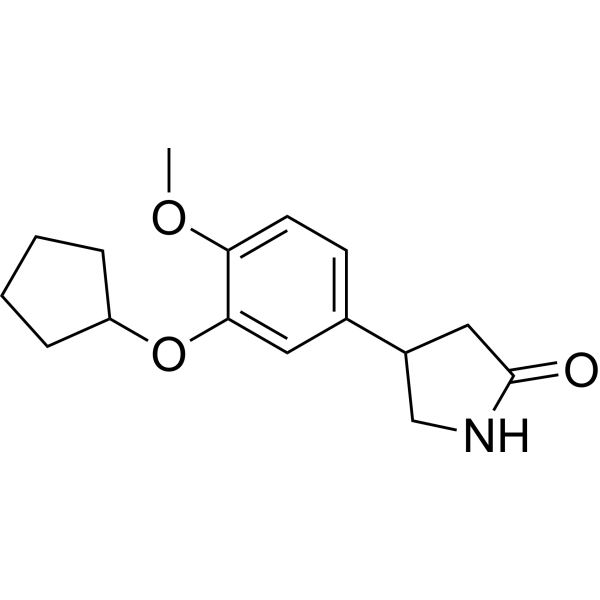
Rolipram is a PDE4 inhibitor, with blood-brain barrier permeability, that reverses β-amyloid-induced learning and memory impairment in rats. Rolipram elevates intracellular cAMP and clevels and regulates the cAMP/CREB signaling pathway, thereby alleviating neuroinflammation and apoptotic responses. Rolipram promotes neuronal differentiation of human bone marrow mesenchymal stem cells and inhibits Methamphetamine- and morphine-induced hyperlocomotion in mice. Rolipram also reduces the viability of glioblastoma stem-like cells and enhances Bevacizumab (HY-P9906)-induced cell death. Rolipram inhibits the expression of proinflammatory cytokines and enhances central noradrenergic transmission. Rolipram is mainly used in studies related to various central nervous system diseases including Alzheimer's disease, major depressive disorder, glioblastoma multiforme, and multiple sclerosis .
loading...
    loading...
6
6 Cited Publications
Cat. No.: HY-15780
CAS No.: 913611-97-9
Purity:  99.64%
Synonyms: OPC-34712
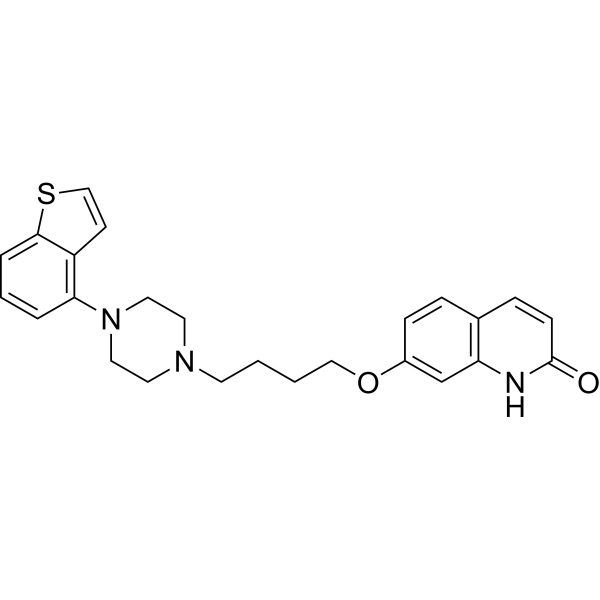
Brexpiprazole (OPC-34712), an atypical orally active antipsychotic agent, is a partial agonist of human 5-HT1A and dopamine D2L receptor with Kis of 0.12 nM and 0.3 nM, respectively. Brexpiprazole is also a 5-HT2A receptor antagonist with a Ki of 0.47 nM. Brexpiprazole also shows potent antagonist activity at human noradrenergic α1B (Ki=0.17 nM) and α2C receptors (Ki=0.59 nM) .
loading...
    loading...
4
4 Cited Publications
Cat. No.: HY-B0444
CAS No.: 10347-81-6
Target:  

Autophagy Apoptosis ERK

Research Areas:  

Neurological Disease Cancer

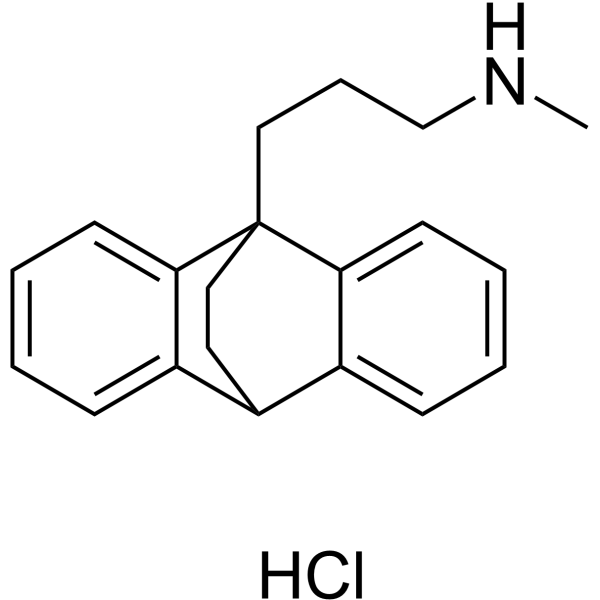
Maprotiline hydrochloride is a highly selective noradrenergic reuptake inhibitor that has strong antidepressant, antitumor and neuropathic pain-relieving effects with oral activity. Maprotiline hydrochloride induces cancer cell apoptosis by targeting the ERK signaling pathway and CRABP1 .
loading...
    loading...
3
3 Cited Publications
Cat. No.: HY-17416
CAS No.: 29110-48-3
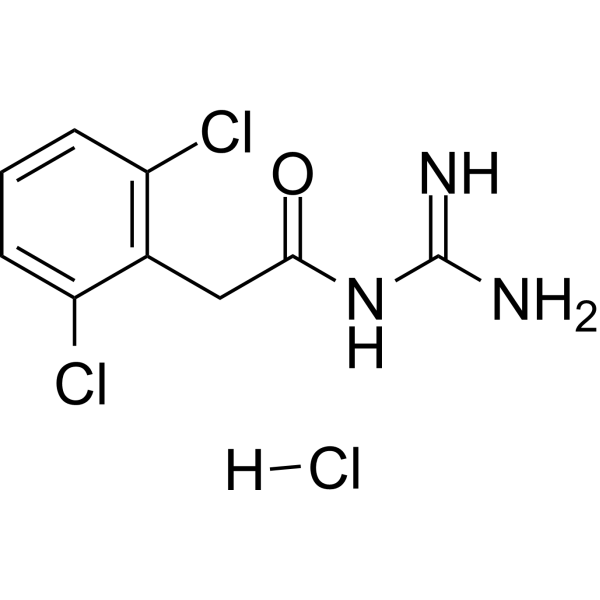
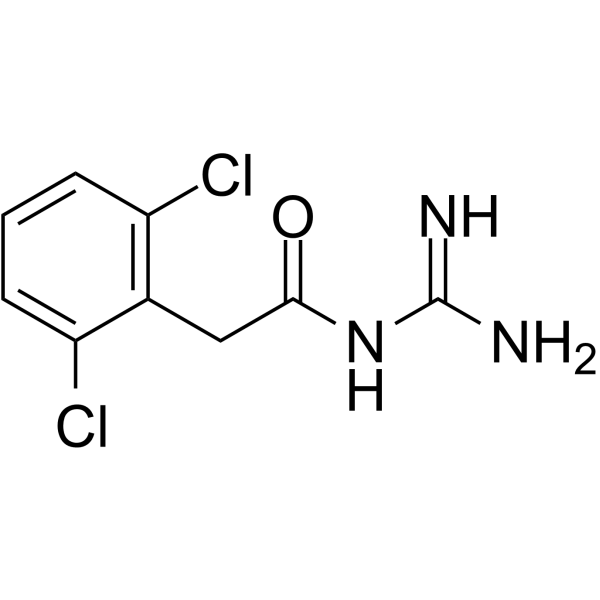
Guanfacine hydrochloride is an orally active and blood-brain barrier permeability noradrenergic α2A agonist and has high selective for the α2A receptor subtype. Guanfacine has effects in producing hypotension and sedation. Guanfacine can be used for the research of a variety of prefrontal cortex (PFC) cognitive disorders, including tourette's syndrome and attention deficit hyperactivity disorder (ADHD) .
loading...
    loading...
3
3 Cited Publications
Cat. No.: HY-17416A
CAS No.: 29110-47-2
Guanfacine is an orally active noradrenergic α2A agonist and has high selective for the α2A receptor subtype. Guanfacine has effects in producing hypotension and sedation. Guanfacine can be used for the research of a variety of prefrontal cortex (PFC) cognitive disorders, including tourette's syndrome and attention deficit hyperactivity disorder (ADHD) .
loading...
    loading...
3
3 Cited Publications
Cat. No.: HY-B0800
CAS No.: 645-43-2
Synonyms: Guanethidine monosulfate
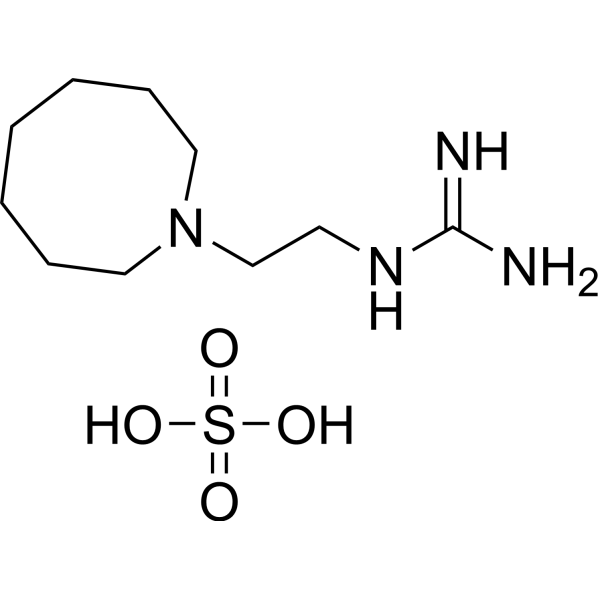
Guanethidine sulfate (Guanethidine monosulfate), an antihypertensive agent, is an adrenergic neurone blocking agent. Guanethidine sulfate enters noradrenergic nerve terminals by the neuronal amine carrier .
loading...
    loading...
2
2 Cited Publications
Cat. No.: HY-103210
CAS No.: 40616-75-9
Purity:  ≥98.0%
Synonyms: Neurotoxin DSP 4 hydrochloride
Target:  

Adrenergic Receptor

Research Areas:  

Neurological Disease

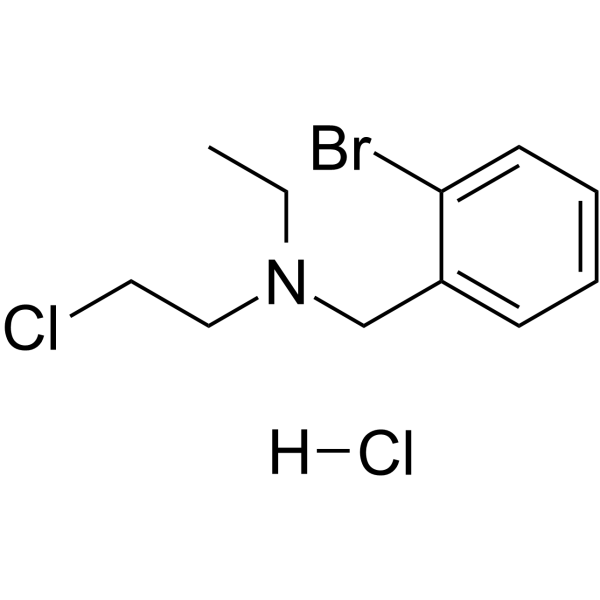
DSP-4 hydrochloride is a highly and selective adrenergic neurotoxin. DSP-4 hydrochloride can cross the blood brain barrier. DSP-4 hydrochloride can be used for the temporary selective degradation of the central and peripheral noradrenergic neurons .
loading...
    loading...
2
2 Cited Publications
Cat. No.: HY-113323
CAS No.: 534-82-7
Purity:  97.85%
Synonyms: HMPG; MHPG; MOPEG
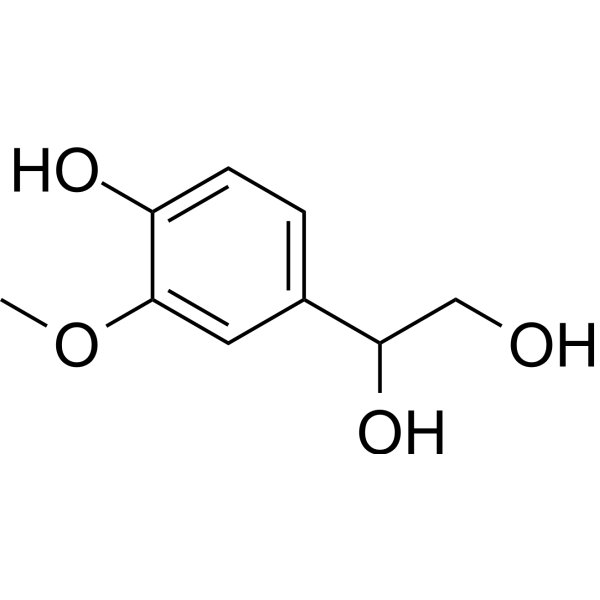
3-Methoxy-4-hydroxyphenylglycol (HMPG) is a metabolite of norepinephrine degradation in the brain. 3-Methoxy-4-hydroxyphenylglycol is an indicators of central nervous system noradrenergic activity. 3-Methoxy-4-hydroxyphenylglycol can be used for research of depression, chronic schizophrenia, etc .
loading...
    loading...
2
2 Cited Publications
Cat. No.: HY-N0724
CAS No.: 2752-64-9
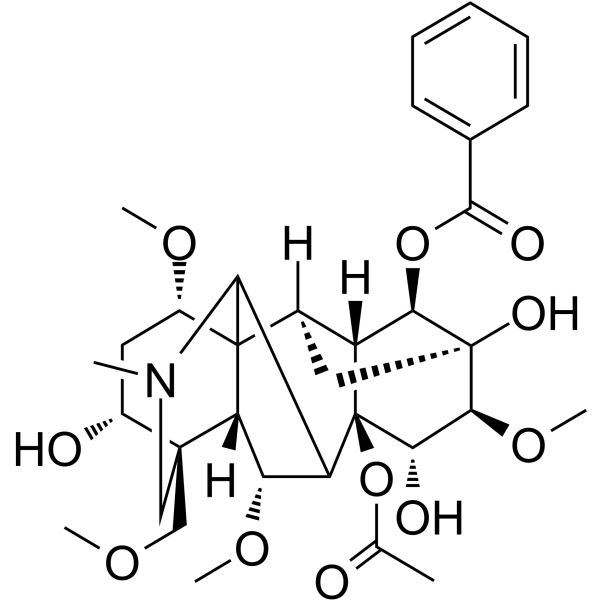
Mesaconitine is a nitric oxide synthase activator. Mesaconitine drives extracellular Na + and Ca 2+ influx into endothelial cells, increases intracellular Na + and Ca 2+ concentrations, and triggers nitric oxide release. Mesaconitine is applicable for pain-related research .
loading...
    loading...
1
1 Cited Publications
Cat. No.: HY-B0352
CAS No.: 85650-52-8
Synonyms: Org3770; 6-Azamianserin
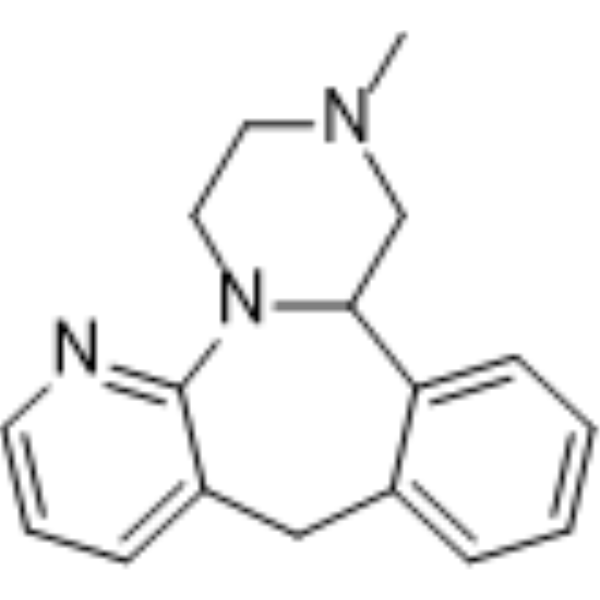
Mirtazapine (Org3770) is a potent and orally active noradrenergic and specific serotonergic antidepressant (NaSSA) agent. Mirtazapine is also a 5-HT2, 5-HT3, histamine H1 receptor and α2-adrenoceptor antagonist with pKi values of 8.05, 8.1, 9.3 and 6.95, respectively .
loading...
    loading...
1
1 Cited Publications
Cat. No.: HY-108652
CAS No.: 1343364-54-4
Purity:  99.75%
Target:  

P2X Receptor

Research Areas:  

Inflammation/Immunology

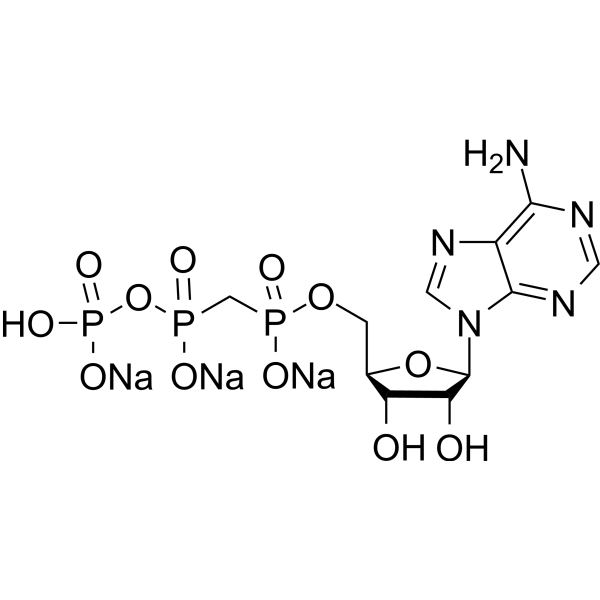
α,β-Methylene-ATP trisodium is an agonist of P2X1 and P2X3 receptors and can cross the blood-brain barrier. α,β-Methylene-ATP trisodium can trigger a reflex pressor response by activating P2X receptors in peripheral muscles and the central locus coeruleus (LC); this effect can be blocked by the P2X antagonist PPADS (HY-108960). α,β-Methylene-ATP trisodium also activates noradrenergic neurons in the central locus coeruleus, mediating antinociceptive effects; this effect can be attenuated by the locus coeruleus damaging agent DSP-4 (HY-103210/HY-121602). α,β-Methylene-ATP trisodium can be used to study the pathological mechanisms of neuropathic pain, cardiovascular reflex regulation, and antinociceptive effects of the central nervous system .
loading...
    loading...
1
1 Cited Publications
Cat. No.: HY-111191
CAS No.: 895169-20-7
Purity:  99.51%
Target:  

Adrenergic Receptor

Research Areas:  

Neurological Disease

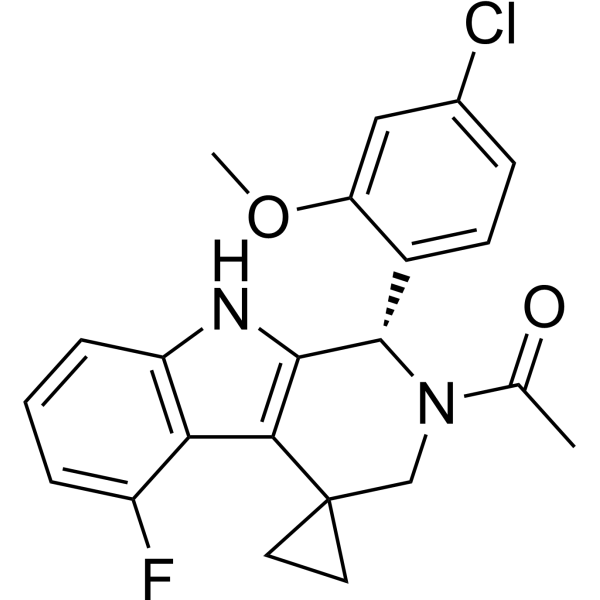
ONO-2952 is a potent, selective and orally active translocator protein 18 kDa (TSPO) antagonist with Ki of 0.33-9.30 nM for rat and human TSPO. ONO-2952 is more selective for TSPO than other receptors, transporters, ion channels and enzymes. ONO-2952 exerts its anti-stress effects through inhibition of excessive activation of noradrenergic system in the brain without the amnesic effect. ONO-2952 has the potential for irritable bowel syndrome treatment .
loading...
    loading...
Cat. No.: HY-32329
CAS No.: 57262-94-9
Synonyms: Org-8282
Research Areas:  

Neurological Disease

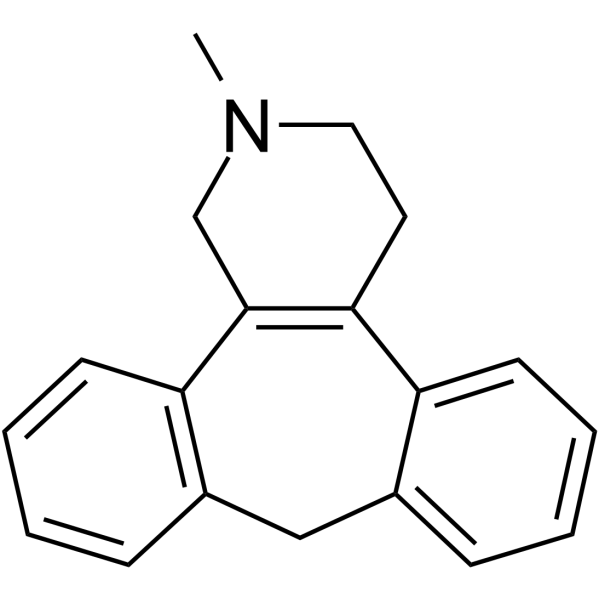
Setiptiline (Org-8282) is a serotonin receptor antagonist. Setiptiline is a tetracyclic antidepressant (TeCA) which acts as a noradrenergic and specific serotonergic antidepressant (NaSSA). Setiptiline acts as a norepinephrine reuptake inhibitor, α2-adrenergic receptor antagonist, and serotonin receptor antagonist, likely at the 5-HT2A, 5-HT2C, and/or 5-HT3 subtypes, as well as an H1 receptor inverse agonist/antihistamine.
loading...
    loading...
Cat. No.: HY-W019599
CAS No.: 14173-39-8
Synonyms: L-PCPA
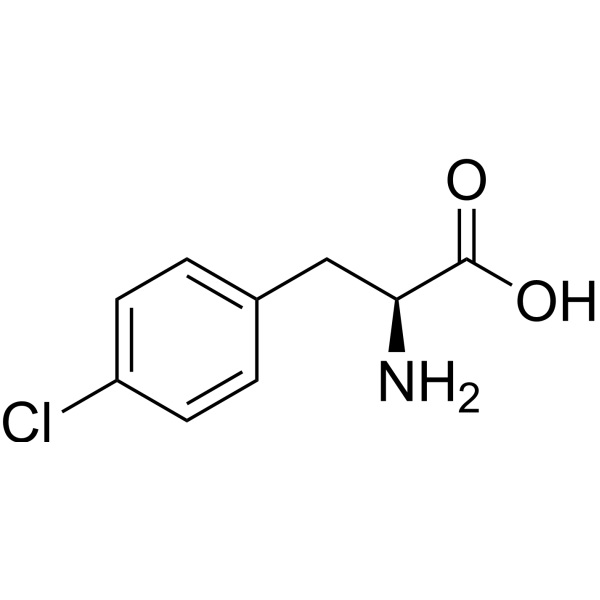
4-Chloro-L-phenylalanine (L-PCPA) is a tryptophan hydroxylase inhibitor targeting TPH1 and TPH2, with the activity of blocking serotonin biosynthesis. 4-Chloro-L-phenylalanine reduces the levels of serotonin and its metabolites in the brain without impairing the survival of serotonergic neurons. 4-Chloro-L-phenylalanine enhances anhedonic, depression-like and anxiety-like behaviors in mice with depleted noradrenergic and dopaminergic neurons. 4-Chloro-L-phenylalanine acts as a decarboxylation substrate for aromatic L-amino acid decarboxylase from Bacillus atrophaeus. 4-Chloro-L-phenylalanine can be used in studies related to Parkinson's disease .
loading...
    loading...
Cat. No.: HY-125784
CAS No.: 35604-67-2
Purity:  98.94%
Synonyms: Viloxazin hydrochloride; Emovit hydrochloride
Target:  

5-HT Receptor

Research Areas:  

Neurological Disease

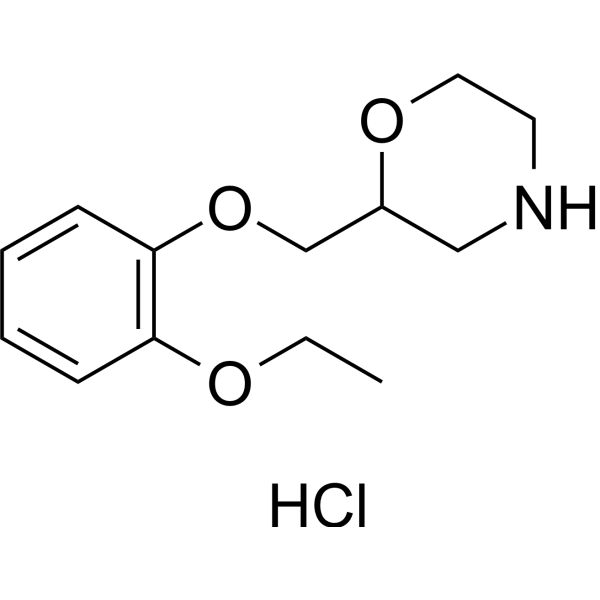
Viloxazine hydrochloride is a non-brain-penetrant, selective norepinephrine transporter (NET) inhibitor (IC50=0.26 μM) and 5-HT receptor modulator. Viloxazine antagonizes 5-HT2B receptors (Ki=4.2 μM) and agonizes 5-HT2C receptors (EC50=32 μM), respectively, and enhances 5-HT neurotransmission by modulating 5-HT2B/C receptors. Viloxazine also competitively inhibits NET from increasing NE and DA levels in the synaptic cleft, and can be used in the study of attention deficit hyperactivity disorder (ADHD) .
loading...
    loading...
Cat. No.: HY-W380450
CAS No.: 46817-91-8
Synonyms: Viloxazin; Emovit
Target:  

5-HT Receptor

Research Areas:  

Neurological Disease

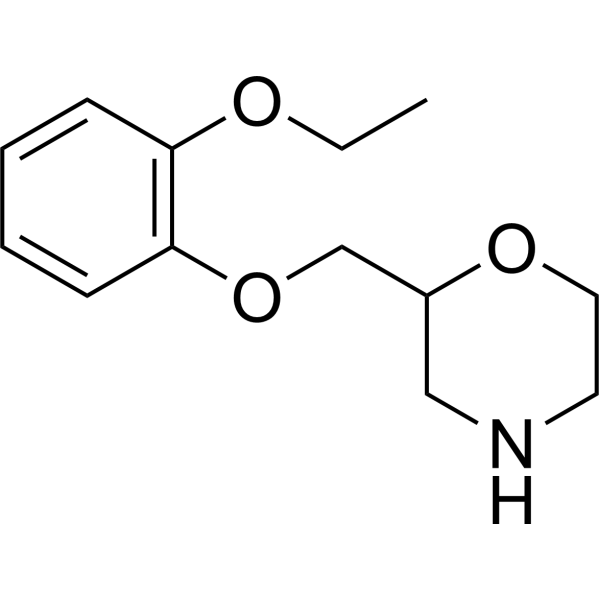
Viloxazine is a non-brain-penetrant, selective norepinephrine transporter (NET) inhibitor (IC50= 0.26 μM) and 5-HT receptor modulator. Viloxazine antagonizes 5-HT2B receptors (Ki=4.2 μM) and agonizes 5-HT2C receptors (EC50= 32 μM), respectively, and enhances 5-HT neurotransmission by modulating 5-HT2B/C receptors. Viloxazine also competitively inhibits NET from increasing NE and DA levels in the synaptic cleft, and can be used in the study of attention deficit hyperactivity disorder (ADHD) .
loading...
    loading...
Cat. No.: HY-12390
CAS No.: 23047-25-8
Purity:  ≥99.0%
Synonyms: Lopramine
Research Areas:  

Neurological Disease

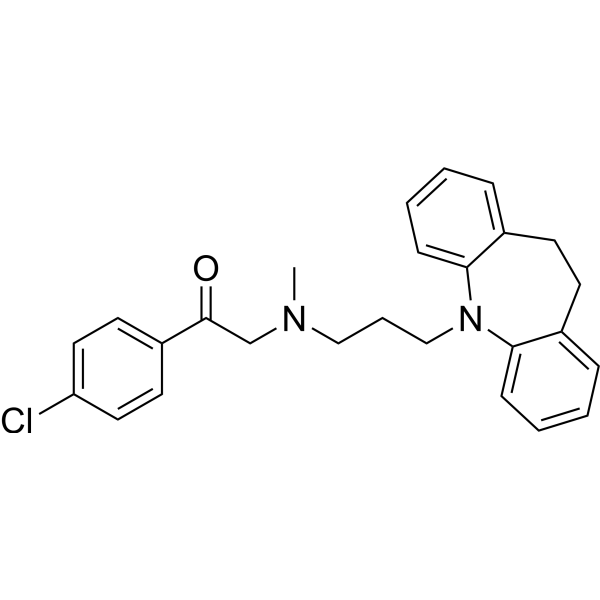
Lofepramine (Lopramine) is a modified tricyclic and orally active antidepressant. Lofepramine inhibits the uptake of Noradrenaline (NA) (HY-13715) and 5-hydroxytryptamine (5-HT) with IC50s of 2.7 μM and 11 μM, respectively. Lofepramine exerts its antidepressant activity by promoting noradrenergic neurotransmission. Lofepramine also enhances serotonergic neurotransmission by inhibiting neuronal uptake of 5-HT and tryptophan pyrrolase. Lofepramine exhibits significant anxiolytic properties. .
loading...
    loading...
Cat. No.: HY-17549
CAS No.: 63547-13-7
Synonyms: CRL 40028
Target:  

Adrenergic Receptor

Research Areas:  

Neurological Disease

Adrafinil (CRL 40028) is an orally active vigilance promoting agent. Adrafinil enhances central noradrenergic transmission, improves spontaneous activity, exploratory behavior, discriminative learning ability and response motivation, but impairs visuospatial working memory. Adrafinil antagonizes Prazosin (HY-B0193)-induced hypoactivity and hypothermia, exerts anticonvulsant effects, and induces sustained enhancement of high-frequency electrocortical activity. Adrafinil can be used for research on decreased alertness and specific cognitive deficits .
loading...
    loading...
Cat. No.: HY-N1414
CAS No.: 139891-98-8
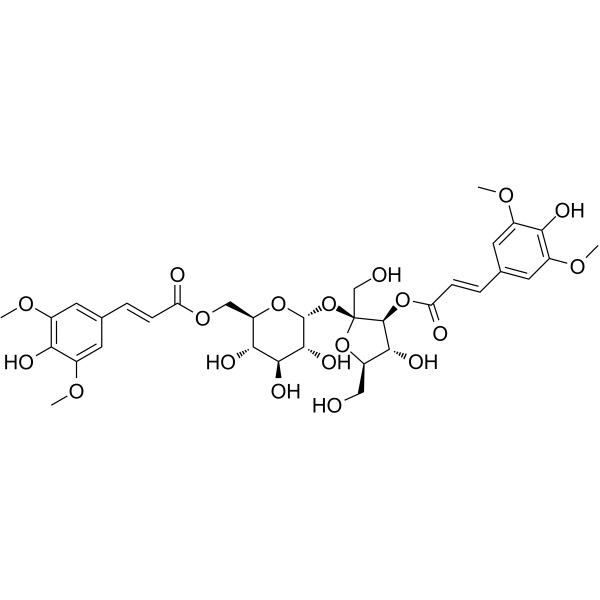
(E)-3',6-Disinapoylsucrose is an orally active, blood-brain barrier permeable neuroprotective agent that inhibits protein aggregation. (E)-3',6-Disinapoylsucrose exerts anxiolytic, anti-inflammatory and cognitive-enhancing effects. (E)-3',6-Disinapoylsucrose regulates the TrkB/BDNF signaling pathway, inhibits the expression of NF-κB p65, reduces pro-inflammatory cytokine levels, and alleviates neuronal damage. (E)-3',6-Disinapoylsucrose also enhances the functions of central 5-HT and noradrenergic systems, thereby improving spatial learning and memory abilities and reducing anxiety-like behaviors. (E)-3',6-Disinapoylsucrose can be used for the research of related diseases such as Alzheimer's disease, depression, memory impairment and anxiety disorder .
loading...
    loading...
Cat. No.: HY-12394
CAS No.: 113-53-1
Purity:  98.22%
Synonyms: Dosulepin; Dothep
Research Areas:  

Neurological Disease

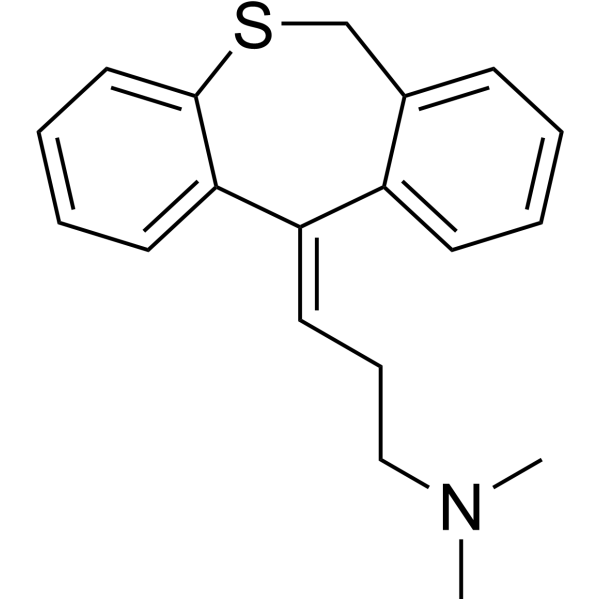
Dothiepin (Dosulepin; Dothep) is an antidepressant agent with sedative/anxiolytic activity. Dothiepin is an inhibitor preferring of noradrenaline uptake than serotonin uptake. Dothiepin facilitates noradrenergic neurotransmission via inhibiting the neuronal uptake. Dothiepin is also an antagonist of histamine H1-receptor without cardiotoxicity. Dothiepin exhibits significant analgesic activity in psychogenic facial pain,idiopathic fibromyalgia syndrome or rheumatoid arthritis .
loading...
    loading...

