1. Search Result
Search Result
Results for "

oat

" in MedChemExpress (MCE) Product Catalog:

46

Inhibitors & Agonists

14

Natural
Products

1

Isotope-Labeled Compounds

3

Antibodies

3

Oligonucleotides

Targets Recommended:
Cat. No. Product Name Target Research Areas Chemical Structure
  • HY-15592
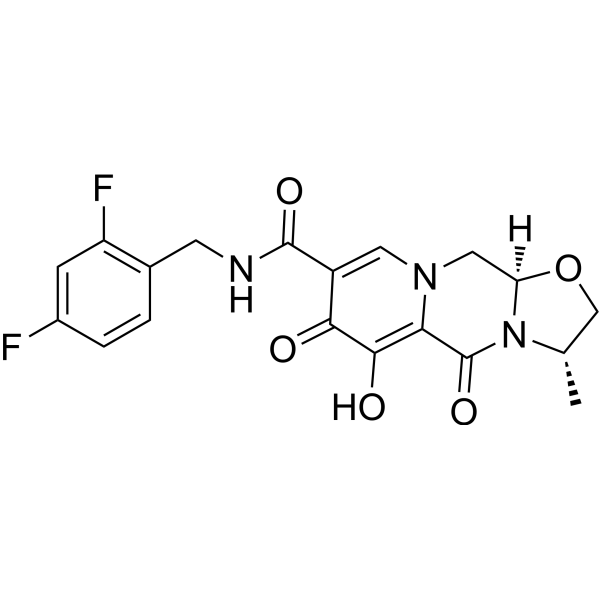
    Cabotegravir
    Maximum Cited Publications
    14 Publications Verification

    GSK-1265744; S/GSK1265744

    OAT HIV HIV Integrase Infection
    Cabotegravir (GSK-1265744) is a orally active and long-acting HIV integrase strand transfer inhibitor and organic anion transporter 1/3 (OAT1/OAT3) inhibitor with IC50 values of 2.5 nM, 0.41 μM and 0.81 μM for HIVADA, OAT3 and OAT1, respectively. Cabotegravir is primarily metabolized by uridine diphosphate glucuronosyltransferase (UGT) 1A1, with low potential to interact with other antiretroviral agents (ARVs). Cabotegravir can be used to research AIDS .
    Cabotegravir
  • HY-16278
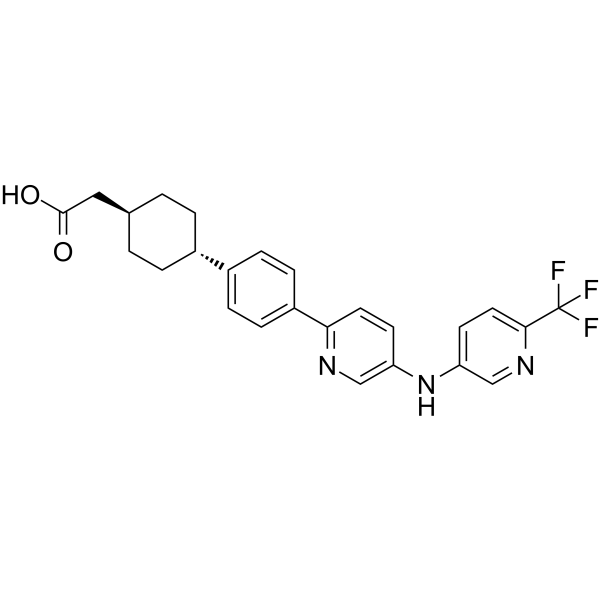
    Pradigastat
    2 Publications Verification

    LCQ-908

    Acyltransferase BCRP OAT Infection Metabolic Disease
    Pradigastat (LCQ-908) is a selective and orally effective diacylglyceryl acyltransferase 1 (DGAT1) inhibitor with IC50 at 0.157 µM. Pradigastat is primarily used to study diseases associated with abnormal triglyceride metabolism. Pradigastat has anti-obesity and anti-diabetic effects. Pradigastat inhibited BCRP, OATP1B1, OATP1B3 and OAT3 activities with IC50 of 5 µM, 1.66µM, 3.34µM and 0.973µM, respectively. In addition, Pradigastat has antiviral activity and can inhibit hepatitis C virus replication in vitro .
    Pradigastat
  • HY-113493

    Endogenous Metabolite Metabolic Disease
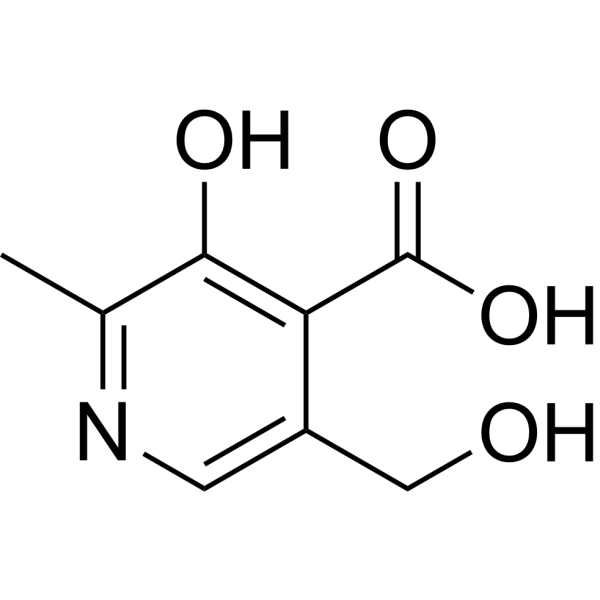
    4-Pyridoxic acid is an endogenous substrate of renal organic anion transporters (OAT1/3) and a catabolite of vitamin B6. 4-Pyridoxic acid is excreted through OAT1/3-mediated tubular active secretion, which can reflect OAT1/3 activity. Elevated plasma concentrations of 4-Pyridoxic acid are associated with decreased OAT1/3 activity in chronic kidney disease (CKD) and can be used as a biomarker to reflect the severity of knee osteoarthritis (KOA) and lumbar spondylosis (LS) .
    4-Pyridoxic acid
  • HY-15258
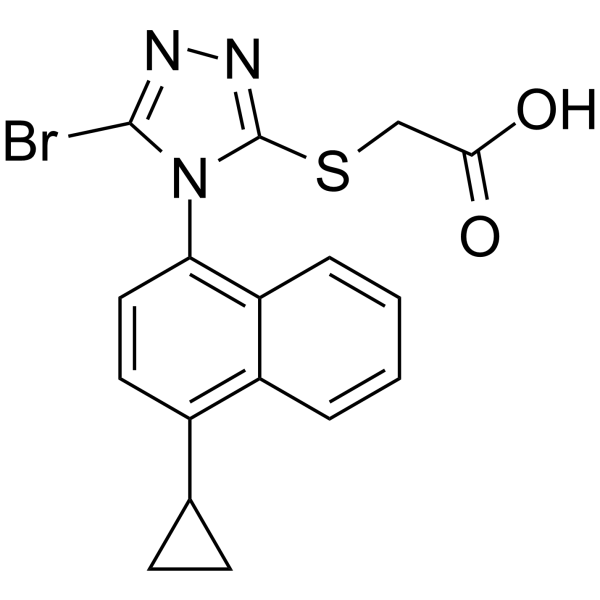
    Lesinurad
    5 Publications Verification

    RDEA594

    OAT URAT1 Metabolic Disease
    Lesinurad is a URAT1 and OAT inhibitor, is determined to be a substrate for the kidney transporters OAT1 and OAT3 with Km values of 0.85 and 2 µM, respectively.
    Lesinurad
  • HY-122009

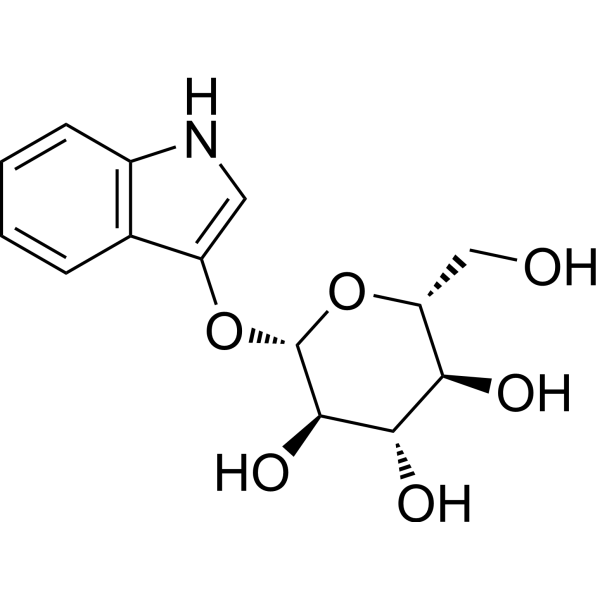
    Indoxyl-β-D-glucoside

    P-glycoprotein OAT Fluorescent Dye Others
    Indican (Indoxyl-β-D-glucoside), a glycoside of indoxyl, is a precursor of the dyesindigo and indirubin. Indican has a major metabolite, indoxyl sulfate (IS). IS, an uremic toxin, is a substrate/inhibitor of organic anion transporter (OAT) 1, OAT 3 and multidrug resistance-associated protein (MRP) 4 .
    Indican
  • HY-118693

    Dianthramide P

    Drug Derivative Inflammation/Immunology
    Avenanthramide D is a phenolic acids found in the Avena sativa L.. Avenanthramide D is promising for research of inflammation .
    Avenanthramide D
  • HY-15592A
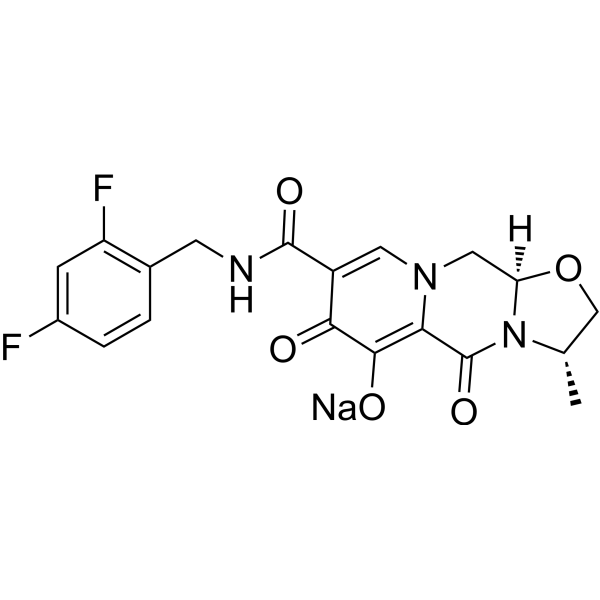
    Cabotegravir sodium
    Maximum Cited Publications
    14 Publications Verification

    GSK-1265744 sodium; S/GSK1265744 sodium

    OAT HIV HIV Integrase Infection
    Cabotegravir (GSK-1265744) sodium is a orally active and long-acting HIV integrase strand transfer inhibitor and organic anion transporter 1/3 (OAT1/OAT3) inhibitor with IC50 values of 2.5 nM, 0.41 μM and 0.81 μM for HIVADA, OAT3 and OAT1, respectively. Cabotegravir sodium is primarily metabolized by uridine diphosphate glucuronosyltransferase (UGT) 1A1, with low potential to interact with other antiretroviral agents (ARVs). Cabotegravir sodium can be used to research AIDS .
    Cabotegravir sodium
  • HY-N4103A

    Others Cancer
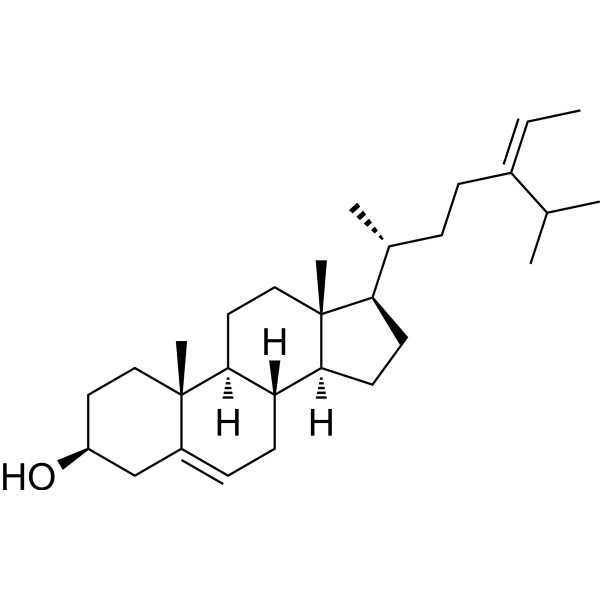
    Δ5-​Avenasterol, belongs to the components of oat grain , exhibits propounding antioxidant effectiveness .
    Δ5-​Avenasterol
  • HY-15258A
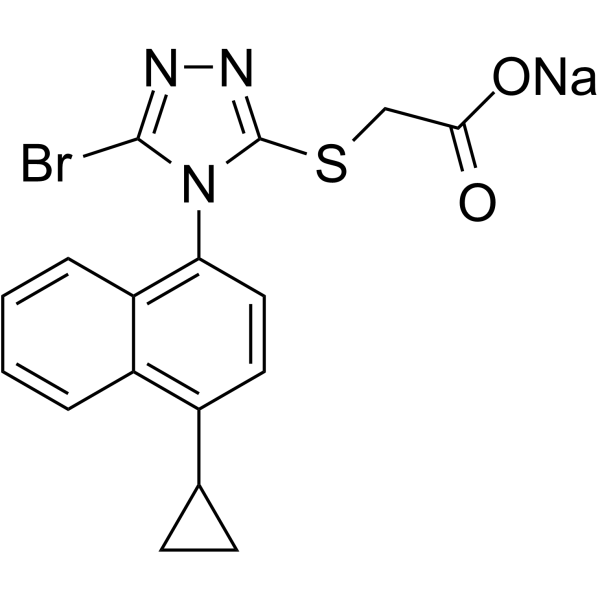
    Lesinurad sodium
    5 Publications Verification

    RDEA-594 sodium

    OAT URAT1 Metabolic Disease
    Lesinurad sodium is a URAT1 and OAT inhibitor, is determined to be a substrate for the kidney transporters OAT1 and OAT3 with Km values of 0.85 and 2 μM, respectively.
    Lesinurad sodium
  • HY-W014118

    Environmental Pollutants Inflammation/Immunology Cancer
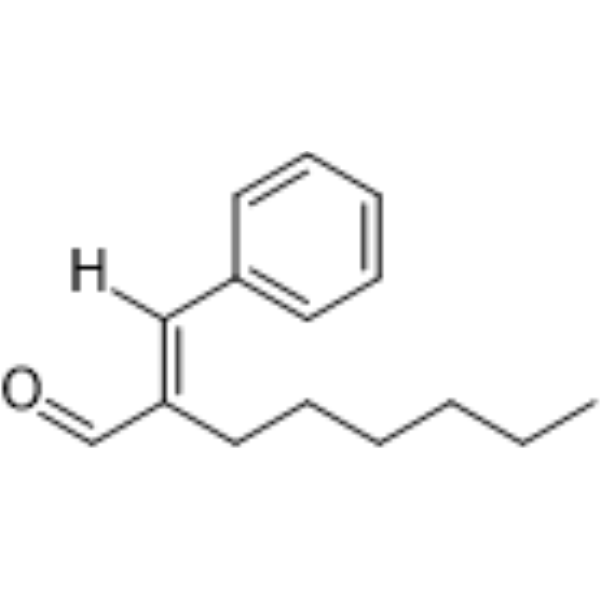
    α-Hexylcinnamaldehyde is an O-acetyltransferase (OAT) inhibitor. α-Hexylcinnamaldehyde inhibits OAT-mediated bioactivation of nitroarene mutagens, exerts antimutagenic activity through demutagenic and bioantimutagenic mechanisms, and interferes with ATP-binding cassette (ABC) transporter function to reduce substrate efflux. α-Hexylcinnamaldehyde alters membrane permeability, fluidizes phospholipid membranes, exerts antioxidant effects, and enhances the antiproliferative effect of Doxorubicin on human cancer cells. α-Hexylcinnamaldehyde can be used in the research of colorectal adenocarcinoma, T-cell leukemia, and multidrug-resistant cancers .
    α-Hexylcinnamaldehyde
  • HY-154021A

    5-FMOrn dihydrochloride

    OAT Metabolic Disease
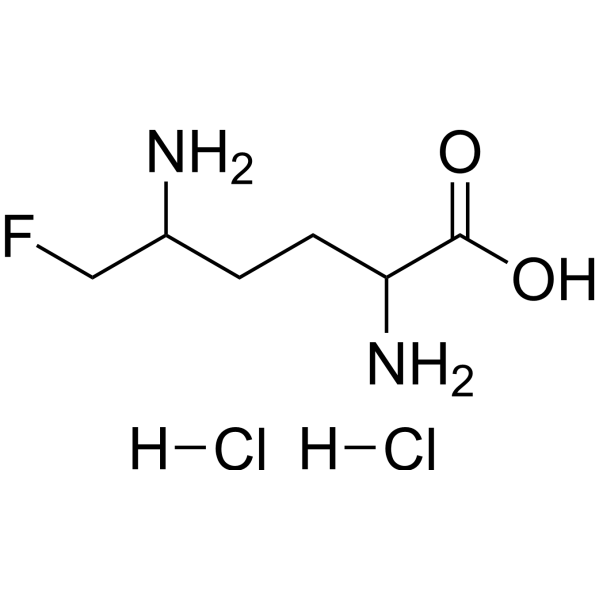
    5-Fluoromethylornithine (5-FMOrn) dihydrochloride is a specific irreversible inhibitor of L-ornithine:2-oxoacid aminotransferase (OAT). 5-Fluoromethylornithine dihydrochloride can be used in the study of gyrate atrophy of choroid and retina .
    5-Fluoromethylornithine dihydrochloride
  • HY-124344

    Interleukin Related Neurological Disease
    Avenanthramide C is an orally active avenanthramide that can be isolated from oat seeds. Avenanthramide C decreases the protein expression of cleaved caspase-3 and increases the expression of p-GSK3β(Ser9) and IL-10 levels. Avenanthramide C has the potential for the research of Alzheimer’s disease .
    Avenanthramide C
  • HY-119435

    Herbicide Environmental Pollutants Others
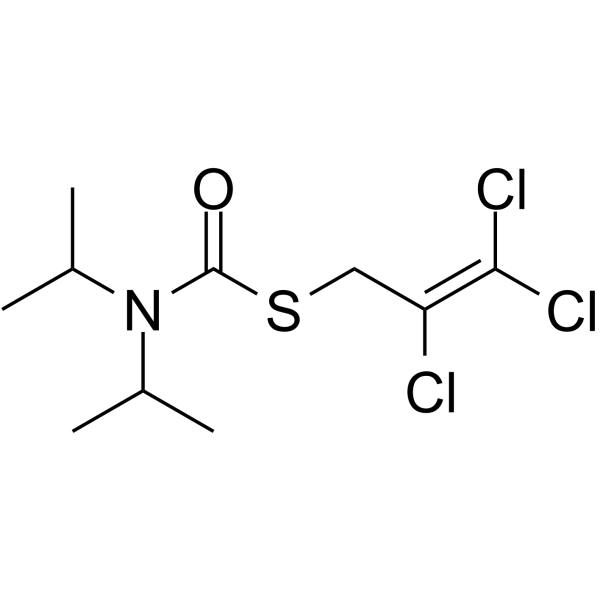
    Triallate is a selective thiocarbamate herbicide. Triallate regulates the biosynthesis of very-long-chain fatty acids and inhibits the elongation and division of plant cells. Triallate is used to control wild oats in barley, spring wheat, durum wheat, winter wheat and sugar beets .
    Triallate
  • HY-133825

    IKF-916

    Environmental Pollutants OAT Oct3/4 Infection
    Cyazofamid exerts its bactericidal effect by impairing ATP production. Cyazofamid inhibits organic cation transporter 3 (OCT3) and OAT1, with IC50 values ​​of 1.54 and 17.3 μM, respectively .
    Cyazofamid
  • HY-126987

    Environmental Pollutants Acetolactate Synthase (ALS) Others
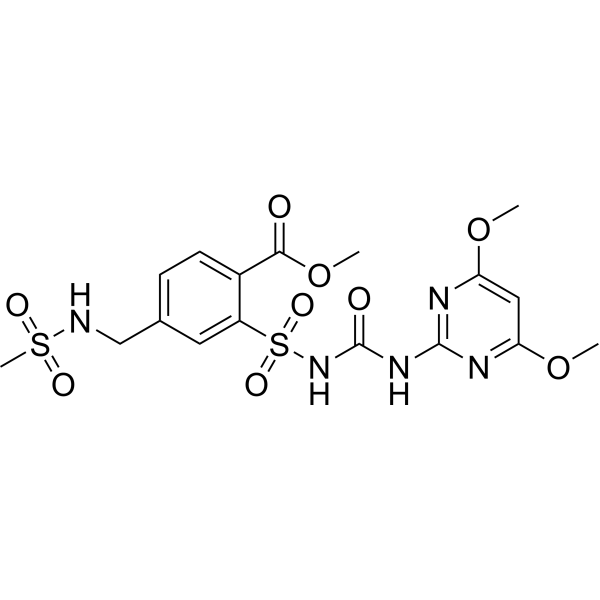
    Mesosulfuron-methyl is a sulfonylurea herbicide that inhibits acetolactate synthase (ALS) and is used in research for post-emergence control of ryegrass and Avena spp. (wild oat) in wheat fields .
    Mesosulfuron-methyl
  • HY-148682

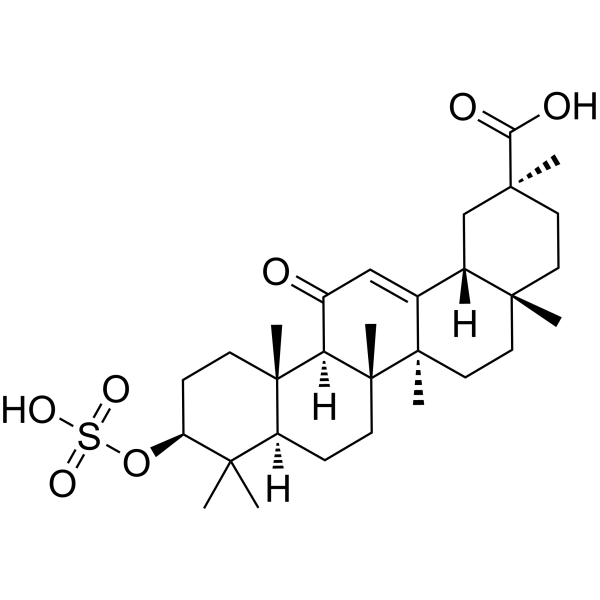
    Glycyrrhetic acid 3-O-hydrogen sulfate

    OAT 11β-HSD Drug Metabolite Metabolic Disease Inflammation/Immunology
    18β-Glycyrrhetyl-3-O-sulfate (Glycyrrhetic acid 3-O-(hydrogen sulfate)) is a potent type 2 11β-hydroxysteroid dehydrogenase (11β-HSD2) inhibitor with an IC50 of 0.10 µM using rat kidney microsome. 18β-Glycyrrhetyl-3-O-sulfate is the major metabolite of Glycyrrhetinic acid (GA). 18β-Glycyrrhetyl-3-O-sulfate is the substrate of organic anion transporter (OAT) 1 and OAT3. 18β-Glycyrrhetyl-3-O-sulfate has anti-inflammatory effects and has the potential for pseudohyperaldosteronism research .
    18β-Glycyrrhetyl-3-O-sulfate
  • HY-111345

    UR-1102; URC-102

    OAT URAT1 Metabolic Disease Inflammation/Immunology
    Epaminurad (UR-1102) is an orally active, potent and selective URAT1 (urate transporter 1) inhibitor, with a Ki of 0.057 μM. Epaminurad quite modestly inhibits OAT1 and OAT3 (organic anion transporter). Epaminurad is a uricosuric agent. Epaminurad can be used for gout and hyperuricemia research .
    Epaminurad
  • HY-N9693

    Drug Derivative Metabolic Disease
    Gibberellin A8 is a derivative of Gibberellic acid (HY-N1964), a hormone that is found in plants which promotes the growth and elongation of cells. Gibberellin A8 shows a weak growth-promoting activity on rice seedlings and oat mesocot .
    Gibberellin A8
  • HY-120107

    Parasite Inflammation/Immunology
    OAT-177 is a potent dual inhibitor targeting acidic mammalian chitinase (AMCase) and chitotriosidase (CHIT1) with an IC50=14.2 nM for human AMCase and IC50=232 nM for human CHIT1. OAT-177 is promising for research of chronic inflammatory and fibrotic-related lung diseases such as asthma and idiopathic pulmonary fibrosis .
    OAT-177
  • HY-N8279

    Endo-β-1,3-1,4-glucanase

    Glycosidase Metabolic Disease
    β-1,3-1,4-glucanase (Endo-β-1,3-1,4-glucanase) is a glycoside hydrolase family 16 enzyme (some members belong to subfamily 25). β-1,3-1,4-glucanase shows high substrate specificity toward mixed‑linked β‑glucans and cleaves β‑1,4 glycosidic bonds adjacent to β‑1,3 linkages in an endo‑type pattern. β-1,3-1,4-glucanase can be used in industrial enzyme applications and monogastric animal feed supplementation .
    β-1,3-1,4-Glucanase
  • HY-15592R

    GSK-1265744 (Standard); S/GSK1265744 (Standard)

    OAT Reference Standards HIV HIV Integrase Infection
    Cabotegravir (Standard) is the analytical standard of Cabotegravir. This product is intended for research and analytical applications. Cabotegravir (GSK-1265744) is a orally active and long-acting HIV integrase strand transfer inhibitor and organic anion transporter 1/3 (OAT1/OAT3) inhibitor with IC50 values of 2.5 nM, 0.41 μM and 0.81 μM for HIVADA, OAT3 and OAT1, respectively. Cabotegravir is primarily metabolized by uridine diphosphate glucuronosyltransferase (UGT) 1A1, with low potential to interact with other antiretroviral agents (ARVs). Cabotegravir can be used to research AIDS .
    Cabotegravir (Standard)
  • HY-W740244

    OAT Metabolic Disease
    4’-hydroxy Trazodone is a metabolite of the antidepressant and sedative trazodone. It is an inhibitor of organic anion transporter 3 (OAT3; Ki=16.9 μM) and is selective for OAT3 over OAT1 (Ki=>200 μM).
    4’-Hydroxy Trazodone
  • HY-111345A

    UR-1102 hydrochloride; URC-102 hydrochloride

    OAT URAT1 Metabolic Disease Inflammation/Immunology
    Epaminurad (UR-1102) hydrochloride is an orally active, potent and selective URAT1 (urate transporter 1) inhibitor, with a Ki of 0.057 μM. Epaminurad hydrochloride quite modestly inhibits OAT1 and OAT3 (organic anion transporter). Epaminurad hydrochloride is a uricosuric agent. Epaminurad hydrochloride can be used for gout and hyperuricemia research .
    Epaminurad hydrochloride
  • HY-144305

    URAT1 GLUT Infection
    KPH2f is a safe, orally active, and effective dual URAT1/GLUT9 inhibitor with IC50s of 0.24 μM and 9.37 μM for URAT1 and GLUT9, respectively. KPH2f shows little effects on OAT1 and ABCG2 (IC50=32.14 and 26.74 μM) .
    KPH2f
  • HY-N12008

    OAT Metabolic Disease
    OAT1/3-IN-2 (compound 8) is a dual inhibitor of OAT1 and OAT3. OAT1/3-IN-2 can reverse the toxicity of Cys-Hg on HEK-OAT1 cells (10 μM) and has a potential protective effect on the kidneys. OAT1/3-IN-2 can be used to study mercury-induced kidney damage .
    OAT1/3-IN-2
  • HY-N12007

    OAT Metabolic Disease
    OAT1/3-IN-1 (compound 7) is a dual inhibitor of OAT1 and OAT3. OAT1/3-IN-1 can reverse the toxicity of Cys-Hg on HEK-OAT1 cells (10 μM) and has a potential protective effect on the kidneys. OAT1/3-IN-1 can be used to study mercury-induced kidney damage .
    OAT1/3-IN-1
  • HY-125279

    Parasite Inflammation/Immunology
    OAT-2068 is a selective, high activity and orally active inhibitor of mouse chitotriosidase (mCHIT1) (IC50=29 nM) and displays 143-fold selectivity over m AMCase (IC50=4170 nM). OAT-2068 displays a good pharmacokinetic profile and is an ideal tool to study the role of CHIT1 in biological systems, including animal models of human diseases .
    OAT-2068
  • HY-RS16776

    Small Interfering RNA (siRNA) Others

    Oat Mouse Pre-designed siRNA Set A contains three designed siRNAs for Oat gene (Mouse), as well as a negative control, a positive control, and a FAM-labeled negative control.

    Oat Mouse Pre-designed siRNA Set A
    Oat Mouse Pre-designed siRNA Set A
  • HY-RS09731

    Small Interfering RNA (siRNA) Others

    OAT Human Pre-designed siRNA Set A contains three designed siRNAs for OAT gene (Human), as well as a negative control, a positive control, and a FAM-labeled negative control.

    OAT Human Pre-designed siRNA Set A
    OAT Human Pre-designed siRNA Set A
  • HY-15258S1

    RDEA594-d4

    Isotope-Labeled Compounds URAT1 OAT Metabolic Disease
    Lesinurad-d4 (RDEA594-d4) is deuterium labeled Lesinurad. Lesinurad is a URAT1 and OAT inhibitor, is determined to be a substrate for the kidney transporters OAT1 and OAT3 with Km values of 0.85 and 2 μM, respectively.
    Lesinurad-d4
  • HY-129493

    Bacterial Antibiotic Endogenous Metabolite Infection
    Lateropyrone is a type of pyranone antibiotic that can inhibit Gram-negative bacteria, and it's a secondary metabolite produced by the oat fungal pathogen .
    Lateropyrone
  • HY-136367

    Environmental Pollutants Herbicide Others
    Diclofop-methyl, a common post-emergence herbicide, is widely used in agriculture production. Diclofop-methyl increases the proton permeability of isolated oat-root tonoplast .
    Diclofop-methyl
  • HY-163431

    URAT1 Inflammation/Immunology
    URAT1 inhibitor 10 (Compound 23a) is a URAT1 inhibitor. URAT1 inhibitor 10 has oral efficacy and low cytotoxicity. URAT1 inhibitor 10 has high selectivity for OAT1 .
    URAT1 inhibitor 10
  • HY-W014118R

    Reference Standards Environmental Pollutants Cancer
    α-Hexylcinnamaldehyde (Standard) is the analytical standard of α-Hexylcinnamaldehyde. This product is intended for research and analytical applications. α-Hexylcinnamaldehyde is an O-acetyltransferase (OAT) inhibitor. α-Hexylcinnamaldehyde inhibits OAT-mediated bioactivation of nitroarene mutagens, exerts antimutagenic activity through demutagenic and bioantimutagenic mechanisms, and interferes with ATP-binding cassette (ABC) transporter function to reduce substrate efflux. α-Hexylcinnamaldehyde alters membrane permeability, fluidizes phospholipid membranes, exerts antioxidant effects, and enhances the antiproliferative effect of Doxorubicin on human cancer cells. α-Hexylcinnamaldehyde can be used in the research of colorectal adenocarcinoma, T-cell leukemia, and multidrug-resistant cancers .
    α-Hexylcinnamaldehyde (Standard)
  • HY-126987R

    Acetolactate Synthase (ALS) Reference Standards Others
    Mesosulfuron-methyl (Standard) is the analytical standard of Mesosulfuron-methyl. This product is intended for research and analytical applications. Mesosulfuron-methyl is a sulfonylurea herbicide that inhibits acetolactate synthase (ALS) and is used in research for post-emergence control of ryegrass and Avena spp. (wild oat) in wheat fields .
    Mesosulfuron-methyl (Standard)
  • HY-N15726

    Others Others
    Obtusichromoneside C is a chromone C-glycoside found in the seeds of Cassia obtusifolia. Obtusichromoneside C regulates substance transport by inhibiting substrate uptake of specific transporters (e.g., OAT3, OATP1B3). Obtusichromoneside C is promising for research of drug transport .
    Obtusichromoneside C
  • HY-180321

    Glycosidase Others
    OAT-1441 is a selective hAMCase inhibitor with oral activity (IC50 = 7 nM). OAT-1441 can be used to study the physiological functions of hAMC enzymes .
    OAT-1441
  • HY-183689

    Deubiquitinase Cancer
    OAT-4828 is an orally active ubiquitin-specific protease 7 (USP7) inhibitor with an IC50 of 32 nM. OAT-4828 induces antileukemic activity in B-cell-derived non-Hodgkin's lymphoma models via inhibition of USP7. OAT-4828 is applicable to research related to chronic lymphocytic leukemia .
    OAT-4828
  • HY-W714171

    BAY MKH 6561

    Herbicide Others
    Propoxycarbazone sodium (BAY MKH 6561) is a herbicide. Propoxycarbazone sodium controls shepherd’s purse (Capsella bursa-pastoris L. Medicus), tumble mustard (Sisymbrium altissimum L.), field pennycress (Thlaspi arvense L.), and several Bromus species. Propoxycarbazone sodium also inhibits the growth of jointed goatgrass, wild oat (Avena fatua L.), and quackgrass (Elytrigia repens L. Nevski) .
    Propoxycarbazone sodium
  • HY-W714171R

    BAY MKH 6561 (Standard)

    Herbicide Reference Standards Others
    Propoxycarbazone (sodium) (Standard) is the analytical standard of Propoxycarbazone (sodium). This product is intended for research and analytical applications. Propoxycarbazone sodium (BAY MKH 6561) is a herbicide. Propoxycarbazone sodium controls shepherd’s purse (Capsella bursa-pastoris L. Medicus), tumble mustard (Sisymbrium altissimum L.), field pennycress (Thlaspi arvense L.), and several Bromus species. Propoxycarbazone sodium also inhibits the growth of jointed goatgrass, wild oat (Avena fatua L.), and quackgrass (Elytrigia repens L. Nevski) .
    Propoxycarbazone sodium (Standard)
  • HY-16278A

    LCQ 908 sodium

    Acyltransferase BCRP OAT Infection Metabolic Disease
    Pradigastat sodium (LCQ 908 sodium) is a selective and orally effective diacylglyceryl acyltransferase 1 (DGAT1) inhibitor with IC50 at 0.157 µM. Pradigastat is primarily used to study diseases associated with abnormal triglyceride metabolism. Pradigastat has anti-obesity and anti-diabetic effects. Pradigastat inhibited BCRP, OATP1B1, OATP1B3 and OAT3 activities with IC50 of 5 µM, 1.66µM, 3.34µM and 0.973µM, respectively. In addition, Pradigastat has antiviral activity and can inhibit hepatitis C virus replication in vitro .
    Pradigastat sodium
  • HY-16278R

    LCQ-908 (Standard)

    Acyltransferase BCRP OAT Reference Standards Infection Metabolic Disease
    Pradigastat (Standard) is the analytical standard of Pradigastat. This product is intended for research and analytical applications. Pradigastat (LCQ-908) is a selective and orally effective diacylglyceryl acyltransferase 1 (DGAT1) inhibitor with IC50 at 0.157 µM. Pradigastat is primarily used to study diseases associated with abnormal triglyceride metabolism. Pradigastat has anti-obesity and anti-diabetic effects. Pradigastat inhibited BCRP, OATP1B1, OATP1B3 and OAT3 activities with IC50 of 5 µM, 1.66µM, 3.34µM and 0.973µM, respectively. In addition, Pradigastat has antiviral activity and can inhibit hepatitis C virus replication in vitro .
    Pradigastat (Standard)
  • HY-RS23216

    Small Interfering RNA (siRNA) Others

    Oat Rat Pre-designed siRNA Set A contains three designed siRNAs for Oat gene (Rat), as well as a negative control, a positive control, and a FAM-labeled negative control.

    Oat Rat Pre-designed siRNA Set A
    Oat Rat Pre-designed siRNA Set A
  • HY-N18069

    Fungal Endogenous Metabolite Infection
    Avenanthramide L is a phytoalexin that can inhibit the spore germination of Puccinia coronata f. sp. avenae. Avenanthramide L is found in the leaves of inoculated oats, but not in the leaves of healthy oat seedlings, and at a concentration of 200-300 μg/mL. Avenanthramide L inhibits fungal spore germination by up to 50%. Avenanthramide L is absent from the leaves of healthy oat seedlings. Avenanthramide L can be used for the research of oat crown rust .
    Avenanthramide L
  • HY-N18679

    Others Others
    Avena sativa kernel extract is extracted from the kernel of the oat plant, a member of the Poaceae family. Its main active ingredient is glucan, a high-sugar substance that can form a transparent, elastic, and breathable film on the skin.
    Avena sativa kernel extract
  • HY-136367R

    Herbicide Reference Standards Others
    Diclofop-methyl (Standard) is the analytical standard of Diclofop-methyl. This product is intended for research and analytical applications. Diclofop-methyl, a common post-emergence herbicide, is widely used in agriculture production. Diclofop-methyl increases the proton permeability of isolated oat-root tonoplast .
    Diclofop-methyl (Standard)

Inquiry Online

Your information is safe with us. * Required Fields.

Salutation


Country or Region *

Applicant Name *


Organization Name *

Department *


Email Address *


Product Name *

Cat. No.


Requested quantity *

Phone Number *


Remarks

Inquiry Online

Inquiry Information

Product Name:
Cat. No.:
Quantity:
MCE Japan Authorized Agent:

