1. Search Result
Search Result
Results for "

ophthalmic disease

" in MedChemExpress (MCE) Product Catalog:

10

Inhibitors & Agonists

2

Fluorescent Dyes

Cat. No. Product Name Target Research Areas Chemical Structure
  • HY-D0214
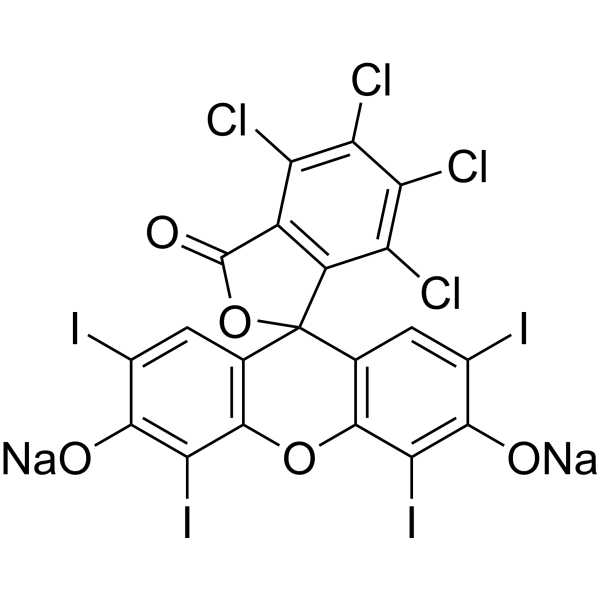
    Acid Red 94 sodium
    1 Publications Verification

    Influenza Virus Photosensitizer Amyloid-β Infection Neurological Disease Cancer
    Acid Red 94 sodium, a synthetic fluorescein derivative, is a deep red dye primarily composed of 4,5,6,7-tetrachloro-2,4,5,7-tetraiodo fluorescein. It is widely used as an ophthalmic diagnostic agent to detect dry or damaged cells on the ocular surface. Acid Red 94 sodium exhibits antitumor activity and can inhibit Friend Leukemia Virus (FLV) infection through photodynamic action. Additionally, Acid Red 94 sodium can inhibit aggregation through light irradiation. Acid Red 94 sodium holds potential for use in cancer, viral infections, and neurodegenerative disease research .
    Acid Red 94 sodium
  • HY-100543
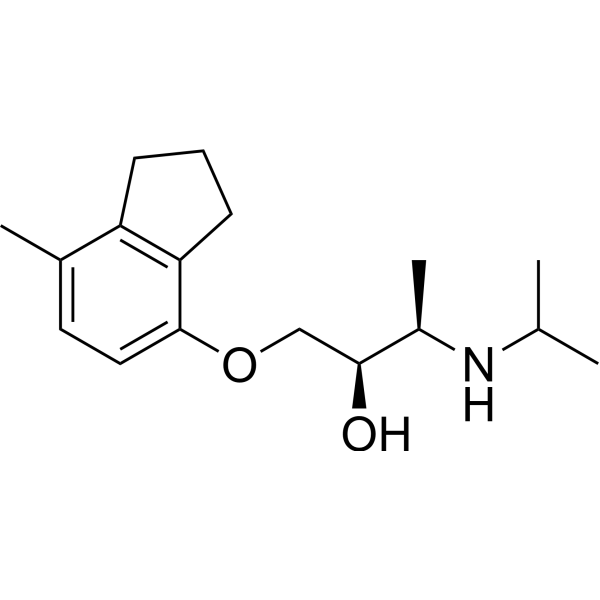
    Zenidolol
    Maximum Cited Publications
    45 Publications Verification

    ICI-118551

    Adrenergic Receptor Apoptosis Caspase Bcl-2 Family HIF/HIF Prolyl-Hydroxylase Cardiovascular Disease Neurological Disease Inflammation/Immunology
    Zenidolol (ICI-118551) is a selective β2-adrenergic receptor antagonist with Ki values of Zenidolol for β2, β1 and β3 adrenergic receptors of 0.7, 49.5 and 611 nM, respectively. Zenidolol exerts antitumor effects via inducing apoptosis, inhibiting tumor sphere formation, and downregulating the HIF pathway by blocking β2-AR on tumor cells. Zenidolol exhibits a unique pulmonary vessel-specific vasodilatory effect in mouse models. Zenidolol can be used as an intraocular pressure-lowering agent in ophthalmic disease research .
    Zenidolol
  • HY-B0553
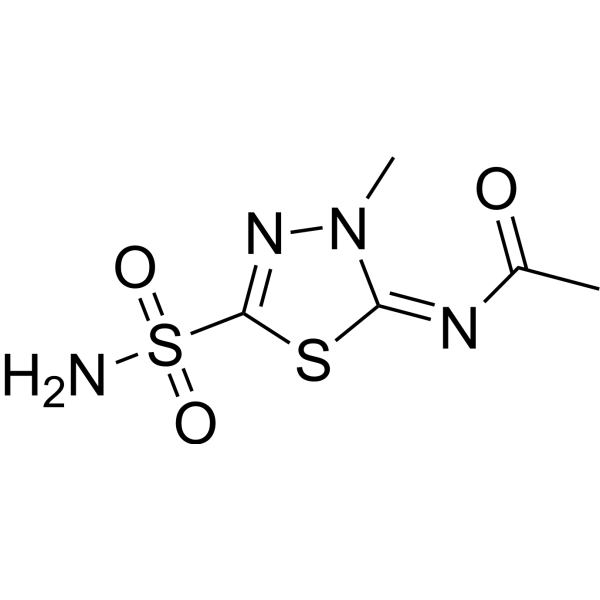
    Methazolamide
    4 Publications Verification

    L584601

    Carbonic Anhydrase Apoptosis Reactive Oxygen Species (ROS) Caspase Cardiovascular Disease Neurological Disease Inflammation/Immunology Cancer
    Methazolamide (L584601) is a BBB-penetrable and orally active carbonic anhydrase inhibitor, with a Ki of 14 nM for human carbonic anhydrase II. Methazolamide can reduce intraocular pressure and has a neuroprotective effect, being able to inhibit neuronal apoptosis. Methazolamide can be used in the research of ophthalmic diseases such as glaucoma and cerebrovascular diseases such as subarachnoid hemorrhage .
    Methazolamide
  • HY-172435

    AGN-232411; AG-80308; AGN-411

    Formyl Peptide Receptor (FPR) Neurological Disease
    Rezuforimod (AGN-232411; AG-80308) is an ophthalmic solution targeting the formyl peptide receptor (FPR) pathway. Rezuforimod exerts anti-inflammatory effects by targeting the formyl peptide receptor pathway. Administered topically, Rezuforimod significantly reduces the corneal conjunctival staining score and improves ocular discomfort symptoms, with no serious adverse events reported and favorable overall safety profile. Rezuforimod shows remarkable potential to serve as a novel therapeutic option for dry eye disease .
    Rezuforimod
  • HY-137431A

    (R)-BAY-2433334

    Drug Isomer Cardiovascular Disease Neurological Disease
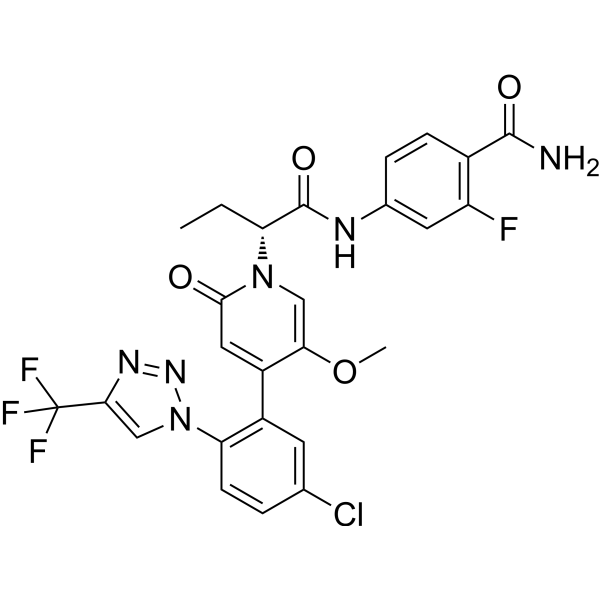
    (R)-Asundexian ((R)-BAY-2433334) is the enantiomer of Asundexian (HY-137431). (R)-Asundexian can be used in studies of cardiovascular disease, edema, and ophthalmic disease .
    (R)-Asundexian
  • HY-135808

    NF-κB Inflammation/Immunology
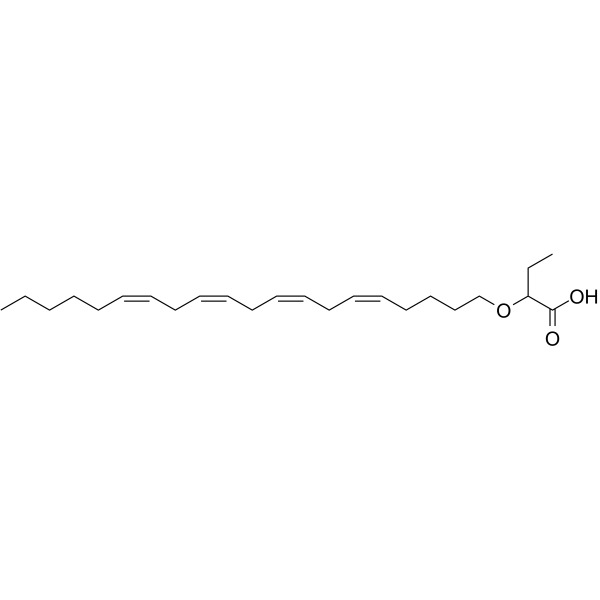
    BIZ 114 (Example 11) is a fatty acid derivative and potent inhibits the TNF-α activated NF-κΒ pathway. BIZ 114 has the potential to prevent and / or treat ophthalmic disorders such as retinal degenerative disorders and ocular inflammatory diseases .
    BIZ 114
  • HY-168904

    Proteasome Others
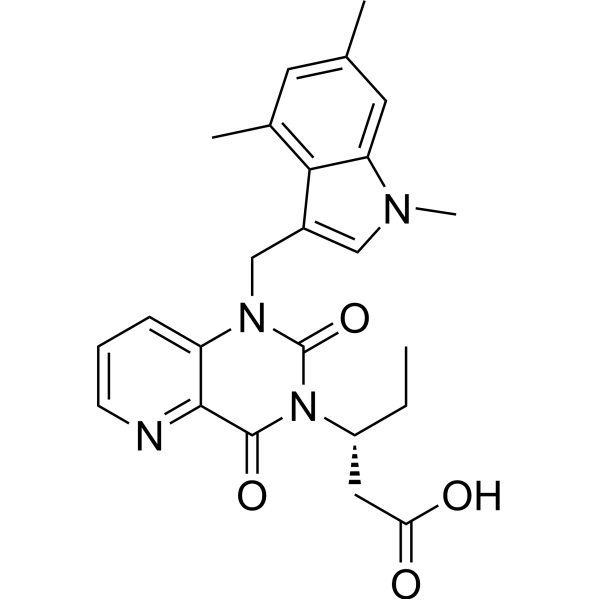
    BI-1942, a chemical probe, is a chymase inhibitor and has an IC50 of 0.4 nM for human chymase. BI-1942 can be used in the research of ophthalmic diseases .
    BI-1942
  • HY-B0553R

    L584601 (Standard)

    Reference Standards Carbonic Anhydrase Apoptosis Reactive Oxygen Species (ROS) Caspase Cardiovascular Disease Neurological Disease Inflammation/Immunology Cancer
    Methazolamide (Standard) is the analytical standard of Methazolamide. This product is intended for research and analytical applications. Methazolamide (L584601) is a BBB-penetrable and orally active carbonic anhydrase inhibitor, with a Ki of 14 nM for human carbonic anhydrase II. Methazolamide can reduce intraocular pressure and has a neuroprotective effect, being able to inhibit neuronal apoptosis. Methazolamide can be used in the research of ophthalmic diseases such as glaucoma and cerebrovascular diseases such as subarachnoid hemorrhage .
    Methazolamide (Standard)
  • HY-D0214E
    Acid Red 94 sodium (80%)
    1 Publications Verification

    Influenza Virus Photosensitizer Amyloid-β Infection Neurological Disease Cancer
    Acid Red 94 sodium (80%), a synthetic fluorescein derivative, is a deep red dye primarily composed of 4,5,6,7-tetrachloro-2,4,5,7-tetraiodo fluorescein. Acid Red 94 sodium (80%) is widely used as an ophthalmic diagnostic agent to detect dry or damaged cells on the ocular surface. Acid Red 94 sodium (80%) exhibits antitumor activity and can inhibit Friend Leukemia Virus (FLV) infection through photodynamic action. Additionally, Acid Red 94 sodium (80%) can inhibit Aβ aggregation through light irradiation. Acid Red 94 sodium (80%) holds potential for use in cancer, viral infections, and neurodegenerative disease research .
    Acid Red 94 sodium (80%)
  • HY-100543R

    ICI-118551 (Standard)

    Adrenergic Receptor Reference Standards Apoptosis Caspase Bcl-2 Family HIF/HIF Prolyl-Hydroxylase Cardiovascular Disease Neurological Disease Cancer
    Zenidolol (ICI-118551) (Standard) is the analytical standard of Zenidolol (HY-100543). This product is intended for research and analytical applications. Zenidolol is a selective β2-adrenergic receptor antagonist with Ki values of Zenidolol for β2, β1 and β3 adrenergic receptors of 0.7, 49.5 and 611 nM, respectively. Zenidolol exerts antitumor effects via inducing apoptosis, inhibiting tumor sphere formation, and downregulating the HIF pathway by blocking β2-AR on tumor cells. Zenidolol exhibits a unique pulmonary vessel-specific vasodilatory effect in mouse models. Zenidolol can be used as an intraocular pressure-lowering agent in ophthalmic disease research.
    Zenidolol (Standard)

Inquiry Online

Your information is safe with us. * Required Fields.

Salutation


Country or Region *

Applicant Name *


Organization Name *

Department *


Email Address *


Product Name *

Cat. No.


Requested quantity *

Phone Number *


Remarks

Inquiry Online

Inquiry Information

Product Name:
Cat. No.:
Quantity:
MCE Japan Authorized Agent:

