
From 11:00 pm to 12:00 pm EST ( 8:00 pm to 9:00 pm PST ) on January 6th, the website will be under maintenance. We are sorry for the inconvenience. Please arrange your schedule properly.
Papain is a cysteine protease of the peptidase C1 family. Papain enhances red cell agglutination by anti-D and anti-A, and increases red cell sensitivity to K cell-mediated lysis in ADCC assays. Papain can induce pulmonary emphysema. Papain can be used for the researches of Rh haemolytic disease of the newborn and pulmonary emphysema .
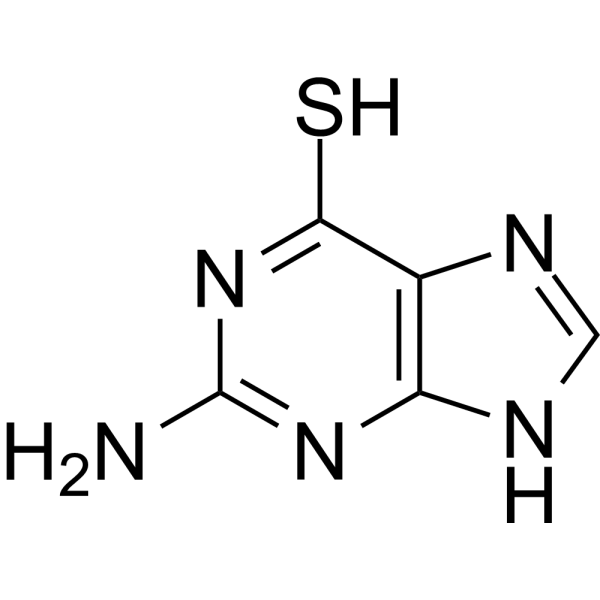
6-Thioguanine (Thioguanine; 2-Amino-6-purinethiol) is an anti-leukemia and immunosuppressant agent, acts as an inhibitor of SARS and MERS coronavirus papain-like proteases (PLpros) and also potently inhibits USP2 activity, with IC50s of 25 μM and 40 μM for Plpros and recombinant human USP2, respectively.
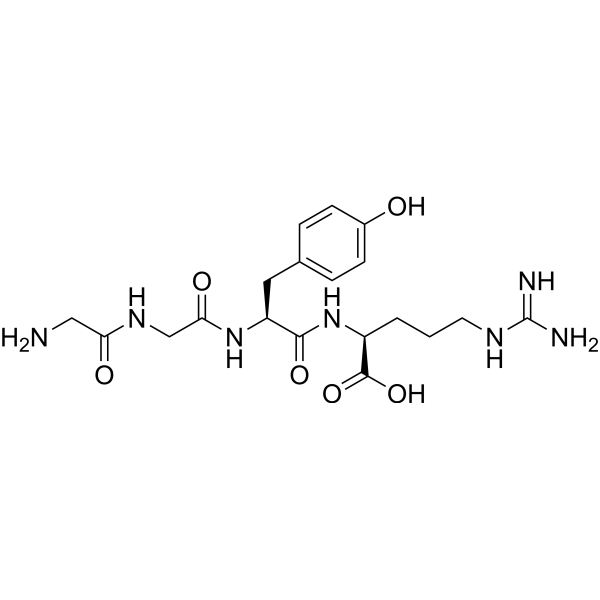
Papain inhibitor (Glycylglycyl-L-tyrosyl-L-arginine) is a competitive papain-targeting enzyme inhibitor with a Ki of 9 μM. Papain inhibitor binds directly to the substrate binding site of papain, inhibiting substrate hydrolysis by the enzyme. Papain inhibitor functions as a component of an electrochemical probe for the detection of papain .
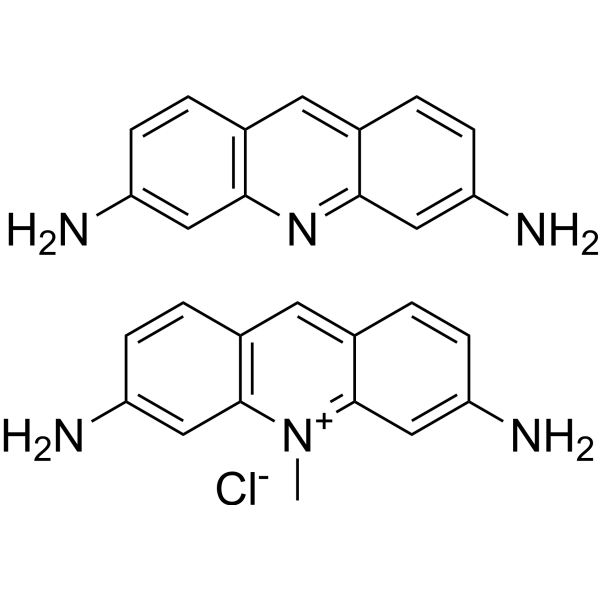
Acriflavine (Acriflavinium chloride) is a fluorescent acridine dye that can be used to label nucleic acid. Acriflavine is an antiseptic agent. Acriflavine is a potent HIF-1 inhibitor that prevents the dimerization of HIF-1α and HIF-1β subunits. Acriflavine inhibits the interaction between monocarboxylate transporter 4 (MCT4) and Basigin. Acriflavine is used in cancer research, such as breast cancer, brain tumor and chronic myeloid leukemia. Acriflavine is a potent papain-like protease (PLpro) inhibitor, which inhibits SARS-CoV-2 .
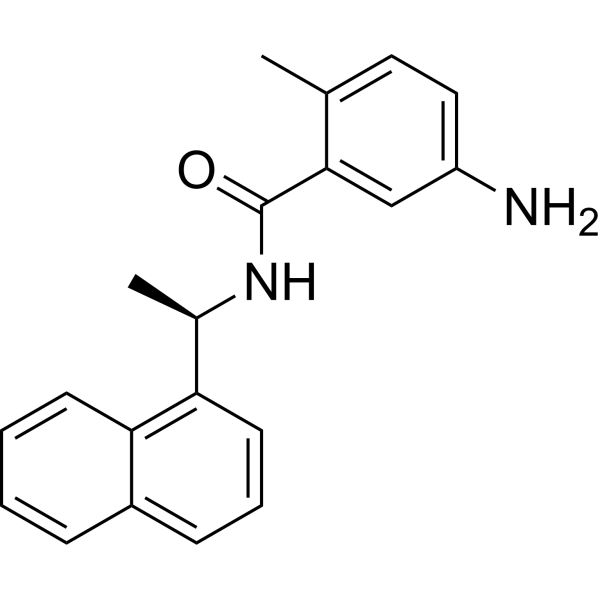
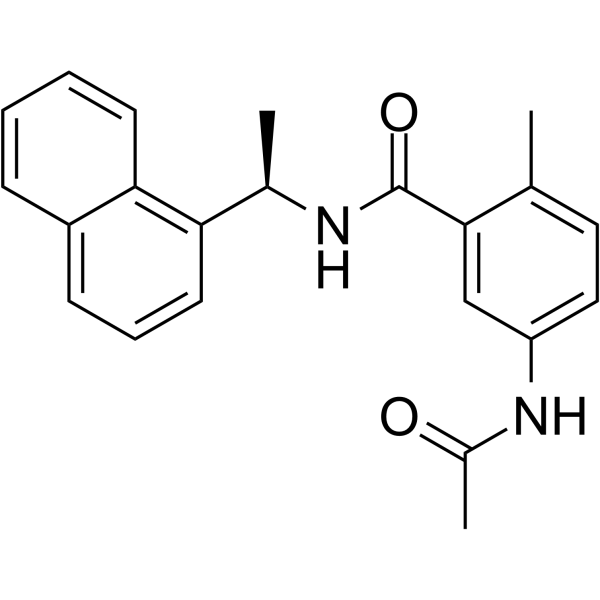
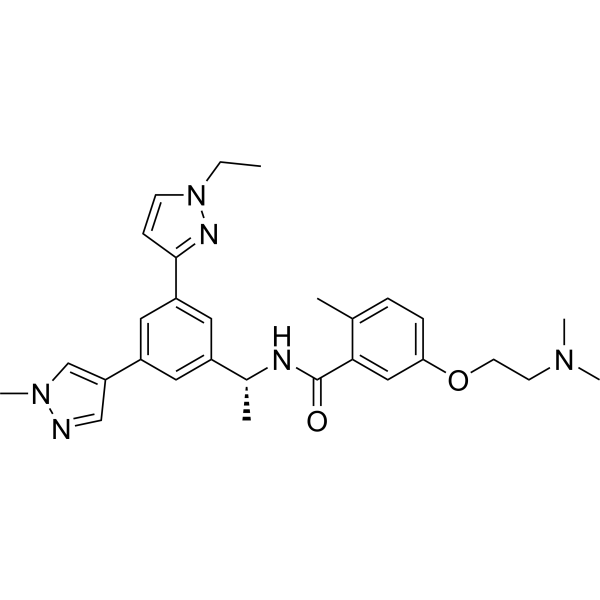
GRL0617 is a selective and competitive noncovalent inhibitor of severe acute respiratory syndrome (SARS-CoV) papain-like protease (PLpro), with an IC50 of 0.6 μM and a Ki value of 0.49 μM. GRL0617 also inhibits SARS-CoV with an EC50 of 14.5 μM. GRL0617 can be used for the research of severe acute respiratory syndrome .
ISD sodium is an interferon-stimulatory DNA, a 45 bp non-CpG double-stranded oligonucleotide derived from the genome of Listeria monocytogenes. ISD sodium potently induces type I interferon production via the cGAS‑STING‑TBK1‑IRF3 pathway .
Papain (1.5-10 units/mg) is a cysteine protease of the peptidase C1 family. Papain (1.5-10 units/mg) enhances red cell agglutination by anti-D and anti-A, and increases red cell sensitivity to K cell-mediated lysis in ADCC assays. Papain (1.5-10 units/mg) can induce pulmonary emphysema. Papain (1.5-10 units/mg) can be used for the researches of Rh haemolytic disease of the newborn and pulmonary emphysema .
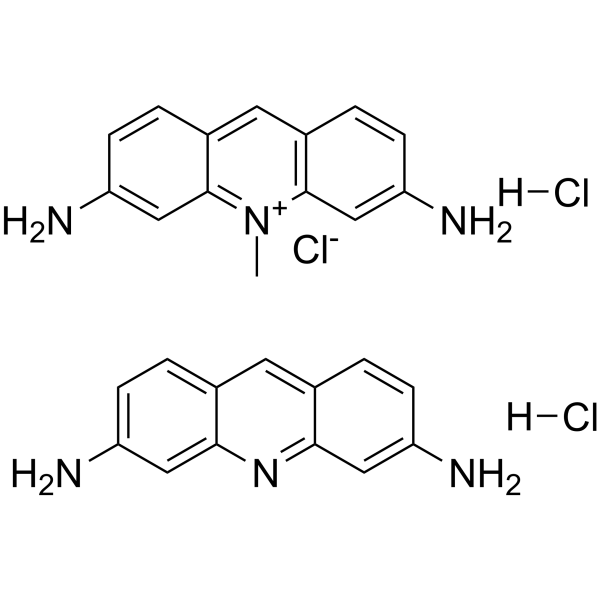
Acriflavine (Acriflavinium chloride) hydrochloride is a fluorescent acridine dye that can be used to label nucleic acid. Acriflavine hydrochloride is an antiseptic agent. Acriflavine hydrochloride is a potent HIF-1 inhibitor that prevents the dimerization of HIF-1α and HIF-1β subunits. Acriflavine hydrochloride inhibits the interaction between monocarboxylate transporter 4 (MCT4) and Basigin. Acriflavine hydrochloride is used in cancer research, such as breast cancer, brain tumor and chronic myeloid leukemia. Acriflavine hydrochloride is a potent papain-like protease (PLpro) inhibitor, which inhibits SARS-CoV-2 .
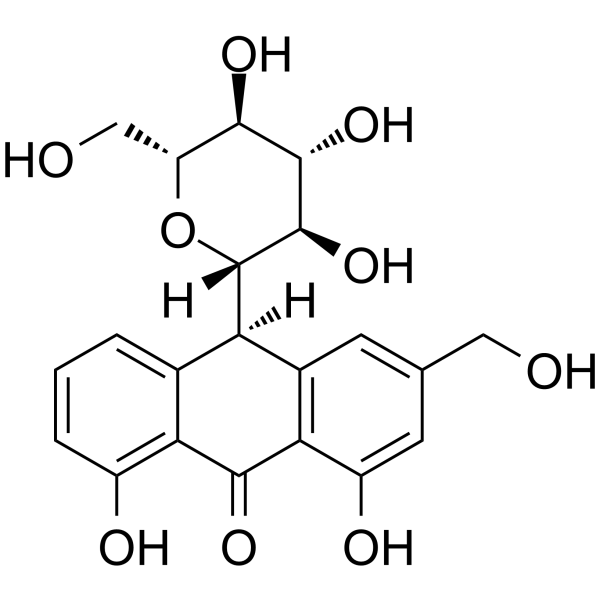
Aloin B (Isobarbaloin) is an orally active SARS-CoV-2 papain-like protease (PLpro) inhibitor with an IC50 of 16.08 μM (hydrolytic activity) and 17.51 μM (deubiquitinase activity). Aloin B is metabolized by rat intestinal flora into aloe-emodin-9-anthrone to exert laxative effects. Aloin B inhibits TPA (HY-18739)-induced ear edema, putrescine elevation, and tumor promotion in mouse skin. Aloin B can be used in research related to anti-inflammation, tumor promotion inhibition, coronavirus disease 2019 (COVID-19) and constipation .
PLpro inhibitor is a potent inhibitor of papain-like protease (PLpro) with an IC50 of 2.6 µM . PLpro inhibitor inhibits SARS-CoV-2 PLpro with an IC50 of 5.0 µM and an EC50 of 21.0 µM .
PF-07957472 (Compound 4) is an orally active and selective SARS-CoV-2papain-like protease (PLpro) inhibitor, with a Ki of 2 nM against SARS-CoV-2 PLpro. PF-07957472 reduces SARS-CoV-2 viral titers in the lungs of infected mice and inhibits SARS-CoV-2-induced cytopathic effects in cells. PF-07957472 can be used for the research of COVID-19 .
Biotin-(Oaa)3-epoxomicin is a biotin-labeled form of Epoxomicin (HY-13821), prepared by conjugating Epoxomicin with biotin via three hydrophilic oxaacetyl amino acid (Oaa) linkers. Biotin-(Oaa)3-epoxomicin is primarily used in proteomic studies for the capture, identification and target validation of proteasome complexes, to determine the intracellular targets of epoxomicin. Epoxomicin acts as a proteasome inhibitor and NF-κB inhibitor, which effectively blocks inflammatory responses in mouse ear edema assays. It inhibits proteasome activity via covalent binding to catalytic subunits including LMP7, X, MECL1 and Z, with the strongest inhibitory effect on chymotrypsin-like activity, and does not interfere with non-proteasomal proteases such as trypsin and papain .
XR8-89 is a potent papain-like protease (PL pro) inhibitor with an IC50 value of 0.1 μM. XR8-89 induces conformational changes in SARS-COV-2 papain-like protease, inhibiting SARS-CoV-2 replication. XR8-89 can be used for SARS-CoV-2 research .
DiBaC4(5) is a fluorescent voltage-sensitive dye that can be used to monitor the transmembrane potentials when Papain-dissociated retinal cells from adult zebrafish were exposed to GABAergic ligands. DiBaC4(5) is a potential-sensitive fluorescence dye .
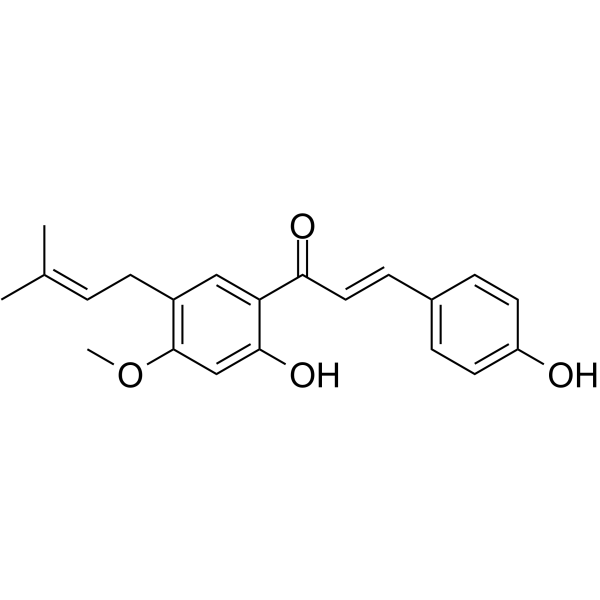
4'-O-Methylbavachalcone is an orally active prenylated flavonoid that inhibits the activity of SARS-CoV papain-like protease (PLpro), with an IC50 of 10.1 μM and a Ki of 4.6 μM. 4'-O-Methylbavachalcone inhibits poly (ADP-ribose) polymerase-mediated cell death (parthanatos), reduces cerebral infarct volume, binds to the orthosteric site of SUCNR1, blocks the interaction between succinate and SUCNR1, inhibits SUCNR1 activity, blocks the nuclear translocation of NFATc4, suppresses the activation of the ERK1/2 signaling pathway, inhibits cardiomyocyte hypertrophy and restores the expression of α-actinin. 4'-O-Methylbavachalcone can be used in studies related to ischemic stroke, SARS-CoV and cardiomyocyte hypertrophy .
Papain (lyophilized powder, ≥10 units/mg protein) is a cysteine protease of the peptidase C1 family. Papain (lyophilized powder, ≥10 units/mg protein) enhances red cell agglutination by anti-D and anti-A, and increases red cell sensitivity to K cell-mediated lysis in ADCC assays. Papain (lyophilized powder, ≥10 units/mg protein) can induce pulmonary emphysema. Papain (lyophilized powder, ≥10 units/mg protein) can be used for the researches of Rh haemolytic disease of the newborn and pulmonary emphysema .
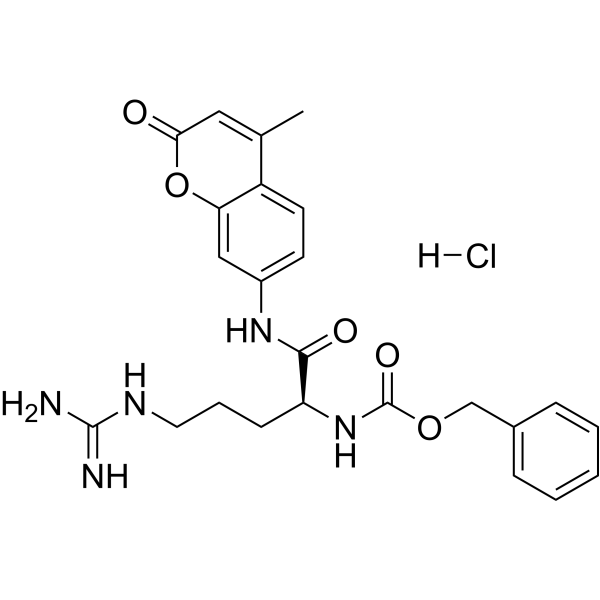
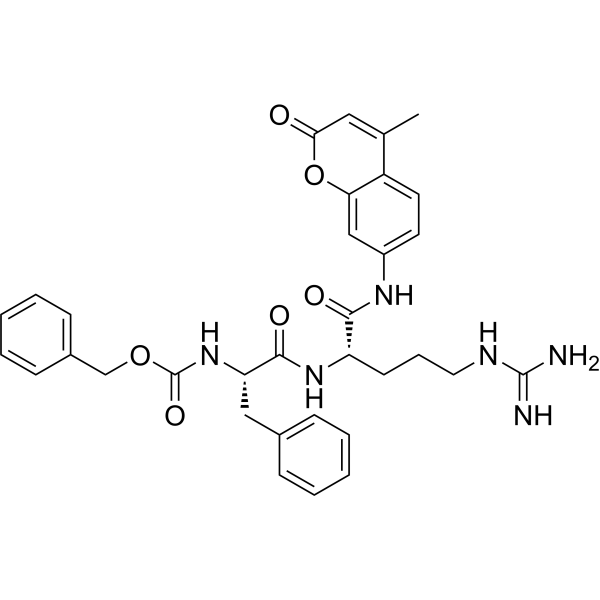
Z-Arg-AMC hydrochloride is a fluorogenic substrate for trypsin and papain. Z-Arg-AMC hydrochloride can be used to research activity of trypsin (Ex/Em=355/460 nm) .
6-Thioguanine (Standard) is the analytical standard of 6-Thioguanine. This product is intended for research and analytical applications. 6-Thioguanine (Thioguanine; 2-Amino-6-purinethiol) is an anti-leukemia and immunosuppressant agent, acts as an inhibitor of SARS and MERS coronavirus papain-like proteases (PLpros) and also potently inhibits USP2 activity, with IC50s of 25 μM and 40 μM for Plpros and recombinant human USP2, respectively.
Jun12682 is an orally active SARS-CoV-2papain-like protease (PL pro) inhibitor, with a Ki value of 37.7 nM and an EC50 value of 1.1 μM in the FlipGFP PL pro assay. Jun12682 has efficacy in hindering PL pro both deubiquitination and deISGylation, with Ki values of 63.5 and 38.5 nM, respectively. Jun12682 exhibits resistance in multiple PL pro mutant strains, and its enzymatic activity is comparable to that of the wild-type. Jun12682 can be used for the study of the SARS-CoV-2 .
Z-Phe-Leu-OH (NSC 334018) is a dipeptide acid. Z-Phe-Leu-OH undergoes hydrolysis by carboxypeptidase Y to release L-leucine. Z-Phe-Leu-OH acts as a substrate to assay carboxypeptidase Y peptidase activity .
Boc-Val-Leu-Lys-AMC is a sensitive, fluorogenic, and specific substrate of plasmin, as well as acrosin from the ascidian Halocynthia roretzi, porcine calpain isozymes I and II, and papain .
5-Bromo-5-nitro-1,3-dioxane is a broad-spectrum antimicrobial agent active against Gram-positive bacteria, Gram-negative bacteria and fungi. 5-Bromo-5-nitro-1,3-dioxane oxidizes free thiol groups to their corresponding disulfides. 5-Bromo-5-nitro-1,3-dioxane induces intracellular substance leakage in Escherichia coli and Staphylococcus aureus. 5-Bromo-5-nitro-1,3-dioxane modulates the oxygen consumption of Escherichia coli and Staphylococcus aureus .
GZNL-P36 is an orally active inhibitor for SARS-CoV-2 papain-like protease (PL pro), with an IC50 of 6.45 nM. GZNL-P36 inhibits SARS-CoV and its variants with EC50 range from 58.2 nM to 2.66 μM. GZNL-P36 exhibits a peak plasma concentration Cmax of 549 ng/mL, a half-life T1/2 of 1.45 h and a bioavailability of 74.7% in CD-1 mouse. GZNL-P36 exhibits antiviral activity in SARS-CoV-2 XXB.1 infection in mouse .
Picornain 3C is a protease found in picornaviruses, which cleaves peptide bonds of non-terminal sequences. Picornain 3C is an intermediate between the serine peptidase chymotrypsin and the cysteine peptidase papain. Picornain 3C shows endopeptidase activity by selectively cleaving Gln-Gly bonds in the polyprotein of poliovirus and with substitution of Glu for Gln, and Ser or Thr for Gly in other picornaviruses .
Elasnin is a selective granulocyte elastase inhibitor. Elasnin is almost ineffective for pancreatic elastase, trypsin, chymotrypsin, thermolysin and papain .
Jun13296 is an orally active quinoline SARS-CoV-2 papain-like protease inhibitor (IC50 = 0.13 µM, Ki = 8.8 nM). Jun13296 exhibits potent inhibition against SARS-CoV-2 variants and Nirmatrelvir (HY-138687)-resistant mutants. Jun13296 improves lung viral titers, and prevents lung tissue damage in a SARS-CoV-2 infection model .
SARS-CoV-2 PLpro-IN-2 (Compound 12) is a highly selective SARS-CoV-2 papain-like protease (PLpro) inhibitor of (IC50=0.06 μM). SARS-CoV-2 PLpro-IN-2 inhibits viral replication and immune evasion. SARS-CoV-2 PLpro-IN-2 exhibits antiviral efficacy in HeLa-ACE2 cells (EC50=2.9 μM). SARS-CoV-2 PLpro-IN-2 is promising for research of COVID-19 .
WEHI-P8 is an orally active SARS-CoV-2papain-like protease (PLpro) inhibitor with an IC50 of 12 nM and a Kd of 9.0 nM. WEHI-P8 reduces viral load, body weight loss, pulmonary inflammation, immune cell infiltration and pro-inflammatory mediator levels in SARS-CoV-2-infected mice. WEHI-P8 prevents pulmonary hemorrhage, immune cell infiltration, fibrotic remodeling and neuroinflammation, and improves cognitive function in a mouse model of post-acute sequelae of SARS-CoV-2 infection (PASC). WEHI-P8 is applicable for the research of COVID-19 and PASC .
Ro 09-1679 is a thrombin inhibitor, with an IC50 of 33.6 μM. Ro 09-1679 inhibits the enzyme activities, with IC50 values of 3.3, 0.04 and 0.0346 μM for factor Xa, trypsin and papain, respectively .
PLP_Snyder530 is a potent papain-like protease (PL pro) inhibitor with an IC50 value of 6.4 μM. PLP_Snyder530 induces conformational changes in SARS-COV-2 papain-like protease, inhibiting SARS-CoV-2 replication. PLP_Snyder530 can be used for SARS-CoV-2 research .
SARS-CoV-2-IN-24 (compound 7) is a potent papain-like protease (PL pro) inhibitor. SARS-CoV-2-IN-24 induces conformational changes in SARS-COV-2 papain-like protease, inhibiting SARS-CoV-2 replication. SARS-CoV-2-IN-24 can be used for SARS-CoV-2 research .
Bacithrocin A is a thrombin inhibitor that inhibits thrombin, factor Xa, trypsin and Papain with IC50s of 48 μM, 13 μM, 0.65 μM, and 0.02 μM, respectively .
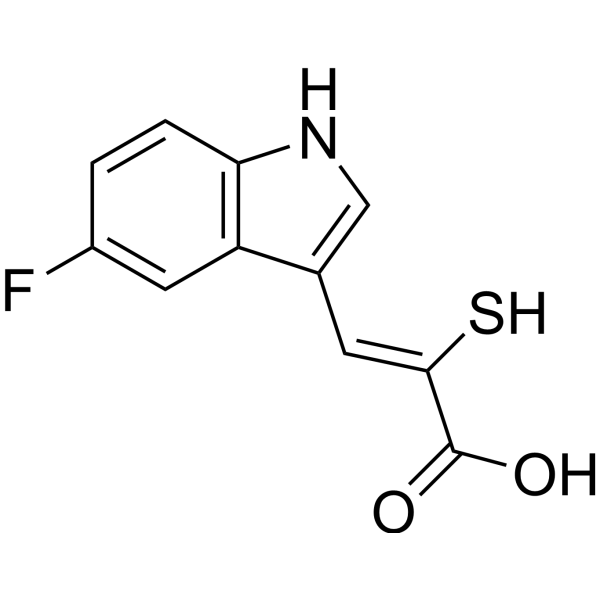
SARS-CoV-2-IN-72 (compound 12) is a potent allosteric inhibitor of the SARS-COV-2 papain-like protease domain that can trigger the degradation of NSP3 .
Bacithrocin C is a thrombin inhibitor that inhibits thrombin, factor Xa, trypsin and Papain with IC50s of 80 μM, 15 μM, 1.3 μM, and 0.02 μM, respectively .
Bacithrocin B is a thrombin inhibitor that inhibits thrombin, factor Xa, trypsin and Papain with IC50s of 84 μM, 17 μM, 1.7 μM, and 0.02 μM, respectively .
Jun13728 is a potent and covalent SARS-CoV-2 papain-like protease inhibitor, with an IC50 of 0.1 μM. Jun13728 can be used for SARS-CoV-2 antiviral research .
Estatin B is a thiol protease inhibitor found by the Thermophilic Bacterium M4323, which is specific to thiol proteases such as papain, fig protease, and bromelain. Estatin B inhibits the production of IgE antibodies but not IgG in mice .
Bacithrocin D (Thiolstatin D) inhibits multiple proteases and can prolong the clotting time. Bacithrocin D has IC50 values of 124, 9, 0.85, and 0.01 μM for thrombin, factor Xa, trypsin, and papain, respectively .
SARS-CoV-2-IN-106 (compound 19) is a SARS-CoV-2 papain-like protease inhibitor with the IC50 values of 0.44 μM and 0.18 μM for PLpro enzymatic and viral replication ,respectively .
ZHAWOC25153 (Compound 17o) is a SARS-CoV-2papain-like cysteine protease (PLpro) inhibitor, with an IC50 of 7 μM. ZHAWOC25153 exhibits antiviral activity and can be used in research within the field of anti-infection .
SARS-CoV-2-IN-108 (Compound 29) is an inhibitor for SARSCoV-2 papain-like protease with an IC50 of 0.14 µM. SARS-CoV-2-IN-108 inhibits the virus replication with an EC50 of 0.21 µM .
PLpro-IN-3 (compound 26R) is a potent Papain-like protease (PLpro) inhibitor with a IC50 of 1.0μM. PLpro-IN-3 exhibits antiviral activity against SARS-CoV-2 with a EC50 of 4.3 μM .
SP-Chymostatin B (α-MAPI) is a strong inhibitor of many proteases, including chymotrypsin, papain, chymotrypsin-like serine proteinases, chymases, and lysosomal cysteine proteinases such as cathepsins A,B,C, H, and L. SP-Chymostatin B weakly inhibits human leucocyte elastase .
Laccaridione A can inhibit the activity of antiserine protease. Laccaridione A inhibits trypsin, papain, thermophilic protease, collagenase and zinc protease with IC50s of 14.7 μg/mL, 2.5 μg/mL, 18.8 μg/mL, 7.2 μg/mL and 18.2 μg/mL, respectively .
Abz-FRLKGGAPIKGV-EDDNP TFA is a fluorogenic substrate used to measure the enzymatic activities of protease forms, such as papain-like protease 2 (PLP2) from severe acute respiratory syndrome coronavirus (SARS-CoV). Abz-FRLKGGAPIKGV-EDDNP TFA has the potential for study 2019-nCoV (COVID-19) infection .
AM4299B is an inhibitor for thiol protease. AM4299B inhibits bovine spleen cathepsin B, human kidney cathepsin L and papain with IC50s of 0.7, 0.5 and 20 μM, respectively. AM4299B can be used in research in osteoporosis, and has potential to be used as an antiparasitic agent .
SARS-CoV-2-IN-69 (Compound 7E) is a non-covalent SARS-CoV-2 inhibitor with an EC50 value of 7.4 μM. SARS-CoV-2-IN-69 is a potent inhibitor of SARS-CoV-2 main protease (M pro) and a non-covalent inhibitor of papain (PL pro) .
PLpro-IN-8 (compound 1) is a SARS-CoV papain-like protease (PLpro) inhibitor with IC50 values of 5.9 μM and 0.46 μM for SARS-CoV-2 PLpro and SARS -CoV-1 PLpro, respectively. PLpro-IN-8 inhibits Wuhan strain WK-521 of SARS-CoV-2 with an EC50 of 2.7 μM .
9-Aminominocycline (9-AMN) is the inhibitor for SARS-CoV-2 papain-like protease (SARS-CoV-2 PLpro), inhibits its deubiquitination (DUB) activity and protease activity with IC50 of 4.55 µM and 4.15 µM. 9-Aminominocycline inhibits the SARS-CoV variants Delta and Omicron replication in Calu-3 cell with IC50 of 1.04 µM and 2.35 µM .
Papain (USP) refers to Papain (HY-P1645) that meets the standards of the US Pharmacopoeia. Papain is a cysteine protease of the peptidase C1 family. Papain enhances red cell agglutination by anti-D and anti-A, and increases red cell sensitivity to K cell-mediated lysis in ADCC assays. Papain can induce pulmonary emphysema. Papain can be used for the researches of Rh haemolytic disease of the newborn and pulmonary emphysema .
Aloin B (Isobarbaloin) (Standard) is the analytical standard of Aloin B. This product is intended for research and analytical applications. Aloin B is an orally active SARS-CoV-2 papain-like protease (PLpro) inhibitor with an IC50 of 16.08 μM (hydrolytic activity) and 17.51 μM (deubiquitinase activity). Aloin B is metabolized by rat intestinal flora into aloe-emodin-9-anthrone to exert laxative effects. Aloin B inhibits TPA (HY-18739)-induced ear edema, putrescine elevation, and tumor promotion in mouse skin. Aloin B can be used in research related to anti-inflammation, tumor promotion inhibition, coronavirus disease 2019 (COVID-19) and constipation .
Chymostatin B is a subtype of chymostatin characterized by a valine residue. Chymostatin inhibits chymotrypsin, papain, and other serine/cysteine endopeptidases .
Mpro/PLPro-IN-2 (Compound 22l) is a non-covalent competitive dual inhibitor of the papain-like protease and main protease of SARS-CoV-2, with a Ki of 0.2 μM for the papain-like protease and a Ki of 1.1 μM for the main protease . Mpro/PLPro-IN-2 can be used in the research field of anti-SARS-CoV-2 .
Papaya extract contains a variety of bioactive compounds, including papain (an enzyme), flavonoids, carotenoids (such as beta-carotene), and vitamin C. Papaya extract helps break down proteins and improves overall digestive function.
SARS-CoV-2 PLpro-IN-6 is an irreversible SARS-CoV-2 papain-like protease inhibitor with an IC50 value of 0.059 μM. SARS-CoV-2 PLpro-IN-6 exhibits antiviral activity and can be used in studies related to COVID-19 .
SARS-CoV-2 PLpro-IN-4 is a SARS-CoV-2papain-like protease (PL Pro) inhibitor with an IC50 of 0.4 μM. SARS-CoV-2 PLpro-IN-4 binds to the S3 and S4 pockets of SARS-CoV-2 PL Pro, thereby functionally inhibiting its activity. SARS-CoV-2 PLpro-IN-4 exhibits antiviral activity and can be used in research on COVID-19 .
Laccaridione B can inhibit the activity of antiserine protease. Laccaridione B inhibits trypsin, papain, thermophilic protease, collagenase and zinc protease with IC50s of 10.9 μg/mL, 5.1 μg/mL, 8.4 μg/mL, 5.7 μg/mL and 3.0 μg/mL, respectively. Laccaridione B also has a strong anti-proliferative activity against L-929, K-562 and HeLa cells with IC50s of 2.4 μg/mL, 1.8 μg/mL and 13.9 μg/mL, respectively .
6-Thioguanine-13C2,15N (Thioguanine-13C2,15N) is the 13C and 15N labeled 6-Thioguanine (HY-13765).
6-Thioguanine is an anti-leukemia and immunosuppressant agent, acts as an inhibitor of SARS and MERS coronavirus papain-like proteases (PLpros) and also potently inhibits USP2 activity, with IC50s of 25 μM and 40 μM for Plpros and recombinant human USP2, respectively.
MR1-114 is an orally active SARS-CoV-2papain-like protease (PLpro) inhibitor with an IC50 of 0.037 μM. As a broad-spectrum inhibitor, MR1-114 maintains submicromolar activity against SARS-CoV-2 Delta, Omicron B.1.1.529 and Omicron BA.5 variants, with EC50 values of 0.18 μM, 0.39 μM and 0.20 μM, respectively. MR1-114 can be used for the research of coronavirus disease 2019 (SARS-CoV-2 infection) .
Acriflavine (Standard) is the analytical standard of Acriflavine (HY-100575). This product is intended for research and analytical applications. Acriflavine (Acriflavinium chloride) is a fluorescent acridine dye that can be used to label nucleic acid. Acriflavine is an antiseptic agent. Acriflavine is a potent HIF-1 inhibitor that prevents the dimerization of HIF-1α and HIF-1β subunits. Acriflavine inhibits the interaction between monocarboxylate transporter 4 (MCT4) and Basigin. Acriflavine is used in cancer research, such as breast cancer, brain tumor and chronic myeloid leukemia. Acriflavine is a potent papain-like protease (PLpro) inhibitor, which inhibits SARS-CoV-2 .
SARS-CoV-2 PLpro-IN-3 (Compound 15) is a covalent inhibitor of the SARS-CoV-2papain-like protease (PLpro), with an IC50 of 25 nM. SARS-CoV-2 PLpro-IN-3 has similar inhibitory activity against SARS-CoV PLpro (IC50 = 59 nM), but shows no inhibitory effect on human ubiquitin-specific protease 7 (USP7). The EC50 of SARS-CoV-2 PLpro-IN-3 in inhibiting SARS-CoV-2 replication in cells is 96 nM, significantly reducing the viral titer and viral RNA levels. SARS-CoV-2 PLpro-IN-3 can be used for studying SARS-CoV-2 drug resistance mutations .
YL1004 is a potent, selective and orally active noncovalent inhibitor of SARS-CoV-2 papain-like protease (PL pro). YL1004 shows an IC50 of 17.5 nM and a Ki of 2.3 nM against PL pro, with an in vitro anti-SARS-CoV-2 EC50 of 0.08 μM-1.37 μM. YL1004 suppresses the proteolytic activity of PL pro and blocks its deubiquitinating and deISGylating effects to restore host innate antiviral immune signaling. YL1004 inhibits the replication of wild-type, Delta, Omicron variants and nirmatrelvir-resistant strains of SARS-CoV-2. YL1004 can be used for the research of COVID-19 (SARS-CoV-2 infection) .
Acriflavine (Acriflavinium chloride) is a fluorescent acridine dye that can be used to label nucleic acid. Acriflavine is an antiseptic agent. Acriflavine is a potent HIF-1 inhibitor that prevents the dimerization of HIF-1α and HIF-1β subunits. Acriflavine inhibits the interaction between monocarboxylate transporter 4 (MCT4) and Basigin. Acriflavine is used in cancer research, such as breast cancer, brain tumor and chronic myeloid leukemia. Acriflavine is a potent papain-like protease (PLpro) inhibitor, which inhibits SARS-CoV-2 .
DiBaC4(5) is a fluorescent voltage-sensitive dye that can be used to monitor the transmembrane potentials when Papain-dissociated retinal cells from adult zebrafish were exposed to GABAergic ligands. DiBaC4(5) is a potential-sensitive fluorescence dye .
Z-Arg-AMC hydrochloride is a fluorogenic substrate for trypsin and papain. Z-Arg-AMC hydrochloride can be used to research activity of trypsin (Ex/Em=355/460 nm) .
Acriflavine (Standard) is the analytical standard of Acriflavine (HY-100575). This product is intended for research and analytical applications. Acriflavine (Acriflavinium chloride) is a fluorescent acridine dye that can be used to label nucleic acid. Acriflavine is an antiseptic agent. Acriflavine is a potent HIF-1 inhibitor that prevents the dimerization of HIF-1α and HIF-1β subunits. Acriflavine inhibits the interaction between monocarboxylate transporter 4 (MCT4) and Basigin. Acriflavine is used in cancer research, such as breast cancer, brain tumor and chronic myeloid leukemia. Acriflavine is a potent papain-like protease (PLpro) inhibitor, which inhibits SARS-CoV-2 .
Papain inhibitor (Glycylglycyl-L-tyrosyl-L-arginine) is a competitive papain-targeting enzyme inhibitor with a Ki of 9 μM. Papain inhibitor binds directly to the substrate binding site of papain, inhibiting substrate hydrolysis by the enzyme. Papain inhibitor functions as a component of an electrochemical probe for the detection of papain .
Biotin-(Oaa)3-epoxomicin is a biotin-labeled form of Epoxomicin (HY-13821), prepared by conjugating Epoxomicin with biotin via three hydrophilic oxaacetyl amino acid (Oaa) linkers. Biotin-(Oaa)3-epoxomicin is primarily used in proteomic studies for the capture, identification and target validation of proteasome complexes, to determine the intracellular targets of epoxomicin. Epoxomicin acts as a proteasome inhibitor and NF-κB inhibitor, which effectively blocks inflammatory responses in mouse ear edema assays. It inhibits proteasome activity via covalent binding to catalytic subunits including LMP7, X, MECL1 and Z, with the strongest inhibitory effect on chymotrypsin-like activity, and does not interfere with non-proteasomal proteases such as trypsin and papain .
Z-Phe-Leu-OH (NSC 334018) is a dipeptide acid. Z-Phe-Leu-OH undergoes hydrolysis by carboxypeptidase Y to release L-leucine. Z-Phe-Leu-OH acts as a substrate to assay carboxypeptidase Y peptidase activity .
Boc-Val-Leu-Lys-AMC is a sensitive, fluorogenic, and specific substrate of plasmin, as well as acrosin from the ascidian Halocynthia roretzi, porcine calpain isozymes I and II, and papain .
Abz-FRLKGGAPIKGV-EDDNP TFA is a fluorogenic substrate used to measure the enzymatic activities of protease forms, such as papain-like protease 2 (PLP2) from severe acute respiratory syndrome coronavirus (SARS-CoV). Abz-FRLKGGAPIKGV-EDDNP TFA has the potential for study 2019-nCoV (COVID-19) infection .
Papain is a cysteine protease of the peptidase C1 family. Papain enhances red cell agglutination by anti-D and anti-A, and increases red cell sensitivity to K cell-mediated lysis in ADCC assays. Papain can induce pulmonary emphysema. Papain can be used for the researches of Rh haemolytic disease of the newborn and pulmonary emphysema .
6-Thioguanine (Thioguanine; 2-Amino-6-purinethiol) is an anti-leukemia and immunosuppressant agent, acts as an inhibitor of SARS and MERS coronavirus papain-like proteases (PLpros) and also potently inhibits USP2 activity, with IC50s of 25 μM and 40 μM for Plpros and recombinant human USP2, respectively.
Papain (1.5-10 units/mg) is a cysteine protease of the peptidase C1 family. Papain (1.5-10 units/mg) enhances red cell agglutination by anti-D and anti-A, and increases red cell sensitivity to K cell-mediated lysis in ADCC assays. Papain (1.5-10 units/mg) can induce pulmonary emphysema. Papain (1.5-10 units/mg) can be used for the researches of Rh haemolytic disease of the newborn and pulmonary emphysema .
Aloin B (Isobarbaloin) is an orally active SARS-CoV-2 papain-like protease (PLpro) inhibitor with an IC50 of 16.08 μM (hydrolytic activity) and 17.51 μM (deubiquitinase activity). Aloin B is metabolized by rat intestinal flora into aloe-emodin-9-anthrone to exert laxative effects. Aloin B inhibits TPA (HY-18739)-induced ear edema, putrescine elevation, and tumor promotion in mouse skin. Aloin B can be used in research related to anti-inflammation, tumor promotion inhibition, coronavirus disease 2019 (COVID-19) and constipation .
4'-O-Methylbavachalcone is an orally active prenylated flavonoid that inhibits the activity of SARS-CoV papain-like protease (PLpro), with an IC50 of 10.1 μM and a Ki of 4.6 μM. 4'-O-Methylbavachalcone inhibits poly (ADP-ribose) polymerase-mediated cell death (parthanatos), reduces cerebral infarct volume, binds to the orthosteric site of SUCNR1, blocks the interaction between succinate and SUCNR1, inhibits SUCNR1 activity, blocks the nuclear translocation of NFATc4, suppresses the activation of the ERK1/2 signaling pathway, inhibits cardiomyocyte hypertrophy and restores the expression of α-actinin. 4'-O-Methylbavachalcone can be used in studies related to ischemic stroke, SARS-CoV and cardiomyocyte hypertrophy .
6-Thioguanine (Standard) is the analytical standard of 6-Thioguanine. This product is intended for research and analytical applications. 6-Thioguanine (Thioguanine; 2-Amino-6-purinethiol) is an anti-leukemia and immunosuppressant agent, acts as an inhibitor of SARS and MERS coronavirus papain-like proteases (PLpros) and also potently inhibits USP2 activity, with IC50s of 25 μM and 40 μM for Plpros and recombinant human USP2, respectively.
Bacithrocin A is a thrombin inhibitor that inhibits thrombin, factor Xa, trypsin and Papain with IC50s of 48 μM, 13 μM, 0.65 μM, and 0.02 μM, respectively .
Bacithrocin C is a thrombin inhibitor that inhibits thrombin, factor Xa, trypsin and Papain with IC50s of 80 μM, 15 μM, 1.3 μM, and 0.02 μM, respectively .
Bacithrocin B is a thrombin inhibitor that inhibits thrombin, factor Xa, trypsin and Papain with IC50s of 84 μM, 17 μM, 1.7 μM, and 0.02 μM, respectively .
Estatin B is a thiol protease inhibitor found by the Thermophilic Bacterium M4323, which is specific to thiol proteases such as papain, fig protease, and bromelain. Estatin B inhibits the production of IgE antibodies but not IgG in mice .
Bacithrocin D (Thiolstatin D) inhibits multiple proteases and can prolong the clotting time. Bacithrocin D has IC50 values of 124, 9, 0.85, and 0.01 μM for thrombin, factor Xa, trypsin, and papain, respectively .
Laccaridione A can inhibit the activity of antiserine protease. Laccaridione A inhibits trypsin, papain, thermophilic protease, collagenase and zinc protease with IC50s of 14.7 μg/mL, 2.5 μg/mL, 18.8 μg/mL, 7.2 μg/mL and 18.2 μg/mL, respectively .
Aloin B (Isobarbaloin) (Standard) is the analytical standard of Aloin B. This product is intended for research and analytical applications. Aloin B is an orally active SARS-CoV-2 papain-like protease (PLpro) inhibitor with an IC50 of 16.08 μM (hydrolytic activity) and 17.51 μM (deubiquitinase activity). Aloin B is metabolized by rat intestinal flora into aloe-emodin-9-anthrone to exert laxative effects. Aloin B inhibits TPA (HY-18739)-induced ear edema, putrescine elevation, and tumor promotion in mouse skin. Aloin B can be used in research related to anti-inflammation, tumor promotion inhibition, coronavirus disease 2019 (COVID-19) and constipation .
Chymostatin B is a subtype of chymostatin characterized by a valine residue. Chymostatin inhibits chymotrypsin, papain, and other serine/cysteine endopeptidases .
Papaya extract contains a variety of bioactive compounds, including papain (an enzyme), flavonoids, carotenoids (such as beta-carotene), and vitamin C. Papaya extract helps break down proteins and improves overall digestive function.
Laccaridione B can inhibit the activity of antiserine protease. Laccaridione B inhibits trypsin, papain, thermophilic protease, collagenase and zinc protease with IC50s of 10.9 μg/mL, 5.1 μg/mL, 8.4 μg/mL, 5.7 μg/mL and 3.0 μg/mL, respectively. Laccaridione B also has a strong anti-proliferative activity against L-929, K-562 and HeLa cells with IC50s of 2.4 μg/mL, 1.8 μg/mL and 13.9 μg/mL, respectively .
SARS CoV ORF1ab polyprotein (PP1ab) is a 7073 residues long polyprotein which further produces 5 non-structural proteins (NSPs) after processing through virally encoded proteases (NSP12-NSP16).All these 5 proteins are mainly involved in viral replication, assembly, and immune response modulation.SARS-CoV Plpro/papain-like protease Protein (His) is the recombinant Virus-derived SARS-CoV Plpro/papain-like protease protein, expressed by E.coli , with C-His labeled tag.
SARS-CoV-2 NSP3 (NSP3) is one of non-structure protein that binds to viral RNA, nucleocapsid protein, as well as other viral proteins, and contributes in polyprotein processing. NSP3 has also an important role in innate immune response antagonism and is responsible for release of NSP1, NSP2, and NSP3 from the N-terminal region of pp1a and pp1ab. SARS-CoV-2 Plpro/Papain-like protease Protein (His) is the recombinant Virus-derived SARS-CoV-2 Plpro/Papain-like protease protein, expressed by E. coli , with N-His labeled tag.
The multifunctional SARS Plpro/papain-like protease protein utilizes essential proteases for multi-protein cleavage to strategically coordinate viral RNA transcription and replication. It blocks host translation by interacting with the 40S ribosomal subunit, causing endonucleolytic cleavage near the 5'UTR of host mRNAs, thereby targeting them for degradation. SARS Plpro/papain-like protease Protein (His-Avi) is the recombinant Virus-derived SARS Plpro/papain-like protease protein, expressed by E. coli , with N-His, N-Avi labeled tag.
The multifunctional SARS-CoV-2 PP1ab protein is essential for viral RNA transcription and replication, utilizing proteases for multi-protein cleavage. It inhibits host translation by binding to the 40S subunit and blocks ribosomal mRNA entry channels, thereby hindering the antiviral response. SARS-CoV-2 PLpro Protein is the recombinant Virus-derived SARS-CoV-2 PLpro protein, expressed by E. coli , with tag free.
Growth factor-like peptide; Leader protein; Non-structural protein 10; Non-structural protein 2; Non-structural protein 3; Non-structural protein 4; Non-structural protein 6; Non-structural protein 7; Non-structural protein 8; Non-structural protein 9; papain-like proteinase; p65 homolog
Replicase 1AB polyprotein Protein, SARS-CoV (Cell-Free, His) is the recombinant Virus-derived Replicase 1AB polyprotein protein, expressed by E. coli Cell-free, with N-10*His labeled tag.
6-Thioguanine-13C2,15N (Thioguanine-13C2,15N) is the 13C and 15N labeled 6-Thioguanine (HY-13765).
6-Thioguanine is an anti-leukemia and immunosuppressant agent, acts as an inhibitor of SARS and MERS coronavirus papain-like proteases (PLpros) and also potently inhibits USP2 activity, with IC50s of 25 μM and 40 μM for Plpros and recombinant human USP2, respectively.
ISD sodium is an interferon-stimulatory DNA, a 45 bp non-CpG double-stranded oligonucleotide derived from the genome of Listeria monocytogenes. ISD sodium potently induces type I interferon production via the cGAS‑STING‑TBK1‑IRF3 pathway .
Inquiry Online
Your information is safe with us. * Required Fields.
Western blot analysis of extracts from THP-1(lane 2(20μg), Jurkat (lane 3(20μg) and NIH3T3(lane 4(20μg) using FOXO1A (HY-P80132) Rabbit mAb. Proteins were transferred
to a PVDF membrane and blocked with 5% non-fat milk in TBST for 2 hour at room temperature. The primary antibody (1/1000) and Loading control antibody (Beta Actin, HY-P80438, 1/10000) was
used in 5% non-fat milk in TBST at 4°C overnight. Goat Anti-Mouse/Rabbit IgG-HRP Secondary Antibody (1/10000) was used for 1 hour at room temperature.
Western blot analysis of extracts from THP-1(lane 2(20μg), Jurkat (lane 3(20μg) and NIH3T3(lane 4(20μg) using FOXO1A (HY-P80132) Rabbit mAb. Proteins were transferred
to a PVDF membrane and blocked with 5% non-fat milk in TBST for 2 hour at room temperature. The primary antibody (1/1000) and Loading control antibody (Beta Actin, HY-P80438, 1/10000) was
used in 5% non-fat milk in TBST at 4°C overnight. Goat Anti-Mouse/Rabbit IgG-HRP Secondary Antibody (1/10000) was used for 1 hour at room temperature.
Western blot analysis of extracts from THP-1(lane 2(20μg), Jurkat (lane 3(20μg) and NIH3T3(lane 4(20μg) using FOXO1A (HY-P80132) Rabbit mAb. Proteins were transferred
to a PVDF membrane and blocked with 5% non-fat milk in TBST for 2 hour at room temperature. The primary antibody (1/1000) and Loading control antibody (Beta Actin, HY-P80438, 1/10000) was
used in 5% non-fat milk in TBST at 4°C overnight. Goat Anti-Mouse/Rabbit IgG-HRP Secondary Antibody (1/10000) was used for 1 hour at room temperature.
Western blot analysis of extracts from THP-1(lane 2(20μg), Jurkat (lane 3(20μg) and NIH3T3(lane 4(20μg) using FOXO1A (HY-P80132) Rabbit mAb. Proteins were transferred
to a PVDF membrane and blocked with 5% non-fat milk in TBST for 2 hour at room temperature. The primary antibody (1/1000) and Loading control antibody (Beta Actin, HY-P80438, 1/10000) was
MedchemExpress Validation 03
Western blot analysis of extracts from THP-1(lane 2(20μg), Jurkat (lane 3(20μg) and NIH3T3(lane 4(20μg) using FOXO1A (HY-P80132) Rabbit mAb. Proteins were transferred
MedchemExpress Validation 04
Western blot analysis of extracts from THP-1(lane 2(20μg), Jurkat (lane 3(20μg) and NIH3T3(lane 4(20μg) using FOXO1A (HY-P80132) Rabbit mAb. Proteins were transferred
to a PVDF membrane and blocked with 5% non-fat milk in TBST for 2 hour at room temperature. The primary antibody (1/1000) and Loading control antibody (Beta Actin, HY-P80438, 1/10000) was
used in 5% non-fat milk in TBST at 4°C overnight. Goat Anti-Mouse/Rabbit IgG-HRP Secondary Antibody (1/10000) was used for 1 hour at room temperature.
MedchemExpress Validation
Western blot analysis of extracts from THP-1(lane 2(20μg), Jurkat (lane 3(20μg) and NIH3T3(lane 4(20μg) using FOXO1A (HY-P80132) Rabbit mAb. Proteins were transferred
to a PVDF membrane and blocked with 5% non-fat milk in TBST for 2 hour at room temperature. The primary antibody (1/1000) and Loading control antibody (Beta Actin, HY-P80438, 1/10000) was
used in 5% non-fat milk in TBST at 4°C overnight. Goat Anti-Mouse/Rabbit IgG-HRP Secondary Antibody (1/10000) was used for 1 hour at room temperature.
Western blot analysis of extracts from THP-1(lane 2(20μg), Jurkat (lane 3(20μg) and NIH3T3(lane 4(20μg) using FOXO1A (HY-P80132) Rabbit mAb. Proteins were transferred
to a PVDF membrane and blocked with 5% non-fat milk in TBST for 2 hour at room temperature. The primary antibody (1/1000) and Loading control antibody (Beta Actin, HY-P80438, 1/10000) was
used in 5% non-fat milk in TBST at 4°C overnight. Goat Anti-Mouse/Rabbit IgG-HRP Secondary Antibody (1/10000) was used for 1 hour at room temperature.
MedchemExpress Validation
Western blot analysis of extracts from THP-1(lane 2(20μg), Jurkat (lane 3(20μg) and NIH3T3(lane 4(20μg) using FOXO1A (HY-P80132) Rabbit mAb. Proteins were transferred
to a PVDF membrane and blocked with 5% non-fat milk in TBST for 2 hour at room temperature. The primary antibody (1/1000) and Loading control antibody (Beta Actin, HY-P80438, 1/10000) was
used in 5% non-fat milk in TBST at 4°C overnight. Goat Anti-Mouse/Rabbit IgG-HRP Secondary Antibody (1/10000) was used for 1 hour at room temperature.
MedchemExpress Validation
Western blot analysis of extracts from THP-1(lane 2(20μg), Jurkat (lane 3(20μg) and NIH3T3(lane 4(20μg) using FOXO1A (HY-P80132) Rabbit mAb. Proteins were transferred
to a PVDF membrane and blocked with 5% non-fat milk in TBST for 2 hour at room temperature. The primary antibody (1/1000) and Loading control antibody (Beta Actin, HY-P80438, 1/10000) was
used in 5% non-fat milk in TBST at 4°C overnight. Goat Anti-Mouse/Rabbit IgG-HRP Secondary Antibody (1/10000) was used for 1 hour at room temperature.
MedchemExpress Validation
Western blot analysis of extracts from THP-1(lane 2(20μg), Jurkat (lane 3(20μg) and NIH3T3(lane 4(20μg) using FOXO1A (HY-P80132) Rabbit mAb. Proteins were transferred
to a PVDF membrane and blocked with 5% non-fat milk in TBST for 2 hour at room temperature. The primary antibody (1/1000) and Loading control antibody (Beta Actin, HY-P80438, 1/10000) was
used in 5% non-fat milk in TBST at 4°C overnight. Goat Anti-Mouse/Rabbit IgG-HRP Secondary Antibody (1/10000) was used for 1 hour at room temperature.
MedchemExpress Validation
Western blot analysis of extracts from THP-1(lane 2(20μg), Jurkat (lane 3(20μg) and NIH3T3(lane 4(20μg) using FOXO1A (HY-P80132) Rabbit mAb. Proteins were transferred
to a PVDF membrane and blocked with 5% non-fat milk in TBST for 2 hour at room temperature. The primary antibody (1/1000) and Loading control antibody (Beta Actin, HY-P80438, 1/10000) was
used in 5% non-fat milk in TBST at 4°C overnight. Goat Anti-Mouse/Rabbit IgG-HRP Secondary Antibody (1/10000) was used for 1 hour at room temperature.
MedchemExpress Validation
Western blot analysis of extracts from THP-1(lane 2(20μg), Jurkat (lane 3(20μg) and NIH3T3(lane 4(20μg) using FOXO1A (HY-P80132) Rabbit mAb. Proteins were transferred
to a PVDF membrane and blocked with 5% non-fat milk in TBST for 2 hour at room temperature. The primary antibody (1/1000) and Loading control antibody (Beta Actin, HY-P80438, 1/10000) was
used in 5% non-fat milk in TBST at 4°C overnight. Goat Anti-Mouse/Rabbit IgG-HRP Secondary Antibody (1/10000) was used for 1 hour at room temperature.
MedchemExpress Validation
Western blot analysis of extracts from THP-1(lane 2(20μg), Jurkat (lane 3(20μg) and NIH3T3(lane 4(20μg) using FOXO1A (HY-P80132) Rabbit mAb. Proteins were transferred
to a PVDF membrane and blocked with 5% non-fat milk in TBST for 2 hour at room temperature. The primary antibody (1/1000) and Loading control antibody (Beta Actin, HY-P80438, 1/10000) was
used in 5% non-fat milk in TBST at 4°C overnight. Goat Anti-Mouse/Rabbit IgG-HRP Secondary Antibody (1/10000) was used for 1 hour at room temperature.
MedChemExpress values your privacy and your trust is important to us. We use cookies to enhance your website experience. Some cookies are necessary to run the website.
Privacy and Cookie Policy

