
1. Search Result
Search Result
Results for "

partially

" in MedChemExpress (MCE) Product Catalog:

162

Inhibitors & Agonists

2

Fluorescent Dye

12

Biochemical Assay Reagents

10

Peptides

3

Inhibitory Antibodies

29

Natural
Products

14

Isotope-Labeled Compounds

1

Click Chemistry

5

Oligonucleotides

1

GMP Molecules

Cat. No. Product Name Target Research Areas Chemical Structure
  • HY-17409
    Nystatin
    Maximum Cited Publications
    52 Publications Verification

    Fungal Antibiotic Apoptosis Bacterial Infection Cancer
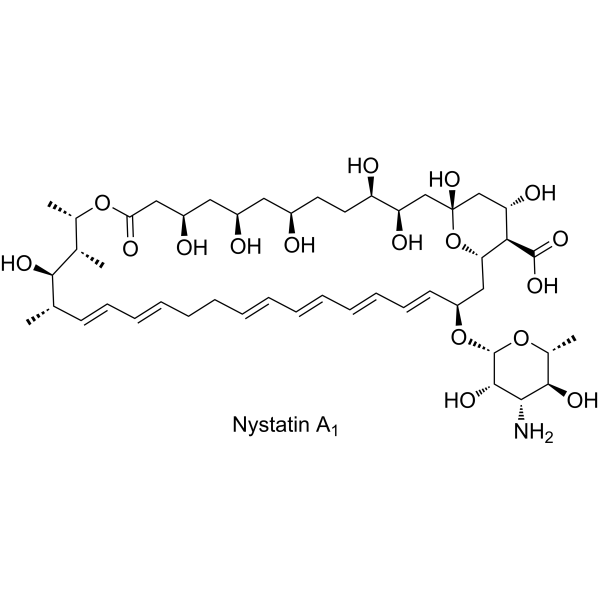
    Nystatin is an orally active polyene antifungal antibiotic effective against yeast and mycoplasma. Nystatin increases the permeability of plasma membranes to small monovalent ions, including chloridion . Nystatin is a cholesterol-sequestering agent , partially prevents Oxaliplatin-induced lipid raft aggregation, DR4 and DR5 clustering, and thereby reduces apoptosis .
    Nystatin
  • HY-17461
    Cortisone
    3 Publications Verification

    17-Hydroxy-11-dehydrocorticosterone; Kendall's compound E

    Glucocorticoid Receptor Endogenous Metabolite Cardiovascular Disease Inflammation/Immunology Endocrinology
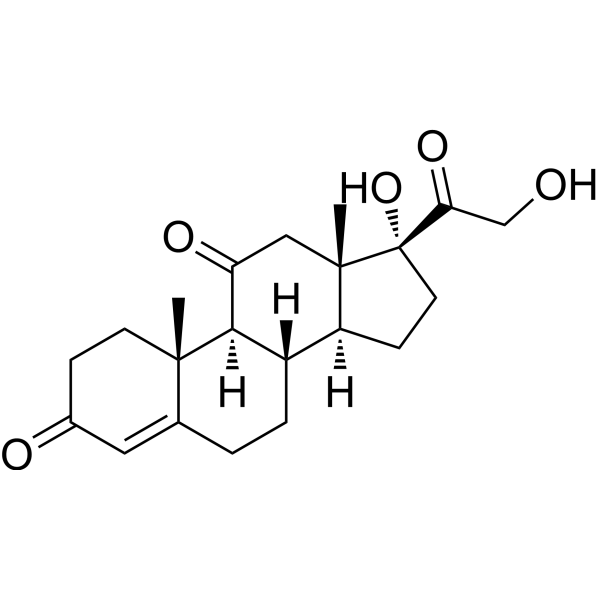
    Cortisone (17-Hydroxy-11-dehydrocorticosterone), an oxidized metabolite of Cortisol (a Glucocorticoid). Cortisone acts as an immunosuppressant and anti-inflammatory agent. Cortisone can partially intervene in binding of Glucocorticoid to Glucocorticoid-receptor at high concentrations .
    Cortisone
  • HY-153126

    Biochemical Assay Reagents Bacterial Infection Metabolic Disease
    Yeast extract is a concentrate of the soluble components of yeast, especially Saccharomyces cerevisiae. Yeast extract is rich in nutritional components such as partially hydrolyzed proteins, free amino acids, B vitamins, and minerals. As a food ingredient, Yeast extract has both nutritional and flavoring properties. Yeast extract can also promote wound healing .
    Yeast extract
  • HY-B1108
    Labetalol hydrochloride
    5 Publications Verification

    AH-5158 hydrochloride; Sch-15719W

    Adrenergic Receptor Cardiovascular Disease Inflammation/Immunology Endocrinology
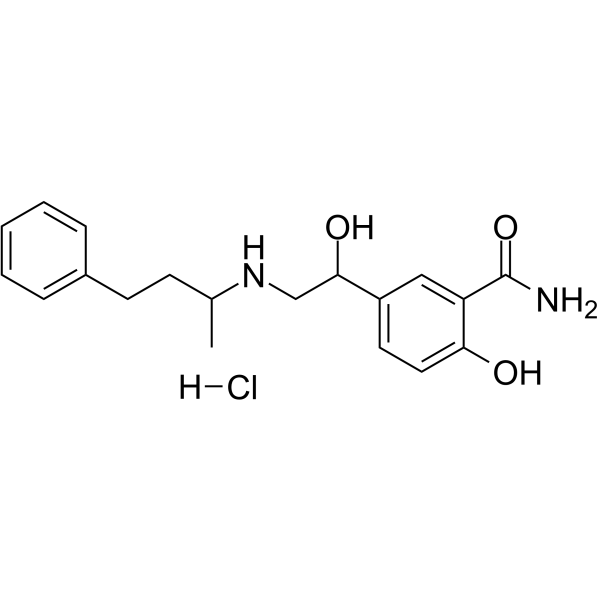
    Labetalol (AH5158) hydrochloride is an orally available, selective α1-adrenergic recepto and non-selective β-adrenergic receptor competitive antagonist. Labetalol hydrochloride is an antihypertensive molecule that partially crosses the blood-brain barrier and has little effect on cardiac output. Labetalol hydrochloride can be used in the study of cardiovascular diseases, such as hypertension during pregnancy .
    Labetalol hydrochloride
  • HY-121383
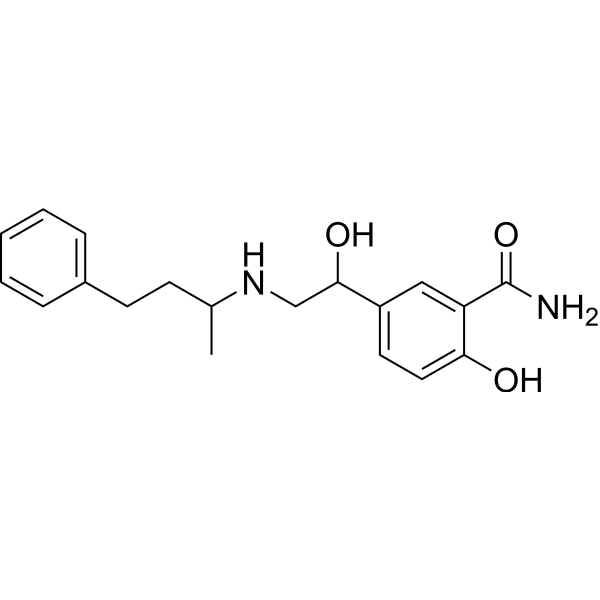
    Labetalol
    5 Publications Verification

    AH5158; Sch-15719W free base

    Adrenergic Receptor Cardiovascular Disease Inflammation/Immunology Endocrinology
    Labetalol (AH5158) is an orally available, selective α1-adrenergic recepto and non-selective β-adrenergic receptor competitive antagonist. Labetalol is an antihypertensive molecule that partially crosses the blood-brain barrier and has little effect on cardiac output. Labetalol can be used in the study of cardiovascular diseases, such as hypertension during pregnancy .
    Labetalol
  • HY-17461A
    Cortisone acetate
    3 Publications Verification

    Cortisone 21-acetate

    Glucocorticoid Receptor Endogenous Metabolite Cardiovascular Disease Inflammation/Immunology Endocrinology
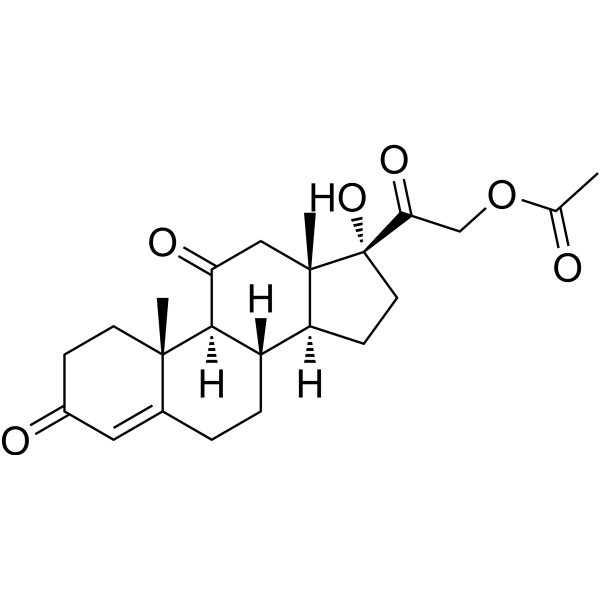
    Cortisone acetate (Cortisone 21-acetate), an oxidized metabolite of Cortisol (a Glucocorticoid). Cortisone acetate acts as an immunosuppressant and anti-inflammatory agent. Cortisone acetate can partially intervene in binding of Glucocorticoid to Glucocorticoid-receptor at high concentrations .
    Cortisone acetate
  • HY-124410
    Mitoquinol
    3 Publications Verification

    Reactive Oxygen Species (ROS) HIF/HIF Prolyl-Hydroxylase Metabolic Disease Inflammation/Immunology
    Mitoquinol is an orally active mitochondria-targeted antioxidant. Mitoquinol can regulate mitochondrial respiration and oxidation. Mitoquinol inhibits ROS production, and improves phagocytosis and glycolysis in ethanol-exposed macrophages via the HIF-1α-PFKP axis. Additionally, Mitoquinol can partially alleviate heat stress-induced decreases in growth performance, inflammatory responses, and metabolic disorders in pigs .
    Mitoquinol
  • HY-P0102

    nAChR Neurological Disease Metabolic Disease
    Dipeptide diaminobutyroyl benzylamide diacetate, a Wagerlin-1-mimicking peptide, is a nAChR antagonist. Dipeptide diaminobutyroyl benzylamide diacetate mimics Waglerin-1 to block neuromuscular junction nicotinic acetylcholine receptors, partially inhibits neuronal signal transduction, and relaxes muscles. Dipeptide diaminobutyroyl benzylamide diacetate reduces appearance of facial wrinkles linked to repeated muscle movement.Dipeptide diaminobutyroyl benzylamide diacetate can be used for the research of mild-to-moderate fine and coarse periocular and perioral wrinkles and periorbital ageing .
    Dipeptide diaminobutyroyl benzylamide diacetate
  • HY-B0254
    Glipizide
    2 Publications Verification

    CP 28720; K 4024

    Potassium Channel Metabolic Disease Cancer
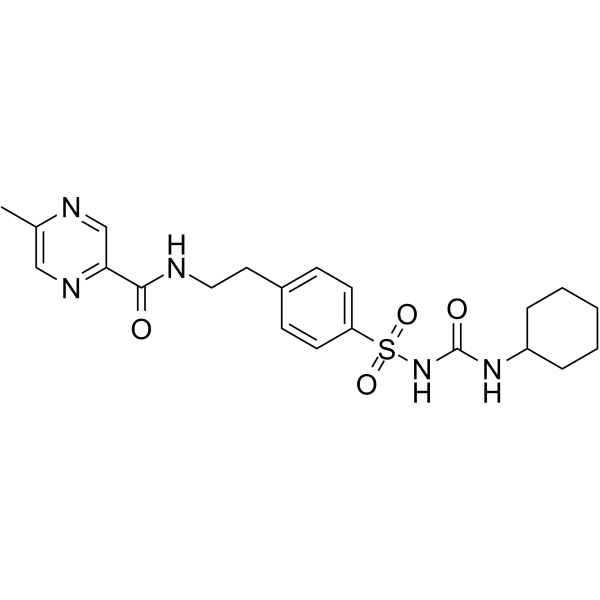
    Glipizide (CP 2872; K 4024)?a potent, orally active and sulfonylurea class anti-diabetic agent and can be used for type 2?diabetes mellitus research but not type 1. Glipizide acts by partially blocking ATP-sensitive potassium?(KATP) channels among β cells of pancreatic islets of Langerhans .
    Glipizide
  • HY-13413
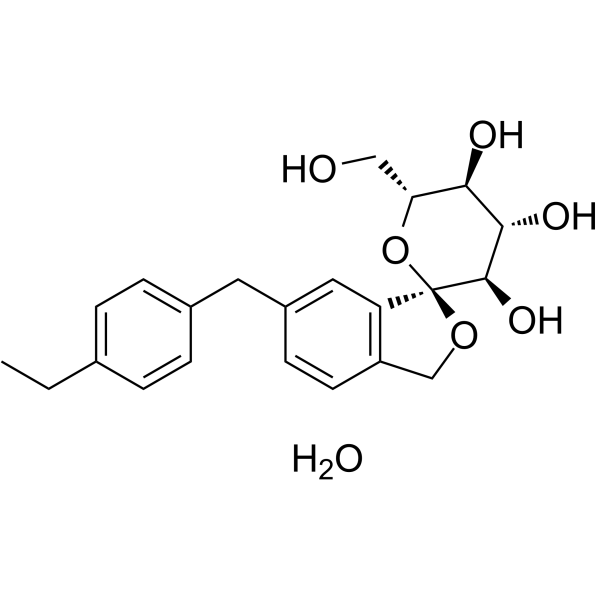
    Tofogliflozin hydrate
    4 Publications Verification

    CSG-452 hydrate

    SGLT Reactive Oxygen Species (ROS) Metabolic Disease
    Tofogliflozin hydrate (CSG-452 hydrate) is a potent and highly specific sodium/glucose cotransporter 2 (SGLT2) inhibitor with an IC50 of 2.9 nM and Ki values of 2.9 nM, 14.9 nM, and 6.4 nM for human, rat, and mouse SGLT2 . Tofogliflozin partially inhibits high glucose-induced reactive oxyen species (ROS) generation in tubular cells .
    Tofogliflozin hydrate
  • HY-138657
    NCGC00378430
    2 Publications Verification

    Phosphatase Cancer
    NCGC00378430 is a potent SIX1/EYA2 interaction inhibitor. NCGC00378430 partially reverses transcriptional and metabolic profiles mediated by SIX1 overexpression and reverses SIX1-induced TGF-β signaling and epithelial-mesenchymal transition (EMT). NCGC00378430 inhibits SIX1-mediated breast cancer metastasis in a mouse model .
    NCGC00378430
  • HY-15344
    Ketone monoester
    2 Publications Verification

    Biochemical Assay Reagents Neurological Disease Metabolic Disease
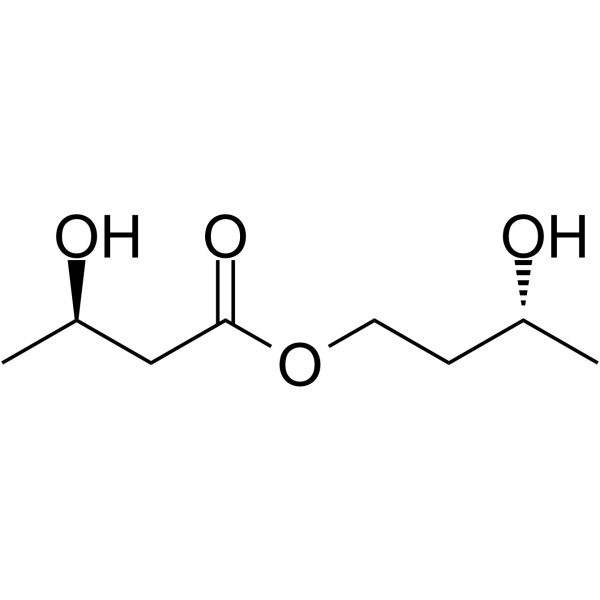
    Ketone monoester is an orally available ketone monoester that serves as a source of nutritional ketones. Ketone monoester increases plasma beta-hydroxybutyrate, acetoacetate, blood glucose, blood sodium, and blood creatinine levels in mouse models. Ketone monoester has the potential to improve athletic performance and endurance in animals. Ketone monoester partially prevents myasthenia in septic mice. Ketone monoester may also be used to study Parkinson's disease or diabetes .
    Ketone monoester
  • HY-145724

    Kyndrisa; GSK2402968A; PRO051

    DNA/RNA Synthesis Dystrophin Neurological Disease
    Drisapersen (Kyndrisa) is a 2 '-O-methyl phosphorothioate RNA antisense oligonucleotide that induces exon 51 skipping. Drisapersen induces skipping of exon 51 during Dystrophin pre-mRNA splicing, allowing the synthesis of partially functional Dystrophin. Drisapersen can be used in research related to Duchenne muscular dystrophy .
    Drisapersen
  • HY-100956

    Bacterial Urease Infection Metabolic Disease
    Flurofamide is an effective bacterial urease inhibitor and antibacterial agent. Flurofamide inhibits urease and partially inhibits the chemotactic activity of Helicobacter pylori strain CPY3401. Flurofamide inhibits the growth of Ureaplasma urealyticum. Flurofamide reduces blood ammonia. Flurofamide can be used in the research of infectious urinary stones .
    Flurofamide
  • HY-W010104

    H-Met(O)-OH

    Endogenous Metabolite Metabolic Disease
    L-Methionine sulfoxide is an orally active oxidation product of Methionine (HY-N0326). L-Methionine sulfoxide can be partially converted into Methionine in the body and participate in the synthesis of glutathione in the liver. L-Methionine sulfoxide provides the body with sulfur activity and can participate in the synthesis of proteins and sulfur-containing compounds .
    L-Methionine sulfoxide
  • HY-176812

    Ras PI3K Akt Cancer
    VVD-849 is a RAS ligand. VVD-849 covalently binds to Cys242 in the RAS-binding domain of PI3K p110α and promotes RAS/PI3K interaction. VVD-849 partially inhibits pAKT (S473) in HER2-overexpressing tumors. VVD-849 can be used for the research of cancers such as breast cancer .
    VVD-849
  • HY-17461S1

    Isotope-Labeled Compounds Glucocorticoid Receptor Endogenous Metabolite Inflammation/Immunology Endocrinology
    Cortisone-d8 is the deuterium labeled Cortisone. Cortisone (17-Hydroxy-11-dehydrocorticosterone), an oxidized metabolite of Cortisol (a Glucocorticoid). Cortisone acts as an immunosuppressant and anti-inflammatory agent. Cortisone can partially intervene in binding of Glucocorticoid to Glucocorticoid-receptor at high concentrations .
    Cortisone-d8
  • HY-P99123
    Anti-Mouse CD28 Antibody (37.51)
    2 Publications Verification

    CD28 Inflammation/Immunology
    Anti-Mouse CD28 Antibody (37.51) is an agonistic agonistic CD28-specific antibody derived from the host Syrian Hamster. Anti-Mouse CD28 Antibody (37.51) partially prevents lethal graft-versus-hostdisease (GVHD) by selective depletion of alloreactive T cells in mice .
    Anti-Mouse CD28 Antibody (37.51)
  • HY-P99249

    Pogalizumab; MOXR 0916

    Orexin Receptor (OX Receptor) Cancer
    Vonlerolizumab (Pogalizumab; MOXR 0916) is a humanized IgG1 monoclonal antibody targeting OX40 (CD134). Pogalizumab partially blocks the interaction between OX40 and its natural ligand OX40L upon binding, thereby activating the NF-κB signaling pathway. Pogalizumab enhances T cell activation and proliferation and has shown antitumor activity in mouse models .
    Vonlerolizumab
  • HY-139577

    IMB-1018972; IMB-101

    Mitochondrial Metabolism Cardiovascular Disease Metabolic Disease
    Ninerafaxstat (IMB-1018972) is a novel orally active cardiac mitochondrial drug that restores myocardial energy homeostasis. Ninerafaxstat competitively inhibits 3-ketoacyl-CoA thiolase (3-KAT) to partially suppress fatty acid oxidation, and shifts cardiac energy metabolism from free fatty acid oxidation to glucose oxidation, regulating myocardial substrate utilization and thereby improving cardiac efficiency. Ninerafaxstat can be used for research on cardiovascular diseases .
    Ninerafaxstat
  • HY-144878
    VPC-70619
    2 Publications Verification

    c-Myc Cancer
    VPC-70619 is a potent N-Myc inhibitor. VPC-70619 blocks the binding of the N-Myc-Max heterocomplex to the DNA E-box and exhibits potent inhibitory activity against N-Myc-dependent cell lines. VPC-70619 can partially reverse paclitaxel (HY-B0015) resistance in cells by reducing MYCN expression. VPC-70619 can be used for cancer research (e.g., neuroblastoma and thyroid cancer) .
    VPC-70619
  • HY-P2459

    MHC Neurological Disease
    MOG (35-55), human is a component of CNS myelin. MOG (35-55), human is different from mMOG (35-55) by a proline for serine substitution at position 42. MOG (35-55), human is also immunogenic via bind to H-2b class II MHC and recognized by T cells, but not encephalitogenic, and is only partially cross-reactive with mMOG35–55. MOG (35-55), human induces minimal clinical signs of EAE relative to the rodent peptide .
    MOG (35-55), human
  • HY-135784
    OSMI-2
    1 Publications Verification

    OGT Acyltransferase Metabolic Disease
    OSMI-2 (Compound 1b) is a cell-permeable O-linked N-acetylglucosamine transferase (OGT) inhibitor. Cells contain a large nuclear pool of partially spliced OGT transcript, and OSMI-2 increases detained intron splicing in cells .
    OSMI-2
  • HY-43643
    DC-5163
    1 Publications Verification

    Apoptosis Cancer
    DC-5163 is a potent glyceraldehyde-3-phosphate dehydrogenase (GAPDH) inhibitor with an IC50 of 176.3 nM and a Kd of 3.192 μM. DC-5163 can inhibit glycolysis pathway partially. DC-5163 also selectively inhibits cancer cell proliferation and induces apoptosis .
    DC-5163
  • HY-17461R
    Cortisone (Standard)
    3 Publications Verification

    17-Hydroxy-11-dehydrocorticosterone(Standard); Kendall's compound E (Standard)

    Reference Standards Glucocorticoid Receptor Endogenous Metabolite Inflammation/Immunology Endocrinology
    Cortisone (Standard) is the analytical standard of Cortisone. This product is intended for research and analytical applications. Cortisone (17-Hydroxy-11-dehydrocorticosterone), an oxidized metabolite of Cortisol (a Glucocorticoid). Cortisone acts as an immunosuppressant and anti-inflammatory agent. Cortisone can partially intervene in binding of Glucocorticoid to Glucocorticoid-receptor at high concentrations .
    Cortisone (Standard)
  • HY-147259

    c-Met/HGFR Cancer
    Dalmelitinib is an orally active selective c-Met kinase inhibitor (IC50: 2.9 nM) that binds to the ATP-binding region of c-Met. Dalmelitinib induces the phosphorylation of MET, partially or completely inhibits the phosphorylation of AKT and ERK. Dalmelitinib potently inhibits cancer cell (c-Met oncogene amplification) proliferation, and is used for the research of cancers like human non-small cell lung cancer (NSCLC) .
    Dalmelitinib
  • HY-A0116A

    Trandolaprilat hydrate; RU 44403 hydrate

    Angiotensin-converting Enzyme (ACE) Endogenous Metabolite Cardiovascular Disease
    Trandolaprilate hydrate is a potent angiotensin-converting enzyme (ACE) inhibitor. Trandolaprilate hydrate partially inhibits angiotensin-I-mediated c-fos induction. Trandolaprilate is main bioactive metabolite of Trandolapril. Trandolaprilate shows high lipophilicity .
    Trandolaprilate hydrate
  • HY-W010104R

    H-Met(O)-OH (Standard)

    Reference Standards Endogenous Metabolite Metabolic Disease
    L-Methionine sulfoxide is an orally active oxidation product of Methionine (HY-N0326). L-Methionine sulfoxide can be partially converted into Methionine in the body and participate in the synthesis of glutathione in the liver. L-Methionine sulfoxide provides the body with sulfur activity and can participate in the synthesis of proteins and sulfur-containing compounds .
    L-Methionine sulfoxide (Standard)
  • HY-160426

    Glycosidase Neurological Disease
    Gcase activator 3 (compound 9Q) is a glucosidase (Glucosidase, GCase) activator that can partially stabilize GCase and increase its activity. Gcase activator 3 reduces mutant GCase protein misfolding and degradation in fibroblasts and dopaminergic midbrain neurons. Gcase activator 3 can be used in the study of Parkinson's disease (PD) and related synucleinopathies .
    Gcase activator 3
  • HY-B0254S

    Isotope-Labeled Compounds Potassium Channel Metabolic Disease
    Glipizide-d11 is the deuterium labeled Glipizide. Glipizide (CP 2872; K 4024)?a potent, orally active and sulfonylurea class anti-diabetic agent and can be used for type 2?diabetes mellitus research but not type 1. Glipizide acts by partially blocking ATP-sensitive potassium?(KATP) channels among β cells of pancreatic islets of Langerhans .
    Glipizide-d11
  • HY-N12763

    SNH

    Bacterial Renin Inflammation/Immunology
    Sodium new houttuyfonate (SNH) is a partially reversible NDM-1 inhibitor with an IC50 of 14.2 μM. Sodium new houttuyfonate is an inhibitor against renin and angiotensin I converting enzyme (ACE). Sodium new houttuyfonate can recover the antibacterial activity of Meropenem (HY-13678) against E. coli BL21/pET15b-blaNDM-1 .
    Sodium new houttuyfonate
  • HY-B0254R

    CP 28720 (Standard); K 4024 (Standard)

    Reference Standards Potassium Channel Metabolic Disease
    Glipizide (Standard) is the analytical standard of Glipizide. This product is intended for research and analytical applications. Glipizide (CP 2872; K 4024) a potent, orally active and sulfonylurea class anti-diabetic agent and can be used for type 2 diabetes mellitus research but not type 1. Glipizide acts by partially blocking ATP-sensitive potassium (KATP) channels among β cells of pancreatic islets of Langerhans .
    Glipizide (Standard)
  • HY-133095

    STAT PPAR Inflammation/Immunology
    BML-260 is a potent inhibitor of dual-specific phosphatases JSP-1 and DUSP22. BML-260 can activate UCP1 and thermogenesis in adipocytes in a JSP-1-independent manner. The effect of BML-260 on adipocytes is partially achieved through the activation of CREB, STAT3, and PPAR signaling pathways. BML-260 can be used in the research of inflammatory and proliferative disorders associated with JNK signaling dysfunction as well as obesity .
    BML-260
  • HY-139303

    GnRH Receptor Endocrinology
    LUF5771 is a potent allosteric recombinant luteinizing hormone (recLH) and Org 43553 inhibitor. LUF5771 is able to partially activate the LH receptor with low efficacy .
    LUF5771
  • HY-152194

    Tyrosinase Cancer
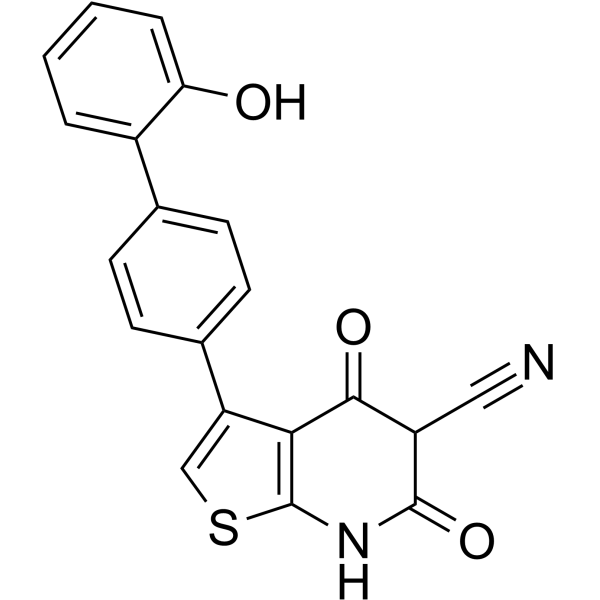
    Tyrosinase-IN-10 (Compound 23) is a partially competitive tyrosinase inhibitor with an IC50 of 1.6 μM against tyrosinase activity from human melanoma cell lysates .
    Tyrosinase-IN-10
  • HY-103564

    mGluR Neurological Disease
    ACDPP is a specific mGluR5 antagonist. ACDPP partially bolcks the increase of fragile X mental retardation protein (FMRP) caused by DHPG (HY-12598A) (group I mGluR Agonist) .
    ACDPP
  • HY-N15317

    β-Phocaecholic acid

    Drug Metabolite Metabolic Disease
    Phocaecholic acid (β-Phocaecholic acid) is a bile acid found in duck bile. Phocaecholic acid can be excreted into bile and partially decarboxylated to nor-chenodeoxycholic acid in rats. Phocaecholic acid is promising for research of bile acid metabolism and related diseases .
    Phocaecholic acid
  • HY-P2859

    Endogenous Metabolite Metabolic Disease
    Chitosanase is a glycosyl hydrolase that catalyzes the endo hydrolysis of β-1,4-glycosidic bonds of partially acetylated chitosan to release chitosan oligosaccharides (COS). Chitosanases can convert high molecular weight chitosan into functional chitooligosaccharides with low molecular weight .
    Chitosanase
  • HY-118335

    SZL 49

    Adrenergic Receptor Cardiovascular Disease
    Prazobind (SZL 49), a prazosin analog, is an irreversible α1-adrenoceptor antagonist. Prazobind competes for alpha 1-adrenoceptor binding sites with a similar potency (IC50 of 1 nM) in tissues enriched in both the alpha 1A (hippocampus) and alpha 1B (liver) subtypes. Prazobind partially inhibits the contractions of circular muscles, longitudinal muscles and smooth muscles of the spleen. Prazobind can be used for the study of blood pressure .
    Prazobind
  • HY-168635

    PROTACs Epigenetic Reader Domain Cancer
    SJ46420, a SJ46421 (HY-168634) pro-drug variant, is a potent and selective BRD3 PROTAC degrader. SJ46420 degrads BRD3 in a KLHDC2-dependent manner, thereby partially reducing the levels of BRD2 or BRD4 (Pink: ligand for target protein (HY-13030); Black: linker (HY-20797); Blue: E3 ligase ligand (HY-159973)) .
    SJ46420
  • HY-A0116

    Trandolaprilat; RU 44403

    Angiotensin-converting Enzyme (ACE) Endogenous Metabolite Cardiovascular Disease
    Trandolaprilate is a potent angiotensin-converting enzyme (ACE) inhibitor. Trandolaprilate partially inhibits angiotensin-I-mediated c-fos induction. Trandolaprilate is main bioactive metabolite of Trandolapril. Trandolaprilate shows high lipophilicity .
    Trandolaprilate
  • HY-A0116R

    Trandolaprilat (Standard); RU 44403 (Standard)

    Reference Standards Angiotensin-converting Enzyme (ACE) Endogenous Metabolite Cardiovascular Disease
    Trandolaprilate (Standard) is the analytical standard of Trandolaprilate. This product is intended for research and analytical applications. Trandolaprilate is a potent angiotensin-converting enzyme (ACE) inhibitor. Trandolaprilate partially inhibits angiotensin-I-mediated c-fos induction. Trandolaprilate is main bioactive metabolite of Trandolapril. Trandolaprilate shows high lipophilicity .
    Trandolaprilate (Standard)
  • HY-17461S

    Isotope-Labeled Compounds Glucocorticoid Receptor Endogenous Metabolite Inflammation/Immunology Endocrinology
    Cortisone- 13C3 is the 13C-labeled Cortisone. Cortisone (17-Hydroxy-11-dehydrocorticosterone), an oxidized metabolite of Cortisol (a Glucocorticoid). Cortisone acts as an immunosuppressant and anti-inflammatory agent. Cortisone can partially intervene in binding of Glucocorticoid to Glucocorticoid-receptor at high concentrations .
    Cortisone-13C3
  • HY-106218

    5-Fluorocyclocytidine; 5'-Fluorocyclocytidine

    Nucleoside Antimetabolite/Analog Cancer
    Flurocitabine (5-Fluorocyclocytidine) is a fluorinated anlydride analog of cytosine arabinoside, partially hydrolysecl in vivo into two active antitumor substances (arabinosyl-tluorocytosine (ara-FC) and arabinosyl-fluorouracil (ara-FU)). Flurocitabine (5-Fluorocyclocytidine) has antitumor activity during phase I studies in acute leukemia and solid tumors .
    Flurocitabine
  • HY-126419

    SARS-CoV PKC Infection
    Kobophenol A, an oligomeric stilbene, blocks the interaction between the ACE2 receptor and S1-RBD with an IC50 of 1.81 μM and inhibits SARS-CoV-2 viral infection in cells with an EC50 of 71.6 μM. Kobophenol A inhibits the activity of partially purified rat brain protein kinase C (PKC) with an IC50 of 52 µM .
    Kobophenol A
  • HY-177755

    Molecular Glues BCL6 Cancer
    BCL6-IN-10 (Compound 6) is a selective partially degradable molecular glue inhibitor that targets the BTB domain of BCL6 with an IC50 of 4 nM. BCL6-IN-10 shows anti-proliferative effect in diffuse large B-cell lymphoma (DLBCL) cell lines. BCL6-IN-10 can be used for the research of cancer .
    BCL6-IN-10
  • HY-172876

    iGluR Reactive Oxygen Species (ROS) Trk Receptor Cardiovascular Disease
    FLY26 is a selective partial GluN2B antagonist with an IC50 value of 0.64 μM. FLY26 partially inhibits the GluN2B subunit of NMDA receptors, reduces calcium ion influx and reactive oxygen species (ROS) production and activates the BDNF/TrkB/CREB neuroprotective signaling pathway to alleviate neuronal excitotoxicity and mitochondrial dysfunction. FLY26 is promising for research of neurological deficits caused by cerebral ischemia-reperfusion injury .
    FLY26
  • HY-121383R

    AH5158 (Standard); Sch-15719W free base (Standard)

    Reference Standards Adrenergic Receptor Cardiovascular Disease Inflammation/Immunology Endocrinology
    Labetalol (Standard) is the analytical standard of Labetalol. This product is intended for research and analytical applications. Labetalol (AH5158) is an orally available, selective α1-adrenergic recepto and non-selective β-adrenergic receptor competitive antagonist. Labetalol is an antihypertensive molecule that partially crosses the blood-brain barrier and has little effect on cardiac output. Labetalol can be used in the study of cardiovascular diseases, such as hypertension during pregnancy .
    Labetalol (Standard)
  • HY-131958

    AMPK Cancer
    D942 is a cell penetrant AMPK activator and partially inhibits the mitochondrial complex I. In multiple myeloma cells, D942 inhibits cell growth .
    D942
  • HY-P10184

    Transmembrane Glycoprotein Inflammation/Immunology
    CD36 Peptide P (93-110), Cys conjugated is a Cys labelled CD36 Peptide, and can block binding of CD36 to immobilized thrombospondin and partially inhibited collagen-induced platelet aggregation .
    CD36 Peptide P (93-110), Cys conjugated

Inquiry Online

Your information is safe with us. * Required Fields.

Salutation


Country or Region *

Applicant Name *


Organization Name *

Department *


Email Address *


Product Name *

Cat. No.


Requested quantity *

Phone Number *


Remarks

Inquiry Online

Inquiry Information

Product Name:
Cat. No.:
Quantity:
MCE Japan Authorized Agent:

