


1. Search Result
Search Result
Results for "

pathological

" in MedChemExpress (MCE) Product Catalog:

211

Inhibitors & Agonists

18

Screening Libraries

3

Fluorescent Dye

9

Biochemical Assay Reagents

15

Peptides

5

MCE Kits

16

Inhibitory Antibodies

23

Natural
Products

4

Isotope-Labeled Compounds

6

Oligonucleotides

Cat. No. Product Name Target Research Areas Chemical Structure
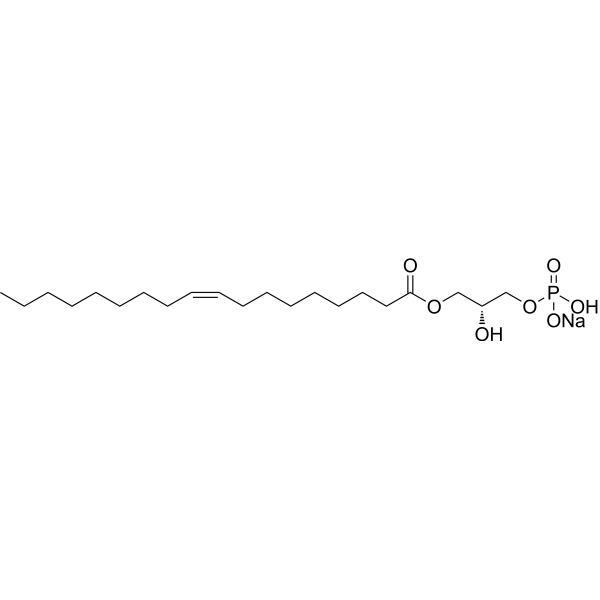
  • HY-107614
    1-Oleoyl lysophosphatidic acid sodium
    3 Publications Verification

    1-Oleoyl-sn-glycero-3-phosphate sodium; 1-Oleoyl-LPA sodium

    LPL Receptor Mitosis Neurological Disease
    1-Oleoyl lysophosphatidic acid (1-Oleoyl-sn-glycero-3-phosphate) sodium, a potent bioactive phospholipid, is a LPA receptor activator. 1-Oleoyl lysophosphatidic acid sodium can promote mitosis by inducing DNA synthesis. 1-Oleoyl lysophosphatidic acid sodium is also involved in normal and pathological emotional responses, including anxiety and depression .
    1-Oleoyl lysophosphatidic acid sodium
  • HY-P99355
    Bimagrumab
    3 Publications Verification

    Anti-ACVR2B Reference Antibody; BYM338

    TGF-β Receptor Metabolic Disease
    Bimagrumab (Anti-ACVR2B Reference Antibody) is a human monoclonal antibody that blocks activin type II receptor (ActRII), with KDs of 1.7 pM and 434 pM for human ActRIIB and ActRIIA, respectively. Bimagrumab can be used for the research of pathological muscle loss and weakness .
    Bimagrumab
  • HY-125864
    Fibrinogen (Bovine)
    2 Publications Verification

    Interleukin Related NF-κB Inflammation/Immunology
    Fibrinogen (Bovine) is a selective proteolytic molecule that can be activated by thrombin to assemble fibrin clots. Fibrinogen can regulate the activation of NF-KB in endothelial cells and upregulate the expression of inflammatory chemokines MCP-1 and MCP-1. Fibrinogen plays a key role in blood clotting, thrombosis, atherosclerosis and the pathological development of venous grafts, and can be used in the study of blood clotting and vascular diseases .
    Fibrinogen (Bovine)
  • HY-101855

    Anle138b

    Amyloid-β Neurological Disease
    Emrusolmin (Anle138b), an oligomeric aggregation inhibitor, blocks the formation of pathological aggregates of prion protein (PrPSc) and of α-synuclein (α-syn). Emrusolmin strongly inhibits oligomer accumulation, neuronal degeneration, and disease progression in vivo. Emrusolmin has low toxicity and an excellent oral bioavailability and blood-brain-barrier penetration. Emrusolmin blocks Aβ channels and rescues disease phenotypes in a mouse model for amyloid pathology .
    Emrusolmin
  • HY-137862
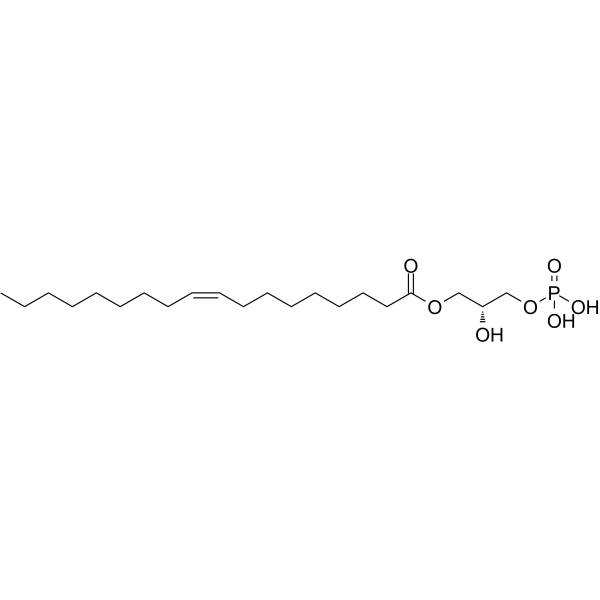
    1-Oleoyl lysophosphatidic acid
    3 Publications Verification

    1-Oleoyl-sn-glycero-3-phosphate; 1-Oleoyl-LPA

    LPL Receptor Neurological Disease
    1-Oleoyl lysophosphatidic acid (1-Oleoyl-sn-glycero-3-phosphate) is an abundant lysophosphatidic acid (LPA) species with high biological activity due to its strong affinity for the LPA receptors. 1-Oleoyl lysophosphatidic acid is commonly used in most laboratories as a reagent for LPA receptor activation . 1-Oleoyl lysophosphatidic acid increases SRE-driven β-galactosidase activity .
    1-Oleoyl lysophosphatidic acid
  • HY-108434
    Ceapin-A7
    Maximum Cited Publications
    23 Publications Verification

    ATF6 Neurological Disease Metabolic Disease
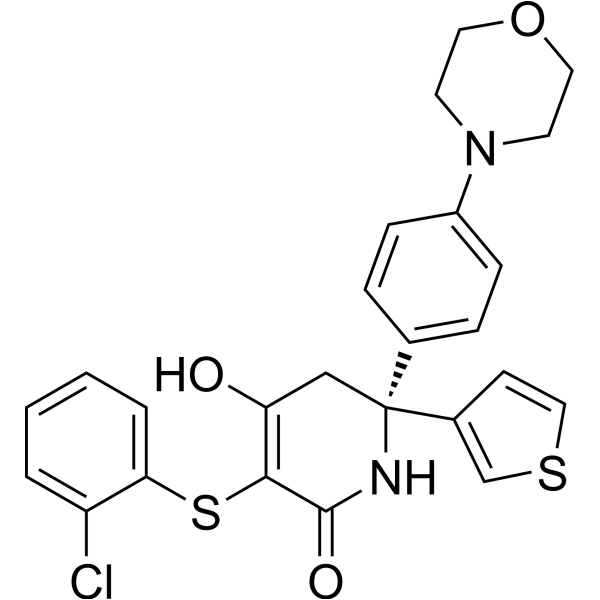
    Ceapin-A7 is a selective blocker of ATF6α signaling in response to ER stress, with an IC50 of 0.59 μM. Ceapin-A7 can be used to explore both the mechanism of activation of ATF6α and its role in pathological settings .
    Ceapin-A7
  • HY-B0190A
    Nafamostat mesylate
    15+ Cited Publications

    FUT-175

    Flavivirus TNF Receptor NF-κB Apoptosis Ser/Thr Protease Infection Cancer
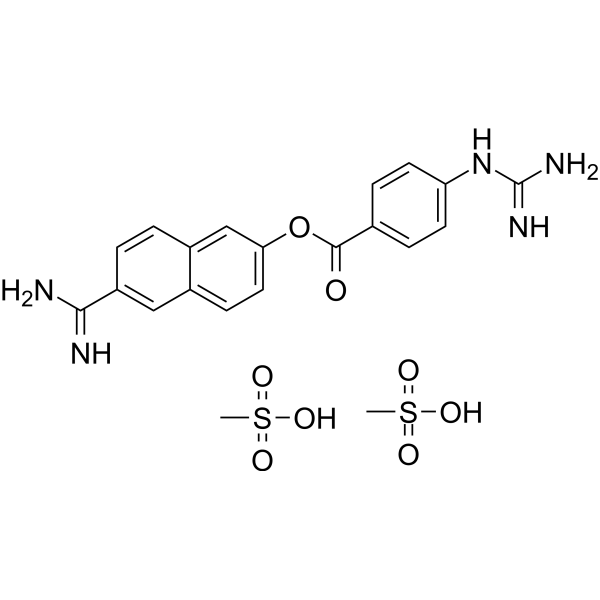
    Nafamostat mesylate (FUT-175), an anticoagulant, is a synthetic serine protease inhibitor. Nafamostat mesylate has anticancer and antivirus effect. Nafamostat mesylate induce apoptosis by up-regulating the expression of tumor necrosis factor receptor-1 (TNFR1). Nafamostat mesylate can be used in the development of the pathological thickening of the arterial wall .
    Nafamostat mesylate
  • HY-113216
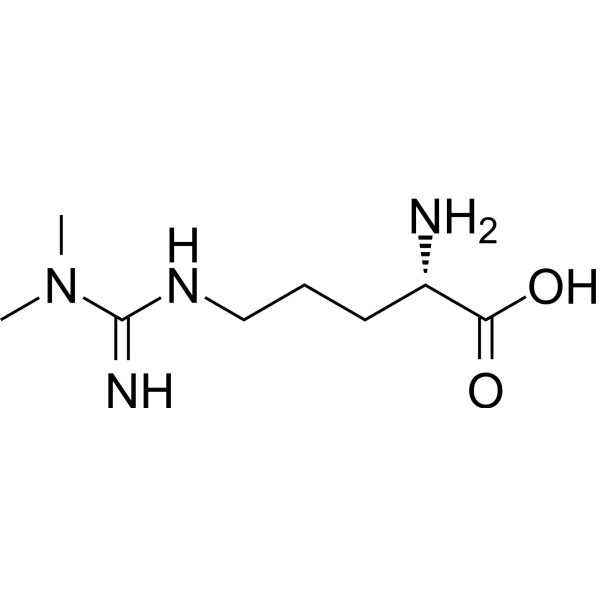
    Asymmetric dimethylarginine
    5 Publications Verification

    NG,NG-Dimethylarginine

    Endogenous Metabolite NO Synthase Cardiovascular Disease Cancer
    Asymmetric dimethylarginine is an endogenous inhibitor of nitric oxide synthase (NOS), and functions as a marker of endothelial dysfunction in a number of pathological states.
    Asymmetric dimethylarginine
  • HY-111914A
    Ferroheme
    1 Publications Verification

    NO Synthase Fatty Acid Synthase (FASN) Cardiovascular Disease
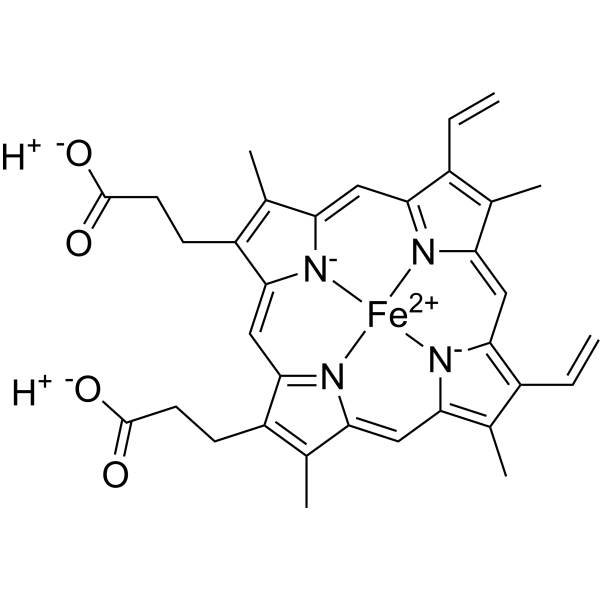
    Ferroheme is the ferrous form of heme in hemoglobin, reversibly binding oxygen as an oxygen carrier. Its free form induces oxidative stress and ferroptosis by releasing iron ions, which catalyze reactive oxygen species generation via Fenton reactions, leading to lipid peroxidation and cell death. This mechanism is critical in pathological contexts like intracerebral hemorrhage and neurodegenerative diseases, making it a target for studying iron-overload disorders and ferroptosis-related pathologies[1][2][3].
    Ferroheme
  • HY-N9457
    Norcholic acid
    1 Publications Verification

    Others Metabolic Disease Endocrinology
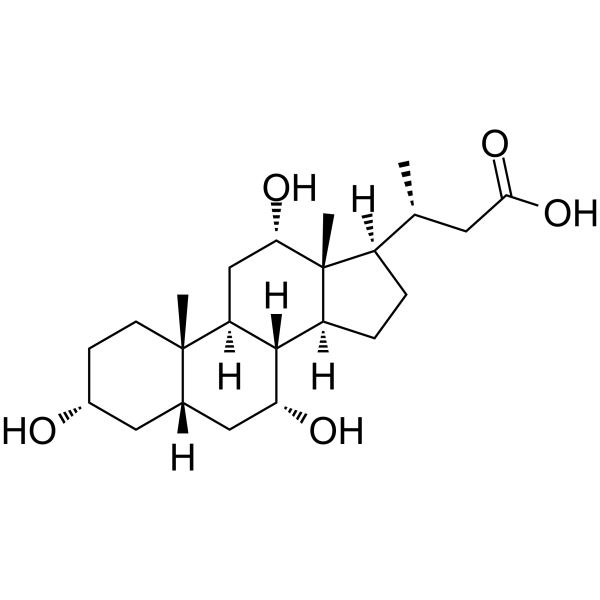
    Norcholic acid is a normal minorbile C23 bile acid having four side chain and exsits in human urine and meconium. Norcholic acid can become prominent under certain pathological conditions. Norcholic acid is efficiently absorbed from intestine and quickly excreted into the bile but not into urine .
    Norcholic acid
  • HY-P991488

    Interleukin Related Inflammation/Immunology
    BI-765423 is a selective monoclonal antibody inhibitor targeting IL-11. BI-765423 blocks IL-11-mediated signaling, inhibits fibroblast activation, and can extend the healthy lifespan of mammals, counteract cellular senescence in human cells, and alleviate inflammatory aging-related pathological processes. BI-765423 is primarily used in research on fibrotic diseases such as idiopathic pulmonary fibrosis (IPF) .
    BI-765423
  • HY-B1139
    Tolperisone hydrochloride
    2 Publications Verification

    Apoptosis Neurological Disease
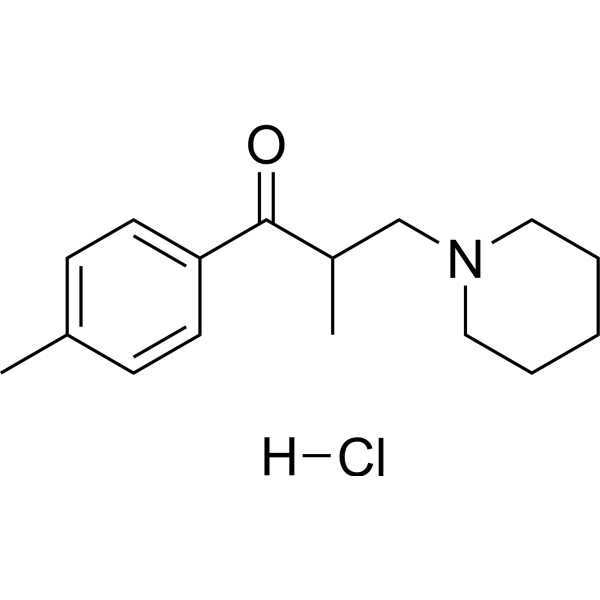
    Tolperisone hydrochloride is a centrally acting muscle relaxant studied in neurological disorders causing pathological rhabdomyosclerosis (pyramidal tract injury, multiple sclerosis, myelopathy, encephalomyelitis), spastic paralysis, and other muscle dystonia-related Encephalopathy. Tolperisone hydrochloride also has antiviral activity .
    Tolperisone hydrochloride
  • HY-P99471

    UCB 0107

    Tau Protein Neurological Disease
    Bepranemab is a humanized IgG4 monoclonal antibody that binds to the central region of tau protein. Bepranemab inhibits the seeding, aggregation of pathological tau protein and the spread of tau pathology to distal brain regions. Bepranemab is applicable to research related to Alzheimer's disease .
    Bepranemab
  • HY-19621

    HIF/HIF Prolyl-Hydroxylase Cancer
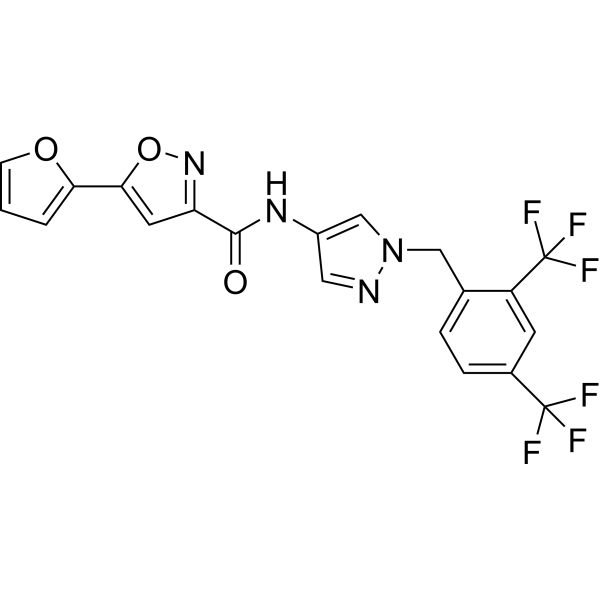
    THS-044 is a modulator of the formation of the HIF2α/ARNT heterodimer. THS-044 binding stabilizes the HIF2α PAS-B folded state (KD = 2 μM), for regulating HIF2 activity in endogenous and pathological settings, and does not bind to HIF1α or ARNT PAS-B. THS-044 can be used for the study of diseases related to hypoxia .
    THS-044
  • HY-P10368

    Dynamin Reactive Oxygen Species (ROS) Infection Cardiovascular Disease Neurological Disease Inflammation/Immunology
    P110 heptapeptide is a peptide inhibitor of the Drp1-Fis1 interaction. P110 heptapeptide has anti-inflammatory, immunomodulatory, mitochondrial protective, and neuroprotective activities. Without blocking the physiological functions of Drp1, P110 heptapeptide reduces pathological functions in many models of neurodegeneration, ischemia, and sepsis. P110 heptapeptide can be used for research on neurological and inflammatory diseases .
    P110 heptapeptide
  • HY-15798

    VSV TAM Receptor Cardiovascular Disease
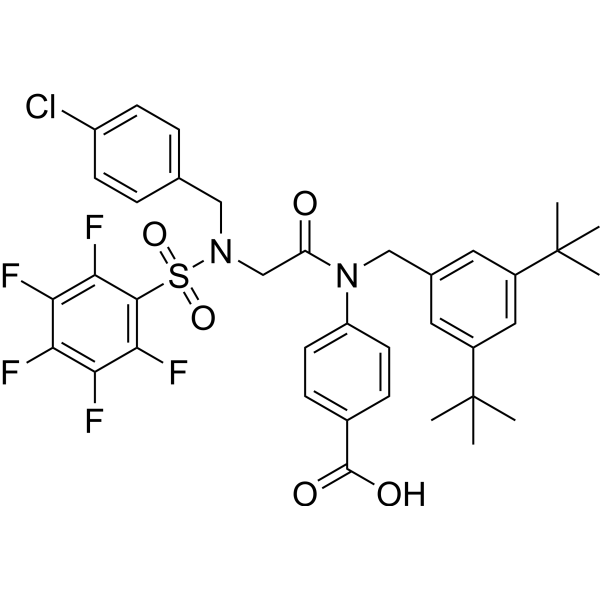
    UNC2881 is an orally active and specific Mer kinase inhibitor, inhibits steady-state Mer kinase phosphorylation with an IC50 value of 22 nM. UNC2881 shows additional inhibition against Axl and Tyro with IC50s of 360 nM and 250 nM, respectively. UNC2881 potently inhibits collagen-induced platelet aggregation, can be used for pathologic thrombosis research .
    UNC2881
  • HY-145580

    UCB0599; (R)-NPT200-11

    α-synuclein Neurological Disease
    Minzasolmin (UCB0599; (R)-NPT200-11) is an orally active, blood-brain-permeable α-synuclein (α-Syn) inhibitor that selectively binds to α-Syn misfolded intermediates (such as oligomers) and inhibits aggregation and fibril formation by regulating their conformational stability. Minzasolmin can reduce the generation of pathological oligomers and block neurotoxic signaling, thereby reducing the abnormal accumulation of α-Syn in the brain. Minzasolmin significantly improved motor deficits, reduced neuroinflammatory markers, and α-Syn-related pathological deposition in transgenic mouse models .
    Minzasolmin
  • HY-P990995

    E2814

    Tau Protein Neurological Disease
    Etalanetug (E2814) is a humanized high-affinity IgG1 antibody that targets tau protein and can cross the blood-brain barrier. Etalanetug inhibits the spread of pathological tau protein through high-affinity binding to the microtubule-binding region (MTBR). Etalanetug can be used in research related to Alzheimer's disease .
    Etalanetug
  • HY-113248

    Endogenous Metabolite Adrenergic Receptor Reactive Oxygen Species (ROS) Cardiovascular Disease Inflammation/Immunology
    3-Nitro-L-tyrosine serves as a biomarker of oxidative stress. 3-Nitro-L-tyrosine attenuates the pressor and vasoconstrictive effects of angiotensin II by inhibiting the α1-adrenergic receptor-mediated signaling pathway, and participates in hemodynamic regulation under pathological conditions such as inflammation and ischemia. 3-Nitro-L-tyrosine can be used in studies related to atherosclerosis, ischemia-reperfusion and sepsis .
    3-Nitro-L-tyrosine
  • HY-122974

    TSH Receptor Endocrinology
    VA-K-14 hydrochloride is a specific thyroid-stimulating hormone receptor (TSHR) antagonist (IC50= 12.3 μM) .
    VA-K-14 hydrochloride
  • HY-W010388AS

    Isotope-Labeled Compounds Endogenous Metabolite Metabolic Disease
    Creatine-d3 (hydrate) is a deuterium labeled Creatine hydrate. Creatine hydrate is pivotal in energy metabolism of muscle and brain cells, both in physiological and in pathological conditions .
    Creatine-d3 hydrate
  • HY-P99648

    BMS-986168; IPN007; BIIB092

    Tau Protein Neurological Disease
    Gosuranemab (BMS-986168; IPN007; BIIB092) is a humanised IgG4 anti-tau monoclonal antibody. Gosuranemab neutralizes the extracellular tau protein, inhibiting the spread and aggregation of pathological tau protein. Gosuranemab can be used for the research of progressive supranuclear palsy and early Alzheimer’s disease .
    Gosuranemab
  • HY-122559

    mGluR Neurological Disease
    BMS-984923, a potent mGluR5 silent allosteric modulator (SAM), with exquisite binding affinity (Ki = 0.6 nM), exhibits good oral bioavailability and BBB penetration. BMS-984923 potently inhibits the PrPC-mGluR5 interaction and prevents pathological Aβo signaling without affecting physiological glutamate signaling .
    BMS-984923
  • HY-125864C

    Biochemical Assay Reagents Cardiovascular Disease
    Porcine Fibrinogen is a coagulation protein, purified from porcine plasma with no plasminogen contained. Porcine Fibrinogen has excellent biocompatibility and does not induce aggregation of porcine platelets when in contact with porcine hepatocytes, aortic endothelial cells or hepatic sinusoidal endothelial cells. Porcine Fibrinogen is widely used in studies on the pathological mechanisms of cardiovascular diseases such as atherosclerosis and the development of related drugs .
    Porcine Fibrinogen
  • HY-116753

    Amyloid-β Tau Protein Neurological Disease
    (-)Clausenamide is an active alkaloid isolated from the leaves of Clausena lansium (Lour.) Skeels, and improves cognitive function in both normal physiological and pathological conditions. (-)Clausenamide inhibits β-amyloid (Aβ) toxicity, blocking neurofibrillary tangle formation by inhibiting the phosphorylation of tau protein. (-)Clausenamide exerts a significant neuroprotective activity against Aβ25-35. (-)Clausenamide can be used for researching Alzheimer's disease (AD) .
    (-)Clausenamide
  • HY-P99164

    LY3303560

    Tau Protein Neurological Disease
    Zagotenemab (LY3303560) is a humanized anti-tau antibody that selectively binds and neutralises tau deposits in the brain. Zagotenemab can be used in Alzheimer's disease research .
    Zagotenemab
  • HY-E70226

    CTSS

    Ser/Thr Protease Cardiovascular Disease Inflammation/Immunology Cancer
    Cathepsin S, human, is a potent cysteine protease that promotes the degradation of damaged or harmful proteins in the endolysosomal pathway. Cathepsin S, human, is involved in multiple pathological processes, including arthritis, cancer, and cardiovascular disease .
    Cathepsin S, human
  • HY-125287

    (Rac)-UCB0599; NPT200-11

    α-synuclein Neurological Disease
    (Rac)-Minzasolmin ((Rac)-UCB0599; NPT200-11) is a blood-brain barrier penetrated alpha-synuclein (ASYN) misfolding inhibitor. (Rac)-Minzasolmin acts on the early stage of ASYN aggregation process, by replacing the membrane-bound oligomers ASYN, allowing them to revert to the monomeric form, while preventing pathological aggregation. (Rac)-Minzasolmin effectively improves the ASYN deposition in the retina and the neuro-pathological indicators in two α-synuclein transgenic mouse models. (Rac)-Minzasolmin can be used for the studies of Parkinson's disease (PD) and dementia with Lewy bodies (DLB) .
    (Rac)-Minzasolmin
  • HY-P6374

    Dynamin Neurological Disease
    IIQLPEIVVV TFA is a specific inhibitor of Drp1-Mff interaction. IIQLPEIVVV TFA can distinguish physiological from pathological fission and block physiological fission, thus leading to mitochondrial dysfunction. IIQLPEIVVV TFA can be used in the study of Huntington's disease .
    IIQLPEIVVV TFA
  • HY-179492

    hnRNP Neurological Disease
    ACI-19278 is a TDP-43 PET tracer with an average Kd of 25 nM. ACI-19278 only binds to pathological TDP-43 aggregates and does not cross-react with Aβ, Tau, etc. [ 18F]ACI-19278 successfully visualized the TDP-43 pathology in the human brain through positron emission computed tomography. ACI-19278 can be used for in vivo diagnosis of TDP-43 protein lesions .
    ACI-19278
  • HY-107939

    Glucocorticoid Receptor Cytochrome P450 Neurological Disease Metabolic Disease Inflammation/Immunology
    Paramethasone Acetate is an orally active long-acting glucocorticoid. Paramethasone Acetate directly inhibits testicular aromatase, thereby reducing the synthesis of estradiol. Paramethasone Acetate suppresses the basal and midcycle luteinizing hormone surges in female animals and blocks estrogen synthesis. Paramethasone Acetate also decreases circulating levels of dihydrotestosterone, androstenedione and estradiol in male animals. Paramethasone Acetate inhibits cartilage degeneration and alleviates joint pathological damage in osteoarthritis models. Paramethasone Acetate can be used in research related to osteoarthritis and endocrinology .
    Paramethasone Acetate
  • HY-154790

    Neu5Aca2-6GalNAc-a-Ser/Thr

    Ser/Thr Protease Cancer
    STn/sialyl-Tn is a sialic acid associated with breast cancer and its expression is closely related to HER2-pos. STn/sialyl-Tn can be used as a marker to count cells in malignant nipple discharge (PND) .
    STn/sialyl-Tn
  • HY-W004850

    Endogenous Metabolite Reactive Oxygen Species (ROS) Neurological Disease Metabolic Disease
    Aminoacetone hydrochloride is an α-aminoketone and also a catabolite of threonine and glycine. When accumulated under pathological conditions, Aminoacetone hydrochloride participates in oxidative damage and protein dysfunction via the production of reactive oxygen species (ROS) and methylglyoxal, and it is associated with phenotypes such as diabetes, mitochondrial damage and sleep disorders .
    Aminoacetone hydrochloride
  • HY-157939

    EBI2/GPR183 Inflammation/Immunology
    GPR183 antagonist-3 (compound 33) is an oral active GPR183 antagonist with the IC50 of 8.7 μM. GPR183 antagonist-3 displays strong in vitro antimigration and anti-inflammatory activity in monocytes, and improves the pathological symptoms of DSS-induced experimental colitis .
    GPR183 antagonist-3
  • HY-Y0308D

    Disodium hydrogen phosphate, meets analytical specification of Ph. Eur. BP USP FCC E339

    Biochemical Assay Reagents Endocrinology
    Sodium phosphate dibasic (Disodium hydrogen phosphate), meets analytical specification of Ph. Eur. BP USP FCC E339 is an inorganic dibasic phosphate that functions as an electrolyte supplement, a buffer carrier for injectable drugs, while also exhibiting nephrotoxicity. Sodium phosphate dibasic, meets analytical specification of Ph. Eur. BP USP FCC E339 induces extensive nephrotic syndrome-like changes, including systemic symptoms such as persistent proteinuria, lipemia, hypercholesterolemia, and anemia, and causes severe renal pathological alterations such as renal enlargement, glomerular calcification, podocyte injury, and tubulointerstitial lesions. Sodium phosphate dibasic, meets analytical specification of Ph. Eur. BP USP FCC E339 has the ability to induce phosphate-induced nephropathy and glomerular calcification, and can be widely used in studies on nephrotic syndrome and related renal pathological mechanisms .
    Sodium phosphate dibasic, meets analytical specification of Ph. Eur. BP USP FCC E339
  • HY-E70523

    Valeryl-CoA; Valeryl-coenzyme A; Pentanoyl coenzyme A free acid

    Endogenous Metabolite Metabolic Disease
    Pentanoyl coenzyme A (Valeryl-CoA) is a short-chain fatty acyl-CoA that functions as an intermediate in mitochondrial β-oxidation and related metabolic pathways. Pentanoyl coenzyme A results from the formal condensation of the thiol group of coenzyme A with the carboxy group of pentanoic acid. Pentanoyl coenzyme A's levels can reflect changes in lipid metabolism under different physiological and pathological conditions. Pentanoyl coenzyme A can be used for research on lipid metabolism .
    Pentanoyl coenzyme A
  • HY-P11005

    Dynamin ATP Synthase Neurological Disease
    P259 is a Drp1-Mff inhibitor. P259 distinguishes physiological from pathological fission by specifically inhibiting Drp1-Mff interaction. P259 elongates cell mitochondria and disrupts mitochondrial function and motility. P259 reduces ATP levels and alters mitochondrial structure in the brain, resulting in behavioral deficits in wild-type mice and a short lifespan in Huntington's disease (HD) mice model .
    P259
  • HY-116586

    Sigma Receptor mAChR ERK Amyloid-β Tau Protein Neurological Disease
    AF710B is an orally effective allosteric agonist for the M1 muscarinic receptor and σ1 receptor. AF710B activates the downstream phosphorylated ERK1/2 and phosphorylated CREB signaling pathways. AF710B simultaneously improves cognitive function and alleviates the core pathological features of Alzheimer's disease, including deposition, excessive Tau phosphorylation and neuroinflammation. AF710B is applicable to the research of Alzheimer's disease .
    AF710B
  • HY-146369

    PROTACs VEGFR Cancer
    PROTAC VEGFR-2 degrader-2 is a VEGFR-2 (KDR) PROTAC degrader with weak inhibitory activity against VEGFR-2 (IC50 > 1 μM). It is applicable to the research of cancer-related pathological angiogenesis .
    PROTAC VEGFR-2 degrader-2
  • HY-151240

    Endogenous Metabolite Neurological Disease
    Galactosylceramide (GalC) is a galactosylceramide that has been implicated in many physiological and pathological phenomena. For example, important lysosomal storage disorders such as Gaucher disease (GD) and neurodegenerative diseases are characterized by GlcCer accumulation.
    Galactosylceramide
  • HY-B0190

    Flavivirus TNF Receptor NF-κB Apoptosis Ser/Thr Protease Infection Cancer
    Nafamostat, an anticoagulant, is a synthetic serine protease inhibitor. Nafamostat has anticancer and antivirus effect. Nafamostat induce apoptosis by up-regulating the expression of tumor necrosis factor receptor-1 (TNFR1). Nafamostat can be used in the development of the pathological thickening of the arterial wall .
    Nafamostat
  • HY-155538

    Mitophagy Metabolic Disease
    Cisd2 agonist 1 (Compound 4q) is a Cisd2 agonist (EC50: 34 nM). Cisd2 agonist 1 enhances the Cisd2 expression and improves the pathological changes in the fatty livers. Cisd2 agonist 1 has good metabolic stability. Cisd2 agonist 1 can be used for research of NAFLD .
    Cisd2 agonist 1
  • HY-125864D

    Interleukin Related NF-κB Cardiovascular Disease
    Rabbit Fibrinogen is a native fibrinogen from rabbit plasma. Fibrinogen is a selective proteolytic molecule that can be activated by thrombin to assemble fibrin clots. Fibrinogen can regulate the activation of NF-KB in endothelial cells and upregulate the expression of inflammatory chemokines MCP-1 and MCP-1. Fibrinogen plays a key role in blood clotting, thrombosis, atherosclerosis and the pathological development of venous grafts, and can be used in the study of blood clotting and vascular diseases .
    Rabbit Fibrinogen
  • HY-P991168

    Amyloid-β CCR Neurological Disease Inflammation/Immunology
    Velaprumig is a monoclonal antibody targeting human CD99, CCL25, and anti-human Aβ (Aβ-47F). Velaprumig regulates immune cell migration and reduces β-amyloid-related pathological processes, exerting immunomodulatory and potential anti - Alzheimer's disease activities .
    Velaprumig
  • HY-W039923

    Insulin Receptor Endocrinology
    β-D-Galactose pentaacetate is a negative regulator of insulin with plasma membrane penetrating ability and can be hydrolyzed by intracellular esterases. β-D-Galactose pentaacetate inhibits Leucine (HY-N0486)-induced insulin release in Wistar rat islets, potentially preventing excessive insulin release in pathological conditions .
    β-D-Galactose pentaacetate
  • HY-W835959

    Tau Protein Neurological Disease
    ACI-3024 is an an orally active and highly selective Tau protein aggregation inhibitor. ACI-3024 decrease the β-sheet content and seeding properties of pathological Tau from different Tauopathies, leading to a significant rescue of the Tau-induced neurodegeneration and neuroinflammation in a cellular model. ACI-3024 is promising for research of neurodegenerative diseases .
    ACI-3024
  • HY-P2501

    Amylin Receptor Metabolic Disease
    Amylin (8-37), human is a fragment of human Amylin. Amylin (8-37), human has direct vasodilator effects in the isolated mesenteric resistance artery of the rat. Human Amylin is a small hormone secreted by pancreatic β-cells that forms aggregates under insulin deficiency metabolic conditions, and it constitutes a pathological hallmark of type II diabetes mellitus .
    Amylin (8-37), human
  • HY-B0190AR

    FUT-175 (Standard)

    Flavivirus TNF Receptor NF-κB Apoptosis Ser/Thr Protease Reference Standards Infection Cancer
    Nafamostat (mesylate) (Standard) is the analytical standard of Nafamostat (mesylate). This product is intended for research and analytical applications. Nafamostat mesylate (FUT-175), an anticoagulant, is a synthetic serine protease inhibitor. Nafamostat mesylate has anticancer and antivirus effect. Nafamostat mesylate induce apoptosis by up-regulating the expression of tumor necrosis factor receptor-1 (TNFR1). Nafamostat mesylate can be used in the development of the pathological thickening of the arterial wall .
    Nafamostat mesylate (Standard)
  • HY-169857

    RANKL/RANK Others
    AS2690168 freebase is an orally active RANKL signal transduction inhibitor which suppresses RANKL-induced osteoclastogenesis of RAW264 cells. AS2690168 can be utilized in research related to pathological osteolysis .
    AS2690168 (freebase)
  • HY-105382

    Others Others
    L-683845 is an orally active inhibitor of human leukocyte elastase. L-683845 can be used in the research of physiological and pathological processes related to human leukocyte elastase .
    L 683845

Inquiry Online

Your information is safe with us. * Required Fields.

Salutation


Country or Region *

Applicant Name *


Organization Name *

Department *


Email Address *


Product Name *

Cat. No.


Requested quantity *

Phone Number *


Remarks

Inquiry Online

Inquiry Information

Product Name:
Cat. No.:
Quantity:
MCE Japan Authorized Agent:

