



1. Search Result
Search Result
Results for "

phagocytes

" in MedChemExpress (MCE) Product Catalog:

56

Inhibitors & Agonists

4

Biochemical Assay Reagents

9

Peptides

8

Inhibitory Antibodies

9

Natural
Products

5

Isotope-Labeled Compounds

Cat. No. Product Name Target Research Areas Chemical Structure
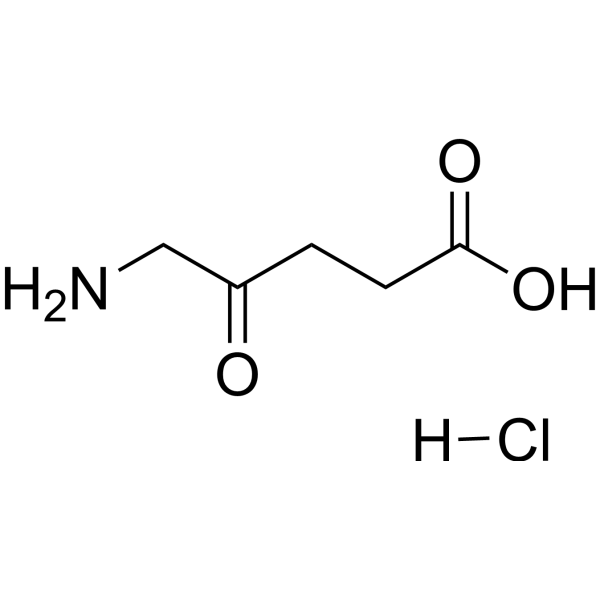
  • HY-N0305
    5-Aminolevulinic acid hydrochloride
    Maximum Cited Publications
    20 Publications Verification

    5-ALA hydrochloride; δ-Aminolevulinic acid hydrochloride; 5-Amino-4-oxopentanoic acid hydrochloride

    Reactive Oxygen Species (ROS) Neurological Disease Metabolic Disease Inflammation/Immunology Cancer
    5-Aminolevulinic acid (5-ALA; δ-Aminolevulinic acid; 5-Amino-4-oxopentanoic acid) hydrochloride is an orally active heme precursor. 5-Aminolevulinic acid hydrochloride promotes aerobic energy metabolism and increases ATP levels by enhancing the activity of cytochrome c oxidase. 5-Aminolevulinic acid hydrochloride enhances LPS-induced proinflammatory cytokine production and gene activation, and restores the phagocytic activity and ROS generation capacity of neutrophils. 5-Aminolevulinic acid hydrochloride selectively accumulates protoporphyrin IX in tumor cells; as a photosensitizer and radiosensitizer, it induces ROS burst upon light or X-ray irradiation to inhibit tumor growth. 5-Aminolevulinic acid hydrochloride can be applied to the research of septic shock, melanoma, and cancer radiotherapy .
    5-Aminolevulinic acid hydrochloride
  • HY-B1521
    Aluminum Hydroxide
    5+ Cited Publications

    Environmental Pollutants NOD-like Receptor (NLR) Cardiovascular Disease Inflammation/Immunology
    Aluminum Hydroxide is an orally active main form of aluminum used as adjuvant. Aluminum hydroxide-based adjuvant researches include the repository effect, pro-phagocytic effect, and activation of the pro-inflammatory NLRP3 pathway. Aluminum Hydroxide also acts as adjuvant to compensate low inherent immunogenicity of subunit vaccines .
    Aluminum Hydroxide
  • HY-P990006

    TEV-48574; SAR-447189; TEV-574

    TNF Receptor Inflammation/Immunology
    Duvakitug (TEV-48574) is a humanized IgG1-λ2 monoclonal antibody targeting to TNFSF15/TL1A. Duvakitug' main expression system is CHOK1SV cells endogenously expressing glutamine synthetase (GS). Duvakitug can be used in the study of Crohn's Disease (CD) .
    Duvakitug
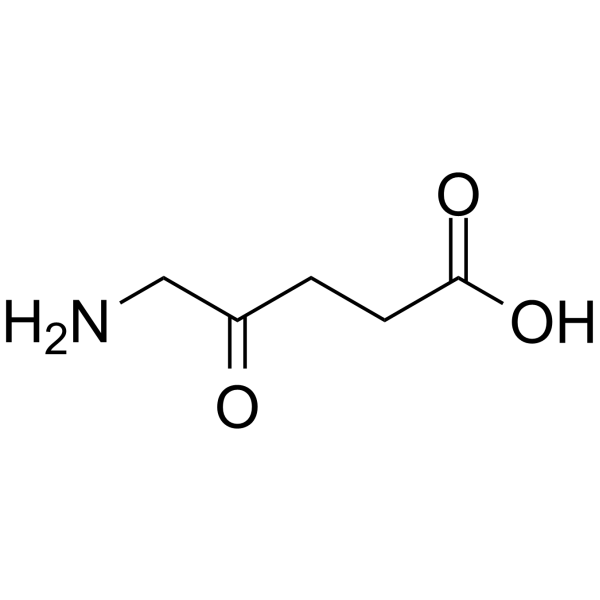
  • HY-W000450
    5-Aminolevulinic acid
    Maximum Cited Publications
    20 Publications Verification

    5-ALA; δ-Aminolevulinic acid; 5-Amino-4-oxopentanoic acid

    Reactive Oxygen Species (ROS) Cardiovascular Disease Cancer
    5-Aminolevulinic acid (5-ALA; δ-Aminolevulinic acid; 5-Amino-4-oxopentanoic acid) is an orally active heme precursor. 5-Aminolevulinic acid promotes aerobic energy metabolism and increases ATP levels by enhancing the activity of cytochrome c oxidase. 5-Aminolevulinic acid enhances LPS-induced proinflammatory cytokine production and gene activation, and restores the phagocytic activity and ROS generation capacity of neutrophils. 5-Aminolevulinic acid selectively accumulates protoporphyrin IX in tumor cells; as a photosensitizer and radiosensitizer, it induces ROS burst upon light or X-ray irradiation to inhibit tumor growth. 5-Aminolevulinic acid can be applied to the research of septic shock, melanoma, and cancer radiotherapy .
    5-Aminolevulinic acid
  • HY-P1120

    WKYMVm-amide; W-Peptide

    Formyl Peptide Receptor (FPR) PERK Apoptosis Neurological Disease Metabolic Disease Inflammation/Immunology Cancer
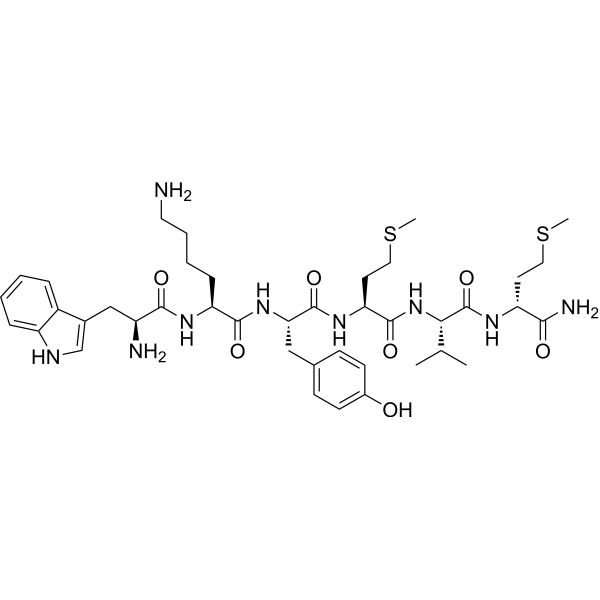
    WKYMVm is a selective formylpeptide receptor 2 (FPR2) agonist. WKYMVm has a powerful anti-inflammatory effect that can reduce lung injury and spinal cord injury. WKYMVm ameliorates obesity by regulating lipid metabolism and leptin signaling. WKYMVm is involved in the regulation of immune cells by activating FPRs. WKYMVm can promote the chemotactic migration of immune cells and inhibit the apoptosis of phagocytes. In addition, WKYMVm may play a favorable or unfavorable role in tumors, depending on the type of tumor .
    WKYMVm
  • HY-P1291
    PKI 14-22 amide,myristoylated
    3 Publications Verification

    PKA Epigenetic Reader Domain Flavivirus Infection Neurological Disease
    PKI 14-22 amide, myristoylated is a selective, cAMP-dependent, competitive PKA inhibitor with Ki=~36 nM. The myristoylation modification of PKI 14-22 amide, myristoylated makes it more permeable to cell membranes and blood-brain barriers than the precursor molecule. PKI 14-22 amide, myristoylated can block the phosphorylation of cAMP-dependent downstream targets (such as CREB). PKI 14-22 amide, myristoylated can prevent the development of morphine analgesic tolerance in mice, and also inhibits protein translation and negative-strand RNA synthesis of Zika virus. PKI 14-22 amide, myristoylated can be used in research fields such as opioid tolerance mechanisms and antiviral drugs .
    PKI 14-22 amide,myristoylated
  • HY-174378

    TREM receptor Neurological Disease
    TREM2 agonist-4 (Compound 4a) is a TREM2 agonist with a Kd value of 45.9 μM. TREM2 agonist-4 can activate downstream signaling pathways of TREM2 and enhance the phagocytic function of microglia. TREM2 agonist-4 can be used in the research of neurodegenerative diseases such as Alzheimer's disease .
    TREM2 agonist-4
  • HY-126213

    18:1 Lyso-PS

    NADPH Oxidase Interleukin Related Apoptosis Inflammation/Immunology
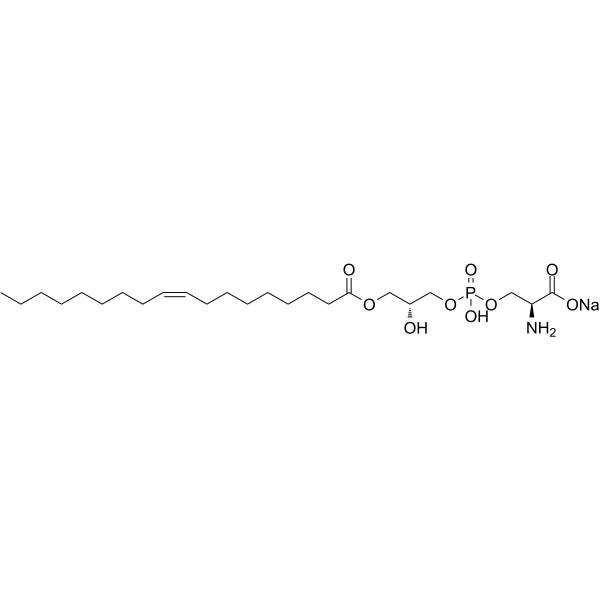
    Oleoyl-2-hydroxy-sn-glycero-3-phospho-L-serine sodium (18:1 Lyso-PS) is a modified PS product generated following NADPH oxidase activation and Lyso-PS signal transduction. 1-Oleoyl-2-hydroxy-sn-glycero-3-phospho-L-serine sodium signals through macrophage G2A to enhance the phagocytic uptake of PS-dependent apoptotic (apoptosis) neutrophils and PS-exposed activated neutrophils. 1-Oleoyl-2-hydroxy-sn-glycero-3-phospho-L-serine sodium enhances macrophage phagocytic uptake of apoptotic cells, carboxylate-modified microspheres, and PS-exposed non-apoptotic activated neutrophils. 1-Oleoyl-2-hydroxy-sn-glycero-3-phospho-L-serine sodium serves as an acyl acceptor substrate for the lysophosphatidyltransferase At1g78690p to generate diacylphosphatidylserine. 1-Oleoyl-2-hydroxy-sn-glycero-3-phospho-L-serine sodium reduces the secretion of IL-8 and decreases the proportion of viable colon cancer cells. 1-Oleoyl-2-hydroxy-sn-glycero-3-phospho-L-serine sodium is applicable to studies on peritonitis and inflammatory bowel disease .
    1-Oleoyl-2-hydroxy-sn-glycero-3-phospho-L-serine sodium
  • HY-N1482

    Environmental Pollutants Parasite Inflammation/Immunology
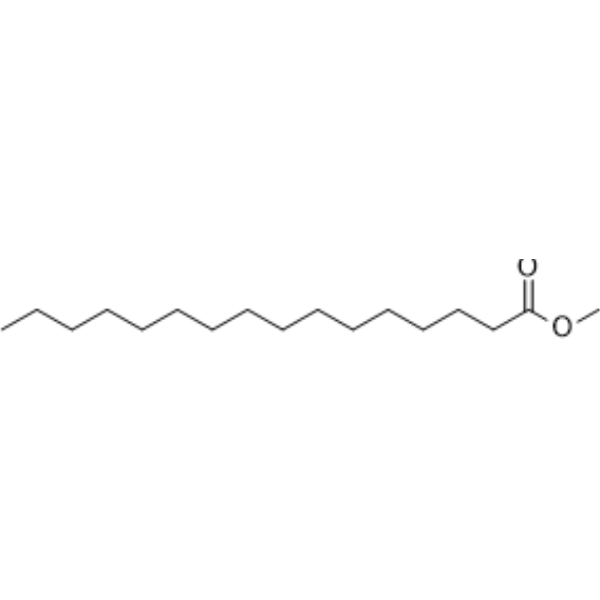
    Methyl palmitate is a naturally occurring fatty acid ester. Methyl palmitate is a potent inhibitor of ΙκB phosphorylation. Methyl palmitate modulates macrophage activity and down-regulates pro-inflammatory mediators such as TNF-α and nitric oxide (NO). Methyl palmitate possesses anti-inflammatory and antifibrotic effects. Methyl palmitate can inhibit LPS (HY-D1056)-induced Kupffer cells and rat peritoneal macrophages. Methyl palmitate is able to inhibit the phagocytic function of RAW cells. Methyl palmitate is antagonistic to muscarinic receptors. Methyl palmitate exerts cardioprotective effects against ischemia/reperfusion injury in vivo. Methyl palmitate is highly toxic against adult T. cinnabarinus .
    Methyl palmitate
  • HY-W014225
    3-Phenoxybenzoic acid
    1 Publications Verification

    3-PBA

    Apoptosis Reactive Oxygen Species (ROS) Drug Metabolite Inflammation/Immunology
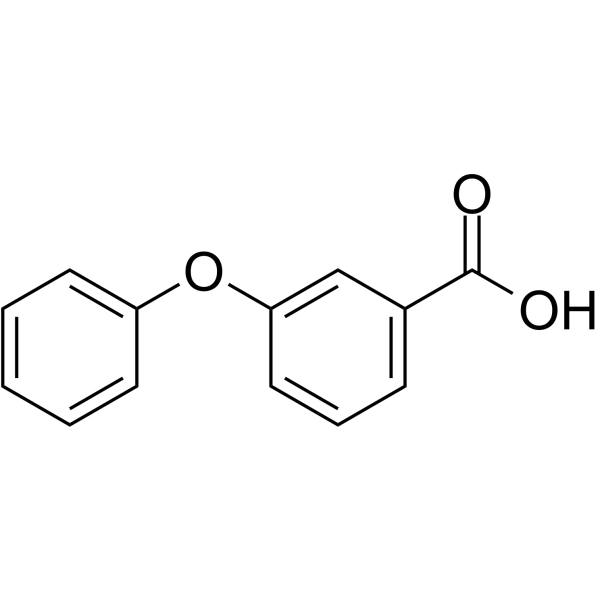
    3-Phenoxybenzoic acid is the metabolite of pyrethroid insecticides. 3-Phenoxybenzoic acid induces immunotoxicity and oxidative stress, and inhibits the phagocytic ability of macrophages .
    3-Phenoxybenzoic acid
  • HY-B0487

    Pregneninolone; 17α-Ethynyltestosterone

    Estrogen Receptor/ERR Metabolic Disease
    Ethisterone (Pregneninolone; 17α-Ethynyltestosterone) is a synthetic steroidal estrogen, is an orally active steroidal contraceptive agent. Ethisterone has almost no effect on the phagocytic activity of the reticuloendothelial system in male guinea pigs, while in utero exposure can induce abnormalities in the urogenital system of offspring .
    Ethisterone
  • HY-P99358

    GSK 2398852; Anti-Serum Amyloid P/SAP Reference Antibody (dezamizumab)

    Complement System Inflammation/Immunology
    Dezamizumab (GSK 2398852) is a fully humanized clonal IgG1 antibody against serum amyloid P component (SAP) with complement activation and amyloid clearance-inducing activities. Dezamizumab binds to SAP associated with amyloid deposits to form complexes that activate complement and mediate phagocytic clearance, triggering activation of the classical complement pathway. Dezamizumab can be used for the research of systemic amyloidosis .
    Dezamizumab
  • HY-P991480

    Transmembrane Glycoprotein Tau Protein Amyloid-β Neurological Disease Cancer
    ONC-841 is a blood-brain barrier-permeable, humanized monoclonal antibody targeting SIGLEC10. As an immune checkpoint inhibitor, ONC-841 restores the functions of immune effector cells such as T cells and enhances anti-tumor immune responses by blocking inhibitory signals mediated by SIGLEC10. ONC-841 restores the phagocytic and migratory activities of microglia, and promotes the phagocytosis of Amyloid-β and Tau protein aggregates by microglia. ONC-841 is applicable to research related to solid tumors and Alzheimer's disease .
    ONC-841
  • HY-44809

    HIF/HIF Prolyl-Hydroxylase Bacterial Cardiovascular Disease Infection Inflammation/Immunology
    Izilendustat is a potent prolyl hydroxylase inhibitor. Izilendustat competitively inhibits HIFPH2 activity, blocks HIF-1α degradation, stabilizes HIF-1α and HIF-2α proteins, and upregulates downstream target gene expression. Izilendustat can reduce intestinal inflammation and damage, enhance the ability of phagocytes to clear pathogens, and improve ischemia-related pathological phenotypes. Izilendustat can be used for the research of inflammatory bowel disease, ischemic vascular disease and anemia .
    Izilendustat
  • HY-15130

    Endogenous Metabolite Metabolic Disease
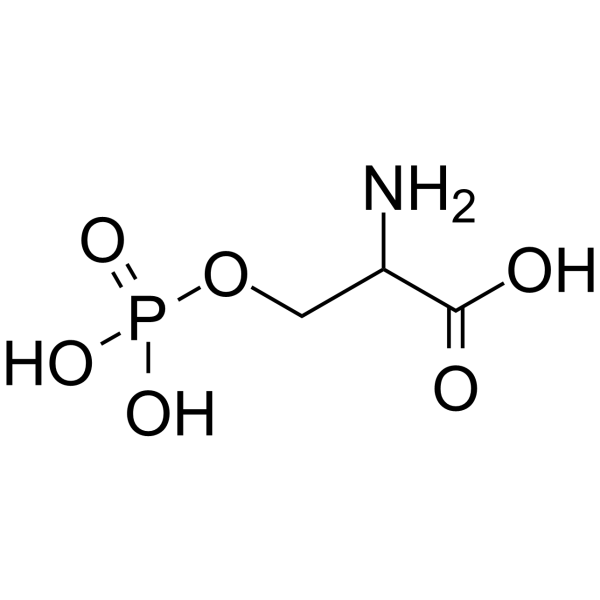
    DL-O-Phosphoserine is a normal metabolite in human biofluids and is a mixture of phosphoserine with two stereochemical structures (D-type and L-type O-phospho-serine). O-phospho-L-serine is a competitive inhibitor of serine racemase and phagocytosis. O-phospho-L-serine inhibits the enzymatic reaction by competing with the active site of serine racemase, thereby affecting the production of D-serine. O-phospho-L-serine also mimics the phosphatidylserine head group, binds to the phosphatidylserine receptor, interferes with phagocytic signal transduction, and partially blocks the phagocytosis of apoptotic cells by cells. O-phospho-L-serin can be used in the research of retinal regeneration, bone repair, and insect growth and development .
    DL-O-Phosphoserine
  • HY-W041608

    NF-κB Toll-like Receptor (TLR) Bacterial Infection Inflammation/Immunology
    Methylchloroisothiazolinone is a widely used fungicide and also an aquatic pollutant with pro-inflammatory activity and neurotoxicity. Methylchloroisothiazolinone induces the production of pro-inflammatory cytokines (such as IL-1β, TNF-α, IL-6) by activating the NF-κB signaling pathway and upregulating TLR4 expression, thereby triggering allergic contact dermatitis. Methylchloroisothiazolinone reduces cholinesterase activity and exacerbates oxidative stress by impairing catalase activity and disrupting redox balance. Methylchloroisothiazolinone poses significant harm to Mediterranean mussels, reducing the viability of hemocytes and digestive gland cells, inhibiting immune phagocytic function, and disrupting osmoregulatory capacity. Methylchloroisothiazolinone is used in studies on allergic contact dermatitis and related immunotoxicity mechanisms .
    Methylchloroisothiazolinone
  • HY-165613

    Dipalmitoyl-S-glyceryl-cysteine; S-[2,3-Bis(palmitoyloxy)propyl]cysteine

    Toll-like Receptor (TLR) Influenza Virus NF-κB Infection Inflammation/Immunology
    Pam2Cys (Dipalmitoyl-S-glyceryl-cysteine; S-[2,3-Bis(palmitoyloxy)propyl]cysteine) is a TLR2 agonist and immunostimulant. Pam2Cys binds to TLR2 to activate dendritic cells and trigger the TLR2-dependent NF-κB signaling pathway. Pam2Cys also induces dendritic cell maturation by upregulating the expression of cell surface MHC II molecules. Pam2Cys activates innate immune signaling pathways, drives pro-inflammatory and antimicrobial responses, enhances the expression of macrophage activation markers, increases phagocytic activity, induces the release of IL-12 and pro-inflammatory cytokines, and polarizes macrophages into a pro-inflammatory, antimicrobial phenotype without interfering with IL-10-induced macrophage polarization. Pam2Cys also serves as the lipid moiety in synthetic lipopeptide vaccines and possesses self-adjuvant properties. Pam2Cys enhances the immunogenicity of conjugated peptide segments and induces cellular and humoral immune responses. However, it does not activate CD4 T cells in mouse splenocyte cultures when used alone. Pam2Cys activates pulmonary TLR2 signaling pathways, triggers innate immune responses, recruits neutrophils and macrophages, induces the secretion of various cytokines, alleviates symptoms and damages associated with influenza A virus infection in mice without impairing adaptive immunity. Pam2Cys can be used in studies related to tuberculosis and influenza A virus infection .
    Pam2Cys
  • HY-P1117
    MMK1
    1 Publications Verification

    Formyl Peptide Receptor (FPR) Calcium Channel Neurological Disease Inflammation/Immunology
    MMK1 is a potent and selective human formyl peptide receptor like-1 (FPRL-1/FPR2) agonist with EC50s of <2 nM and >10000 nM for FPRL-1 and FPR1, respectively. MMK1 is a potent chemotactic and calcium-mobilizing agonist. MMK1 potently activates phagocytic leukocytes and enhances Pertussis Toxin-sensitive production by human monocytes of proinflammatory cytokines IL-1b and IL-6. MMK1 exerts anxiolytic-like activity .
    MMK1
  • HY-P1291A
    PKI 14-22 amide,myristoylated TFA
    3 Publications Verification

    PKA Epigenetic Reader Domain Flavivirus Infection Neurological Disease
    PKI 14-22 amide, myristoylated TFA is a selective, cAMP-dependent, competitive PKA inhibitor with Ki=~36 nM. The myristoylation modification of PKI 14-22 amide, myristoylated TFA makes it more permeable to cell membranes and blood-brain barriers than the precursor molecule. PKI 14-22 amide, myristoylated TFA can block the phosphorylation of cAMP-dependent downstream targets (such as CREB). PKI 14-22 amide, myristoylated TFA can prevent the development of analgesic tolerance in mice, and also inhibits protein translation and negative-strand RNA synthesis of Zika virus. PKI 14-22 amide, myristoylated TFA can be used in research fields such as opioid tolerance mechanisms and antiviral drugs .
    PKI 14-22 amide,myristoylated TFA
  • HY-P99105

    CAEL-101

    Apolipoprotein Amyloid-β Neurological Disease
    Anselamimab (CAEL-101) is a chimeric monoclonal antibody for systemic light chain (AL) amyloidosis. Anselamimab can promote phagocytic destruction and subsequent clearance of amyloid deposits. Anselamimab can be used in the research of amyloidosis .
    Anselamimab
  • HY-14926

    (S)-(-)-Nadifloxacin; WCK 771

    Antibiotic Bacterial Infection
    Levonadifloxacin ((S)-(-)-Nadifloxacin; WCK 771) is a broad-spectrum anti-staphylococcal agent. Levonadifloxacin shows antibacterial activity against Methicillin (HY-121544)-susceptible Staphylococcus aureus (MSSA) and Methicillin-resistant S. aureus (MRSA) strains, with a reduction of which phagocytized in THP-1 monocytes .
    Levonadifloxacin
  • HY-P990131
    Anti-Mouse CD47/IAP Antibody (MIAP301)
    1 Publications Verification

    CD47 Infection Inflammation/Immunology Cancer
    Anti-Mouse CD47/IAP Antibody (MIAP301) is an anti-mouse CD47/IAP IgG2a monoclonal antibody. Anti-Mouse CD47/IAP Antibody (MIAP301) can effectively block CD47 signaling and enhance macrophage phagocytic function. Anti-Mouse CD47/IAP Antibody (MIAP301) can increase the infiltration of immune cells. Anti-Mouse CD47/IAP Antibody (MIAP301) restores the phagocytic function of myeloid cells and alleviate B cell inhibition. Anti-Mouse CD47/IAP Antibody (MIAP301) may interfere with wound healing. Anti-Mouse CD47/IAP Antibody (MIAP301) can be used for researches on cancer, inflammation and infection conditions such as melanoma, intestinal mucosal repair and sepsis .
    Anti-Mouse CD47/IAP Antibody (MIAP301)
  • HY-P3012

    Cathepsin ERK p38 MAPK PKC Protease Activated Receptor (PAR) MMP Inflammation/Immunology
    Cathepsin G is a pH-dependent serine protease. Cathepsin G hydrolyzes diverse synthetic and protein substrates and remodels extracellular matrix. Cathepsin G exerts immunomodulatory effects via recruiting phagocytes, enhancing T cell motility, activating ERK1/2 and p38 MAPK signaling, and mediating PKCζ membrane translocation. Cathepsin G regulates inflammatory responses by cleaving inflammatory mediators. Cathepsin G participates in vascular regulation by converting angiotensin I to angiotensin II. Cathepsin G induces PAR4-dependent platelet activation, facilitates platelet-neutrophil aggregation, and mediates VITT-related NETosis, thrombus formation. Cathepsin G can be used for the research of immune thrombotic thrombocytopenia, cardiovascular disease, and select autoimmune and inflammatory diseases .
    Cathepsin G
  • HY-P990132

    CD47 Inflammation/Immunology Cancer
    Anti-Mouse/Rat/Human CD47/IAP Antibody (MIAP410) is an anti-mouse/rat/human CD47/IAP IgG1 monoclonal antibody. Anti-Mouse/Rat/Human CD47/IAP Antibody (MIAP410) can effectively block CD47 signaling and enhance macrophage phagocytic function. Anti-Mouse/Rat/Human CD47/IAP Antibody (MIAP410) can increase the infiltration of immune cells. Anti-Mouse/Rat/Human CD47/IAP Antibody (MIAP410) may interfere with wound healing. Anti-Mouse/Rat/Human CD47/IAP Antibody (MIAP410) can be used for researches on cancer and inflammation conditions such as breast cancer and intestinal mucosal repair .
    Anti-Mouse/Rat/Human CD47/IAP Antibody (MIAP410)
  • HY-154921

    LacCer (bovine buttermilk)

    Reactive Oxygen Species (ROS) Inflammation/Immunology
    Lactosylceramide (bovine buttermilk) (LacCer (bovine buttermilk)) is a sphingolipid that highly expressed on the plasma membranes of human phagocytes. Lactosylceramide mediates phagocytosis, chemotaxis, and superoxide generation .
    Lactosylceramide (bovine buttermilk)
  • HY-W014225R

    3-PBA (Standard)

    Reference Standards Apoptosis Reactive Oxygen Species (ROS) Drug Metabolite Inflammation/Immunology
    3-Phenoxybenzoic acid (Standard) is the analytical standard of 3-Phenoxybenzoic acid. This product is intended for research and analytical applications. 3-Phenoxybenzoic acid is the metabolite of pyrethroid insecticides. 3-Phenoxybenzoic acid induces immunotoxicity and oxidative stress, and inhibits the phagocytic ability of macrophages .
    3-Phenoxybenzoic acid (Standard)
  • HY-N16039

    β-glucuronidase Inflammation/Immunology
    TAN-1030A is an indolocarbazole alkaloid with macrophage-activating properties. TAN-1030A induces spreading of a murine macrophage cell line, Mm 1, and augmentes the phagocytic activity, Fc gamma receptor expression and β-glucuronidase activity of murine macrophage cell lines, Mm 1 and J774A.1. TAN-1030A can activate macrophage functions in mice .
    TAN-1030A
  • HY-160901

    Complement System Inflammation/Immunology
    CP-289,503 is an inhibitor of the complement C5a receptor with an IC50 of 1 μM. C5a acts as an activator of leukocytes and phagocytes during complement system activation. The C5a receptor can bind to C5a, which can stimulate the upregulation of cell surface integrins and degranulation of inflammatory cells, leading to endothelial cell damage. C5a receptor inhibitors can block C5a signaling and inhibit a variety of inflammatory diseases .
    CP-289,503
  • HY-158990

    Mas-related G-protein-coupled Receptor (MRGPR) Interleukin Related TNF Receptor Akt ERK Inflammation/Immunology
    GE1111 is a MRGPRX2 antagonist (IC50 = 9.4 μM). GE1111 inhibits MRGPRX2/MRGPRB2-mediated mast cell activation. GE1111 reduces the expressions of TSLP, IL-13, MCP-1, TNF-α, IL-1β and periostin, maintains the expression levels of claudin 1 and involucrin, restores the phagocytic activity of macrophages, and attenuates the activation of STIM1 and phosphorylated AKT. GE1111 exerts anti-inflammatory and anti-allergic effects in multiple animal models. GE1111 is applicable to the research related to rosacea, atopic dermatitis and ulcerative colitis .
    GE1111
  • HY-W014225S

    3-PBA-13C6

    Isotope-Labeled Compounds Apoptosis Reactive Oxygen Species (ROS) Drug Metabolite Inflammation/Immunology
    3-Phenoxybenzoic acid- 13C6 is the 13C6 labeled 3-Phenoxybenzoic acid. 3-Phenoxybenzoic acid is the metabolite of pyrethroid insecticides. 3-Phenoxybenzoic acid induces immunotoxicity and oxidative stress, and inhibits the phagocytic ability of macrophages .
    3-Phenoxybenzoic acid-13C6
  • HY-145996

    Biochemical Assay Reagents Cardiovascular Disease Infection
    STC314 is a histone-neutralizing agent. STC314 inhibits histone-mediated cytotoxicity, blocks histone-induced erythrocyte aggregation, reduces fragility, restores deformability and inhibits histone-induced aggregation and degranulation in human erythrocytes. STC314 reduces histone-mediated tissue damage, thrombocytopenia, anemia, and cell death, and improves survival in preclinical models. STC314 can be used for the research of sepsis, ischemia-reperfusion injury, and deep-vein thrombosis .
    STC314
  • HY-N1482S1

    Parasite Inflammation/Immunology
    Methyl palmitate-d31 is the deuterium labeled Methyl palmitate. Methyl palmitate, an acaricidal compound occurring in green walnut husks, inhibits phagocytic activity and immune response. Methyl palmitate also posseses anti-inflammatory and antifibrotic effects .
    Methyl palmitate-d31
  • HY-151132

    IsoQC-IN-1

    CD47 Cancer
    Glutaminyl cyclases-IN-1 (IsoQC-IN-1) is a potent glutaminyl cyclases (QC) inhibitor with IC50 values of 12 nM and 73 nM for human QC and isoQC, respectively. Glutaminyl cyclases-IN-1 can selectively interfere with the interaction of CD47/SIRPα through isoQC inhibition, and enhances the increased phagocytic activity of both THP-1 and U937 macrophages .
    Glutaminyl cyclases-IN-1
  • HY-135477

    Phosphatase Bacterial Infection
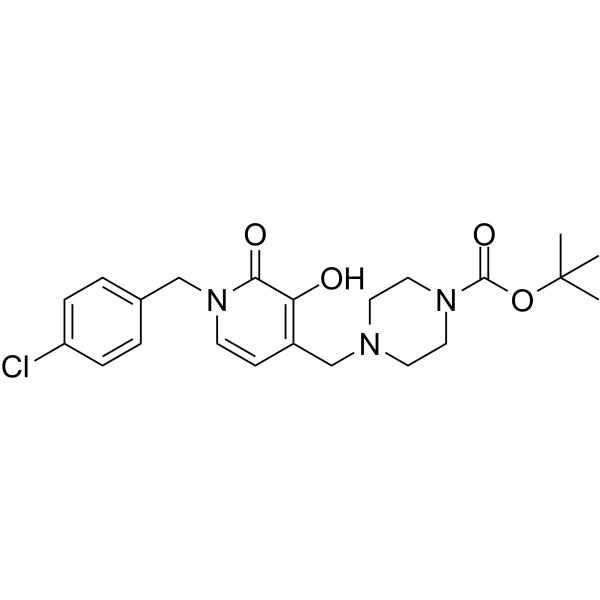
    RWJ-60475 is a cell-permeable tyrosine phosphatase inhibitor with an IC50 of 3.3 μM. RWJ-60475, by inhibiting the activity of CD45/CD148 phosphatase, interferes with the phagocytic function of macrophages, thereby blocking the invasion of Legionella pneumophila into host cells and the transport of effector proteins. RWJ-60475 significantly reduces the uptake of bacterial particles by macrophages. RWJ-60475 can be used in the research of anti-infection targeting host factors .
    RWJ-60475
  • HY-N10255

    Parasite Infection
    Trypacidin is the conidia-bound metabolite with antiprotozoal activity. Trypacidin has a protective function against phagocytes both in the environment and during the infection process .
    Trypacidin
  • HY-P1117A

    Formyl Peptide Receptor (FPR) Calcium Channel Neurological Disease Inflammation/Immunology
    MMK1 TFA is a potent and selective human formyl peptide receptor like-1 (FPRL-1/FPR2) agonist with EC50s of <2 nM and >10000 nM for FPRL-1 and FPR1, respectively. MMK1 TFA is a potent chemotactic and calcium-mobilizing agonist. MMK1 TFA potently activates phagocytic leukocytes and enhances Pertussis Toxin-sensitive production by human monocytes of proinflammatory cytokines IL-1b and IL-6. MMK1 TFA exerts anxiolytic-like activity .
    MMK1 TFA
  • HY-158363

    c-Fms Neurological Disease Inflammation/Immunology Cancer
    CSF1R-IN-25 (compound 36) is an orally effective CSF1R inhibitor. CSF1R-IN-25 can be used to study cancer, inflammation, and neurodegeneration .
    CSF1R-IN-25
  • HY-N1482S

    Parasite Inflammation/Immunology
    Methyl palmitate- 13C16 is the 13C labeled Methyl palmitate. Methyl palmitate, an acaricidal compound occurring in green walnut husks, inhibits phagocytic activity and immune response. Methyl palmitate also posseses anti-inflammatory and antifibrotic effects .
    Methyl palmitate-13C16
  • HY-W339757

    mTOR Endogenous Metabolite Cancer
    Dioctanoylphosphatidic acid sodium functions as a modulator of phagocyte respiratory burst, acts as a precursor to diacylglycerol and lysophosphatidic acid, and influences the phosphorylation of the mammalian target of rapamycin (mTOR) while enhancing the viability of gallbladder carcinoma cells treated with histone deacetylase inhibitors (HDACIs); it is derived from glycerophospholipid through the action of phospholipase D.
    Dioctanoylphosphatidic acid sodium
  • HY-N1482R

    Parasite Reference Standards Inflammation/Immunology
    Methyl palmitate (Standard) is the analytical standard of Methyl palmitate. This product is intended for research and analytical applications. Methyl palmitate, an acaricidal compound occurring in Lantana camara, inhibits phagocytic activity and immune response. Methyl palmitate also posseses anti-inflammatory and antifibrotic effects .
    Methyl palmitate (Standard)
  • HY-14926A

    (S)-(-)-Nadifloxacin arginine hydrate; WCK-771A arginine hydrate

    Antibiotic Bacterial Infection
    Levonadifloxacin (arginine) hydrate is a broad-spectrum anti-staphylococcal agent. Levonadifloxacin (arginine) hydrate shows antibacterial activity against Methicillin (HY-121544)-susceptible Staphylococcus aureus (MSSA) and Methicillin-resistant S. aureus (MRSA) strains, with a reduction of which phagocytized in THP-1 monocytes .
    Levonadifloxacin arginine hydrate
  • HY-14926R

    (S)-(-)-Nadifloxacin (Standard); WCK 771 (Standard)

    Reference Standards Antibiotic Bacterial Infection
    Levonadifloxacin (Standard) is the analytical standard of Levonadifloxacin. This product is intended for research and analytical applications. Levonadifloxacin ((S)-(-)-Nadifloxacin; WCK 771) is a broad-spectrum anti-staphylococcal agent. Levonadifloxacin shows antibacterial activity against Methicillin (HY-121544)-susceptible Staphylococcus aureus (MSSA) and Methicillin-resistant S. aureus (MRSA) strains, with a reduction of which phagocytized in THP-1 monocytes .
    Levonadifloxacin (Standard)
  • HY-P5469

    Formyl Peptide Receptor (FPR) Others
    WRW4-OH is a biological active peptide. (This peptide inhibits binding of one of formyl peptide receptor-like 1 (FPRL1) agonists WKYMVm to its specific receptor. FPRL1 is an important classical chemoattractant receptor that is expressed in phagocytic cells in the peripheral blood and brain. Activation of FPRL1 is closely related to inflammatory responses in the host defense mechanism and neurodegenerative disorders.)
    WRW4-OH
  • HY-B0487R

    Pregneninolone (Standard); 17α-Ethynyltestosterone (Standard)

    Reference Standards Estrogen Receptor/ERR Metabolic Disease
    Ethisterone (Pregneninolone; 17α-Ethynyltestosterone) (Standard) is the analytical standard of Ethisterone (HY-B0487). This product is intended for research and analytical applications. Ethisterone is a synthetic steroidal estrogen, is an orally active steroidal contraceptive agent. Ethisterone has almost no effect on the phagocytic activity of the reticuloendothelial system in male guinea pigs, while in utero exposure can induce abnormalities in the urogenital system of offspring .
    Ethisterone (Standard)
  • HY-P3257B

    ADP-Dependent hexokinase, thermococcus litoralis

    Glucokinase Neurological Disease Metabolic Disease Cancer
    ADP-Specific glucokinase, thermococcus litoralis is an ADP-specific glucose kinase expressed in thermophilic archaea. ADP-Specific glucokinase, thermococcus litoralis can catalyze glucose into glucose-6-phosphate, which promotes glycolysis. ADP-Specific glucokinase, thermococcus litoralis can activate T cells and enhance the phagocytic activity of macrophages. ADP-Specific glucokinase, thermococcus litoralis can be used in research on metabolic diseases, neurological disorders, and tumors .
    ADP-Specific glucokinase, thermococcus litoralis
  • HY-P3257A

    ADP-dependent hexokinase, pyrococcus furiosus

    Glucokinase Neurological Disease Metabolic Disease Cancer
    ADP-Specific glucokinase, pyrococcus furiosus is an ADP-specific glucose kinase expressed in thermophilic archaea. ADP-Specific glucokinase, pyrococcus furiosus can catalyze glucose into glucose-6-phosphate, which promotes glycolysis. ADP-Specific glucokinase, pyrococcus furiosus can activate T cells and enhance the phagocytic activity of macrophages. ADP-Specific glucokinase, pyrococcus furiosus can be used in research on metabolic diseases, neurological disorders, and tumors .
    ADP-specific glucokinase, pyrococcus furiosus
  • HY-P1120A

    Formyl Peptide Receptor (FPR) PERK Apoptosis Neurological Disease Metabolic Disease Inflammation/Immunology Cancer
    WKYMVm (TFA) is a selective formylpeptide receptor 2 (FPR2) agonist. WKYMVm has a powerful anti-inflammatory effect that can reduce lung injury and spinal cord injury. WKYMVm ameliorates obesity by regulating lipid metabolism and leptin signaling. WKYMVm is involved in the regulation of immune cells by activating FPRs, and WKYMVm can promote the chemotactic migration of immune cells and inhibit the apoptosis of phagocytes. In addition, WKYMVm may play a favorable or unfavorable role in tumors, depending on the type of tumor .
    WKYMVm TFA
  • HY-44809A

    HIF/HIF Prolyl-Hydroxylase Bacterial Cardiovascular Disease Infection Inflammation/Immunology
    Izilendustat hydrochloride is a potent prolyl hydroxylase inhibitor. Izilendustat hydrochloride competitively inhibits HIFPH2 activity, blocks HIF-1α degradation, stabilizes HIF-1α and HIF-2α proteins, and upregulates downstream target gene expression. Izilendustat hydrochloride can reduce intestinal inflammation and damage, enhance the ability of phagocytes to clear pathogens, and improve ischemia-related pathological phenotypes. Izilendustat hydrochloride can be used for the research of inflammatory bowel disease, ischemic vascular disease and anemia .
    Izilendustat hydrochloride
  • HY-W724397

    3-PBA-d9

    Isotope-Labeled Compounds Apoptosis Drug Metabolite Reactive Oxygen Species (ROS) Inflammation/Immunology
    3-Phenoxybenzoic acid-d9 (3-PBA-d9) is the deuterium labeled 3-Phenoxybenzoic acid (HY-W014225). 3-Phenoxybenzoic acid is the metabolite of pyrethroid insecticides. 3-Phenoxybenzoic acid induces immunotoxicity and oxidative stress, and inhibits the phagocytic ability of macrophages .
    3-Phenoxybenzoic acid-d9
  • HY-182097A

    Liposome Inflammation/Immunology
    DSPE-PEG3400-GNYTCEVTELTREGETIIELK is a PEG compound which composed of DSPE and a peptide mimicking the function of CD47 (GNYTCEVTELSREGKTVIELK). Modifying the surface of LNPs with GNYTCEVTELSREGKTVIELK significantly reduced the recognition and clearance of LNPs by the mononuclear phagocytic system (MPS), and decreased their accumulation in non-target tissues such as the liver and spleen. DSPE-PEG3400-GNYTCEVTELTREGETIIELK can be used for drug delivery .
    DSPE-PEG3400-GNYTCEVTELTREGETIIELK

Inquiry Online

Your information is safe with us. * Required Fields.

Salutation


Country or Region *

Applicant Name *


Organization Name *

Department *


Email Address *


Product Name *

Cat. No.


Requested quantity *

Phone Number *


Remarks

Inquiry Online

Inquiry Information

Product Name:
Cat. No.:
Quantity:
MCE Japan Authorized Agent:

