476 Results for "

pi3K activity

" in MedChemExpress (MCE) Product Catalog:
Products (476)

476 Results for "pi3K activity" in MCE Product Catalog:

307
307 Publications Verification
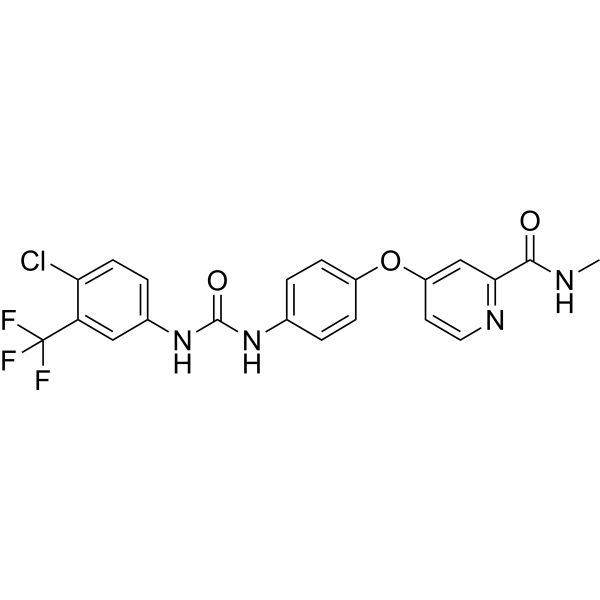
Cat. No.: HY-10201
CAS No.: 284461-73-0
Purity:  99.92%
Synonyms: Bay 43-9006
Sorafenib (Bay 43-9006) is a potent oral active multikinase inhibitor. Sorafenib blocks autophosphorylation and activity of receptor tyrosine kinases (VEGFR-2, VEGFR-3) and RAF family kinases, thereby suppressing the RAF/MEK/ERK and PI3K/Akt pathways, inhibiting STAT3 phosphorylation, and selectively inhibiting the MAPK pathway in cancer cells. Sorafenib induces cell cycle arrest, autophagy, apoptosis, and PARP cleavage, reduces Bcl-2, Bcl-XL, cyclin D1 levels, and activates Bak and Bax. Sorafenib inhibits tumor growth and metastasis in mouse and rat models. Sorafenib can be used for cancer research, such as colon, breast, non-small-cell lung cancer (NSCLC), ovarian, pancreatic, melanoma, colorectal and hepatocellular carcinoma .
loading...
    loading...
307
307 Publications Verification
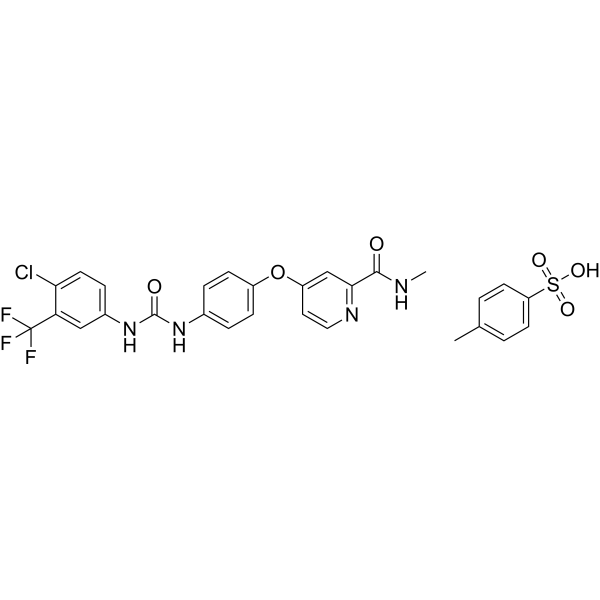
Cat. No.: HY-10201A
CAS No.: 475207-59-1
Purity:  99.75%
Synonyms: Bay 43-9006 tosylate
Sorafenib (Bay 43-9006) tosylate is a potent oral active multikinase inhibitor. Sorafenib blocks autophosphorylation and activity of receptor tyrosine kinases (VEGFR-2, VEGFR-3) and RAF family kinases, thereby suppressing the RAF/MEK/ERK and PI3K/Akt pathways, inhibiting STAT3 phosphorylation, and selectively inhibiting the MAPK pathway in cancer cells. Sorafenib tosylate induces cell cycle arrest, autophagy, apoptosis, and PARP cleavage, reduces Bcl-2, Bcl-XL, cyclin D1 levels, and activates Bak and Bax. Sorafenib tosylate inhibits tumor growth and metastasis in mouse and rat models. Sorafenib tosylate can be used for cancer research, such as colon, breast, non-small-cell lung cancer (NSCLC), ovarian, pancreatic, melanoma, colorectal and hepatocellular carcinoma .
loading...
    loading...
192
192 Cited Publications
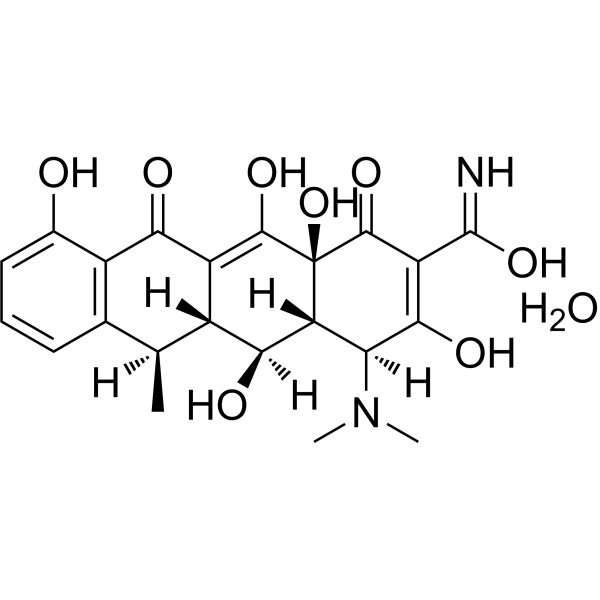
Cat. No.: HY-W008923
CAS No.: 17086-28-1
Doxycycline monohydrate is an orally active highly lipophilic, tissue-permeable MMP inhibitor with broad-spectrum antibacterial activity. Doxycycline monohydrate is also a semi-synthetic antibiotic with chelating properties, which blocks bacterial protein synthesis and inhibits extracellular matrix degradation through interactions with zinc and calcium atoms. Doxycycline monohydrate also inhibits mitochondrial biogenesis, translation, and the expression of respiratory chain proteins. Doxycycline monohydrate induces apoptosis, inhibits autophagy and EMT, downregulates stem cell markers, and activates the PI3K-AKT pathway, thereby effectively inhibiting the viability and proliferation of cancer cells such as breast cancer cells. Doxycycline monohydrate also promotes the survival and self-renewal of embryonic stem cells and neural stem cells, and reduces the frequency of medium changes in culture. Doxycycline monohydrate has been applied in studies related to breast cancer, prostate cancer, bladder cancer, and other cancers .
loading...
    loading...
64
64 Cited Publications
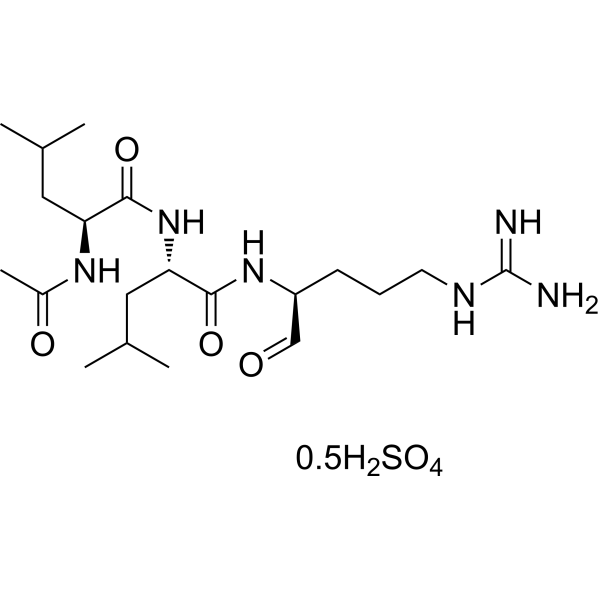
Cat. No.: HY-18234A
CAS No.: 103476-89-7
Leupeptin hemisulfate is a broad-spectrum protease inhibitor. Leupeptin hemisulfate inhibits serine, cysteine and threonine proteases, and regulates autophagy. Leupeptin hemisulfate reduces the expression levels of LC3B, iNOS, Cox-2, Beclin-1 and the level of endopeptidases; increases the levels of p62, Arg 1, Msr 1 and Mrc 1; and blocks the upregulation of p-PTEN, p-NF-κB, p-PI3K, p-Akt, p-p38 and ERK1/2. Leupeptin hemisulfate inhibits NO, ROS, proinflammatory cytokines, the IFN-γ/IL-10 ratio, phagolysosome fusion, mammalian lysosomal hydrolase activity and SARS-CoV-2 replication; and reverses impaired autophagic flux. Leupeptin hemisulfate is applicable to research related to chronic inflammatory diseases, edema, skin tumorigenesis, COVID-19 and respiratory infections .
loading...
    loading...
45
45 Cited Publications
Cat. No.: HY-101625
CAS No.: 334969-03-8
Purity:  99.94%
Synonyms: ON 01210
Target:  

Akt PI3K

Research Areas:  

Cancer

Recilisib (ON 01210) is a radioprotectant, which can activate AKT, PI3K activities in cells .
loading...
    loading...
37
37 Cited Publications
Cat. No.: HY-12481
CAS No.: 1523406-39-4
Purity:  99.74%
Target:  

PI3K Autophagy

Research Areas:  

Cancer

SAR405 is a first-in-class, selective, and ATP-competitive PI3K class III (PIK3C3) isoform Vps34 inhibitor (IC50=1.2 nM; Kd=1.5 nM). SAR405 inhibits autophagy induced either by starvation or by mTOR inhibition. Anticancer activity .
loading...
    loading...
36
36 Cited Publications
Cat. No.: HY-15346
CAS No.: 1032568-63-0
Purity:  99.50%
Synonyms: BAY 80-6946
Target:  

PI3K Apoptosis

Research Areas:  

Cancer

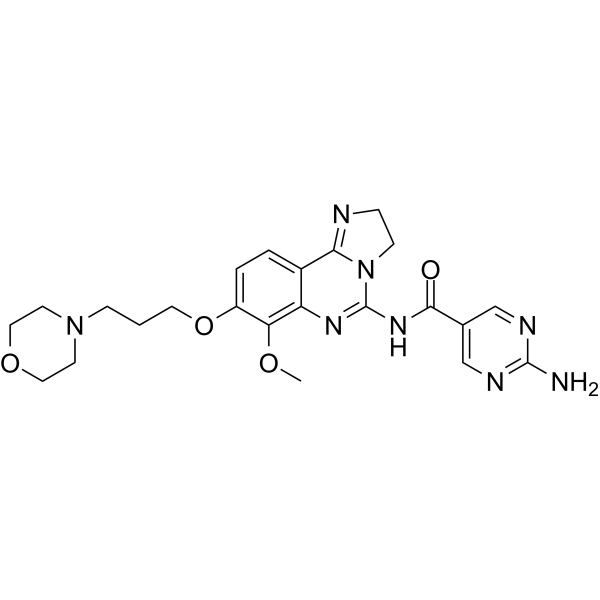
Copanlisib (BAY 80-6946) is a potent, selective and ATP-competitive pan-class I PI3K inhibitor, with IC50s of 0.5 nM, 0.7 nM, 3.7 nM and 6.4 nM for PI3Kα, PI3Kδ, PI3Kβ and PI3Kγ, respectively. Copanlisib has more than 2,000-fold selectivity against other lipid and protein kinases, except for mTOR. Copanlisib has superior antitumor activity .
loading...
    loading...
36
36 Cited Publications
Cat. No.: HY-15346A
CAS No.: 1402152-13-9
Purity:  99.55%
Synonyms: BAY 80-6946 dihydrochloride
Target:  

PI3K Apoptosis

Research Areas:  

Cancer

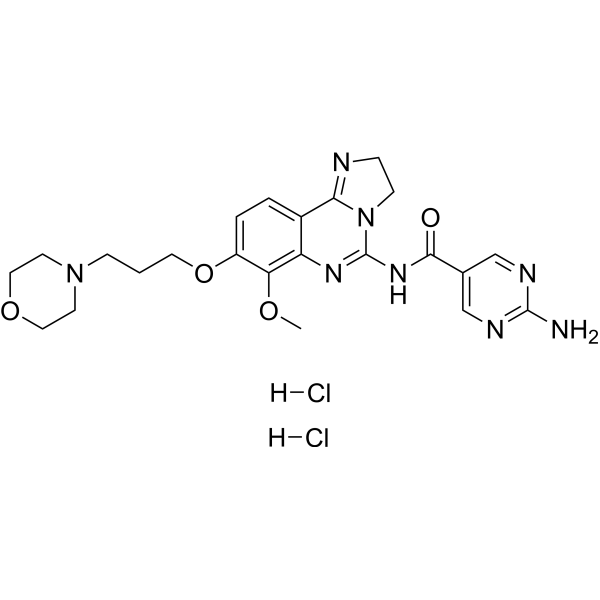
Copanlisib dihydrochloride (BAY 80-6946 dihydrochloride) is a potent, selective and ATP-competitive pan-class I PI3K inhibitor, with IC50s of 0.5 nM, 0.7 nM, 3.7 nM and 6.4 nM for PI3Kα, PI3Kδ, PI3Kβ and PI3Kγ, respectively. Copanlisib dihydrochloride has more than 2,000-fold selectivity against other lipid and protein kinases, except for mTOR. Copanlisib dihydrochloride has superior antitumor activity .
loading...
    loading...
23
23 Cited Publications
Cat. No.: HY-17508
CAS No.: 81103-11-9
Research Areas:  

Infection Cancer

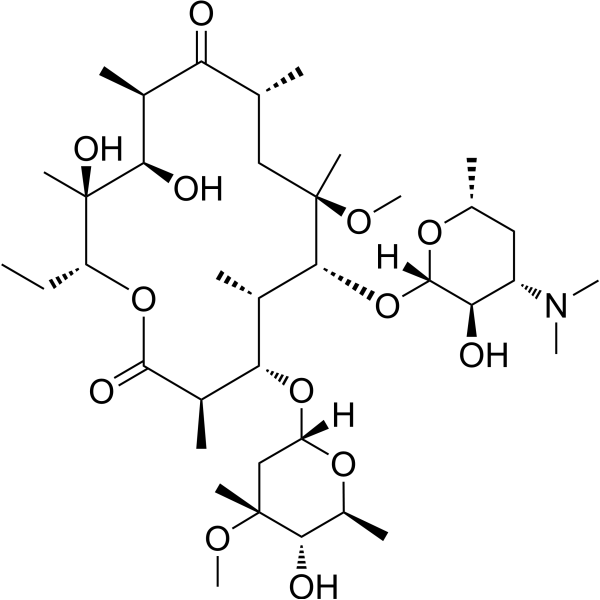
Clarithromycin has a broad spectrum of antimicrobial activity. Clarithromycin inhibits the CYP3A4-catalyzed triazolam alpha-hydroxylation with the IC50 (Ki) value of 56 (43) μM . Clarithromycin significantly inhibits the HERG potassium current .Clarithromycin affects the autophagic flux by impairing the signaling pathway linking hERG1 and PI3K .
loading...
    loading...
21
21 Cited Publications
Cat. No.: HY-13002
CAS No.: 1223001-51-1
Purity:  99.65%
Research Areas:  

Cancer

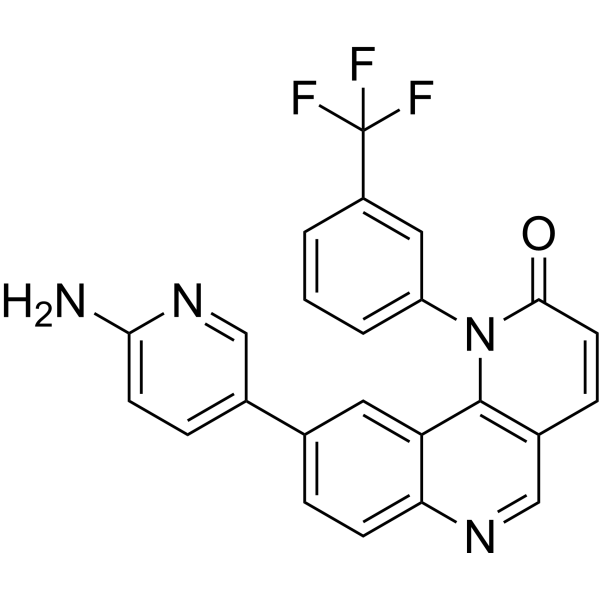
Torin 2 is an mTOR inhibitor with EC50 of 0.25 nM for inhibiting cellular mTOR activity, and exhibits 800-fold selectivity over PI3K (EC50: 200 nM). Torin 2 also inhibits DNA-PK with an IC50 of 0.5 nM in the cell free assay. Torin 2 can suppress both mTORC1 and mTORC2.
loading...
    loading...
21
21 Cited Publications
Cat. No.: HY-B0633
CAS No.: 9067-32-7
Synonyms: Sodium hyaluronate
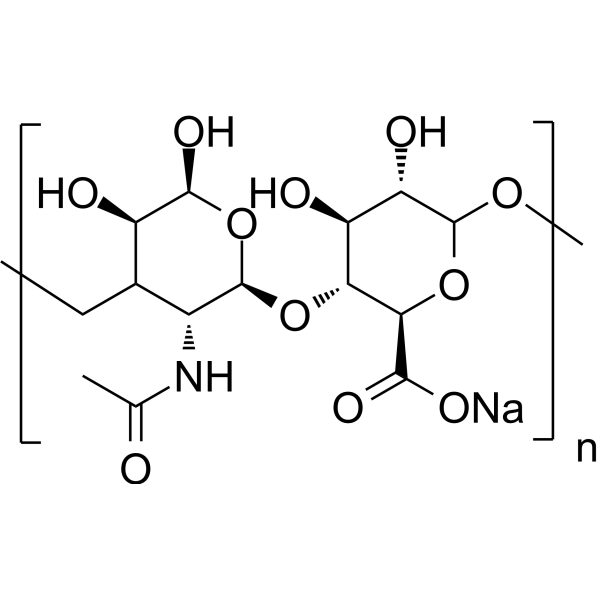
Hyaluronic acid sodium (Sodium hyaluronate) is a biopolymer composed of repeating units of disaccharides with various applications. Hyaluronic acid sodium is a major component of the extracellular matrix (ECM). Hyaluronic acid sodium is synthesized at the plasma membrane. Increased hyaluronic acid sodium levels are associated with tumor cell growth, adhesion, migration, invasion and angiogenesis in digestive cancers. Hyaluronic acid sodium participates in tissue remodeling and rapid cell proliferation in some physiological processes including embryonic morphogenesis and wound-healing. Hyaluronic acid sodium activates the PI3K-Akt signaling. Hyaluronic acid sodium acts as a regulator of cancer-associated lymphangiogenesis. Hyaluronic acid sodium also enhances cell invasion and angiogenesis by promoting proteolytic MMP-9 binding to cell surface or stimulating MMP-9 binding to cell surface. Hyaluronic acid sodium can be used as drug delivery for sodium butyrate to improve the anti-proliferative activity on breast cancer cell line. Hyaluronic acid sodium can be studied in joint diseases, wound healing and cancer .
loading...
    loading...
21
21 Cited Publications
Cat. No.: HY-B0633A
CAS No.: 9004-61-9
Synonyms: Hyaluronan; Hyaluronate
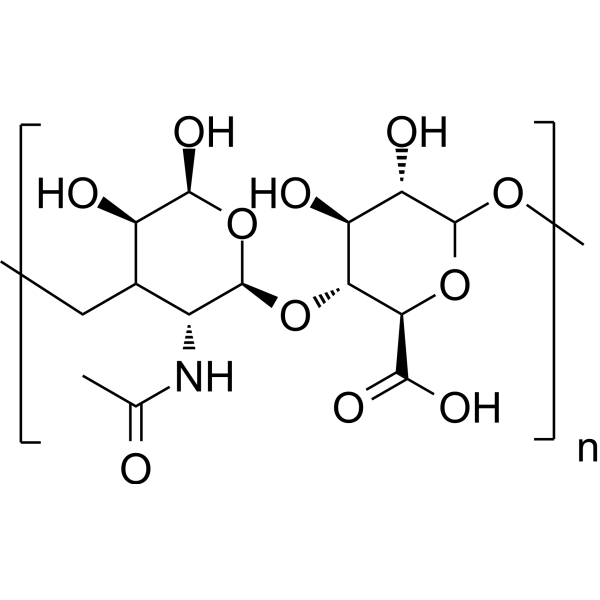
Hyaluronic acid is a biopolymer composed of repeating units of disaccharides with various applications. Hyaluronic acid is a major component of the extracellular matrix (ECM). Hyaluronic acid is synthesized at the plasma membrane. Increased hyaluronic acid levels are associated with tumor cell growth, adhesion, migration, invasion and angiogenesis in digestive cancers. Hyaluronic acid participates in tissue remodeling and rapid cell proliferation in some physiological processes including embryonic morphogenesis and wound-healing. Hyaluronic acid activates the PI3K-Akt signaling. Hyaluronic acid acts as a regulator of cancer-associated lymphangiogenesis. Hyaluronic acid also enhances cell invasion and angiogenesis by promoting proteolytic MMP-9 binding to cell surface or stimulating MMP-9 binding to cell surface. Hyaluronic acid can be used as drug delivery for sodium butyrate to improve the anti-proliferative activity on breast cancer cell line. Hyaluronic acid can be studied in joint diseases, wound healing and cancer .
loading...
    loading...
20
20 Cited Publications
Cat. No.: HY-10297
CAS No.: 1086062-66-9
Purity:  99.94%
Synonyms: GSK2126458; GSK458
Target:  

PI3K mTOR Autophagy

Research Areas:  

Cancer

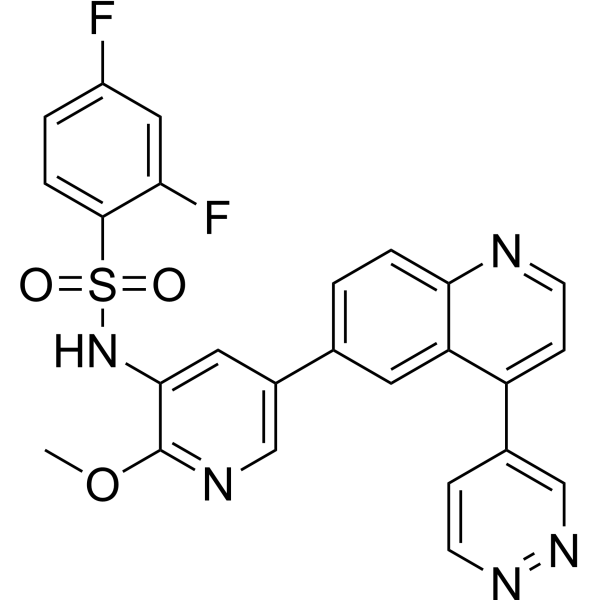
Omipalisib (GSK2126458) is an orally active and highly selective inhibitor of PI3K with Kis of 0.019 nM/0.13 nM/0.024 nM/0.06 nM and 0.18 nM/0.3 nM for p110α/β/δ/γ, mTORC1/2, respectively. Omipalisib has anti-cancer activity .
loading...
    loading...
17
17 Cited Publications
Cat. No.: HY-N0143
CAS No.: 60-81-1
Synonyms: Floridzin
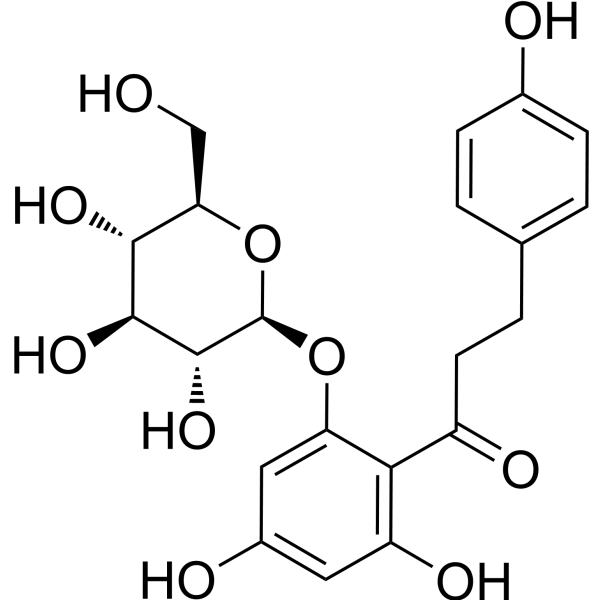
Phlorizin (Floridzin) is an orally active non-selective sodium-glucose cotransporter (SGLT) inhibitor, with an IC50 of 0.04 μM and a Ki of 39 nM against hSGLT2, and an IC50 of 0.17 μM and a Ki of 0.31 μM against hSGLT1. Phlorizin promotes GLUT4 translocation, inhibits gluconeogenesis and promotes glycogen synthesis by activating the PI3K/Akt/mTOR pathway. Phlorizin reduces DNA damage and apoptosis (apoptosis) by inhibiting the NF-κB inflammatory pathway. Phlorizin induces apoptosis via activating the Caspase pathway by antagonizing the JAK/STAT3 and PCK pathways. Phlorizin also exhibits antibacterial, anti-inflammatory and neuroprotective activities .
loading...
    loading...
17
17 Cited Publications
Cat. No.: HY-N0143A
CAS No.: 7061-54-3
Synonyms: Floridzin dihydrate
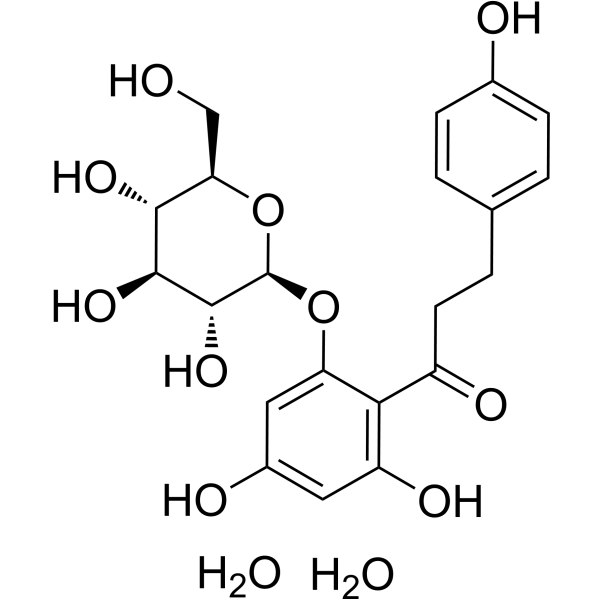
Phlorizin (Floridzin) dihydrate is an orally active non-selective sodium-glucose cotransporter (SGLT) inhibitor, with an IC50 of 0.04 μM and a Ki of 39 nM against hSGLT2, and an IC50 of 0.17 μM and a Ki of 0.31 μM against hSGLT1. Phlorizin dihydrate promotes GLUT4 translocation, inhibits gluconeogenesis and promotes glycogen synthesis by activating the PI3K/Akt/mTOR pathway. Phlorizin dihydrate reduces DNA damage and apoptosis (apoptosis) by inhibiting the NF-κB inflammatory pathway. Phlorizin dihydrate induces apoptosis via activating the Caspase pathway by antagonizing the JAK/STAT3 and PCK pathways. Phlorizin dihydrate also exhibits antibacterial, anti-inflammatory and neuroprotective activities .
loading...
    loading...
16
16 Cited Publications
Cat. No.: HY-N0451
CAS No.: 480-44-4
Synonyms: 5,7-Dihydroxy-4'-methoxyflavone
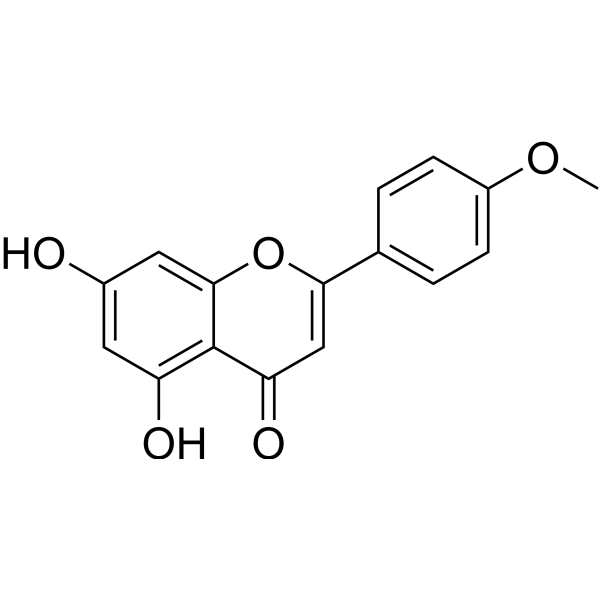
Acacetin (5,7-Dihydroxy-4'-methoxyflavone) is an orally active flavonoid derived from Dendranthema morifolium. Acacetin docks in the ATP binding pocket of PI3Kγ. Acacetin causes cell cycle arrest and induces apoptosis and autophagy in cancer cells. Acacetin has potent anti-cancer and anti-inflammatory activity and has the potential for pain-related diseases research .
loading...
    loading...
15
15 Cited Publications
Cat. No.: HY-144806
CAS No.: 3033069-84-7
Purity:  99.64%
Target:  

PI3K Akt Apoptosis

Research Areas:  

Cancer

PI3K/AKT-IN-1 is an effective PI3K/AKT dual inhibitor (IC50 of 6.99, 4.01 and 3.36 μM for PI3Kγ, PI3Kδ and AKT, respectively). PI3K/AKT-IN-1 has anticancer activity and acts by inhibiting PI3K/AKT axis and inducing caspase 3 dependent apoptosis .
loading...
    loading...
15
15 Cited Publications
Cat. No.: HY-13685
CAS No.: 58066-85-6
Purity:  99.92%
Synonyms: HePC; Hexadecyl phosphocholine
Target:  

Akt HIV Parasite

Research Areas:  

Infection Cancer

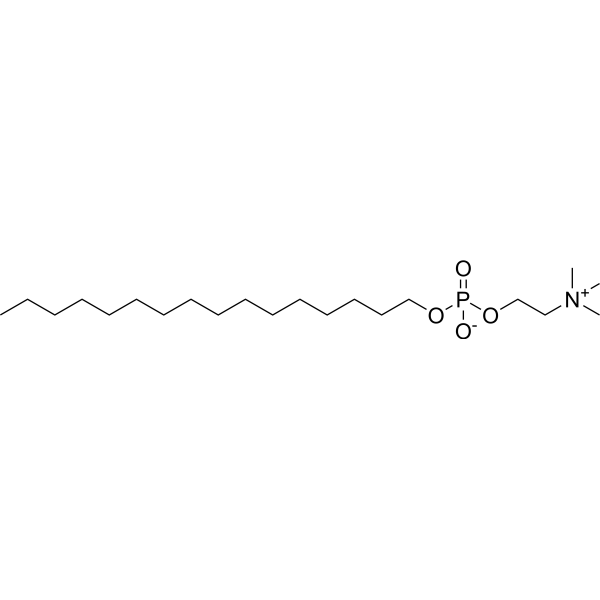
Miltefosine is a broad spectrum antimicrobial, anti-leishmanial, phospholipid agent acting by inhibiting the PI3K/Akt activity . Miltefosine is an inhibitor of CTP-phosphocholine cytidyltransferase (CCT) .
loading...
    loading...
15
15 Cited Publications
Cat. No.: HY-D0803
CAS No.: 490-91-5
Thymoquinone is an orally active natural product isolated from N. sativa Thymoquinone down-regulates the VEGFR2-PI3K-Akt pathway. Thymoquinone has antioxidant, anti-inflammatory, anticancer, antiviral, anticonvulsant, antifungal, antiviral, antiangiogenic activity and hepatoprotective effects. Thymoquinone can be used to study Alzheimer's disease, cancer, cardiovascular disease, infectious disease and inflammation .
loading...
    loading...
11
11 Cited Publications
Cat. No.: HY-B0648
CAS No.: 520-85-4
Synonyms: 17α-Hydroxy-6α-methylprogesterone; U8840
Target:  

Progesterone Receptor

Research Areas:  

Endocrinology Cancer

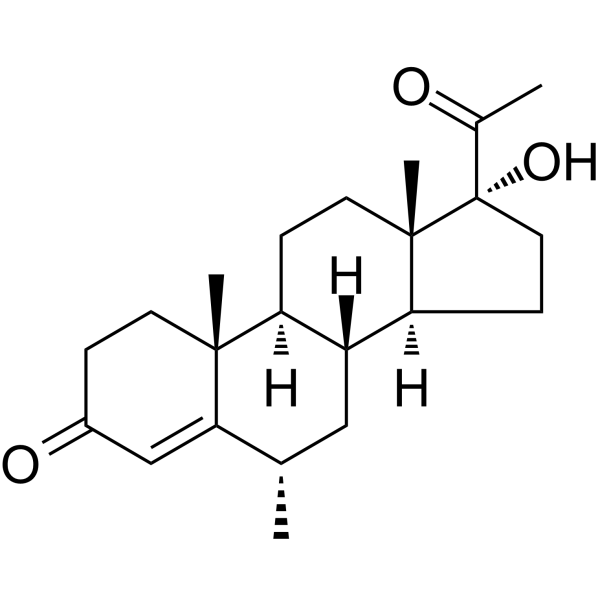
Medroxyprogesterone (17α-Hydroxy-6α-methylprogesterone) is a synthetic human variant of progesterone that is a progesterone receptor agonist with oral activity. Medroxyprogesterone can induce cell proliferation through the PI3K/Akt signaling pathway. Medroxyprogesterone has an inhibitory effect on atherosclerosis in mice. The progesterone agonist activity of Medroxyprogesterone is less effective than Medroxyprogesterone acetate (HY-B0469) .
loading...
    loading...

