1. Search Result
Search Result
Results for "

poly-ADP ribose polymerase

" in MedChemExpress (MCE) Product Catalog:

67

Inhibitors & Agonists

1

Peptides

1

Inhibitory Antibodies

9

Natural
Products

9

Recombinant Proteins

6

Isotope-Labeled Compounds

6

Antibodies

8

Oligonucleotides

Cat. No. Nombre del producto Target Áreas de investigación Chemical Structure
  • HY-B0097
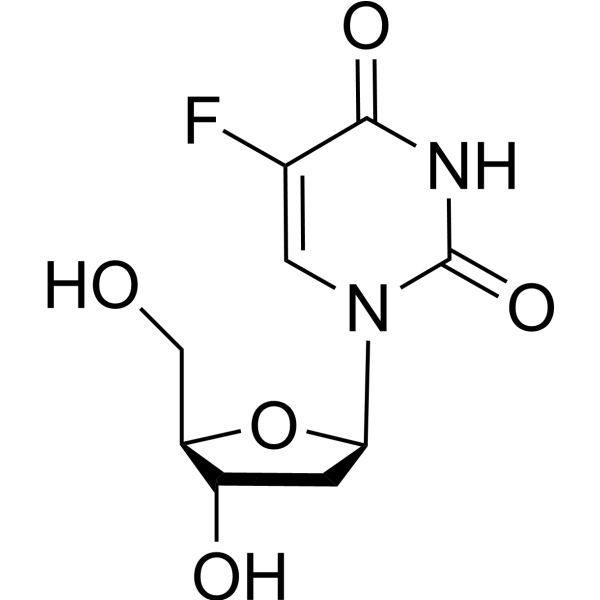
    Floxuridine
    Maximum Cited Publications
    15 Publications Verification

    5-Fluorouracil 2'-deoxyriboside

    Nucleoside Antimetabolite/Analog DNA/RNA Synthesis Bacterial CMV HSV Apoptosis Infection Cancer
    Floxuridine (5-Fluorouracil 2'-deoxyriboside) is a pyrimidine analog and known as an oncology antimetabolite. Floxuridine inhibits Poly(ADP-Ribose) polymerase and induces DNA damage by activating the ATM and ATR checkpoint signaling pathways in vitro. Floxuridine is a extreamly potent inhibitor for S. aureus infection and induces cell apoptosis . Floxuridine has antiviral effects against HSV and CMV .
    Floxuridine
  • HY-113432

    2PY

    Endogenous Metabolite PARP Metabolic Disease
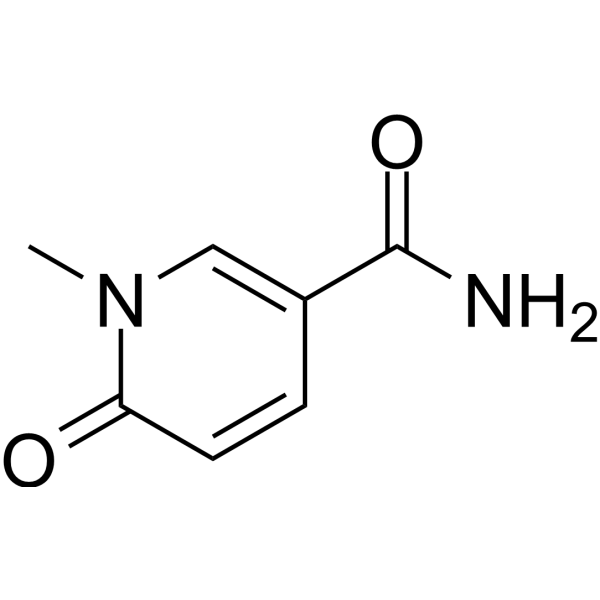
    Nudifloramide (2PY) is one of the end products of nicotinamide-adenine dinucleotide (NAD) degradation. Nudifloramide significantly inhibits poly(ADP-ribose) polymerase (PARP-1) activity in vitro .
    Nudifloramide
  • HY-139039
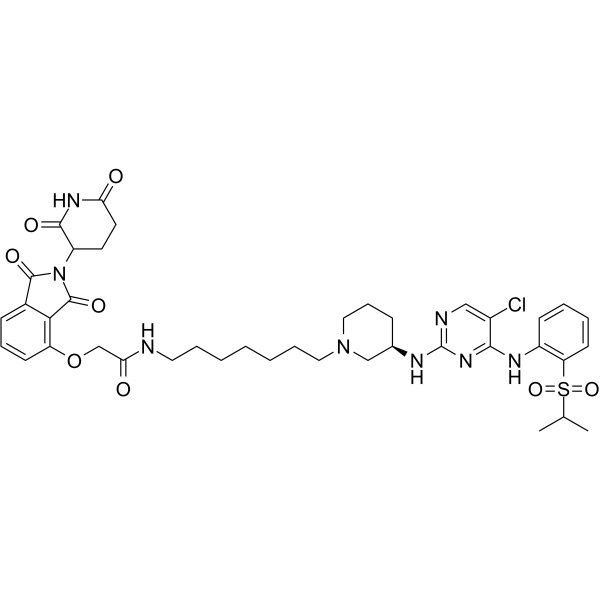
    BSJ-4-116
    4 Publications Verification

    PROTACs CDK Cancer
    BSJ-4-116 is a PROTAC connected by ligands for Cereblon and CDK. BSJ-4-116 is a highly potent and selective CDK12 degrader (PROTAC) with an IC50 of 6 nM. BSJ-4-116 downregulates DDR genes through a premature termination of transcription, primarily through increasing poly(adenylation). BSJ-4-116 exhibits potent antiproliferative effects, alone and in combination with the poly(ADP-ribose) polymerase inhibitor Olaparib (HY-10162) .
    BSJ-4-116
  • HY-158799

    Poly(ADP-ribose) Glycohydrolase (PARG) Others
    Poly(ADP-ribose) Polymer/pADPr is a complex polymer of repeating ADP-ribose units, which is synthesized using poly(ADP-ribose) polymerase (PARP) in the presence of NAD +, cleaved from PARP, and subsequently purified .
    Poly(ADP-ribose) Polymer/pADPr
  • HY-120380

    MOFs PARP Neurological Disease
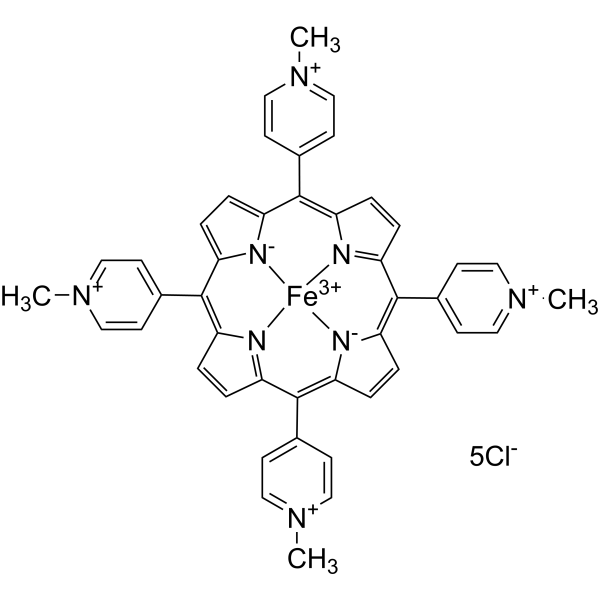
    FeTMPyP is an orally active poly (ADP-ribose) polymerase (PARP) inhibitor. FeTMPyP inhibits cell death, nitrotyrosine formation, and depolarization of mitochondrial transmembrane potential. FeTMPyP reduces homocysteine-induced nitrosative stress and partially restores TFEB protein and mRNA levels. FeTMPyP improves functional and behavioral deficits caused by chronic constriction injury in rats. FeTMPyP alleviates acute cerebral infarction in a rat model of middle cerebral artery occlusion with mild hyperglycemia. FeTMPyP can be used in studies related to neuropathic pain, renal aging, ischemic penumbra, and hyperglycemic stroke .
    FeTMPyP
  • HY-Z0283
    Benzamide
    1 Publications Verification

    Benzenecarboxamide; Phenylamide

    Endogenous Metabolite PARP Others
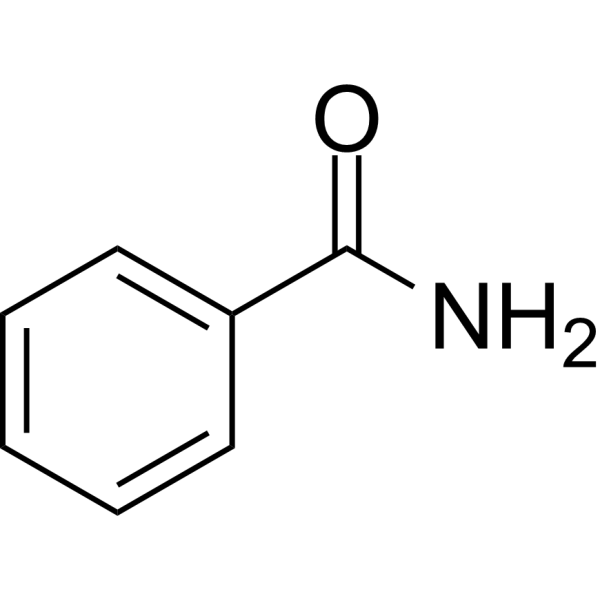
    Benzamide (Benzenecarboxamide) is a potent poly(ADP-ribose) polymerase (PARP) inhibitor. Benzamide has protective activity against both glutamate- and methamphetamine (METH)-induced neurotoxicity in vitro. Benzamide can attenuate the METH-induced dopamine depletions and exhibits neuroprotective activity in mice, also has no acute effect on striatal dopamine metabolism and does not reduce body temperature .
    Benzamide
  • HY-141867

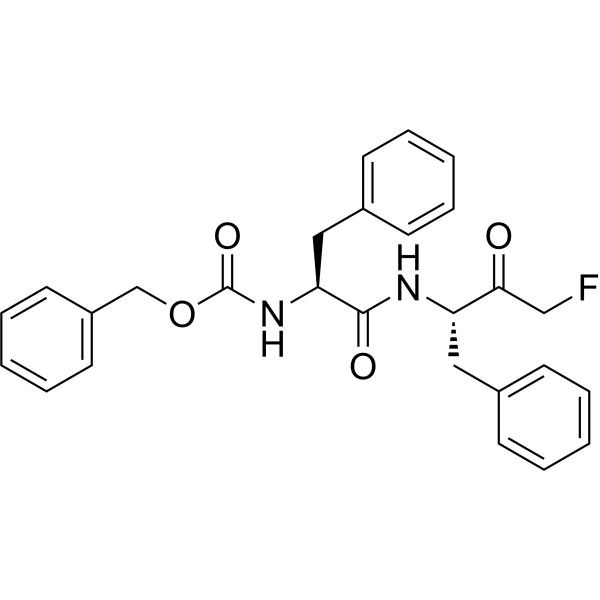
    Z-Phe-Phe-FMK

    Cathepsin MEK Caspase DNA/RNA Synthesis Apoptosis Cardiovascular Disease Neurological Disease
    Z-FF-FMK (Z-Phe-Phe-FMK) is a cell-permeable, irreversible, and cysteine protease inhibitor targeting cathepsin-L. Z-FF-FMK inhibits angiotensin II-induced MEK activation in vascular walls, aortic medial remodeling, blood pressure elevation, and upregulation of cystatin C in aortic walls. Z-FF-FMK prevents β-amyloid-mediated caspase-3 activation, poly (ADP-ribose) polymerase cleavage, DNA fragmentation, and apoptosis of cortical neurons (apoptosis). Z-FF-FMK can be used in research related to hypertension and Alzheimer's disease .
    Z-FF-FMK
  • HY-15045
    INO-1001
    2 Publications Verification

    PARP Cancer
    INO-1001 is a potent and selective poly (ADP-ribose) polymerase (PARP) inhibitor. INO-1001 is a potent enhancer of radiation sensitivity and enhances radiation-induced cell killing by interfering with DNA repair mechanisms, resulting in necrotic cell death . INO-1001 has anti-tumor effects .
    INO-1001
  • HY-N1910
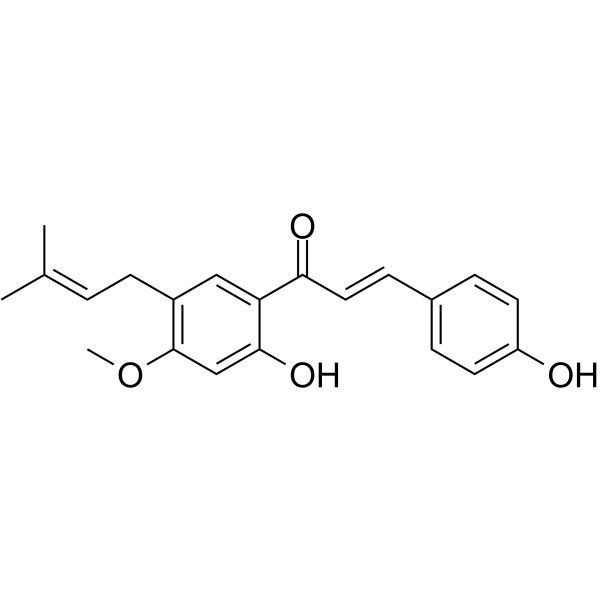
    4'-O-Methylbavachalcone
    4 Publications Verification

    SARS-CoV Virus Protease Succinate Receptor 1 ERK Infection Neurological Disease
    4'-O-Methylbavachalcone is an orally active prenylated flavonoid that inhibits the activity of SARS-CoV papain-like protease (PLpro), with an IC50 of 10.1 μM and a Ki of 4.6 μM. 4'-O-Methylbavachalcone inhibits poly (ADP-ribose) polymerase-mediated cell death (parthanatos), reduces cerebral infarct volume, binds to the orthosteric site of SUCNR1, blocks the interaction between succinate and SUCNR1, inhibits SUCNR1 activity, blocks the nuclear translocation of NFATc4, suppresses the activation of the ERK1/2 signaling pathway, inhibits cardiomyocyte hypertrophy and restores the expression of α-actinin. 4'-O-Methylbavachalcone can be used in studies related to ischemic stroke, SARS-CoV and cardiomyocyte hypertrophy .
    4'-O-Methylbavachalcone
  • HY-G0023

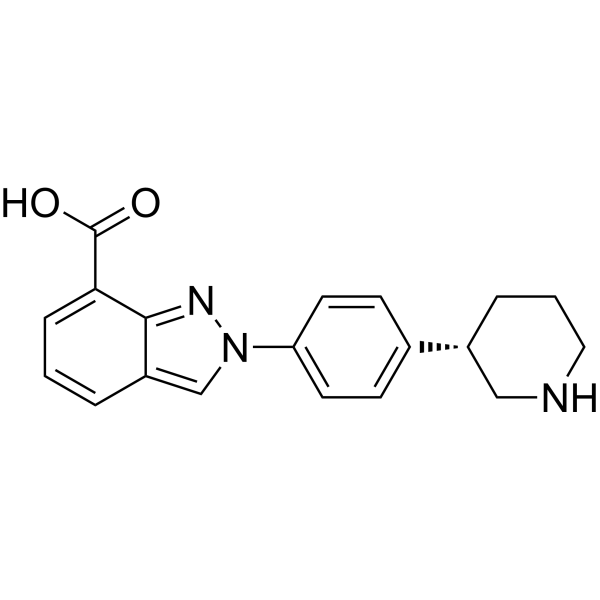
    Niraparib carboxylic acid metabolite M1; M1 metabolite of niraparib

    Drug Metabolite Others
    Niraparib metabolite M1 is a metabolite of niraparib, and the latter one acts as a novel poly(ADP-Ribose) polymerase (PARP) inhibitor.
    Niraparib metabolite M1
  • HY-134354A

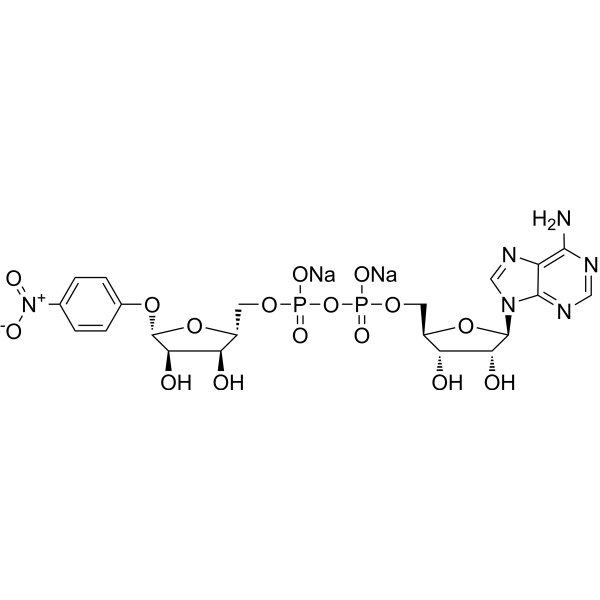
    ADP-ribose-pNP disodium

    Poly(ADP-ribose) Glycohydrolase (PARG) Others
    pNP-ADPr disodium is a colorimetric substrate that used for the first continuous Poly(ADP-ribose) glycohydrolase (PARG) and ADP-ribosyl hydrolase 3 (ARH3) activity assays. pNP-ADPr disodium can be used for the research of poly(ADP-ribose)polymerase (PARP) enzymes .
    pNP-ADPr disodium
  • HY-113432S

    Endogenous Metabolite PARP Metabolic Disease
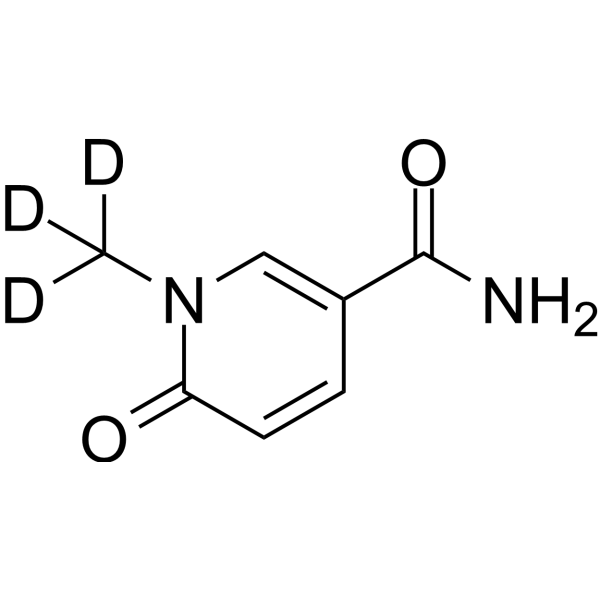
    Nudifloramide-d3 (2PY-d3) is the deuterium labeled Nudifloramide. Nudifloramide (2PY) is one of the end products of nicotinamide-adenine dinucleotide (NAD) degradation. Nudifloramide significantly inhibits poly(ADP-ribose) polymerase (PARP-1) activity in vitro .
    Nudifloramide-d3
  • HY-N8481
    3,6-Dihydroxyflavone
    1 Publications Verification

    3,6-DHF

    Apoptosis Cancer
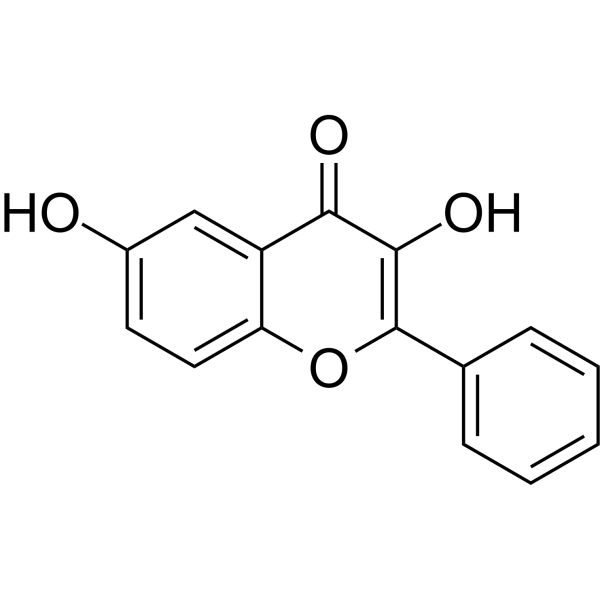
    3,6-Dihydroxyflavone is an anti-cancer agent. 3,6-Dihydroxyflavone dose- and time-dependently decreases cell viability and induces apoptosis by activating caspase cascade, cleaving poly (ADP-ribose) polymerase (PARP). 3,6-Dihydroxyflavone increases intracellular oxidative stress and lipid peroxidation .
    3,6-Dihydroxyflavone
  • HY-B0097R

    5-Fluorouracil 2'-deoxyriboside (Standard)

    Reference Standards Nucleoside Antimetabolite/Analog DNA/RNA Synthesis Bacterial CMV HSV Apoptosis Infection Cancer
    Floxuridine (Standard) is the analytical standard of Floxuridine. This product is intended for research and analytical applications. Floxuridine (5-Fluorouracil 2'-deoxyriboside) is a pyrimidine analog and known as an oncology antimetabolite. Floxuridine inhibits Poly(ADP-Ribose) polymerase and induces DNA damage by activating the ATM and ATR checkpoint signaling pathways in vitro. Floxuridine is a extreamly potent inhibitor for S. aureus infection and induces cell apoptosis . Floxuridine has antiviral effects against HSV and CMV .
    Floxuridine (Standard)
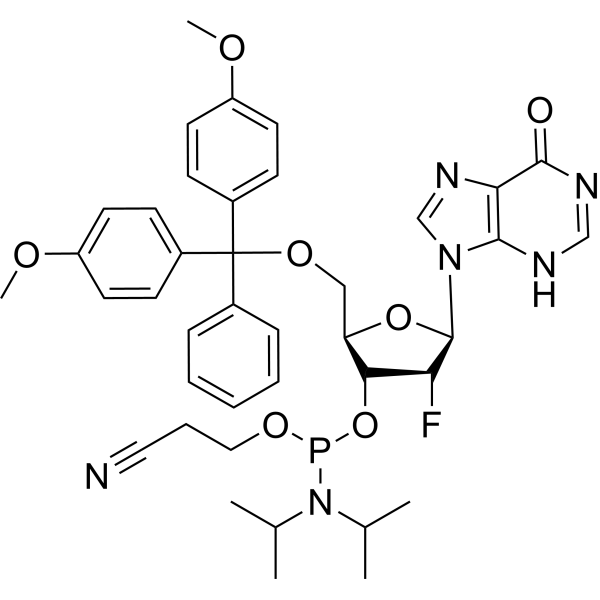
  • HY-W141392

    Nucleoside Antimetabolite/Analog Xanthine Oxidase Phosphoramidites Cancer
    2'-Fluoro-5'-O-DMT-2'-deoxyinosine-3'-CE-phosphoramidite is a hypoxanthine analog. Hypoxanthine is a kind of purine base mainly present in muscle tissue. And it is a metabolite produced by purine oxidase acting on xanthine. Hypoxanthine has typical anti-inflammatory effects and is a potential endogenous poly(ADP-ribose) polymerase (PARP) inhibitor. It is cytoprotective by inhibiting PAPR activity, inhibiting peroxynitrite-induced mitochondrial depolarization and secondary superoxide production. Hypoxanthine can also be used as an indicator of hypoxia .
    2'-Fluoro-5'-O-DMT-2'-deoxyinosine-3'-CE-phosphoramidite
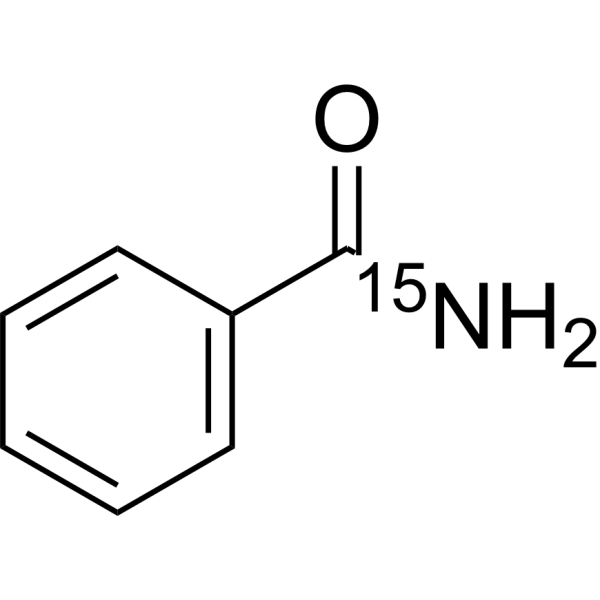
  • HY-Z0283S

    Benzenecarboxamide-15N; Phenylamide-15N

    Endogenous Metabolite PARP Others
    Benzamide- 15N is a 15N-labeled Benzamide. Benzamide inhibits poly(ADP-ribose) polymerase (PARP) .
    Benzamide-15N
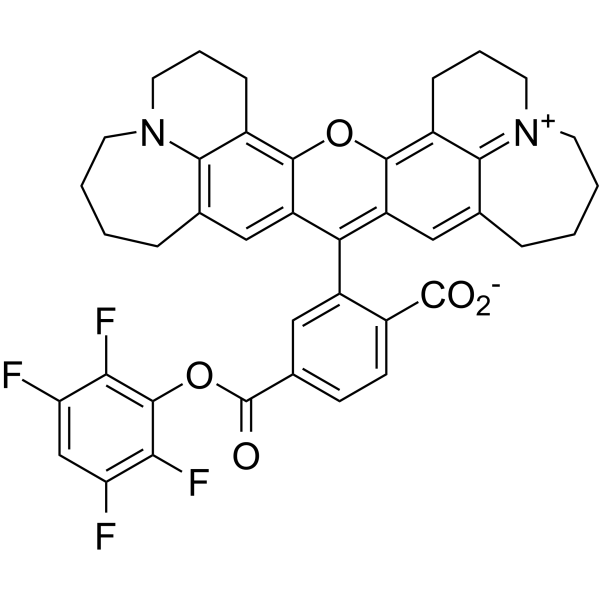
  • HY-D1107

    PARP Others
    NCT-TFP is PARP probe used to identifying Poly(ADP-ribose) polymerases (PARP) inhibitors (extracted from patent US20190331688A1) .
    NCT-TFP
  • HY-113432R

    2PY (Standard)

    Reference Standards Endogenous Metabolite PARP Metabolic Disease
    Nudifloramide (Standard) is the analytical standard of Nudifloramide. This product is intended for research and analytical applications. Nudifloramide (2PY) is one of the end products of nicotinamide-adenine dinucleotide (NAD) degradation. Nudifloramide significantly inhibits poly(ADP-ribose) polymerase (PARP-1) activity in vitro .
    Nudifloramide (Standard)
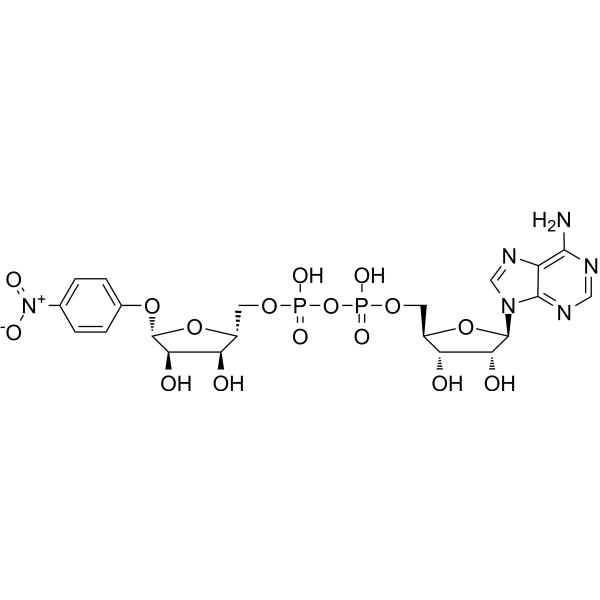
  • HY-134354

    ADP-ribose-pNP

    Poly(ADP-ribose) Glycohydrolase (PARG) Others
    pNP-ADPr is a colorimetric substrate that used for the first continuous Poly(ADP-ribose) glycohydrolase (PARG) and ADP-ribosyl hydrolase 3 (ARH3) activity assays. pNP-ADPr can be used for the research of poly(ADP-ribose)polymerase (PARP) enzymes .
    pNP-ADPr
  • HY-105692

    PARP Neurological Disease
    DR2313 is a potent, selective, competitive and brain-penetrant inhibitor of poly(ADP-ribose) polymerase (PARP), with IC50s of 0.20 μM and 0.24 μM for PARP-1 and PARP-2, respectively. DR2313 exhibits neuroprotective effects on ischemic injuries in vitro and in vivo .
    DR2313
  • HY-152696

    Xanthine Oxidase Nucleoside Antimetabolite/Analog Others
    6-O-Methylinosine is a hypoxanthine analogue. Hypoxanthine is a kind of purine base mainly present in muscle tissue. And it is a metabolite produced by purine oxidase acting on xanthine. Hypoxanthine has typical anti-inflammatory effects and is a potential endogenous poly(ADP-ribose) polymerase (PARP) inhibitor. It is cytoprotective by inhibiting PAPR activity, inhibiting peroxynitrite-induced mitochondrial depolarization and secondary superoxide production. Hypoxanthine can also be used as an indicator of hypoxia .
    6-O-Methylinosine
  • HY-148709

    PARP Inflammation/Immunology
    ARTD10/PARP10-IN-1 (compound 23) is a potent and non-selective PARP inhibitor, targeting to mono-ADP-ribosyltransferases ARTD7/PARP15, ARTD8/PARP14, ARTD10/PARP10 and poly(ADP-ribose) polymerase-1 (ARTD1/PARP1) with IC50s of 1.7 μM, 1.6 μM, 0.8 μM, and 4.4 μM, respectively .
    ARTD10/PARP10-IN-1
  • HY-136778

    PARP Reactive Oxygen Species (ROS) Bcl-2 Family Caspase ERK p38 MAPK Cardiovascular Disease
    INH2BP is a poly(ADP-ribose) polymerase (PARP) inhibitor with antioxidant and anti-apoptotic activities. INH2BP reduces the production of intracellular reactive oxygen species (ROS), modulates the expression of apoptosis-related proteins such as Bax, Bcl-2 and cleaved caspase-3 and enhances cell survival through the activation of the ERK1/2 and p38 MAPK signaling pathways. INH2BP is promising for research of cardiovascular diseases .
    INH2BP
  • HY-167927

    CVL218

    PARP Cancer
    Mefuparib (CVL218) is a poly ADP-ribose polymerase (PARP) inhibitor used in cancer research that exhibits potent brain penetration due to its high protein binding.
    Mefuparib
  • HY-15048

    PARP Inflammation/Immunology
    GPI 15427 is a potent inhibitor of the enzyme poly (ADP-ribose) polymerase-1 (PARP-1), which plays a harmful role during inflammation. In a rat model of gut injury and inflammation, including splanchnic artery occlusion (SAO) shock and dinitrobenzene sulfonic acid (DNBS)-induced colitis, GPI 15427 demonstrates strong anti-inflammatory effects that reduces inflammatory cell infiltration, histological injury. GPI 15427 also diminishes the accumulation of poly (ADP-ribose) in the ileum and colon of treated rats .
    GPI 15427
  • HY-132157

    PARP Cancer
    8-Chloroquinazolin-4-ol is a poly (ADP-ribose) polymerase-1 (PARP-1) inhibitor with an IC50 value of 5.65 μM. 8-Chloroquinazolin-4-ol can be used in cancer-related research .
    8-Chloroquinazolin-4-ol
  • HY-177631A

    DT01 sodium; coDbait sodium

    Poly(ADP-ribose) Glycohydrolase (PARG) Cancer
    Etidaligide sodium, an AsiDNA, a first-in-class DNA repair inhibitor designed to prevent the repair of DNA damage in tumour cells. It also activates DNA-dependent protein kinase (DNA-PK) and poly (ADP-ribose) polymerase enzymes that induce phosphorylation
    Etidaligide sodium
  • HY-177631

    DT01; coDbait

    Poly(ADP-ribose) Glycohydrolase (PARG) Cancer
    Etidaligide, an AsiDNA, a first-in-class DNA repair inhibitor designed to prevent the repair of DNA damage in tumour cells. It also activates DNA-dependent protein kinase (DNA-PK) and poly (ADP-ribose) polymerase enzymes that induce phosphorylation of H2A
    Etidaligide
  • HY-177100

    PARP Others
    Lotixparib (Example 1) is an inhibitor of poly(ADP-ribose)polymerase-1 (PARP-1). Lotixparib has cytoprotective effect against a retinal disease. Lotixparib can be studied in research for PARP-1-associated diseases .
    Lotixparib
  • HY-148710

    PARP Inflammation/Immunology
    ARTD10/PARP10-IN-2 (compound 19) is a potent and non-selective PARP inhibitor, targeting to mono-ADP-ribosyltransferases ARTD10/PARP10 and poly(ADP-ribose) polymerase-1 ARTD1/PARP1 with IC50s of 2.0 μM, and 9.7 μM, respectively .
    ARTD10/PARP10-IN-2
  • HY-10885

    ABT-472

    PARP Cancer
    A-620223 succinate (ABT-472) is an orally available poly(ADP-ribose) polymerase (PARP) inhibitor. A-620223 succinate (ABT-472) exhibits very good potency against the PARP-1 enzyme with a Ki value of 8 nM and an EC50 value of 3 nM in whole cell assay, making it useful in cancer research .
    A-620223 succinate
  • HY-W711852

    Benzenecarboxamide-d5; Phenylamide-d5

    Isotope-Labeled Compounds PARP Endogenous Metabolite Others
    Benzamide-d5 (Benzenecarboxamide-d5) is deuterium labeled Benzamide. Benzamide (Benzenecarboxamide) is a potent poly(ADP-ribose) polymerase (PARP) inhibitor. Benzamide has protective activity against both glutamate- and methamphetamine (METH)-induced neurotoxicity in vitro. Benzamide can attenuate the METH-induced dopamine depletions and exhibits neuroprotective activity in mice, also has no acute effect on striatal dopamine metabolism and does not reduce body temperature .
    Benzamide-d5
  • HY-W392836

    Nucleoside Antimetabolite/Analog Xanthine Oxidase Phosphoramidites Cancer
    2'-O-Methyl-5'-O-dmt-inosine-3'-CE-phosphoramidite is a hypoxanthine analog. Hypoxanthine is a kind of purine base mainly present in muscle tissue. And it is a metabolite produced by purine oxidase acting on xanthine. Hypoxanthine has typical anti-inflammatory effects and is a potential endogenous poly(ADP-ribose) polymerase (PARP) inhibitor. It is cytoprotective by inhibiting PAPR activity, inhibiting peroxynitrite-induced mitochondrial depolarization and secondary superoxide production. Hypoxanthine can also be used as an indicator of hypoxia .
    2'-O-Methyl-5'-O-dmt-inosine-3'-CE-phosphoramidite
  • HY-100847

    PARP Cancer
    AZ0108 is an inhibitor for poly ADP-ribose polymerase (PARP), which inhibits PARP1, PARP2, PARP3, PARP6, TNKS1, TNKS2, with IC50s of <0.03, <0.03, 2.8, 0.083, 3.2, >3 μM, respectively. AZ0108 prevents centrosome clustering with an EC50 of 0.053 μM, and exhibits cytotoxicity in cell OCI-LY-19 with GI50 of 0.017 μM. AZ0108 exhibits good in vivo pharmacokinetic characters in rat/mouse models .
    AZ0108
  • HY-W766548

    5-Fluorouracil 2'-deoxyriboside-13C,15N2

    Isotope-Labeled Compounds Apoptosis Nucleoside Antimetabolite/Analog CMV HSV Bacterial DNA/RNA Synthesis Cancer
    Floxuridine- 13C, 15N2 (5-Fluorouracil 2'-deoxyriboside- 13C, 15N2) is the 13C- and 15N-labeled labeled Floxuridine (HY-B0097). Floxuridine (5-Fluorouracil 2'-deoxyriboside) is a pyrimidine analog and known as an oncology antimetabolite. Floxuridine inhibits Poly(ADP-Ribose) polymerase and induces DNA damage by activating the ATM and ATR checkpoint signaling pathways in vitro. Floxuridine is a extreamly potent inhibitor for S. aureus infection and induces cell apoptosis . Floxuridine has antiviral effects against HSV and CMV .
    Floxuridine-13C,15N2
  • HY-P99881

    ABBV 176

    Antibody-Drug Conjugates (ADCs) Cancer
    Rolinsatamab talirine (ABBV 176) is a prolactin receptor (PRLR)-targeting antibody-drug conjugate (ADC), compoused of Rolinsatamab (HY-P99238) and SGD-1882 (HY-101127). Rolinsatamab talirine binds to PRLR to deliver a cytotoxin to tumor cells. Rolinsatamab talirine induces DNA damage, and exhibits cytotoxicity against multiple breast tumor models, including triple negative and low PRLR-expressing models. Rolinsatamab talirine demonstrates enhanced anti-tumor activity in several breast cancer models. Rolinsatamab talirine can be used for the research of breast cancer, hepatocellular carcinoma, ovarian cancer, endometrial cancer, prostate cancer, colorectal cancer, adrenocortical carcinoma, and solid tumors .
    Rolinsatamab talirine
  • HY-142657

    PARP Cancer
    PARP1-IN-7 is an inhibitor of poly(ADP-ribose) polymerase-1 (PARP1) as an anticancer agent.
    PARP1-IN-7
  • HY-U00223

    PARP Cancer
    WD2000-012547 is a selective poly(ADP-ribose)-polymerase (PARP-1) inhibitor with a pKi of 8.221.
    WD2000-012547
  • HY-174836

    PARP Cancer
    ZINC000081009201 is a potent poly(ADP-ribose) polymerase 1 (PARP1) inhibitor with an IC50 value of 1.4767 μM. ZINC000081009201 is promising for research of triple-negative breast cancer (TNBC) .
    ZINC000081009201
  • HY-167927S

    Isotope-Labeled Compounds PARP Cancer
    Mycophenolic Acid-d3 Acyl-Beta-D-glucuronide is the deuterium labeled Mefuparib (HY-167927). Mefuparib (CVL218) is a poly ADP-ribose polymerase (PARP) inhibitor used in cancer research that exhibits potent brain penetration due to its high protein binding.
    Mycophenolic Acid-d3 Acyl-Beta-D-glucuronide
  • HY-134313A

    8-Aminoadenosine-5'-O-triphosphate tetrasodium

    DNA/RNA Synthesis Endogenous Metabolite Metabolic Disease
    8-NH2-ATP tetrasodium, an inactive form of ATP, is produced by 8-NH2-Ado. 8-NH2-Ado tetrasodium induces apoptosis-related cleavage of poly (ADP-ribose) polymerase .
    8-NH2-ATP tetrasodium
  • HY-134313

    8-Aminoadenosine-5'-O-triphosphate

    DNA/RNA Synthesis Endogenous Metabolite Metabolic Disease
    8-NH2-ATP, an inactive form of ATP, is produced by 8-NH2-Ado. 8-NH2-Ado is reported to be potent as shown by induction of apoptosis-related cleavage of poly (ADP-ribose) polymerase .
    8-NH2-ATP
  • HY-14206

    PARP Cancer
    NU 1085 is a potent poly(ADP-ribose) polymerase (PARP) inhibitor with a Ki of 6 nM. NU 1085 shows strong cytotoxicity to cancer cells (LC50 = 83-94 μM) and can enhance the anticancer effect of Temozolomide (HY-17364). NU 1085 can be used for the research of cancer, such as lung cancer .
    NU 1085
  • HY-15045A

    PARP Cancer
    INO-1001 mesylate is a potent and selective poly (ADP-ribose) polymerase (PARP) inhibitor. INO-1001 mesylate is a potent enhancer of radiation sensitivity and enhances radiation-induced cell killing by interfering with DNA repair mechanisms, resulting in necrotic cell death . INO-1001 mesylate has anti-tumor effects .
    INO-1001 mesylate
  • HY-155348

    PARP Cancer
    Ru3 is a poly(ADP-ribose) polymerase 1 inhibitor. Ru3 induces apoptosisin MCF-7 cells by multiple modes, inclusive of inducing DNA damage, suppressing DNA damage repair, disturbing cell cycle distribution, decreasing the mitochondrial membrane potential, and increasing the intracellular reactive oxygen species levels .
    Ru3
  • HY-N2374R

    Reference Standards Apoptosis Cancer
    Eupatorin (Standard) is the analytical standard of Eupatorin. This product is intended for research and analytical applications. Eupatorin, a naturally occurring flavone, arrests cells at the G2-M phase of the cell cycle and induces apoptotic cell death involving activation of multiple caspases, mitochondrial release of cytochrome c and poly(ADP-ribose) polymerase cleavage .
    Eupatorin (Standard)
  • HY-123786

    Apoptosis Caspase Cancer
    NSC745887 (compound 25) is an inhibitor that targets DNA topoisomerase cleavage, activates the caspase-8/9-caspase-3-poly (ADP-ribose) polymerase cascade, and induces apoptosis in cancer cells. NSC745887 enhances γH2AX expression and causes DNA fragmentation leading to DNA damage .
    NSC745887
  • HY-118988

    PPAR Apoptosis Cancer
    CAY10506 is a PPARγ ligand that can induce cell death and ROS production in a PPARγ-dependent manner in vitro. CAY10506 exhibits radiosensitizing effects, enhancing γ-radiations-induced apoptosis and caspase-3-mediated poly (ADP-ribose) polymerase (PARP) cleavage. CAY10506 can be used in cancer research .
    CAY10506
  • HY-155807

    STAT JAK Apoptosis Cancer
    DPP is a Platinum(IV) complex, bearing pterostilbene-derived axial ligand. DPP inhibit the JAK2-STAT3 pathway in breast cancer (BC) cells with antiproliferative activity, and activates caspase-3 and cleaved poly ADP-ribose polymerase to induces apoptosis. DPP promotes the maturation and antigen presentation of dendritic cells, and exhibits in vivo safety .
    DPP
  • HY-115862

    Adenosine Receptor PARP Aurora Kinase Cardiovascular Disease Cancer
    Benzo[c][1,8]naphthyridin-6(5H)-one exhibits low micromolar affinity to human adenosine receptor (AR) A1 and hA2A, with Ki of 4.6 and 4.8 μM. Benzo[c][1,8]naphthyridin-6(5H)-one is inhibitor for poly ADP-ribose polymerase-1 (PARP-1) and aurora kinase A, with IC50 of 0.311 and 5.5 μM .
    Benzo[c][1,8]naphthyridin-6(5H)-one

Consulta en línea

Your information is safe with us. * Required Fields.

Saludo


Country or Region *

Nombre del solicitante *


Nombre de la Organizaciòn *

Department *


Direcciòn del E-mail *


Nombre del producto *

Cat. No.


Requested quantity *

Número de teléfono *


Observaciones

Consulta en línea

Inquiry Information

Nombre del producto:
Cat. No.:
Cantidad:
MCE Japan Authorized Agent:

