1. Search Result
Search Result
Results for "

rodent brain

" in MedChemExpress (MCE) Product Catalog:

38

Inhibitors & Agonists

1

Natural
Products

2

Isotope-Labeled Compounds

Cat. No. Product Name Target Research Areas Chemical Structure
  • HY-A0168
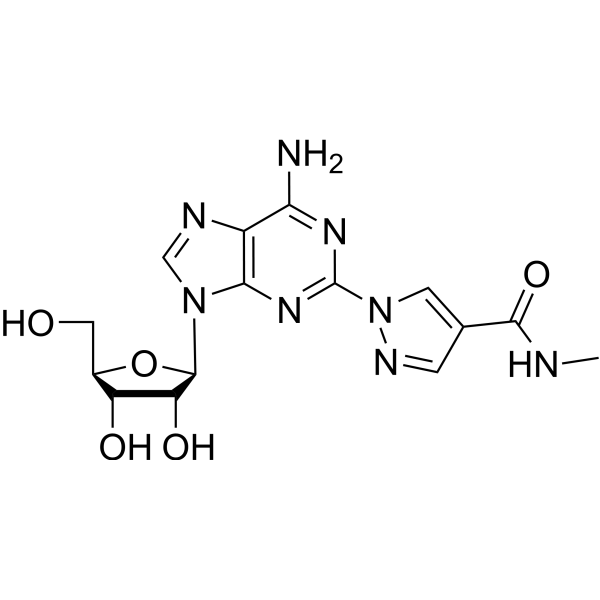
    Regadenoson
    3 Publications Verification

    CVT-3146

    Adenosine Receptor Cardiovascular Disease Cancer
    Regadenoson (CVT-3146) is a selective A2A adenosine receptor agonist and vasodilator that increases coronary blood flow, can be used in study of myocardial perfusion imaging. Regadenoson also increases the permeability of the blood-brain barrier (BBB) in rodents, can be used to study increased delivery of agents to the human CNS .
    Regadenoson
  • HY-123857
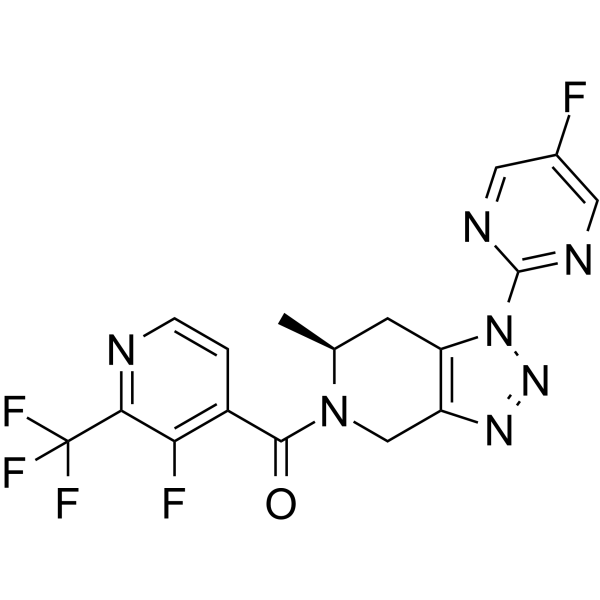
    JNJ-55308942
    2 Publications Verification

    P2X Receptor Neurological Disease Inflammation/Immunology
    JNJ-55308942 is a high-affinity, selective, brain-penetrant P2X7 functional antagonist (hP2X7: IC50=10 nM, Ki=7.1 nM; rP2X7: IC50=15 nM, Ki=2.9 nM). JNJ-55308942 is orally bioavailable, binds to brain P2X7 and blocks IL-1β release from adult rodent brain .
    JNJ-55308942
  • HY-W013150

    GABA Receptor Neurological Disease
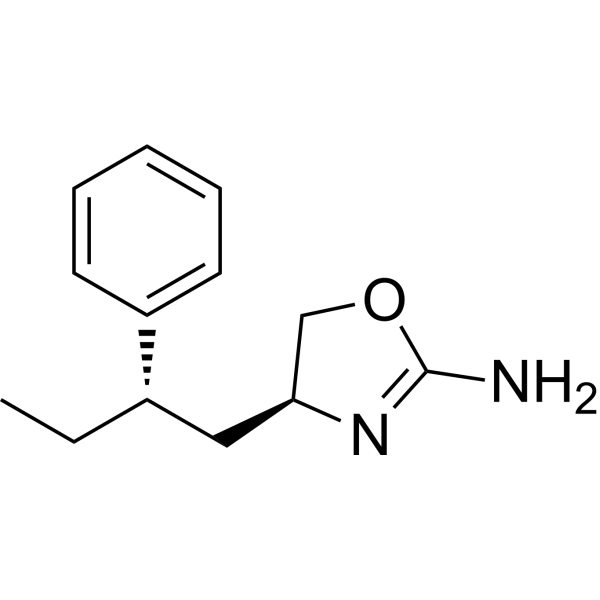
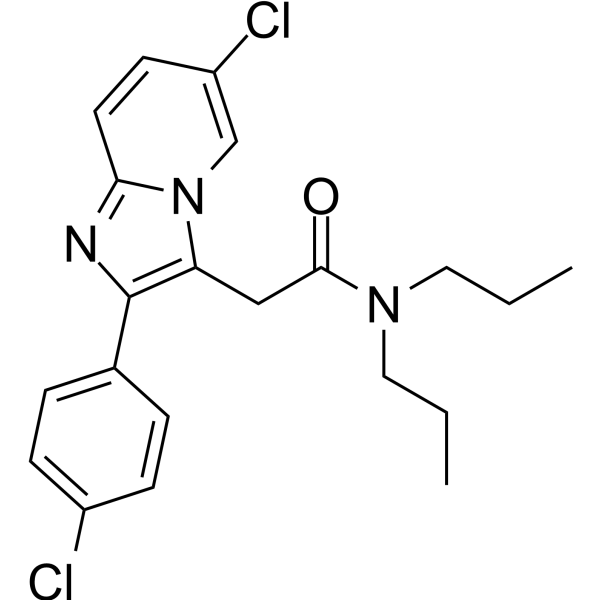
    Alpidem, an anxiolytic agent, is an orally active and brain-penetrant GABAA receptor ligand, binds to α1β2γ2 subunit-containing GABAA receptors (IC50 of 17 nM) over α5β2γ2 subunit-containing GABAA receptors (IC50 of >10 μM). Alpidem modulates calcium-induced mitochondrial permeability transition, induces glutathione depletion and hepatocyte necrosis, potentiates TNF-α toxicity, inhibits marble-burying and locomotor activity, enhances stressed rodent feeding behavior, and exerts anticonvulsant effects. Alpidem can be used for the research of anxiety, anxiety disorders, and convulsions .
    Alpidem
  • HY-100834
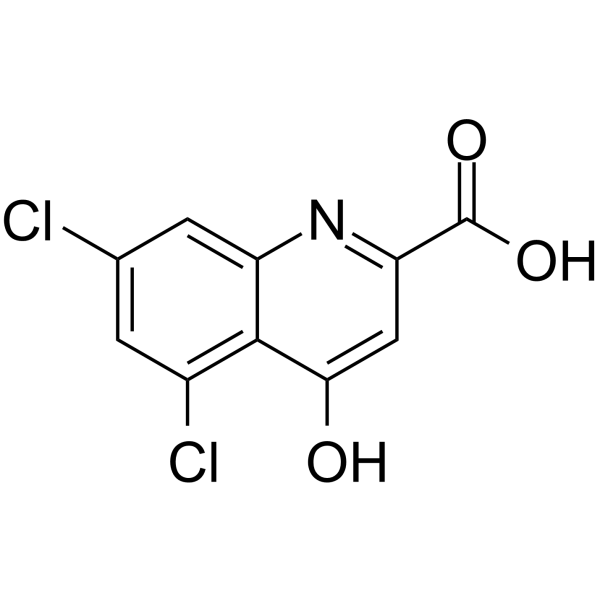
    5,7-Dichlorokynurenic acid
    1 Publications Verification

    5,7-DCKA

    iGluR Neurological Disease
    5,7-Dichlorokynurenic acid (5,7-DCKA) is a selective and competitive antagonist of the glycine site on NMDA receptor with a KB of 65 nM. 5,7-Dichlorokynurenic acid reduces NMDA-induced neuron injury. 5,7-Dichlorokynurenic acid increases social interaction time, increases open arm exploration time, disinhibits suppressed conflict responding in rodent models. 5,7-Dichlorokynurenic acid exhibits anxiolytic-like activity in rodent models and supports exploration of glycine’s role in NMDA receptor-mediated synaptic transmission .
    5,7-Dichlorokynurenic acid
  • HY-N8157
    4'-O-Methylpyridoxine
    1 Publications Verification

    Others Cardiovascular Disease Neurological Disease
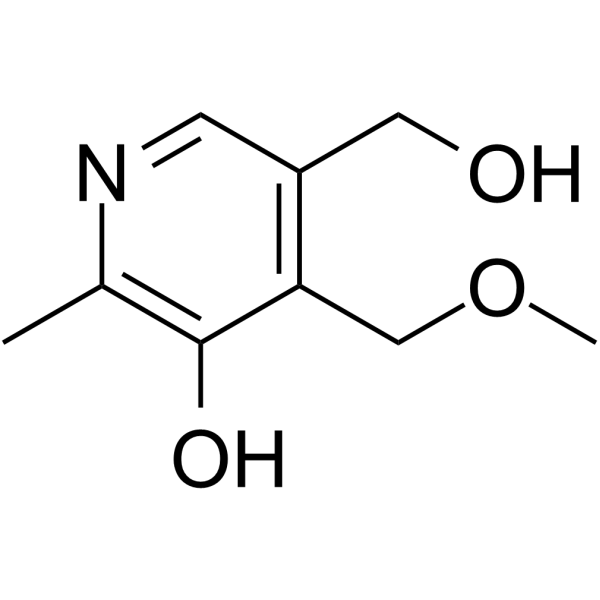
    4'-O-Methylpyridoxine is an orally active antivitamin B6 compound found in Ginkgo biloba seeds and leaves. 4'-O-Methylpyridoxine inhibits pyridoxal kinase. 4'-O-Methylpyridoxine reduces brain pyridoxal-5'-phosphate (PLP) levels, decreases gamma-aminobutyric acid/glutamate (GABA/Glu) ratio. 4'-O-Methylpyridoxine increases plasma levels of pyridoxal-5'-phosphate and pyridoxal. 4'-O-Methylpyridoxine induces hyperactivity, convulsions, pathological tissue changes, organ damage in rodent brain and heart .
    4'-O-Methylpyridoxine
  • HY-162351

    Emopamil Binding Protein Metabolic Disease
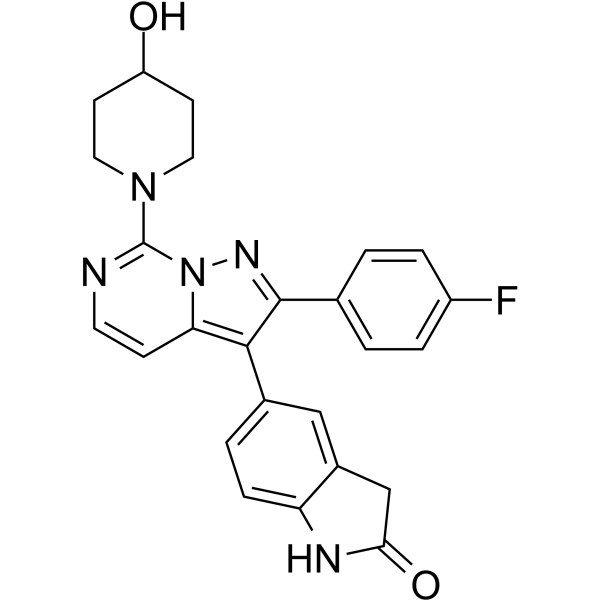
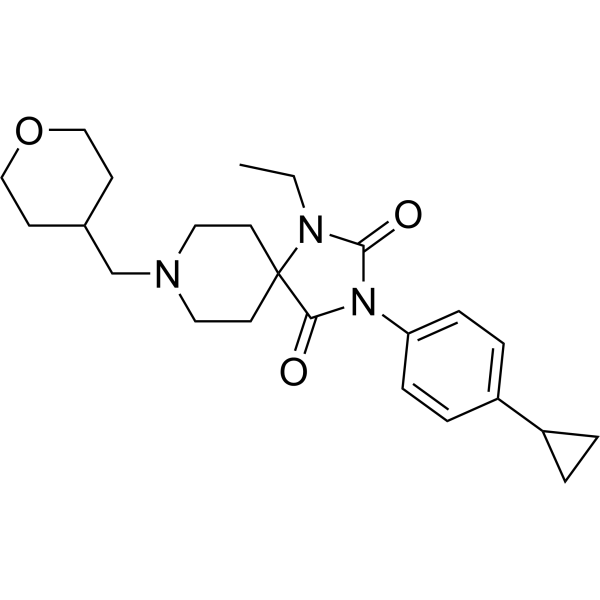
    EBP-IN-1 is an orally active, blood-brain barrier-permeable inhibitor of emopamil binding protein (EBP). EBP-IN-1 has an IC50 of 8.2 μM against human ERG potassium channels (in CHO background). By inhibiting the sterol isomerase activity of EBP, EBP-IN-1 causes the accumulation of Zymostenol (HY-113345), and exhibits strong target binding in the brain after repeated administration in rodents. EBP-IN-1 also promotes oligodendrocyte formation in human cortical organoids and can be used in research related to multiple sclerosis .
    EBP-IN-1
  • HY-111751
    JNJ-61432059
    1 Publications Verification

    iGluR Neurological Disease
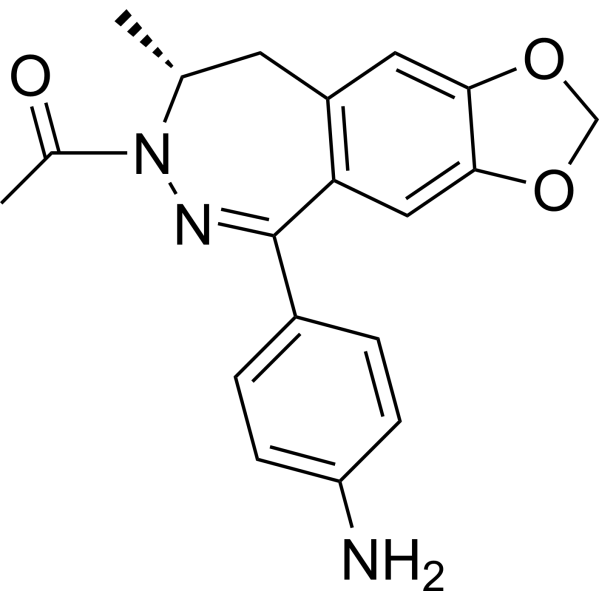
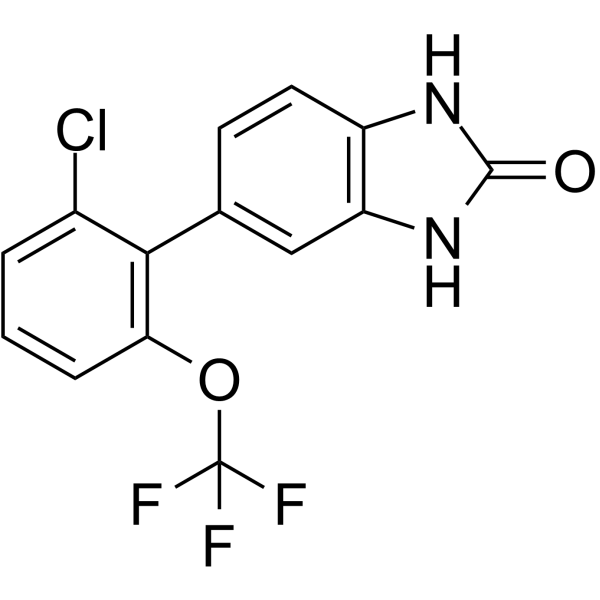
    JNJ-61432059 is a blood-brain barrier-permeable, orally active TARP γ-8-associated AMPAR modulator with anticonvulsant activity. JNJ-61432059 negatively regulates GluA1 and positively modulates GluA2-containing AMPARs. JNJ-61432059 exerts potent protective effects in rodent epilepsy models. JNJ-61432059 is applicable for epilepsy-related research .
    JNJ-61432059
  • HY-118424

    iGluR Neurological Disease Metabolic Disease
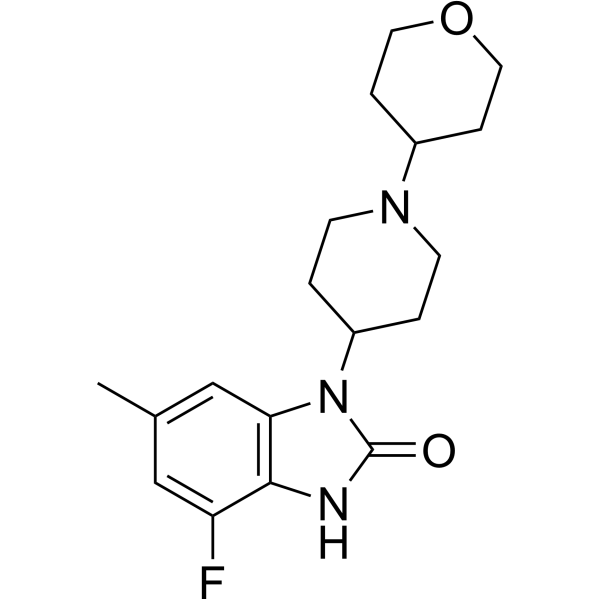
    JNJ-55511118 is a selective TARP γ-8 binding AMPA receptor modulator with oral bioavailability and blood-brain barrier permeability, with a Ki of 26 nM. JNJ-55511118 reduces voluntary intake of sweetened alcohol in male mice. In rodent models, JNJ-55511118 inhibits hippocampal neurotransmission, reduces specific electroencephalogram frequency bands, induces transient hyperlocomotion, impairs learning and memory abilities, and exerts anticonvulsant effects. JNJ-55511118 is applicable to research related to alcohol use disorder and seizures .
    JNJ-55511118
  • HY-15079
    Talampanel
    1 Publications Verification

    GYKI-53773; LY-300164

    iGluR Apoptosis Neurological Disease Cancer
    Talampanel (LY300164) is an orally and selective α-amino-3-hydroxy-5-methyl-4-isoxazolepropionate (AMPA) receptor antagonis with anti-seizure activity . Talampanel (IVAX) has neuroprotective effects in rodent stroke models . Talampanel attenuates caspase-3 dependent apoptosis in mouse brain .
    Talampanel
  • HY-107111

    mAChR Neurological Disease
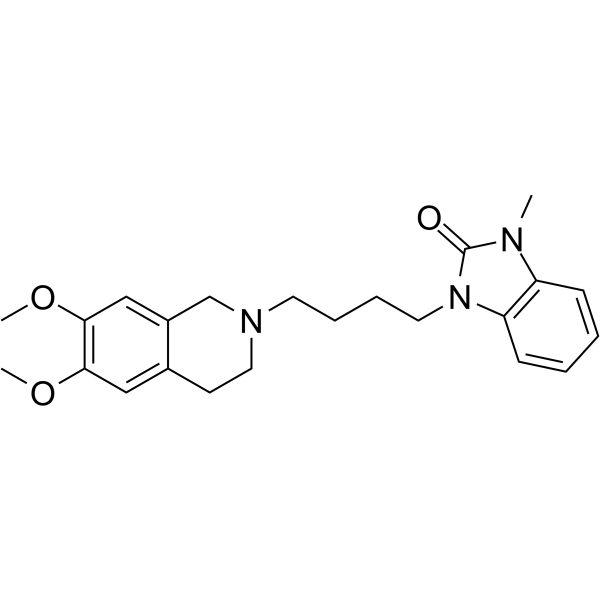
    GSK1034702 is an orally active and allosteric agonist of M1 mAChR (pEC50=8.1) that can cross the blood-brain barrier. GSK1034702 activates the Gq/11 protein-mediated signaling pathway, enhancing neuronal firing and long-term potentiation (LTP) in the CA1 region of the hippocampus. GSK1034702 can modulate hippocampal function, improve memory encoding in the nicotine withdrawal cognitive dysfunction model, and show pro-cognitive effects in rodents. GSK1034702 can be used for the study of the mechanisms of cognitive impairment diseases such as Alzheimer's disease, and has certain peripheral M receptor activation-related side effects (such as gastrointestinal reactions) .
    GSK1034702
  • HY-145628

    Sigma Receptor Neurological Disease Inflammation/Immunology
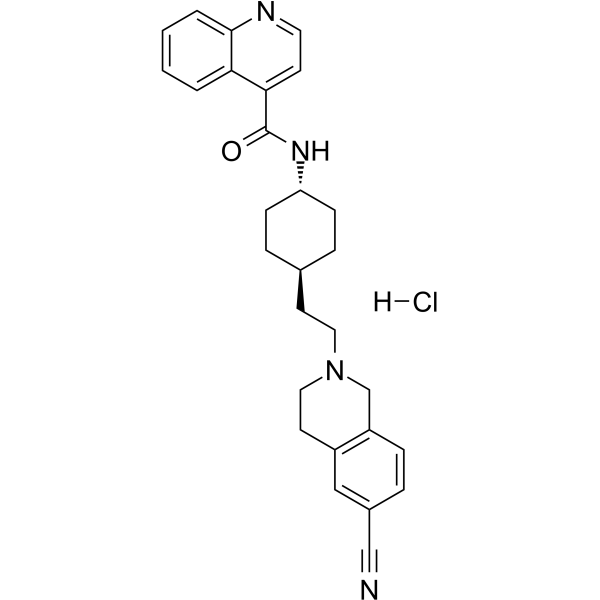
    CM398 is a highly selective, orally active Sigma-2 receptor ligand with a Ki value of 0.43 nM. CM398 ameliorates age-related macular degeneration. CM398 exerts analgesic effects on visceral pain, inflammatory pain and neuropathic pain. CM398 can be used in research related to age-related macular degeneration, neuropathic pain and inflammatory pain .
    CM398
  • HY-109183

    TAK-831

    Xanthine Oxidase Others
    Luvadaxistat (TAK-831) is an orally active, highly selective, potent D-amino acid oxidase (DAAO) inhibitor. Luvadaxistat inhibits oxidative deamination of D-serine via the human recombinant DAAO enzyme with an IC50 of 14 nM. Luvadaxistat significantly increases D-serine levels in the rodent brain, plasma, and cerebrospinal fluid. Luvadaxistat has the potential for schizophrenia research .
    Luvadaxistat
  • HY-12700
    RO5256390
    3 Publications Verification

    Trace Amine-associated Receptor (TAAR) Neurological Disease
    RO5256390 is an orally effective trace amine associated receptor 1 (TAAR1) agonist. RO5256390 exhibits pro-cognitive and antidepressant-like properties in rodent and primate models, showing similar brain activation patterns to Olanzapine (HY-14541). RO5256390 blocks compulsive overeating behavior in rats. RO5256390 can inhibit ATP (HY-B2176)-induced TNF secretion in mouse bone marrow-derived macrophages .
    RO5256390
  • HY-10847B
    SB-277011 hydrochloride
    1 Publications Verification

    SB-277011A hydrochloride

    Dopamine Receptor 5-HT Receptor Neurological Disease
    SB-277011 hydrochloride (SB-277011A hydrochloride) is a potent, selective, orally bioavailable and brain penetrate dopamine D3 receptor (D3R) antagonist with Ki values of 10.7 nM and 11.2 nM at rodent and human D3R, respectively. SB-277011 hydrochloride displays 80- to 100-fold selectivity over other dopamine receptors with pKis of 8.0, 6.0, <5.2, and 5.9 for D3, D2, 5-HT1B, and 5-HT1D receptors, respectively .
    SB-277011 hydrochloride
  • HY-164795

    Neurotensin Receptor Arrestin iGluR ERK Sodium Channel Neurological Disease
    SBI-810 is a blood-brain barrier-permeable NTSR1 modulator. SBI-810 promotes the recruitment of β-arrestin-2 to NTSR1 and antagonizes NTSR1-mediated Gq activation. SBI-810 inhibits excitatory synaptic transmission, NMDA receptor and extracellular signal-regulated kinase (ERK) signaling in spinal nociceptive neurons, reduces surface expression of Nav1.7 and action potential firing in primary sensory neurons, and attenuates C-fiber responses. SBI-810 effectively alleviates acute and chronic pain in various rodent models through peripheral and central modulation. SBI-810 is applicable to research related to multiple pain disorders .
    SBI-810
  • HY-164795A

    Neurotensin Receptor Arrestin iGluR ERK Sodium Channel Neurological Disease
    SBI-810 hydrochloride is a blood-brain barrier-permeable NTSR1 modulator. SBI-810 hydrochloride promotes the recruitment of β-arrestin-2 to NTSR1 and antagonizes NTSR1-mediated Gq activation. SBI-810 hydrochloride inhibits excitatory synaptic transmission, NMDA receptor and extracellular signal-regulated kinase (ERK) signaling in spinal nociceptive neurons, reduces surface expression of Nav1.7 and action potential firing in primary sensory neurons, and attenuates C-fiber responses. SBI-810 hydrochloride effectively alleviates acute and chronic pain in various rodent models through peripheral and central modulation. SBI-810 hydrochloride is applicable to research related to multiple pain disorders .
    SBI-810 hydrochloride
  • HY-10936

    iGluR Neurological Disease
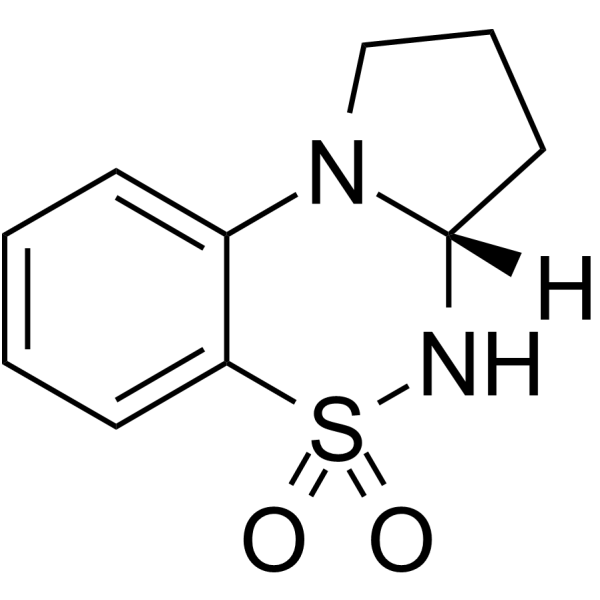
    S 18986 is a selective, orally active, brain penetrant positive allosteric modulator of AMPA-type receptors. S 18986 shows cognitive enhancing properties in rodents. S 18986 activates the release of noradrenaline and acetylcholine in rat hippocampus and enhances rat memory in object-recognition tests .
    S 18986
  • HY-106432A

    SB-202026 hydrochloride; Memric hydrochloride

    mAChR Dopamine Receptor Neurological Disease
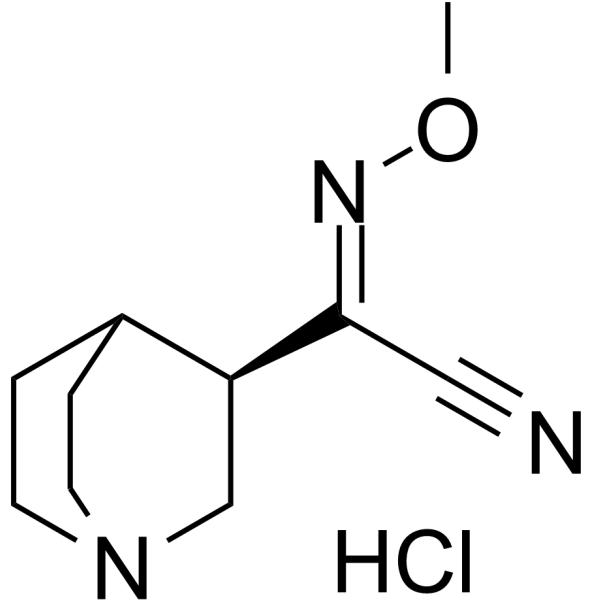
    Sabcomeline (SB-202026; Memric) hydrochloride is a muscarinic receptor agonist capable of crossing the blood-brain barrier. Sabcomeline hydrochloride exhibits affinity for all hM1 to hM5 subtypes (pKi=6.72-7.23), and shows near-full agonism at the hM3 receptor, inducing extracellular acidification. Sabcomeline hydrochloride alters the binding kinetics of dopamine D2 receptors through neural network regulation. Sabcomeline hydrochloride also causes minimal cardiovascular changes, effectively reverses spatial memory deficits in rodents and induces conditioned taste aversion. Sabcomeline hydrochloride is an important tool compound in studies of Alzheimer's disease and related neurodegenerative diseases .
    Sabcomeline hydrochloride
  • HY-110146

    mGluR Neurological Disease
    XAP044 is a potent and selective antagonist of mGlu7. The metabotropic glutamate receptor subtype 7 (mGlu7) is an important presynaptic regulator of neurotransmission in the mammalian CNS. XAP044 demonstrates good brain exposure and wide spectrum anti-stress and antidepressant- and anxiolytic-like efficacy in rodent behavioral paradigms .
    XAP044
  • HY-175668

    Potassium Channel Neurological Disease
    IDOR-1104-0086 is an orally active Kv7 potassium channel opener with an EC50 of 210 nM that can cross blood-brain barrier. IDOR-1104-0086 displays strong selectivity against the hERG channel with an IC20 of 25 μM. IDOR-1104-0086 exhibits efficacy in two rodent models of epilepsy and a favorable tolerability profile. IDOR-1104-0086 can used for the study of epilepsy .
    IDOR-1104-0086
  • HY-10063

    TC-1734; ACD3480

    nAChR Neurological Disease
    Ispronicline (TC-1734), an orally active, brain-selective α4β2 nicotine acetylcholine receptor (nAChR) partial agonist, has shown memory-enhancing properties in rodents and a good tolerability profile. Ispronicline binds to the α4β2 nAChR with high affinity (Ki=11 nM) and is highly selective to other nAChRs such as α7 nAChR and α3β4 nAChR .
    Ispronicline
  • HY-138693

    FAAH Neurological Disease
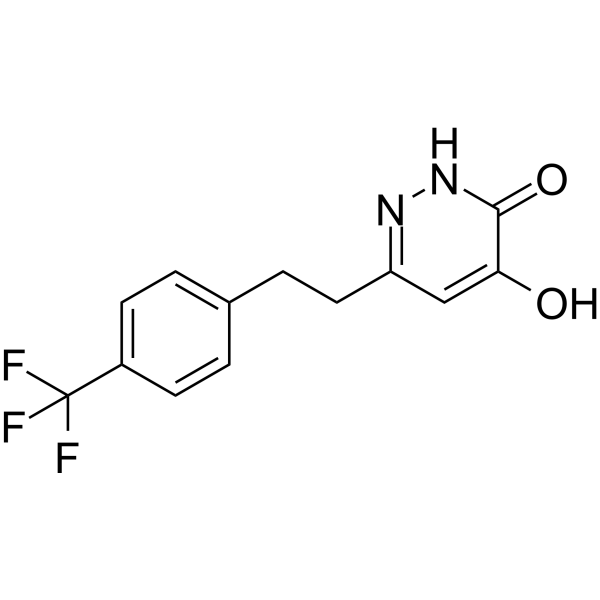
    ST4070 is a potent, orally active, and selective reversible fatty acid amide hydrolase (FAAH) inhibitor. ST4070 increases endocannabinoid (eCB) brain levels and counteracts neuropathic pain in animal models. ST4070 enhances the endogenous eCB tone in specific brain regions engaged in emotional control, and induces remarkable anxiolytic-like behaviours in rodents. ST4070 can be used for neuropathic pain and anxiety disorders research .
    ST4070
  • HY-120496

    ASP3662

    11β-HSD Neurological Disease Metabolic Disease
    Clofutriben (ASP3662) is a selective, orally active and brain-penetrant 11β-hydroxysteroid dehydrogenase type 1 (11β-HSD1) inhibitor with Ki values of 5.3 nM (human), 2.6 nM (mouse), and 23 nM (rat). Clofutriben inhibits conversion of inactive glucocorticoids to active glucocorticoids, reducing intracellular glucocorticoid exposure. Clofutriben ameliorates neuropathic pain, and restores muscle pressure thresholds in rodent models, while lacking effects in inflammatory pain .
    Clofutriben
  • HY-16923

    BIII-890; BIII-890 CL free acid

    Sodium Channel Neurological Disease
    Crobenetine (BIII-890), a benzomorphan derivative, is a potent, selective, and highly use-dependent Na + channel blocker. Crobenetine displaces [3H]BTX from site 2 of the Na + channel (IC50=49 nM) in rat brain synaptosomes, yet exhibits only low binding affinity for other receptors and ion channels. Crobenetine protects brain tissue from the deleterious effects of focal cerebral ischemia in rodents .
    Crobenetine
  • HY-174923

    Biochemical Assay Reagents GSK-3 Neurological Disease
    AZ12943203 (Compound 13e) is a GSK-3 PET radioligand with a Kd of 2.94  nM. AZ12943203 has a significant inhibitory potency toward GSK-3β (IC50 : 4.44 nM), and can specifically bind to GSK-3-rich regions of the rodent brain. AZ12943203 can be used for neurodegenerative diseases imaging, particularly Alzheimer’s disease .
    AZ12943203
  • HY-106010

    Cannabinoid Receptor Neurological Disease
    LBP1 is an orally active and low brain penetrant CB1 receptor agonist. LBP1 exhibits significant anti-allodynic and anti-hyperalgesic effects in rodent models of neuropathic pain .
    LBP1
  • HY-16923A

    BIII-890 hydrochloride; BIII-890 CL

    Sodium Channel Neurological Disease
    Crobenetine hydrochloride (BIII-890 hydrochloride) is the hydrochloride form of Crobenetine (HY-16923). Crobenetine hydrochloride is a selective inhibitor for Na + channel. Crobenetine hydrochloride displaces 3HBTX from site 2 of the Na + channel (IC50=49 nM) in rat brain synaptosomes, exhibits only low binding affinity for other receptors and ion channels. Crobenetine hydrochloride protects brain tissue from the deleterious effects of focal cerebral ischemia in rodents .
    Crobenetine hydrochloride
  • HY-A0168A

    CVT-3146 hydrate

    Adenosine Receptor Cardiovascular Disease
    Regadenoson hydrate (NSC 169186) is a selective A2A adenosine receptor agonist and vasodilator that increases coronary blood flow, can be used in study of myocardial perfusion imaging. Regadenoson hydrate also increases the permeability of the blood-brain barrier (BBB) in rodents, can be used to study increased delivery of agents to the human CNS .
    Regadenoson hydrate
  • HY-A0168R

    CVT-3146 (Standard)

    Reference Standards Adenosine Receptor Cardiovascular Disease
    Regadenoson (Standard) is the analytical standard of Regadenoson. This product is intended for research and analytical applications. Regadenoson (CVT-3146) is a selective A2A adenosine receptor agonist and vasodilator that increases coronary blood flow, can be used in study of myocardial perfusion imaging. Regadenoson also increases the permeability of the blood-brain barrier (BBB) in rodents, can be used to study increased delivery of agents to the human CNS .
    Regadenoson (Standard)
  • HY-155992

    Sigma Receptor Neurological Disease
    WLB-89462 (Compound 20c) is a selective σ2 receptor ligand (Ki: 13 nM). WLB-89462 has neuroprotective activity. WLB-89462 improves short-term memory impairment induced by Aβ peptide in rats. WLB-89462 has good ADMET profile (good solubility, no CYP inhibition, good metabolic stability, high permeability, brain penetration, and high oral exposure in rodents) .
    WLB-89462
  • HY-A0168S

    CVT-3146-d3

    Isotope-Labeled Compounds Adenosine Receptor Cardiovascular Disease Cancer
    Regadenoson-d3 is the deuterium labeled Regadenoson. Regadenoson (CVT-3146) is a potent and selective A2A adenosine receptor agonist, with Kis of 290 and 1120 nM for rat and pig adenosine A2A receptor, respectively. Regadenoson is selective for the adenosine A2A receptor over adenosine A1 and A2B receptors, and shows 13-fold selectivity over the human adenosine A1 receptor. Regadenoson is a vasodilator stress agent has shifted the landscape of vasodilator myocardial perfusion imaging. Regadenoson increases blood-brain barrier (BBB) permeability in rodents .
    Regadenoson-d3
  • HY-107111A

    Cholinesterase (ChE) mAChR Neurological Disease
    GSK1034702 hydrochloride is an orally active and allosteric agonist of M1 mAChR (pEC50=8.1) that can cross the blood-brain barrier. GSK1034702 hydrochloride activates the Gq/11 protein-mediated signaling pathway, enhancing neuronal firing and long-term potentiation (LTP) in the CA1 region of the hippocampus. GSK1034702 hydrochloride can modulate hippocampal function, improve memory encoding in the nicotine withdrawal cognitive dysfunction model, and show pro-cognitive effects in rodents. GSK1034702 hydrochloride can be used for the study of the mechanisms of cognitive impairment diseases such as Alzheimer's disease, and has certain peripheral M receptor activation-related side effects (such as gastrointestinal reactions) .
    GSK1034702 hydrochloride
  • HY-W013150R

    Reference Standards GABA Receptor Neurological Disease
    Alpidem (Standard) is the analytical standard of Alpidem (HY-W013150). This product is intended for research and analytical applications. Alpidem, an anxiolytic agent, is an orally active and brain-penetrant GABAA receptor ligand, binds to α1β2γ2 subunit-containing GABAA receptors (IC50 of 17 nM) over α5β2γ2 subunit-containing GABAA receptors (IC50 of >10 μM). Alpidem modulates calcium-induced mitochondrial permeability transition, induces glutathione depletion and hepatocyte necrosis, potentiates TNF-α toxicity, inhibits marble-burying and locomotor activity, enhances stressed rodent feeding behavior, and exerts anticonvulsant effects. Alpidem can be used for the research of anxiety, anxiety disorders, and convulsions.
    Alpidem (Standard)
  • HY-W013150S

    Isotope-Labeled Compounds GABA Receptor Neurological Disease
    Alpidem-d14 is the deuterium labeled Alpidem (HY-W013150) . Alpidem, an anxiolytic agent, is an orally active and brain-penetrant GABAA receptor ligand, binds to α1β2γ2 subunit-containing GABAA receptors (IC50 of 17 nM) over α5β2γ2 subunit-containing GABAA receptors (IC50 of >10 μM). Alpidem modulates calcium-induced mitochondrial permeability transition, induces glutathione depletion and hepatocyte necrosis, potentiates TNF-α toxicity, inhibits marble-burying and locomotor activity, enhances stressed rodent feeding behavior, and exerts anticonvulsant effects. Alpidem can be used for the research of anxiety, anxiety disorders, and convulsions.
    Alpidem-d14
  • HY-100834A

    5,7-DCKA sodium

    iGluR Neurological Disease
    5,7-Dichlorokynurenic acid (5,7-DCKA) sodium is a selective and competitive antagonist of the glycine site on NMDA receptor with a KB of 65 nM. 5,7-Dichlorokynurenic acid sodium reduces NMDA-induced neuron injury. 5,7-Dichlorokynurenic acid sodium increases social interaction time, increases open arm exploration time, disinhibits suppressed conflict responding in rodent models. 5,7-Dichlorokynurenic acid sodium exhibits anxiolytic-like activity in rodent models and supports exploration of glycine’s role in NMDA receptor-mediated synaptic transmission .
    5,7-Dichlorokynurenic acid sodium
  • HY-122557

    5-HT Receptor Neurological Disease
    AZD3676 is an orally active and blood-brain barrier-permeable ligand for 5-HT1 and 5-HT1 receptors, with nanomolar binding affinity. AZD3676 is applicable to research related to cognitive impairment in Alzheimer's disease .
    AZD3676
  • HY-10847BR

    SB-277011A hydrochloride (Standard)

    Reference Standards Dopamine Receptor 5-HT Receptor Neurological Disease
    SB-277011 hydrochloride (Standard) is the analytical standard of SB-277011 (hydrochloride) (HY-10847B). This product is intended for research and analytical applications. SB-277011 hydrochloride (SB-277011A hydrochloride) is a potent, selective, orally bioavailable and brain penetrate dopamine D3 receptor (D3R) antagonist with Ki values of 10.7 nM and 11.2 nM at rodent and human D3R, respectively. SB-277011 hydrochloride displays 80- to 100-fold selectivity over other dopamine receptors with pKis of 8.0, 6.0, <5.2, and 5.9 for D3, D2, 5-HT1B, and 5-HT1D receptors, respectively .
    SB-277011 hydrochloride (Standard)
  • HY-107111R

    Reference Standards mAChR Neurological Disease
    GSK1034702 (Standard) is the analytical standard of GSK1034702 (HY-107111). This product is intended for research and analytical applications. GSK1034702 is an orally active and allosteric agonist of M1 mAChR (pEC50=8.1) that can cross the blood-brain barrier. GSK1034702 activates the Gq/11 protein-mediated signaling pathway, enhancing neuronal firing and long-term potentiation (LTP) in the CA1 region of the hippocampus. GSK1034702 can modulate hippocampal function, improve memory encoding in the nicotine withdrawal cognitive dysfunction model, and show pro-cognitive effects in rodents. GSK1034702 can be used for the study of the mechanisms of cognitive impairment diseases such as Alzheimer's disease, and has certain peripheral M receptor activation-related side effects (such as gastrointestinal reactions) .
    GSK1034702 (Standard)

Inquiry Online

Your information is safe with us. * Required Fields.

Salutation


Country or Region *

Applicant Name *


Organization Name *

Department *


Email Address *


Product Name *

Cat. No.


Requested quantity *

Phone Number *


Remarks

Inquiry Online

Inquiry Information

Product Name:
Cat. No.:
Quantity:
MCE Japan Authorized Agent:

