
1. Search Result
Search Result
Results for "

selective translation

" in MedChemExpress (MCE) Product Catalog:

42

Inhibitors & Agonists

2

Screening Libraries

2

Peptides

5

Natural
Products

1

Click Chemistry

2

Oligonucleotides

Cat. No. Product Name Target Research Areas Chemical Structure
  • HY-19356
    Rocaglamide
    25+ Cited Publications

    Roc-A

    NF-κB HSP Eukaryotic Initiation Factor (eIF) Inflammation/Immunology Cancer
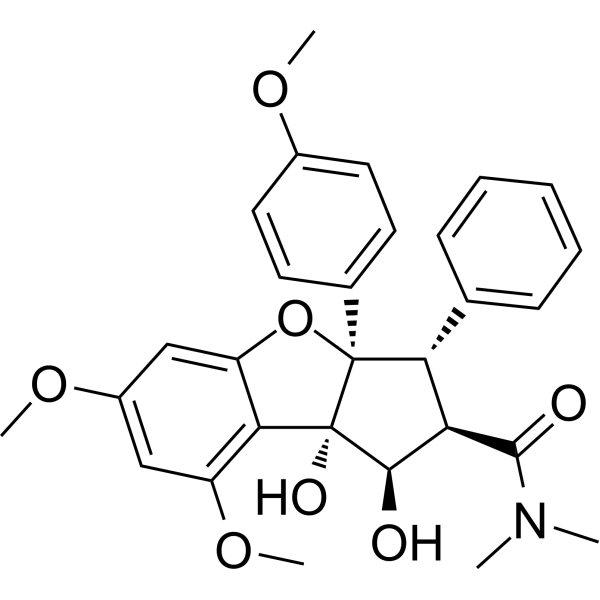
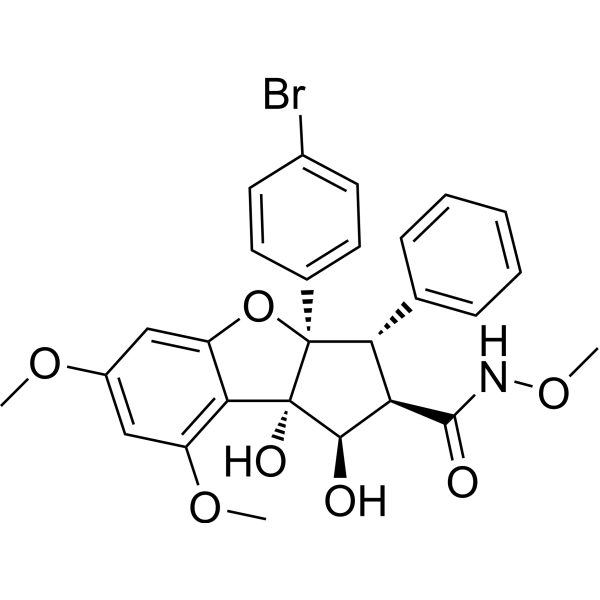
    Rocaglamide (Roc-A) is isolated from the genus Aglaia and can be used for coughs, injuries, asthma and inflammatory skin diseases. Rocaglamide is a potent inhibitor of NF-κB activation in T-cells. Rocaglamide is a potent and selective heat shock factor 1 (HSF1) activation inhibitor with an IC50 of ~50 nM. Rocaglamide inhibits the function of the translation initiation factor eIF4A. Rocaglamide also has anticancer properties in leukemia .
    Rocaglamide
  • HY-153356

    Molecular Glues Apoptosis Inflammation/Immunology Cancer
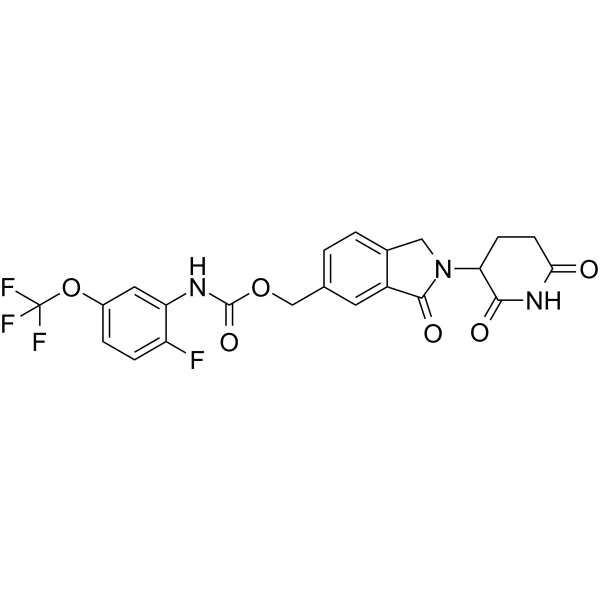
    MRT-2359 is an orally active and selective GSPT1 molecular glue degrader, with a DC50 of 5 nM. MRT-2359 induces CRBN/GSPT1 ternary complex formation to drive CRBN- and degron-dependent proteasomal GSPT1 degradation, with selectivity for wild-type GSPT1 over the GSPT1G575N mutant. MRT-2359 disrupts protein translation, induces ribosome stalling, downregulates MYC family proteins and their transcriptional output, reduces proliferation, and induces apoptosis in cancer cells. MRT-2359 can be used for the research of non-small cell lung cancer (NSCLC), small cell lung cancer (SCLC), neuroendocrine lung cancer, high grade neuroendocrine cancers, diffuse large B-cell lymphoma, prostate cancer, and MYC-driven solid tumors .
    MRT-2359
  • HY-120088A
    PF-06446846 hydrochloride
    5+ Cited Publications

    PCSK9 Cardiovascular Disease
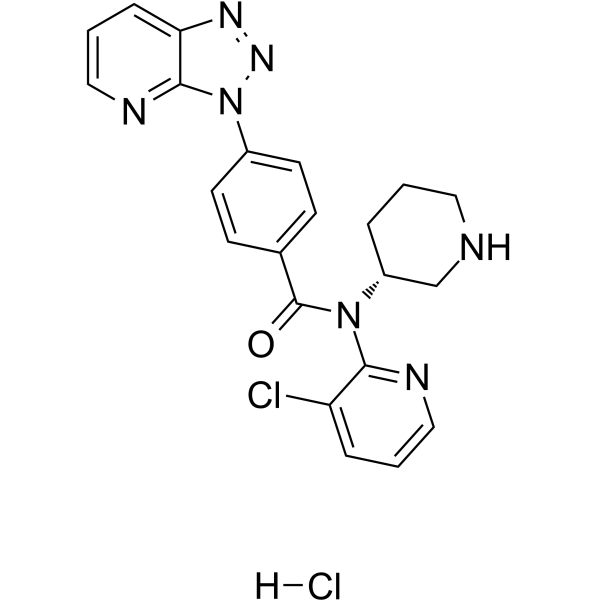
    PF-06446846 hydrochloride is an orally active and highly selective inhibitor of translation of Proprotein convertase subtilisin/kexin type 9 (PCSK9). PF-06446846 hydrochloride inhibits PCSK9 by inducing the ribosome to stall around codon 34 .
    PF-06446846 hydrochloride
  • HY-124593
    PTC299
    5 Publications Verification

    Emvododstat

    VEGFR Dihydroorotate Dehydrogenase DNA/RNA Synthesis Cancer
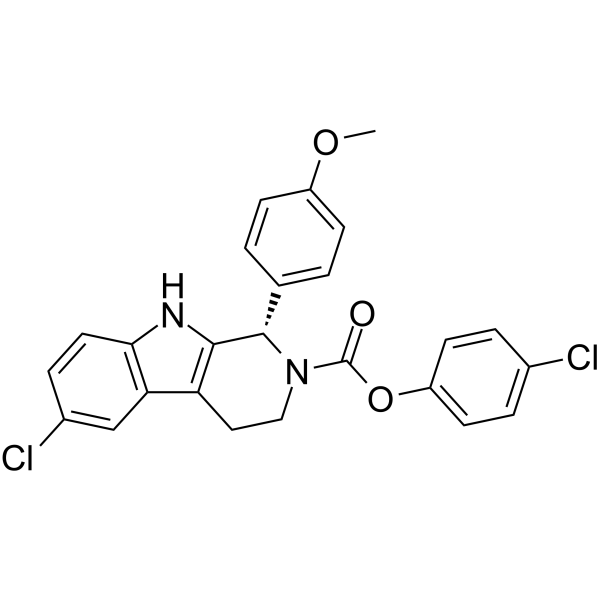
    PTC299 is an orally active inhibitor of VEGFA mRNA translation that selectively inhibits VEGF protein synthesis at the post-transcriptional level. PTC299 is also a potent inhibitor of dihydroorotate dehydrogenase (DHODH). PTC299 shows good oral bioavailability and lack of off-target kinase inhibition and myelosuppression. PTC299 can be useful for the research of hematologic malignancies .
    PTC299
  • HY-16009

    (+)-Phenserine; ANVS401

    α-synuclein Neurological Disease Inflammation/Immunology
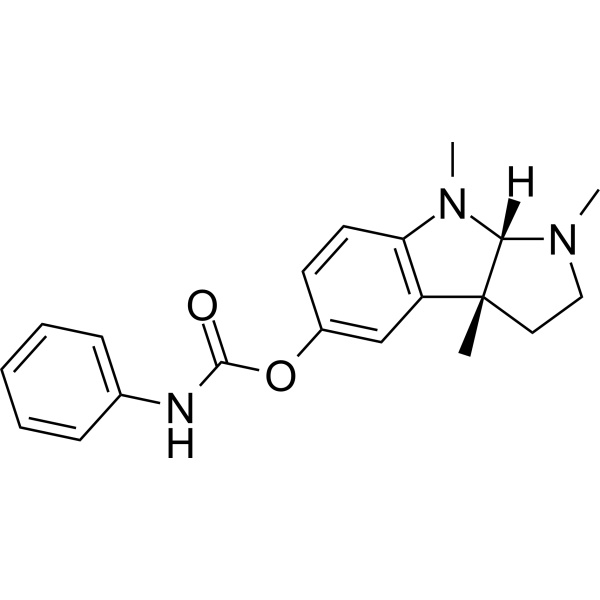
    Buntanetap ((+)-Phenserine) is a selective acetylcholinesterase inhibitor. Buntanetap is a multiple neurotoxic protein translation inhibitor with oral activity, including amyloid precursor protein (APP), α-synuclein (αSYN) and huntingtin protein (HTT). Buntanetap reduces the production of β-amyloid precursor protein by blocking its mRNA translation. Buntanetap has anti-inflammatory effects and can be used in the study of Alzheimer's disease and Parkinson's disease .
    Buntanetap
  • HY-P1291
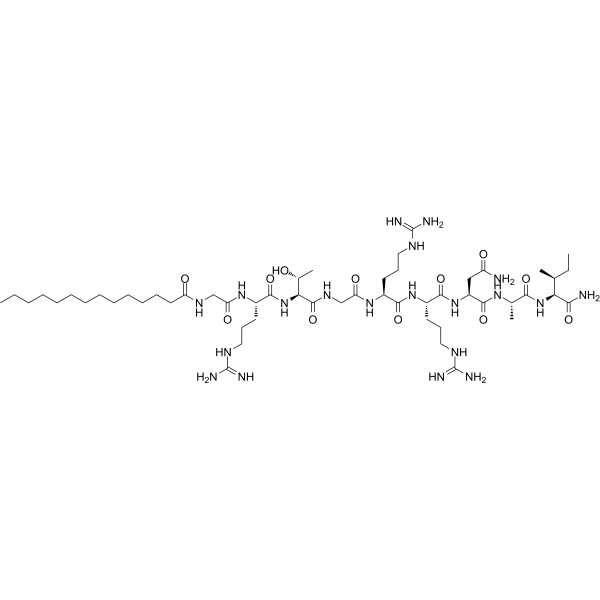
    PKI 14-22 amide,myristoylated
    3 Publications Verification

    PKA Epigenetic Reader Domain Flavivirus Infection Neurological Disease
    PKI 14-22 amide, myristoylated is a selective, cAMP-dependent, competitive PKA inhibitor with Ki=~36 nM. The myristoylation modification of PKI 14-22 amide, myristoylated makes it more permeable to cell membranes and blood-brain barriers than the precursor molecule. PKI 14-22 amide, myristoylated can block the phosphorylation of cAMP-dependent downstream targets (such as CREB). PKI 14-22 amide, myristoylated can prevent the development of morphine analgesic tolerance in mice, and also inhibits protein translation and negative-strand RNA synthesis of Zika virus. PKI 14-22 amide, myristoylated can be used in research fields such as opioid tolerance mechanisms and antiviral drugs .
    PKI 14-22 amide,myristoylated
  • HY-80003

    Flavivirus Dengue Virus Btk Infection Cancer
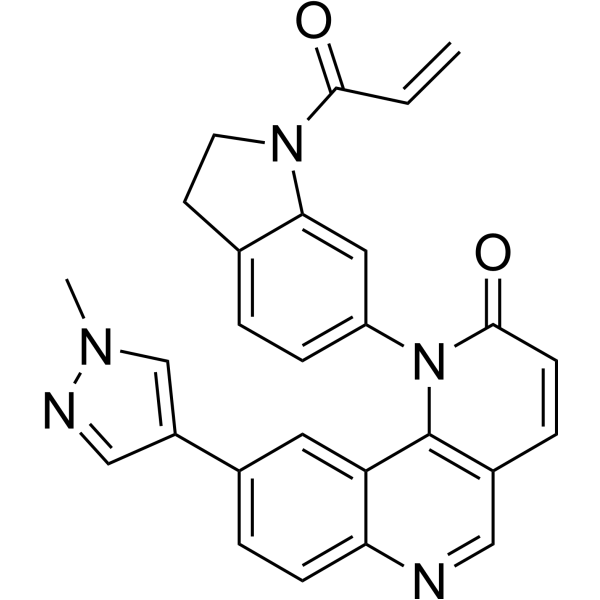
    QL47, a broad-spectrum antiviral agent, inhibits dengue virus and other RNA viruses. QL47 selectively inhibits eukaryotic translation. QL47 is a potent covalent inhibitor of BTK with an IC50 of 7 nM .
    QL47
  • HY-18979
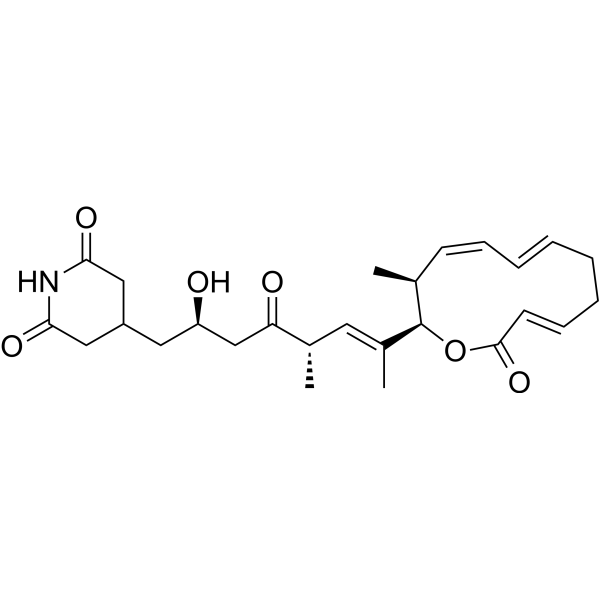
    Lactimidomycin
    1 Publications Verification

    Flavivirus Dengue Virus Infection Cancer
    Lactimidomycin is a glutarimide-containing compound isolated from Streptomyces. Lactimidomycin is a potent inhibitor of eukaryotic translation elongation. Lactimidomycin has a potent antiproliferative effect on tumor cell lines and selectively inhibit protein translation. Lactimidomycin inhibits protein synthesis with an IC50 value of 37.82 nM. Lactimidomycin is also a potent and non-toxic inhibitor of dengue virus 2 and other RNA viruses. Anticancer and antiviral activities .
    Lactimidomycin
  • HY-135902A
    Synucleozid hydrochloride
    2 Publications Verification

    NSC 377363 hydrochloride

    DNA/RNA Synthesis Neurological Disease
    Synucleozid hydrochloride (NSC 377363 hydrochloride) is a potent inhibitor of the?SNCA?mRNA?that encodes α-synuclein protein. Synucleozid selectively?targets the?α-synuclein?mRNA 5′ UTR at the designed IRE site, decreases the amount of?SNCA?mRNA loaded into polysomes and thereby inhibits?SNCA?translation. Synucleozid has the potential for the investigation of Parkinson’s disease .
    Synucleozid hydrochloride
  • HY-100131
    GSK481
    1 Publications Verification

    RIP kinase Inflammation/Immunology
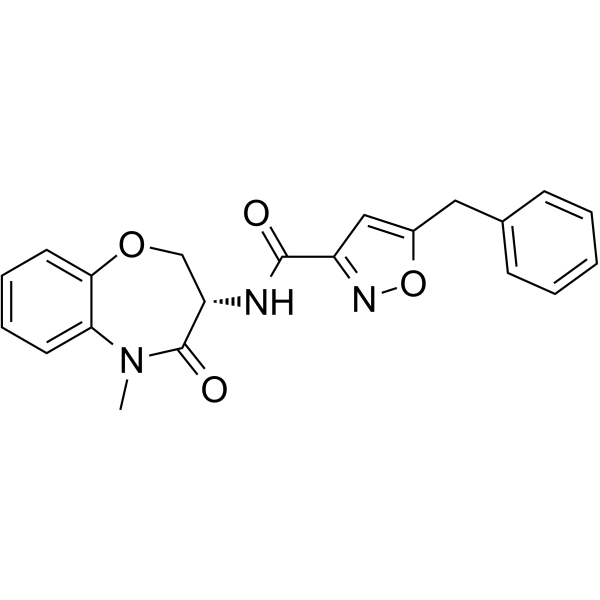
    GSK481 is a highly potent, selective, and specific receptor interacting protein 1 (RIP1) kinase inhibitor with an IC50 of 1.3 nM, which inhibits Ser 166 phosphorylation in wild-type human RIP1 (IC50=2.8 nM). GSK481 also exhibits excellent translation in the U937 cellular assay with an IC50 of 10 nM .
    GSK481
  • HY-119271

    SDS-1-021

    c-Myc Apoptosis Cancer
    CMLD010509 (SDS-1-021) is a highly specific inhibitor of the oncogenic translation program supporting multiple myeloma (MM)-including key oncoproteins such as MYC, MDM2, CCND1, MAF, and MCL-1. CMLD010509 (SDS-1-021) shows an IC50 below 10 nM for most MM cell lines and induces apoptosis. CMLD010509 (SDS-1-021) is a potent and selective translation inhibitor through an eIF4E phosphorylation-independent mechanism .
    CMLD010509
  • HY-P1291A
    PKI 14-22 amide,myristoylated TFA
    3 Publications Verification

    PKA Epigenetic Reader Domain Flavivirus Infection Neurological Disease
    PKI 14-22 amide, myristoylated TFA is a selective, cAMP-dependent, competitive PKA inhibitor with Ki=~36 nM. The myristoylation modification of PKI 14-22 amide, myristoylated TFA makes it more permeable to cell membranes and blood-brain barriers than the precursor molecule. PKI 14-22 amide, myristoylated TFA can block the phosphorylation of cAMP-dependent downstream targets (such as CREB). PKI 14-22 amide, myristoylated TFA can prevent the development of analgesic tolerance in mice, and also inhibits protein translation and negative-strand RNA synthesis of Zika virus. PKI 14-22 amide, myristoylated TFA can be used in research fields such as opioid tolerance mechanisms and antiviral drugs .
    PKI 14-22 amide,myristoylated TFA
  • HY-123035

    HSP Akt EGFR Endocrinology
    Gamendazole, an indazole carboxylic acid (ICA), is an orally active, selective HSP90AB1 (HSP90BETA) and EEF1A1 (eEF1A) inhibitor. Gamendazole binds to the C-terminal nucleotide binding pocket of HSP90 and cause downregulation of clients AKT1 and ERBB2, but stabilizes the HSP90 heterocomplex. Gamendazole specifically inhibits the actin bundling function of EEF1A1, but does not bind to the nucleotide docking pocket nor inhibits the ribosome charging or protein translation functions of EEF1A1. Gamendazole, an antispermatogenic compound with antifertility effects, has the potential for reversible non-hormonal male contraceptive agent research .
    Gamendazole
  • HY-147426

    ADS-007; ARO HIF2

    Small Interfering RNA (siRNA) HIF/HIF Prolyl-Hydroxylase Cancer
    Zifcasiran (ADS-007; ARO HIF2) is an siRNA synthetic double-stranded RNAi trigger. Zifcasiran sodium selectively target hypoxia-inducible factor-2α (HIF2α) interrupting downstream pro-oncogenic signaling in clear cell renal cell carcinoma (ccRCC). Zifcasiran sodium engages the cell's RNAi machinery to target HIF2α (EPAS1) mRNA for degradation, thereby reducing the amount of free HIF2α mRNA available for translation .
    Zifcasiran
  • HY-141878

    RIBOTAC DNA/RNA Synthesis Neurological Disease
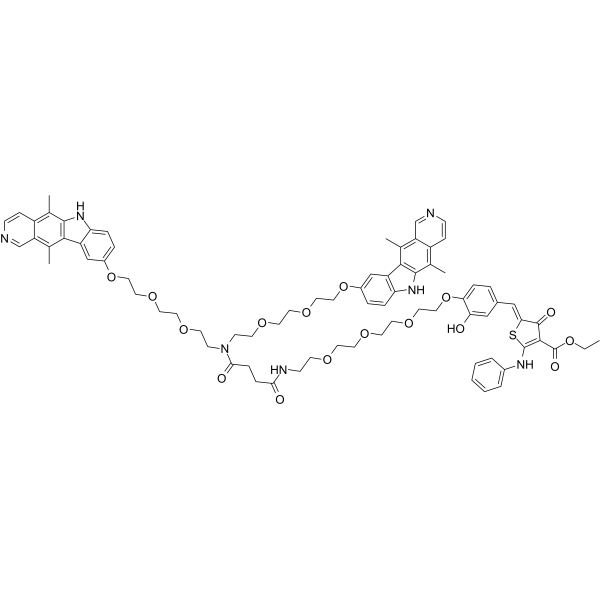
    di-Ellipticine-RIBOTAC is a RNase recruiting chimera (RIBOTAC) degrader, capable of specifically binding and degrading expanded G4C2 RNA repeat (r(G4C2) exp). di-Ellipticine-RIBOTAC selectively binds the three-dimensional (3D) structure formed by r(G4C2) exp and that recruits an endogenous ribonuclease (RNase) to cleave r(G4C2) exp. di-Ellipticine-RIBOTAC selectively degrades the mutant chromosome 9 open reading frame 72 (C9orf72) allele and reduces quantities of toxic dipeptide repeat proteins (DPRs) translated from r(G4C2) exp. di-Ellipticine-RIBOTAC significantly improves the pathological phenotype of amyotrophic lateral sclerosis/ frontotemporal dementia (c9ALS/FTD) in cells and mouse models. di-Ellipticine-RIBOTAC can be used for the study of amyotrophic lateral sclerosis (ALS) and frontotemporal dementia (FTD) .
    di-Ellipticine-RIBOTAC
  • HY-120088
    PF-06446846
    5+ Cited Publications

    PCSK9 Cardiovascular Disease
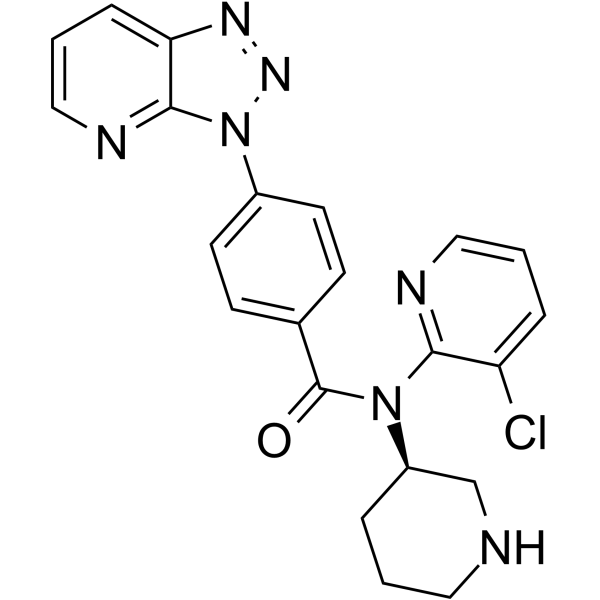
    PF-06446846 is an orally active proprotein convertase subtilisin/kexin type 9 (PCSK9) inhibitor. PF-06446846 directly and selectively inhibits translation of PCSK9 by stalling the 80S ribosome in the proximity of codon region .
    PF-06446846
  • HY-N11857

    Antibiotic Bacterial Infection
    Gentamicin C2 is an aminoglycoside antibiotic with broad-spectrum bactericidal activity, selectively binding to the bacterial 16S rRNA A-site. Gentamicin C2 interferes with protein synthesis initiation and translation fidelity to exert bactericidal effects. Gentamicin C2 can be used for the research of bacterial infections .
    Gentamicin C2
  • HY-401209

    α-synuclein DNA/RNA Synthesis Neurological Disease
    Synucleozid-2.0 is a blood-brain barrier-permeable inhibitor that binds to the IRE of SNCA mRNA, with a EC50 of 2.9 µM and a Kd value of 1.8 µM. Synucleozid-2.0 selectively binds to and stabilizes the A bulge and adjacent closed base pairs in the 5' UTR IRE of SNCA mRNA, blocks the translation process and reduces intracellular levels of α-synuclein. Synucleozid-2.0 exerts cytoprotective effects against cytotoxicity induced by α-synuclein preformed fibrils. Synucleozid-2.0 is applicable to the research of Parkinson's disease .
    Synucleozid-2.0
  • HY-N0278

    Pulsatilla camphor; Anemonine; trans-Anemonin

    PKC NO Synthase Inflammation/Immunology
    Anemonin (Pulsatilla camphor), a selective iNOS inhibitor, is also a PKC-θ inhibitor. Anemonin can significantly inhibit the translation or protein stability of PKC-θ protein. Anemonin also ameliorates dextran sodium sulfate-induced acute ulcerative colitis (UC) in mice. Anemonin can be used in the research of inflammation-related diseases .
    Anemonin
  • HY-135902

    NSC 377363

    DNA/RNA Synthesis Neurological Disease
    Synucleozid (NSC 377363) is a potent inhibitor of the SNCA mRNA that encodes α-synuclein protein. Synucleozid selectively targets the α-synuclein mRNA 5′ UTR at the designed IRE site, decreases the amount of SNCA mRNA loaded into polysomes and thereby inhibits SNCA translation. Synucleozid has the potential for the investigation of Parkinson’s disease .
    Synucleozid
  • HY-132975

    Bacterial Others
    PrDiAzK is a bifunctional amino acid. PrDiAzK can be site-selectively incorporated into proteins in both bacterial and mammalian cell culture. PrDiAzK can be used for proteome-wide incorporation via stochastic orthogonal recoding of translation (SORT) . PrDiAzK is a click chemistry reagent, it contains an Alkyne group and can undergo copper-catalyzed azide-alkyne cycloaddition (CuAAc) with molecules containing Azide groups.
    PrDiAzK
  • HY-162238

    Parasite Infection
    OSM-S-106 is a pro-inhibitor and that inhibition of PfAsnRS occurs via enzyme-mediated production of an Asn-OSM-S-106 adduct. OSM-S-106 inhibits protein translation and activates the amino acid starvation response. OSM-S-106 exhibits selective activity against Plasmodium blood and liver stages and low intrinsic clearance by human microsomes .
    OSM-S-106
  • HY-N0278A

    (Rac)-Pulsatilla camphor; (Rac)-Anemonine

    PKC NO Synthase Inflammation/Immunology
    (Rac)-Anemonin ((Rac)-Pulsatilla camphor) is the diastereoisomer of Anemonin (HY-N0278). Anemonin (Pulsatilla camphor), a selective iNOS inhibitor, is also a PKC-θ inhibitor. Anemonin can significantly inhibit the translation or protein stability of PKC-θ protein. Anemonin also ameliorates dextran sodium sulfate-induced acute ulcerative colitis (UC) in mice. Anemonin can be used in the research of inflammation-related diseases .
    (Rac)-Anemonin
  • HY-170524

    SARS-CoV DNA Methyltransferase Cytochrome P450 Infection
    TDI-015051 is a highly selective, orally active antiviral agent that targets the coronavirus NSP14 guanine-N7 methyltransferase. TDI-015051 binds to substrates in a non-competitive manner and forms a stable ternary complex, precisely blocking the capping and methylation processes of viral mRNA. TDI-015051 potently inhibits a variety of coronaviruses (including SARS-CoV-2 and MERS). By impairing viral replication and translation and inducing a moderate type I interferon-mediated immune response, it significantly reduces pulmonary viral load and exhibits a synergistic effect with Nirmatrelvir (HY-138687). In addition, TDI-015051 does not inhibit non-coronavirus methyltransferases, and the drug-resistant mutations it induces impair viral fitness, demonstrating excellent antiviral properties and safety. TDI-015051 can be used for research on COVID-19 and the replication mechanism of coronaviruses .The IC50 values of TDI-015051 against SARS-CoV-2, α-hCoV-NL63, α-hCoV-229E, β-hCoV-MERS are 0.15 nM, 1.7 nM, 2.6 nM and 3.6 nM, respectively, and the Ka value against SARS-CoV-2 is 0.061 nM .
    TDI-015051
  • HY-120159

    SHP2 SHP1 Phosphatase Cancer
    GS-493 is a selective protein tyrosine phosphatase SHP2 (PTPN11) inhibitor with an IC50 of 71 nM. GS-493 is 29- and 45-fold more active toward SHP2 than related SHP1 and PTP1B. GS-493 blocks cellular motility and growth of cancer cells. Antitumor activity .
    GS-493
  • HY-16009B

    (+)-Phenserine L-Tartrate; ANVS401 L-Tartrate

    Amyloid-β Neurological Disease
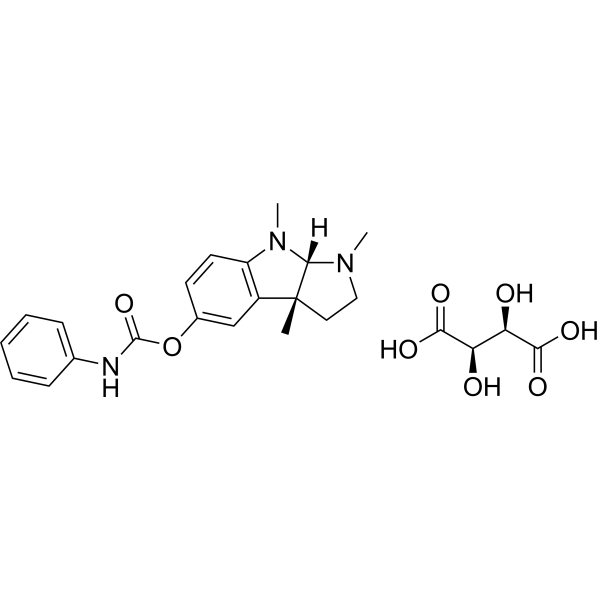
    Buntanetap L-Tartrate (Phenserine L-Tartrate) is a selective AChE inhibitor (IC50 = 22.2 nM). Buntanetap is a multiple neurotoxic protein translation inhibitor with oral activity, including amyloid precursor protein (APP), α-synuclein (αSYN) and huntingtin protein (HTT). Buntanetap reduces the production of β-amyloid precursor protein by blocking its mRNA translation. Buntanetap has anti-inflammatory effects and can be used in the study of Alzheimer's disease and Parkinson's disease .
    Buntanetap L-Tartrate
  • HY-147426A

    ADS-007 sodium; ARO HIF2 sodium

    Small Interfering RNA (siRNA) HIF/HIF Prolyl-Hydroxylase Cancer
    Zifcasiran (ADS-007) sodium is an siRNA synthetic double-stranded RNAi trigger. Zifcasiran sodium selectively target hypoxia-inducible factor-2α (HIF2α) interrupting downstream pro-oncogenic signaling in clear cell renal cell carcinoma (ccRCC). Zifcasiran sodium engages the cell's RNAi machinery to target HIF2α (EPAS1) mRNA for degradation, thereby reducing the amount of free HIF2α mRNA available for translation .
    Zifcasiran sodium
  • HY-148664

    Eukaryotic Initiation Factor (eIF) Cancer
    eIF4E-IN-4 (Compound 33) is a selective inhibitor of eukaryotic initiation factor 4E (eIF4E) with biochemical activity value of 95 nM. eIF4E-IN-4 inhibits cap-dependent mRNA translation with an IC50 value of 2.5 μM. eIF4E-IN-4 can be used for breast cancer, colon cancer, and head and neck cancer study .
    eIF4E-IN-4
  • HY-179110

    Eukaryotic Initiation Factor (eIF) Infection Cancer
    ISR activator 1 (compound B) is an eIF2B allosteric inhibitor. ISR activator 1 stabilizes the inactive state of eIF2B, inhibits translation initiation and global protein synthesis, and selectively activates the ISR pathway. ISR activator 1 can be used for research on cancer and viral infections .
    ISR activator 1
  • HY-19356B

    Drug Derivative NF-κB HSP Eukaryotic Initiation Factor (eIF) Inflammation/Immunology Cancer
    (+)-Rocaglamide is the dextrorotatory enantiomer of Rocaglamide (HY-19356). Rocaglamide (Roc-A) is isolated from the genus Aglaia and can be used for coughs, injuries, asthma and inflammatory skin diseases. Rocaglamide is a potent inhibitor of NF-κB activation in T-cells. Rocaglamide is a potent and selective heat shock factor 1 (HSF1) activation inhibitor with an IC50 of 50 nM. Rocaglamide inhibits the function of the translation initiation factor eIF4A. Rocaglamide also has anticancer properties in leukemia .
    (+)-Rocaglamide
  • HY-149362

    SARS-CoV Infection
    MTase-IN-1 (compound 26) is a potent and selective inhibitor of coronavirus nsp14 N7-methyltransferases, with an IC50 of 0.72 nM. MTase-IN-1 impairs viral RNA translation and immune evasion .
    MTase-IN-1
  • HY-125629

    Others Others
    Primordazine B is a small molecule compound identified by chemical screening in zebrafish embryos with the activity of selectively destroying Primordial Germ Cells (PGCs). Primordazine B inhibits a process called Poly(A)-tail Independent Non-canonical Translation (PAINT) without inhibition of polyadenylate tail dependent typical translation (PAT). Primordazine B can be used to study translational control of cells in specific physiological or pathological states, such as gene expression regulation during cell dormancy, viral infection, or stress conditions .
    Primordazine B
  • HY-119271A

    (-)-SDS-1-021

    c-Myc Apoptosis Cancer
    (-)-CMLD010509 ((-)-SDS-1-021) is an isomer of CMLD010509 (SDS-1-021) (HY-119271). CMLD010509 (SDS-1-021) is a highly specific inhibitor of the oncogenic translation program supporting multiple myeloma (MM)-including key oncoproteins such as MYC, MDM2, CCND1, MAF, and MCL-1. CMLD010509 (SDS-1-021) shows an IC50 below 10 nM for most MM cell lines and induces apoptosis. CMLD010509 (SDS-1-021) is a potent and selective translation inhibitor through an eIF4E phosphorylation-independent mechanism .
    (-)-CMLD010509
  • HY-169810

    Antibiotic Bacterial Infection
    PKZ18 is an antibiotic and inhibits bacterial growth, with MIC values of 32-64 μg/mL against most Gram-positive bacteria. PKZ18 inhibits in vivo transcription and translation of glycyl-tRNA synthetase mRNA. PKZ18 selectively targets stem I specifier loops in Gram-positive bacteria and directly reduces T-box transcriptional read-through of the associated genes. PKZ18 prevents the codon-anticodon reading required for tRNA binding and is refractory to resistance .
    PKZ18
  • HY-176066A

    c-Myc Apoptosis Cancer
    c-Myc inhibitor 16 iodide (Compound W11) is a selective c-Myc G-quadruplex (c-Myc G4) inhibitor. c-Myc inhibitor 16 iodide inhibits the transcription and translation of the c-Myc gene, disrupts the tumor cell cycle, arrests cell growth in the G0/G1 phase and activates the mitochondrial apoptosis pathway to induce early apoptosis of cancer cells. c-Myc inhibitor 16 iodide is promising for research of breast cancer .
    c-Myc inhibitor 16 iodide
  • HY-141878A

    RIBOTAC DNA/RNA Synthesis Neurological Disease
    di-Ellipticine-RIBOTAC TFA is a RNase recruiting chimera (RIBOTAC) degrader, capable of specifically binding and degrading expanded G4C2 RNA repeat (r(G4C2) exp). di-Ellipticine-RIBOTAC TFA selectively binds the three-dimensional (3D) structure formed by r(G4C2) exp and that recruits an endogenous ribonuclease (RNase) to cleave r(G4C2) exp. di-Ellipticine-RIBOTAC TFA selectively degrades the mutant chromosome 9 open reading frame 72 (C9orf72) allele and reduces quantities of toxic dipeptide repeat proteins (DPRs) translated from r(G4C2) exp. di-Ellipticine-RIBOTAC TFA significantly improves the pathological phenotype of amyotrophic lateral sclerosis/ frontotemporal dementia (c9ALS/FTD) in cells and mouse models. di-Ellipticine-RIBOTAC TFA can be used for the study of amyotrophic lateral sclerosis (ALS) and frontotemporal dementia (FTD) .
    di-Ellipticine-RIBOTAC TFA
  • HY-173172

    Eukaryotic Initiation Factor (eIF) Apoptosis c-Myc CDK Cancer
    MG-002 is an orally active eIF4A inhibitor. MG-002 non-productively traps the eukaryotic translation initiation factor 4A (eIF4A) onto RNA, hindering the recruitment and scanning of ribosomes, thereby inhibiting mRNA translation. MG-002 selectively inhibits the growth and metastasis formation of triple-negative breast cancer (TNBC) tumors and induces cell apoptosis. MG-002 significantly inhibits the protein expression of c-MYC and cyclin D1. MG-002 can be used for research on TNBC .
    MG-002
  • HY-182042

    Dengue Virus Infection
    DENV-IN-15 is a sulfonyl anthranilic acid derivative and a pan-serotype anti-dengue virus (DENV) inhibitor with broad-spectrum anti-RNA virus activity. The EC50 value of DENV-IN-15 against DENV-2 in Huh-7 cells is 0.7 μM. DENV-IN-15 selectively regulates the translation of mRNAs encoding translation-related proteins and containing a 5'-oligopyrimidine tract. DENV-IN-15 reduces the expression of specific ribosomal proteins, thereby inhibiting viral replication. DENV-IN-15 exhibits enhanced membrane permeability, human plasma stability and human liver microsomal metabolic stability. DENV-IN-15 is applicable to research related to dengue virus infection .
    DENV-IN-15
  • HY-180490

    HIF/HIF Prolyl-Hydroxylase Epigenetic Reader Domain Cancer
    eIF3e-IN-1 (Compound 209) is an elF3e inhibitor with an EC50 of 18.3 μM. eIF3e-IN-1 significantly reduces the accumulation of HIF1α protein induced by hypoxia and inhibits the acute translation hypoxia response. eIF3e-IN-1 significantly inhibits the expression of ATF4 protein. eIF3e-IN-1 can be used in cancer research, such as in breast cancer studies .
    eIF3e-IN-1
  • HY-100131R

    RIP kinase Reference Standards Inflammation/Immunology
    GSK481 (Standard) is the analytical standard of GSK481 (HY-100131). This product is intended for research and analytical applications. GSK481 is a highly potent, selective, and specific receptor interacting protein 1 (RIP1) kinase inhibitor with an IC50 of 1.3 nM, which inhibits Ser166 phosphorylation in wild-type human RIP1 (IC50=2.8 nM). GSK481 also exhibits excellent translation in the U937 cellular assay with an IC50 of 10 nM .
    GSK481 (Standard)
  • HY-183328

    MNK Bcl-2 Family Cancer
    MNK1/2-IN-11 is a potent, selective and orally active MNK1/2 inhibitor with MNK1 IC50 of 1.2 nM, MNK2 IC50 of 1.3 nM. MNK1/2-IN-11 reduces eukaryotic translation initiation factor 4E phosphorylation, decreases Mcl-1 and Cyclin D1 expression. MNK1/2-IN-11 inhibits tumor growth in mouse CT26 colorectal tumor models. MNK1/2-IN-11 can be used for the research of colorectal cancer .
    MNK1/2-IN-11
  • HY-179556

    SARS-CoV Infection
    SARS-CoV-2 nsp14-IN-10 is a highly potent and selective NSP14 (IC50 = 0.34 µM) S-adenosylmethionine (SAM) binding pocket inhibitor. SARS-CoV-2 nsp14-IN-10 demonstrates robust antiviral activity against SARS-CoV-2. SARS-CoV-2 nsp14-IN-10 exhibits broad-spectrum activity against other betacoronaviruses and inhibits SARS-CoV-2 at the replication stage. SARS-CoV-2 nsp14-IN-10 suppresses viral translation and exhibits immunostimulatory effects. SARS-CoV-2 nsp14-IN-10 specifically reverses NSP14-mediated alterations inhost transcriptome. SARS-CoV-2 nsp14-IN-10 can be used for the study of SARS-CoV-2 .
    SARS-CoV-2 nsp14-IN-10

Inquiry Online

Your information is safe with us. * Required Fields.

Salutation


Country or Region *

Applicant Name *


Organization Name *

Department *


Email Address *


Product Name *

Cat. No.


Requested quantity *

Phone Number *


Remarks

Inquiry Online

Inquiry Information

Product Name:
Cat. No.:
Quantity:
MCE Japan Authorized Agent:

